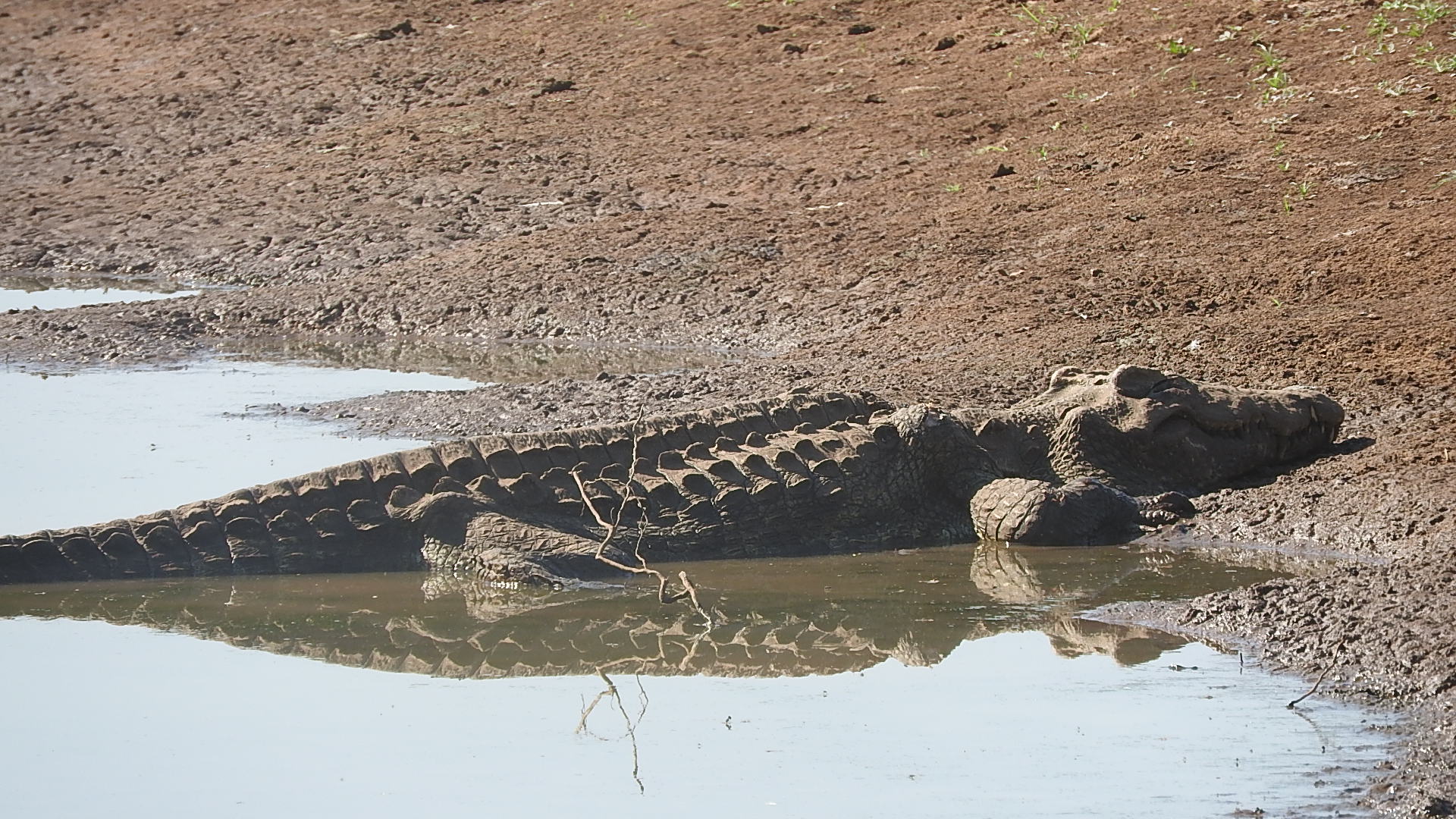
African Nile Crocodile

Nile crocodile

The Nile crocodile is spread widely throughout sub-saharan africa (except for parts
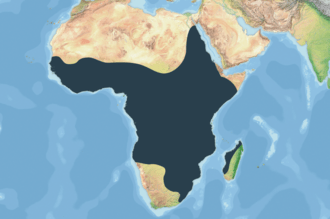
 of South Africa, thought to be natural and not due to hunting). A suggested subspecies is found in western Madagascar, there are 7 such subspecies, though none have been officially recognized.

While it was originally thought to be the same species as the western African crocodile (confusing given its range), it has actually been found to be closer related to various crocodiles from the Americas, particularly the American crocodile. As such, parts of the map above may actually host west African crocodiles exclusively.

The Nile crocodile is considered the second largest on earth, only beaten by the saltwater crocodile of Asia, interestingly, interestingly the saltwater crocodile is also the only crocodilian that has a greater range than the African crocodile. It was thought that the crocodile had arrived on Madagascar in the last 2000 years – after the extinction of the endemic Voey crocodile, but recently a skull was found and dated to be 7500 years old, suggesting that they must have coexisted for millennia.

While rarely venturing into the sea, they can (like all true crocodiles) survive here, and one was found alive 11 miles off the South African coast in the past.

They have been found in the Florida Everglades, presumably after an illegal introduction – there is so far no evidence of them successfully breeding here. It is unclear of their origin or where they came from, though they are genetically most similar to crocs from South Africa.

While they usually only dive for a few minutes at a time, they are capable of holding their breath for 30 minutes of activity under water – impressively, those inactive under water can stay down for around 2 hours. While rapid and effective hunters in the waters and along its edge, they are far less capable away from the water, and it is rare that they hunt away from water, having said this they are known to hunt here, and are incredibly adaptable to any opportunity. They have a surprisingly small stomach, only the size of a basketball.

Only around 10% of eggs will hatch and around 1% will survive to adulthood. Certainly, much of this damage is down to the Nile monitor lizard, which is thought to be responsible for as much as 50% of the eggs on its own, though median sized cats, baboon troops and mongooses all attack crocodile nests with regularity. Once born, crocodiles are even more at risk, both from animals already mentioned, as well as virtually every predatory water bird, from storks and egrets to even pelicans. Unfortunately, the biggest threat are other adult crocodiles which will happily eat young. While the mother does stay around, and aggressively protects her young, there are so many animals trying to snag a meal, many of the young crocodiles are caught during this time.

The biggest threats include loss of habitat, pollution, hunting, and human activities such as accidental entanglement in fishing nets.

Current estimates are around 250,000 to 500,000. In some parts of Africa they are farmed for their hide (their meat is unpleasant).

Their population is less healthy in western and central Africa, being more sparsely spread. This also makes it hard to do an accurate assessment of their status in this part of Africa.

Along with the saltwater crocodile, the African nile crocodile is estimated to kill anywhere from hundreds to thousands of people each year, with attacks generally carried out by larger crocodiles (thought to be over 3.5m). Given the numbers, it is thought that nile crocodiles and saltwater crocodiles are the most successful hunter of humans – far more fatalities than great while sharks. One study suggested, that while the danger of lions was well known, there was a bizarre feeling that crocodiles were not dangerous. The numbers may well be down to the fact that crocodiles live in water – a place where humans are forced to go regularly.

Below this is a list of any articles released on this site, which mentions the Nile crocodile. Below this, is a video of the species, and below this, we will add links of places to see this species, though if you visit wild places, all savannahs listed on the site will have nile crocodiles.
[smart_post_show id="27581"]

Elephant

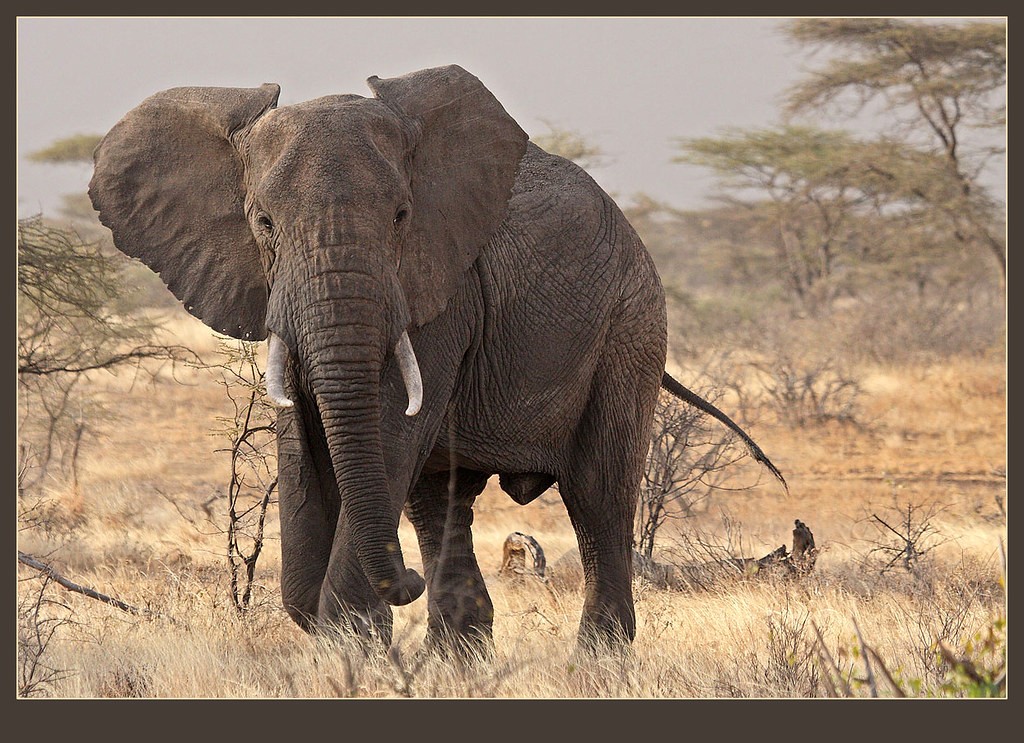
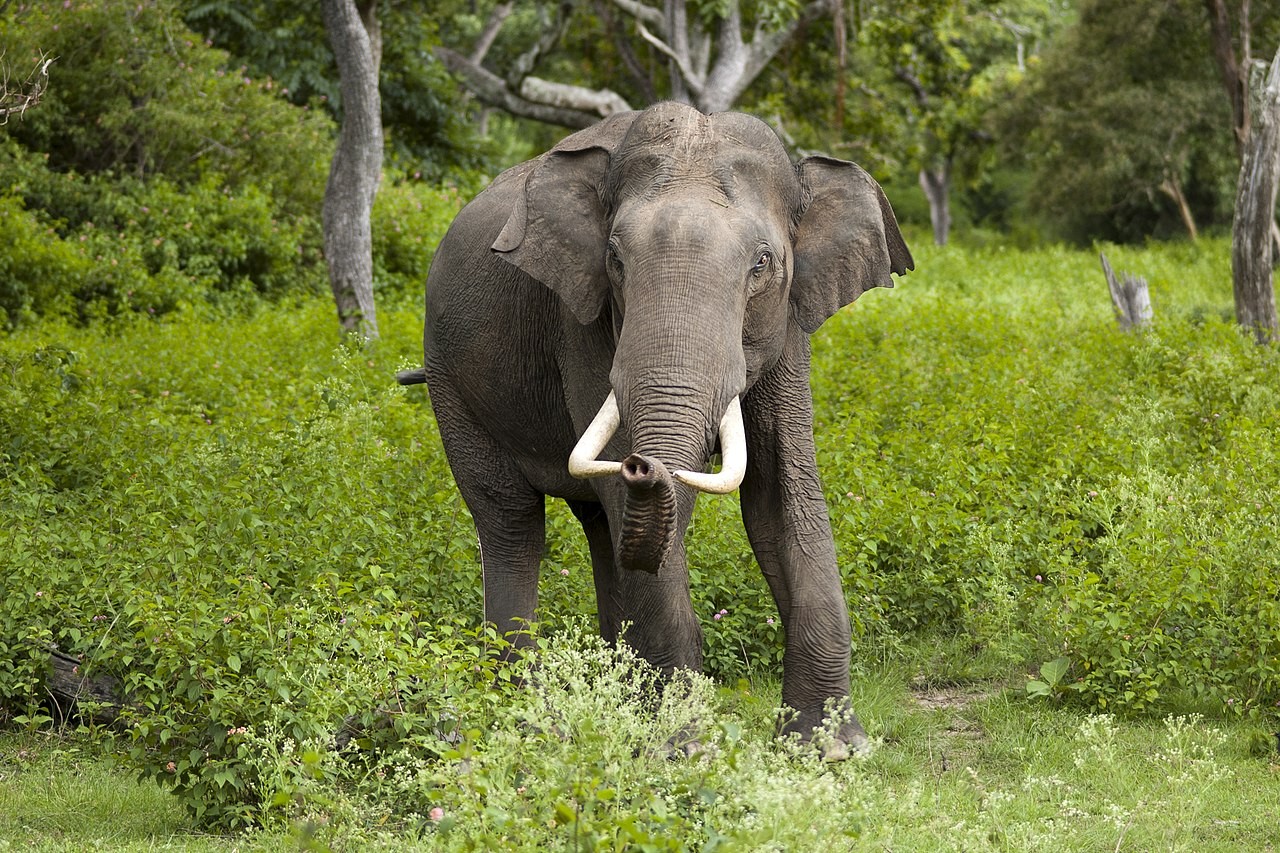
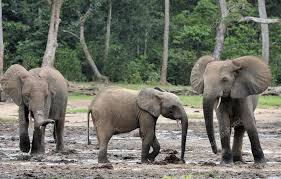
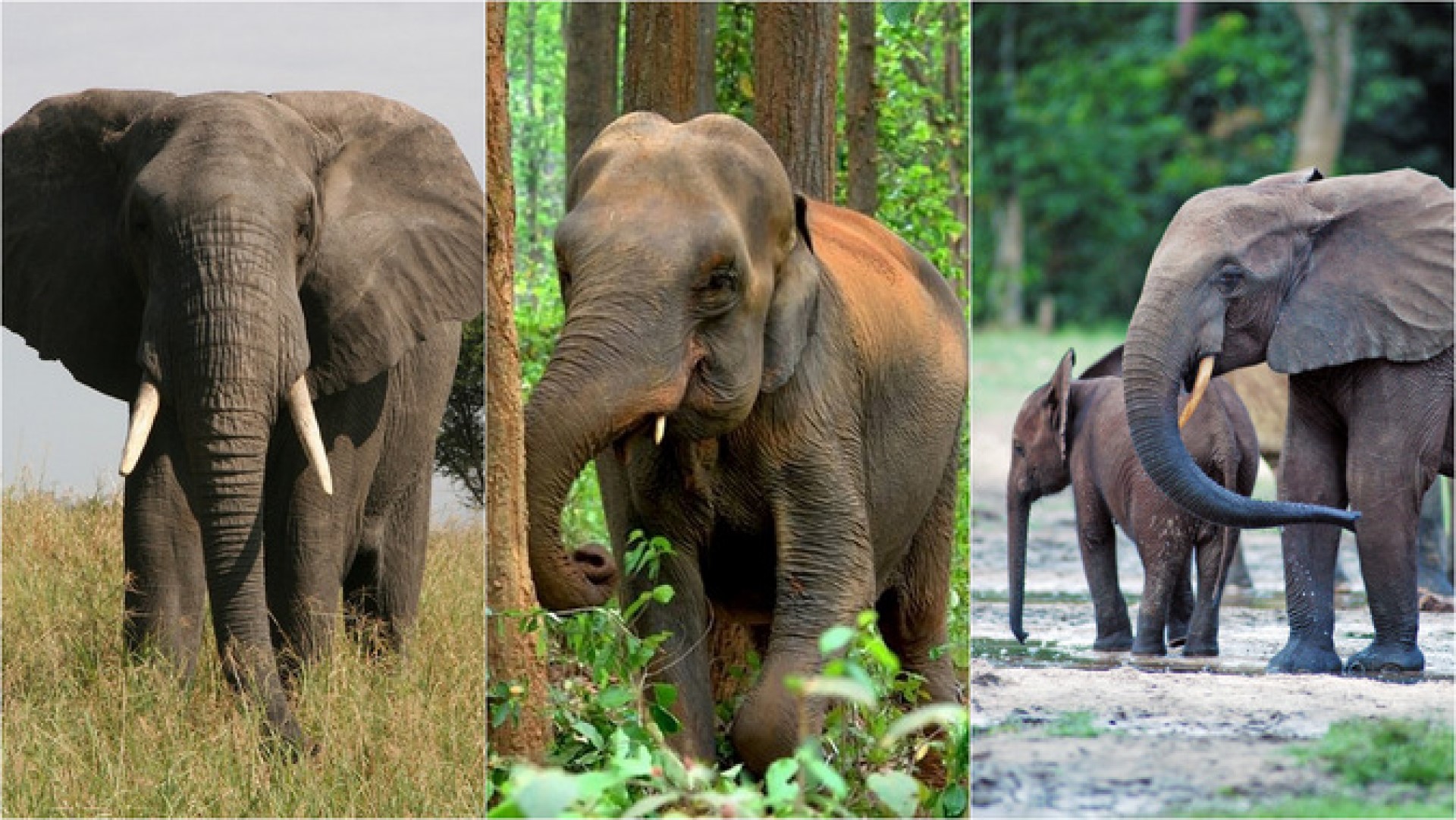
African Savannah elephant, Asiatic elephant and Africa forest elephant

Elephant family tree

African Savannah African forest, and Asian Elephant

There are 3 species of elephant in the world (these come from two closely related genera, Loxodonta (the African elephant genus, and Elephas the Asian elephant genus, both are dealt with on this page). They are a good indicator species, as if an area is capable of supporting elephants, it can probably support most other species as well (those above are in the same order, should you not recognize them). 

The African Savannah elephant (left) and African Forest Elephant elephant (right) are both part of the same genus – Loxodonta. The Asian elephant (only one species, though a 3 subspecies Sri Lankan elephant, Mainland Asian elephant and Sumatran Elephant) is the only  member of the genus Elephas. It is important to remember, that while the mammoth is a well known extinct species like the Elephant, it is estimated that there have been 180 different elephantine species in earths history.

Click on the one you are interested below, to find out more (along with seeing longer videos on each separate species), or scroll down to read all the articles we have written on elephants.

[smart_post_show id="15245"]

We already have a number of places to view wild savannah elephants. Click on wild places or here, for all our savannah destinations in Africa. All the savannahs have elephants, Except the mountain gorilla reserve, which has forest elephants – often seen on a walk in this reserve.

Should you work in tourism or conservation, and would like to list another destination, either of this species of elephant, or indeed of African forest elephants or Asian elephants, you will find a link at the top of the main page “list your wild place” or alternatively click here.

Massai Giraffe

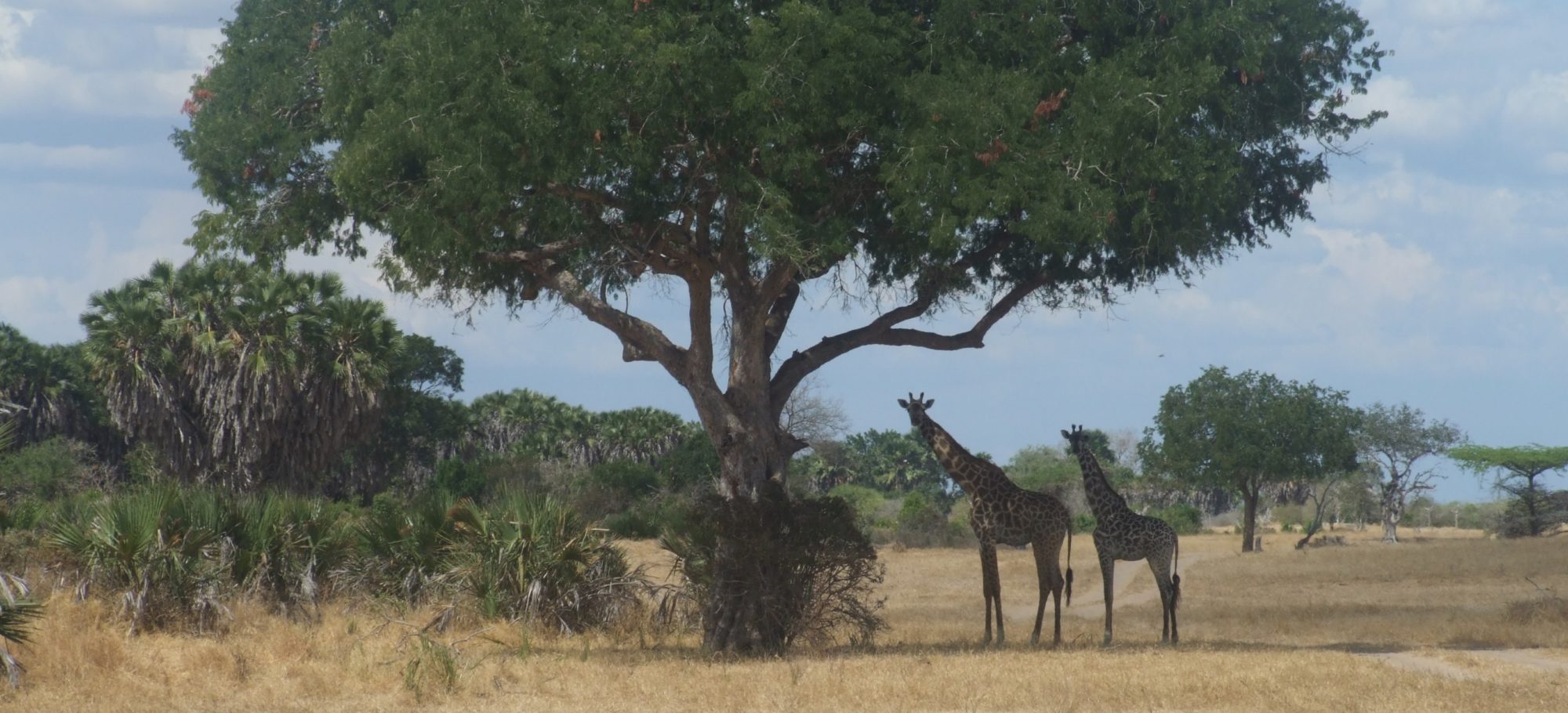
massai Giraffe (picture by David Sluka

Also called the Kilimanjaro Giraffe, this giraffe is found in Tanzania and Kenya. Its blotches are (as you can see) very irregular and are leaf shaped. There are around 32,000 of this species of giraffe left in the wild, so while it has suffered huge falls in its population over the last few decades, it is in a far better position than 2 subspecies.

[smart_post_show id=”14861″]

Reticulated Giraffe

Reticulated giraffe

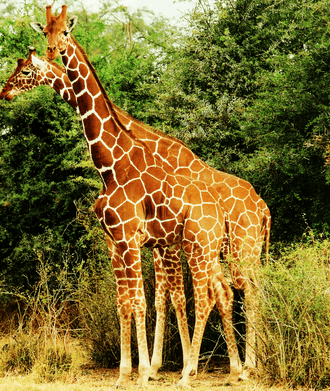
The reticulated giraffe is a subspecies, with an instantly recognizable pattern. Found in Somalia, southern Ethiopia and northern Kenya. there are currently 8500 remaining in the wild. In just the last 20 years, the population has fallen from 36,000 a reduction of over 75%. Lakipia Plateau and Samburu National Reserve are the two reserves where it is easiest to see this species in the wild.

They are similar enough to other giraffe species to be able to interbreed.

This is the subspecies of giraffe which David Schwimmer voices in Madagascar.

[smart_post_show id=”14867″]

Southern Giraffe

Southern Giraffe

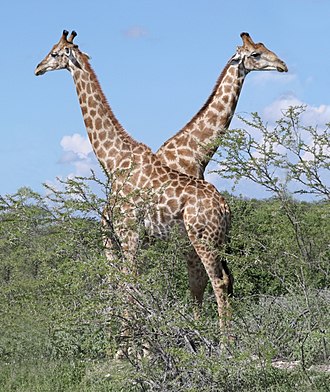
The Southern Giraffe (also known as the 2 horned giraffe) is the most numerous, with a population of around 44,000 (out of the remaining 68,000 giraffes that live in the wild).

Their range includes South Africa, Angola, Namibia, Botswana, Zambia, Zimbabwe and Mozambique. Also, with the majority of their population residing in fortress reserves, such as Kruger, this is likely the safest sub-species.

There are 2 subspecies of this giraffe that are recognized.

  • Firstly the Angolan giraffe which is found in Northern Namibia, South-west Zambia, Botswana and western Zimbabwe. A 2009 genetic study found that the Northern Namib Desert and the Etosha National park population each form a separate sub species (so are not part of this subspecies) with this subspecies also has a white ear patch. Is found in northern Namibia, south-western Zambia, Botswana, and western Zimbabwe. . Around 13,000 animals are estimated to remain in the wild; and about 20 are kept in zoos.
  • The South African giraffe is found in Northern South Africa, southern Botswana, southern Zimbabwe and the south west of Mozambique. It has darker and rounder patches. These patches continue down the legs, getting smaller.
  • There are around 31,500 of this sub-species (almost 50% of the wild population) with just 45 in zoos

[smart_post_show id="14863"]

Northern Giraffe

Nothern Giraffe are also known as the 3 horned giraffe


Northern Giraffe in their native habitat

They were once common throughout their range (their range only radically reduced in the last couple of hundred years. Before this, Northern giraffes were found from through Senegal, Mali Nigeria and all the way to Egypt.

Only about 5% (or around 5000) of the remaining giraffe are Northern Giraffe. These are the recognized subspecies of the Northern Giraffe.

  • The West African Giraffe lived in Algeria and Morocco until the Sahara dried too much, and is considered a subspecies of the Northern Giraffe. This subspecies only survives in South-West Niger, where 600 of these subspecies hang on.

  • The Nubian giraffe which still hangs in in Ethiopia, KenyaUganda, South Sudan and Sudan. It is currently extinct in the wild of the Democratic Republic of Congo, Egypt and Eritrea. Former genetic studies have also suggested that the Rothschild giraffe was a cospecific ecotype of the Nubian giraffe, but there is still much debate. It was listed as critically endangered in 2018 having suffered a 95% reduction in population over the last 30 years.
  •  Kododofan Giraffe is found in Norther Caeroon, Southern Chad, the Central Africa Republic and possibly in Western Sudan. Around 2300 are thought to survive in the wild. Recent genetic analysis showed that all Giraffes in European zoos that were thought to be west African giraffes were actually Kodadofan Giraffes
  • Senegalese giraffe: extinct, but originally found in parts of Senegal, the gambia Mali and Mauritiania until 1970s

[smart_post_show id="14869"]

4 horned antelope

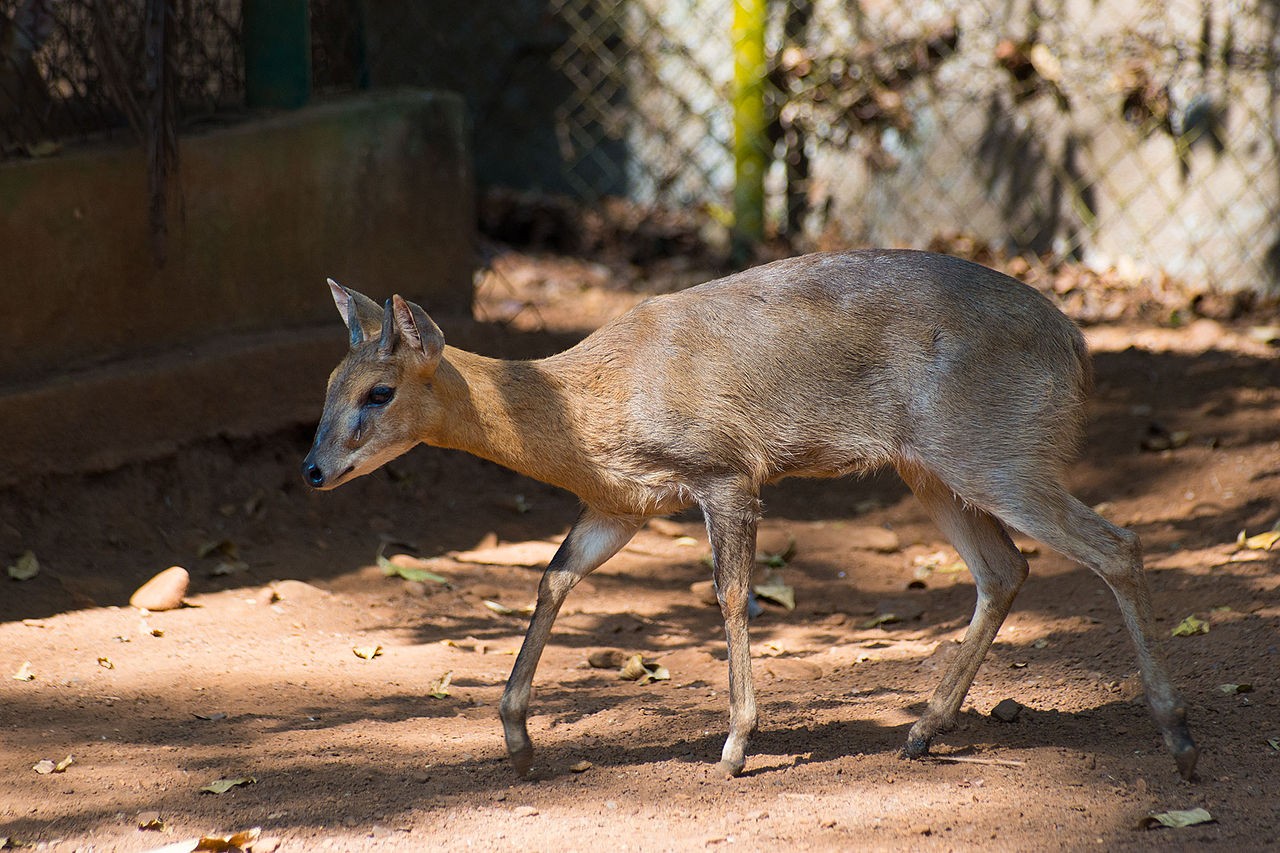
4 horned antelope

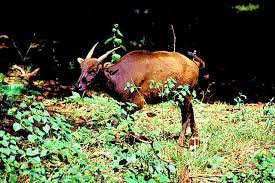
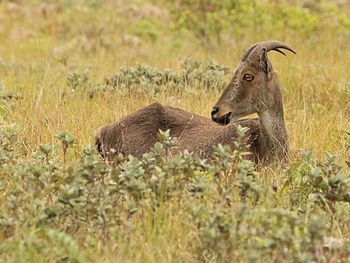
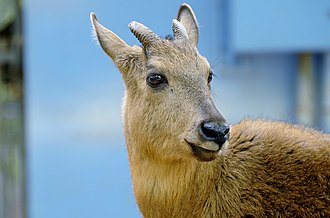
This is a small species of antelope that is found in India and Nepal. the sole member of its genus Teracenus (and only sharing its tribe Boselaphini with the Nilgai). First described in 1816, it has 3 recognized subspecies. It is quite hard to find, but feeds on grass shrubs herbs foliage flowers and fruit.


They tend to hide in long grass, and the undergrowth, which is why it is only areas like this that they are usually found in.


Population estimate in 2001 was put at 10,000. While they are wide spread, they live at low densities (0.7 per square km is considered healthy).

Below is a video of this species, and below this is a list of articles on this species; this is a relatively obscure antelope, but should it be written about, you will find all these articles listed here.

There are a variety of reserves where they can be seen. including Pench Kanha and Gir to name just a few. As the website grows, we hope to link to many of these places. These will all be listed at the bottom of the page.

 
[smart_post_show id="27544"]

Bovini family or wild cattle

Bovini or the family of all wild cattle species

Bovinae is a biological family of cloven hooved family Each of these three tribes encompass a variety of species and we will deal with these tribes one by one. The Bovinae family includes all bovids, which are ruminant mammals (cloven hooved) which include all of the worlds cattle, yaks, bison, buffalo antelopes (which include goat-antelope) goats and sheep. 

This family currently has 143 surviving species, with 300 known species. it has 11 major families and 13 major tribes.

This family first appeared 20 million years ago. Below is the initial splits into 3 in this family. It should be noted that not all these families will be relevant at the current time – but as destinations grow all should be fully relevant. 


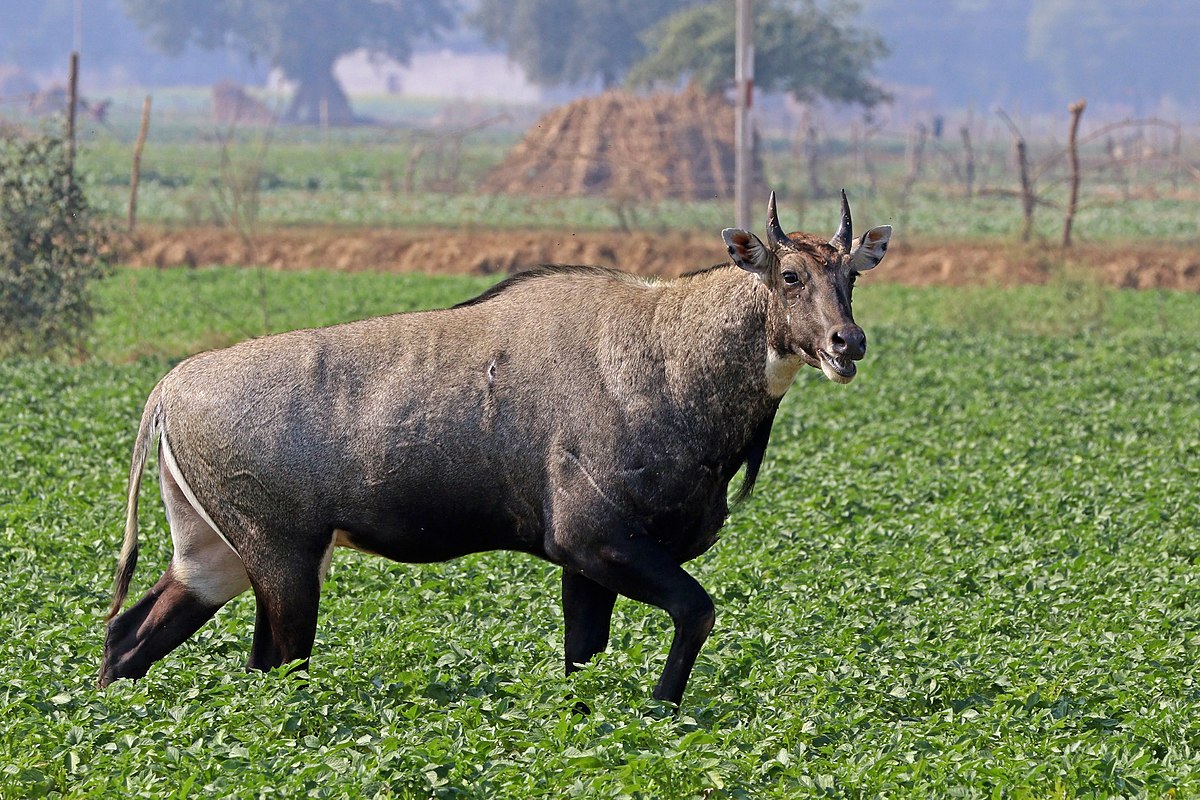
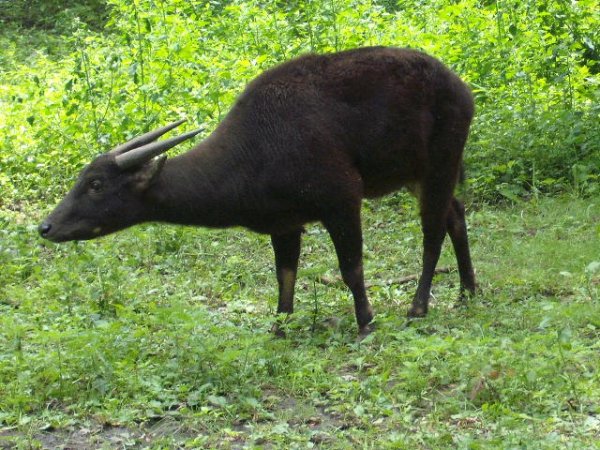
So, firstly Borselaphini, this consists of just 2 species, the Nilgai and the 4-horned 

The next tribe (below) is Bovini, which includes 3 families. These vary in size quite widely with the middle one only containing one species

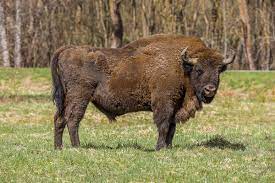
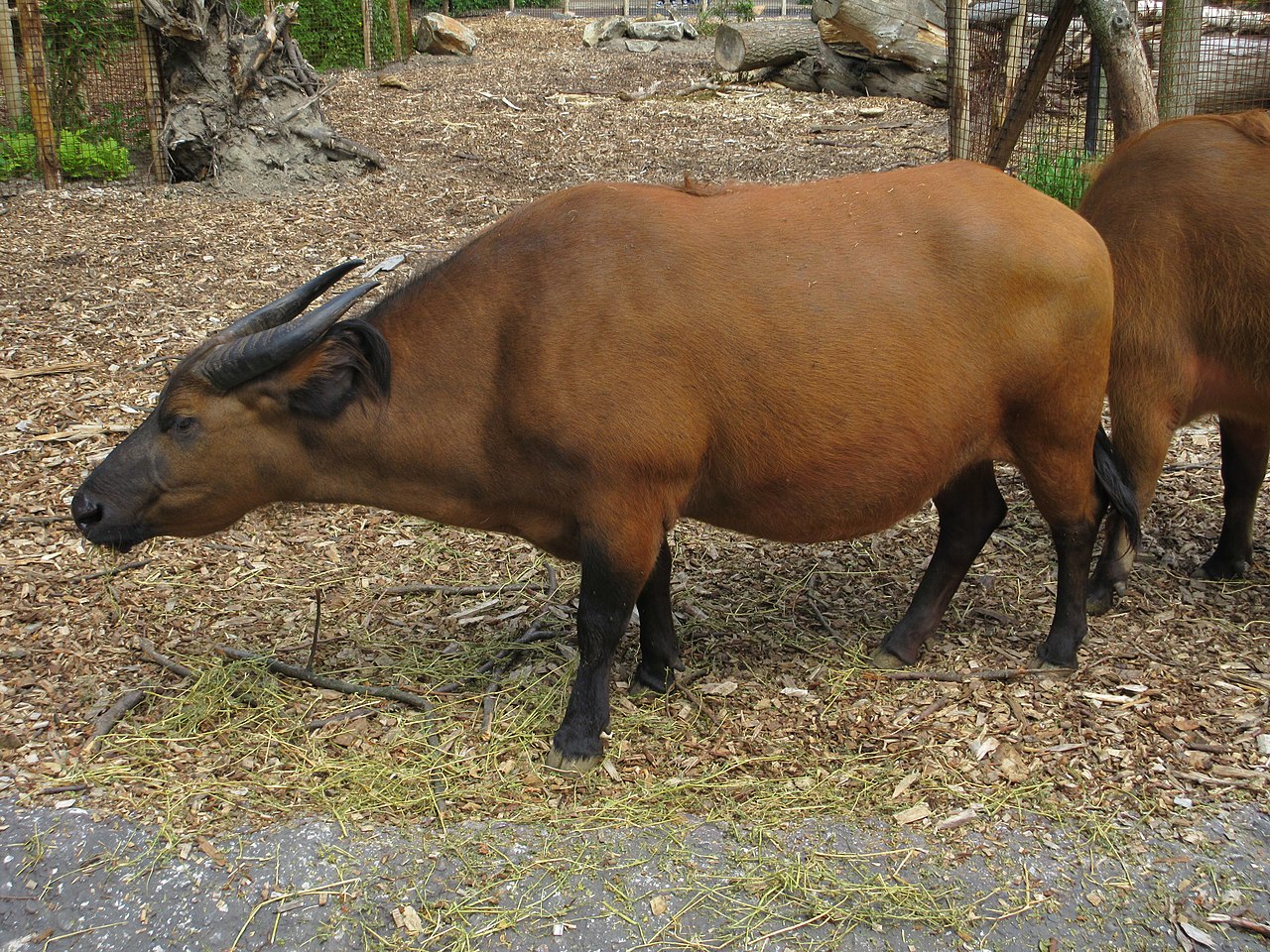
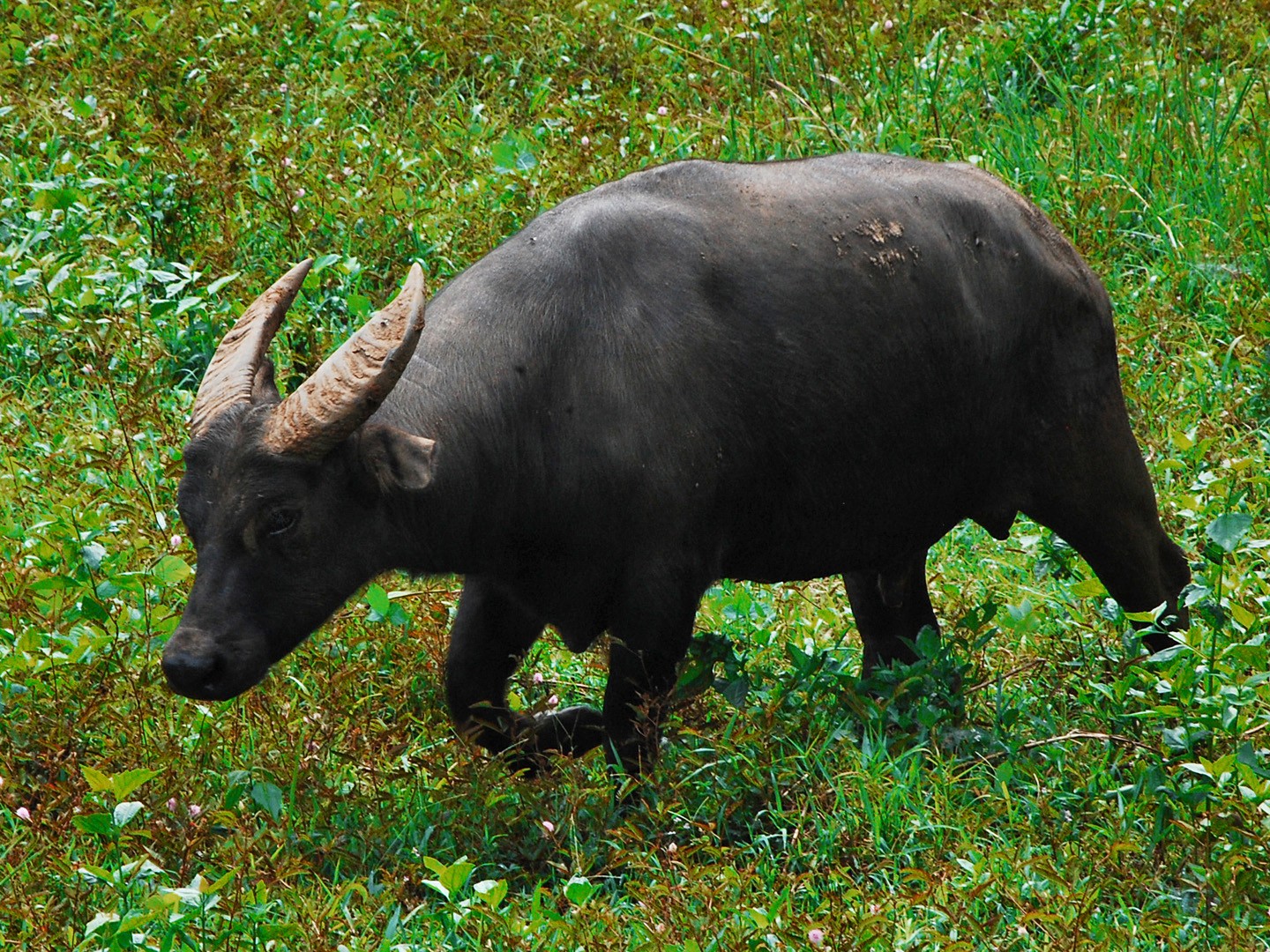
The first family Bubalina contains 2 Genus Syncerus only contains one species (first) the rest are from Bubalina

              Genus Syncerus                                                              Genus Bubalus


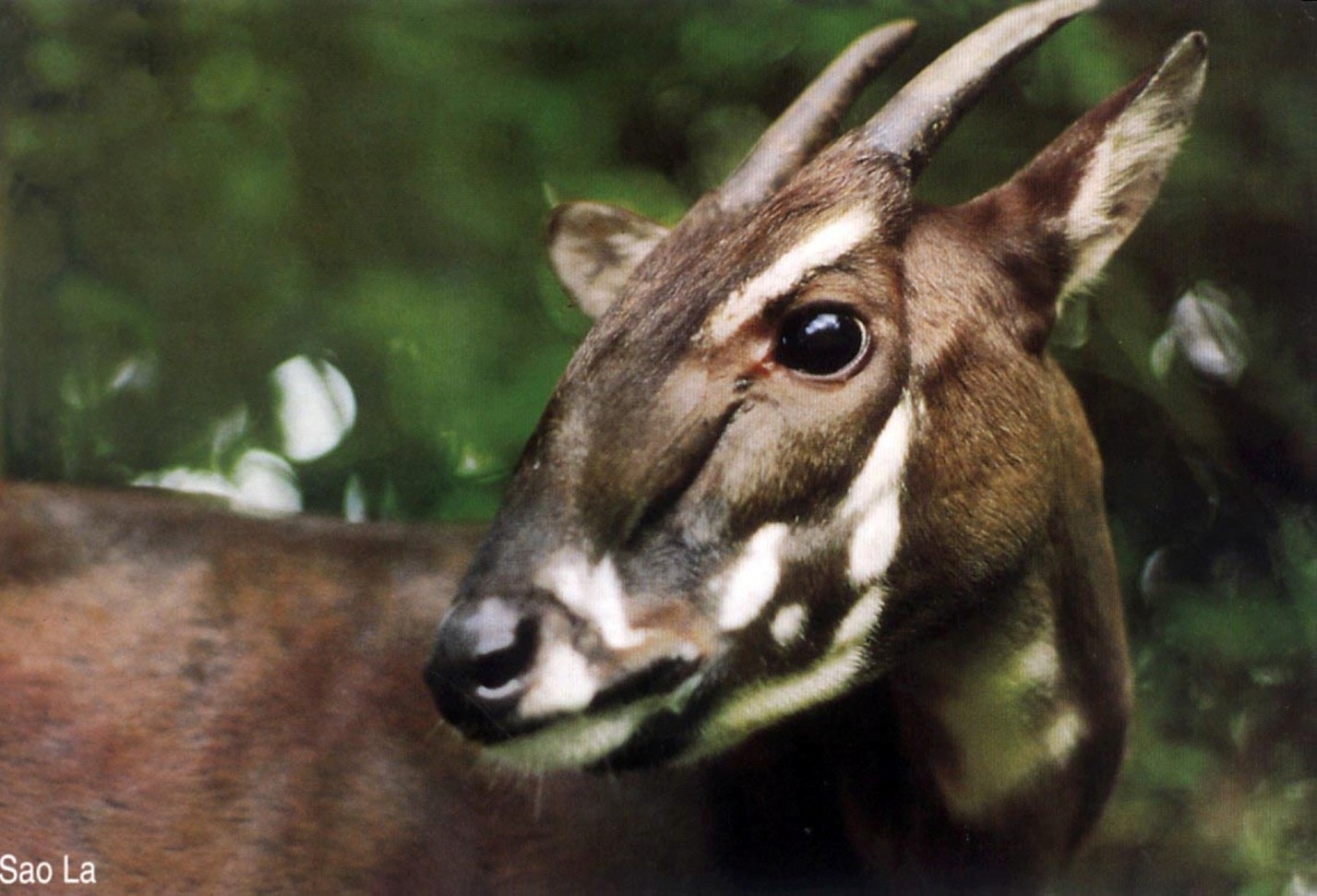
The second family contains one genus psuedorygina which contains one species the Saola

Bovina contains 1 Bison subgenus (it used to contain 2 but the Genus Bos became a subgenus (it should be noted there are far more subgenus that are extinct). Also, for simplicity sake, any subspecies will only be mentioned in each species page.

   Subgenus Bos                        poephagus                                Bison & Bos                               Bibos

Bos is domestic cattle

_Taurus originate in Africa,  _Mutus=wild Yak,                           Bos_Indicus                                                                                                Domestic cattle                            Originate in Himilayas               Originate in India, fatty hump (first on second row)                                and Aurochs                                     

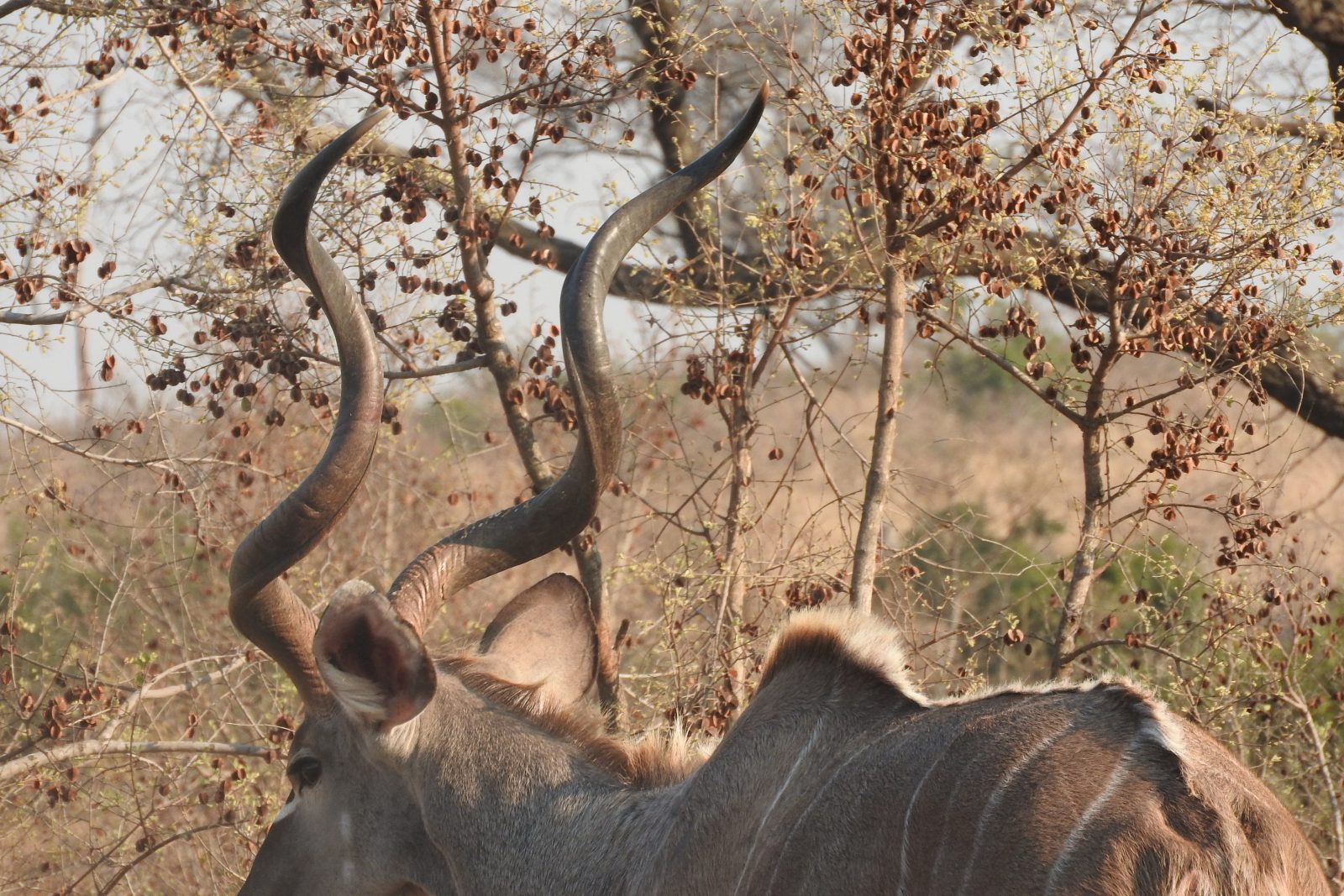
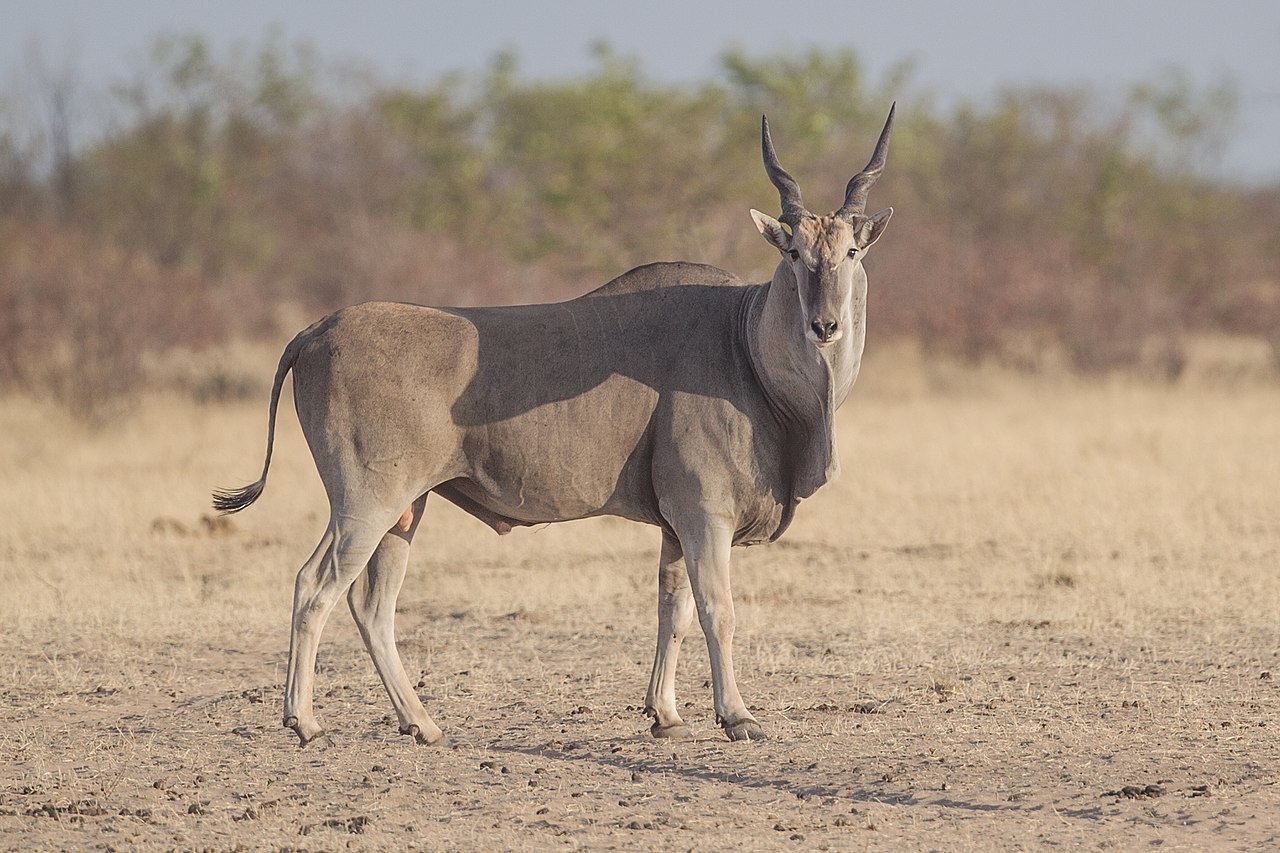
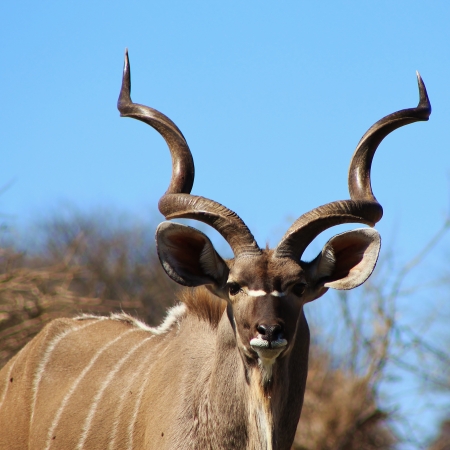
Finally tribe Tragelaphini or spiral horned antelope contains 5 genus. The first 4 contain 1 species (in order) the last genus has 3 species. If I cover subspecies these will be in their own pages

Genus Ammelaphus           Genus Nyala                                                        Genus Tragelaphus                        Genus Taurotragus             Genus Strepsiceros

Bovidae family (including Aegodontia &Boodontia & Caprinae) or Antelope family tree

Bovidae family (including Aegodontia &Boodontia) or Antelope family tree

Antelope lie in the Bovidae family, and account for around 2/3 of the 135 Bovidae species that exist in the world. It should be noted that deer come from the family Cervidae, which means that despite looking extremely similar, antelope are more closely related to cattle than they are to deer.

There are 91 antelope species in the world with 72 found in Africa, 14 in Asia, with the last 5 found in Eastern Europe.

There are 8 subfamilies in Africa

1. Subfamily Bovinae

Spiral horned antelopes made up of tribe Tragelaphini: 9 species 4 subspecies.

2. Subfamily Reduncinae

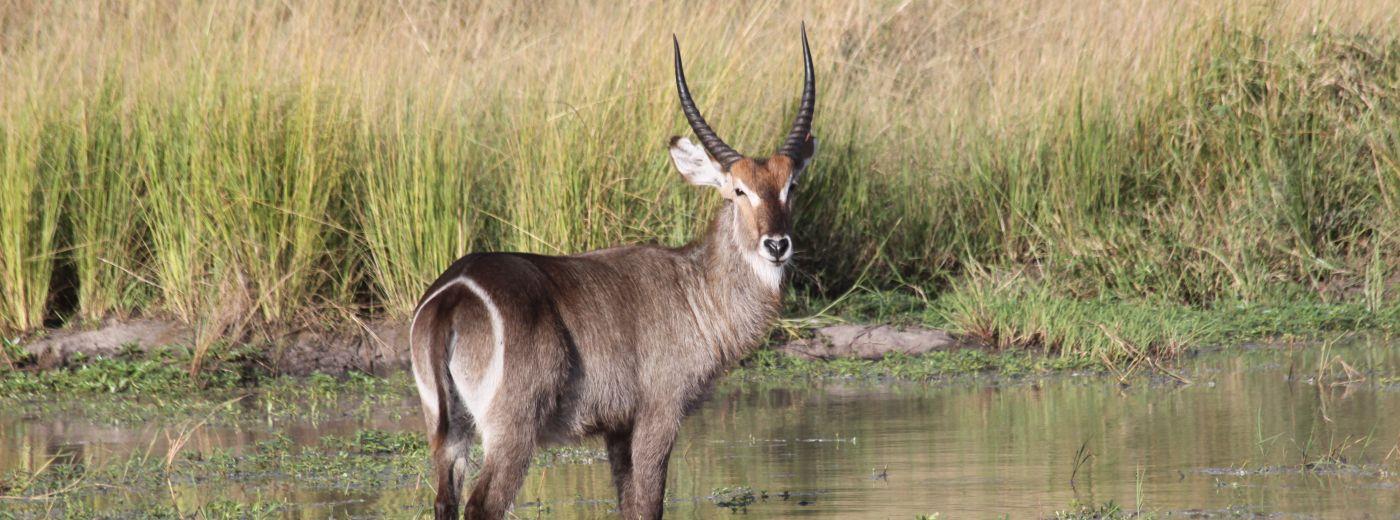
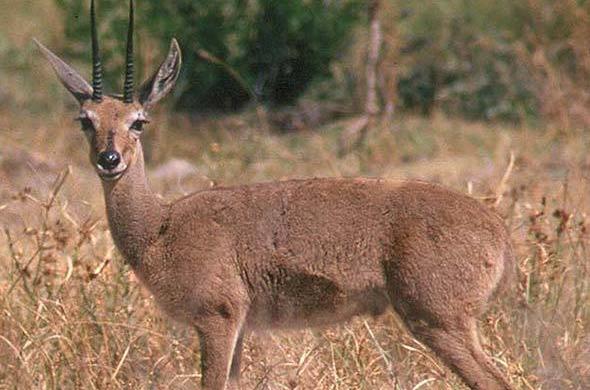
Rhebok, reedbucks, and waterbucks 8 Species, 11 Subspecies

3. Subfamily Peleinae:

 1 Species
 

4. Subfamily Alcelaphinae


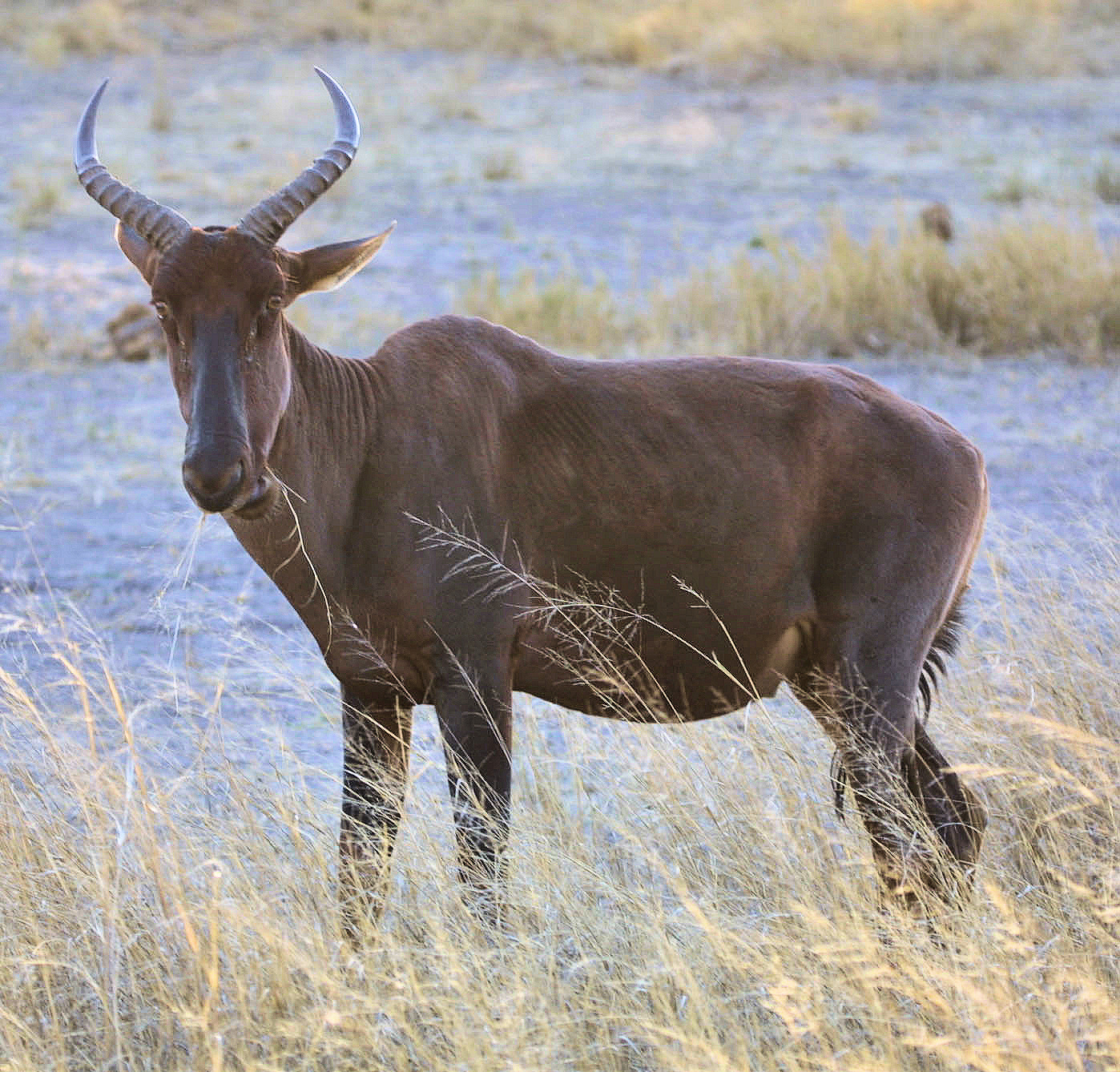
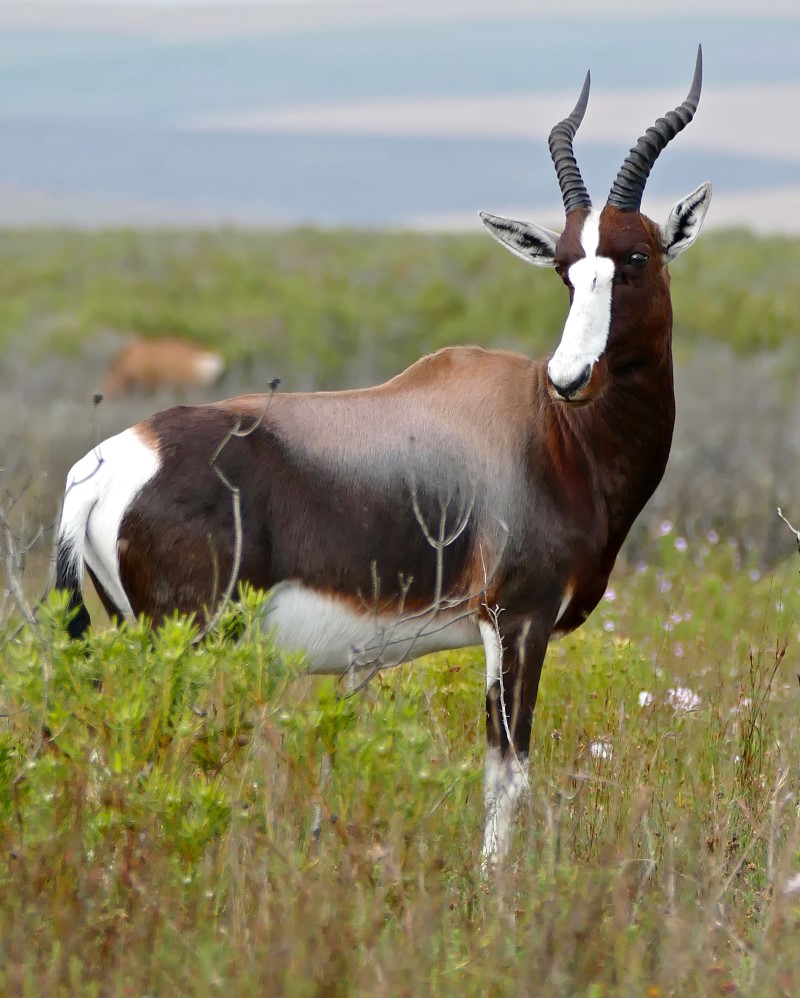
Sassabies, hartebeests, and wildebeests: 6 Species (depending on how you count, it can be anywhere from 6 to 10) , 19 Subspecies

5. Subfamily Hippotraginae

Grazing antelope: 7 Species, 4 Subspecies

6. Subfamily Aepycerotinae

Impala: 1 Species which is impala, 2 Subspecies

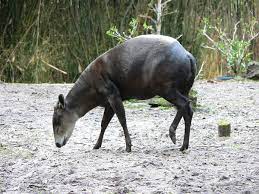
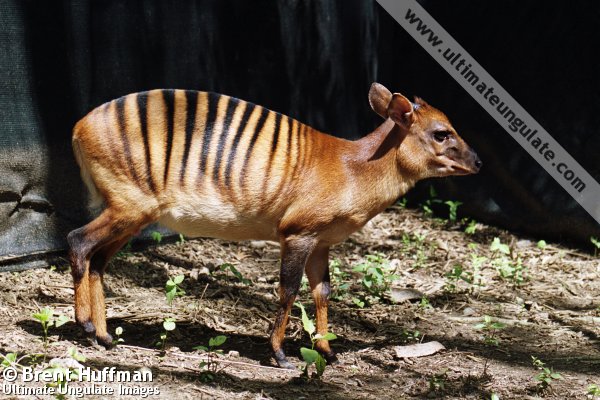
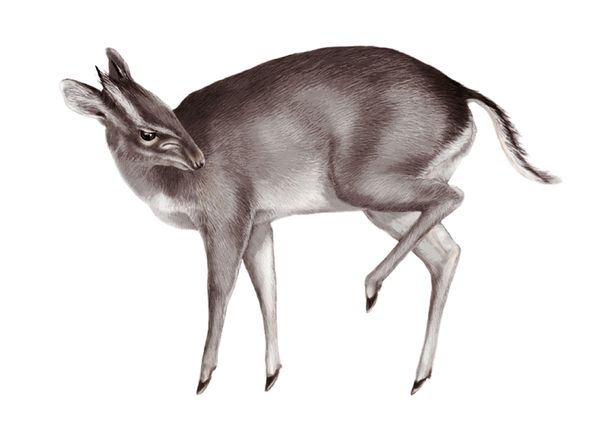
8. Subfamily Cephalophinae

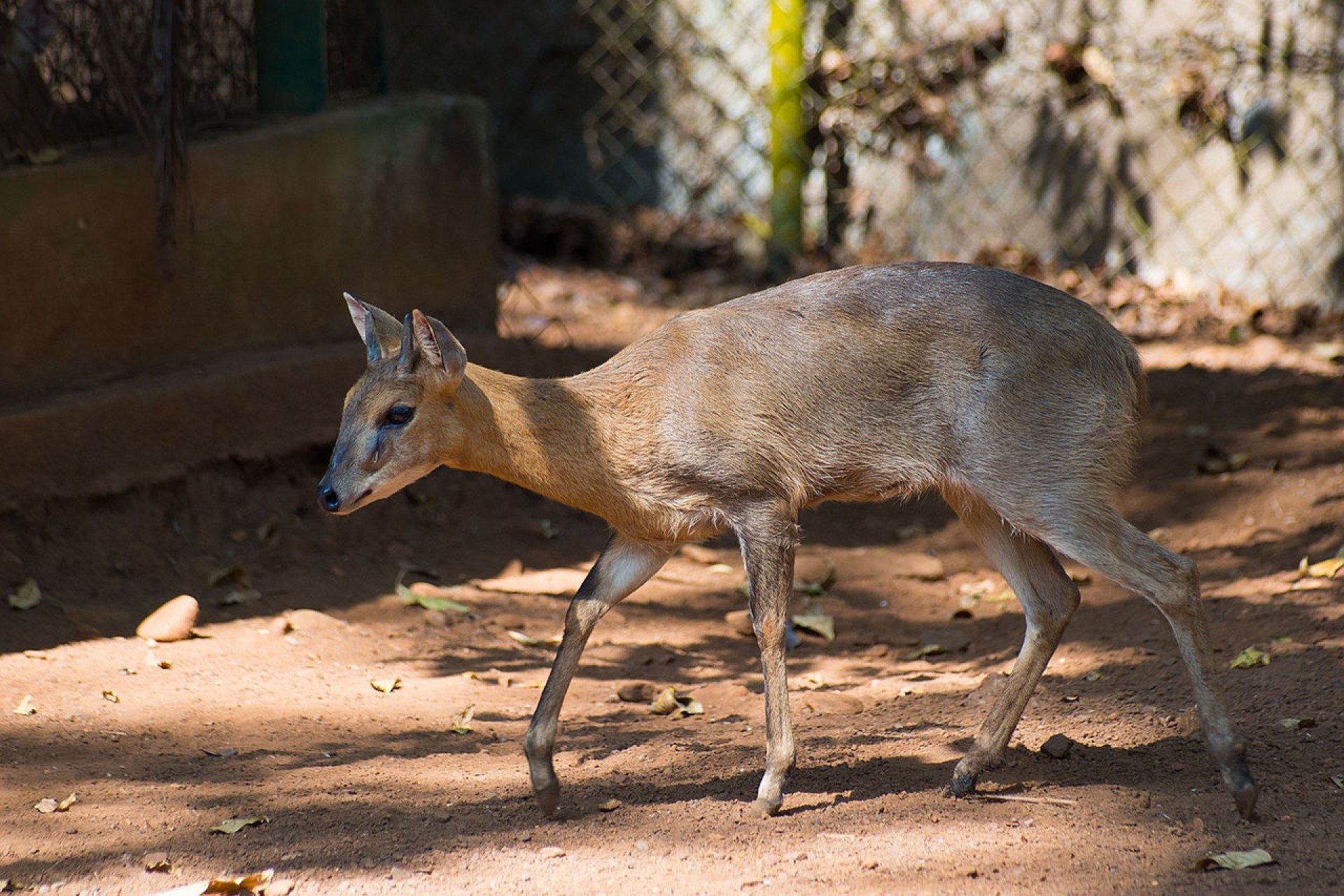
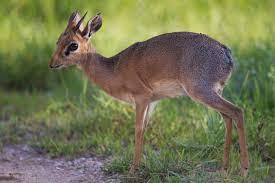
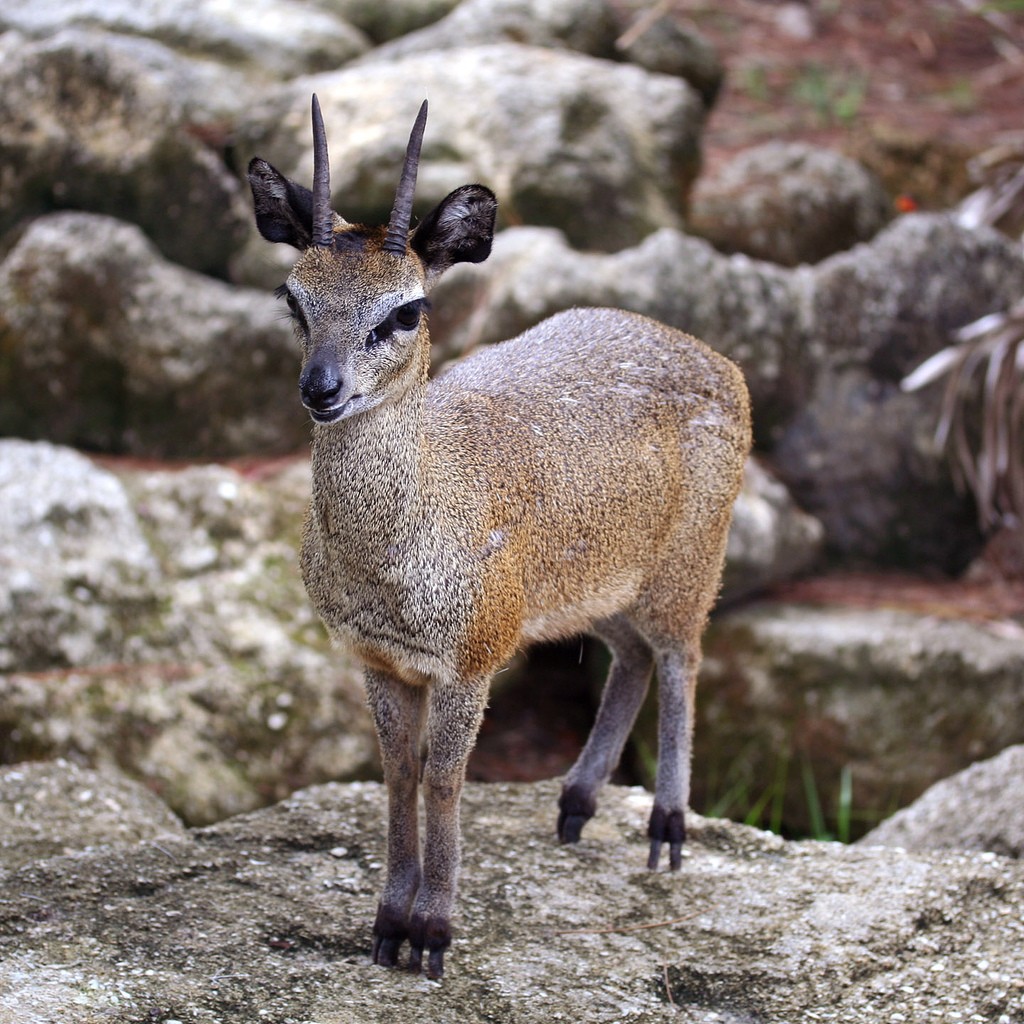
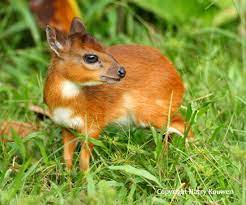
 Duiker: 17 Species, 7 Subspecies

If you want to return to the Ruminants family page click here

Caprinae

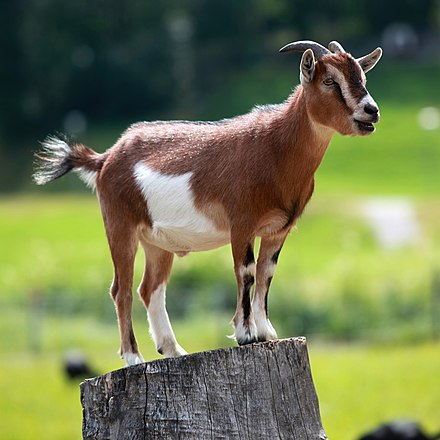
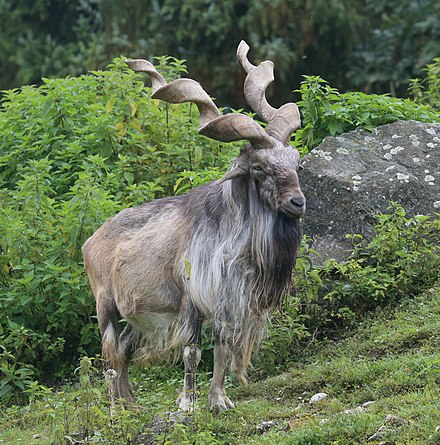
The Caprinae family is a close relation of Alcelaphinae & Hippotraginae (subfamily 4 and 5 on this page) but this family consists of the worlds goats and sheep.

This consists of 9 genus with just 1 species in each (and one further extinct so not included here) and then 5 genus with more than that. 

Firstly dealing with each genus with only one species.

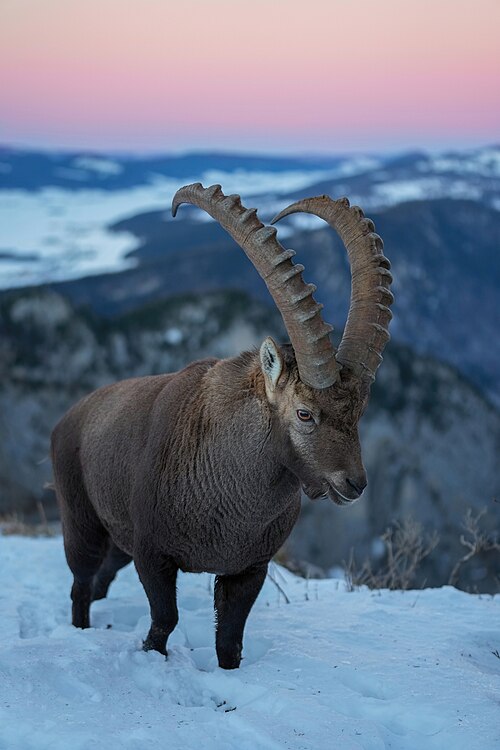
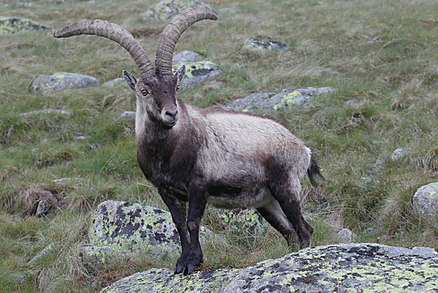
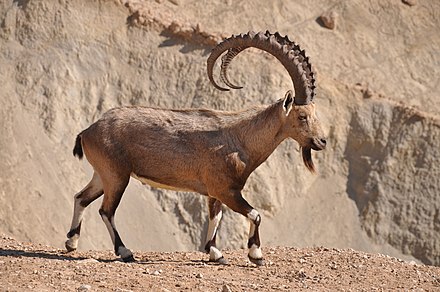
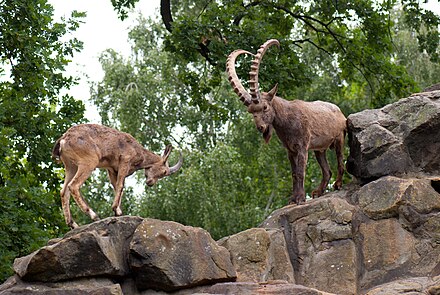
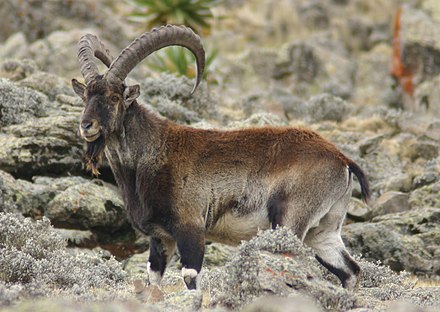
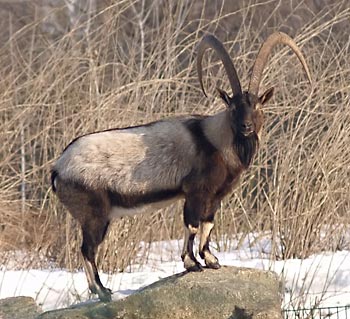
Next the Capra genus, which consists of the worlds Ibex species

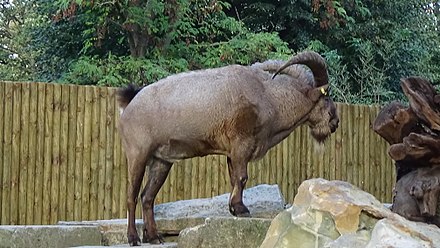
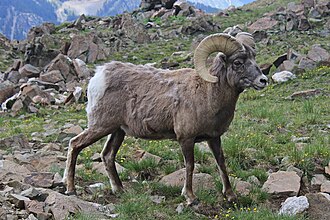
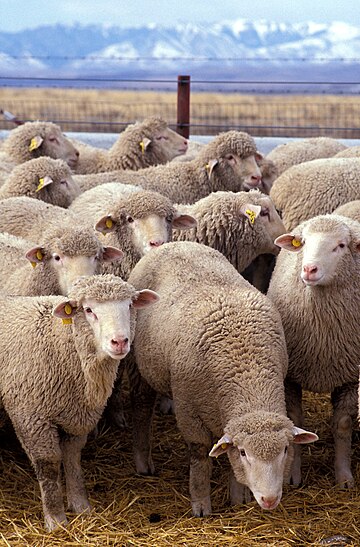
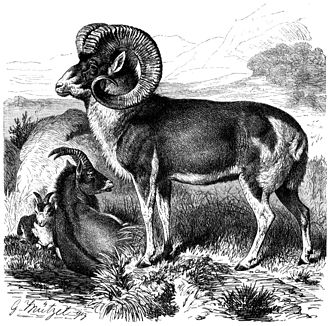
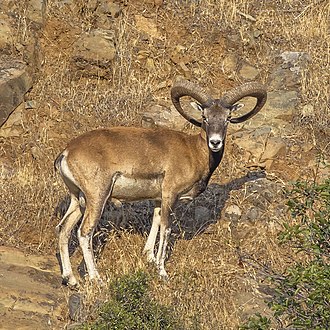
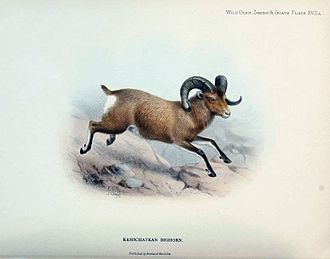
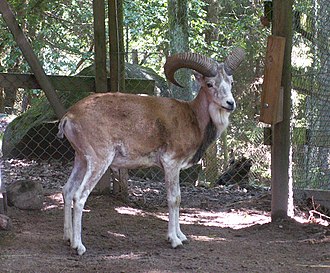
Next the Ovis family (sheep species)

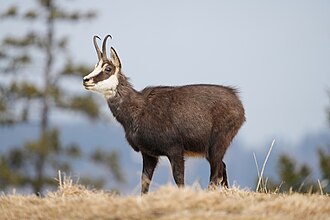
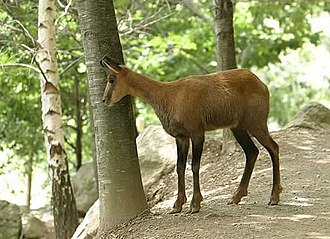
Two species of Chamois remain

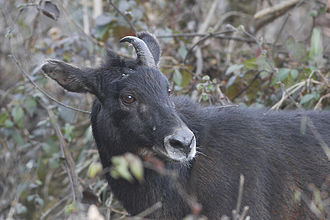
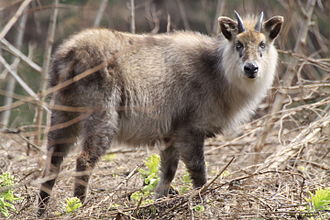
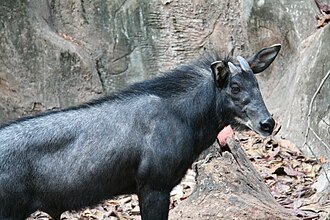
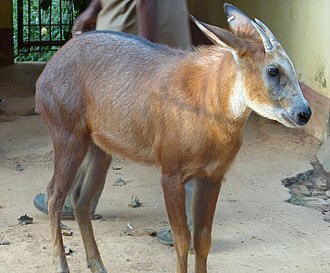
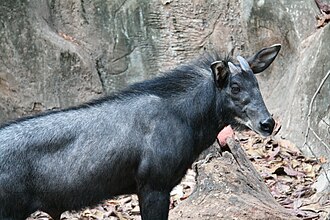
The second last group is the Serow (6 species)

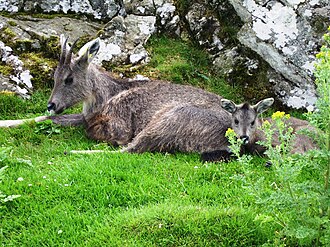
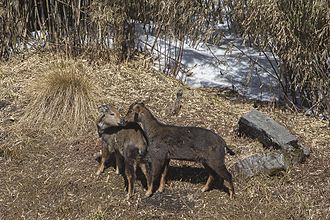
The last group is the Goral

Sea-Lions

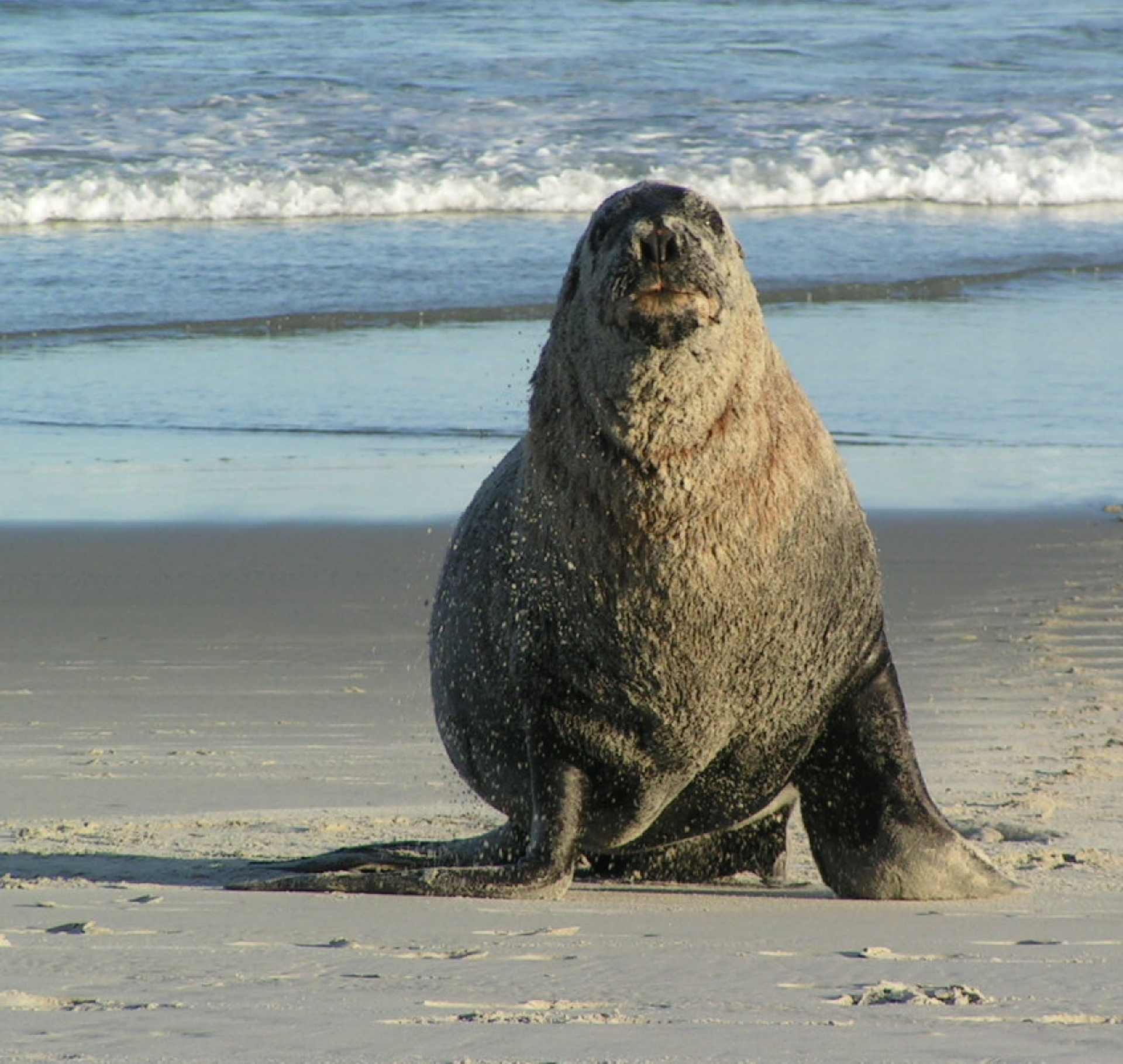
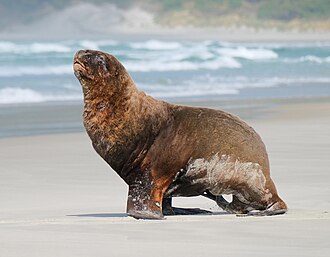
An encounter with almost any wild animal can be something you remember for years. This sealion that came out of the sea on the beach in New Zealand is no different

Sea-lions

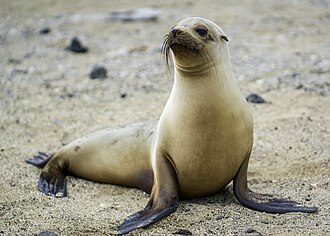
There are 6 living species of sea-lion, and 1 extinct. As the interest in these species grows and the links become unwieldy i will split out the separate species, but for the time being I will just have one page for them all – help it to be necessary to split them as soon as possible. 

Sea-lions are pinnipeds with external ear flaps, long fore-flippers, the ability to walk on all fours, short and thick hair, and a big chest and belly. The sea-lions the 6 living species shown below (the Japanese sea-lion is extinct) in five genera. Their range extends from the subarctic to tropical waters of the global ocean in both the Northern and Southern Hemispheres, with the notable exception of the northern Atlantic Ocean. They have an average lifespan of 20–30 years.[2] A male California sea-lion weighs on average about 300 kg (660 lb) and is about 2.4 m (8 ft) long, while the female sea-lion weighs 100 kg (220 lb) and is 1.8 m (6 ft) long. The largest sea-lions are Steller’s sea-lions, which can weigh 1,000 kg (2,200 lb) and grow to a length of 3.0 m (10 ft). Sea-lions consume large quantities of food at a time and are known to eat about 5–8% of their body weight (about 6.8–15.9 kg (15–35 lb)) at a single feeding. Sea-lions can move around 16 knots (30 km/h; 18 mph) in water and at their fastest they can reach a speed of about 30 knots (56 km/h; 35 mph).[3] Three species, the Australian sea-lion, the Galápagos sea-lion and the New Zealand sea-lion, are listed as endangered.

Steller Sea-lion are found on the land of North America and Asia that circle the north pole (map below, credit NOAA). 

They are predated by killer whales, though sleeper sharks and great whites sometimes take young. They eat a variety of foods, include various fish species, as well as octopus and squid. They are fast swimmers, capable of diving to 1500feet, and staying under for 16 minutes

During breeding season, males fight to control a stretch of beach, and females move freely to the place they favour. 

Status: population has fallen 70-80% since the 1970s and so are listed as endangered, around 46,000 individuals, though in recent years, the Eastern population has grown at around 3% a year (in 2013 this lead to its removal from the US endangered species list)


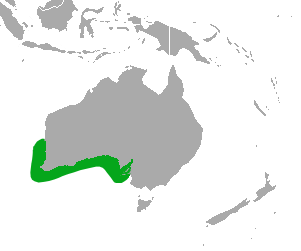
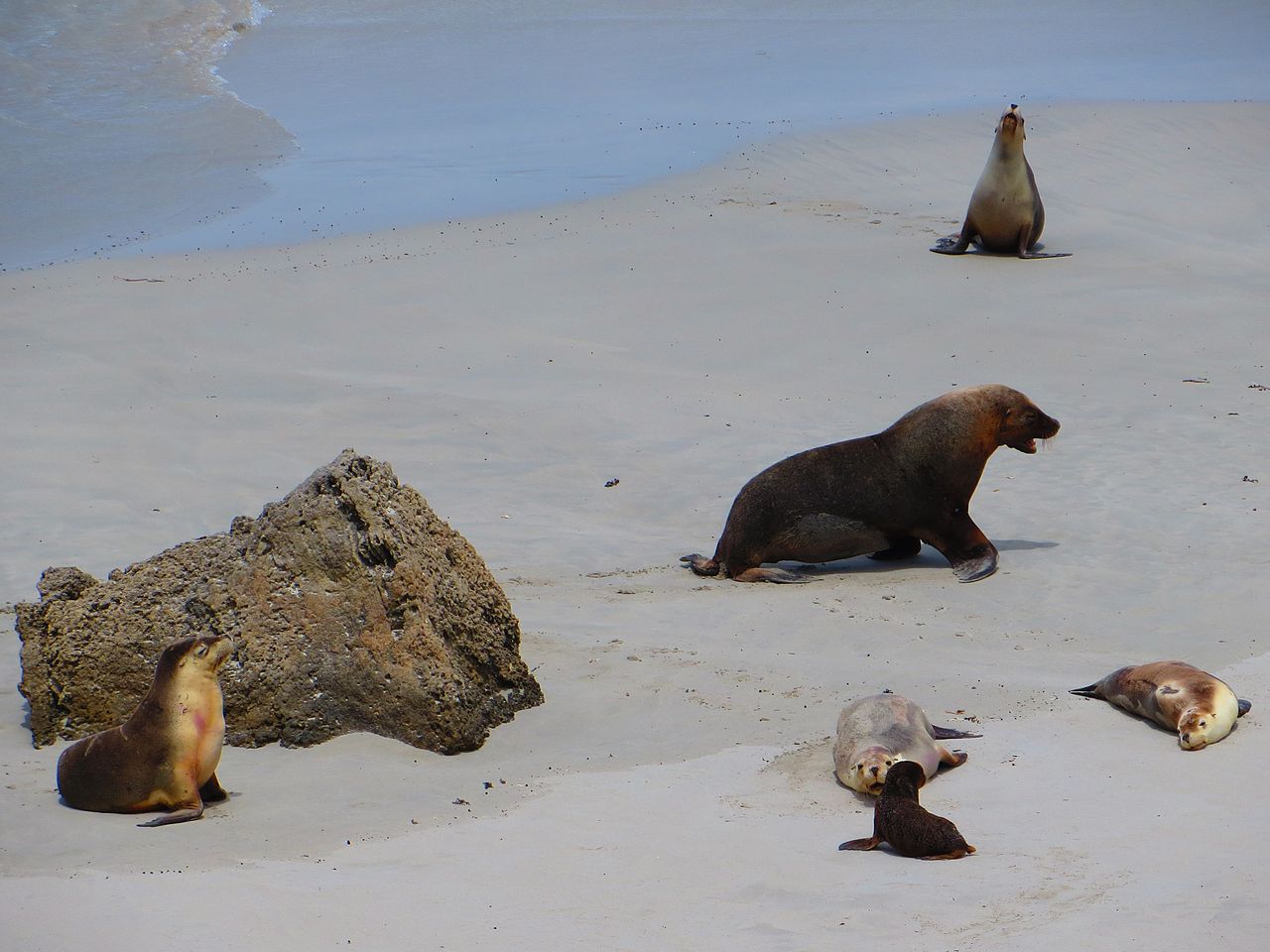
Australian Sea-lion is the only endemic pinniped found in Australia.

They can make a variety of calls, with mothers and young able to pick up each others call in the chaos of a breeding beach. There are currently 66 recognized breeding beaches, though 42% of pups are bred on just 4 of these beaches.

While rare, a bite can require hospitalisation. In both the 1930s and 1960s they were recorded as feeding on little penguins, and this still happens today. Other food includes a variety of fish and even small sharks, in turn, they are hunted by great white sharks and killer whale (orca).

Population was 14370 in 2010 though by 2014 it had fallen to just 6500 mature individuals, though current estimates are 11,200 suggesting a rebound. Still it is clear that they need particular efforts for their conservation. Despite their (relatively) close ranges, the Australian and New Zealand sea-lions do not appear to be closely related. They are considered vulnerable.

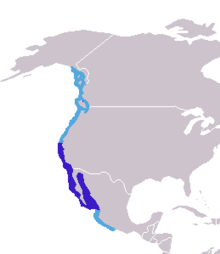
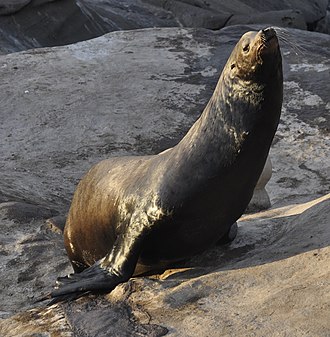
California Sea-lion Are found on the west coast of north America. On this map, the navy blue marks the breeding rance, while the light blue shows the total range that they can be found in. It should be noted, that previously the Japanese and Galapagos sealion were both considered subspecies of the Californian species, but no longer. They can stay healthy, for a time, in fresh water, and have been seen living for a while in Bonneville dam – 150 miles inland.
They see (mostly in blue/green) and hear well, as well as being able to sense nearby, with their whiskers. They generally eat fish, squid and occasionally clams. They have been seen cooperating with other sealions, or indeed dolphins porpoises and sea-birds in their hunting techniques, though exploitation is also common.

There are 5 relatively distinct populations. Several sealions have reached Japanese waters in recent years, and this is the most likely origin, as such  it could return to Japan on its own. 

It is considered least concern with 238,000-241,000 individuals and increasing over time.

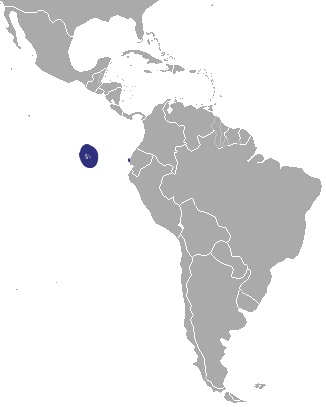
Galapagos Sea-lions Found on all of the Galapagos Islands, as well as (in smaller numbers) on Isla de la Plata, which is just 40km from Puerto López a village in Ecuador. There have also been recorded sightings on the Isla del Coco which is 500km southwest of Costa Rica (and 750km from the Galapagos). These are not regular, and so have been considered vagrant. It is of course possible that historically they roamed here, but we cannot say.

They are the smallest species of sea-lion, and can often be seen gliding through the water, or sunbathing on the beach. They measure 1.5m-2.5m and weigh between 50 and 400kg.

Much of their diet is made up of sardines. Interaction with humans is usually negative, and feral dogs often form packs, and can then attack the sealions.

The population tends to bounce between 20,000 and 50,000 and they are currently classed as endangered


New Zealand Sea-lion (formerly known as the Hooker sealion) is native to south island, though before 1500 it is thought that it was also found on north island. They tend to breed on Subarctic islands of Auckland and Campbell (99% of the pups are born in these islands). In 1993, sealions started breeding on South Island again for the first time in 150 years.

Genetic evidence suggests that until 1300-1500 there was a mainland subspecies, which was wiped out by the Mauri’s and has been replaced by members from the sub-Antarctic population.

As well as eating fish and crustations, they will take new Zealand fur seals as well. They are hunted by great white sharks, and in a survey 27% of adults had scars from near misses. While south American sealions are hunted by orca (with them famously beaching to catch them) they do not appear to do this around New Zealand. After the birth of their pup, females move inland as much as 2km to avoid males, storms and even parasites.
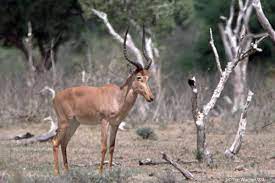
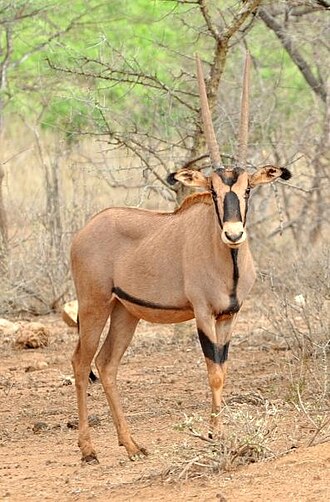
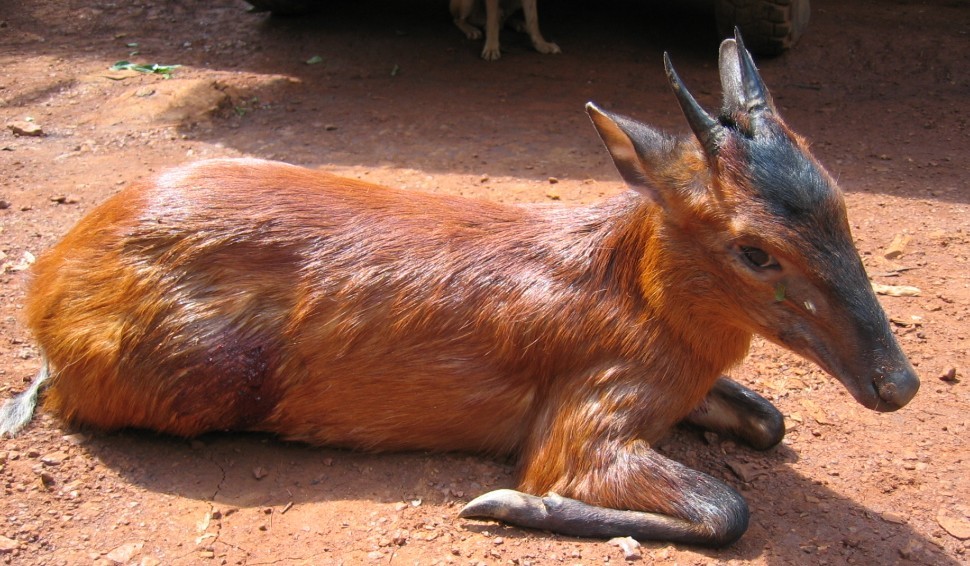
They are thought to number 12,000 making them the rarest sealion. They are also the most distinct being part of the Genus Phocarctos, and are listed as endangered.
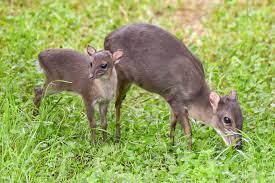
 

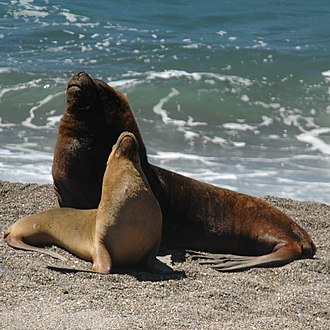
South-American Sea-lion

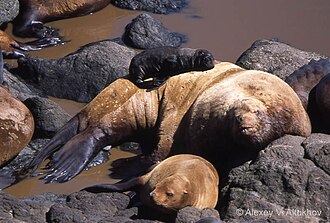
Also known as the Southern sealion or the Patagonian sealion. They have been recorded going as far north as Ecuador, though not yet breeding there. They eat fish, as well as squid and octopus, and have even been observed predating penguins, pelicans and South American fur seals.

Males set up territories, but after the arrival of females switch to protecting them. Having said this, one population in Peru have a different set-up where males perform, and females choose a mate, and are free to move freely. This may be in result to the warmer climate, which means the females make regular trips into the sea.

The total population is estimated at 265,000. They are declining in Patagonia (Argentina) and the Falklands but increasing in Chile and Uruguay. In the 2013 El nino many Peruvian sealions died. They are still regularly killed by fishermen, both for damaging equipment and stealing fish.

They are listed as least concern


As we gain contacts each picture above will become a link to a page for the specific species – for now, all species will be looked after by this page. If you are a wildlife guide or live nearby and want to be able to host (as a hotel or B&B or campsite) and would like to be listed do get in touch. Our aim, is to give people all the information and links on one page, so that they can book everything in one go – making it easy, and therefore more people undertaking these sort of trips.

Sea-lions can be specifically searched out, but it is also possible to have a surprise encounter with one.

One of my most memorable encounters with any wildlife, is an encounter with a New Zealand sealion.  We had simply gone for a walk on the beach, and at some point, we saw the sea-lion coming out of the sea. This huge male slowly made its way towards us, and when about 10m away it lay down in the sand, threw sand all over itself and went to sleep.

To return to the Pinniped page click here

[smart_post_show id="22073"]
See Animals Wild

Read more news

Join as a wild member
to list your wild place & log in

Join as an ambassador supporter to
support this site, help save wildlife
and make friends & log in

Join as an Associate member
to assist as a writer, creator, lister etc & to log in

List a wild destination

List a destination in
the shadow of man

List a hide for animals more easily seen this way

Highlight some news
missed, or submit a
one-off article

Browse destinations for fun or future travel

Temporary membership
start here if in a hurry

Casual readers and watchers