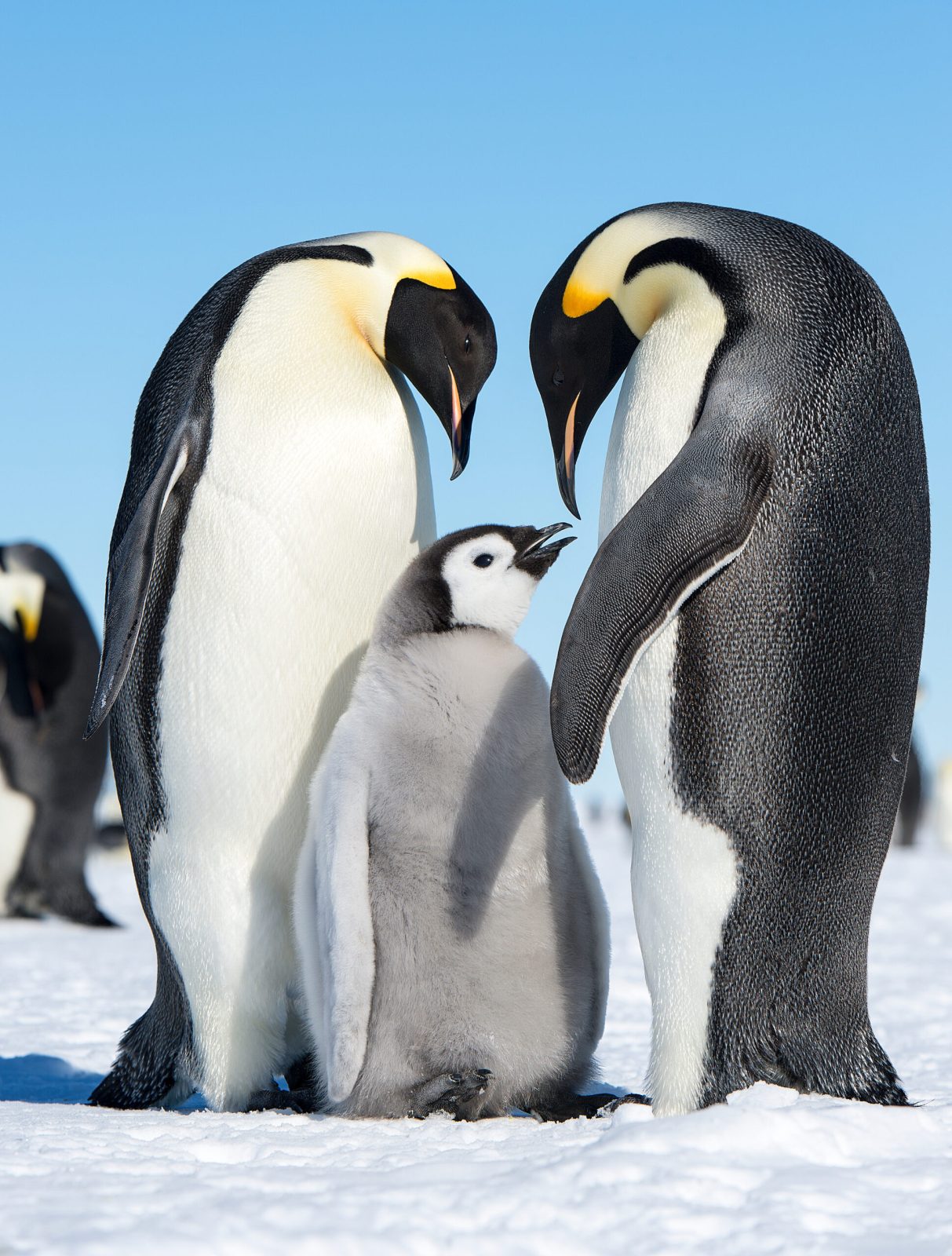
Emporer-penguins
Genus Aptenodytes
Not threatened
256,000 breeding pairs
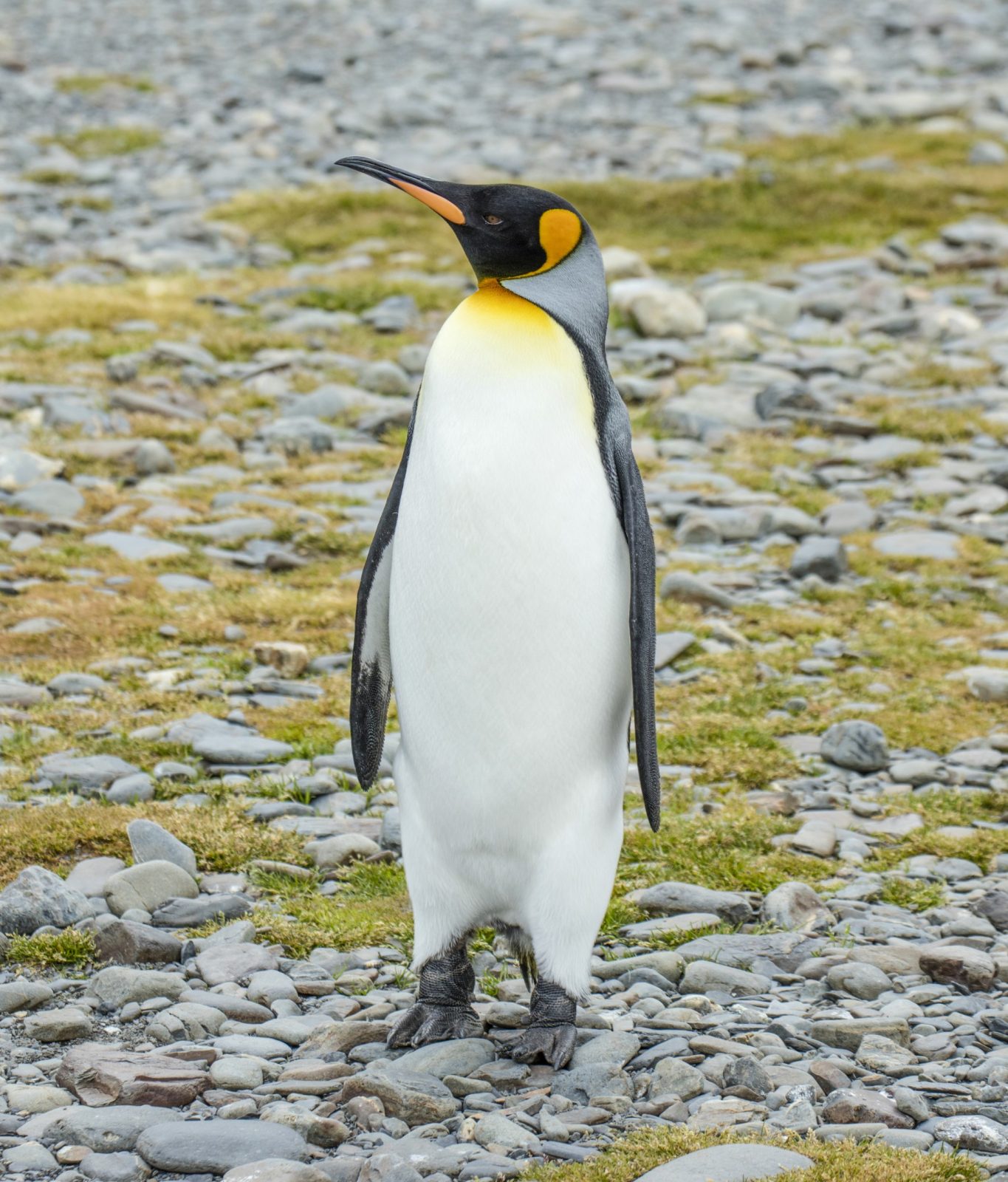
King penguin
Genus Aptenodytes
Least concern
1.1-1.2 million breeding pairs
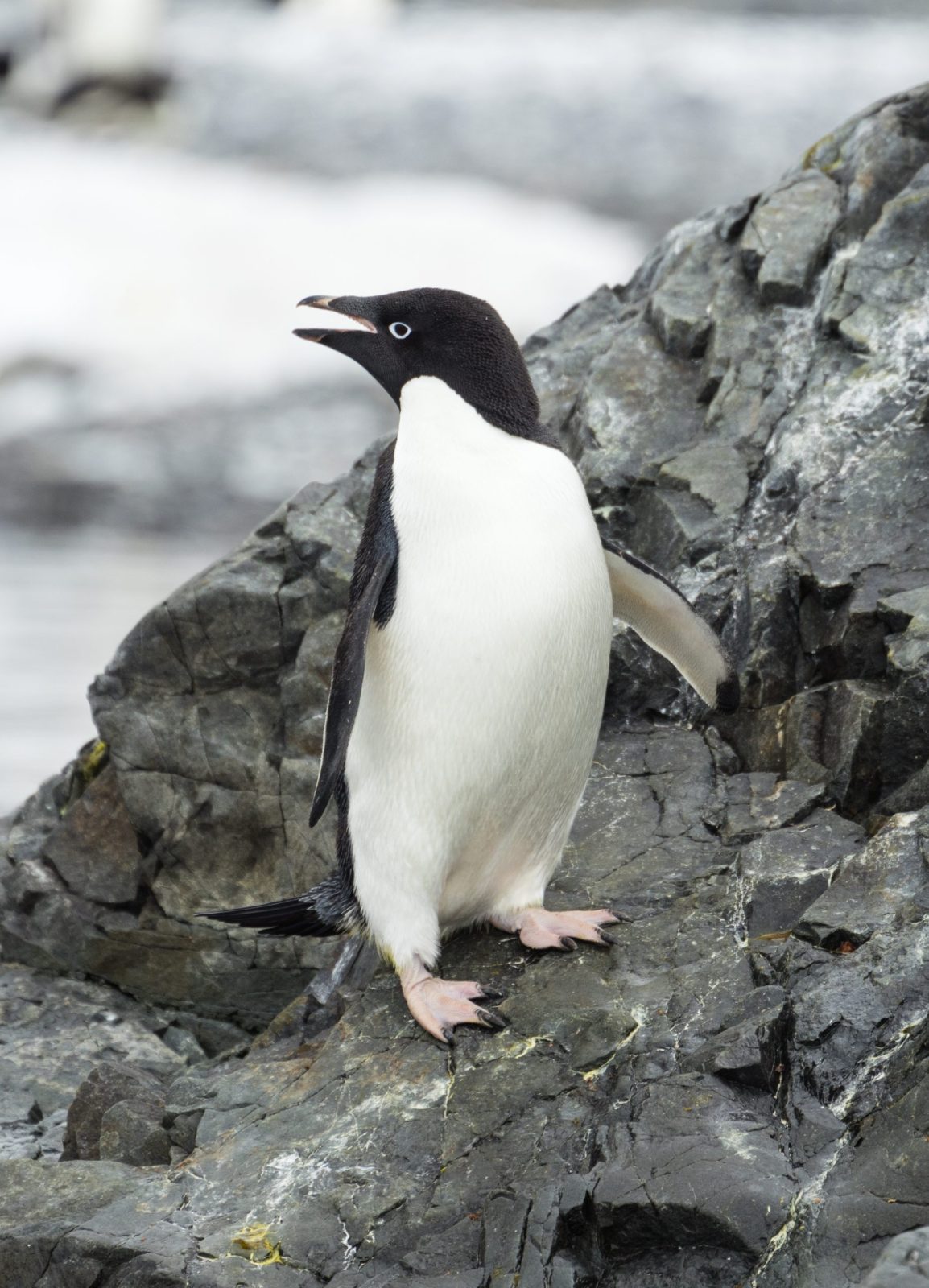
Adelie penguin
Genus Pygoscelis
Increasing
1.1-1.2 million
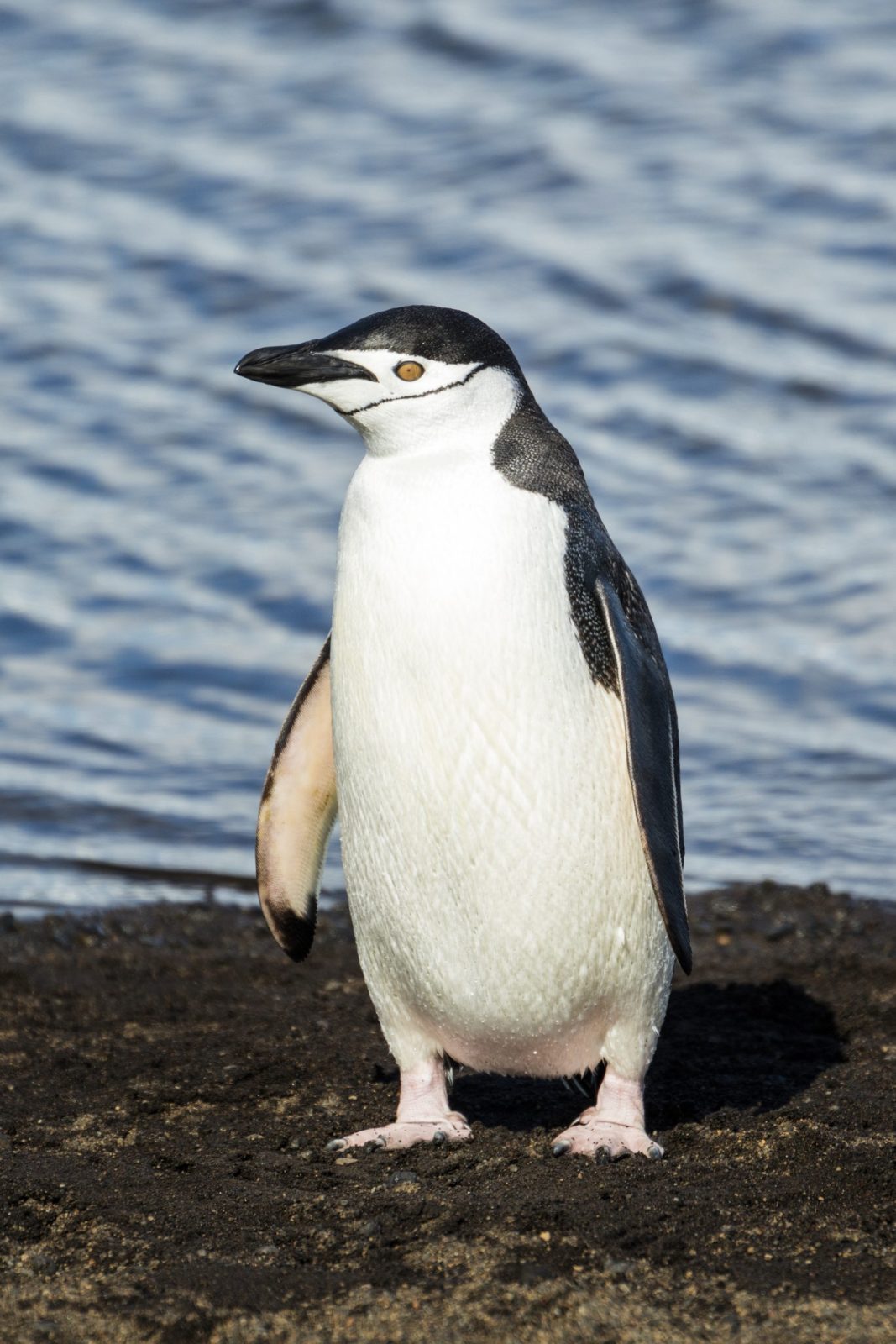
Chinstrap penguin Genus Pygoscelis
8 million decreasing
Least concern
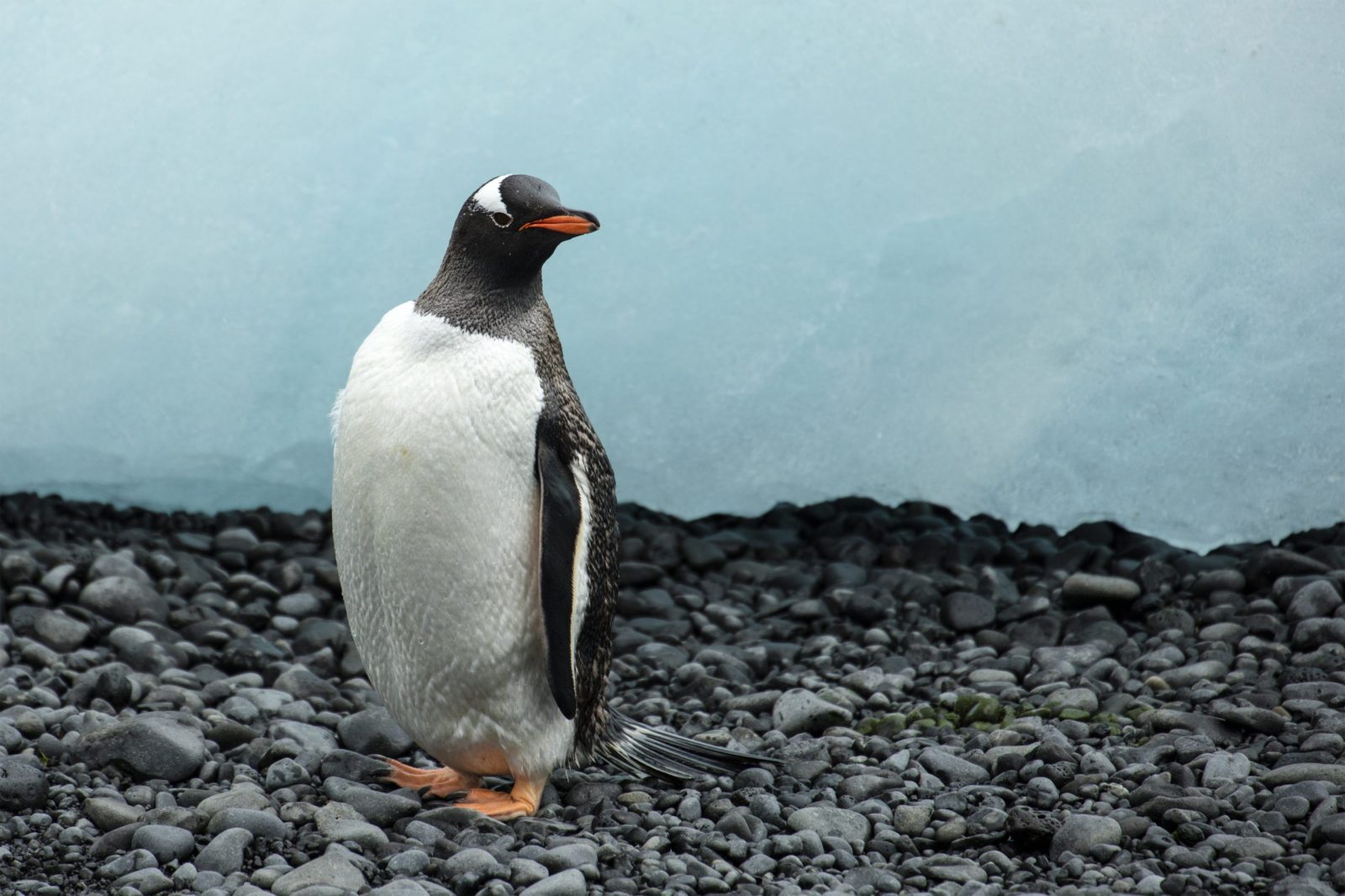
Gentoo penguin
4 subspecies
Genus Pygoscelis
Least concern
774,000
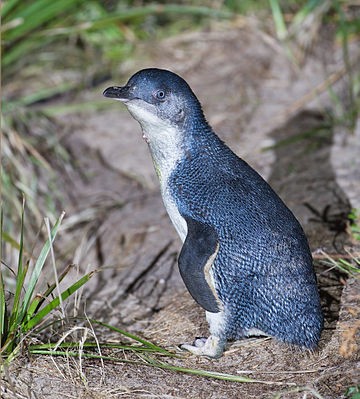
Little penguin 6 subspecies genus Eudyptula
470,000 least concern
photo credit Fir0002/Flagstaffotos
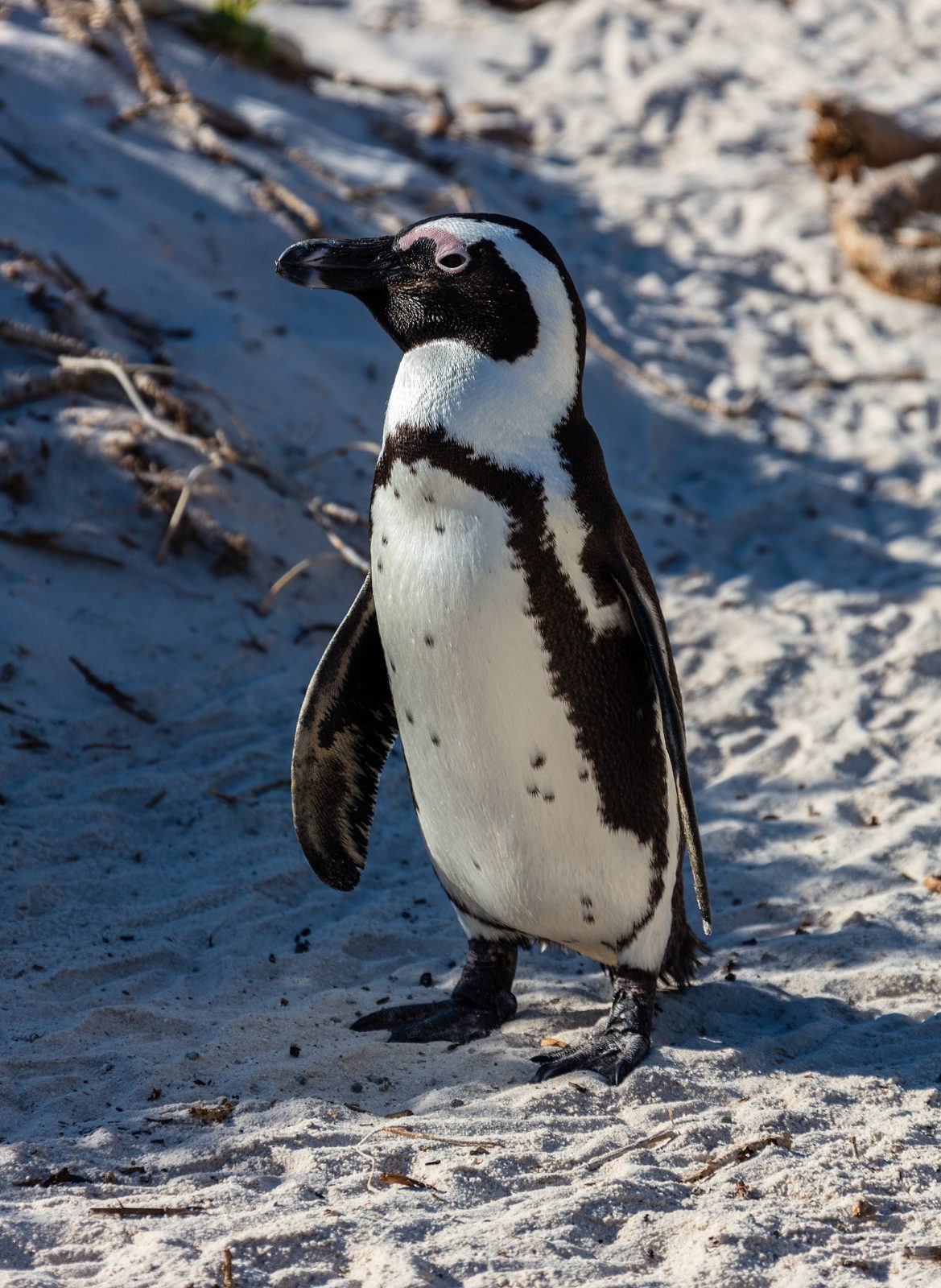
African penguin Deigo Delso 41700 decreasing
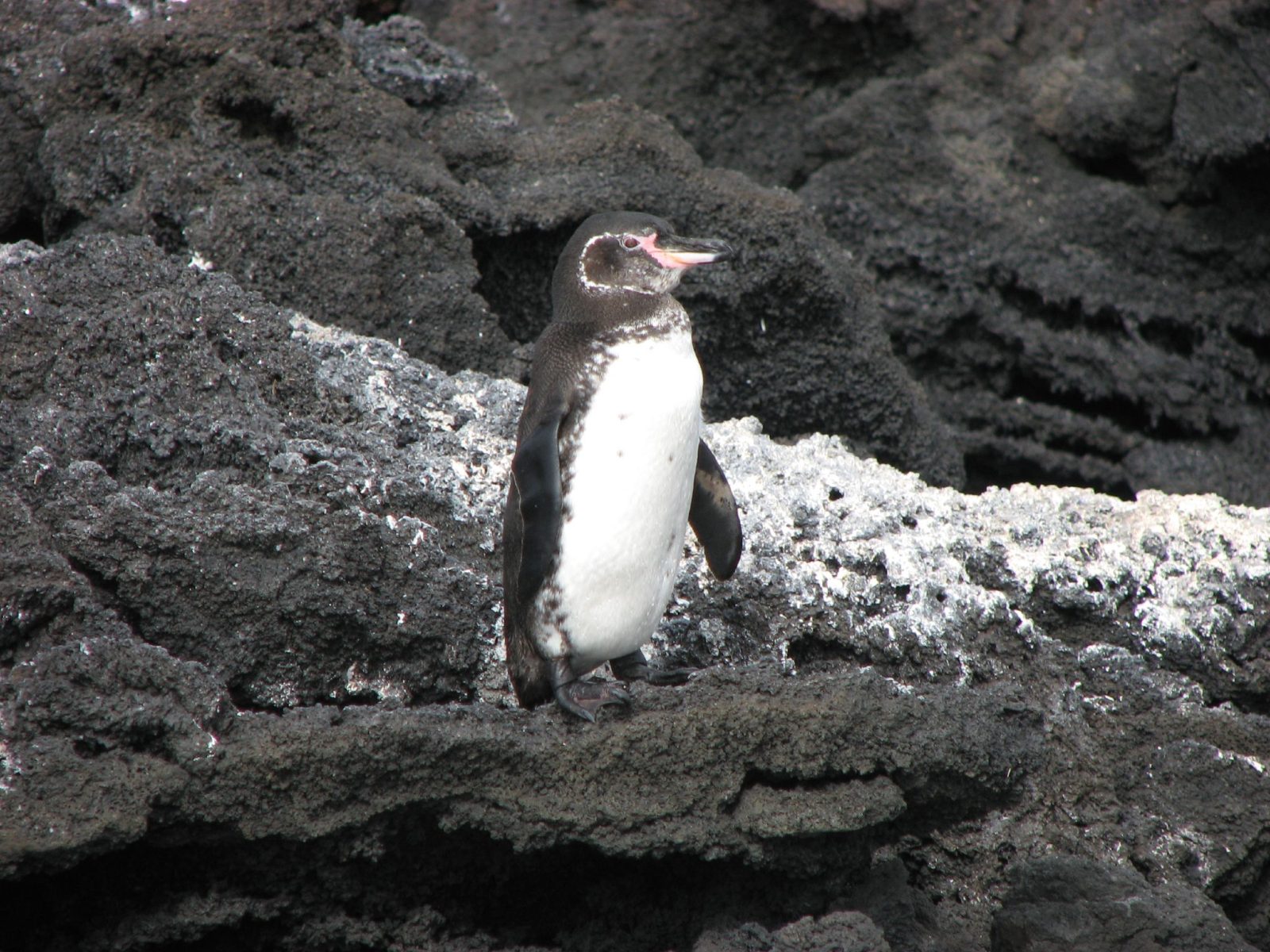
Galápagos Penguin (Spheniscus mendiculus)
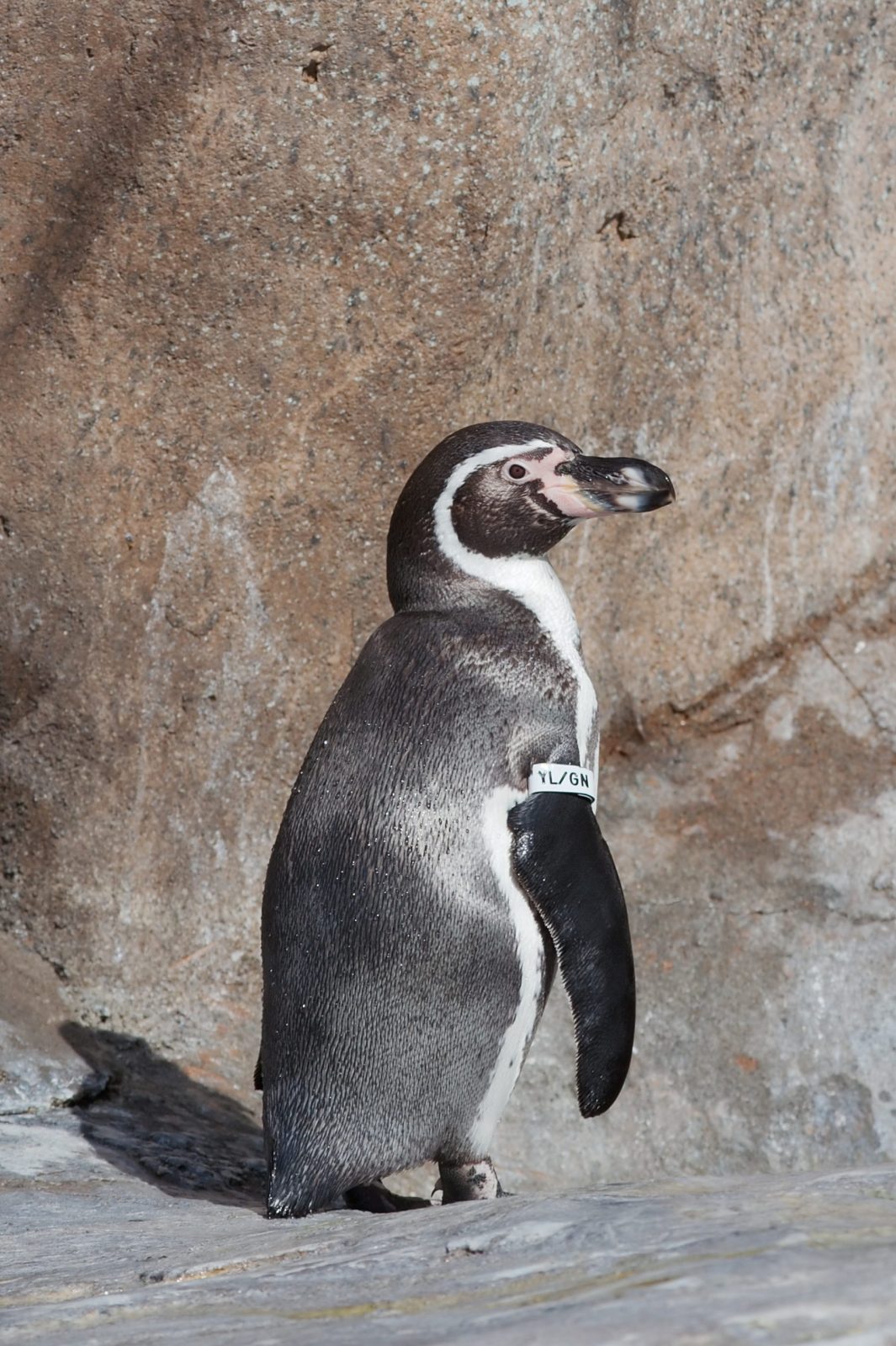
Humboldt penguin
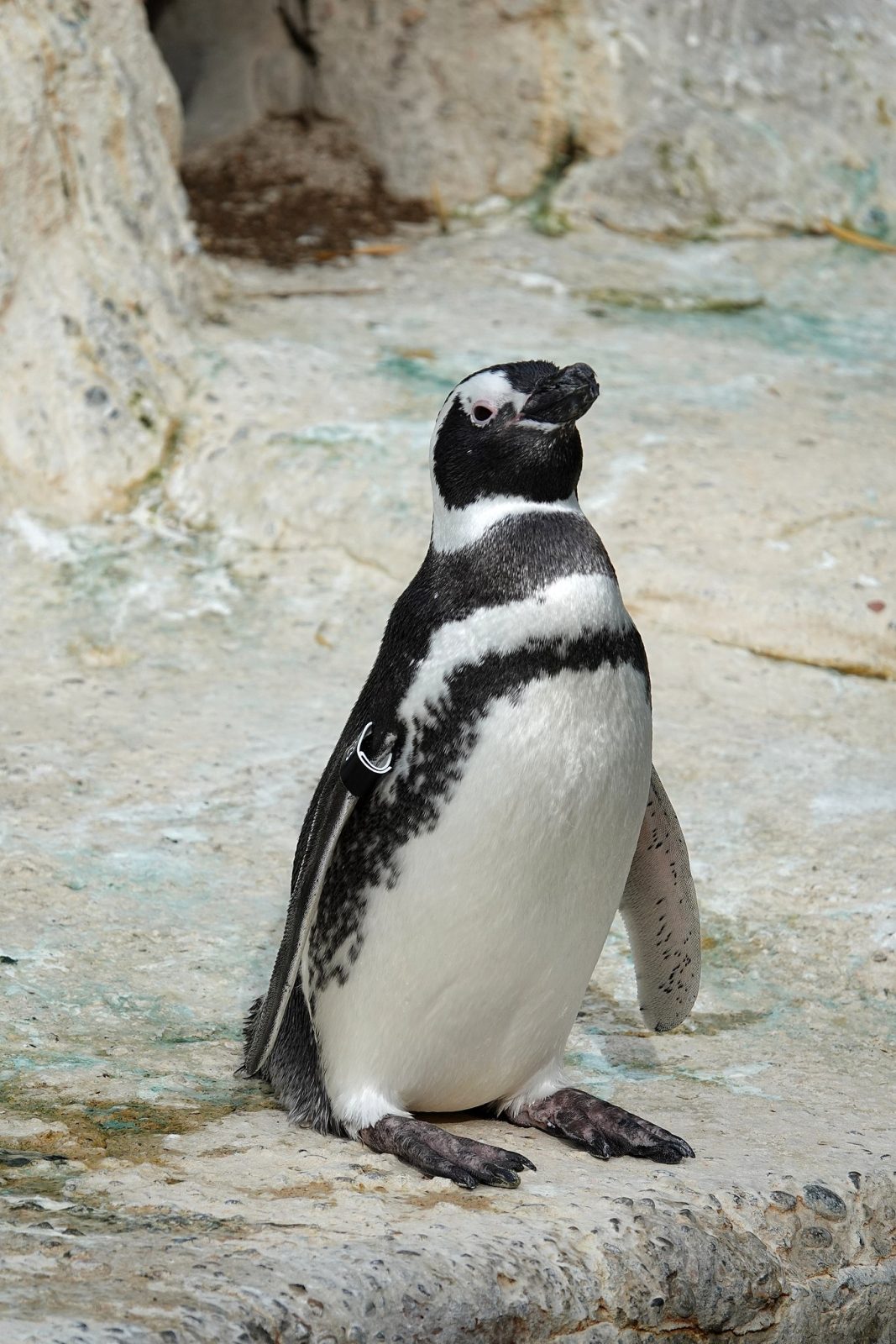
Magellanic penguin
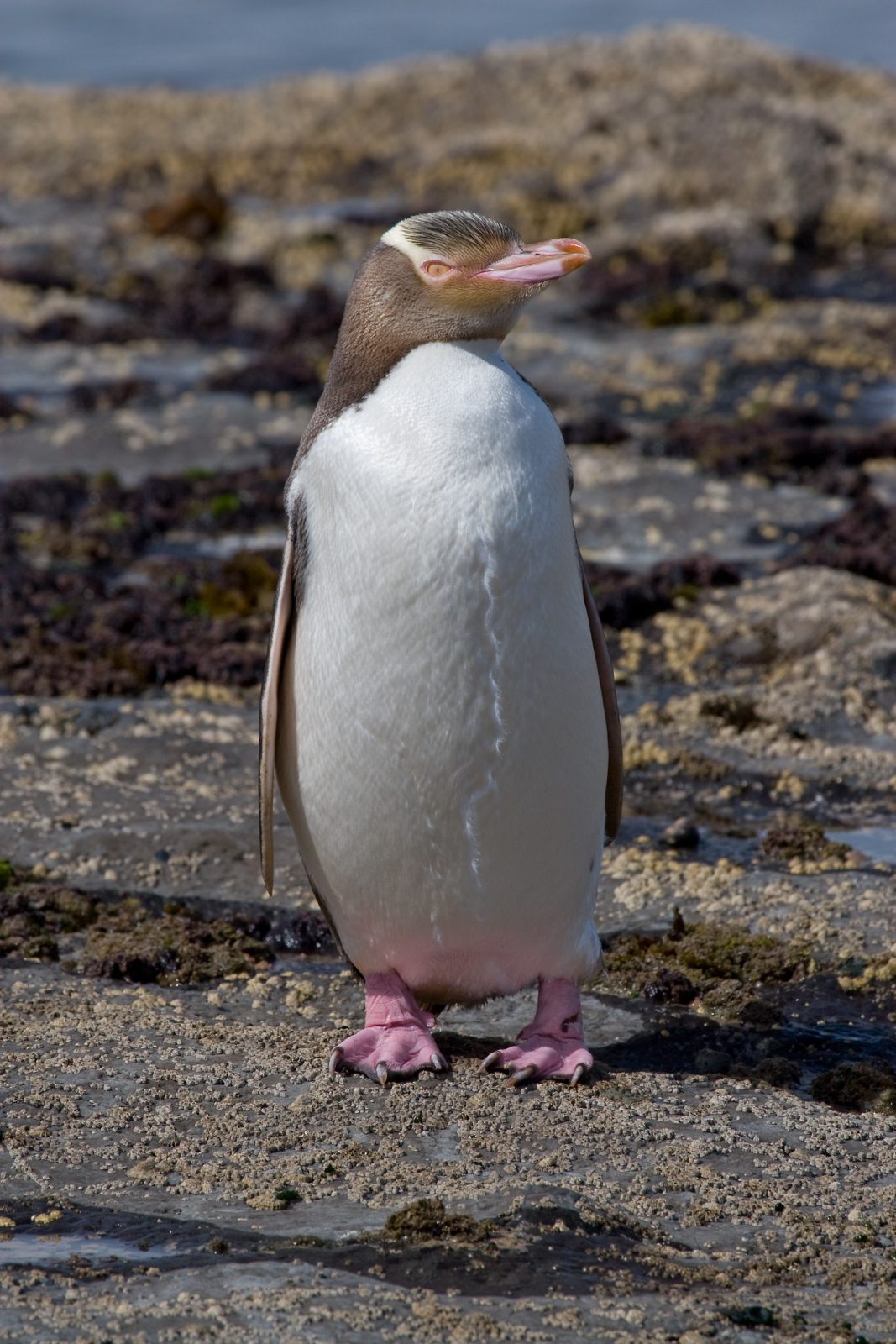
Yellow-eyed Penguin
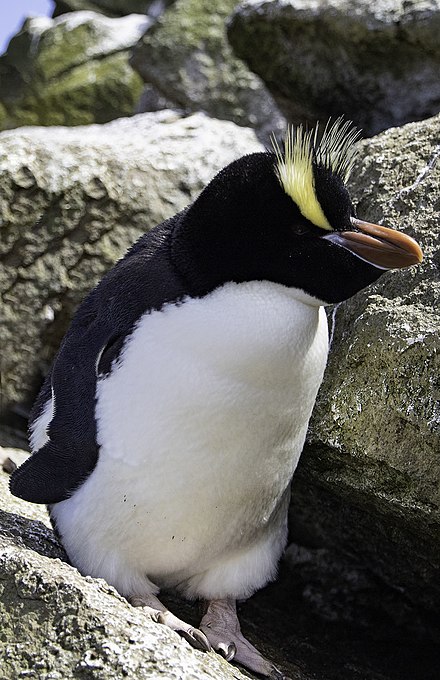
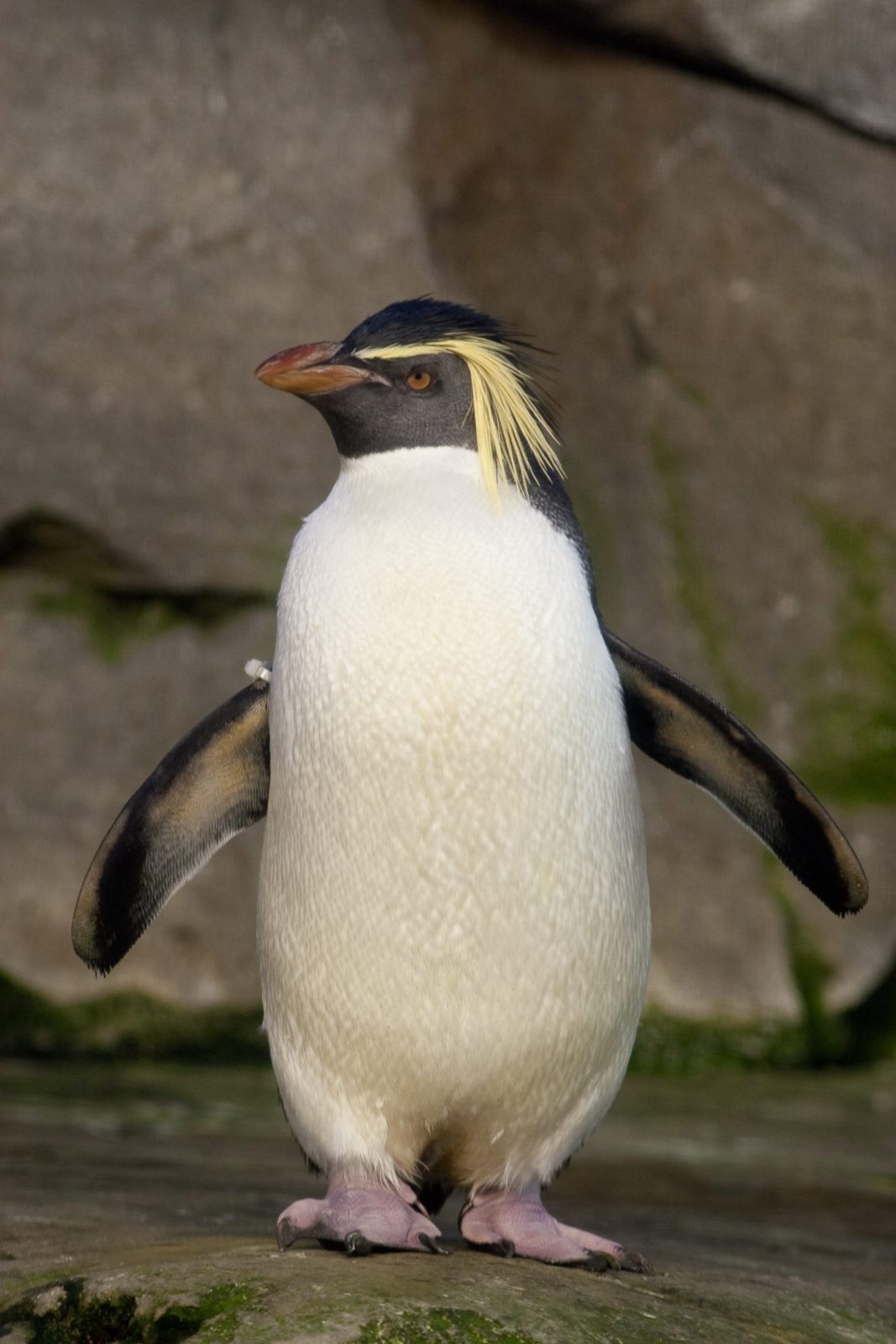
Erect crested penguin photo credit C00ch
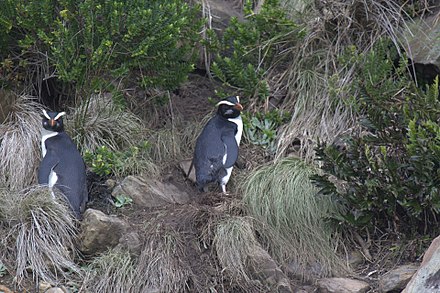
Fiordland Crested Penguin photo credit travelwayoflife
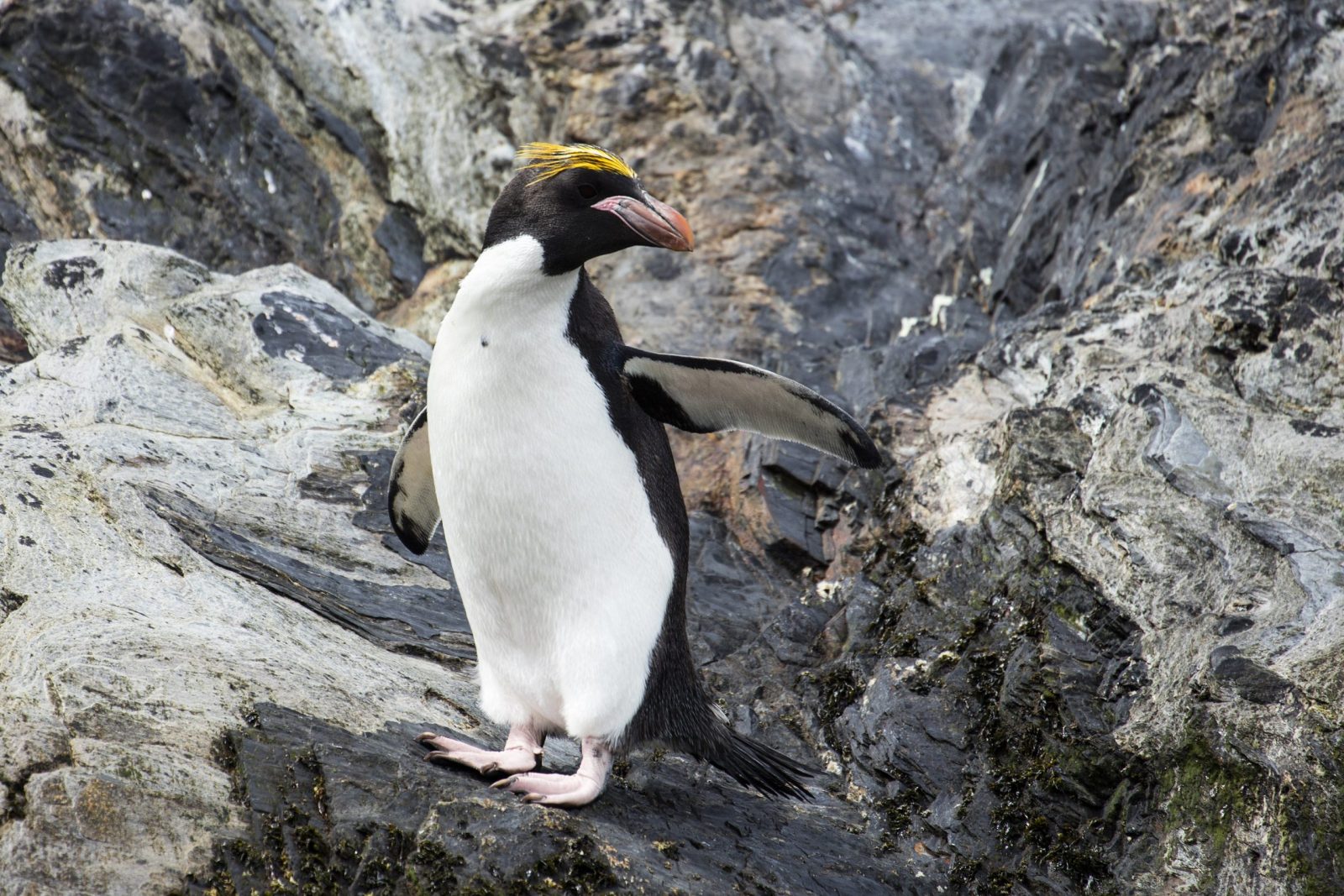
Macaroni penguin by andrew shiva
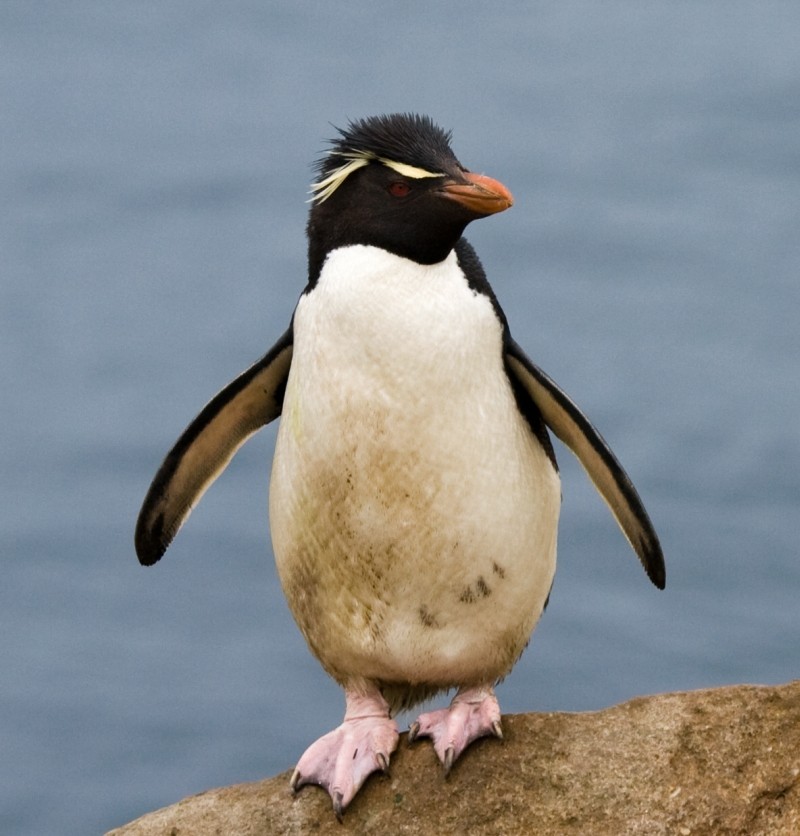
Northern rhckhopper penguin photo credit Arjan Haverkamp
Southern Rockhopper_Penguin photo credit samual blanc
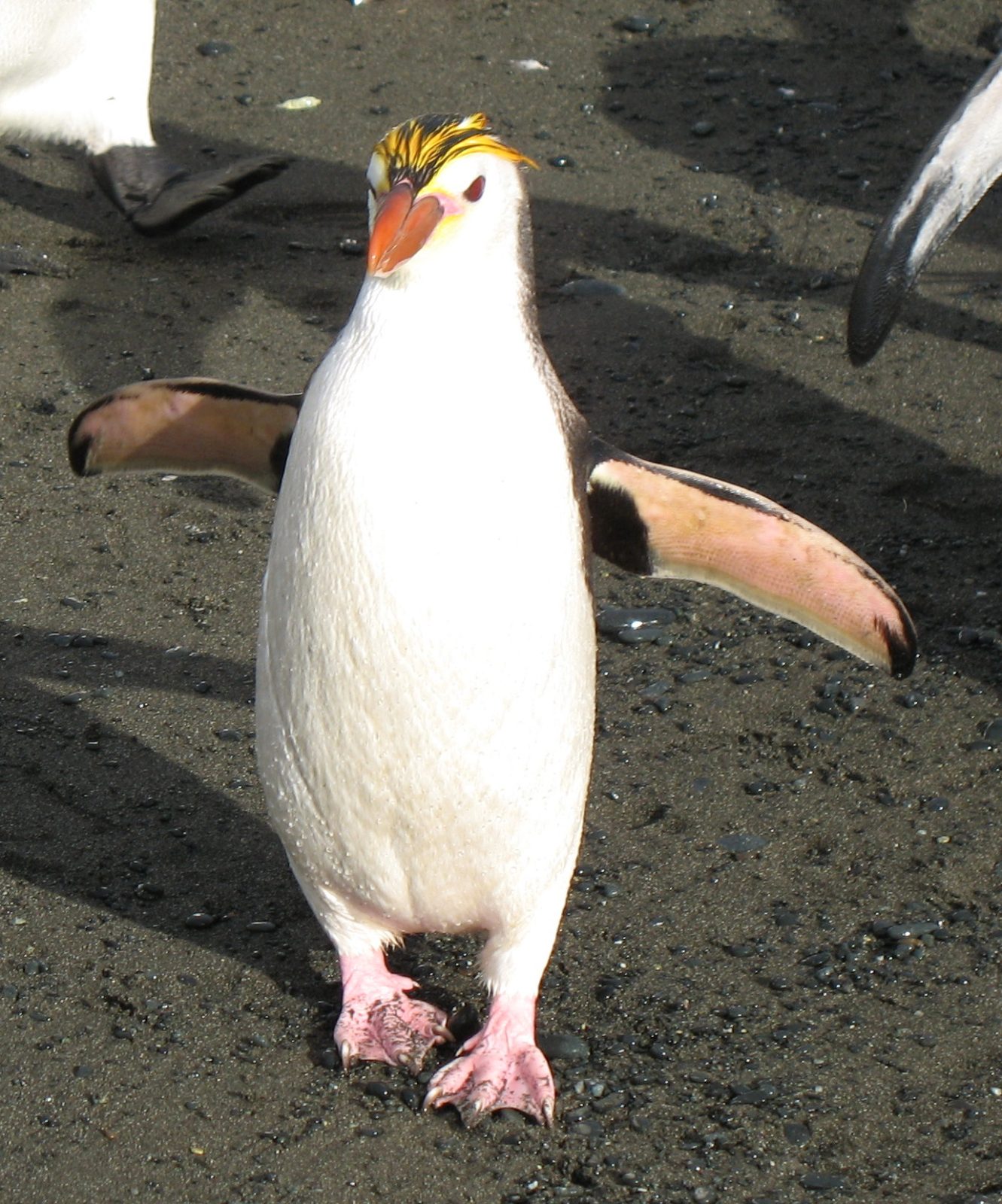
Royal Penguins by m murphy
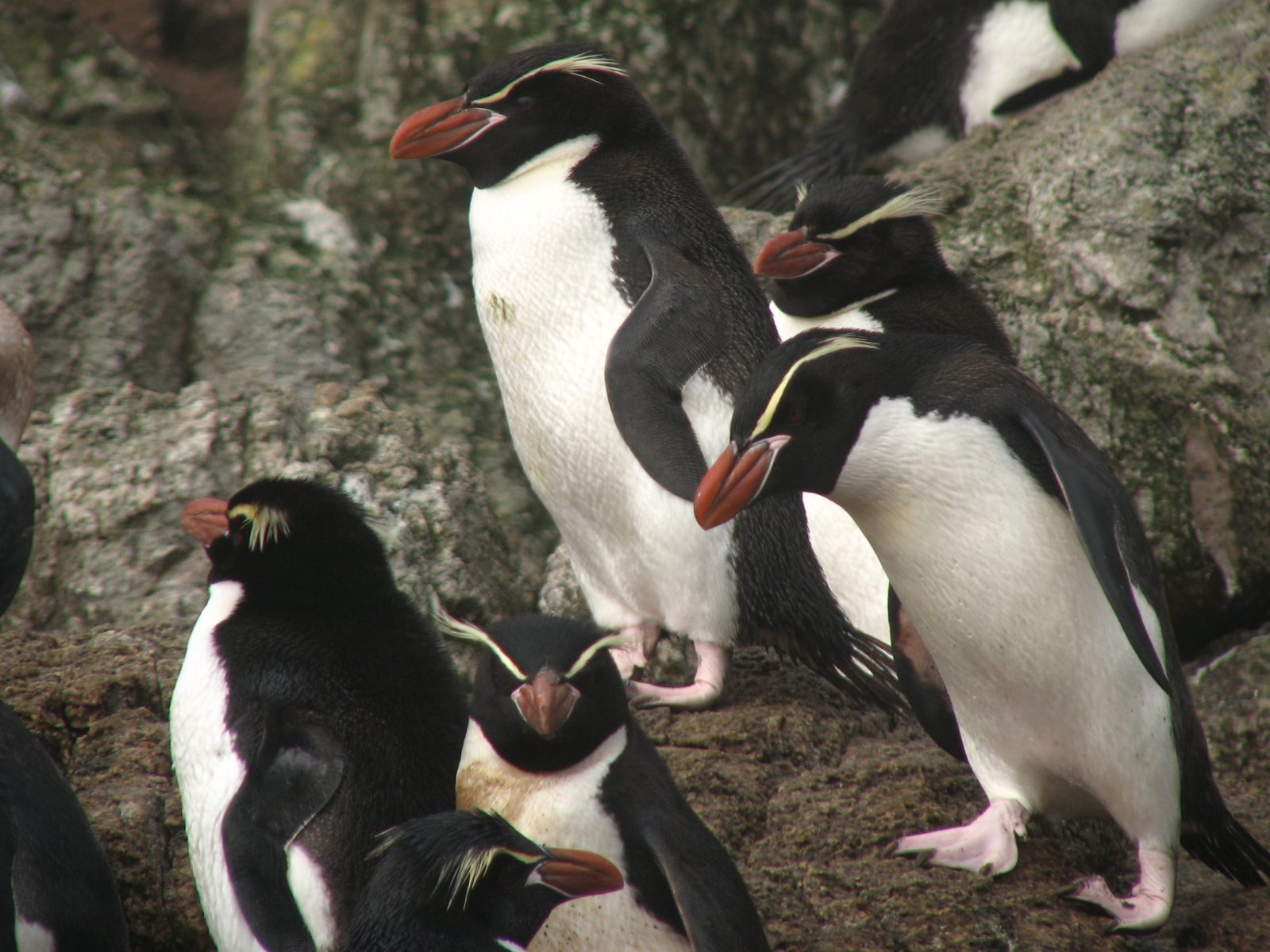
Snares_Penguin_(Eudyptes_robustus) Lin Padgham
Penguins
All penguin species are found in the southern hemisphere. Those birds which lived around the north pole had to retain their ability to fly due to the polar bear (among other predators). However, the Antarctica is a vast island that is a long way from other land. As a result there are no land based predators.
While they are thought of as Antarctic species, they are found in a wide variety of places, and it is thought that the first penguin lived on New Zealand – another island which before humans arrived, was devoid of land predators, removing the need for birds to fly. In the tens of millions of years that have passed since then, penguins have become more varied, and while none have returned to the air (and all have similar shapes) they have become highly successful in a variety of different places on earth. There is one exception, which does not live in the Southern hemisphere, but has instead lives in the Galapagos islands
Below, I will include images of all species of penguin, and over time each will have a page added.
There are 18 species, spread across 6 genera, so I will include both the name and genera for each one. Photo credits will be made on each species page
https://www.youtube.com/watch?v=-BUpU1AHBHI