Angola
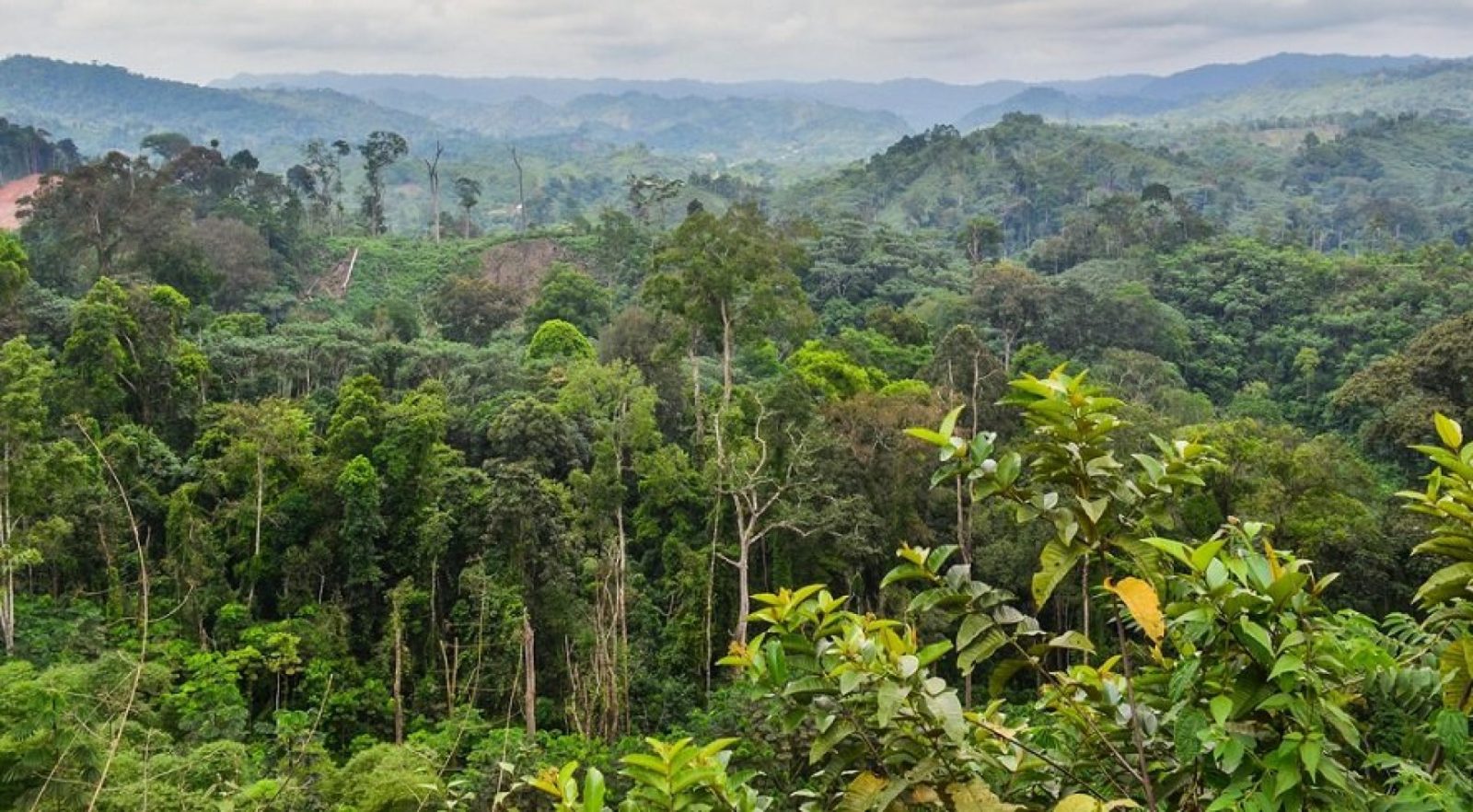
Angola is a wild destination in Africa. Around 46.7% remains forested, and there are thought to be a total of 300 species of mammal within the country as well as 900 species of birds. At the current time, around 15% of the country is protected, which it should be recognized, leaves a great deal of wilderness without any protection.
Given the large area of rainforest, it is perhaps not surprising that there are 13 species of primates which include both Chimpanzee and gorilla alongside 2 species of baboon: Kinda baboon and Chacma Baboon as well as Angolan Talapoin, Black-crested mangabey, Blue Monkey, Crested Mona Monkey, De Brazza’s Monkey, Moustached Guenon, Schmidt’s Red-tailed Monkey.
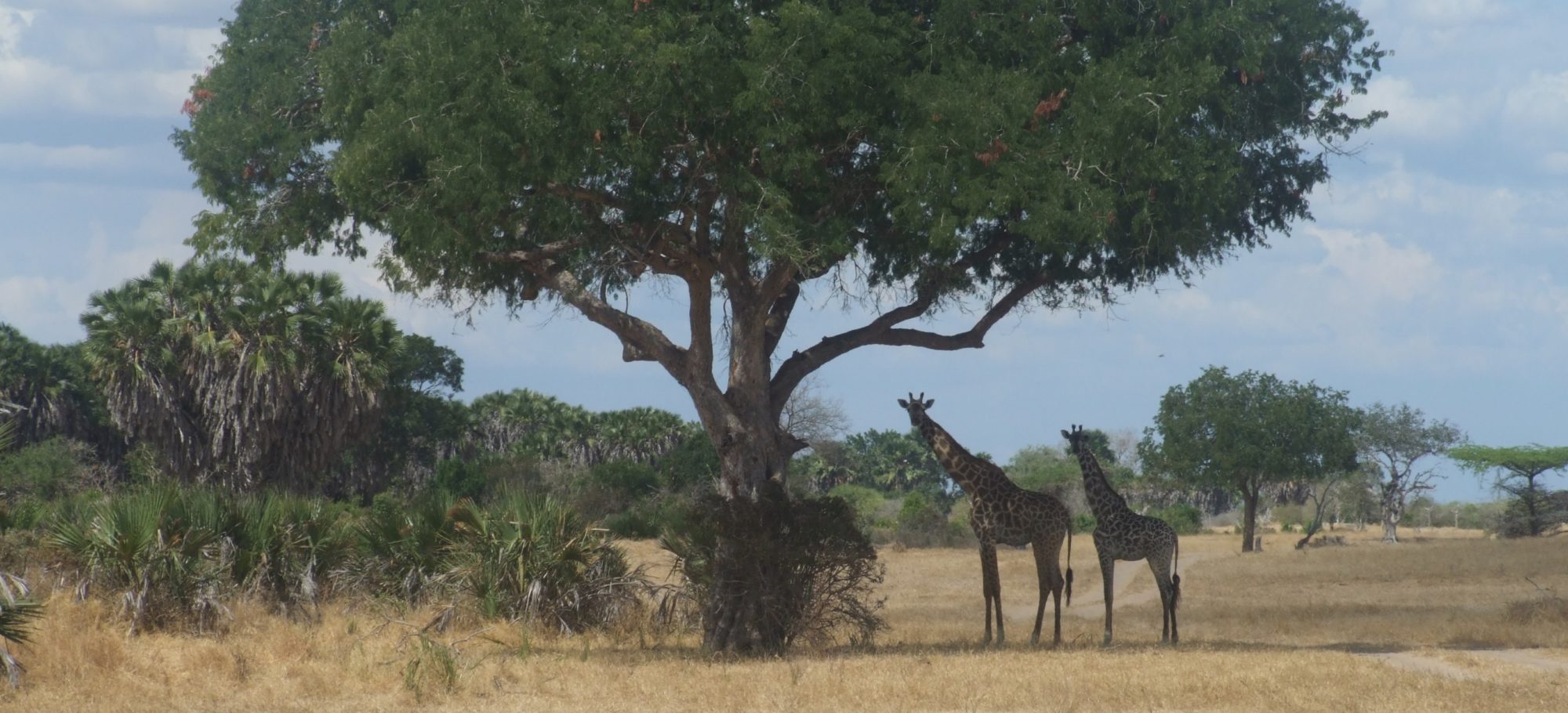
Even outside of the forests, there are some fascinating wildlife. Luengue-Luiana National Park is a 30,000 square miles area within Angola that is a savannah ecosystem. This includes lions, though only around 30 survive here (which for context the Kruger has 1500 lions and is 1/4 of the size – so there is clearly a great deal of space for lion population growth; at the current time, there is neither enough protection for the lions themselves or their prey). It is also thought that cheetah still survive here as well. Leopards still survive, and even black rhino. Angola is thought to have 6000 elephants, though the Angolan section of the Kalahari-Zambezi transfrontier park was recently surveyed from the air, and a very large number of elephant carcasses were counted, so there is a fear that this population may have dropped a long way. While no official surveys have been done, there have been a number of reports of African forest elephants, which given the area of forest in the country, this seems quite reasonable.
Perhaps, one of the most notable species that are only found here is the giant sable antelope (this is a notable subspecies of the Giant Sable antelope).
The Kalahari-Zambezi transfrontier park does also extend into Angola.
Angola News
Southern African countries Zimbabwe, Botswana, Angola and Namibia are calling for an end to the ban on ivory sales
- Tim
- July 20, 2019
This group of Southern African countries are once again raising the prospect of them selling the ivory that they have accumulated over the years. In the majority of African countries…
Angola has committed 60 million dollars to the clearance of landmines within their national parks
- Tim
- July 4, 2019
During Angola’s long-running Civil War, many parts of the country had minefields put in place. One of these is an area that is going to be a part of the…
The website was hacked! nothing lost, and wildlife tourism to Africa can return
- Tim
- October 7, 2021
Hello everyone! We survive
So, the website was hacked. Nothing was stolen, from what I was told they were just able to delete the website. Thankfully we back up, so…
Following on from the fires in the Amazon Rainforest story – Bolsonaro is all over the place
- Tim
- August 28, 2019
For anyone who reads this blog regularly and read my initial article in the run up to his election, you will have seen that this is not the sort of…
Transfrontier parks – allowing wildlife to exist closer to how it did before humans arrived
- Tim
- February 10, 2018
In Africa it is becoming increasingly common for national parks to be declared on both sides of a border. This allows the protected area to be vastly larger than either…Read More
