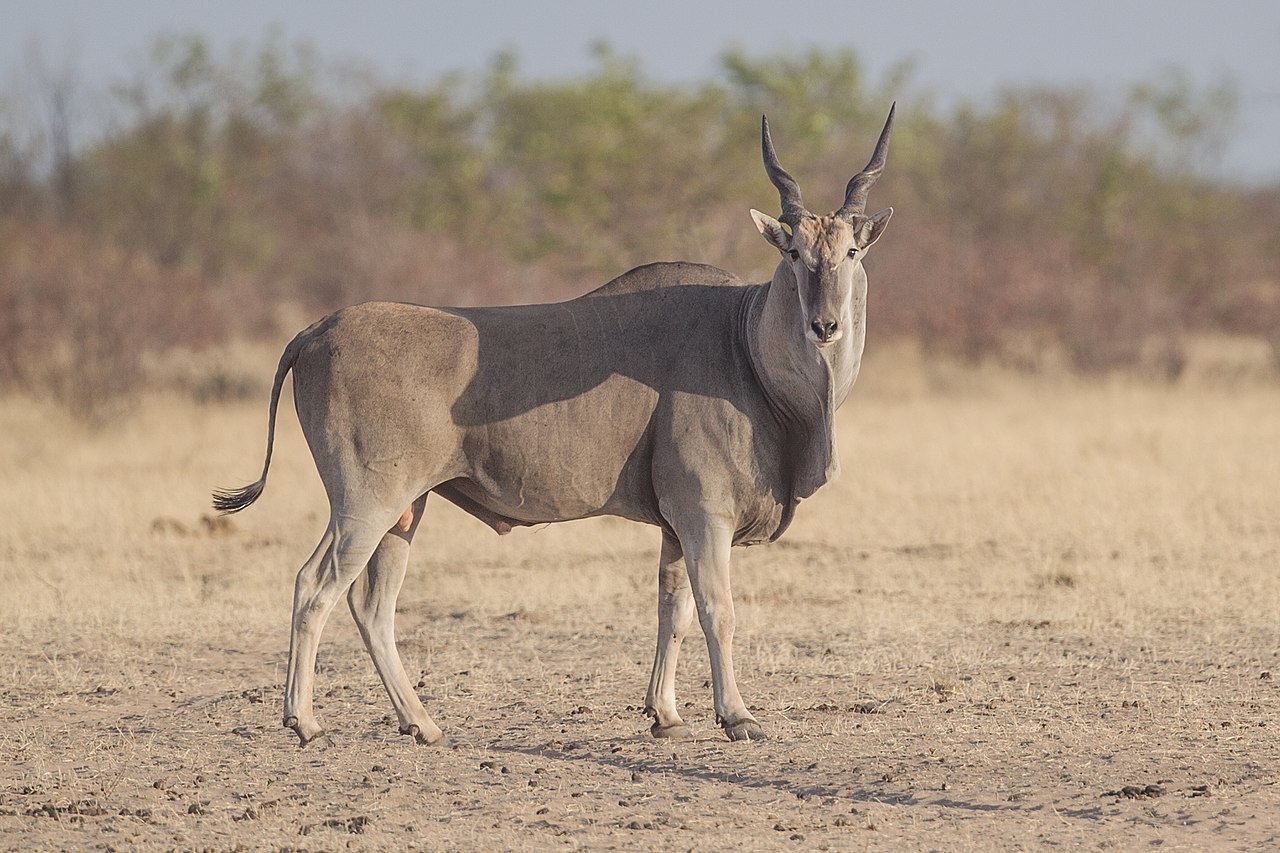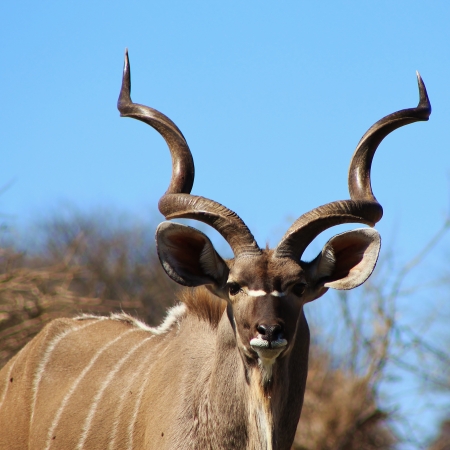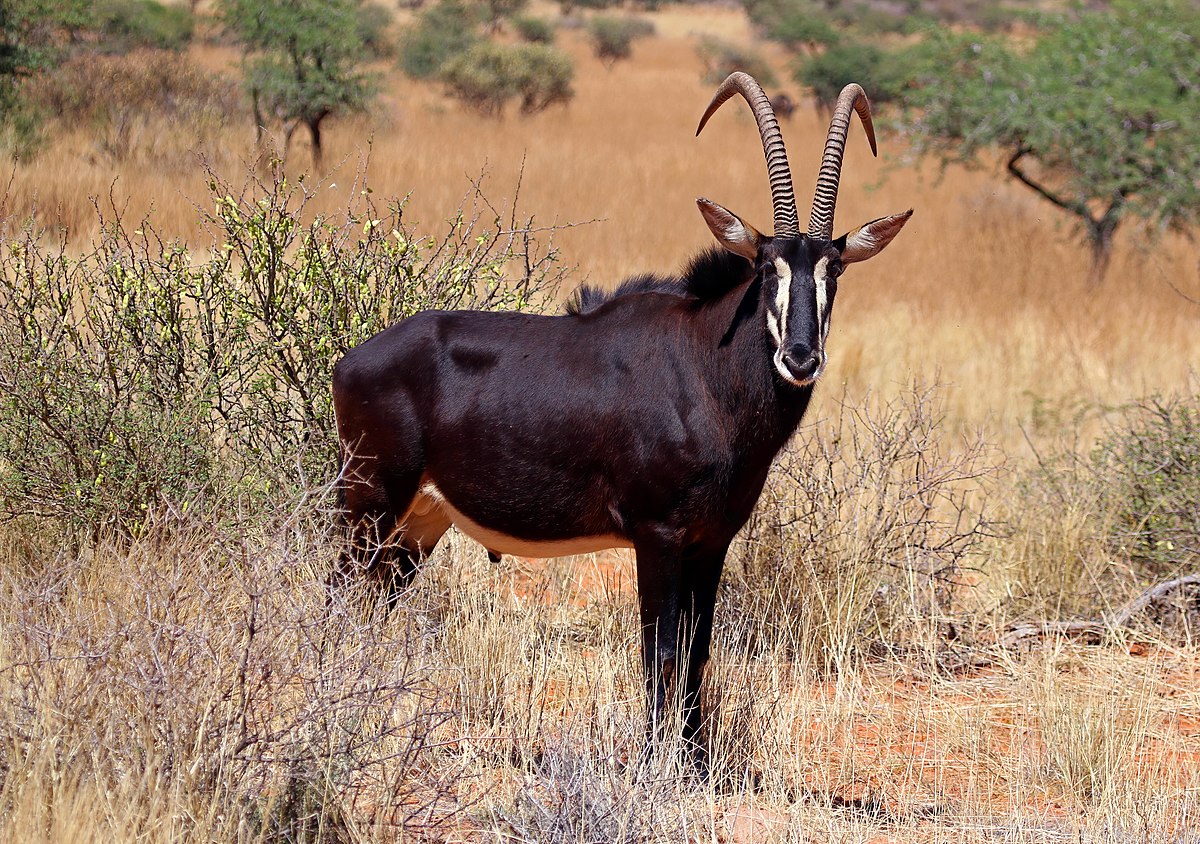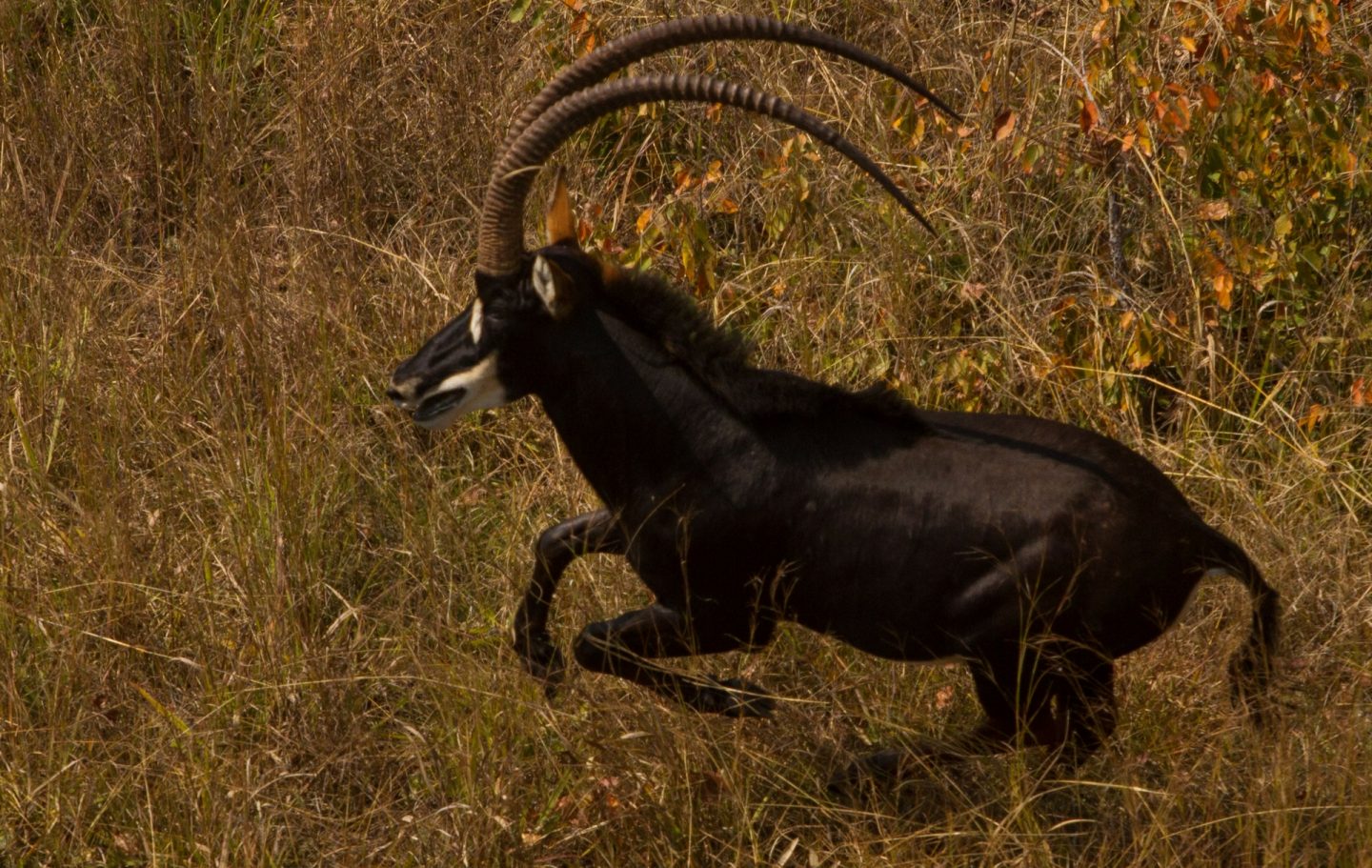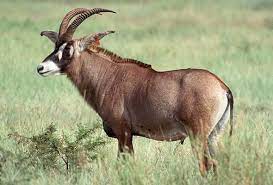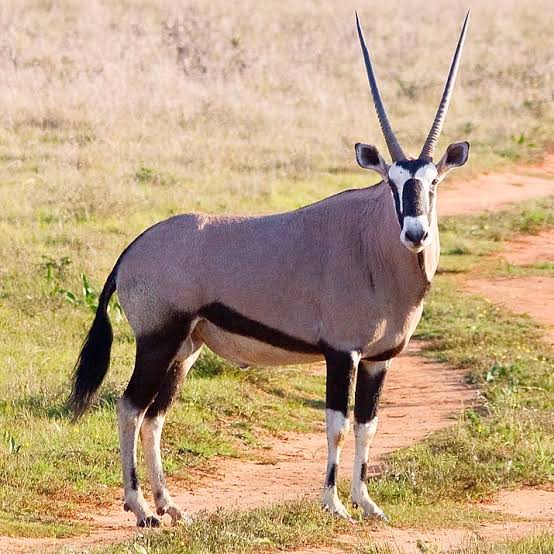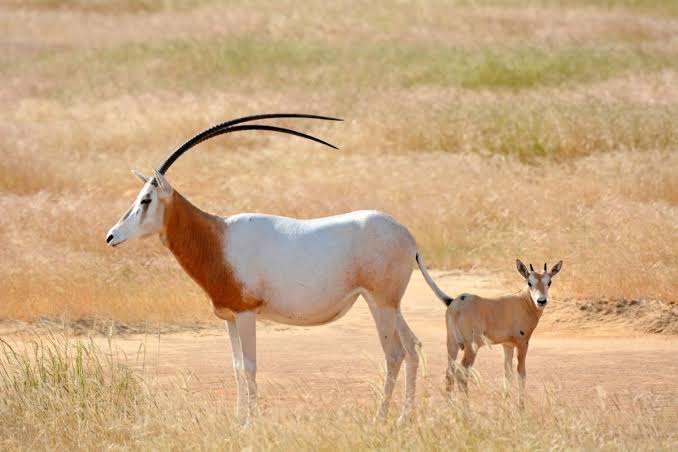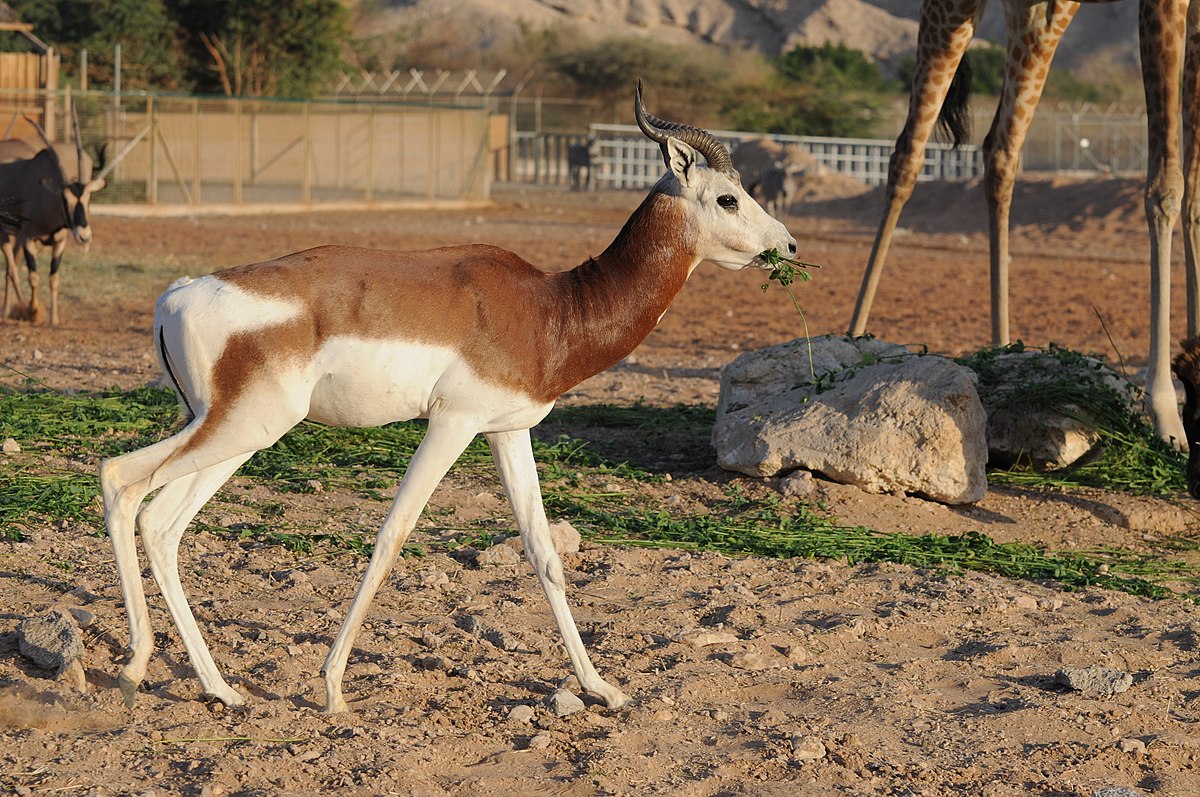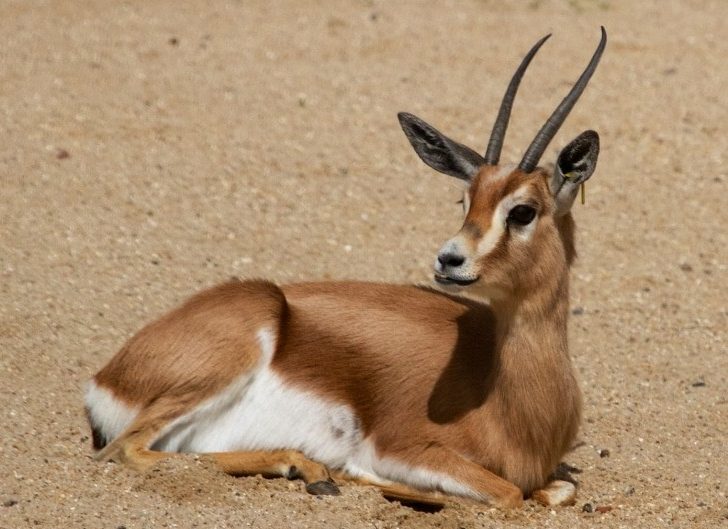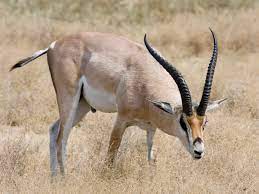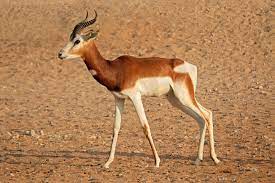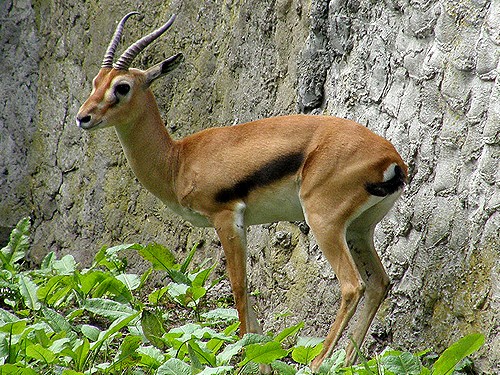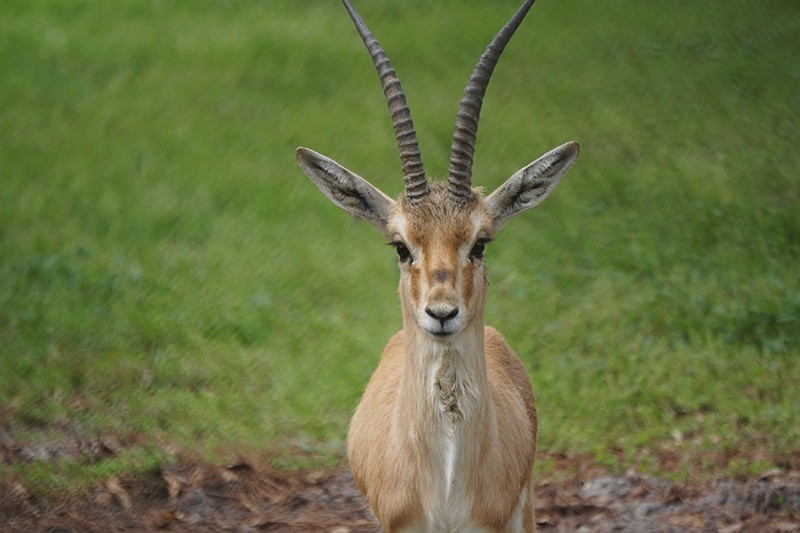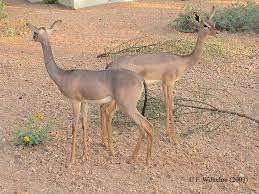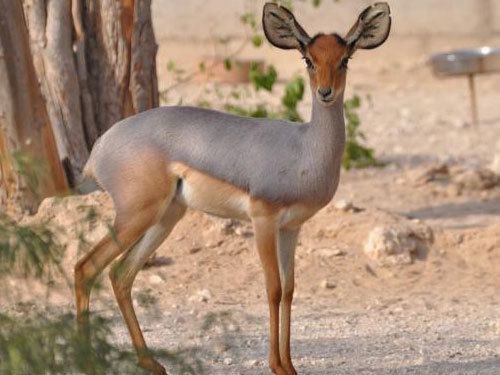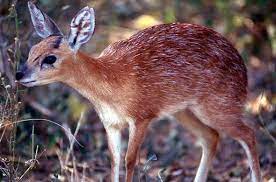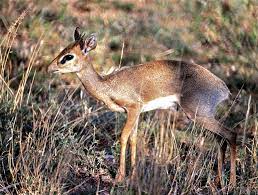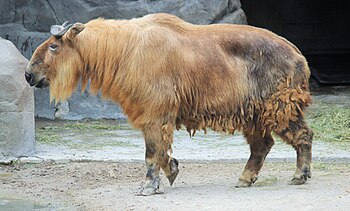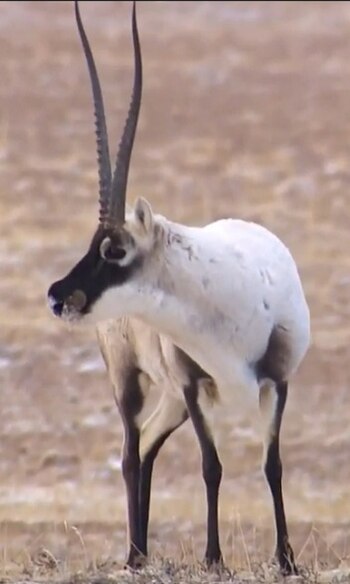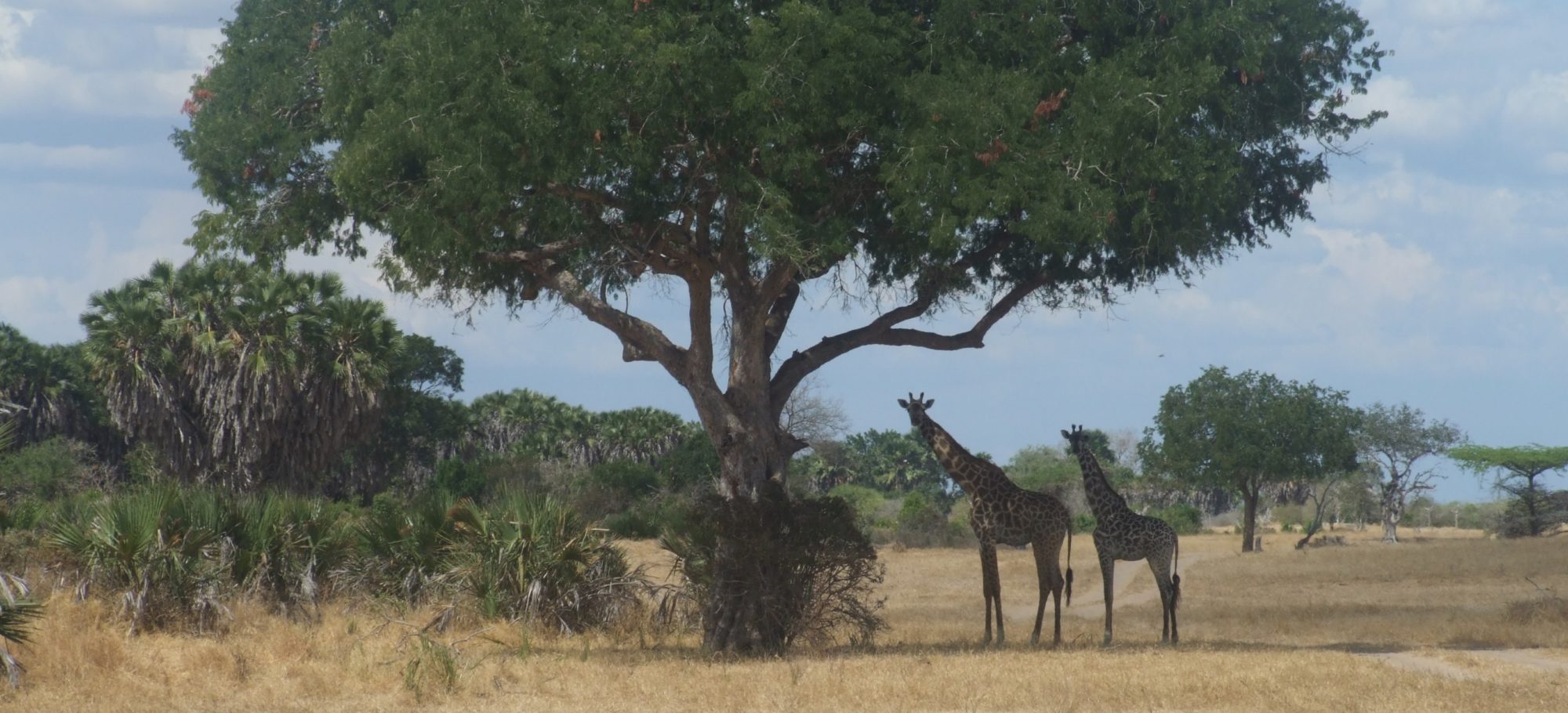
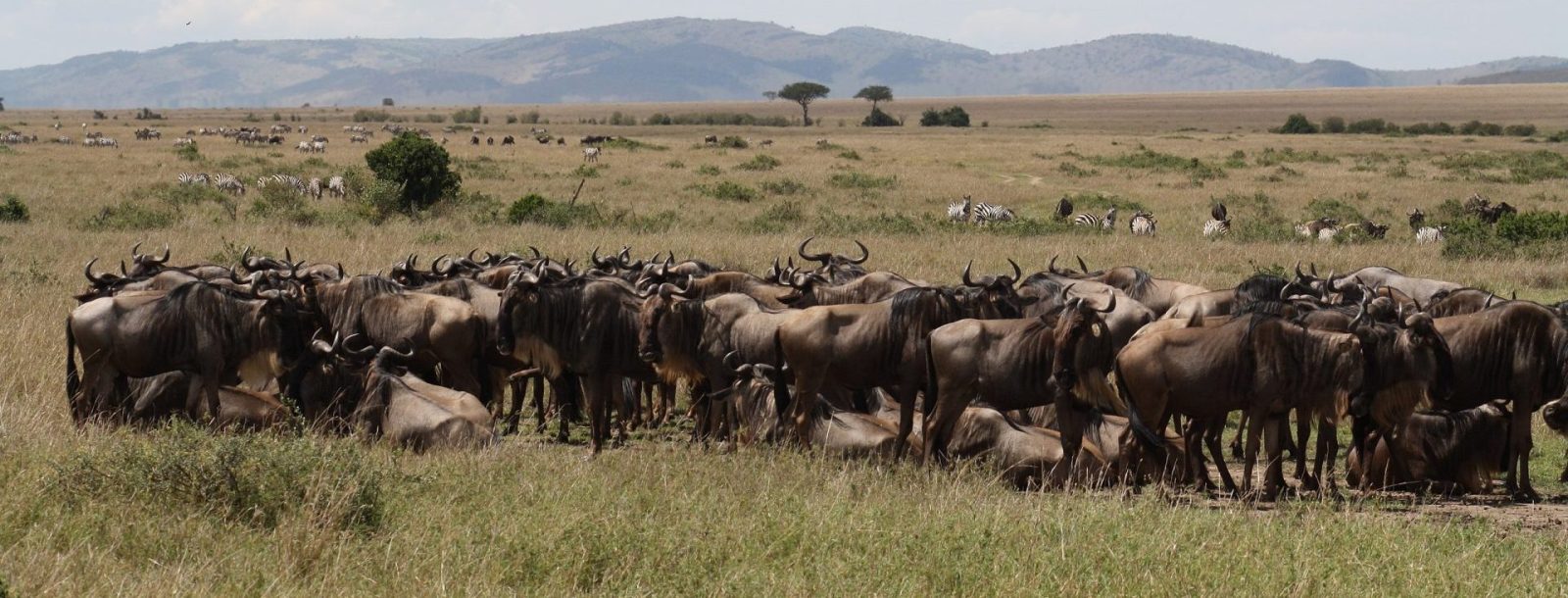
Bovidae family (including Aegodontia &Boodontia) or Antelope family tree
Antelope lie in the Bovidae family, and account for around 2/3 of the 135 Bovidae species that exist in the world. It should be noted that deer come from the family Cervidae, which means that despite looking extremely similar, antelope are more closely related to cattle than they are to deer.
There are 91 antelope species in the world with 72 found in Africa, 14 in Asia, with the last 5 found in Eastern Europe.
There are 8 subfamilies in Africa
1. Subfamily Bovinae
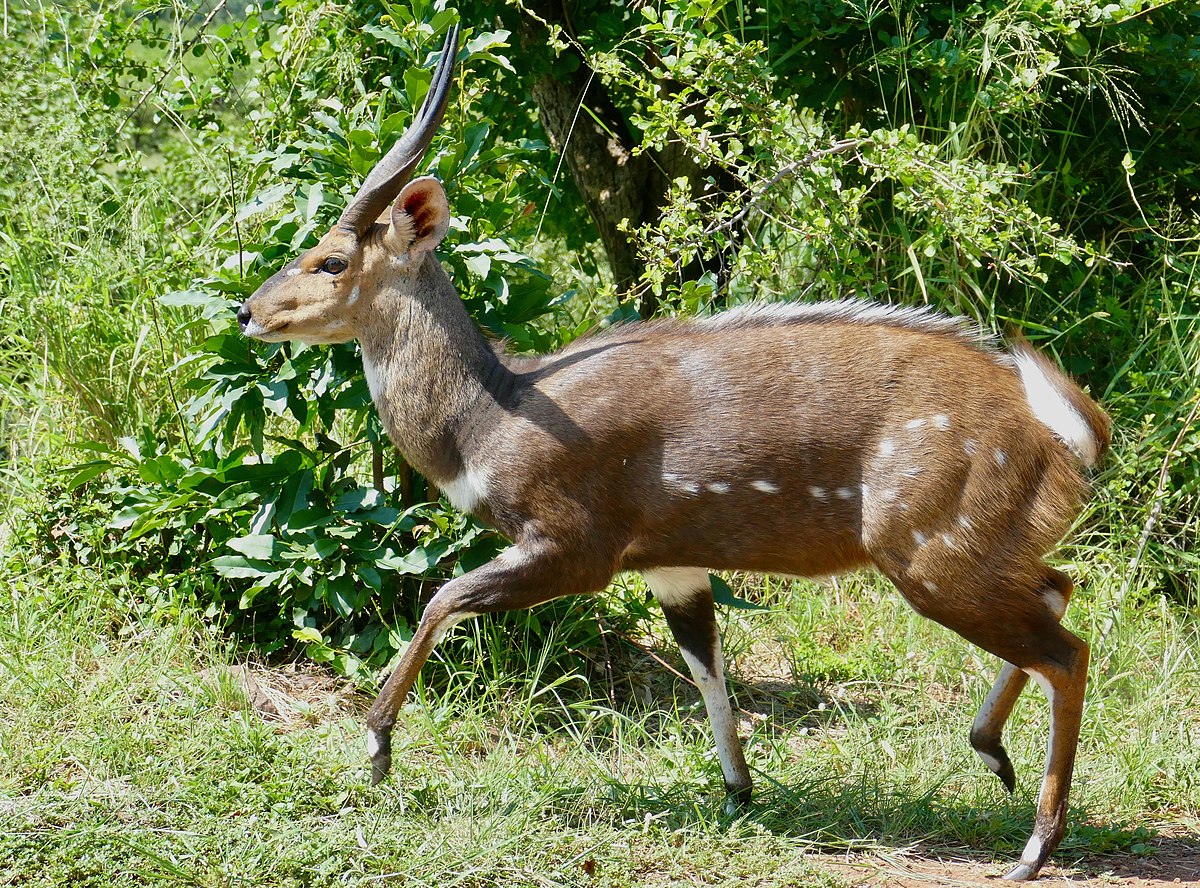
Spiral horned antelopes made up of tribe Tragelaphini: 9 species 4 subspecies.
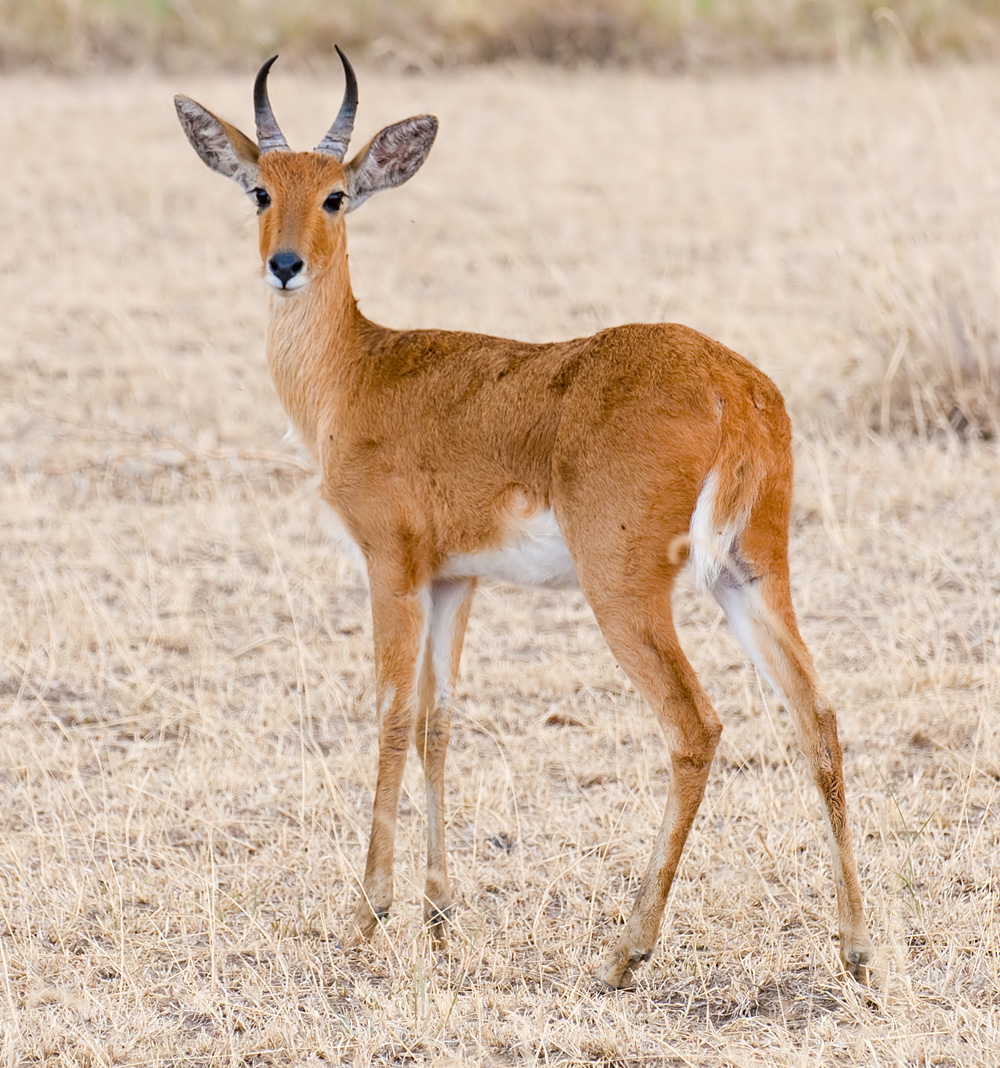
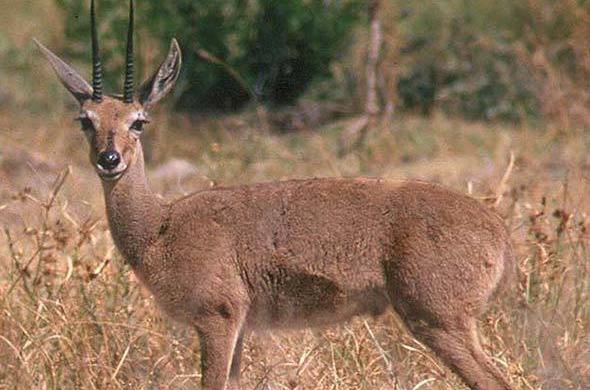
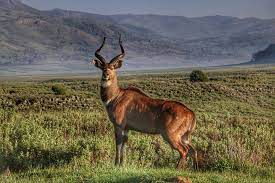
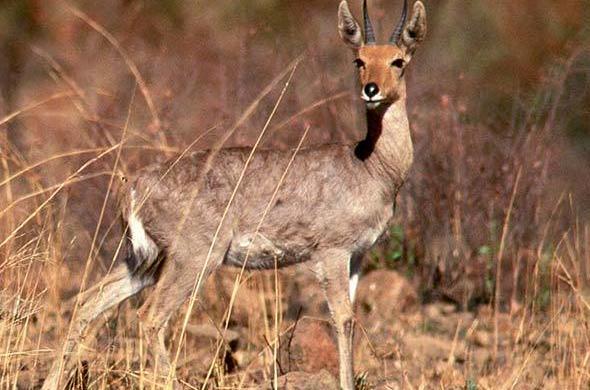
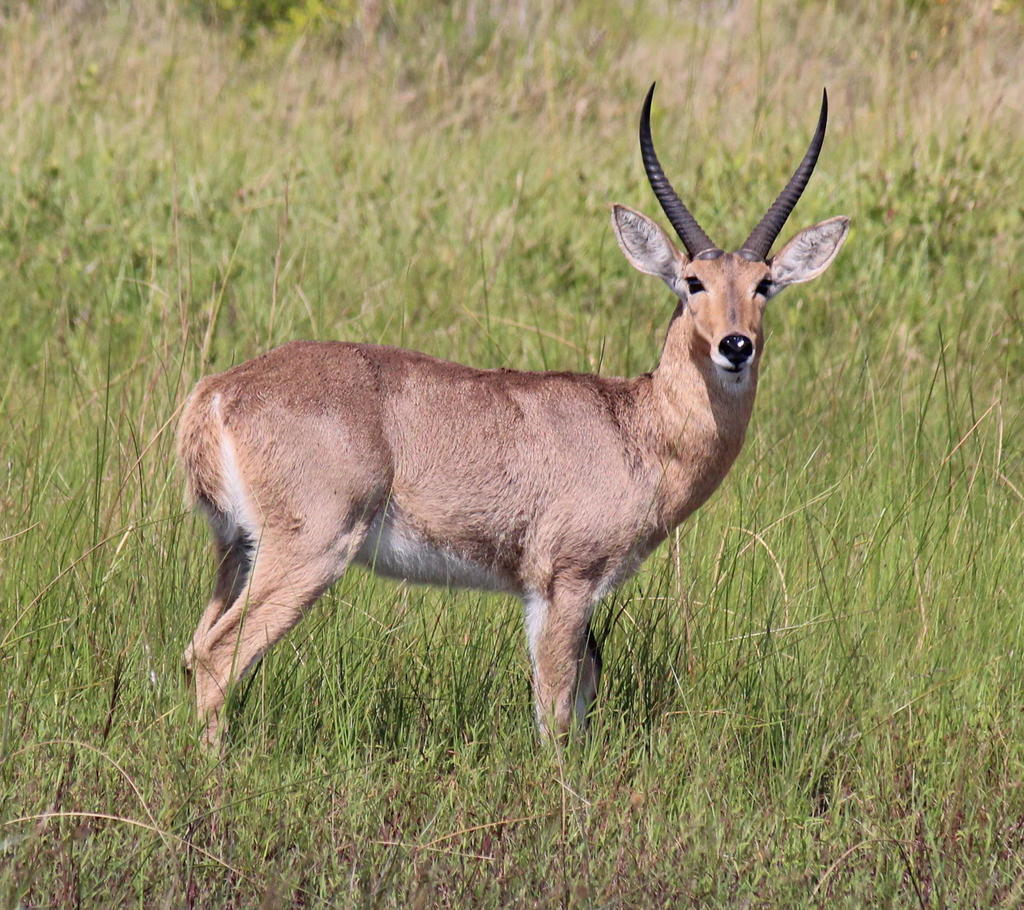
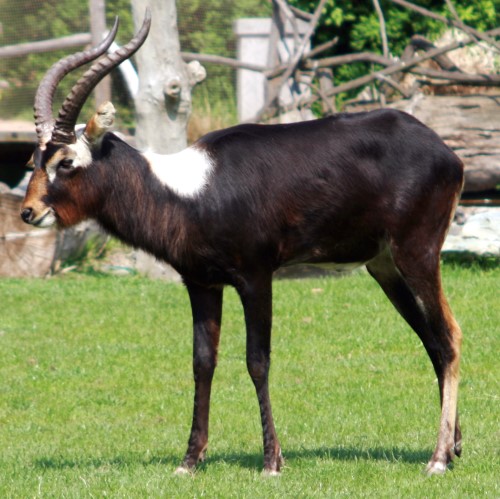
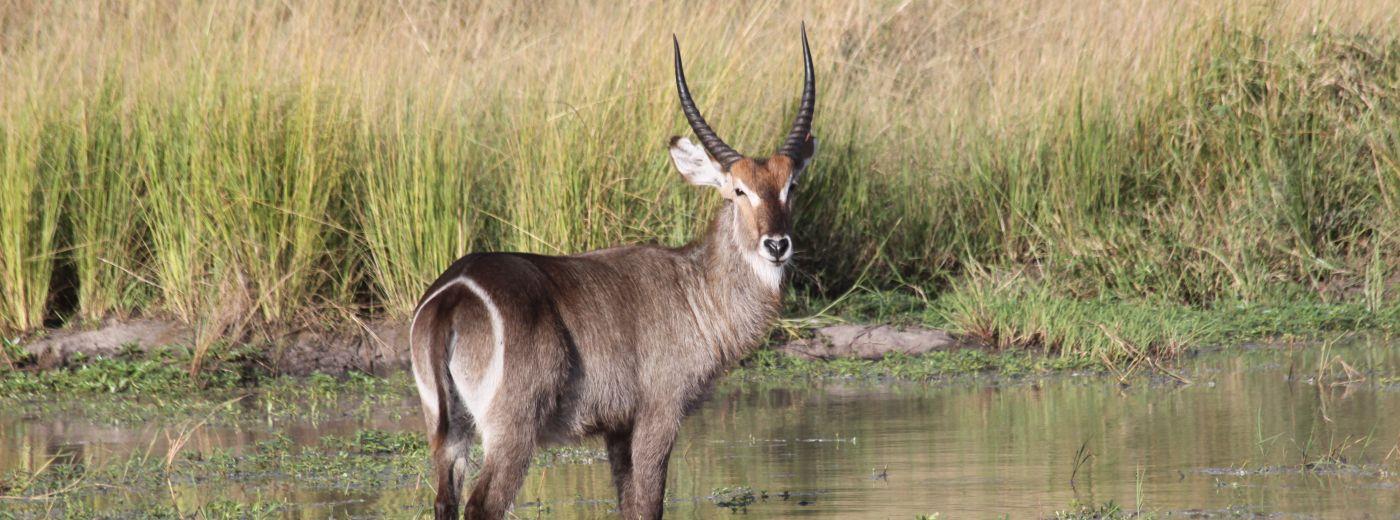
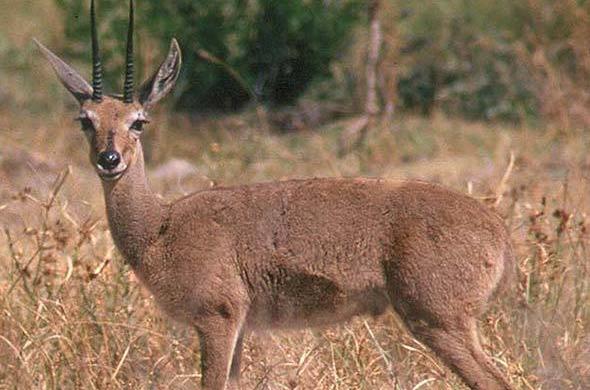
2. Subfamily Reduncinae
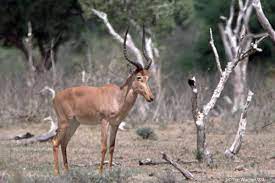
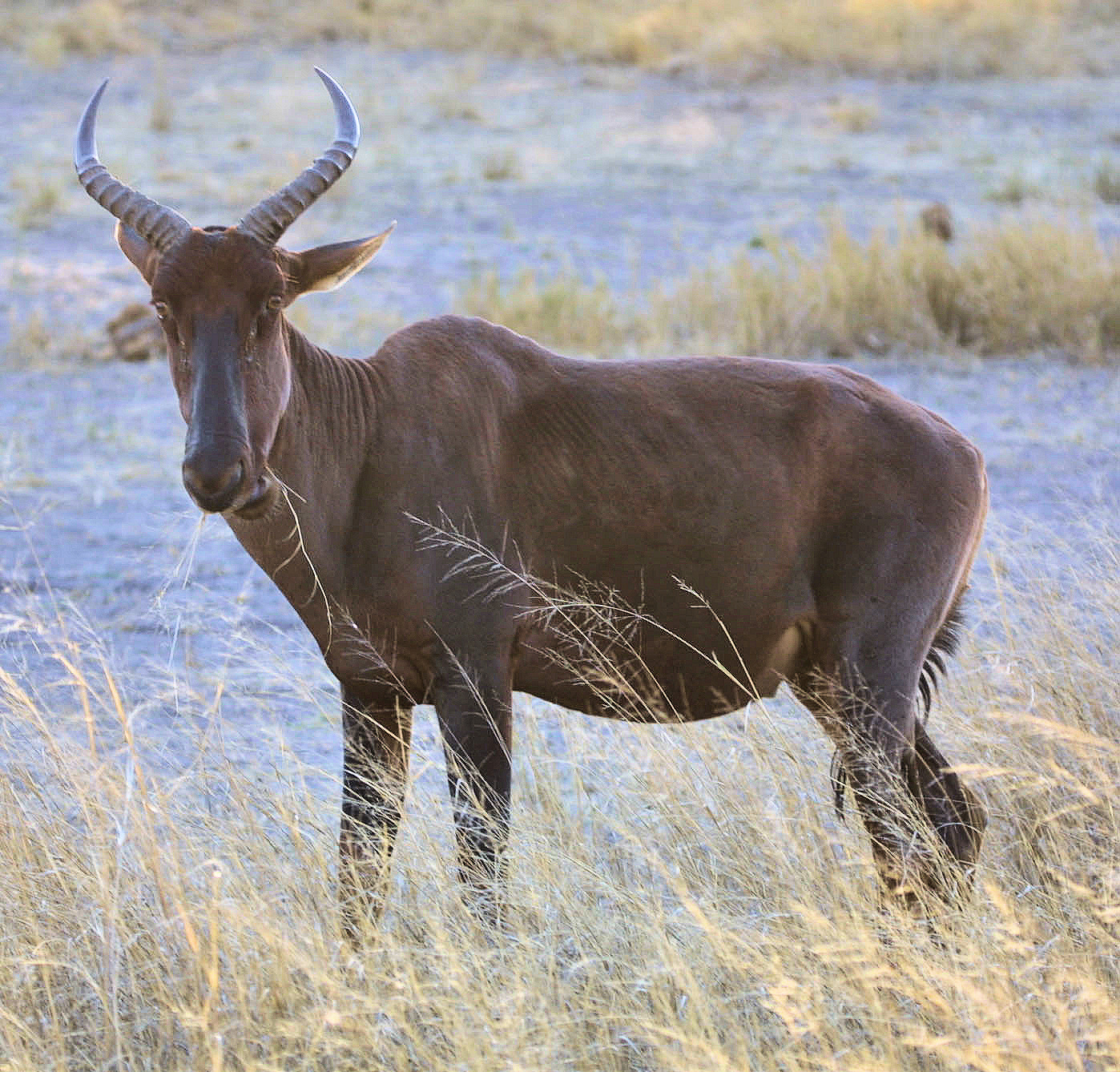
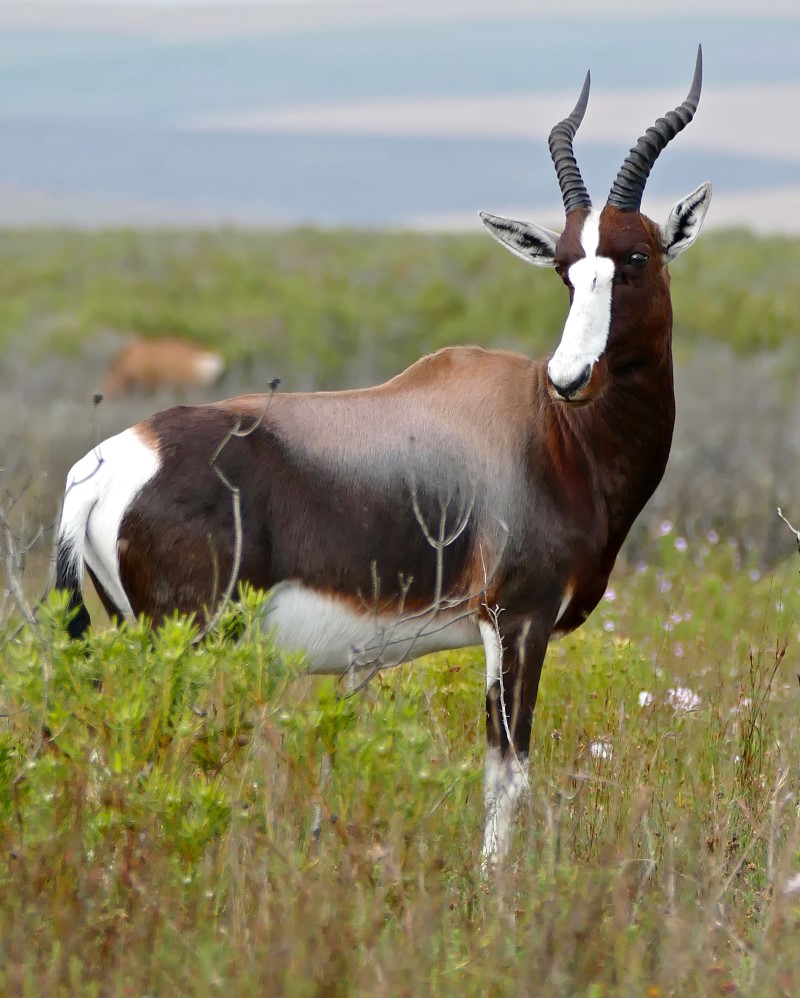
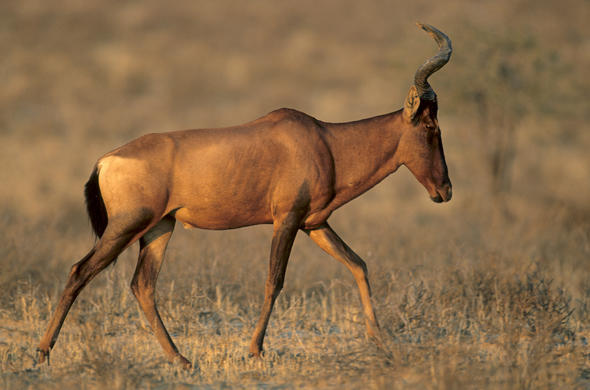
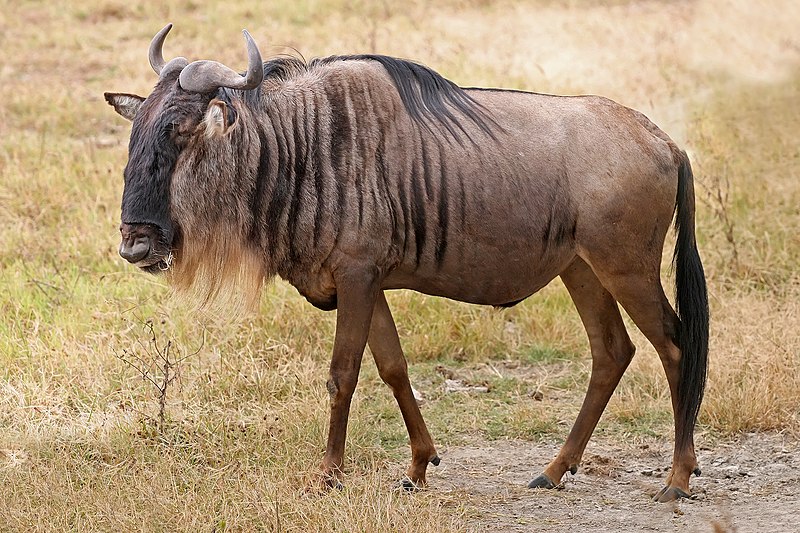
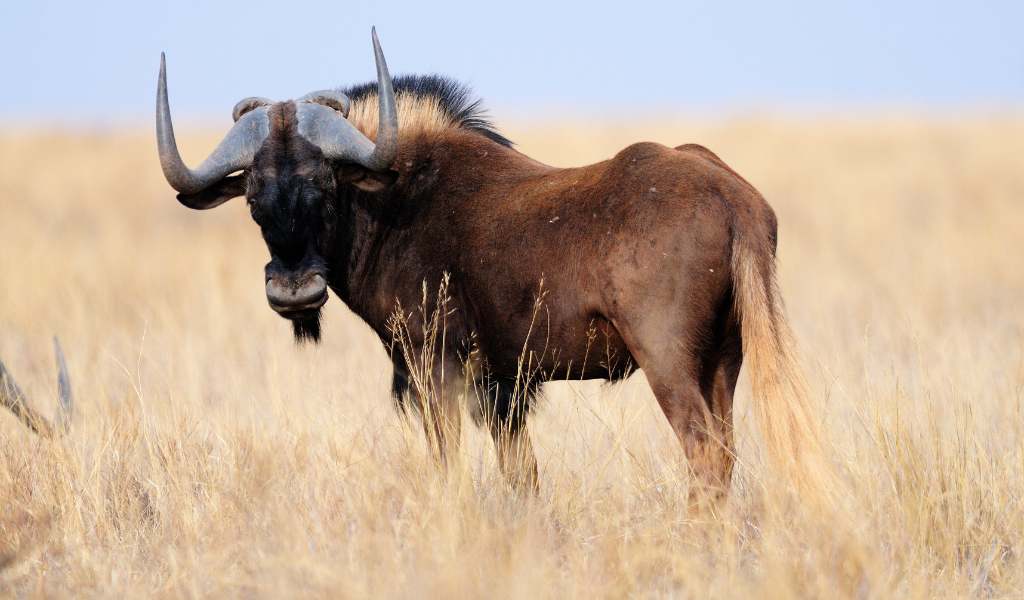
4. Subfamily Alcelaphinae
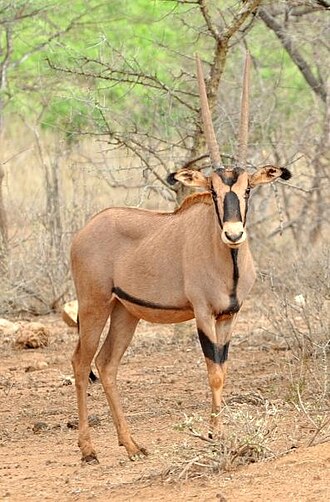
Sassabies, hartebeests, and wildebeests: 6 Species (depending on how you count, it can be anywhere from 6 to 10) , 19 Subspecies
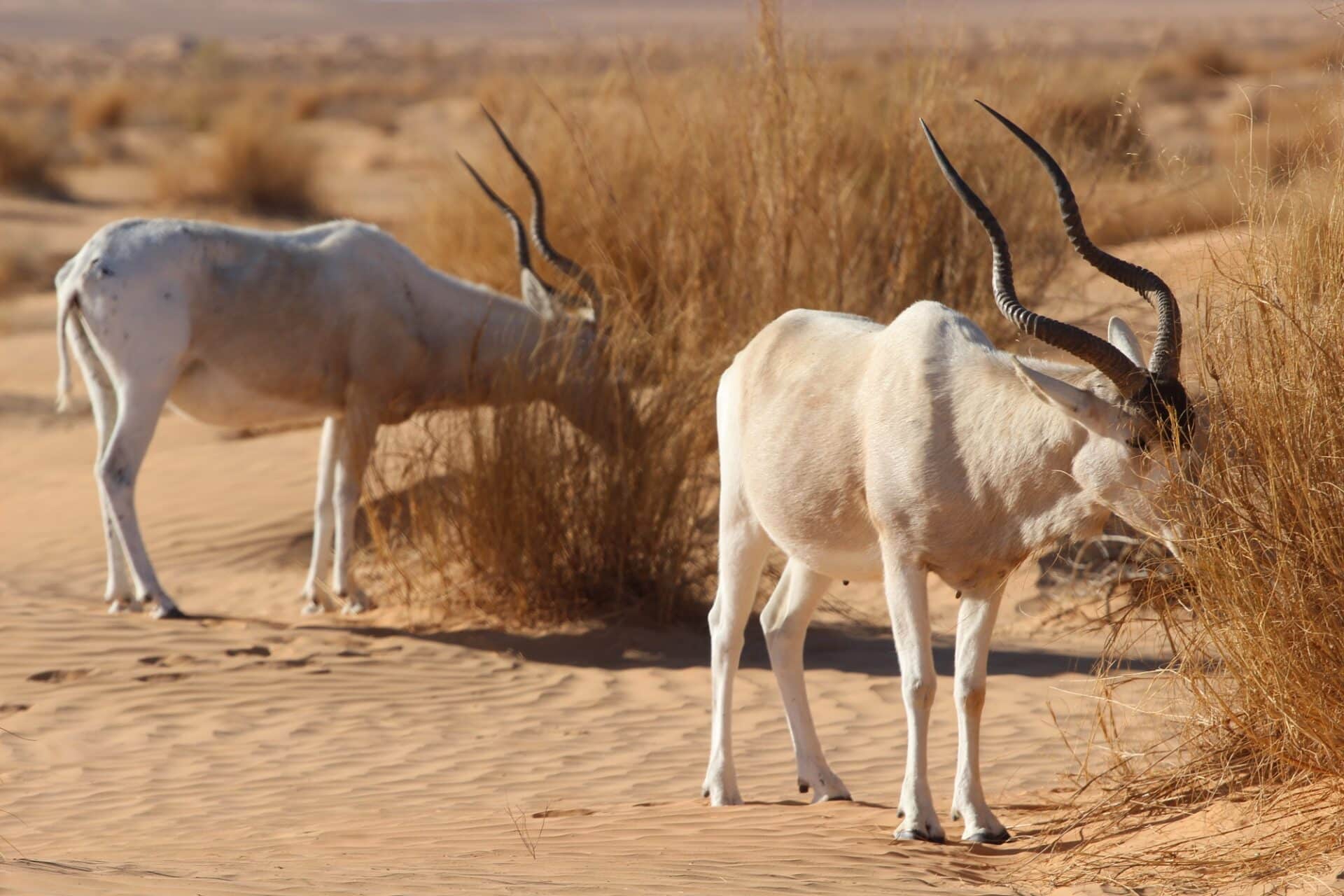
5. Subfamily Hippotraginae
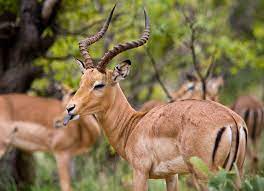
6. Subfamily Aepycerotinae
Impala: 1 Species which is impala, 2 Subspecies
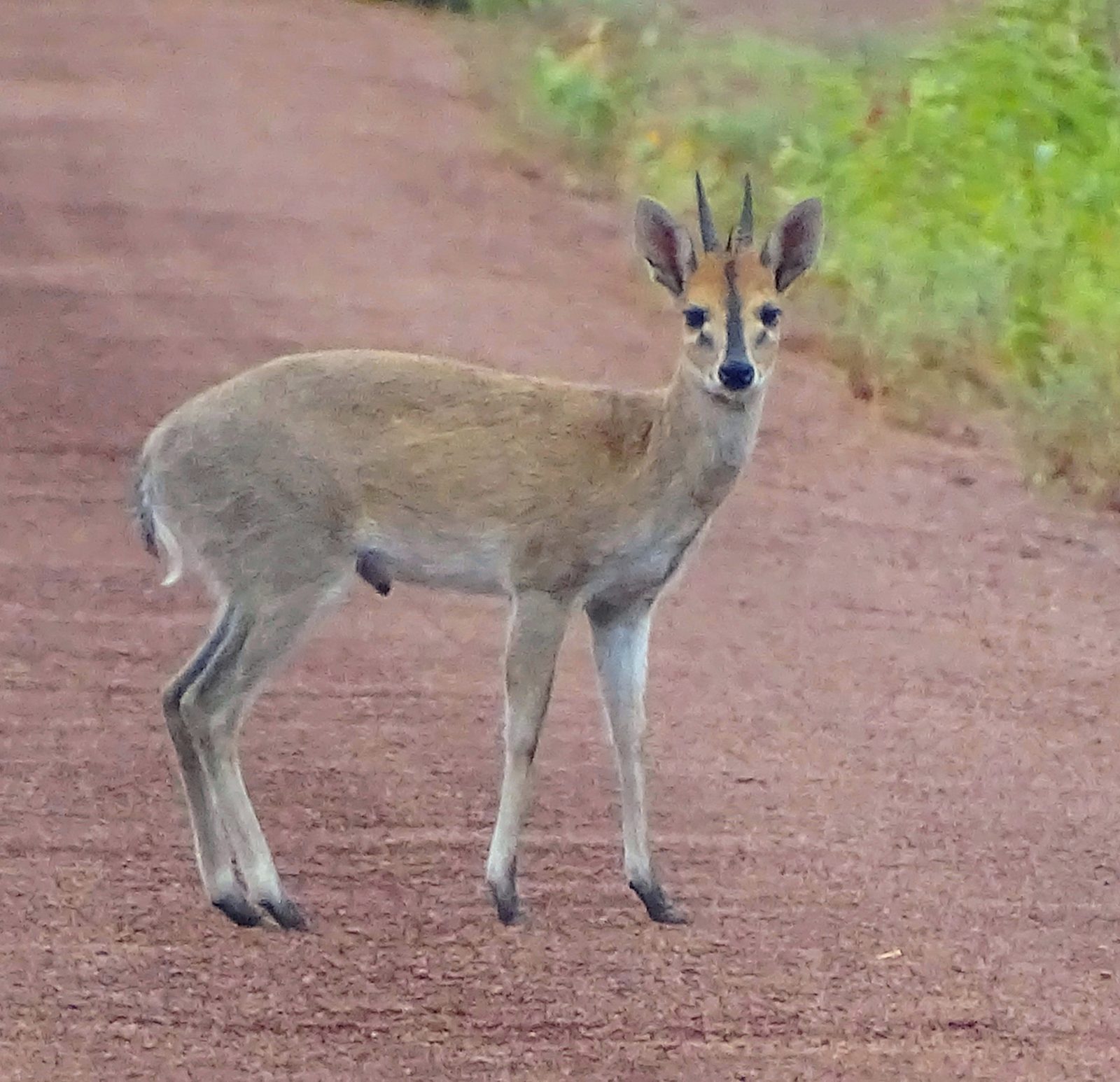
7. Subfamily Antilopinae
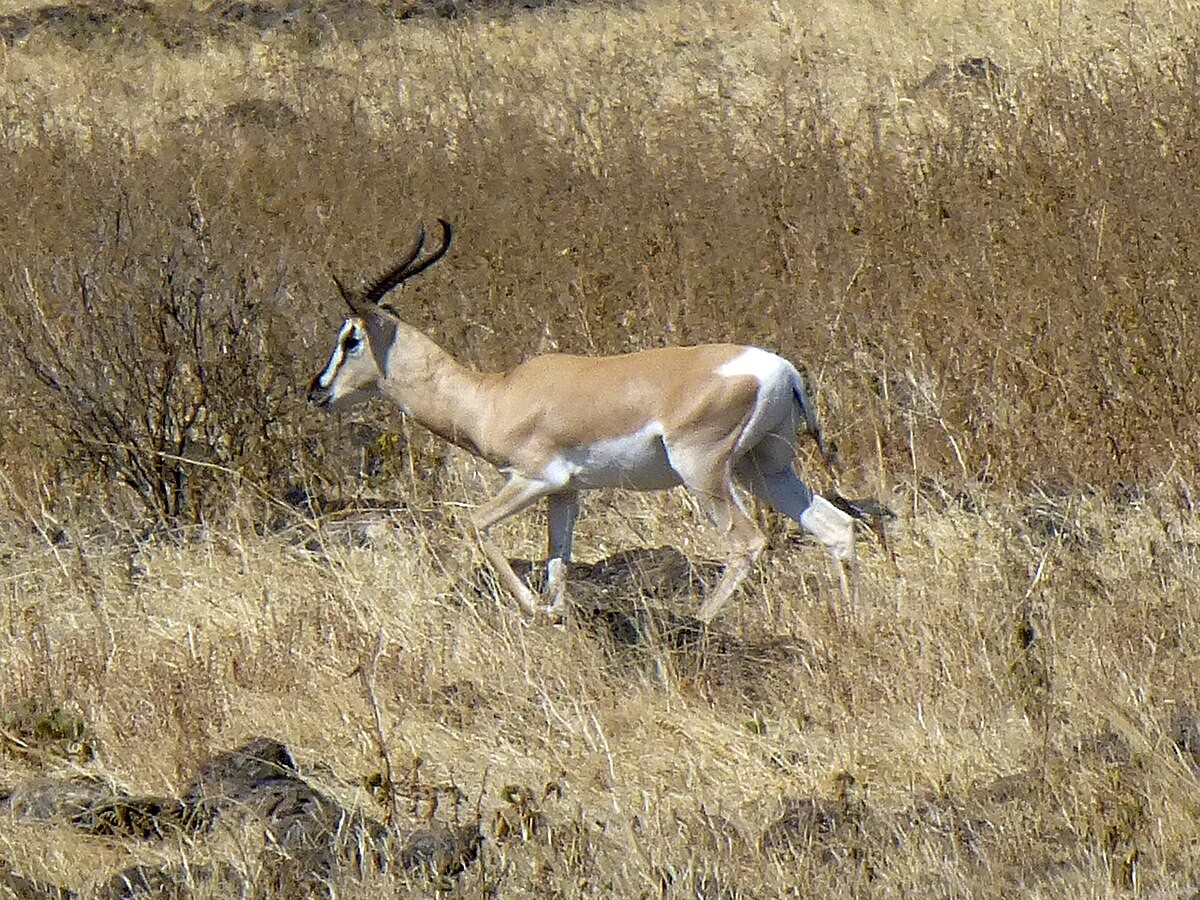
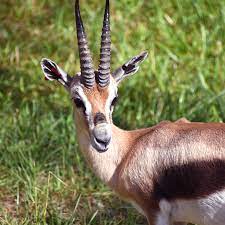
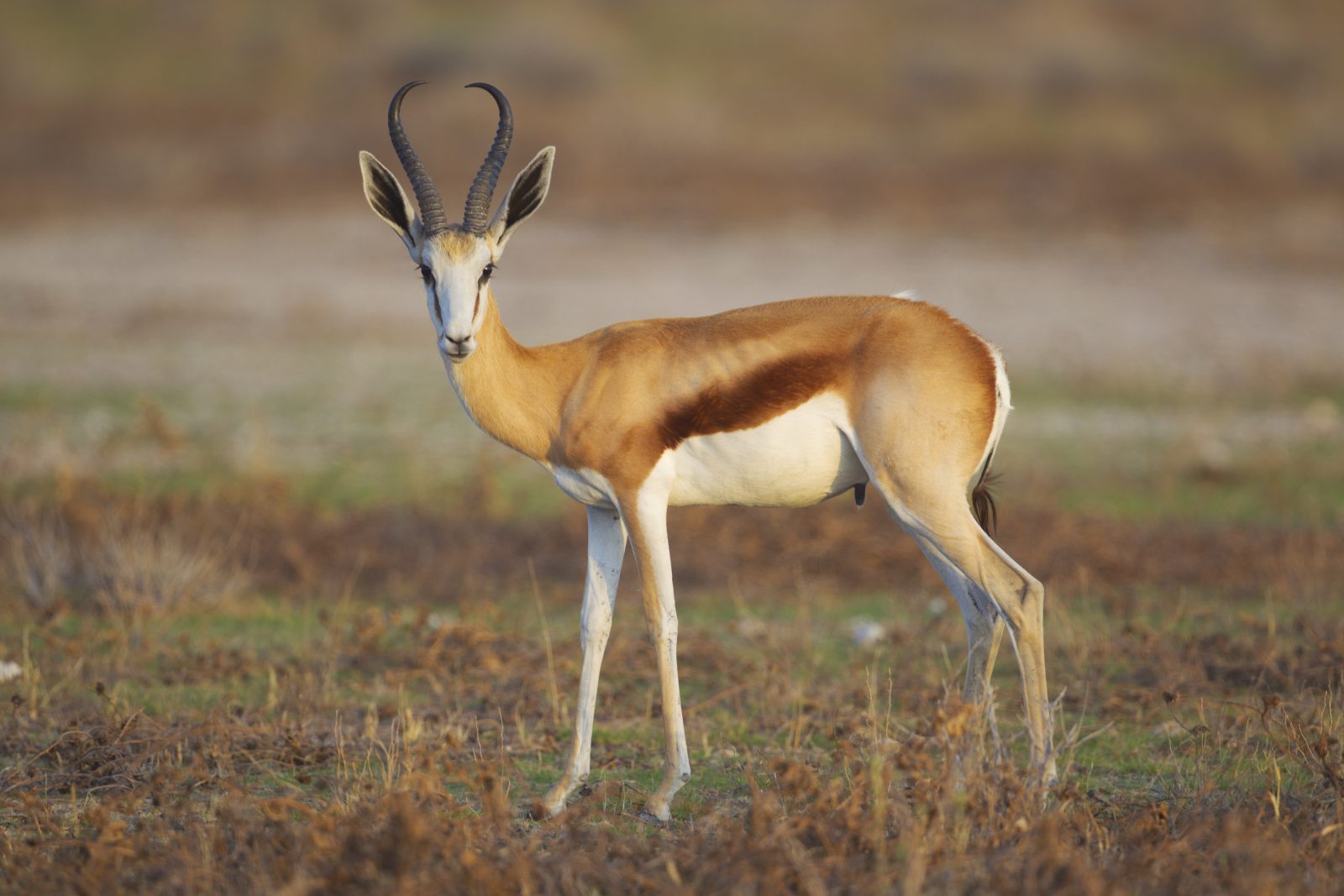
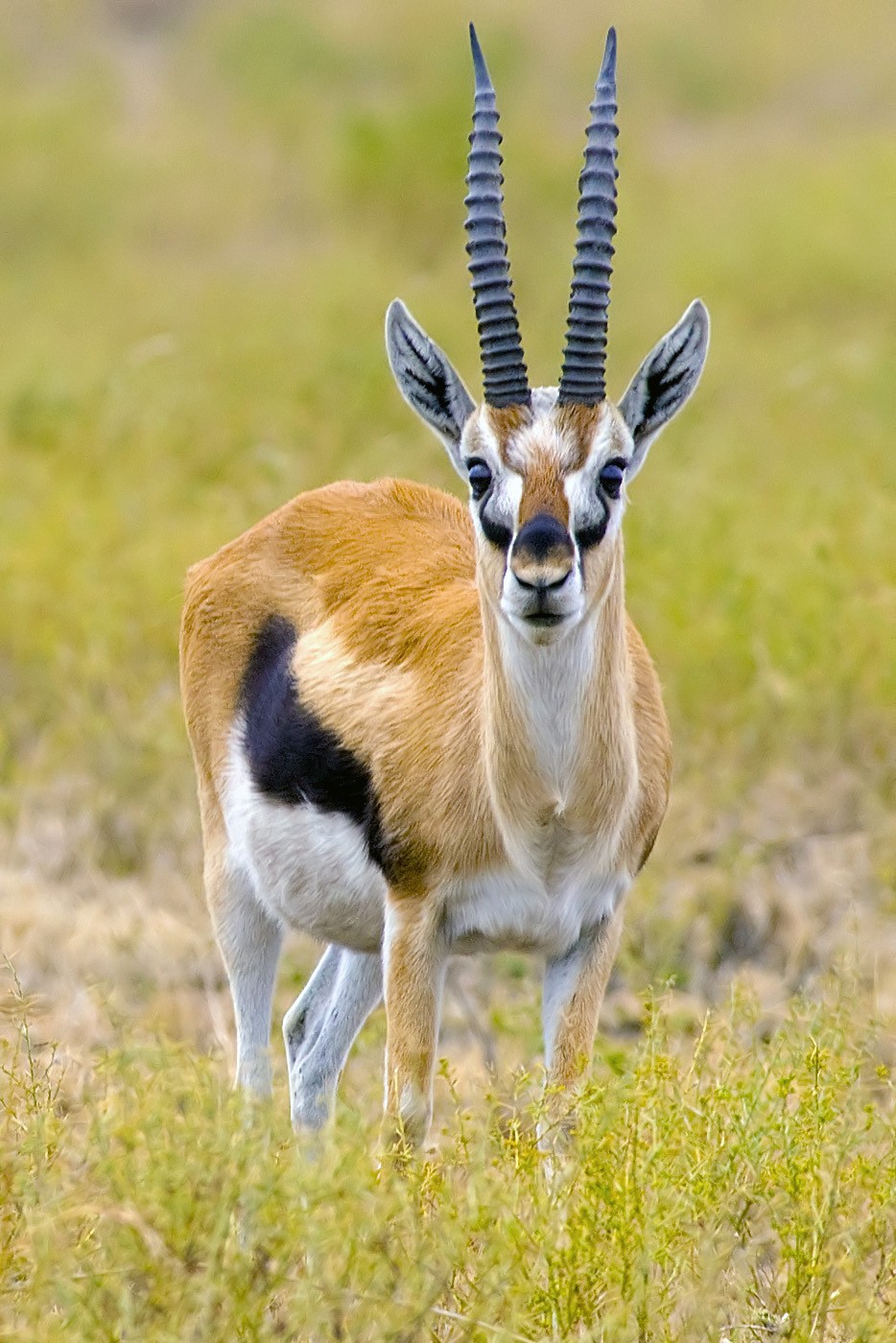
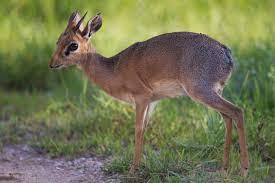
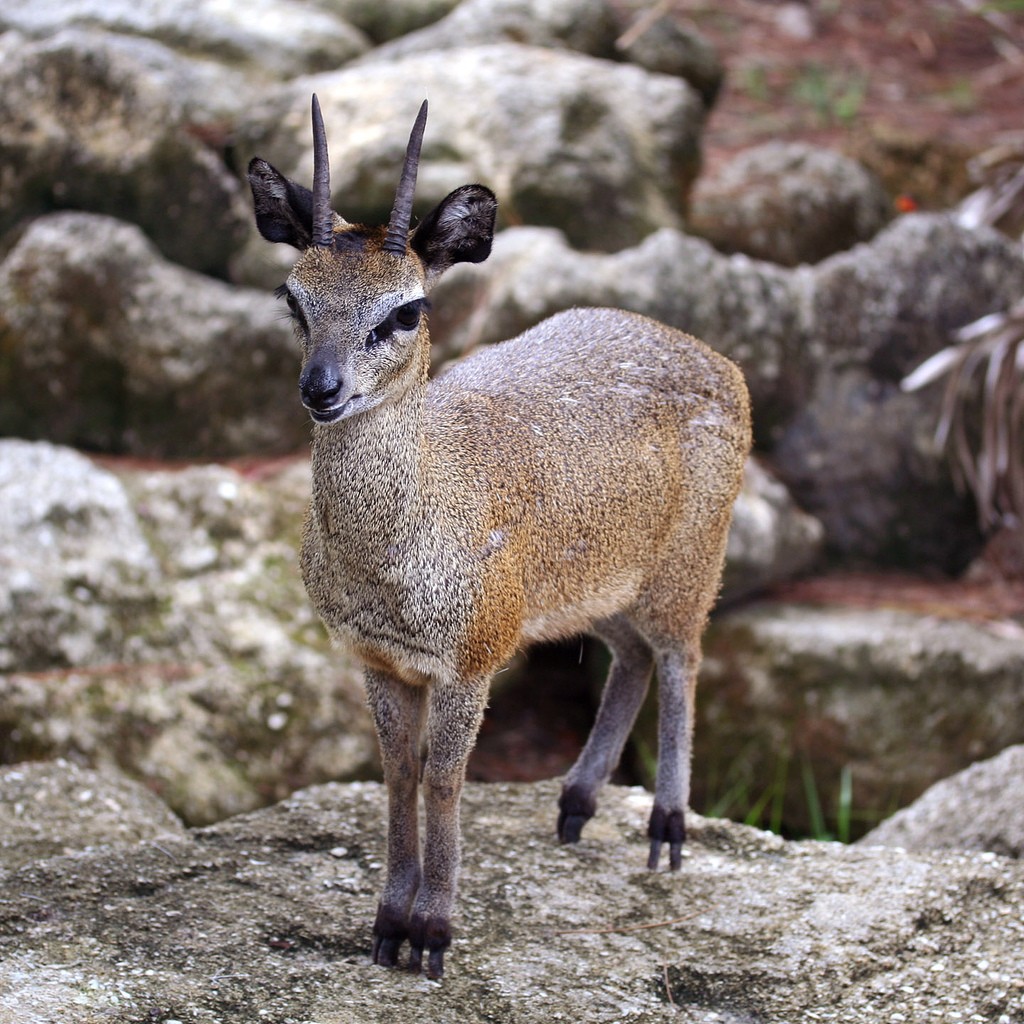
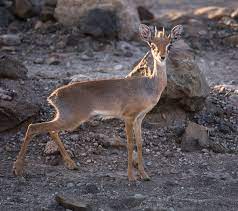
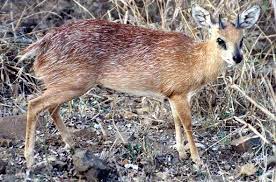
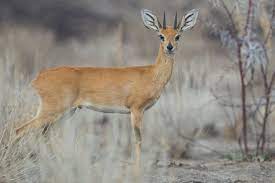
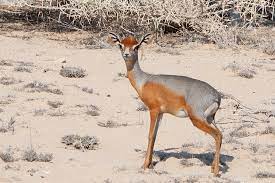
Gazelles, dwarf antelopes
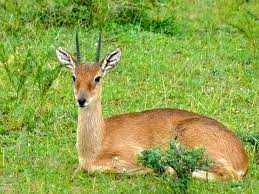
- Tribe Antilopini: 10 Species, 4 Subspecies
- Tribe Ammodorcadini: 1 Species
- Tribe Neotragini: 13 Species, 4 Subspecies
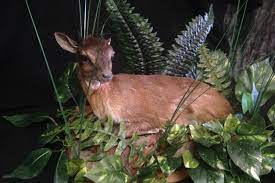
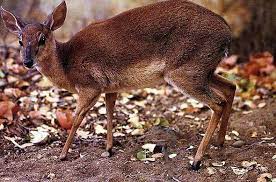
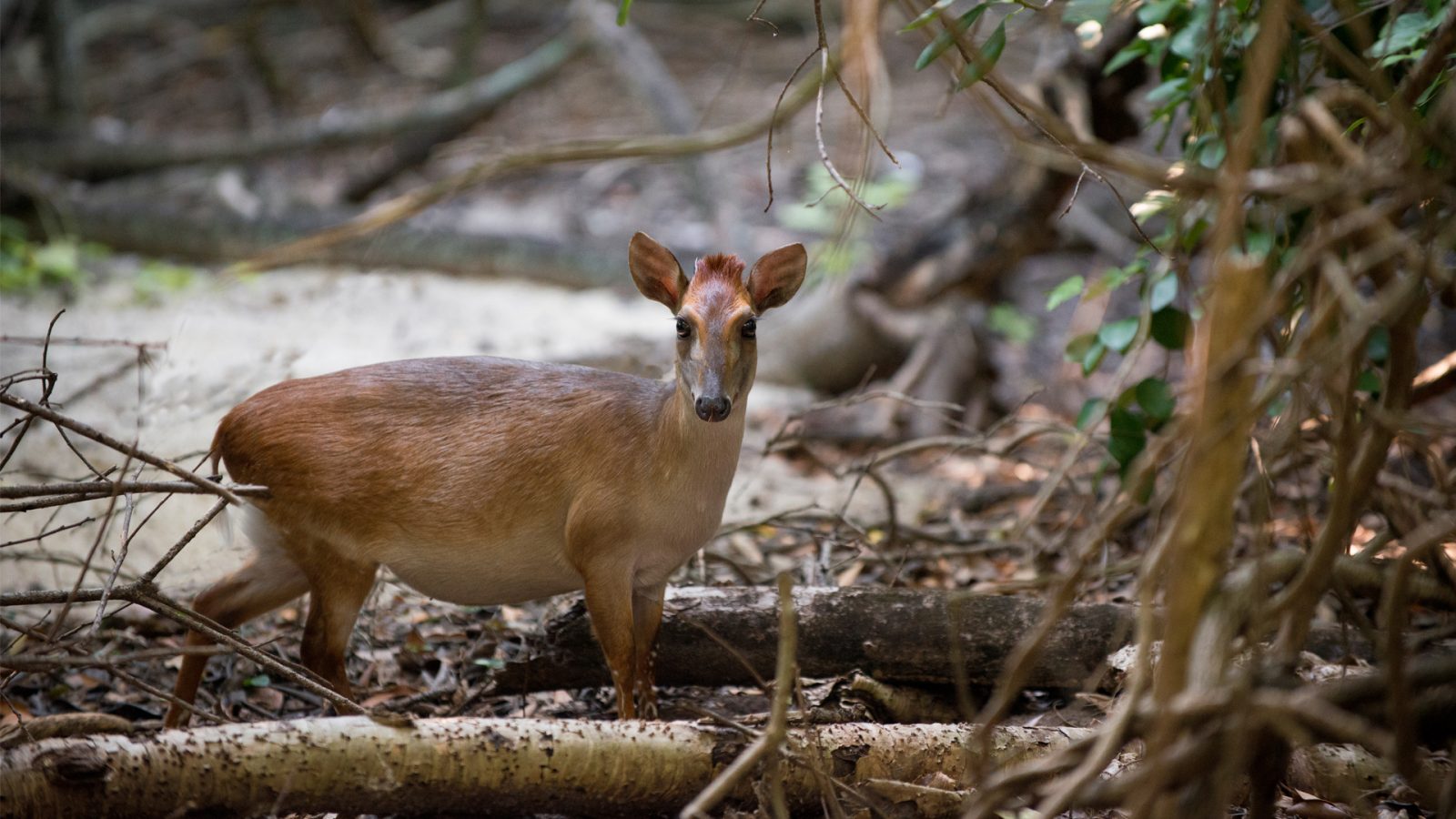
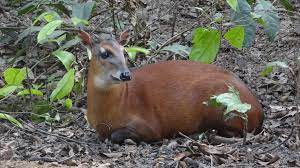
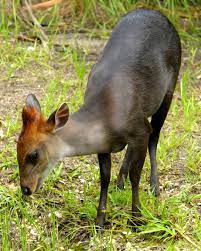
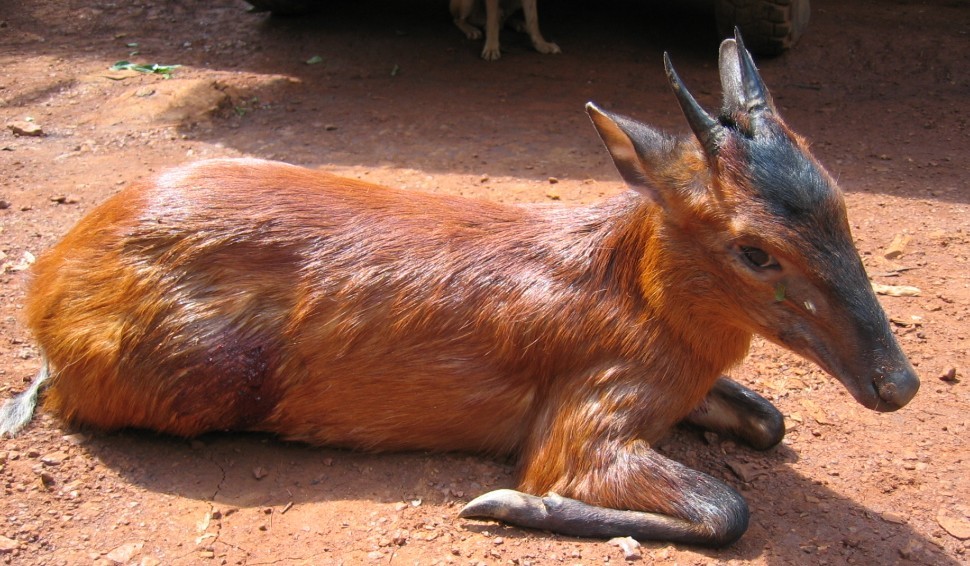
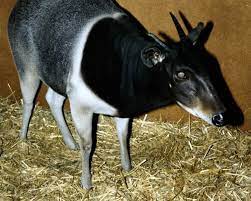
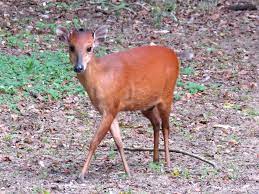
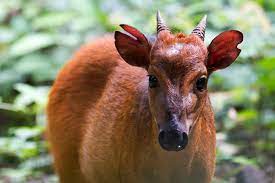
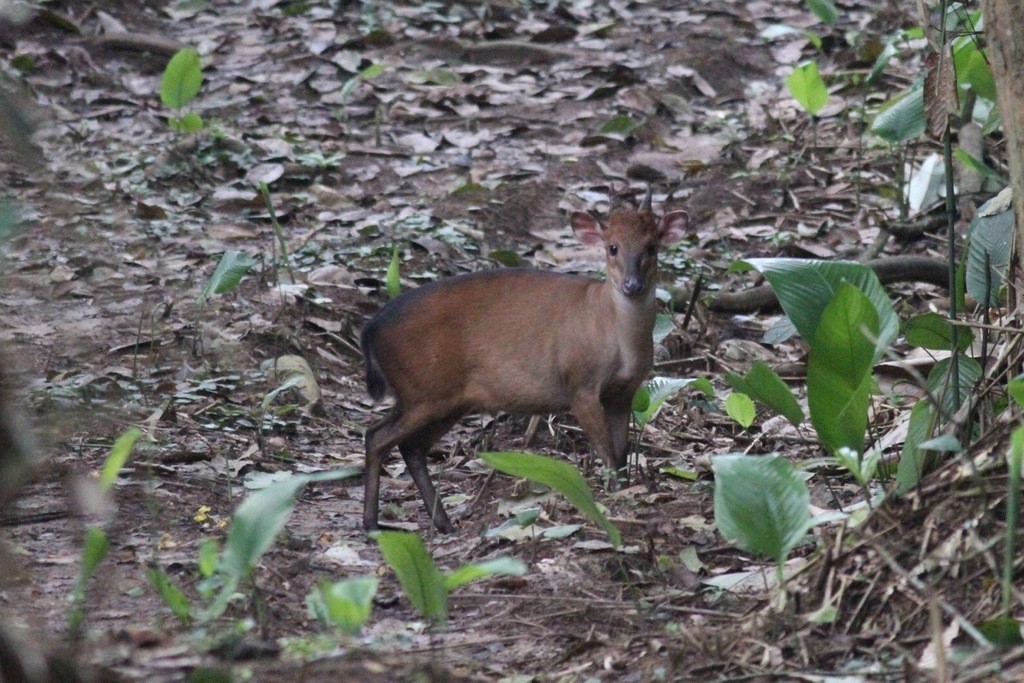
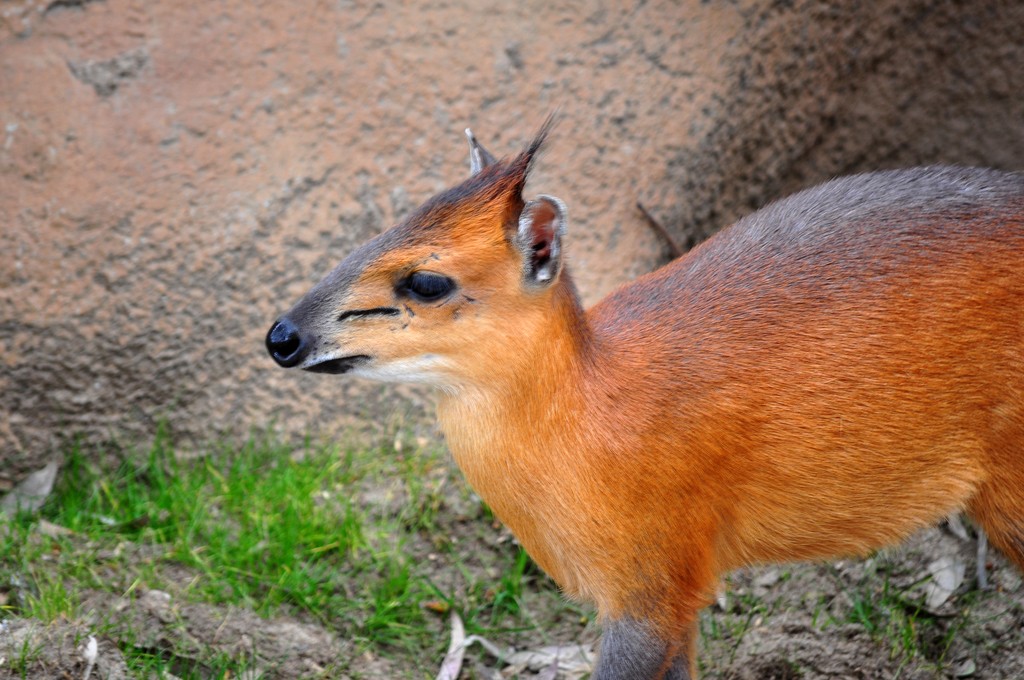
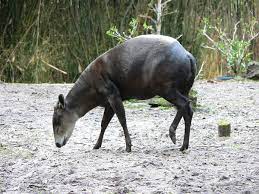
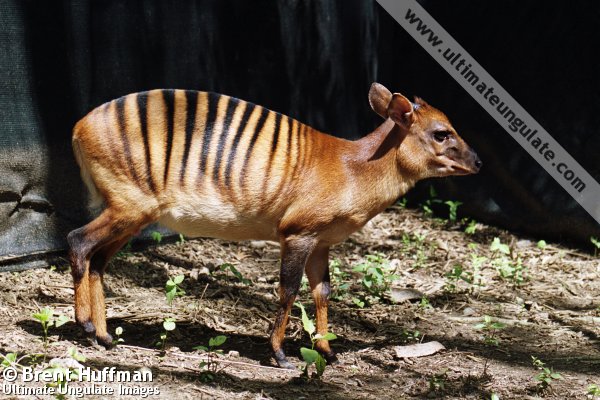
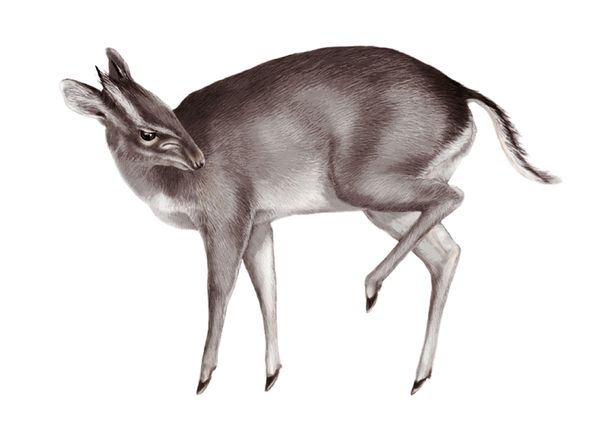
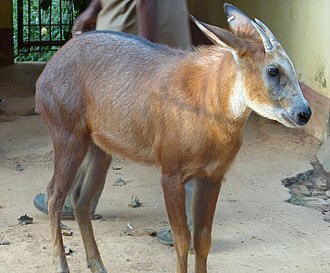
8. Subfamily Cephalophinae
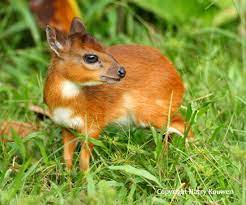
Duiker: 17 Species, 7 Subspecies
If you want to return to the Ruminants family page click here
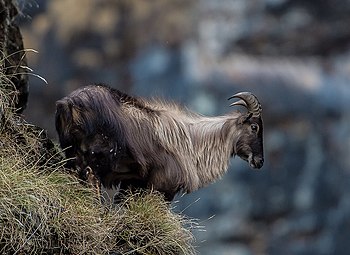
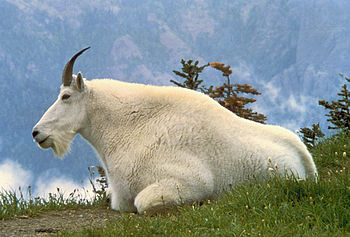
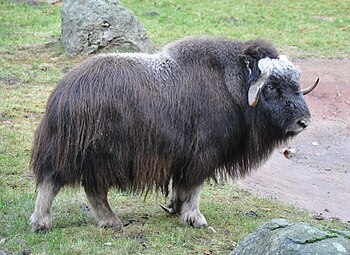
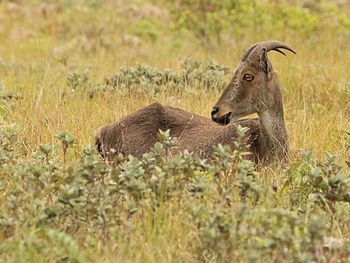
Caprinae
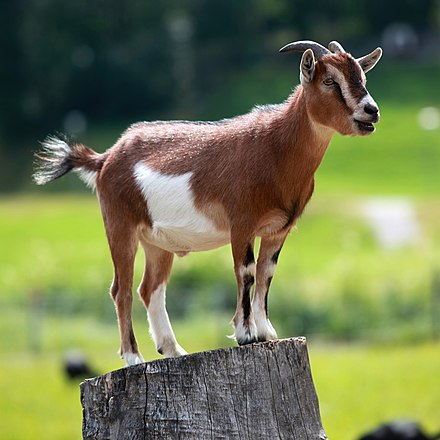
The Caprinae family is a close relation of Alcelaphinae & Hippotraginae (subfamily 4 and 5 on this page) but this family consists of the worlds goats and sheep.
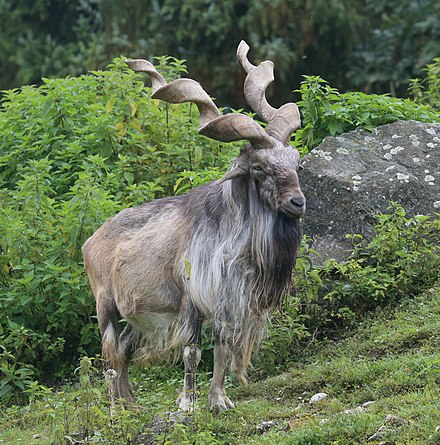
This consists of 9 genus with just 1 species in each (and one further extinct so not included here) and then 5 genus with more than that.
Firstly dealing with each genus with only one species.
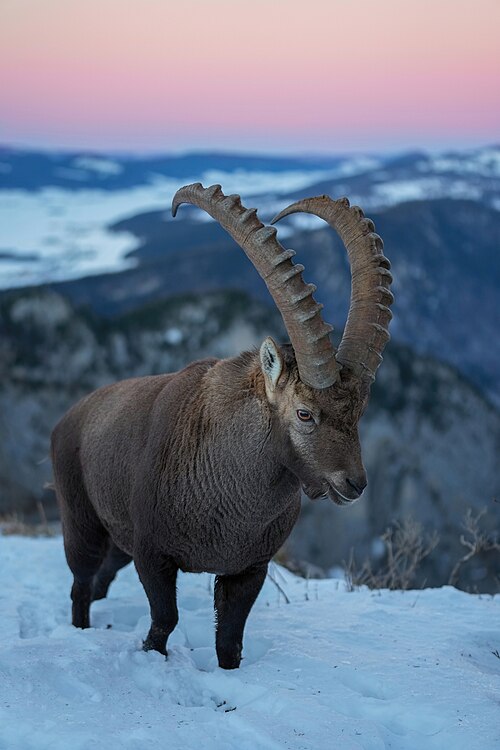
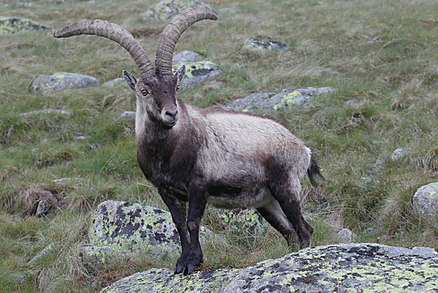
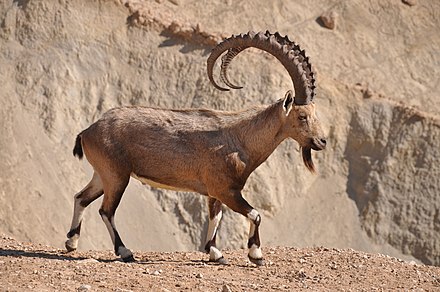
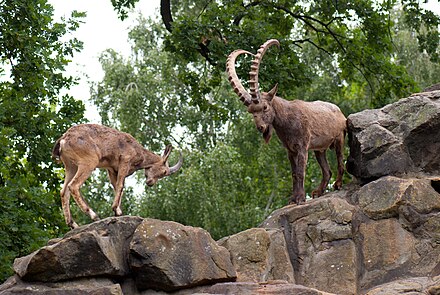
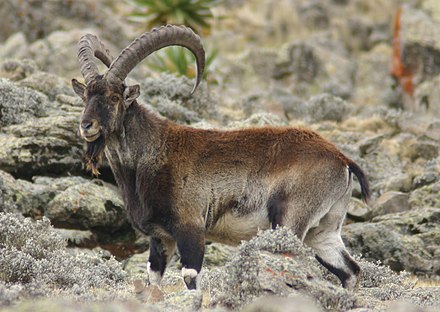
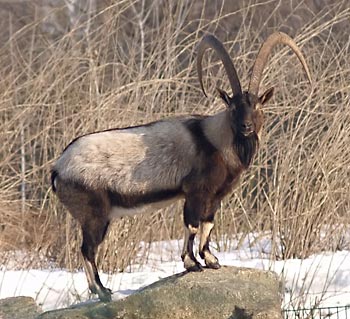
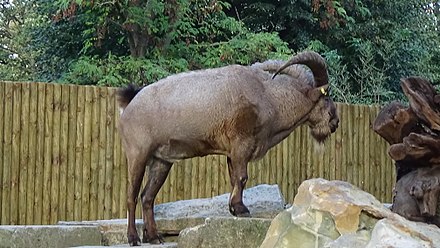
Next the Capra genus, which consists of the worlds Ibex species
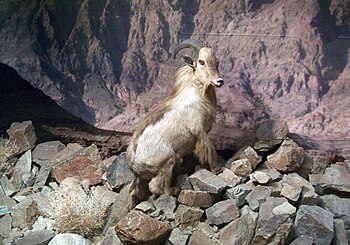
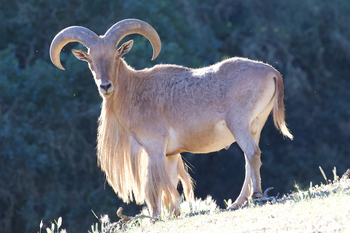
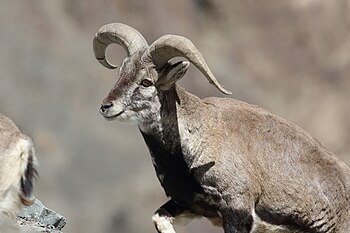
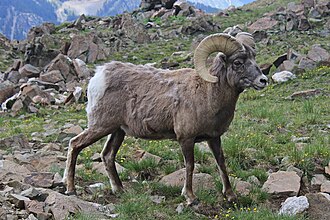
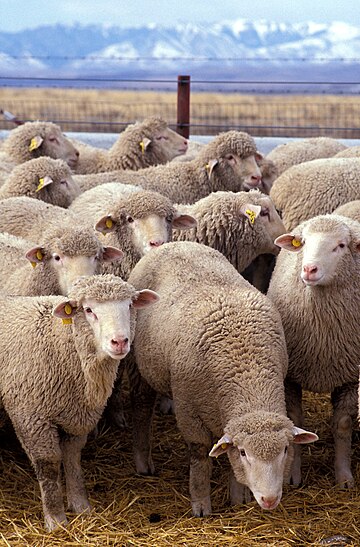
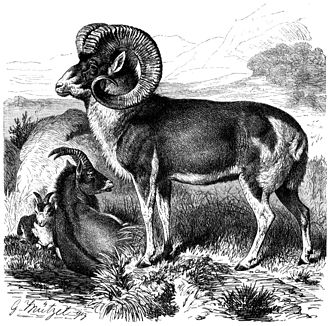
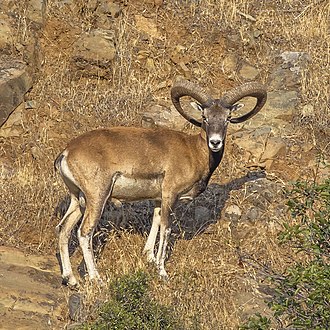
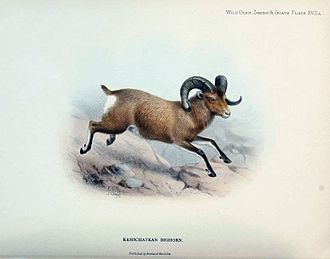
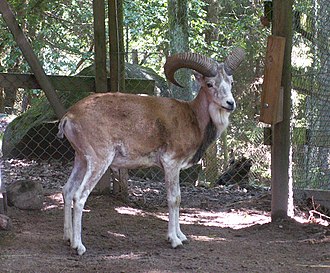
Next the Ovis family (sheep species)
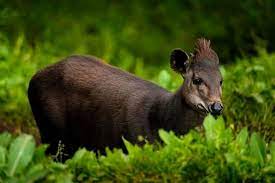
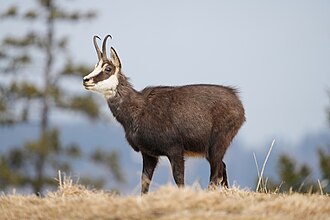
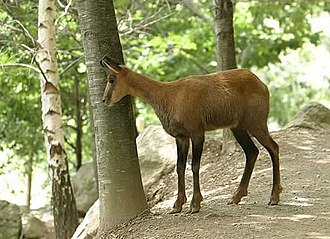
Two species of Chamois remain
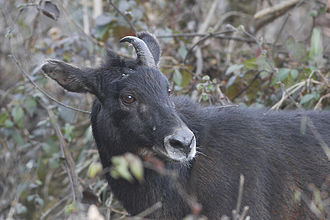
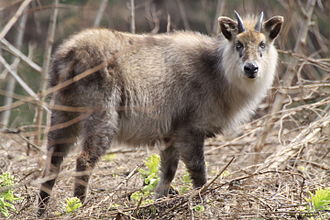
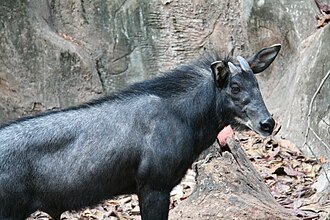
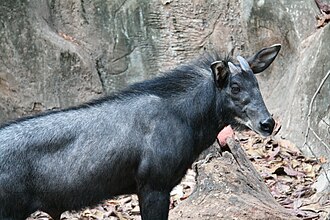
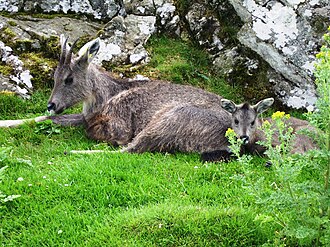
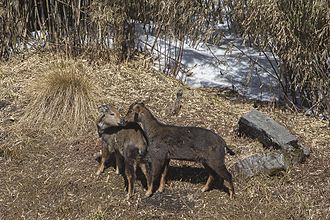
The second last group is the Serow (6 species)
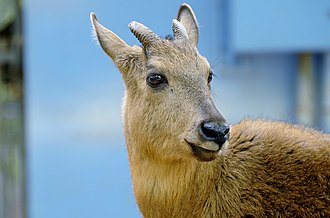
The last group is the Goral

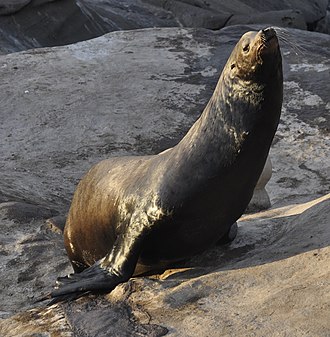
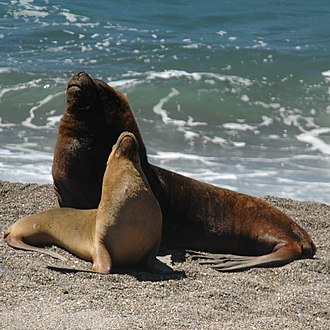
 only endemic pinniped found in
 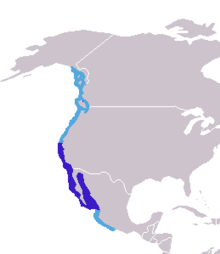 the west coast of north America. On this map, the navy blue marks the breeding rance, while the light blue shows the total range that they can be found in. It should be noted, that previously the Japanese and Galapagos sealion were both considered subspecies of the Californian species, but no longer. They can stay healthy, for a time, in fresh water, and have been seen living for a while in Bonneville dam – 150 miles inland.
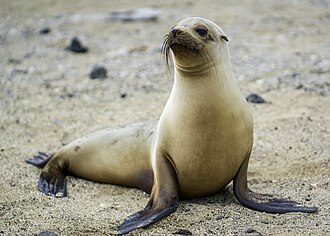
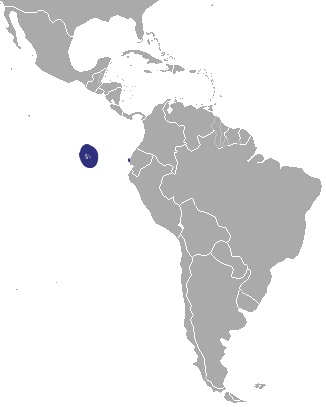 on all of the Galapagos Islands, as well as (in smaller numbers) on Isla de la Plata, which is just 40km from Puerto López a village in
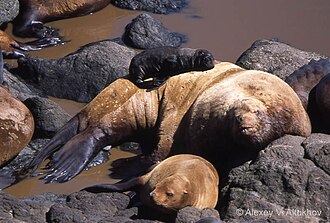
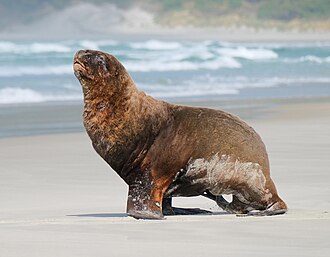
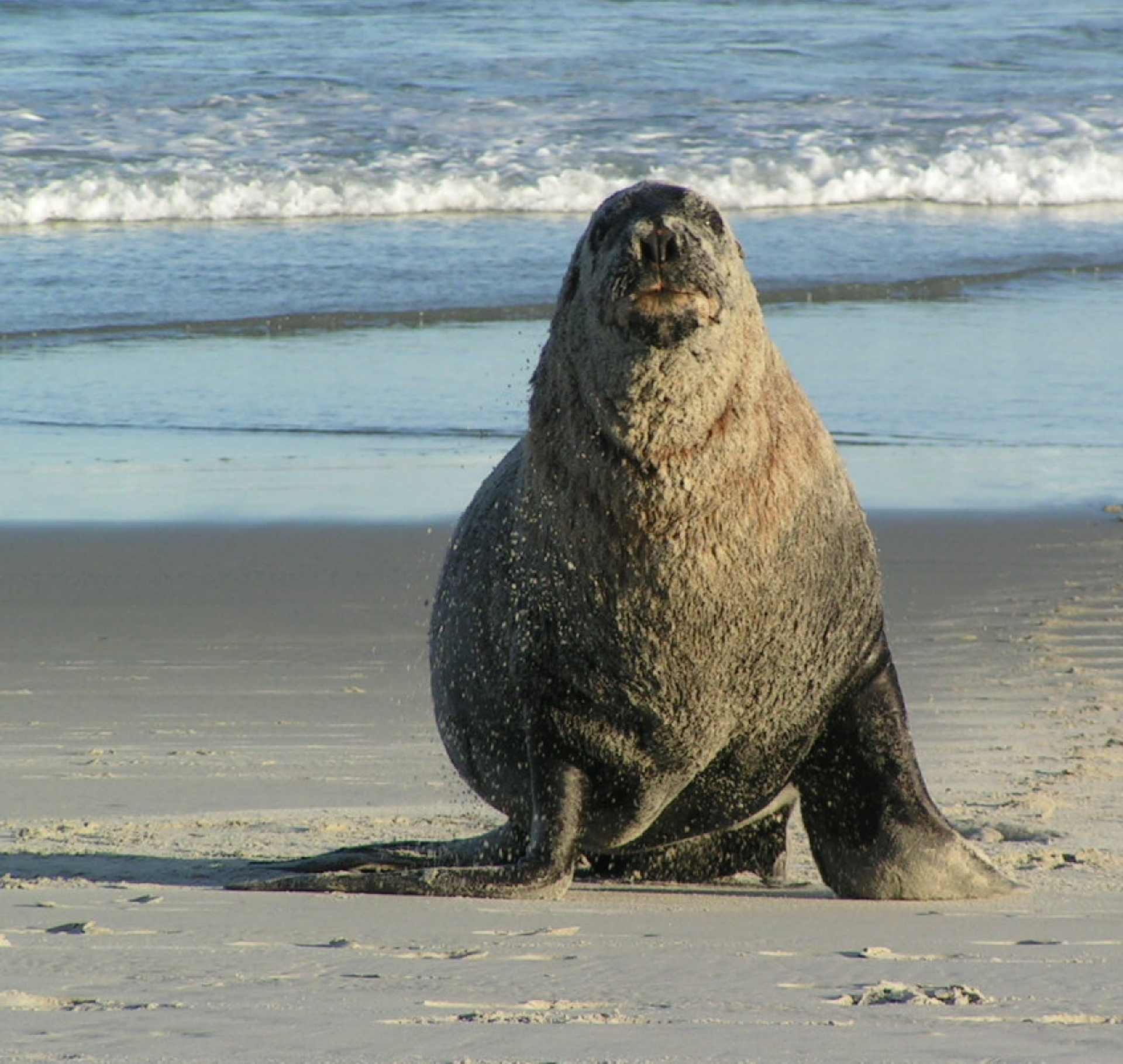
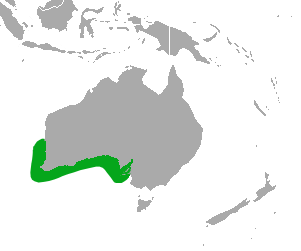
  known as the Hooker sealion) is native to south island, though before 1500 it is thought that it was also found on north island. They tend to breed on Subarctic islands of Auckland and Campbell (99% of the pups are born in these islands). In 1993, sealions started breeding on South Island again for the first time in 150 years.