Algonquin wolf

Algonquin Wolf

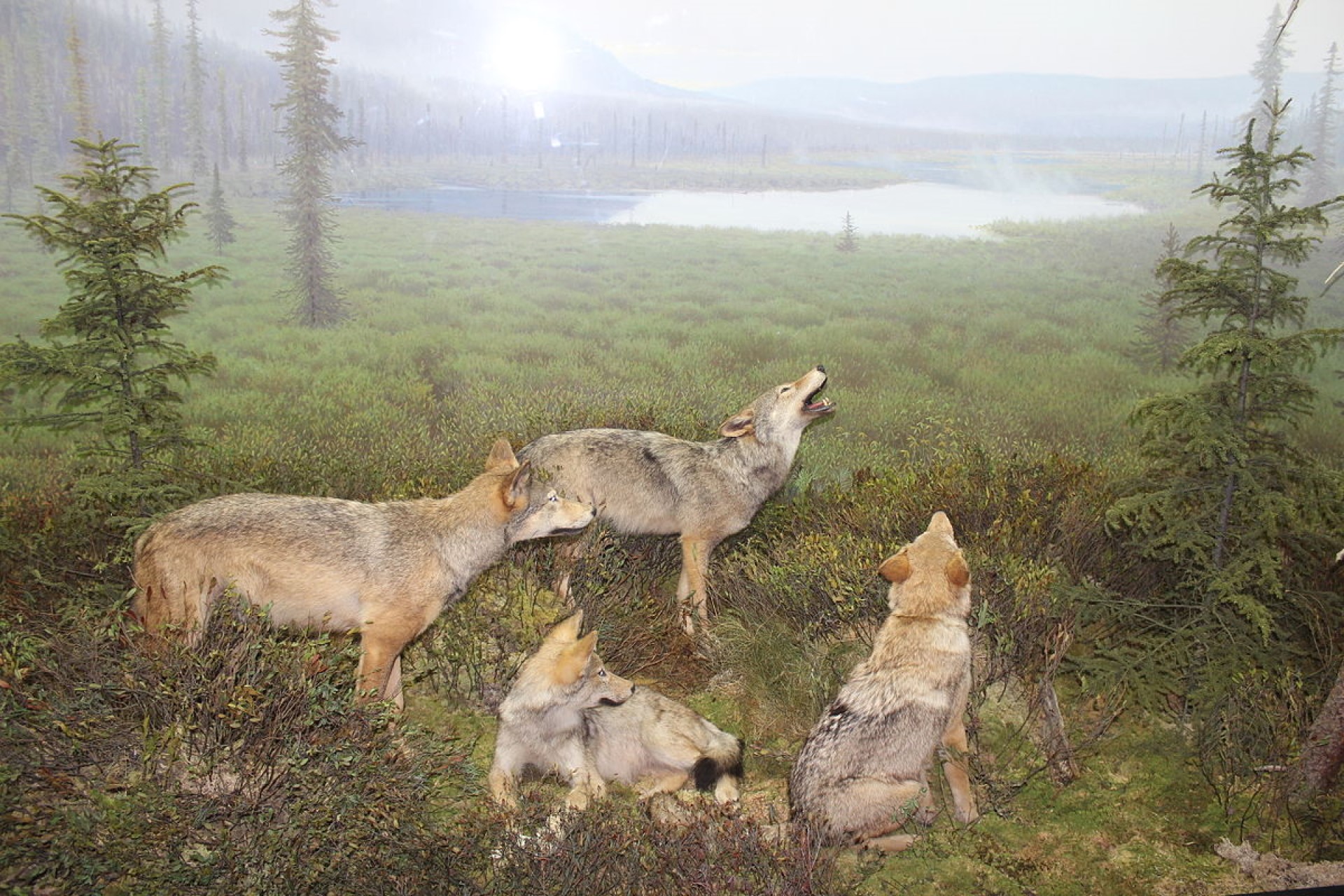
This wolf was formerly called the Eastern Timber wolf, and was considered a subspecies of the grey wolf. There are only around 500 of this species that live in the wild. They are classified as vulnerable, presumably as there was never a large population of these wolves in the wild. They are thought to have split from grey wolves 67,000 years ago (for reference, this is more than twice the minimum distance back to when red and grey wolves split).

Found in the area of the great lakes and eastern Canada.

At the point at which it was decided that this wolf is a separate species, it already has a relatively low population, though it is considered to be mid-way between secure and extinct.

Any articles that we write in the future will appear below. We hope in the future to link to people who can help you see them in the wild, this will lie below the news. Do get in touch if you live or work in the area, we are really keen to connect you with those people visiting the area, so that they can see this newly split species and to bring you income from this species on your doorstep.

Both of the below videos are from Algonquin park, the first is a natural howl of a wolf in the stillness of the morning, while the second, is a howl prompted by a human howling into the wilderness – while this should not be done too often, as it can make the wolves nervous (they howl to spread themselves out, so hearing howls can make them think that they have to fight – though howling in North America is far more common, likely as a result of centuries of persecution in Europe.

As we make links in the field to see this species, they will appear below the  videos and the list of articles.
[smart_post_show id="12163"]

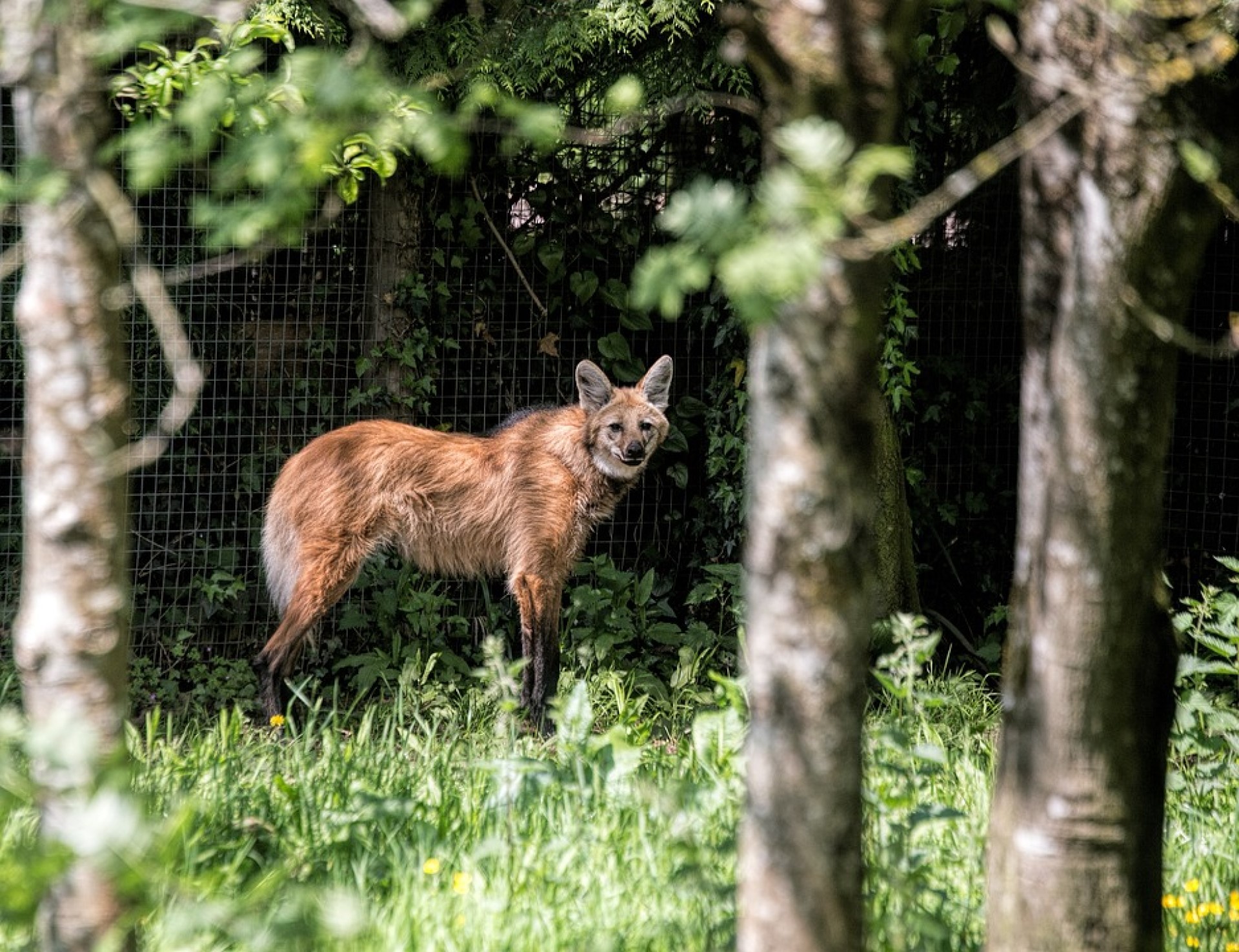
The Manned wolf

Looking, at first glance, like a fox on stilts, it is found in Argentina, Brazil, Bolivia, Peru, and Paraguay, and is almost extinct in Uruguay. It is actually not a wolf or a dog, but instead sits in its own genus Chrysocyon  which means “golden dog”. It is crepuscular and omnivorous, and lives on the open habitat of the South America Savanna. The IUCN classes it as near threatened, while a Brazilian organisation with a similar role lists it as vulnerable.

Its name in a local language calls it a big fox. Indeed some studies have suggested that it should be in the same genus as pseudo-foxes.

A recent study suggested that its nearest relative was the Falkland islands wolf, and its mainland relatives – but you have to go back 7 million years to find a common ancestor with this group.

It only hunts solitarily, and its preferred habitat is grasslands, scrub prairies, and forests.

It is not currently considered endangered, given its wide area in which it inhabits, never-the-less it is recognized as a near threatened species due to its reducing numbers. In Brazil, Argentina and Uruguay it is forbidden to hunt them. It has been used to publicize the fight to protect the Brazilian cerrado, by placing it on one of the Brazilian notes.

This animal was shown in great detail in planet earth 3 episode 3, however, this clip is from a bbc series a few years ago.

As we make contacts which you can use to plan your travel to see this animal for yourself.

[smart_post_show id="24034"]

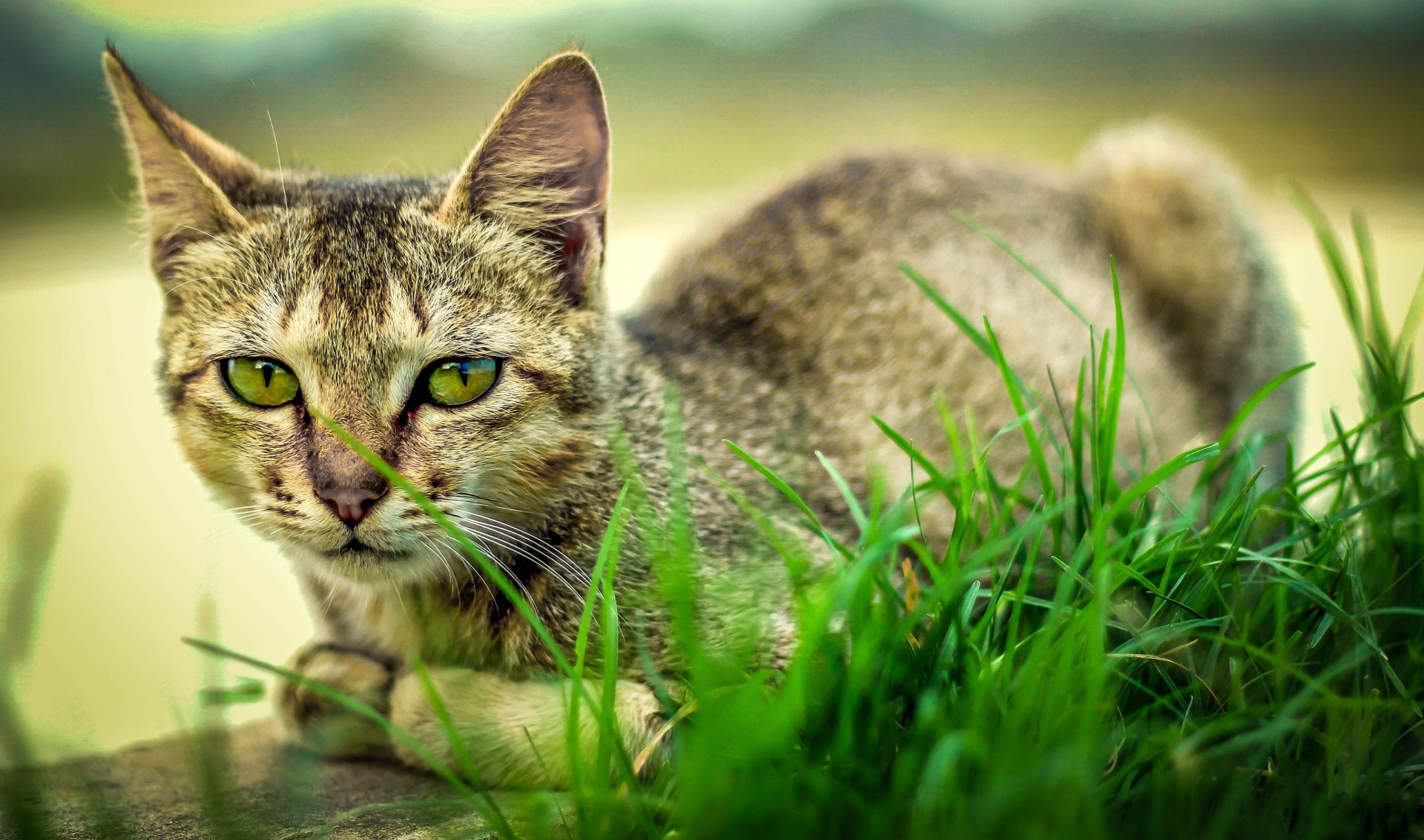
Domestic cat

Domestic cat

Domestic cats are thought to have been first tamed back around 10,000 somwhere in the middle east. Unfortunately, as this is the cat that makes up the worldwide domestic cat population (almost exclusively) in many regions like Scotland, while reduction in numbers made specific subspecies of wildcat endangered, it has often been hybridisation that has pushed them over the edge.

There is little point in showing a map of the world, as they are found in almost every human population. It is thought that there are at least 200 million across the globe

Domestic cats are thought to have been tamed in Israel, which has unfortunately meant that this species of wild cat is now spread across the globe – many local species of wildcat have become extinct through hybridisation, the British wildcat is just one such example. There are now only pure British wildcats in captivity, and while there are still quite a few living wild in Scotland they have Asiatic wildcat features. This has happened in many places and solutions are not yet forthcoming.

While unfortunate, there is still work being done. In the UK there are plans to clear a peninsular of domestic cats, and re-establish a wildcat population. Only in situations like Scotland is hybridization likely, the most common reaction to a wildcat meeting a domestic cat is for the wildcat to kill the domestic cat. I hope to live to see the wildcat roaming Scotland once more, but we will se what happens.

[smart_post_show id=”11927″]

They are not hard to see if you are in the right place. I have seen them in Africa, take a night drive in almost any nature reserve. Links will be added below.

Lynx (eurasian)

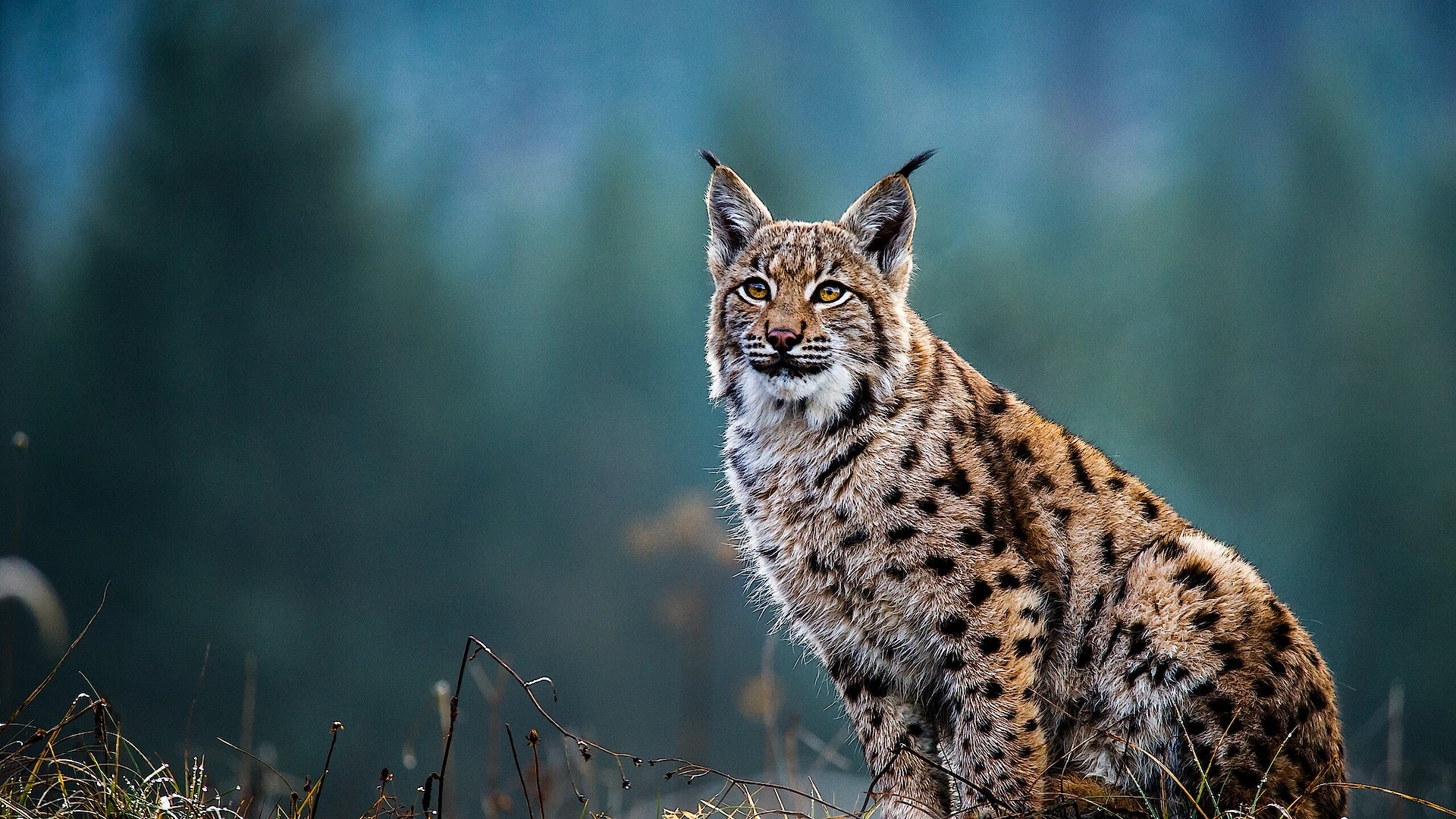
Eurasian Lynx

Eurasian Lynx: found across Russia, down into central Asia, Eastern and Northern Europe: After reaching its minimum around the middle of the 20th century, it has recovered in different directions. While no where near its natural numbers in much of its range, it has expanded numbers in the north in Scandinavia, and the north-west Scandinavia. Reintroduction schemes have also reintroduced them to the Austria, Slovenia, Switzerland (and France) and Poland. There are currently thought to be around 50,000 left in the wild, however their distribution is highly varied from country to country, and there are many areas where they are locally extinct.


[smart_post_show id="11598"]

Clouded leopard and Sunda clouded leopard

Clouded leopard and sunda clouded leopard

Clouded leopards are actually one of the most ancient cat species, however due to their inability to roar or purr, they cannot officially be considered a big cat (roar) or a small cat (purr) due to their definition, which puts them in an odd category. They are most closely related to snow leopards, and are in the same family as the big cats from genetic research. It has recently been confirmed that there are 2 different clouded leopard species, one on the mainland, and the other on the islands (the sunda clouded leopard.

Both species are considered vulnerable. The mainland clouded leopard is thought to number between 3700 and 5580, while the sunda clouded leopard is thought to number around 4500 3800 in Borneo and 730 on Sumatra.

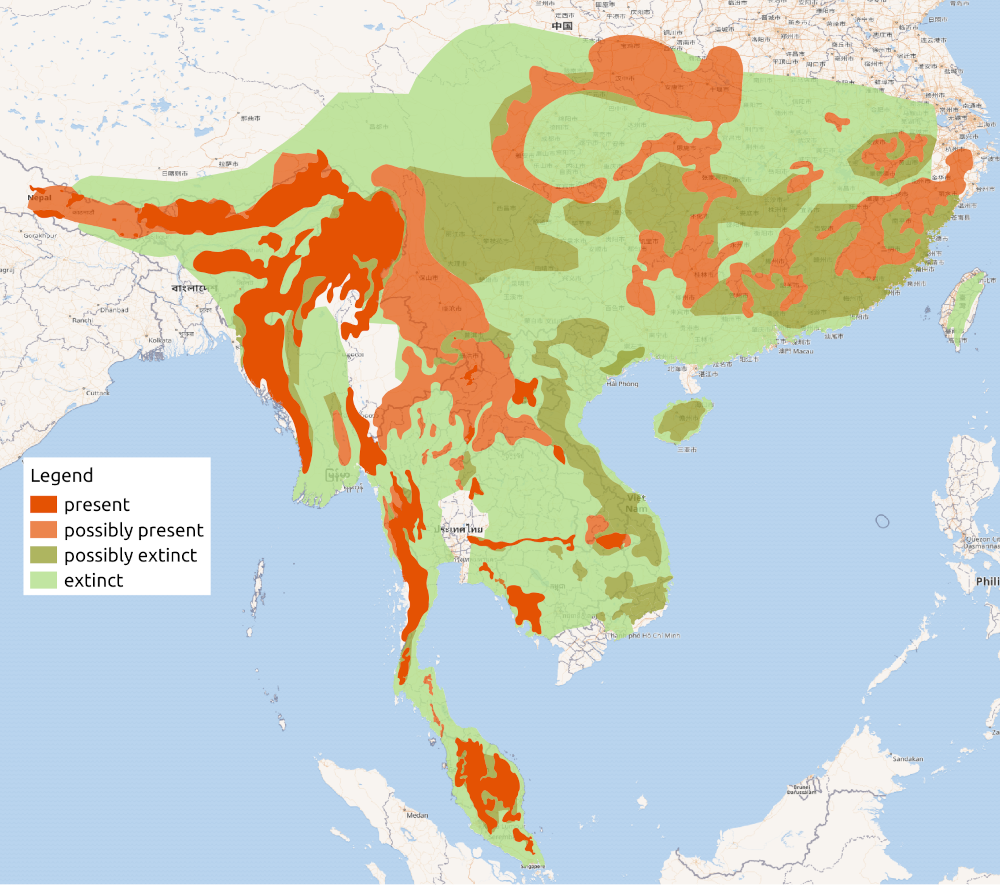
Clouded leopards are found in the forests of South East Asia. Both Poaching and habitat loss threaten their future survival is not easy to see, it makes it is hard for it to be clear what its current range is. However, if you simply compare extinct to all possible remaining habitat, you can see the best possibiltiy is that range has reduced by around 50%


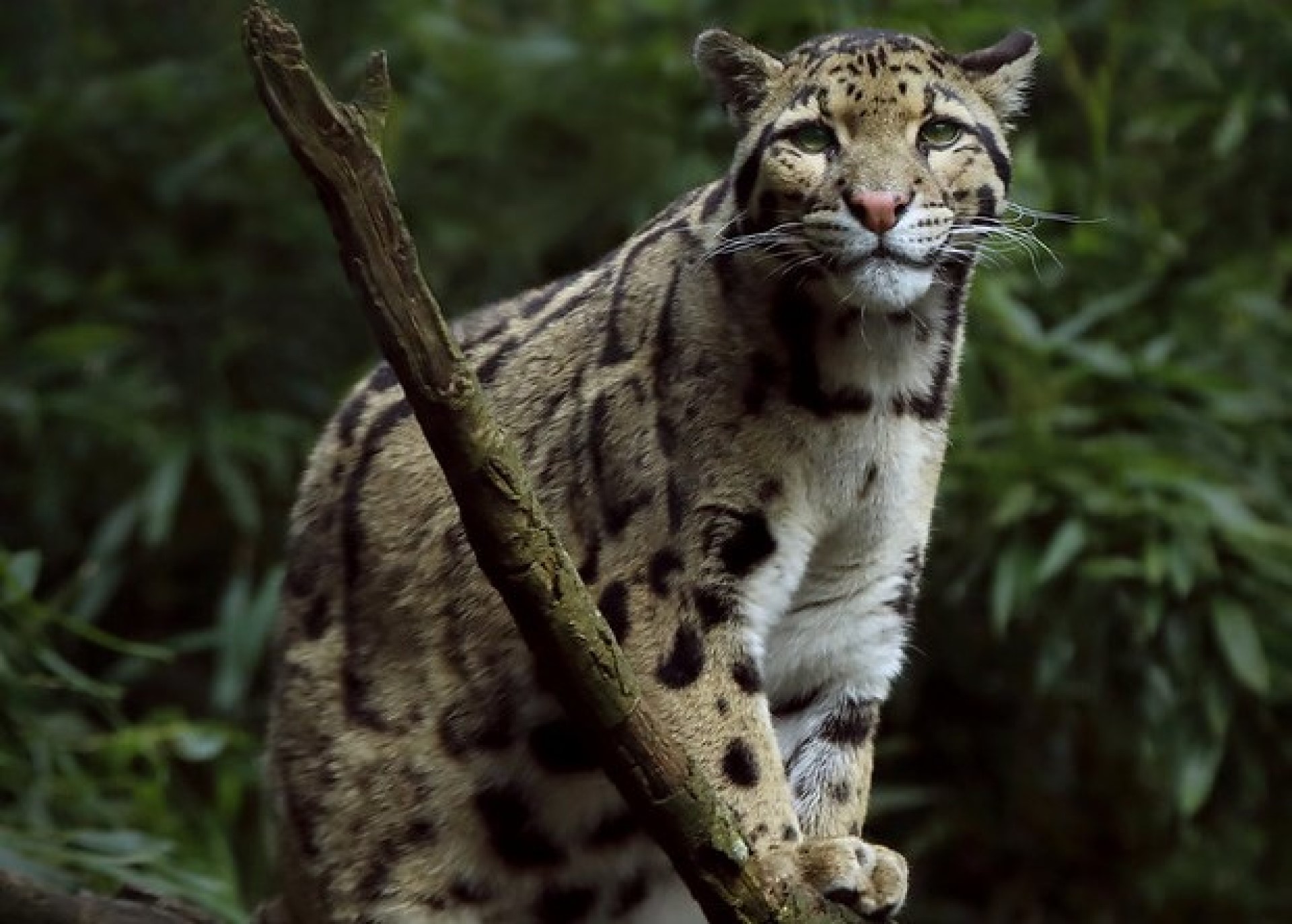
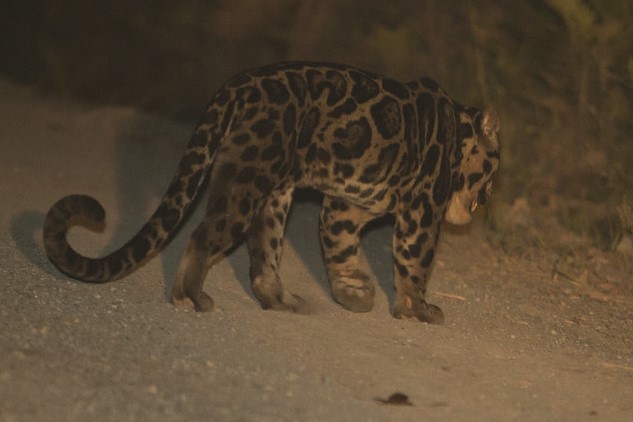
The clouded leopard has been split into two species – the Clouded leopard found on mainland Asia (big picture at the top), and the Sunda clouded leopard (picture above) found on Borneo and Sumatra (these Sunda Clouded leopards have not interbred for a very long time so are considered 2 subspecies). 


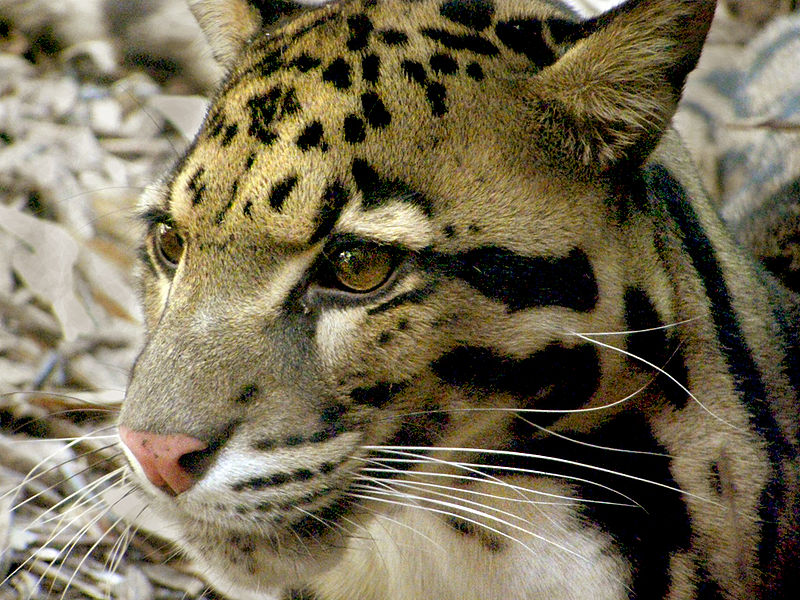
This is a further image of a clouded leopard though taken in a US zoo, which allows an easier time of getting a good view of the head.

The map above shows the former and current range for these two species. As we start to link with places on the ground, we are likely to create separate pages for each of these clouded leopard species. Below is a video of each species of clouded leopard.

We look to work with people on the ground. Do get in touch if you live or work in the area, and can help people see these incredible animals click here

[TS_Video_Gallery id="5"]
[smart_post_show id="11511"]

Cougar (Puma, mountain-lion, Catamount even Panther)

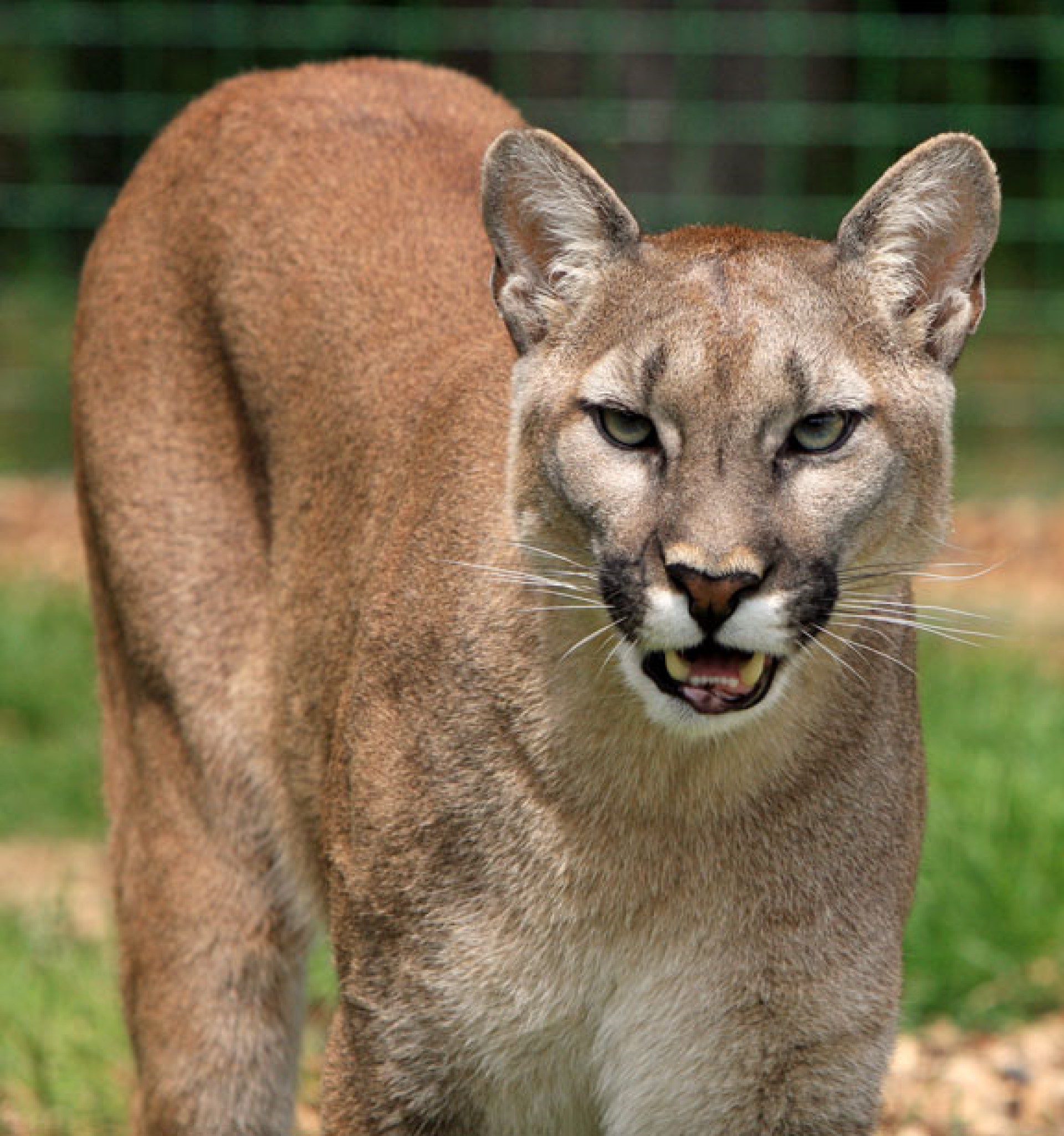
A mountain-lion photographed in Glacier national park, by the national parks service

Cougar, Puma or mountain-lion

This cat is a large cat that is native to much of North and South America, second only to the Jaguar.

For most classifications, the cougar misses out on being a big cat, as it does not have the vocal structure to roar, as the others do.

It is largely solitary, and is generally a nocturnal or crepuscular cat (that is active at night or in the early morning and late evening). They have been persecuted since the colonization of north America by the Europeans, which has lead to patchy coverage. The Eastern Cougar is extinct, except for a sub-population called the Florida Panther which is isolated from any other Cougars. It is in better state in the west of the USA. In Southern and central America, it is still found in every country. In fact, it holds a classification of being the most widespread mammal to be found in the Western hemisphere.

It is a close relative of the Cheetah, which is believed to have initially evolved in the USA before migrating into Asia and Africa. The only animal which shares the same clade is the jaguarundi is the cougar, though the larger family called a Lineage and does include the cheetah

[smart_post_show id="24929"]

Jaguarundi

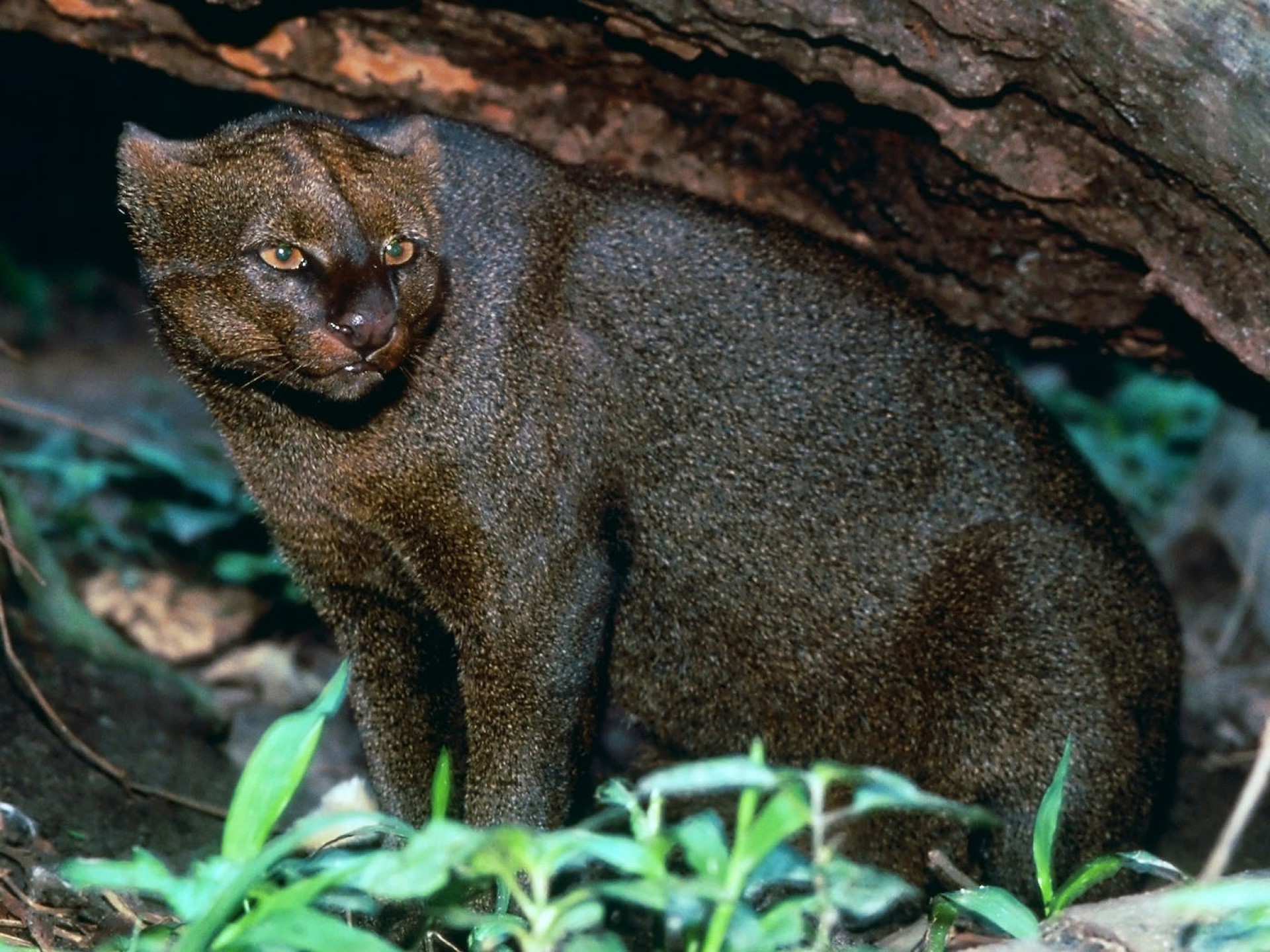
Rare in much of their range, with persecution and habitat loss, we yet have time to save this creature

The Jaguarundi is a mid-sized cat, similar in size to the Ocelot – about twice the size of a domestic cat. It is found from central Argentina to Northern Mexico at the top of its range. In central and Southern America it is found east of the Andes. Secretive, and very alert, it actually tends to hunt during the day and the evenings. They live in large home ranges and low densities. In the wild they tend to be solitary or living in pairs.

It is pretty common in Brazil, Peru and Venezuela, though it is thought to be extinct in the USA – it is obviously found in the countries in between, however due to range loss from fragmentation of habitat, as well as direct persecution as a result of taking of poultry, there are many regions where it is threatened as populations are declining fast.

The Jaguarundi shares a clade with the mountain lion (cougar), and is in the same lineage as the Cheetah

[smart_post_show id="24946"]
World maps: explore

This website aims to make it easy for those living with wildlife, and those who would like to see it, to find each other. Where-ever the wildlife, if the local people do not benefit it will not survive.  Please note, on some computers these maps can take 10 seconds to load.

Explore the worlds wilds, through the map above (each country contains a list of any wild areas within it – world maps for each fo these can be found at the top of the page -“wild places, “shadow of mankind”, “Hides”, “Future places” & “sightings board”), or the species in the expandable section below. Add your destinations, by clicking on “list your wild”. Scroll down to read our latest wild news.

aaa The Highlands, Scotland

The Highlands, Scotland, UK

The highlands of Scotland is an odd place. It has one of the lowest densities of humans, but at the same time the UK has eradicated the majority of predators, and despite being required by European law, has ruled out reintroducing any predators that once lived here.

I would love to see a small number of wolf packs roaming the highlands, to keep the prey on the move.

There is still a wide range of wildlife to spot in the highlands, and it is a beautiful place to visit. The problem is that at the current time, it is mostly not in a natural state. Furthermore, it is unfortunately very hard to regrow the Caledonian forests, as there are so many red deer.

 A wide variety of other animals and birds can be spotted in the area. For instance, black grouse, golden eagles, osprey and ptarmigan. Also, you can spot capercaillie, pine martens, squirrels (red ones, of course!) and otters, to name but a few. There have been a small number of reindeer reintroduced (native but locally extinct).

The eastern highlands are largely included in a range of mountains called the Cairngorms which are also a fascinating area to explore

Svalbard archipeligo (Norway)

Svalbard archipeliago, north of Norway

This refuge was established in 1980 to protest the wildlife, both on and off shore. In terms of wildlife, brown bears, reindeer (around 7000 in this herd) wolves, wolverines, foxes, beavers. Moose are locally extinct due to overhunting. Off the coast, there are sea otters, seals, sea lions, and migratory grey whales. There are also over 200 species of bird. There are local native people who have lived within the reserve for 10,500 years and use the lands resources sustainably.

The video below, is all filmed from a cruise ship visiting the islands – just to give you an idea of what there is to see.

This is an island that I am eager to visit one of these days.

See Animals Wild

Read more news

Join as a wild member
to list your wild place & log in

Join as an ambassador supporter to
support this site, help save wildlife
and make friends & log in

Join as an Associate member
to assist as a writer, creator, lister etc & to log in

List a wild destination

List a destination in
the shadow of man

List a hide for animals more easily seen this way

Highlight some news
missed, or submit a
one-off article

Browse destinations for fun or future travel

Temporary membership
start here if in a hurry

Casual readers and watchers