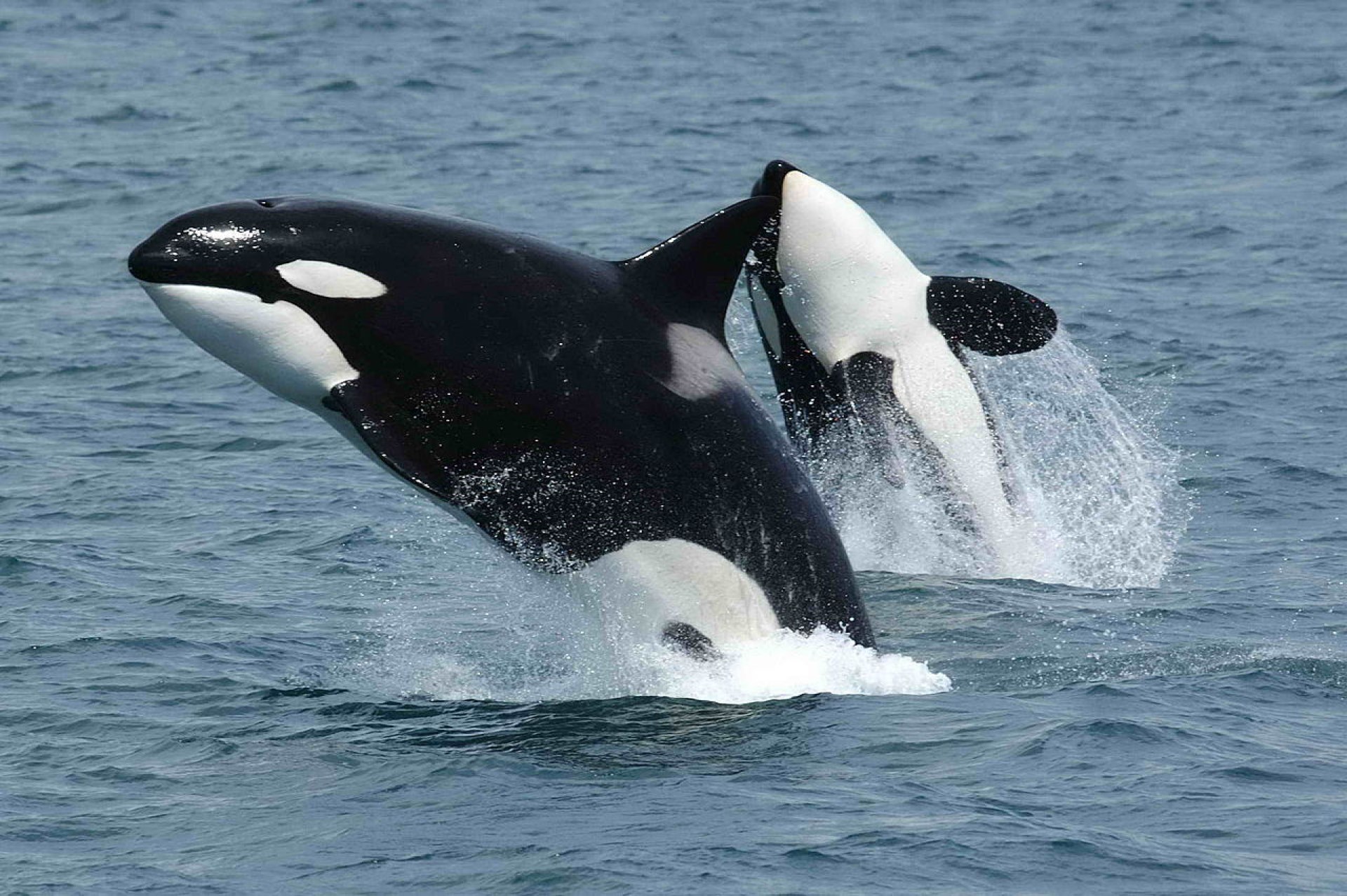
Orca or Killer whale
As this species is a member of Cetacea, not carnivora. Never-the-less, this is the largest clear predator on the planet.
They are found in all of the worlds oceans. What is incredible, is that other apex predators, like the great white are rendered prey, simply be the arrival of Orcas on the scene.
One such example, is the arrival of the Orcas in South Africa. The great white sharks have vanished. While there are suggestions that they have not gone far (perhaps merely into the depths of the waters nearby) it is clear that after a number were killed by the orcas they have given way.
They are not actually whales, being the largest member of the Oceanic Dolphin family, and as such appear to have the brainpower to defeat almost anything when they put their mind to it. As well as great white sharks, Orca will also hunt all of the baleen whales, including the blue whale which is the largest animal to ever roam the earth. They will also regularly hunt toothed whales such as false killer whales.
Each pod is lead by a dominant female, and these animals can live to be 50-90 years old. While this species eats a wide variety of fish, sharks, rays and marine mammals such as seals, other species of dolphins and whales, generally these animals specialize. Some generally eat fish, while others hunt mammals.
They have a wide range of hunting techniques, from polar orca working together to create waves to wash seals off icebergs, to intentionally beaching themselves in Argentina, to grab seals from the beach. Each group is capable of coming up with their own techniques which are taught to future generations.
Below you will find any articles from the blog, which mention the Killer whale (or Orca). Below that is a video of this species (it is a 50 minute documentary on this species). Below that, we will add any links which will allow you to try to see this species for yourself.
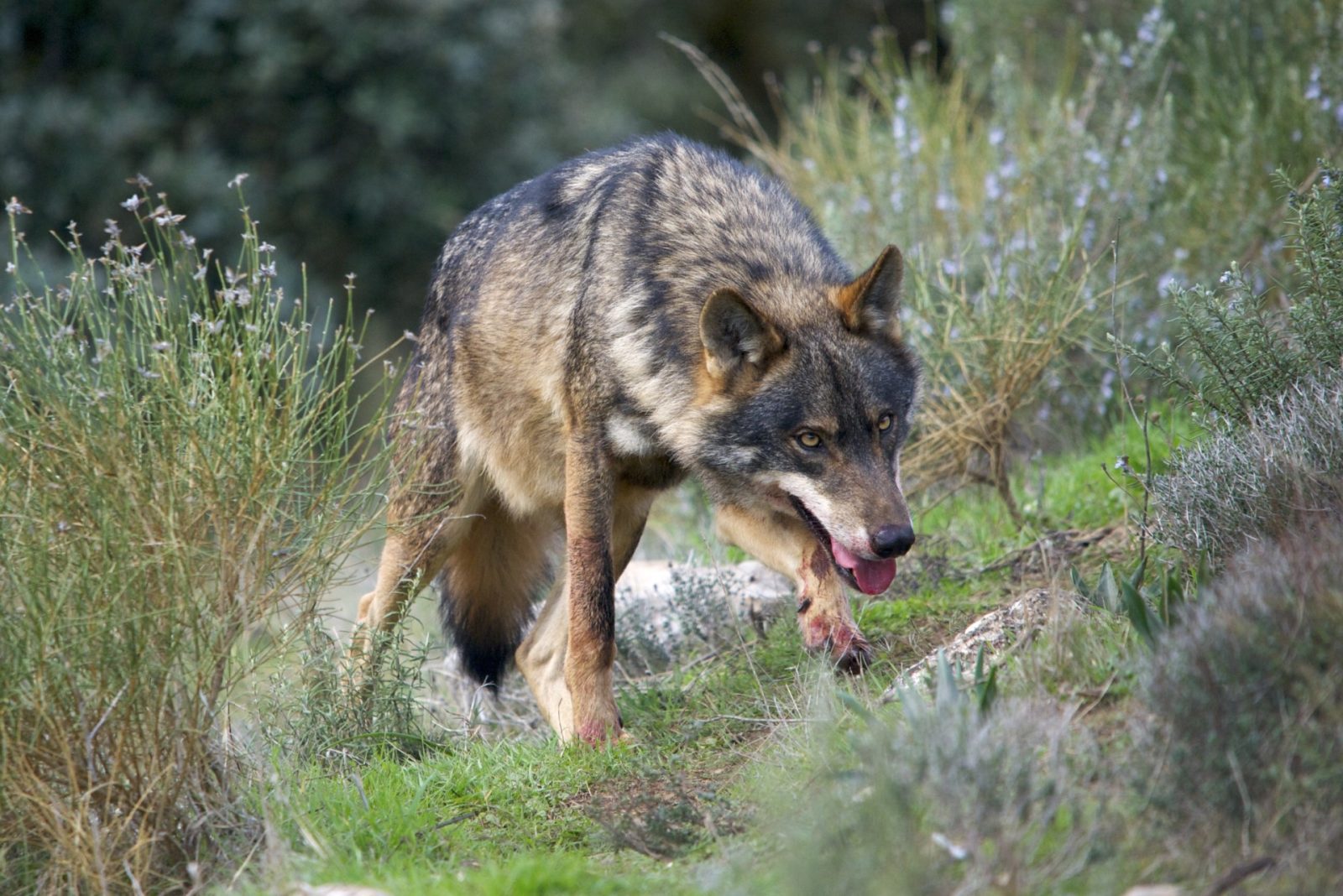

 The Iberian wolf is a subspecies of the grey wolf found on the Iberian peninsular. It reached its minimum in the 1970s with 500-700 iindividuals living in the wild. Until the middle of the 19th century, it was widespread, throughout the Iberian peninsular. It should be noted, that wolves have never had high densities, and the wolves of western Europe are not thought to have ever had a population much above 848–26 774 (depending on which end of the estimate you rely – but is the founding population of both the Iberian and Apennine population).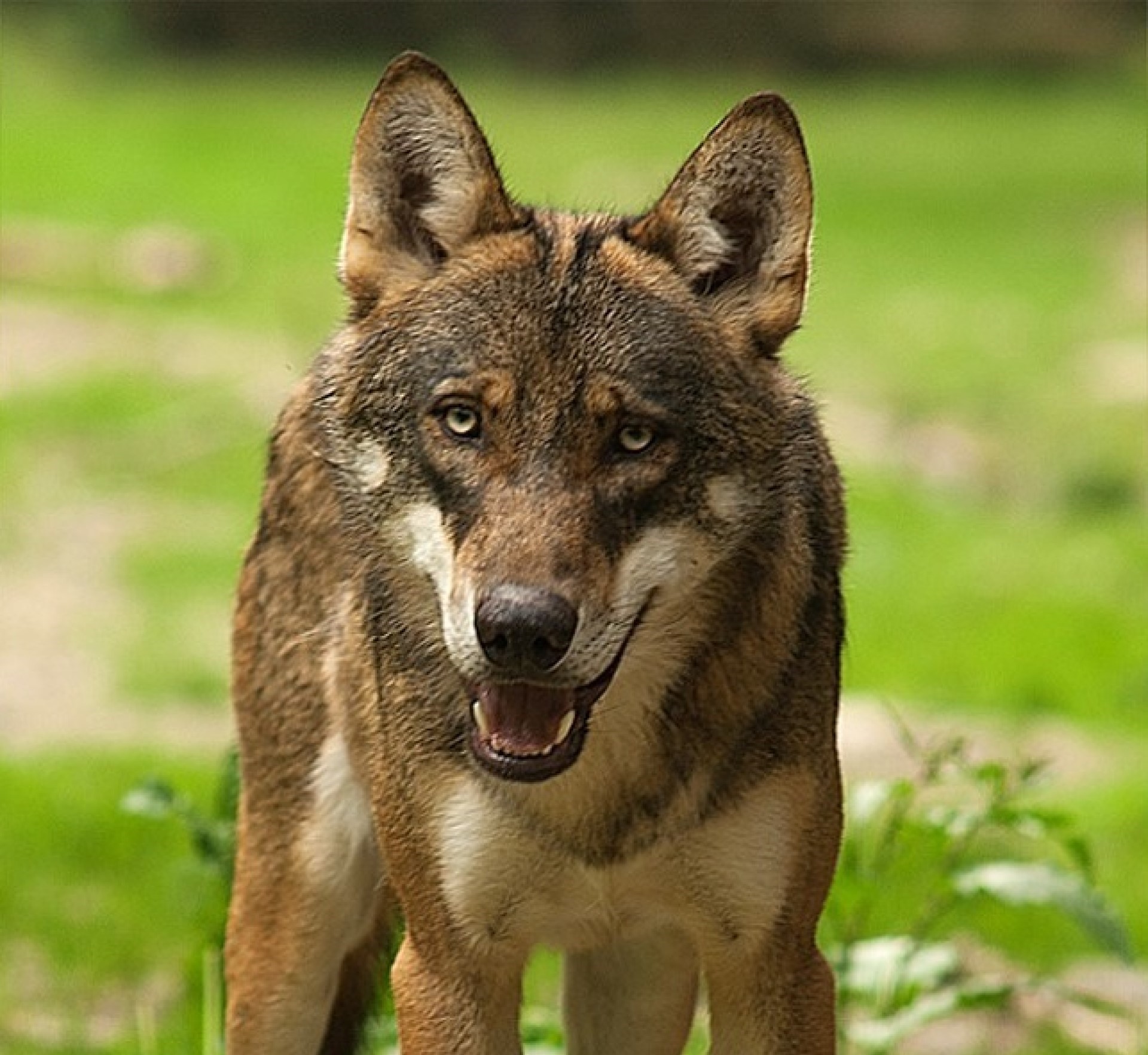
 The Apennine wolf is also known as the Italian wolf. Back in the 1970s the population reached its minimum, where the population reached 70-100 individuals. It has recovered well since then, with an Italian population of roughly 3300. However, since the early 1990s, this subspecies has been gradually moving into France. As such, at the end of 2022 the number was estimated at 1104 wolves in France.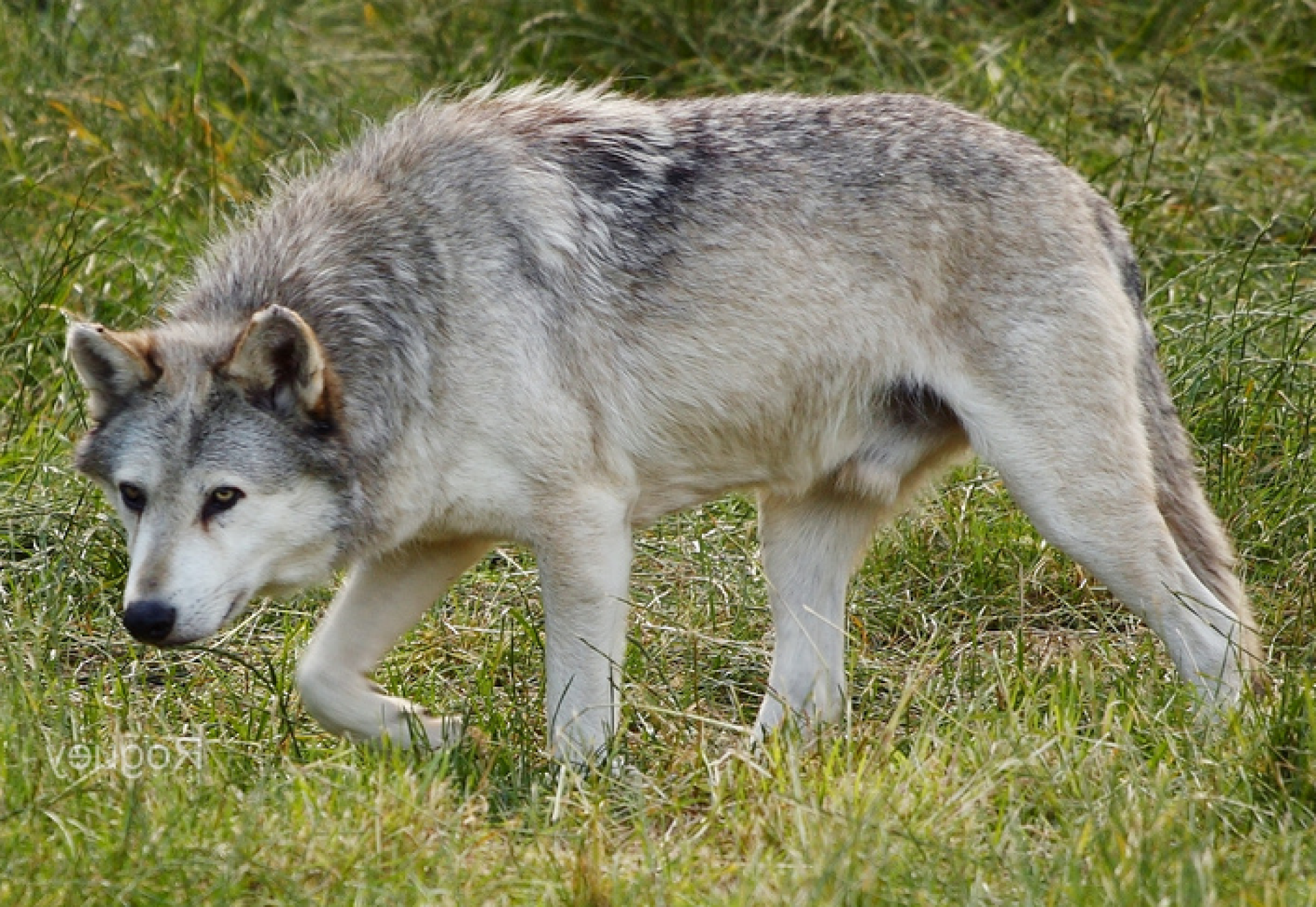
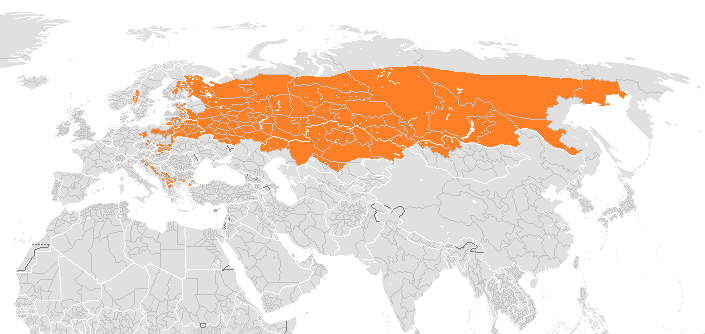 The Eurasian wolf (often referred to as the Russian wolf), is the subspecies which runs down the east coast of the Adriatic sea, as well as the majority of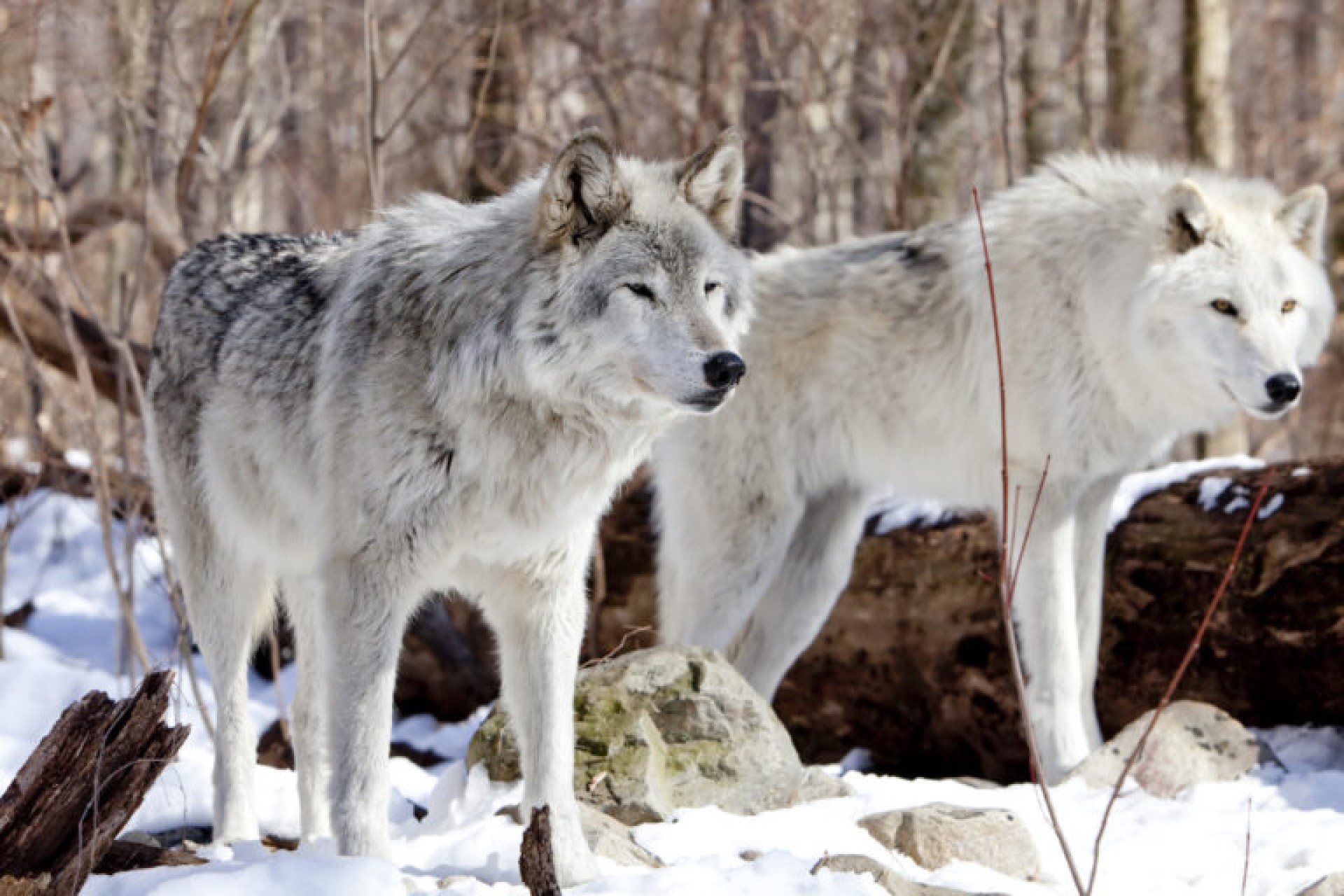
 The Tundra wolf – Canis lupus Albus is the Eurasian equivalent of the Arctic wolf. Also known as the Turukhan wolf, it is native to Eurasia’s tundra and forest-tundra zones from Finland to the Kamchatka Peninsula. It was first described in 1792 by Robert Kerr.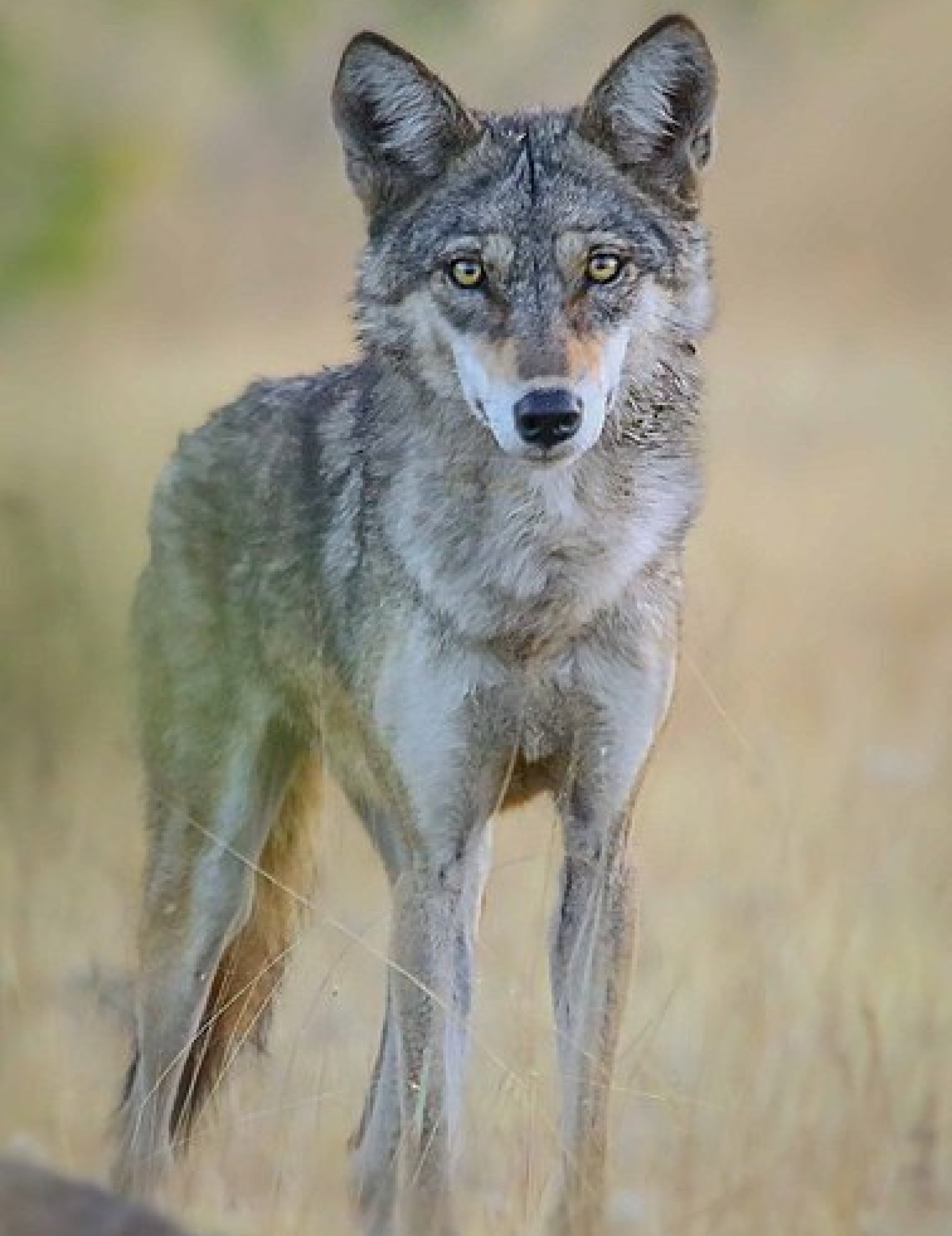
 The Indian wolf is one of the more well known, partly as their starring role in the Jungle book by Rudyard Kipling. I do remember my great grandmother talking about seeing 4 wolves running in the distance. It is thought to have 2000-3000 individuals left in the wild, though given its former large range, this does not appear very high. It should not be surprising, therefore, to hear that this is considered as one of the most endangered subspecies of the grey wolf – it officially has the conservation status of endangered – now it is considered endangered, and people talk about it at high risk, but it should be remembered that there are still 2000-3000, which is a pretty high number for a species considered more than just endangered.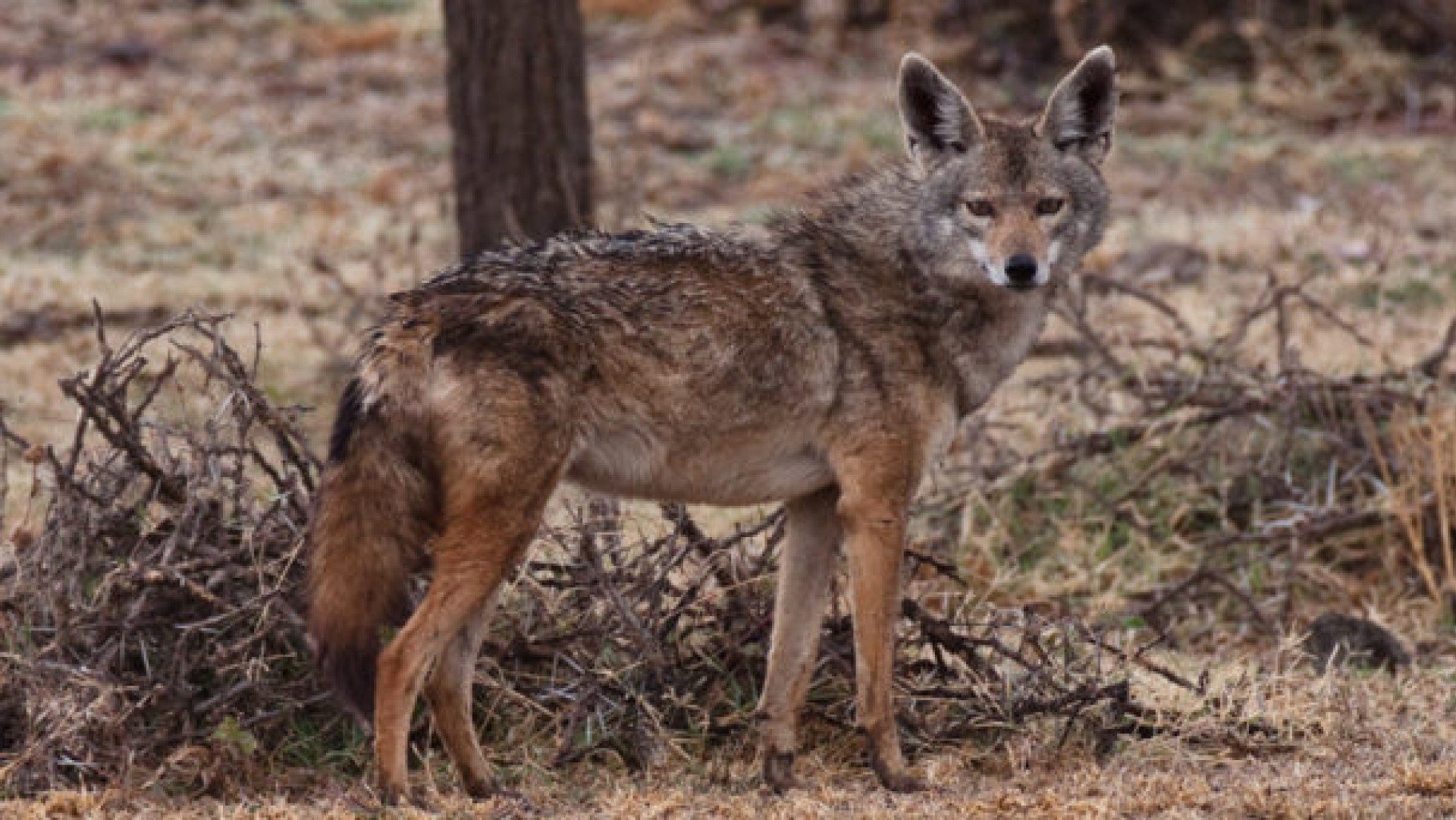
 Also the most recently confirm subspecies of the wolf – the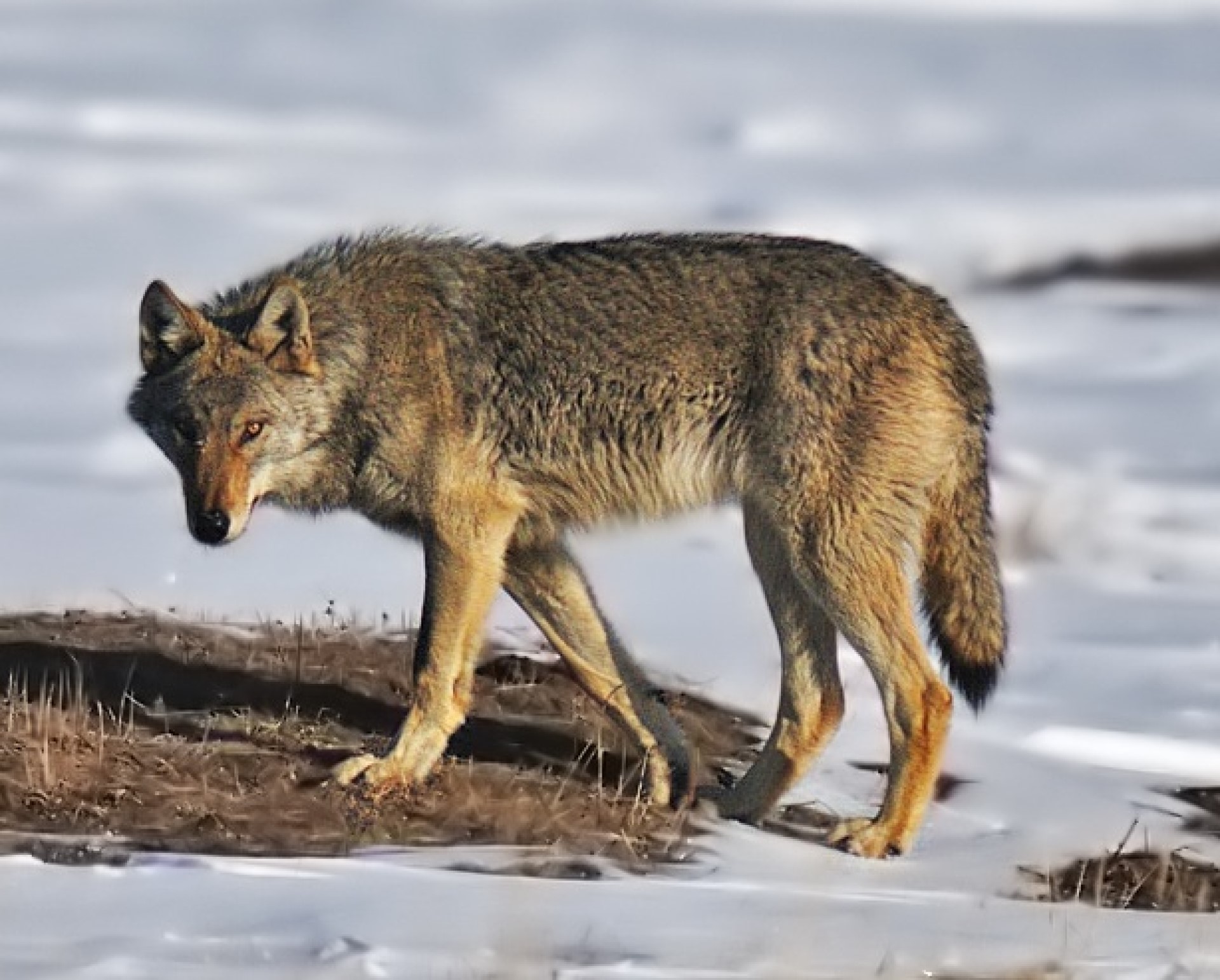
 The Steppe wolf also known as the Caspian sea wolf is a wolf subspecies that is found in the region around the Caspian sea, though the Steppe wolf is perhaps more useful a name as it extends far from the Caspian sea. Much of its range is in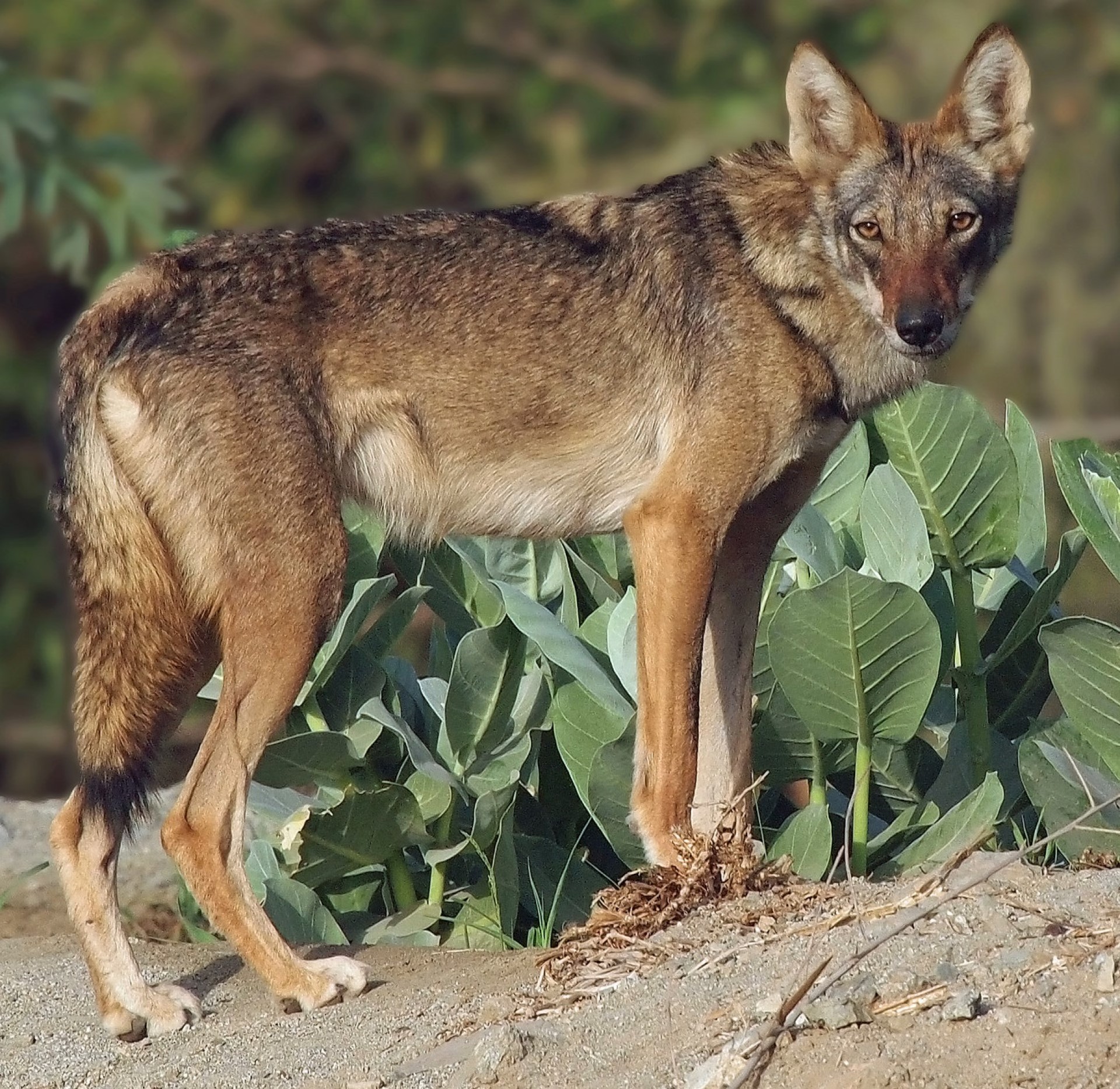
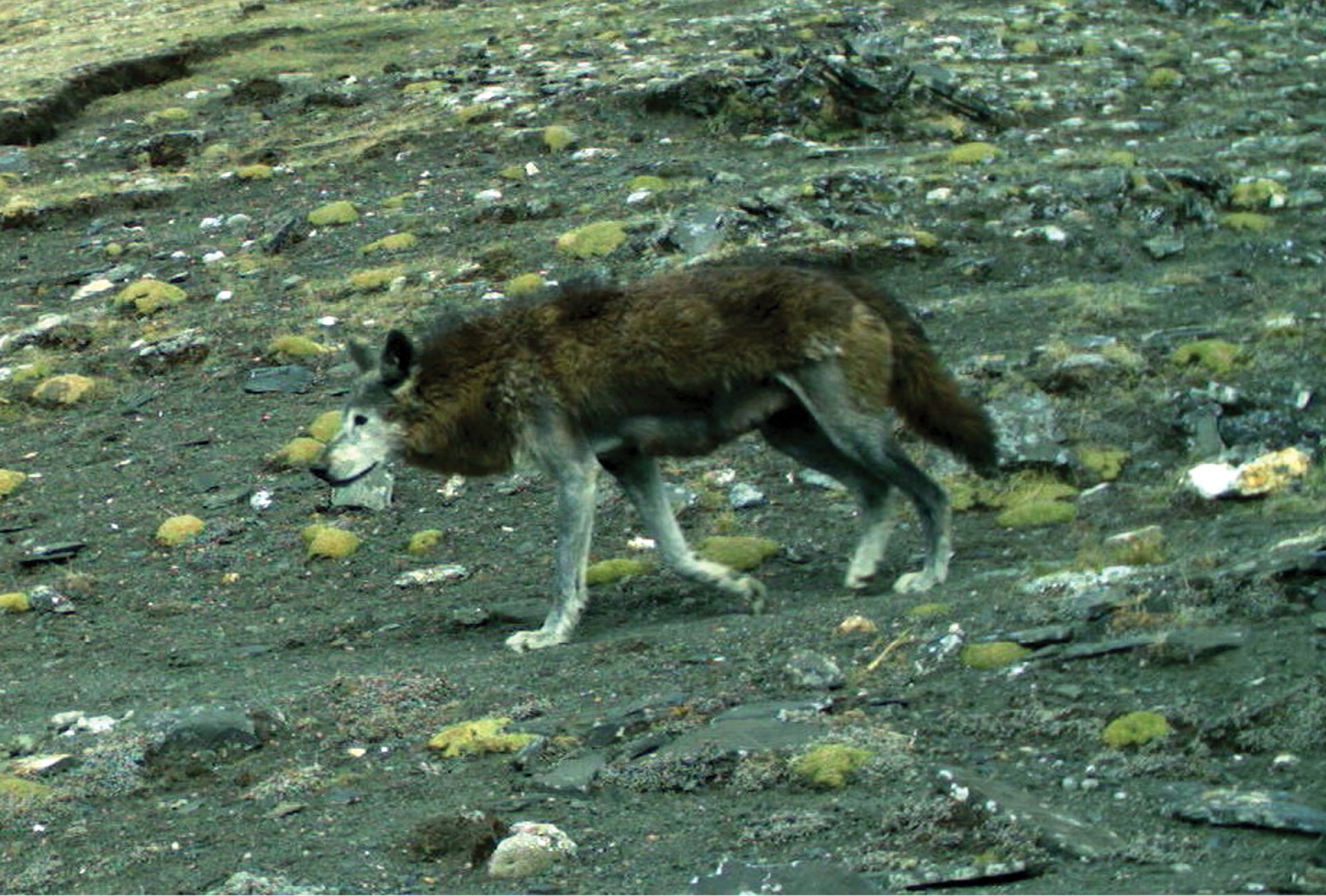

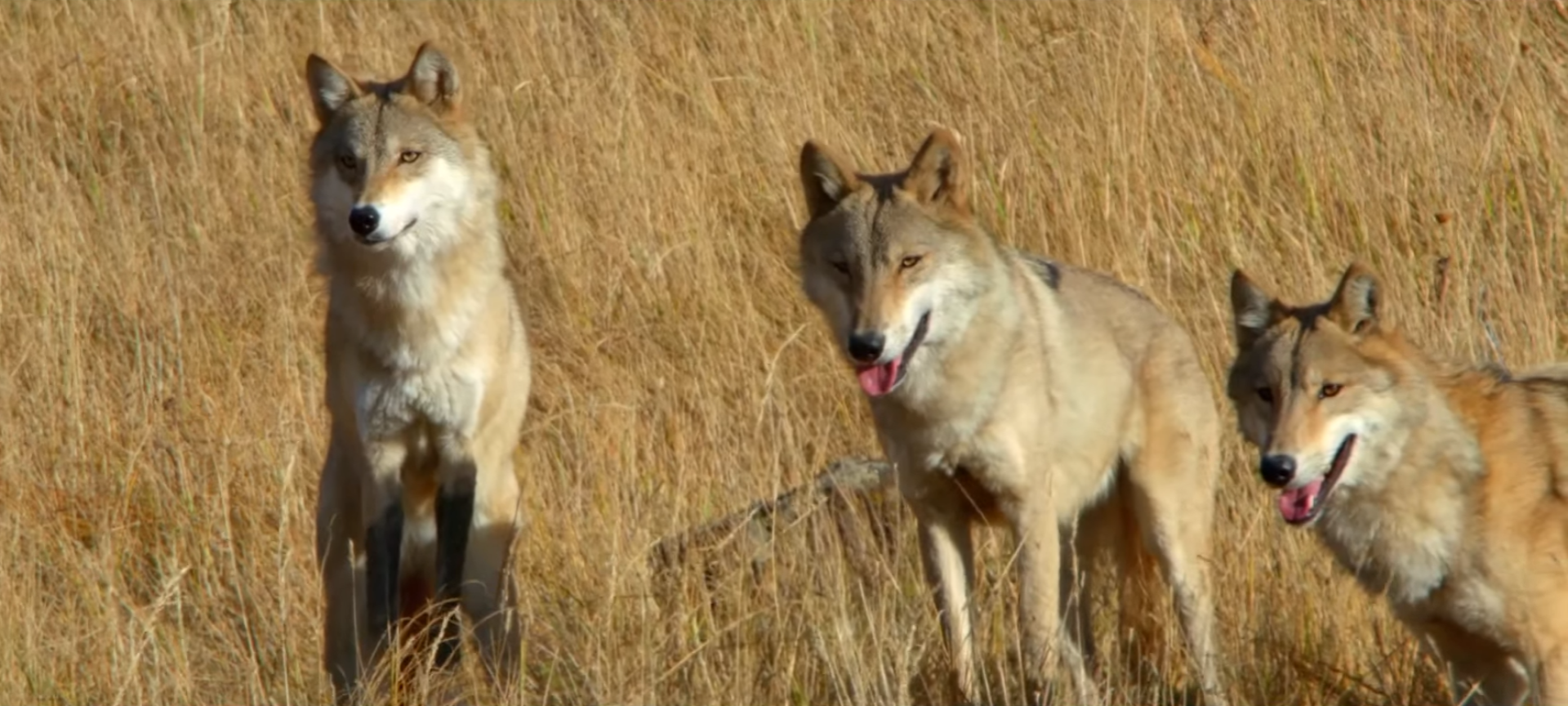
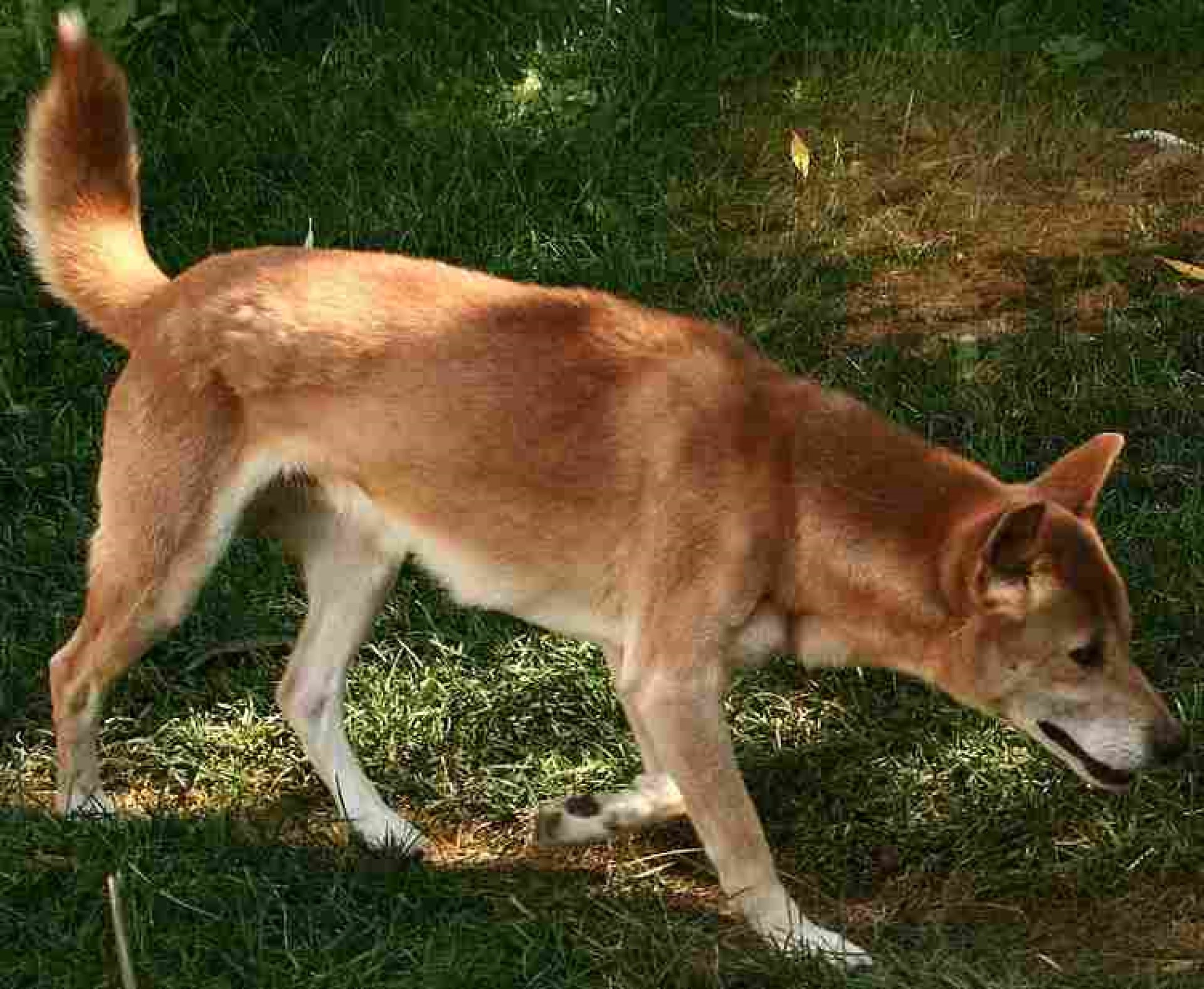
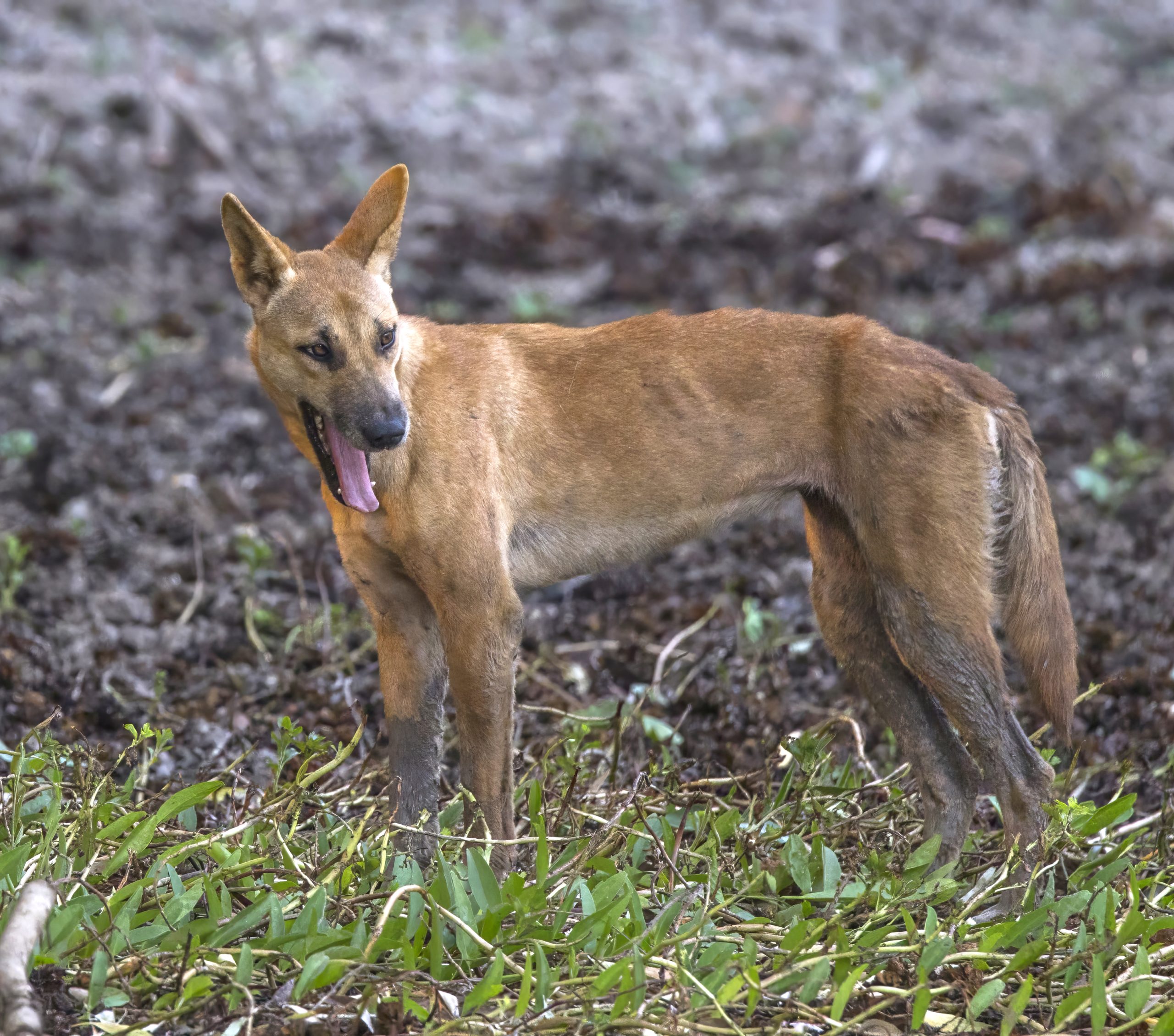
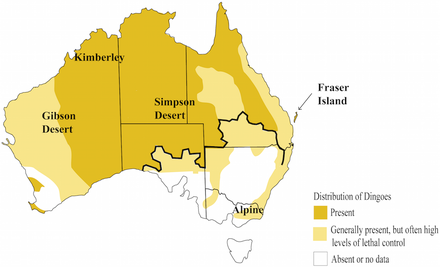 Closely related to the new Guinea singing dog, the Dingo is a dog species that has a relatively wide range. There is some debate about how it got to some of its homes, and whether it may have come alongside early humans.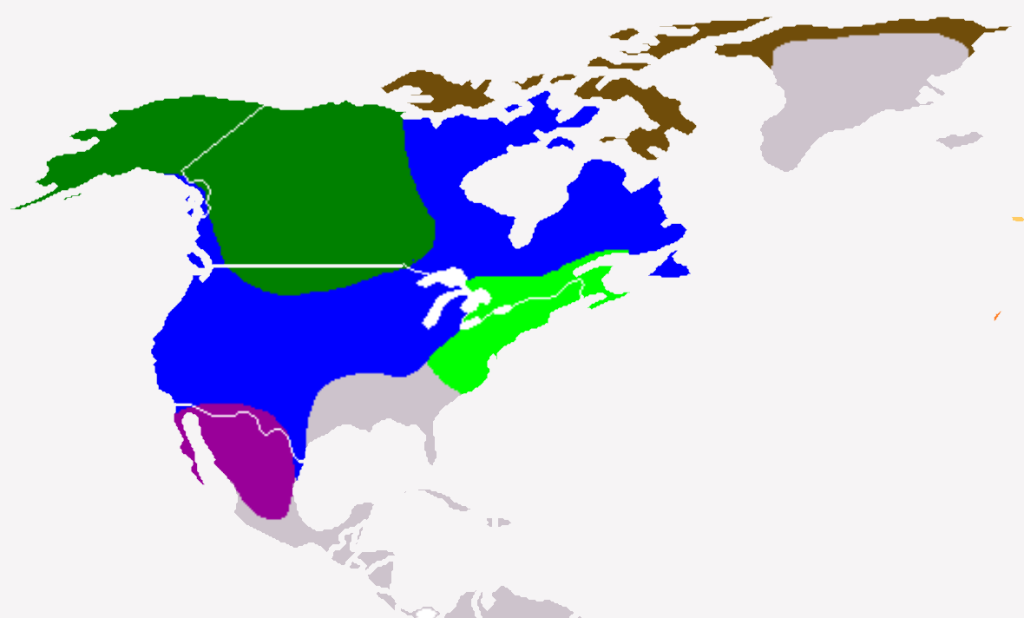
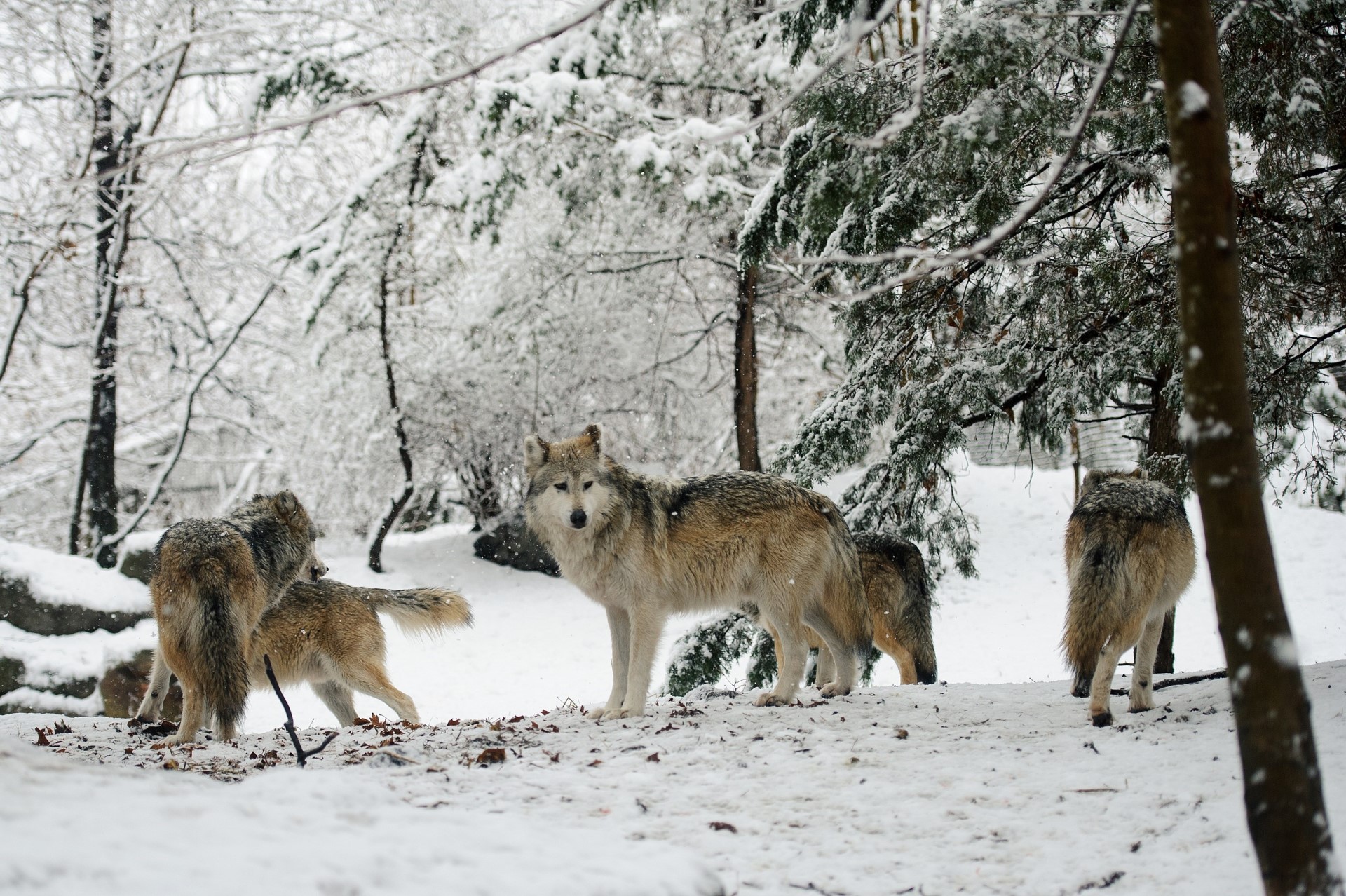
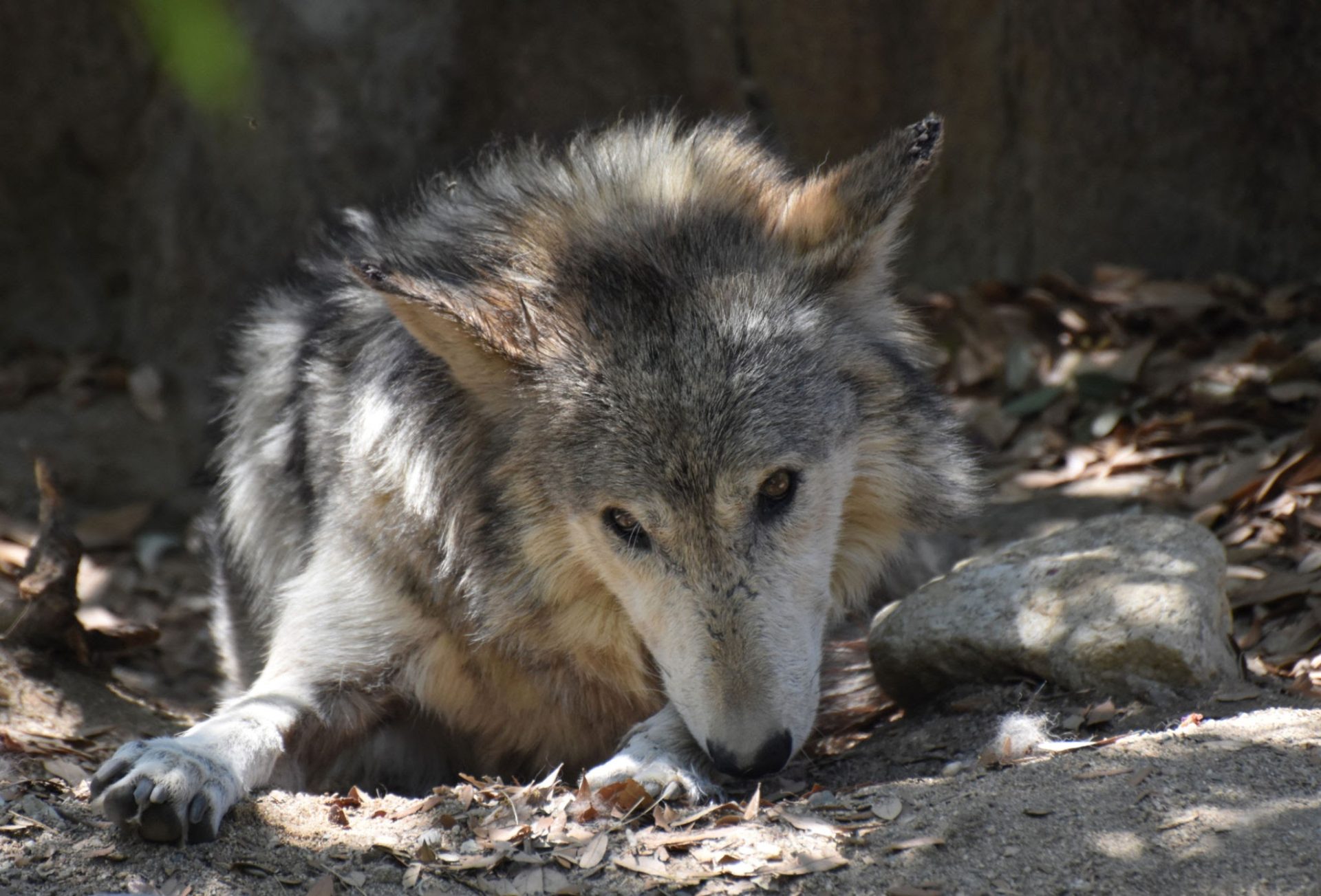
 Mexican wolves (scientific name is Canis lupus baileyi) are currently only found in a small area as seen on the map to the right. It is a fantastic improvement on the situation around 1970 when the species was extinct in the wild. The first reintroduction was carried out in 1998. Unfortunately, founded by just 7 individuals, the population is highly inbred. Never-the-less, currently, the