Musk deer

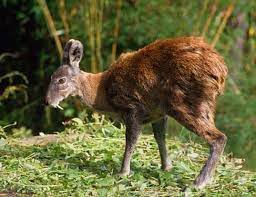
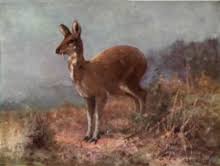
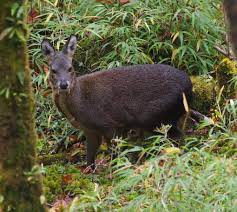
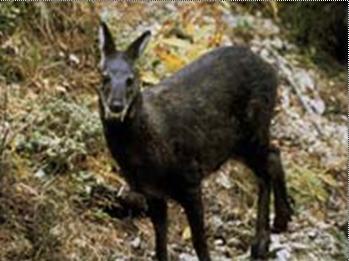
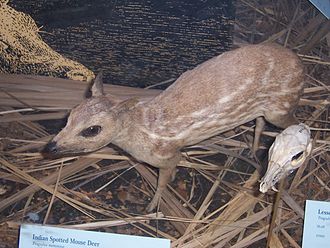
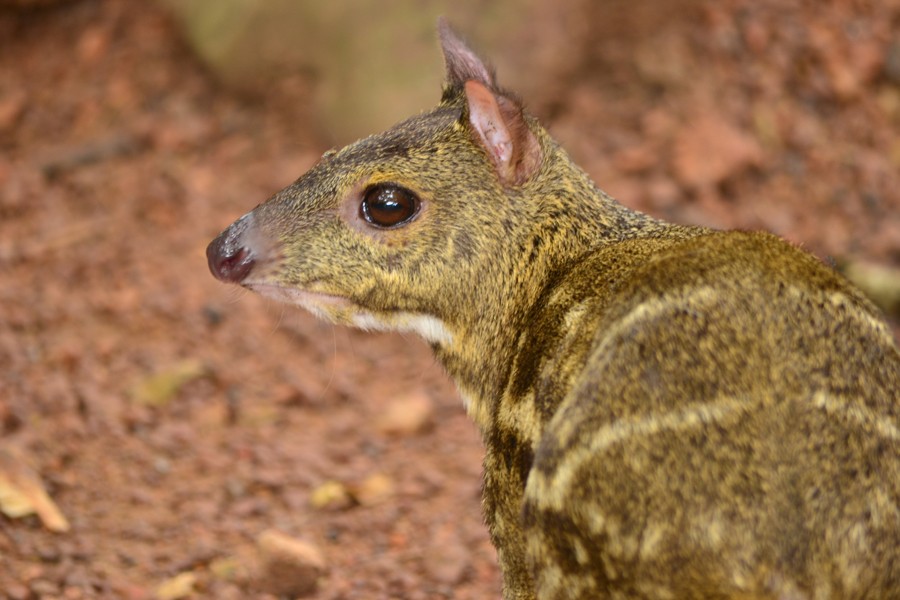
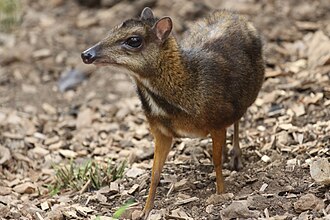
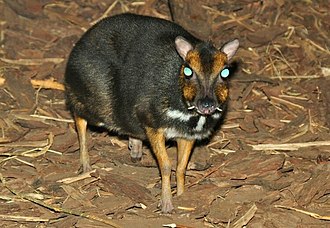
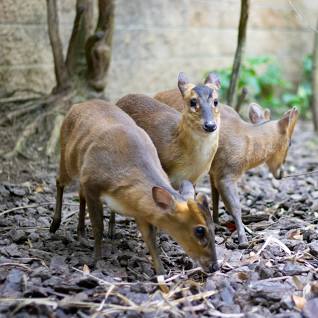
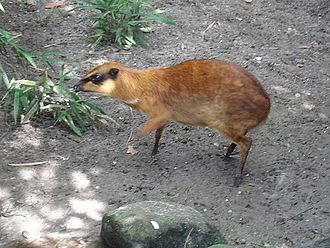
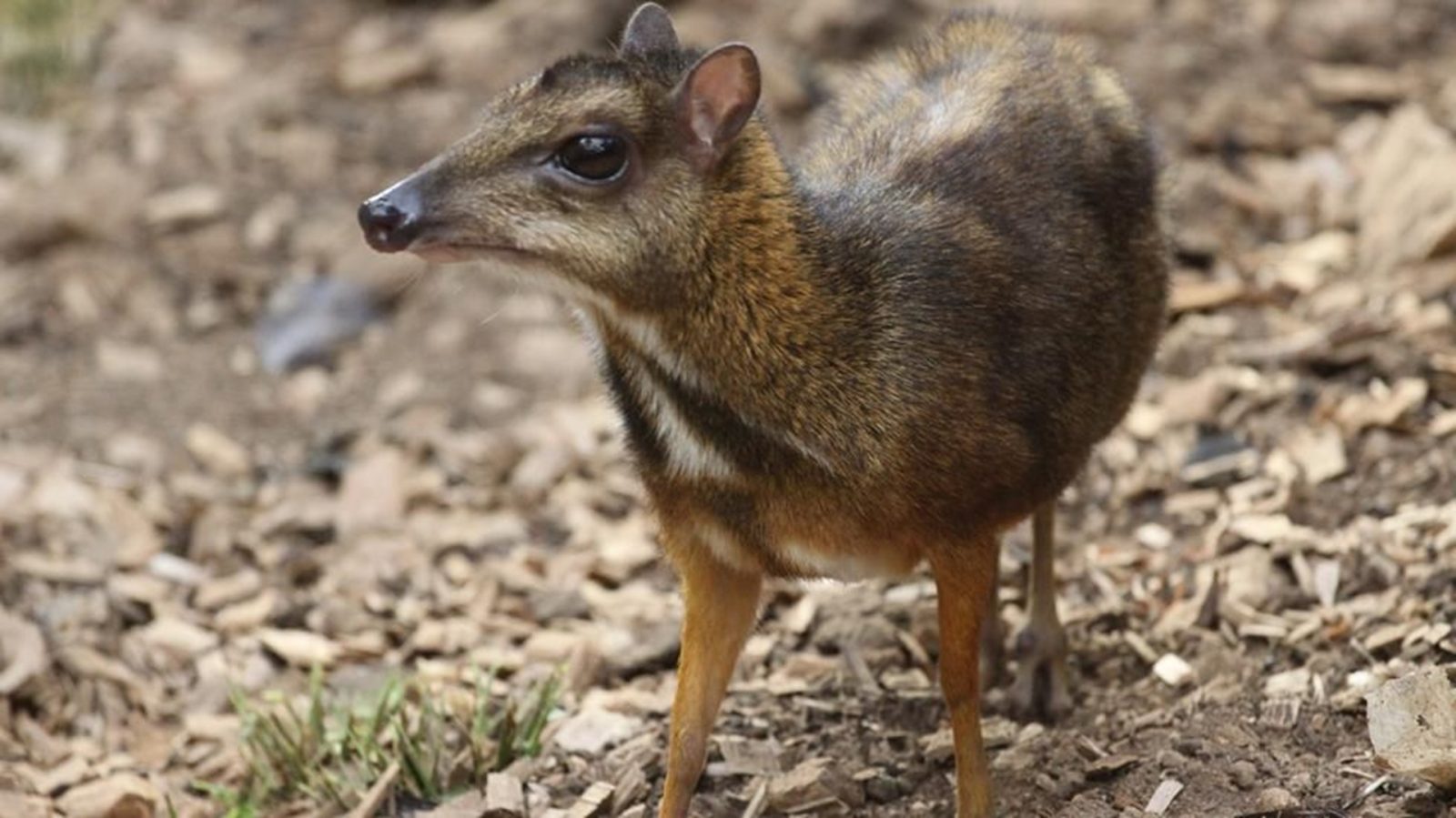
There are 7 musk deer species. As with other pages like this, should the amount of content information on a specific species of musk deer grow, or there become opportunities to see one of these species in the wild, it will get its own page (though it should be noted that it will still be linked from this page.

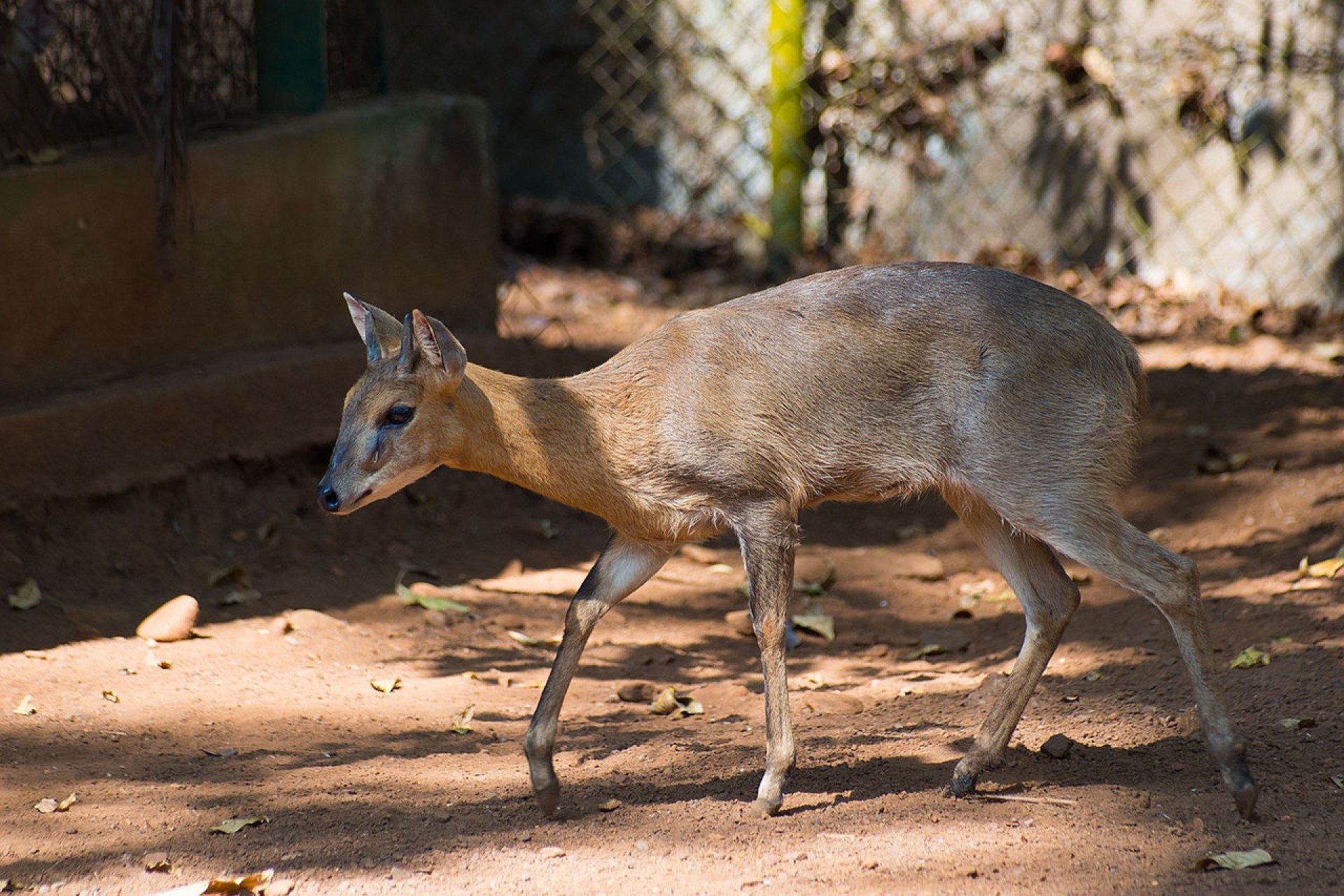
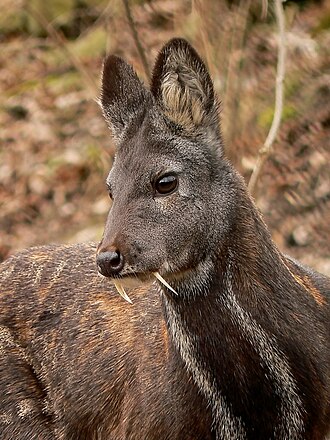
The first thing to note, is that musk deer are actually not deer. Rather than being members of the Cervidae family, they are closely related to the Bovidae family. There are a few things that they miss, that all deer have – no antlers, no preorbital glands, but they do only have a single pair of teats and a gallbladder, and caudal gland. They also have a pair of canine tusks (which is one of the most notable things about them) and lastly, a musk gland, which lead to them being hunted by humans, as the financial rewards are quite high.

Alpine Musk deer

Found in the Eastern himilayas, It is the state animal of Uttarakhand. There are 2 recognized subspecies. It is found at heights of 3000m-5000m.

Poaching for its musk does threaten its ongoing survival. By the 1980s the population was estimated at just 3000. It is unclear what has happened since. 

Anhul Musk deer 

They do not thrive in captivity. It has been previously considered a subspecies of two other musk deer. It is found in Debie mountains in Western China

It is considered endangered.

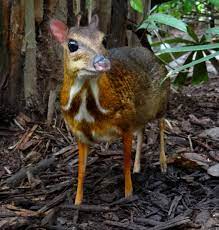
Chinese forest Musk (dwarf) deer 

Found in Southern and central China, there are 4 recognized subspecies.

  • Moschus berezovskii berezovskii Flerov, 1929
  • Moschus berezovskii bijiangensis Wang & Li, 1993
  • Moschus berezovskii caobangis Dao, 1969
  • Moschus berezovskii yanguiensis Wang & Ma, 1993

It is as a species considered endangered, this makes it quite likely that some of its subspecies are very close to extinction.

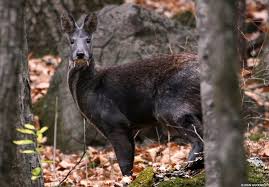
Dusky Musk deer 

Also known as the black musk deer, it is found in Bhutan, China, India, Myanmar and Nepal, it is nocturnal and highly solitary (females will on occasion allow other females to babysit). Males fight aggressively for territory. Like many similar species, they are incredible mountaineers, in their home in the mountains, and can often be seen standing on cliffs that do not look like they could stay balenced. They are also capable of climbing trees. They are predated by various species, in particular lynx, many of which will specialize on hunting this species.

It is currently considered endangered.

Kashmir Musk deer 

Found in Afghanistan, India and Pakistan (as well as possibly western Nepal).

In Afghanistan, no sightings were recorded between 1948 and 2008, but a proper survey recorded 3 sightings in 2009, so they do still cling on here. Although thought to be fragmented, there is much space for these species in Afghanistan, so there is hope that this species will recover.

It is considered endangered, as a result of habitat loss, and hunting for their scent glands.

Siberian Musk deer 

Found in the forests of Northeast asia, common in the Taiga, but also found in Mongolia and on the Korean Peninsula. They are good at hiding from predators, and can run fast when required.

As with some other species, hunting for their musk glands is having an impact on the species, and 30% reduction is expected over the next 3 generations. They have a large range, and there are 5 recognized subspecies

Siberia, North Mongolia, Russia, North China and Korea – M. m. moschiferus[1]

Russian Far East – M. m. turovi

Verkhoyansk Ridge – M. m. arcticus

Sakhalin – M. m. sachalinensis

Korea – M. m. parvipes

There are currently thought to be around 230,000 in the wild, but the number is declining.

White-bellied Musk deer (it is also known as the Himalayan Musk deer)

It is found throughout the Himalayas, and is listed as endangered with serious population decline. They are generally found at heights of over 2500m. They generally occupy a home range of around 22 hectares,

Males are fiercely territorial and will only let females enter. They can live 10-14 years. Predators include Leopard, snow leopard, red fox and grey wolf.

Status, while protected across much of its range, enforcement has proved useless, and as such there is still much hunting going on,

Efforts are being made to farm the species, though they dont appear to cope healthwise with captivity. The ability to harvest the musk while the deer is alive, is also being worked on – this may allow harvesting without killing the animal – making their population far more stable.
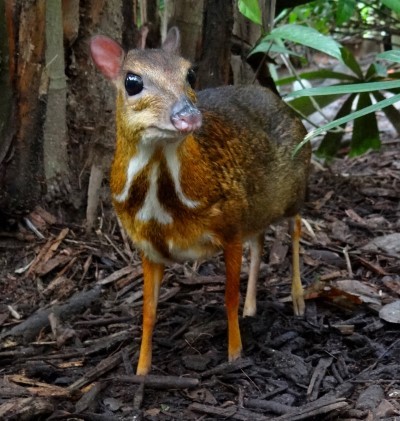
Water Chevrotain

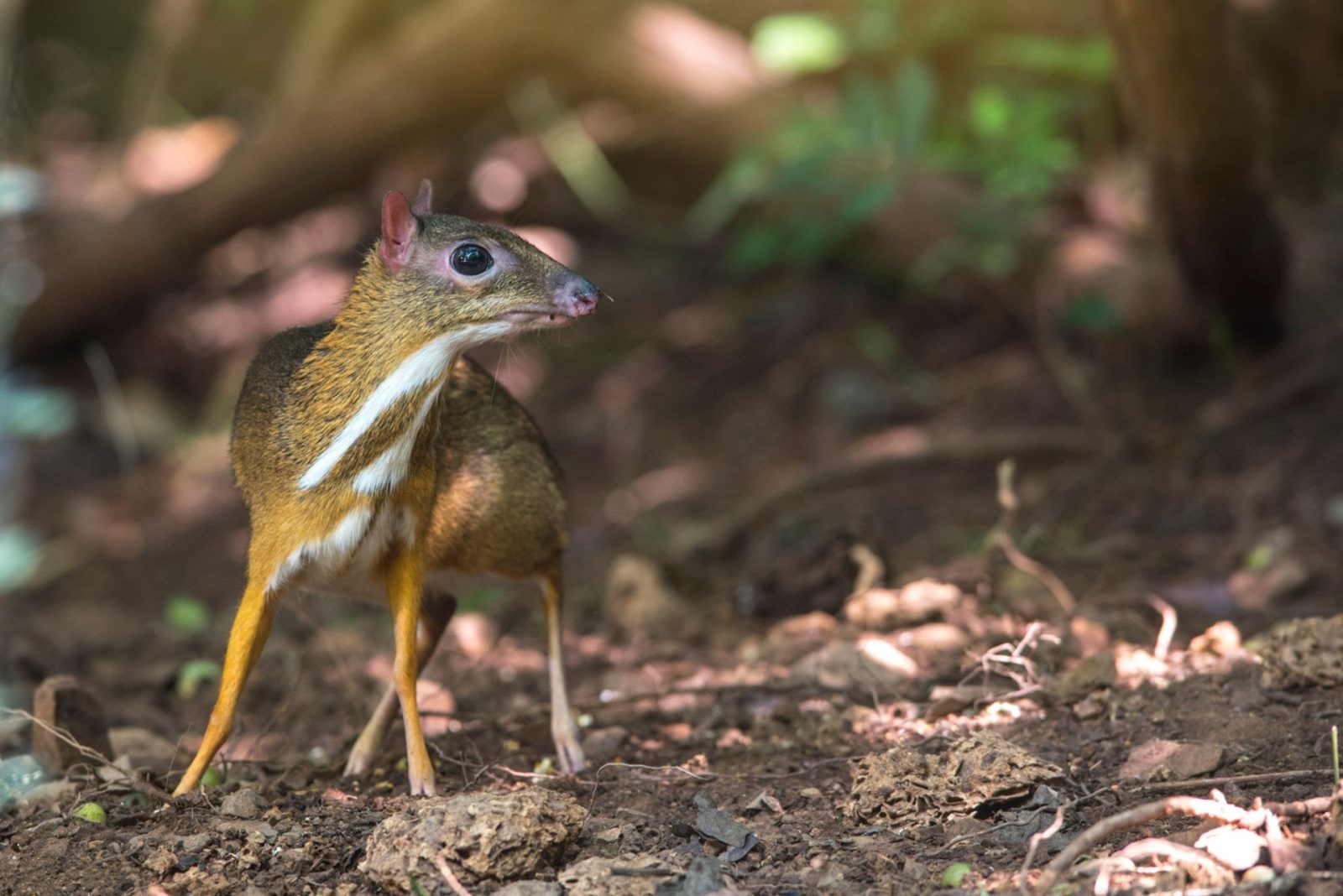
The water Chevrotain is the only species that lies in the Genus Hyemoschus, which is one of 3 genus in the family Tragulidae. Chevrotain means mouse deer

It should be noted, that while in Africa there is a clear understanding between Chevrotain and mouse deer in Asia these two terms are sometimes used interchangeably. The water Chevrotain is the largest in its family, though this is not saying much as it is the size of a large dog.

Unusually, while the males are around 10kg, the females are around 12kg,

Found in the tropics of Africa, it is usually found in coastal areas, though it can be found all the way from Siera Leone to Western Uganda.

It is exclusively nocturnal, foraging for food in clearings in forests. Fallen fruits, such as figs, palm nuts, and breadfruit makes up the majority of his diet. However, it has been known to eat insects, crabs, and even  scavenged meat and fish.

They are exclusively solitary, only coming together to reproduce and to fight. they are heavily territorial.

Population is estimated at 278,000, and it is found through much the forests of central and western Africa

[smart_post_show id="14916"]

Massai Giraffe

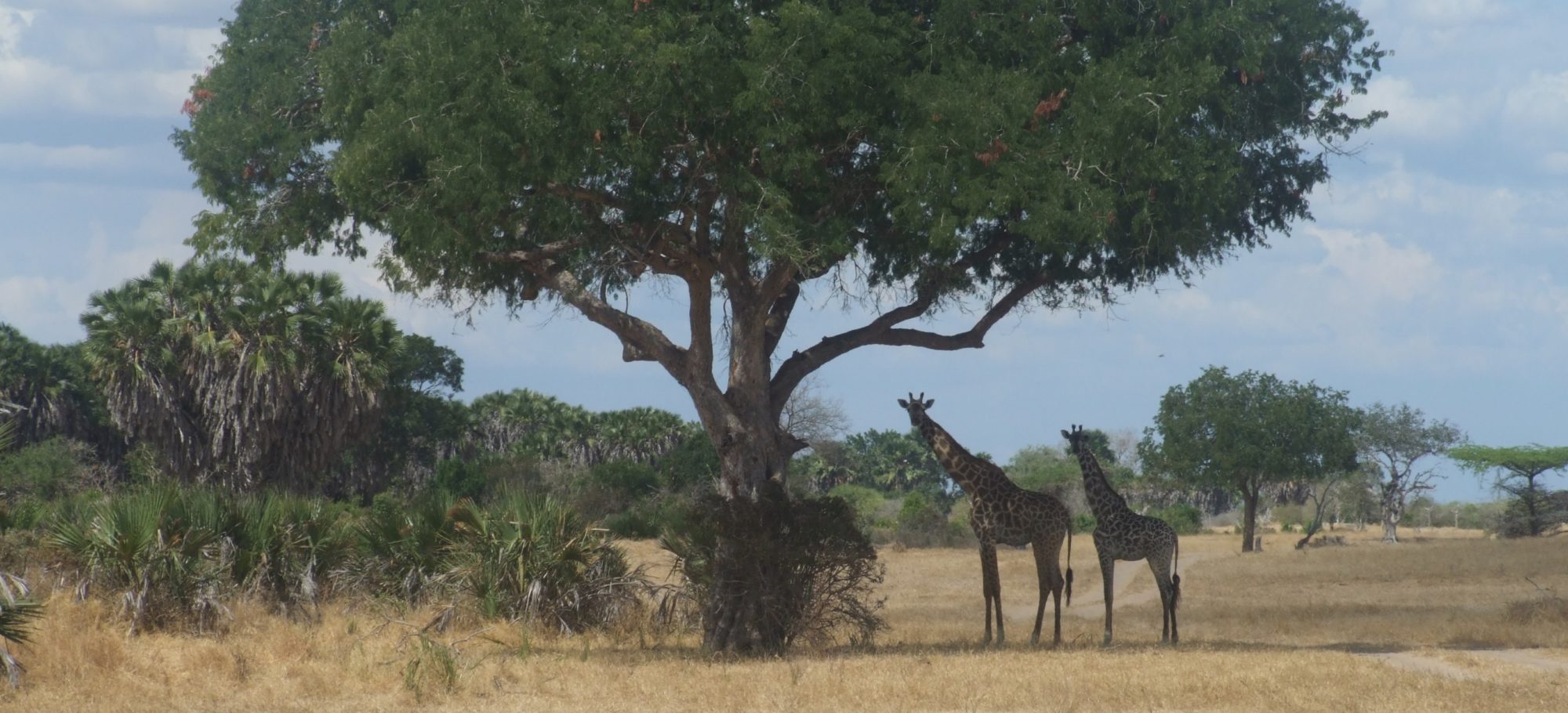
massai Giraffe (picture by David Sluka

Also called the Kilimanjaro Giraffe, this giraffe is found in Tanzania and Kenya. Its blotches are (as you can see) very irregular and are leaf shaped. There are around 32,000 of this species of giraffe left in the wild, so while it has suffered huge falls in its population over the last few decades, it is in a far better position than 2 subspecies.

[smart_post_show id=”14861″]

Reticulated Giraffe

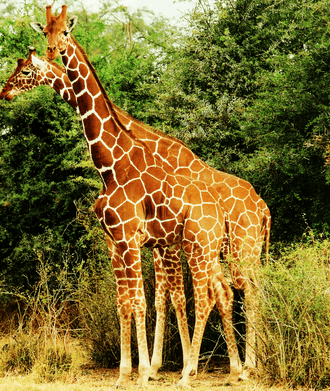
Reticulated giraffe

The reticulated giraffe is a subspecies, with an instantly recognizable pattern. Found in Somalia, southern Ethiopia and northern Kenya. there are currently 8500 remaining in the wild. In just the last 20 years, the population has fallen from 36,000 a reduction of over 75%. Lakipia Plateau and Samburu National Reserve are the two reserves where it is easiest to see this species in the wild.

They are similar enough to other giraffe species to be able to interbreed.

This is the subspecies of giraffe which David Schwimmer voices in Madagascar.

[smart_post_show id=”14867″]

Southern Giraffe

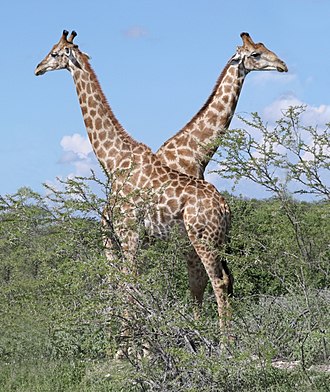
Southern Giraffe

The Southern Giraffe (also known as the 2 horned giraffe) is the most numerous, with a population of around 44,000 (out of the remaining 68,000 giraffes that live in the wild).

Their range includes South Africa, Angola, Namibia, Botswana, Zambia, Zimbabwe and Mozambique. Also, with the majority of their population residing in fortress reserves, such as Kruger, this is likely the safest sub-species.

There are 2 subspecies of this giraffe that are recognized.

  • Firstly the Angolan giraffe which is found in Northern Namibia, South-west Zambia, Botswana and western Zimbabwe. A 2009 genetic study found that the Northern Namib Desert and the Etosha National park population each form a separate sub species (so are not part of this subspecies) with this subspecies also has a white ear patch. Is found in northern Namibia, south-western Zambia, Botswana, and western Zimbabwe. . Around 13,000 animals are estimated to remain in the wild; and about 20 are kept in zoos.
  • The South African giraffe is found in Northern South Africa, southern Botswana, southern Zimbabwe and the south west of Mozambique. It has darker and rounder patches. These patches continue down the legs, getting smaller.
  • There are around 31,500 of this sub-species (almost 50% of the wild population) with just 45 in zoos

[smart_post_show id="14863"]

Northern Giraffe

Nothern Giraffe are also known as the 3 horned giraffe


Northern Giraffe in their native habitat

They were once common throughout their range (their range only radically reduced in the last couple of hundred years. Before this, Northern giraffes were found from through Senegal, Mali Nigeria and all the way to Egypt.

Only about 5% (or around 5000) of the remaining giraffe are Northern Giraffe. These are the recognized subspecies of the Northern Giraffe.

  • The West African Giraffe lived in Algeria and Morocco until the Sahara dried too much, and is considered a subspecies of the Northern Giraffe. This subspecies only survives in South-West Niger, where 600 of these subspecies hang on.

  • The Nubian giraffe which still hangs in in Ethiopia, KenyaUganda, South Sudan and Sudan. It is currently extinct in the wild of the Democratic Republic of Congo, Egypt and Eritrea. Former genetic studies have also suggested that the Rothschild giraffe was a cospecific ecotype of the Nubian giraffe, but there is still much debate. It was listed as critically endangered in 2018 having suffered a 95% reduction in population over the last 30 years.
  •  Kododofan Giraffe is found in Norther Caeroon, Southern Chad, the Central Africa Republic and possibly in Western Sudan. Around 2300 are thought to survive in the wild. Recent genetic analysis showed that all Giraffes in European zoos that were thought to be west African giraffes were actually Kodadofan Giraffes
  • Senegalese giraffe: extinct, but originally found in parts of Senegal, the gambia Mali and Mauritiania until 1970s

[smart_post_show id="14869"]

Okapi

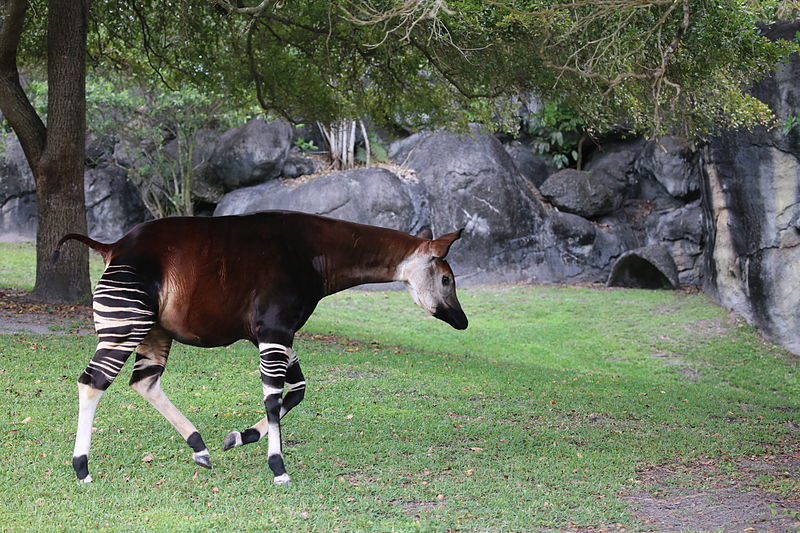
The Okapi

The Okapi is a little known species from the Giraffidae family (indeed the only non-giraffe in the family), Also known as the Forest giraffe, Congo Giraffe and Zebra Giraffe

It is found in the dense jungle of the North-East democratic republic of the Congo, which makes it incredibly hard to see, and is perhaps the reason that it was not described or discovered by Europeans until the 20th century. Indeed, the long time before which Europeans saw this animal lead to its nickname the Unicorn. This is not to say that no one knew about it – it appears to be depicted on the facade of the Apadana at Persepolis – in the modern country of Iran. It was gifted to them, by the kingdom of Ethiopia.

It lies in its own genus Okapia. Females are pregnant for around 15 months before a single calf is born. They live in canopy forests at altitudes of 500m to 1600m. While it will not inhabit forest that has been disturbed by humans, scientists have found that in suitable forest, it can live at densities of around 2 per square mile. While this is low, it suggests that even with relatively little habitat saved, we could retain healthy populations of this animal. Given its secretive habits, little is known about it, perhaps made clear by the fact that it was only found for the first time in 2008 in the Virungas national park.

A place that is more well known for Okapi is the Okapi wildlife reserve, which covers around 20% of the Ituri forest. At 14,000 square km, if this reserve was not disturbed by humans this area alone could support around 15,000 individuals. With a healthy population of Chimpanzees (as well as 14 other primates) forest elephants, leopards and forest buffalo, it has a great deal of potential for tourism, to help conserve this forest.

Major threats to their survival are logging, which is destroying their habitat, and illegal mining. Unfortunately, being a large forest species, they are also hunted in the bushmeat trade as well as their skin, and do not reproduce rapidly.

It is listed as near threatened, with population estimates lying between 10,000 and 35,000 (this is an incredibly wide estimate band). Few tourists reach its home, and as such there is currently little reason for the locals to protect them – hopefully this can change in the future.

[smart_post_show id=”14840″]

Antilocapridae – and its only survivor, the Pronghorn antelope

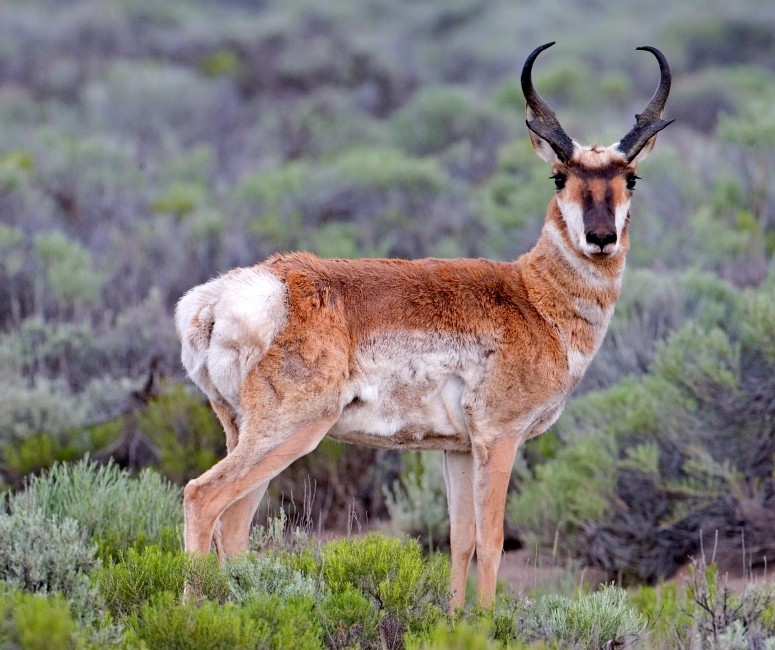
The Pronghorn antelope is the only member of this family that is still alive today

The Antilocapridae are a family of artiodactyls found in North America. The closest relation to this family is the Girrafidae family from Africa. Although this family is made up of 13 genera (and while you can count it in various ways, there are roughly 70 species that are extinct – many in the long past, but a few pushed to extinction since Europeans settled several hundred years ago).

The only species that has survived from this family is the Pronghorn antelope. Given this situation, I will treat this page as the Pronghorn antelope page, as well as the for the  Antilocapridae – artiodactyls endemic to North America. 10 of these former genera were lost at the end of the ice age. Unfortunately, while the last 3 other genera (Capromeryx, Stockoceros and Tetrameryx) survived until humans arrived, but we killed them off.

The pronghorn is a species of artiodactyl (even-toed, hoofed) mammal living in the interior western and central North America. It looks rather like an antelope, and indeed is often referred to as by various names such as the American antelope, prong buck, pronghorn antelope and the prairie antelope. Perhaps to excuse the mistake further, they fill a similar niche in the ecosystem – its similar looks are likely to be as a result of parallel evolution, needing similar skills and shape to survive on the open plains of America, like the open plains of Asia, or Africa.

The pronghorn’s closest living relatives are the giraffe and okapi (Giraffidae). The Antilocapridae is part of the infraorder Pecora, making them distant relatives of giraffids, deers, bovids, and moschids (by clicking on these names you can look at our pages for these related families.

The Pronghorn is the fastest land mammal in the Western Hemisphere, reaching speeds of 88.5 km/h or 55mph. Indeed, it is the existence of this species which initially lead to the idea that the cheetah evolved in north America, and only then spread across Africa, Asia, the middle east and even parts of southern Europe.

There are 5 recognized subspecies of the Pronghorn (scientific name is the Antilocapra americana). These are

Antilocapra americana – pronghorn

      • A. a. americana – Common pronghorn
      • A. a. mexicana – Mexican pronghorn
      • A. a. peninsularis – Baja California pronghorn
      • A. a. sonoriensis – Sonoran pronghorn – this is not considered different enough from mexicana subspecies to justify its own subspecies so all sonoriensis populations should be considered Mexican pronghorn
      • A. a. oregona – Oregon pronghorn – this is not considered different enough from americana so all populations of this subspecies should be considered the common pronghorn

While these subspecies have minor differences in colour, size or location, only 3 are genetically distinct enough to warrent the subspecies level. Indeed, there is much evidence for much genetic mixing between the subspecies happening naturally over time.

2 of the subspecies are considered endangered – The Sonoran pronghorn only has 200-500 (very large interval, which suggests lack of recent data) individuals left, and the Baja California peninsular pronghorn is numbered 150. Only the Mexican population is included in CITES, likely as a result of the USA government being against the listing the the Baja California population being listed. I am unsure where the line is for a species becoming critically endangered, but I would argue that both of these sub-species should be classed this way.

Currently, the total Pronghorn population is thought to number roughly 1,100,000 individuals, so as a while the pronghorn is not currently endangered.

Should there ever be any blogposts on this species it will appear below.

If you want to return to the Ruminants family page click here

[smart_post_show id="14815"]

Chevrotain and mouse deer or family Tragulidae

Family Tragulidae - Chevrotain and Mouse deer

The Family Tragulidae contains 3 genus. As pages are built for each species they will be accessable by clicking on images below

Genus Hyemoschus Contains just one species the water Chevrotain


Genus Moschiola which are spotted Chevrotain

This is a small even-toed ungulate, found in the forests of India Sri Lanka and Nepal.

There has been little study on these species, so while it is assumed that mid-sized predators would happily take them, it is unclear. An example of the mid-sized predators in this region would be a caracal. Having said this, they appear to be predated just as much, by tigers leopards and dholes.

Currently all 3 species are listed as least concern, though due to significant hunting from humans, it is likely to have a local variability depending on various pressures. It is also a species that relies on forests, which means that in many places habitat loss could be a threat. Having said this, given their size, it should be able to survive in small remaining fragments of habitat that might remain after much of the forest is removed. 

and finally Genus Tragulus which is the mouse deer

[smart_post_show id="14941"]

4 horned antelope

4 horned antelope

This is a small species of antelope that is found in India and Nepal. the sole member of its genus Teracenus (and only sharing its tribe Boselaphini with the Nilgai). First described in 1816, it has 3 recognized subspecies. It is quite hard to find, but feeds on grass shrubs herbs foliage flowers and fruit.


They tend to hide in long grass, and the undergrowth, which is why it is only areas like this that they are usually found in.


Population estimate in 2001 was put at 10,000. While they are wide spread, they live at low densities (0.7 per square km is considered healthy).

Below is a video of this species, and below this is a list of articles on this species; this is a relatively obscure antelope, but should it be written about, you will find all these articles listed here.

There are a variety of reserves where they can be seen. including Pench Kanha and Gir to name just a few. As the website grows, we hope to link to many of these places. These will all be listed at the bottom of the page.

 
[smart_post_show id="27544"]
See Animals Wild

Read more news

Join as a wild member
to list your wild place & log in

Join as an ambassador supporter to
support this site, help save wildlife
and make friends & log in

Join as an Associate member
to assist as a writer, creator, lister etc & to log in

List a wild destination

List a destination in
the shadow of man

List a hide for animals more easily seen this way

Highlight some news
missed, or submit a
one-off article

Browse destinations for fun or future travel

Temporary membership
start here if in a hurry

Casual readers and watchers