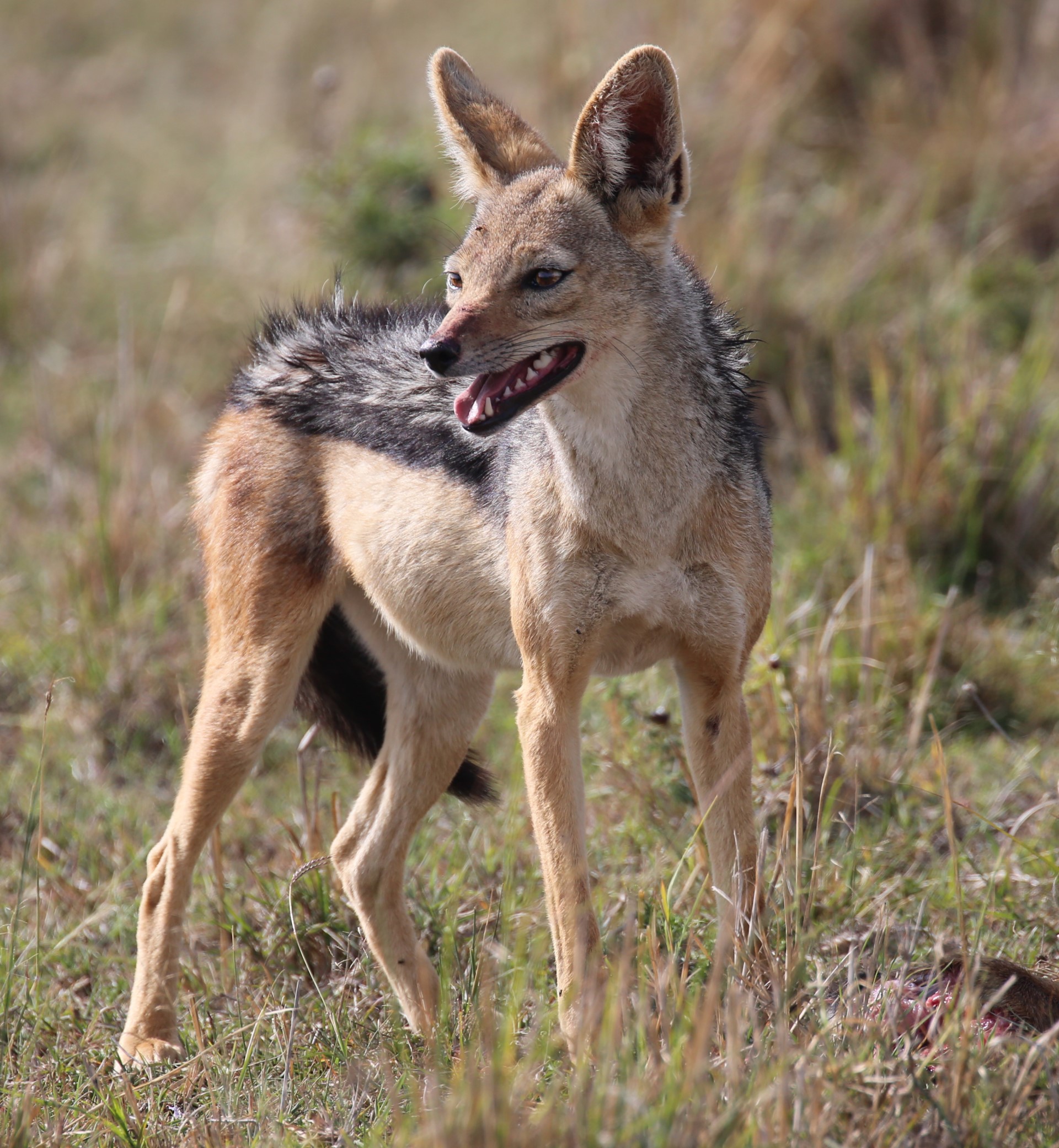
Found across much of southern
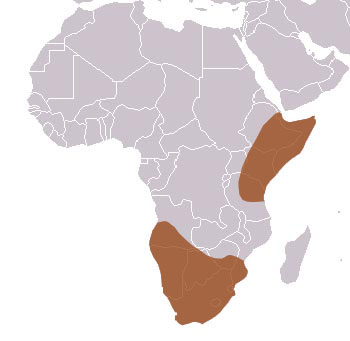
and eastern Africa, they are relatively small (similar size to a red fox) and for the most part are scavengers, though when they have to, they can be successful hunters in their own rights.
If you spend more than a few days in the wildernesses in either country, you are likely to encounter black backed jackals.
In the Drakensburg mountains of South africa, they have been recorded at a density of 2-3 per square km, while in the Serengeti, they are found at densities of 50-80 per 100 square km.
They are far from endangered, but not the easiest animal to spot.
We aim to list some places where this is an easy animal to see, at the bottom of the page
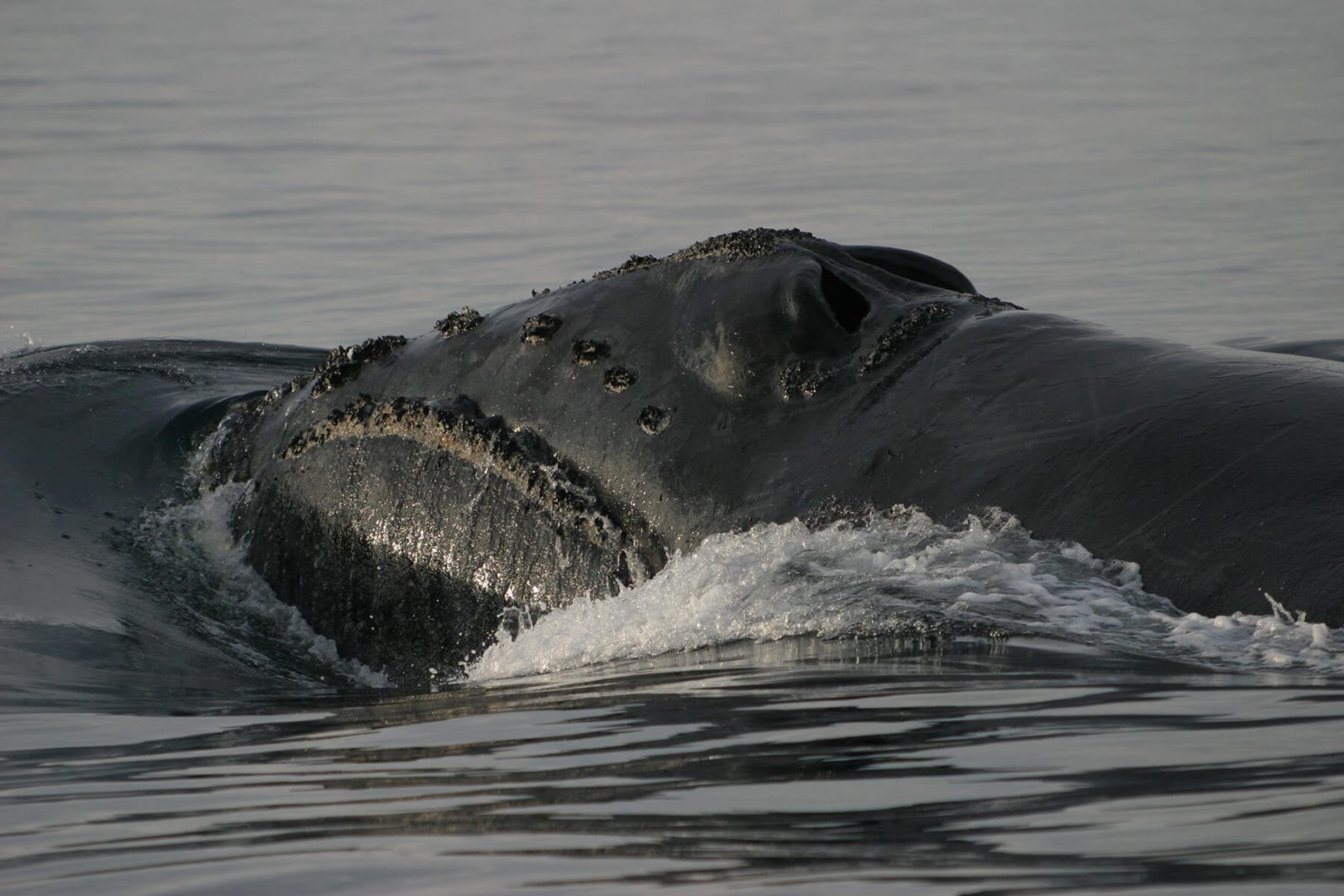
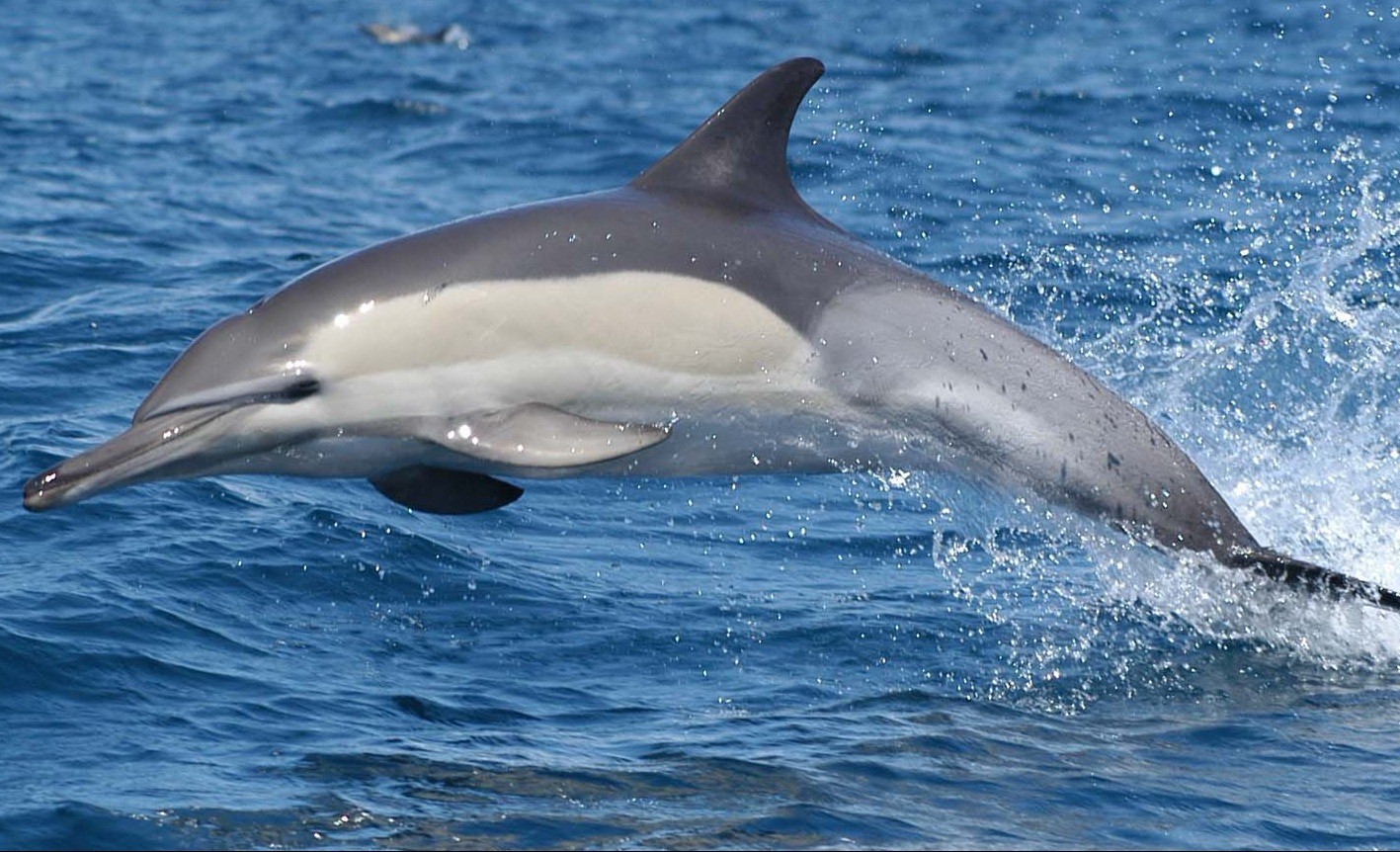
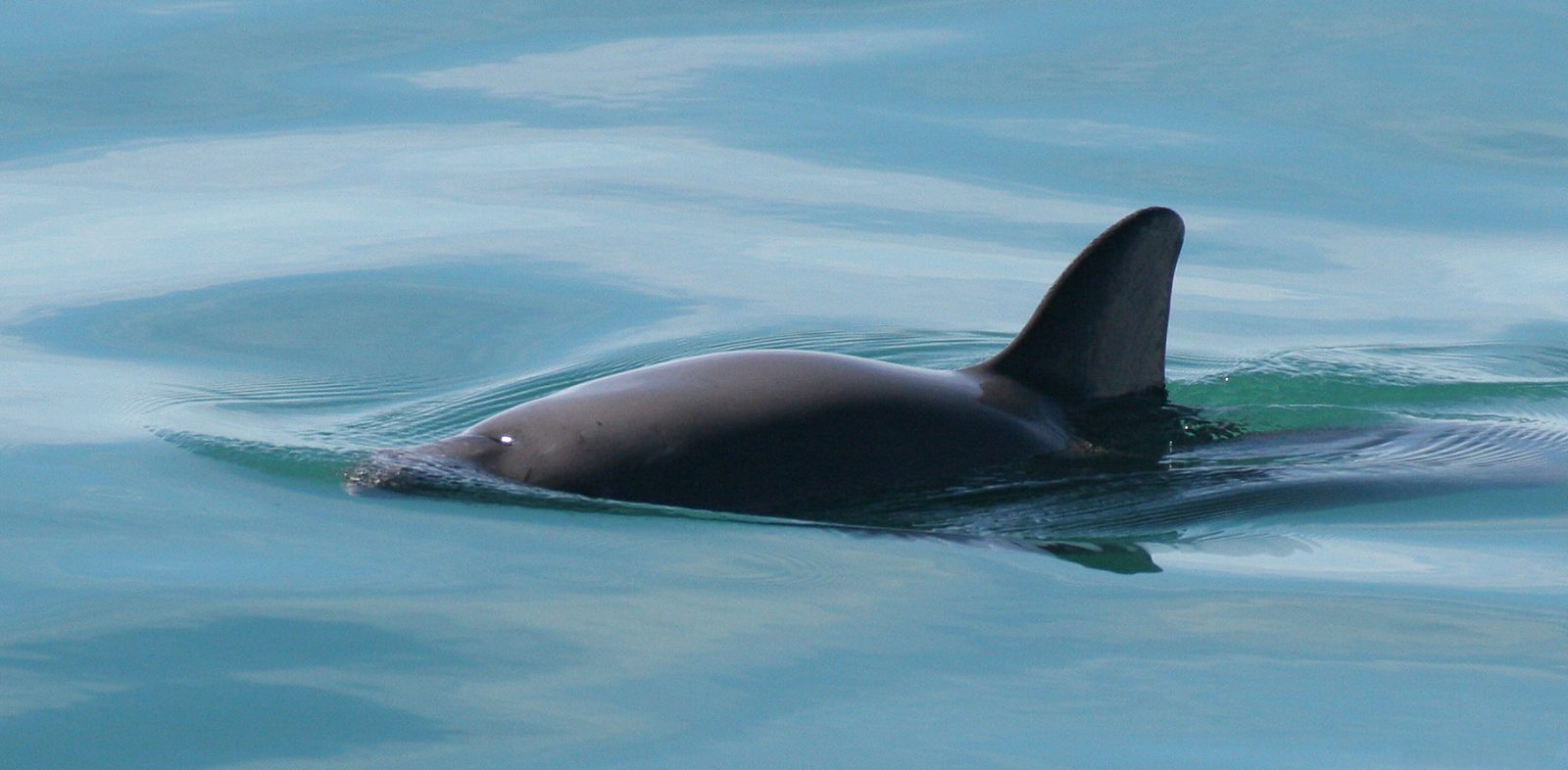
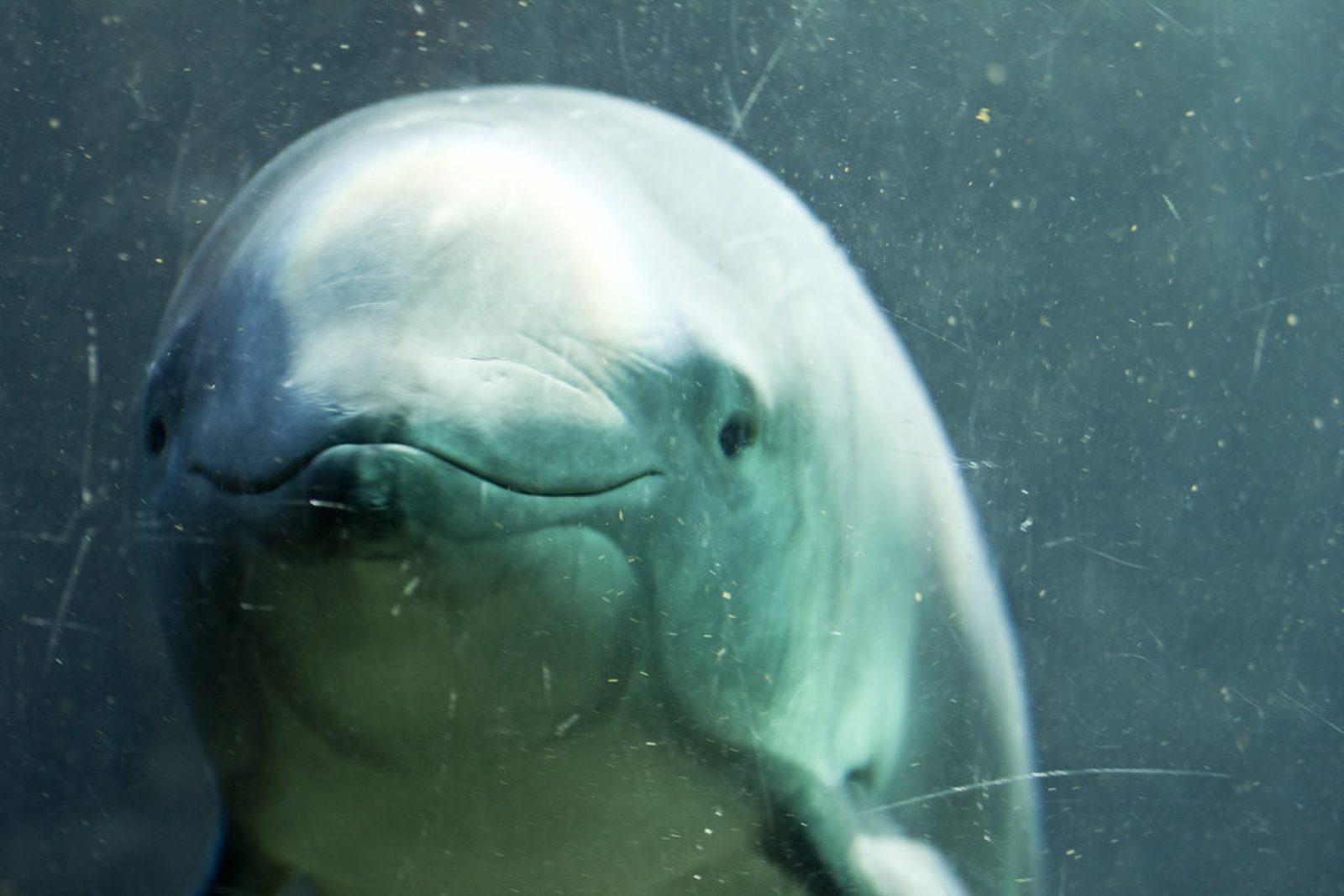
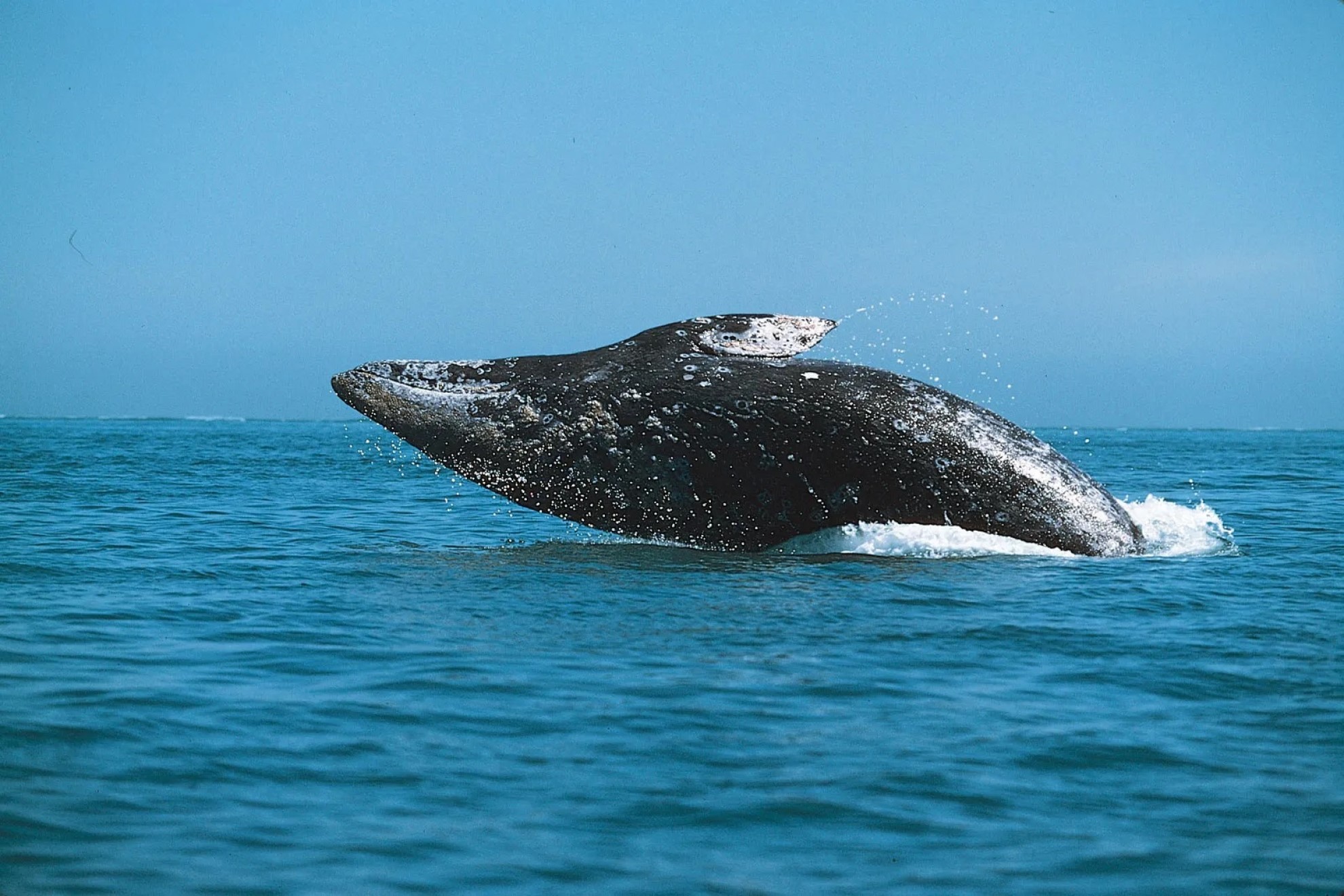
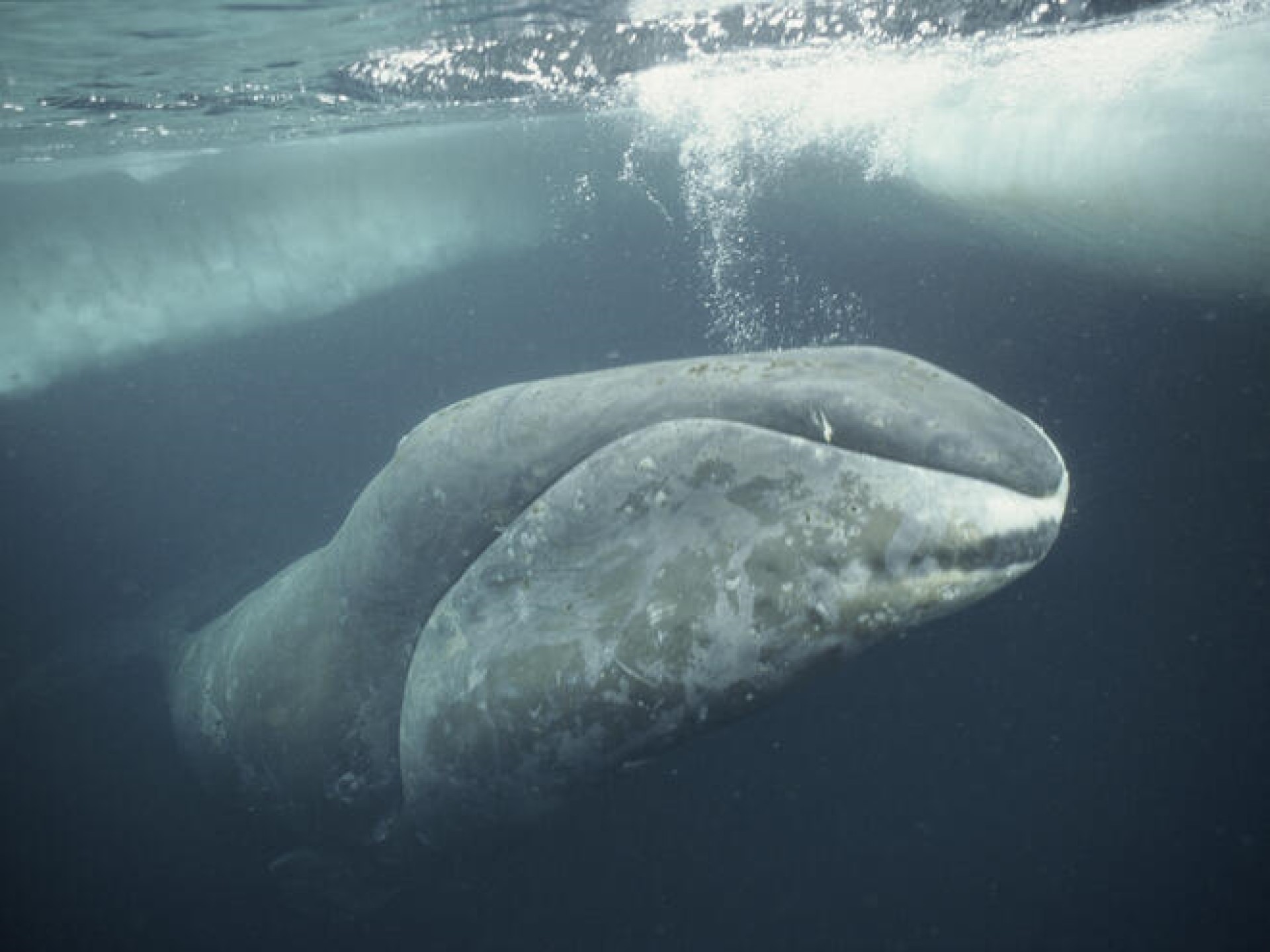
 The gray whale (other names include grey whale, gray back whale, Pacific gray whale, Korean gray whale, or California gray whale), is a baleen whale that migrates between feeding and breeding grounds yearly. They can reach 14m in length and 41 tonnes. It is found in North pacific – with the Northeast Pacific (American population) and the Northwest Pacific (Asian population) that is endangered. The northern population has been extinct for a long time.
 Also known as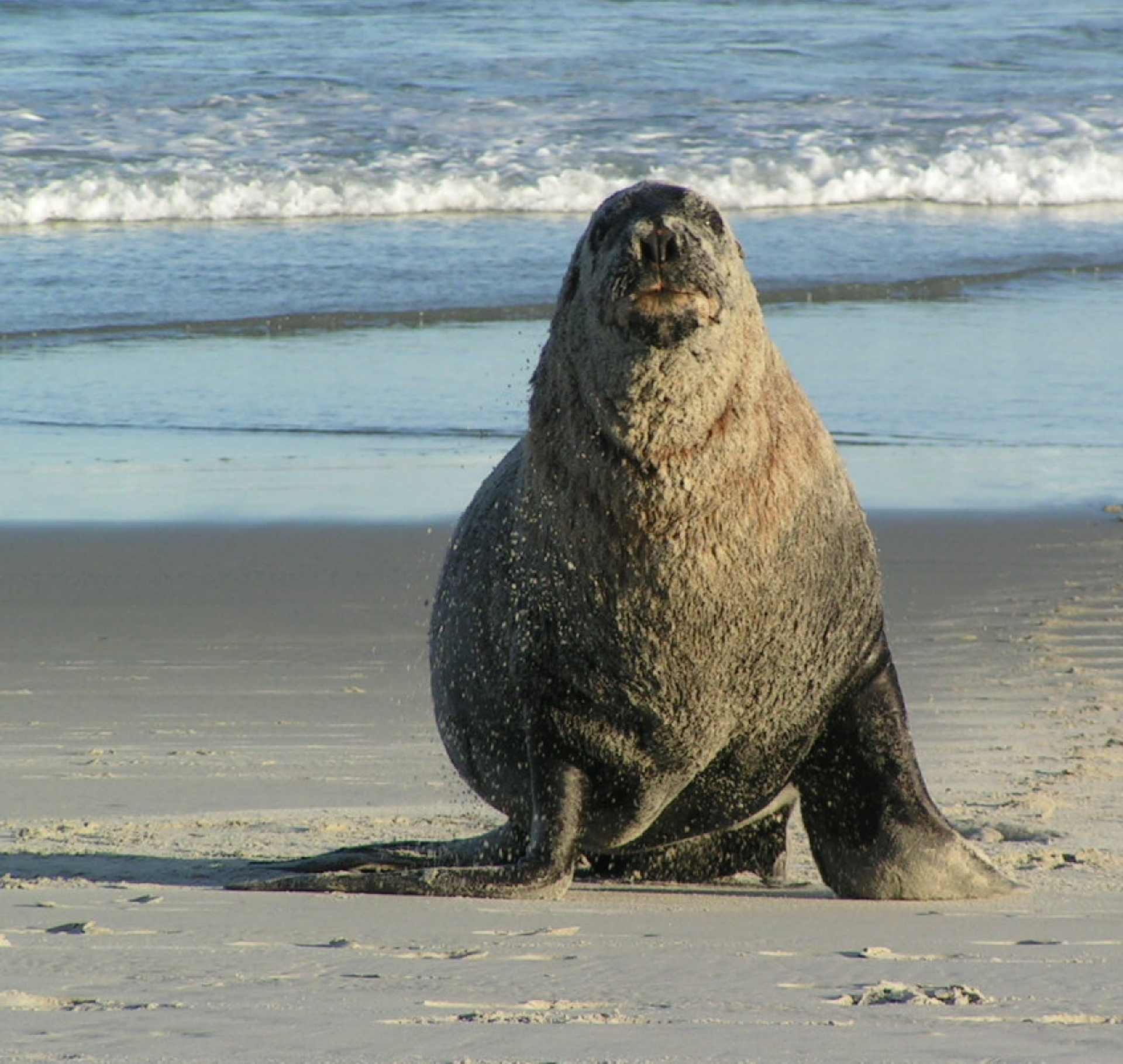

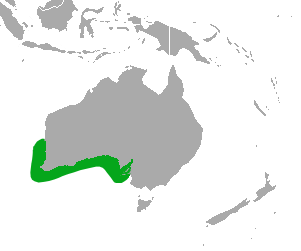 only endemic pinniped found in
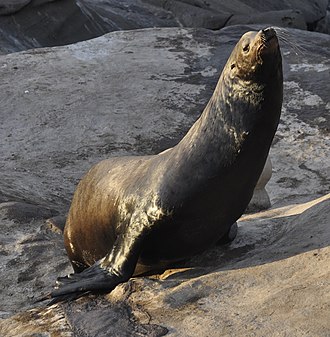
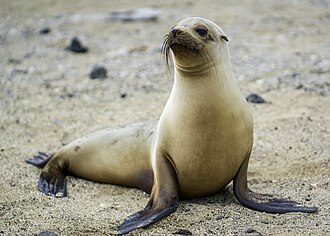
 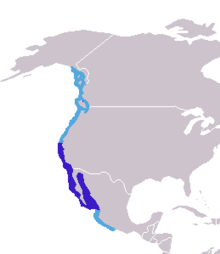 the west coast of north America. On this map, the navy blue marks the breeding rance, while the light blue shows the total range that they can be found in. It should be noted, that previously the Japanese and Galapagos sealion were both considered subspecies of the Californian species, but no longer. They can stay healthy, for a time, in fresh water, and have been seen living for a while in Bonneville dam – 150 miles inland.
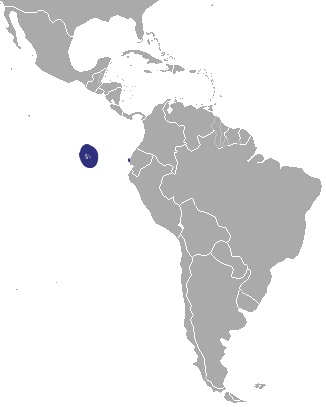 on all of the Galapagos Islands, as well as (in smaller numbers) on Isla de la Plata, which is just 40km from Puerto López a village in
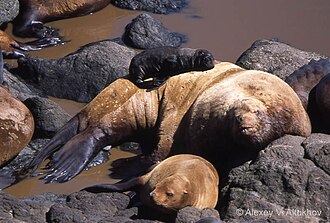
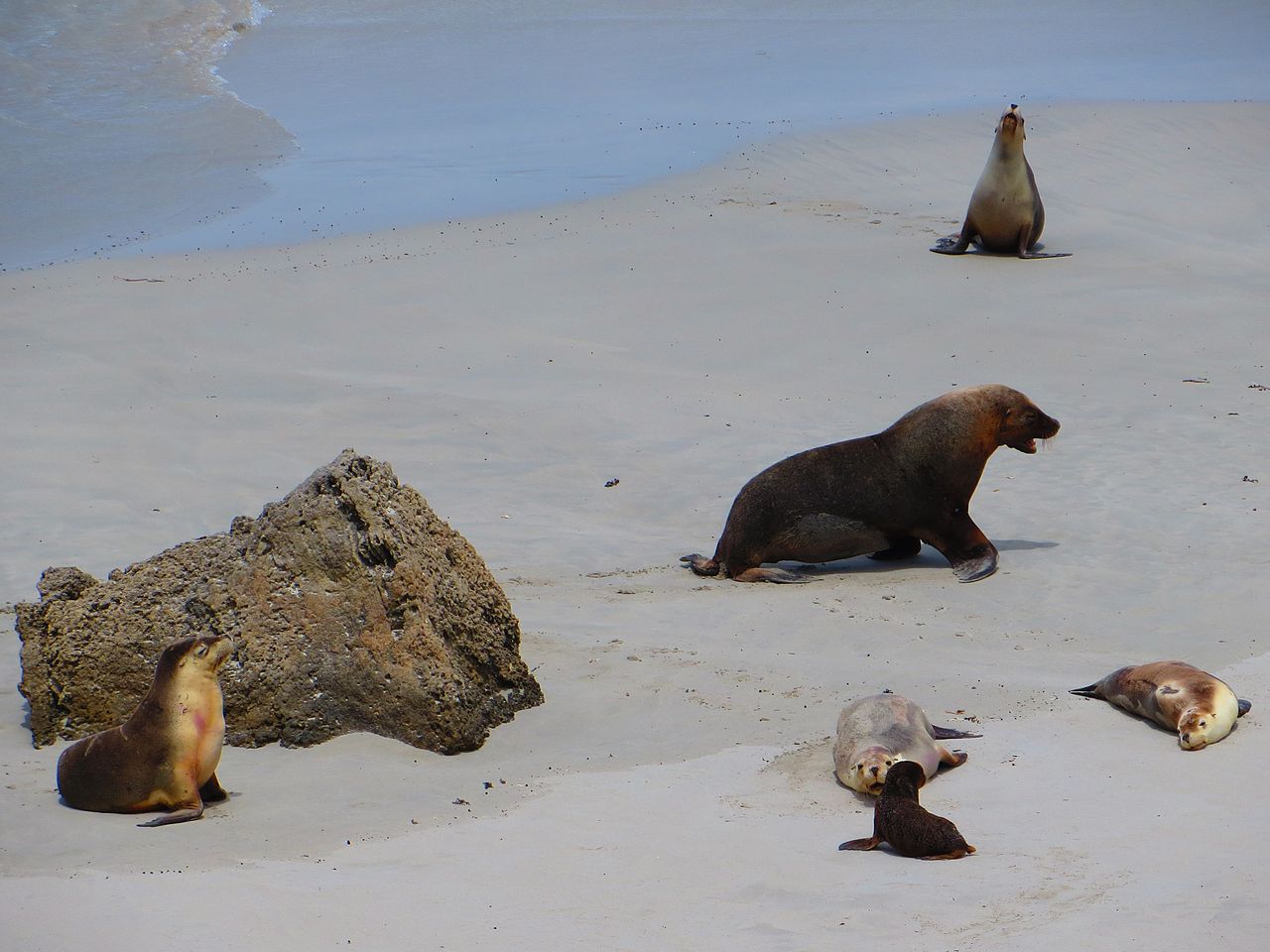
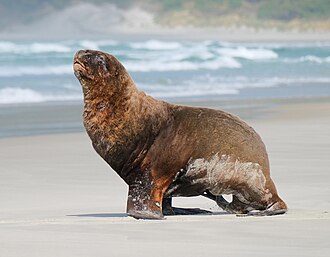
  known as the Hooker sealion) is native to south island, though before 1500 it is thought that it was also found on north island. They tend to breed on Subarctic islands of Auckland and Campbell (99% of the pups are born in these islands). In 1993, sealions started breeding on South Island again for the first time in 150 years.