Uganda – Future destinations

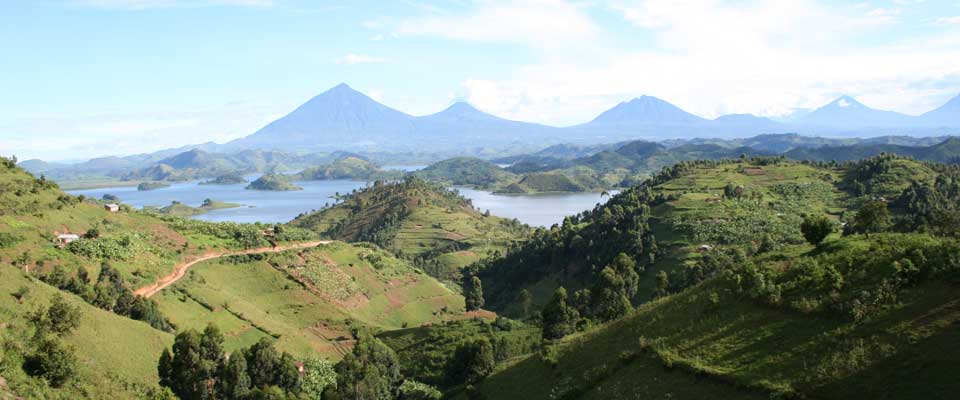
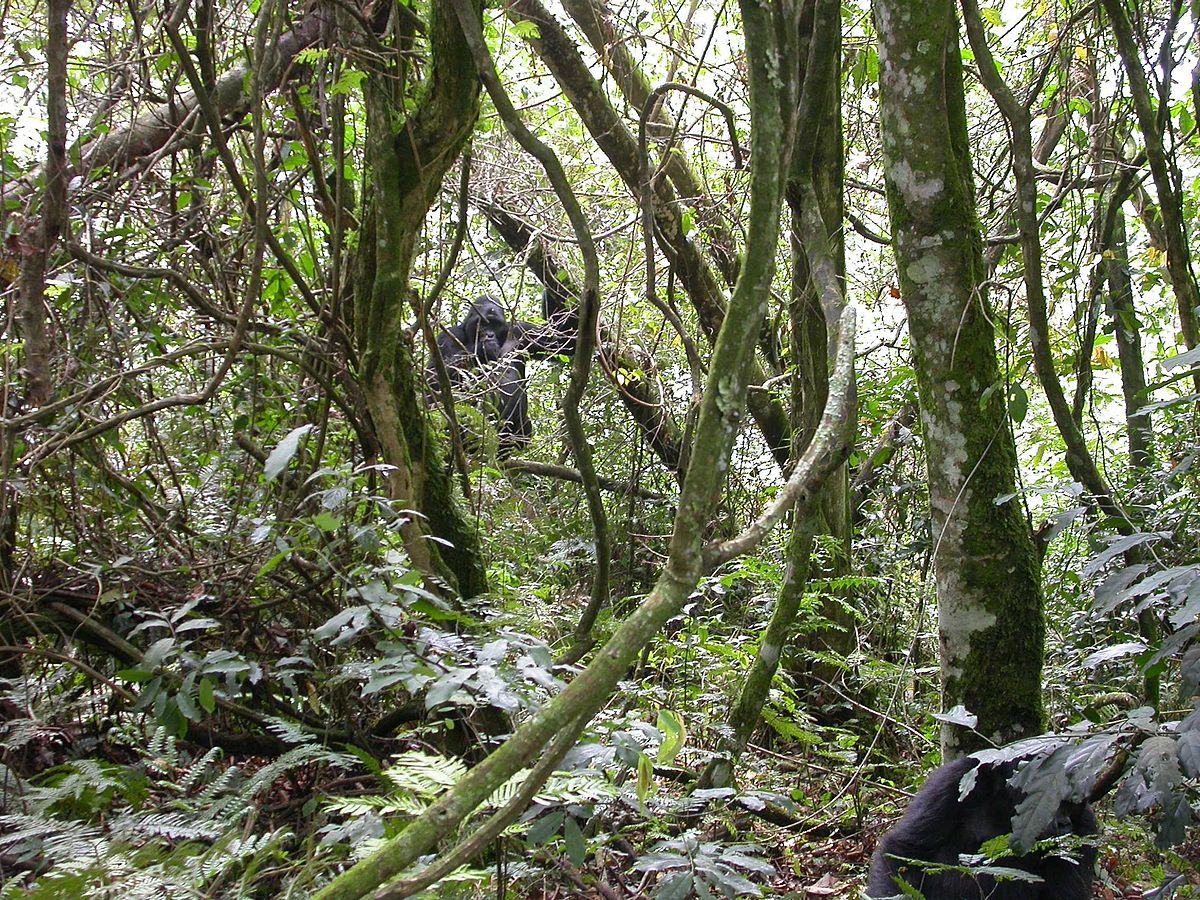
While currently just 16% of Uganda is proteted, it has a wide variety of important ecosystems and with its chimpanzee and gorilla trekking, tourism makes up an important part of the countries income as a whole. Unfortunately we do not yet have any links in this area, but we hope for this to change (with your help?) in the near future.

We have already created pages for these 3 destimations, and they simply await the people who can guide or host as people travel to these place – and thereby benefit the people who live nearby.
Germany – Future destinations

Germany - Future Destinations

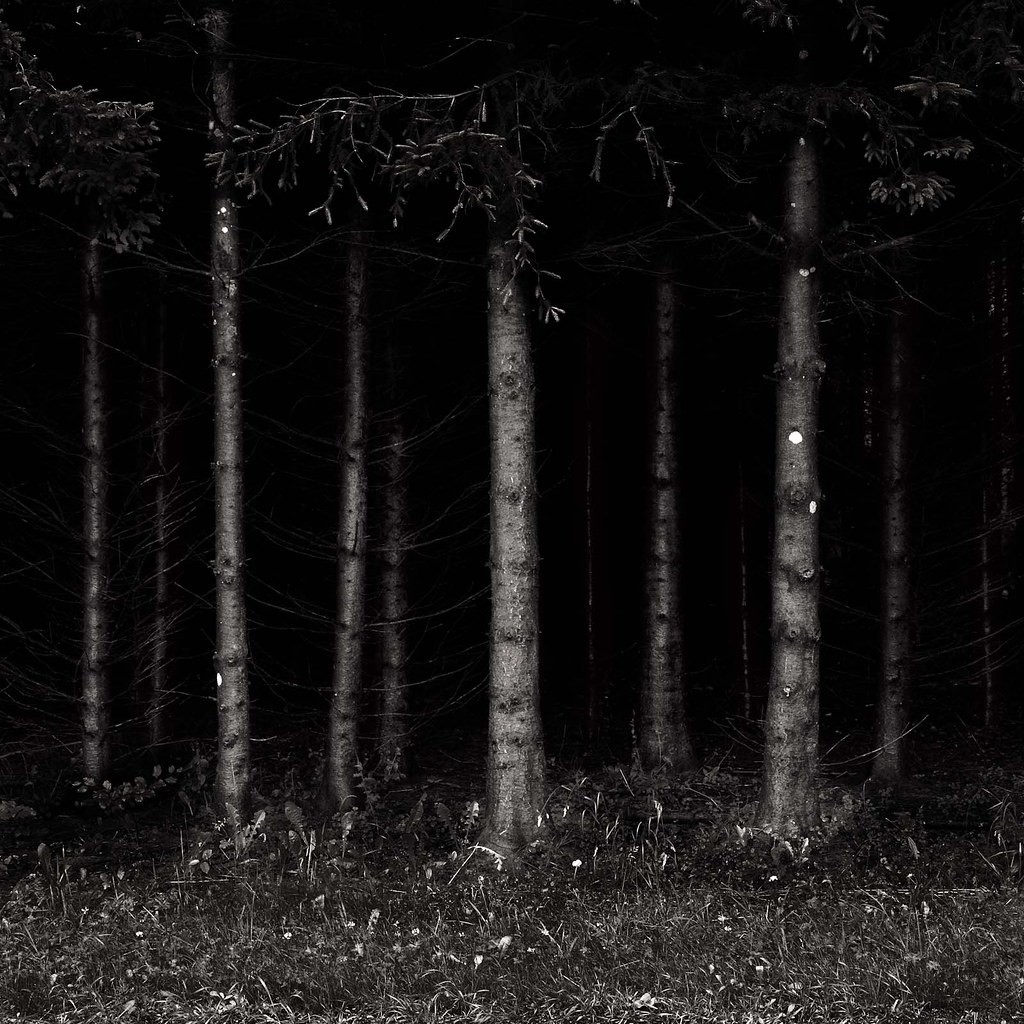
Germany is an interesting country. For around half of the twentieth century, it was split into two countries, and while the west half followed a similar pattern to France, where the majority of wolves and bears were lost over this period. However, in the east of Germany, while wolves did not survive, having returned to Poland, they are doing very well in this region. This means that different regions of the country can feel very different.

Poland – Future destimations

Poland - Future destinations

Poland has a variety of interesting ecosystems and wildlife. 

We are looking for partners in these ecosystems (as well as any others). Whether you work as a wildlife guide, or in hospitality in the area. We want to hear from you. Please choose a form (the one which relates to what you do) under “List your place” at the top of the page. As soon as we have one contact the destination will move into the main lists

Other places like the Carpathians are already linked on the main Poland page, though we are also still requiring links in this region as well.

Mozambique

Mozambique's wildlife is perhaps more skittish, but with perseverance amazing encounters are there to be had, and often there is no-one around

Mozambique

Mozambique is a country in Southern Africa. While it has a range of reserves, for many of them poaching has caused problems. However, a section of the Limpopo Transfrontier park is in Mozambique which means that animals can, and have been returning from South Africa.

This is not the only natural wealth of the country and I hope to add far more over time.

Mozambique


Mozambique


Mozambique sightings board

We will be adding our destinations over the next few weeks, though they an already be accessed from the Limpopo transfrontier park page, We are always keen to work with my people, look at the front page for forms to let us know who you are and what you do.


As we gain contacts theses will appear further down the page

Mozambique news

[smart_post_show id="11196"]

The Limpopo ecosystem is one of the biggest and most full of wildlife. A sizable portion of it is in Mozambique – there are plans for this area to expand further. Click here to view this page

USA

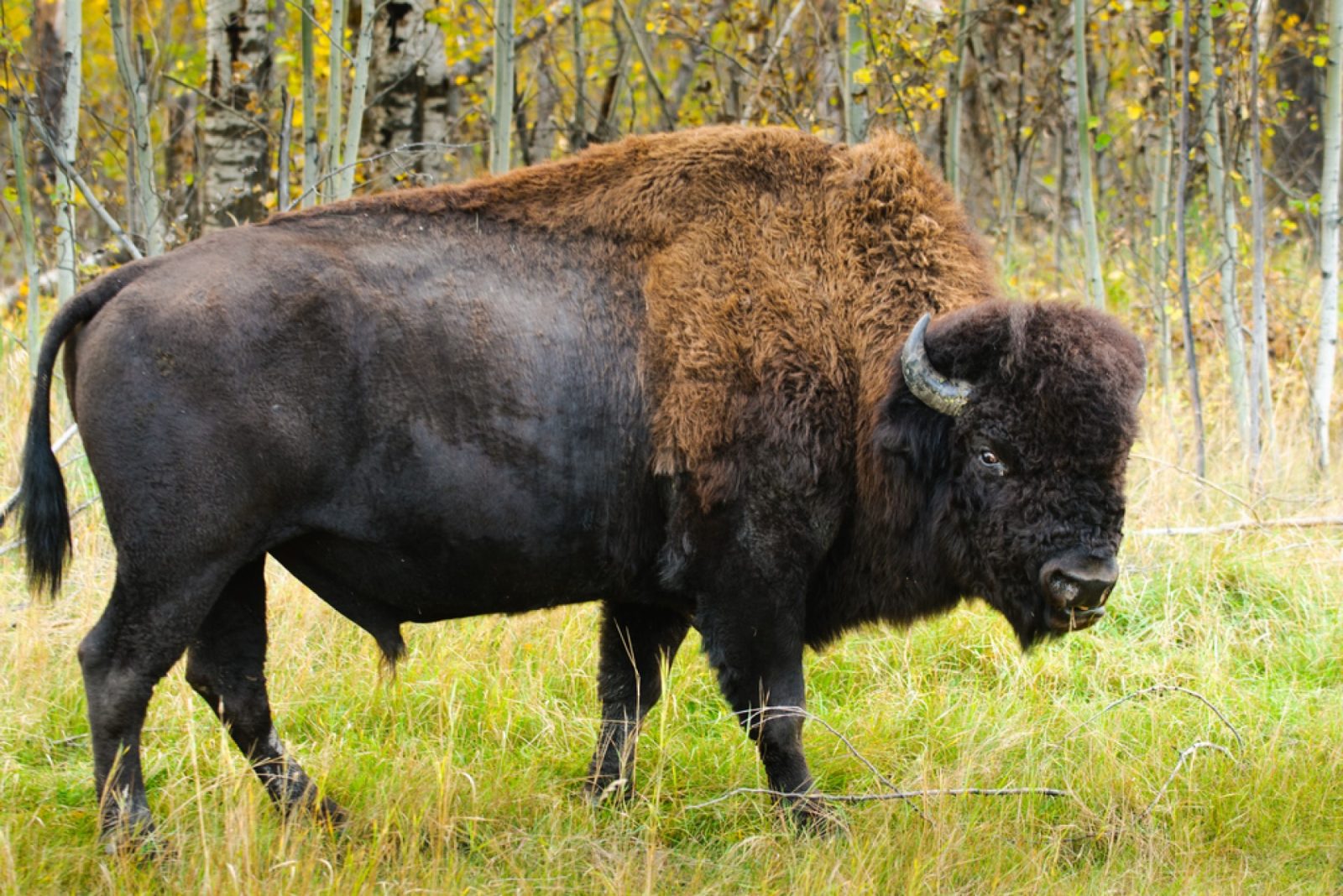
Wood bison - only about 7000 survive, compared to 350,000 of the plains bison. The plains bison numbers 500,000, down from 30 million

USA

The USA is a very large country with the 4th largest territorial area (including seas) and 3rd largest land mass (being only slightly smaller to the second largest). Ranging from some of the hottest places on the planet in death valley in California (56 degrees celcius) to one of the coldest recorded at -62 celcius in Prospect creek in central Alaska. As a result of this, there is a wide range of native wildlife. There is a range of wildlife that has been lost, and many others heavily reduced, but it is still a country with an incredibly diverse natural heritage. Jaguars and Ocelots are heavily depleted, but are returning from Mexico where they have retained a healthy population – this is only just starting for the Jaguar, and it is questionable whether this will be allowed, and the Ocelot which still has populations in southern USA.

Given the the huge size of the country, we will over time, create pages for individual states. These will be accessible through the map below. State pages will be built as they are required for adding destinations (so do send in your destinations). All of these will appear on the sightings map (which you can zoom in on, to be able to see very small details). States will change colour when they become clickable (with a state page lying behind it).

USASightings map - As destinations are added, which you can actually visit, they will become clickaboe below

USA Regions - they will change colour when there is a page behind it. The map to the right will mark large destinations.

There are a wide range of places that are great to go for wildlife. We will work to link with operators around this country over time, but below the news section are links to our pages about those we identified within Canada. They will also be on the map above.

[smart_post_show id="10977"]

Future Destinations in USA awaiting Partners.

This site is here to help travel to wild places, Whether you work in hospitality around these destinations or others, guides or other hospitality such as restaurants we are eager to work with you. Help us make the natural world more accessible and something that pays those who live with those animals on their doorstep. This way, they get a reward for conserving wildlife, and you will get to see animals in their natural world.

Click on the destinations to see what they are and read an introduction. Each label includes a link to our page that deals with the place in question, you may need to scroll down in order to see this (click more details)

Canada

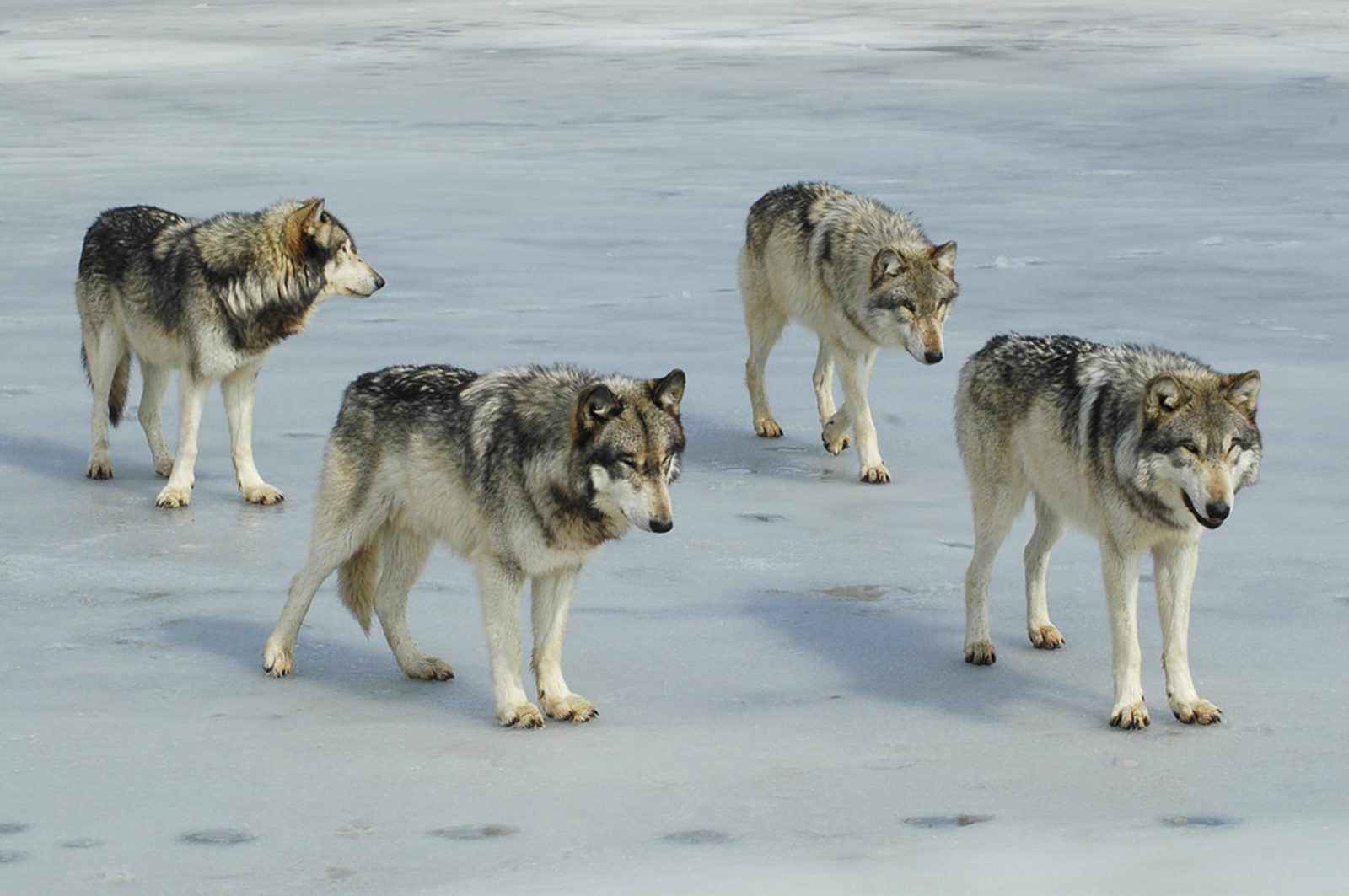
Arctic wolves on Canadas Ellesmere island

Canada

Canada is a large country to the North of the USA (a relatively small portion of this land is Alaska which sits on the northern edge of Canada – however when Canada was formed Alaska was part of Russia, and was sold to the USA).

There are between 50,000 and 60,000 wolves within the country – far less than there would be naturally, but they are found in 90% of their former territory and this country is one of their true strongholds, and there is much wolf tourism within the country. 40% of Canada is Arctic, and as such it is not surprising that an Arctic wolf is also found here. Figures vary wildly, but a number of places state that 2% of Canadas wolves are white, which would suggest that between 1000 and 1200 Arctic wolves also live in Canada – these beautiful animals are also found on Greenland – however in 2018 estimates put the Greenland wolf population at 200 – even if this was a vast underestimate, what is clear is that most Arctic wolves live in Canada


Canada Provinces - These will be added as destinations require it, allowing you to see the close detail of each area

Around 29,000 grizzly bears are found in Canada, though this is greatly reduced from their historical population. Perhaps a way to see this, is to look at Alaska – although it is only 18% of the size of Canada, Alaska has more bears at 30,000. This population appears to be growing. However, given that the Grizzly bear population of the USA (apart from Alaska and Hawaii) is 1200-1500, it suggests that Canadian bears are actually doing alright.

In terms of black bears, Canada is thought to have a population of 380,000 black bears, compared to just 220,000 in the USA. They are a popular trophy species, and it is thought that around 500,000 were killled over the last 11 years, or about 45,000 a year. This is not a good situation, and it is quite likely that there are many parts of the USA and Canada which could generate more money by photographic safaris rather than hunting them.

Canada is an arctic national and as such hosts roughly 16,000 of the 20,000-25,000 remaining polar bears on the planet. There is also a relatively well developed tourism industry for polar bear watching.

There are a fascinating range of other species that can be found in Canada, These may well be added over time.

Given a population of an average European country, and generally clumped in specific areas, there are large areas which have very low populations. 60% of the countries population live in 2 provinces of Ontario and Quebec.

There are a wide range of places that are great to go for wildlife. We will work to link with operators around this country over time, but below the news section are links to our pages about those we identified within Canada. They will also be on the map above.

[smart_post_show id="10987"]

Future Destinations in Canada awaiting Partners

We have already built pages for various places of wildlife interest in Canada, but are awaiting partners, click here to browse them. They will all move to this page, as partners (big or small) join us. Whether you are a guide, work in hospitality or some other assistance for wild travel, we are interested in working with you.

Bulgaria

Bear watching is not as advanced as in Romania, but growing fast

There are a wide variety of wildlife that have strongholds in Bulgaria. Wolves still number 1000-1200, though they have no protection at all. indeed, they have an active bounty on their head, and no compensation is paid for an livestock predation. As such the wolf population is considered fragile. There are 700-900 brown bears ranging through Bulgaria’s forest.

83% of the Rhodope mountains are found in this country, with the rest in Serbia and even Greece. As links are made they will appear below

Indonesia

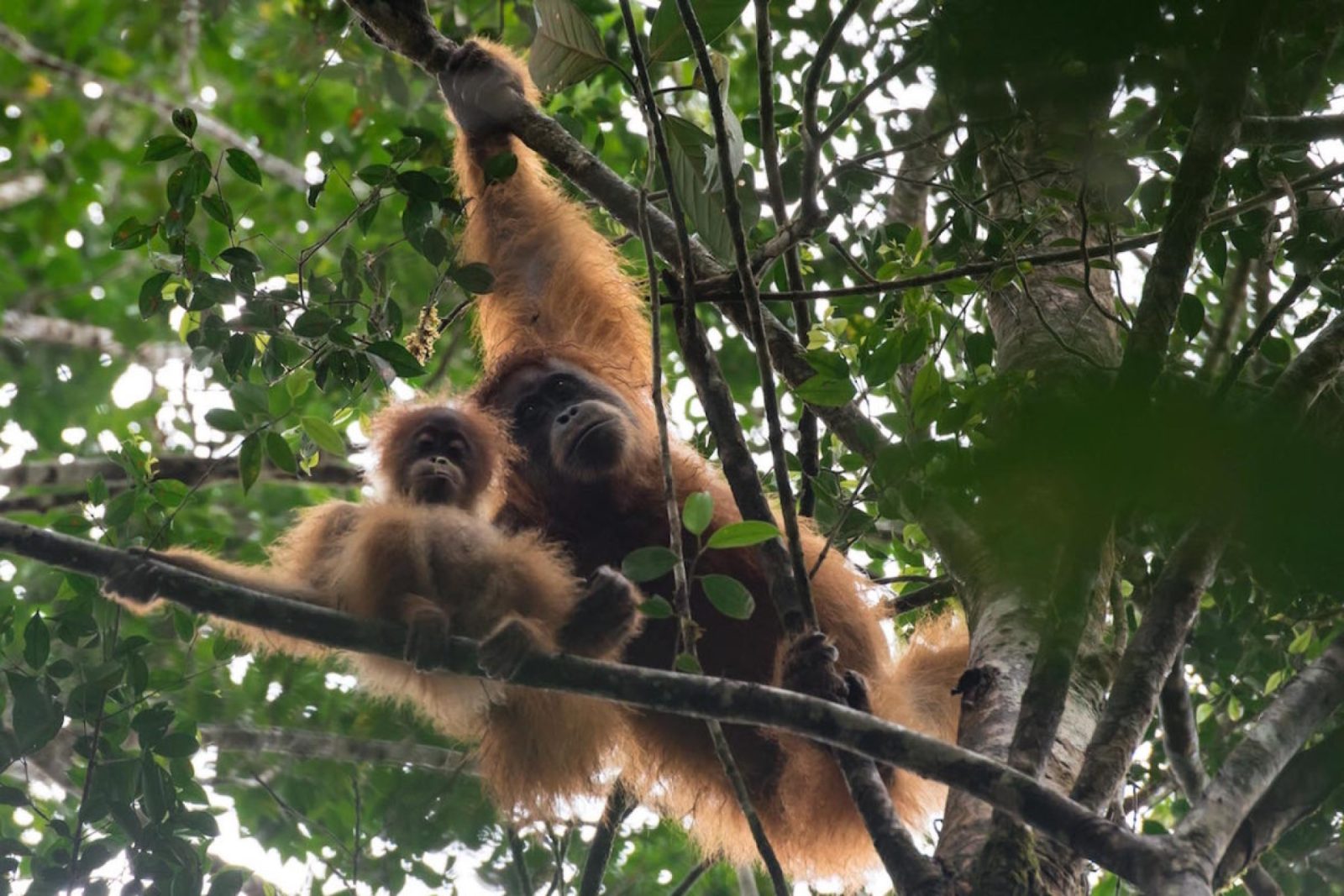
Indonesia is a range of islands, which have a wide variety of wildlife not found elsewhere. This species, the Tapanuli Orangutan was only discovered recently, yet is already on its way to extinction

Indonesia

Indonesia is an incredible place. It is the largest archipelago in the world to form a single state, which consists of 5 main islands (Java, Sumatra, New Guinea, Borneo and Sulawesi) and 30 smaller archipelagoes which include a total number of 18,110 islands and islets. 6000 of these are inhabited by humans, and there are a wide range of unique species that live on these islands. 

These islands are in very different states in terms of its conservation status, with Borneo and Sumatra still having significant areas of rainforest, and with their wildlife still hanging on, but on Java animals such as the Javan tiger, and the Javan Orangutan have been lost. The Javan Rhino still clings on – with around 77 left. This is slightly less endangered than the Sumatran rhino but still in series danger of being lost. I hope over time for this page to grow to hundreds of pages and vast quantities of information, but we are only starting here.

Indonesia sightings board - note as pages are made for individual islands, their sightings boards will move to their page (this map is obviously at to big a scale to read it properly.

Links to areas to visit will appear below our list of articles that refer or are about Indonesia.  Please note, while it is not possible to add sightings to this map above. This is because the whole country is is a specific regional ecosystem. Over time every area will become clickable, so that you can access the ecosystem and record sightings.

Help us build up a map of where wildlife has been seen. Add any sightings of mammals that you encounter. As this map starts to be used, we will greatly reduce how long sightings remain free for anyone to see, so that hunters and poachers cannot use this as a resource. The idea is that over time we can build up an idea of exactly where we should look for them.

Indonesia News

[smart_post_show id="10932"]

Click on the areas of the map to see pages that we have created about smaller parts of this island chain. As we get links which you can use for your travel will be added.

List of areas linked

Bali wildlife

Brazil

Brazil

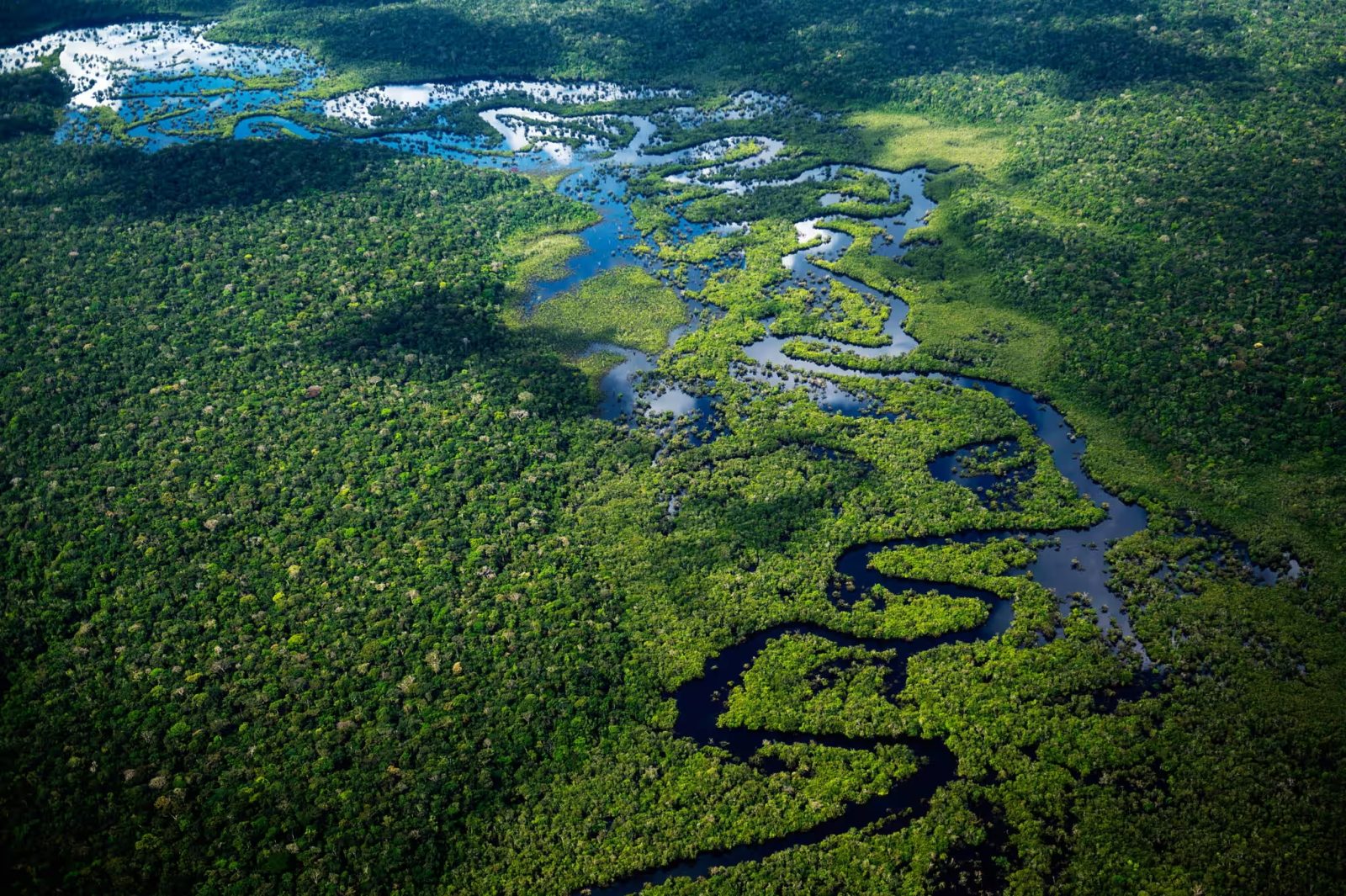
The Amazon rainforest is the largest remaining rainforest on the planet. We rely on it for our future

Brazil is the largest country in South America and in fact is so large that it accounts for 48% of the continents area, it is the 5th largest country in the world, with the USA being just a little bigger. There is a range of areas in Brazil that are good for wildlife, not least the Amazon rainforest which still accounts for more than 3 million square km (roughly 1.27 million square miles).

Ecosystems found in this countries include

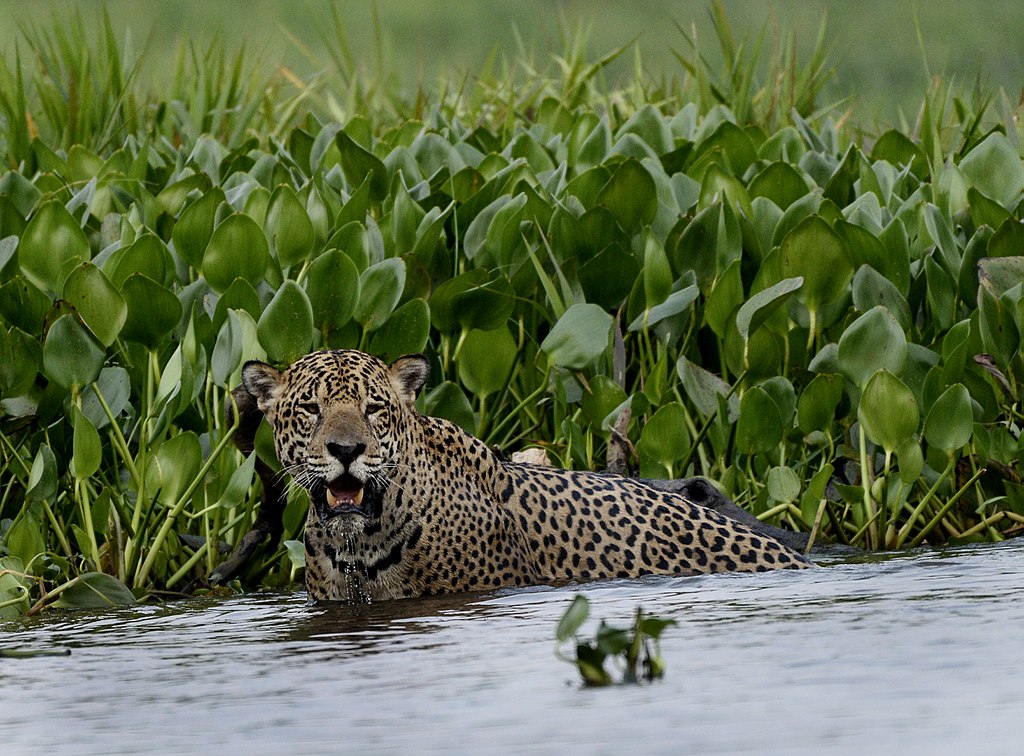
–            The Amazon is the largest and is 3 times the size of the next biggest which is the Congo rainforest of Africa                                             –           The Cerrado is a vast tropical savannah in central Brazil which covers around 2 million square km. The area hosts over 800 species of bird, over 160 species of mammal, 150 amphibian species and 120 reptiles.                                                                                            –            The Pantanal is a vast wetland, indeed the largest tropical wetland in the world. Because of its open nature, it is often far easier to see wildlife than in the Amazon. Species found there include giant Anteaters, Marsh Deer, Hyacinth Macaws and jaguars. However, 656 bird species have been recorded, along with  3500 plant species,  325 fish species, 159 mammals, 53 amphibian and 98 reptiles     –             The Atlantic rainforest is far smaller than the Amazon and only about 200,000 square km remain. A wide range of wildlife remains, though the Atlantic forest is greatly reduced from its historic size, and fragmentation is a serious threat to the remaining wildlife. This includes jaguars, golden lion tamarins, woolly spider monkeys, maned three-toed sloths and red-tailed parrots.  

The oceans off the coast of Brazil are some incredibly biodiverse. It is not an area which has to date received much tourism, but that does not mean that these areas should be ignored. One of the reasons that this area is so exciting, is that it is recognized as one of the best places to see sharks. We await partners for the time being – do get in touch if you operate in this area.

We will add further ecosystems over time. We have already built pages for various places of wildlife interest in Brazil, but are awaiting partners, click here to browse them. They will all move to this page, as partners (big or small) join us. Whether you are a guide, work in hospitality or some other assistance for wild travel, we are interested in working with you.

One of the biggest wetlands in the world, the Pantanal is a place well worth your time.

Brazil wildlife sightings boards. As the ecosystems get their own pages, these sightings boards are likely to move onto separate pages.

Brazil clickable regions - Clickable regions are coloured

Links to areas to visit will appear below.  Please note, while it is possible to add sightings to this map above, it will be easier to see them within each region page. This is because the whole country is is a specific regional ecosystem. Over time every area will become clickable, so that you can access the ecosystem and record sightings.

Help us build up a map of where wildlife has been seen. Add any sightings of mammals that you encounter. As this map starts to be used, we will greatly reduce how long sightings remain free for anyone to see, so that hunters and poachers cannot use this as a resource. The idea is that over time we can build up an idea of exactly where we should look for them.

[smart_post_show id="10887"]

Venezuela

Venezuala

Venezuela is the 4th largest country in South America, and lies at the top of South America. .Venezuela lies to the north of Brazil Suriname, Guyana.  It should be noted that central America is part of the Northern American continent, so any areas of Columbia which lie north of the mainland and is as far north you can go before entering north America.

There is a range of areas in Venezuela which are of interest for those who like to see wildlife. I hope over the next few years to link to as many of these as possible.

The ecosystems of Venezuela include mountains, coral reefs forests and lastly a vast Savannah ecosystem which straddles acros both Venezuela and Columbia. This is one of the worlds richest tropical grasslands and geographically and culturally different to anywhere else, This region is one of the lesser known in Latin America. Never the less, it covers 376,000 square km and stretches through this region of Columbia and into Venezuela. Bizarrely this area is still largely undiscovered by tourism

Venezuela Future Destinations and sightings board

Links to areas to visit will appear below the news section.  Please note, while it is not possible to add sightings to this map above. This is because the whole country is is a specific regional ecosystem. Over time every area will become clickable, so that you can access the ecosystem and record sightings.

Help us build up a map of where wildlife has been seen. Add any sightings of mammals that you encounter. As this map starts to be used, we will greatly reduce how long sightings remain free for anyone to see, so that hunters and poachers cannot use this as a resource. The idea is that over time we can build up an idea of exactly where we should look for them.

[smart_post_show id="10832"]

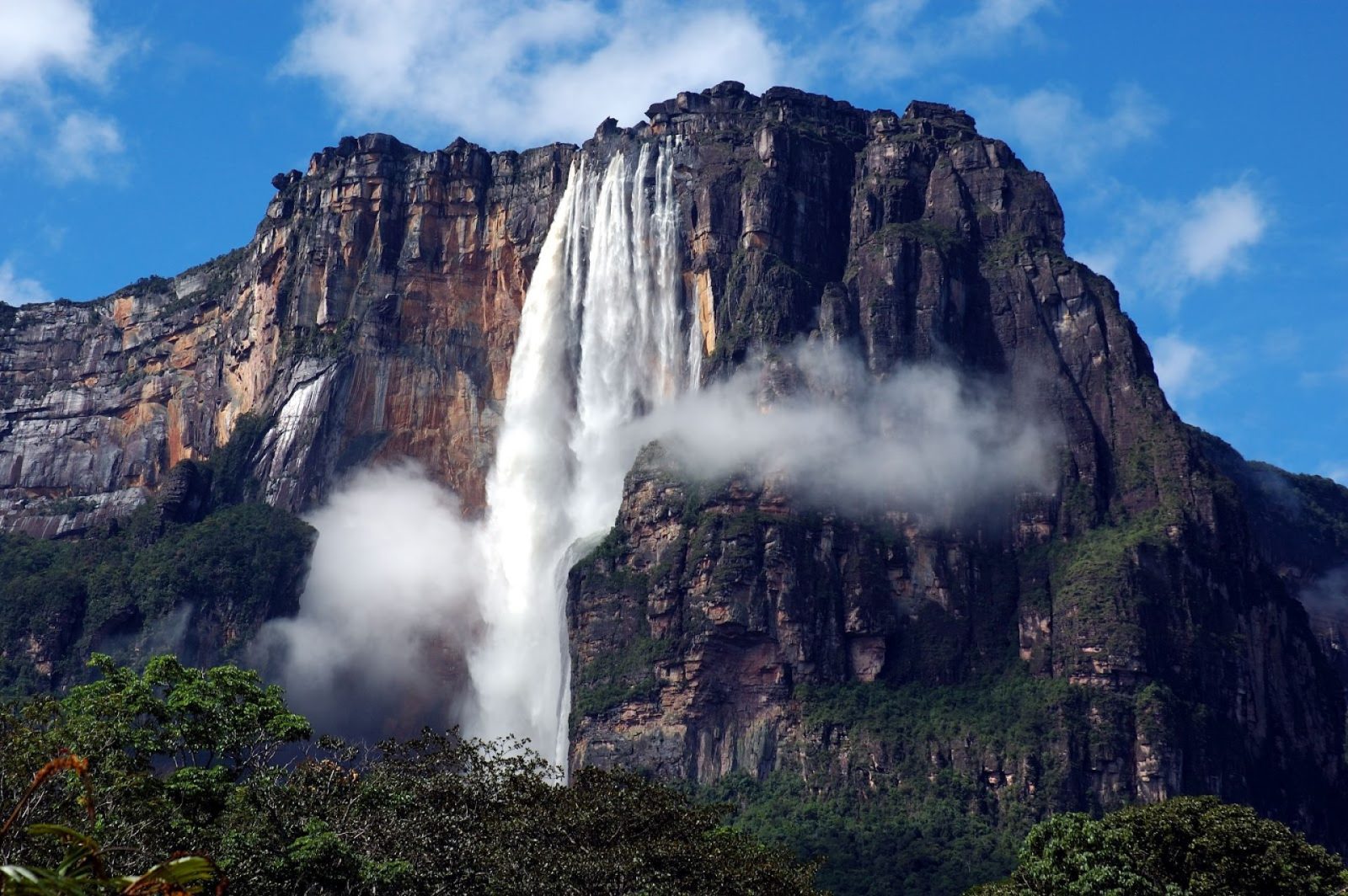
Canaima national park lies within Venezuela, and while its name is not well know, there is a geographic feature that is. The Angel falls, the tallest waterfall in the world lies within this park. While we do not yet have any connections to assist in a trip to this location, our page on the subject is linked here 

See Animals Wild

Read more news

Join as a wild member
to list your wild place & log in

Join as an ambassador supporter to
support this site, help save wildlife
and make friends & log in

Join as an Associate member
to assist as a writer, creator, lister etc & to log in

List a wild destination

List a destination in
the shadow of man

List a hide for animals more easily seen this way

Highlight some news
missed, or submit a
one-off article

Browse destinations for fun or future travel

Temporary membership
start here if in a hurry

Casual readers and watchers