Racoon dog

Raccoon dog (Nyctereutes procyonoides)

The common raccoon dog (also known as the (Chinese or Asian racoon dog, to distinguish it from the Japanese racoon dog)is a species which is found in east Asia. Although named for its facial markings, it is not closely related to raccoons and, although part of the dog family, it is more closely related to the fox.

This animal has been widely introduced in Europe due to regular escapes from fur farms.

Common raccoon dogs are omnivores that feed on insects, rodents, amphibians, birds, fish, reptiles, molluscs,  crabs, sea urchins, human garbage, carrion, and eggs, as well as fruits, nuts, and berries.

Wolves predate them, and eat many in the spring. In Russia, wolves can account for as much as 2/3 of the deaths. Other animals like badgers and lynx will kill them, but generally do not go out of the way to do so. A range of birds of prey also target them.

They are the only canid to hibernate. There are around 4 subspecies. The Japanese racoon dog was thought to be a subspecies until recently when it was elevated to being its own species. They are one of the species that is thought to be have spread covid, and there are other illnesses that their introduction has caused to arrive in new countries.
The Pampas fox

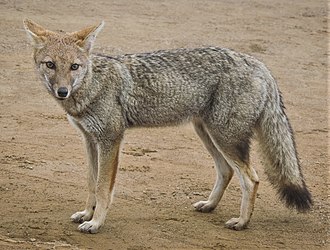
The Pampas fox is also known as the grey pampean fox, Pampas zorro, Azara fox or Azara zorro. It is a midsized (non) fox as all south American foxes, which are more closely related to the wolf and jackal.

Pampas fox

The Pampas fox resembles the Culpeo or Andean fox in appearance and size, but has a proportionately wider snout, reddish fur on the head and neck, and a black mark on the muzzle. Its short, dense fur is grey over most of the body, with a black line running down the back and onto the tail, and pale, almost white, underparts.

The Pampas fox can be found in northern and central ArgentinaUruguay, eastern Bolivia, Paraguay, and southern Brazil. It prefers open pampas habitats, often close to agricultural land, but can also be found in montane or chaco forest, dry scrubland, and wetland habitats. It is most common below 1,000 m (3,300 ft) elevation, but can inhabit puna grasslands up to 3,500 m.

They are occasionally hunted for their fur, or to avoid livestock deaths, however thus far this has not impacted population.

Domestic cat

Domestic cat

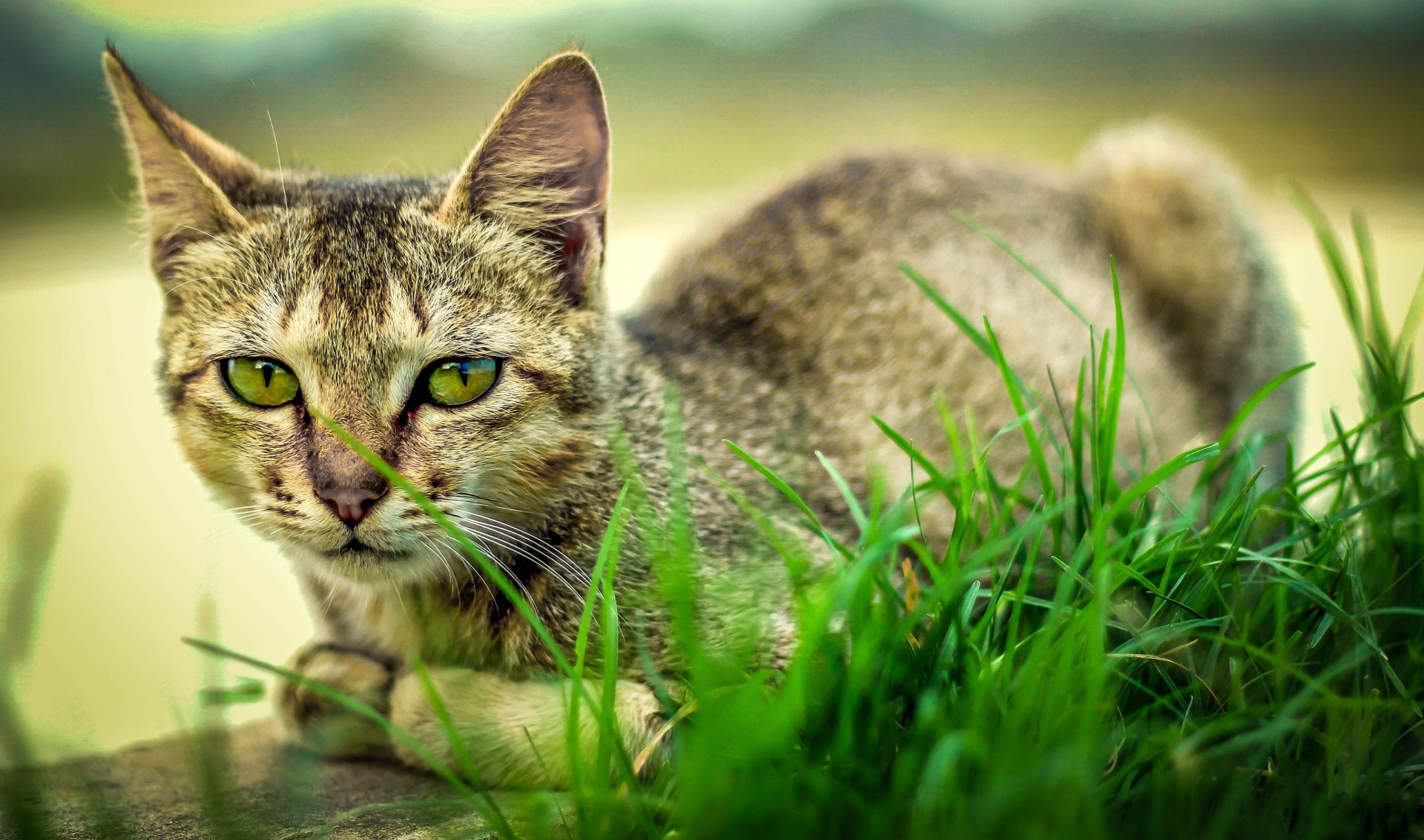
Domestic cats are thought to have been first tamed back around 10,000 somwhere in the middle east. Unfortunately, as this is the cat that makes up the worldwide domestic cat population (almost exclusively) in many regions like Scotland, while reduction in numbers made specific subspecies of wildcat endangered, it has often been hybridisation that has pushed them over the edge.

There is little point in showing a map of the world, as they are found in almost every human population. It is thought that there are at least 200 million across the globe

Domestic cats are thought to have been tamed in Israel, which has unfortunately meant that this species of wild cat is now spread across the globe – many local species of wildcat have become extinct through hybridisation, the British wildcat is just one such example. There are now only pure British wildcats in captivity, and while there are still quite a few living wild in Scotland they have Asiatic wildcat features. This has happened in many places and solutions are not yet forthcoming.

While unfortunate, there is still work being done. In the UK there are plans to clear a peninsular of domestic cats, and re-establish a wildcat population. Only in situations like Scotland is hybridization likely, the most common reaction to a wildcat meeting a domestic cat is for the wildcat to kill the domestic cat. I hope to live to see the wildcat roaming Scotland once more, but we will se what happens.

[smart_post_show id=”11927″]

They are not hard to see if you are in the right place. I have seen them in Africa, take a night drive in almost any nature reserve. Links will be added below.

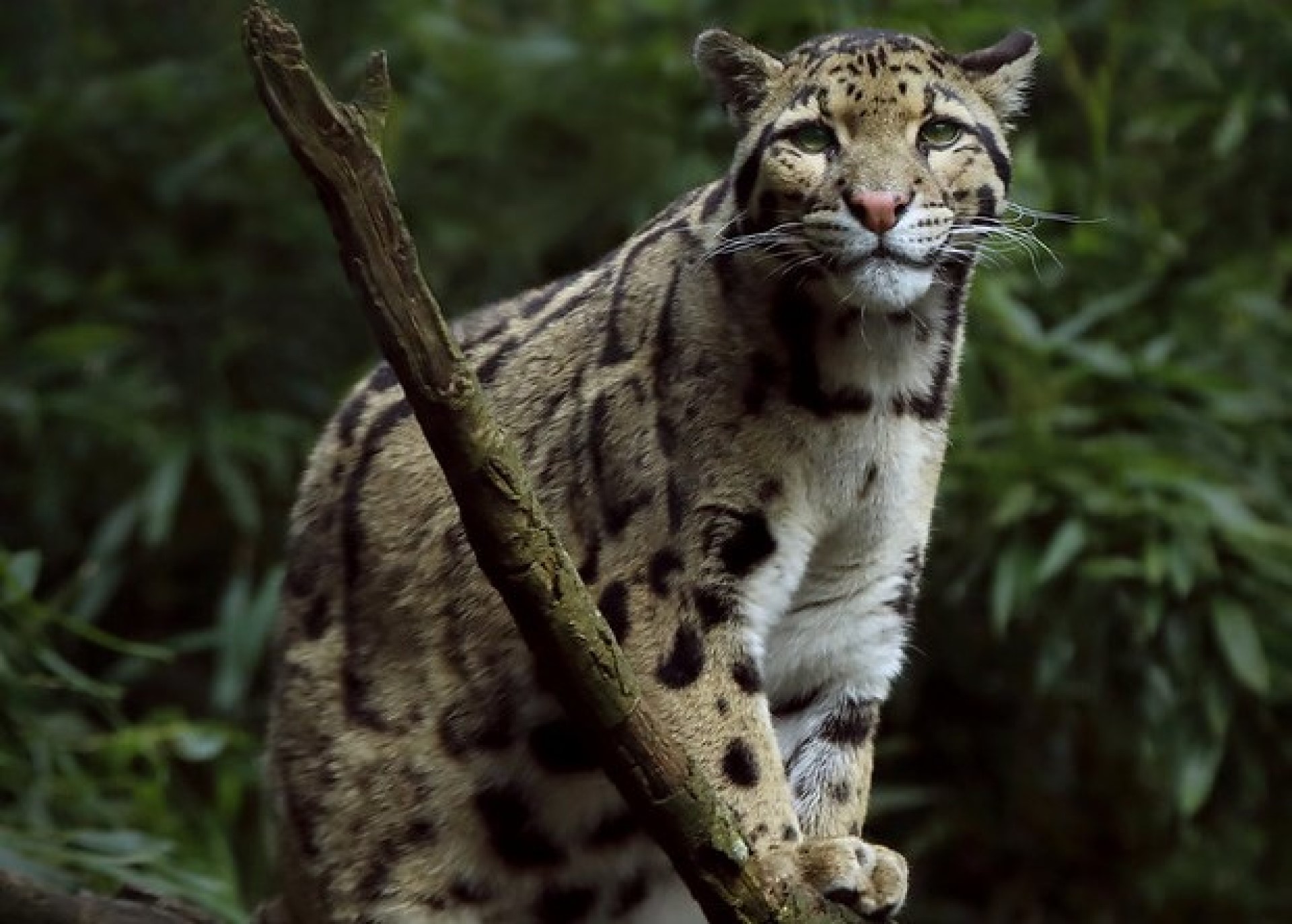
Clouded leopard and Sunda clouded leopard

Clouded leopard and sunda clouded leopard

Clouded leopards are actually one of the most ancient cat species, however due to their inability to roar or purr, they cannot officially be considered a big cat (roar) or a small cat (purr) due to their definition, which puts them in an odd category. They are most closely related to snow leopards, and are in the same family as the big cats from genetic research. It has recently been confirmed that there are 2 different clouded leopard species, one on the mainland, and the other on the islands (the sunda clouded leopard.

Both species are considered vulnerable. The mainland clouded leopard is thought to number between 3700 and 5580, while the sunda clouded leopard is thought to number around 4500 3800 in Borneo and 730 on Sumatra.

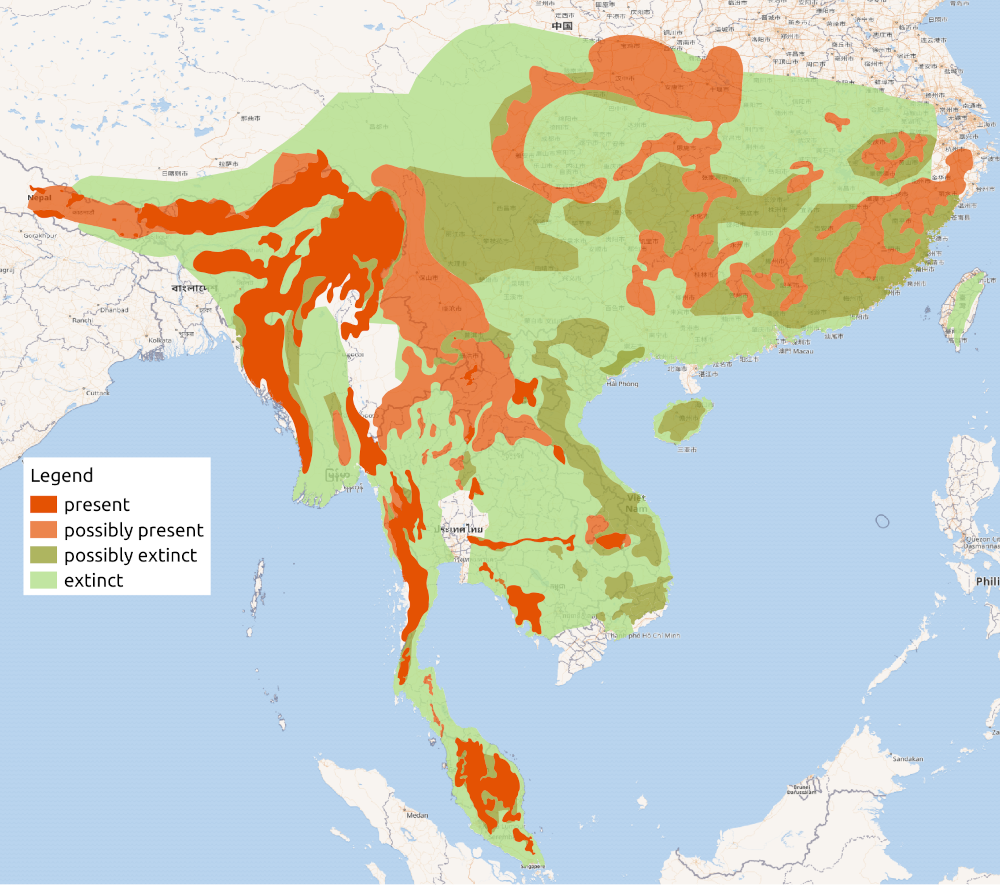
Clouded leopards are found in the forests of South East Asia. Both Poaching and habitat loss threaten their future survival is not easy to see, it makes it is hard for it to be clear what its current range is. However, if you simply compare extinct to all possible remaining habitat, you can see the best possibiltiy is that range has reduced by around 50%


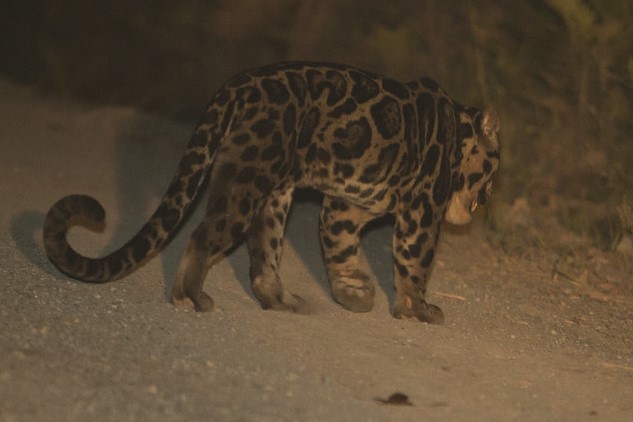
The clouded leopard has been split into two species – the Clouded leopard found on mainland Asia (big picture at the top), and the Sunda clouded leopard (picture above) found on Borneo and Sumatra (these Sunda Clouded leopards have not interbred for a very long time so are considered 2 subspecies). 


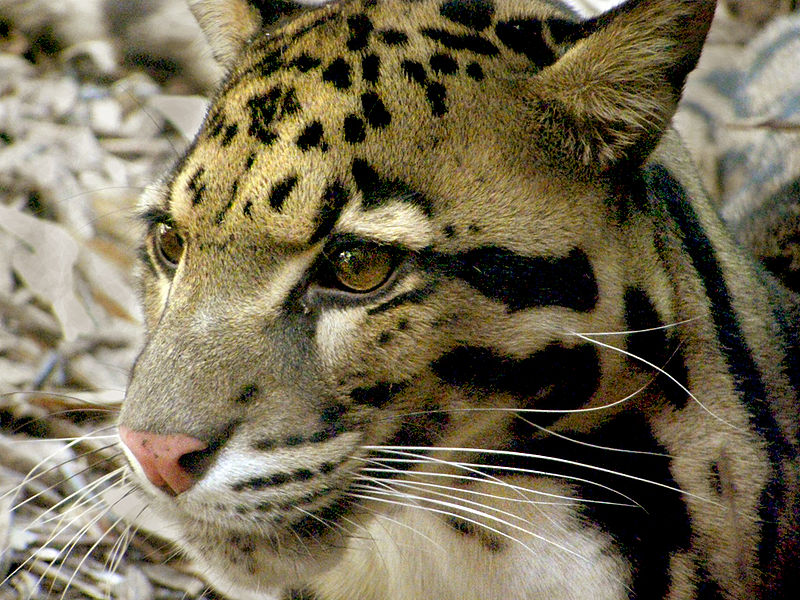
This is a further image of a clouded leopard though taken in a US zoo, which allows an easier time of getting a good view of the head.

The map above shows the former and current range for these two species. As we start to link with places on the ground, we are likely to create separate pages for each of these clouded leopard species. Below is a video of each species of clouded leopard.

We look to work with people on the ground. Do get in touch if you live or work in the area, and can help people see these incredible animals click here

[TS_Video_Gallery id="5"]
[smart_post_show id="11511"]

Ocelot

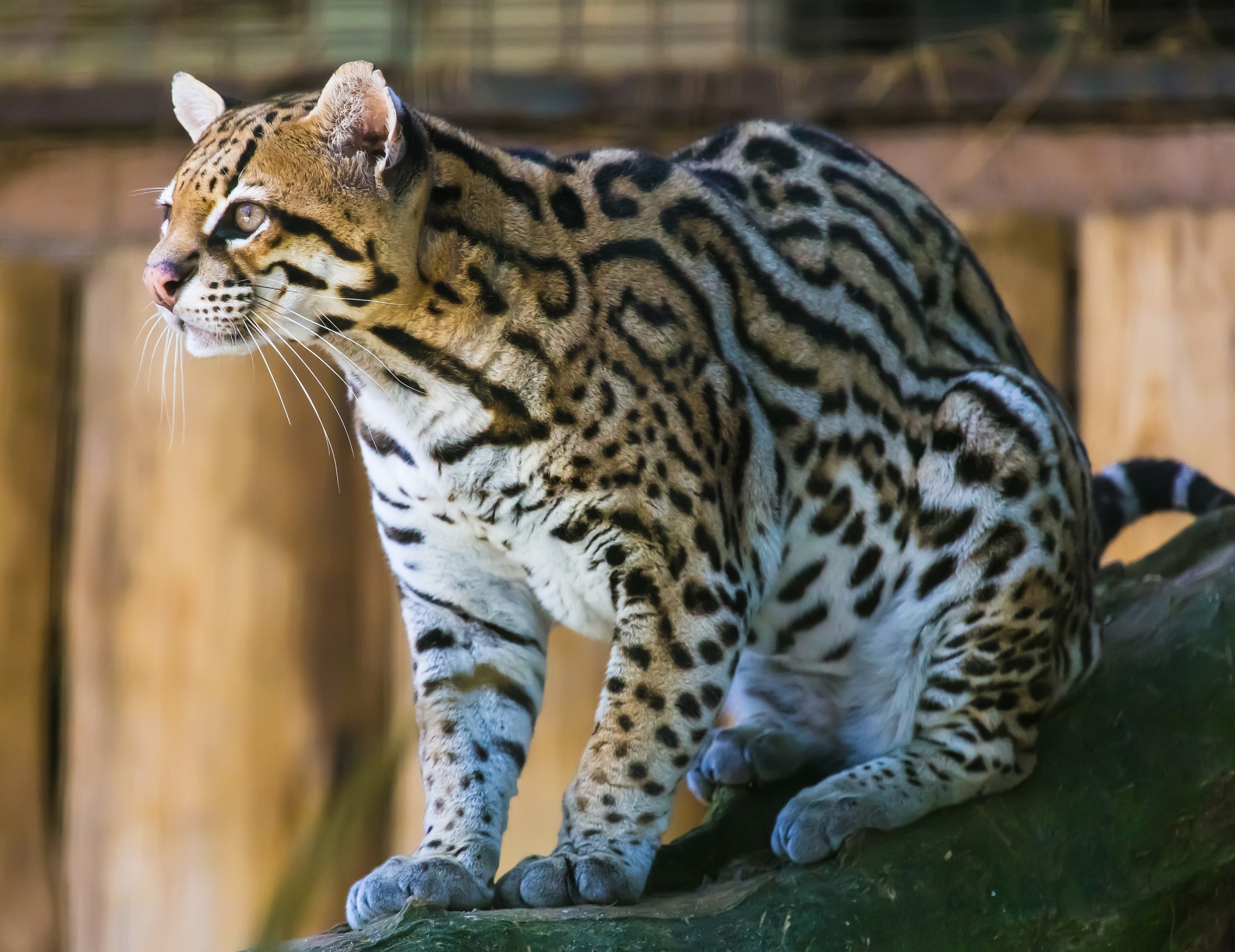
An Ocelot photo by RawheaD Rex

Ocelot

Ocelots, servals are about the size of domestic cats, which mean that without being careful it is easy to overlook them. Found throughout the south west of the USA, Mexico, and on through central and South America, as well as the Caribbean island of Margarita and Trinidad. At this time, two subspecies of Ocelot are recognized (in the past as much as 9 subspecies were proposed) and these are essentially split by continent (a north America Ocelot and a Southern America Ocelot).

Researchers agree that there are around 120 wild Ocelots in Texas but elsewhere it is less clear. Indeed, the Ocelot is generally listed as least concern, though in various parts of its range it is threatened by habitat destruction, hunting or traffic accidents. As such while its range is very large there are areas where it is decreasing in an area of its range. The ocelot has had occasional association with humans dating back as far as the Incas and the Aztecs – and has occasionally been kept as a pet.

Margay

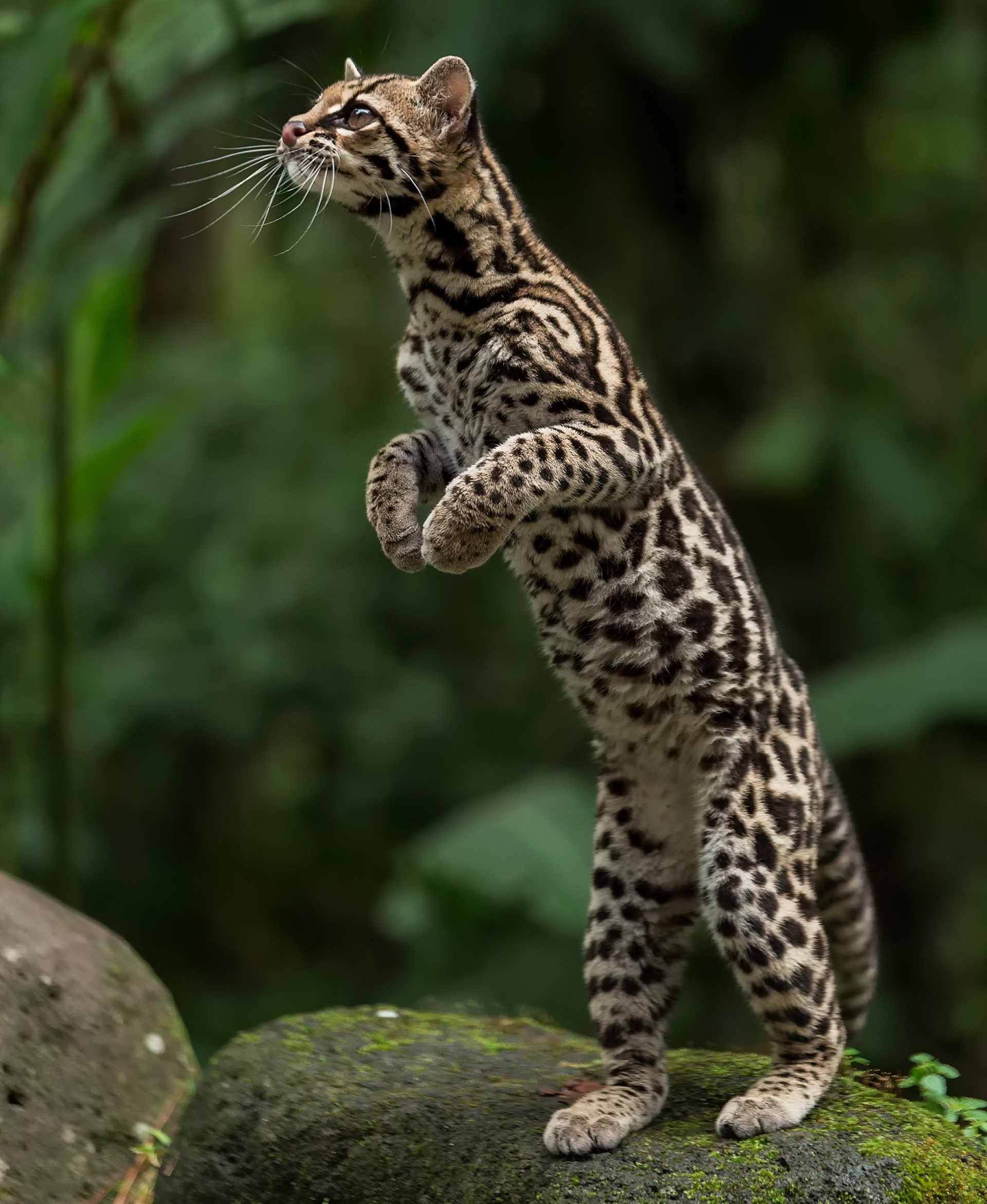
A Margay from Costa Rica Taken by Supreet Sahoo

Margay

This is a relatively small wild cat that is found in central and Southern America, living in primary evergreen and deciduous forests. Until the 1990s they were illegally hunted for the wildlife trade, causing a significant decrease in the wild population. Sine 2008 they have been listed as near concern due to declining population, thought to be caused by habitat loss. It is classed as near threatened -one up from least concerned, but one down from Vulnerable.

There are currently 3 recognized subspecies, these are in turn found South of the Amazon, North of the Amazon and in Central America.


[smart_post_show id="13625"]

The Oncilla (northern and Southern)

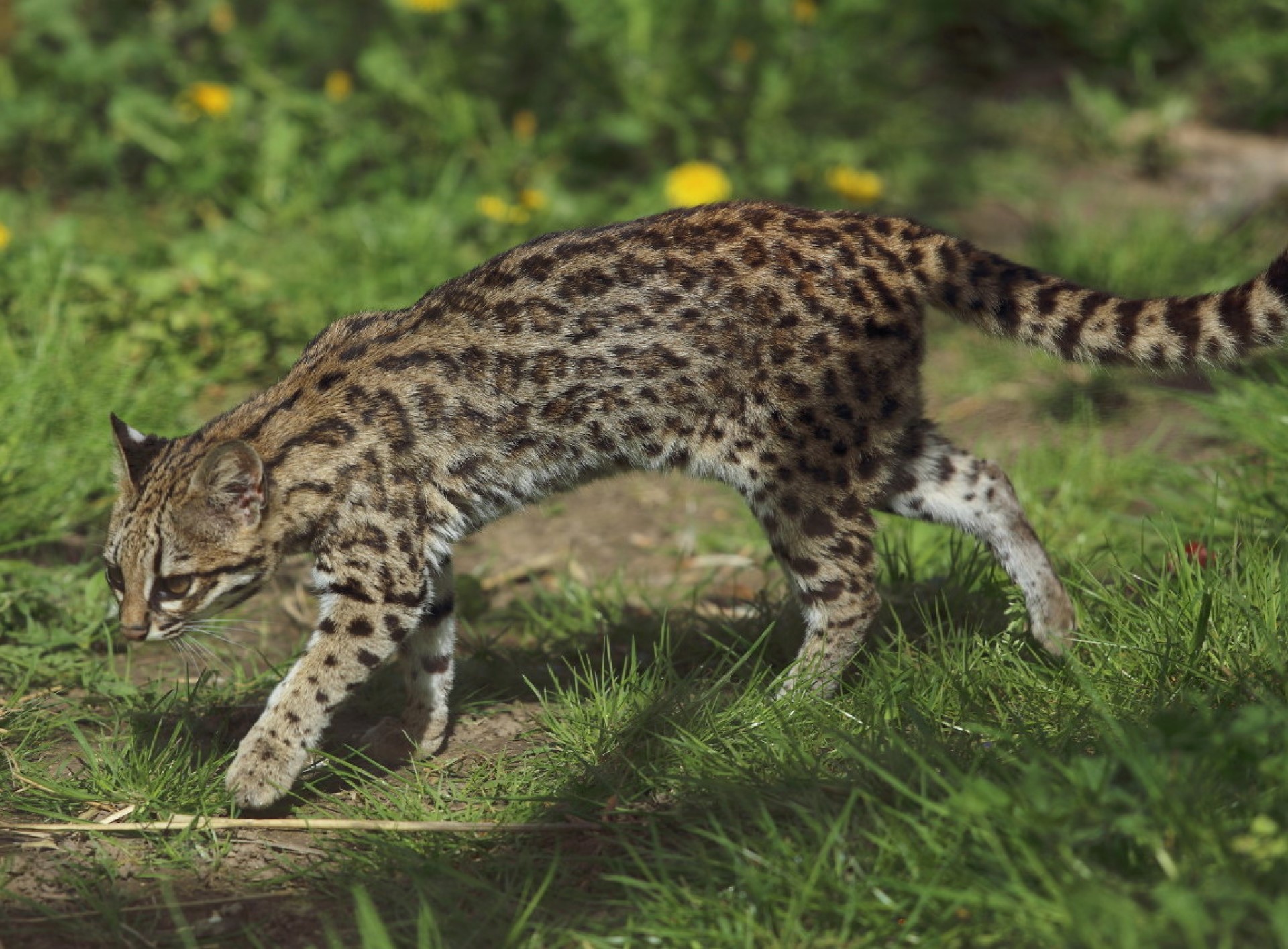
This is an Oncilla taken by Groumfy69 in a zoo

Oncilla (northern and southern)

The Oncilla is a small spotted cat found from central America to the Central Amazon. In 2013 it was proposed to split the species into two, as they did not interbreed, however I would argue that this should be at the subspecies level. The Southern Oncilla lives in Brazil, Paraguay and Argentina, while the Northern Oncilla ranges from central America to central Brazil – time will tell if these two cats are subspecies or are distinct enough to be considered different cat species


Geoffrey’s cat

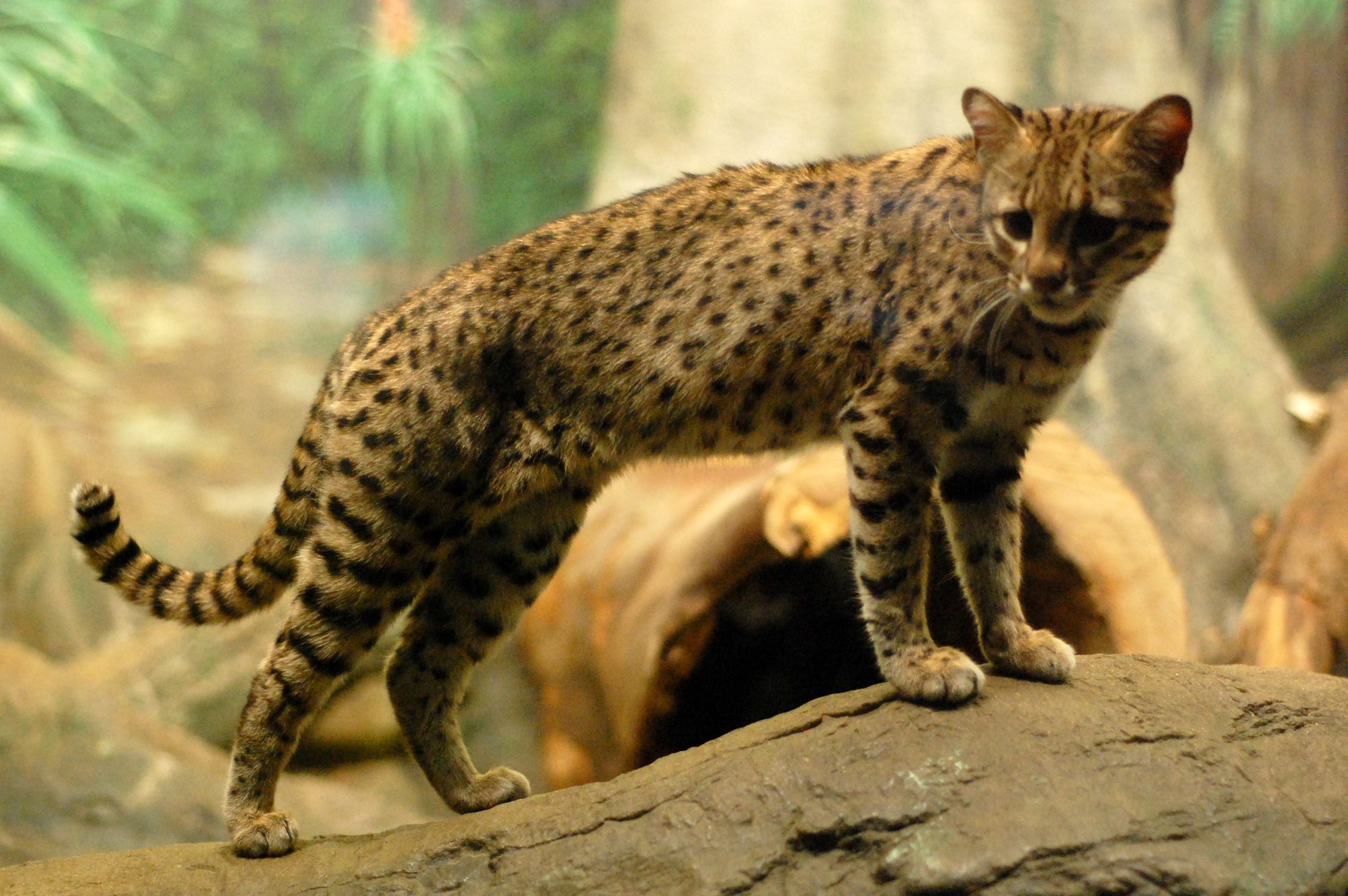
Geoffrey's cat photo credit by Daf de

The Geoffrey’s cat is native to the southern and central regions of South America. It is currently considered least concern, and is abundant and common across its range.

[smart_post_show id="24785"]

Fishing cat

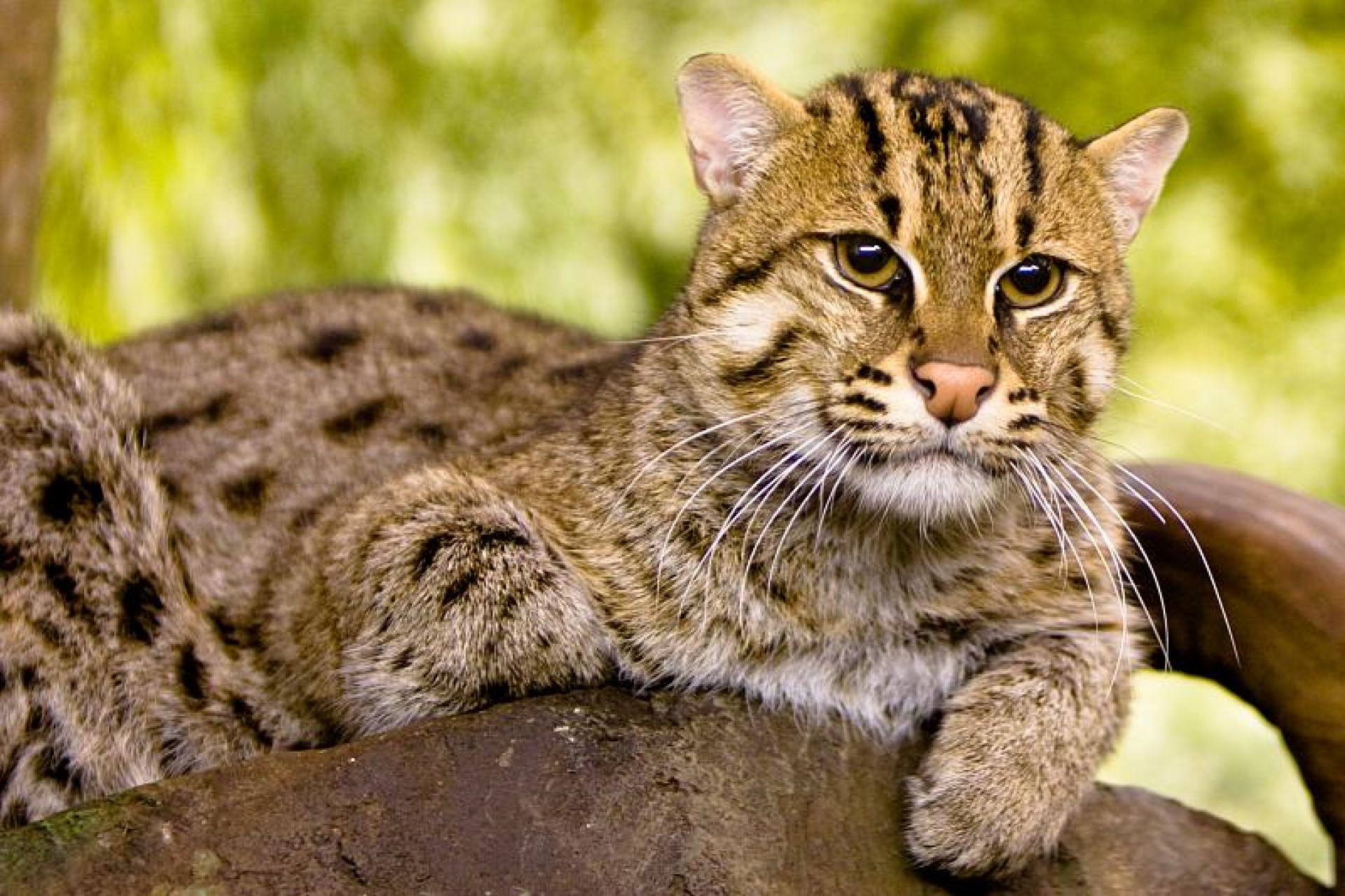
fishing cat phot by Kelinahandbasket

Fishing cat

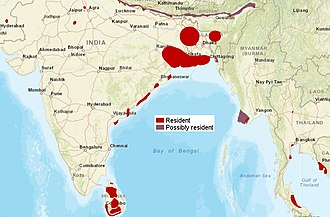
The current range of the Fishing cat

The fishing cat has been classed as vulnerable since 2016.

 It is a midsized cat he fishing cat lives foremost in the vicinity of wetlands, along rivers, streams, oxbow lakes, in swamps and mangroves. One of the alarming things to look at, is that the majority of this range is likely to be hit hard if sea levels do rise significantly over the last few decades.

[smart_post_show id="25012"]
World maps: explore

This website aims to make it easy for those living with wildlife, and those who would like to see it, to find each other. Where-ever the wildlife, if the local people do not benefit it will not survive.  Please note, on some computers these maps can take 10 seconds to load.

Explore the worlds wilds, through the map above (each country contains a list of any wild areas within it – world maps for each fo these can be found at the top of the page -“wild places, “shadow of mankind”, “Hides”, “Future places” & “sightings board”), or the species in the expandable section below. Add your destinations, by clicking on “list your wild”. Scroll down to read our latest wild news.

See Animals Wild

Read more news

Join as a wild member
to list your wild place & log in

Join as an ambassador supporter to
support this site, help save wildlife
and make friends & log in

Join as an Associate member
to assist as a writer, creator, lister etc & to log in

List a wild destination

List a destination in
the shadow of man

List a hide for animals more easily seen this way

Highlight some news
missed, or submit a
one-off article

Browse destinations for fun or future travel

Temporary membership
start here if in a hurry

Casual readers and watchers