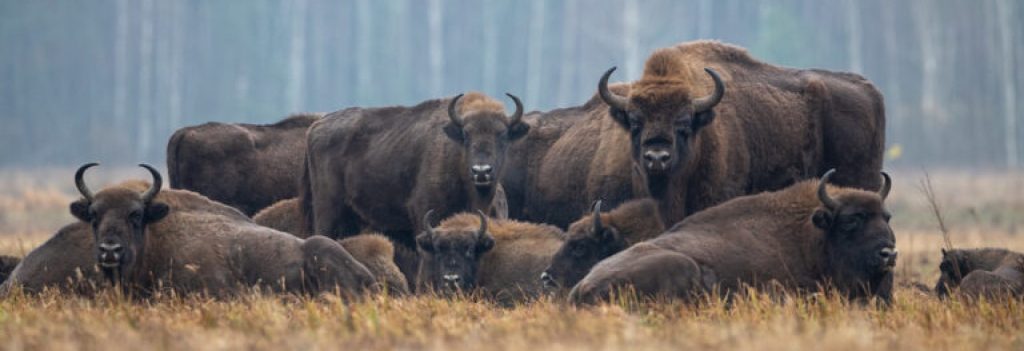
A small herd of 170 bison, released into a 20 square miles area of Tarcu mountains in Romania, are estimated to allow the land to capture 59,000 tones of carbon each year.
Big animals like this, stimulate the soil and plant growth, allowing the soil and plant growth to take up far more carbon than without them. Although Romania is one of the wildest countries in Europe, the European Bison was lost around 200 years ago. Between 2014 and 2021, 100 bison were reintroduced into the area, and that population has naturally grown such that there are now 170.
Scientists estimate that the lands carbon storing potential is as much as 10 times greater with the bison (they suggest that it is between 5 and 15 times more carbon.
Continue reading “Could Bison allow the land to reduce air pollution? – Yes”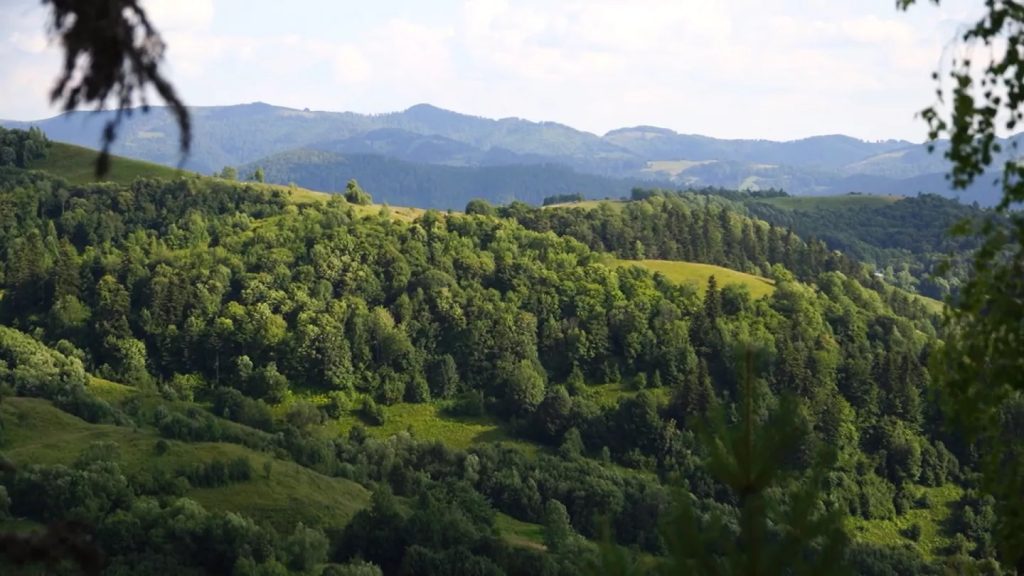
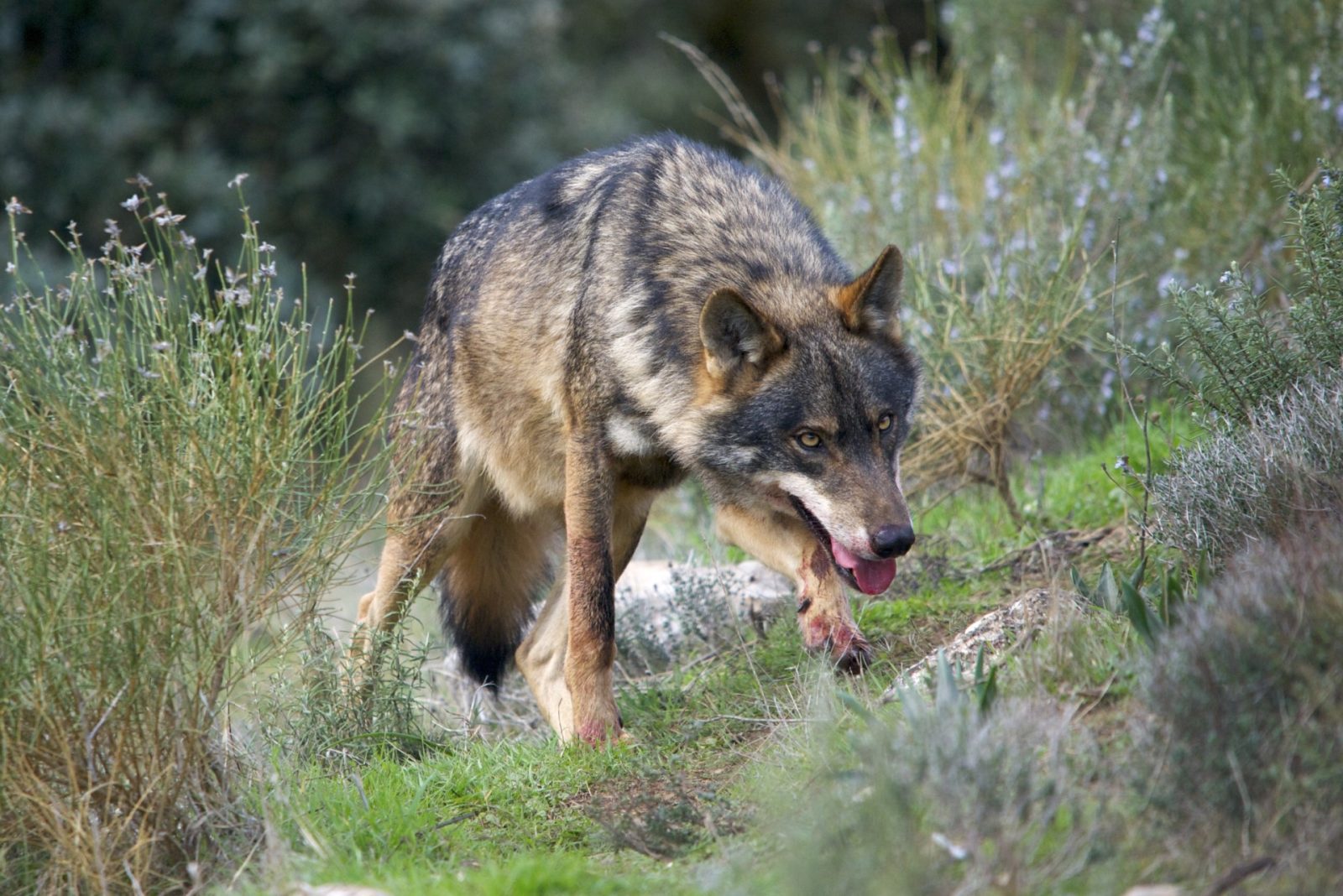

 The Iberian wolf is a subspecies of the grey wolf found on the Iberian peninsular. It reached its minimum in the 1970s with 500-700 iindividuals living in the wild. Until the middle of the 19th century, it was widespread, throughout the Iberian peninsular. It should be noted, that wolves have never had high densities, and the wolves of western Europe are not thought to have ever had a population much above 848–26 774 (depending on which end of the estimate you rely – but is the founding population of both the Iberian and Apennine population).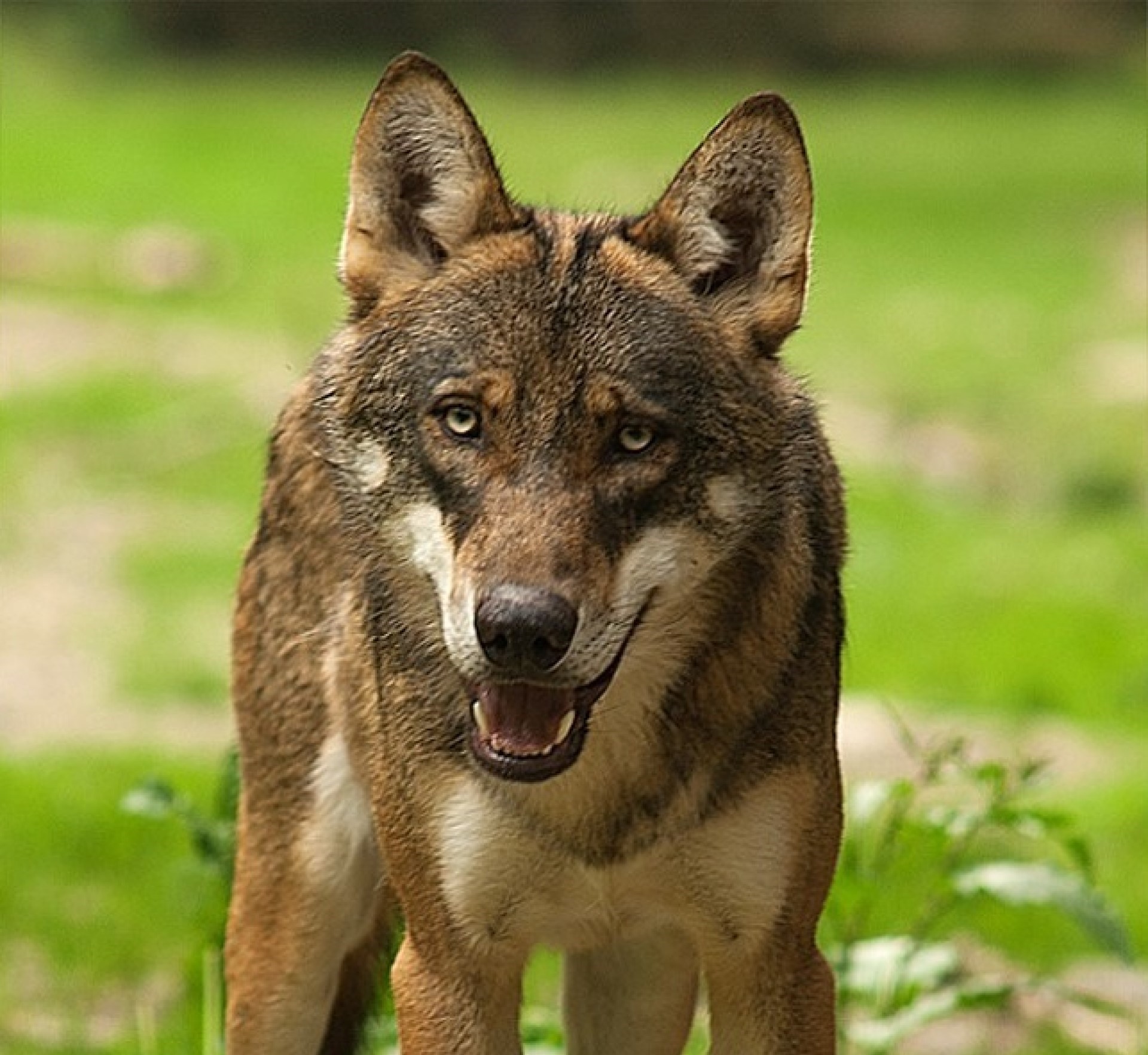
 The Apennine wolf is also known as the Italian wolf. Back in the 1970s the population reached its minimum, where the population reached 70-100 individuals. It has recovered well since then, with an Italian population of roughly 3300. However, since the early 1990s, this subspecies has been gradually moving into France. As such, at the end of 2022 the number was estimated at 1104 wolves in France.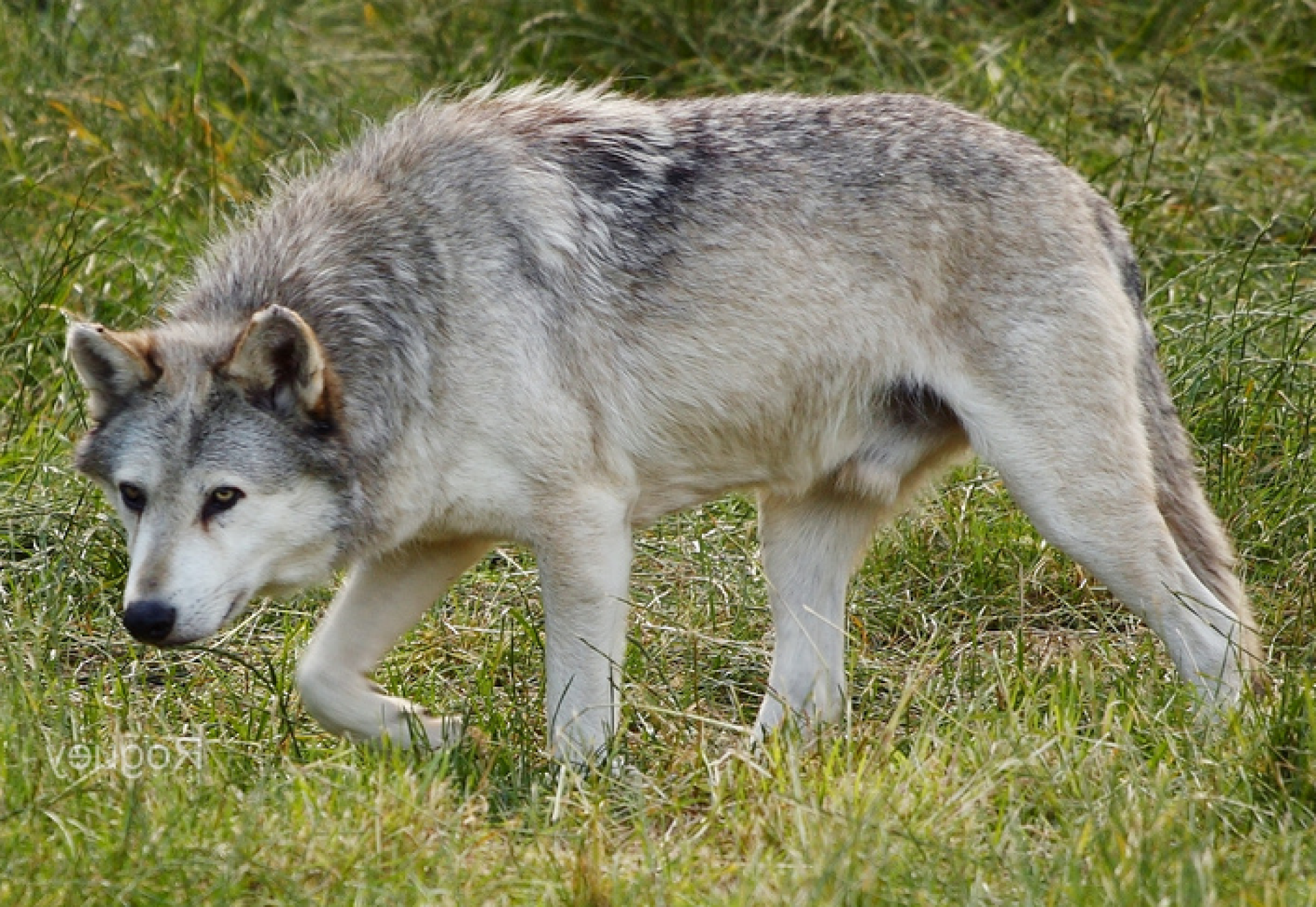
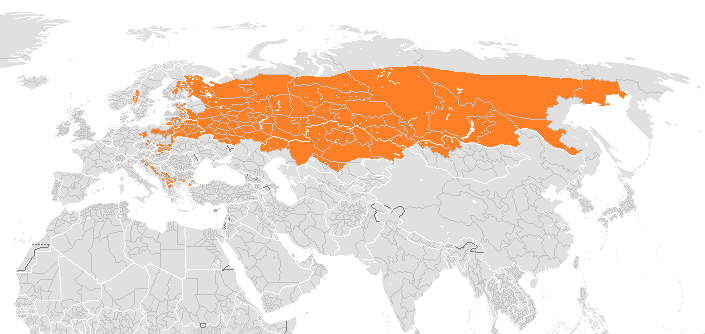 The Eurasian wolf (often referred to as the Russian wolf), is the subspecies which runs down the east coast of the Adriatic sea, as well as the majority of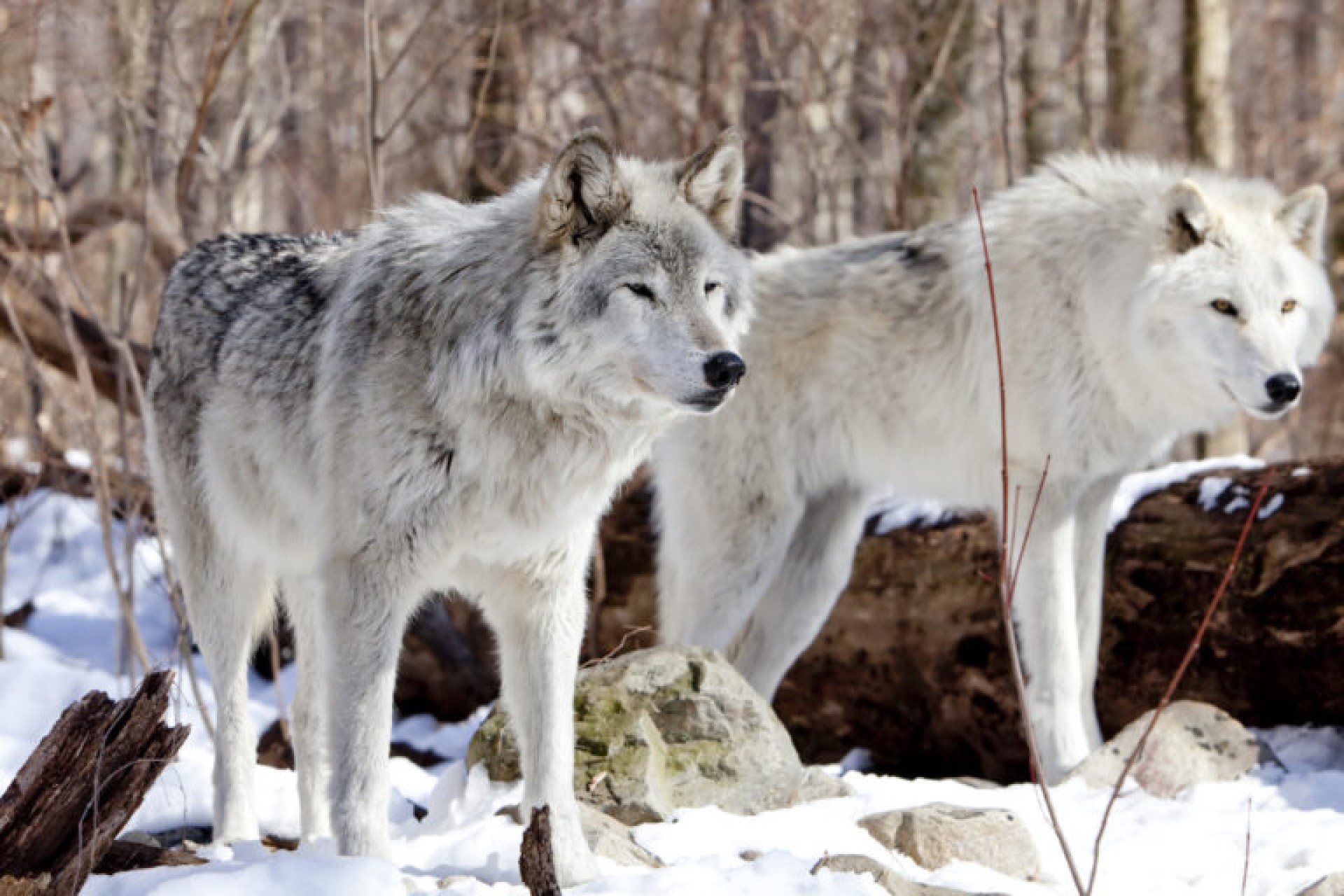
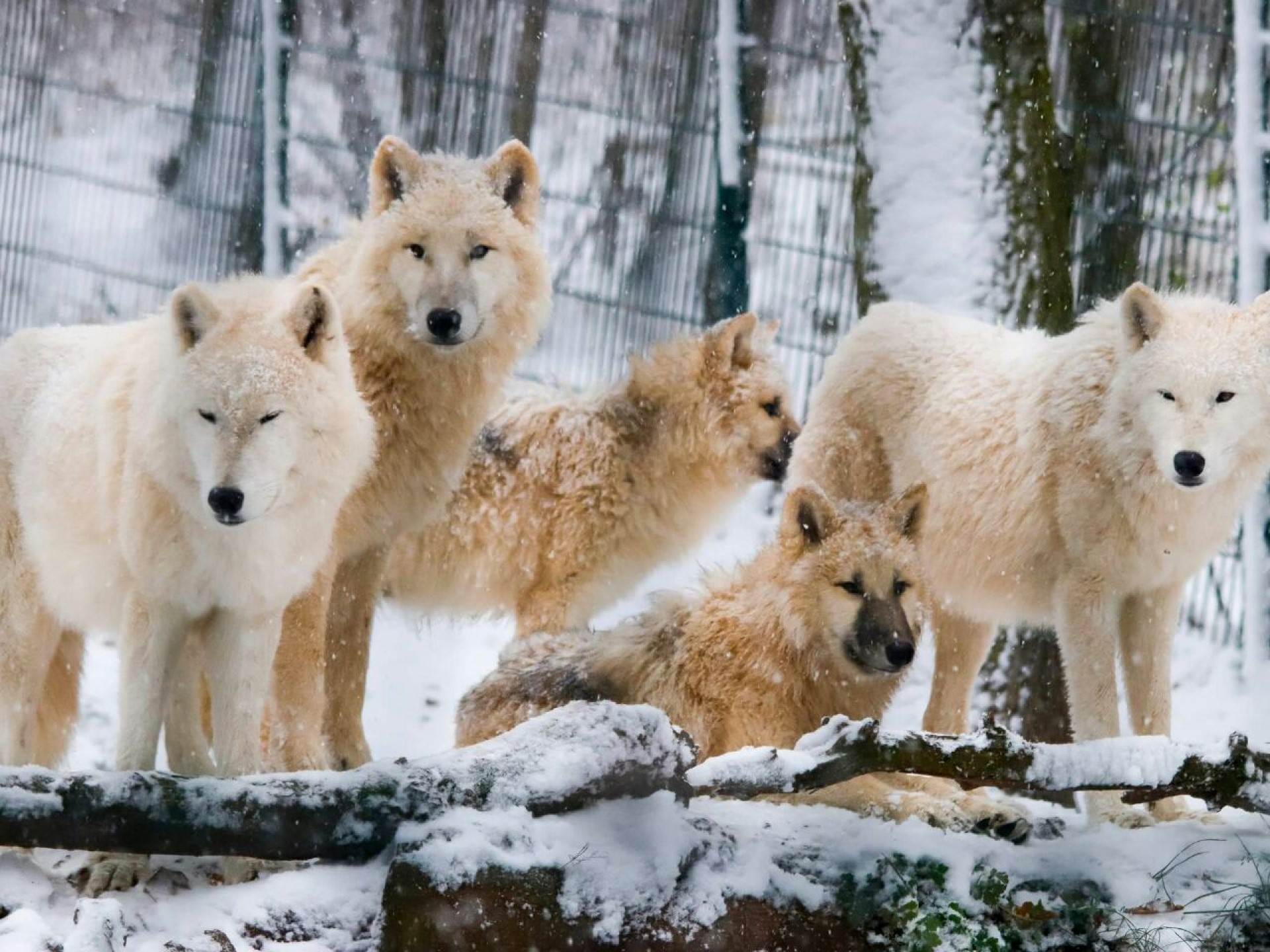
 The Tundra wolf – Canis lupus Albus is the Eurasian equivalent of the Arctic wolf. Also known as the Turukhan wolf, it is native to Eurasia’s tundra and forest-tundra zones from Finland to the Kamchatka Peninsula. It was first described in 1792 by Robert Kerr.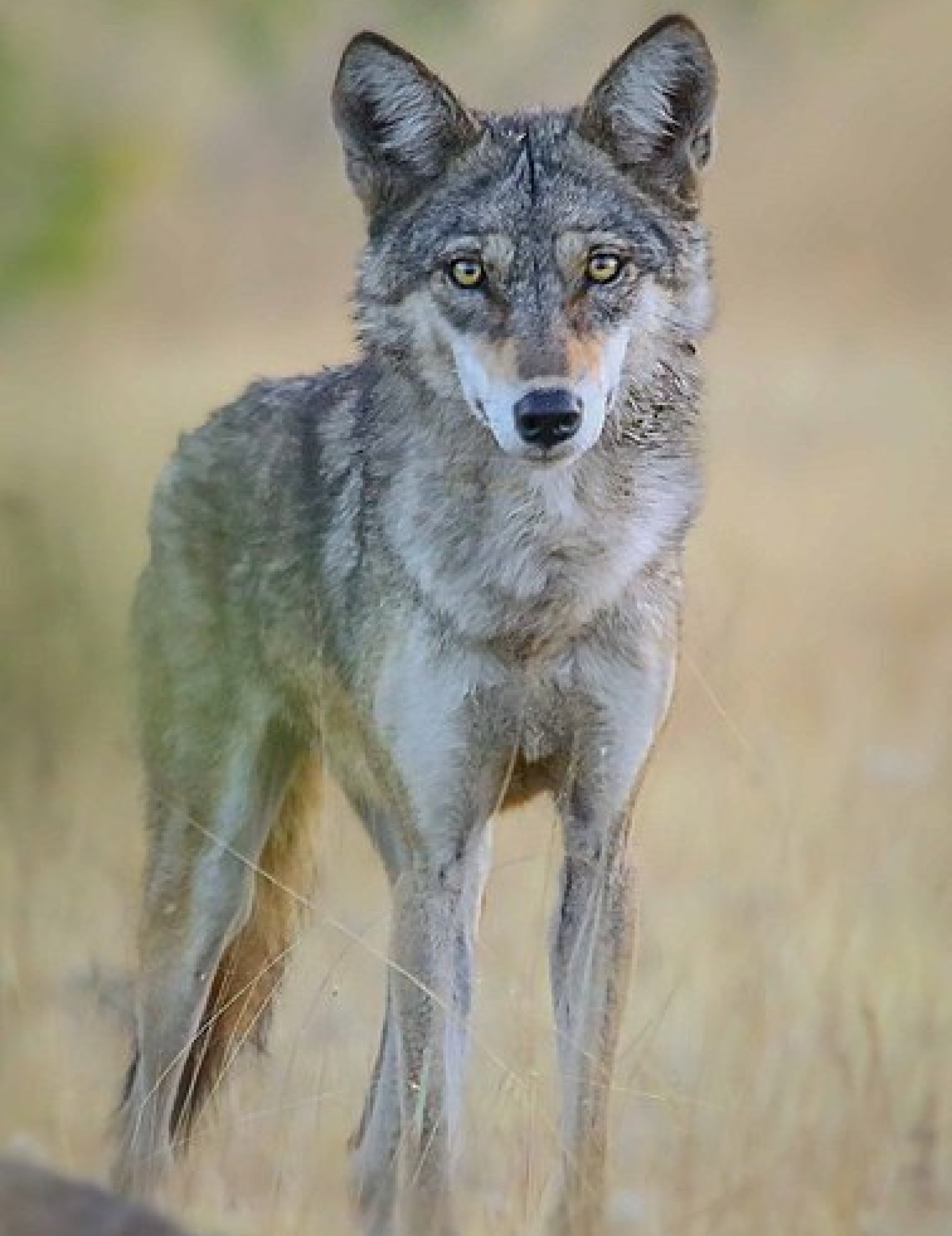
 The Indian wolf is one of the more well known, partly as their starring role in the Jungle book by Rudyard Kipling. I do remember my great grandmother talking about seeing 4 wolves running in the distance. It is thought to have 2000-3000 individuals left in the wild, though given its former large range, this does not appear very high. It should not be surprising, therefore, to hear that this is considered as one of the most endangered subspecies of the grey wolf – it officially has the conservation status of endangered – now it is considered endangered, and people talk about it at high risk, but it should be remembered that there are still 2000-3000, which is a pretty high number for a species considered more than just endangered.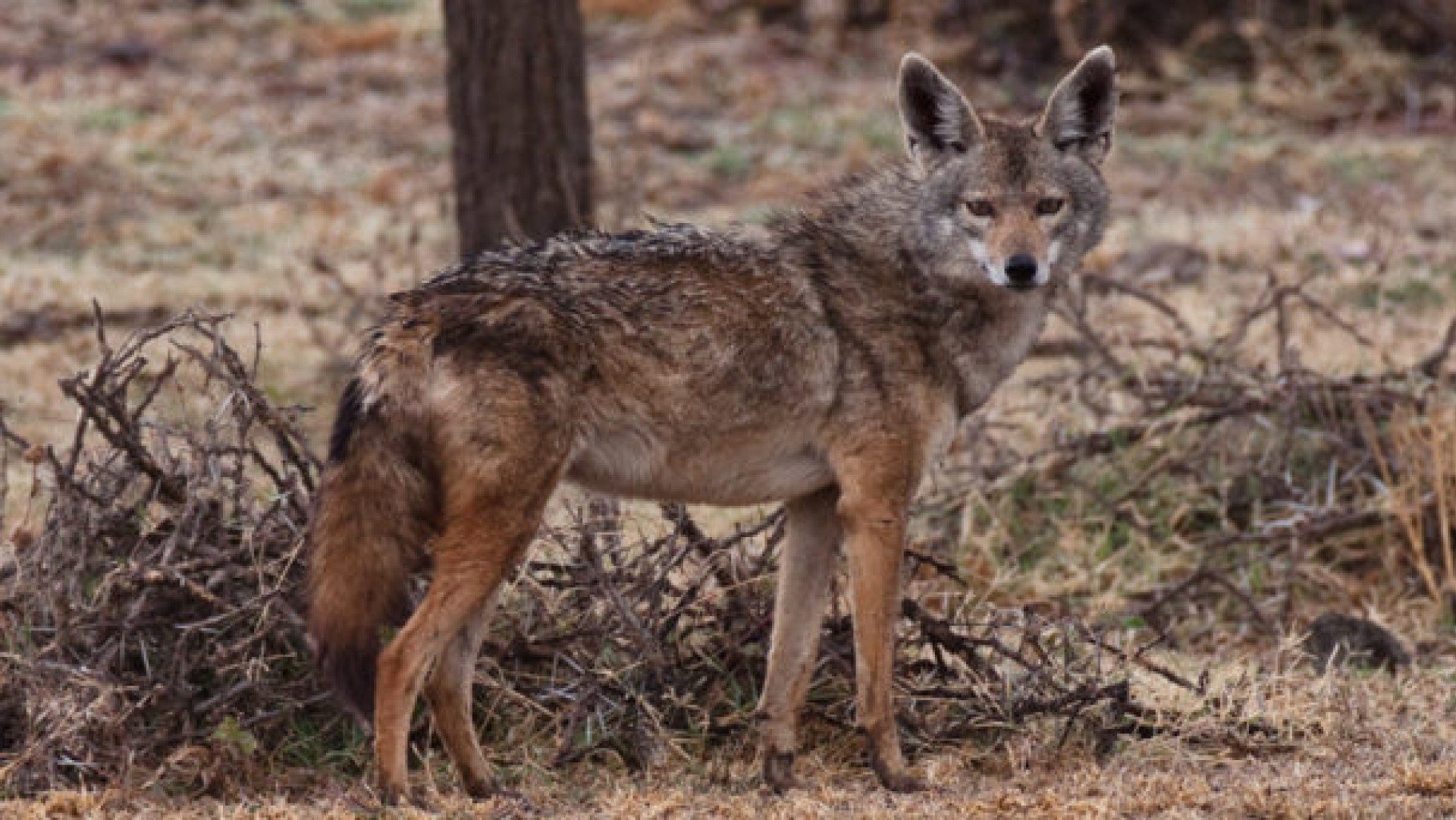
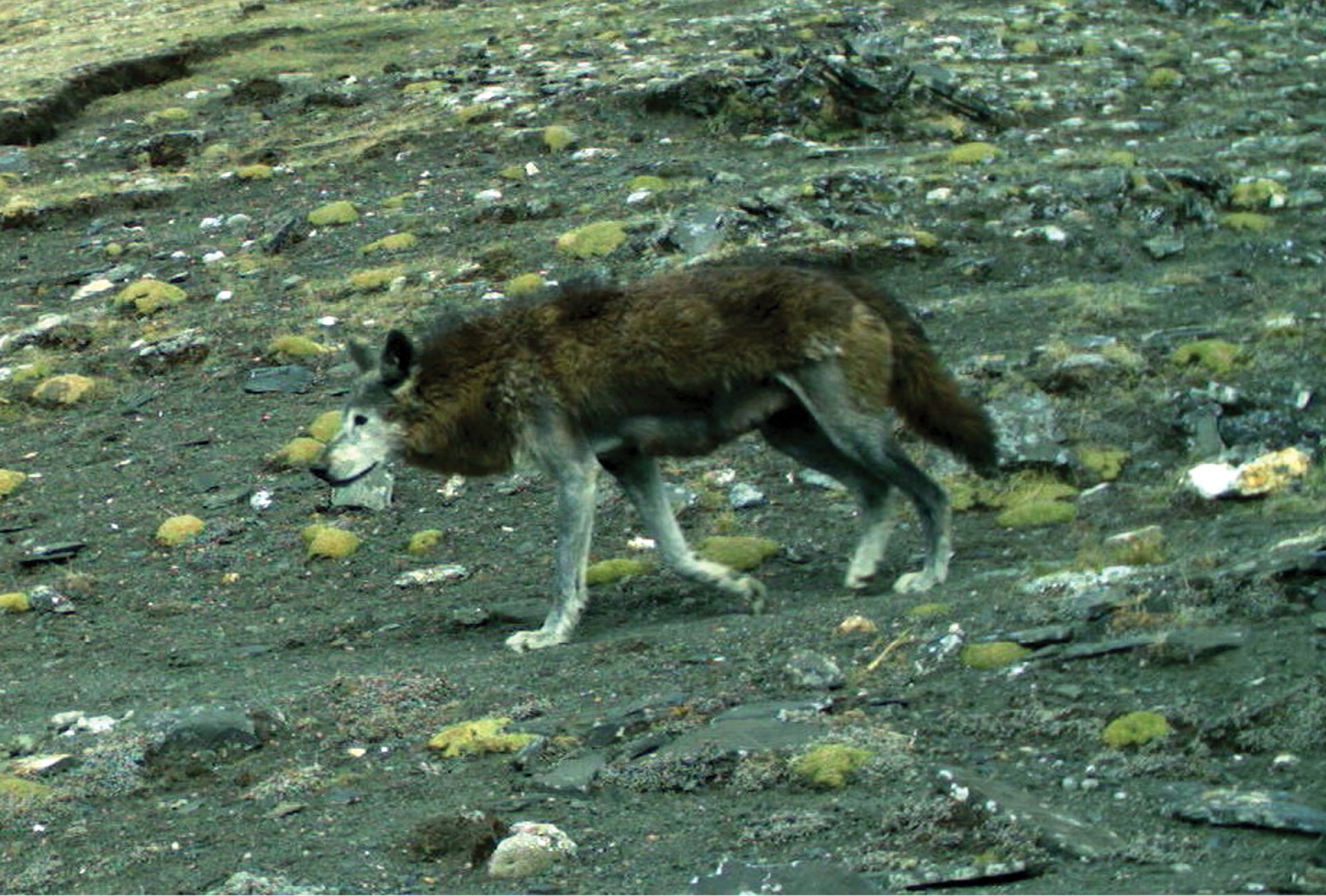
 Also the most recently confirm subspecies of the wolf – the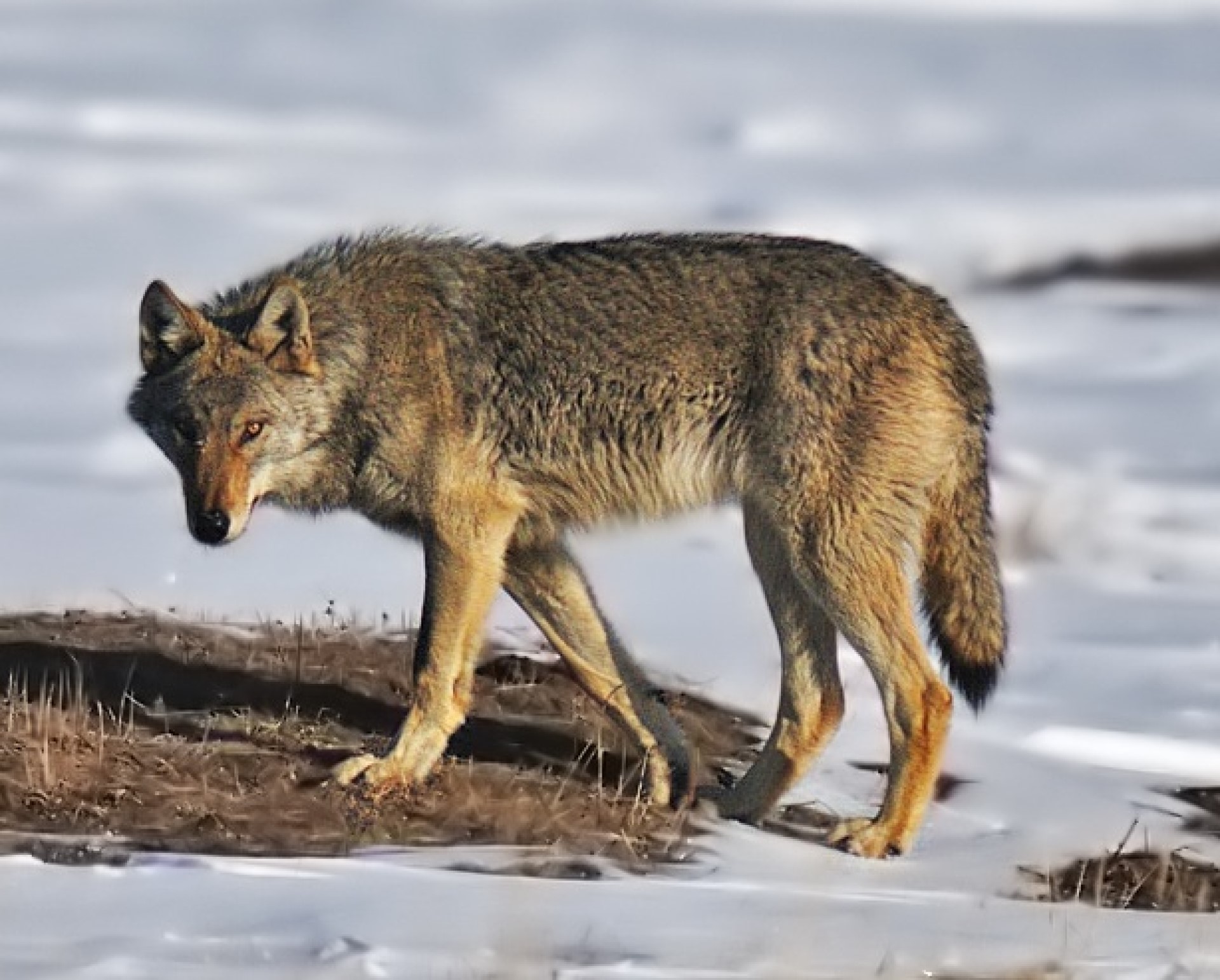
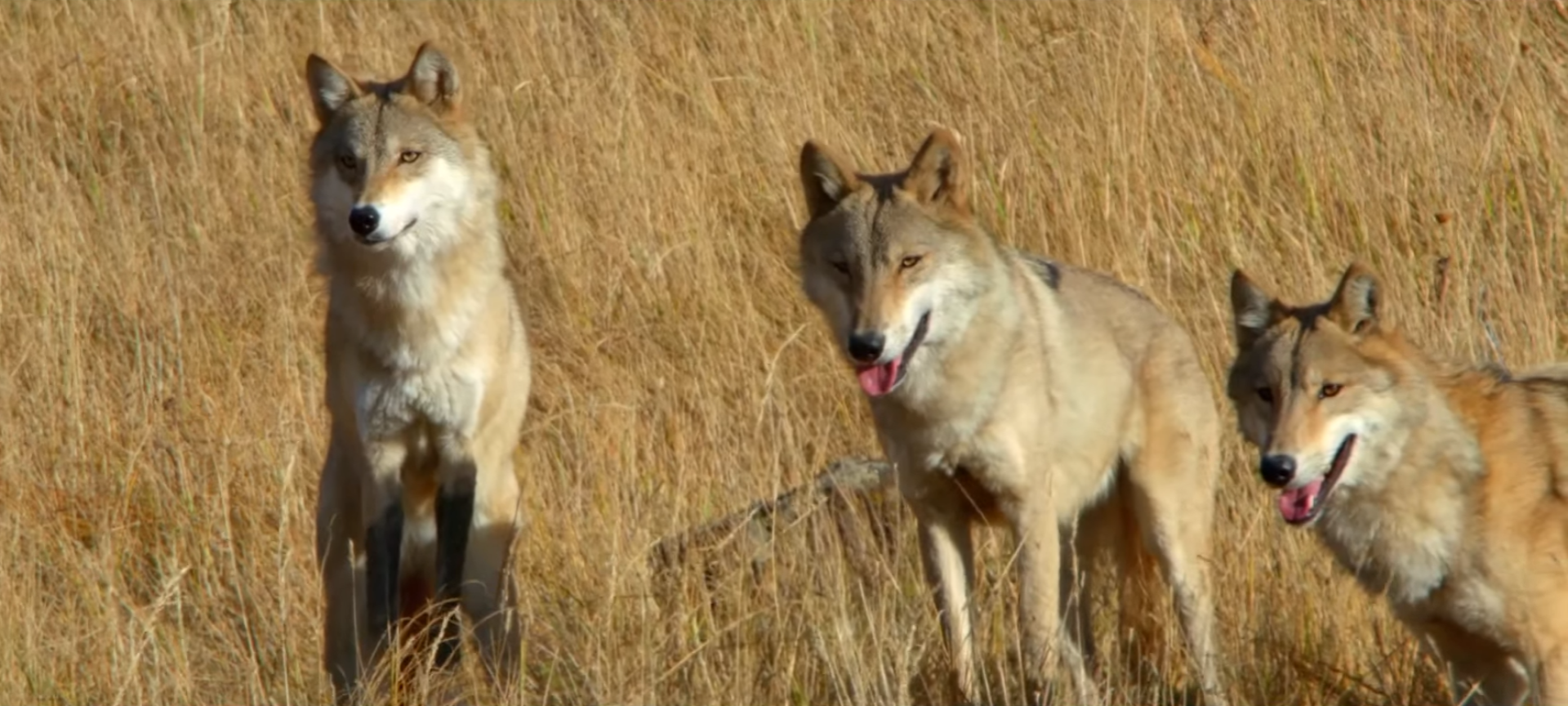
 The Steppe wolf also known as the Caspian sea wolf is a wolf subspecies that is found in the region around the Caspian sea, though the Steppe wolf is perhaps more useful a name as it extends far from the Caspian sea. Much of its range is in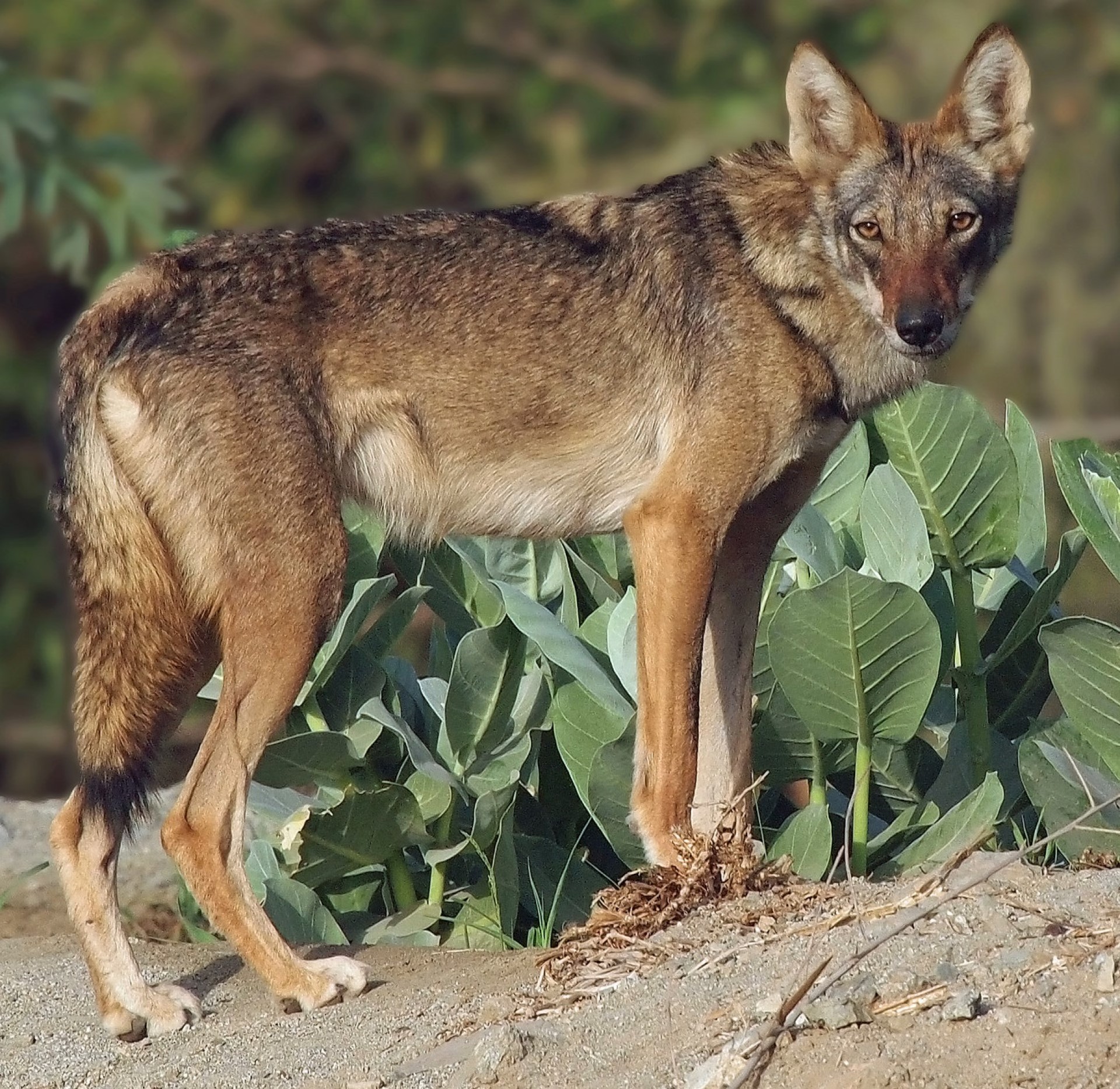

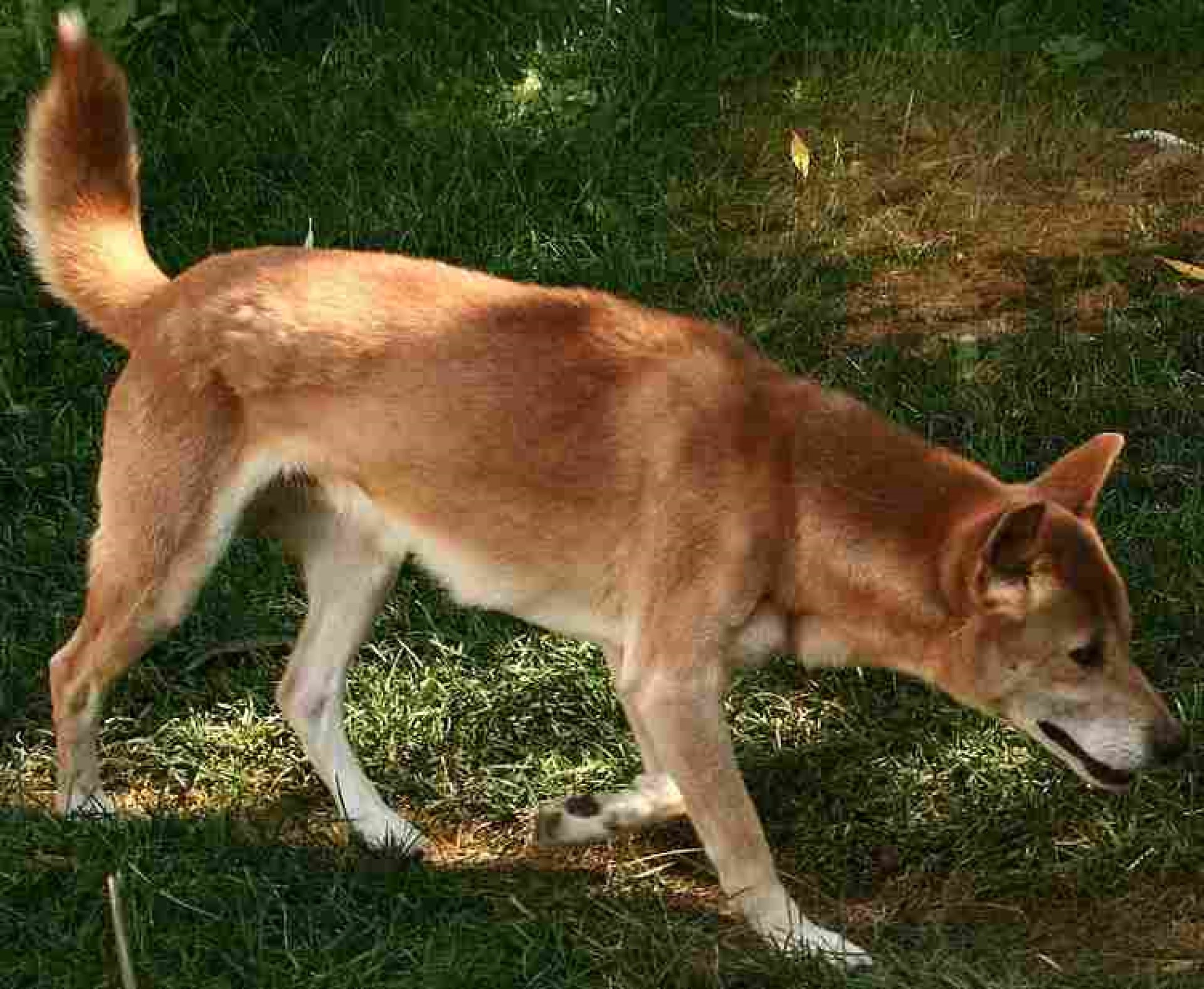
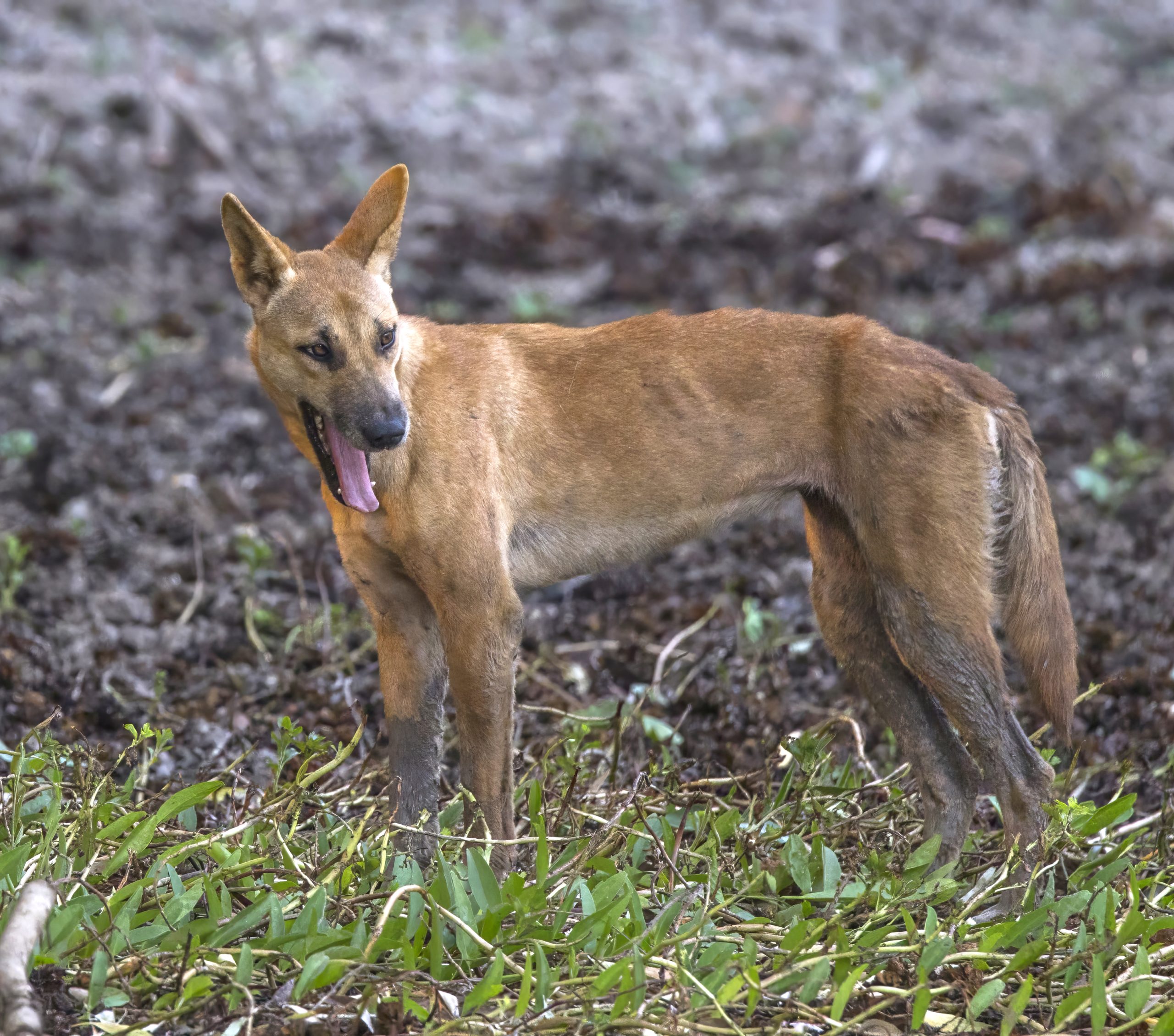
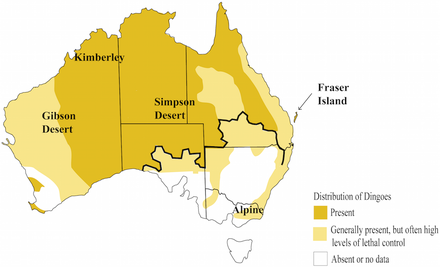 Closely related to the new Guinea singing dog, the Dingo is a dog species that has a relatively wide range. There is some debate about how it got to some of its homes, and whether it may have come alongside early humans.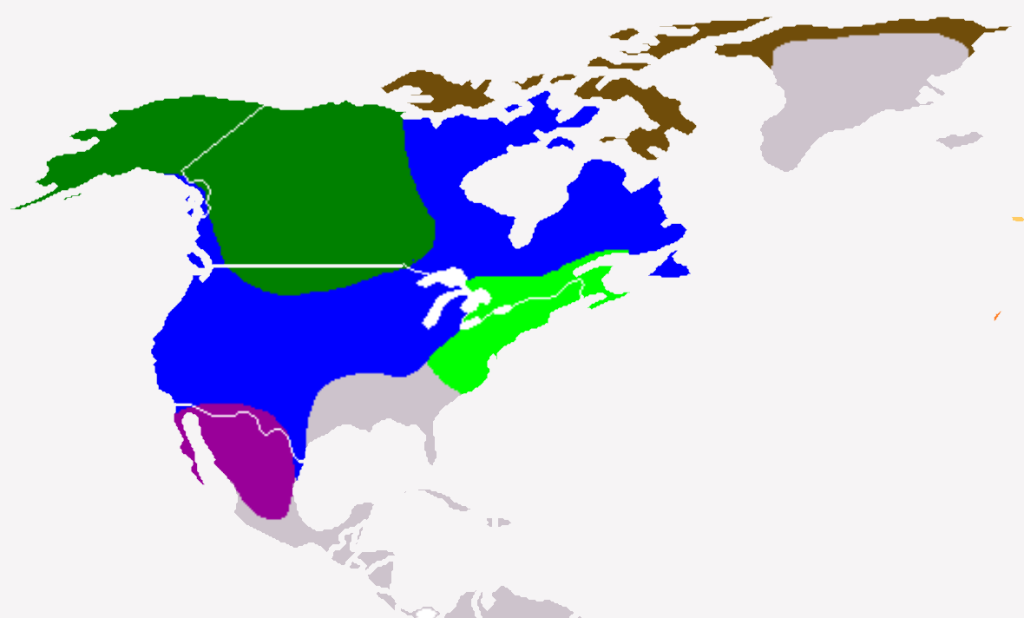
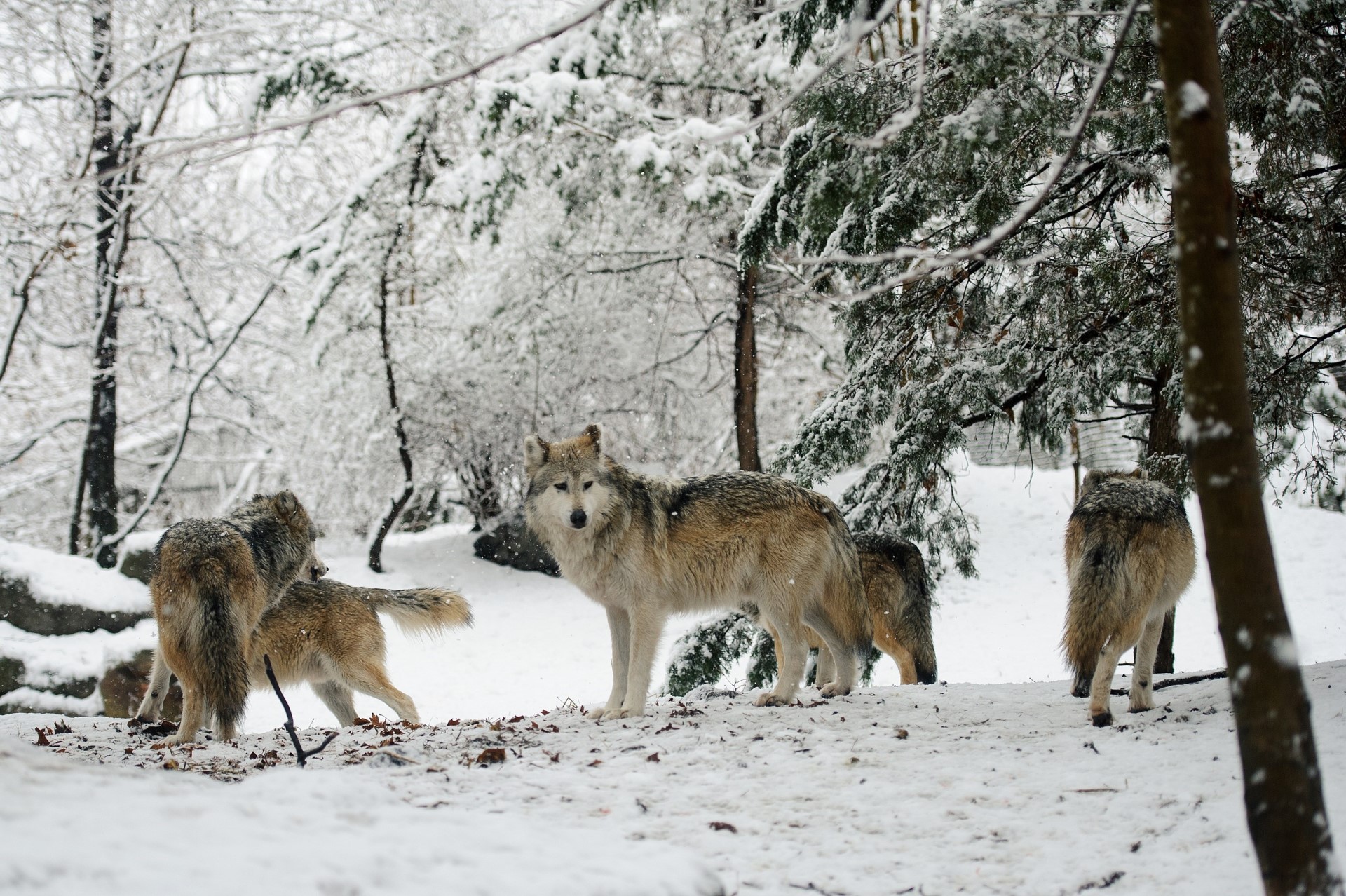
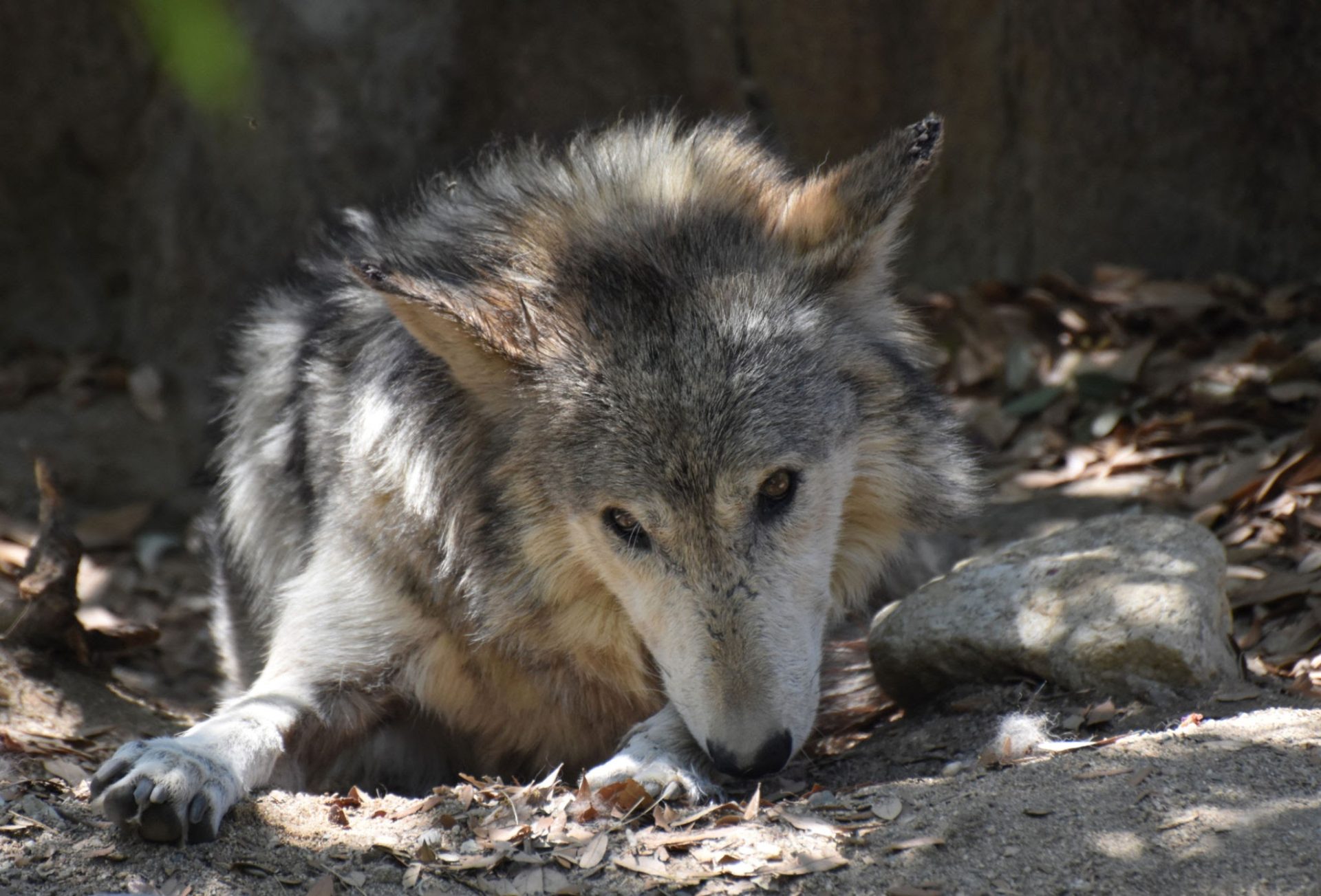
 Mexican wolves (scientific name is Canis lupus baileyi) are currently only found in a small area as seen on the map to the right. It is a fantastic improvement on the situation around 1970 when the species was extinct in the wild. The first reintroduction was carried out in 1998. Unfortunately, founded by just 7 individuals, the population is highly inbred. Never-the-less, currently, the