I wrote (several years ago) about the odd attacks orca were making on boats off the coast of Portugal (around the straits of Gibraltar). Unfortunately, this behaviour has now spread to French waters, with 2 orca ramming a sailboat of northern France, damaging the rudder so badly, that coastguards had to tow it back to land.

While this is in a new area, this is one of nearly 700 attacks by orca on boats along the Atlantic coasts of Europe since 2020 – with around half of these attacks causing mild to serious damage. The Orca tend to attack the rudder, making it impossible to steer the boat.
This behaviour has been linked to a group of 35 Iberian orca, from which 16 individuals engage in these interactions (4 adults and 12 juveniles).
It is unclear what causes this behaviour. Some experts have suggested that it is a form of misbehaviour in teenage orcas, though other suggest that it was actually a result of an animal being entrapped at some point by a sailboat – causing phsycological trauma – leading to a need for revenge in the population. This may have been the same orca, as they tend to follow their prey of Atlantic blue-fin tuna north to the Bay of Biscay (in the summer) so these could have been some of the same animals.
It should be noted, that this is still thought to be restricted to a small group of animals (especially if it is shown to be members of the original group), and so people should not fear orca as a species.
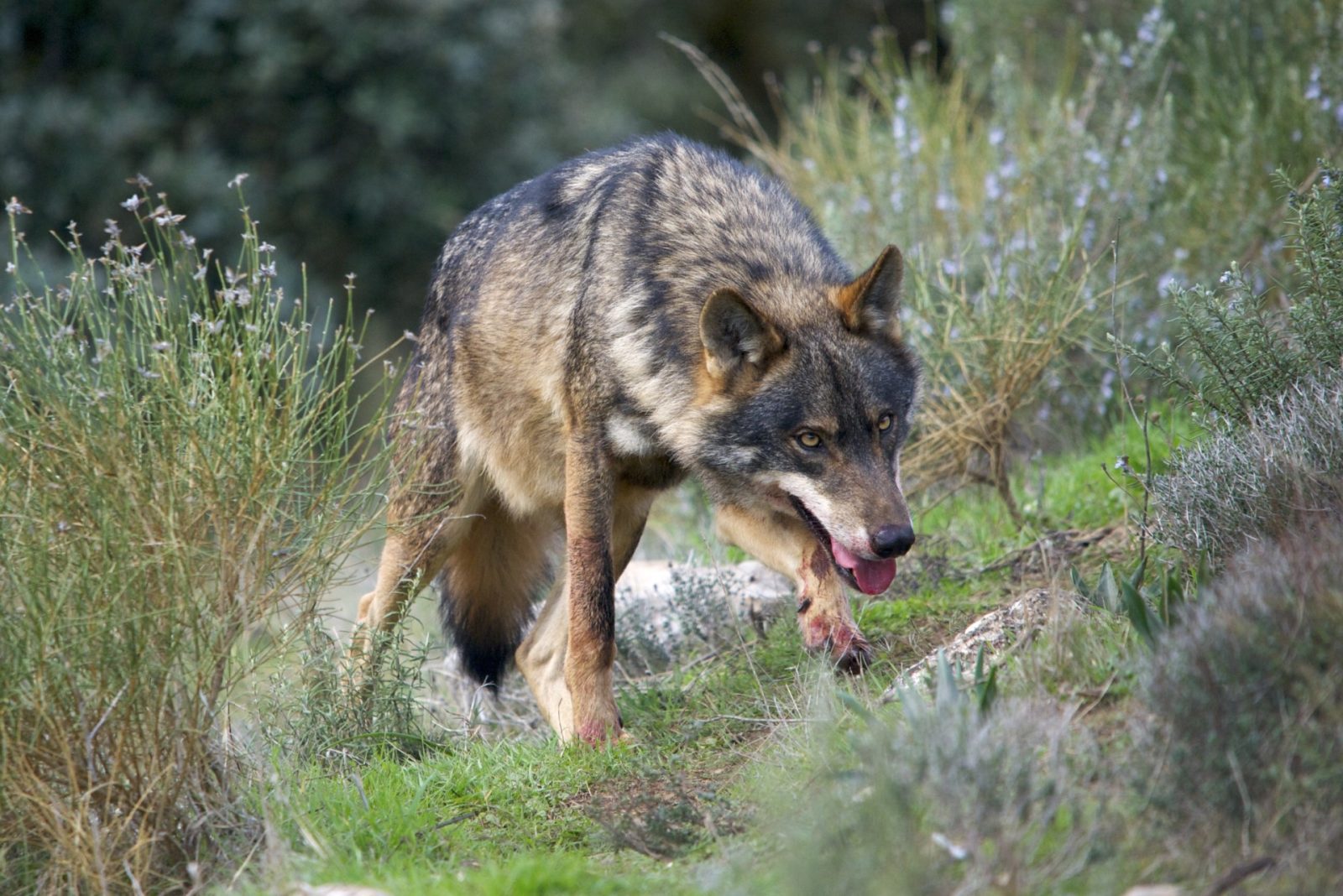

 The Iberian wolf is a subspecies of the grey wolf found on the Iberian peninsular. It reached its minimum in the 1970s with 500-700 iindividuals living in the wild. Until the middle of the 19th century, it was widespread, throughout the Iberian peninsular. It should be noted, that wolves have never had high densities, and the wolves of western Europe are not thought to have ever had a population much above 848–26 774 (depending on which end of the estimate you rely – but is the founding population of both the Iberian and Apennine population).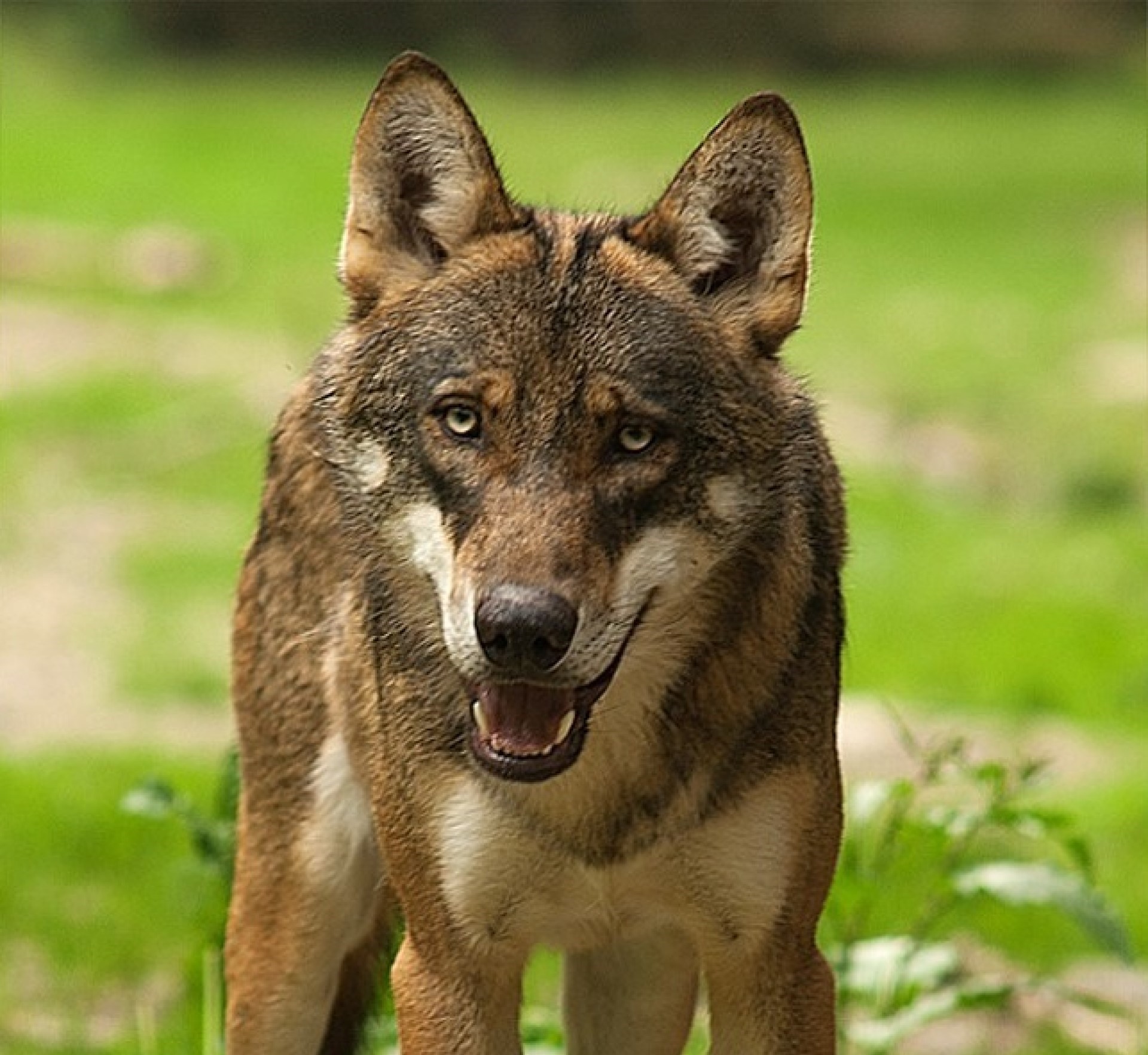
 The Apennine wolf is also known as the Italian wolf. Back in the 1970s the population reached its minimum, where the population reached 70-100 individuals. It has recovered well since then, with an Italian population of roughly 3300. However, since the early 1990s, this subspecies has been gradually moving into France. As such, at the end of 2022 the number was estimated at 1104 wolves in France.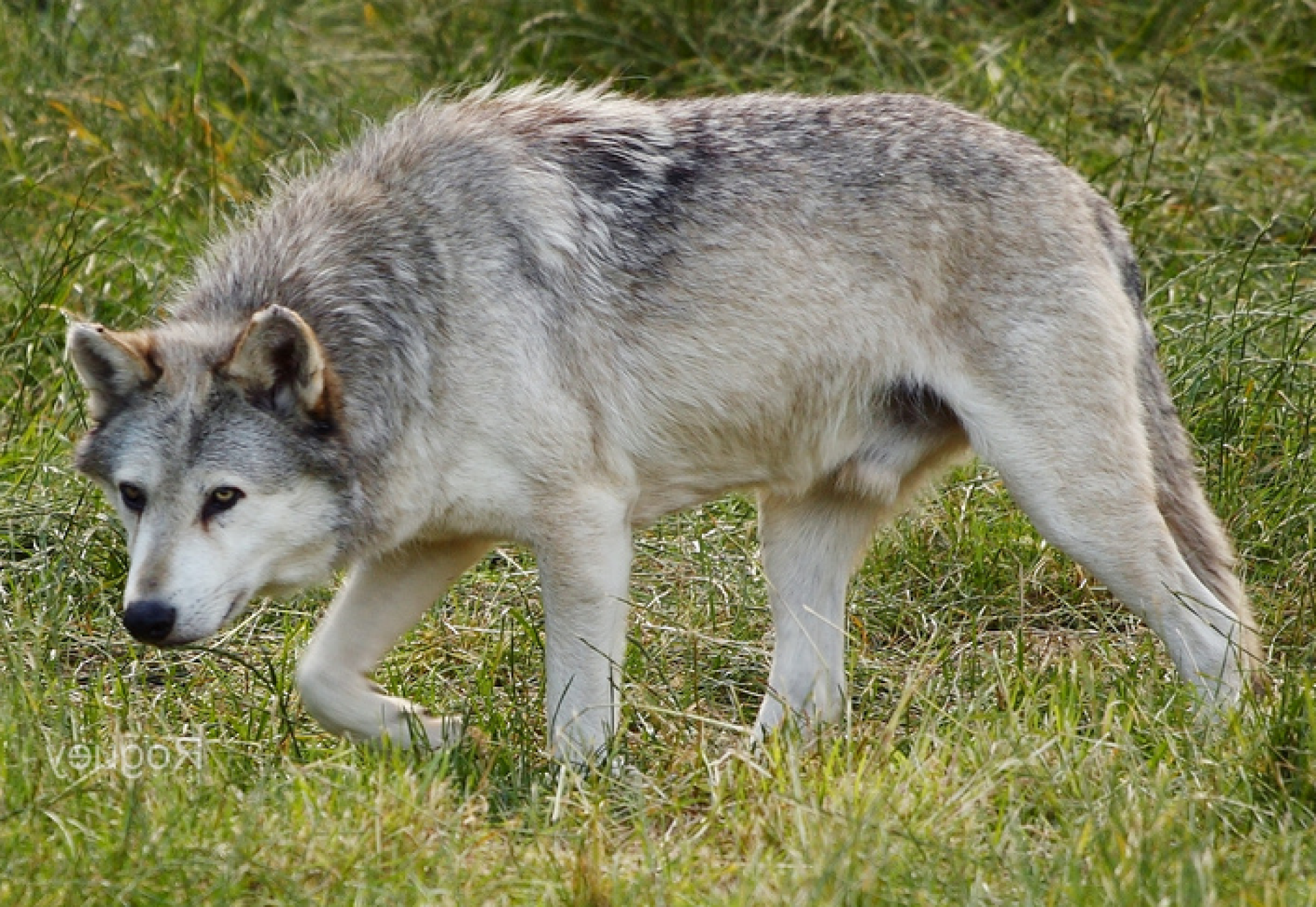
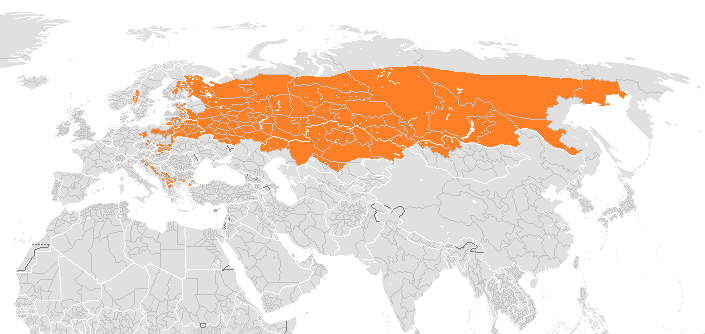 The Eurasian wolf (often referred to as the Russian wolf), is the subspecies which runs down the east coast of the Adriatic sea, as well as the majority of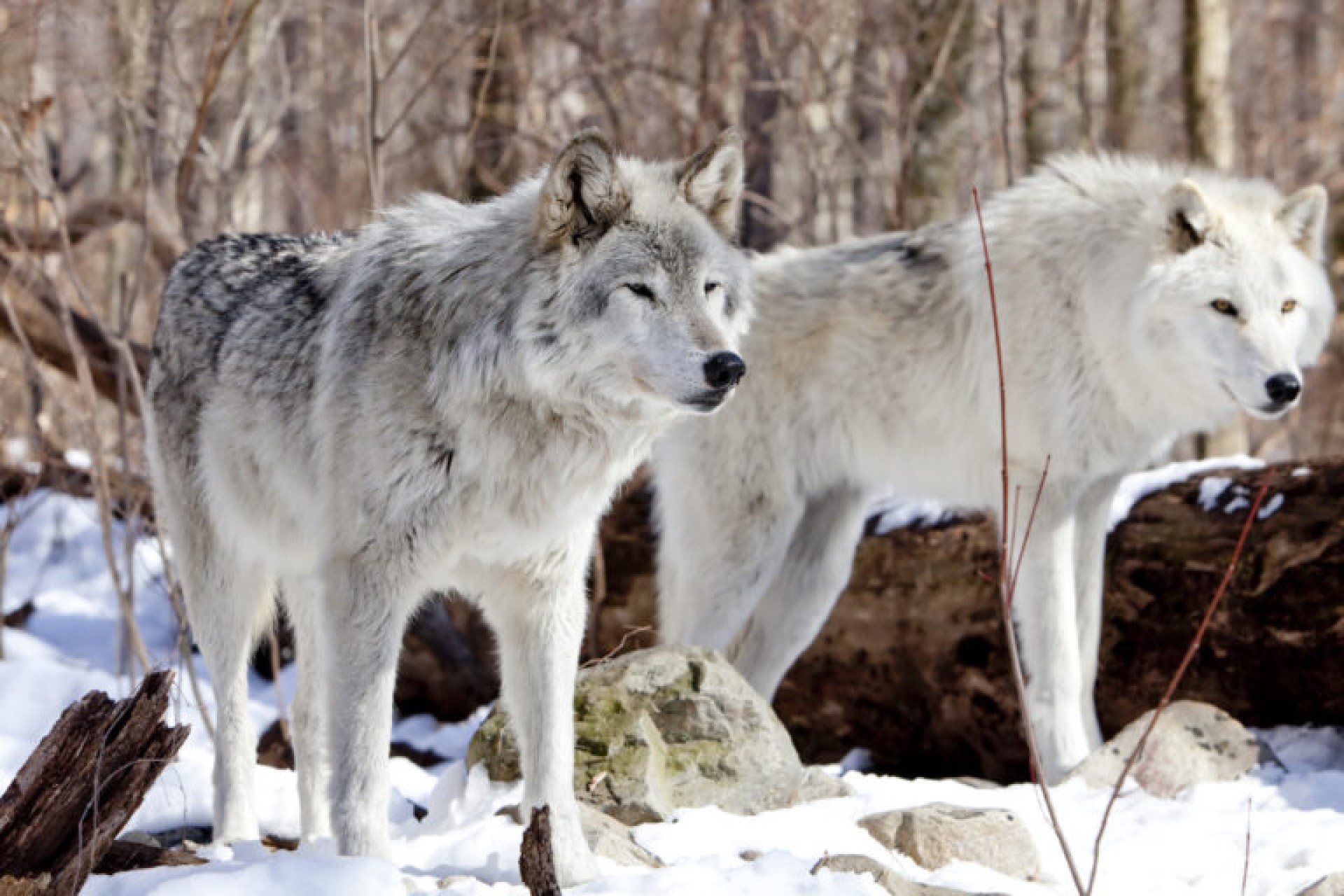
 The Tundra wolf – Canis lupus Albus is the Eurasian equivalent of the Arctic wolf. Also known as the Turukhan wolf, it is native to Eurasia’s tundra and forest-tundra zones from Finland to the Kamchatka Peninsula. It was first described in 1792 by Robert Kerr.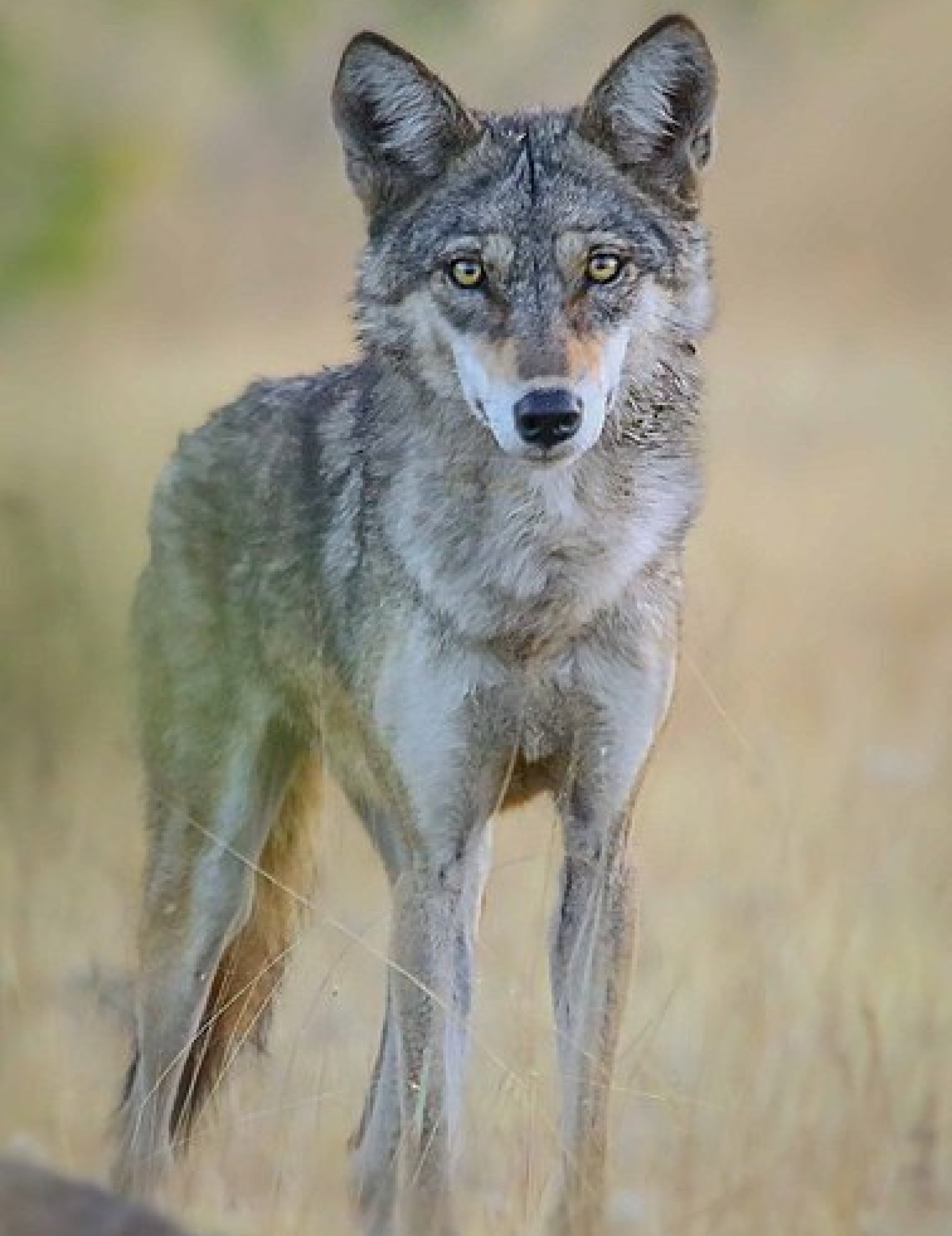
 The Indian wolf is one of the more well known, partly as their starring role in the Jungle book by Rudyard Kipling. I do remember my great grandmother talking about seeing 4 wolves running in the distance. It is thought to have 2000-3000 individuals left in the wild, though given its former large range, this does not appear very high. It should not be surprising, therefore, to hear that this is considered as one of the most endangered subspecies of the grey wolf – it officially has the conservation status of endangered – now it is considered endangered, and people talk about it at high risk, but it should be remembered that there are still 2000-3000, which is a pretty high number for a species considered more than just endangered.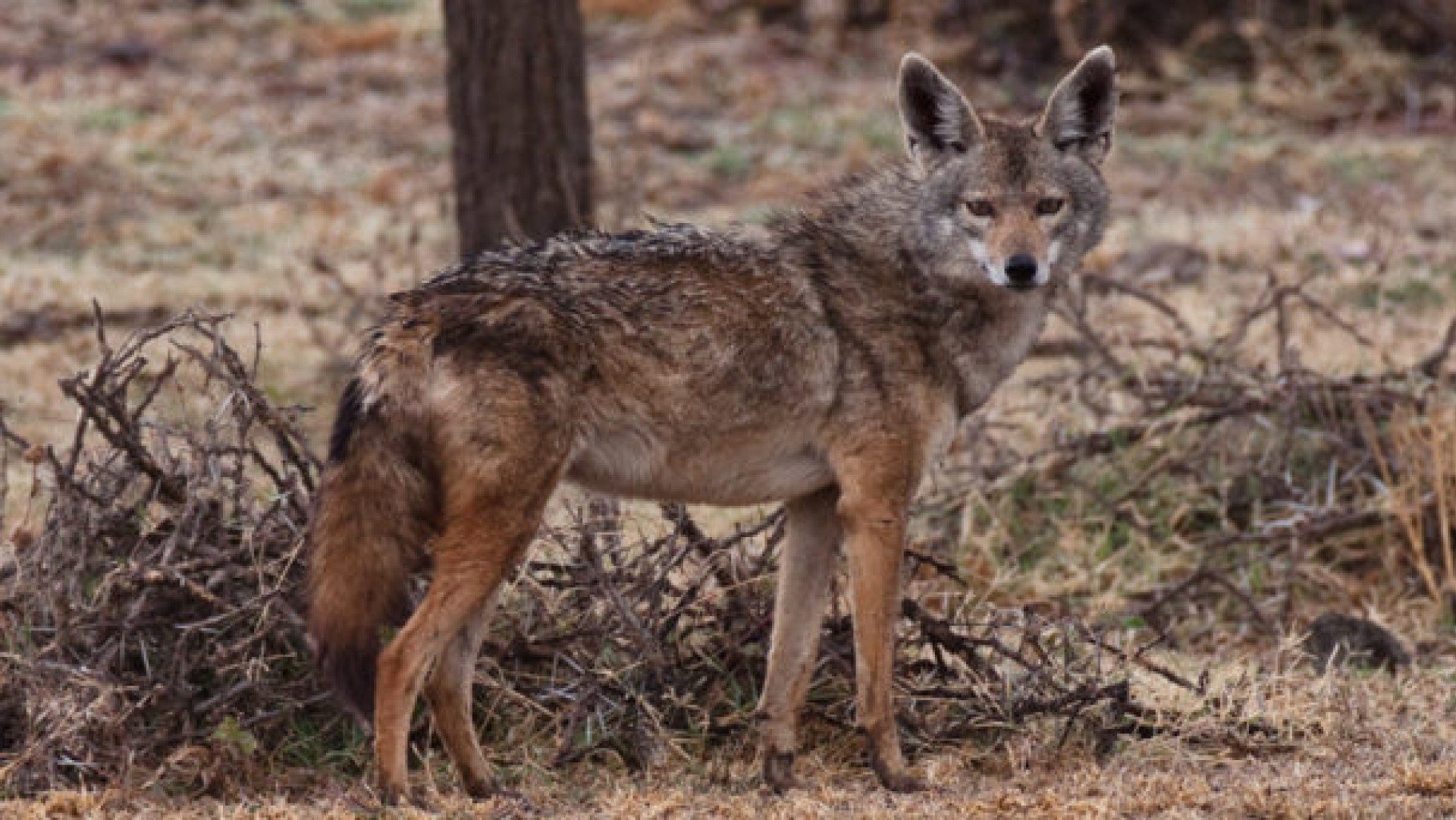
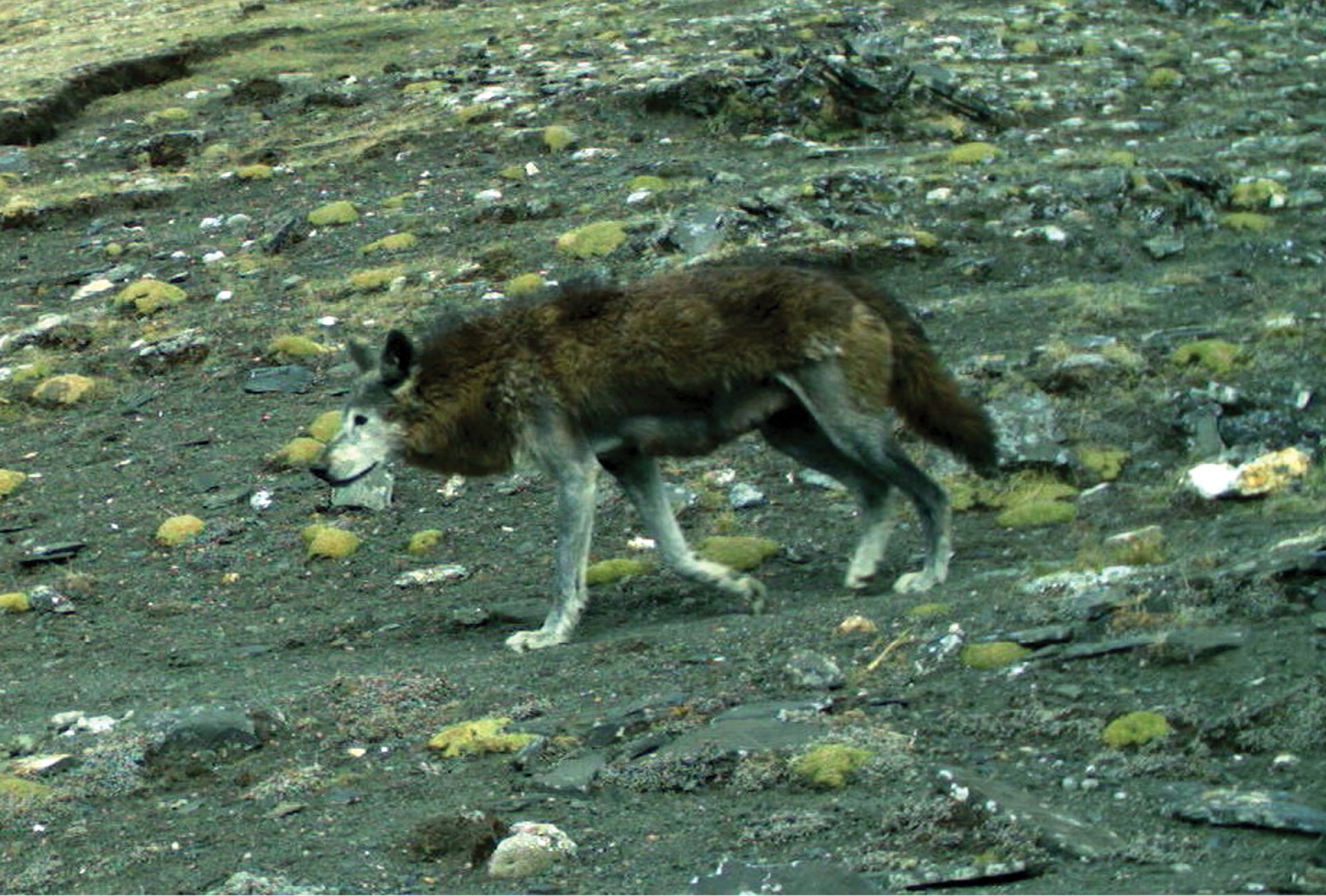
 Also the most recently confirm subspecies of the wolf – the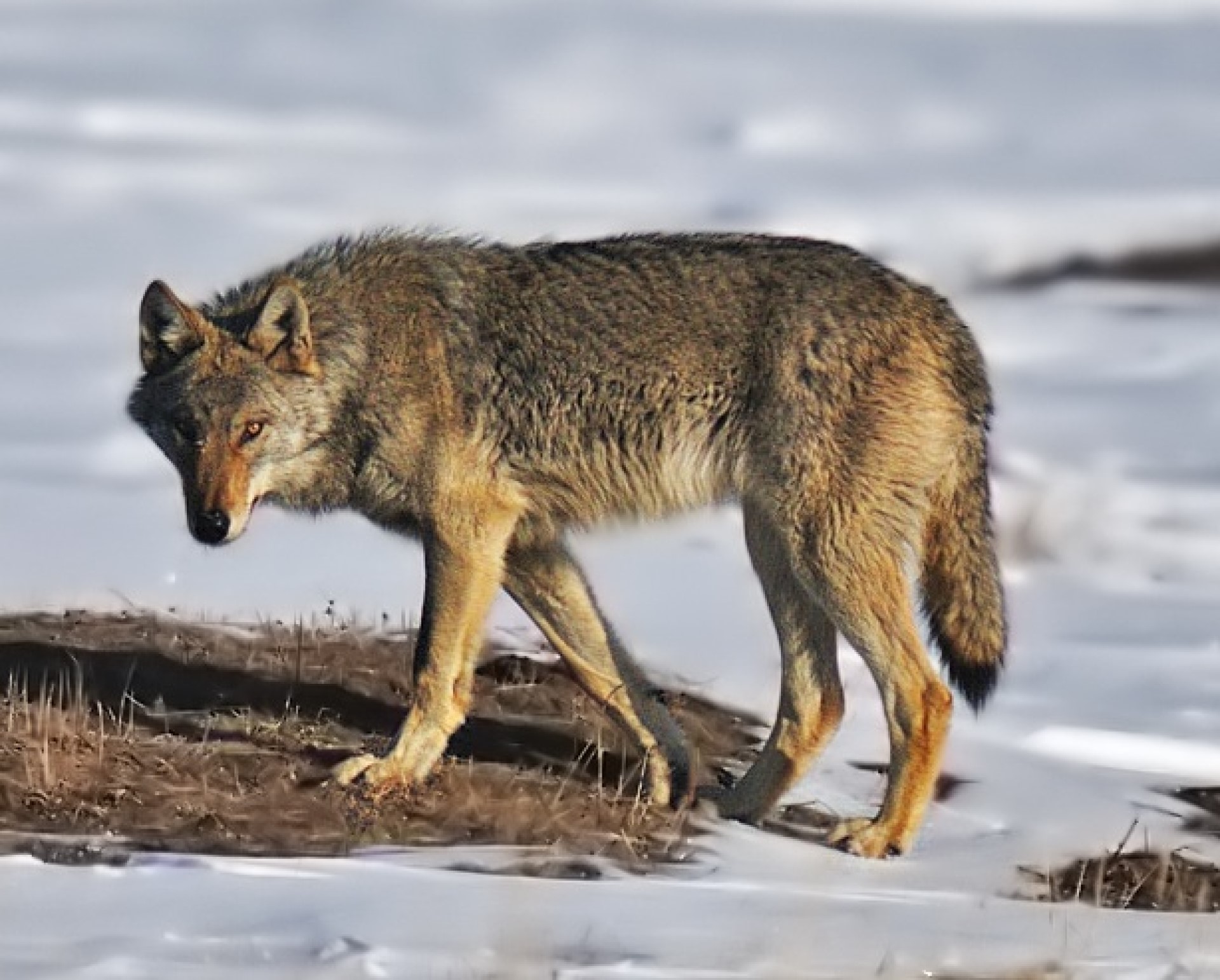
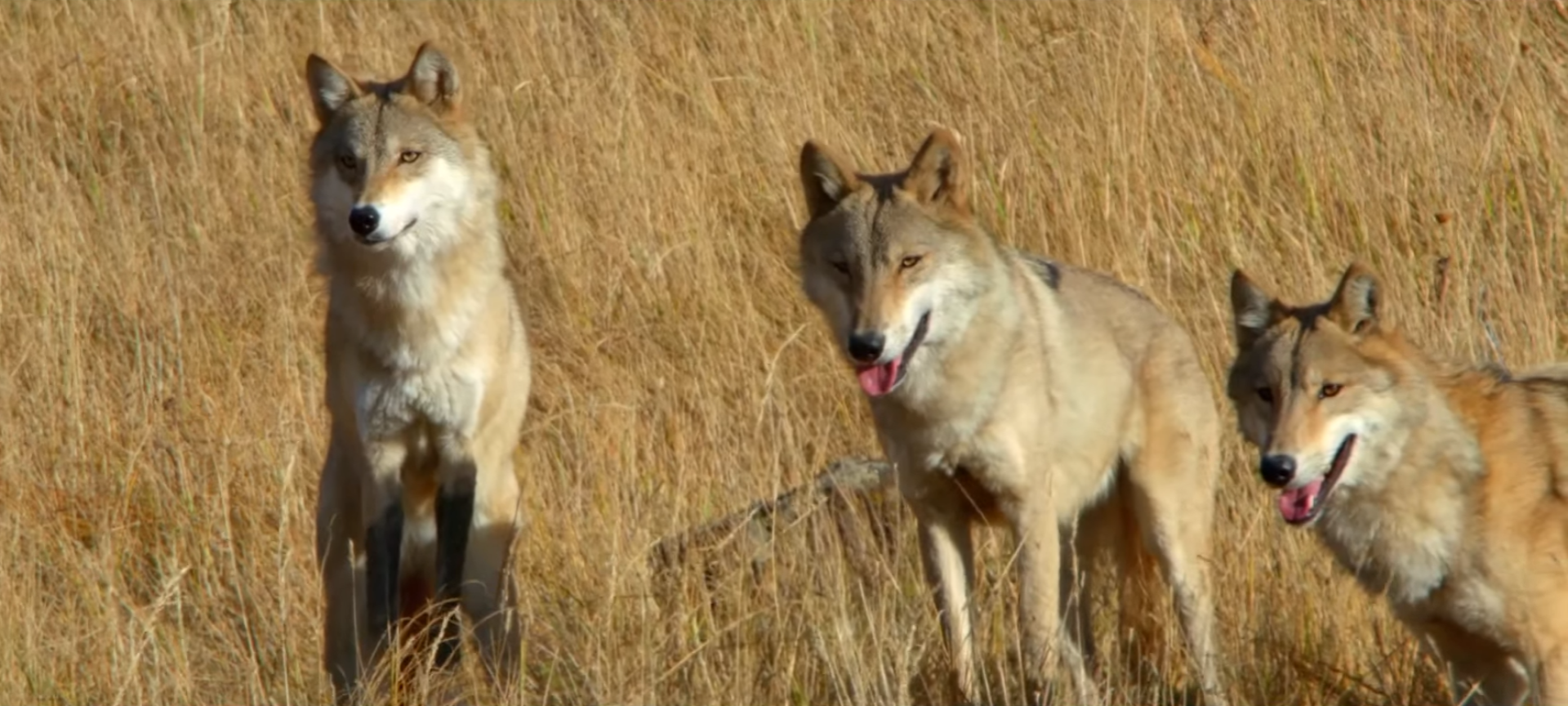
 The Steppe wolf also known as the Caspian sea wolf is a wolf subspecies that is found in the region around the Caspian sea, though the Steppe wolf is perhaps more useful a name as it extends far from the Caspian sea. Much of its range is in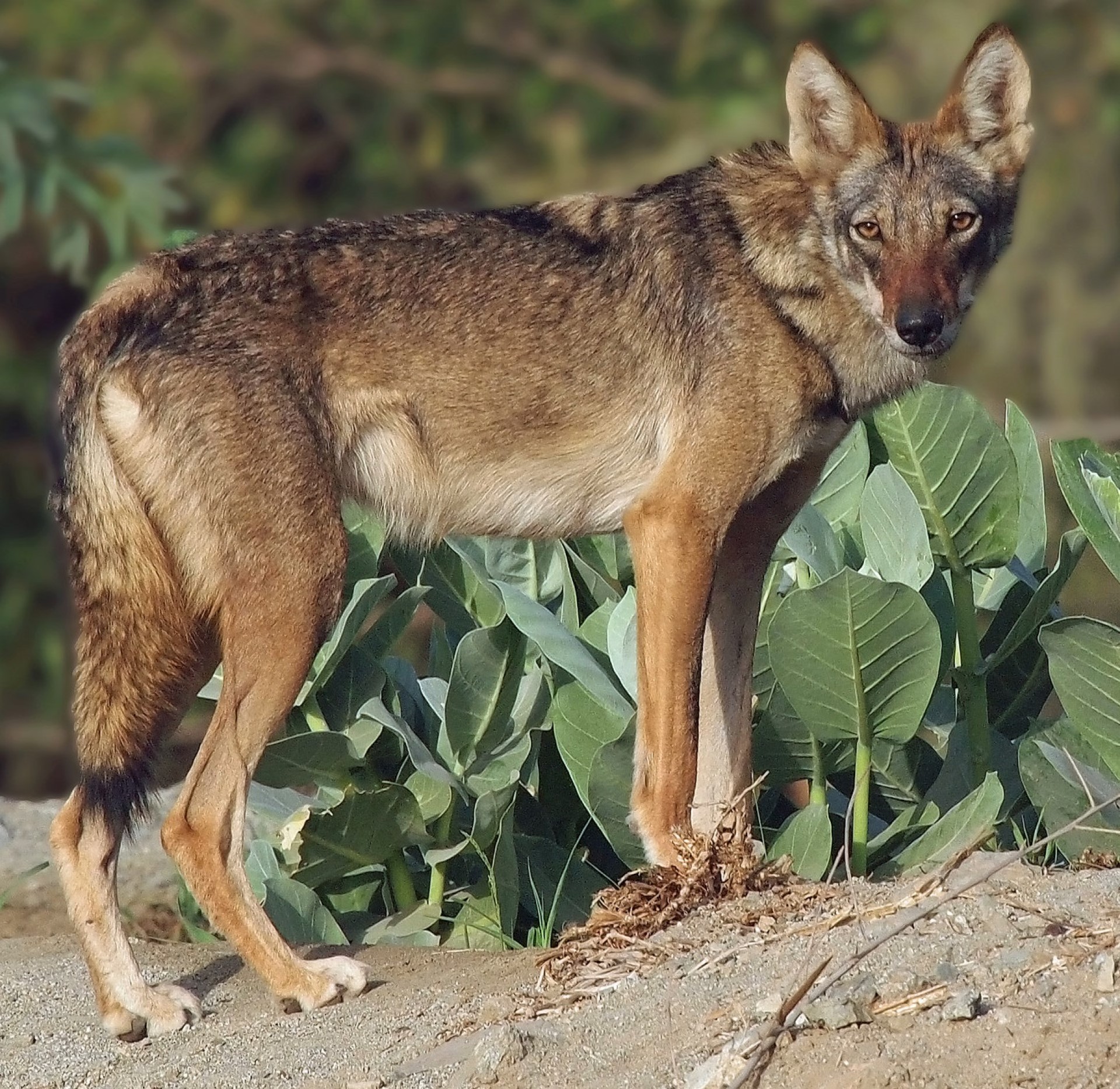


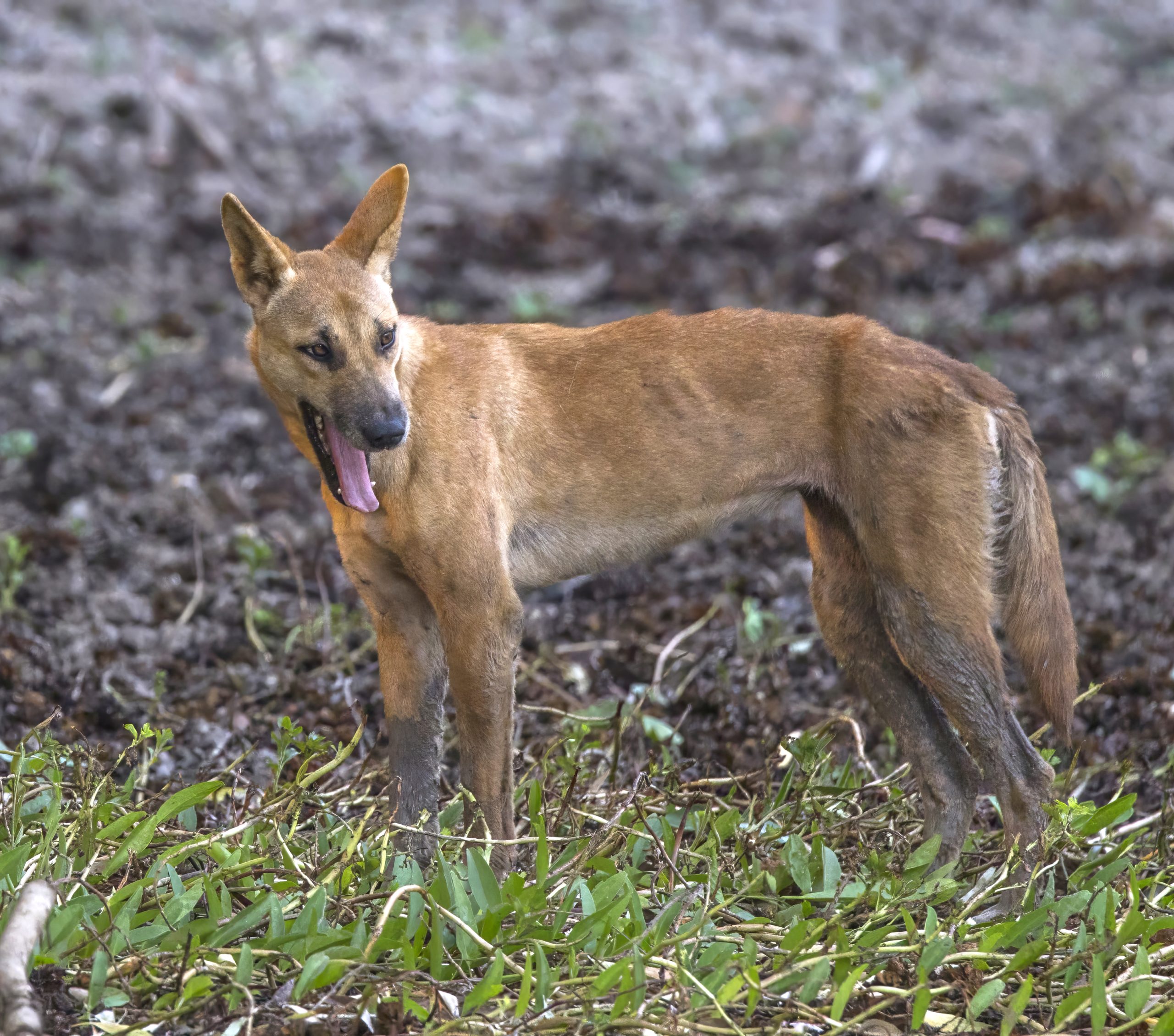
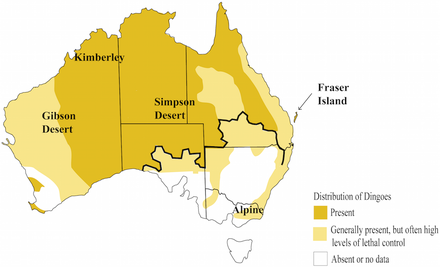 Closely related to the new Guinea singing dog, the Dingo is a dog species that has a relatively wide range. There is some debate about how it got to some of its homes, and whether it may have come alongside early humans.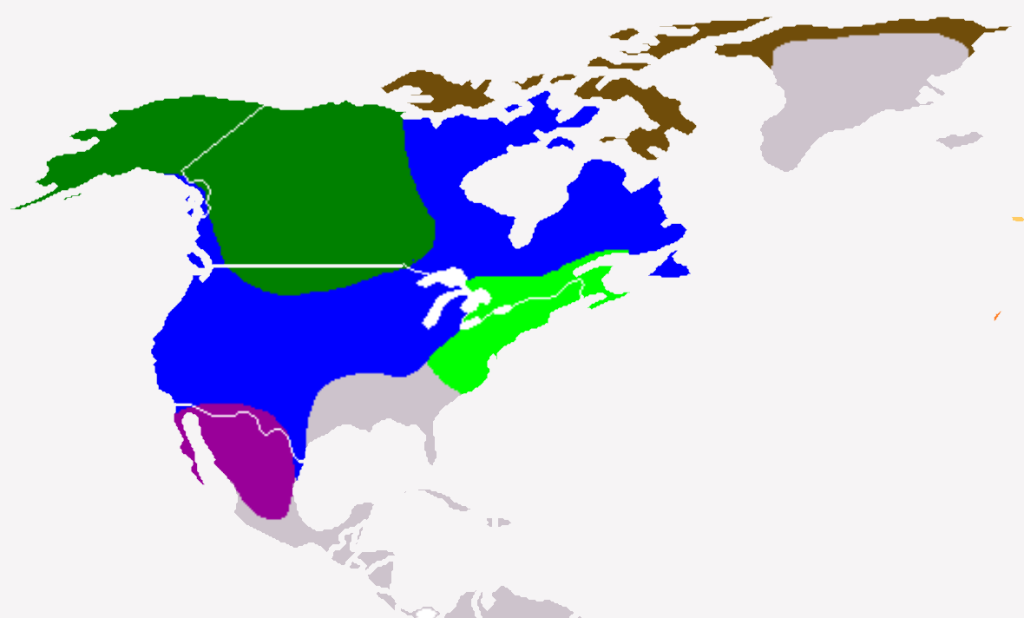
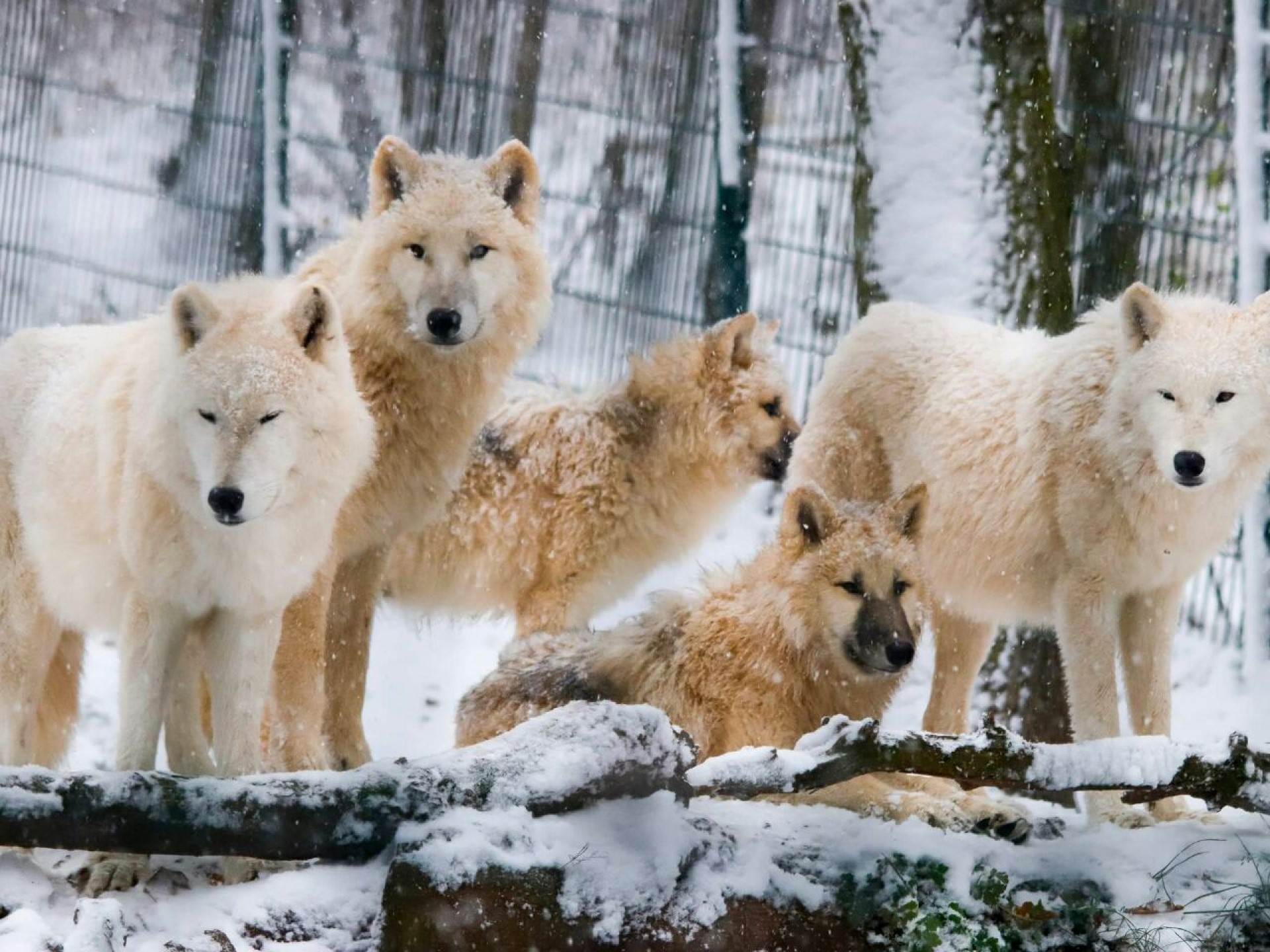
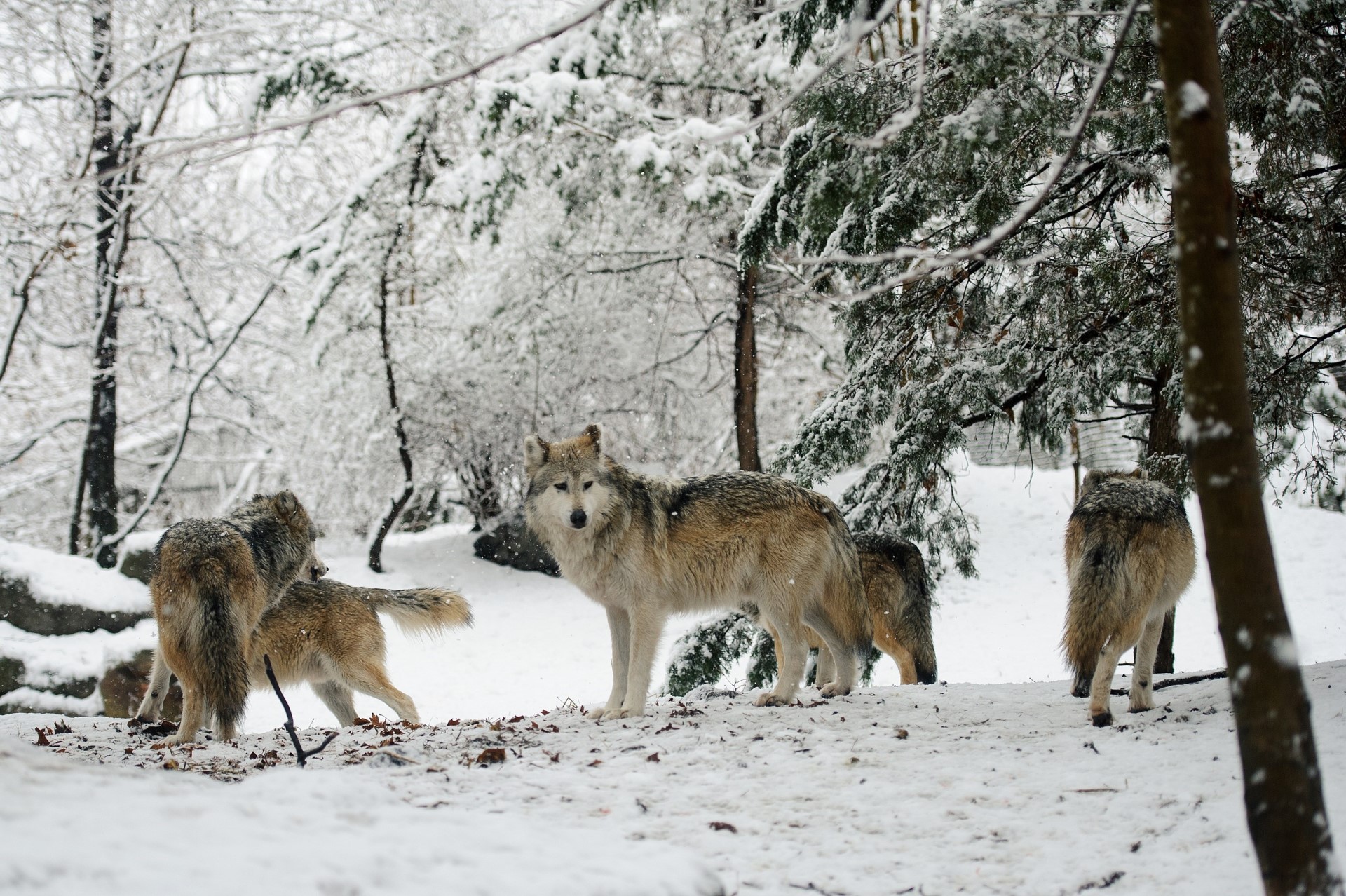
 Mexican wolves (scientific name is Canis lupus baileyi) are currently only found in a small area as seen on the map to the right. It is a fantastic improvement on the situation around 1970 when the species was extinct in the wild. The first reintroduction was carried out in 1998. Unfortunately, founded by just 7 individuals, the population is highly inbred. Never-the-less, currently, the