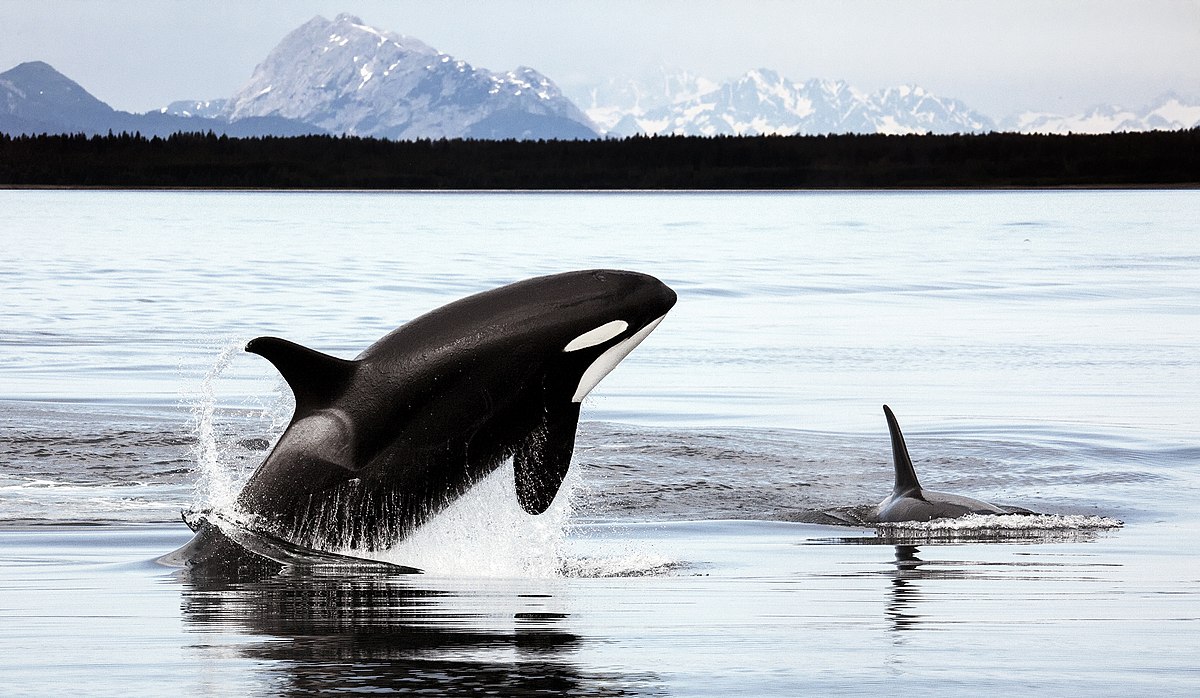
Primate family tree main and great and lesser apes

The primates are in some ways one of the most successful families. It is true that many are now endangered, however, unfortunately, that is as a result of the run-away success of the most successful member of the primate family us! Having left the rainforests behind, we have been reducing their coverage dramatically over the last few centuries. 

The sad thing, is that while we have pushed many of our closest cousins towards extinction, the loss of forests may well cost us dearly in the future as well. As a species, we need to pull together to meet this challenge. in order to jump to the various families, click on the family of interest above – though all can also be reached by scrolling down.

Great Apes

Great ape Family split is thought to have split from its nearest relative – the gibbon family, around 17 million years ago.

4 million years later the Orangutan family split from the gorilla line and the human/chimp line.

3 million years after this (so around 10 million years ago) the gorilla family split from the Homo (humans) and Pan

Finally the human line (homo) split from the Pan line 5-6 million years ago.

It should be noted, that chimpanzees and Bonobos split from a common ancestor just 1.8 million years ago. This occurred as the two populations ceased to be able to have contact with each other – the Congo rive formed between 1.5 and 2 million years ago.

For more information on each species, click on their photo and this will take you to their page

It should be noted that while I have grouped eastern western and skywalker gibbon together, there is some contention that the skywalker gibbon should be in its own genus, having diverged around half a million years aog

Gibbons

Grey whale

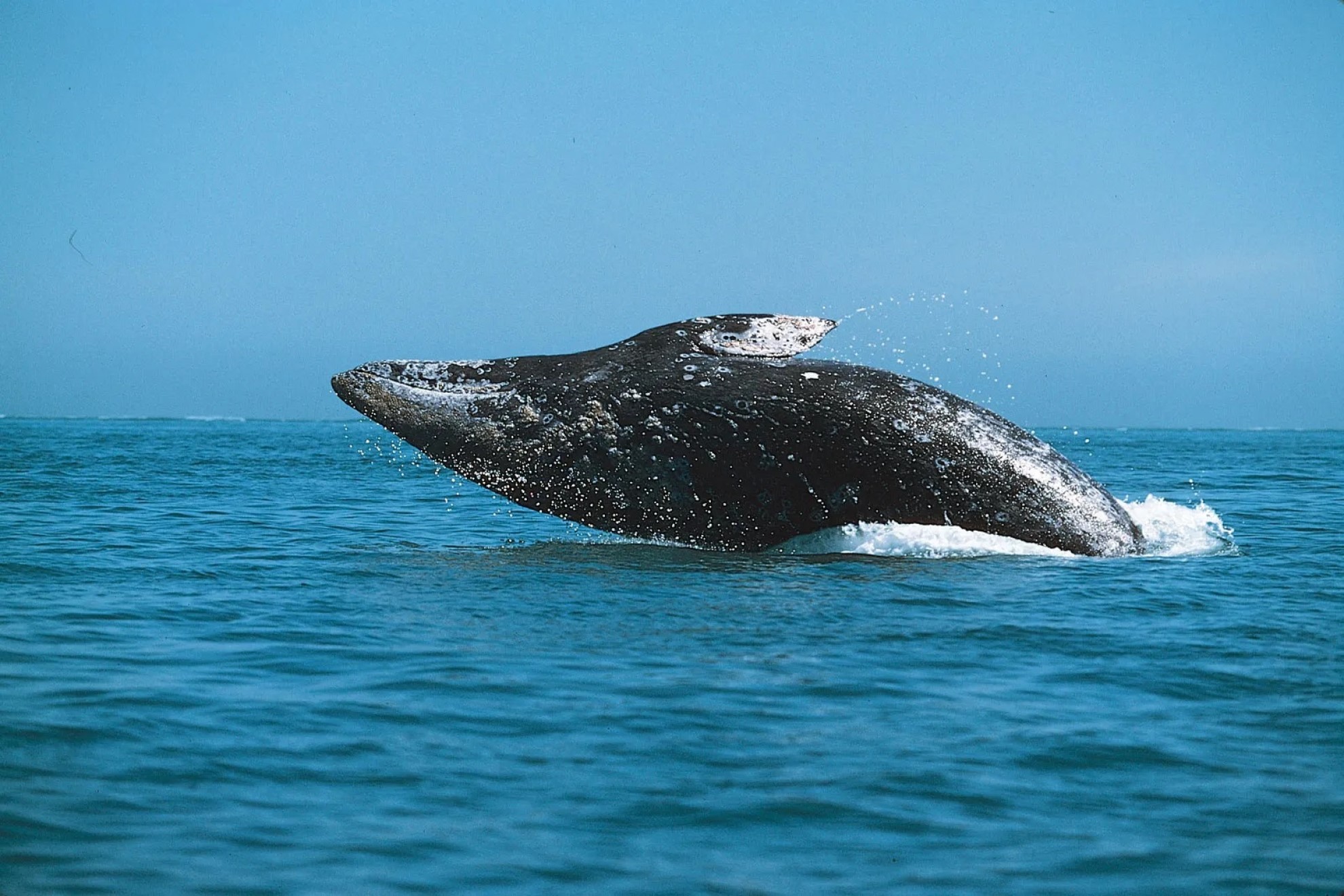
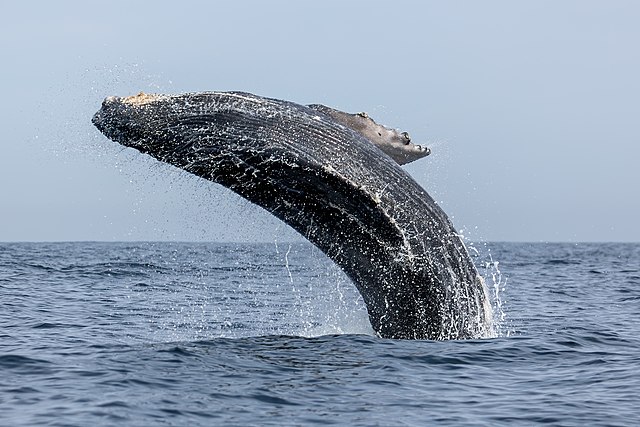
A grey whale breaching: An incredible sight, and the sound travels a very long way in water

Grey whale

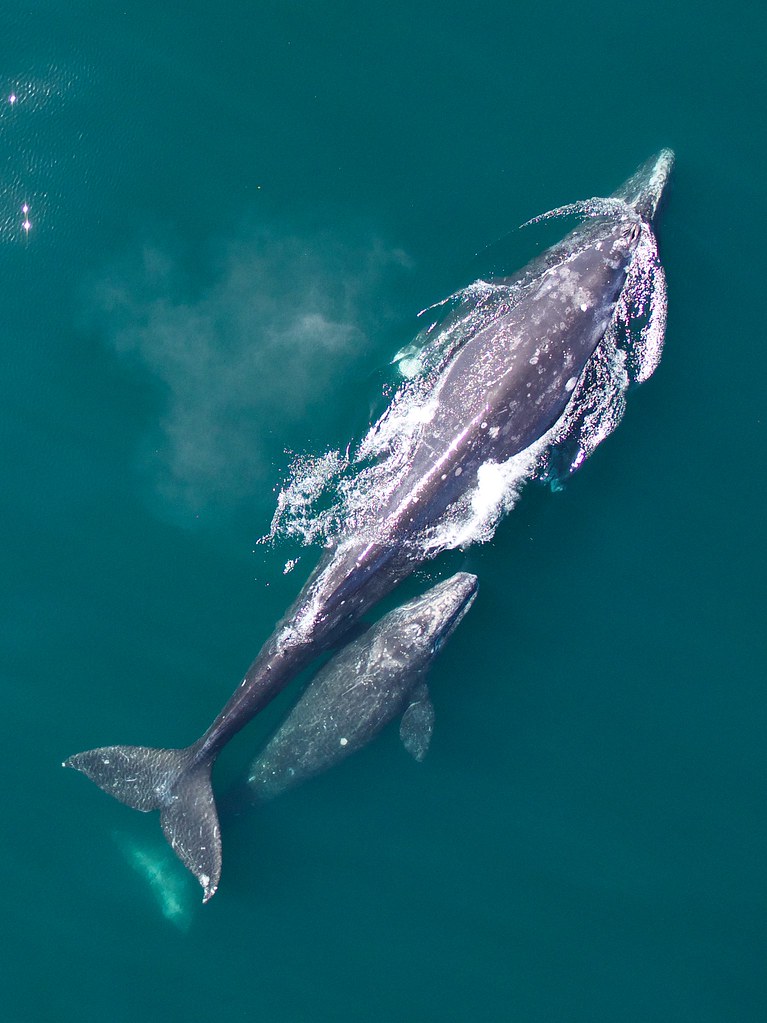
The gray whale (other names include grey whale, gray back whale, Pacific gray whale, Korean gray whale, or California gray whale), is a baleen whale that migrates between feeding and breeding grounds yearly. They can reach 14m in length and 41 tonnes. It is found in North pacific – with the Northeast Pacific (American population) and the Northwest Pacific (Asian population) that is endangered. The northern population has been extinct for a long time.
[smart_post_show id="25225"]

Whales, Dolphins and Porpoises family tree

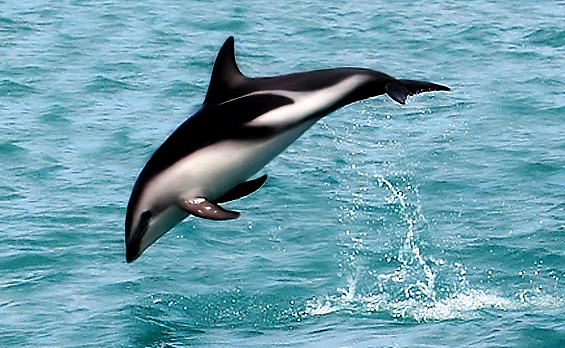
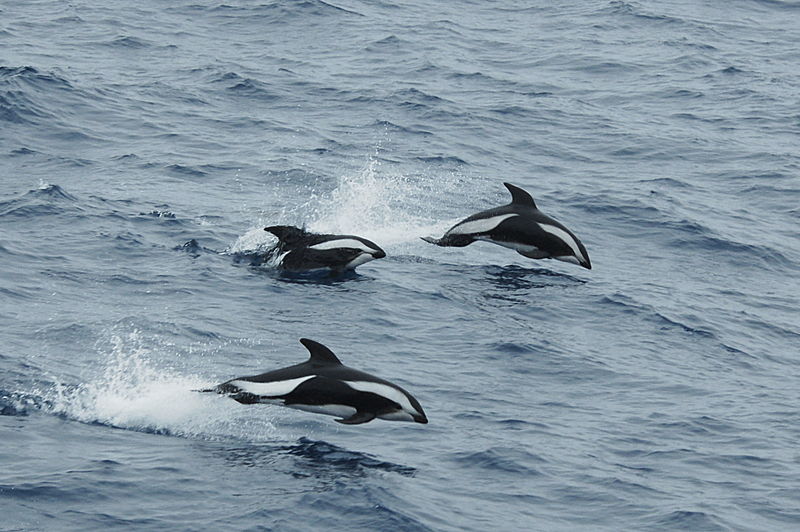
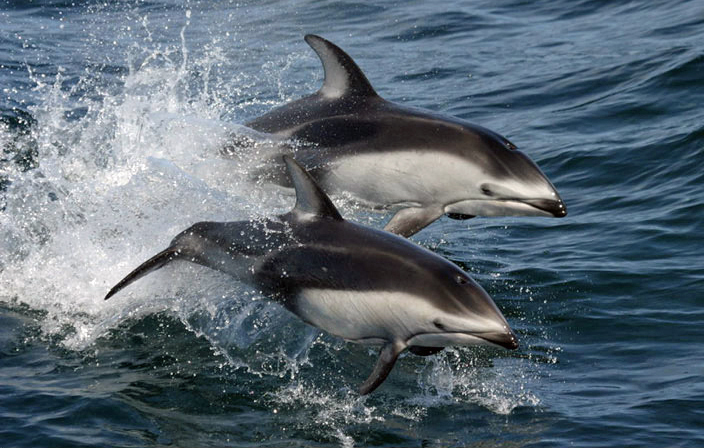
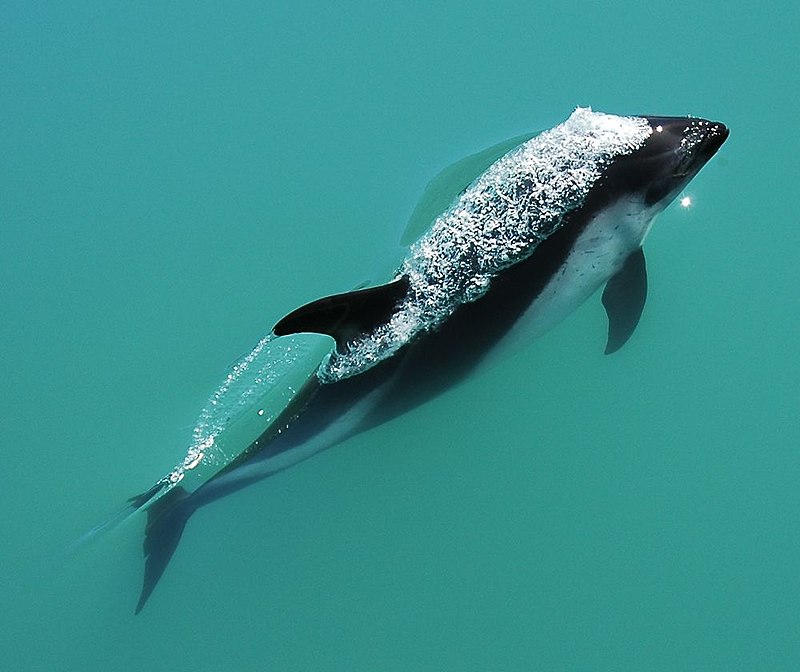
Cetaceans -Whales, porpoise and dolphins

Few people can avoid stopping to watch, if they spot cetaceans from a cliff. While the family is wide and varied, they are all pretty interesting. From some of the largest and most intelligent hunters such as killer whales to the largest animal on earth the blue whale.

Whale and dolphin watching tourism is worth a lot of money – this can be essential, as in many places the extra money helps a community survive. 

I hope, overtime, to make this section of the website as large a list of places to view cetaceans and people who will help you in that quest.

As might perhaps be suspected, all of the mammal species which have returned permanently to the sea, and developed breathing holes located on their back (and therefore perfectly placed for taking quick breaths) are  related.

So what is the most closely related living land mammal? Perhaps obviously, it is a species which spends much time in the water – the hippopotamus.

As with all of these pages, as we create pages for each individual species, they will be linked to the photo below.

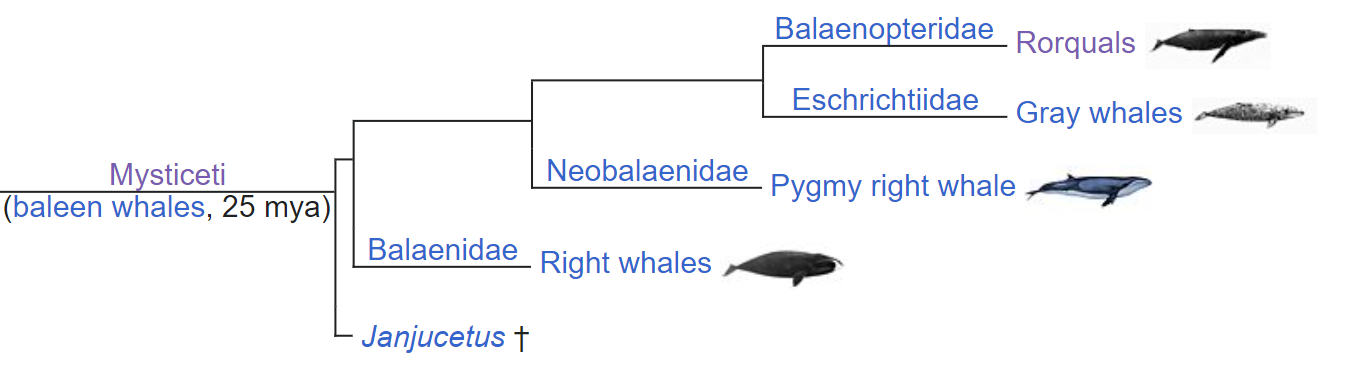
So the baleen whales are split into three families, these are not large as there are only 16 species of baleen whales in the world. At the current time, there are roughly 1.1 million baleen whales in the worlds oceans

Below is a family tree of the group


Baleen Whales

Baleenideae – the rhight whales


The first  living split is Baleenidae, this family is not huge. The north atlantic and north pacific are closest related, these species are closely related to the Southern pacific right whales. Their name is unfortunate – it is called right whale for 3 reasons, it swims slowly, floats when dead and carries a large amount of oil. This lead to all these species being hunted close to extinction.

The other family is called Balaenopteroidea. Here species peel off slowly. I will list them in the order that they split.

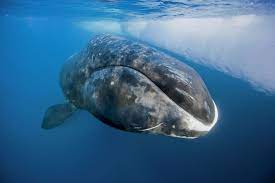
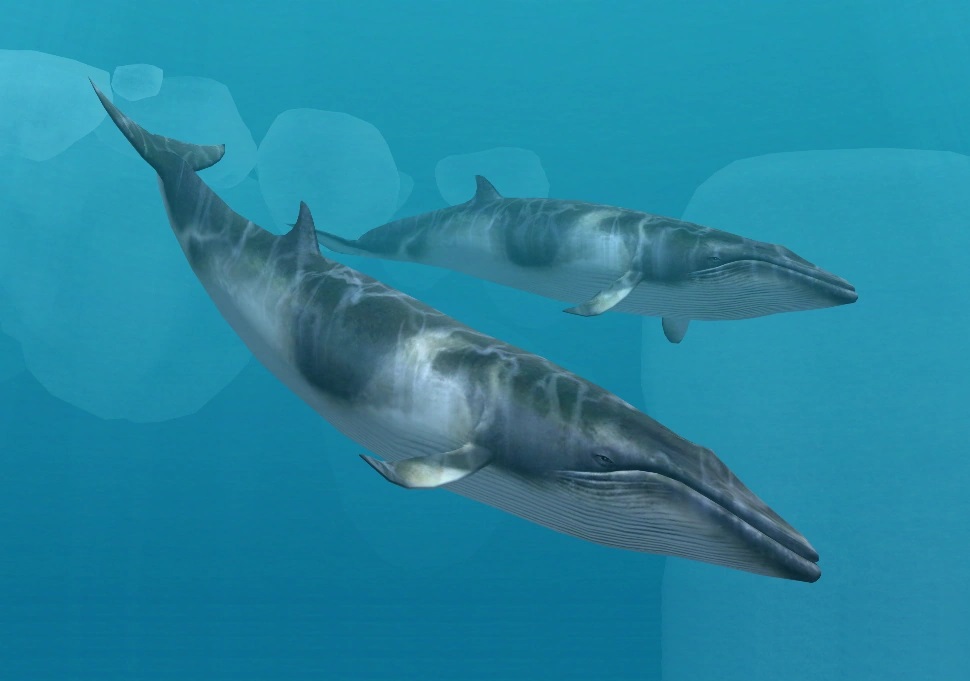
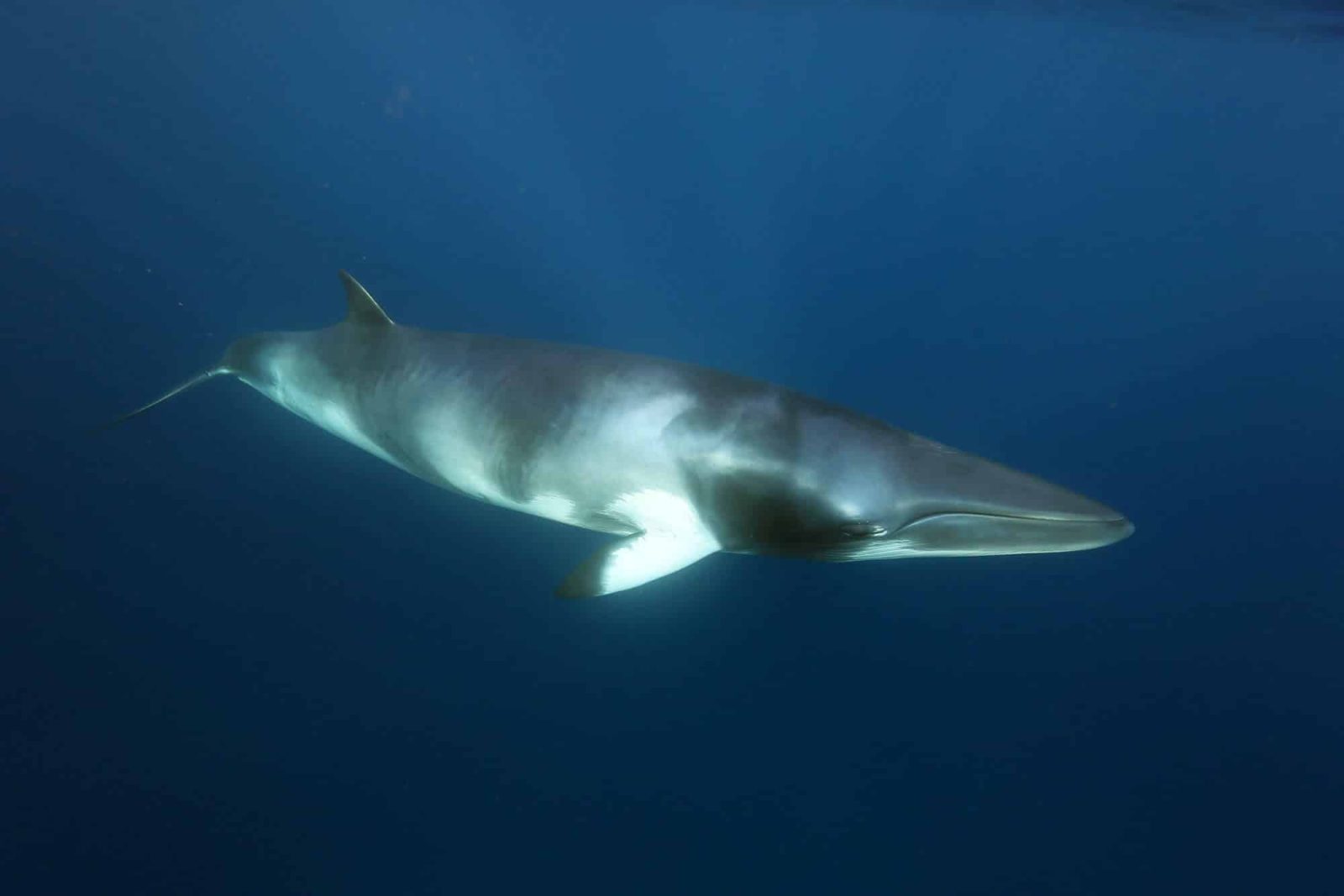
The first split is the minke whale – of which there are 2 species, the common and southern minke whale, with the grey whale being the next most similar.

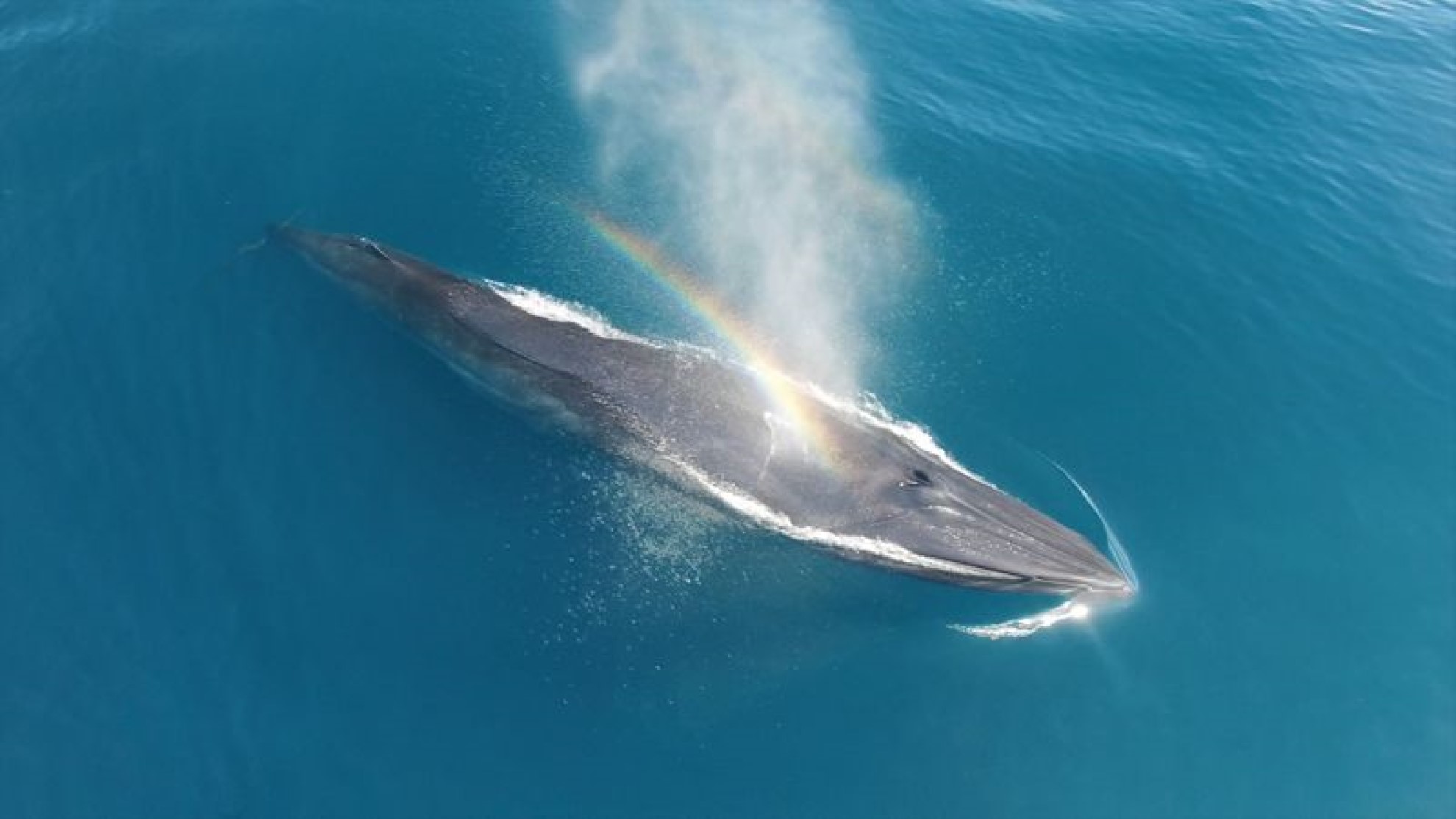
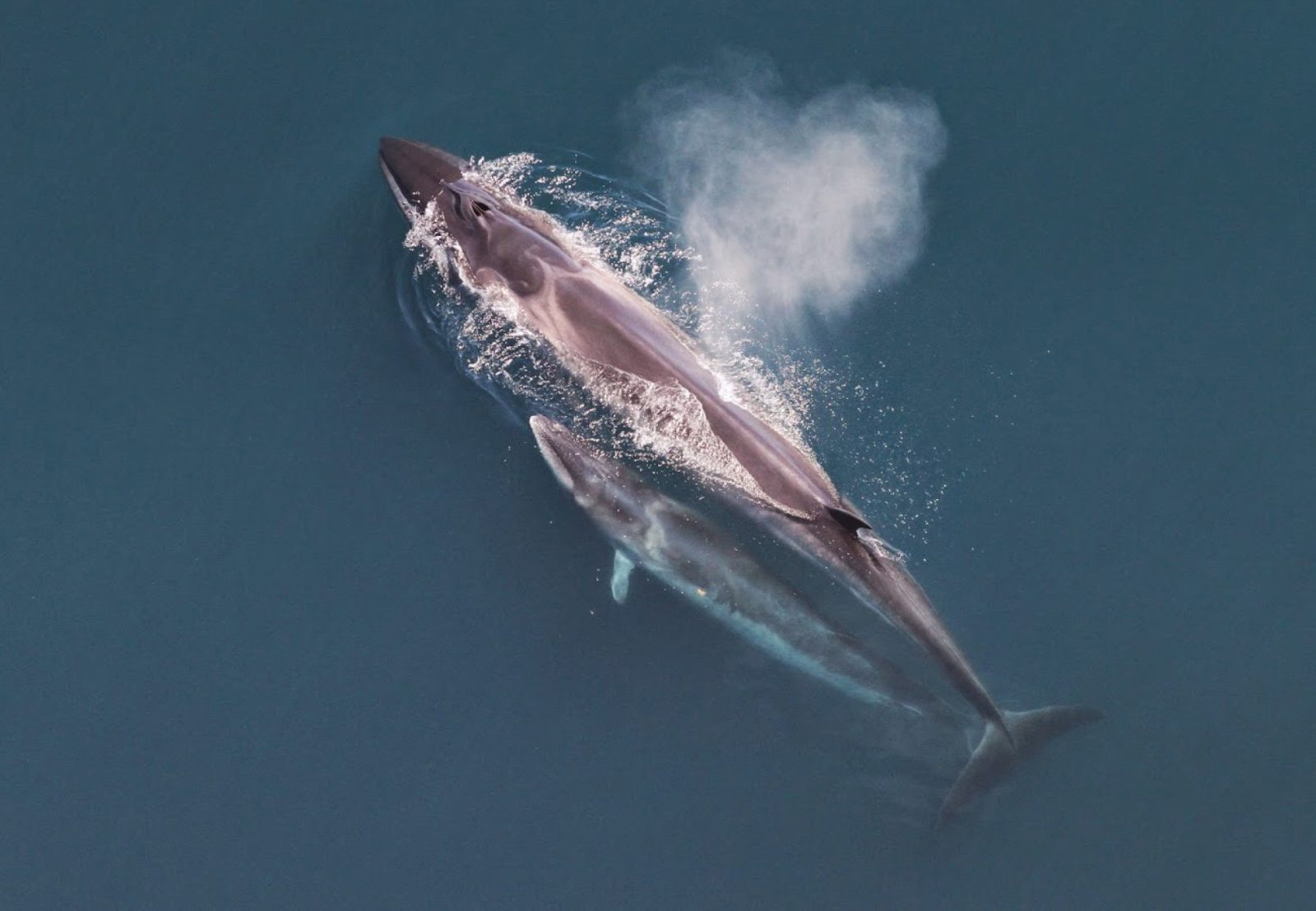
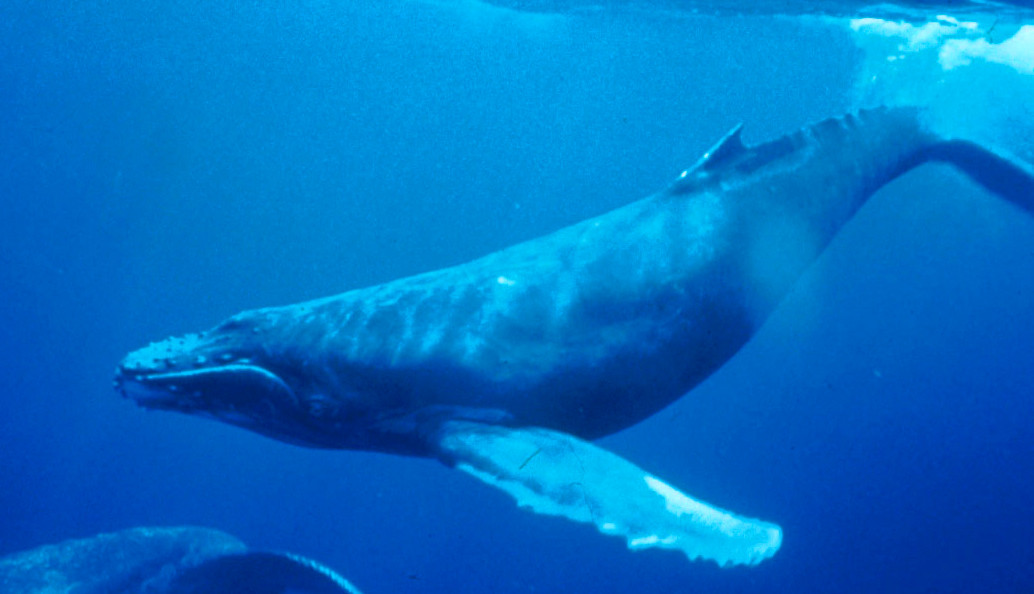
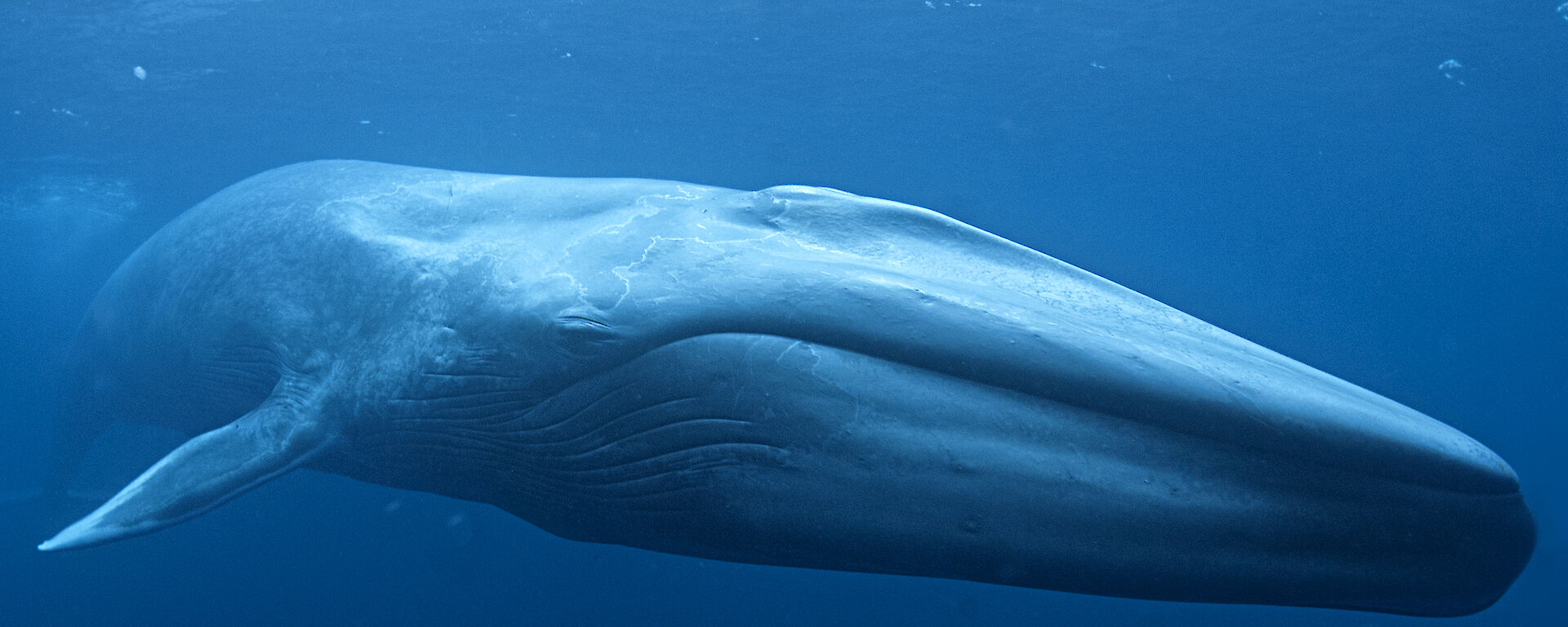
The next are the humpback whale and the fin whale followed by the Blue whale.

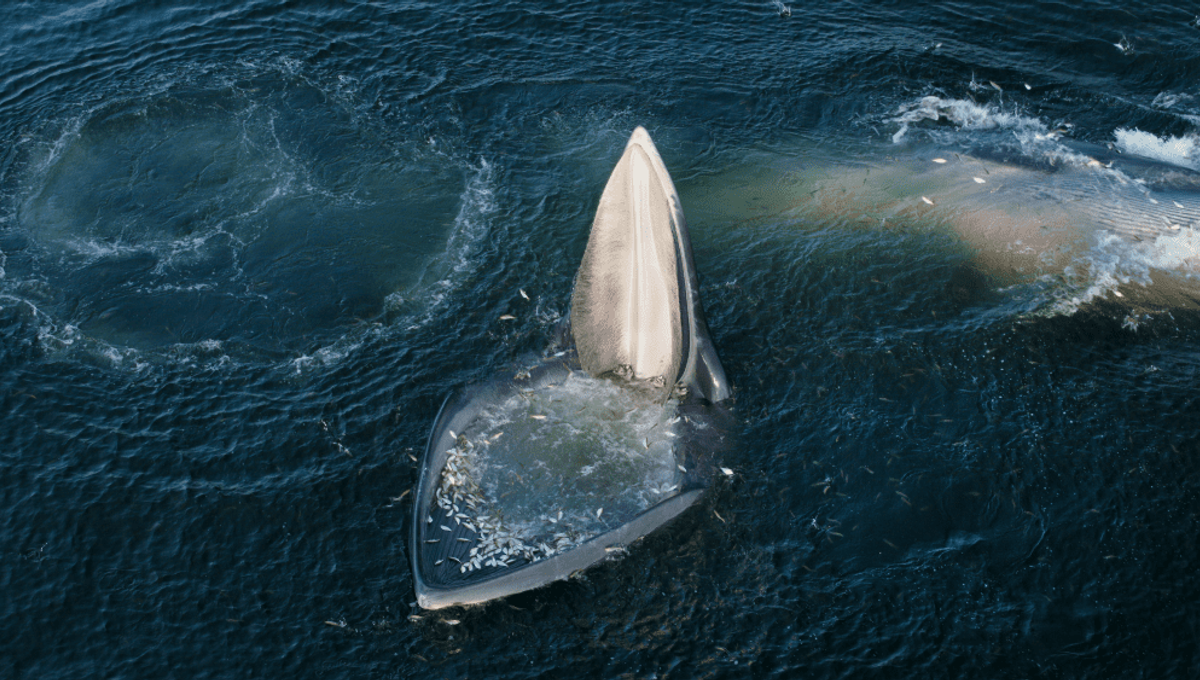
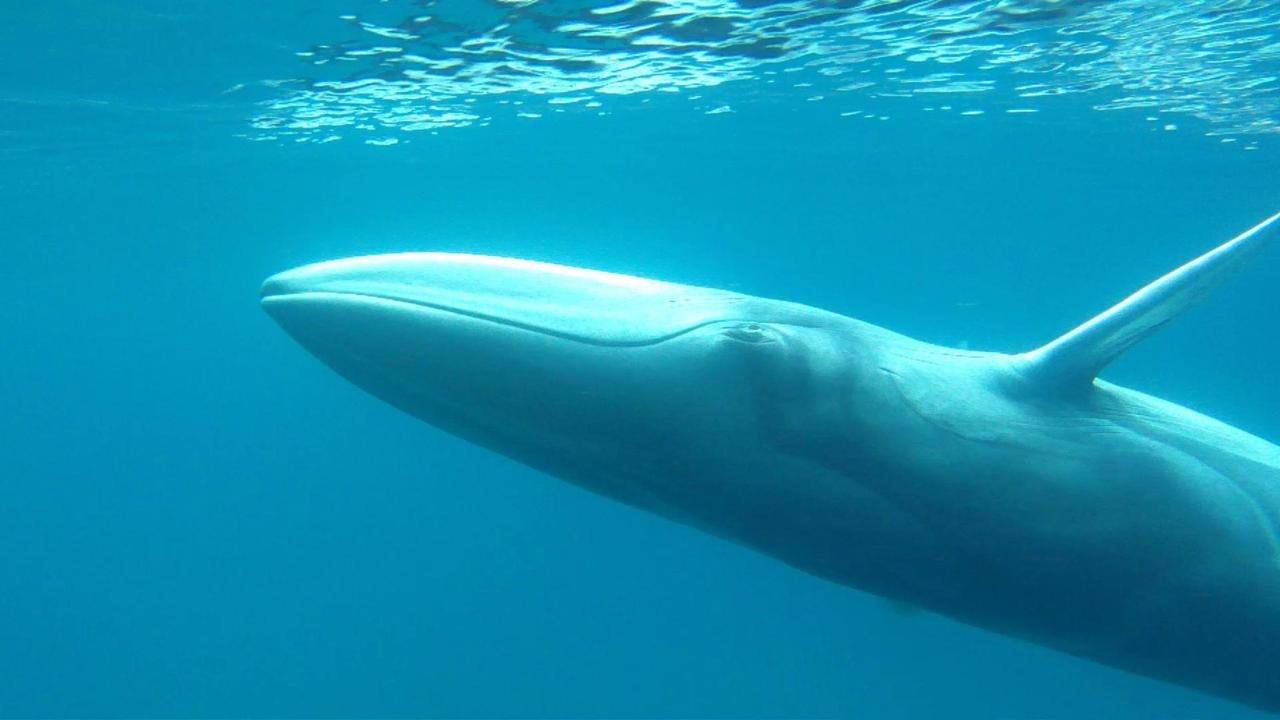
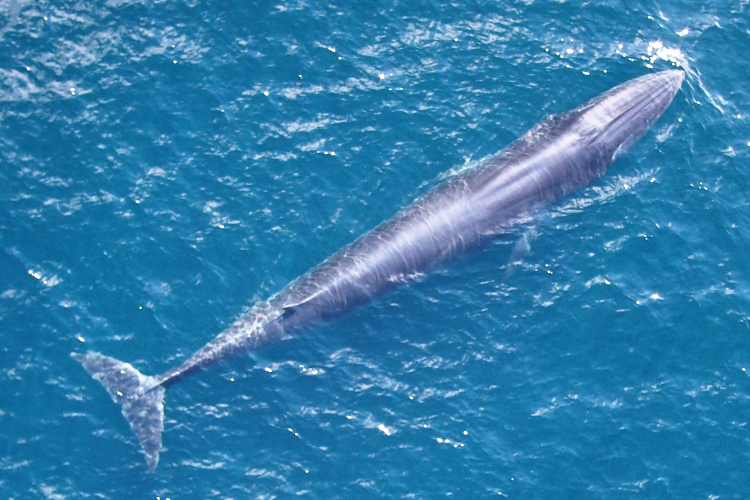
The last group of whales are from a group called the Brydes whales complex

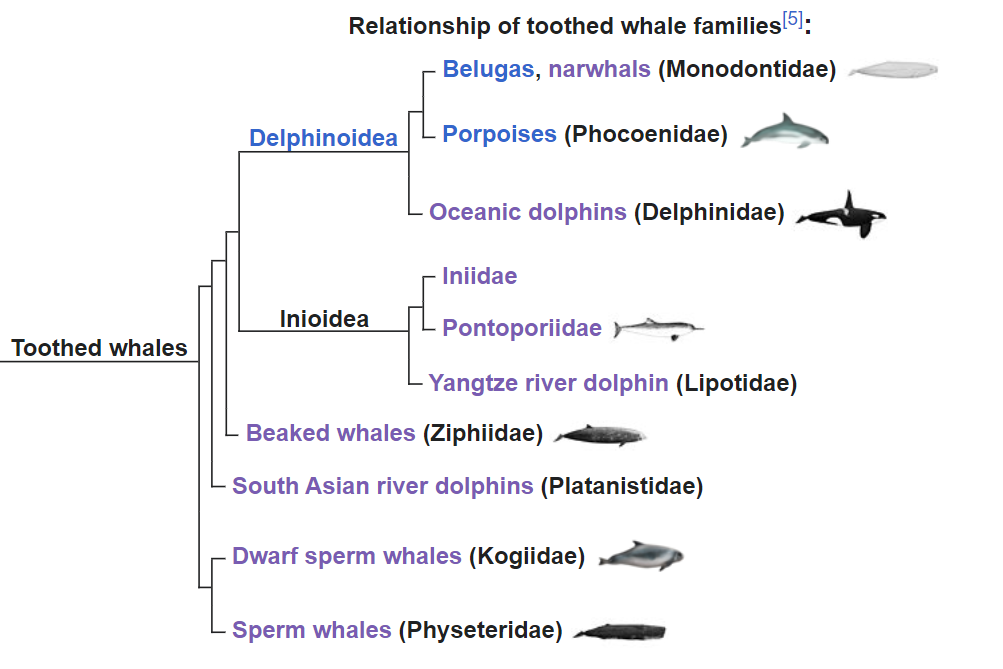
This completes the list of baleen whales. The other branch of the Cetaceans is known as the toothed whales

Toothed Whale

.I am going to look at them in 3 groups, though the third is not particularly closely related to each other

  • Delphinoidea: This includes
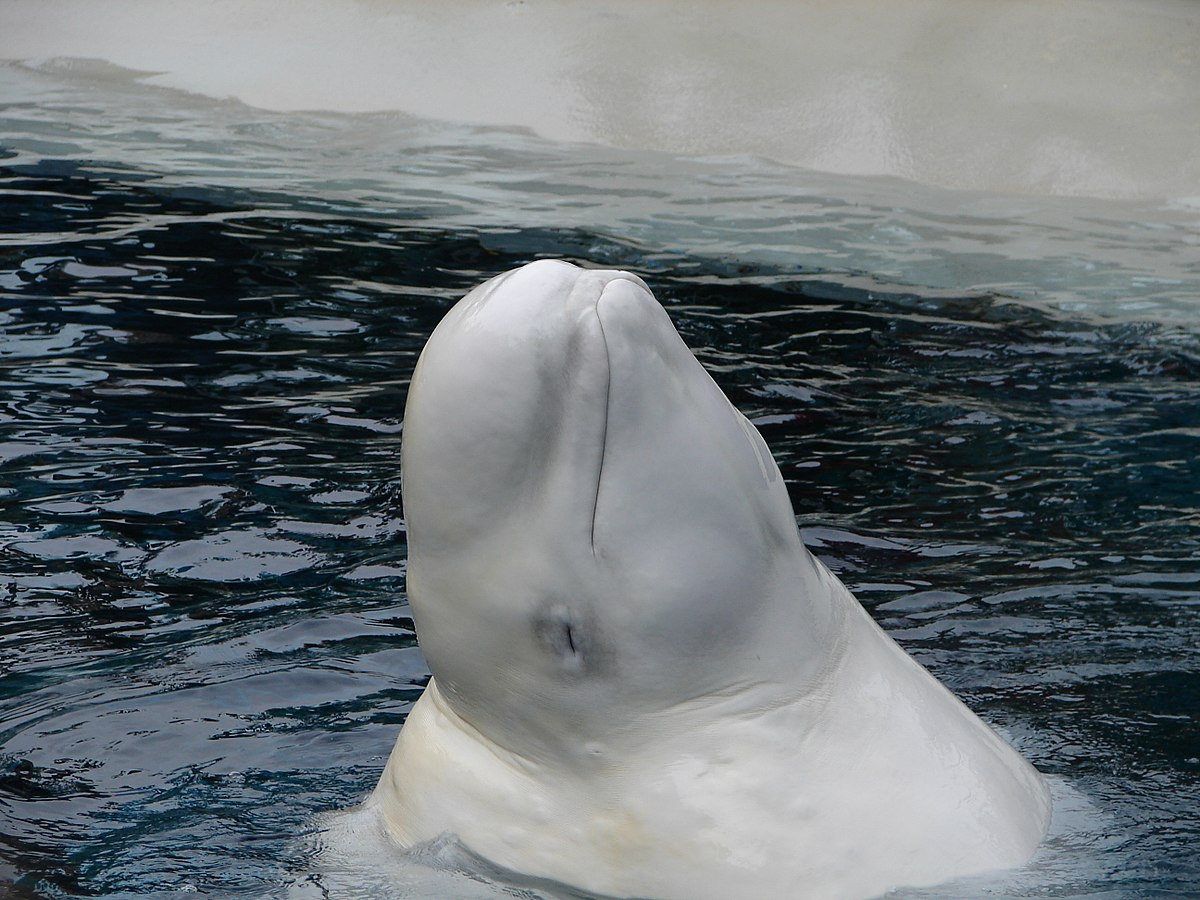
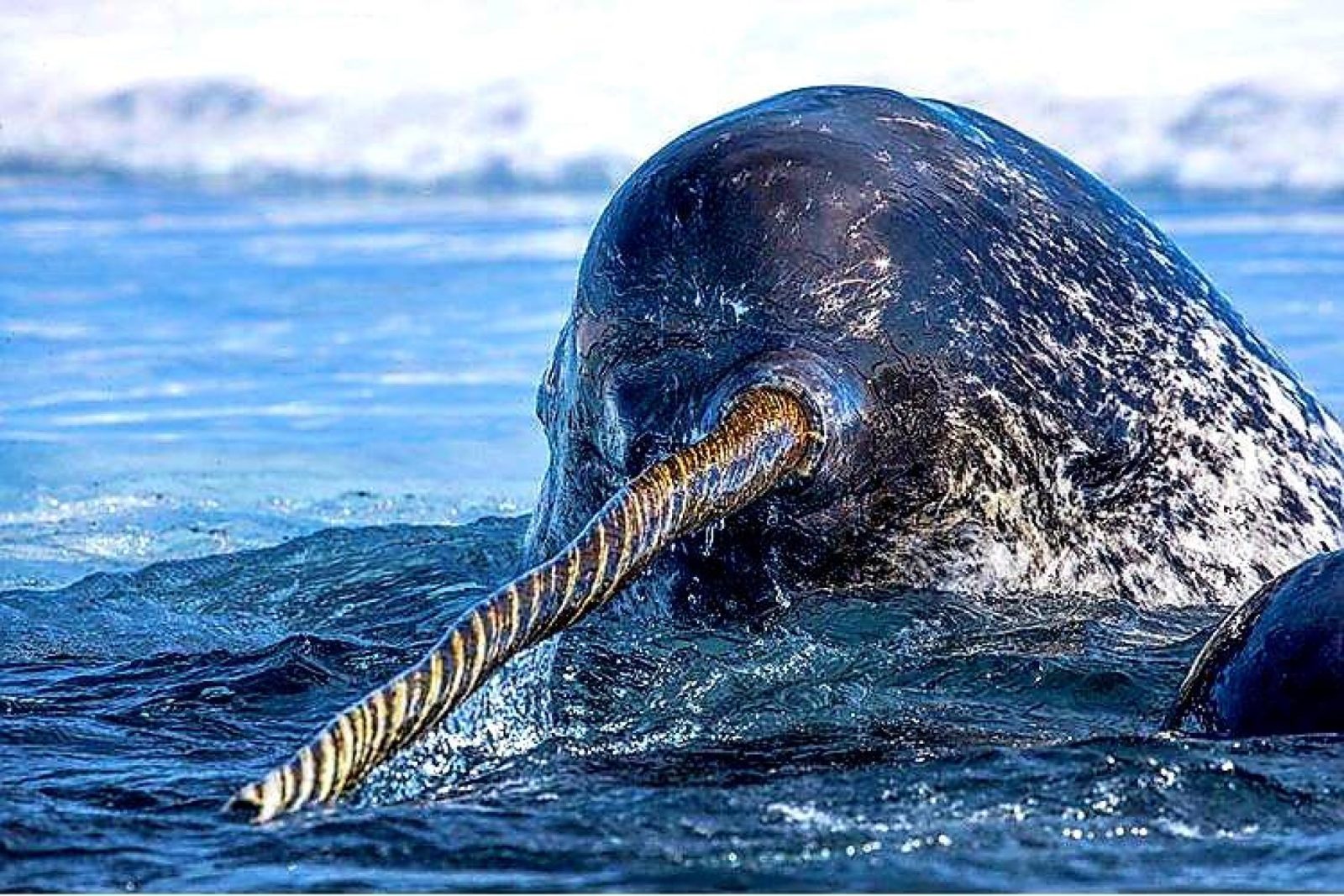
    • Monodontidaes – Belugas and narwhals
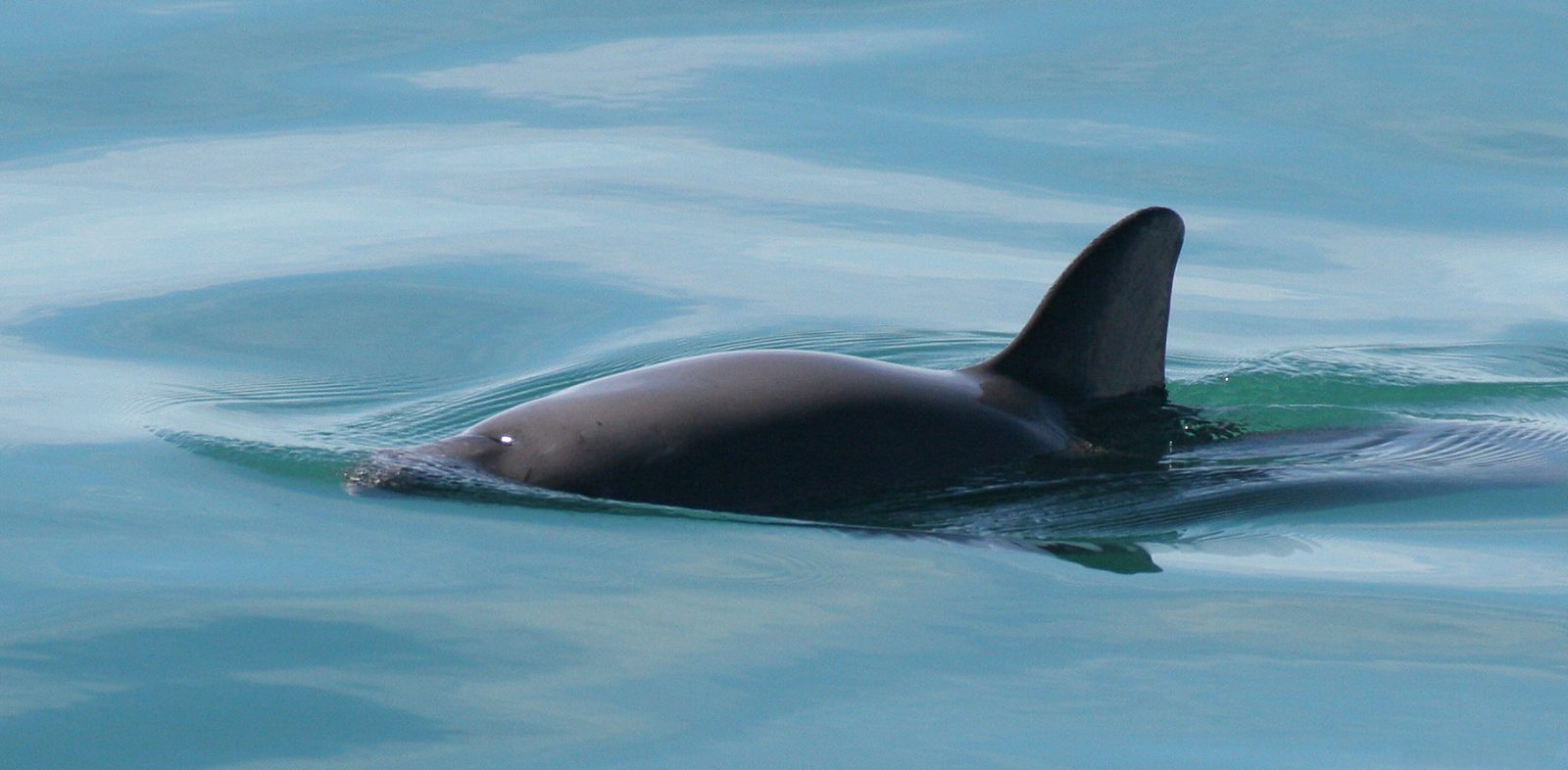
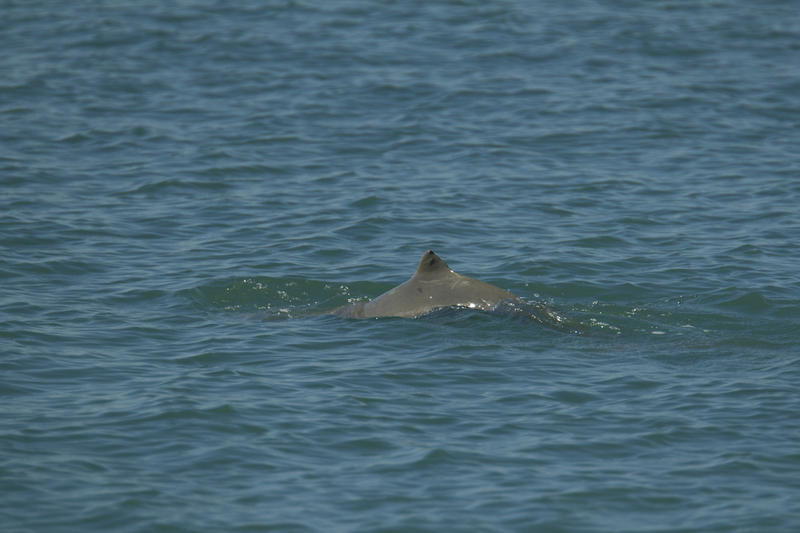
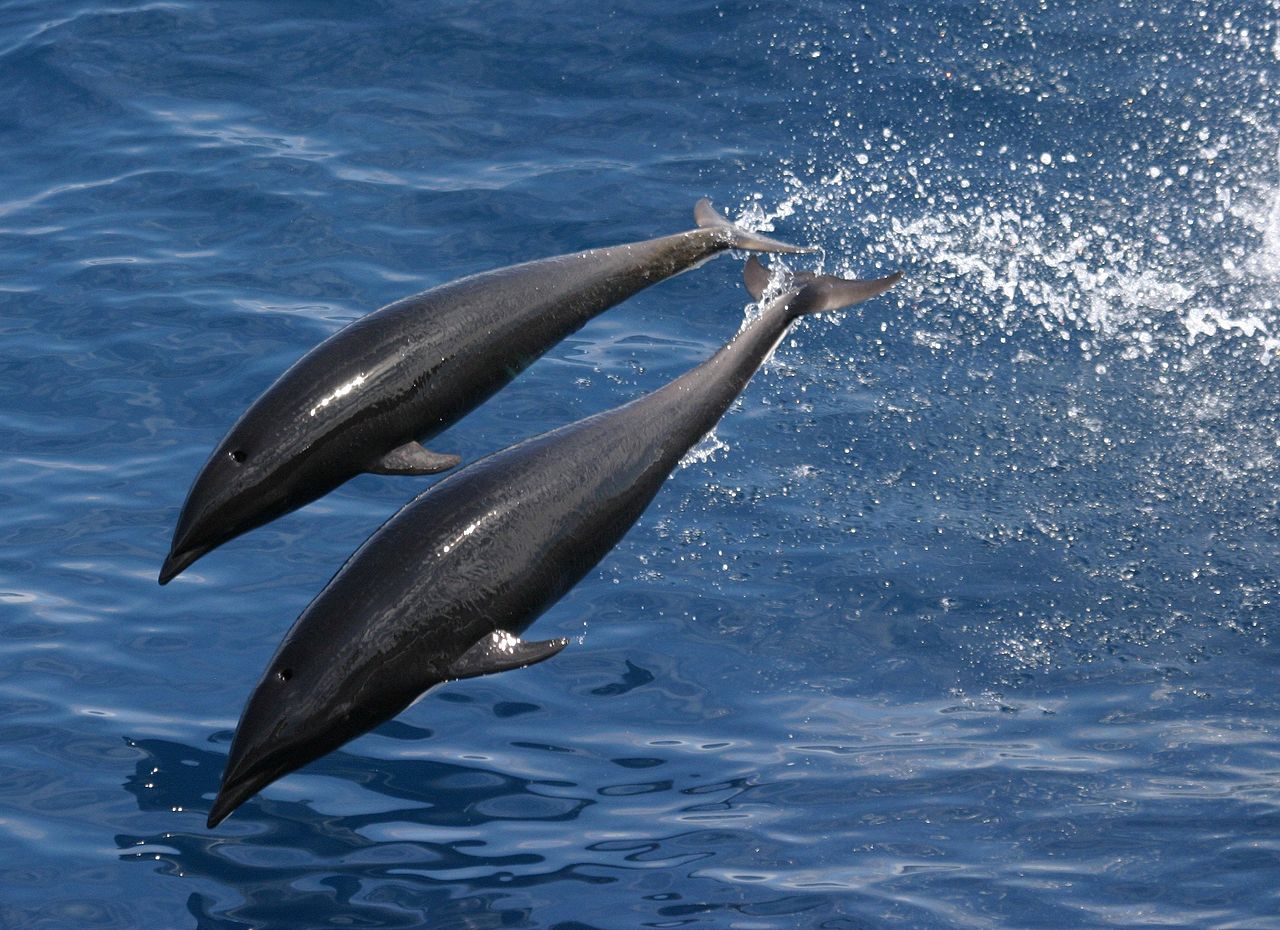
    • Phocoenidae – The family of Porpoises (7 species) such as harbour porpoises and Vanquita


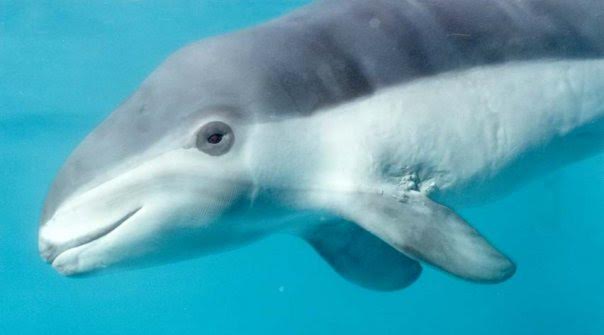
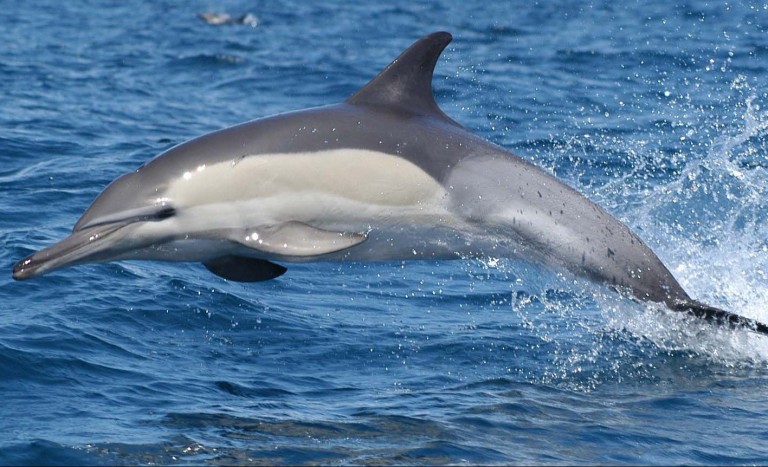
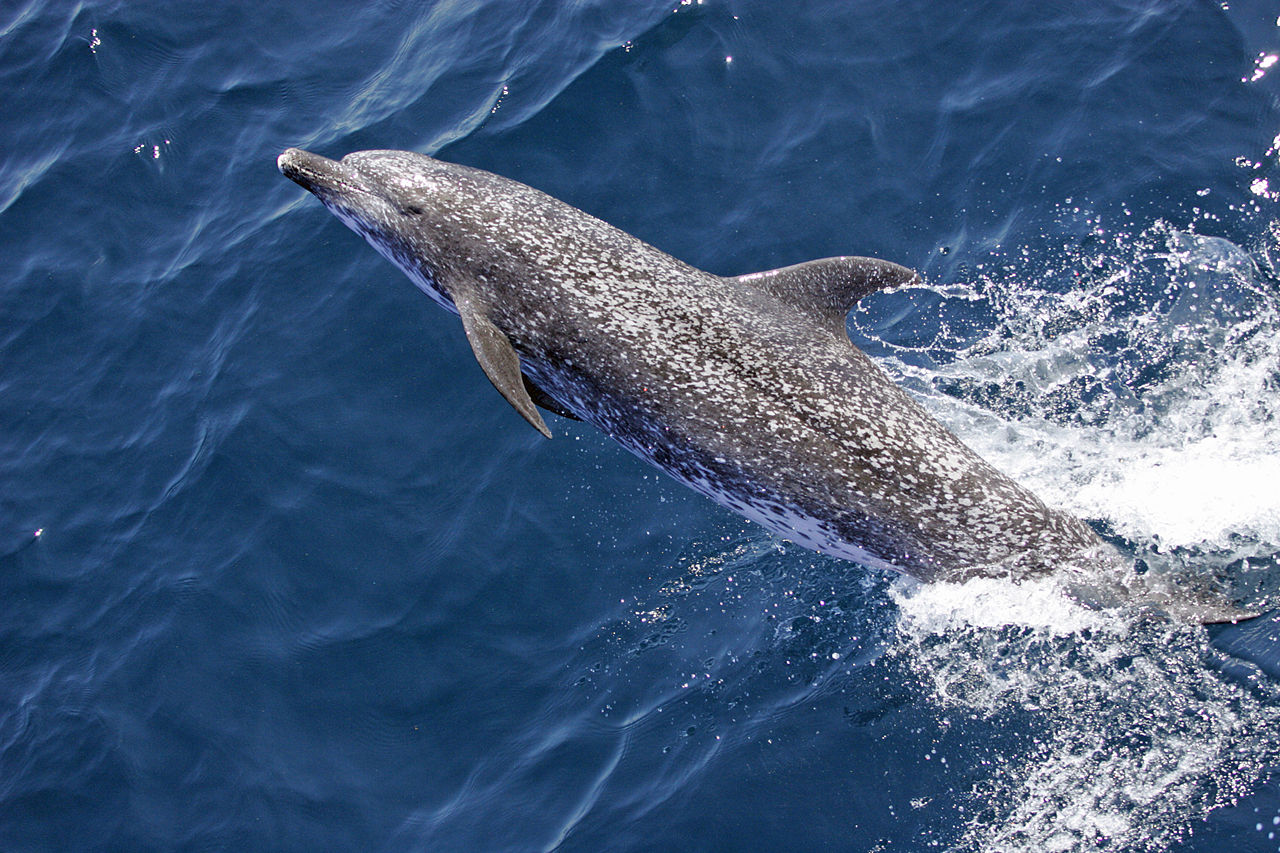
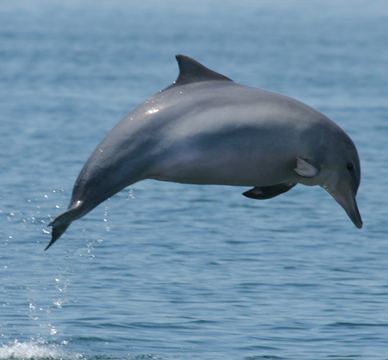
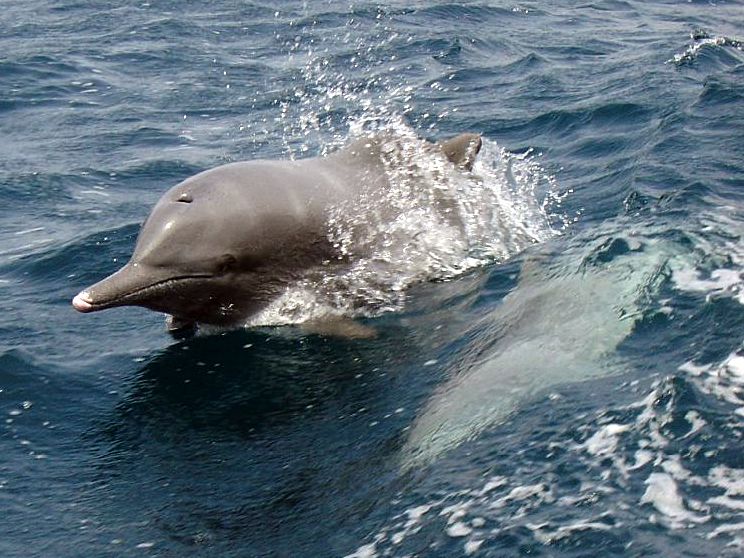
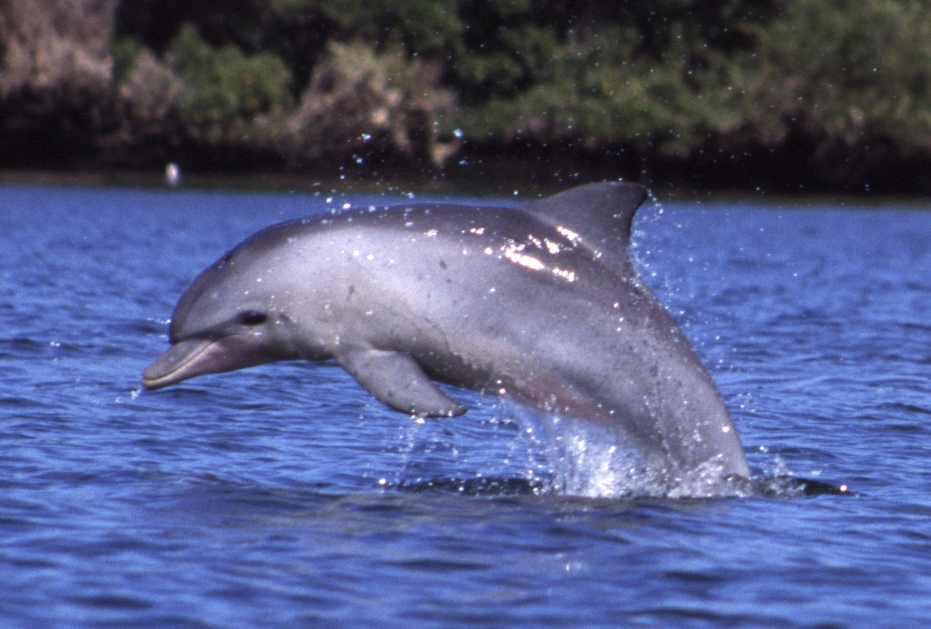
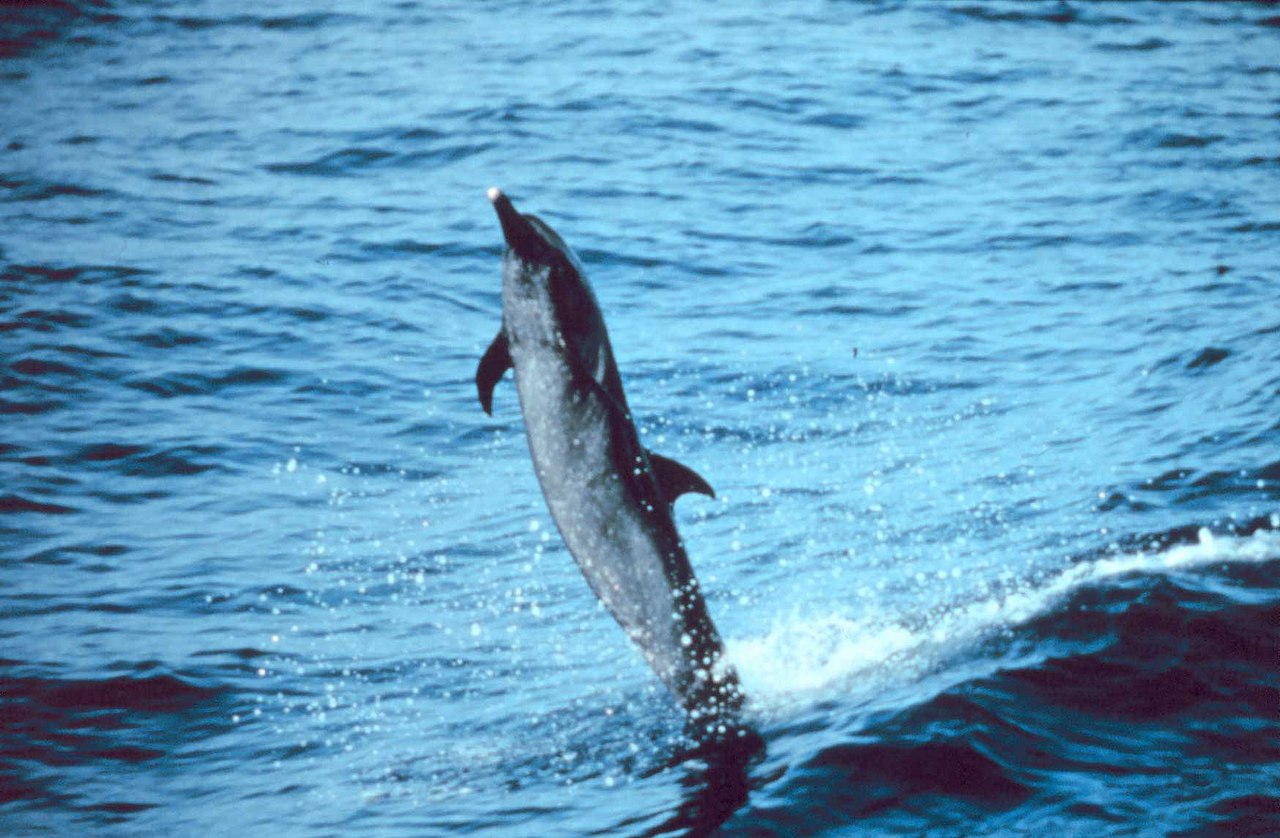
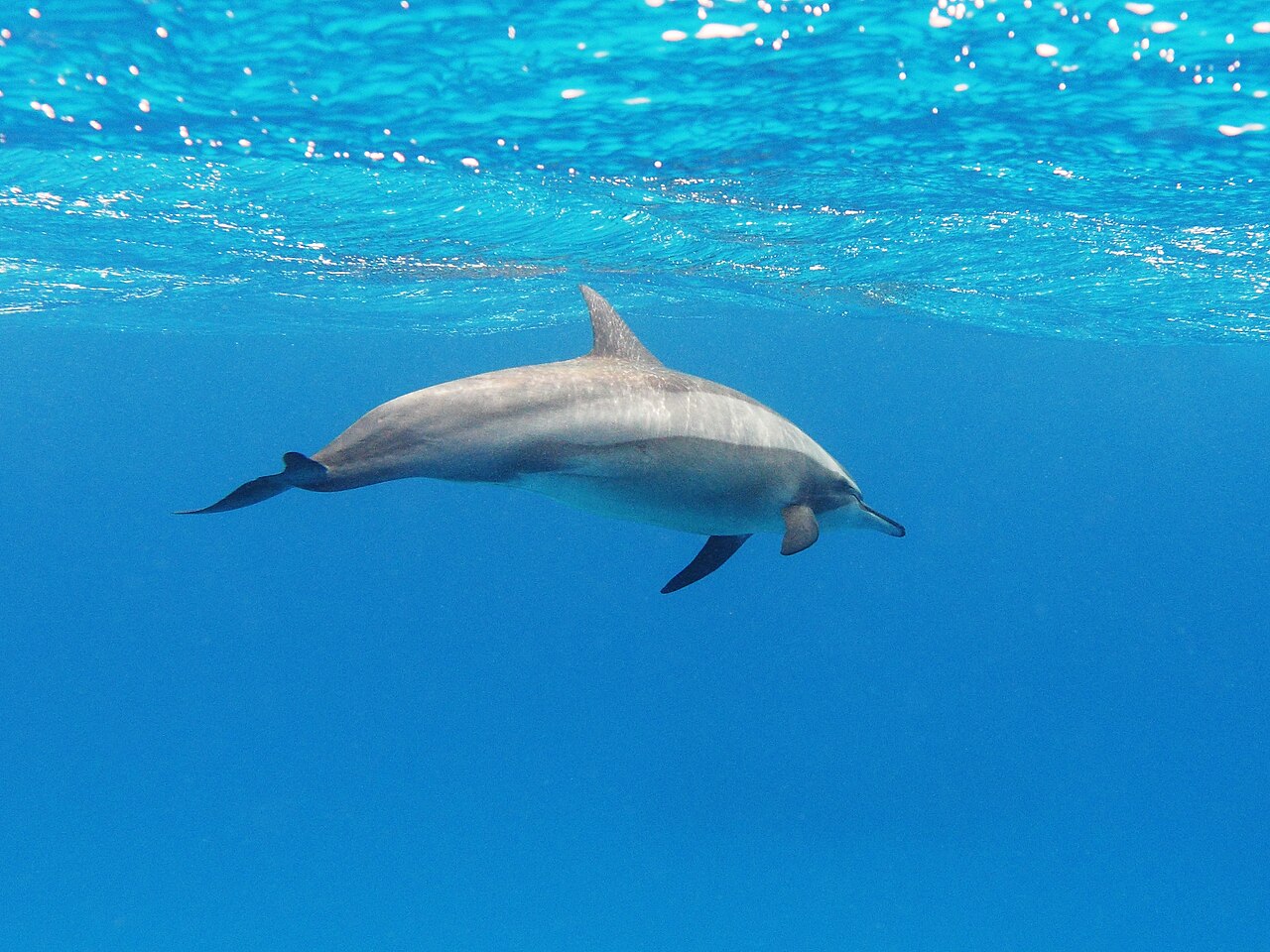
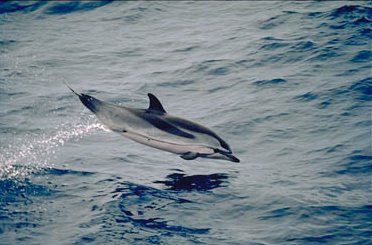
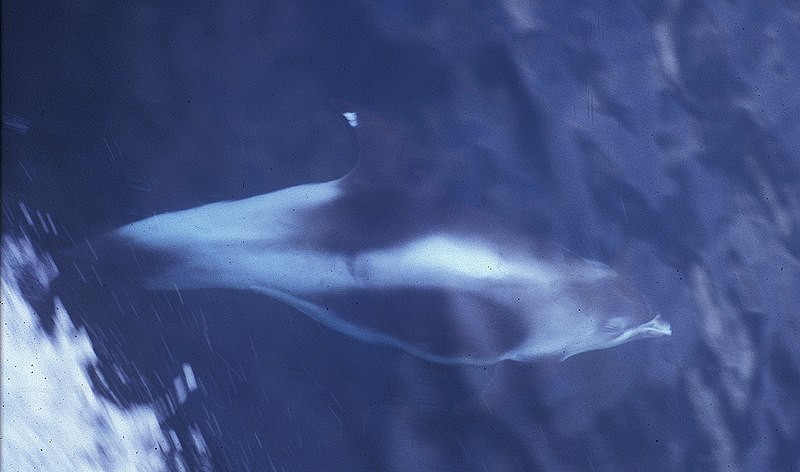
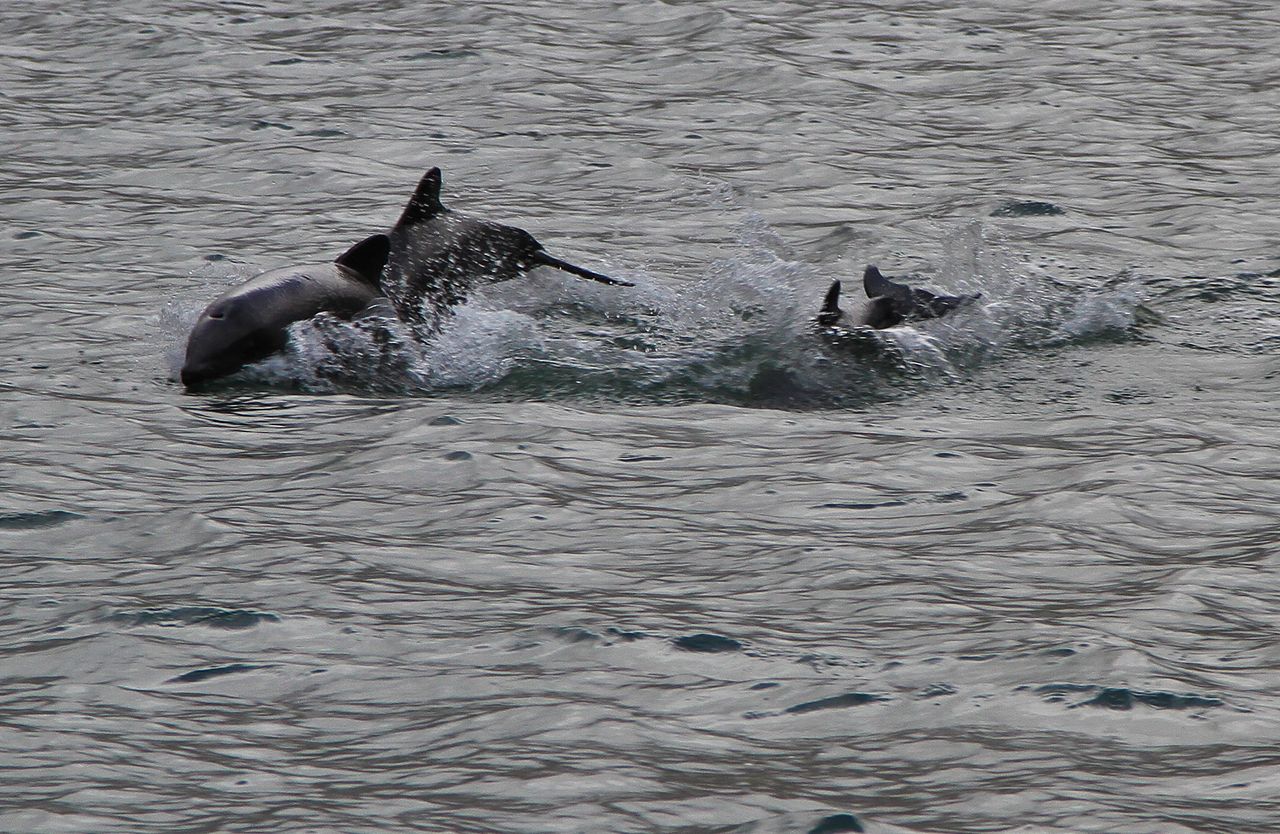
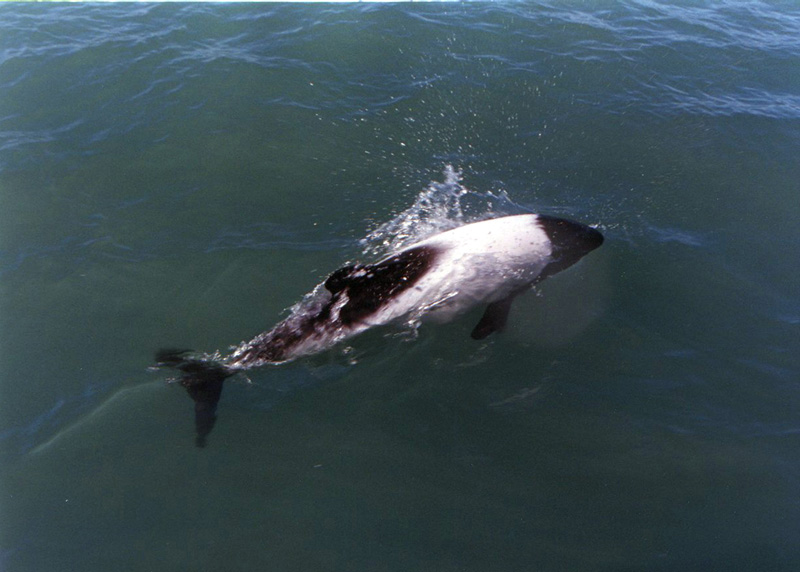
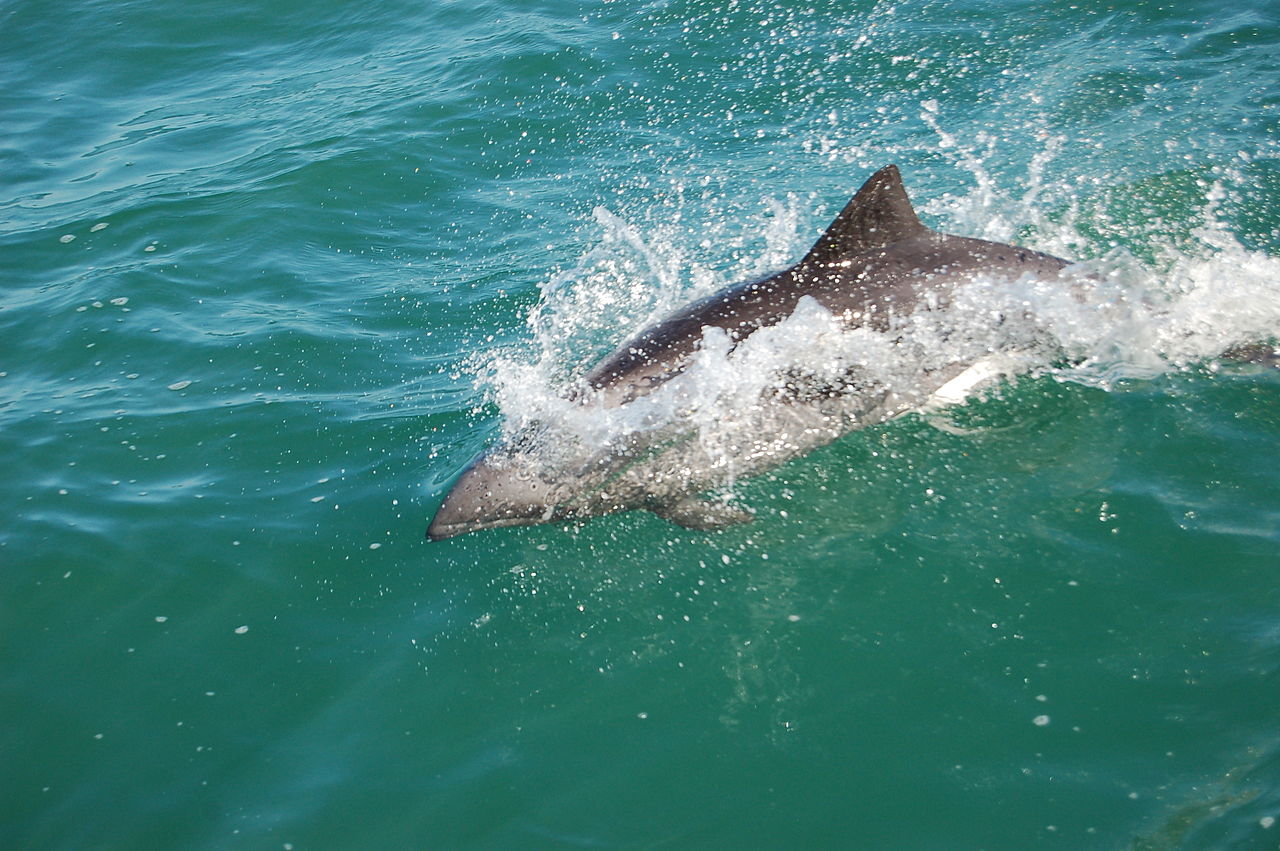
    • Delphininidae – these are the oceanic dolphins – 37 species split into several subfamilies which we will deal with one by one.
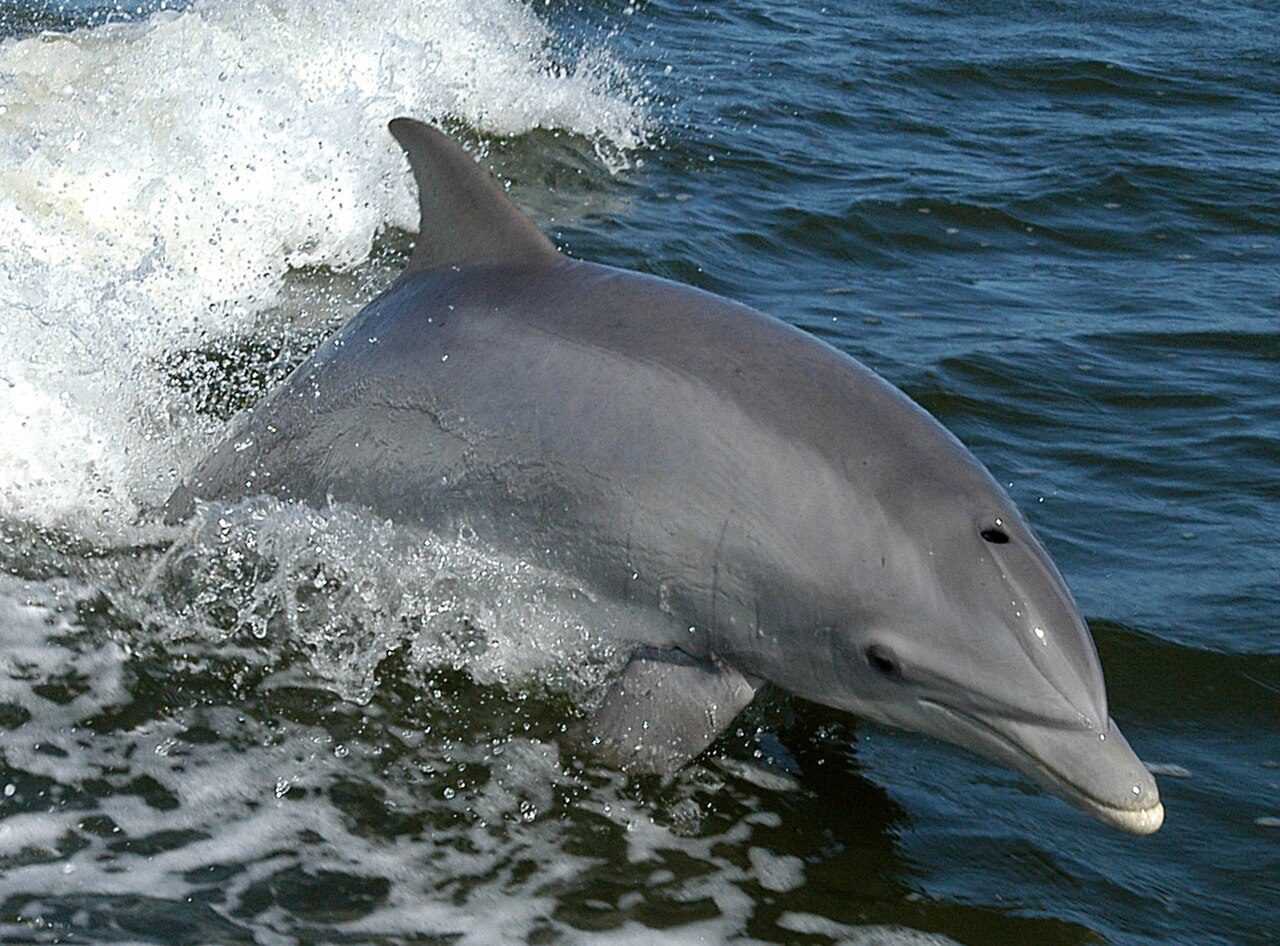
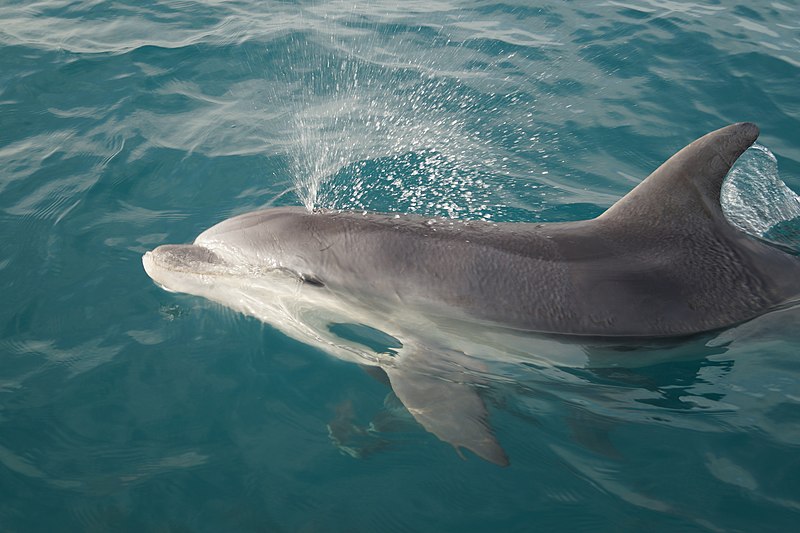
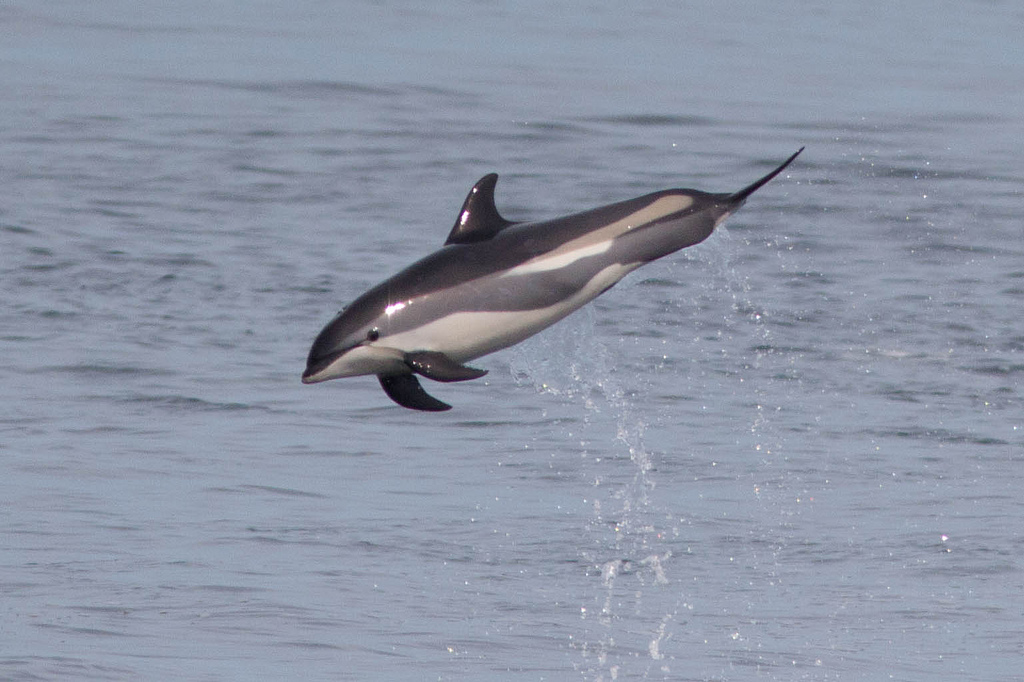
Subfamily Delphininae – 15 species (tamanend bottle nose dolphin only recognized as separate species, will build page for it at some point when photos are readily available.

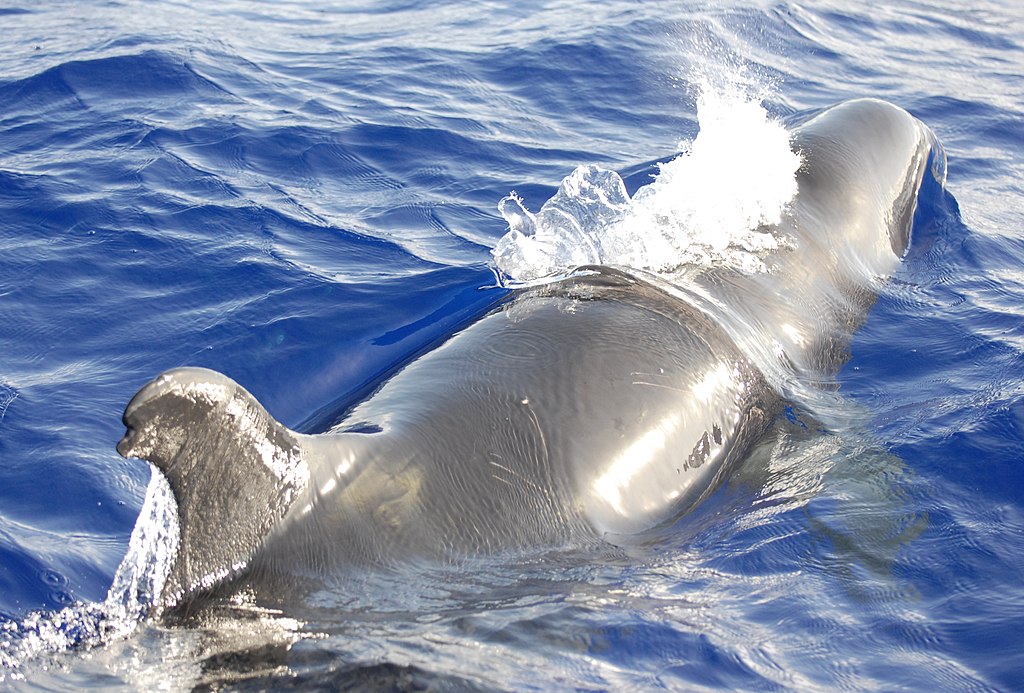
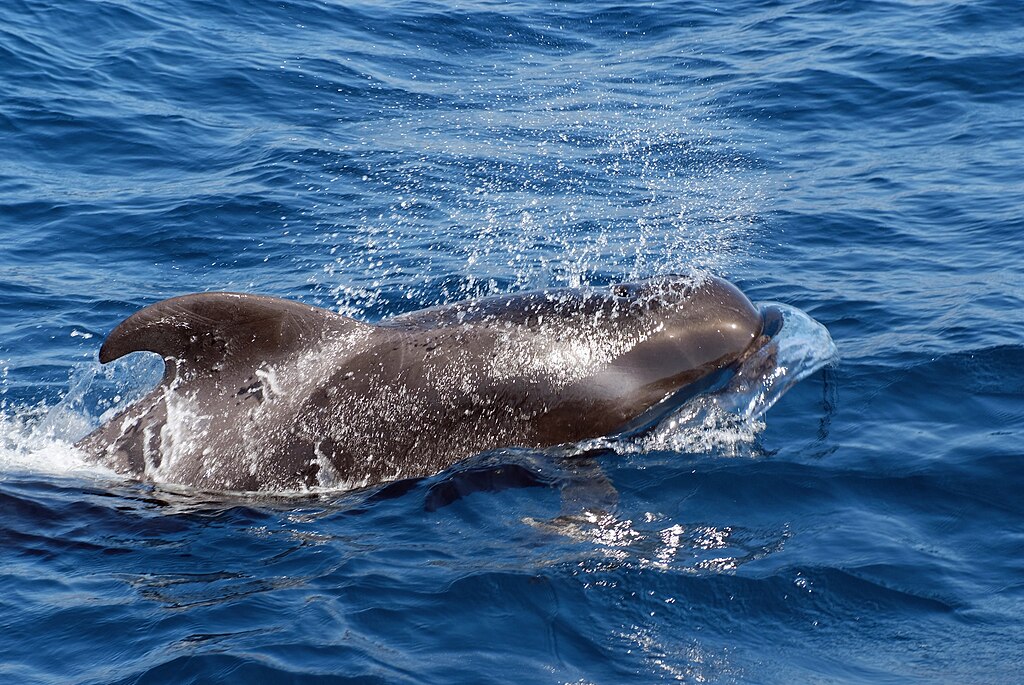
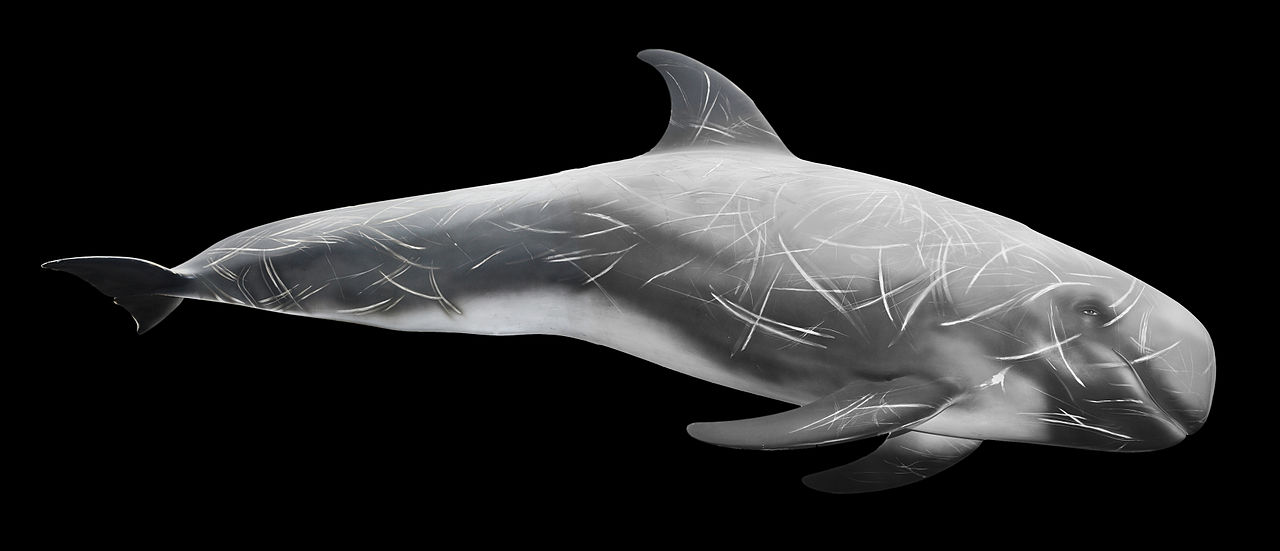
Subfamily  Globcephalinae 11 species

Subfamily incerta sedis (latin for “of uncertain placement” )6 species

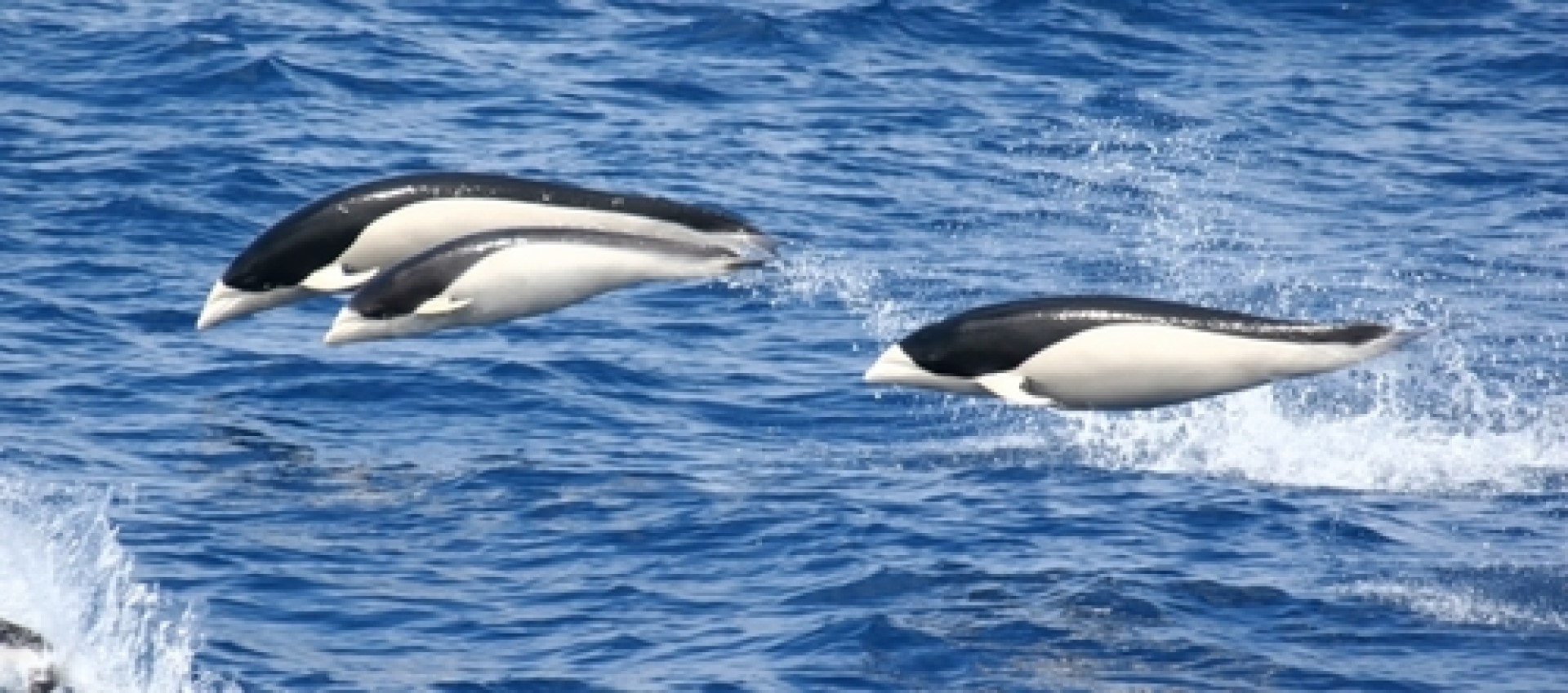
Subfamily Lissodelphininae 6 sppecies

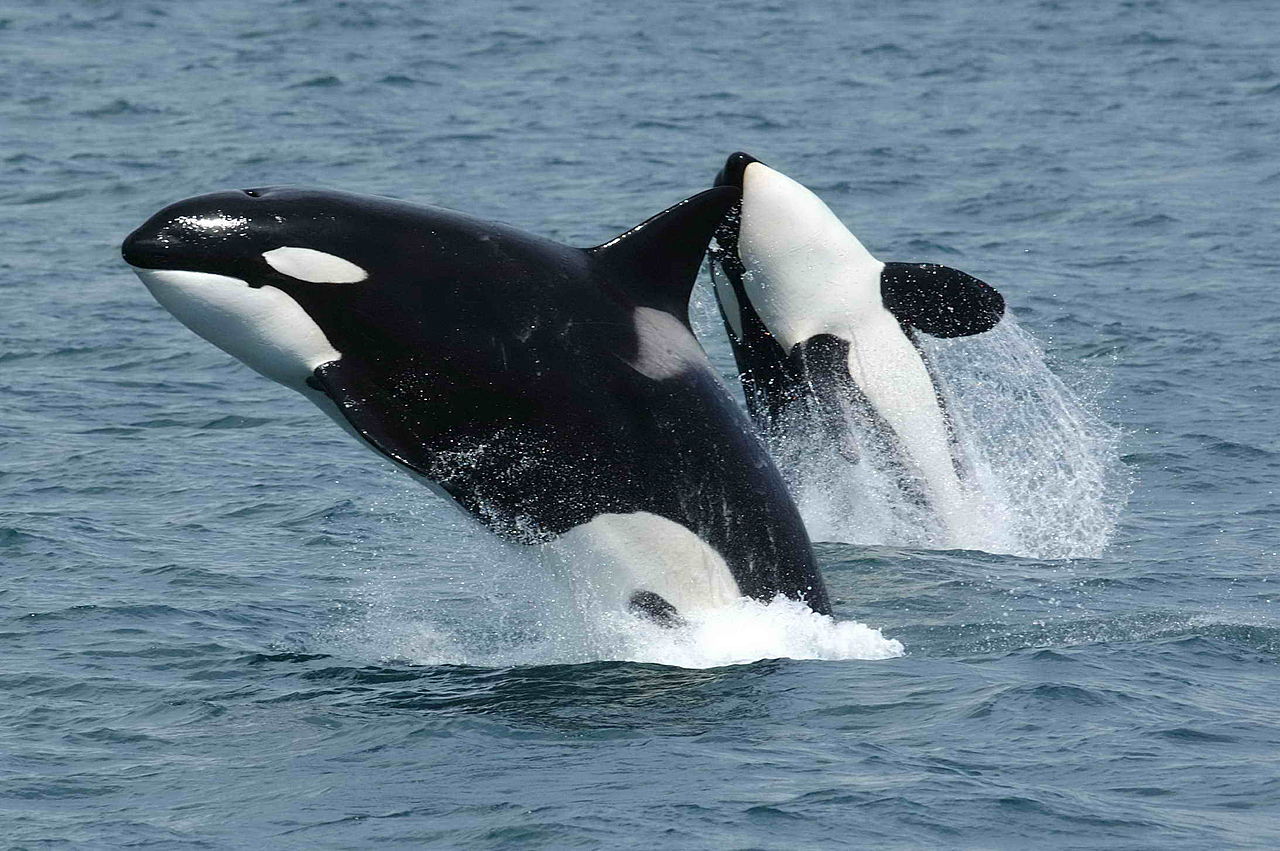
Subfamily Orcininae

  • Inioidea : This includes 3 groups
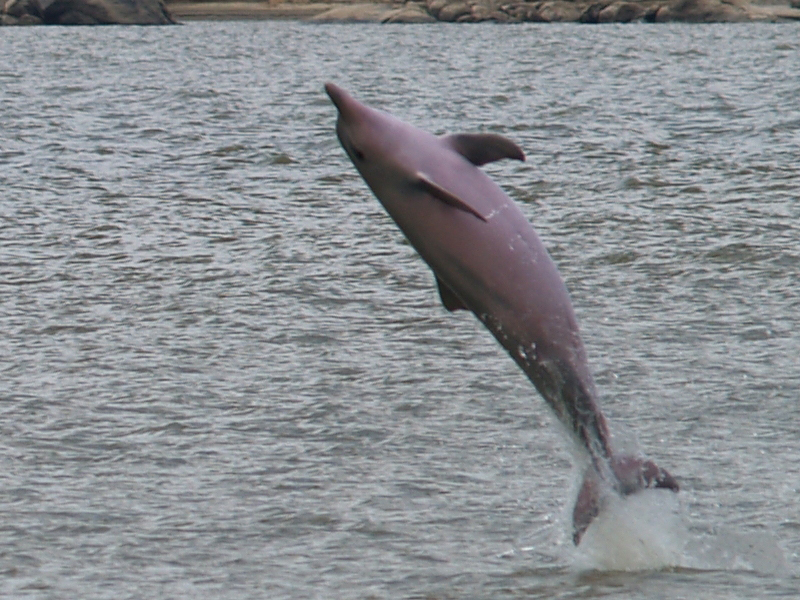
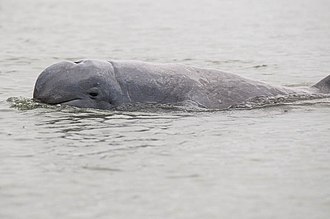
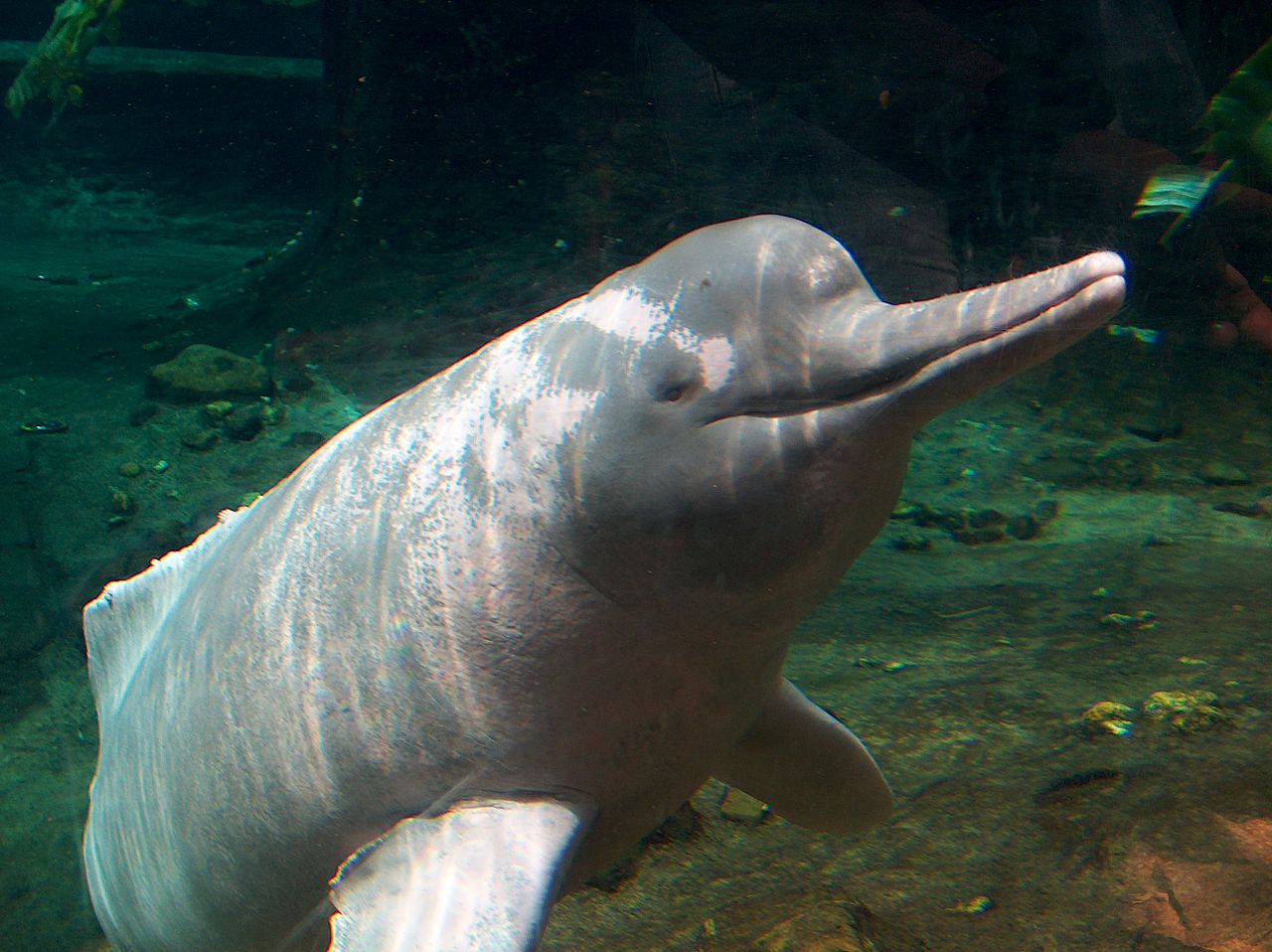
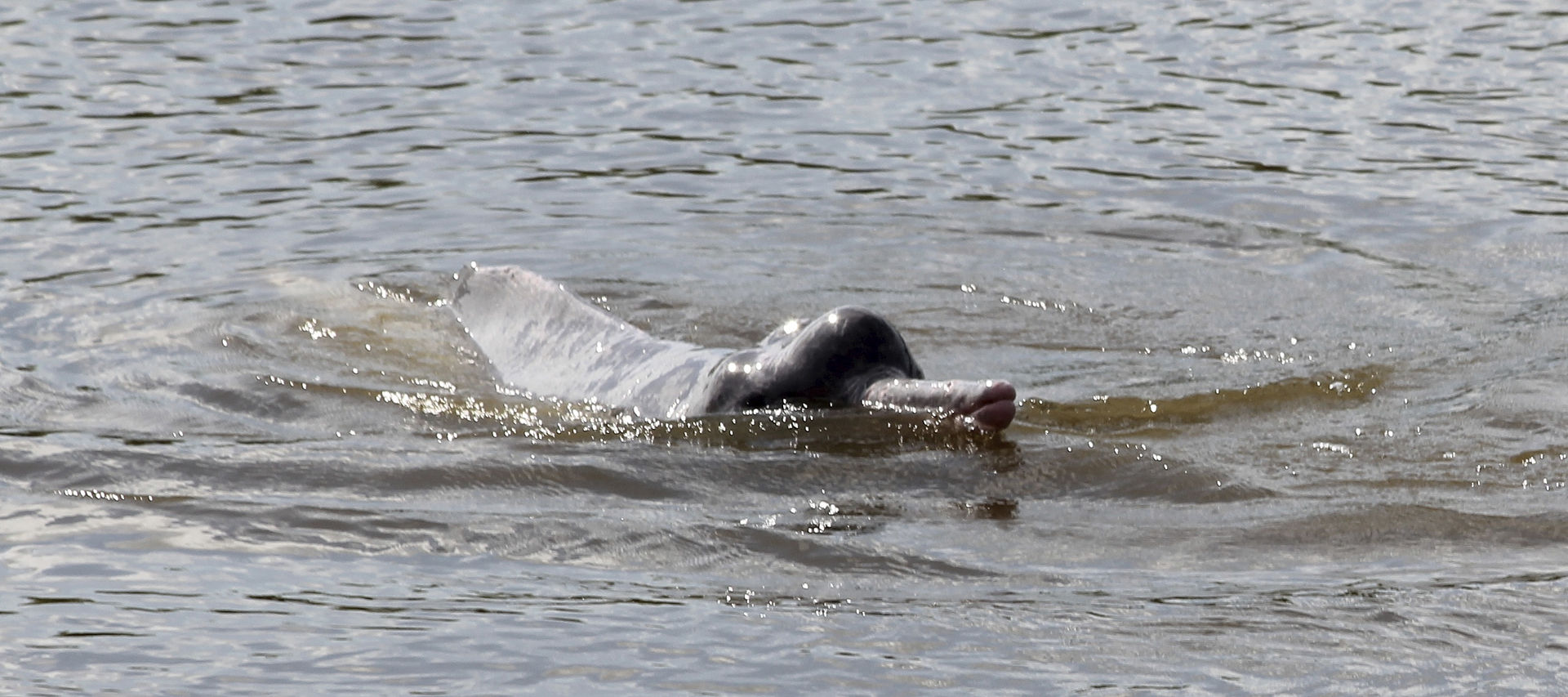
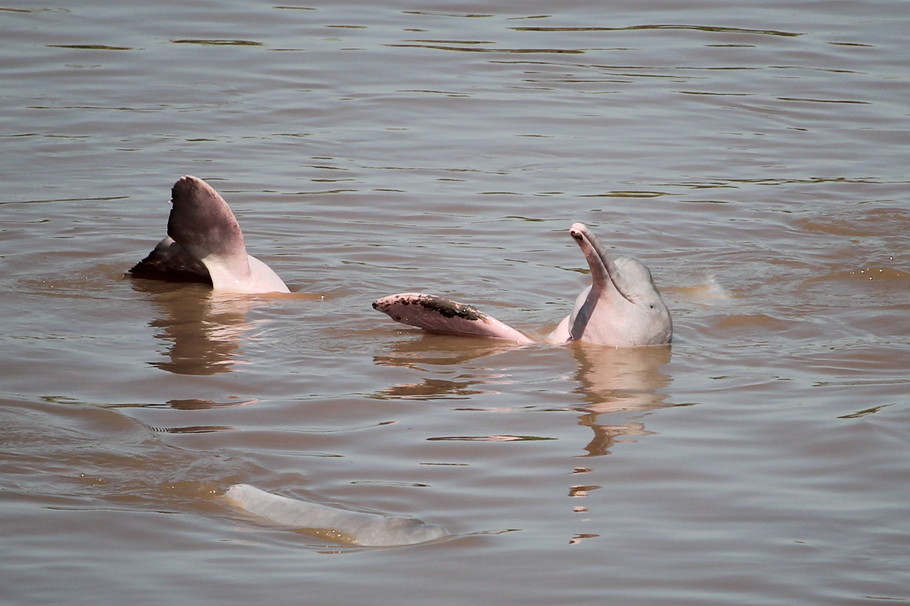
    • Iniidae (only 1 of 5 genus remains -Inea (4 species: Araguaian river dolphin, Bolivian river dolphin  and Orinoco dolphin)
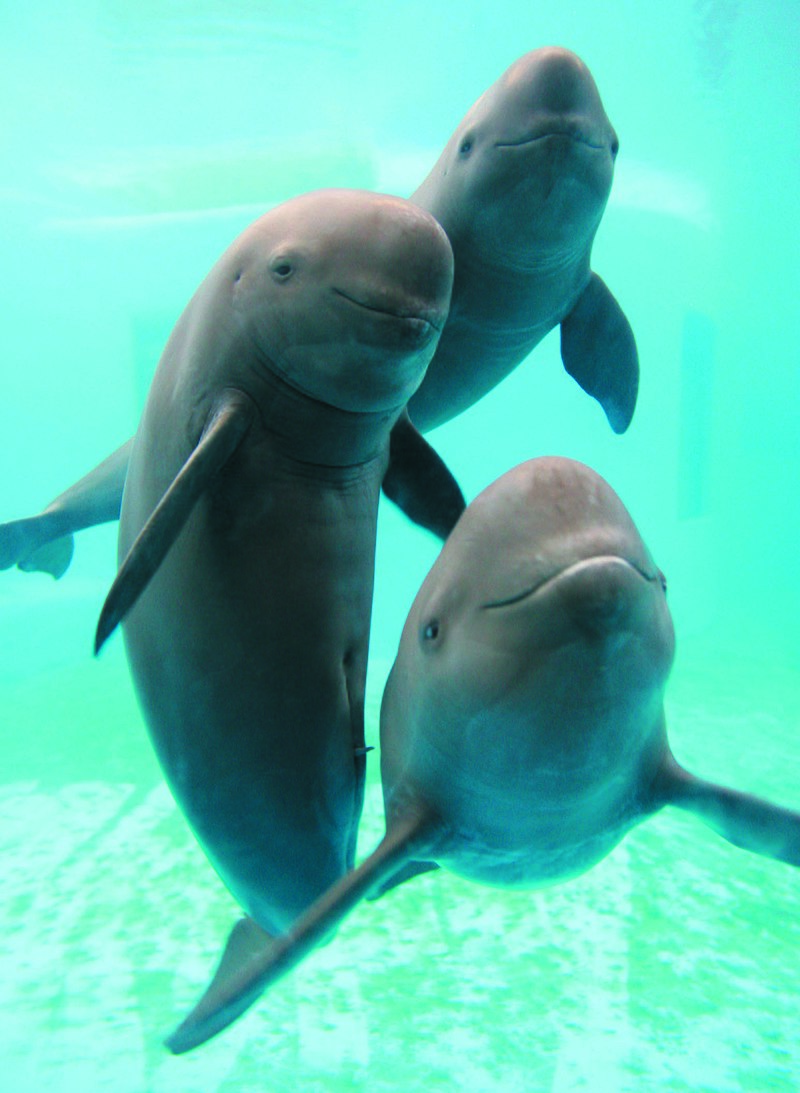
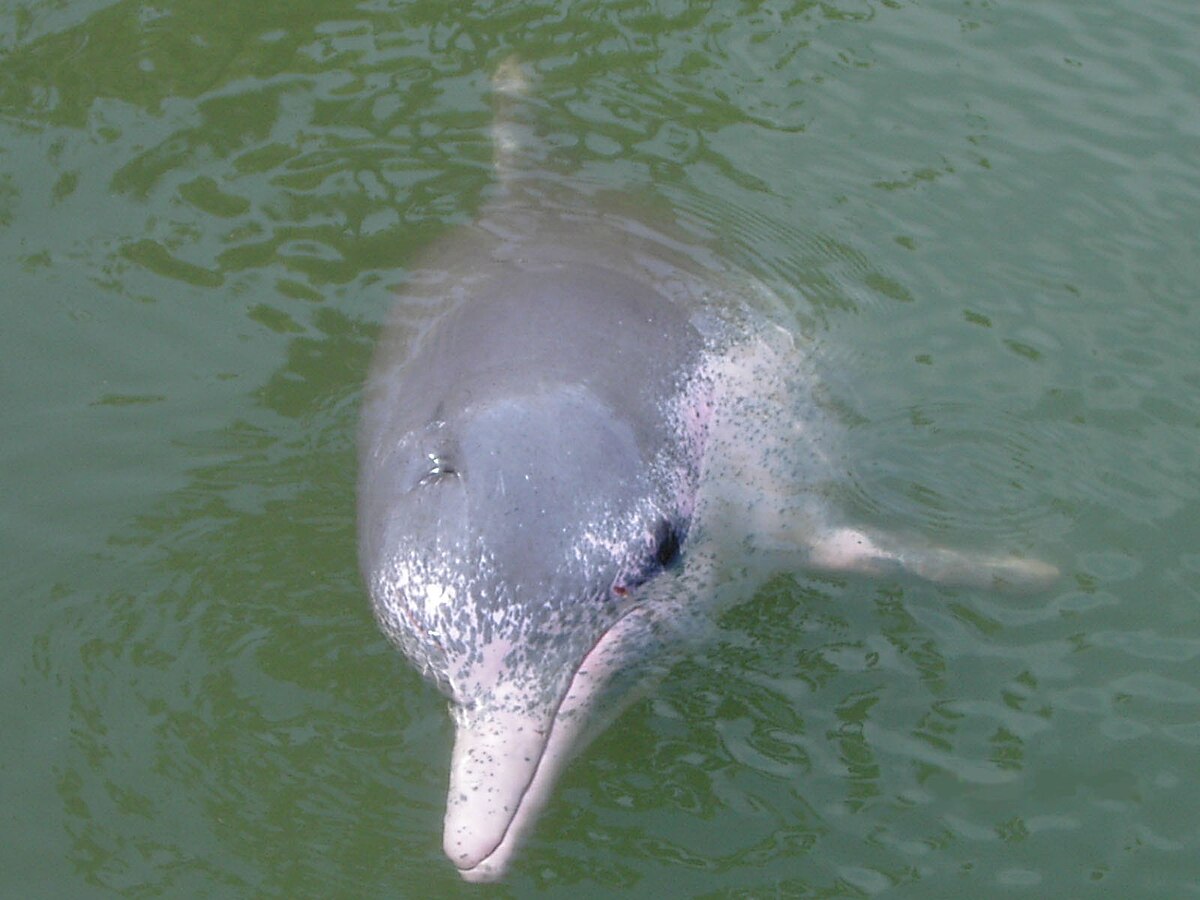
    • Lipotidae: which contains only one species: the Baiji or Chinese river dolphin
  • Pontoporiidae: which contains one species 

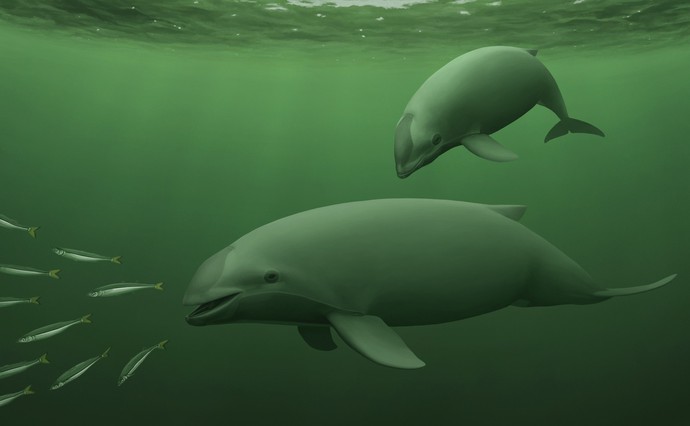
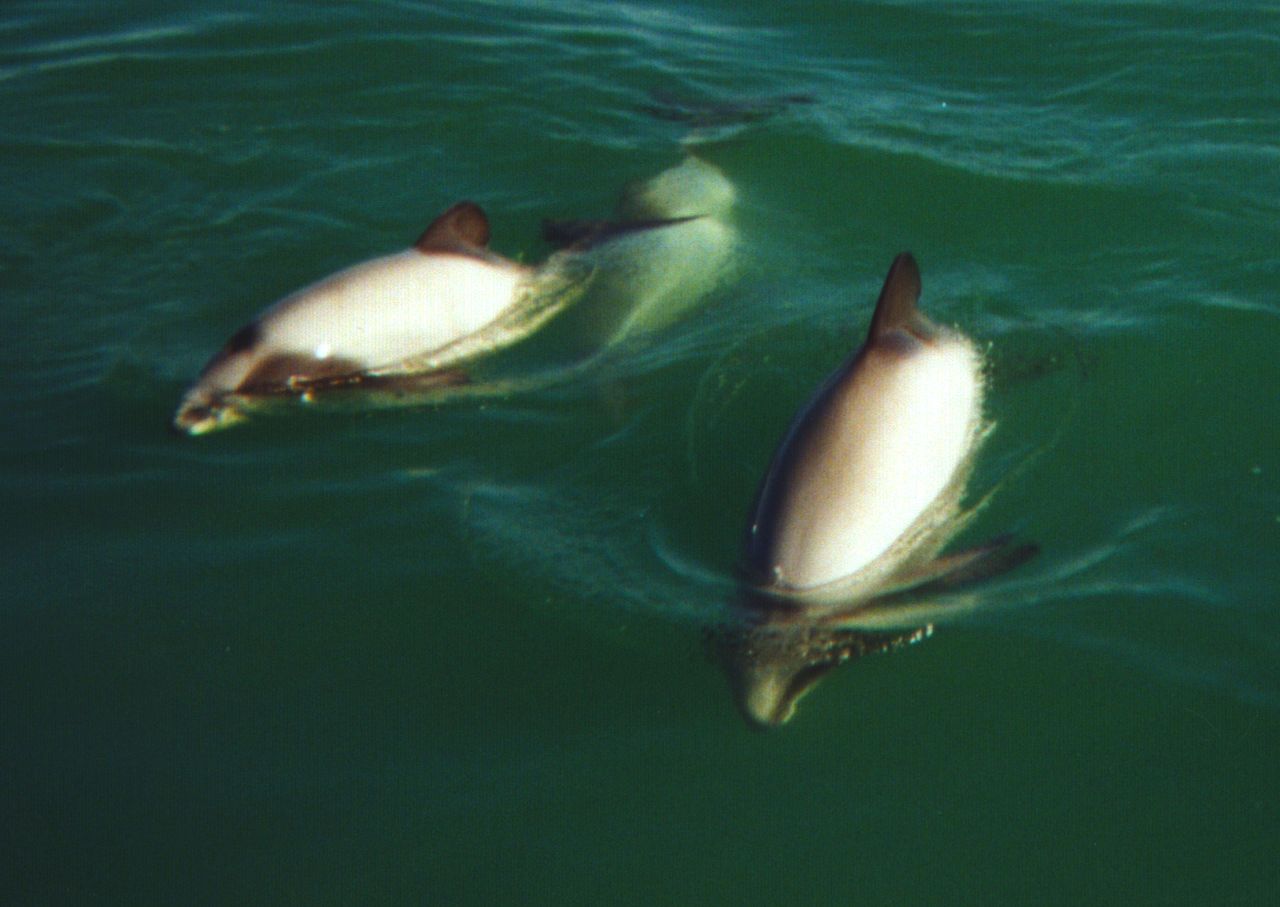
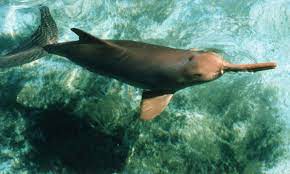
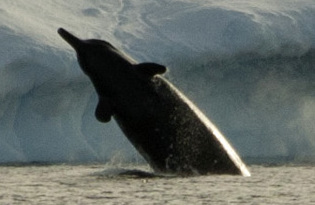
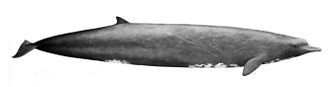
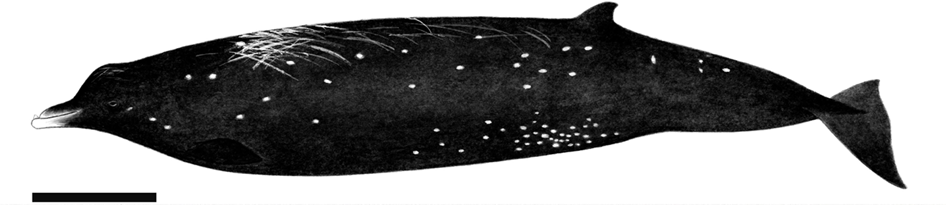
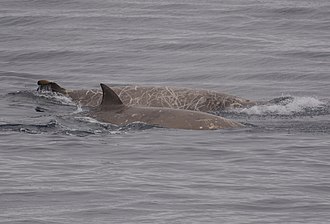
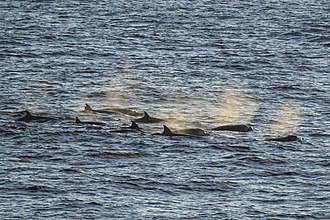
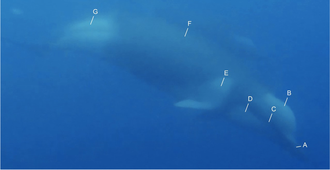
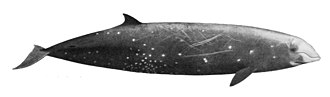
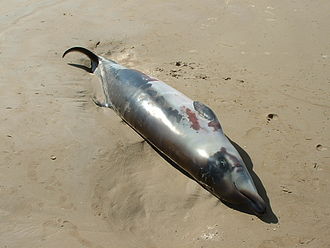
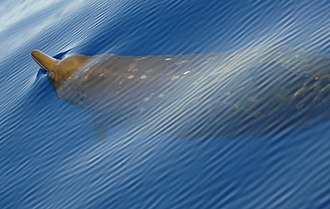
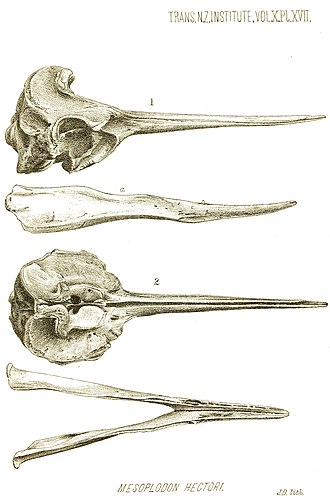
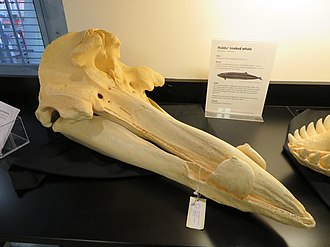
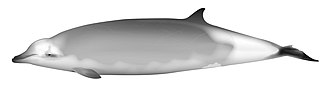
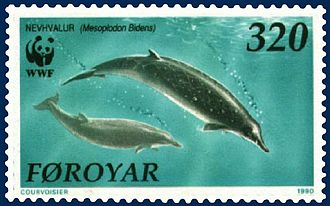
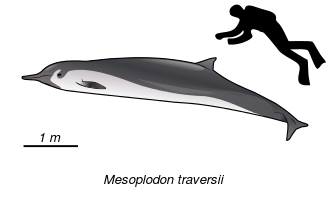
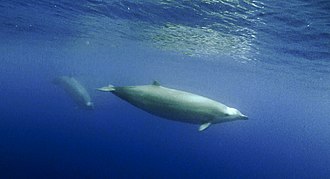
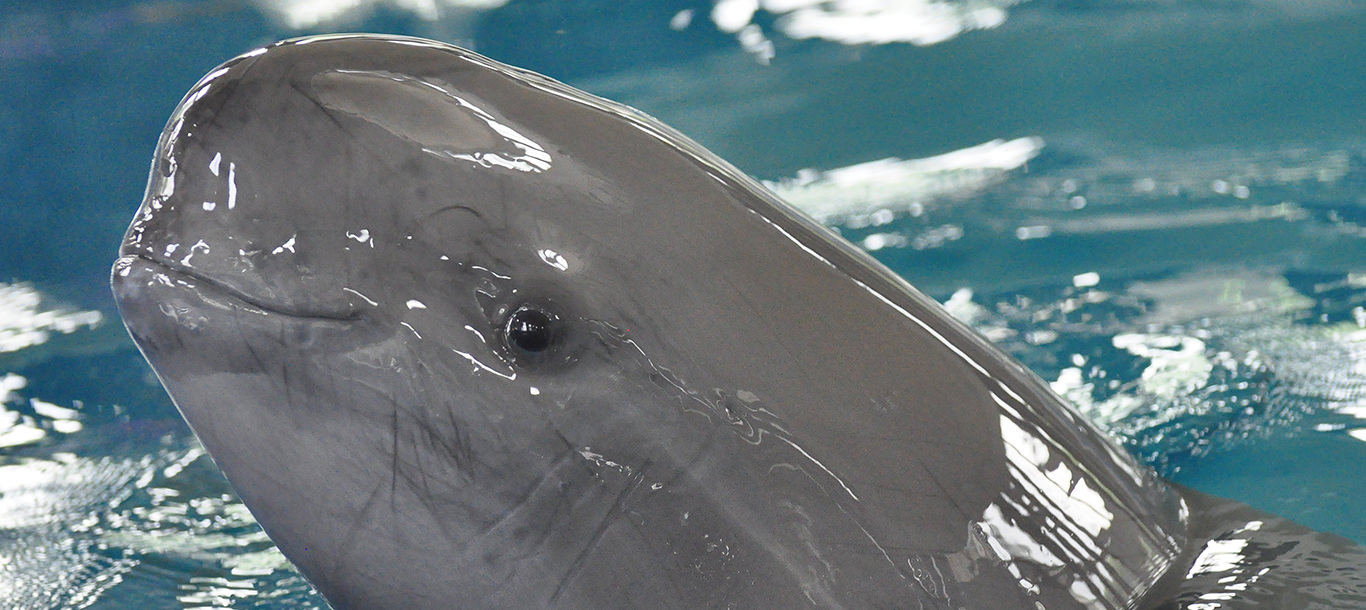
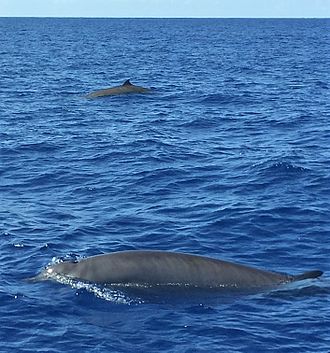
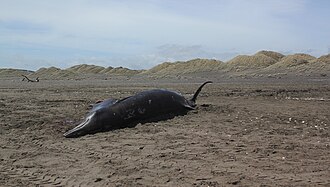
The next family is the beaked whales. There are 24 species, of which only 3-4 have been well studied. This is because they spend much of their time deep in the sea, it appears that each species does not have many members and they are incredibly reclusive in their habits.

One might ask how an air breathing animal can spend so much of its time deep in the ocean? Well the Curved beaked whale has had a dive timed at 138 minutes. More incredible, they only need around 2 minutes to catch their breathe before sinking back into the depths. This means that if required, they can spend just 20 minutes out of 24 hours at the surface – an incredible stunt.

There appear to be a great number of species that are extinct – these we will not list, but will mention each subfamily in passing.

Incertae sedis contains 5 extinct genus, Basal forms include 13 extinct genus

Subfamily Berardiinae contains 3 genus, 2 of which are extinct, but the third contains 3 living species (and one dead) .  

Genus Beradius


Next we cover the Bottlenose whales

Northern                                                                                                                     Southern and                                                        Tropical

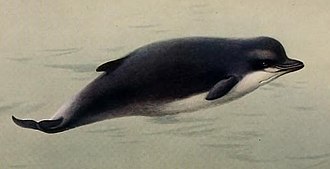
Subfamily Ziphiinae  contains 5 genus, 3 are extinct, but two have just one species in each

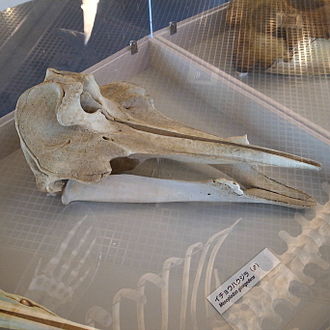
Genus Tasmacetus: Shepherds beaked whale Genus Ziphius: Cuviers beaked whale

Click on the image to see it in full

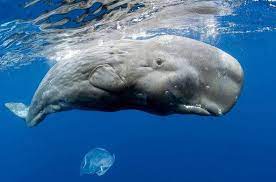
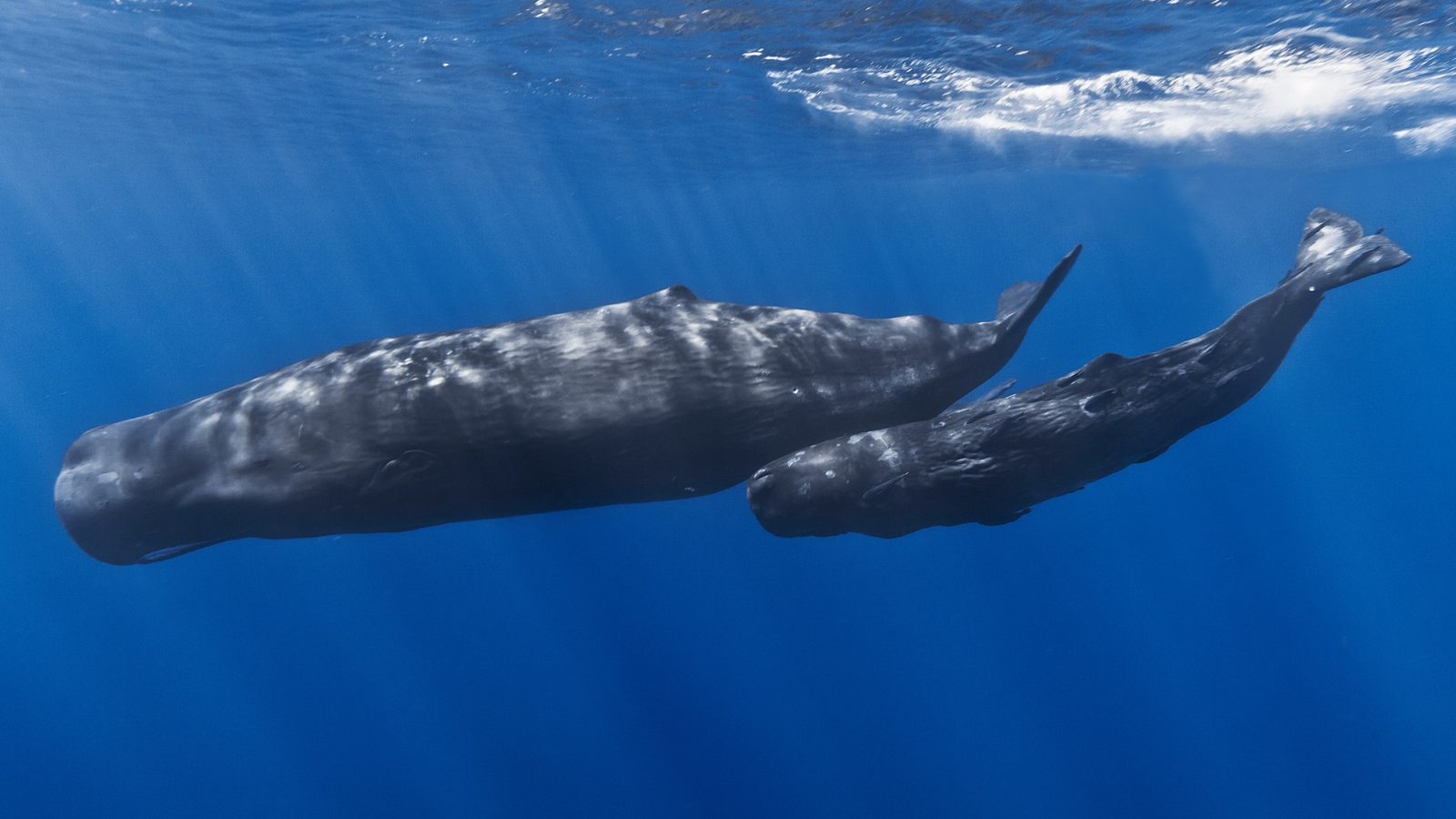
As you can see from the whale family tree, the sperm whales are separate from the rest. However, they are toothed whales so belong in this section of the page.

Elephant

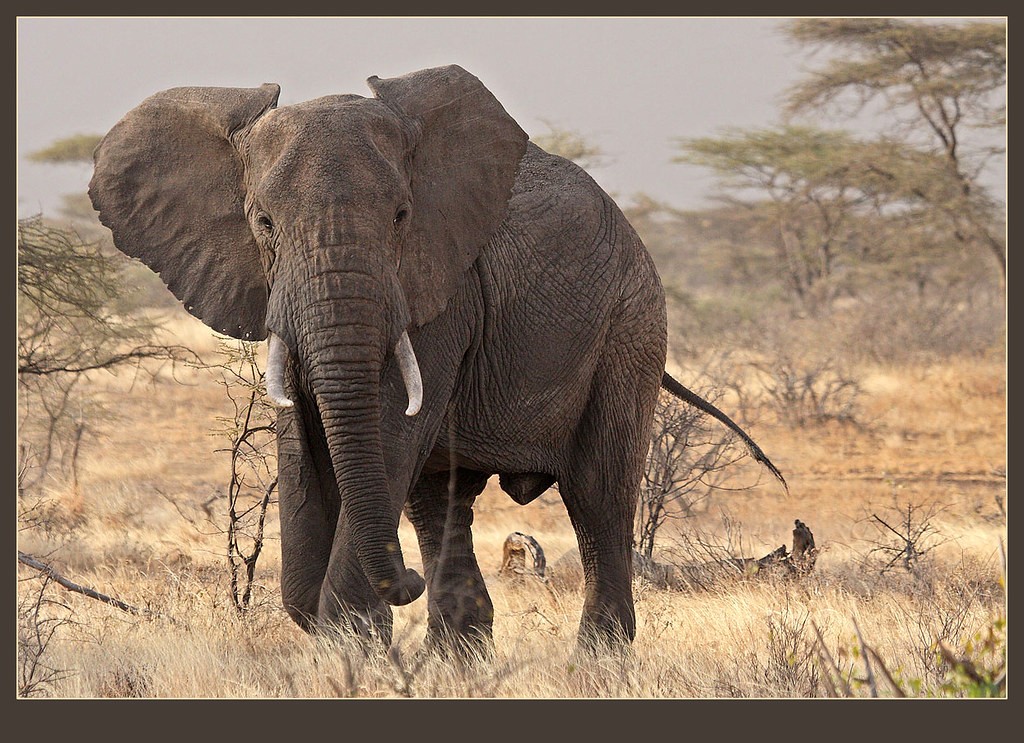
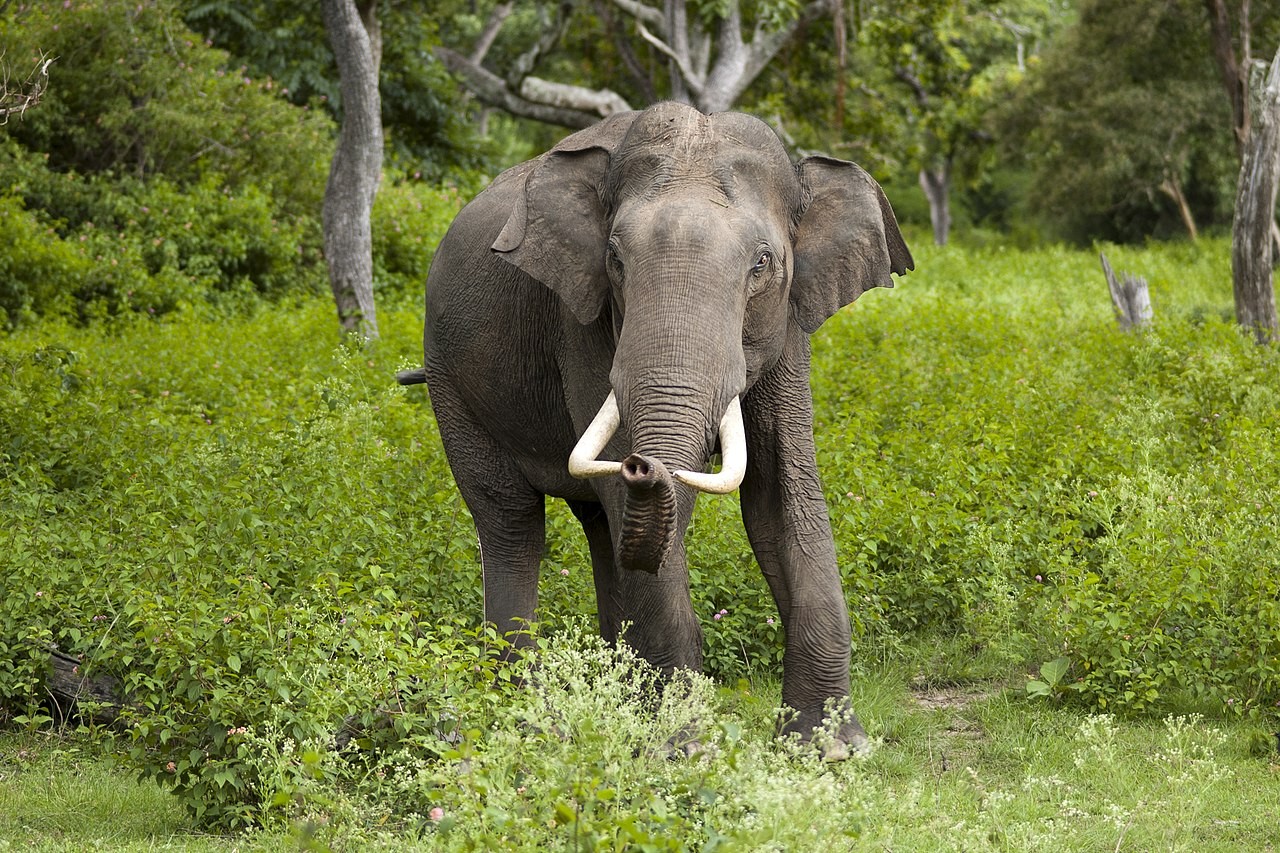
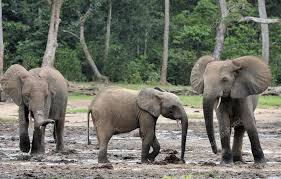
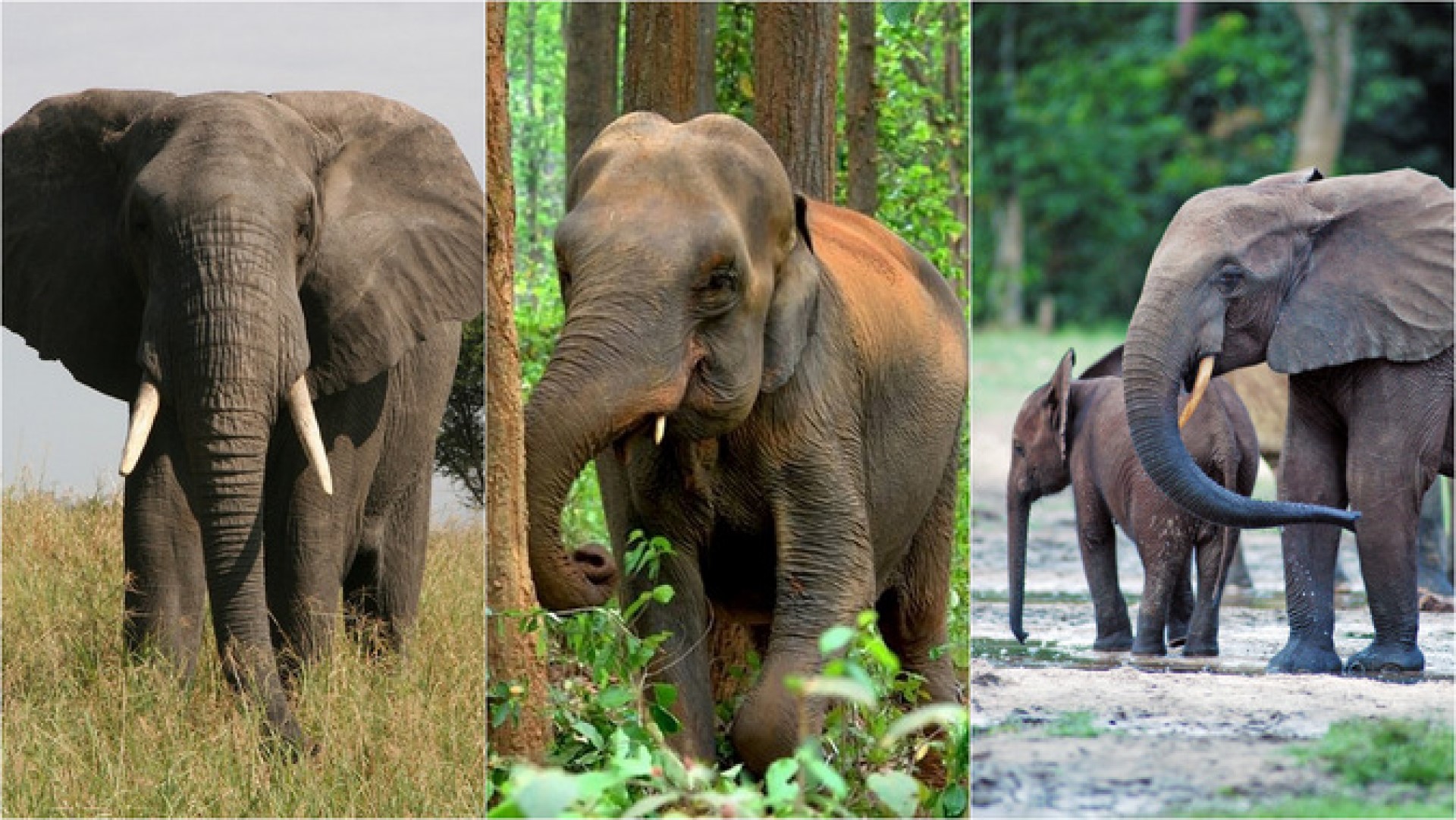
African Savannah elephant, Asiatic elephant and Africa forest elephant

Elephant family tree

African Savannah African forest, and Asian Elephant

There are 3 species of elephant in the world (these come from two closely related genera, Loxodonta (the African elephant genus, and Elephas the Asian elephant genus, both are dealt with on this page). They are a good indicator species, as if an area is capable of supporting elephants, it can probably support most other species as well (those above are in the same order, should you not recognize them). 

The African Savannah elephant (left) and African Forest Elephant elephant (right) are both part of the same genus – Loxodonta. The Asian elephant (only one species, though a 3 subspecies Sri Lankan elephant, Mainland Asian elephant and Sumatran Elephant) is the only  member of the genus Elephas. It is important to remember, that while the mammoth is a well known extinct species like the Elephant, it is estimated that there have been 180 different elephantine species in earths history.

Click on the one you are interested below, to find out more (along with seeing longer videos on each separate species), or scroll down to read all the articles we have written on elephants.

[smart_post_show id="15245"]

We already have a number of places to view wild savannah elephants. Click on wild places or here, for all our savannah destinations in Africa. All the savannahs have elephants, Except the mountain gorilla reserve, which has forest elephants – often seen on a walk in this reserve.

Should you work in tourism or conservation, and would like to list another destination, either of this species of elephant, or indeed of African forest elephants or Asian elephants, you will find a link at the top of the main page “list your wild place” or alternatively click here.

Bovini family or wild cattle

Bovini or the family of all wild cattle species

Bovinae is a biological family of cloven hooved family Each of these three tribes encompass a variety of species and we will deal with these tribes one by one. The Bovinae family includes all bovids, which are ruminant mammals (cloven hooved) which include all of the worlds cattle, yaks, bison, buffalo antelopes (which include goat-antelope) goats and sheep. 

This family currently has 143 surviving species, with 300 known species. it has 11 major families and 13 major tribes.

This family first appeared 20 million years ago. Below is the initial splits into 3 in this family. It should be noted that not all these families will be relevant at the current time – but as destinations grow all should be fully relevant. 


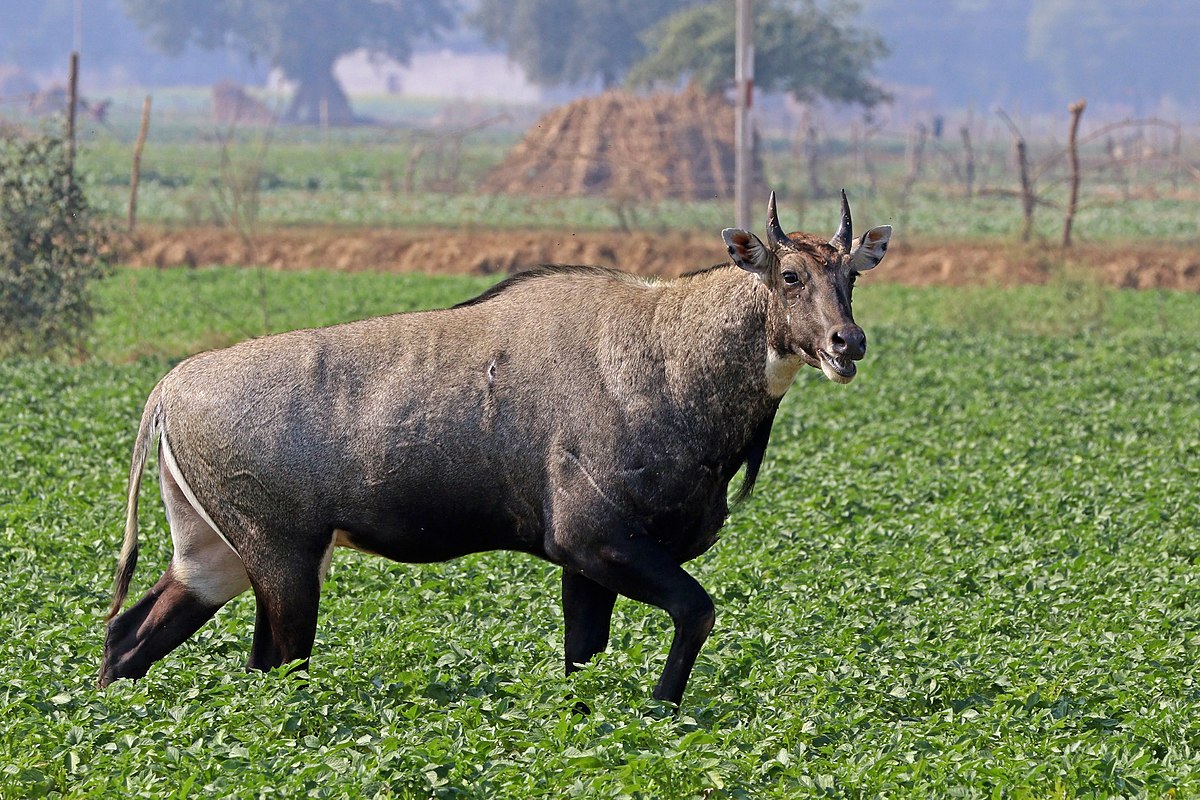
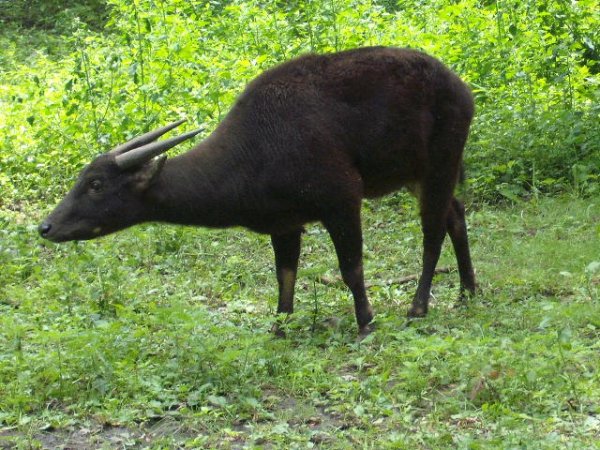
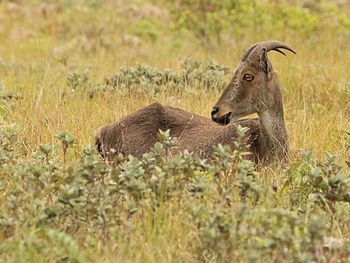
So, firstly Borselaphini, this consists of just 2 species, the Nilgai and the 4-horned 

The next tribe (below) is Bovini, which includes 3 families. These vary in size quite widely with the middle one only containing one species

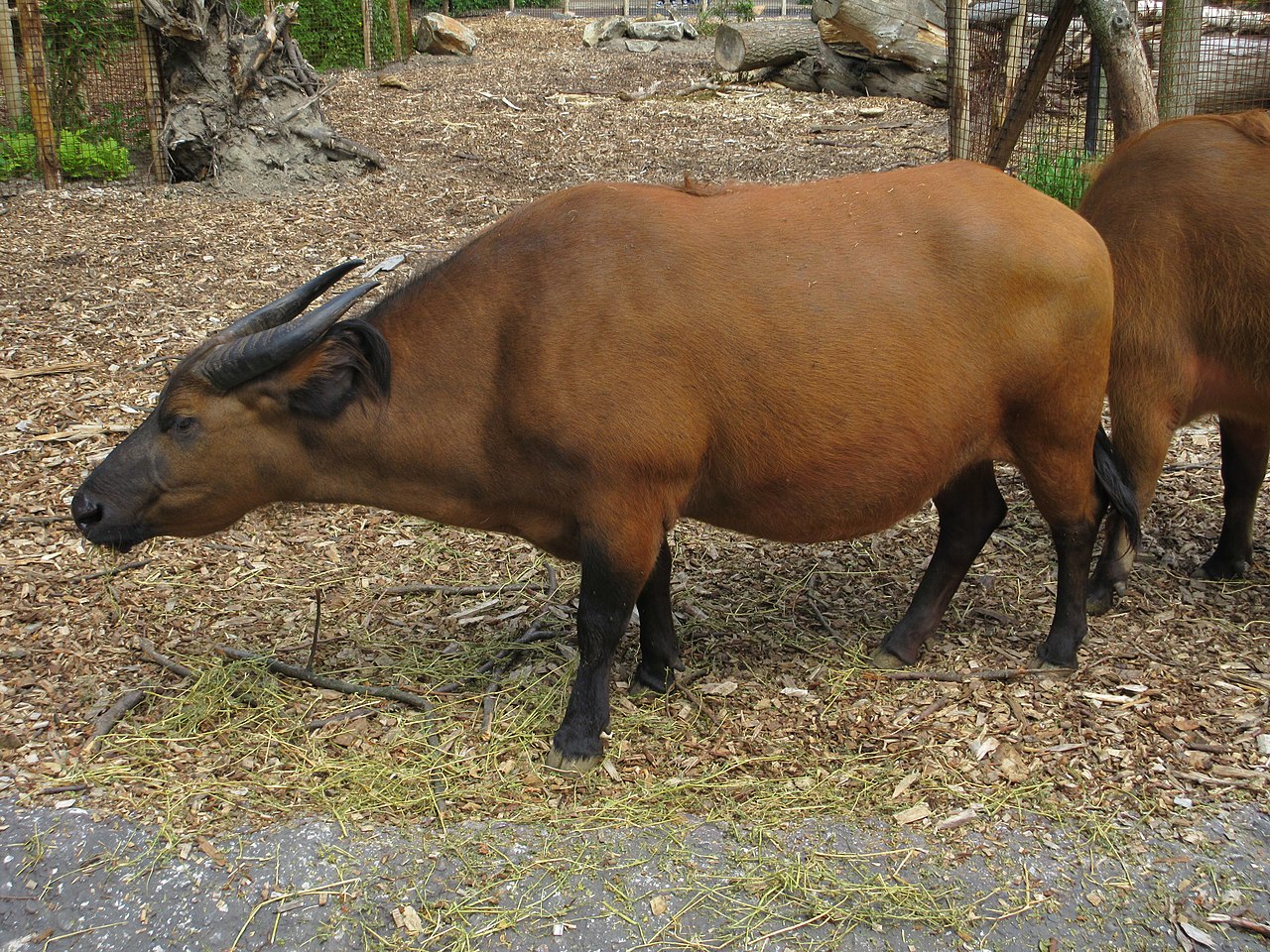
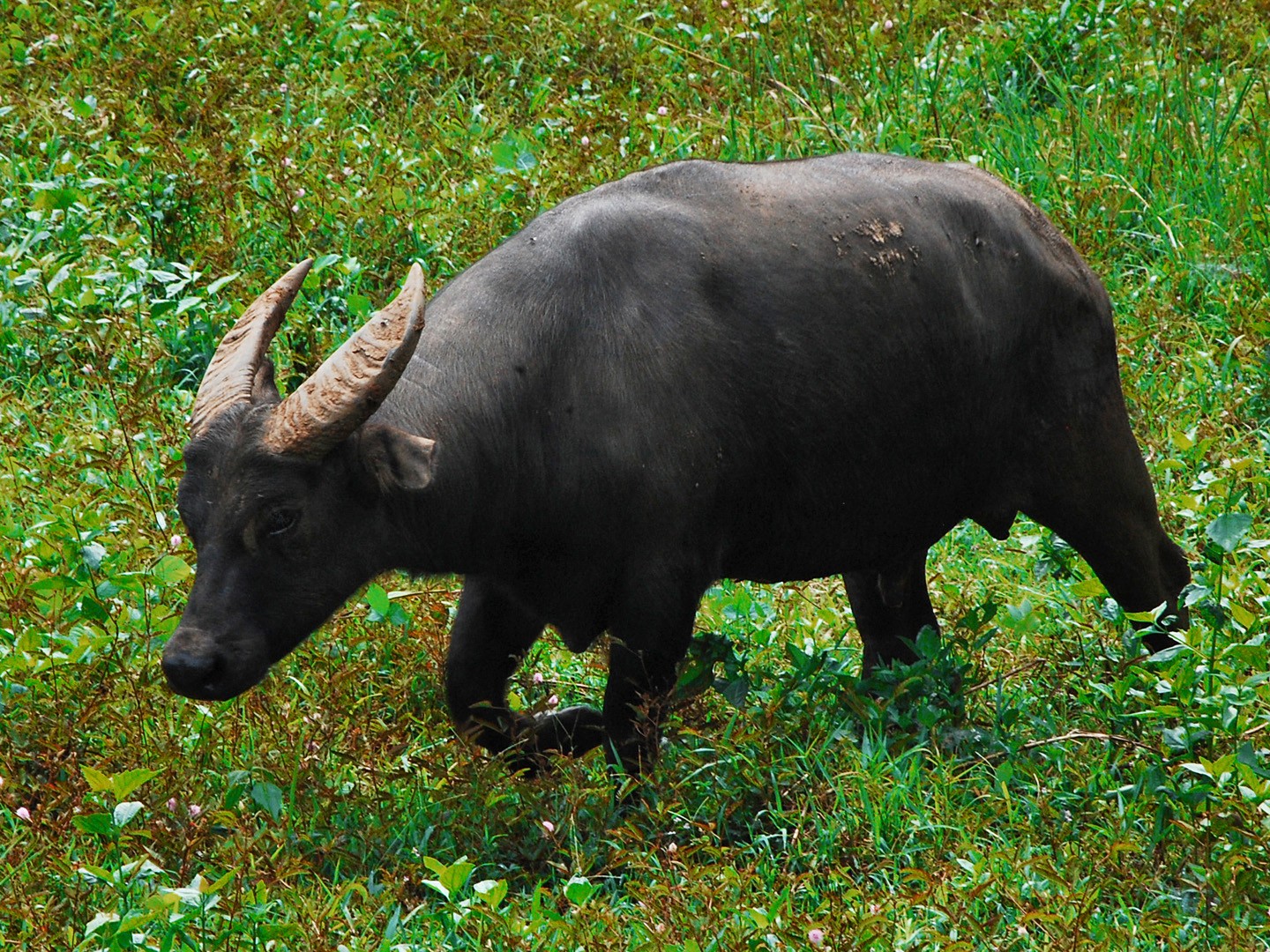
The first family Bubalina contains 2 Genus Syncerus only contains one species (first) the rest are from Bubalina

              Genus Syncerus                                                              Genus Bubalus


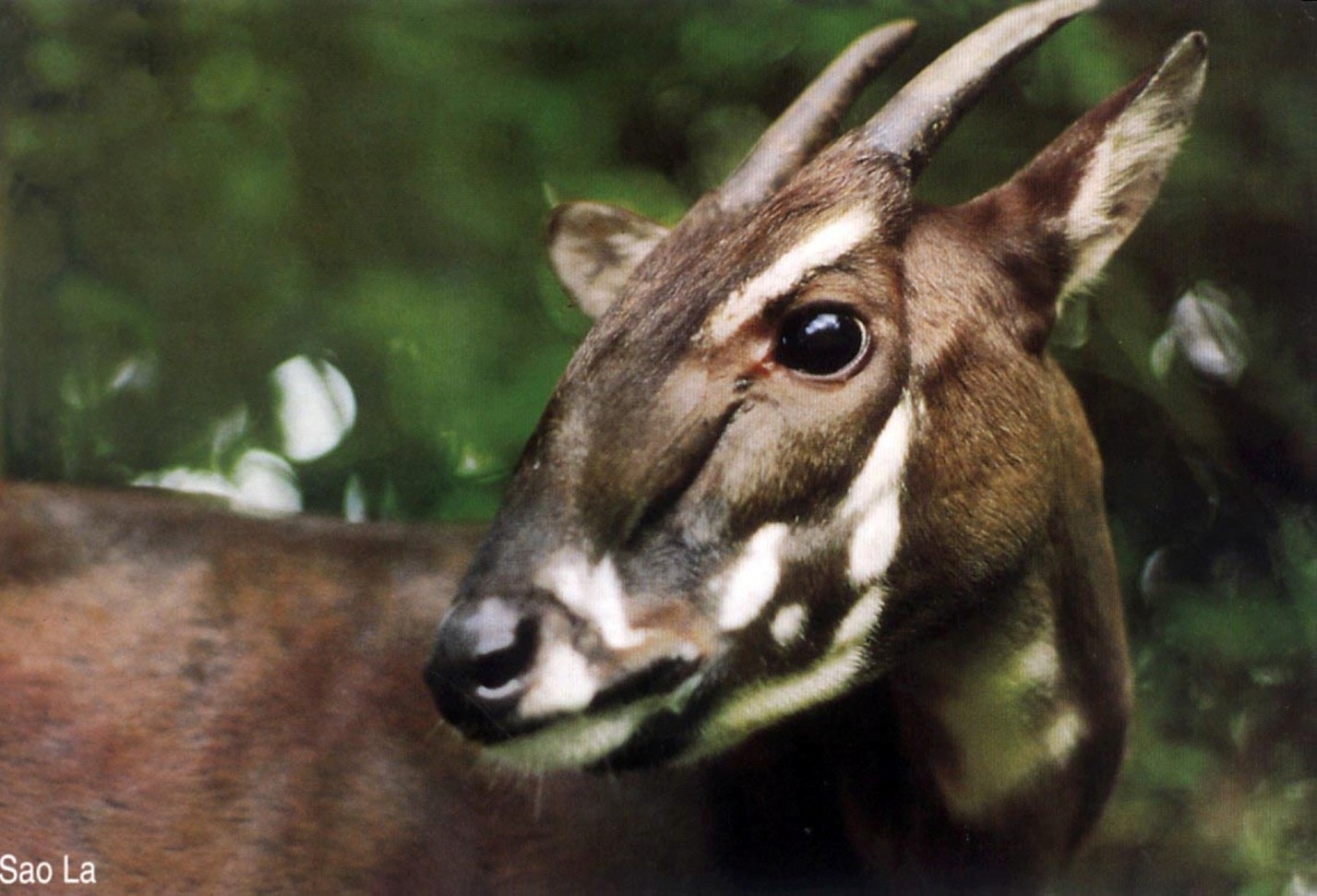
The second family contains one genus psuedorygina which contains one species the Saola

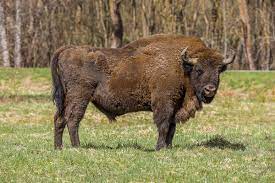
Bovina contains 1 Bison subgenus (it used to contain 2 but the Genus Bos became a subgenus (it should be noted there are far more subgenus that are extinct). Also, for simplicity sake, any subspecies will only be mentioned in each species page.

   Subgenus Bos                        poephagus                                Bison & Bos                               Bibos

Bos is domestic cattle

_Taurus originate in Africa,  _Mutus=wild Yak,                           Bos_Indicus                                                                                                Domestic cattle                            Originate in Himilayas               Originate in India, fatty hump (first on second row)                                and Aurochs                                     

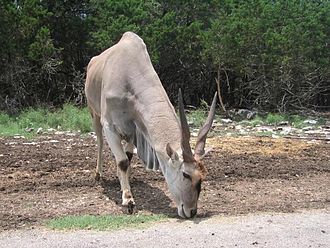
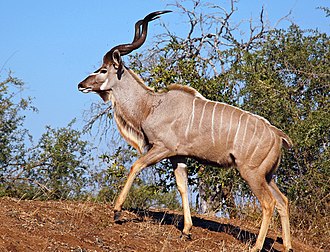
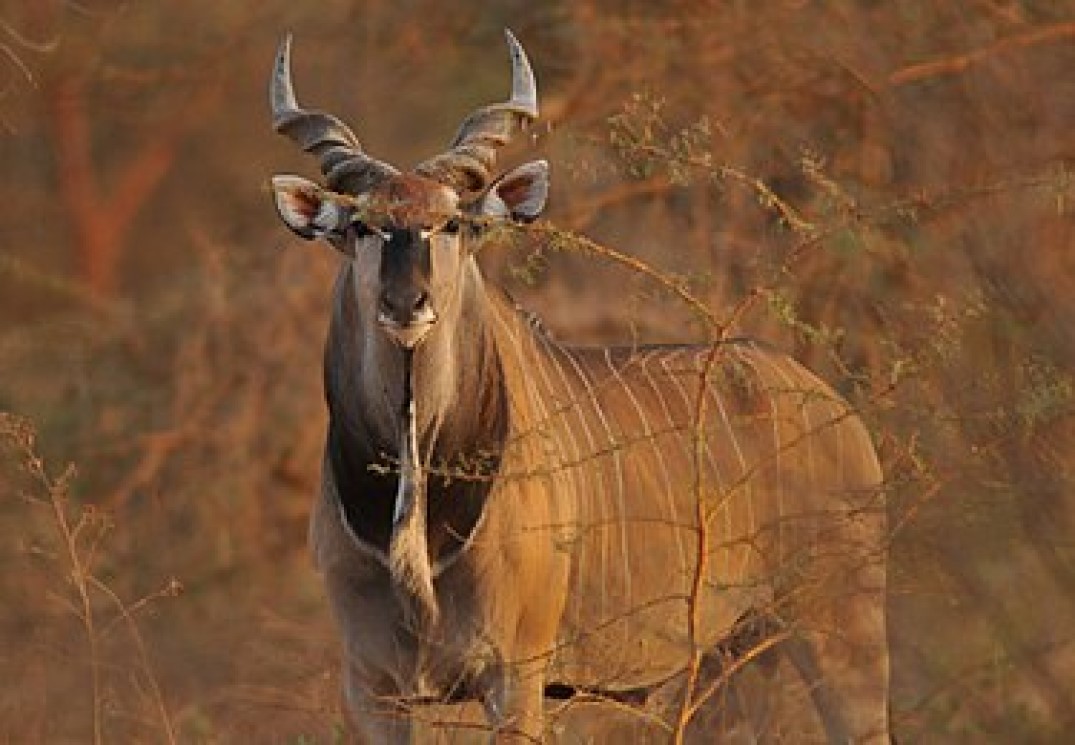
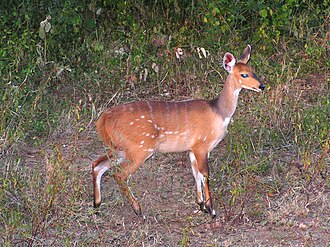
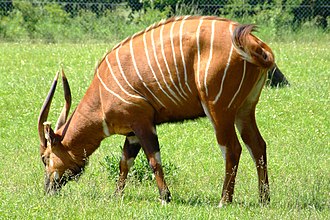
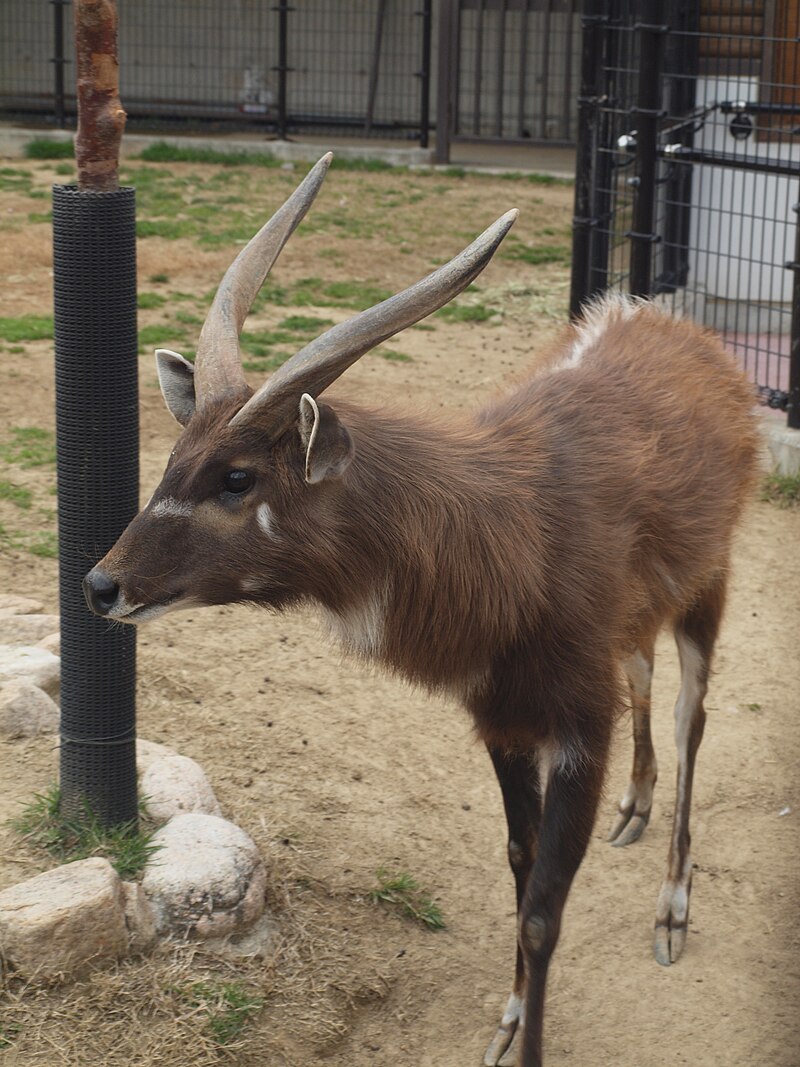
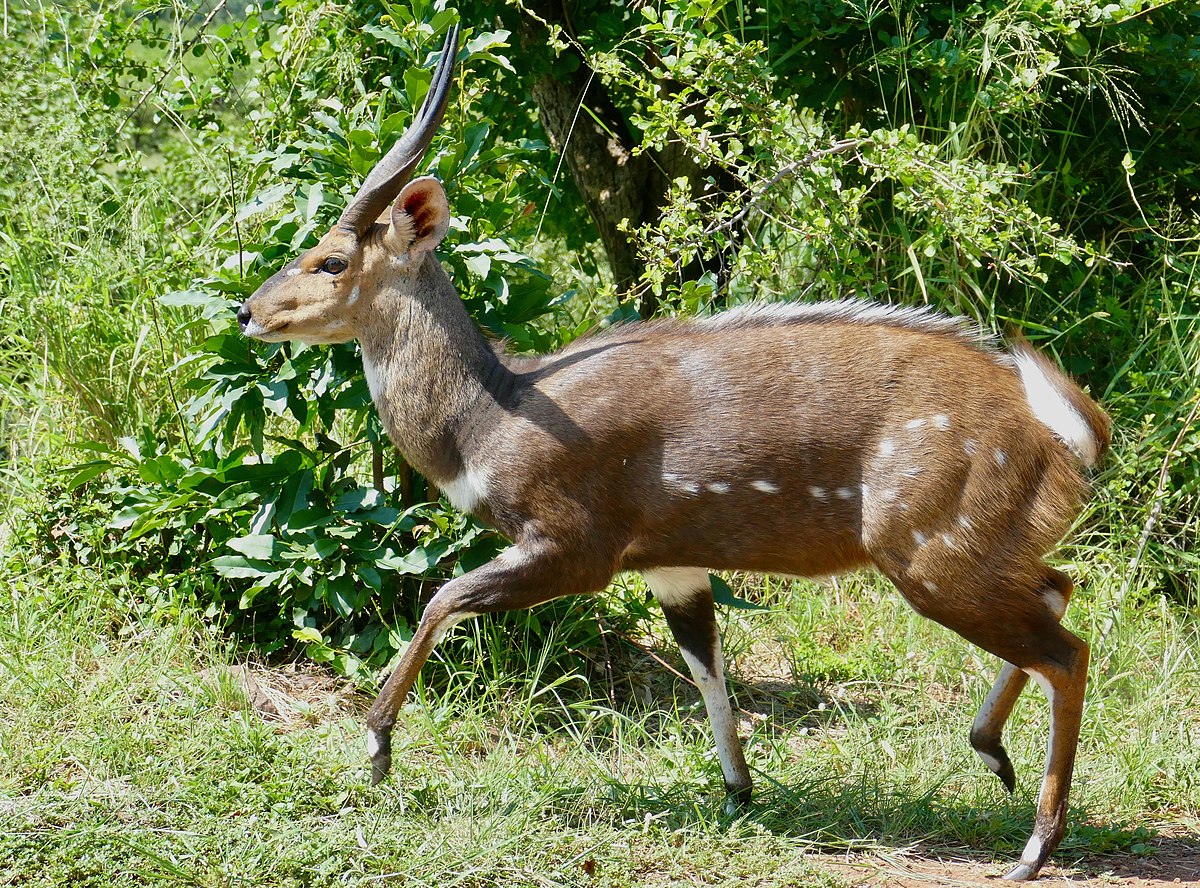
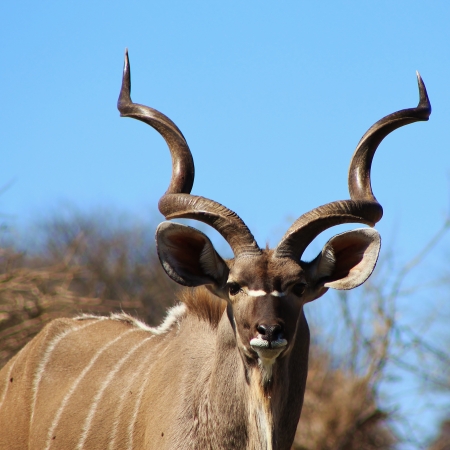
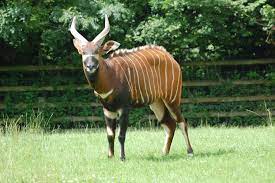
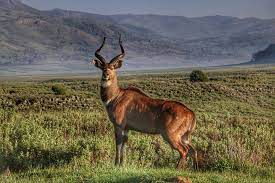
Finally tribe Tragelaphini or spiral horned antelope contains 5 genus. The first 4 contain 1 species (in order) the last genus has 3 species. If I cover subspecies these will be in their own pages

Genus Ammelaphus           Genus Nyala                                                        Genus Tragelaphus                        Genus Taurotragus             Genus Strepsiceros

Bovidae family (including Aegodontia &Boodontia & Caprinae) or Antelope family tree

Bovidae family (including Aegodontia &Boodontia) or Antelope family tree

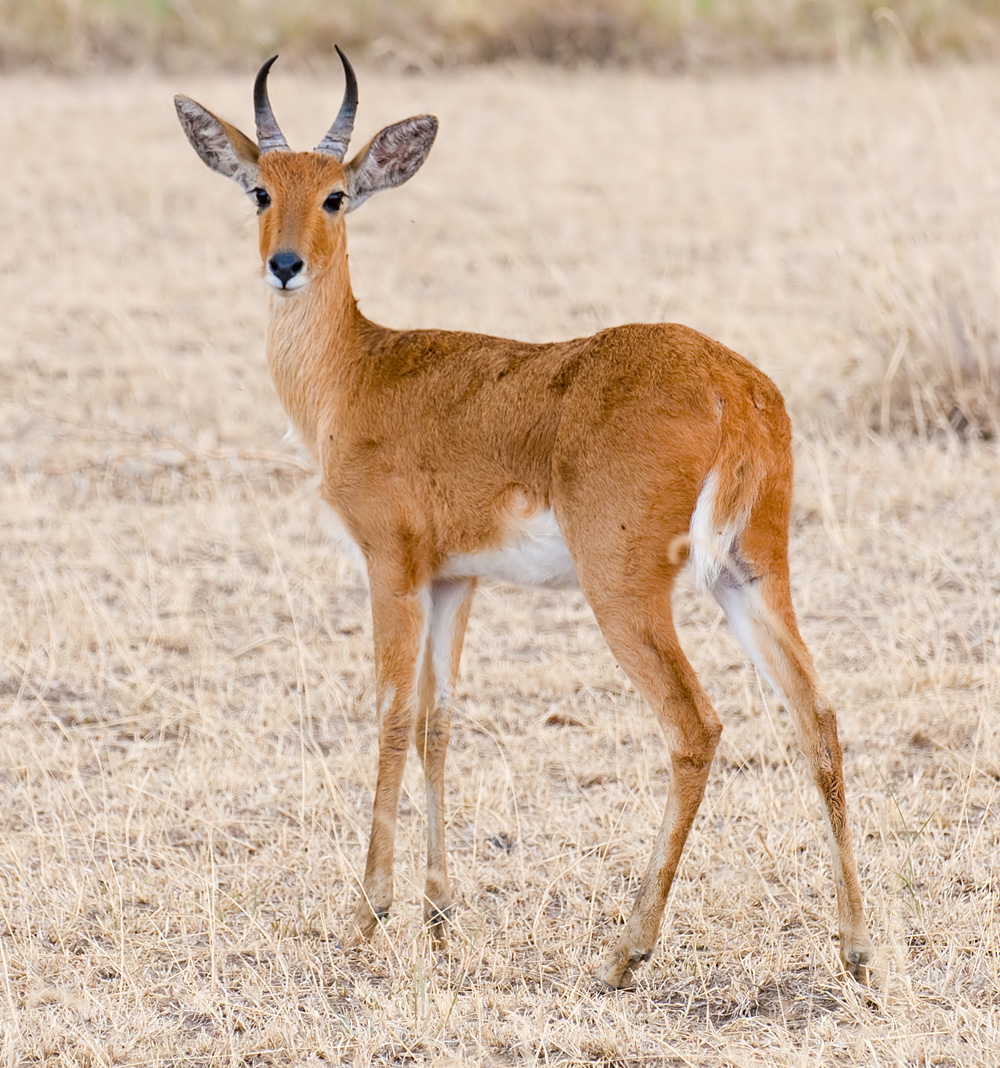
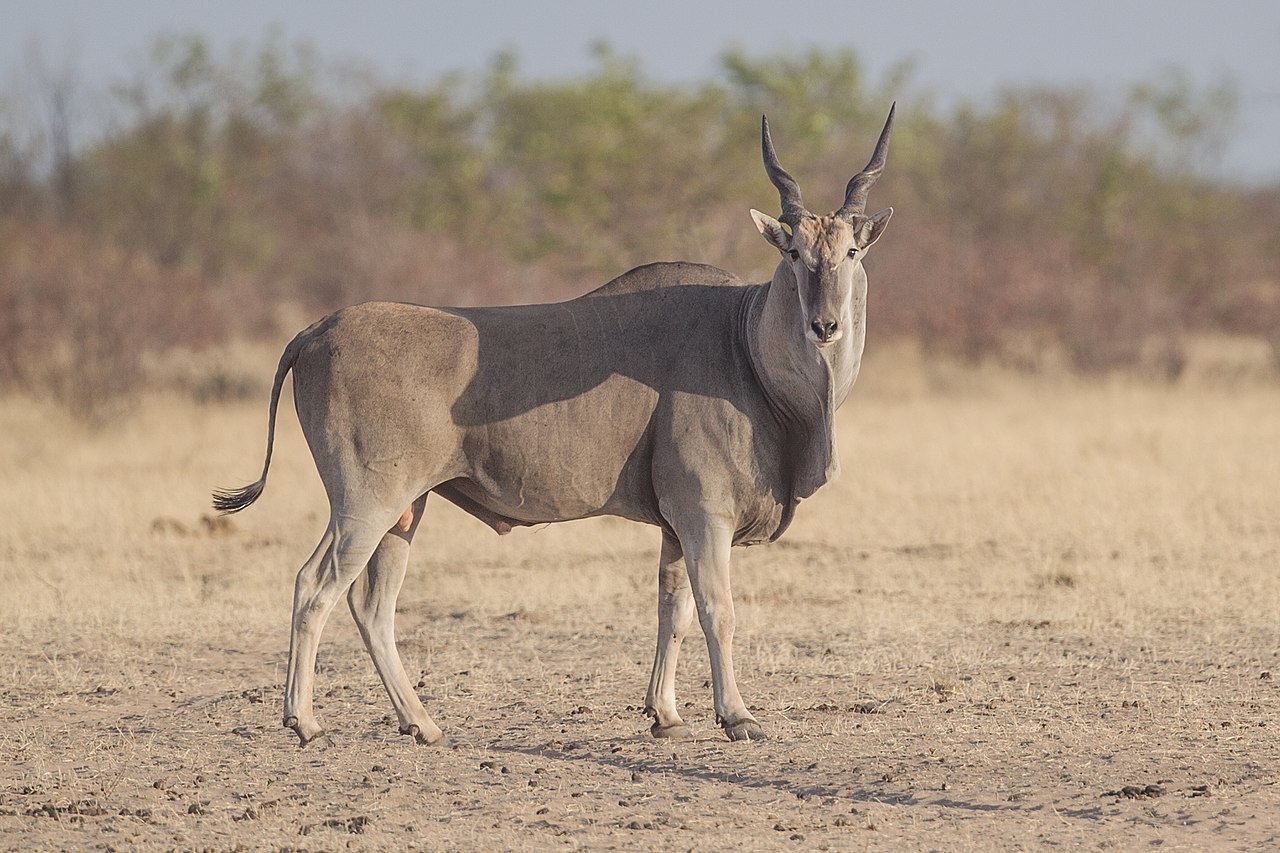
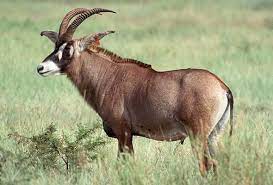
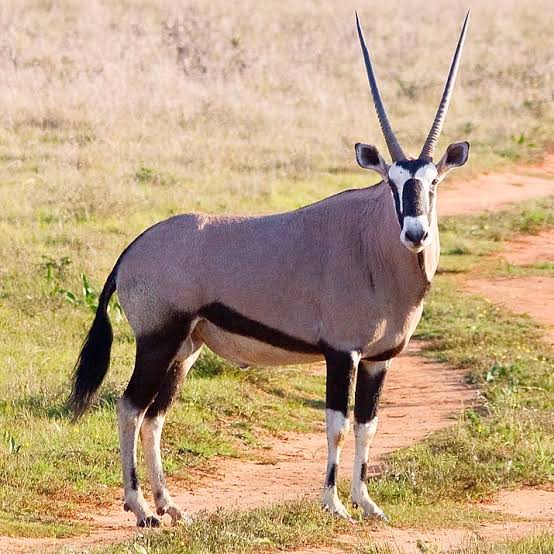
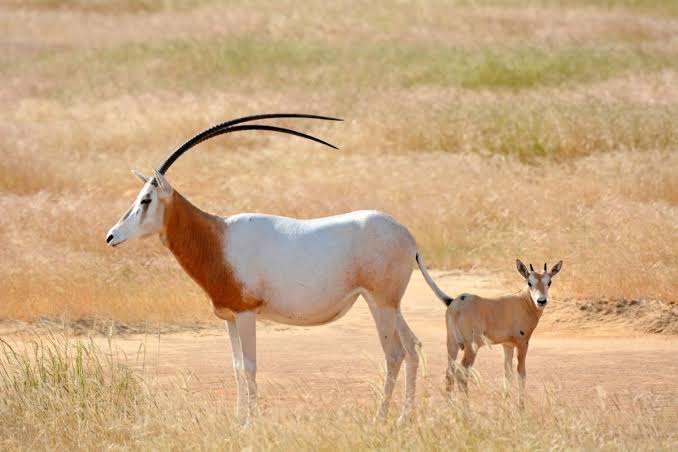
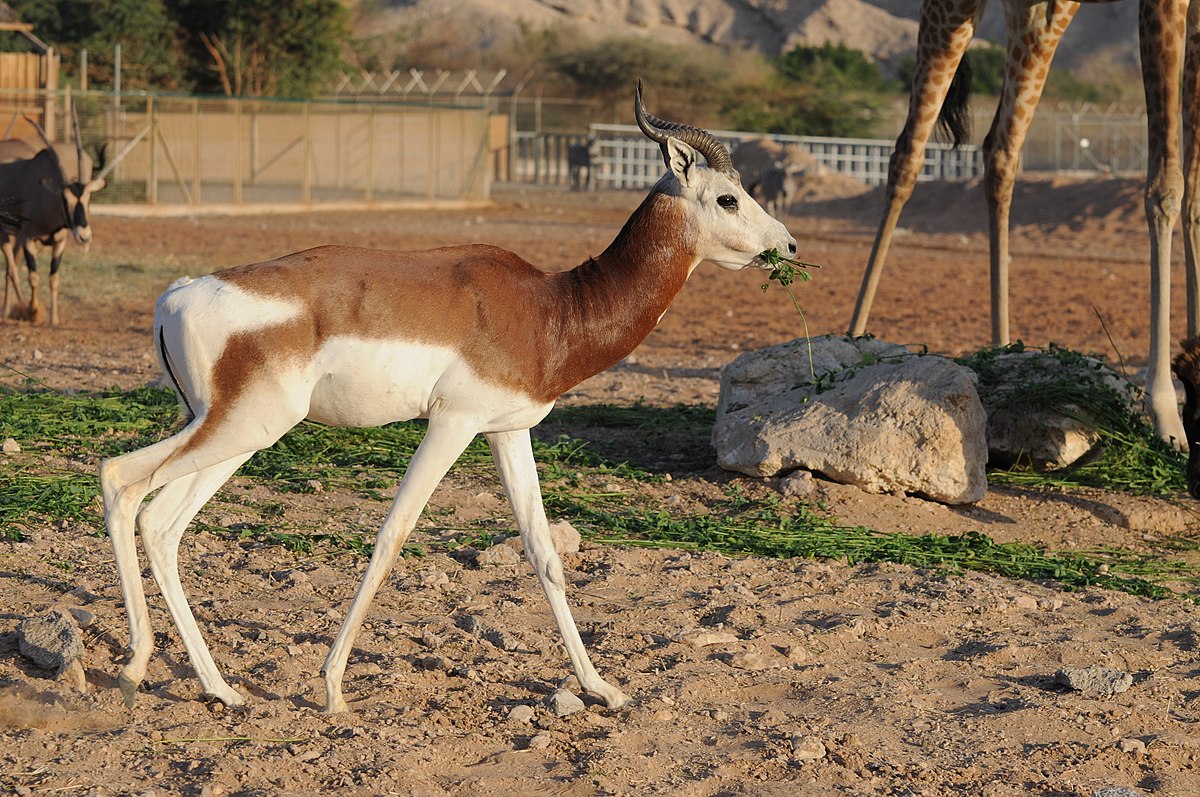
Antelope lie in the Bovidae family, and account for around 2/3 of the 135 Bovidae species that exist in the world. It should be noted that deer come from the family Cervidae, which means that despite looking extremely similar, antelope are more closely related to cattle than they are to deer.

There are 91 antelope species in the world with 72 found in Africa, 14 in Asia, with the last 5 found in Eastern Europe.

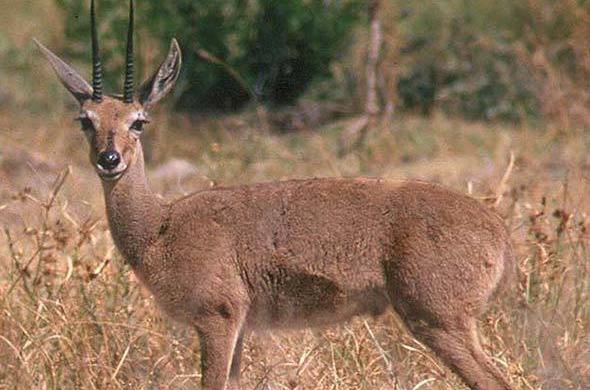
There are 8 subfamilies in Africa

1. Subfamily Bovinae

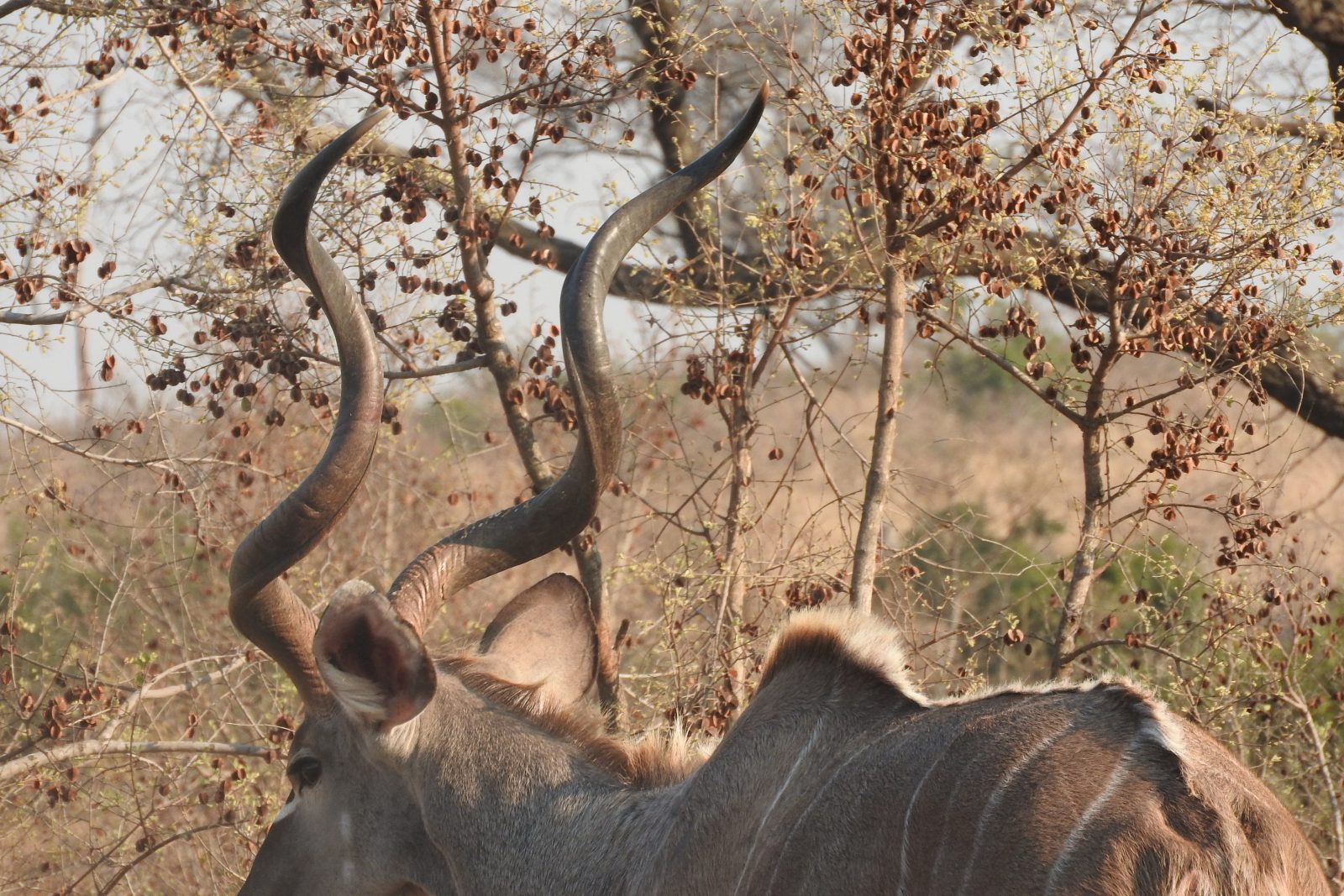
Spiral horned antelopes made up of tribe Tragelaphini: 9 species 4 subspecies.

2. Subfamily Reduncinae

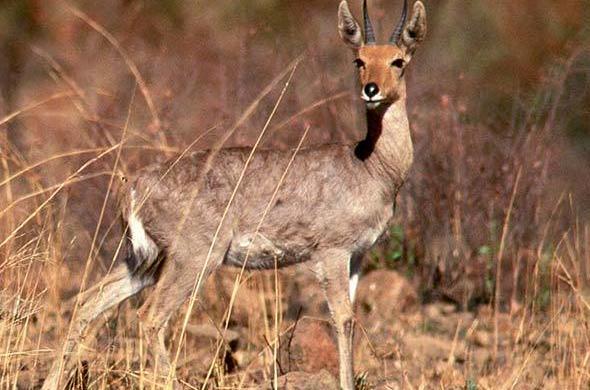
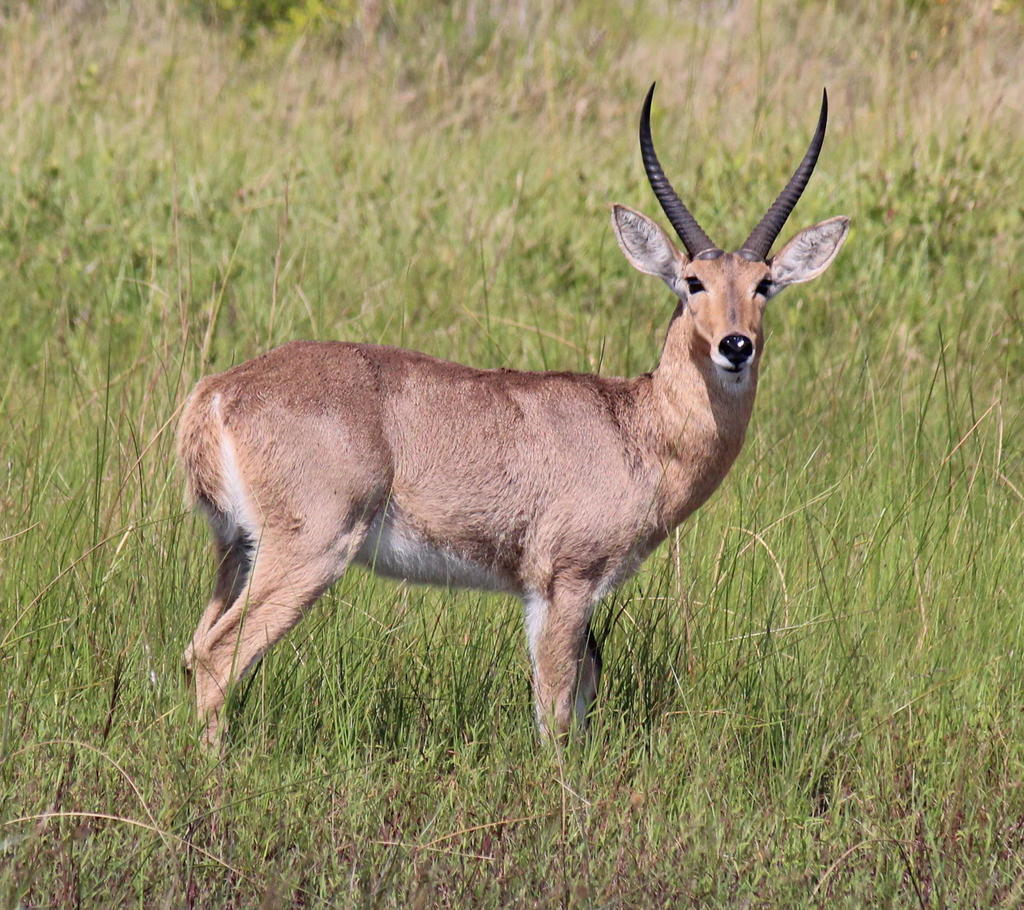
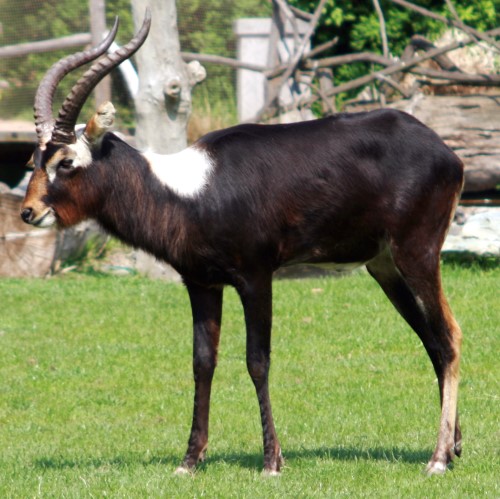
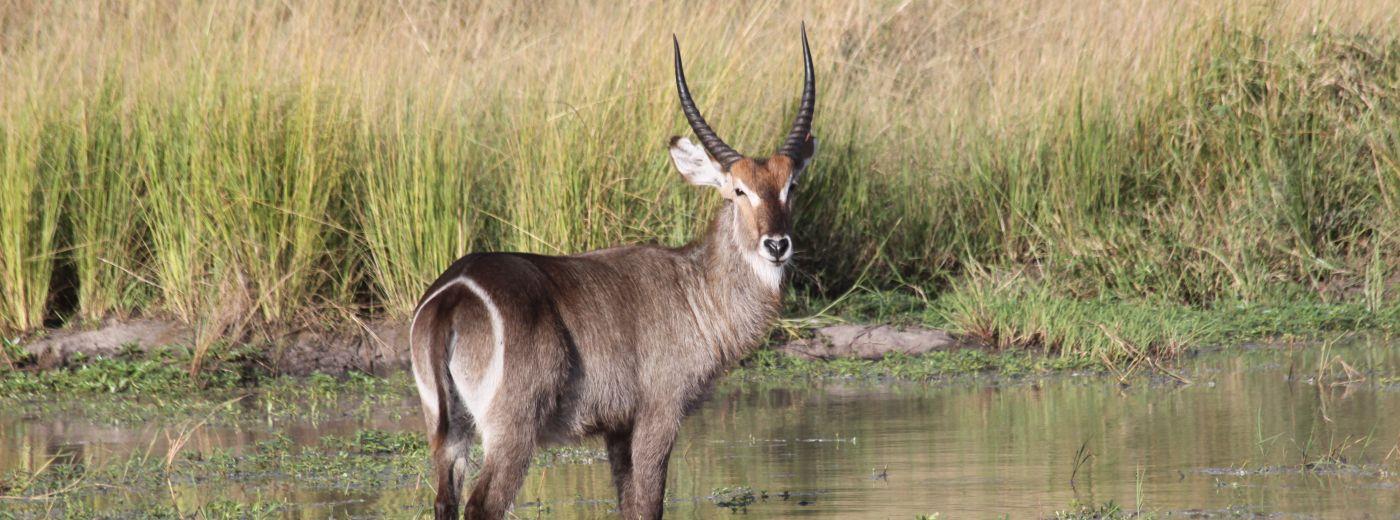
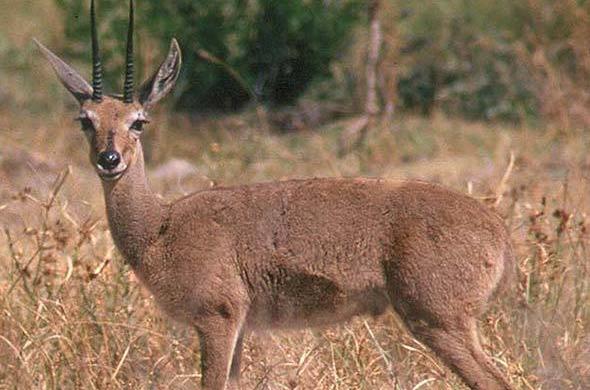
Rhebok, reedbucks, and waterbucks 8 Species, 11 Subspecies

3. Subfamily Peleinae:

 1 Species
 

4. Subfamily Alcelaphinae


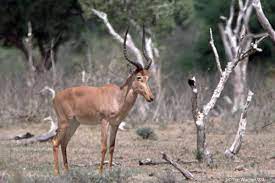
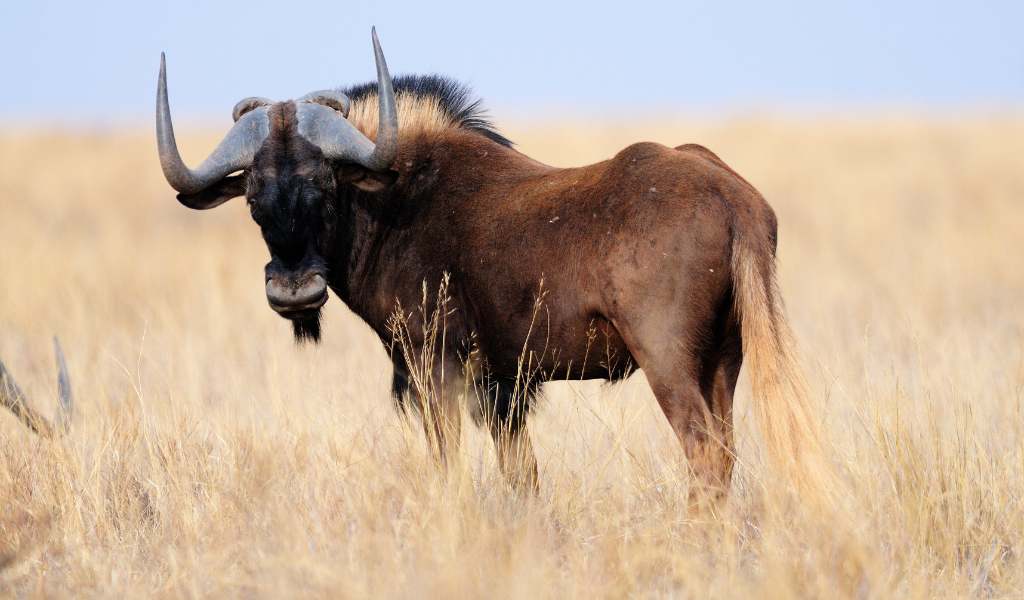
Sassabies, hartebeests, and wildebeests: 6 Species (depending on how you count, it can be anywhere from 6 to 10) , 19 Subspecies

5. Subfamily Hippotraginae

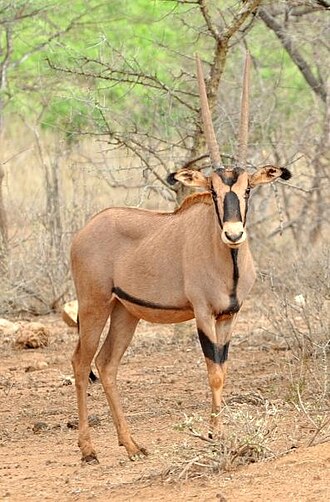
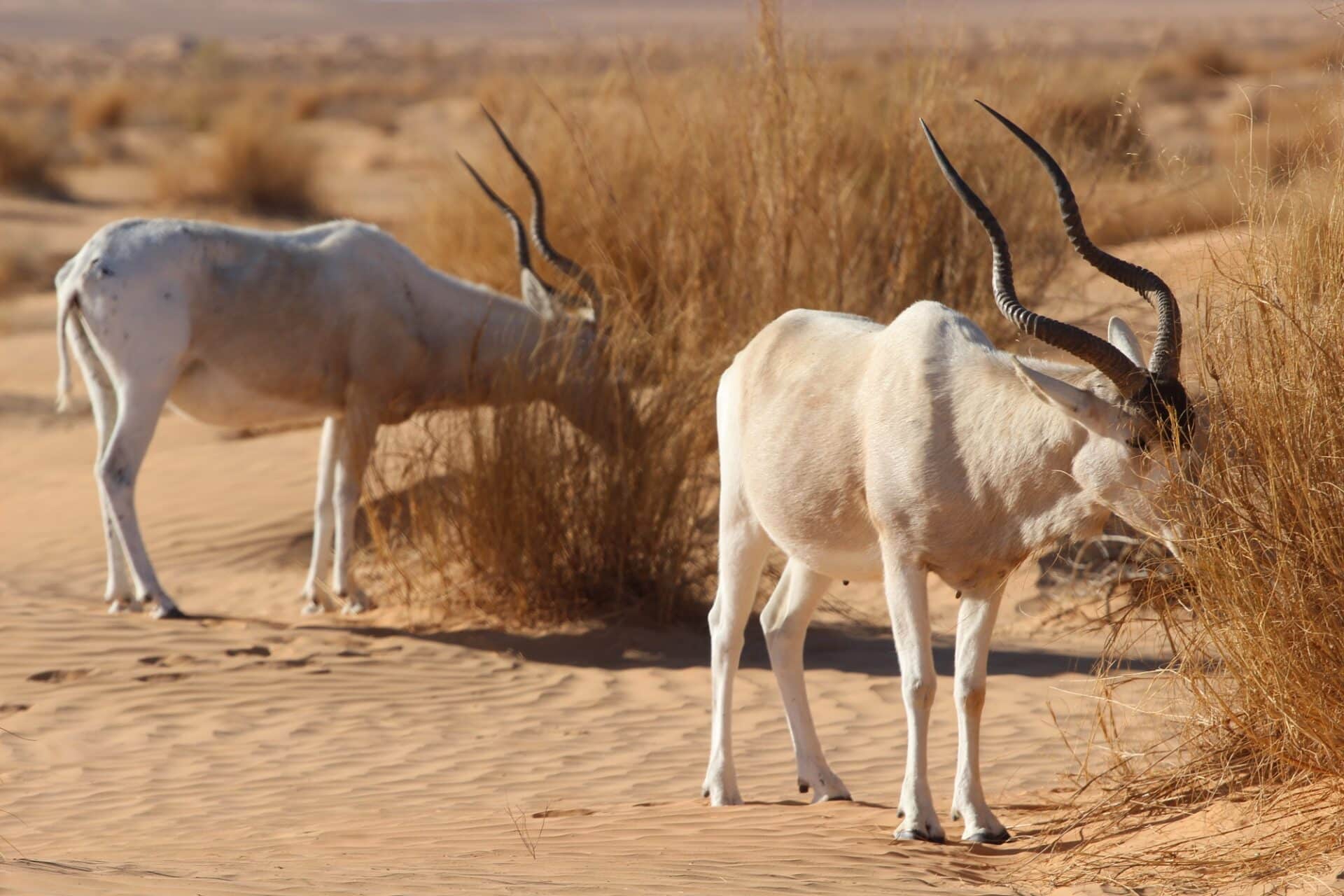
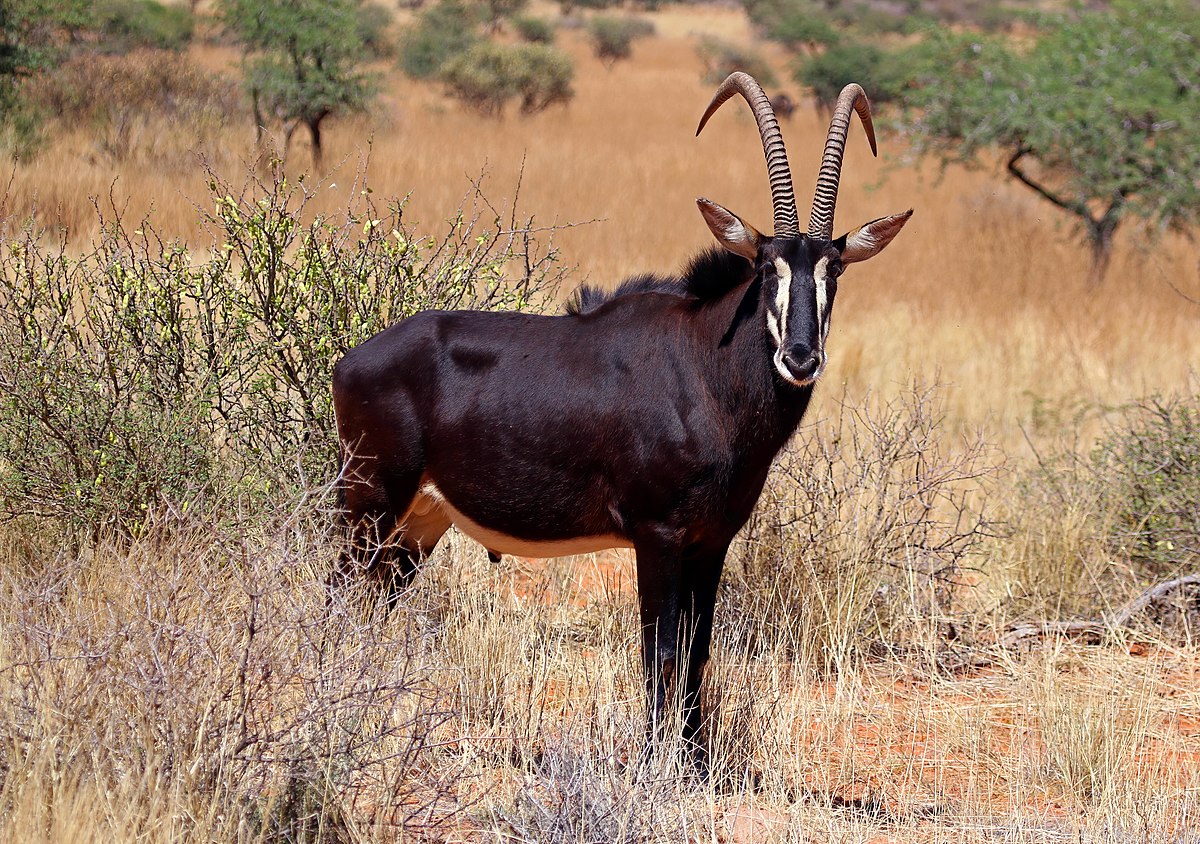
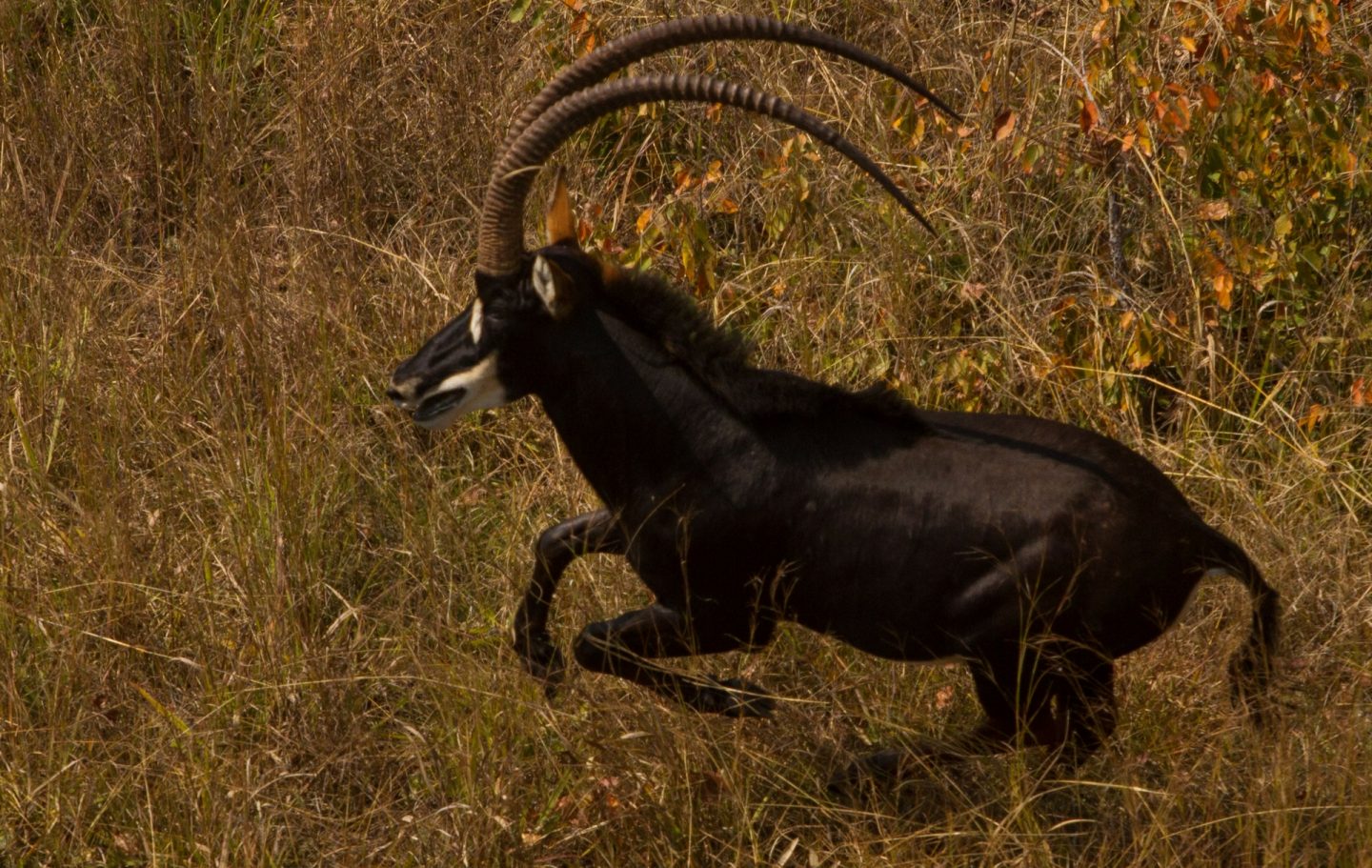
Grazing antelope: 7 Species, 4 Subspecies

6. Subfamily Aepycerotinae

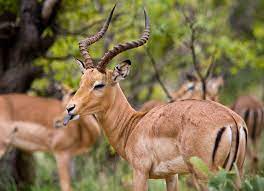
Impala: 1 Species which is impala, 2 Subspecies

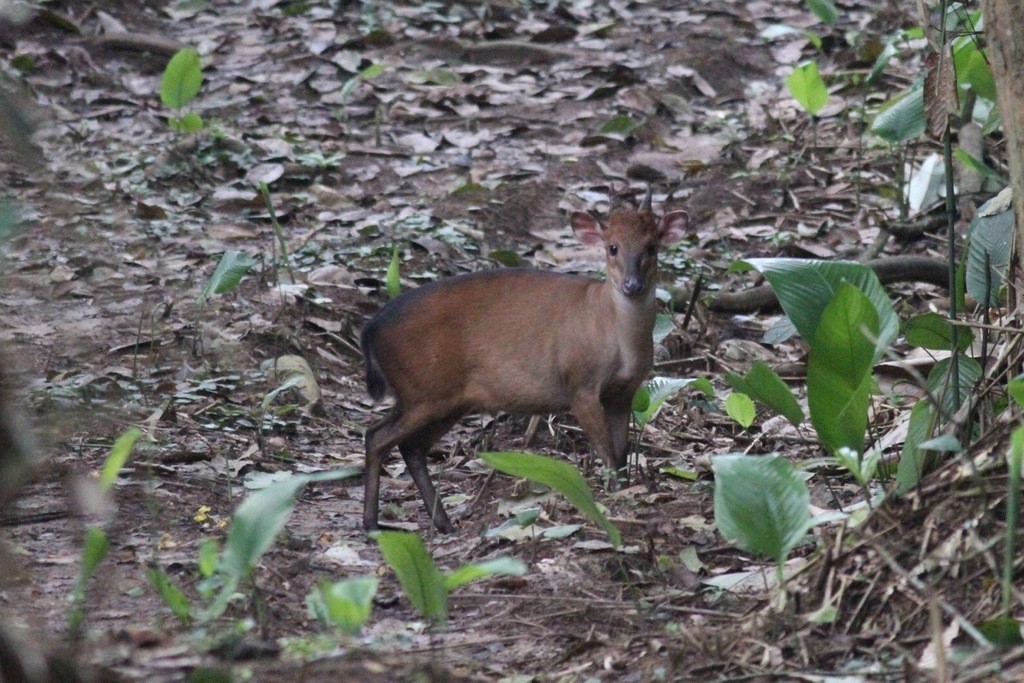
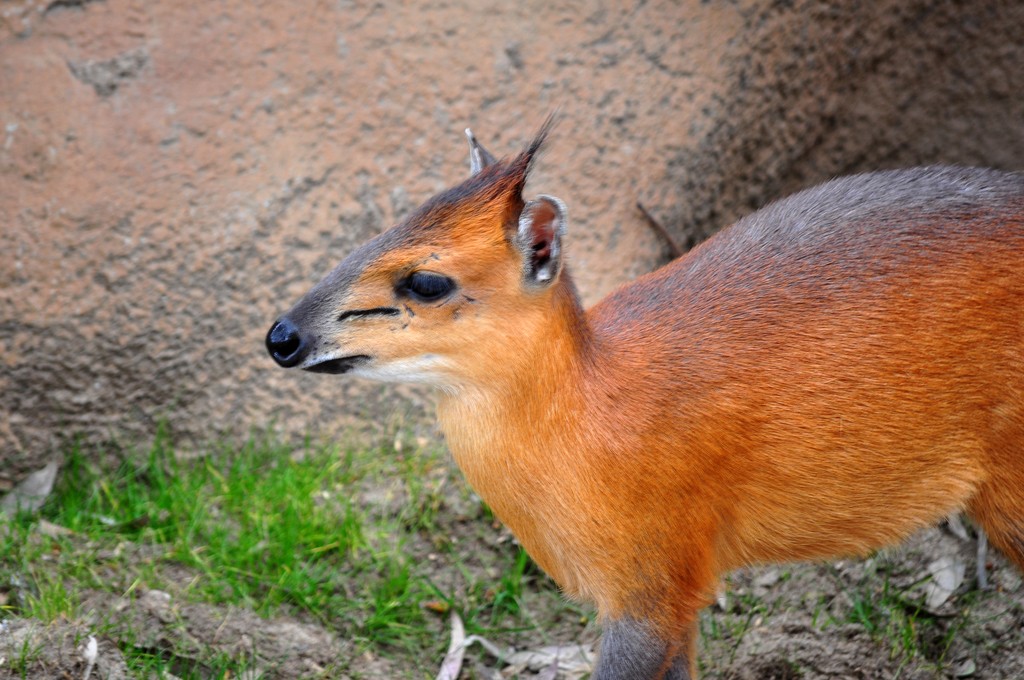
8. Subfamily Cephalophinae

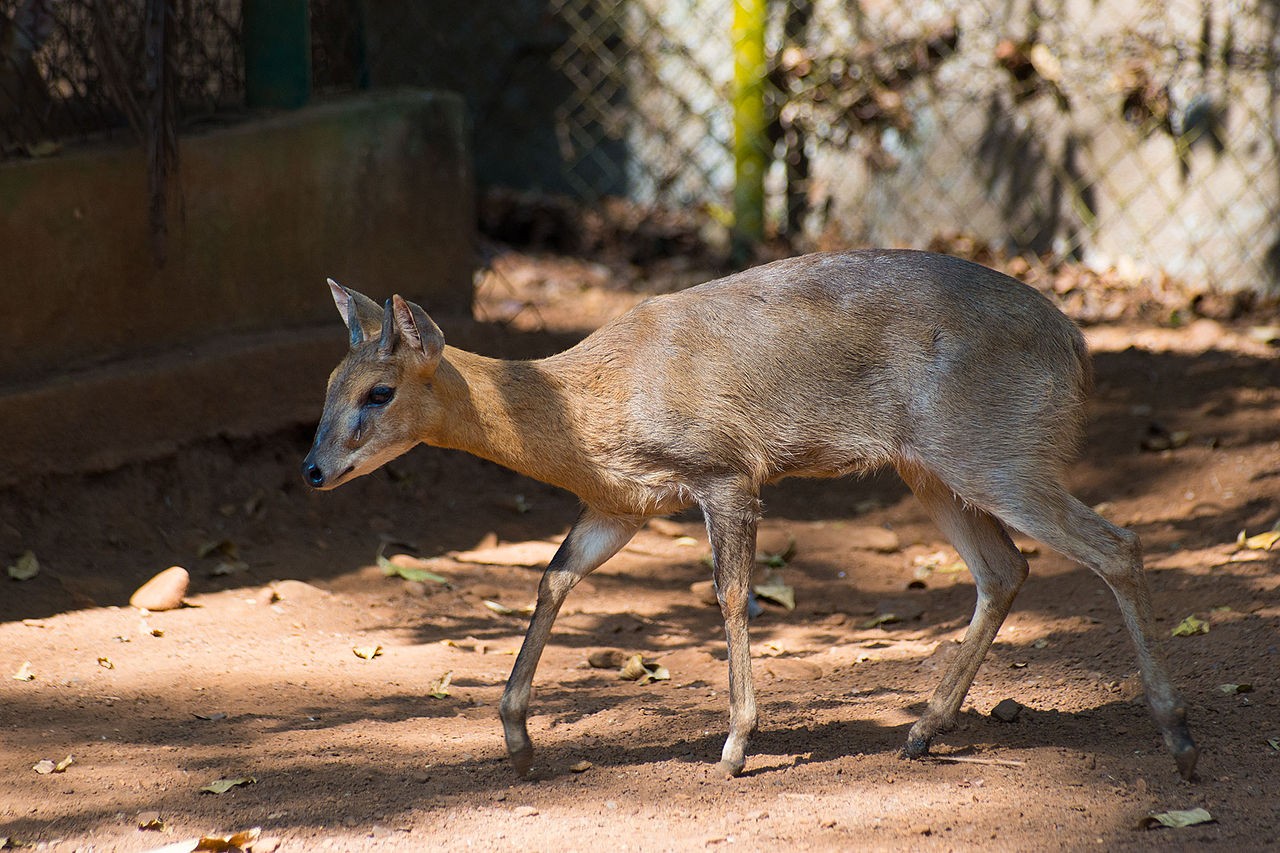
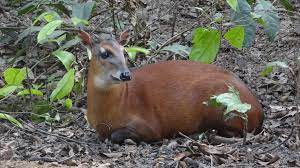
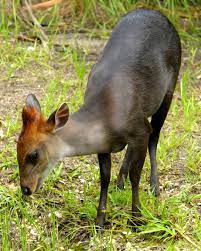
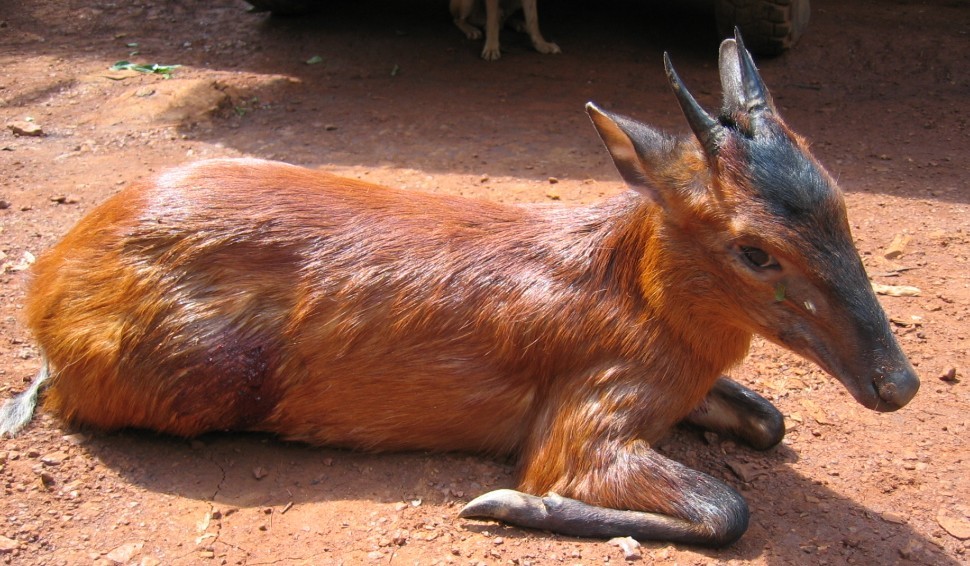
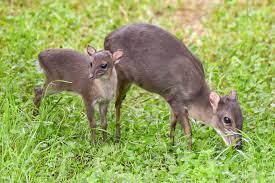
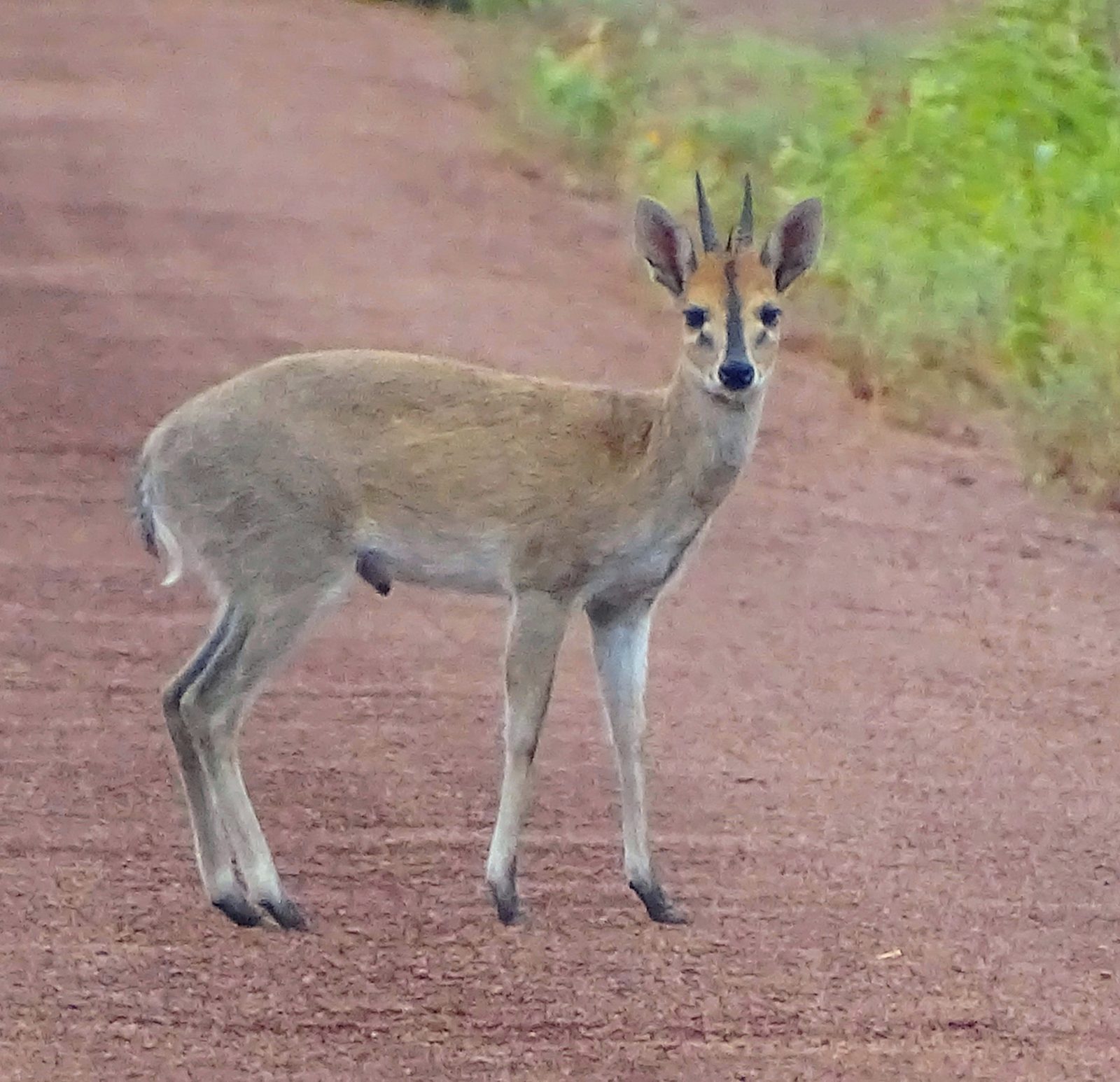
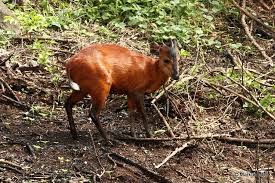
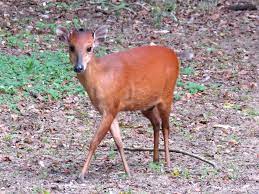
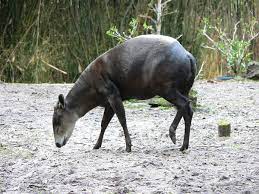
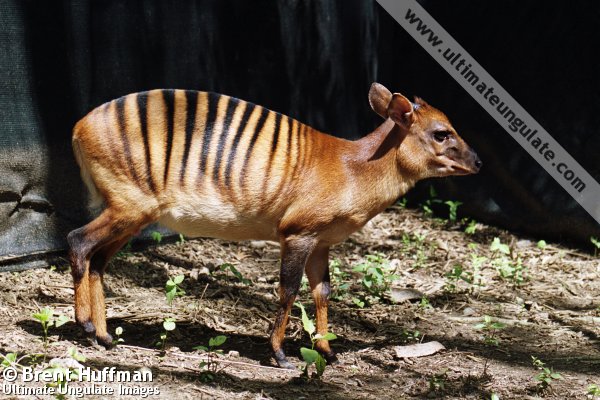
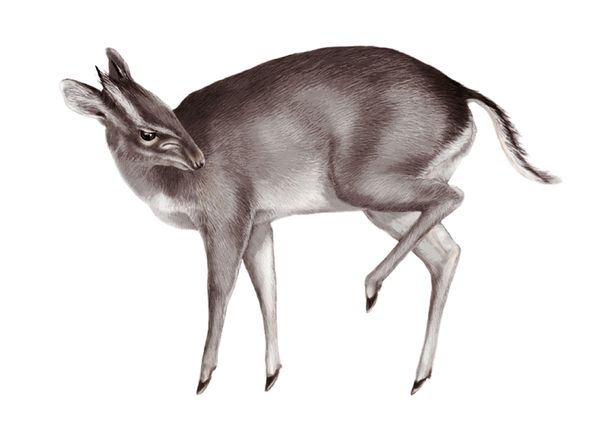
 Duiker: 17 Species, 7 Subspecies

If you want to return to the Ruminants family page click here

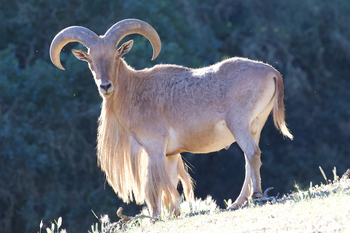
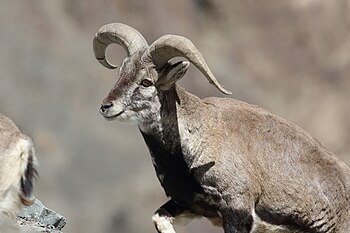
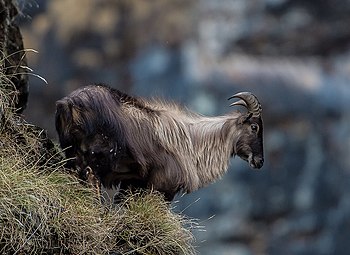
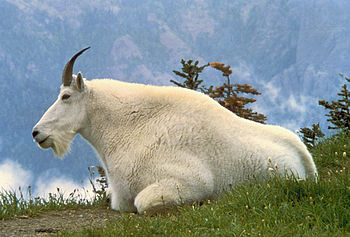
Caprinae

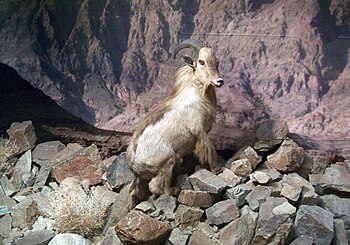
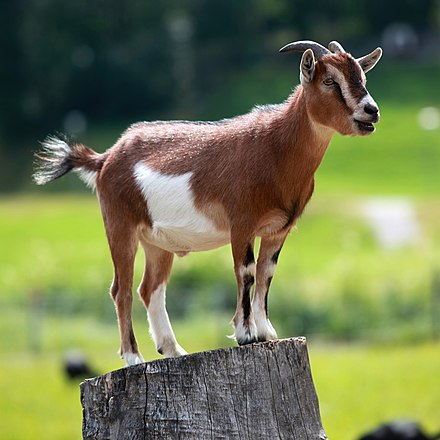
The Caprinae family is a close relation of Alcelaphinae & Hippotraginae (subfamily 4 and 5 on this page) but this family consists of the worlds goats and sheep.

This consists of 9 genus with just 1 species in each (and one further extinct so not included here) and then 5 genus with more than that. 

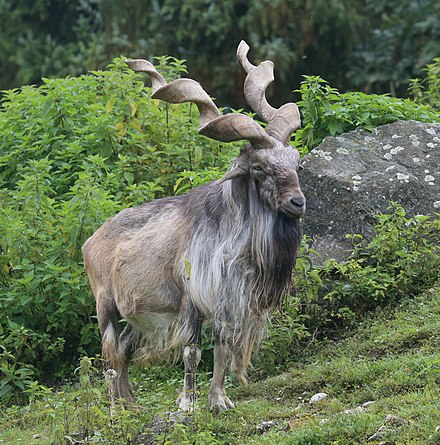
Firstly dealing with each genus with only one species.

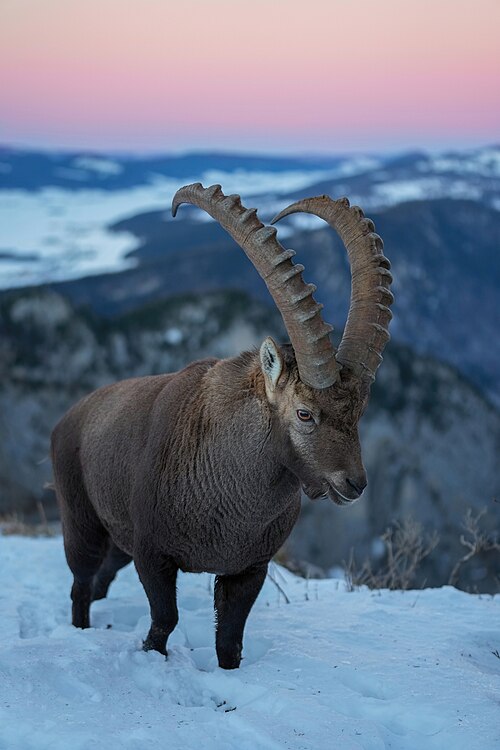
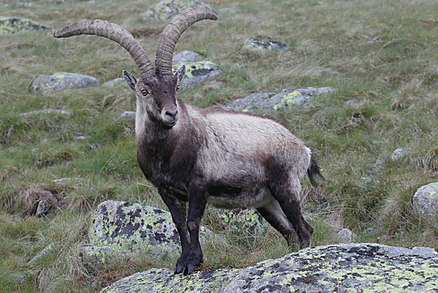
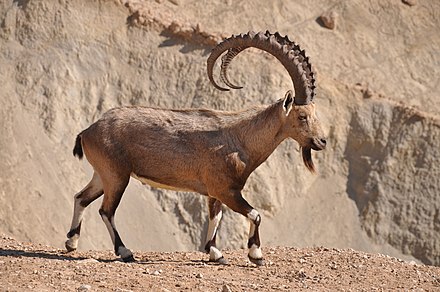
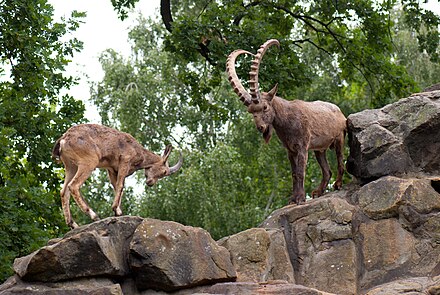
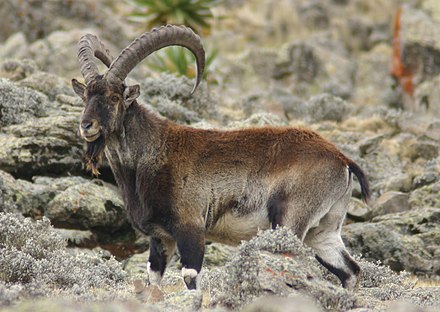
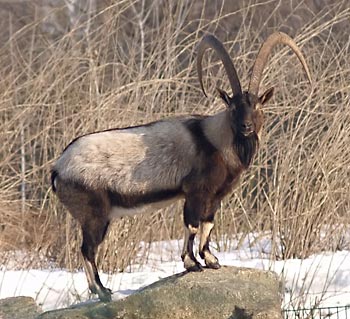
Next the Capra genus, which consists of the worlds Ibex species

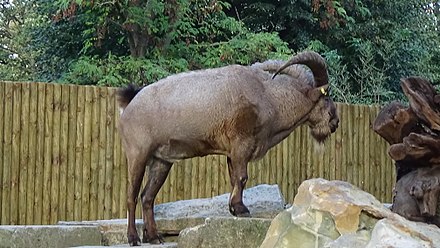
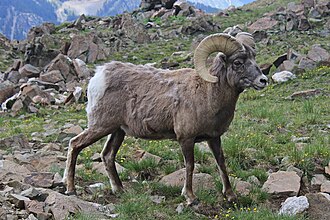
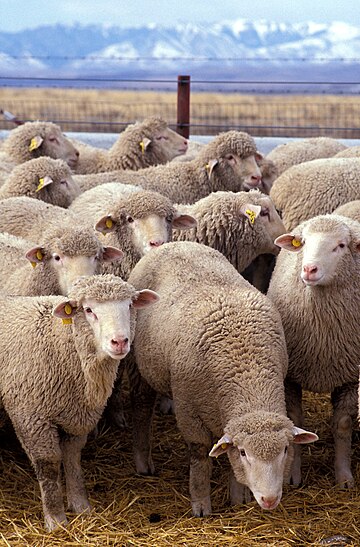
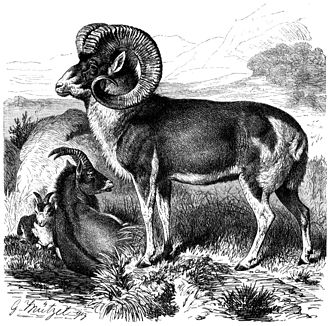
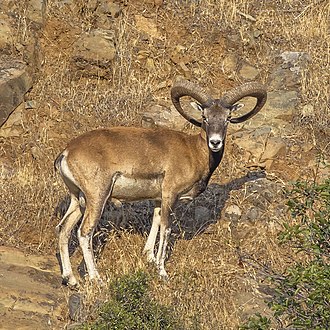
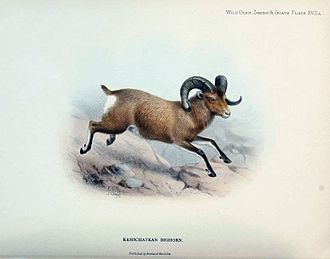
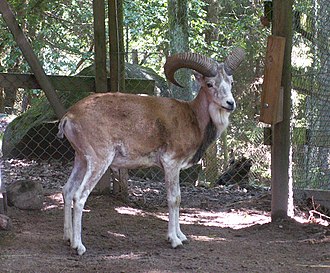
Next the Ovis family (sheep species)

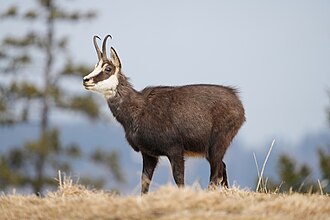
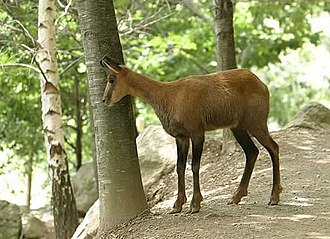
Two species of Chamois remain

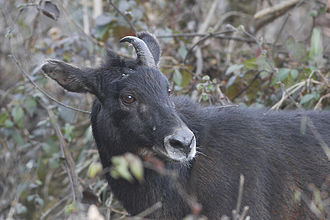
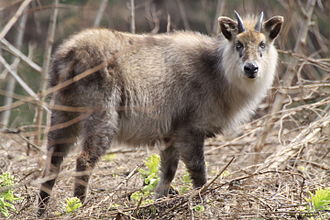
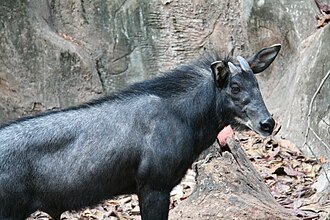
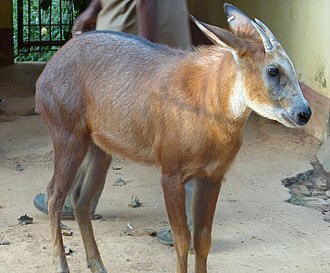
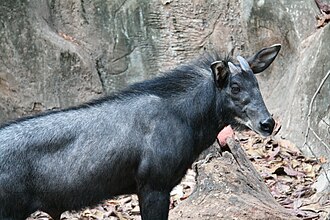
The second last group is the Serow (6 species)

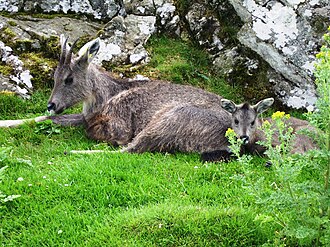
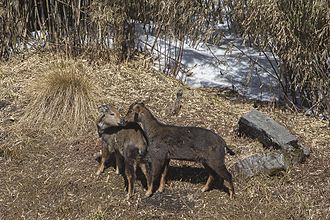
The last group is the Goral

Sea-Lions

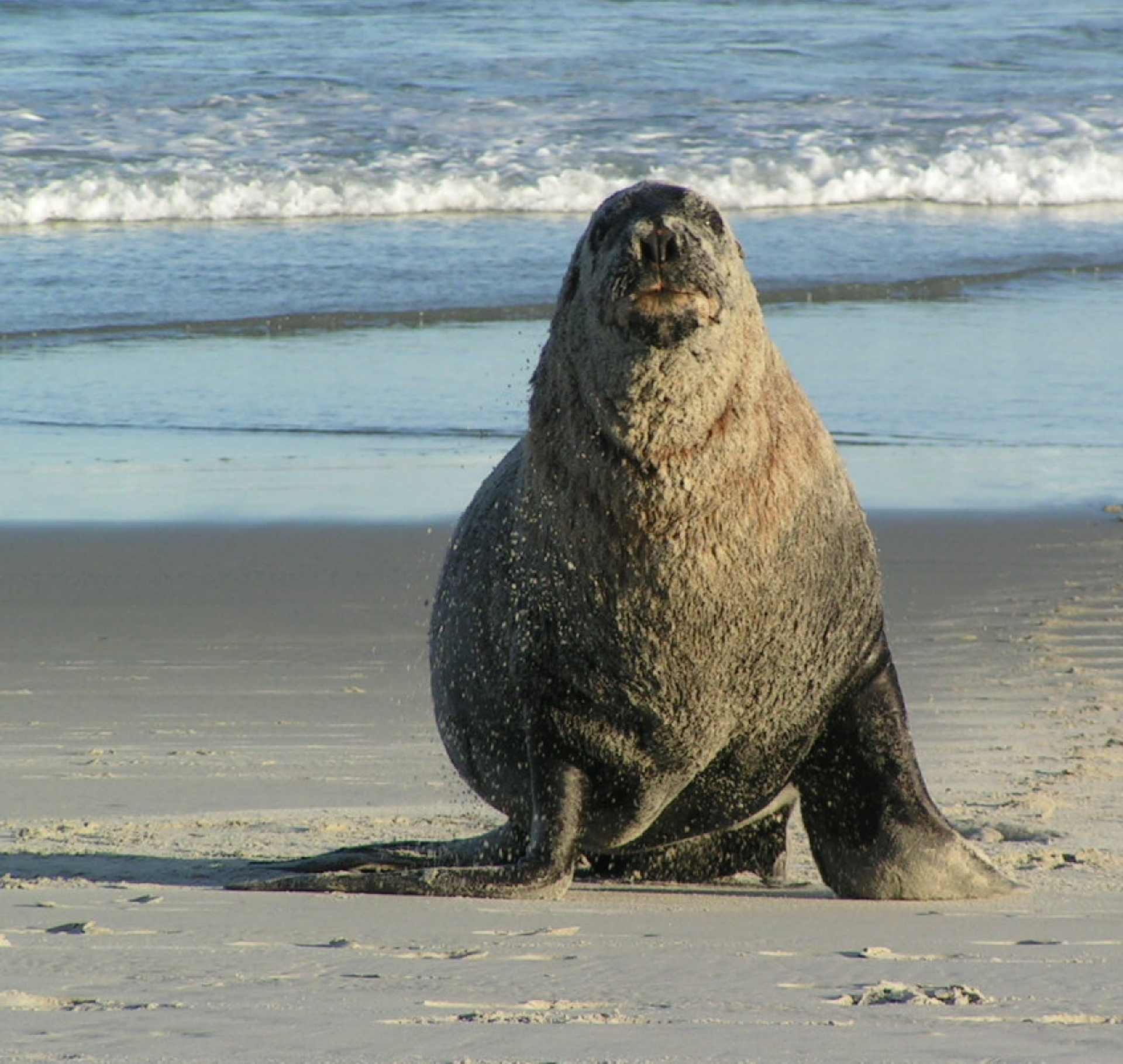
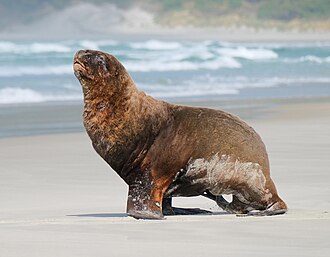
An encounter with almost any wild animal can be something you remember for years. This sealion that came out of the sea on the beach in New Zealand is no different

Sea-lions

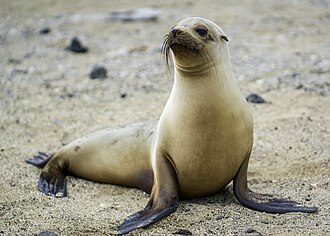
There are 6 living species of sea-lion, and 1 extinct. As the interest in these species grows and the links become unwieldy i will split out the separate species, but for the time being I will just have one page for them all – help it to be necessary to split them as soon as possible. 

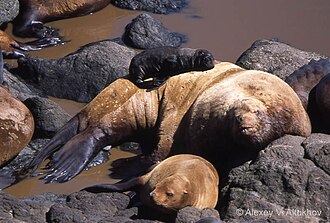
Sea-lions are pinnipeds with external ear flaps, long fore-flippers, the ability to walk on all fours, short and thick hair, and a big chest and belly. The sea-lions the 6 living species shown below (the Japanese sea-lion is extinct) in five genera. Their range extends from the subarctic to tropical waters of the global ocean in both the Northern and Southern Hemispheres, with the notable exception of the northern Atlantic Ocean. They have an average lifespan of 20–30 years.[2] A male California sea-lion weighs on average about 300 kg (660 lb) and is about 2.4 m (8 ft) long, while the female sea-lion weighs 100 kg (220 lb) and is 1.8 m (6 ft) long. The largest sea-lions are Steller’s sea-lions, which can weigh 1,000 kg (2,200 lb) and grow to a length of 3.0 m (10 ft). Sea-lions consume large quantities of food at a time and are known to eat about 5–8% of their body weight (about 6.8–15.9 kg (15–35 lb)) at a single feeding. Sea-lions can move around 16 knots (30 km/h; 18 mph) in water and at their fastest they can reach a speed of about 30 knots (56 km/h; 35 mph).[3] Three species, the Australian sea-lion, the Galápagos sea-lion and the New Zealand sea-lion, are listed as endangered.

Steller Sea-lion are found on the land of North America and Asia that circle the north pole (map below, credit NOAA). 

They are predated by killer whales, though sleeper sharks and great whites sometimes take young. They eat a variety of foods, include various fish species, as well as octopus and squid. They are fast swimmers, capable of diving to 1500feet, and staying under for 16 minutes

During breeding season, males fight to control a stretch of beach, and females move freely to the place they favour. 

Status: population has fallen 70-80% since the 1970s and so are listed as endangered, around 46,000 individuals, though in recent years, the Eastern population has grown at around 3% a year (in 2013 this lead to its removal from the US endangered species list)


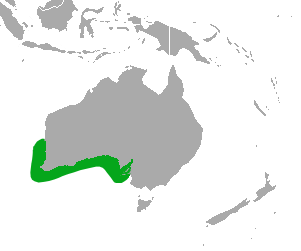
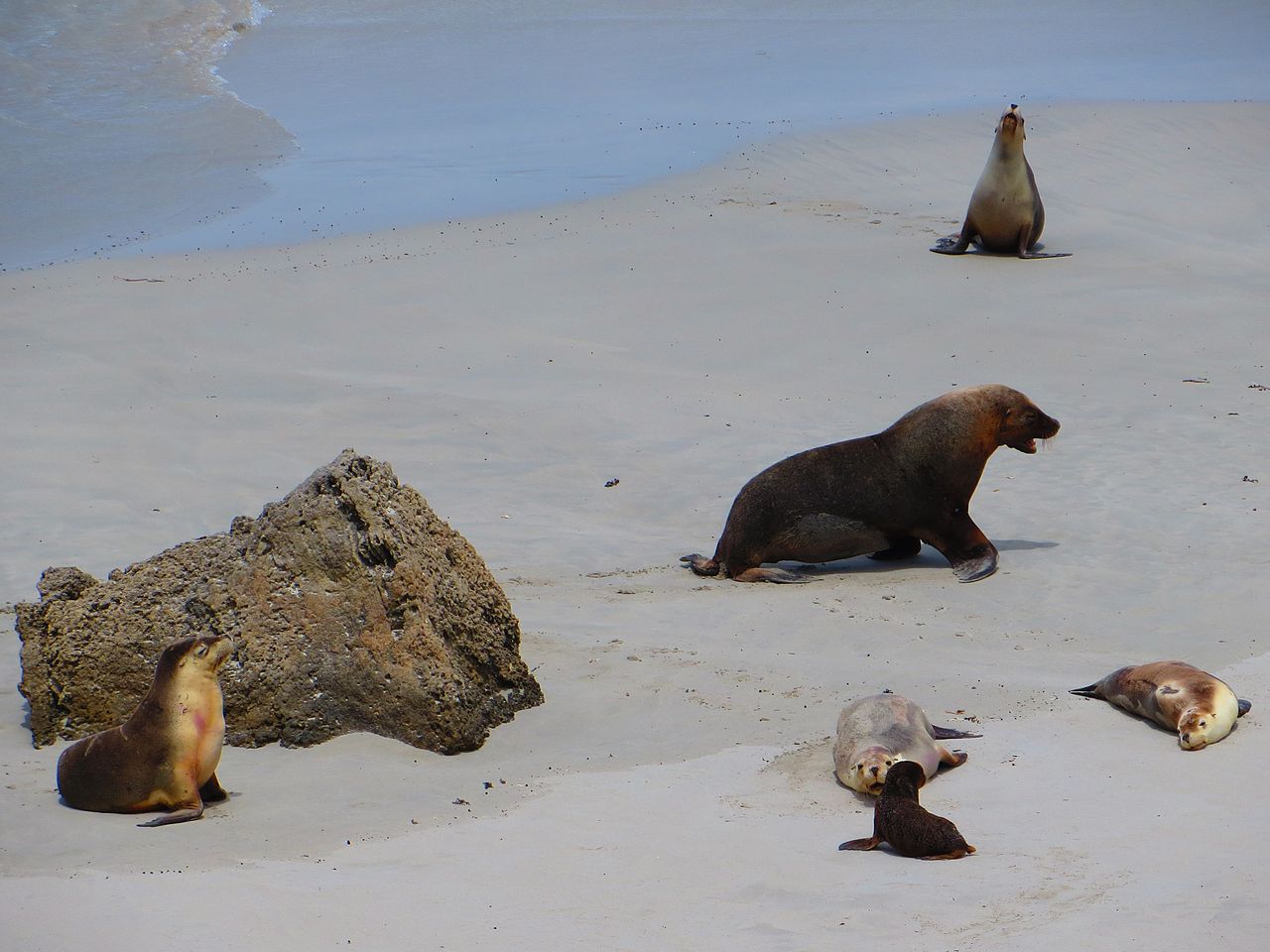
Australian Sea-lion is the only endemic pinniped found in Australia.

They can make a variety of calls, with mothers and young able to pick up each others call in the chaos of a breeding beach. There are currently 66 recognized breeding beaches, though 42% of pups are bred on just 4 of these beaches.

While rare, a bite can require hospitalisation. In both the 1930s and 1960s they were recorded as feeding on little penguins, and this still happens today. Other food includes a variety of fish and even small sharks, in turn, they are hunted by great white sharks and killer whale (orca).

Population was 14370 in 2010 though by 2014 it had fallen to just 6500 mature individuals, though current estimates are 11,200 suggesting a rebound. Still it is clear that they need particular efforts for their conservation. Despite their (relatively) close ranges, the Australian and New Zealand sea-lions do not appear to be closely related. They are considered vulnerable.

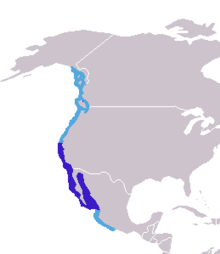
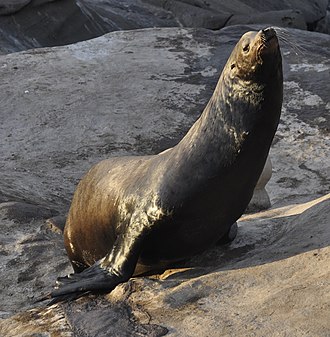
California Sea-lion Are found on the west coast of north America. On this map, the navy blue marks the breeding rance, while the light blue shows the total range that they can be found in. It should be noted, that previously the Japanese and Galapagos sealion were both considered subspecies of the Californian species, but no longer. They can stay healthy, for a time, in fresh water, and have been seen living for a while in Bonneville dam – 150 miles inland.
They see (mostly in blue/green) and hear well, as well as being able to sense nearby, with their whiskers. They generally eat fish, squid and occasionally clams. They have been seen cooperating with other sealions, or indeed dolphins porpoises and sea-birds in their hunting techniques, though exploitation is also common.

There are 5 relatively distinct populations. Several sealions have reached Japanese waters in recent years, and this is the most likely origin, as such  it could return to Japan on its own. 

It is considered least concern with 238,000-241,000 individuals and increasing over time.

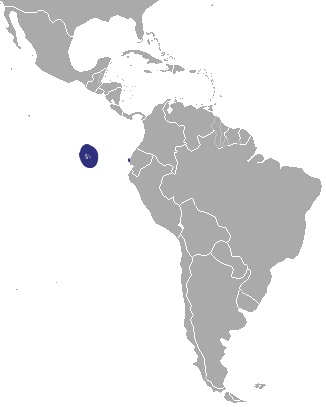
Galapagos Sea-lions Found on all of the Galapagos Islands, as well as (in smaller numbers) on Isla de la Plata, which is just 40km from Puerto López a village in Ecuador. There have also been recorded sightings on the Isla del Coco which is 500km southwest of Costa Rica (and 750km from the Galapagos). These are not regular, and so have been considered vagrant. It is of course possible that historically they roamed here, but we cannot say.

They are the smallest species of sea-lion, and can often be seen gliding through the water, or sunbathing on the beach. They measure 1.5m-2.5m and weigh between 50 and 400kg.

Much of their diet is made up of sardines. Interaction with humans is usually negative, and feral dogs often form packs, and can then attack the sealions.

The population tends to bounce between 20,000 and 50,000 and they are currently classed as endangered


New Zealand Sea-lion (formerly known as the Hooker sealion) is native to south island, though before 1500 it is thought that it was also found on north island. They tend to breed on Subarctic islands of Auckland and Campbell (99% of the pups are born in these islands). In 1993, sealions started breeding on South Island again for the first time in 150 years.
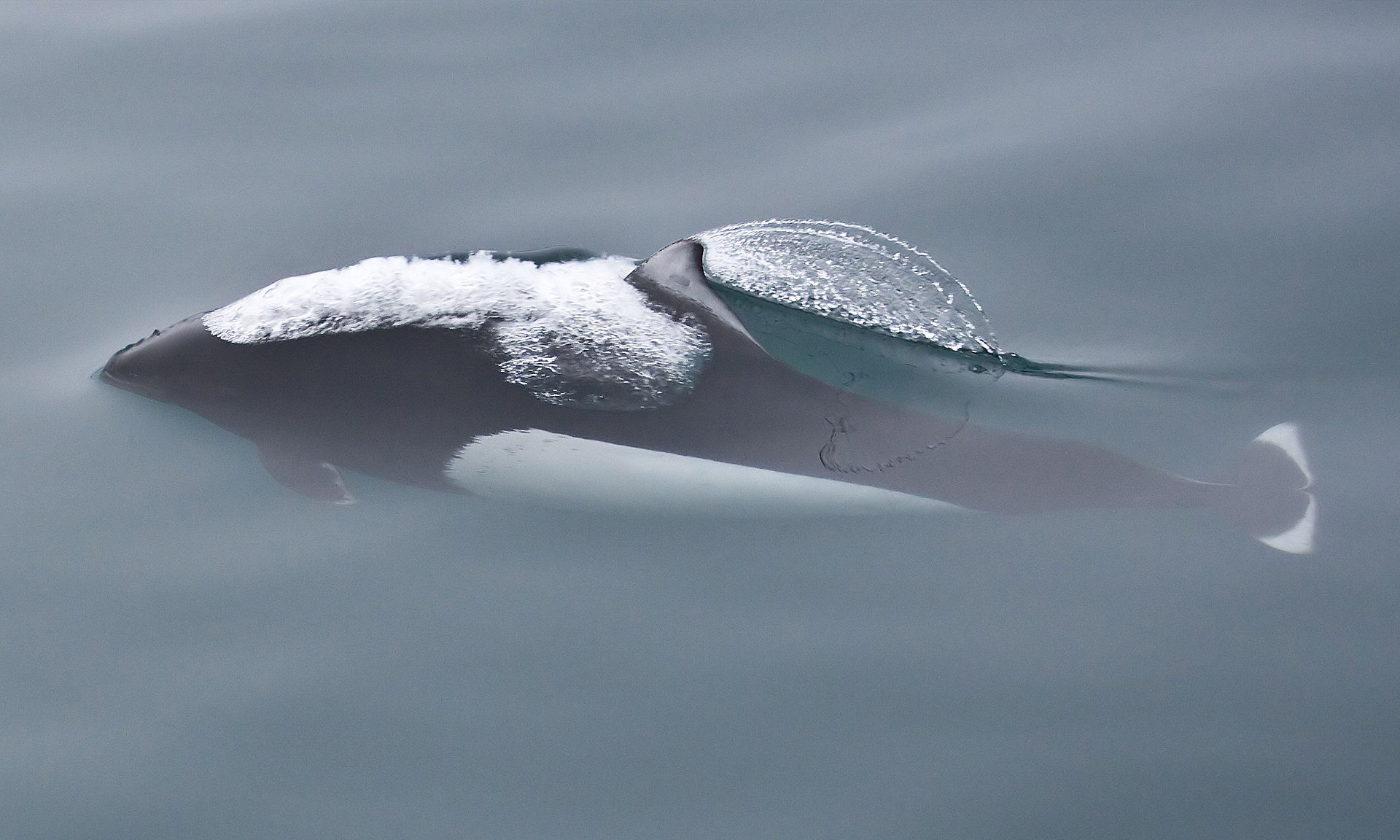
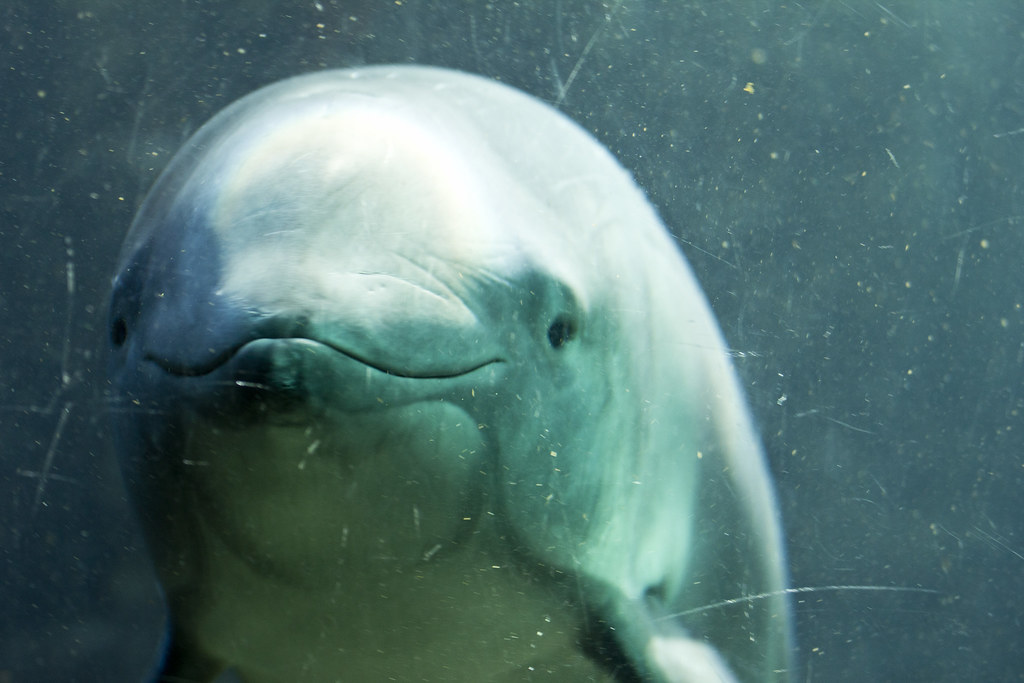
Genetic evidence suggests that until 1300-1500 there was a mainland subspecies, which was wiped out by the Mauri’s and has been replaced by members from the sub-Antarctic population.

As well as eating fish and crustations, they will take new Zealand fur seals as well. They are hunted by great white sharks, and in a survey 27% of adults had scars from near misses. While south American sealions are hunted by orca (with them famously beaching to catch them) they do not appear to do this around New Zealand. After the birth of their pup, females move inland as much as 2km to avoid males, storms and even parasites.

They are thought to number 12,000 making them the rarest sealion. They are also the most distinct being part of the Genus Phocarctos, and are listed as endangered.


South-American Sea-lion

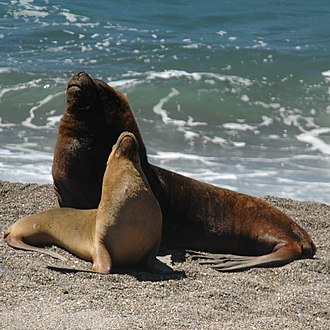
Also known as the Southern sealion or the Patagonian sealion. They have been recorded going as far north as Ecuador, though not yet breeding there. They eat fish, as well as squid and octopus, and have even been observed predating penguins, pelicans and South American fur seals.

Males set up territories, but after the arrival of females switch to protecting them. Having said this, one population in Peru have a different set-up where males perform, and females choose a mate, and are free to move freely. This may be in result to the warmer climate, which means the females make regular trips into the sea.

The total population is estimated at 265,000. They are declining in Patagonia (Argentina) and the Falklands but increasing in Chile and Uruguay. In the 2013 El nino many Peruvian sealions died. They are still regularly killed by fishermen, both for damaging equipment and stealing fish.

They are listed as least concern


As we gain contacts each picture above will become a link to a page for the specific species – for now, all species will be looked after by this page. If you are a wildlife guide or live nearby and want to be able to host (as a hotel or B&B or campsite) and would like to be listed do get in touch. Our aim, is to give people all the information and links on one page, so that they can book everything in one go – making it easy, and therefore more people undertaking these sort of trips.

Sea-lions can be specifically searched out, but it is also possible to have a surprise encounter with one.

One of my most memorable encounters with any wildlife, is an encounter with a New Zealand sealion.  We had simply gone for a walk on the beach, and at some point, we saw the sea-lion coming out of the sea. This huge male slowly made its way towards us, and when about 10m away it lay down in the sand, threw sand all over itself and went to sleep.

To return to the Pinniped page click here

[smart_post_show id="22073"]

Dog family tree

The Dog (caninae) family tree

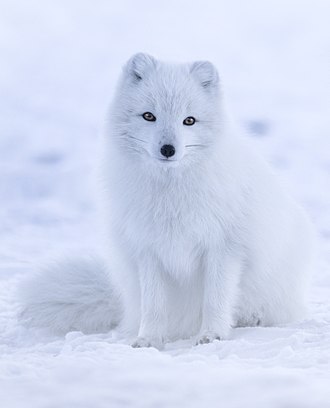
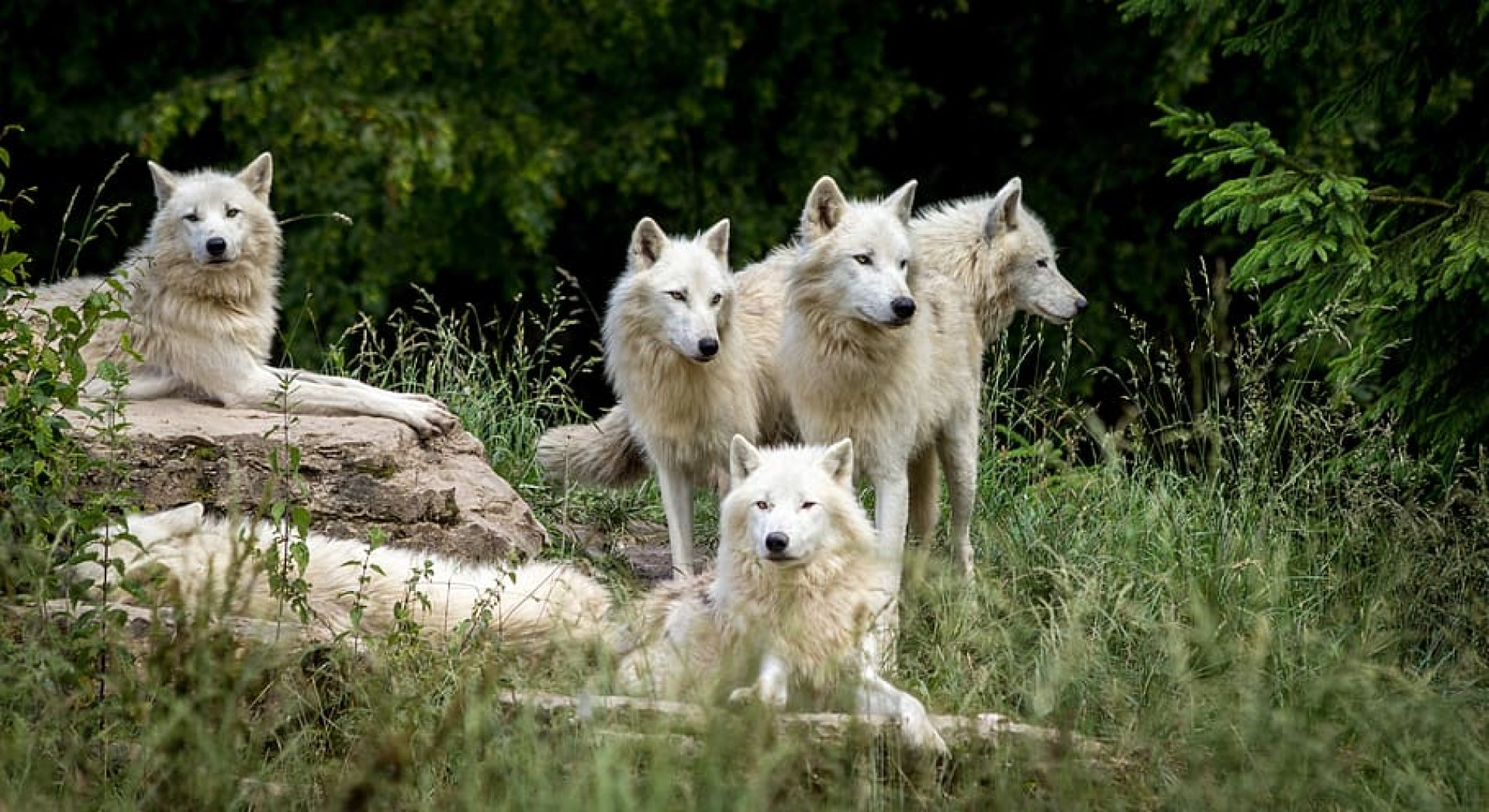
The arctic wolf is a subspecies of the grey wolf found native to the High Arctic tundra of Canada's Queen Elizabeth Islands, from Melville Island to Ellesmere Island.

The Dogs also form an incredibly successful family. They have spread to even more so more of the earths surface has a dog living in each area. They has been classified into 2 tribes.

The first tribe is the tribe Canini (true dogs), which is further split into two subtribes. Each sub tribe is in turn split into a number of Genus, which have a number of species each

The first subtribe is Canina which is wolf like Canids, this is in term split into 4 genus which I will take in turn

Canis

First genus  is Canis, which is subdivided into 6 species 2 of which have into subspecies.

The second genus is Cuon and only has one member in it. This is found in central south and south east Asia.

The next genus is Lupulella, and has two members, both found in Africa

The last Genus in Canis is Lycaon. This only has one member, which is the African wild dog

The second subtribe is Cerdocyonina (south American Dogs). There are 5 genus with living members (South American dogs), with the 6th (Dusicyon) containing 2 extinct species – so we will not mention this agai .

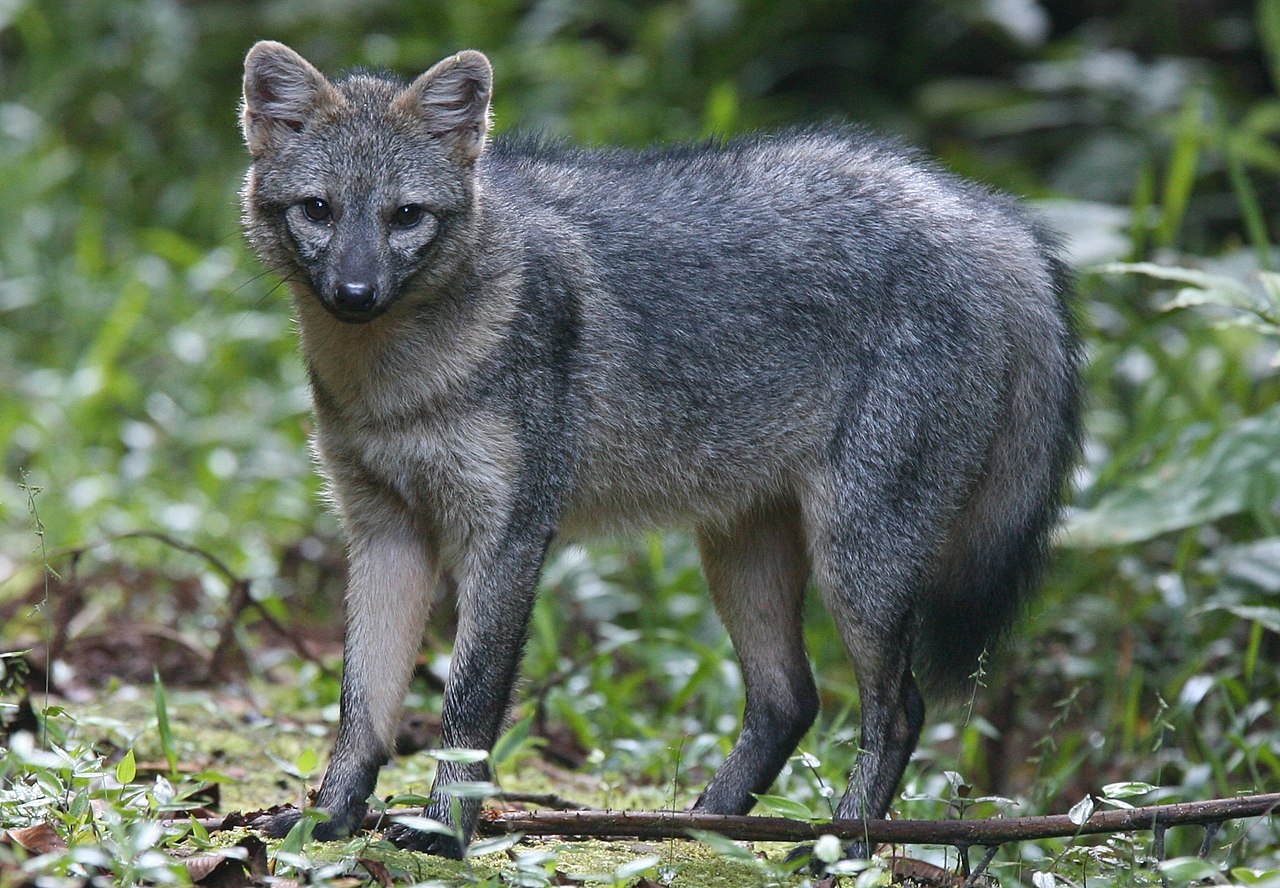
Of the 5 genus with living members, Lycalopex is one of these genus with 6 species. Lycalopex is made up of South American fox species – it should be noted that these so called South American foxes are not foxes. While they look like foxes, they are more closely related to Jackals and wolves.

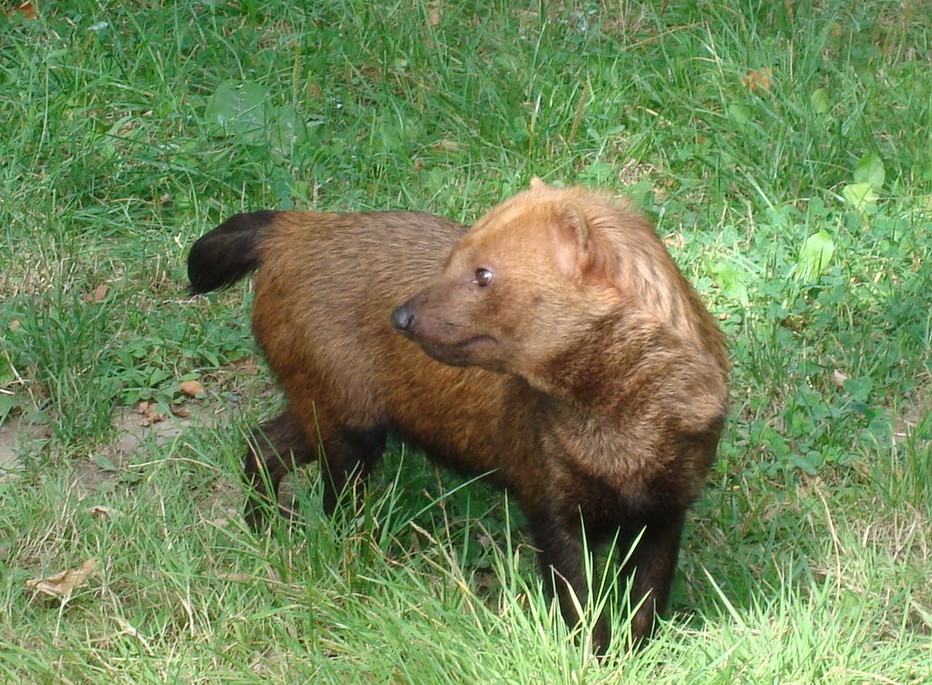
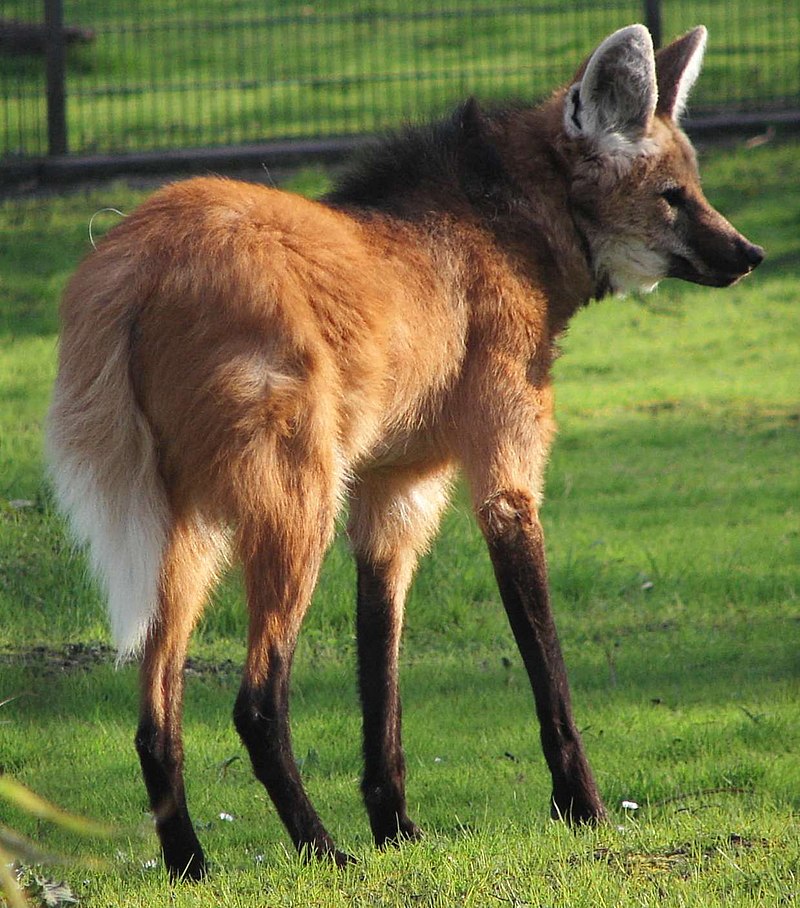
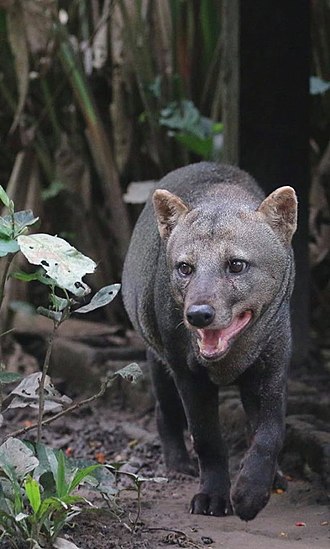
The other 4 Genus in this subtribe, with living members each only have one member, so I will deal with these Genus in one go. These Genus are  Atelocynus, Cerdocyon, Chrysocyon and Speothos. In the same order, the species that inhabit each of these genus are Short eared-dog, Crab eating fox, Manned wolf and the Bush dog.

Then there is a tribe called Vulpina, sub divided into 3 Genus. these are essentially the fox like canines

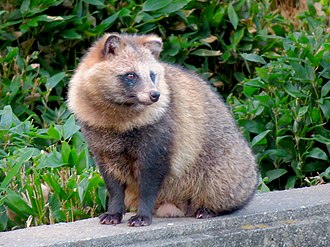
  • The Nyctereutes which consist of the Racoon dogs: the common raccoon dog and the Japanese racoon dog.
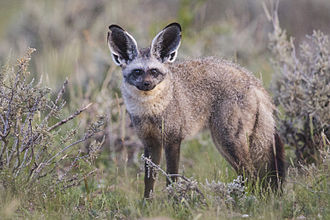
  • The Otocyon which consists of the bat eared fox
  • The Vulpes: Which I will deal with in the next section, separately (below

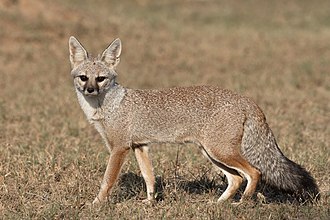
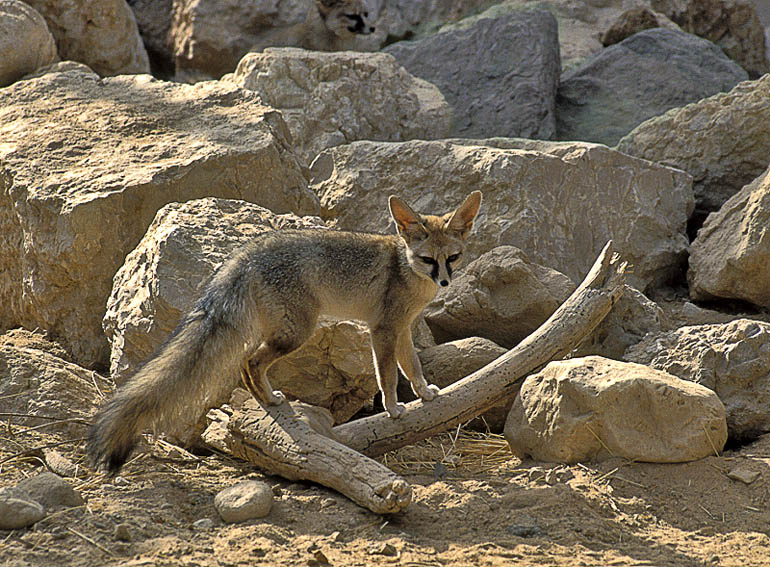
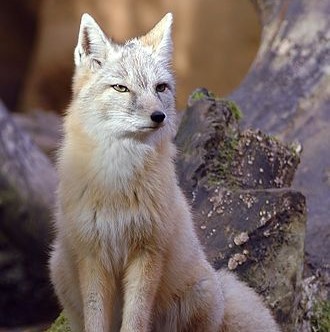
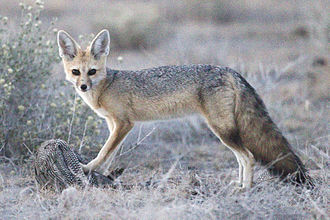
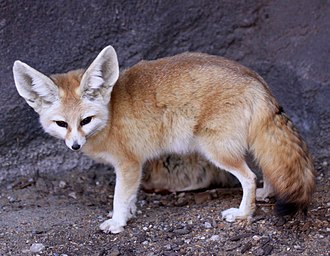
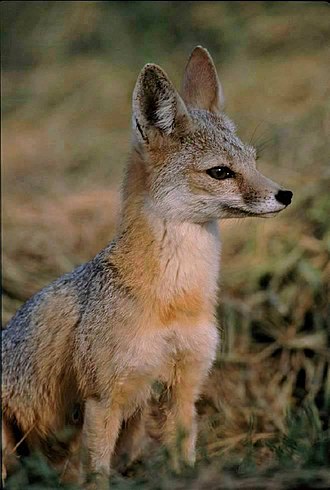
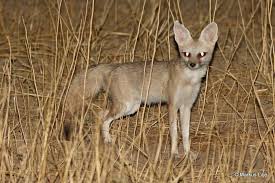
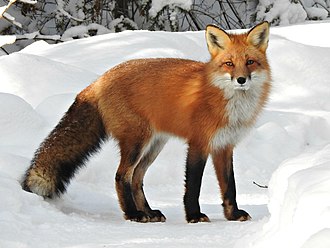
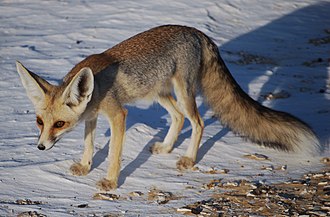
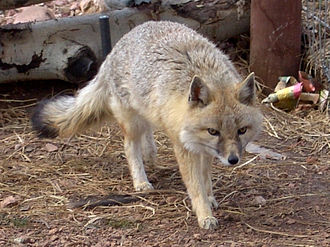
The true fox family is a large extended family of foxes from around the world. They all behave in a similar way, though the habitat in which they live can be very differemt

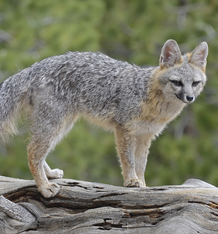
Finally there is a Genus on its own called Urocyon which consists of grey foxes, of which there ae only 2 surviving members.
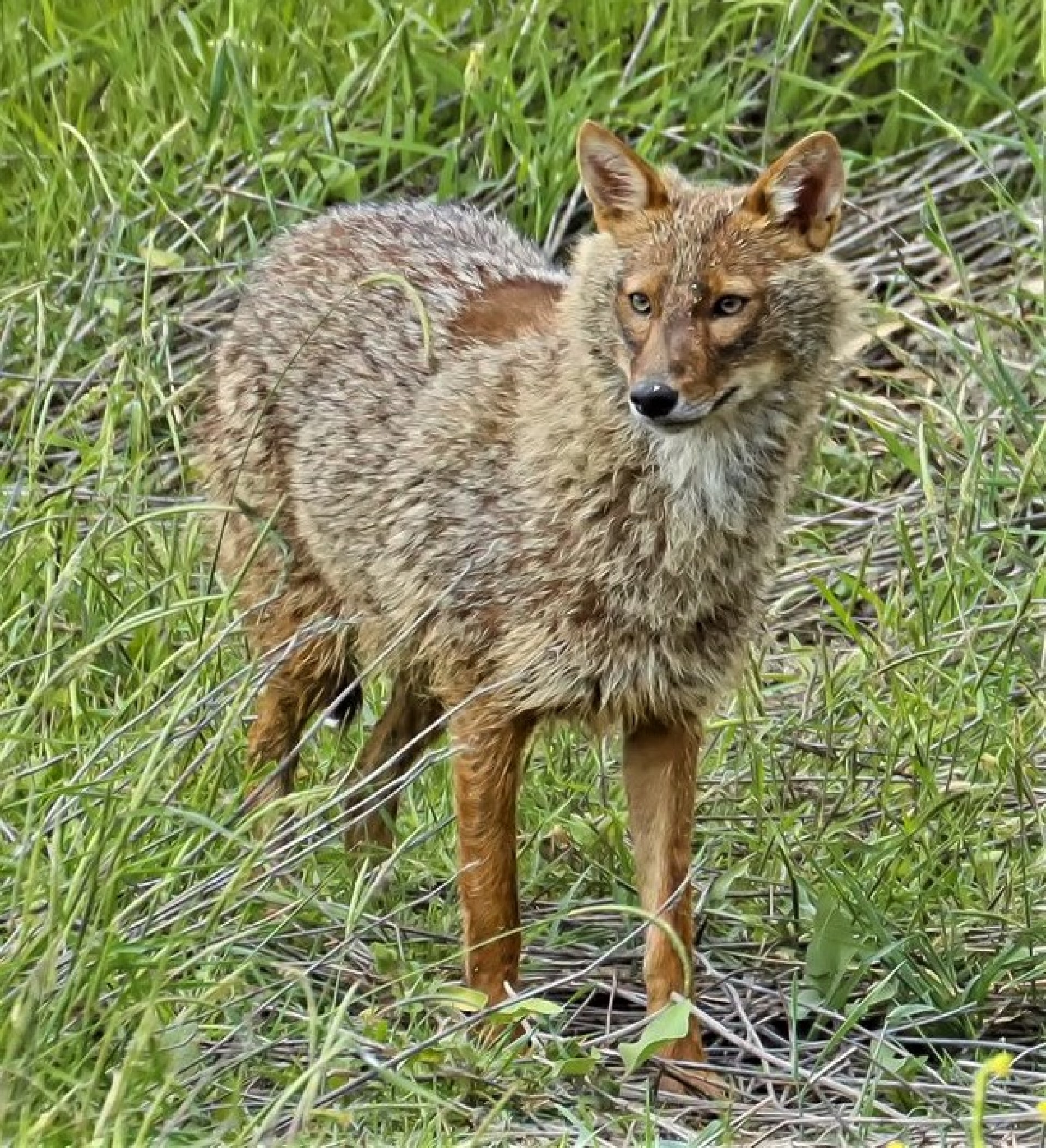
Golden Jackal

Golden Jackal

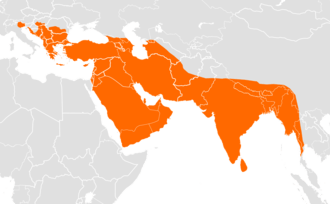
The Golden jackal is a species found across the south eastern part of Europe as well as throughout much of southern Asia. It is the animal which the African wolf was confused with, and the reason that it was described as a species so recently.


Despite its name, the Golden jackal is not closely related to the African Black-backed jackal or Side-striped jackal, which are part of the genus Lupulella, being instead closer to wolves and coyotes. The ancestor of the Golden jackal is believed to be the extinct Arno river dog that lived in southern Europe 1.9 million years ago. It is described as having been a small, jackal-like canine. Genetic studies indicate that the Golden jackal expanded from India around 20,000 years ago, towards the end of the last Last Glacial Maximum. The oldest Golden jackal fossil, found at the Ksar Akil rock shelter near Beirut, Lebanon, is 7,600 years old. The oldest golden jackal fossils in Europe were found in Greece and are 7,000 years old.
Golden jackals live eight to nine years in the wild and up to 16 in captivity.

Living nearby human settlements, Golden jackals are strictly nocturnal. However, those living in other areas can be partly diurnal. They generally live in pairs or as a family unit. Living in pairs, the jackals share most of their activity with their partners. By hunting together they are three times more successful, than hunting alone. Jackal families hunt on a territory of about 2-3 sq. km. all year round. Looking for shelter, they frequently use caverns, dug by other animals. Golden jackals can also dig caverns themselves as well as use crevices in rocks. They are very friendly to their partners. Scratching one another all over their bodies is a common activity between mates. Nevertheless, once strange jackals encounter each other, their behaviour shows subordination, domination, and even readiness to attack.
[smart_post_show id="12214"]

African wolf

African Wolf

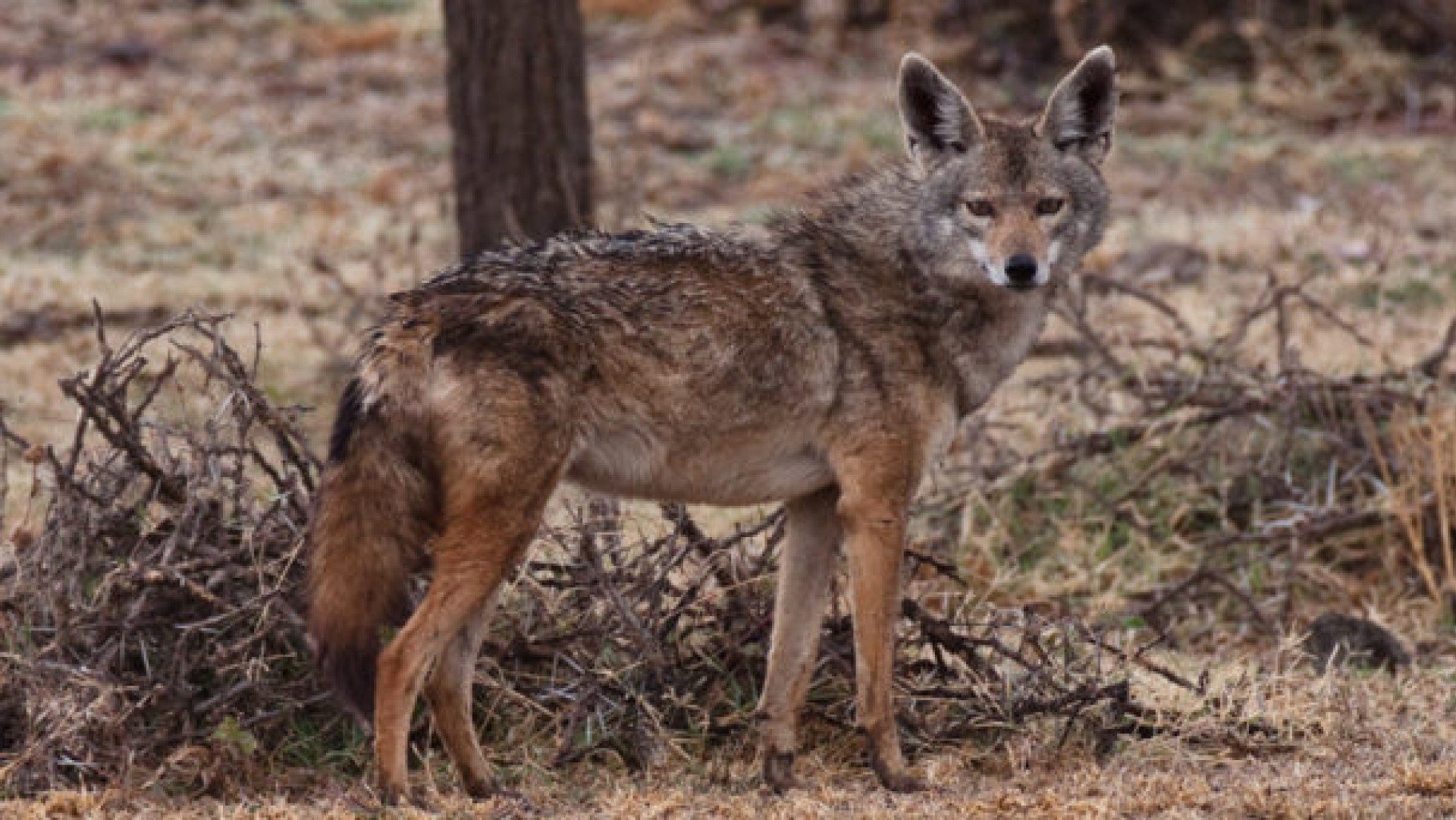
Perhaps one of the more interesting announcements from wildlife study in the last decade was the discovery of a wolf living under everyones nose in Africa. It is a little understandable, as it does look quite like a jackal, and certainly different to a European wolf. Having said this, it is still a significant oversight

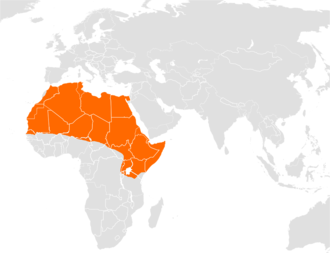
It was initially described as the African Wolf back in 1832. Indeed, Aristotle talked of wolves living in Egypt in his time, however, it was not until 2017 when a second modern study was done on it, and it was definitively recognized as a species. The problem is that, despite this huge range there is no idea how many African wolves there are in the wild. Obviously with this huge range, it is not unreasonable to suggest that they are locally extinct in areas – there are a number of subspecies that have been tentatively suggested, however until true assessments are made, this seems more than we need.

It should be noted, that it is not surprising that the African wolf was overlooked for so long, as it has got smaller over its time in Africa, to the extent that it is very hard to tell the difference between tha African golden wolf, and the golden jackal.

There has been little study of this species, and it is unclear exactly how much range that it has. Hopefully, this will happen in time, but it is clear that the big problem is telling the difference between golden jackals and golden wolves. 

African wolf range

There are a number of subspecies of the African wolf (quite quick, given it was not redeclared as a species 6 years ago. They are classed as a least concern. While not all sub-species have a clear estimate of the current population, genetic analysis suggests that the historic population was not smaller than 80,000 females.

  • Algerian wolf – range Algeria, Morocco and Tunisia -A dark-coloured subspecies, with a tail marked with three dusky rings. It is similar in size to the red fox
  • Senegalese wolf – Senegal – Similar to the Egyptian wolf, but smaller and more lightly built, with paler fur and a sharper muzzle.
  • Serengeti wolf – Kenya, northern Tanzania – Smaller and lighter-coloured than the northern forms. The wild population is 1500-2000
  • Egyptian wolf – Egypt, Algeria, Mali, Ethiopian Highlands, and Senegal – A large, stoutly built subspecies with proportionately short ears and presenting a very gray wolf-like phenotype, standing 40.6 cm in shoulder height and 127 cm in body length. The upper parts are yellowish-gray tinged with black, while the muzzle, the ears and the outer surfaces of the limbs are reddish-yellow. The fur around the mouth is white.
  • Somali wolf – Somalia and the coast of Ethiopia and Eritrea – A dwarf subspecies measuring only 12 inches in shoulder height, it is generally of a grayish-yellow color, mingled with only a small proportion of black. The muzzle and legs are more decidedly yellow, and the underparts are white.
  • Variegated wolf – Sudan and Somalia – A small subspecies standing 38 cm (15 in) at the shoulder, and measuring 102 cm (40 in) in length. The fur is generally pale stone-buff, with blotches of black.
[smart_post_show id="12198"]

We are incredibly eager to work with any guides who encounter the African wolf in their work, and list your services here. Please get in touch through the list your wild place option at the top of the page.

See Animals Wild

Read more news

Join as a wild member
to list your wild place & log in

Join as an ambassador supporter to
support this site, help save wildlife
and make friends & log in

Join as an Associate member
to assist as a writer, creator, lister etc & to log in

List a wild destination

List a destination in
the shadow of man

List a hide for animals more easily seen this way

Highlight some news
missed, or submit a
one-off article

Browse destinations for fun or future travel

Temporary membership
start here if in a hurry

Casual readers and watchers