Lesula

Lesula

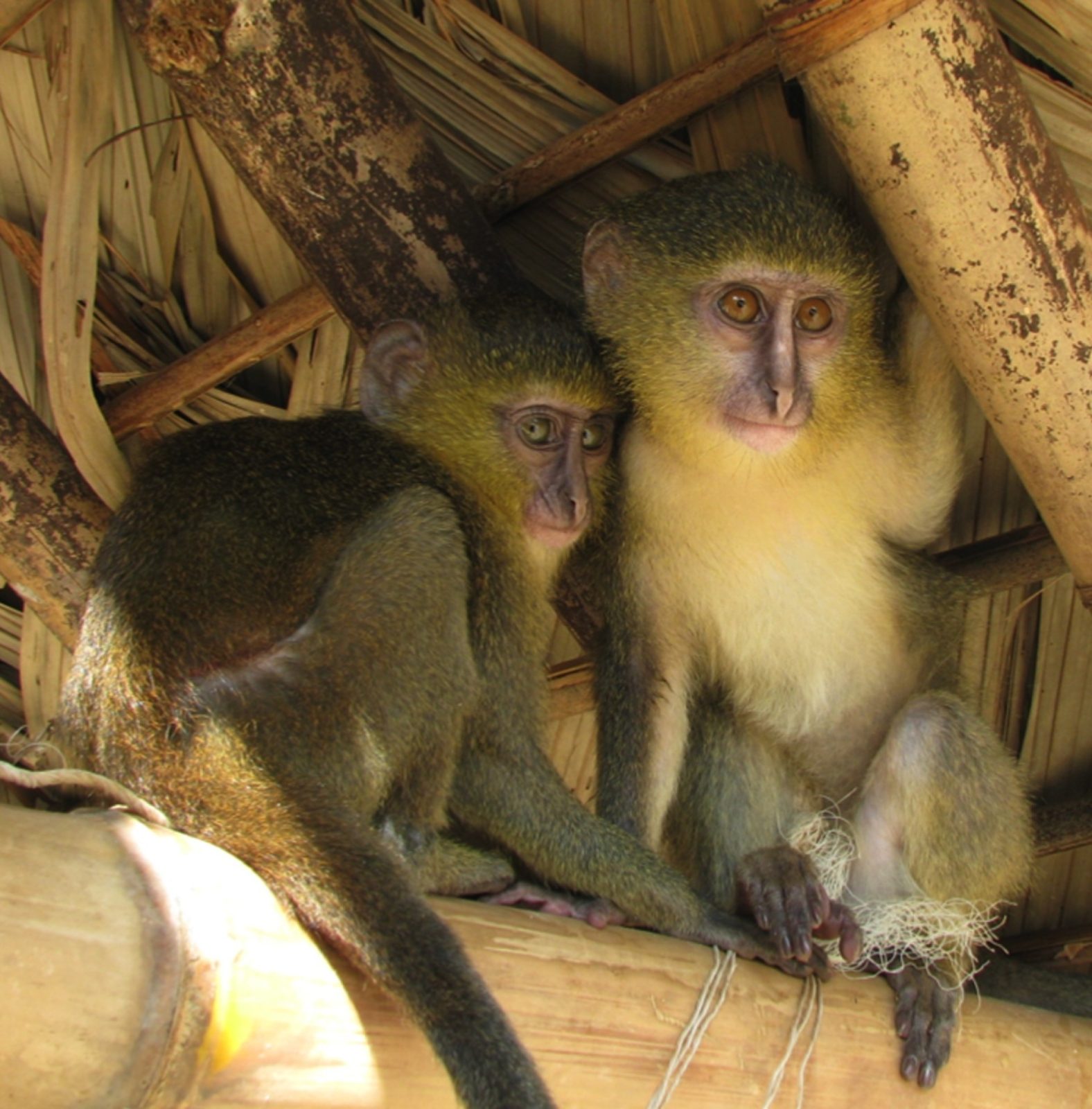
The Lesula monkey is found in the Lomami basin of the Congo. Oddly, while having been known to the locals, it was unknown to science until 2007. It was only the second African monkey species to be discovered since 1984. 

Since that sighting, it has also been seen in the wild. Its range is between the Lomama and Tsuapa rivers in the central part of the country.

Its eyes are described as human-like, and has a blue bottom. and has a strange booming call that can echo through the forest where it is found. To hear its call, click here . While it is currently only listed as vulnerable, a species which is only found in a small area can move from vulnerable to extinct in a relatively short time.

When we have any contacts to allow you to see this monkey they will appear below the news section below (given its rarity this news section may remain empty for some time.
[smart_post_show id="18712"]

Roloway monkey

Roloway Monkey

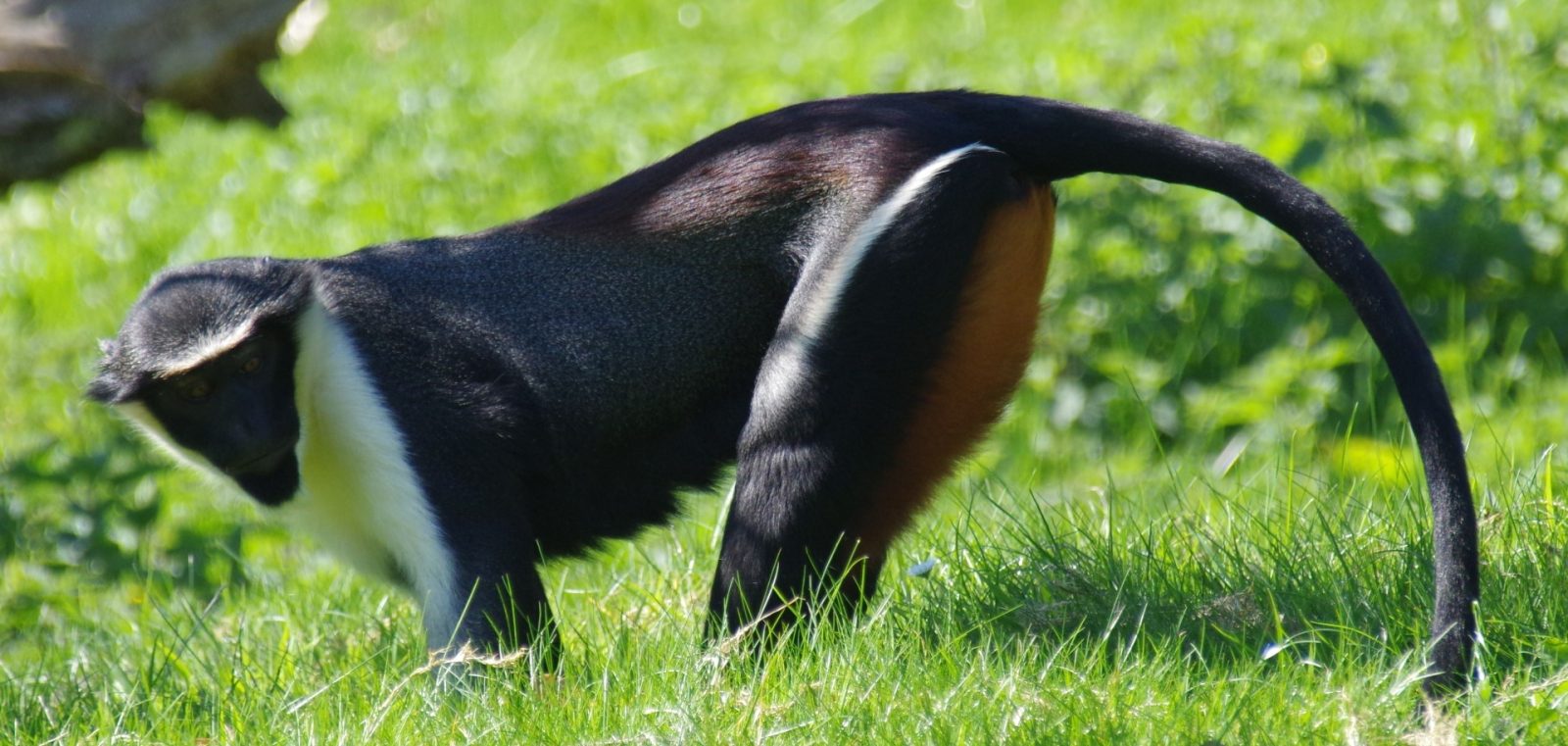
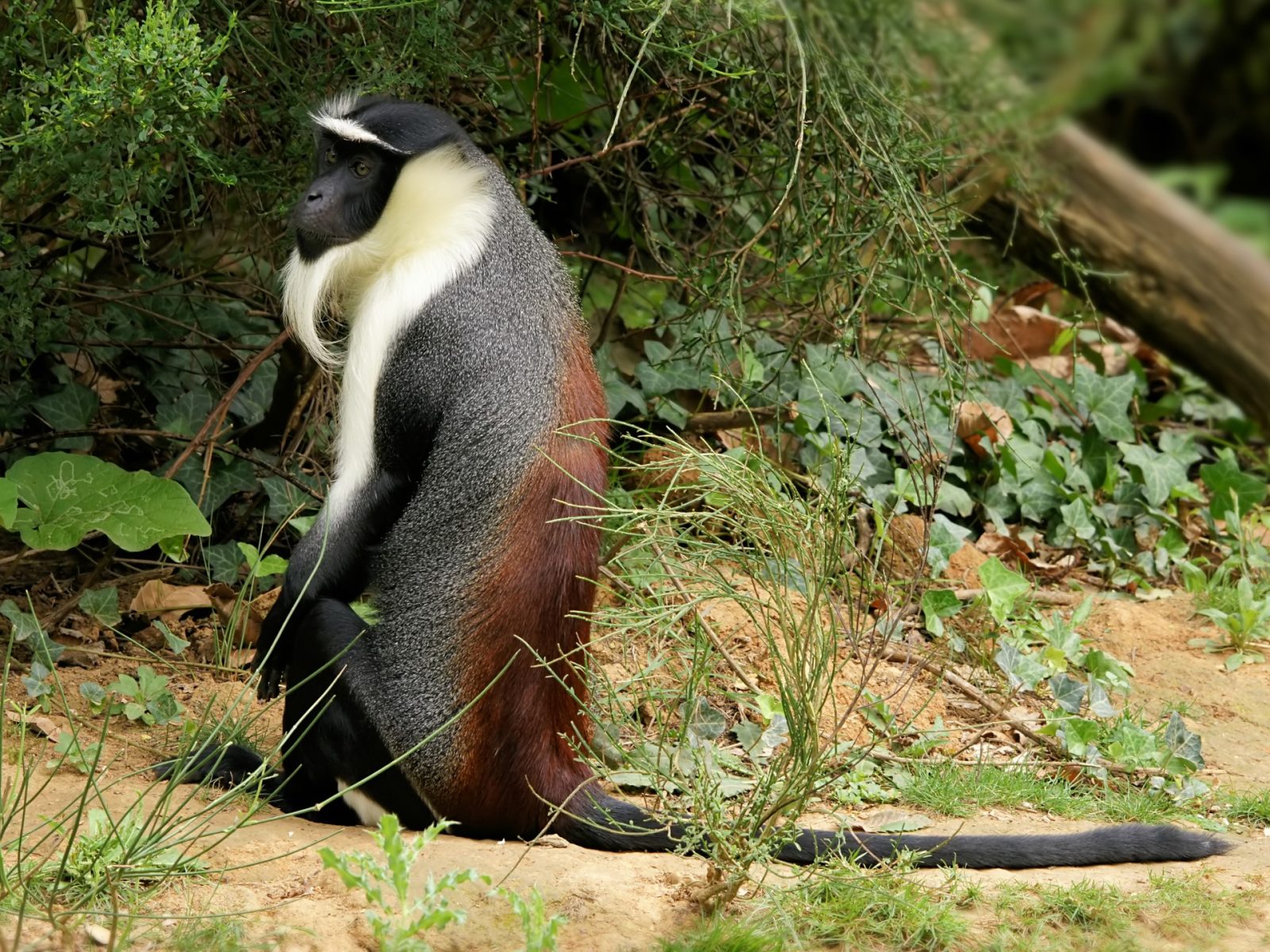
Until recently, considered a subspecies of the Diana monkey it is now recognized as a species in its own right. Unfortunately, it is already critically endangered, with less than 2000 remaining in the wild. It is one of the 25 most endangered primates.

As with many primates, it is threatened by the destruction of the rainforest, along with being hunted for the bushmeat trade.

The Roloway monkey is largely an arboreal species (that is, living in the tree-tops), for the most part found in the forests of Ghana and some reserves in South-Eastern Côte-D’Ivoire – primarily concentrated in the Tanoé forest of the Côte-D’Ivoire because of their heavy threats to extinction and lack of habitat. Unfortunately give its large range and rarity, little study has been done on it in the wild, what is clear is that they are different to other monkeys, and are being lost.

As we make any contacts, useful resources for booking travel to see this monkey will appear below the news section below (this may well be empty for a time -if you live or work with these monkeys do send news for publication)

[smart_post_show id="18697"]

Blue monkey

Blue Monkey

Also known as the diademed monkey, this species roams through central and eastern Africa, ranging from the upper Congo River basin east to the East African Rift and south to northern Angola and Zambia.

Perhaps, unsurprisingly, given its huge range, there are a number of subspecies

  • Boutourlini’s blue monkey, found in Western Ethiopia
  • Elgon blue monkey
  • Lomami River blue monkey, found in Congo
  • Kolb’s monkey, found in Kenya
  • Pluto monkey, found in Angola
  • Moloney’s blue monkey
  • Cercopithecus mitis opitsthosticus -cannot find a common name of this
  • Schouteden’s blue monkey, found in Congo
  • Stuhlmann’s blue monkey

At times, some of these have been regarded as full species, and additional subspecies have been considered valid, while others are not recognized by all authorities. In addition  Sykes’, silver, and golden monkeys are sometimes considered subspecies.

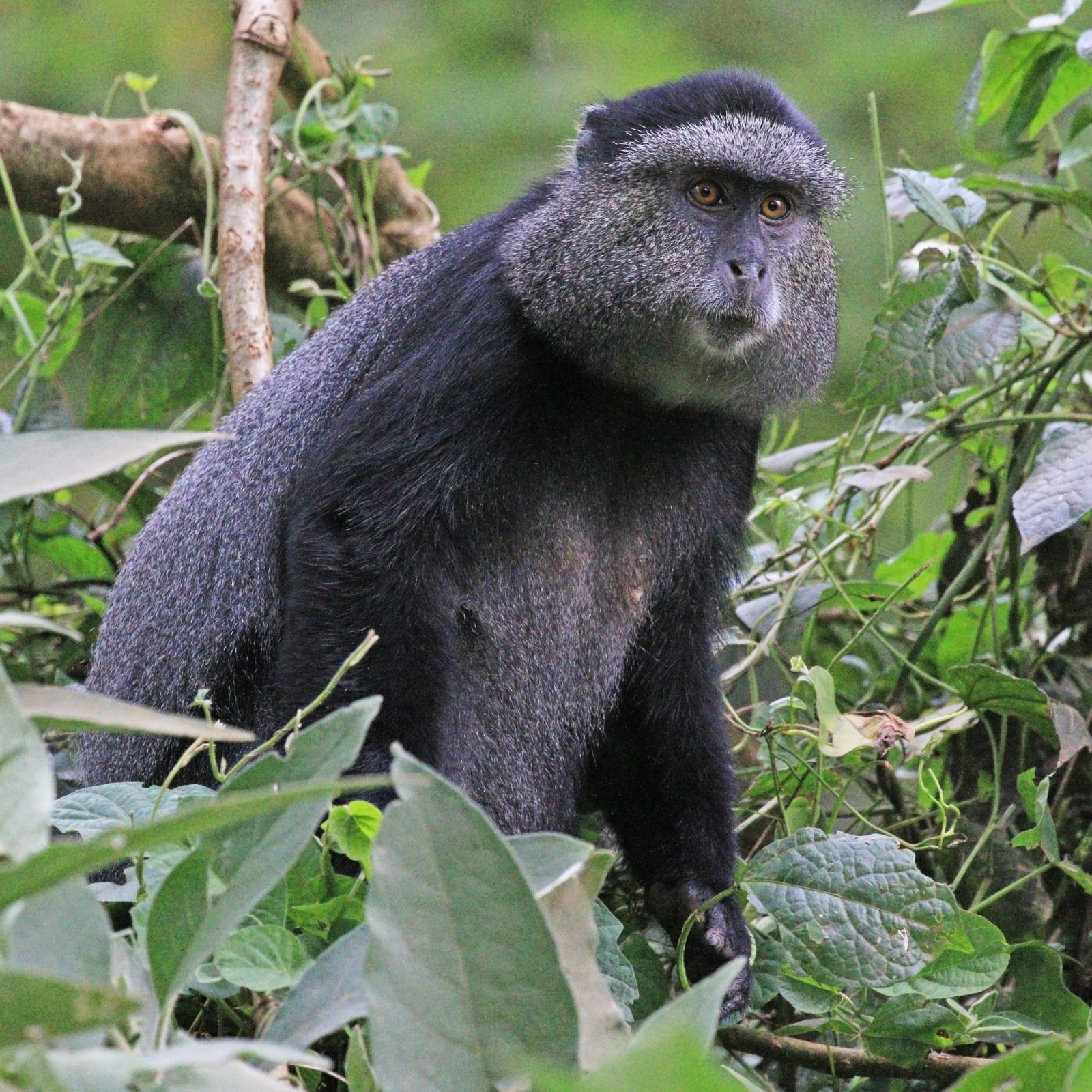
Oddly, as you can see from the image, this species is not blue, which makes its name strange.

The blue monkey is found in evergreen forests and montane Bamboo forests, and lives largely in the forest canopy only returning to the ground very occasionally. It is very dependent on humid, shady areas with plenty of water. It eats mostly fruit and leaves, but will take some slower-moving invertebrates. It prefers to live in tall trees, which provide both food and shelter, however, like other Guernons this unfortunately is becoming their downfall, as the areas they prefer are also the most valuable to loggers. In areas where pine plantations have replaced native forest, their behaviour can damage the trees (stripping bark to look for food below) which has resulted in them regularly being killed. It is also hunted for bushmeat.

Any news articles added about this species, will appear below. Below this, will lie any links to see this species in the wild (as we make contacts)

[smart_post_show id="18683"]

Hamylns Monkey

Hamlyn's monkey

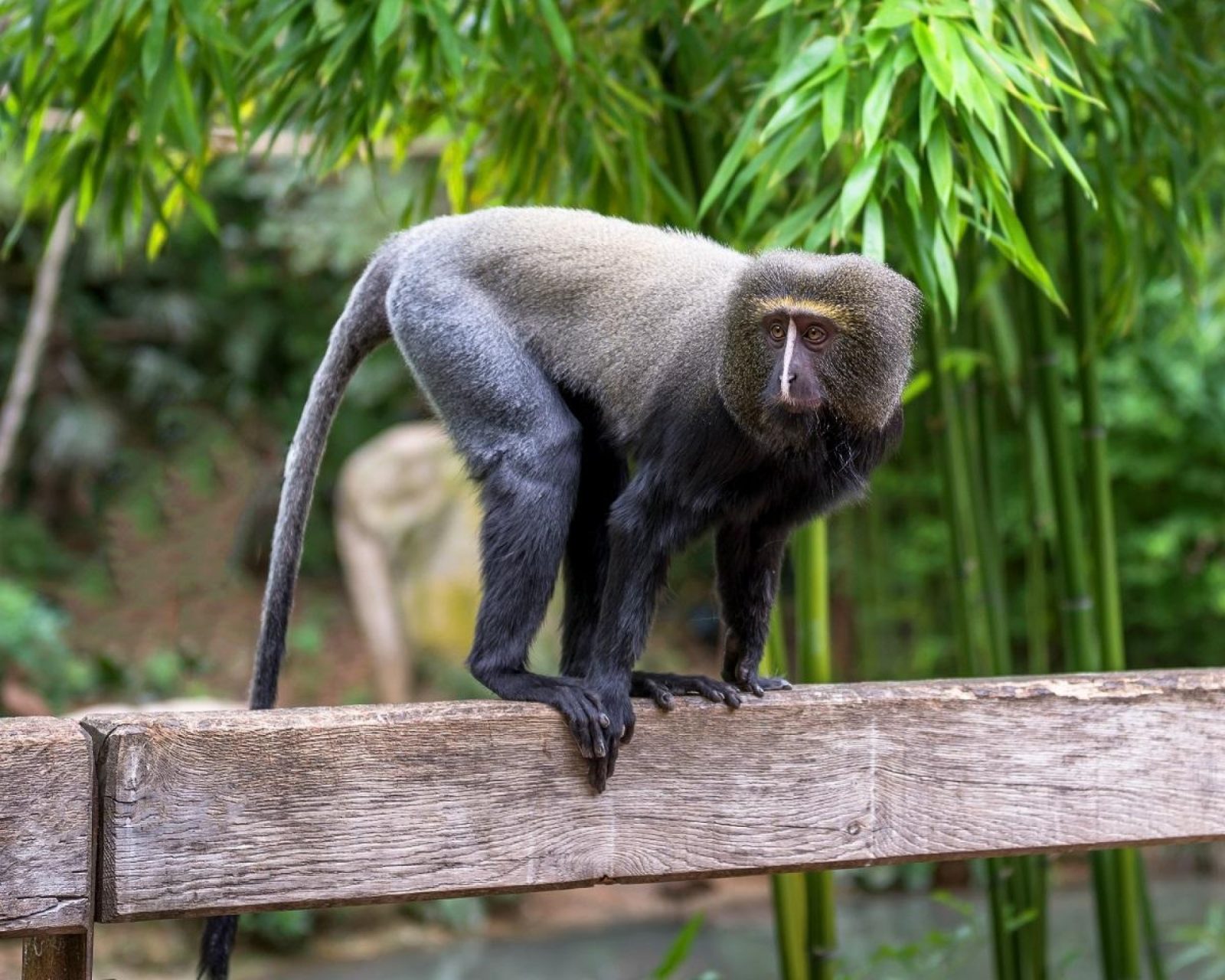
Also known as an owl-faced monkey, it inhabits the bamboo and primary forests of the Congo basin. It is incredibly rare, and only known from a few specimens (it should be noted, that while we know relatively little about it in the wild, they are kept in a few zooalogical collections around the world). Despite this, they appear to inhabit a huge area, covering the eastern part of Congo, from the Epulu River to the Lukuga River and from the Congo River to the Kabale Forest, with one example in northwestern Rwanda.

This range matches to another species of monkey quite well –  L’Hoest’s monkey C. lhoesti. It travels on the ground, and researchers think that it may be awake primarily by night.

[smart_post_show id="18561"]

Diana Monkey

Diana Monkey

The Diana monkey is an Old World monkey, named after the Roman goddess Diana as its white brow is said to resemble the bow of the Roman goddess Diana.

It is found in the high canopy forests in Sierra Leone, Liberia, and western Côte d’Ivoire. I have not been able to find anyone willing to put a number on the size of the population. However it is classed as vulnerable and its population is reducing ver time.

As we make connections, they will be linked below the news section- we are eager to help you visit places where the diana monkeys live.

[smart_post_show id="18514"]

Bushbuck

Bushbuck (cape Bushbuck or Imbabala)

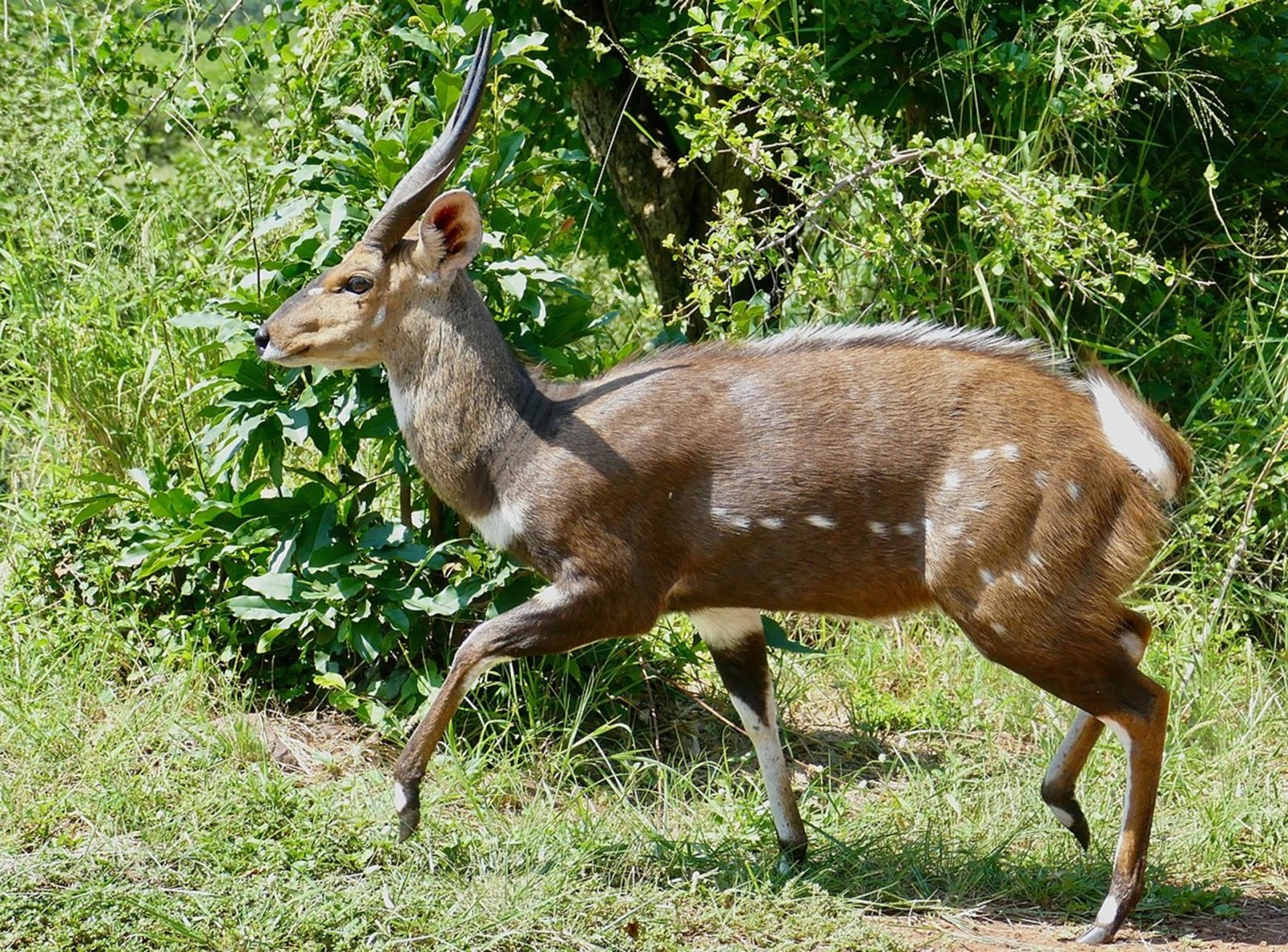
This species is a mid-sized antelope, throughout much of sub-Saharan Africa. Living in areas such as rainforest, Montane forest, Forest-savanna Mosaic, Savanna, Bushveld and woodland. It is around 90cm at the shoulder and weighs between 45kg and 80kg.

They are usually solitary and are territorial, but they are also browsers.

The population is thought to be around 1,340,000 individuals in Africa, which makes it one of the most numerous in Africa. This feels odd, as they are incredibly hard to see (in many parks, such as the Kruger national park), however, due to the danger of being in the African bush there are several rest-stops where bushbucks shelter from predators. This makes them some of the easiest antelopes to have a good look at.

[smart_post_show id="17855"]

Williamson’s mouse-deer

Williamson Mouse-deer

The Williamson’s mouse-deer (so named because of the collector Walter James Franklin Williamson).
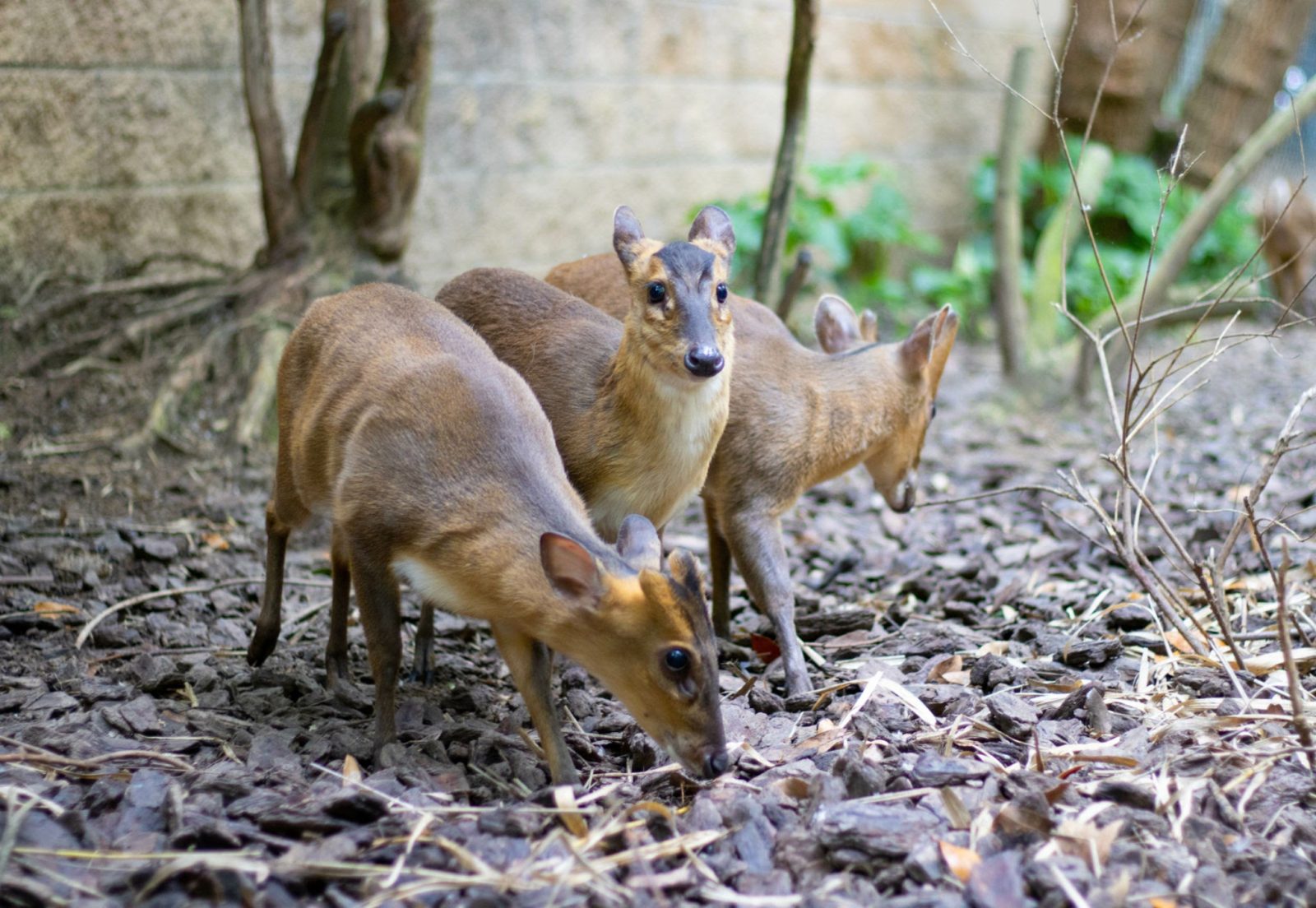
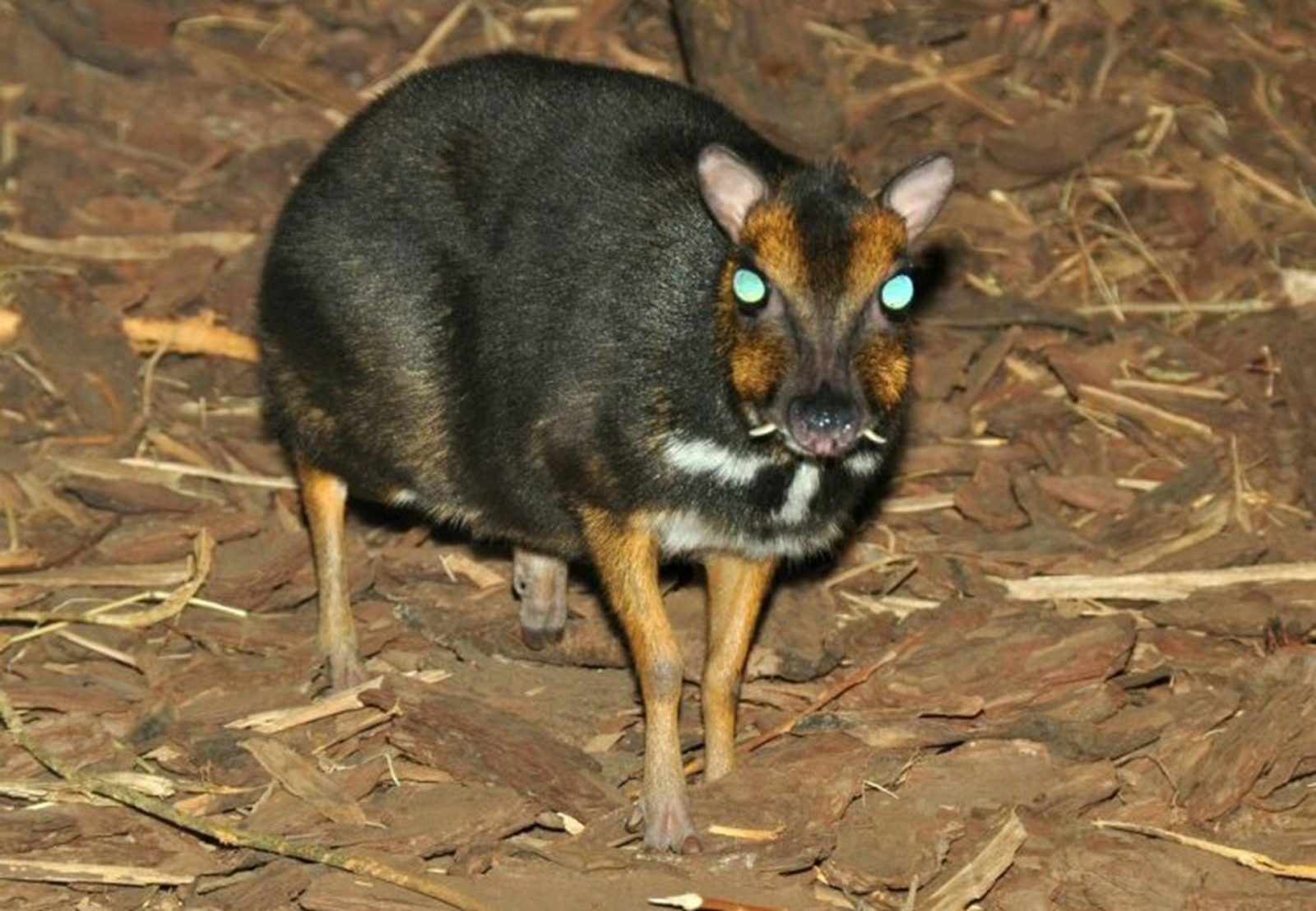
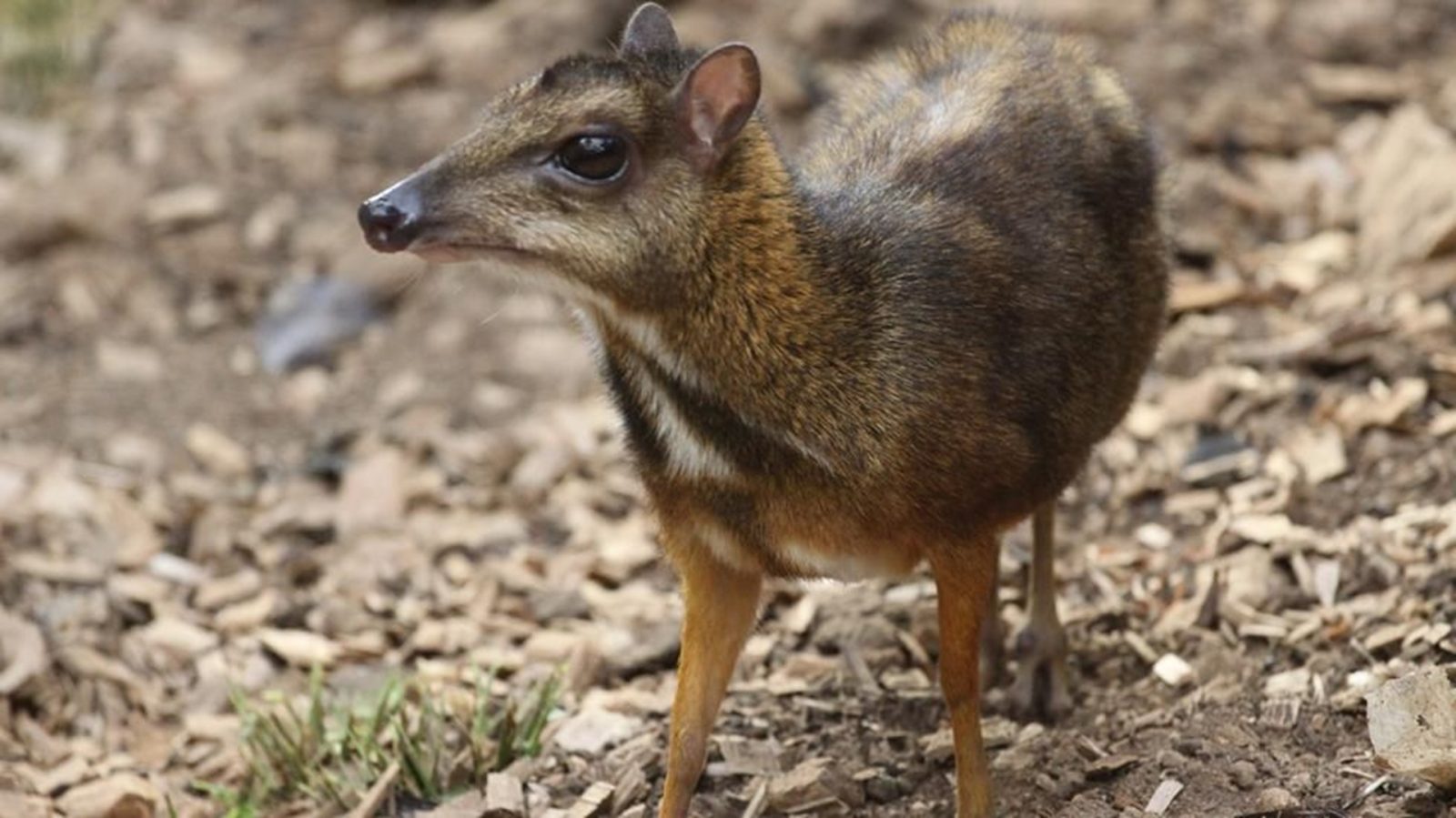
It is found in Thailand and possibly in China Its evolutionary history appears to date back 11 million years, making it possibly the oldest member of its family. With long ears and short legs, it looks similar to both deer and rodents.

It was only rediscovered by scientists in 2010.

Weighing only 1-2kg and standing 30cm tall at the shoulder (and up to 40cm long), they inhabit lowland rainforests throughout bits of Malaysia, Singapore, Thailand, Cambodia, Vietnam and Indonesia.

There are 2 recognized subspecies, one covering the mainland range, and the other found on islands in its range. Unfortunately, being shy and nocturnal, they are relatively rarely spotted, which makes it hard to have accurate estimates for numbers, however, given they live in rainforest and many of these are being removed, it is highly likely that they are declining.

Although primarily looking for food on the ground (and consuming leaves, fruits, flowers, bark, insects and even small invertebrates, it is also capable of using its tail as a fifth limb, which allows it to feed in areas others might not reach such as the canopy of the trees.

They are mostly active during the day, but have very sharp senses, allowing them to notice threats quickly and have time to hide.

Their biggest threats to long-term survival include poaching and habitat loss.


[smart_post_show id="17820"]

Vietnam mouse-deer

Vietnam Mouse-deer

Vietnam mouse-deer are found in Vietnam, but has only been seen 4 times in the wild. The 4 specimens that we have, were traded in this area but could well have come from else-where.

After this, it was not spotted again for 80 years. In 1990, when a body was bought from local hunters. This was originally mis-identified as a Javan mouse deer, so it was not until 2004 that it added any information.

Given the heavy deforestation that has hit its home, and the high hunting pressure, there was a fear that this animal was already extinct. in 2019 it was discovered in low-lying forests on the South coast of Vietnam.

Camera traps have been set, but it is clear that local hunting is still a threat.

Should this species recovery become more clear and tourism begin, we will add any links below the news section below.

[smart_post_show id="17804"]

Philippine mouse-deer

Philippines Mouse-deer

Also known as the Balabac Chevrotain (Pilandok in Filipino) is a small ruminant only found on Balabac and several small islands nearby, such as Bugsuk and Ramos. these lie southwest of Palawan in the Philippines.
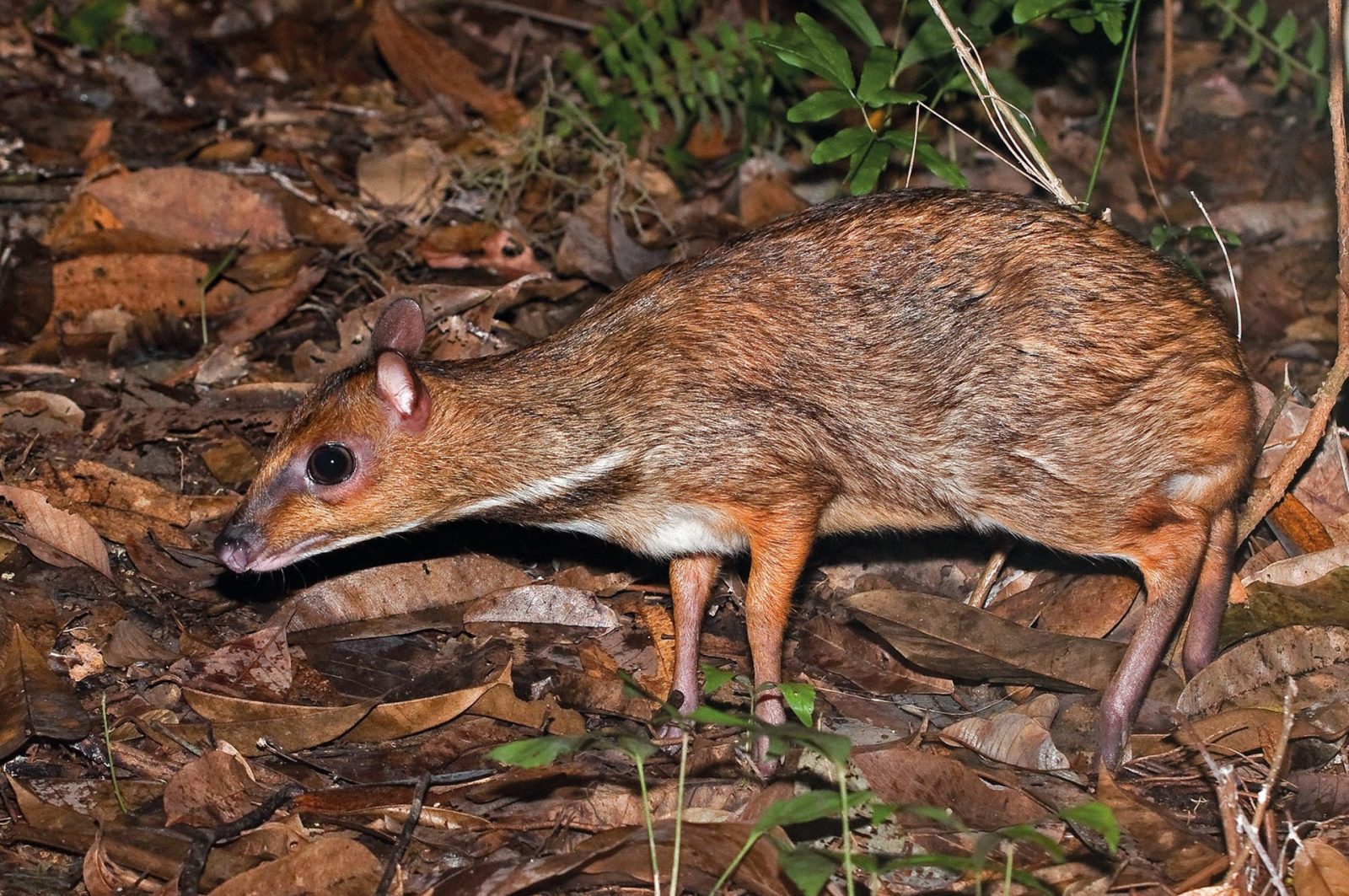
It is a solitary (only occasionally seen in pairs) nocturnal animal. It lives on leaves, flowers and other vegetation found on the forest floor. During daylight, it shelters in primary and secondary forests and remains still. At sunset, it moves into mangroves and other open areas to feed- they have also been spotted on the sea shore. It reaches sexual maturity at just 5 months old, and can live to 14. They have just one (or rarely 2) offspring a year, and are pregnant from 4-6 months.

In local mythology, it is considered a trickster (it appears in various folklore in the area) which has lead to it being targeted less than other species. However, it is still threatened by the bushmeat trade and pet trade. The meat is considered a delicacy and the hide is used to make leather. Its biggest threat is loss of habitat as it is transformed into agriculture land.

Unfortunately, while there are 18 areas which are protected, they are not found in any of these so do not benefit.

Outside the Philippines, it is only held in 6 zoos all in Europe, including Chester zoo. 

They are listed as endangered in the wild. Given the low number in captivity, should they be lost from the wild it may well be -permanent

[smart_post_show id="17789"]

Greater mouse-deer

Greater mouse deer

Also known as the greater Malay Chevrotain and the Napu, it is an even toed ungulate (in the Tragulidae family). It lives in Sumatra, Borneo and some of the smaller islands of Indonesia and Malaysia, along with Myanmar, Soutehrn Thailand and the Malaysian mainland. 

It is naturally found in subtropical and tropical , moist lowland forest.

Despite the name, mouse-deer are not true deer, and it is only greater in comparison to the other mouse-deer in its family which are smaller. It weighs 5-8kg and measures up to 75cm long (the williamson mouse-deer can grow to similar size). Its shoulder is roughly 30-35cm tall. Its legs can be as thin as a pencil. Like other mouse-deer, it does not have antlers, but instead males have canines which extend beyond the mouth, essentially small tusks.

They are found on Sumatra, Borneo, and smaller Malaysian and Indonesian islands, and in southern Myanmar, southern Thailand, and peninsular Malaysia and live near water, in tropical forests and mangrove thickets. They were thought to be locally extinct in Singapore, but were rediscovered on an offshore island in 2008. Readily confused with several other species, reports of them outside areas above are probably mistaken identity. They are land animals, but spend time in wet, swampy areas.

[smart_post_show id="17775"]
See Animals Wild

Read more news

Join as a wild member
to list your wild place & log in

Join as an ambassador supporter to
support this site, help save wildlife
and make friends & log in

Join as an Associate member
to assist as a writer, creator, lister etc & to log in

List a wild destination

List a destination in
the shadow of man

List a hide for animals more easily seen this way

Highlight some news
missed, or submit a
one-off article

Browse destinations for fun or future travel

Temporary membership
start here if in a hurry

Casual readers and watchers