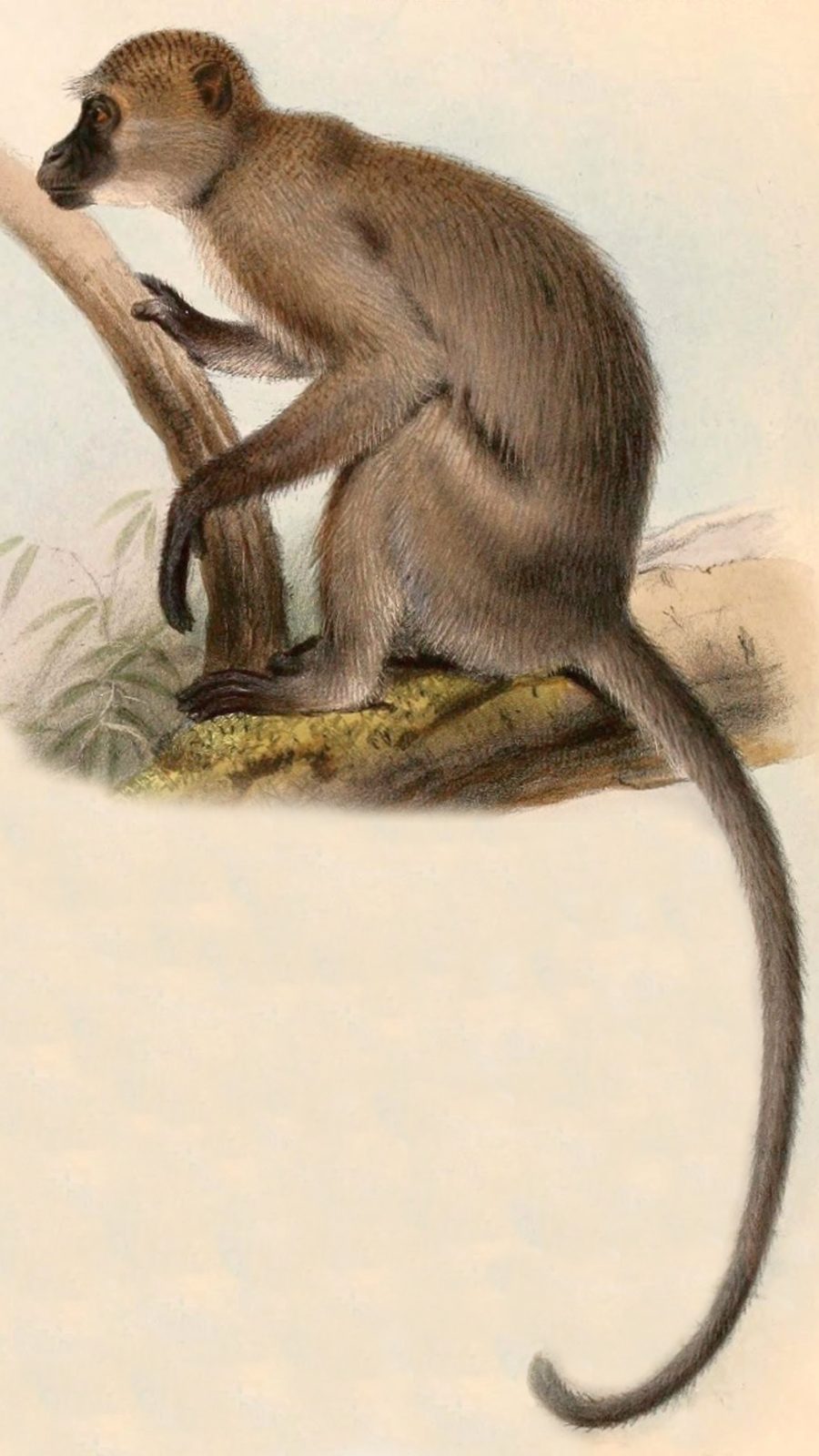
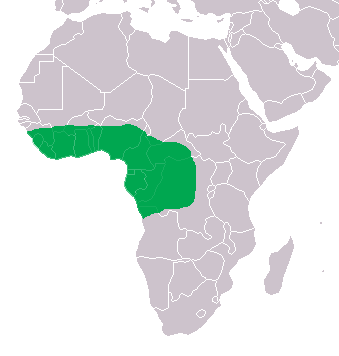
The agile mangabey is an Old World monkey of the white-eyelid mangabey group found in swampy forests of Central Africa in Equatorial Guinea, Cameroon, Gabon, Central African Republic, Republic of Congo, and DR Congo.
Until 1978, it was considered a subspecies of the Tana River mangabey. More recently, the golden-bellied mangabey has been considered a separate species instead of a subspecies of the agile mangabey.
Similar to other mangabeys, they are active during the day. Although generally tree-living, they do spend a significant portion of their time (12–22%) on the ground, especially during the dry season. It is often heard first, and males have a loud, species-specific call that is believed to be used to space themselves out – in a similar way that wolves operate with howls. Other calls are also used to maintain group cohesion and warn of predators. Group size can be as high as 18 members, led by a single dominant male. Group meetings can be friendly and may involve exchange of members.
Adult males not in groups often travel singly.
Fruit makes up a major portion of the agile mangabey diet. They are known to eat at least 42 different species of fruit. Their tooth structure and powerful jaws allows them to open tough pods and fruits that many other monkeys can not access. Agile mangabeys eat from a number of dominant swamp-forest trees, including Irvingia, Sugar plums when they are fruiting. They also eat fresh leaf shoots from Raffia palm when fruits are scarce. Grass and mushrooms, Invertebrates, bird’s eggs and some vertebrate prey, such as rodents.
As we find links, to help you book to see this species, the links will be added at the bottom of the page.
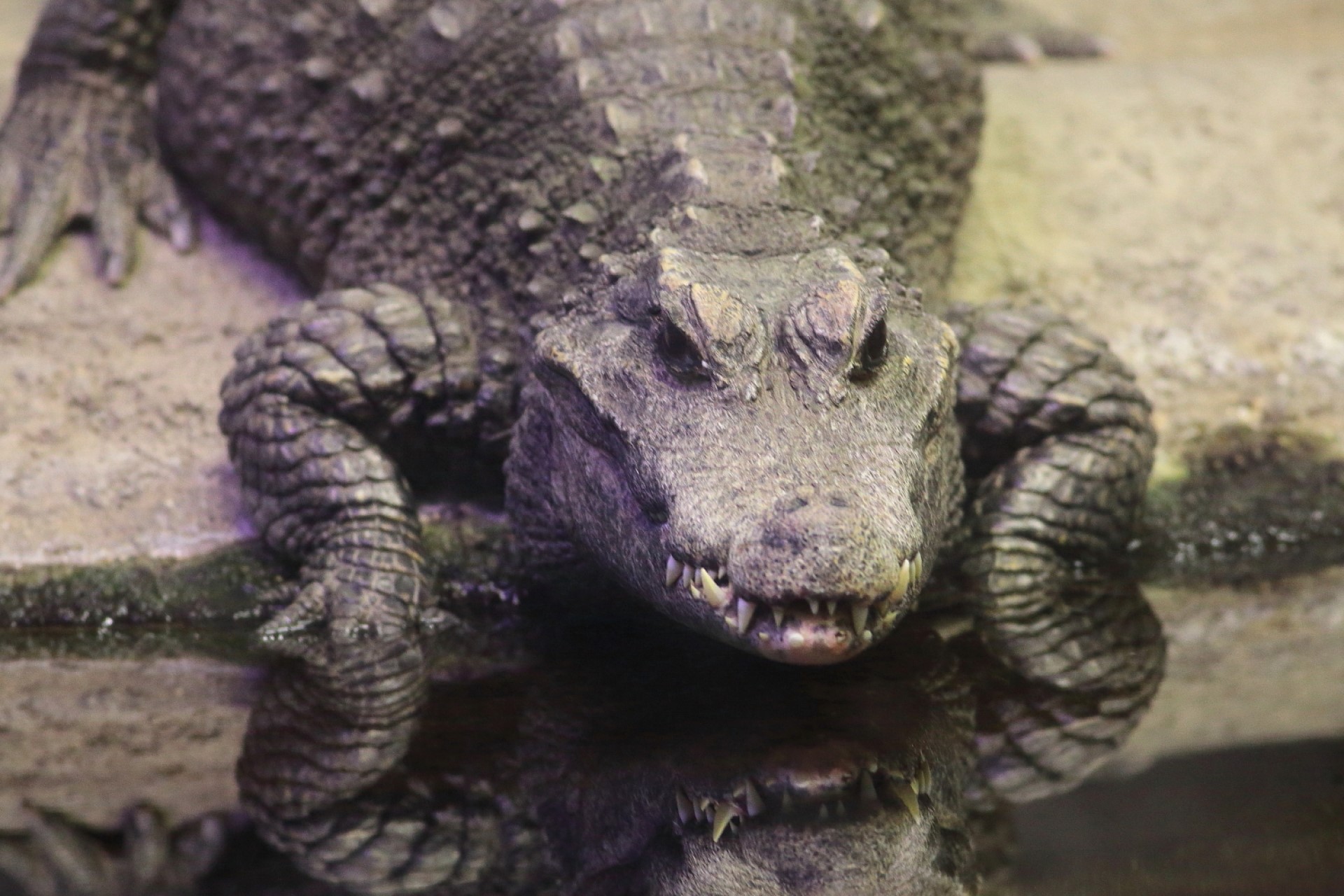
The dwarf crocodile (also known as the African dwarf crocodile, broad-snouted crocodile -a name more often used for the Asian mugger crocodile) or bony crocodile), is an African crocodile that is also the smallest living species of crocodile.
Found in lowlands to mid-height areas, in small and mid-size streams (they avoid large rivers). Generally, they live in rivers that lie in rainforest, though they will venture into the open.
They are known, in places, to be found in pools deeply isolated in Savannah. In western Gabon, there are also a group which have been living long-term in caves. It is considered vulnerable by the IUCN and is Appendix i of CITES. Where they are declining, it appears largely as a result of deforestation and hunting for the bushmeat trade. As a result, while in some regions they have a healthy population, in others (like Gambia and Liberia) they are almost lost.
In zoos in the USA and Europe there are a few of this species, however, records are not good, and quite a few of them are clearly hybrids with little conservation use. I should note, a zoo I occasionally volunteer at (marwell zoo) had one of these crocodiles until last year when it went to another zoo for breeding.
We hope to be able to list places for you to visit to see this species as soon as possible. Any of these will appear below the video and the news section (this lists all the times that this species has been mentioned (if any) in this blog). Below this, we will list all the easiest places we have connections to, to see this species.
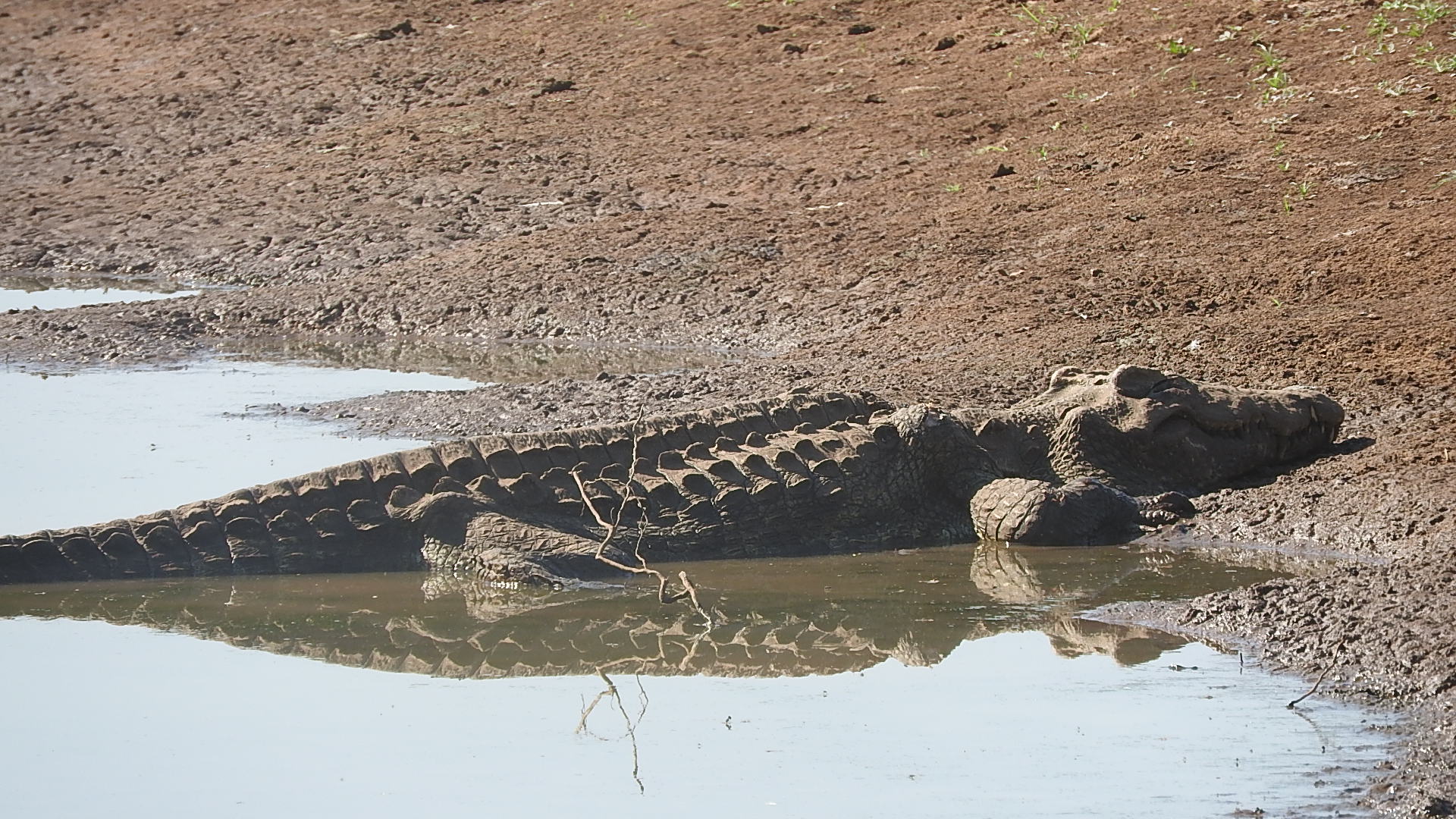
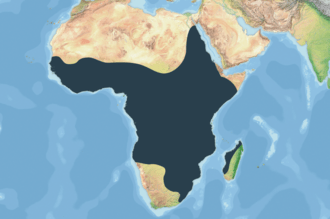
The Nile crocodile is spread widely throughout sub-saharan africa (except for parts
of South Africa, thought to be natural and not due to hunting). A suggested subspecies is found in western Madagascar, there are 7 such subspecies, though none have been officially recognized.
While it was originally thought to be the same species as the western African crocodile (confusing given its range), it has actually been found to be closer related to various crocodiles from the Americas, particularly the American crocodile. As such, parts of the map above may actually host west African crocodiles exclusively.
The Nile crocodile is considered the second largest on earth, only beaten by the saltwater crocodile of Asia, interestingly, interestingly the saltwater crocodile is also the only crocodilian that has a greater range than the African crocodile. It was thought that the crocodile had arrived on Madagascar in the last 2000 years – after the extinction of the endemic Voey crocodile, but recently a skull was found and dated to be 7500 years old, suggesting that they must have coexisted for millennia.
While rarely venturing into the sea, they can (like all true crocodiles) survive here, and one was found alive 11 miles off the South African coast in the past.
They have been found in the Florida Everglades, presumably after an illegal introduction – there is so far no evidence of them successfully breeding here. It is unclear of their origin or where they came from, though they are genetically most similar to crocs from South Africa.
While they usually only dive for a few minutes at a time, they are capable of holding their breath for 30 minutes of activity under water – impressively, those inactive under water can stay down for around 2 hours. While rapid and effective hunters in the waters and along its edge, they are far less capable away from the water, and it is rare that they hunt away from water, having said this they are known to hunt here, and are incredibly adaptable to any opportunity. They have a surprisingly small stomach, only the size of a basketball.
Only around 10% of eggs will hatch and around 1% will survive to adulthood. Certainly, much of this damage is down to the Nile monitor lizard, which is thought to be responsible for as much as 50% of the eggs on its own, though median sized cats, baboon troops and mongooses all attack crocodile nests with regularity. Once born, crocodiles are even more at risk, both from animals already mentioned, as well as virtually every predatory water bird, from storks and egrets to even pelicans. Unfortunately, the biggest threat are other adult crocodiles which will happily eat young. While the mother does stay around, and aggressively protects her young, there are so many animals trying to snag a meal, many of the young crocodiles are caught during this time.
The biggest threats include loss of habitat, pollution, hunting, and human activities such as accidental entanglement in fishing nets.
Current estimates are around 250,000 to 500,000. In some parts of Africa they are farmed for their hide (their meat is unpleasant).
Their population is less healthy in western and central Africa, being more sparsely spread. This also makes it hard to do an accurate assessment of their status in this part of Africa.
Along with the saltwater crocodile, the African nile crocodile is estimated to kill anywhere from hundreds to thousands of people each year, with attacks generally carried out by larger crocodiles (thought to be over 3.5m). Given the numbers, it is thought that nile crocodiles and saltwater crocodiles are the most successful hunter of humans – far more fatalities than great while sharks. One study suggested, that while the danger of lions was well known, there was a bizarre feeling that crocodiles were not dangerous. The numbers may well be down to the fact that crocodiles live in water – a place where humans are forced to go regularly.
Below this is a list of any articles released on this site, which mentions the Nile crocodile. Below this, is a video of the species, and below this, we will add links of places to see this species, though if you visit wild places, all savannahs listed on the site will have nile crocodiles.
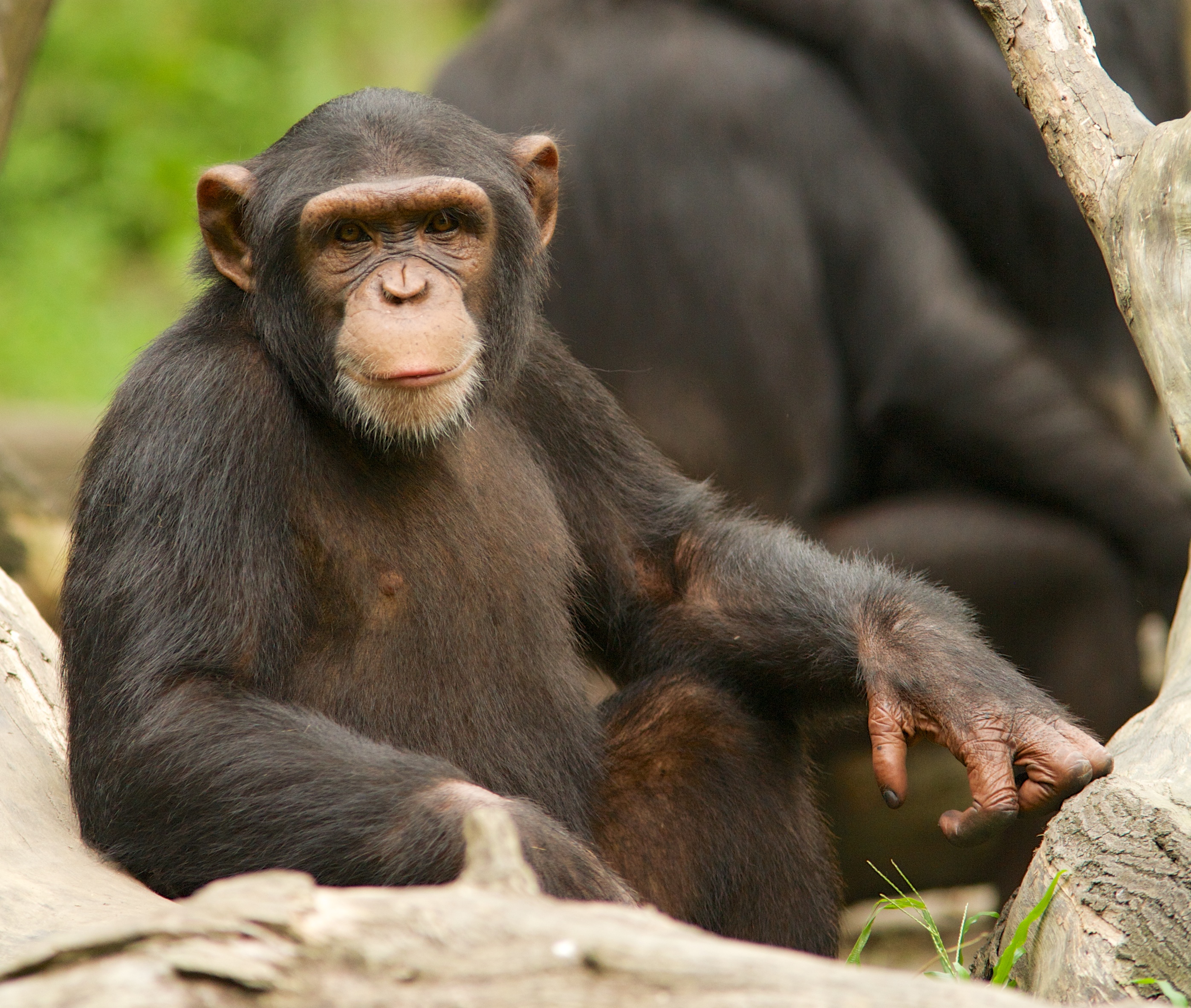
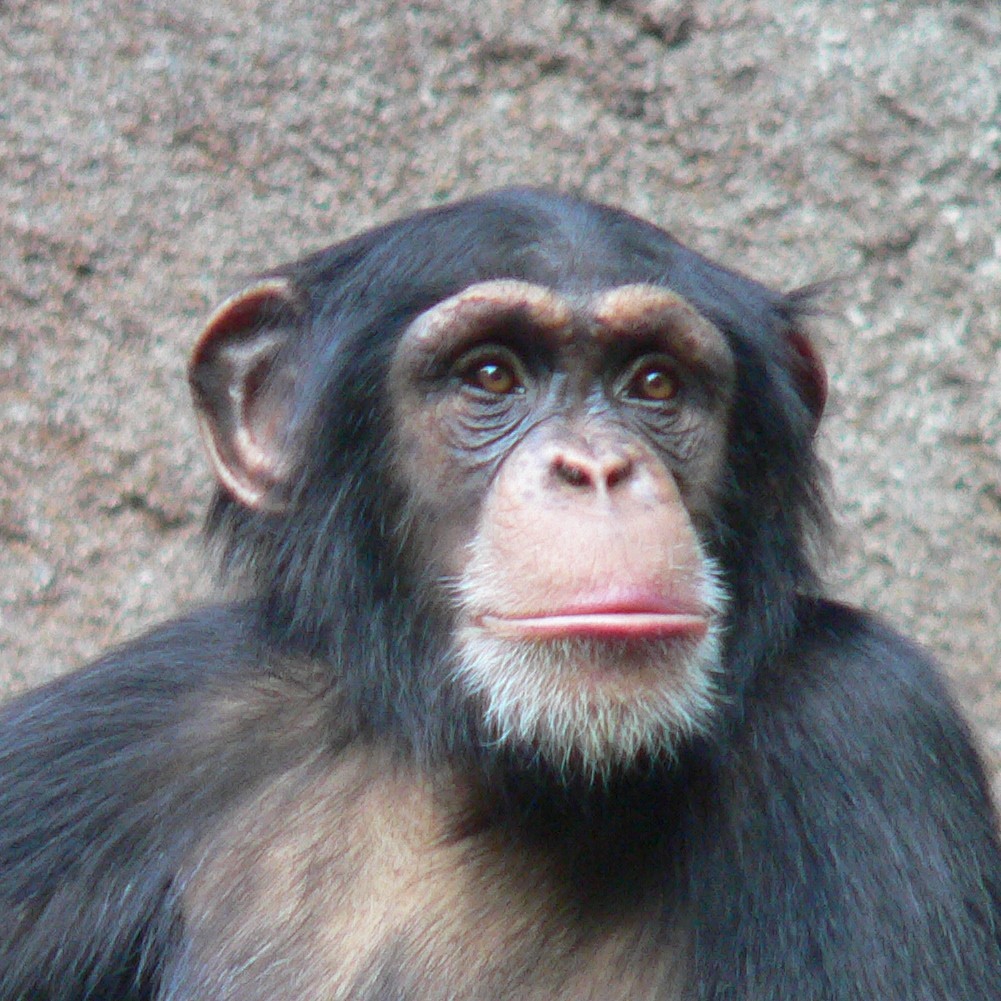
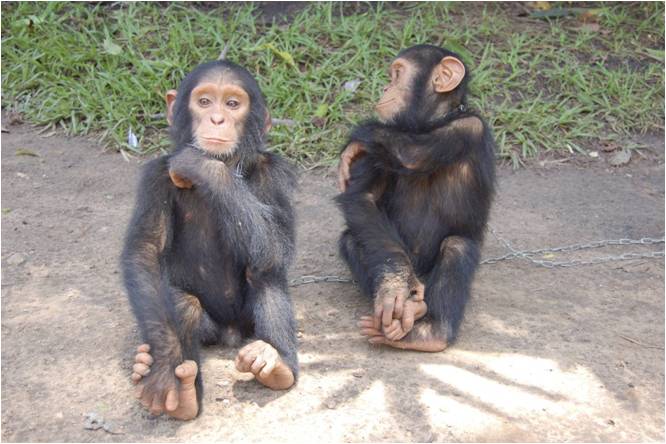
Given the incredible and very obvious similarities between humans and Chimpanzees, it is perhaps not surprising that seeing them in the wild is a wish for many people. Unfortunately, many fail to turn this wish into reality, for a variety of reasons. You cannot visit the Chimpanzees in a car, as the forest is too thick, so trekking is the way to go. Chimpanzee trekking is an incredibly exciting thing to do. Currently almost all of the chimp trekking takes place in just one or two of the places that they live wild.
If it is possible to change this, we can make chimpanzee populations across the tropical African belt valuable to local people, and therefore protect their long-term viability. The wild chimpanzee is an essential part of the places that they inhabit, so hunting and poaching threatens the collapse of the entire ecosystem.
Most of the places that they inhabit have already been invaded or lie close to human habitation so hunting and poaching threatens the collapse of the entire ecosystem One of our closest relatives and an image that we are very used to, unfortunately the chimpanzee like all other great apes is facing a precipitous decline in its population. Subspecies include,
Eastern(21000-55000),
Western(35000),
Central(115000) and
Nigerian-Cameron (3500-9000).
As you can see many of these have wide ranging estimates which shows how little idea we have at the current time.
Chimpanzees inhabited wide-range of forests and open woodlands. When not attacked by humans, and when their homes are left standing they can do very well.
It is possible that organised tourism amongst some of these populations could help save them. Unfortunately it is entirely possible that many of these populations are lost before we can help. We aim to link to as many place that you can visit. These will be linked within a page for each subspecies, though some will also be linked at the bottom of the this page.
https://www.youtube.com/watch?v=hDf_rN13p_Y This bear was filmed, gnawing on a bone from a takin, a species of wild cattle. For a species which is thought to survive
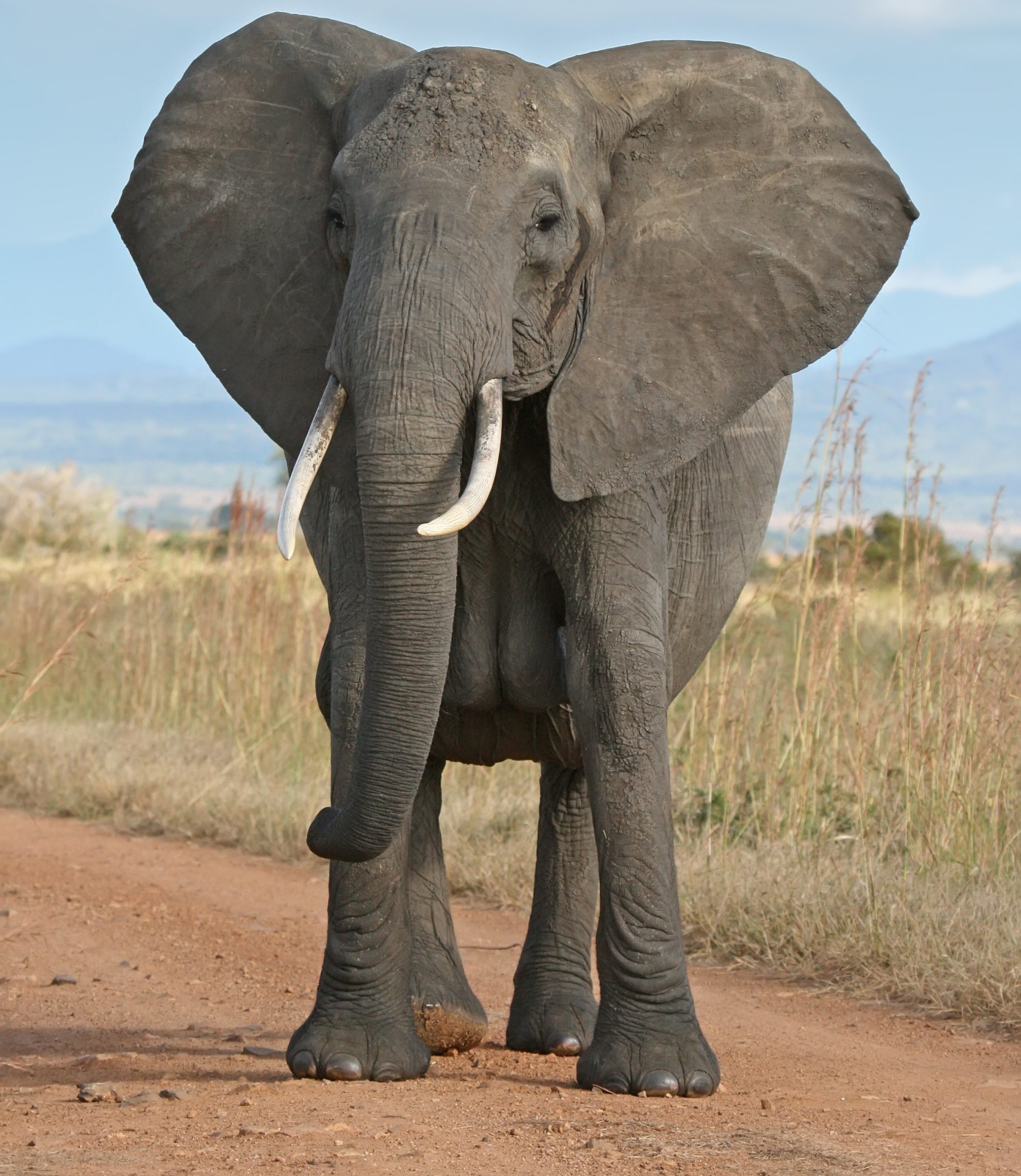
With the African species, Forest elephants have declined 86% between 1986 and 2015, African Bush elephants declined 60% 1965 and 2015 leaving just over 400,000.
One of the other issues with poaching is that elephants are very intelligent, and can communicate over long distances. As a result if for instance an elephant is killed in the north of the Kruger, elephants hundreds of miles south will become far more aggressive towards humans and cars. This in turn reduces the number of tourists that are willing to visit the reserve.
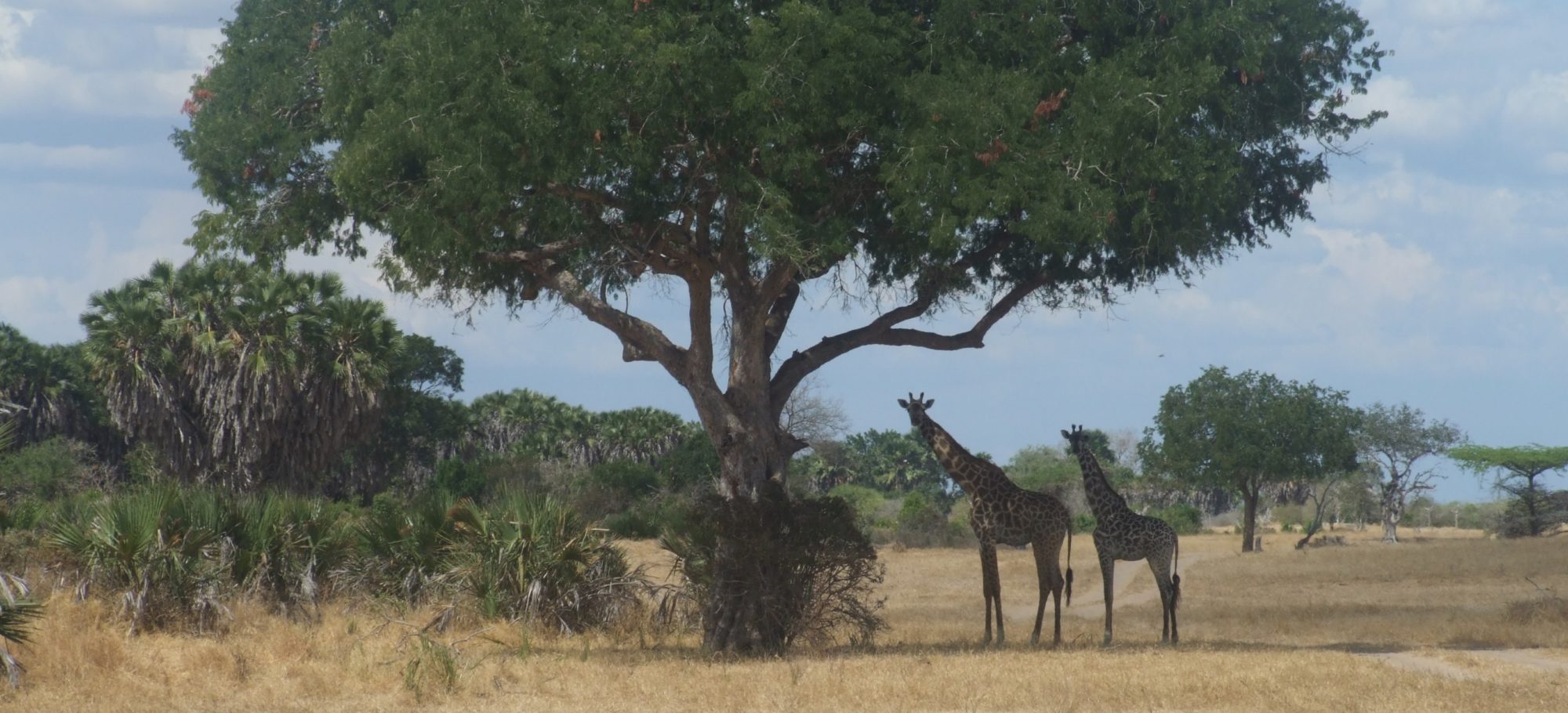
Perhaps one encouraging fact, is that the African savannah elephant has enough space for a far larger population if only poaching can come to an end. It is also a simple fact, that any reserve with elephants (like lions) can attract visitors- provided it is well run.
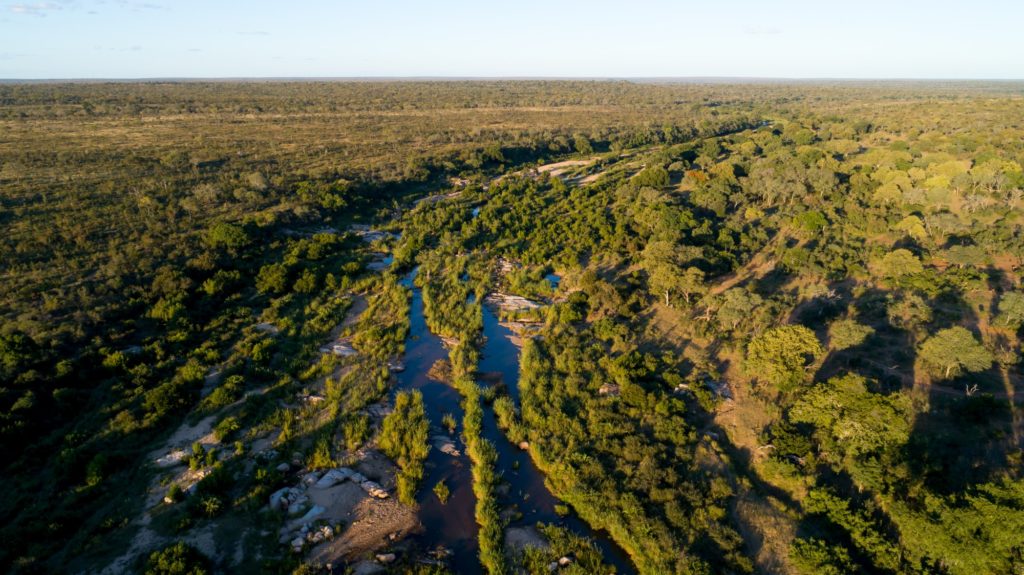
Limpopo Transfrontier park including Kruger sabi sands and other conservation areas
African elephant populations have risen and fallen incredibly fast over the last few centuries. It is estimated that as much as 20 million Savanah elephants