Wild boar continue to spread across the UK, arrive just a mile from where i live (Still sorting issues, but progressing)

I have missed writing regularly, but have been having some issues with this website. I am hoping that in the near future these will be resolved, and allow the website to reach some of its potential – however for now, back to this article.

The UK is recognized as one of the most nature depleted places on earth. never the less, there is wildlife in the shadow of humans. A very wide range of wildlife has been lost, as humans have not left the space – this is causing us issues, not least because there are no apex predators left.

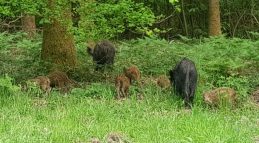
Wild boar, however, were accidently released – they were bred for meat, and between a variety of escapes and intentional released populations, a wild population has been established in the UK. Domestic pigs are descended from wild boar – it is thouoght that they were domesticated twice, once in the near middle east around 8500 years ago, and again in China around 6500 years ago (though it should be noted that these dates are still pretty unclear. 8500 years is not a long time in genetic evolution, and as such they are still capable to interbreed, even though there is a significant difference in how these two groups live.

There is an estimated 2600 wild boar living in the UK. The largest populations are listed below, though it does not account for all of them

  • Forest of Dean: This area has the most established and largest wild boar population in the UK. The population is estimated to be around 1,200 animals.
  • Kent/East Sussex: This area has a population of 250-300 wild boar.
  • West Dorset: This population is estimated to be over 50 animals.
  • North Devon: This area has a smaller population, estimated to be between 50 and 100 wild boar.

Wild boar are incredibly important for the health of forests – wild boar turn soil in their search for roots and tubers, and this is perfect for the growth of new seedlings. Boar rootling areas are often full of tree saplings and shoots growing together. It is something that has been missed for a very long time, and the health of forests that the boar returns to is greatly improving.

The area that I live in, has a great deal of army land, and therefore, I believe that the area could support hundreds of boar, if not more.

This individual boar, is likely to be a young roaming male, and usually, the first visitor does not settle within an area, however, females also roam, and should a male and female meet, they are likely to become a breeding pair, and at that point the population can grow fast as a breeding pair (when they have some domestic pig genes in them) potentially having 3 litters of 10 or more a year.

Will a breeding population be established around here? It is still for the time being, chance, however at this breeding rate, it is quite conceivable for boar to be back across the UK within the next couple of decades. Pure wild boar would be better, however adaption back to living in the wild will likely slow their breeding rate relatively fast.
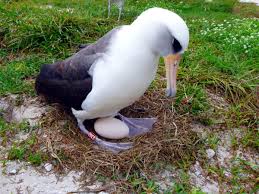
In December, the worlds oldest known bird, an albatross, laid an egg in her 74th year.

albatross aged 74 photo credit US fish and wildlife service

The bird, called Wisdom, is a Laysan albatross was photographed with her current partner and the egg. Normally expected to live between 12 and 40 years, this is an incredible lifespan. She is also thought to have had around 30 chicks, which given that they do not breed every year is a phenomenal number. Perhaps more impressive, the chick survived, and has been seen within the last month, suggesting that not only did she have this chick at such an old age, but she raised it successfully.

She was first tagged in 1956 (the year that my father was born) and they do not breed until at least 5 years old.

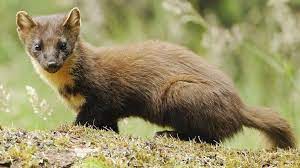
Pine marten roundup

For any readers who do not know what a pine marten is, the above will give you an idea. It is an arboreal predator (that is, it hunts in the trees). There are a total of 8 species of marten across the world. Historically, this was the second most common predator in the UK, with only the fox being more common.

Unfortunately, its habit of taking chickens lead to it being hunted ruthlessly. At the current time, it hangs on in Wales, and has a significant population in Scotland. In Ireland, the recovery is far further along.

In the UK, one of the reasons that we miss this little predator, is its impact on grey squirrels. Unlike the pine marten, the grey squirrel is not native to the UK, and its presence does much damage, from its impact on trees, and other plants, to the fact that it carries a disease which wipes out the reds rapidly (so they are incapable of living alongside each other). This is a species which I have followed closely, and while other matters have stopped me blogging on this species as often as I would like, it has not stopped me from reading about it, so you will find summaries of a variety of stories below.


Reintroduction project in Dartmoor: 15 pine martens were released in secret locations within Dartmoor in September. A total of 7 conservation organisations have been involved in this translocation. It is a total of around 150 years since pine martens were last in the area, but the translocated individuals are settling and slowly dispersing across the landscape.

To the right you will find a tiktok video which will give you details on this reintroduction.

@woodland_trust Pine martens are back in Dartmoor! 🎉    This conservation success story is the work of The Two Moors Pine Marten Project which we’re a partner of. 🌳    Site manager David Rickwood explains more. 📽    Learn more at 👉 twomoorspinemartens.org  @National Lottery Heritage Fund   #woodlandtrust #wildlife #britishwildlife #wildlifetok #pinemartens #dartmoor #conservation ♬ original sound - Woodland Trust

While there is no idea where the pine martens came from, they appear to be doing well, and as the video shows, are breeding. While they have not been there long, so there is little evidence yet, it is highly likely that the pine marten arrival will be bad for local grey squirrel populations (a non-native squirrel which does much damage to UK woodland). This is an area of excitment and should be followed closely.

Pine marten spotted on Longleat estate

Pine marten caught on camera trap in Longleat estate in Wiltshire. It is unclear where this individual came from, lying half way between the forest of dean and the new forest (but far from both), but it is thought it has arrived naturally. While red squirrels would not be able to reappear in this part of the country, without help, as all surrounding areas have grey squirrels, should the pine marten survive, it is likley to greatly impact the local popualtion, and create an island, into which red squirrels could eventually return.

Pine marten in the forest of dean

Pine marten were translocated from Scotland into the forest of dean, beginning in autumn of 2019, when 19 were introduced, and a further 35 joined them in the next 2 years. Last summer, there was an estimate of 60 living in the forest, which while not a big increase, it has not fallen.

While the forest of dean covers just over 200 square miles, it is thought that 60 is roughly the carrying capacity. That suggests that the pine martens in the forest of dean need roughly twice as much space as elsewhere, so time will tell if the population can grow beyond this level. Still, it seems likely that this number of pine martens should be able to eradicate the grey squirrel, or at least greatly reduce its number in the area.

The below video shows 3 cubs from around 4 years ago.


Pine marten in the forest of dean

Research is being done on whether pine martens can live in timber forests – which account for a lot of forest in Scotland

Some simple changes may well allow timber and pine martens to flourish alongside each other. Across 1 woodland, a number of nest boxes have been added, which appears to be helping. The plantations are also looking at letting some older trees stay standing, as these are where cavities appear, which is the pine martens natural home. This research is being carried out in the forest of Ae and around Castle O’er.

Pine martens have turned up in a London cemetery, in area of England where they have not been seen for 150 years 

The Zoological Society of London ZSL (London Zoo)  already had a project in the area with remote cameras, as it is a stronghold for the hedgehog (unfortunately, another species with a horrific decline in the last 20-30 years). It was just one (and this was in 2022, so may well be gone), but it is exciting that such a small area can house an animal like this.

The Forest of dean, is 80 miles away, which is the nearest population, so it is thought that this might have to be the result of an illegal translocation (they are being translocated, but should be done by professionals, with checks and more.

Pine marten recovery is further along, and helps understand how it will work in England, particularly in cities (not the safe zone once thought)

 Once almost extinct, for similar reasons in the UK (habitat destruction, and persecution) in 1976 they were given legal protection, and at the same time, forestry started to expand once again. The pine marten is how living in around 45% of Ireland.

The red squirrel is recovering as a result. There was a fear that grey squirrels would survive within cities, as pine martens are generally to shy to venture into even large parks within cities. However, what has been found, is that the abundance of squirrels in cities is a mirage – there are only sustained by populations outside the city, therefore, should places like the green belt around London get settled by pine martens, it is likely that the London squirrels would disappear within a few years.

Similar to elsewhere, pine martens have now also been introduced to the Lake district.

Wildcat kittens born outside captivity in Cairngorms

Wildcats are native to the UK, but have been pushed to the brink of extinction by hybridisation with native cats – which come from the wildcats from places like Israel in the middle east. As a result of this, as well as trying to remove the feral domestic cats, and their descendants, they are trying to create pockets of Scotland, which would allow these cats to recover.

The natural behaviour of a British wildcat when meeting a feral cat, is to kill it. However, as these animals become rarer, even rare breeding events, can threaten the survival of the whole species. This behaviour also means that with careful planning, we should be able to reintroduce them into other parts of the country. There are a range of other wild predators lost over the last couple of millennia – and I hope to see the others return, but it is thrilling to know that a wildcat is once again living and breeding in its native habitat of the Scottish mountains.

These wildcats are thought to be the first born wild in Scotland for 5 years, after 19 wildcats bred in the Highland wildlife park, were released into the Cairngorms national park.

Platinum Rhino, the worlds largest captive rhino breeding operation sold to africaparksnetwork! (update, instagram embed did not work)

Hearing this news, one might think “great, another 10-20 rhino”? Think again.

Platinum rhino holds as much as 15% of the current wild population in its operation -2000 individuals. Here is an instagram on the news!

This could be great! Current rhino numbers are estimated to be in the low 2000, down 79% since 2011. Releasing the whole herd back into the Kruger could allow numbers a sizable boost, and rapidly move the kruger back towards its former stronghold of the white rhino. However, in the first half of 2023 over 200 rhino were poached from the Kruger, suggesting that this is not going to be easy.

Unfortunately, the Kruger is already one of the best preserved large reserves in the world. Thankfully, rhino horn has dropped in value from its peak in 2012 of $65,000 per kg, down to a current $8000 per kg. It would be good to depress this further, however the risks for the poacher are very high: not only are many poachers killed by the rhino, they are also often killed by other wildlife such as lions – and the Kruger has a sizable number of man-eating specialists.

I suspect the organization will spread the rhino around, across many of their reserves. Hopefully the recognition that farms like this make no sense, will allow them to thrive back in the wild.

Education is still needed in China, Vietnam and elsewhere. Rhino horn is the same substance as your finger-nails, Keratin. Consuming it will make no difference to any medical condition, science has tried to show any positive health benefit, and can see nothing scientific – at best a placebo effect.

Below, is a video about this farm, 6 years ago back in its heyday. Hopefully, all these rhino can recover white rhino populations far and wide.

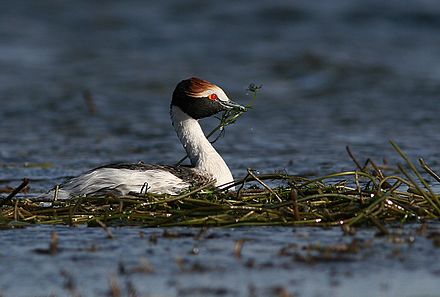
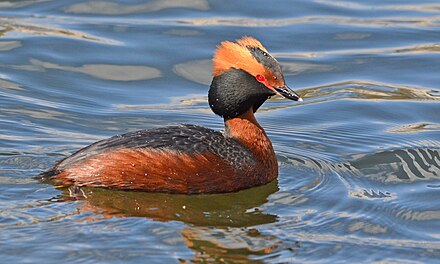
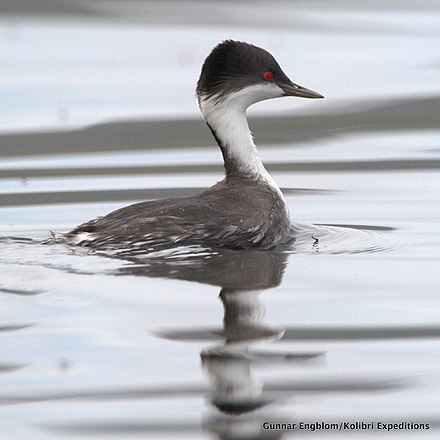
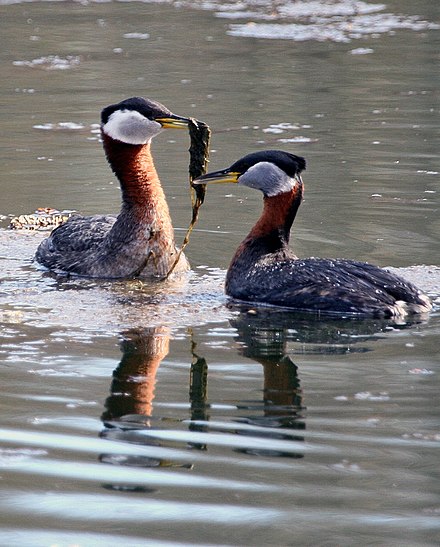
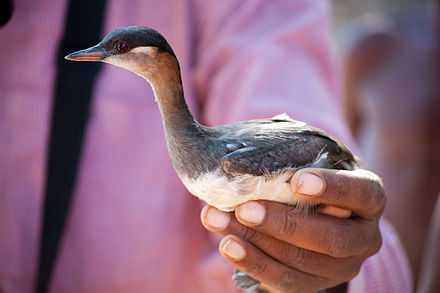
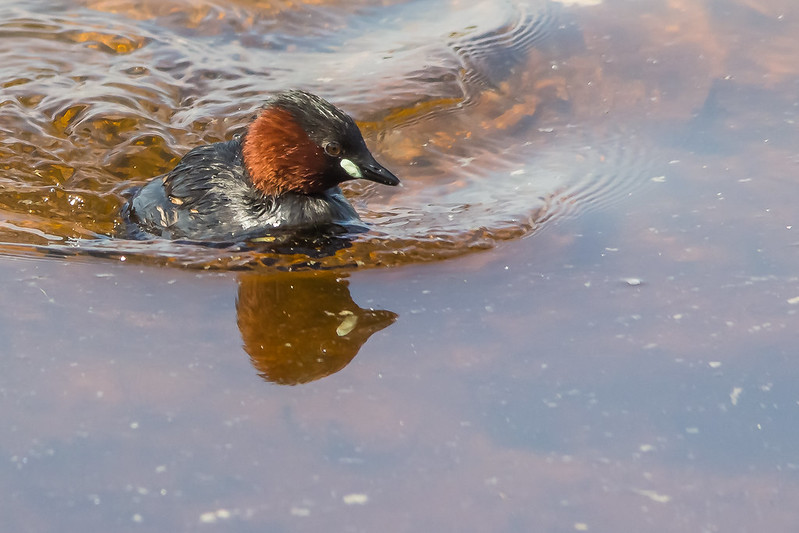
Flamingo and Grebe Species

Flamingoes and Grebes

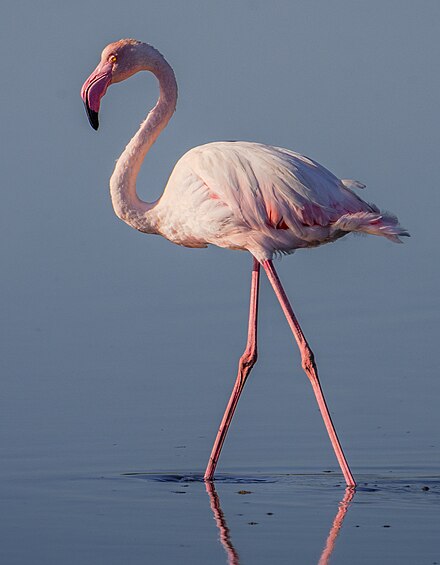
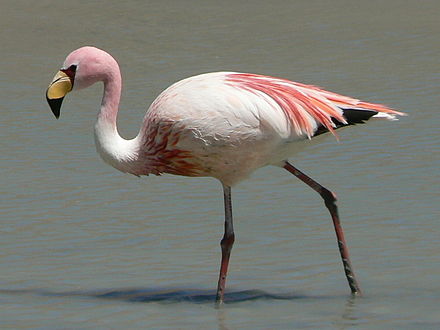
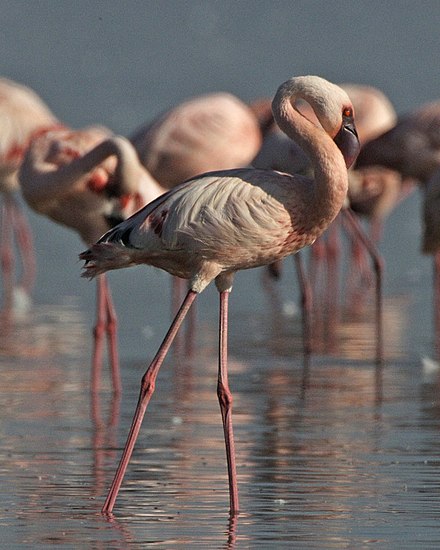
At the top of the page is an image of every species of flamingo, below you will find some information on each species. Below this, you will find the same for the grebes.

As always, should you work in tourism or conservation of any of these species, do get in touch, we are keen to help people find you. Click on list your wild place on the homepage main menu.

American Flamingo

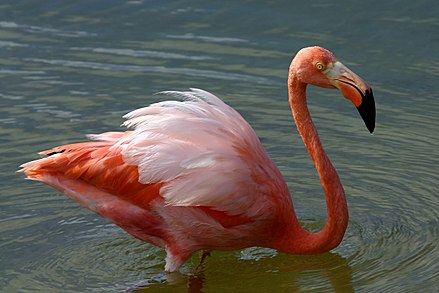
Found in the West Indies, northern South America (including the Galápagos Islands) and the Yucatan Peninsula. It was considered cospecifc with the greater flamingo, but they are now recognized as separate species (it is also closely related to the Chilean flamingo). 

Formerly it was a culture icon in Southern Florida, but was largely extirpated by 1900. Having said this, there are vagrant flamingos in Florida, and these now often stay in the country worldwide.

There are 80,000-90,000 left in the wild, and there are 4 breeding colonies: in South America (in the Galápagos Islands of Ecuador, coastal Colombia and Venezuela, and northern Brazil), in the West Indies (Trinidad and Tobago, Cuba, Jamaica, Hispaniola (the Dominican Republic and Haiti), The Bahamas, the Virgin Islands, and the Turks and Caicos Islands), and tropical and subtropical areas of continental North America (along the northern coast of the Yucatán Peninsula in Mexico, and formerly southern Florida in the United States).

Andean Flamingo

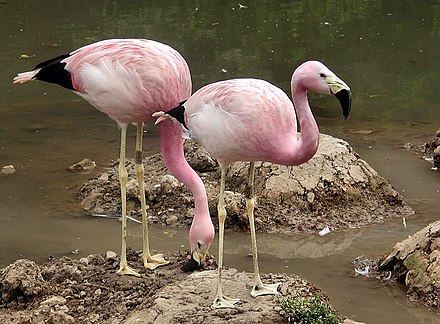
Found in the Andes mountains of South America, it is in the same genus as the James Flamingo. Indeed, the Chilean Andea and James flamingo often share nesting sites and are relatively closely related.

It is considered vulnerable to extinction with roughly 34,000 remaining in the wild, but declining over time.

As with other flamingos they are filter feeders, though what they filter can vary from algae to small fish – which they look for in shallow salty water.

They migrate between salt lakes in the summer and lower wetlands in winter – with the capacity of covering 700 miles a day.

The threat that this species faces, is generally due to human activity of mining and other changes to their habitat.

Chilean Flamingo

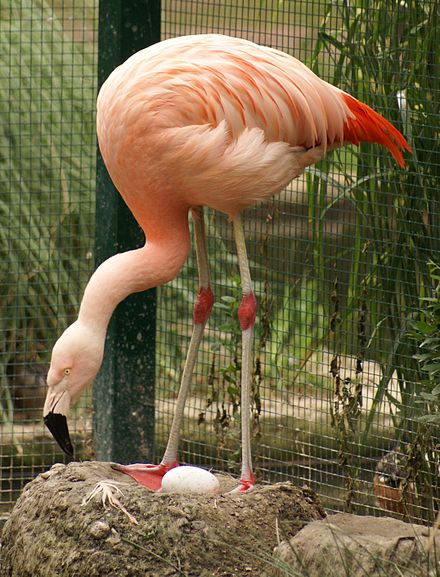
Closely related to the American and greater flamingo, it is listed as near threatened in the wild with a wild population of about 200,000. Population declines are due to habitat loss and degradation, harvesting and human disturbance.

While they are only currently listed as near threatened, there is a great deal of concern about falling populations, and as such they are relatively common in zoos and there is an active breeding program..


Greater Flamingo

The greaterflamingo has the greatest of ranges of any species (as you can see from the map. While it is found down the East coast of Africa, it is also found on the northwest coast and the northern coast. It is also present in the middle east, and throughout much of Sothern Europe. Its range also extends into India. It is listed as least concern with a population between 550,000 and 680,000 with between 45,000 and 125,000 living in Europe – the Camargue is the most famous in Southern France

They are listed as least concern


James Flamingo

The James flamingo is also found on the high Andean plateau, and is closely related to the Andean Flamingo. It was thought extinct until a population was rediscovered in 1956, and the current population is thought to be around 106,000.

It is currently listed as near threatened, and on CITES appendix 2.

Lesser Flamingo

Found in Sub-Saharan Africa and India. While the smallest species, it still stands 80-90cm tall. The easiest way to tell this and the greater flamingo (with overlapping range) apart is that the greater flamingo has more black on its bill.

Estimates on the number of this species range from “above” 2 million to as much as 5 million.

They generally breed in highly caustic lakes of the great rift valley in Africa, though there are places in India and a few other places as well.

They are classed as near threatened. While their choice of nesting site protects from many predators, it is still true that many flamingos are killed. From fish eagles to baboons and big cats, there are many species who will eat a flamingo if they can get hold of it.

It is well worth seeing this animal in the wild. Seeing 750,000 lesser flamingos on lake nakuru in kenya is a site that is hard to forget.

Visits to see flamingos are well worth it, and while some live in remote places, it is usually a species which is reliable. Please get in touch if you work in tourism or conservation of this species. Click on list your wild place on the home page of the website.

[smart_post_show id="26750"]

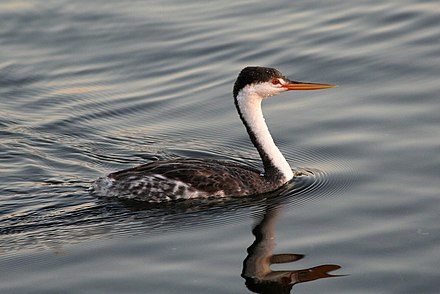
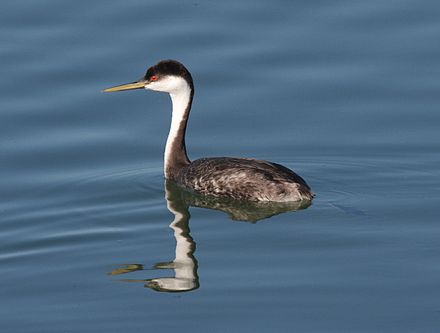
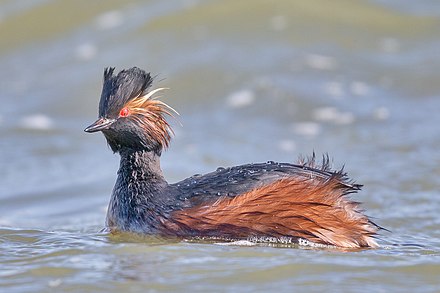
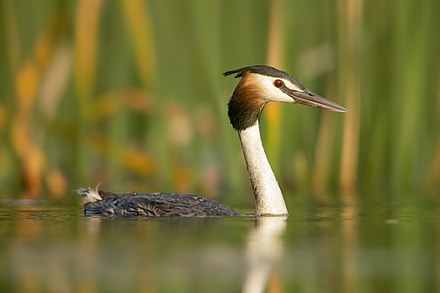
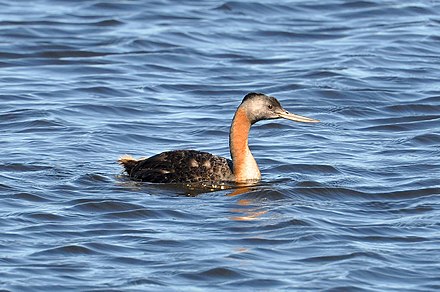
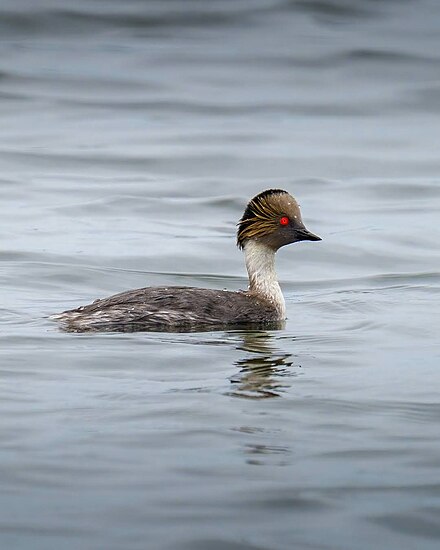
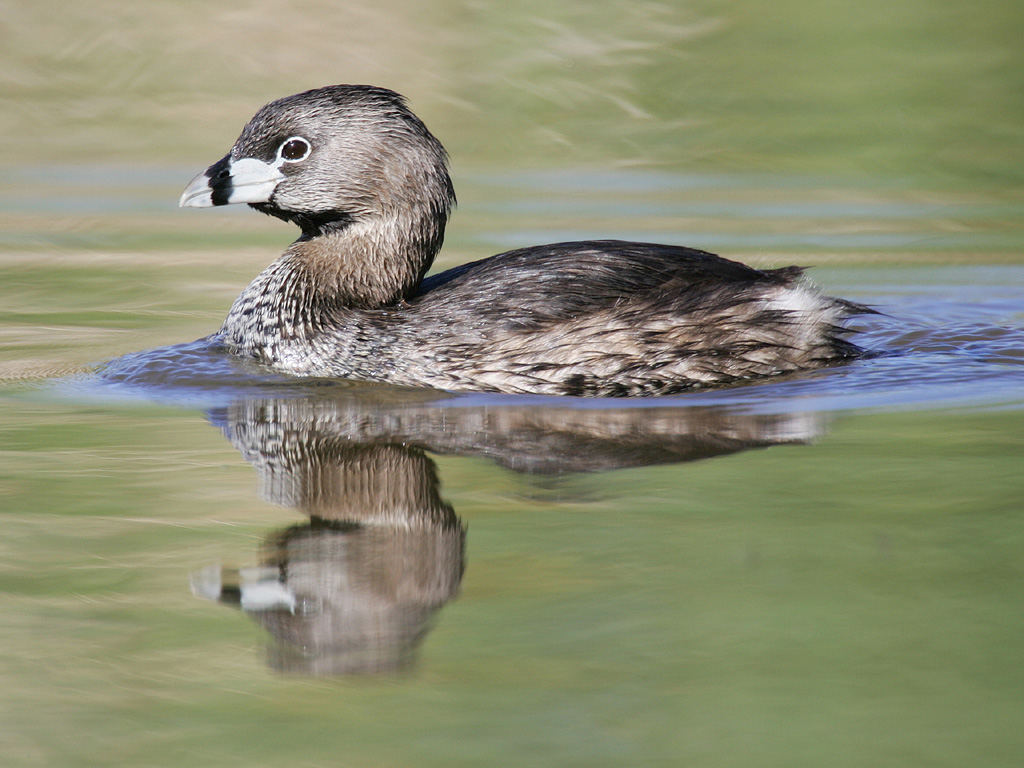
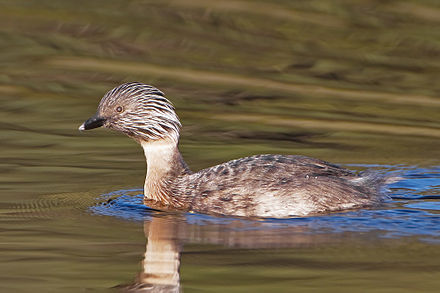
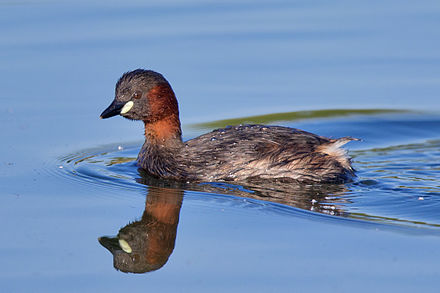
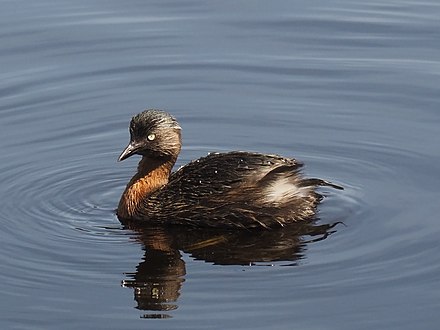
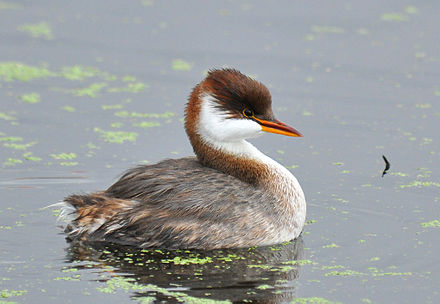
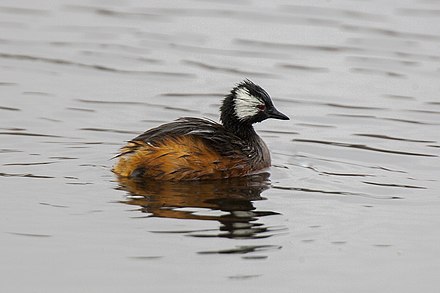
Next the Grebes

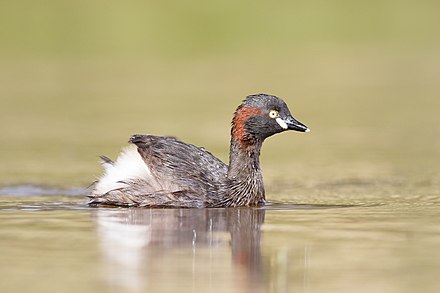
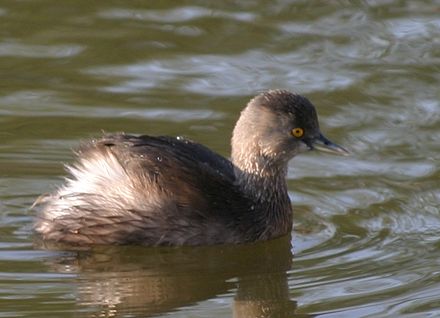
While some sites claim 22 species, my list has found that some of these were extinct (indeed, according to my list there were 3 species that have gone extinct. If there are any experts out there who notice one missing, let me know

We are eager as always to help people find places to see these birds. Do let me know if you work in wildlife tourism or run a place to stay where these birds are regularly seen. Click on list your wild place on the front page of the website.

[smart_post_show id="26802"]

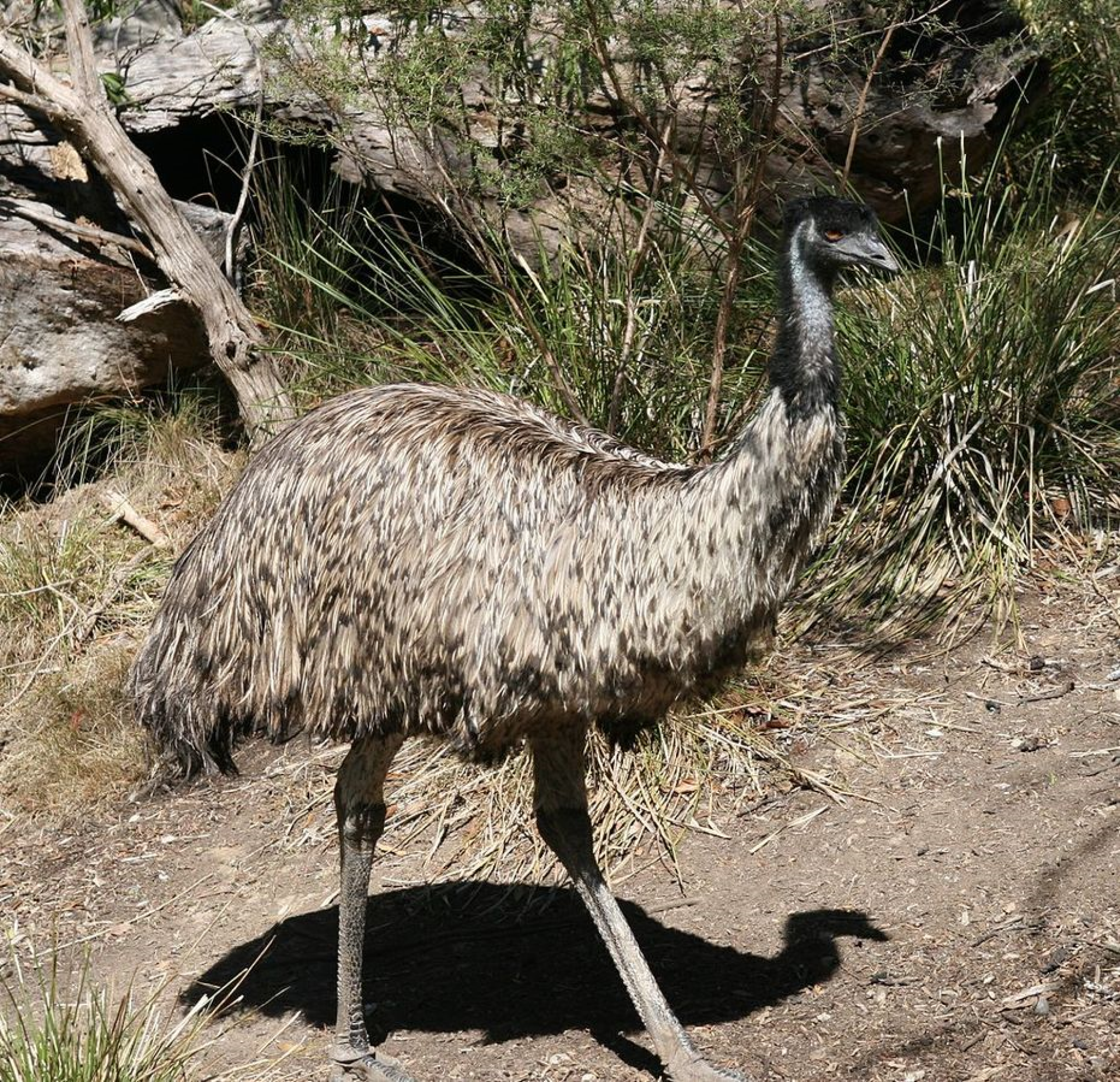
Emu

Emu

The second tallest bird, after the Ostrich, the Emu is found in Australia. While its range covers most of the mainland, its close cousins which lived on the islands around Australia are all extinct.

They have soft brown feathers and cannot fly, though they can run at speeds of 30 miles per hour.

They can survive weeks without eating, and drink infrequently (though they drink a lot when they do drink).

Eggs hatch after 8 weeks, and young are fully grown at around 6 months, though they usually stay with the unit until the next breeding season.

While overall there are enough to list this species as least concern, it is not as rosy everywhere, with the Tasmanian Emu dying out in around 1800.

There are 3 currently surviving subspecies with 3 others extinct.

Their population lies between 625,000 and 725,000

Below is our usual roundup of articles on this species, unfortunately, given the length of the name, it is likely to appear within other names. Below this, you will find any links to aid in seeing this animal (as we make them)

[smart_post_show id="26562"]

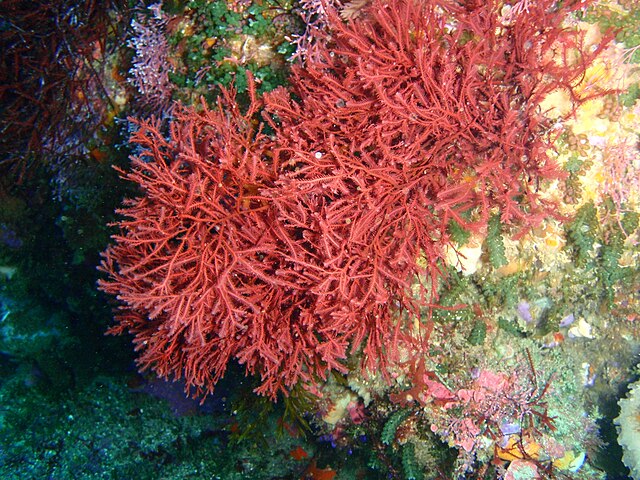
Company Green Grazing from Vietnam is aiming to grow and sell red seaweed, as an additive to livestock feed

Why is this important?

red seaweed photo credit Peter Southwood

Around the world there are around 3 billion cattle and sheep. These produce around 231 billion pounds of methane each year, which is around 10 billion metric tonnes of methane into the air. Remember that over the first 20 years (it reduces after this) methane traps roughly 80 times the same amount of carbon dioxide. So this is the equivalent of a huge amount of carbon.
To put this in perspective, if we shrink the worlds carbon emissions to zero, but are left with all this methane, we are likely to have runaway global warming anyway.

So what does this seaweed do? It essentially causes the cows and sheep to create less methane. How much? Well, while around 100 million tonnes of this seaweed would be needed, they could eliminate 98% of the methane emissions from these livestock!

In 2019 around 34.7million tonnes of seaweed was farmed, which is leading some sceptical researchers to suggest that it cannot be done. However, if we look logically, this is already enough seaweed to reduce methane emissions by 1 third – not to be sneezed at.

Another problem, is that currently Greener Grazing is restricted to only growing 1/3 of the year, as the water temperature kills the seaweed the rest of the time. However, this could be fantastic – if cross breeding can give this seaweed the ability to cope with warmer water, they might be able to meet the whole worlds demands.

More work is needed, and other tests have proved less successful in the reduction of methane, but still, this is a field, where we might be able to green peoples behaviour without requiring them to stop eating meat.

Now, of course, if meat grown in a lab could reach price parity, it may deal with this problem overnight, though it would also eliminate many peoples source of income.

Time will tell if this company is going to have a large effect or not. We need to have farmers wanting this additive, thereby creating a valuable market for coastal communities around the world.

Golden Jackal found in France for the first time

Golden jackals are not native to France, probably as a result of of the presence of wolves. Unfortunately, wolf populations have dropped so low, that their presence is not stopping the spread of animals like this.

In this instance, the female was too young to have arrived on its own, suggesting that not only are golden jackals present, but they are breeding.

We will have to watch this space, and see what is happening. Will the recovering wolf population stop the spread, or are golden jackals going to become a permanent part of west Europe’s fauna?

To read more about golden jackals visit our golden jackal page here

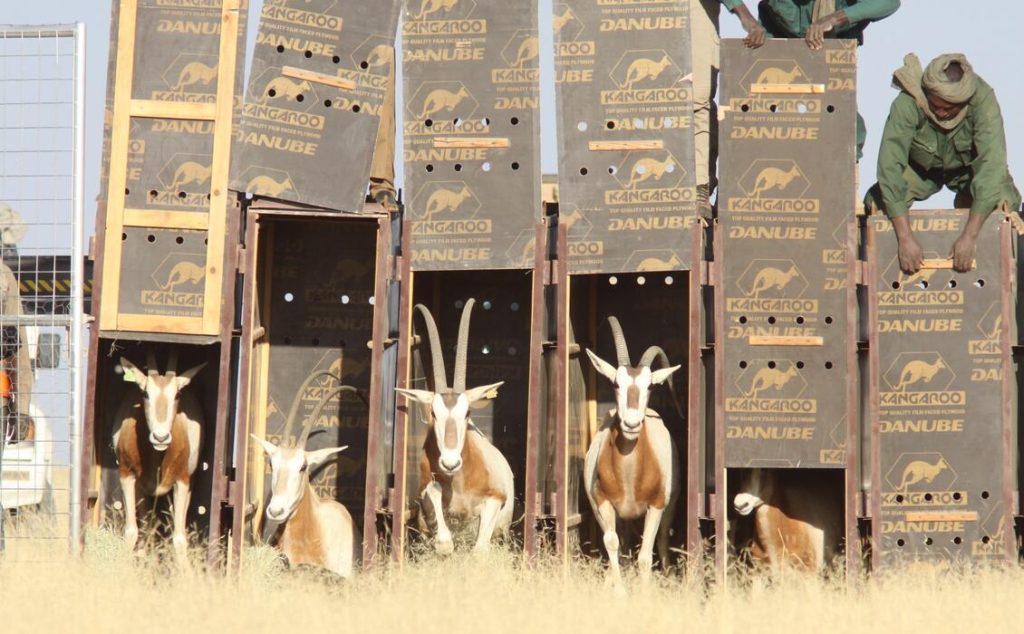
Reversing extinction: Marwell zoo and the scimitar-horned oryx

Declared extinct in the wild back in 2000, this species is now not only re-established in the wild, but has a big enough population to now only be listed as endangered (down from critically endangered).

Apart from supplying individuals for the reintroduction, Marwell zoo also helped with strategy.

The video below is just 2 minutes long. While it talks about Marwells other work as well, it shows a number of these animals living wild back in Africa.

This has got to become the reason for zoos. What ever else they do, there are many species at risk of extinction in the wild, these need to have enough captive individuals to re-establish wild populations, should the current conservation fail.

Of course, zoos have many other roles, from education, to fostering a love of wildlife in the next generation.

One thing that they should not be, is a curio house- many zoos are far to worried about displaying albino or melanistic individuals. Now while these individuals are fascinating and can be used as ambassadors for the species, their genetic health should be looked after (all white tigers are descended from one female, and closely related individuals are regularly bred togerther to ensure this trait is passed down. Indeed, as a result of this, white tigers are often not of good health.

The majority of zoos are now like Marwell – while like many, it started as the private zoo of wealthy owners it has turned into an important place of conservation and science. Another of their successes, is the cooperative breeding that occurs as standard in current times, across Europe. Regular loaning of animals is essential, so that we can treat all of the zoo animals in Europe as one single population, thereby  making sure that all animals in the system are healthy.
There are many hundreds of zoos across Europe (some claim as many as 2000, though around 1500 is the estimated worldwide number suggesting that this is a rather large exaggeration. It is likely that around half of the worlds zoos are in Europe, and by cooperative breeding, we can make sure that healthy populations remain in captivity, so that should a population be lost from the wild, it can be returned, when the wild situation improves.

Almost all predictions about human population are expected to peak in the coming decades, and then decline after that. If this pattern is followed, it should be expected that we will need to re-establish wilderness in the future. 

Scimitar-horned oryx have been returned to the wild in Tunisia, and Chad and there are plans to return them to the wild in Niger, in the near future.

Extinction was caused by a variety of features, but the primary one was over-hunting. This has virtually been eliminated, after a ban on hunting of this species was put into effect in 2013. Should this species be allowed to fully recover. In 1985, there was a population of at least 500 of this species living in the wild, so it took only 15 years for it to disappear, as such what is clearly essential is a regular assessment on how this species is faring, allowing earlier interventions.
Saving the natural world, may require this kind of success to be a regular feature.

See Animals Wild

Read more news

Join as a wild member
to list your wild place & log in

Join as an ambassador supporter to
support this site, help save wildlife
and make friends & log in

Join as an Associate member
to assist as a writer, creator, lister etc & to log in

List a wild destination

List a destination in
the shadow of man

List a hide for animals more easily seen this way

Highlight some news
missed, or submit a
one-off article

Browse destinations for fun or future travel

Temporary membership
start here if in a hurry

Casual readers and watchers