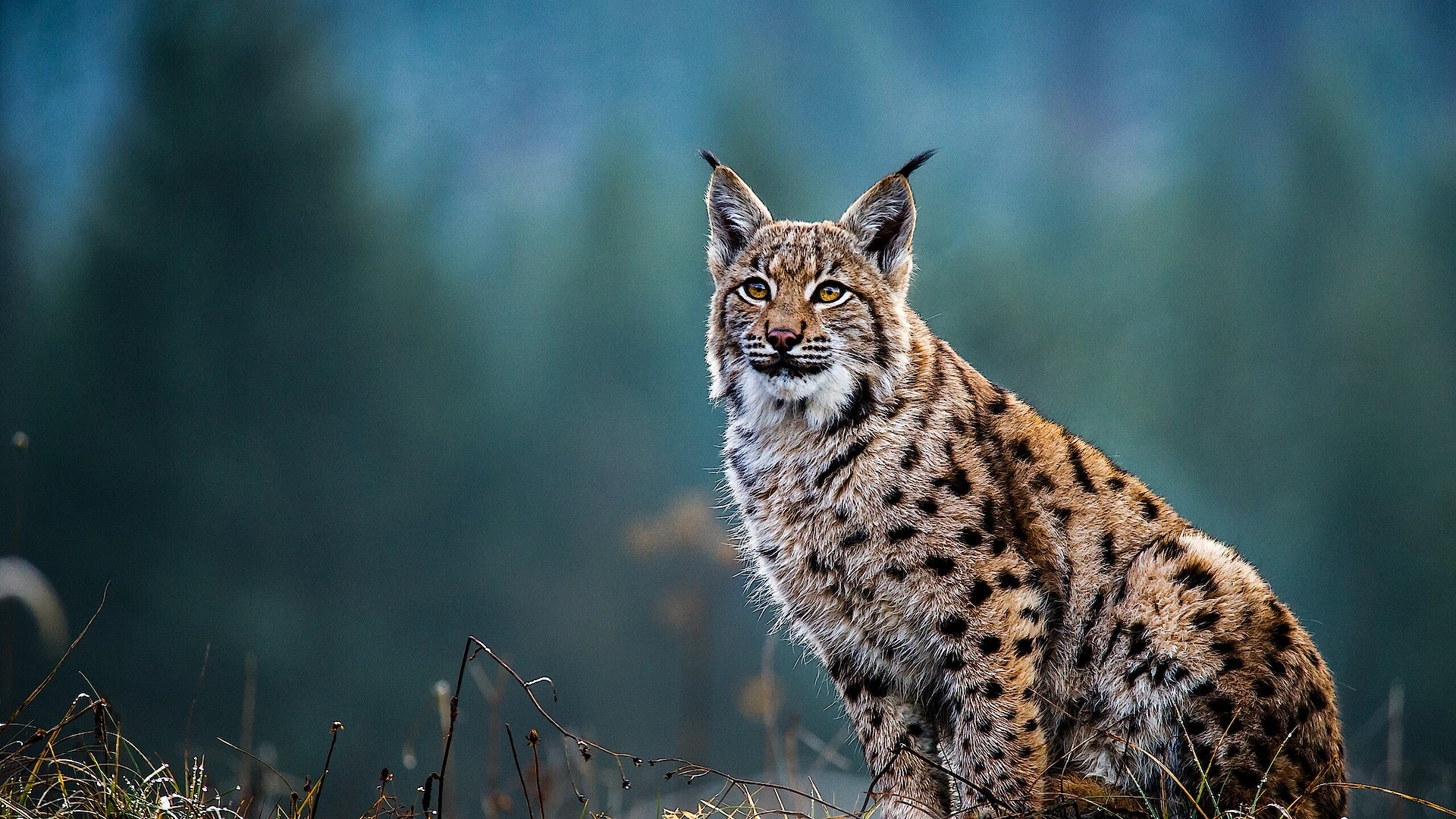
Lynx (eurasian)

Eurasian Lynx

Eurasian Lynx: found across Russia, down into central Asia, Eastern and Northern Europe: After reaching its minimum around the middle of the 20th century, it has recovered in different directions. While no where near its natural numbers in much of its range, it has expanded numbers in the north in Scandinavia, and the north-west Scandinavia. Reintroduction schemes have also reintroduced them to the Austria, Slovenia, Switzerland (and France) and Poland. There are currently thought to be around 50,000 left in the wild, however their distribution is highly varied from country to country, and there are many areas where they are locally extinct.


[smart_post_show id="11598"]
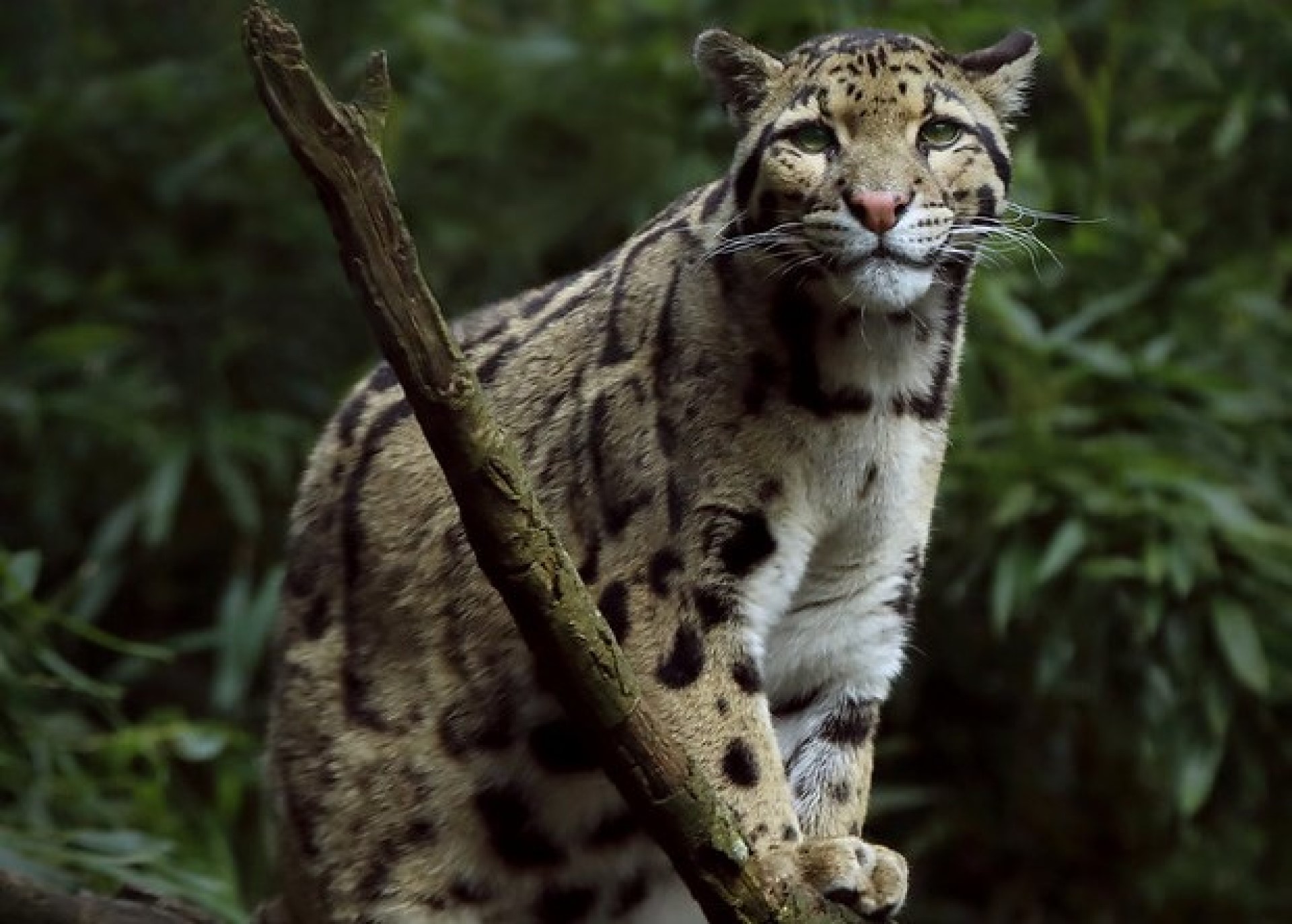
Clouded leopard and Sunda clouded leopard

Clouded leopard and sunda clouded leopard

Clouded leopards are actually one of the most ancient cat species, however due to their inability to roar or purr, they cannot officially be considered a big cat (roar) or a small cat (purr) due to their definition, which puts them in an odd category. They are most closely related to snow leopards, and are in the same family as the big cats from genetic research. It has recently been confirmed that there are 2 different clouded leopard species, one on the mainland, and the other on the islands (the sunda clouded leopard.

Both species are considered vulnerable. The mainland clouded leopard is thought to number between 3700 and 5580, while the sunda clouded leopard is thought to number around 4500 3800 in Borneo and 730 on Sumatra.

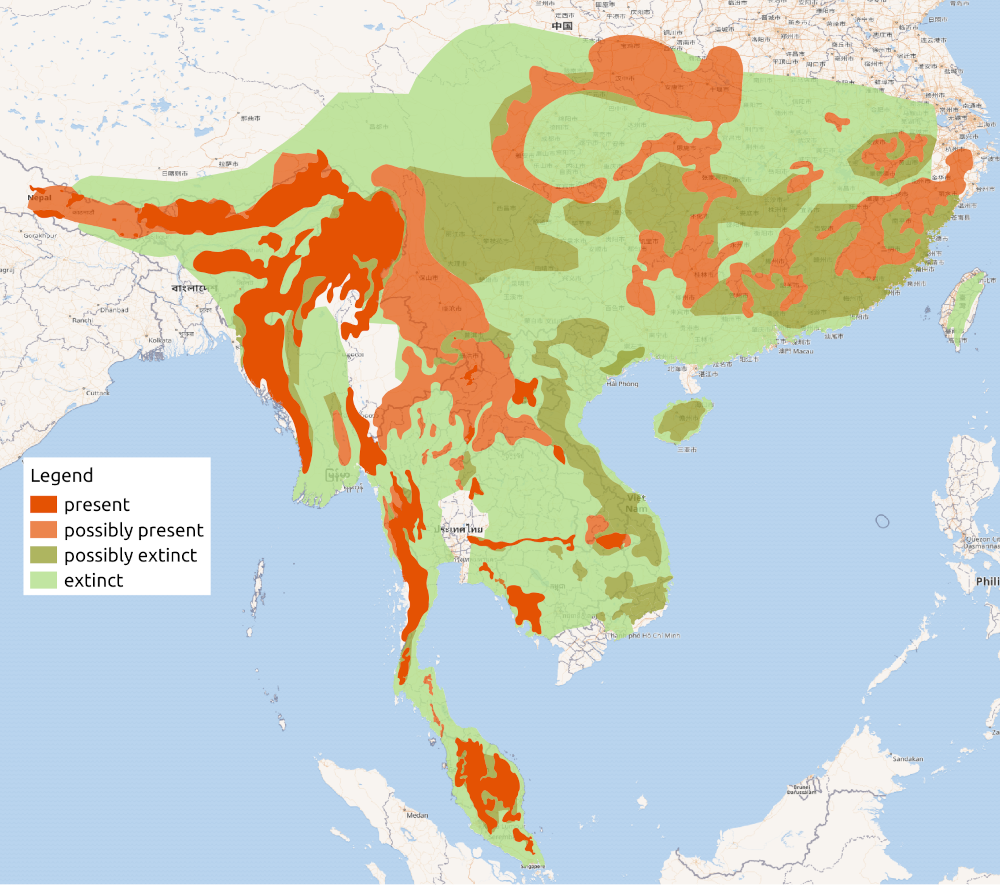
Clouded leopards are found in the forests of South East Asia. Both Poaching and habitat loss threaten their future survival is not easy to see, it makes it is hard for it to be clear what its current range is. However, if you simply compare extinct to all possible remaining habitat, you can see the best possibiltiy is that range has reduced by around 50%


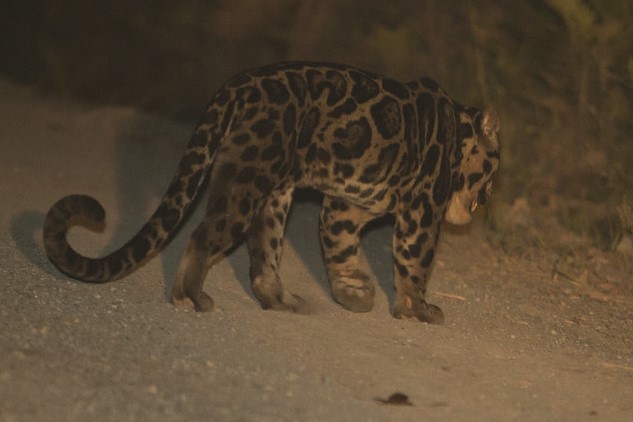
The clouded leopard has been split into two species – the Clouded leopard found on mainland Asia (big picture at the top), and the Sunda clouded leopard (picture above) found on Borneo and Sumatra (these Sunda Clouded leopards have not interbred for a very long time so are considered 2 subspecies). 


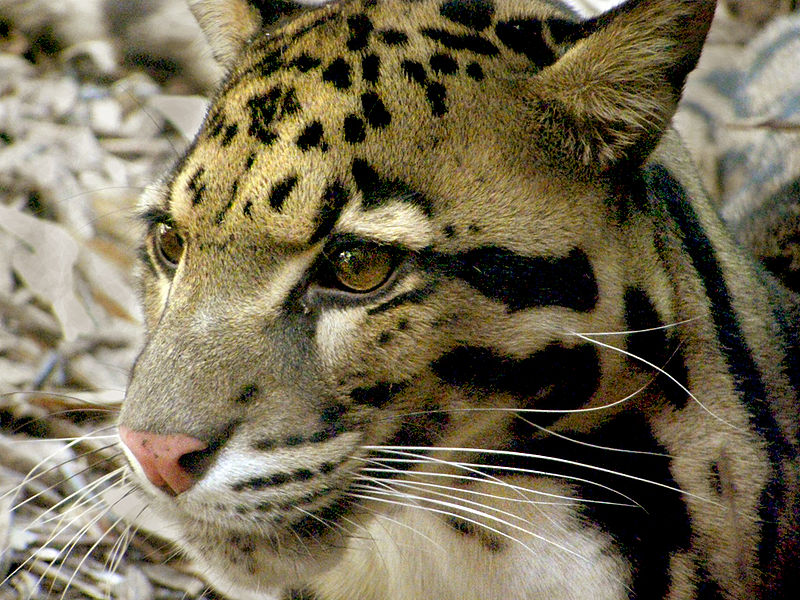
This is a further image of a clouded leopard though taken in a US zoo, which allows an easier time of getting a good view of the head.

The map above shows the former and current range for these two species. As we start to link with places on the ground, we are likely to create separate pages for each of these clouded leopard species. Below is a video of each species of clouded leopard.

We look to work with people on the ground. Do get in touch if you live or work in the area, and can help people see these incredible animals click here

[TS_Video_Gallery id="5"]
[smart_post_show id="11511"]

Snow Leopard

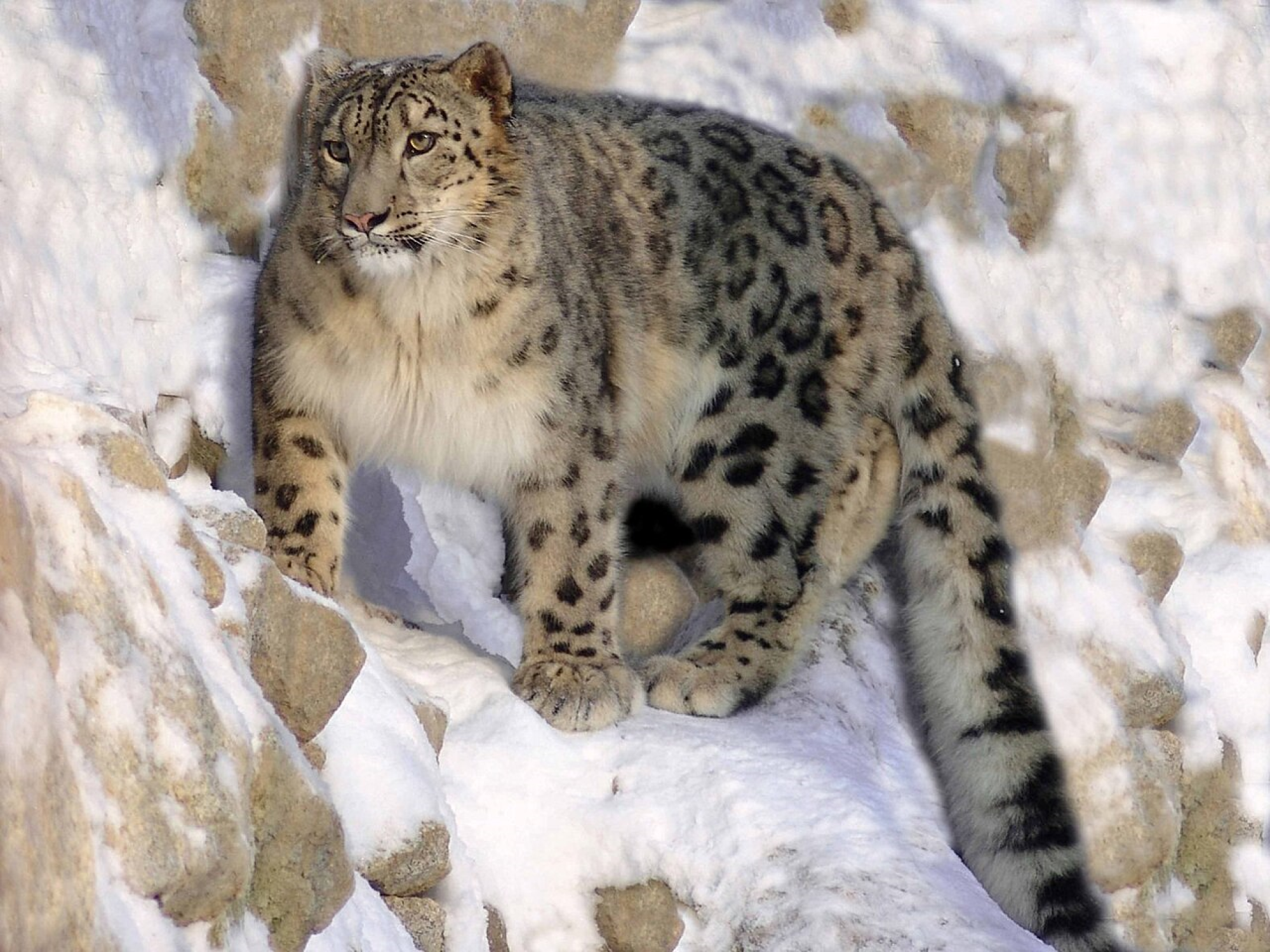
A snow leopard in its element

Snow Leopard

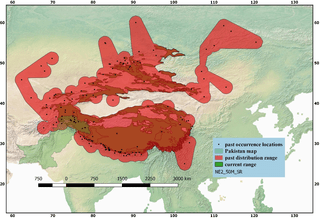
Snow leopards are not actually closely related to leopards. In fact they split from tigers more recently. Their worldwide wild population is thought to fall between 4000 and 6500, though as they are incredibly hard to see it is hard to count these cats accurately. Currently found only in a small part of its original range (as you can see from below).

This map shows the former and current snow leopard range. Unfortunately the red is the former range

They are found throughout the Himalayas,  including Afghanistan, Bhutan, China, India, Kazakhstan, Kyrgyz Republic, Mongolia, Nepal, Pakistan, Russia, Tajikistan, and Uzbekistan. However, remember that generally the snow leopards are free to cross borders, so their range is likely to be spotty.

It is hard to get accurate figures or indeed locations of where snow leopards are found, should you be looking at going on a snow leopard tour, they will know where snow leopards are currently found. As we link with people we will add these below. our news section – please get in touch we are keen to help people find you. These will be listed below the new section which is found directly beneath this article.


[smart_post_show id="11498"]

Cougar (Puma, mountain-lion, Catamount even Panther)

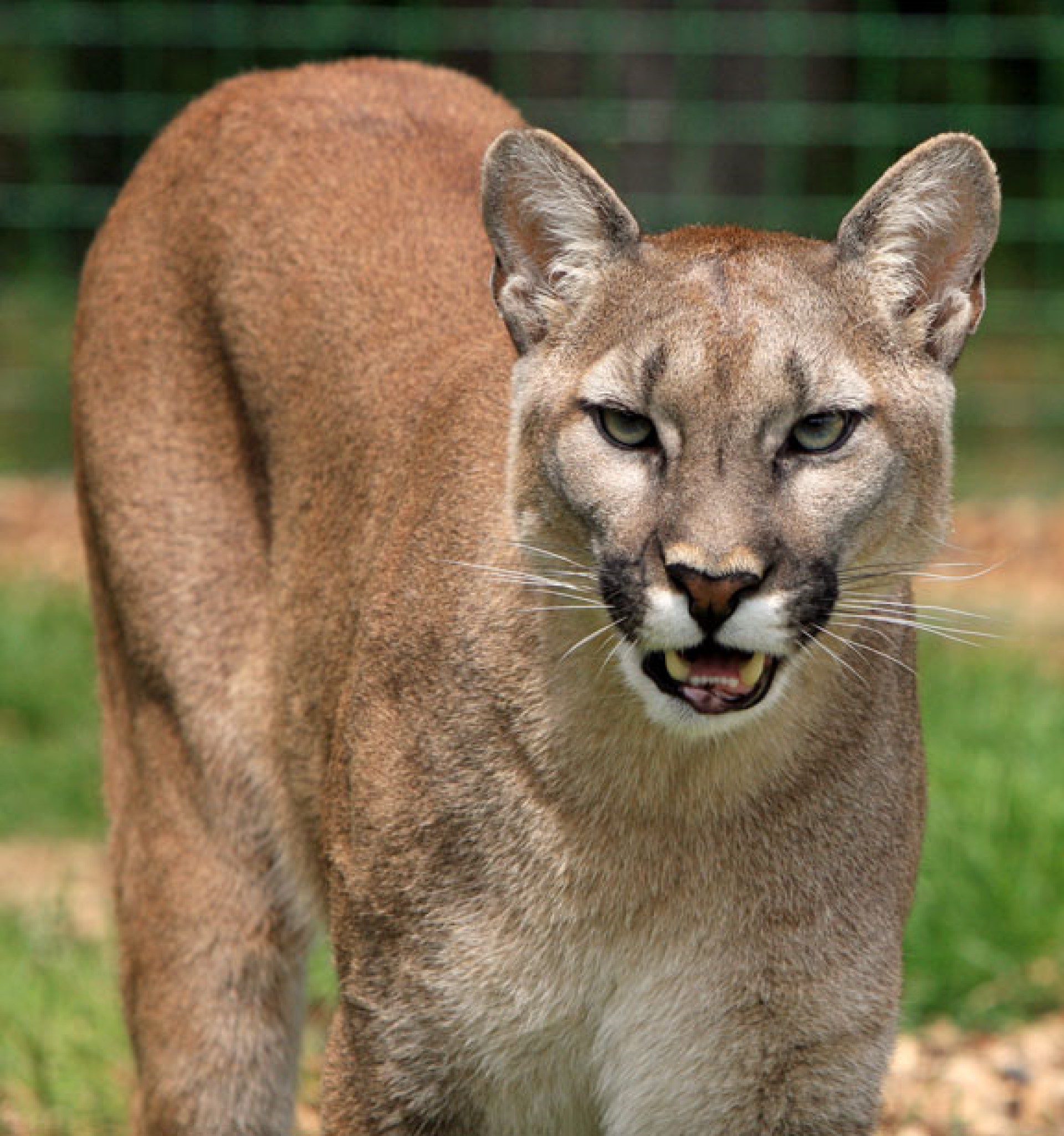
A mountain-lion photographed in Glacier national park, by the national parks service

Cougar, Puma or mountain-lion

This cat is a large cat that is native to much of North and South America, second only to the Jaguar.

For most classifications, the cougar misses out on being a big cat, as it does not have the vocal structure to roar, as the others do.

It is largely solitary, and is generally a nocturnal or crepuscular cat (that is active at night or in the early morning and late evening). They have been persecuted since the colonization of north America by the Europeans, which has lead to patchy coverage. The Eastern Cougar is extinct, except for a sub-population called the Florida Panther which is isolated from any other Cougars. It is in better state in the west of the USA. In Southern and central America, it is still found in every country. In fact, it holds a classification of being the most widespread mammal to be found in the Western hemisphere.

It is a close relative of the Cheetah, which is believed to have initially evolved in the USA before migrating into Asia and Africa. The only animal which shares the same clade is the jaguarundi is the cougar, though the larger family called a Lineage and does include the cheetah

[smart_post_show id="24929"]

Ocelot

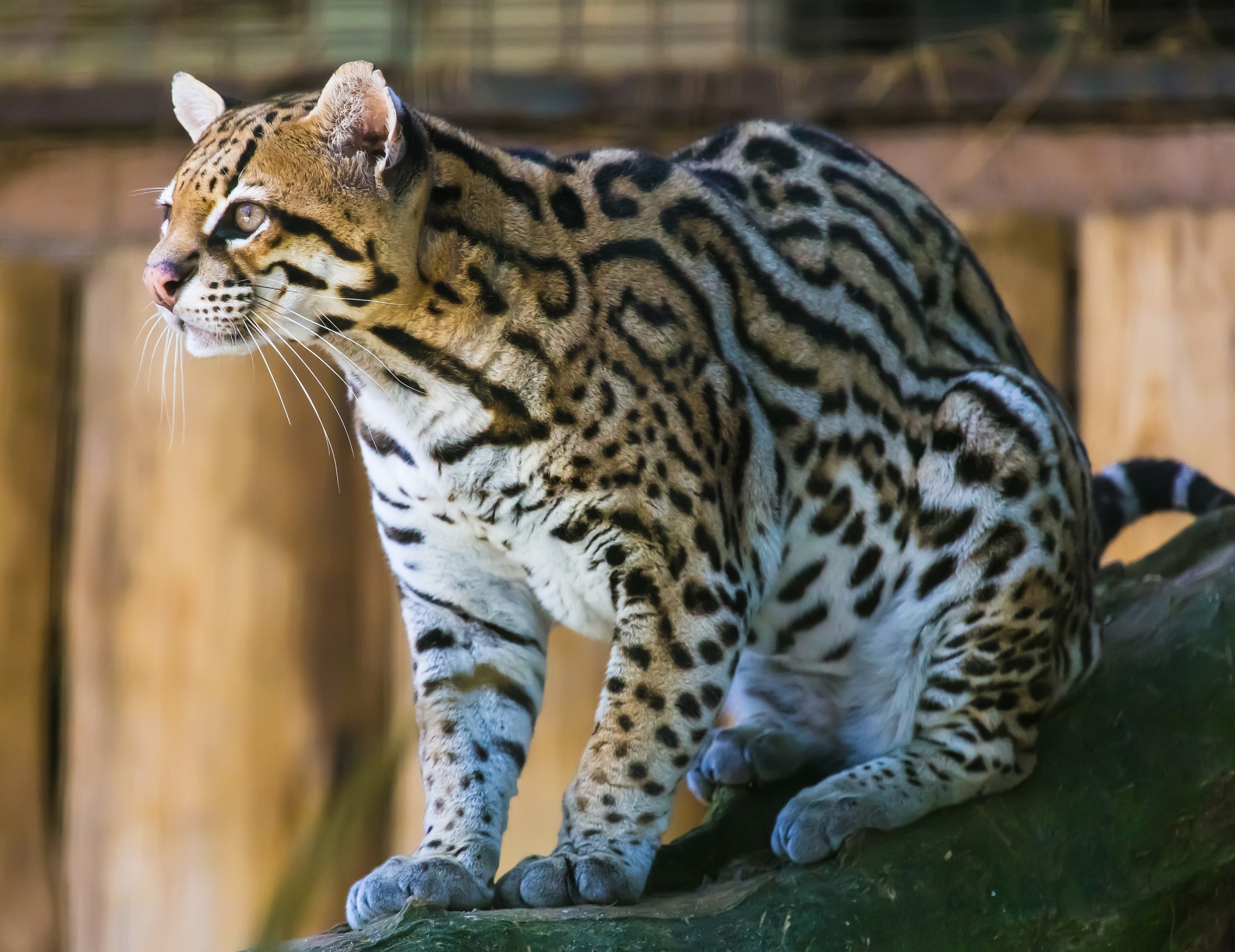
An Ocelot photo by RawheaD Rex

Ocelot

Ocelots, servals are about the size of domestic cats, which mean that without being careful it is easy to overlook them. Found throughout the south west of the USA, Mexico, and on through central and South America, as well as the Caribbean island of Margarita and Trinidad. At this time, two subspecies of Ocelot are recognized (in the past as much as 9 subspecies were proposed) and these are essentially split by continent (a north America Ocelot and a Southern America Ocelot).

Researchers agree that there are around 120 wild Ocelots in Texas but elsewhere it is less clear. Indeed, the Ocelot is generally listed as least concern, though in various parts of its range it is threatened by habitat destruction, hunting or traffic accidents. As such while its range is very large there are areas where it is decreasing in an area of its range. The ocelot has had occasional association with humans dating back as far as the Incas and the Aztecs – and has occasionally been kept as a pet.

Margay

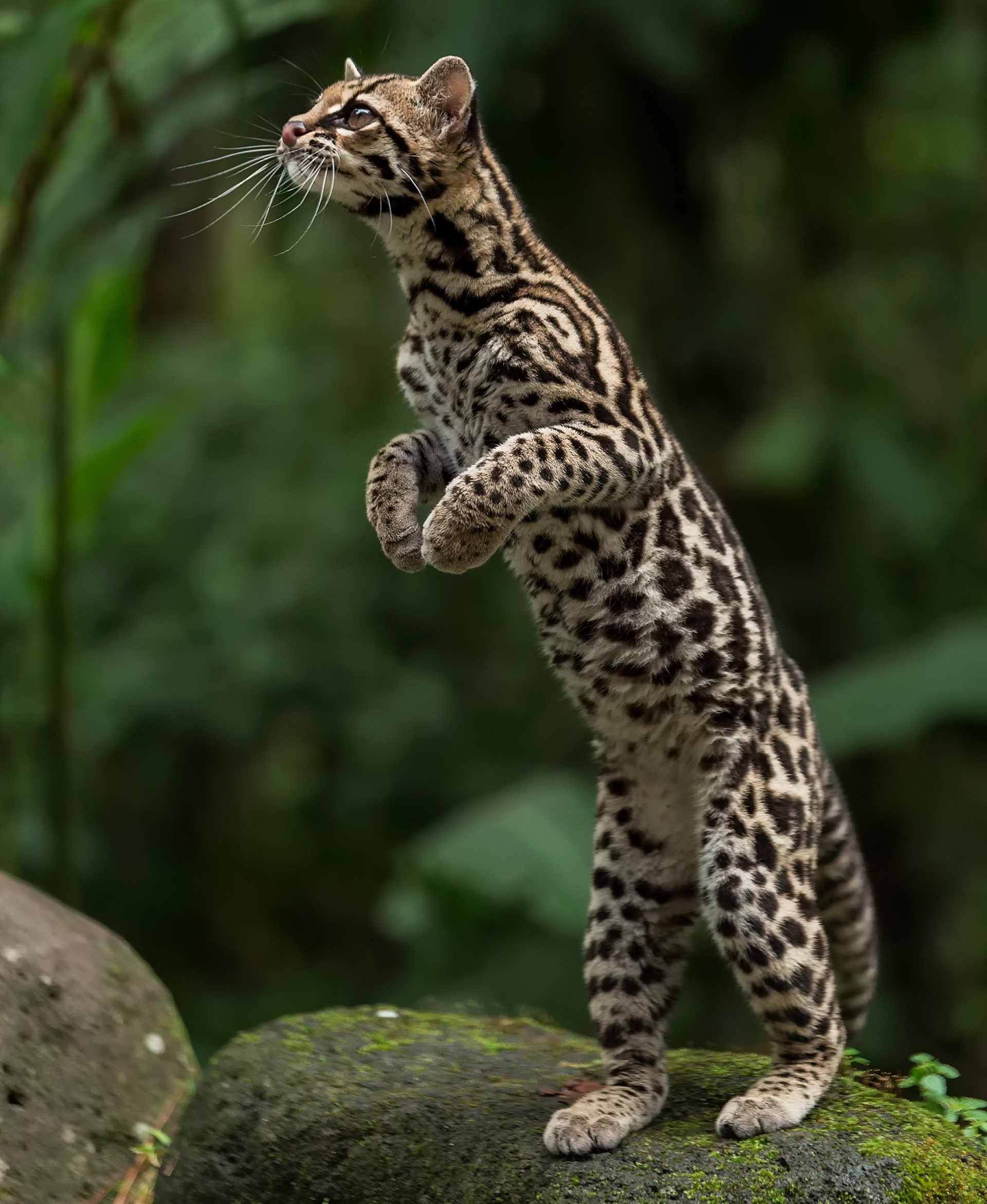
A Margay from Costa Rica Taken by Supreet Sahoo

Margay

This is a relatively small wild cat that is found in central and Southern America, living in primary evergreen and deciduous forests. Until the 1990s they were illegally hunted for the wildlife trade, causing a significant decrease in the wild population. Sine 2008 they have been listed as near concern due to declining population, thought to be caused by habitat loss. It is classed as near threatened -one up from least concerned, but one down from Vulnerable.

There are currently 3 recognized subspecies, these are in turn found South of the Amazon, North of the Amazon and in Central America.


[smart_post_show id="13625"]

Pampas cat (previously called the Colocolo cat)

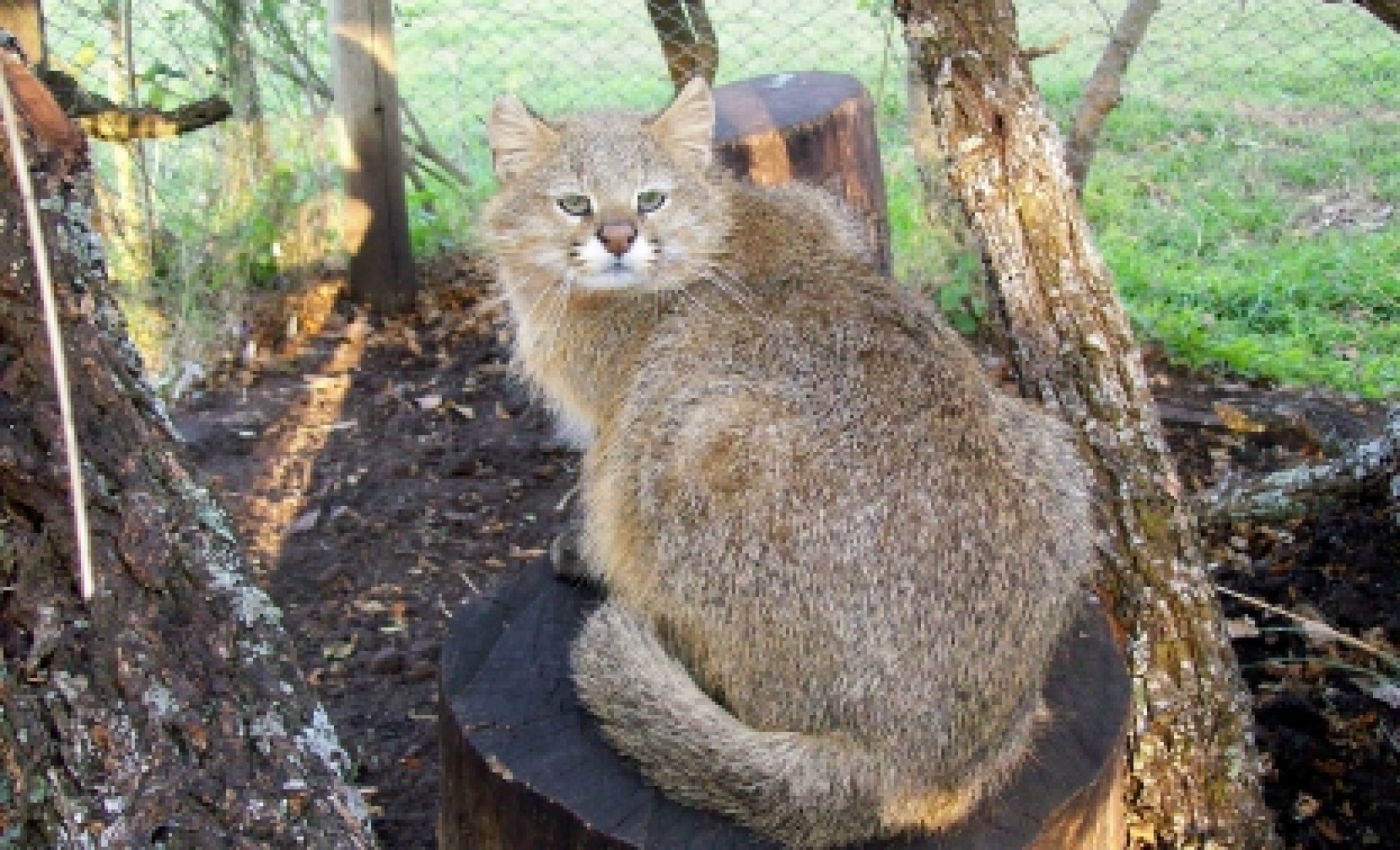
Pampas cat (previously called the Colocolo cat)

Pampas cat

This cat is found through a range of of habitats at all altitudes across South America. It is often confused with other Leopardus small spotted cats as its coat can be patterned, however the variety with the plain coat is unique to this species.

It is named after the Pampas which is an area of grassland, but is found in grassland, shrubland and dry forest up to heights of 5000m (16,000ft).


The Oncilla (northern and Southern)

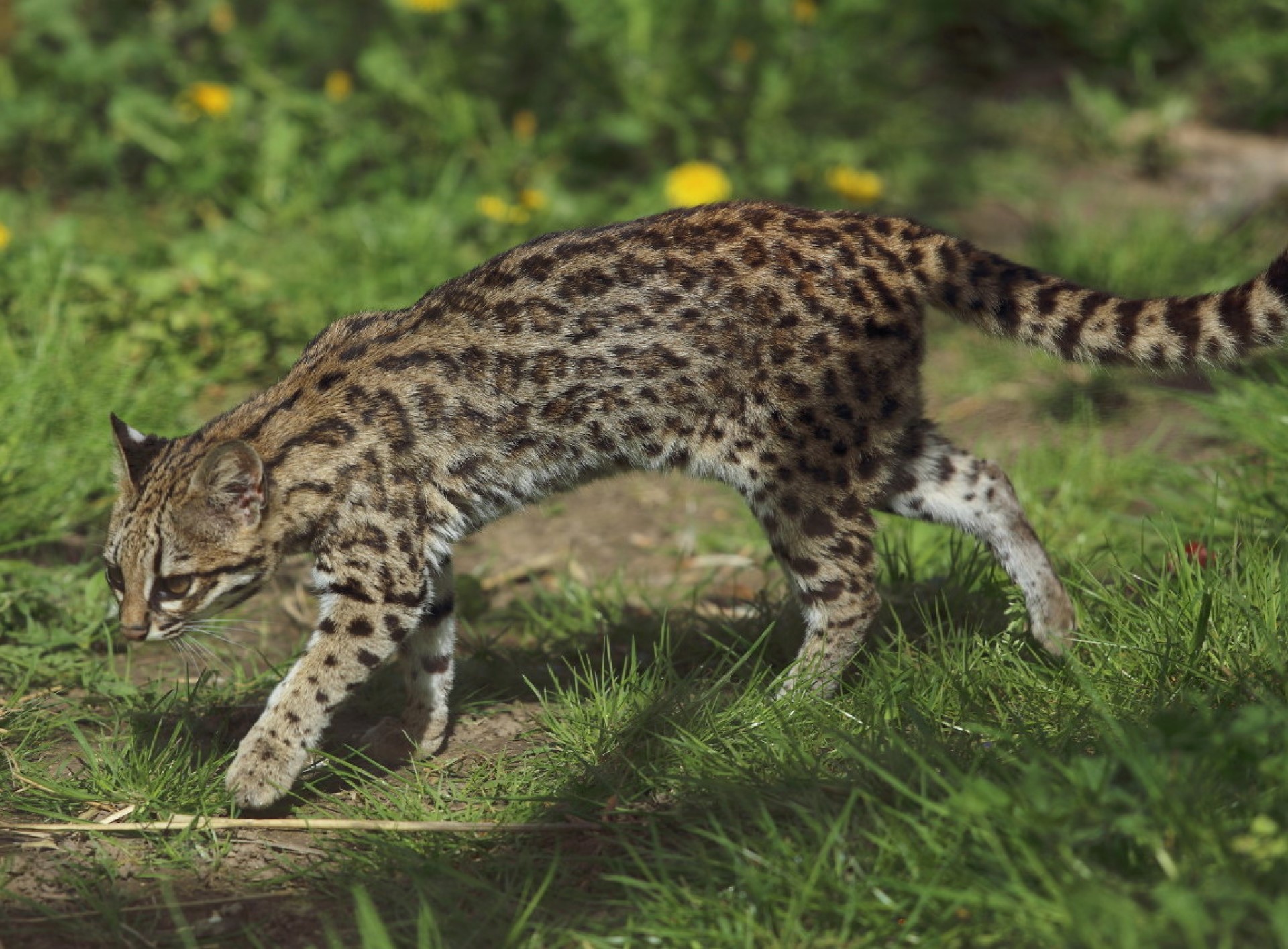
This is an Oncilla taken by Groumfy69 in a zoo

Oncilla (northern and southern)

The Oncilla is a small spotted cat found from central America to the Central Amazon. In 2013 it was proposed to split the species into two, as they did not interbreed, however I would argue that this should be at the subspecies level. The Southern Oncilla lives in Brazil, Paraguay and Argentina, while the Northern Oncilla ranges from central America to central Brazil – time will tell if these two cats are subspecies or are distinct enough to be considered different cat species


Guina (also called the Kodkod)

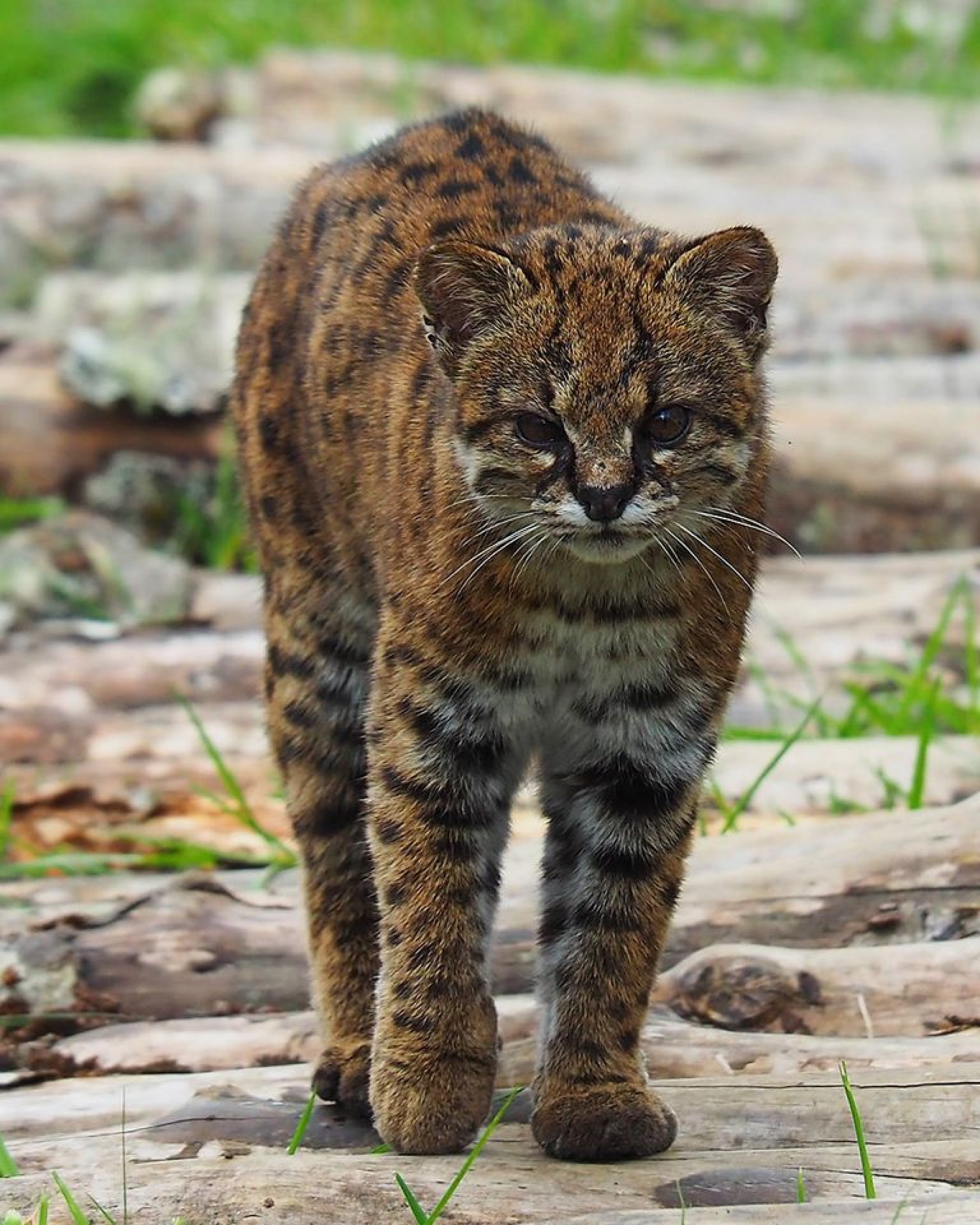
Guina or Kodkod

The Guina is found primarily in central and Southern Chile, as well as in parts of Argentina at the same latitudes.

Melanistic (black versions) do occur in places. It is usually found in mixed temperate rainforests of the Southern Andean chain and coastal areas such as the Valdivian and Araucaria Forests of Chile, which has bamboo in its lower levels. It prefers evergreen temperate rainforests to deciduous temerate moist forests (or scierophyllous scrub or coniferous forests). It can be found in altered forest, so does alright in areas where humans have disturbed the forest, or in the edges of settled and cultivated areas. It is found as high as 1900m (which is at the treeline) In Argentina it has been recorded in moist Montane forest, which has Valdivian temperate rainforest characteristics, including those with many layered structure with bamboo or numerous lianas and epiphytes.

They are equally happy to be active in the day or the night, though rarely venture into open spaces during the day.

The main threat to their survival is the destruction of the rainforest. Those living near human habitation have also been killed after taking chickens. They are classed as vulnerable.

Analysis has shown that its closest relation is the Geoffrey’s cat

[smart_post_show id="24802"]

Geoffrey’s cat

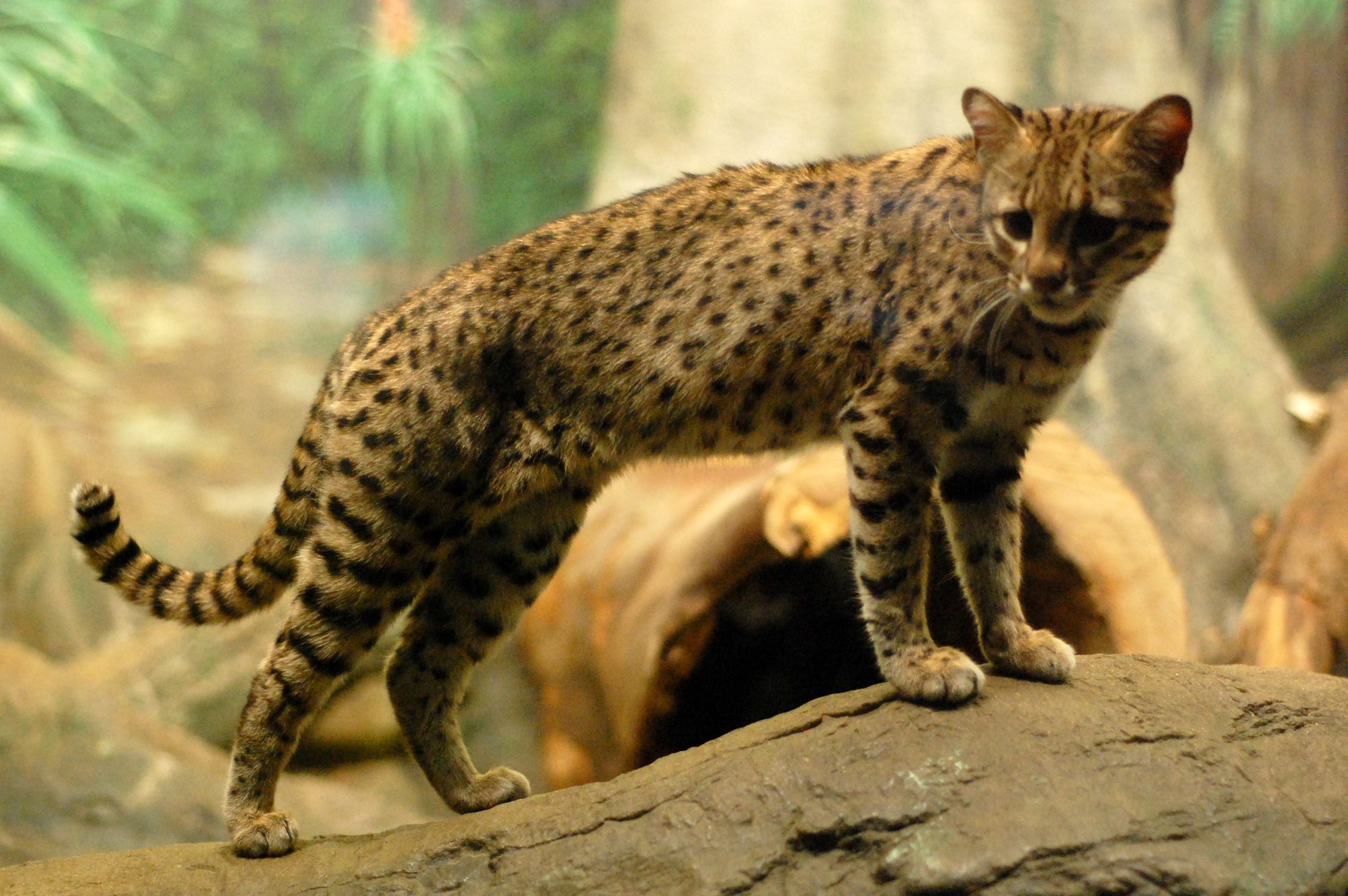
Geoffrey's cat photo credit by Daf de

The Geoffrey’s cat is native to the southern and central regions of South America. It is currently considered least concern, and is abundant and common across its range.

[smart_post_show id="24785"]
See Animals Wild

Read more news

Join as a wild member
to list your wild place & log in

Join as an ambassador supporter to
support this site, help save wildlife
and make friends & log in

Join as an Associate member
to assist as a writer, creator, lister etc & to log in

List a wild destination

List a destination in
the shadow of man

List a hide for animals more easily seen this way

Highlight some news
missed, or submit a
one-off article

Browse destinations for fun or future travel

Temporary membership
start here if in a hurry

Casual readers and watchers