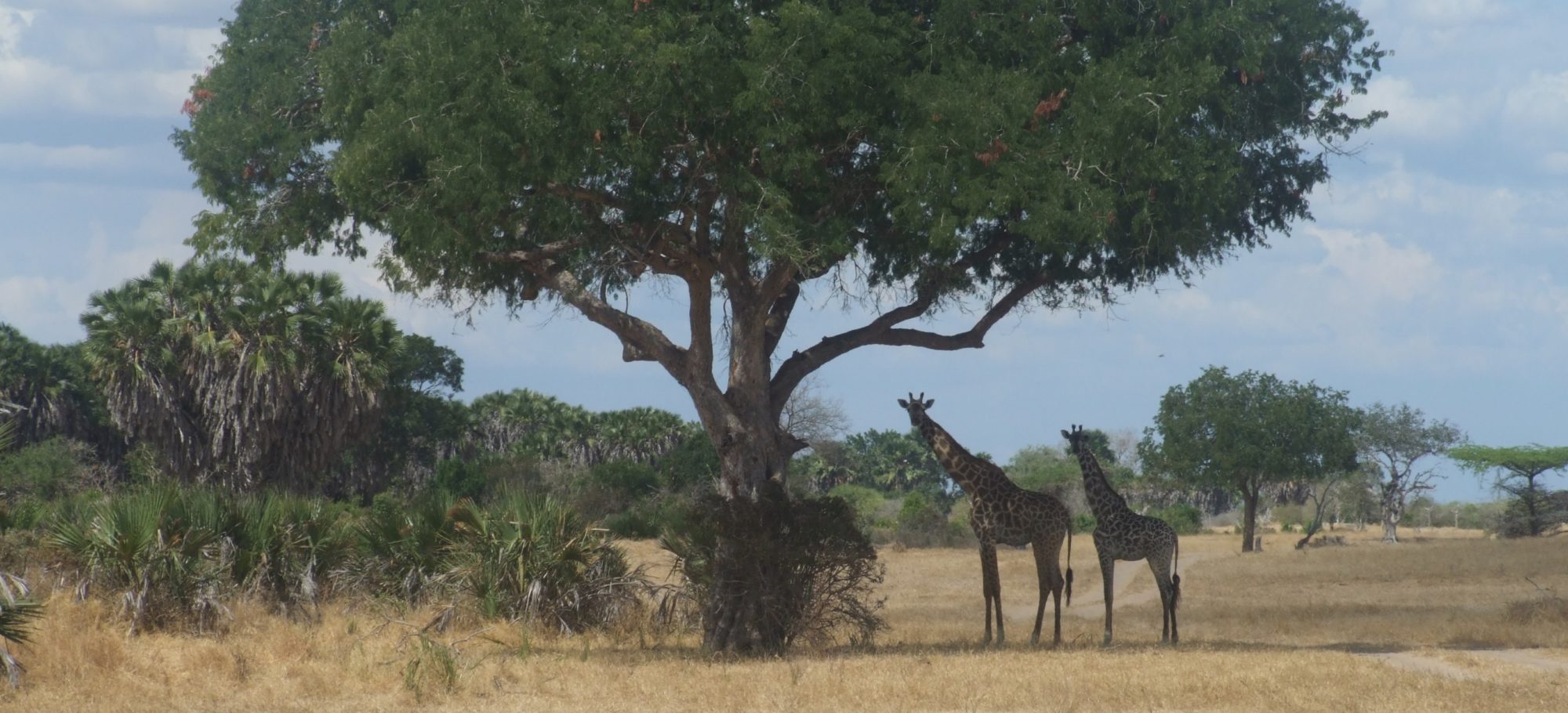
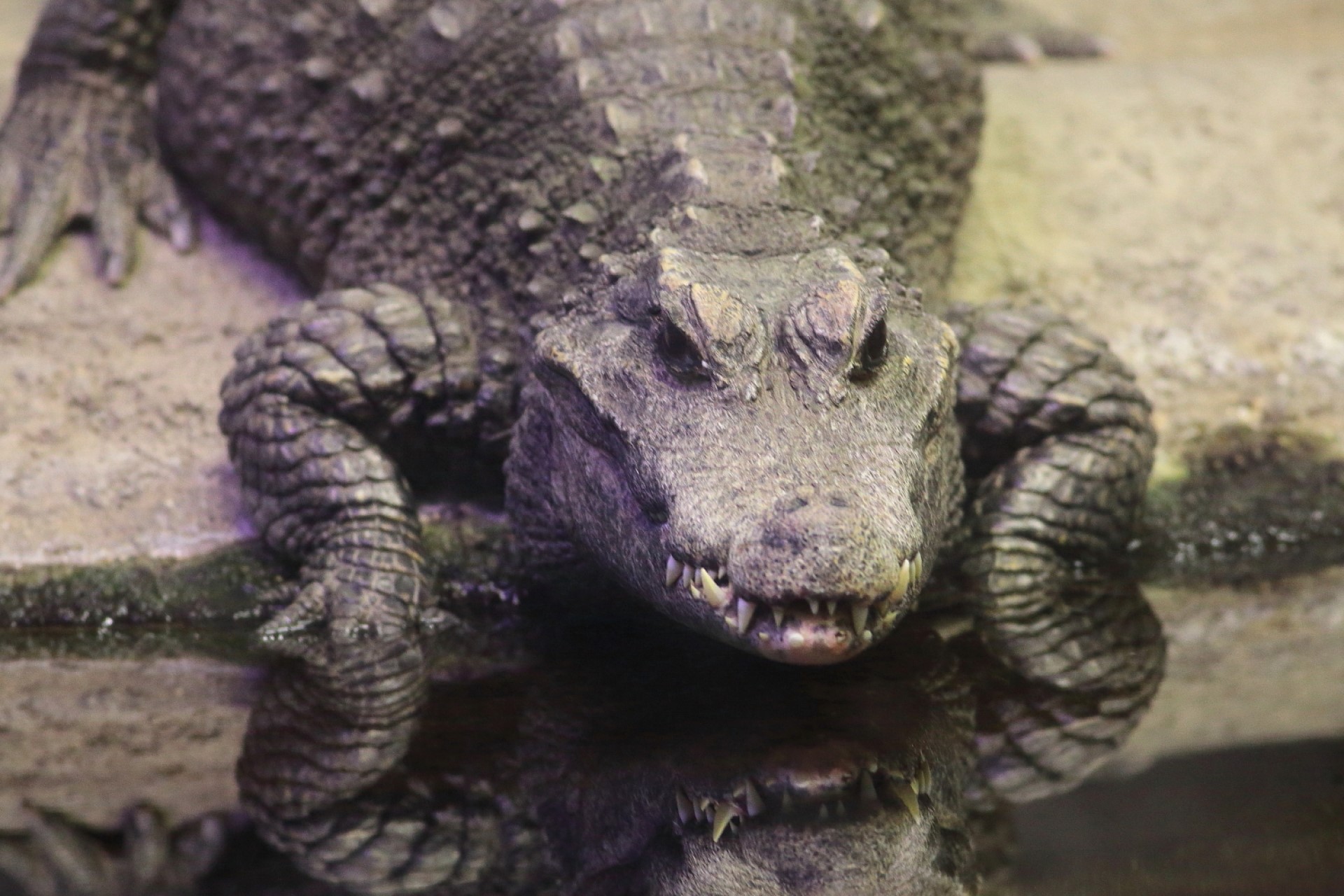
African Dwarf crocodile

African dwarf crocodile

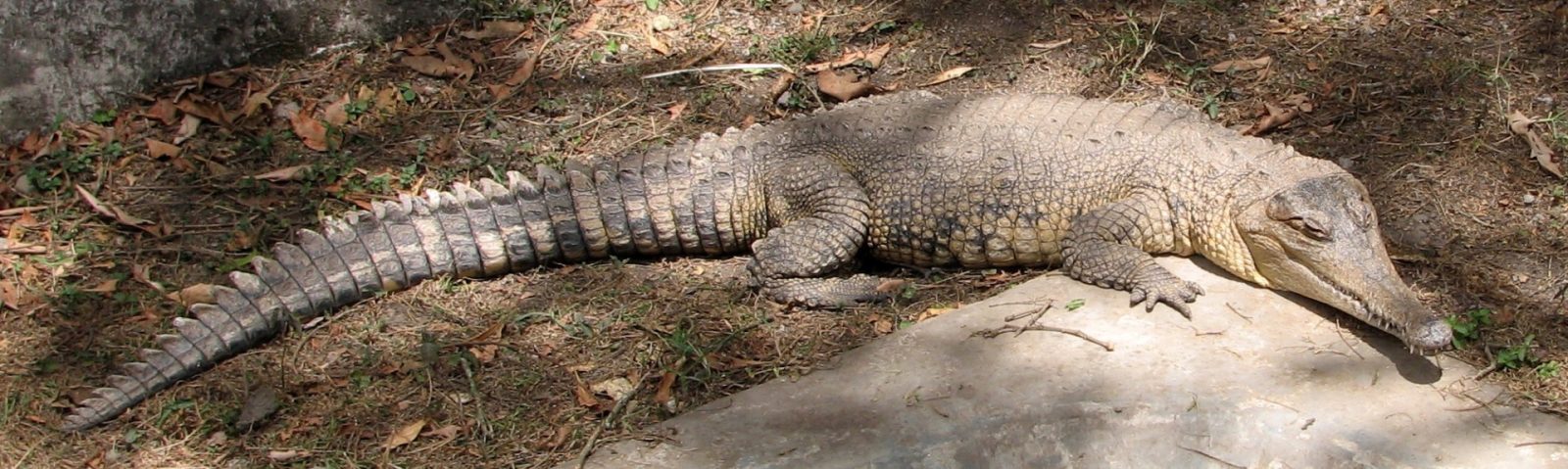
The dwarf crocodile (also known as the African dwarf crocodile, broad-snouted crocodile -a name more often used for the Asian mugger crocodile) or bony crocodile), is an African crocodile that is also the smallest living species of crocodile.
Found in lowlands to mid-height areas, in small and mid-size streams (they avoid large rivers). Generally, they live in rivers that lie in rainforest, though they will venture into the open.

They are known, in places, to be found in pools deeply isolated in Savannah. In western Gabon, there are also a group which have been living long-term in caves. It is considered vulnerable by the IUCN and is Appendix i of CITES. Where they are declining, it appears largely as a result of deforestation and hunting for the bushmeat trade. As a result, while in some regions they have a healthy population, in others (like Gambia and Liberia) they are almost lost.

In zoos in the USA and Europe there are a few of this species, however, records are not good, and quite a few of them are clearly hybrids with little conservation use. I should note, a zoo I occasionally volunteer at (marwell zoo) had one of these crocodiles until last year when it went to another zoo for breeding.

We hope to be able to list places for you to visit to see this species as soon as possible. Any of these will appear below the video and the news section (this lists all the times that this species has been mentioned (if any) in this blog). Below this, we will list all the easiest places we have connections to, to see this species.
 

[smart_post_show id="27558"]

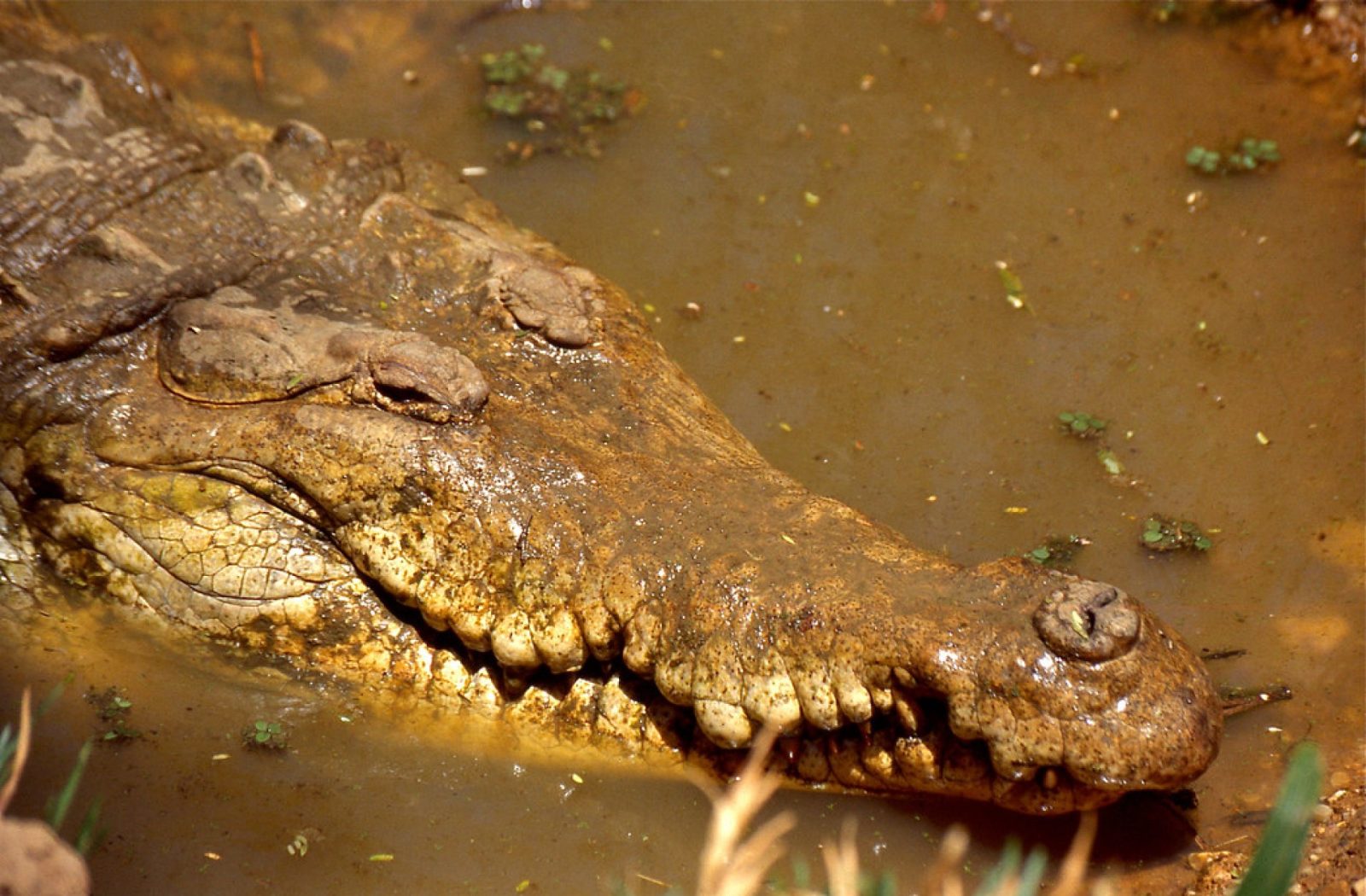
Western Slender snouted crocodile

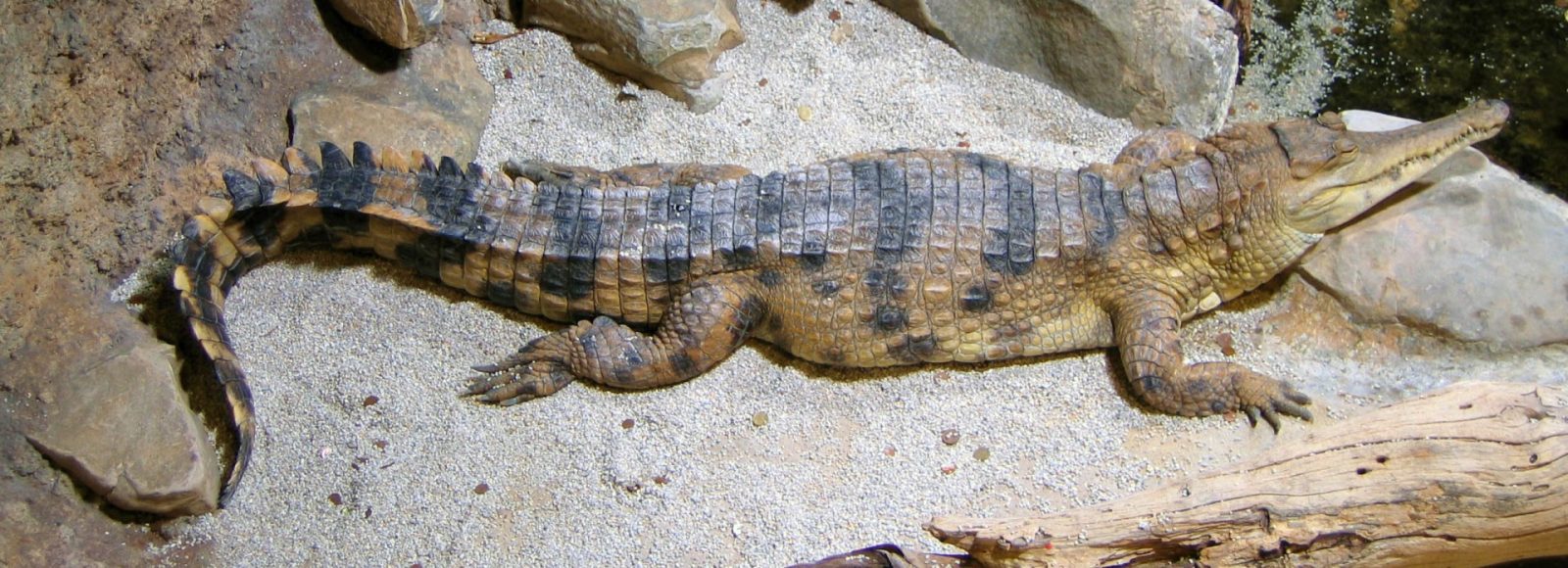
Western slender snouted crocodile Photo credit Thesupermat CC by SA 3.0

Western Slender snouted crocodile

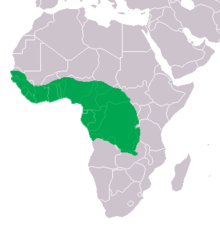
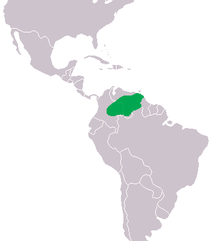
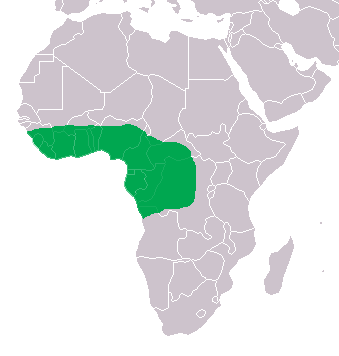
Green is the western slender snouted crocodile range

Similar to the Central slender snouted crocodile (which was only clearly found to be separate in 2018). Like its cousin, it has a very pointed nose, which it uses to eat small fish and invertebrates. Males reach 3m-4m in length, and weigh between 125kg and 325kg.

Generally recognized as data deficient, the numbers are certainly low. When the two slender snouted crocodile species were thought to be one, they were classed as critically endangered, so it is unlikely that either has a more healthy population.

Clearly more information is needed.

They still are found in parts of Ghana,but a recent genetic study in USA zoos found that a number of their slender snouted crocodiles were of this species, giving greater hope. There is an effort to breed them in captivity.

What is clear is that more information is required. I have been unable to find a video of this species, but the central slender snouted crocodile was considered the same species until recently and looks similar, visit that page here

[smart_post_show id="35431"]

Central African Slender snouted crocodile

Central African Slender snouted crocodile

Before several studies that occurred one in 2014 and the other in 2018, it was thought that there was only one species of slender snouted crocodile – the west African slender snouted crocodile.
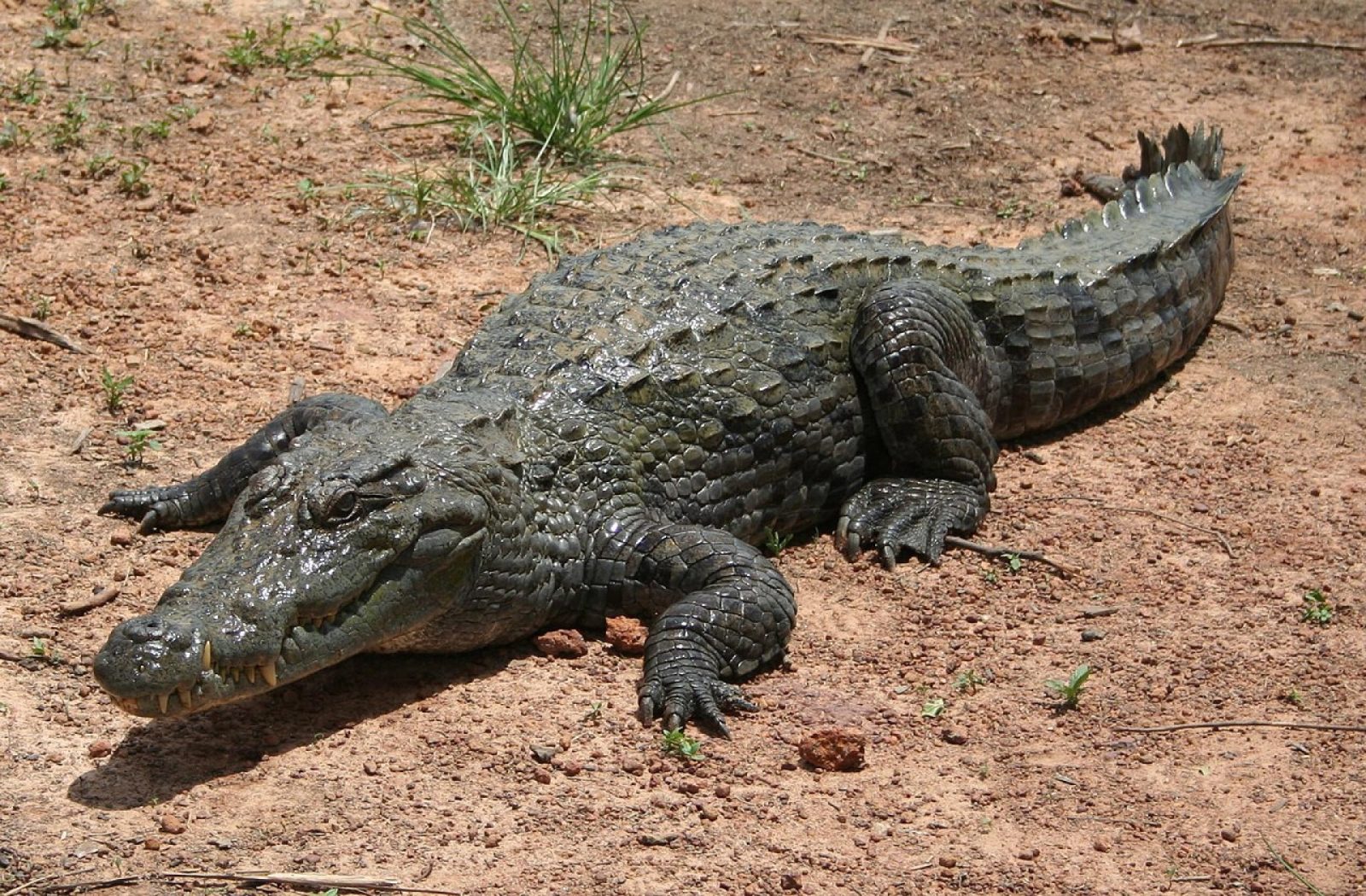
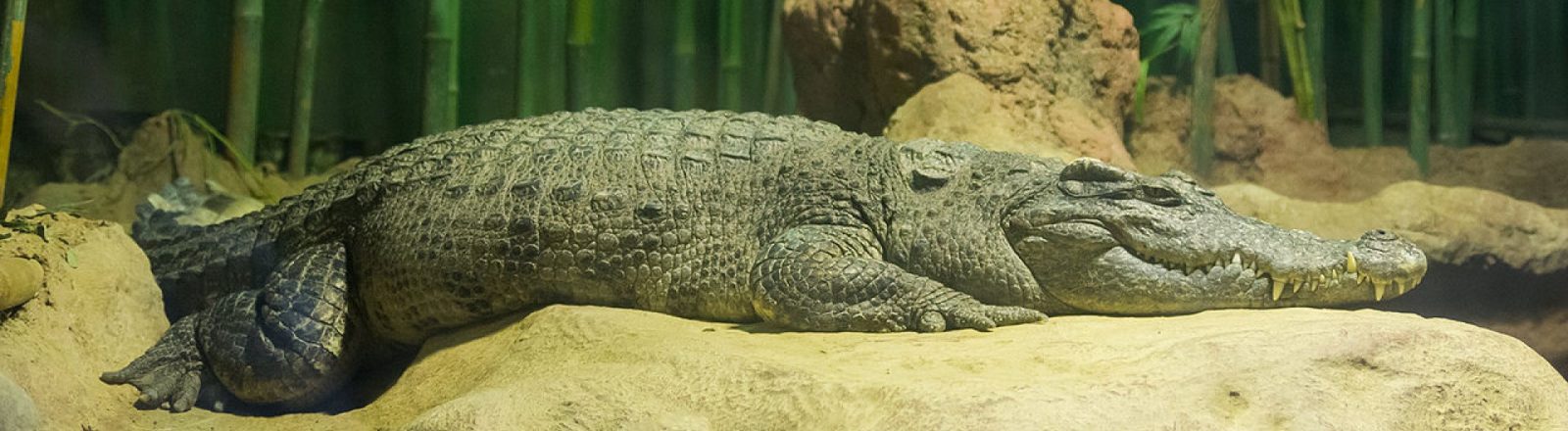
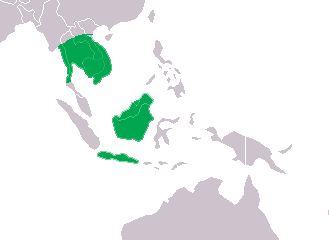
Central African slender-snouted crocodile occurs widely in Central Africa (Cameroon, Equatorial Guinea, Gabon, northern Angola, Central African Republic, Republic of the Congo, Democratic Republic of the Congo) and extends into South Sudan, and Lake Tanganyika in East Africa.

No-one has been able to find out their status, but they are clearly not healthy as a population, and given its habitat is being destroyed, it is likely still reducing.

Below is a short video of one encountered in the wild in Gabon.

[smart_post_show id="35420"]

West African Crocodile

West African Crocodile

The West African crocodile inhabits much of West and Central Africa, ranging east to South Sudan and Uganda, and south to Democratic Republic of the Congo (in all three countries it may come into contact with Nile crocodiles). Other countries where it is found include Mauritania, Benin, Liberia, Guinea-Bissau, Nigeria, Niger, Cameroon, Chad, Sierra Leone, Central African Republic, Equatorial Guinea, Senegal, Mali, Guinea, Gambia, Burkina Faso, Ghana, Gabon, Togo, Ivory Coast and Republic of Congo. Just 100 years ago, museums were still getting specimens from the southern Nile but they appear to be long lost from this part of their range.

Bizarrely, it survives in desert conditions in Mauritana, largely by staying in caves and burrows in the driest periods, and then emerging in rainy periods.

It was only recognized as a separate species in 2010 which has lead to its poor representation in zoos. Having said that, a surprising number of pure members of this species has been found. There are breeding pairs in around 4 uk zoos. A study of 16 so-called Nile crocodiles in 6 USA zoos found all but one were actually west african Crocodiles.

Clearly more work is needed on this species, as well as its captive population.

[smart_post_show id="35414"]

Siamese Crocodile

Siamese Crocodile

This is a freshwater species found in all kinds of freshwater ways, within its range. It is 2.1-3m as an adult and weighs between 40-120kg.

It is critically endangered, and is considered appedix i of CITES. It is highly endangered in the wild, though there is a healthy captive population. Given, it was considered extinct in the wild back in 1992 so it has improved.

There is currently a not insubstantial population, though it is heavily fragmented across its range. As such, until the population has greatly improved, it is likely to require substantial effort from humans with regular translocations between different places. This way, the whole species can be considered a mega population, and the genetic variability can be kept high, until the population recovers. Poaching is common, where they are put in breeding farms and hybridized with other large crocodile species.

There are various places where good conservation could rapidly change the situation. They are thought to roam Java and Kalimantan, but surveys are essential to work out if this rumour is true or not. if they have held on, these forgotten habitats may prove a safer nursery than elsewhere.

[smart_post_show id="35408"]

Saltwater crocodile

Saltwater crocodile

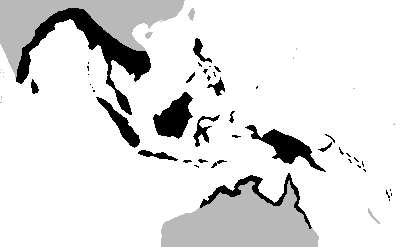
As can be seen from the map to the left, this crocodile species can be found along the coasts of much of South-eastern Asia and Northern Australia.

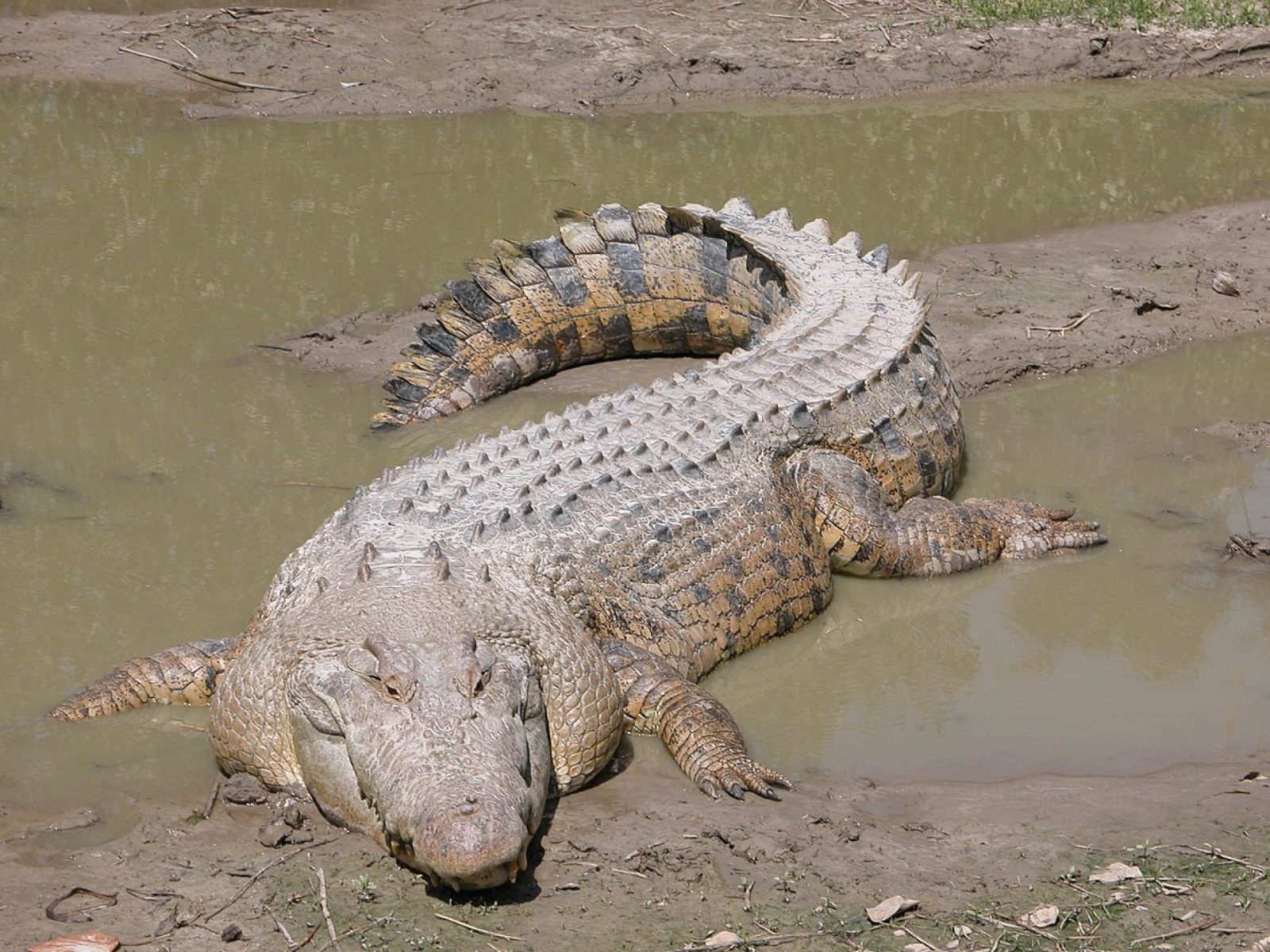
It is the largest crocodilian species, growing to 6m (6.3 m is the record) or around 20 foot and weighing 1000kg to 1500kg.

It is an opportunistic predator, grabbing any prey in its territory and pulling it under till it drowns. Prey includes sharks, fish, crustations, amphibians reptiles birds and mammals – which include humans. Borneon and Siamese crocodiles are both similar, though Borneon ones can be easily indentified due to various specific characteristics.

While max size is now estimated to be 6.3m, it is thought that in the past there may have been individuals that exceeded 7m. Heavy poaching targeted the larger crocs, so these are now very rare (and as they keep growing, the biggest are generally the oldest). Females are far smaller at 2.7-3.5m in length. Potentially, in the past, its range would have gone as far as China, with various accounts of attacks from animals that sound very like this species.

Australia’s saltwater crocodile population is thriving, with as much as 100,000-200,000. While they are clearly not endangered overall, their are areas of their range where they are far less secure. As a result, the are listed as Appendix ii in Australia, Indonesia and New Guinea, and Appendix i everywhere else.

Given their ability to swim long distances, they occasionally appear in places they are not normally seen, such as Fiji.

[smart_post_show id="35401"]

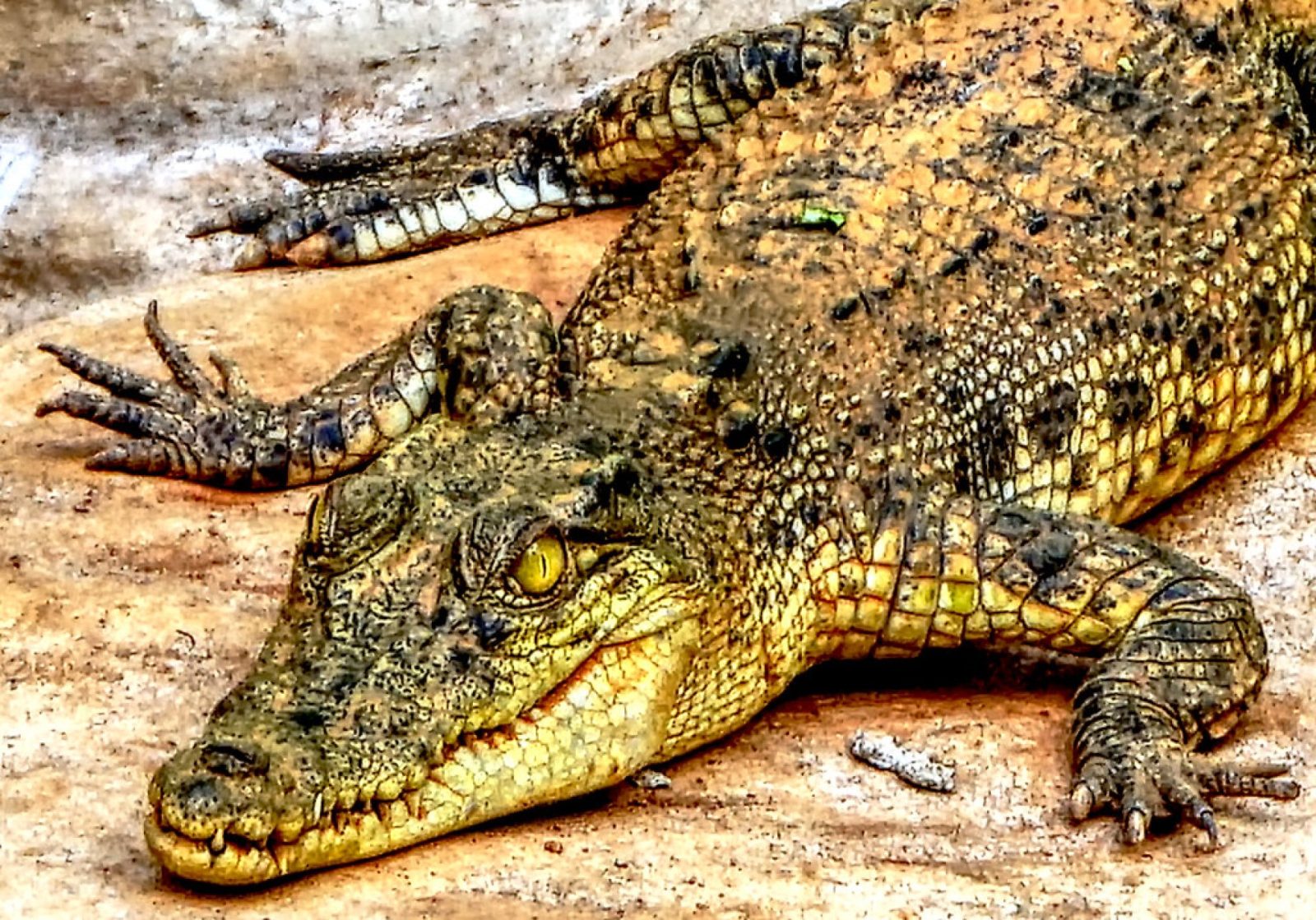
Philippine crocodile

Philippine crocodile

Also known as the Mindoro crocodile, the Philippine freshwater crocodile and the Bukarot, it is the smaller crocodile found in these waters (the other being the saltwater crocodile. It also originated in Africa.

It is fairly small, reaching maturity at 1.5m and around 15kg. It rarely grows larger than 2.7m and 90kg.

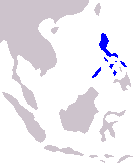
The Philippine crocodile has been lost from Samar, Jolo, Negros, Masbate, and Busuanga.

Populations still survive in the Northern Sierra Madre Natural Park within the Luzon rainforest, San Mariano, Isabela, Dalupiri island in the Babuyan Islands, Abra (province) in Luzon and the Ligawasan Marsh, Lake Sebu in South Cotabato, Pulangi River in Bukidnon, Paghungawan Marsh in Siargao Island, and possibly in the Agusan Marsh Wildlife Sanctuary in Mindanao. Unfortunately, each of these populations are genetically isolated – so without regular translocation, the whole population may well lose genetic variability.

They are essential for balancing fish levels in different populations, as well as improving nutrients in the water (through their waste).

There are thought to be just 100 individuals above hatchling age, so are understandably considered critically endangered. Given the large number of eggs each crocodile has, were more to survive to adulthood, this could change quickly – but this is only going to happen with large human intervention.

Part of the problem is that much of the society believe them to be maneaters, even though the remaining indigenous community respect them highly. As such, illegal killing appears to be the main reason for decline. Education programmes may well help. They have been protected since 2001 and there are hefty fines for killing one. They are heavily featured in stories from the islands, which means there is a great deal of attachment to them, hopefully conservation efforts can connect to this and help save the species.

[smart_post_show id="35394"]

Orinoco Crocodile

Orinoco Crocodile

Found, only in the Orinoco river basin in Venezuela and Colombia, this crocodilian is critically endangered. Extensive hunting for its skin, is the main reason for their current status. In the past, individuals up to 6.8m and weighing 900kg were recorded, but nowadays 5.2m seems the maximum size. Male weight, currently tops out at around 450kg, with females being half the weight at 225kg.

Little study in the wild has been done, partly as a result of its small wild population. As with most American Crocodiles, this species originated in Africa.

From the 1940-1960 they were overhunted, and came precariously close to extinction. The current population is estimated to be in the range of 250 -1500 (an incredibly wide range). The largest sub-population  is in Cojedes and Sarare, with no more than 500. The other remaining populations are all significantly smaller.

In 2007, there were 50 of these animals in zoos around the world (though 35 of these were kept in the Dallas aquarium.

The Orinoco crocodile became part of Proyecto Vida Silvestre, a program launched in 2014 to protect 10 wildlife species of Colombia’s Llanos. This lead to 41 Orinoco crocodiles being reintroduced into El Tuparro national Park in Easter Colombia between May 2015 and February 2016. Clearly, the job is not complete, but hopefully it is on an up-hill trend from now on.

[smart_post_show id="35385"]

New Guinea Crocodile

The new Guinea Crocodile inhabits the Northern part of the island (with the Halls new guinea crocodile inhabiting the South). Males grow up to 3.5 and females 2.7 with weight not exceeding 200kg.

It is found in freshwater swamps, rivers and lakes throughout the interior of northern New Guinea. They are nocturnal, spending most of the day submerged in water with only their eyes and nostrils above the water. Newly hatched crocs feed on insects frogs and similar, with the size of prey increasing as they grow. While an adults diet is largely fish, it will take snakes birds and mid-sized mammals given the chance.

In the past, this species was considered vulnerable, but in 1998 it was downgraded to least concern. It was hunted heavily in the past, but this has improved in recent decades.

Moreletts crocodile

Moreletts crocodile

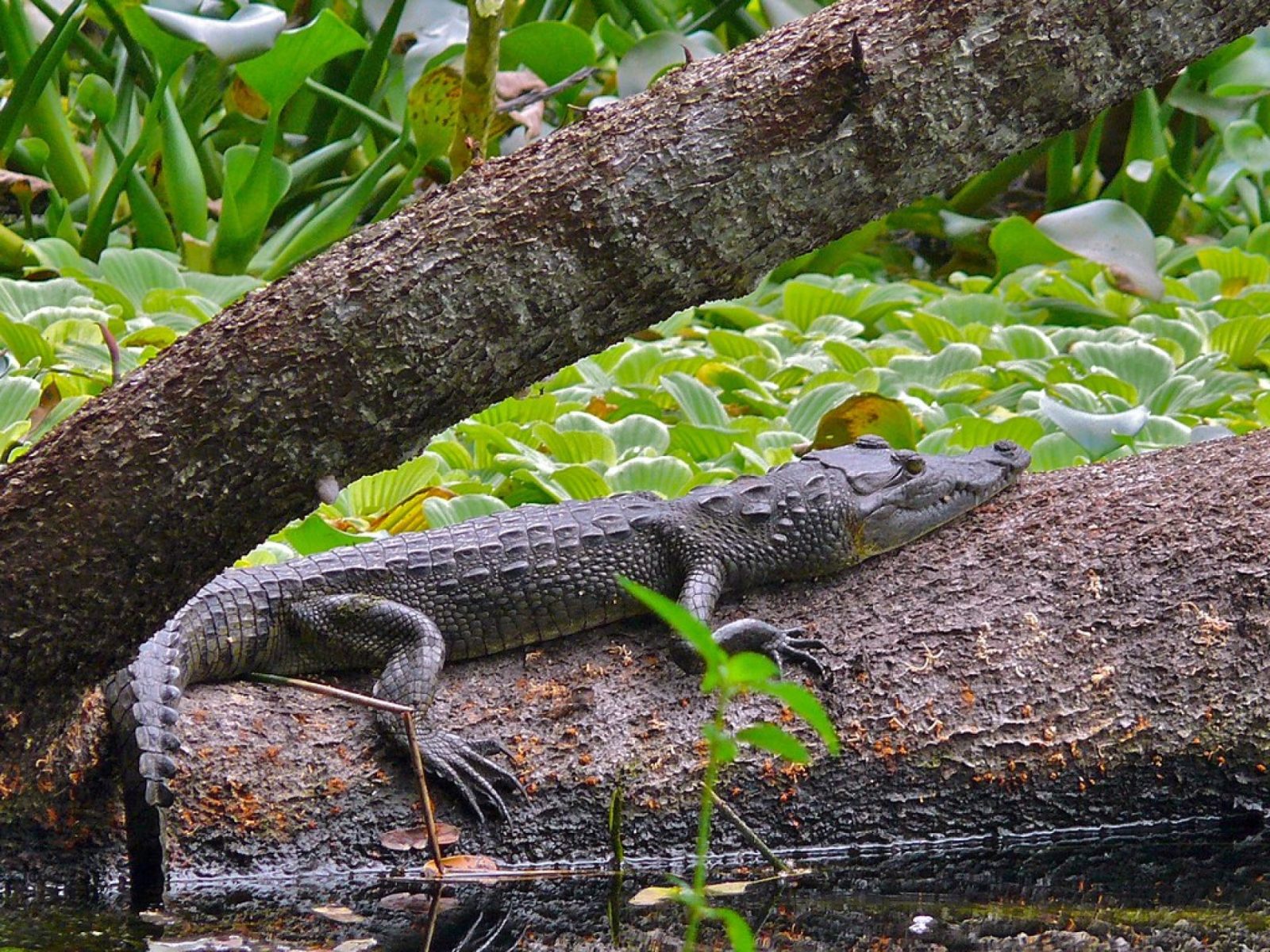
Moreletts crocodile

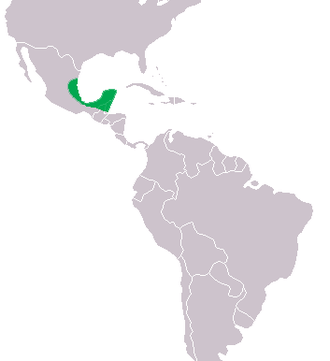
Also known as the Mexican or Belize crocodile, it is a fresh waters of the Atlantic regions of Mexico, Belize and Guatemala. It is another species which is thought to have originated in Africa, though its closest relative was thought to live in Madagascar around 25 million years ago.

They are small by crocodile size, ranging from 1.5m to 2.7m (with males being generally larger).

They generally eat relatively small prey, which is perhaps the reason that there are only a handful of fatal attacks on humans that have been recorded.

It is threatened by habitat destruction and hunting, as its skin is smooth, allowing hide quality leather to be made.

Wild populations are thought to number 79,000-100,000 and they are considered low risk, or least concern at the current time.

[smart_post_show id="35371"]
See Animals Wild

Read more news

Join as a wild member
to list your wild place & log in

Join as an ambassador supporter to
support this site, help save wildlife
and make friends & log in

Join as an Associate member
to assist as a writer, creator, lister etc & to log in

List a wild destination

List a destination in
the shadow of man

List a hide for animals more easily seen this way

Highlight some news
missed, or submit a
one-off article

Browse destinations for fun or future travel

Temporary membership
start here if in a hurry

Casual readers and watchers