The livestock lobby is fighting against lab-grown meat this is why we must not let them win

Livestock takes up roughly 20% of the worlds land, or around 50% of the worlds agricultural land. Astoundingly, around 1.3 billion people around the world are involved in the livestock industry.

The worlds remaining land wilderness, takes up just 25% of the worlds land – should we move toa system of growing meat in labs, we could almost double the amount of space for wildlife, which would allow many of the worlds endangered species to recover.

Apart form saving so much of the worlds wilderness, and wildlife, why should we do this? Well, firstly, the fact that people want things to stay as they are, is not new. Every new invention has lead to a change in the lives of many people – before farming came into existence, all the healthy men of each village (and in places, many of the healthy women) would have spent the majority of their time hunting. Looking at the natural world, animals like lion and leopard split their time between hunting and resting, with little else (apart from reproduction) being thought of.

As electric cars started to appear, the vast majority of car companies tried to stop their progress. Indeed, many spent their time buying inventions and smaller companies, just to kill their electric car program. This was not because they were intrinsically afraid of the electric car, but because they were afraid that if adopted, they might have a smaller market share than they did with the internal combustion engine car. As tends to happen in this situation, however, many of these companies are thought likely to go out of business in the next 2 decades (and it took a start-up, Tesla to fully make electric cars work – even now, many are still trying to go back). The same can be said for the factory production line, and many many others.

The problem is that livestock farming is only second to the fossil fuel industry, in terms of its contribution to climate change, so if humanity is to survive, it needs to change dramatically.

Why should we be worried about saving the worlds wildernesses? I think that a great deal of the population feels that we should save them for their own intrinsic value, but there is more than that. Rainforests around the world are the engine that supplies much of these areas rain, and without the rainforest often the area will collapse into desert.

Some suggest that we should all go to a plant-based diet, and certainly this would do what we want (though it should be noted, that this leaves the livestock industry in the same place – indeed, the livestock industry as it currently is, must have its days numbered, as humanity cannot afford its carbon footprint or it will continue our descent into climate breakdown). The only alternative to this is to produce the dairy and meat through other means; and these means are multiplying around the world, as it is recognized that there is a lot of money available for those who solve it early.

These range from growing meat on a scaffold from cells taken from a live animal. This idea is rapidly growing in popularity, though some think that this is a dead end, and instead a lot of people are looking at brewing microbes, which can be made to have a taste and texture that will make them indistinguishable from the real thing. This would also allow the unhealthy parts like fat to be not grown. It avoids the need for a lot of land, needs no fertilizer and greatly reduces the amount of fresh water needed (some can use salt water).

Protectionism is not restricted to farmers, with many governments getting in on the act, and in the EU a new group is pushing for a continent wide ban.

I think that these things will be developed somewhere, and we will miss out, if this happens in places like China (they have a great incentive, as their population eats little real meat, but as the wealth of people are increasing, they are demanding to eat a diet more like the west. For most of us, we are going to be watching from the sidelines, in terms of what happens next, but we can write to our representatives, and make sure that livestock owners are not the only voices that they hear.
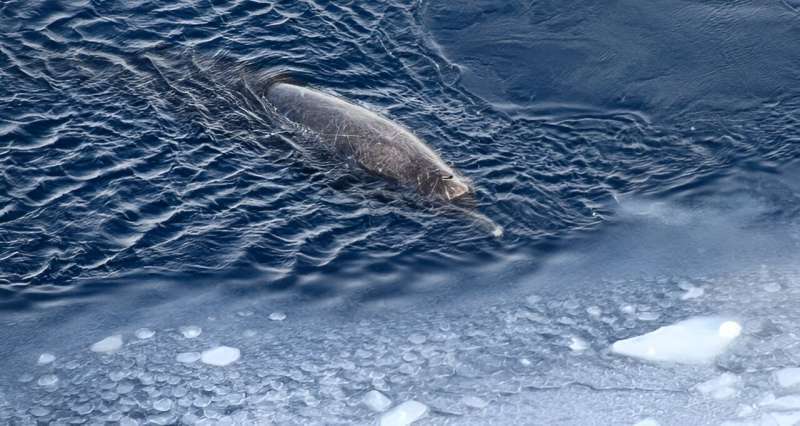
A rare whale species observed on Antarctic expedition

The Arnoux’s beaked whale Berardius arnuxii. Credit: André Meijboom

The beaked whale species are a family of rarely seen whales. Despite there being 22 species of beaked whale (which we know about) they are rarely seen, and some have only been described in recent years.

Why are they seen so rarely? because they have a record breaking ability to hold their breath being able to hold it for over an hour (reasonably regularly) and have been recorded in dives lasting over 100 minutes. After sightings of this species, the researchers did a search and analysis of sightings between 1980 and 2000. Just 108 sightings were made, accounting for 1125 individuals.

Continue reading “A rare whale species observed on Antarctic expedition”

On the founding of Kahuzi-Biega National Park, locals were pushed out -they now have the right to return, what will happen

Kahuzi-Biega National Park was established in 1937 by the Belgium colonial rulers and then expanded in 1975. It now covers 6000 square km or 2300 square miles. Roughly 13000 Batwa were cleared out of the area to make way for the park (along with other people who had settled more recently).

Continue reading “On the founding of Kahuzi-Biega National Park, locals were pushed out -they now have the right to return, what will happen”

1. Tragelaphini – spiral-horned antelope

1. Tragelaphini - spiral-horned antelope

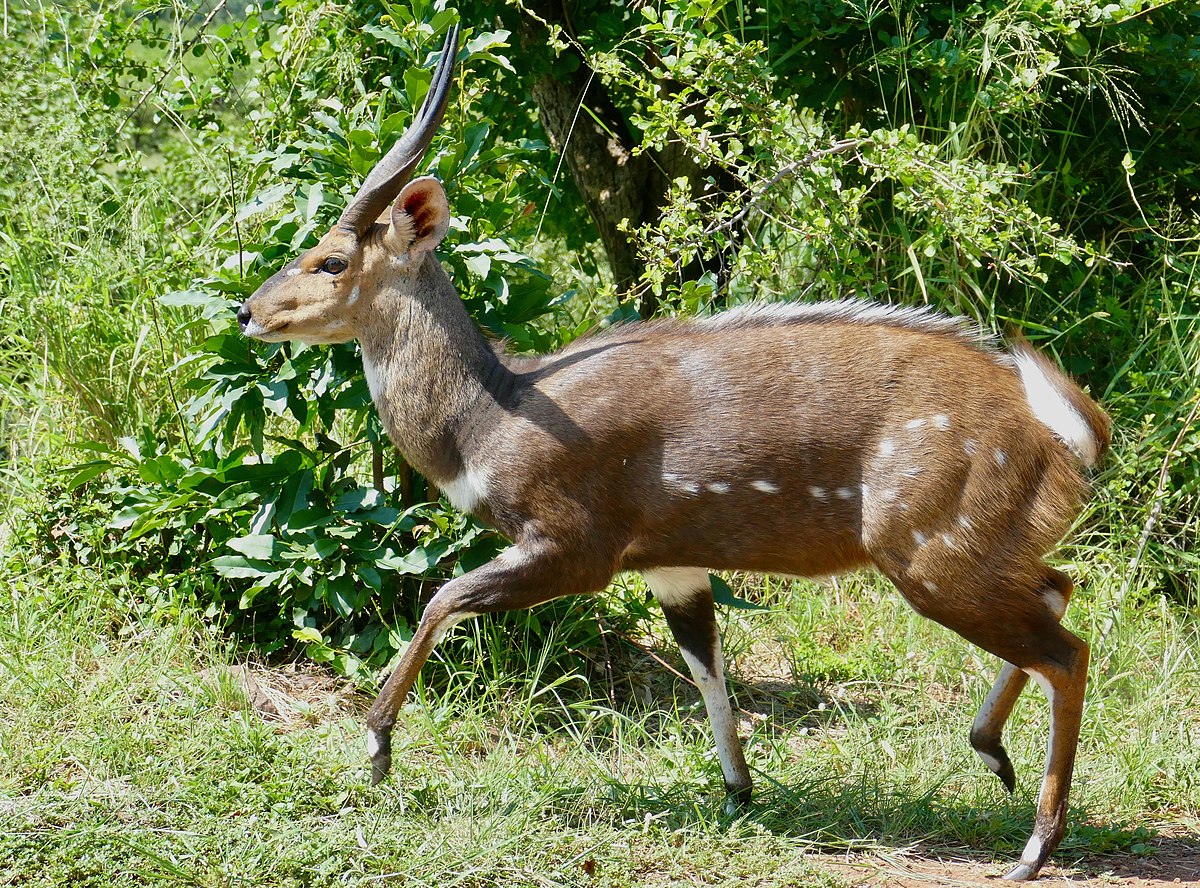
Bushbuck

The Cape bushbuck , also  known as imbabala is a common, medium-sized and a widespread species of antelope in sub-Saharan Africa. It is found in a wide range of habitats, such as rain forestsmontane forests, forest-savanna mosaic, savanna, bushveld, and woodland. Its stands around 90 cm at the shoulder and weigh from 45 to 80 kg. They are generally solitary, territorial browsers.

Although rarely seen, as it spends most of its time deep in the thick bush, there are around 1 million in Africa

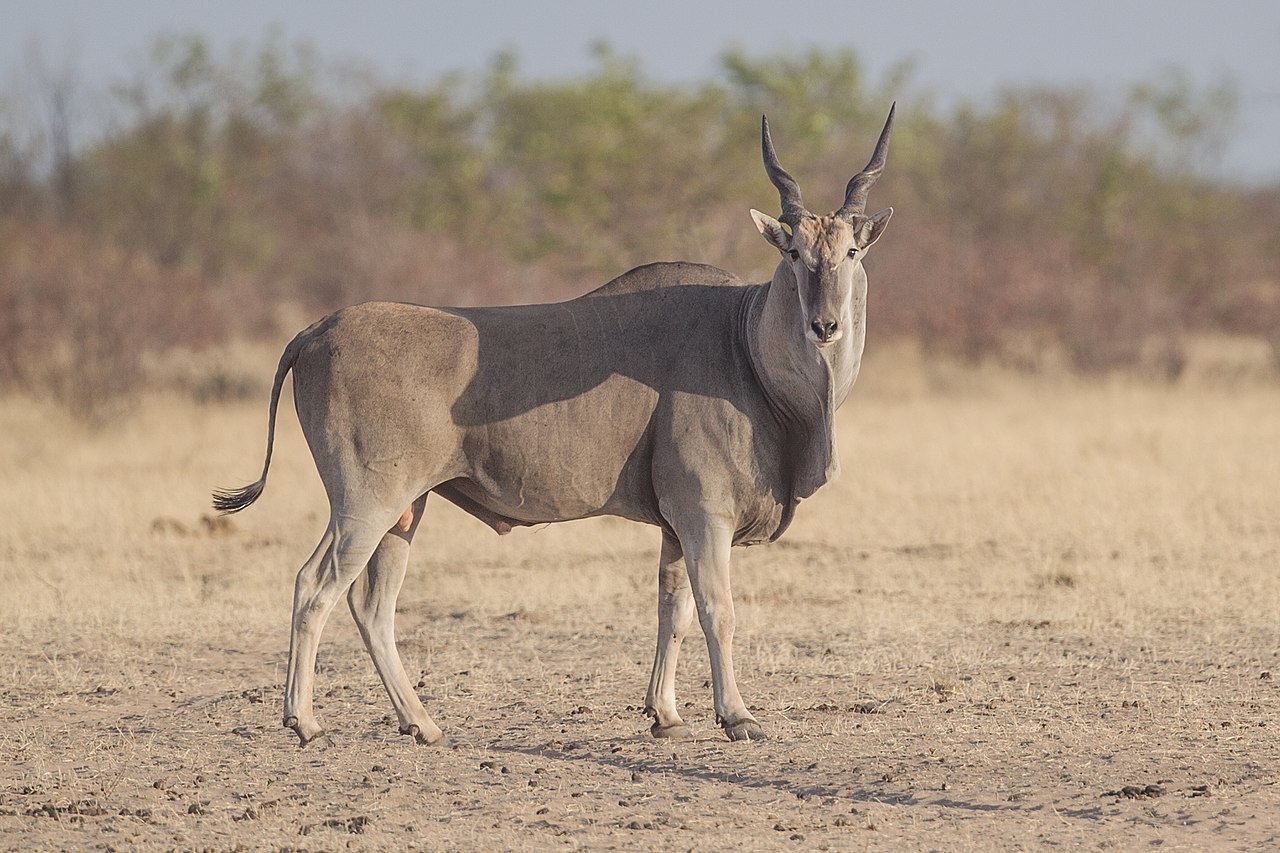
Common Eland

 The common eland (southern eland or eland antelope) is a large-sized savannah and plains antelope from East and Southern Africa. An adult male is around 1.6 m  tall at the shoulder (females are 20 cm  shorter) and can weigh up to 942 kg with a typical range of 500–600 kg. Only the giant eland is (on average bigger). It was described by Peter Simon Pallas in 1766. Population of 136,000, can form herds of 500

Common Eland

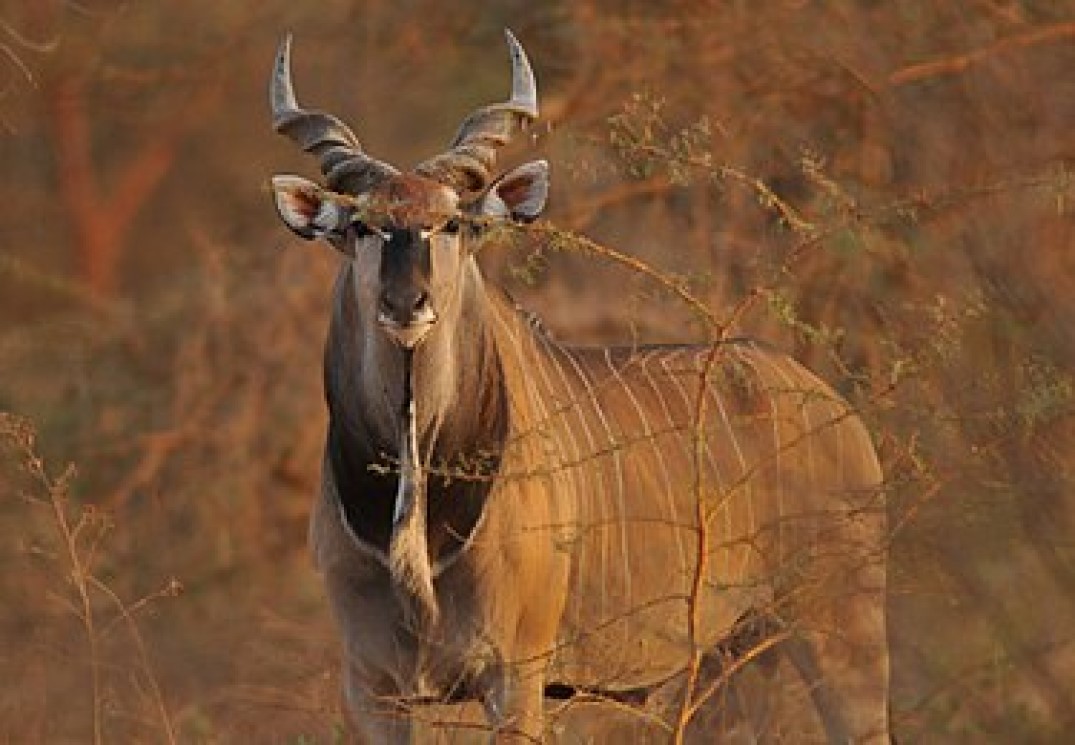
Giant Eland

Giant Eland

The giant eland, (also known as Lord Derby’s eland and greater eland) is an open-forest and savanna antelope.

 It was described in 1847 by John Edward Gray. The giant eland is the largest species of antelope, with a body length ranging from 220–290 cm (87–114 in). There are two subspeciesT. d. derbianus and T. d. gigas.

The giant eland is a herbivore, living in small mixed gender herds consisting of 15–25 members. Giant elands have large home ranges. They can run at up to 70 km/h.  They mostly inhabit broad-leafed savannas and woodlands and are listed as vulnerable and have a wild population of 12,000-14,000

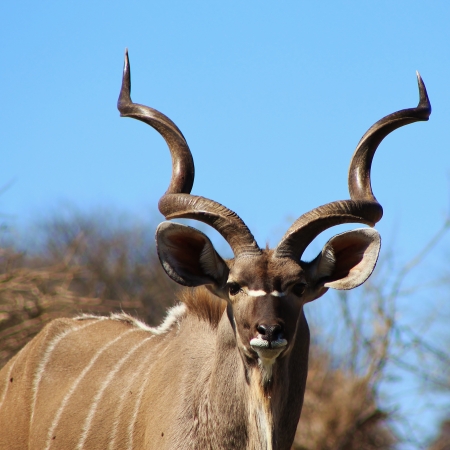
Greater Kudu

The greater kudu  is a large woodland antelope, you can see its distribution on the map. Despite occupying such widespread territory, they are sparsely populated in most areas due to declining habitat, deforestation, and poaching. 

The spiral horns are impressive, and grow at one curl every 3 years – they are fully grown at 7 and a half years with 2 and a half turns. Three subspecies have been agreed (one described has been rejected) :


  • T. s. strepsiceros – southern parts of the range from southern Kenya to Namibia, Botswana, and South Africa
  • T. s. chora – northeastern Africa from northern Kenya through Ethiopia to eastern Sudan, Somalia, and Eritrea
  • T. s. cottoni – Chad and western Sudan
They are listed as near threatened with 118,000 in the wild
Greater Kudu

Lesser Kudu

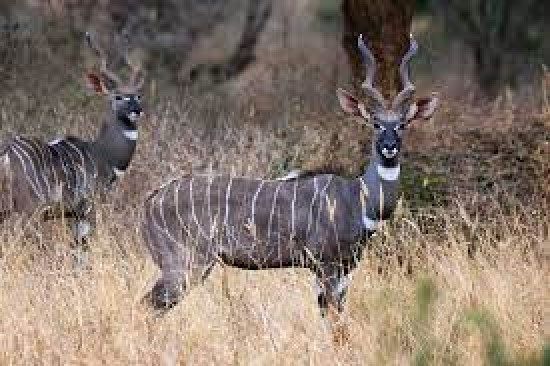
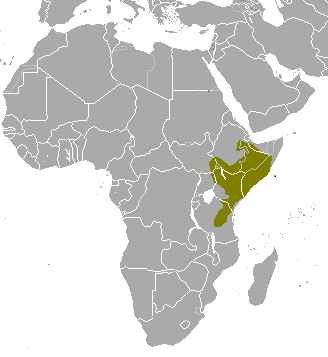
The lesser kudu  is a medium-sized bushland antelope found in East Africa.  It was first scientifically described by English zoologist Edward Blyth (1869).It stands around 90 cm at the shoulder and weigh from 45 to 80 kg. They are generally solitary, territorial browsers.

While currently rated not threatened, its population is decreasing. It currently stands at 100,000, but it is loosing territory to humans

Common Bongo (and mountain Bongo)

The bongo  is a large, mostly nocturnal, forest-dwelling antelope, native to sub-Saharan Africa. Bongos are characterised by a striking reddish-brown coat, black and white markings, white-yellow stripes, and long slightly spiralled horns. It is the only member of its family in which both sexes have horns. Bongos have a complex social interaction and are found in African dense forest mosaics. They are the third-largest antelope in the world.
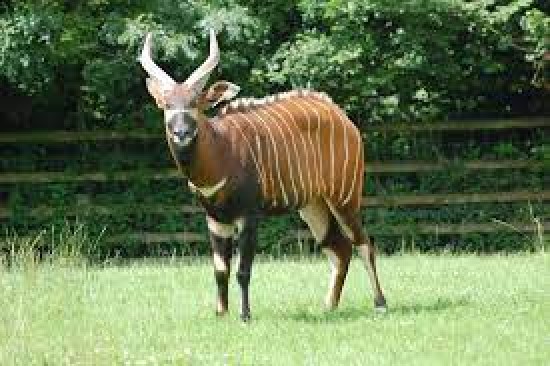
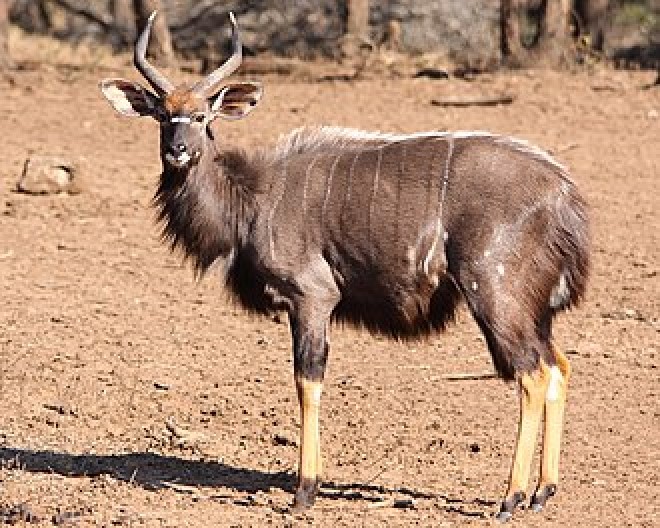
The Common (western or lowland bongo), faces an ongoing population decline, and the IUCN considers it to be Near Threatened.

The mountain bongo (or eastern) of Kenya, has a coat even more vibrant than the common version. The mountain bongo is only found in the wild in a few mountain regions of central Kenya. This bongo is classified by the IUCN  as Critically Endangered (where it breeds readily). (this is not on the map above). Only 100 live wild, split between 4 areas of Kenya

Common Bongo

Nyala

The Nyala is a spiral horned species

 found in Southern Africa. The nyala is mainly active in the early morning and the late afternoon. It generally browses during the day if temperatures are 20–30 °C  and during the night in the rainy season. The nyala feeds upon foliage, fruits and grasses, and requires sufficient fresh water. It is a very shy animal, and prefers water holes to the river bank. Not territorial, they are very cautious creatures. They live in single-sex or mixed family groups of up to 10 individuals, but old males live alone. They inhabit thickets within dense and dry savanna woodlands. The main predators of the nyala are lion, leopard and African wild dog, while baboons and raptorial birds prey on juveniles. Males and females are sexually mature at 18 and 11–12 months of age respectively, though they are socially immature until five years old. They have one calf after 7 months of gestation. Its population is stable, with the greatest threat coming from habitat loss as humans expand. There are thought to be 36500 and the population is stable.

Mountain Nyala

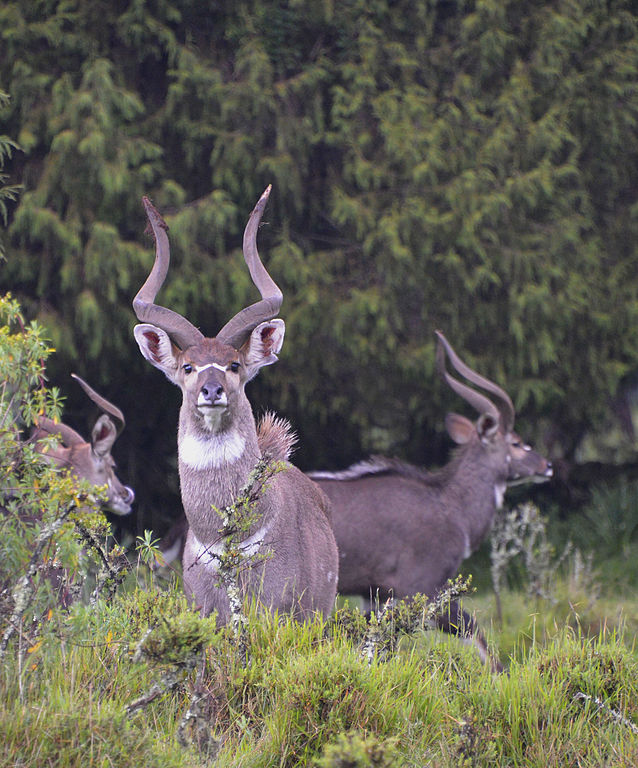
 The mountain Nyala (also known as the Balbok) is a large antelope found in high altitude woodlands in just a small part of central Ethiopia. The coat is grey to brown, marked with two to five poorly defined white strips extending from the back to the underside, and a row of six to ten white spots. White markings are present on the face, throat and legs as well. Males have a short dark erect crest, about 10 cm (3.9 in) high, running along the middle of the back. Only males possess horns.

The mountain nyala are shy and elusive towards human beings. They form small temporary herds. Males are not territorial. Primarily a browser. They will grazing occasionally. Males and females are sexually mature at 2 years old.. Gestation lasts for eight to nine months, after which a single calf is born. The lifespan of a mountain nyala is around 15 to 20 years.

Found in mountain woodland -between 3000m and 4000m. Human settlement and large livestock population have forced the animal to occupy heath forests at an altitude of above 3,400 m (11,200 ft). Mountain nyala are endemic to the Ethiopian highlands east of the Rift Valley. As much as half of the population live within 200 square km (77 sq mi) area of Gaysay, in the northern part of the Bale Mountains National Park. The mountain nyala has been classified under the Endangered category of the  (IUCN). Their influence on Ethiopian culture is notable, with the mountain nyala being featured on the obverse of Ethiopian ten cents coins.

Mountain Nyala

Situnga Antelope

Situnga

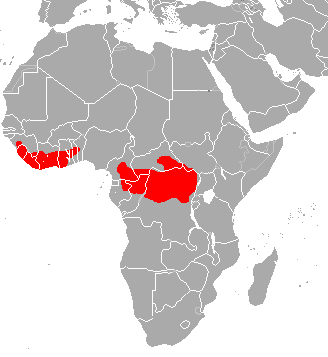
The sitatunga  (or marshbuck)is a swamp-dwelling medium-sized antelope found throughout central Africa (see the map to the right. The sitatunga is mostly confined to swampy and marshy habitats. Here they occur in tall and dense vegetation as well as seasonal swamps, marshy clearings in forests, riparian thickets and mangrove swamps.
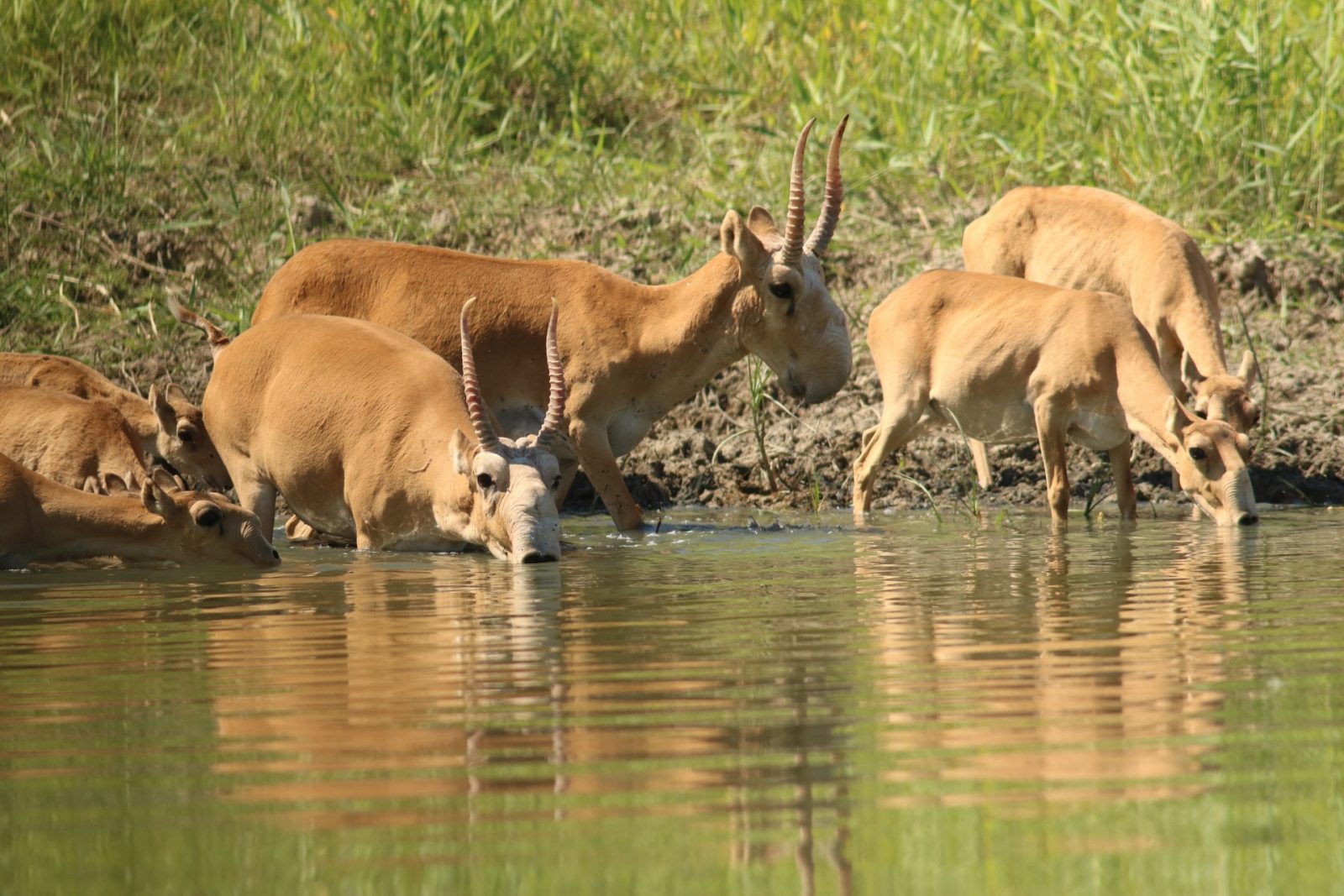
The scientific name of the sitatunga is Tragelaphus spekii. The species was first described by the English explorer John Hanning Speke in 1863.

It is listed as least concern with 170,000-200,000, and are found in 25 countries. However 40% live outside reserves, so the situation could get worse fast.

Note: these animals have been dealt with in less detail than others. Should you be interested in finding out if I have written on these animals or what exactly I said, you can find a list of articles about each below its information.

Kazakhstan

Saiga Antelope Kazhakstan phtoo credit Aleksandr Putilin CC by SA 4.0

Kazhakstan

The ecosystems of the country are varied, Kazakhstan is covered mainly by 26% desert, 44% semi-desert, 6% forest and 24% steppe terrain. The southern and eastern parts of Kazakhstan are still wild and have untouched mountain landscapes. With this wide variety of landscapes, the wildlife is (understandably wide ranging as well).

Although all highly secretive and rarely seen there are 7 species of wild cat within this large country

There are also Caspian sea wolf (steppe wolf) and grey wolf, along with the Eurasian brown bear.

All these predators survive on meat. While the smaller cats will eat mostly rodents, the larger ones will survive on Argali and Urial (wild sheep), Bactrian camel, moose, and various species of deer and antelope.

Kazakhstan News

[smart_post_show id="32824"]

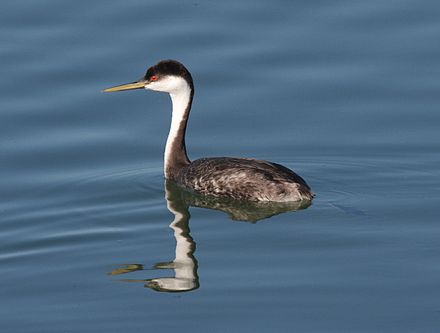
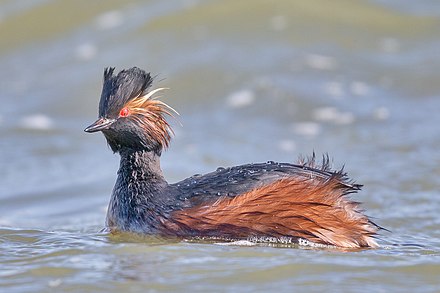
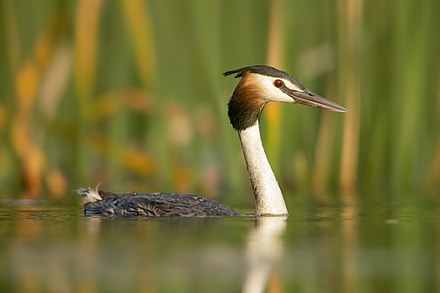
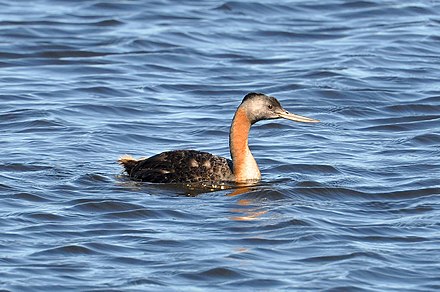
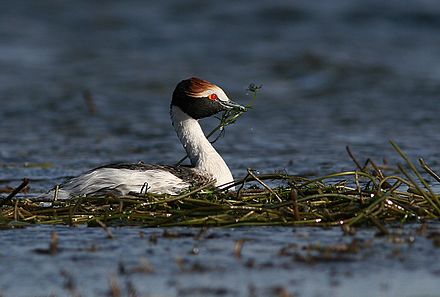
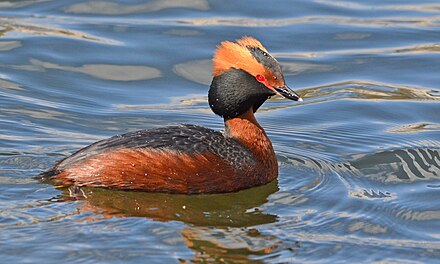
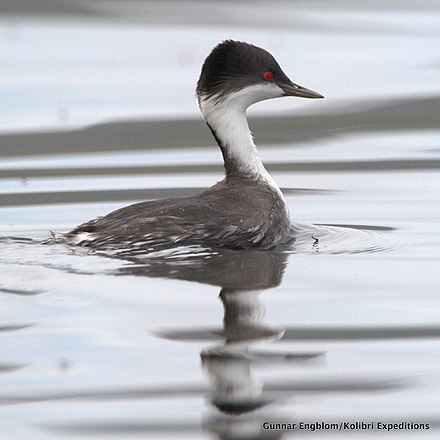
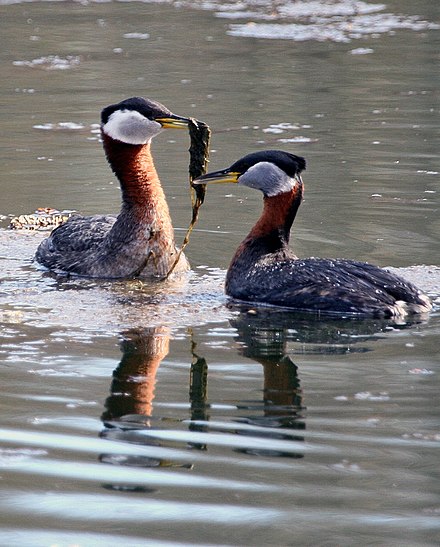
Flamingo and Grebe Species

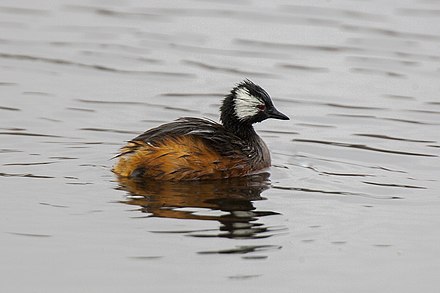
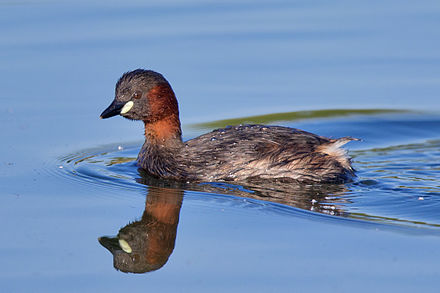
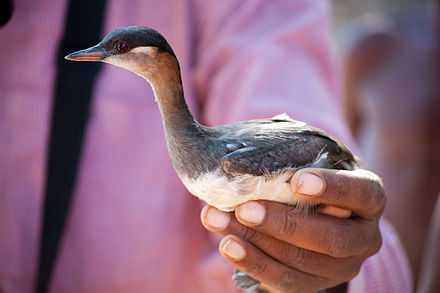
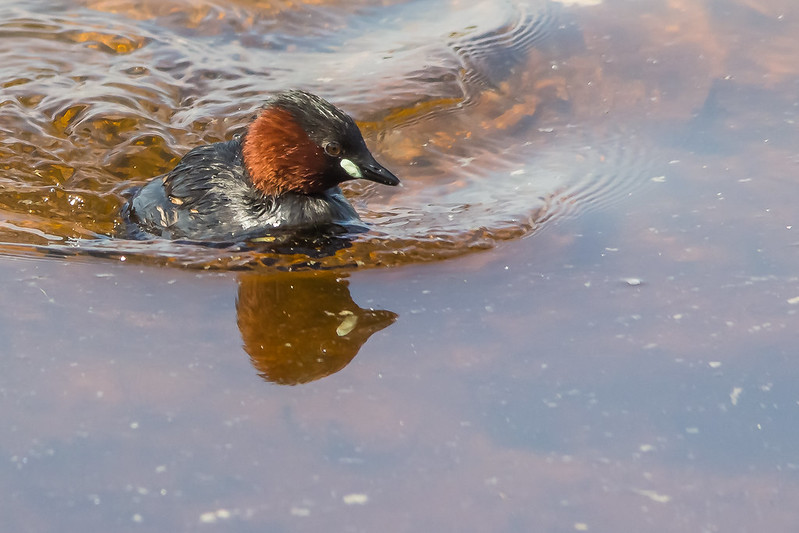
Flamingoes and Grebes

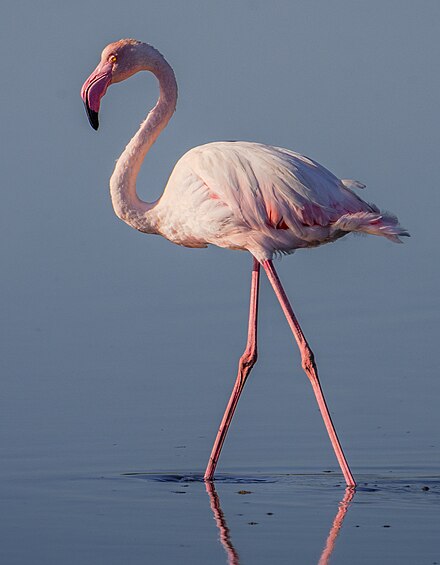
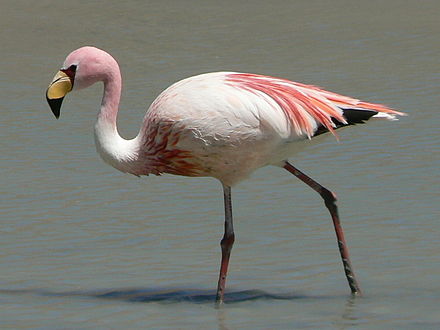
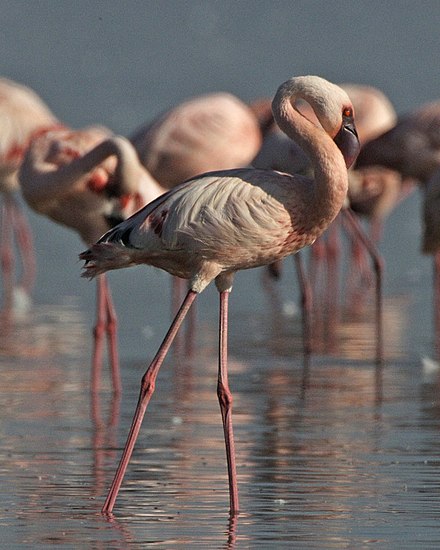
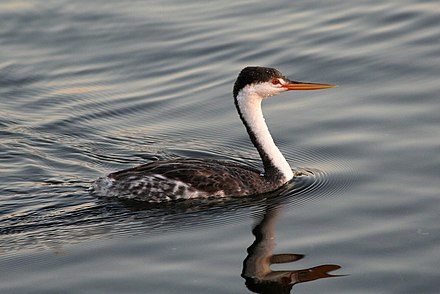
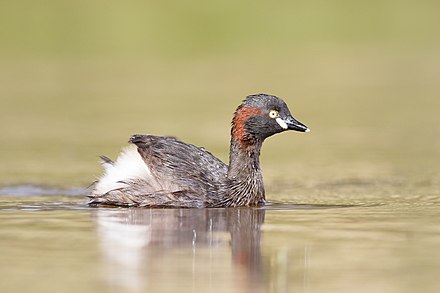
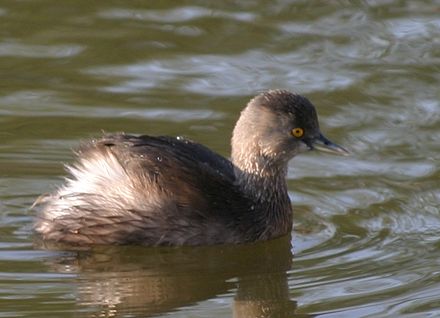
At the top of the page is an image of every species of flamingo, below you will find some information on each species. Below this, you will find the same for the grebes.

As always, should you work in tourism or conservation of any of these species, do get in touch, we are keen to help people find you. Click on list your wild place on the homepage main menu.

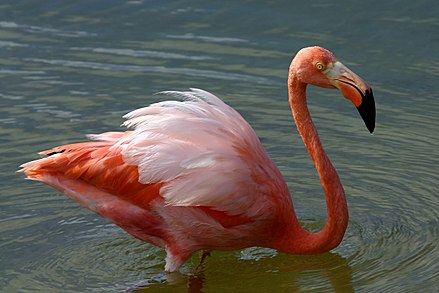
American Flamingo

Found in the West Indies, northern South America (including the Galápagos Islands) and the Yucatan Peninsula. It was considered cospecifc with the greater flamingo, but they are now recognized as separate species (it is also closely related to the Chilean flamingo). 

Formerly it was a culture icon in Southern Florida, but was largely extirpated by 1900. Having said this, there are vagrant flamingos in Florida, and these now often stay in the country worldwide.

There are 80,000-90,000 left in the wild, and there are 4 breeding colonies: in South America (in the Galápagos Islands of Ecuador, coastal Colombia and Venezuela, and northern Brazil), in the West Indies (Trinidad and Tobago, Cuba, Jamaica, Hispaniola (the Dominican Republic and Haiti), The Bahamas, the Virgin Islands, and the Turks and Caicos Islands), and tropical and subtropical areas of continental North America (along the northern coast of the Yucatán Peninsula in Mexico, and formerly southern Florida in the United States).

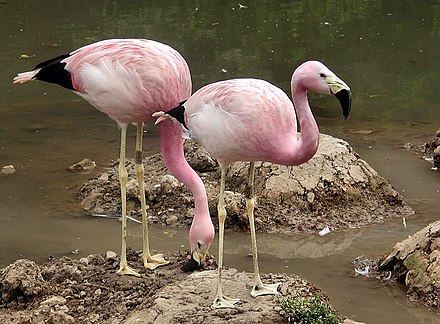
Andean Flamingo

Found in the Andes mountains of South America, it is in the same genus as the James Flamingo. Indeed, the Chilean Andea and James flamingo often share nesting sites and are relatively closely related.

It is considered vulnerable to extinction with roughly 34,000 remaining in the wild, but declining over time.

As with other flamingos they are filter feeders, though what they filter can vary from algae to small fish – which they look for in shallow salty water.

They migrate between salt lakes in the summer and lower wetlands in winter – with the capacity of covering 700 miles a day.

The threat that this species faces, is generally due to human activity of mining and other changes to their habitat.

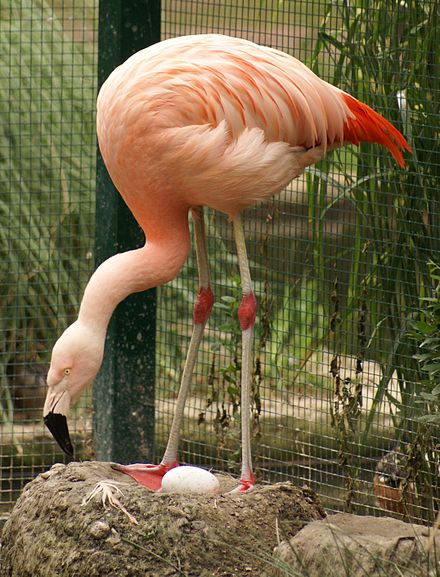
Chilean Flamingo

Closely related to the American and greater flamingo, it is listed as near threatened in the wild with a wild population of about 200,000. Population declines are due to habitat loss and degradation, harvesting and human disturbance.

While they are only currently listed as near threatened, there is a great deal of concern about falling populations, and as such they are relatively common in zoos and there is an active breeding program..


Greater Flamingo

The greaterflamingo has the greatest of ranges of any species (as you can see from the map. While it is found down the East coast of Africa, it is also found on the northwest coast and the northern coast. It is also present in the middle east, and throughout much of Sothern Europe. Its range also extends into India. It is listed as least concern with a population between 550,000 and 680,000 with between 45,000 and 125,000 living in Europe – the Camargue is the most famous in Southern France

They are listed as least concern


James Flamingo

The James flamingo is also found on the high Andean plateau, and is closely related to the Andean Flamingo. It was thought extinct until a population was rediscovered in 1956, and the current population is thought to be around 106,000.

It is currently listed as near threatened, and on CITES appendix 2.

Lesser Flamingo

Found in Sub-Saharan Africa and India. While the smallest species, it still stands 80-90cm tall. The easiest way to tell this and the greater flamingo (with overlapping range) apart is that the greater flamingo has more black on its bill.

Estimates on the number of this species range from “above” 2 million to as much as 5 million.

They generally breed in highly caustic lakes of the great rift valley in Africa, though there are places in India and a few other places as well.

They are classed as near threatened. While their choice of nesting site protects from many predators, it is still true that many flamingos are killed. From fish eagles to baboons and big cats, there are many species who will eat a flamingo if they can get hold of it.

It is well worth seeing this animal in the wild. Seeing 750,000 lesser flamingos on lake nakuru in kenya is a site that is hard to forget.

Visits to see flamingos are well worth it, and while some live in remote places, it is usually a species which is reliable. Please get in touch if you work in tourism or conservation of this species. Click on list your wild place on the home page of the website.

[smart_post_show id="26750"]

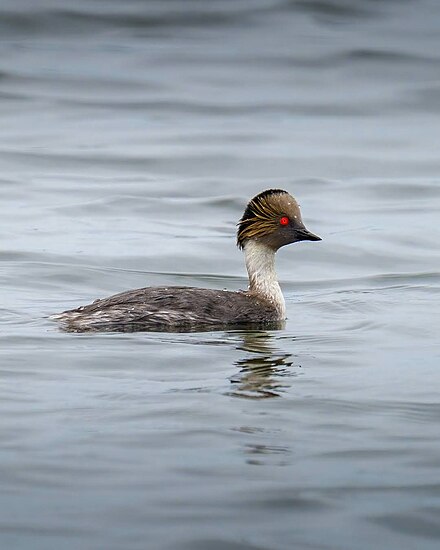
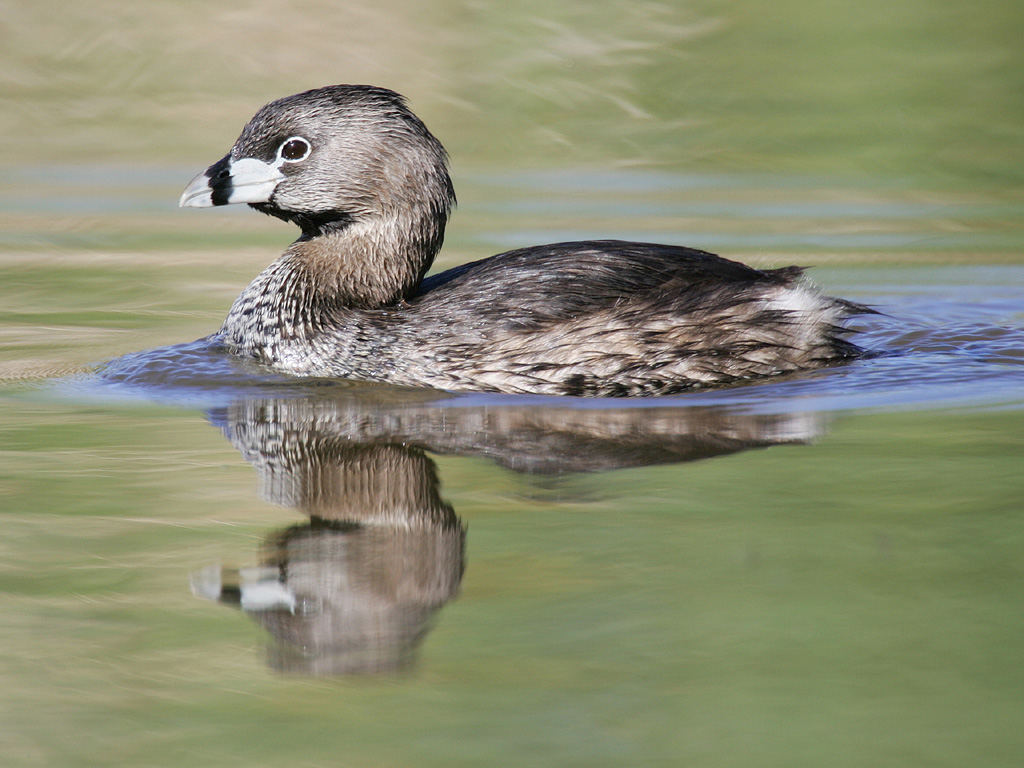
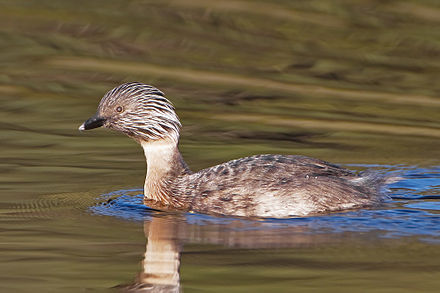
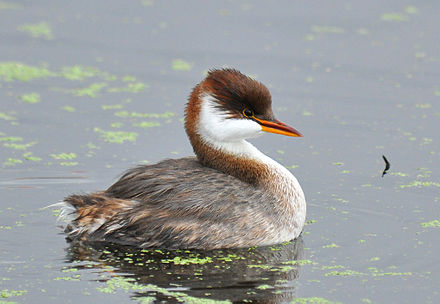
Next the Grebes

While some sites claim 22 species, my list has found that some of these were extinct (indeed, according to my list there were 3 species that have gone extinct. If there are any experts out there who notice one missing, let me know

We are eager as always to help people find places to see these birds. Do let me know if you work in wildlife tourism or run a place to stay where these birds are regularly seen. Click on list your wild place on the front page of the website.

[smart_post_show id="26802"]

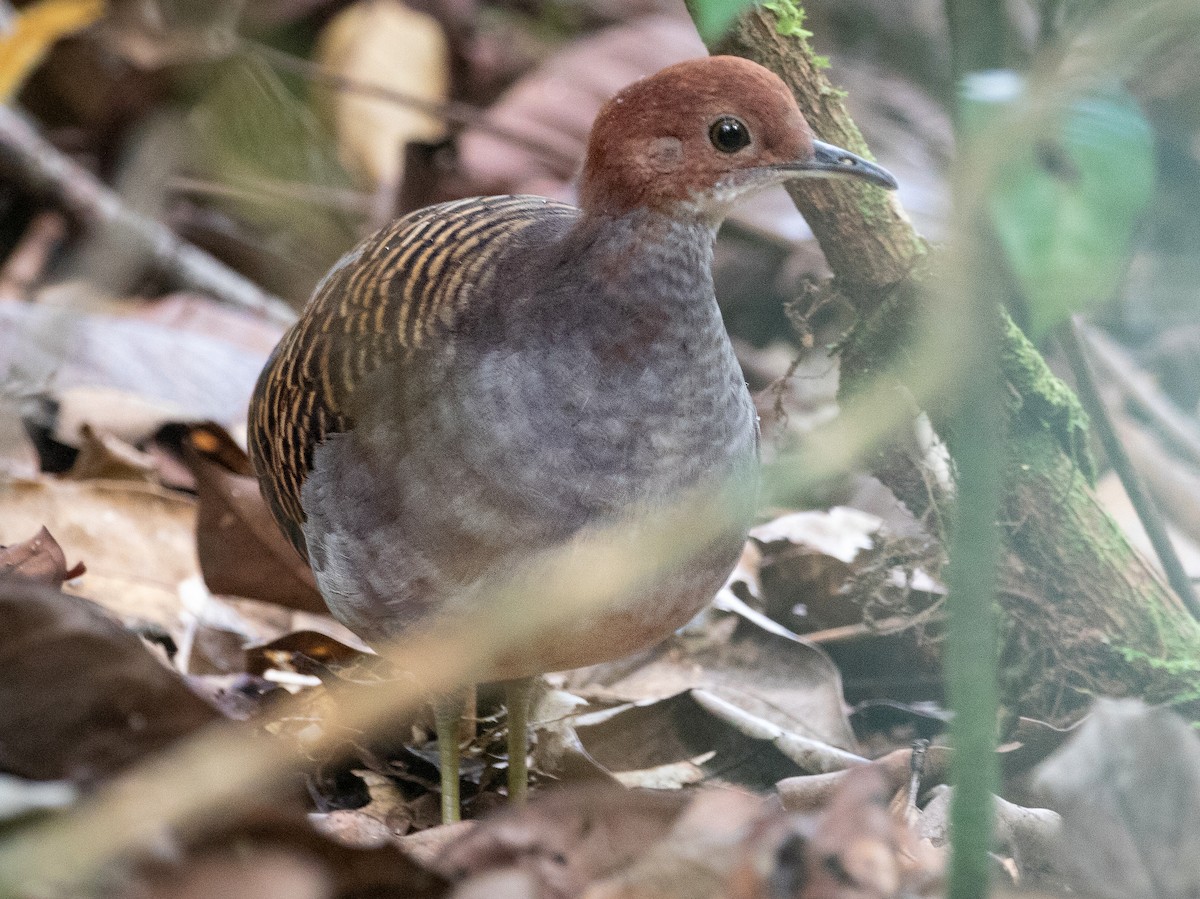
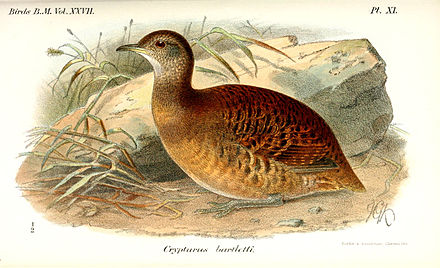
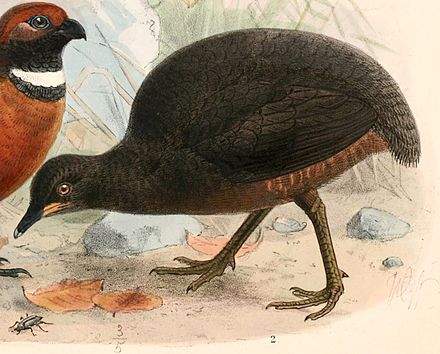
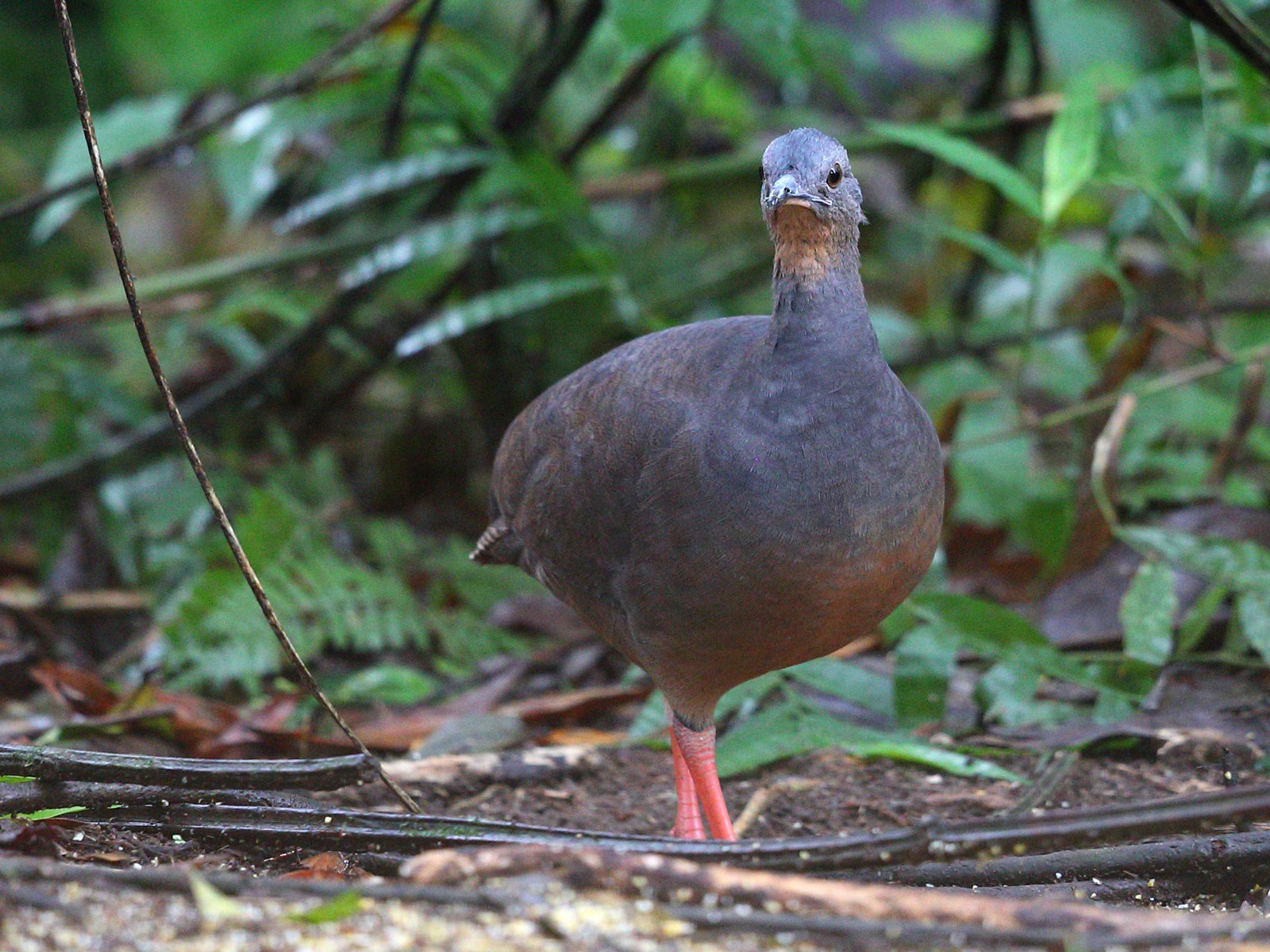
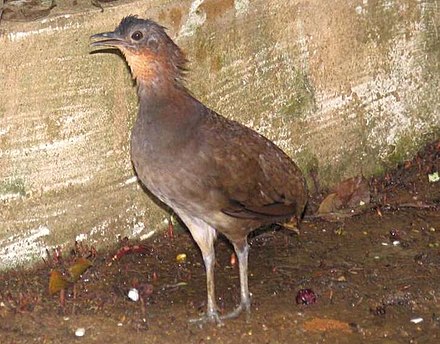
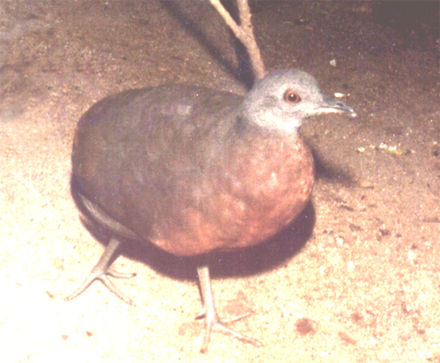
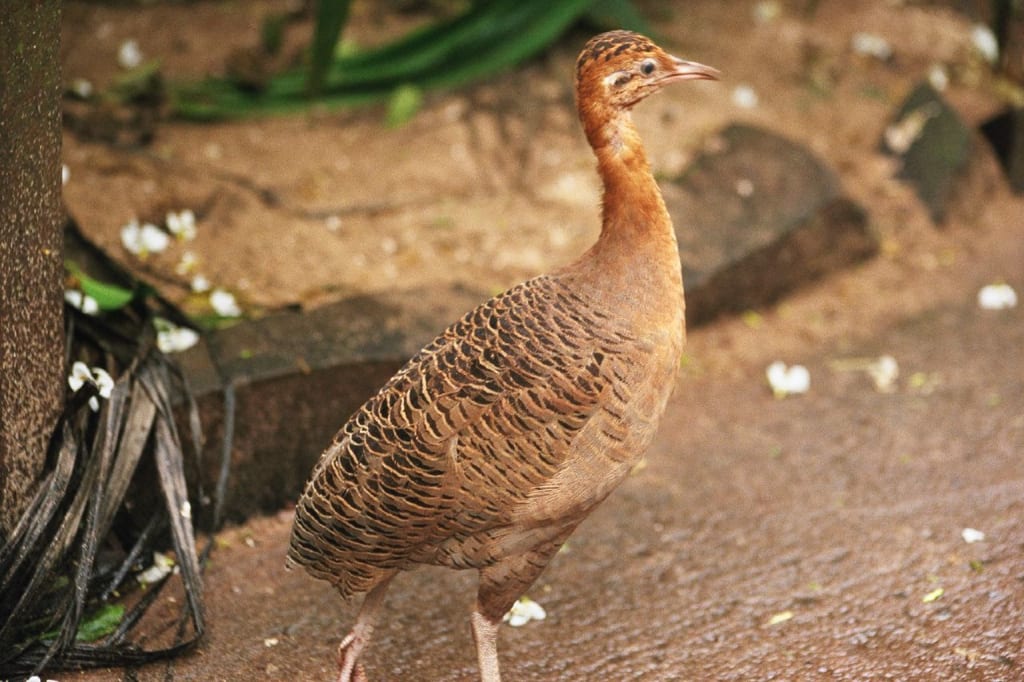
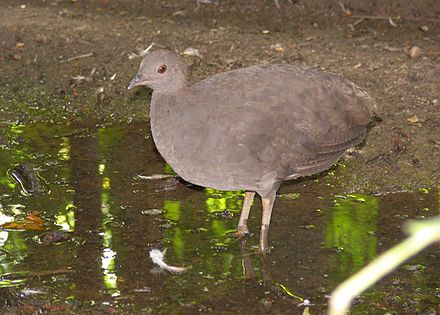
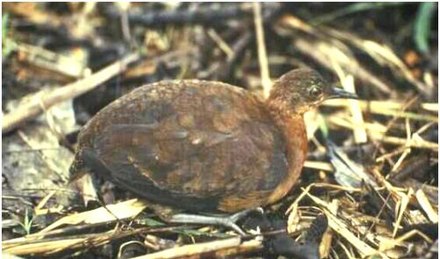
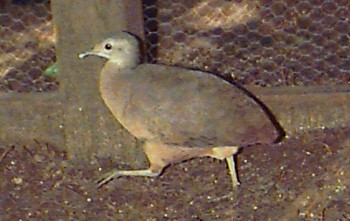
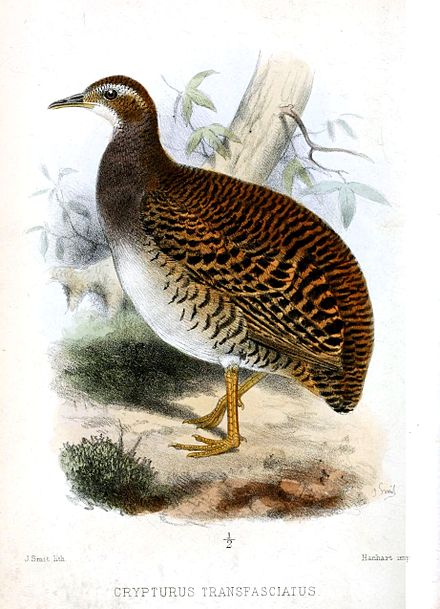
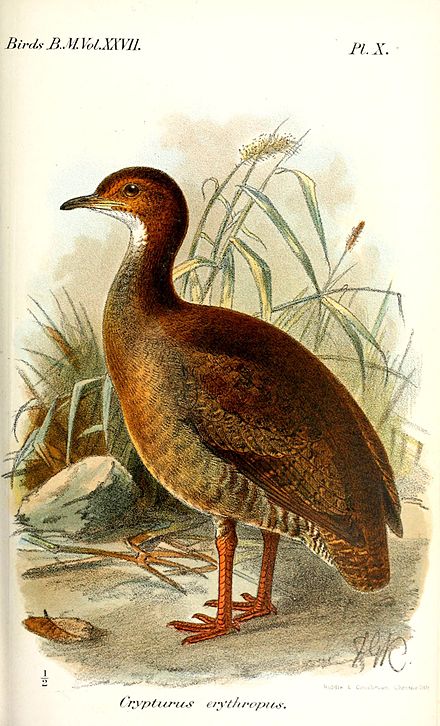
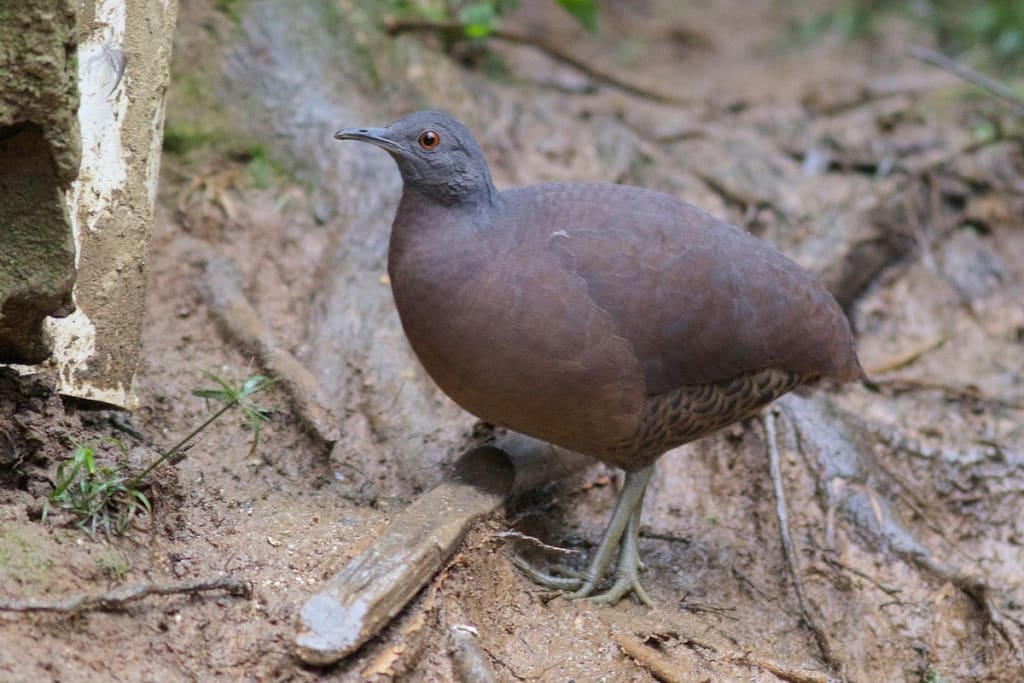
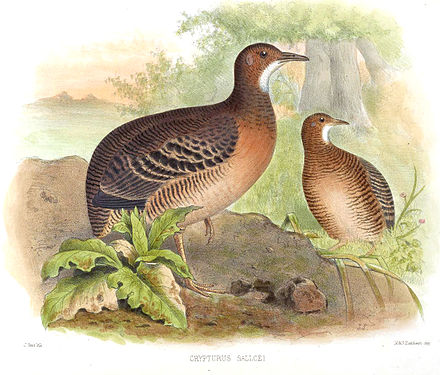
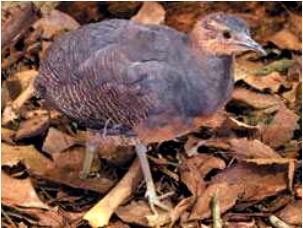
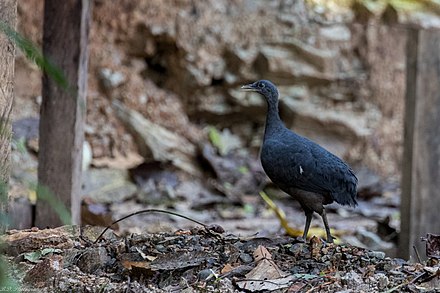
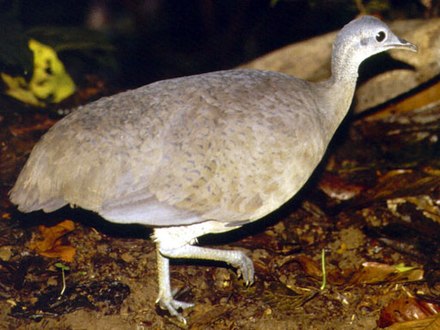
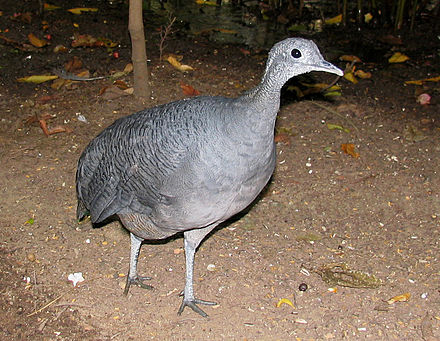
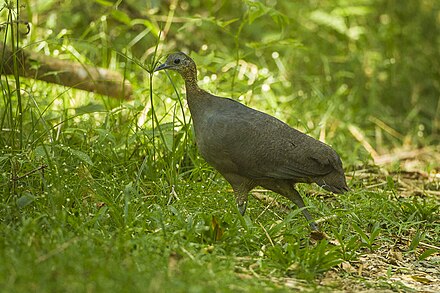
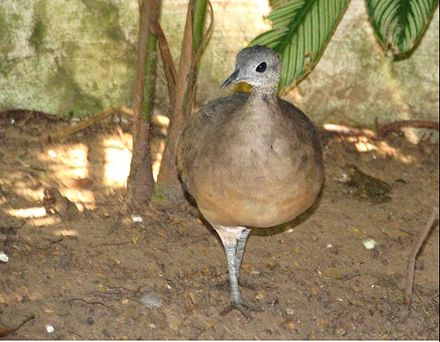
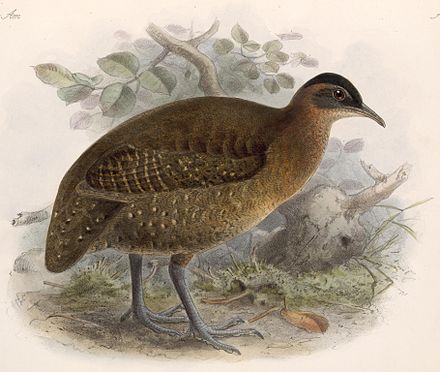
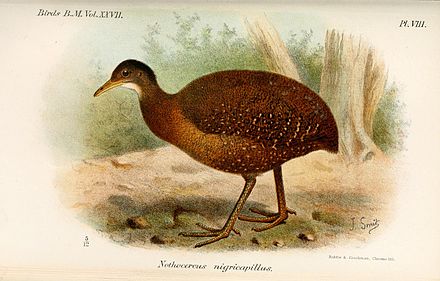
Tinamous: 46 birds from the order Tinamiformes

Tinamous: 46 birds from the order Tinamiformes

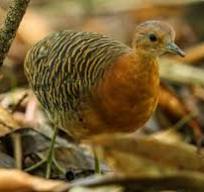
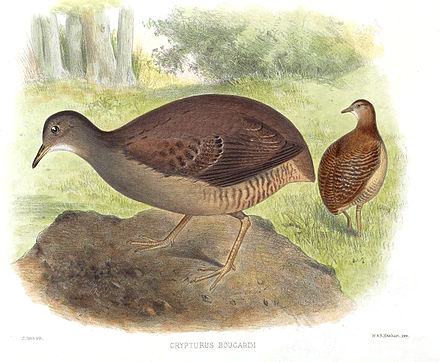
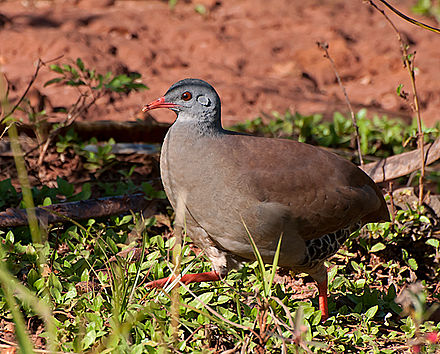
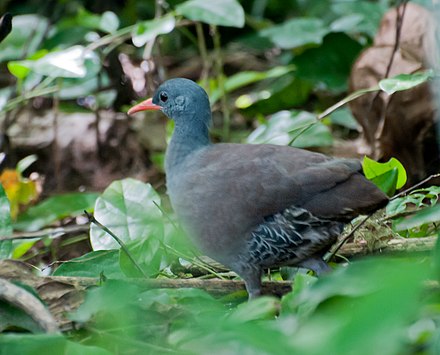
The family is split into 2 subfamilies (there was a genus outside both, but it is extinct). All species are found in South America and Central America. While at the current time, I am not adding a full page for each, they are still ready to be used for Ecotourism – simply include some information alongside your listing for you tourism outfit, and we will create a page for the species in question.
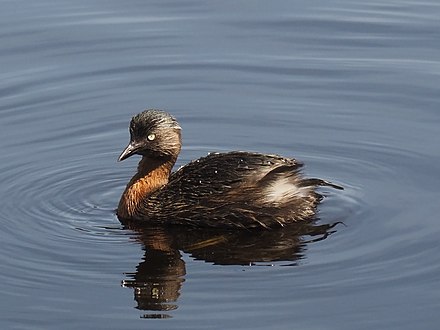
The first subfamily is called Tinaminae species is spread across 3 genus

Crypturellus (21 species)

second Genus Tinamus with 5 species (row one)  and third genus Nothocerus with 3 species (row 2)

[smart_post_show id="26648"]

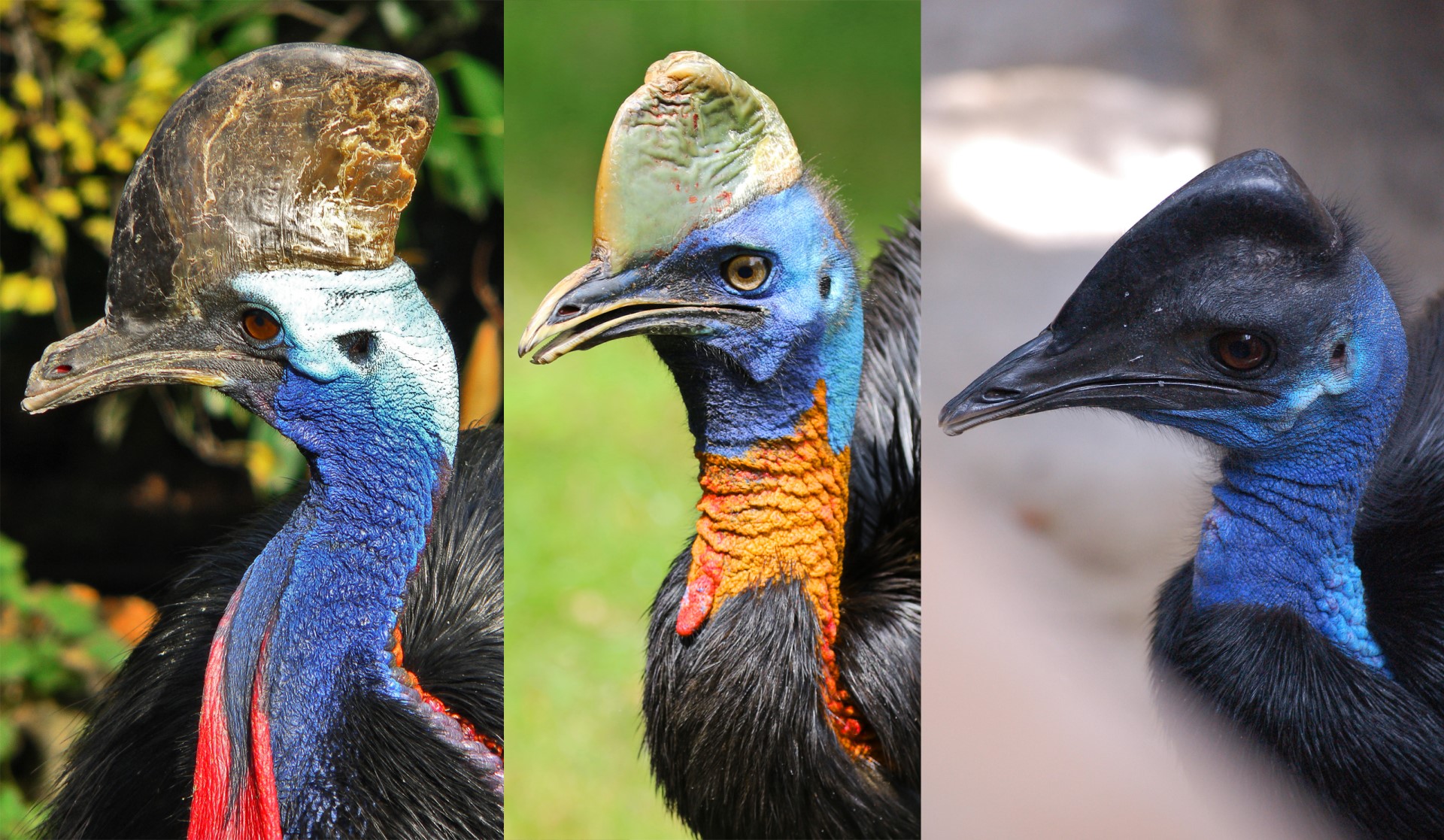
Cassowary species

 PaleoNeolitic (montage creator) BS Thurner Hof Kora27 Martin Sordilla – Wikimedia Commons

Cassowary

  • There are 3 species of Cassowary, from left to right Southern, Northern and dwarf Cassowary. The Southern Cassowary is the 3rd largest and 2nd heaviest bird in the world, after ostrich and rhea.
90% of their diet consists of fruit. Having said this, they are classed as omnivores and take a range of foods including shoots and grass seeds, fungi invertebrates, eggs carrion fish and small vertebrates such as rodents, small birds, frogs, lizards and snakes. While all of the ratite family can eat meat, Cassowaries are by definition the most omnivorous, and while other ratites will eat meat when other food is scarce Cassowaries take more meat than others.

While the southern Cassowary has part of its range on Australia, all three have their main range on New Guinea

  • The southern Cassowary is listed as least concern by the IUCN, however with a 4400 individuals other agencies class it as endangered.
  • The northern Cassowary is also listed as least concern by IUCN and this population numbers 10,000-20,000
  • The dwarf Cassowary is listed as least concern as well. Unfortunately I cannot find estimates for this species, but with an overall population of 20,000-50,000 it is likely to be the most common
Adults are formidable enough that there is no regular predation. However, a range of birds such as the Papuan eagle, mammals such as the New Guinea singing dogs, and reptiles such as pythons and monitor lizards all take young when adults are not protecting enough.
Below is any news we have written on this species, and below that will be listed places you can see this species in the wild. Should you work in conservation or tourism on this range of species do get in touch through the list your wild place link on the home page.
[smart_post_show id="26570"]

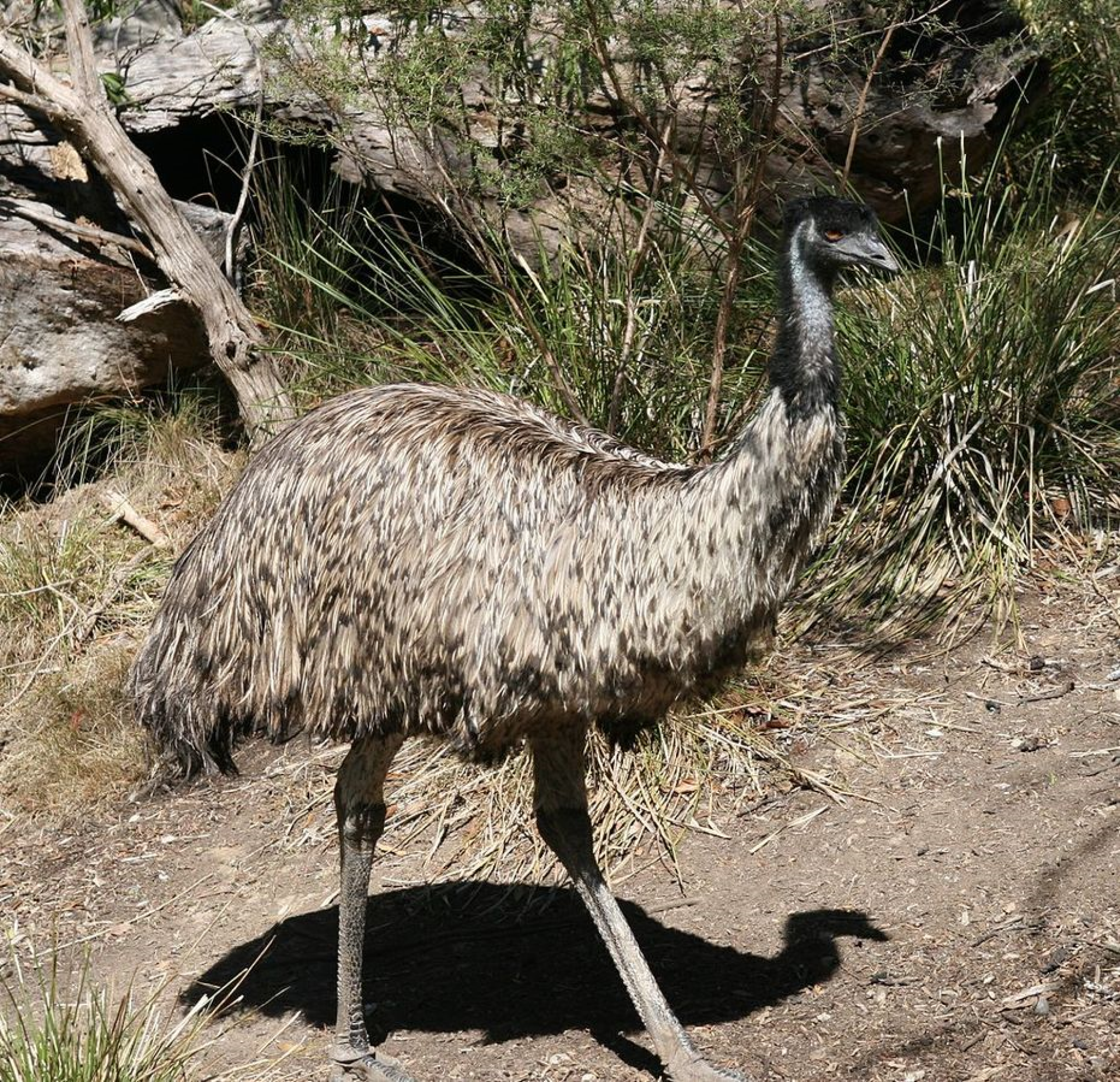
Emu

Emu

The second tallest bird, after the Ostrich, the Emu is found in Australia. While its range covers most of the mainland, its close cousins which lived on the islands around Australia are all extinct.

They have soft brown feathers and cannot fly, though they can run at speeds of 30 miles per hour.

They can survive weeks without eating, and drink infrequently (though they drink a lot when they do drink).

Eggs hatch after 8 weeks, and young are fully grown at around 6 months, though they usually stay with the unit until the next breeding season.

While overall there are enough to list this species as least concern, it is not as rosy everywhere, with the Tasmanian Emu dying out in around 1800.

There are 3 currently surviving subspecies with 3 others extinct.

Their population lies between 625,000 and 725,000

Below is our usual roundup of articles on this species, unfortunately, given the length of the name, it is likely to appear within other names. Below this, you will find any links to aid in seeing this animal (as we make them)

[smart_post_show id="26562"]

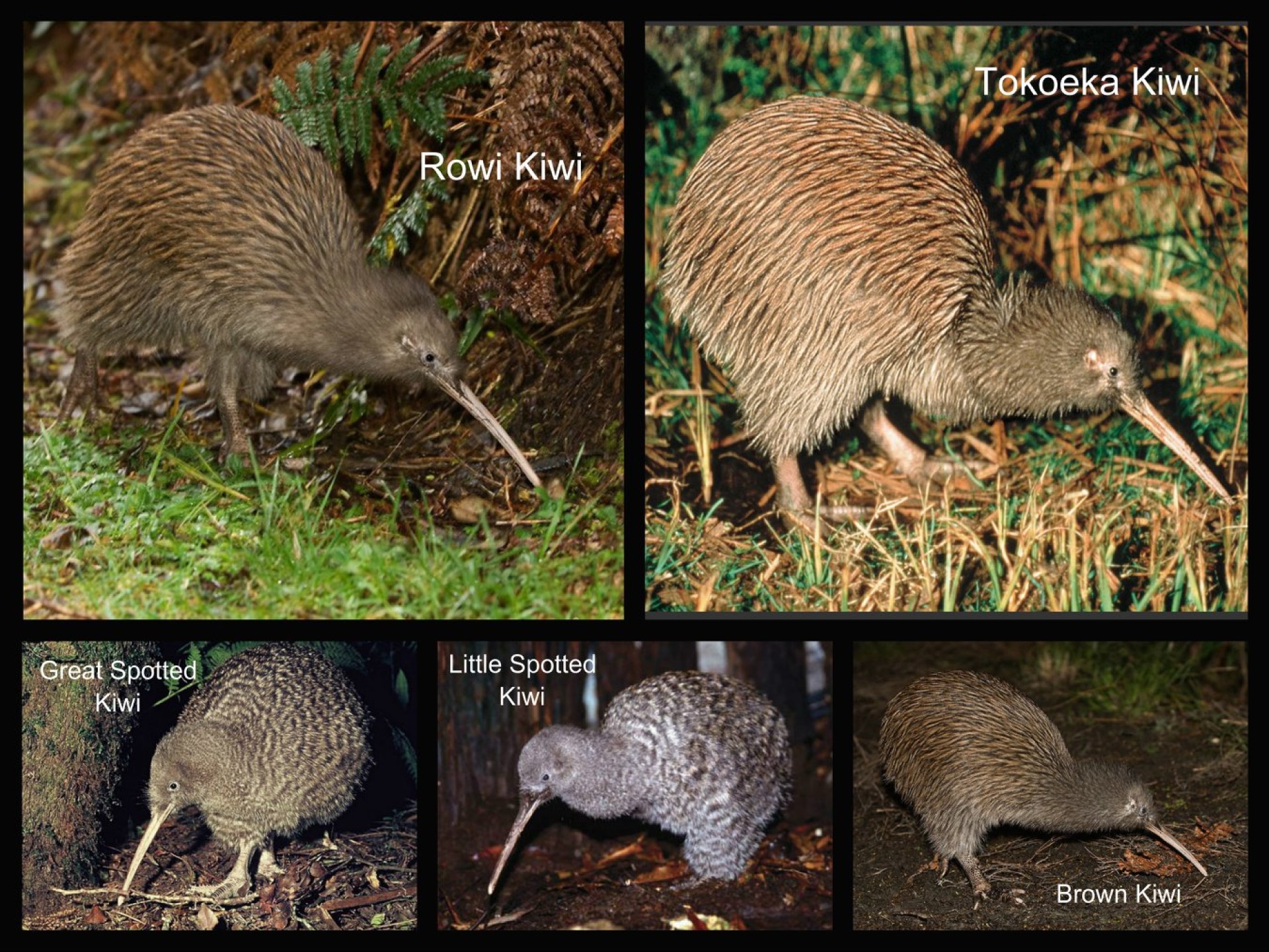
Kiwi Species

Photo credit Tae Eke

Kiwi

It is thought that around 70,000 Kiwi remain on the two islands of new Zealand. One might think that this was high, but it is estimated that there were around 12 million before humans arrived – so around 0.5% of the population survives. More importantly, this is after a great deal of work has been done by many grassroot groups, in order to shore up the population – it has been far lower in the past.

Furthermore, roughly 2% of the umanaged kiwi are lost each week (around 20 birds). When well protected, a kiwi can live 25-50 years.


Rowi Kiwi

The rarest species, there are only thought to be around 450 of this bird remaining (as of last full survey in 2015). It is found in Ōkārito forest and surrounds in South Westland, predator-free islands of Marlborough Sounds, this is one of 5 designated kiwi sanctuaries declared in 2000.


As you can see, Kiwi is not a species but a group of species. While different species have been known to breed where their range overlaps, saving each species is a separate task

Tokoeka Kiwi

Translating to Weka with a walking stick, this species

  • Haast tokoeka is Threatened – Nationally Vulnerable 400
  • Southern Fiordland is Threatened – Nationally Endangered
  • Northern Fiordland tokoeka is Threatened – Nationally Vulnerable
  • Rakiura tokoeka is At Risk – Naturally Uncommon

Stoats are the main threat, with the total population numbering around 13000

Great Spotted Kiwi

Current population 14,000, it is restricted to the upper parts of the south islands national parks – specifically Sub-alpine zones of North West Nelson, the Paparoa Range, and Arthur’s Pass. 

The largest species, it is thought to be declining by around 1.6% a year.

There are 4 genetically distinct populations Northwest Nelson, Westport, Paparoa Range and Arthur’sPass–Hurunui.

There are plans in place to save the species but time will tell if they prove successful. 


Little spotted Kiwi

With a population of 1670it is found on Kapiti island (1200 are found on Kapiti island, from 5 translocated to the island early in teh 20th century) and 10 other pest free areas.

They start feeding themselves and roaming alone at 5-7 days, though they will return to the nest for around 60.

Each population is either stable or growing, so the overall trend is up.

Brown Kiwi

Living in lowland and coastal native forest and subalpine areas in the North Island, there are around 26,000 of this species. Although the most numerous, the population is reducing around 2-3% each year. It is estimated that without a change it will be lost in 2 generations.

Having said this, they have a greater capacity to recover, as unlike other species, they usually produce 2 eggs each time they mate, and can produce 2 clutches a year.

There are 4 distinct subspecies which live in different areas and do not interbreed.

  • Northland brown kiwi 8000
  • Coromandel brown kiwi 1700
  • Western brown kiwi 8000
  • Eastern brown kiwi 8000

Main threats is from predation by dogs.

As always, we are keen to add links that will allow people to book to see these animals in the wild. If you work as a tour guide or similar, do get in touch – click on list your wild place on the home page.

[smart_post_show id="26551"]
See Animals Wild

Read more news

Join as a wild member
to list your wild place & log in

Join as an ambassador supporter to
support this site, help save wildlife
and make friends & log in

Join as an Associate member
to assist as a writer, creator, lister etc & to log in

List a wild destination

List a destination in
the shadow of man

List a hide for animals more easily seen this way

Highlight some news
missed, or submit a
one-off article

Browse destinations for fun or future travel

Temporary membership
start here if in a hurry

Casual readers and watchers