African forest Elephant

African Forest elephants
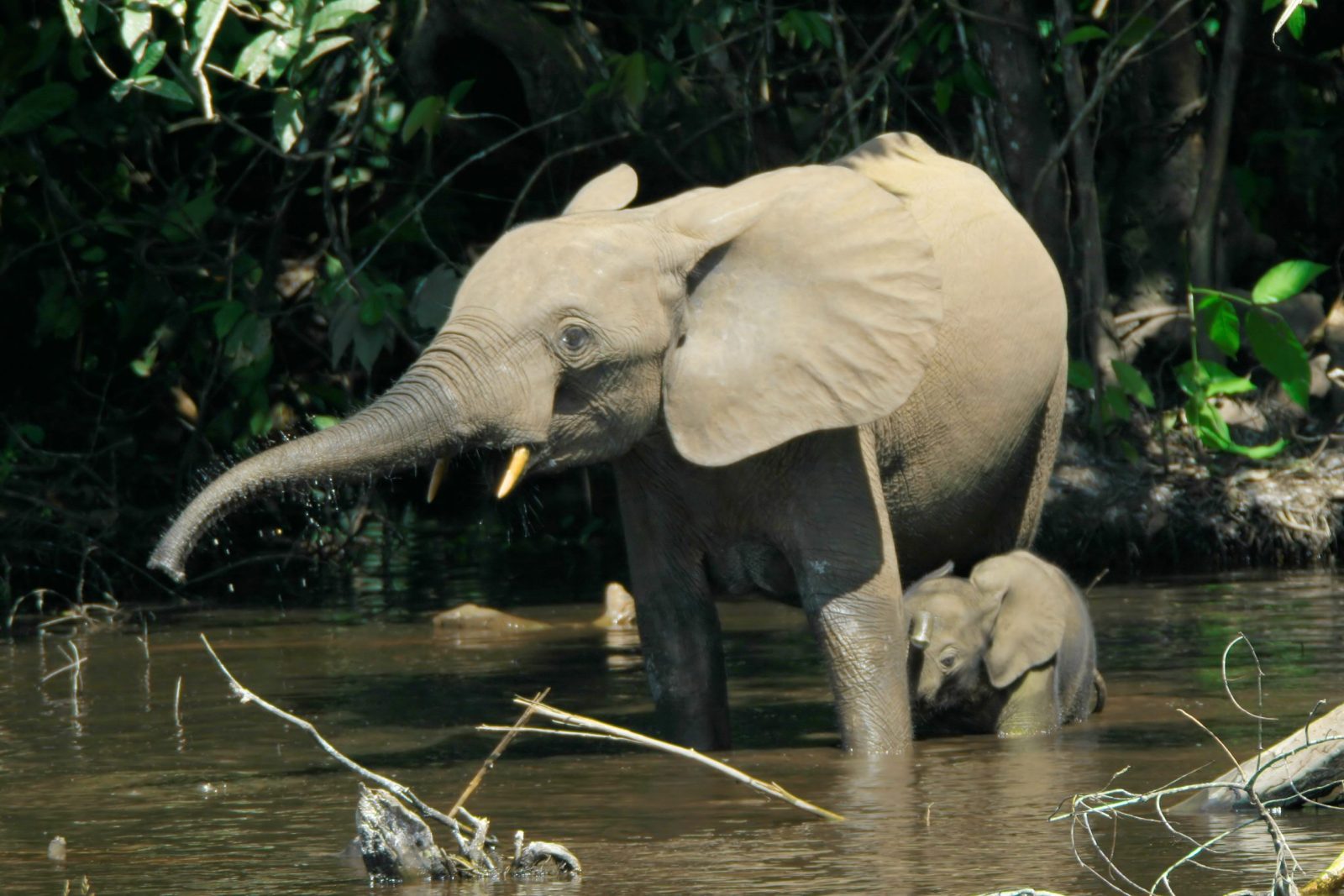
There are three species of elephant, the African savanna elephant, African forest elephant and the Asian elephant

With the African species, Forest elephants have declined 86% between 1986 and 2015, African Bush elephants declined 60% 1965 and 2015 leaving just over 400,000. African forest elephants are thought to number between 100,000 and 150,000.

Perhaps the most scary fact is that the African forest elephant was only declared as a separate species in 2021 only 2 years ago. These species are not particularly similar – indeed the Asian elephant is more genetically similar to the mammoth, than the African savannah elephant is to the African forest elephant

The African forest elephants population has declined precipitably in the last few years. Given the recognition that the forest elephant is a separate species only came 2 years ago, it is hard to get accurate historic figures. Never-the-less, the combined african elephant species population was thought to be around 26 million in 1800, and 1.34 million in 1976. The estimate is currently around 100-200,000 forest elephants. One of the problems, is that the African forest elephant is an essential part of the ecosystem. There are many trees, which rely on forest elephants to carry their seeds through the forest, so that they germinate a good distance from the original plant (more than a few of the same plant in the same area, causes the pest that feeds on the tree to multiply to the point where it can kill the tree. While it is true that other animals like gorillas and chimpanzees can do this, they do it far less. Should the forest elephant be lost, the African rainforest is likely to be far less capable of of handling the various changes, like climate change that is coming.

The last strongholds are in Gabon (a survey last year suggested Gabon has 95,000 forest elephants, rather than the 60,000 that was originally thought) and the Republic of the Congo and Democratic republic of the Cong, with smaller populations remaining in other African countries (Cameroon, Central African Republic, Equatorial Guinea) and Cote d’Ivoire, Liberia and Ghana in west Africa. There is much space for forest elephants to greatly recover, if the poaching is able to stop.

Below this, you will see a video on this species, and below this is a list of any times that the african forest elephant has been mentioned within this blog.

Below this, at the bottom of the page, we hope to list places where you can go to see this species in the wild – if you work in conservation or tourism around this species, do get in touch. we would love to list you, and it costs nothing to be listed, we merely work on commission.
[smart_post_show id="15217"]

Okapi

The Okapi

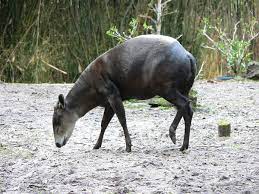
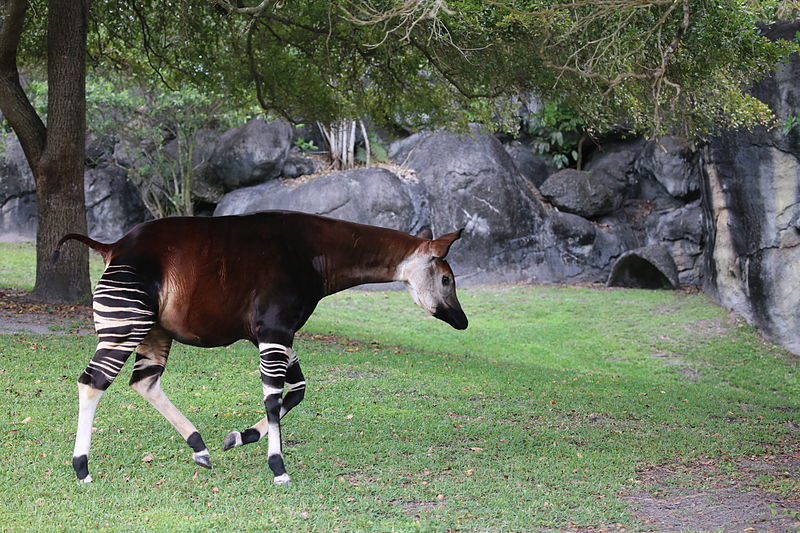
The Okapi is a little known species from the Giraffidae family (indeed the only non-giraffe in the family), Also known as the Forest giraffe, Congo Giraffe and Zebra Giraffe

It is found in the dense jungle of the North-East democratic republic of the Congo, which makes it incredibly hard to see, and is perhaps the reason that it was not described or discovered by Europeans until the 20th century. Indeed, the long time before which Europeans saw this animal lead to its nickname the Unicorn. This is not to say that no one knew about it – it appears to be depicted on the facade of the Apadana at Persepolis – in the modern country of Iran. It was gifted to them, by the kingdom of Ethiopia.

It lies in its own genus Okapia. Females are pregnant for around 15 months before a single calf is born. They live in canopy forests at altitudes of 500m to 1600m. While it will not inhabit forest that has been disturbed by humans, scientists have found that in suitable forest, it can live at densities of around 2 per square mile. While this is low, it suggests that even with relatively little habitat saved, we could retain healthy populations of this animal. Given its secretive habits, little is known about it, perhaps made clear by the fact that it was only found for the first time in 2008 in the Virungas national park.

A place that is more well known for Okapi is the Okapi wildlife reserve, which covers around 20% of the Ituri forest. At 14,000 square km, if this reserve was not disturbed by humans this area alone could support around 15,000 individuals. With a healthy population of Chimpanzees (as well as 14 other primates) forest elephants, leopards and forest buffalo, it has a great deal of potential for tourism, to help conserve this forest.

Major threats to their survival are logging, which is destroying their habitat, and illegal mining. Unfortunately, being a large forest species, they are also hunted in the bushmeat trade as well as their skin, and do not reproduce rapidly.

It is listed as near threatened, with population estimates lying between 10,000 and 35,000 (this is an incredibly wide estimate band). Few tourists reach its home, and as such there is currently little reason for the locals to protect them – hopefully this can change in the future.

[smart_post_show id=”14840″]

Antilocapridae – and its only survivor, the Pronghorn antelope

The Pronghorn antelope is the only member of this family that is still alive today

The Antilocapridae are a family of artiodactyls found in North America. The closest relation to this family is the Girrafidae family from Africa. Although this family is made up of 13 genera (and while you can count it in various ways, there are roughly 70 species that are extinct – many in the long past, but a few pushed to extinction since Europeans settled several hundred years ago).

The only species that has survived from this family is the Pronghorn antelope. Given this situation, I will treat this page as the Pronghorn antelope page, as well as the for the  Antilocapridae – artiodactyls endemic to North America. 10 of these former genera were lost at the end of the ice age. Unfortunately, while the last 3 other genera (Capromeryx, Stockoceros and Tetrameryx) survived until humans arrived, but we killed them off.

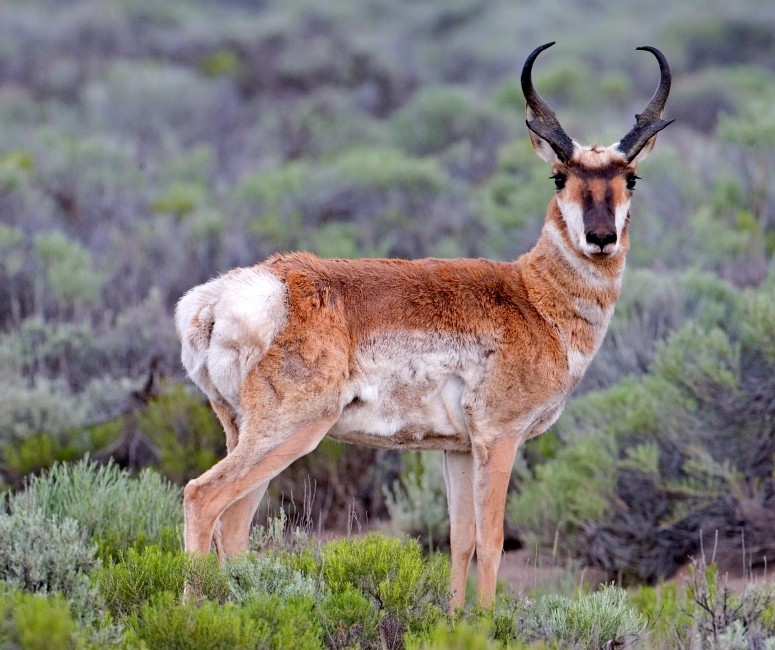
The pronghorn is a species of artiodactyl (even-toed, hoofed) mammal living in the interior western and central North America. It looks rather like an antelope, and indeed is often referred to as by various names such as the American antelope, prong buck, pronghorn antelope and the prairie antelope. Perhaps to excuse the mistake further, they fill a similar niche in the ecosystem – its similar looks are likely to be as a result of parallel evolution, needing similar skills and shape to survive on the open plains of America, like the open plains of Asia, or Africa.

The pronghorn’s closest living relatives are the giraffe and okapi (Giraffidae). The Antilocapridae is part of the infraorder Pecora, making them distant relatives of giraffids, deers, bovids, and moschids (by clicking on these names you can look at our pages for these related families.

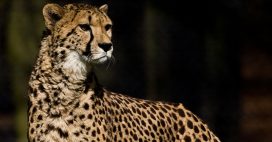
The Pronghorn is the fastest land mammal in the Western Hemisphere, reaching speeds of 88.5 km/h or 55mph. Indeed, it is the existence of this species which initially lead to the idea that the cheetah evolved in north America, and only then spread across Africa, Asia, the middle east and even parts of southern Europe.

There are 5 recognized subspecies of the Pronghorn (scientific name is the Antilocapra americana). These are

Antilocapra americana – pronghorn

      • A. a. americana – Common pronghorn
      • A. a. mexicana – Mexican pronghorn
      • A. a. peninsularis – Baja California pronghorn
      • A. a. sonoriensis – Sonoran pronghorn – this is not considered different enough from mexicana subspecies to justify its own subspecies so all sonoriensis populations should be considered Mexican pronghorn
      • A. a. oregona – Oregon pronghorn – this is not considered different enough from americana so all populations of this subspecies should be considered the common pronghorn

While these subspecies have minor differences in colour, size or location, only 3 are genetically distinct enough to warrent the subspecies level. Indeed, there is much evidence for much genetic mixing between the subspecies happening naturally over time.

2 of the subspecies are considered endangered – The Sonoran pronghorn only has 200-500 (very large interval, which suggests lack of recent data) individuals left, and the Baja California peninsular pronghorn is numbered 150. Only the Mexican population is included in CITES, likely as a result of the USA government being against the listing the the Baja California population being listed. I am unsure where the line is for a species becoming critically endangered, but I would argue that both of these sub-species should be classed this way.

Currently, the total Pronghorn population is thought to number roughly 1,100,000 individuals, so as a while the pronghorn is not currently endangered.

Should there ever be any blogposts on this species it will appear below.

If you want to return to the Ruminants family page click here

[smart_post_show id="14815"]

4 horned antelope

4 horned antelope

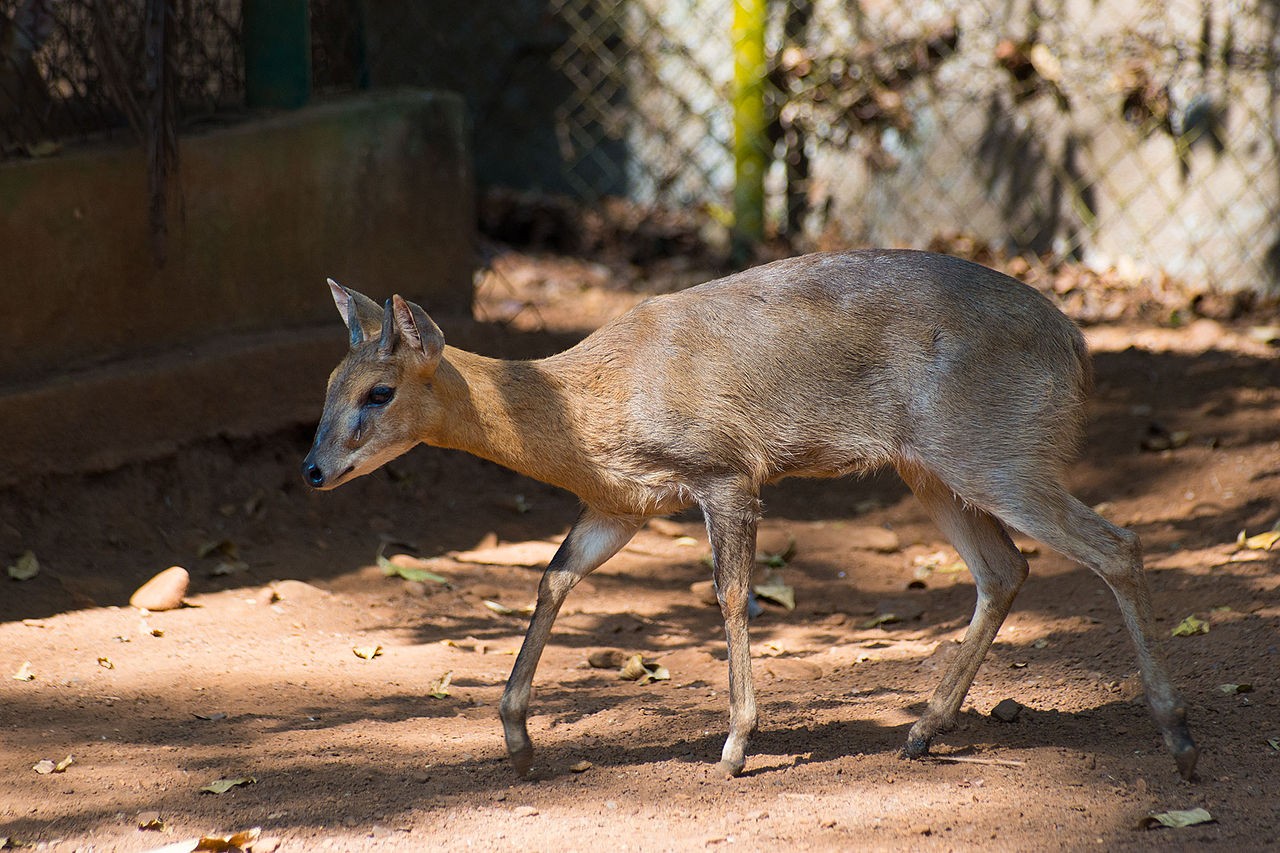
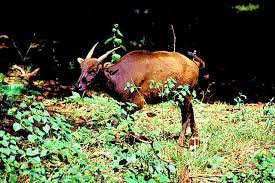
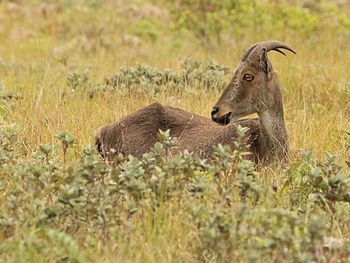
This is a small species of antelope that is found in India and Nepal. the sole member of its genus Teracenus (and only sharing its tribe Boselaphini with the Nilgai). First described in 1816, it has 3 recognized subspecies. It is quite hard to find, but feeds on grass shrubs herbs foliage flowers and fruit.


They tend to hide in long grass, and the undergrowth, which is why it is only areas like this that they are usually found in.


Population estimate in 2001 was put at 10,000. While they are wide spread, they live at low densities (0.7 per square km is considered healthy).

Below is a video of this species, and below this is a list of articles on this species; this is a relatively obscure antelope, but should it be written about, you will find all these articles listed here.

There are a variety of reserves where they can be seen. including Pench Kanha and Gir to name just a few. As the website grows, we hope to link to many of these places. These will all be listed at the bottom of the page.

 
[smart_post_show id="27544"]

Bovini family or wild cattle

Bovini or the family of all wild cattle species

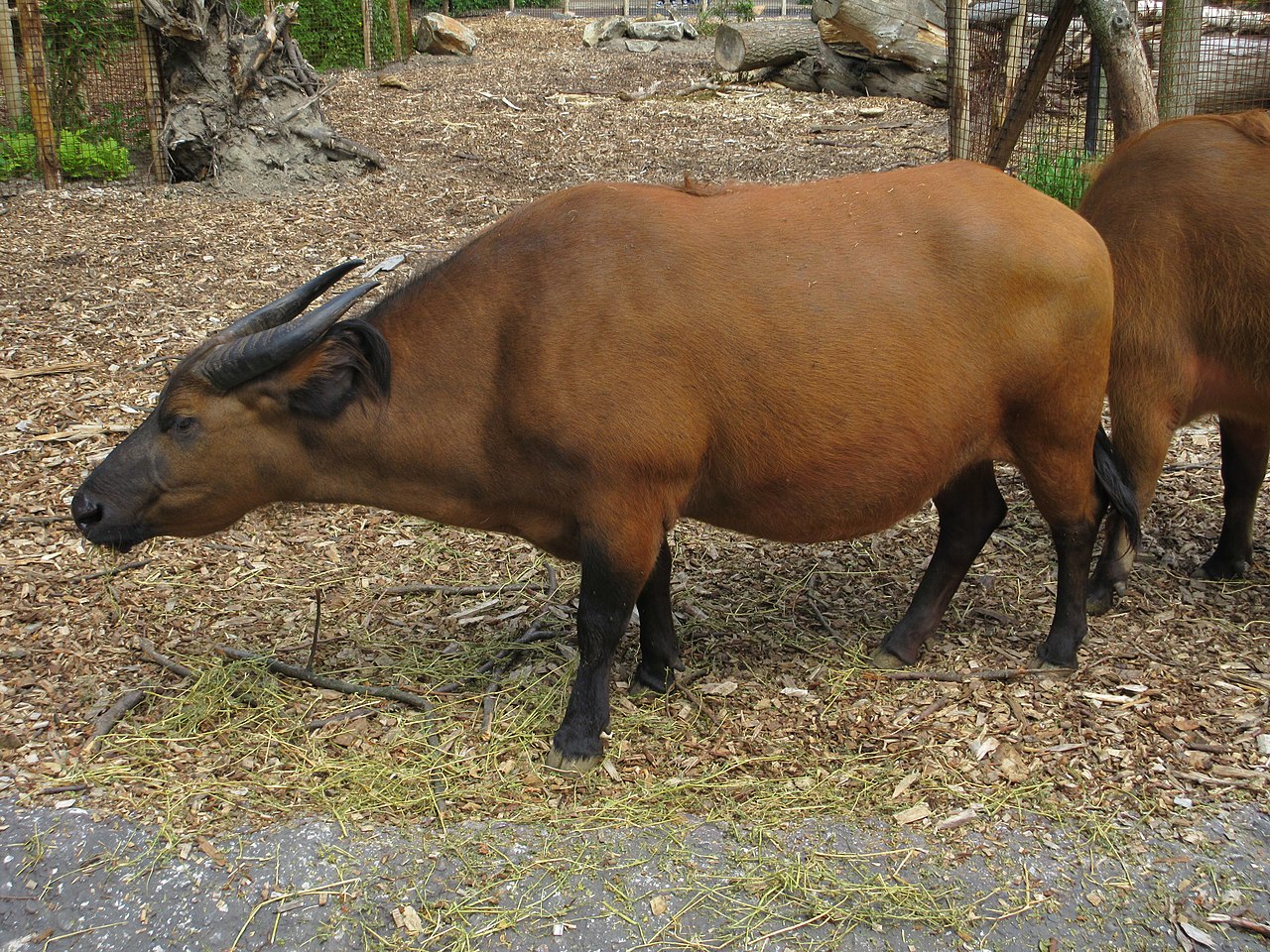
Bovinae is a biological family of cloven hooved family Each of these three tribes encompass a variety of species and we will deal with these tribes one by one. The Bovinae family includes all bovids, which are ruminant mammals (cloven hooved) which include all of the worlds cattle, yaks, bison, buffalo antelopes (which include goat-antelope) goats and sheep. 

This family currently has 143 surviving species, with 300 known species. it has 11 major families and 13 major tribes.

This family first appeared 20 million years ago. Below is the initial splits into 3 in this family. It should be noted that not all these families will be relevant at the current time – but as destinations grow all should be fully relevant. 


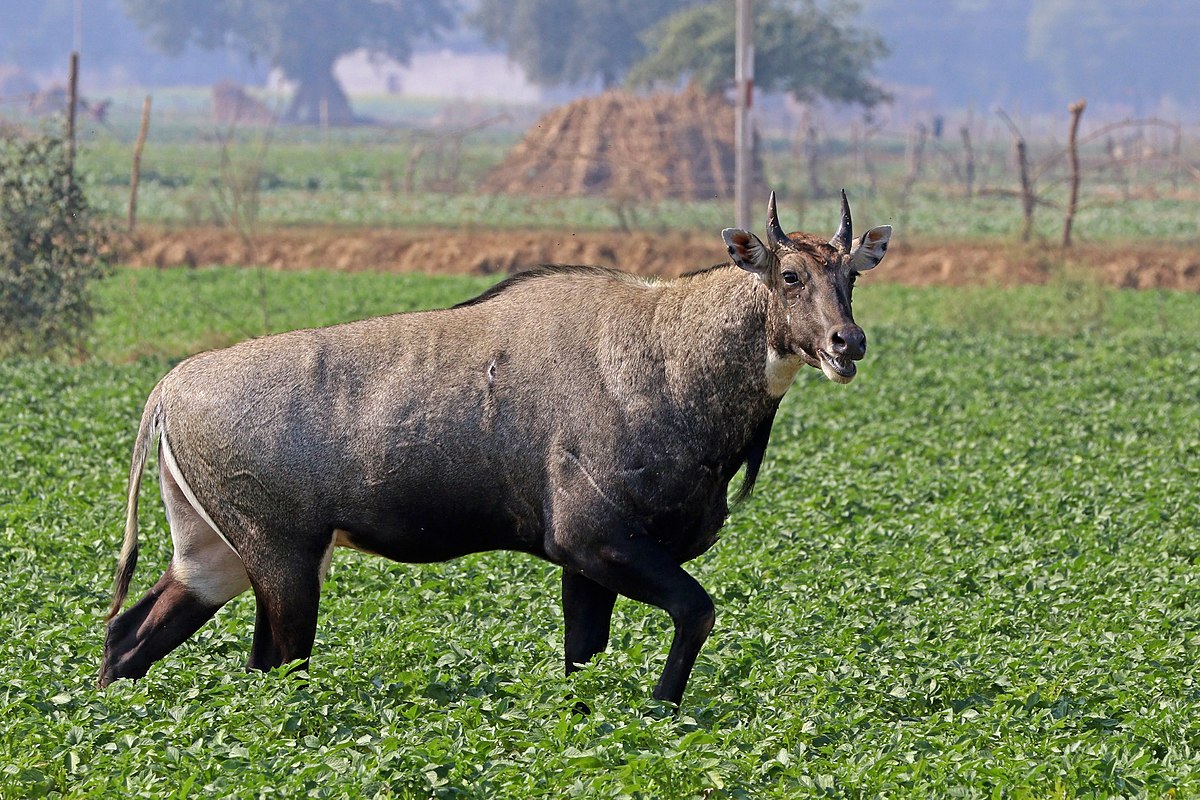
So, firstly Borselaphini, this consists of just 2 species, the Nilgai and the 4-horned 

The next tribe (below) is Bovini, which includes 3 families. These vary in size quite widely with the middle one only containing one species

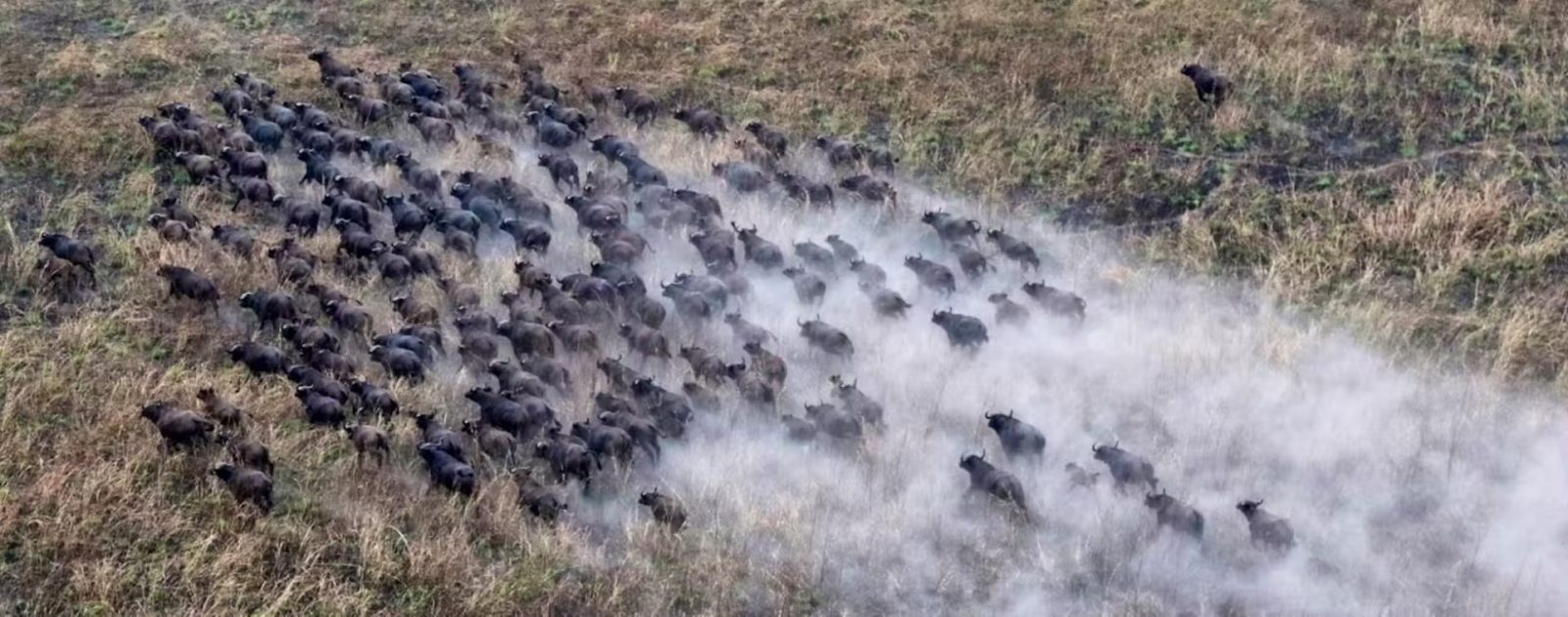
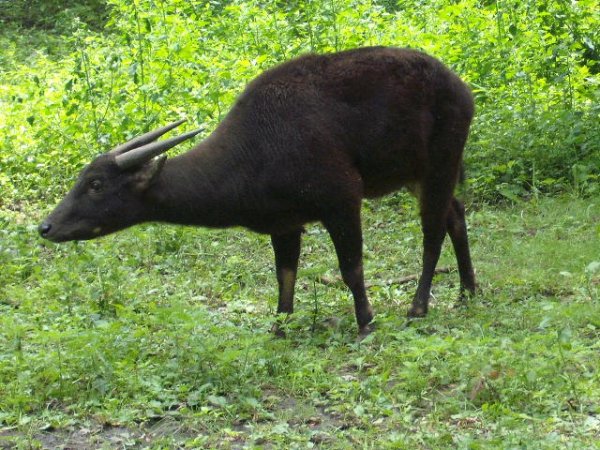
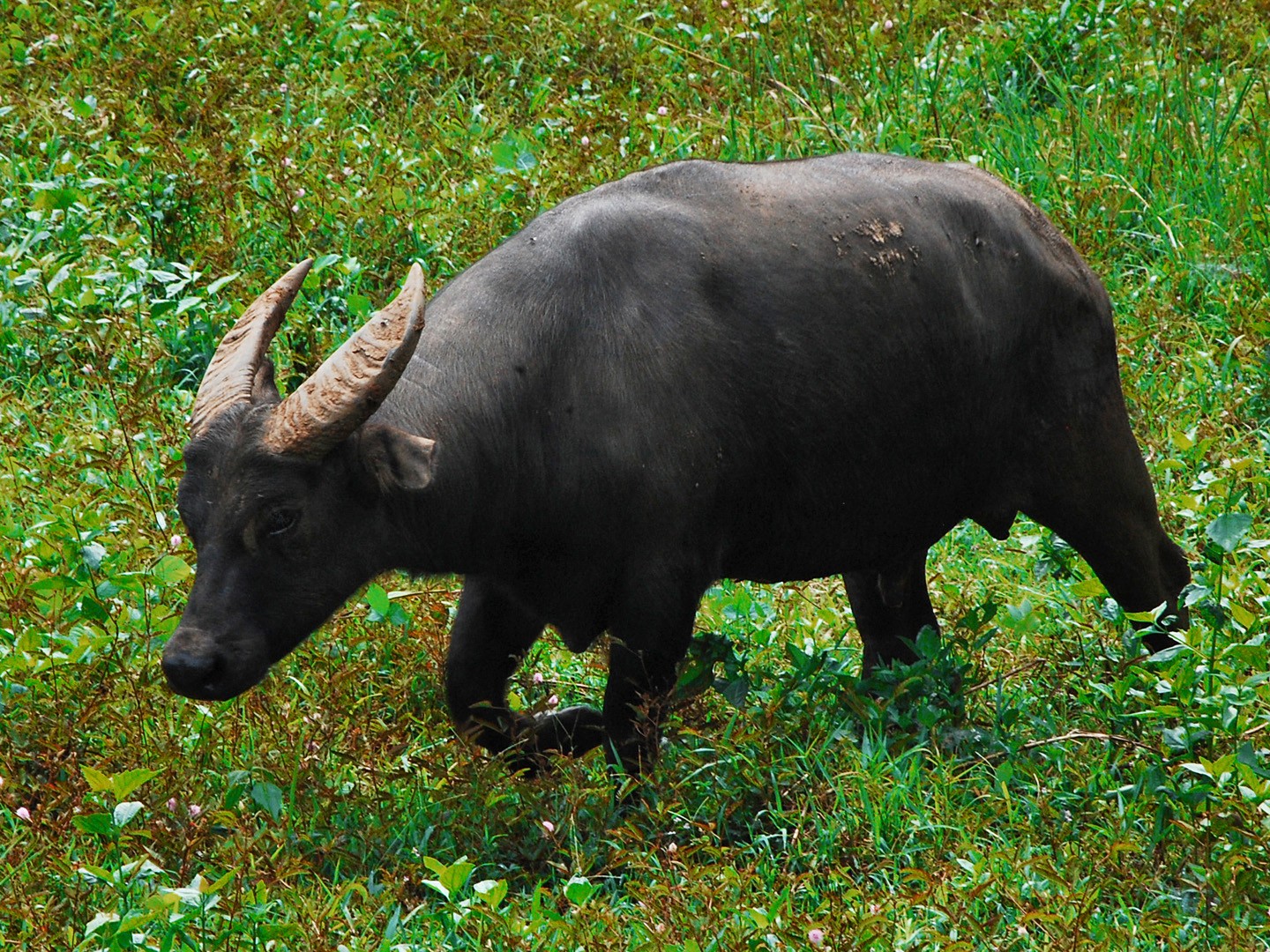
The first family Bubalina contains 2 Genus Syncerus only contains one species (first) the rest are from Bubalina

              Genus Syncerus                                                              Genus Bubalus


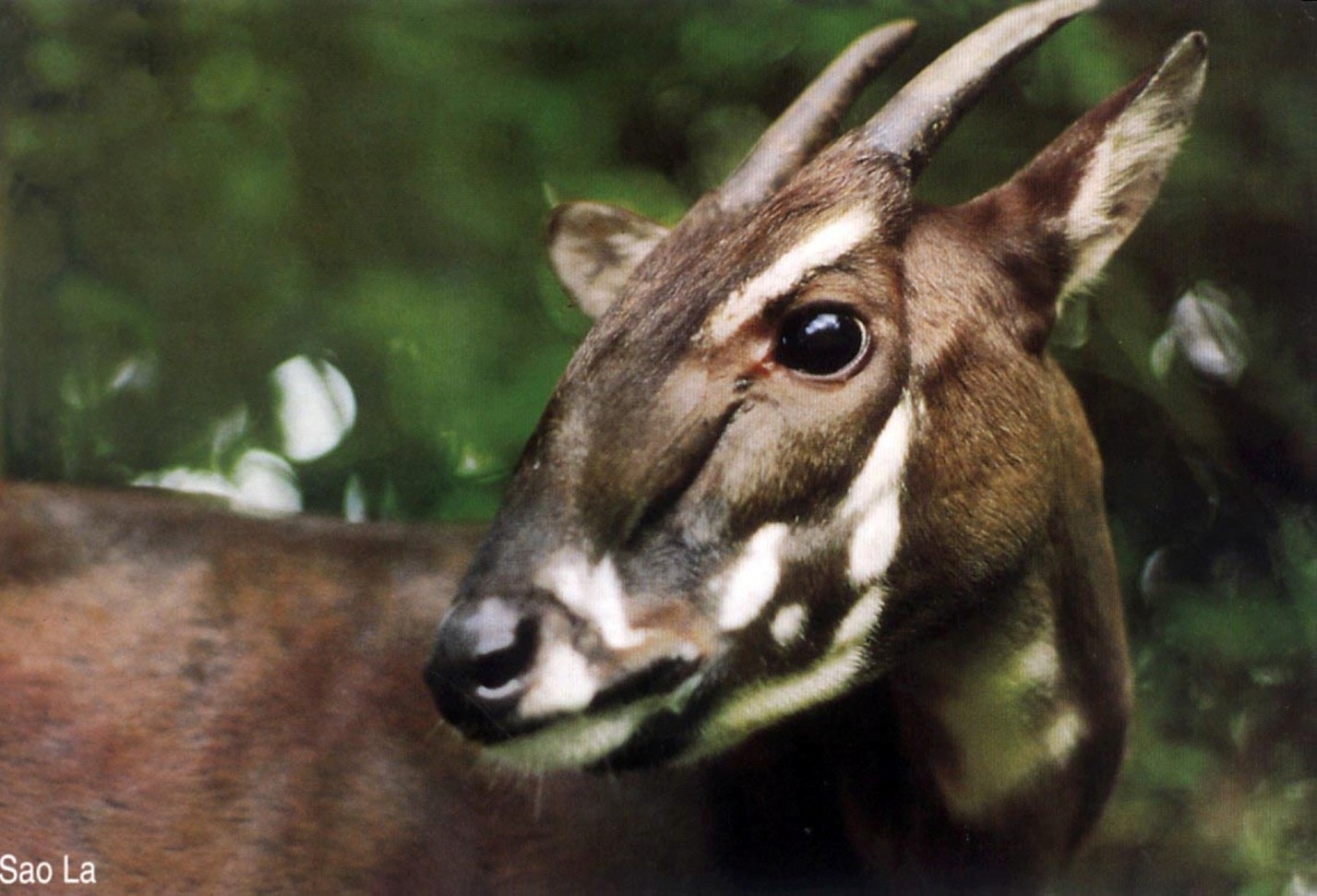
The second family contains one genus psuedorygina which contains one species the Saola

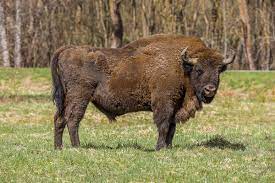
Bovina contains 1 Bison subgenus (it used to contain 2 but the Genus Bos became a subgenus (it should be noted there are far more subgenus that are extinct). Also, for simplicity sake, any subspecies will only be mentioned in each species page.

   Subgenus Bos                        poephagus                                Bison & Bos                               Bibos

Bos is domestic cattle

_Taurus originate in Africa,  _Mutus=wild Yak,                           Bos_Indicus                                                                                                Domestic cattle                            Originate in Himilayas               Originate in India, fatty hump (first on second row)                                and Aurochs                                     

Finally tribe Tragelaphini or spiral horned antelope contains 5 genus. The first 4 contain 1 species (in order) the last genus has 3 species. If I cover subspecies these will be in their own pages

Genus Ammelaphus           Genus Nyala                                                        Genus Tragelaphus                        Genus Taurotragus             Genus Strepsiceros

Bovidae family (including Aegodontia &Boodontia & Caprinae) or Antelope family tree

Bovidae family (including Aegodontia &Boodontia) or Antelope family tree

Antelope lie in the Bovidae family, and account for around 2/3 of the 135 Bovidae species that exist in the world. It should be noted that deer come from the family Cervidae, which means that despite looking extremely similar, antelope are more closely related to cattle than they are to deer.

There are 91 antelope species in the world with 72 found in Africa, 14 in Asia, with the last 5 found in Eastern Europe.

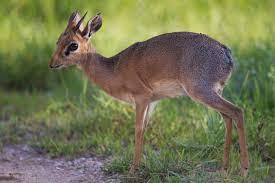
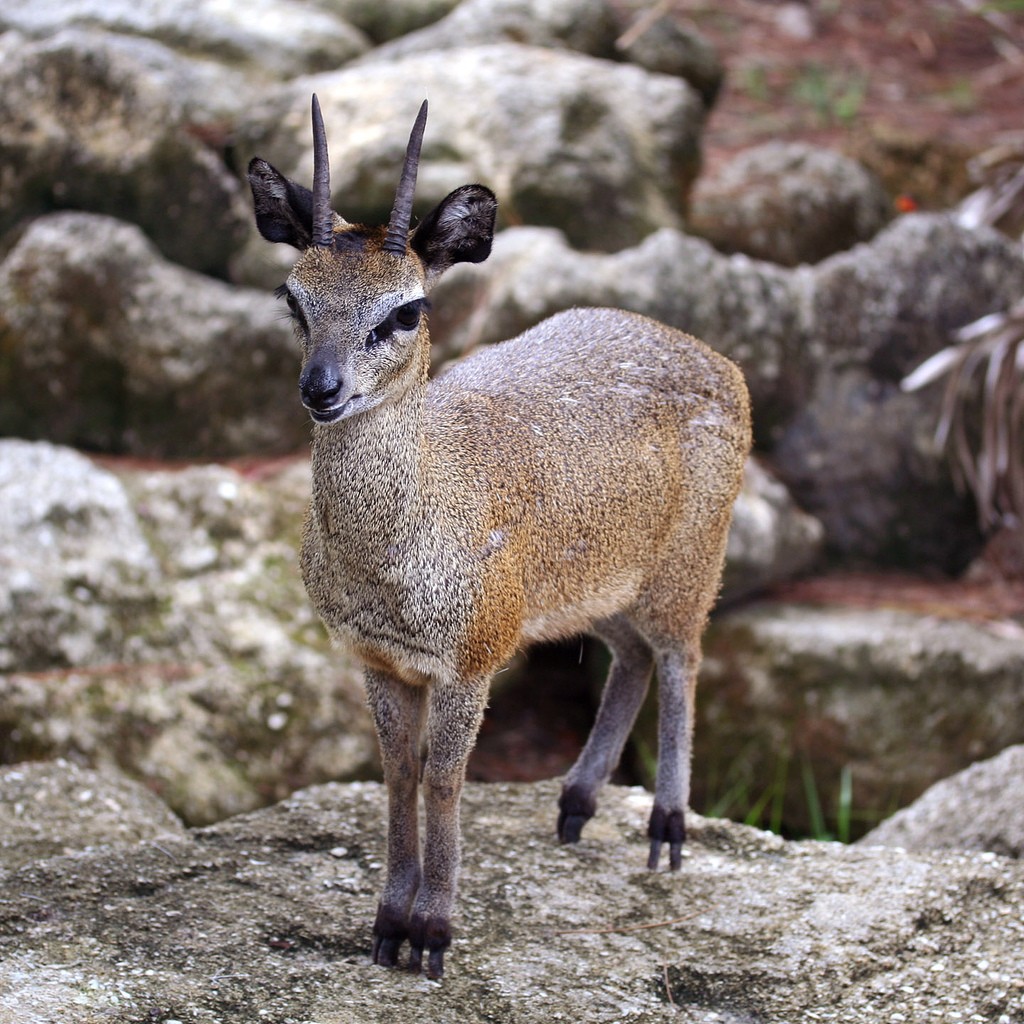
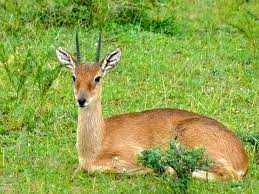
There are 8 subfamilies in Africa

1. Subfamily Bovinae

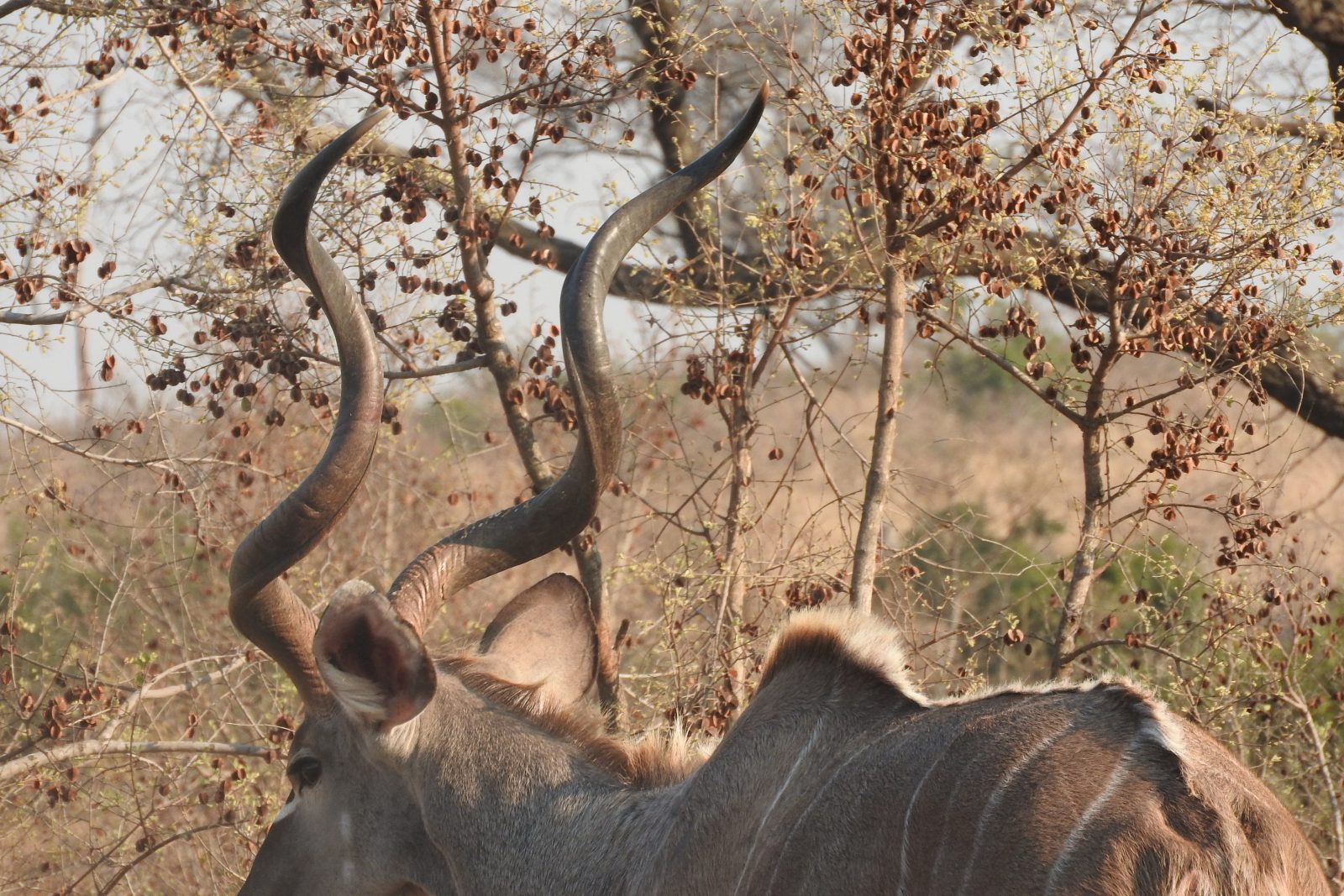
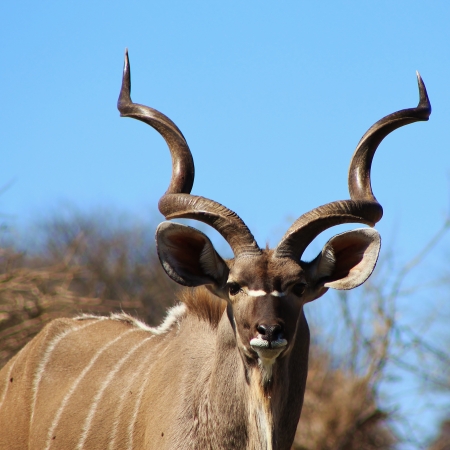
Spiral horned antelopes made up of tribe Tragelaphini: 9 species 4 subspecies.

2. Subfamily Reduncinae

Rhebok, reedbucks, and waterbucks 8 Species, 11 Subspecies

3. Subfamily Peleinae:

 1 Species
 

4. Subfamily Alcelaphinae


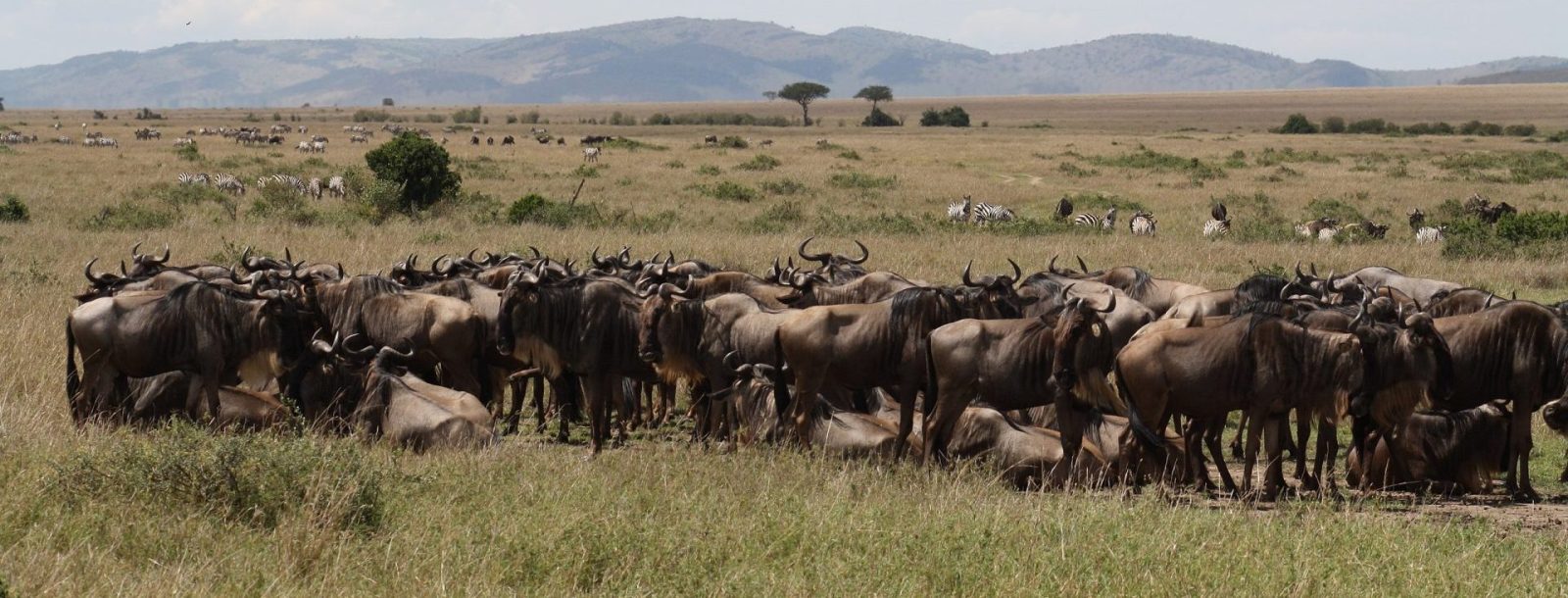
Sassabies, hartebeests, and wildebeests: 6 Species (depending on how you count, it can be anywhere from 6 to 10) , 19 Subspecies

5. Subfamily Hippotraginae

Grazing antelope: 7 Species, 4 Subspecies

6. Subfamily Aepycerotinae

Impala: 1 Species which is impala, 2 Subspecies

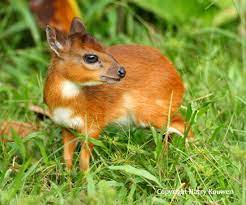
8. Subfamily Cephalophinae

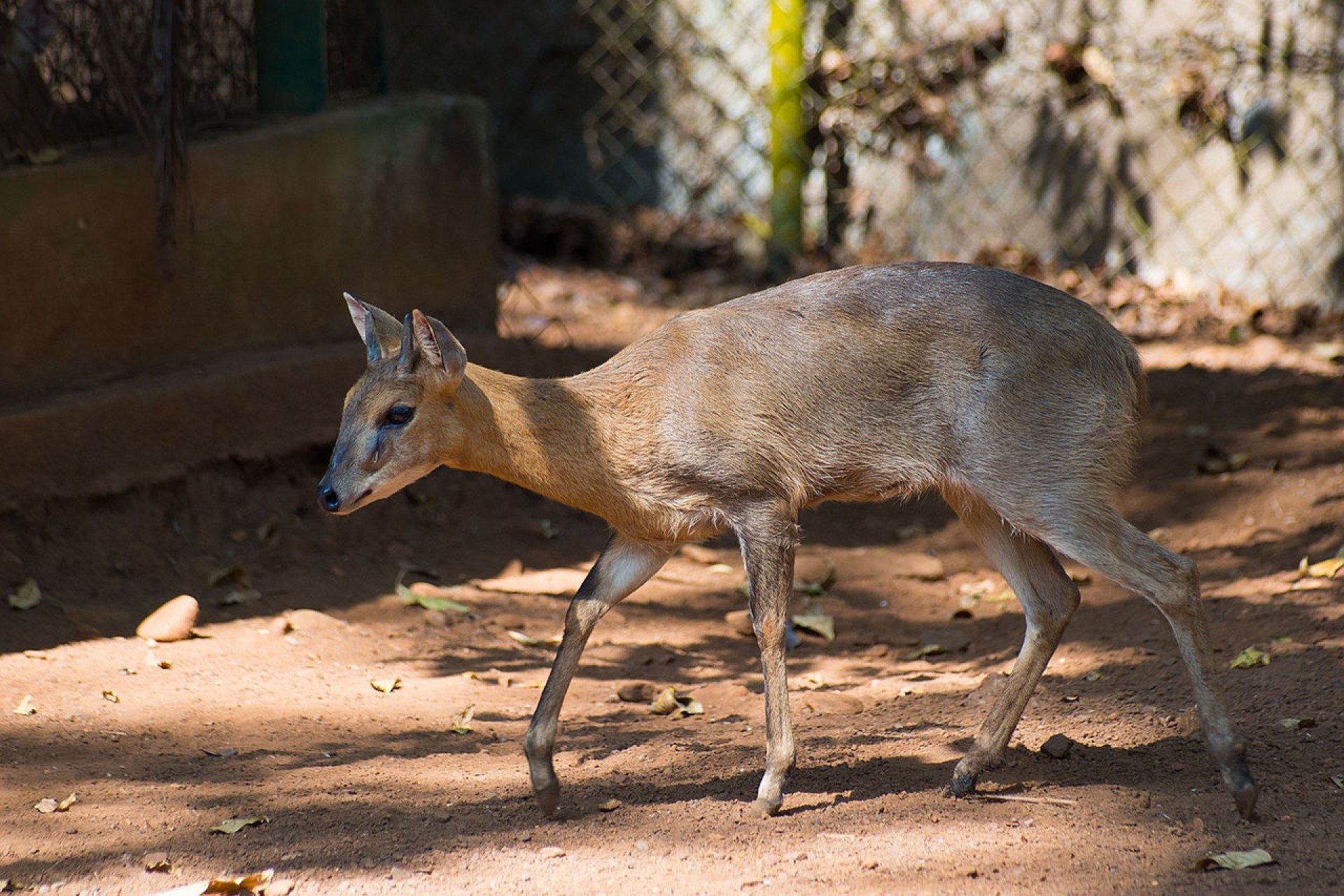
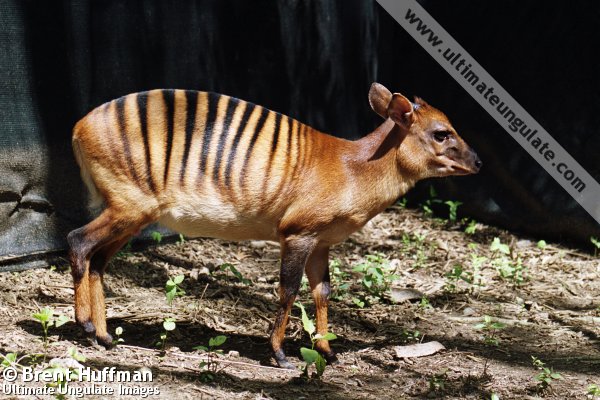
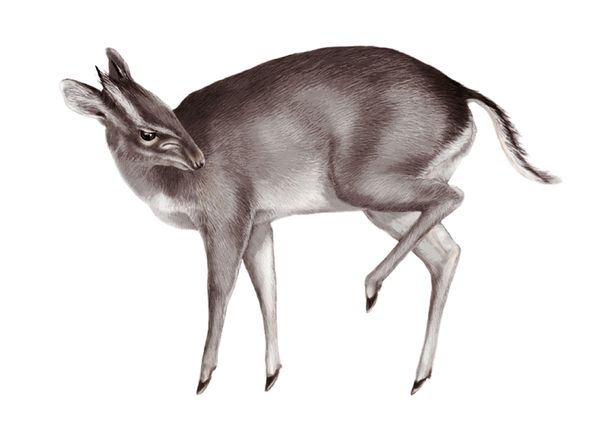
 Duiker: 17 Species, 7 Subspecies

If you want to return to the Ruminants family page click here

Caprinae

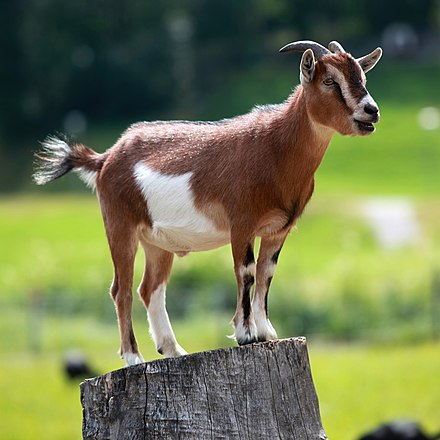
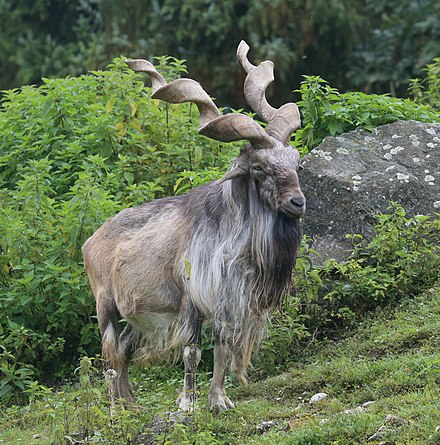
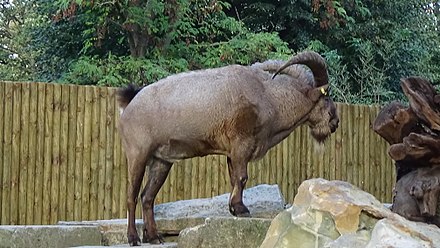
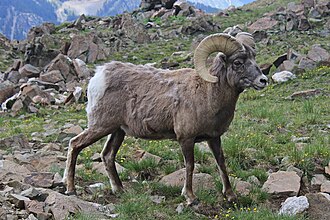
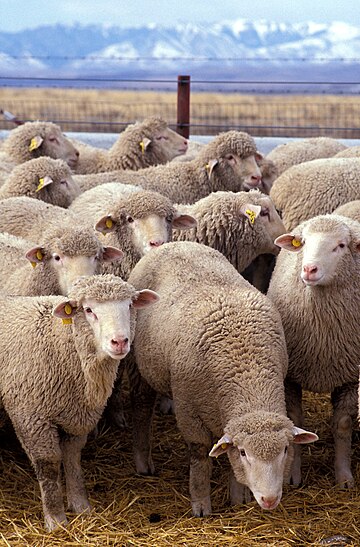
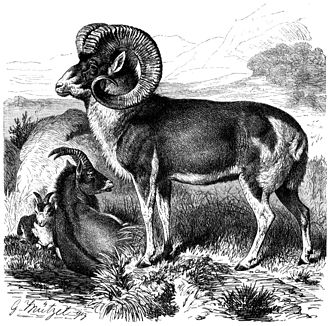
The Caprinae family is a close relation of Alcelaphinae & Hippotraginae (subfamily 4 and 5 on this page) but this family consists of the worlds goats and sheep.

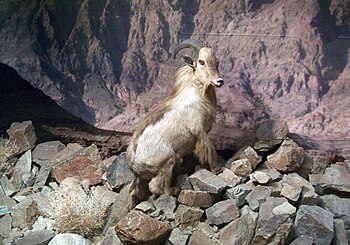
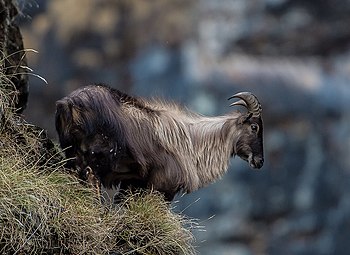
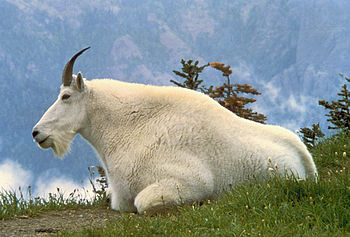
This consists of 9 genus with just 1 species in each (and one further extinct so not included here) and then 5 genus with more than that. 

Firstly dealing with each genus with only one species.

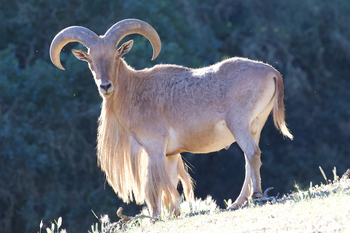
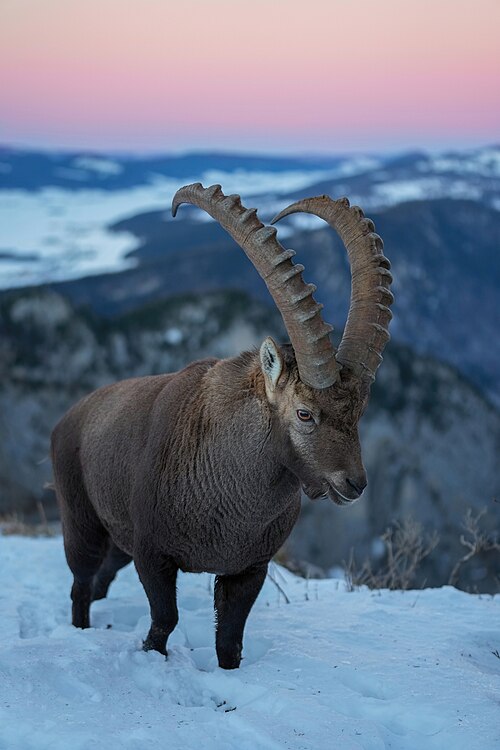
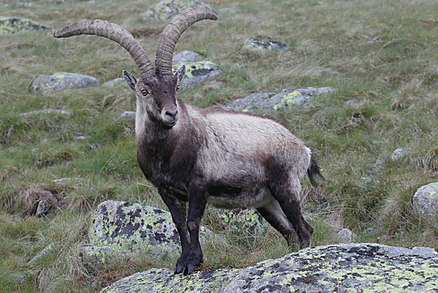
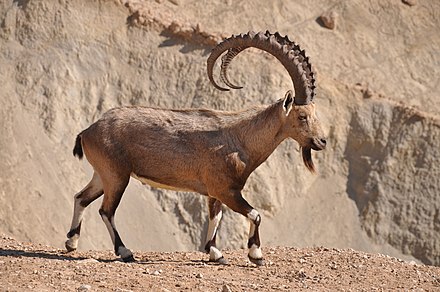
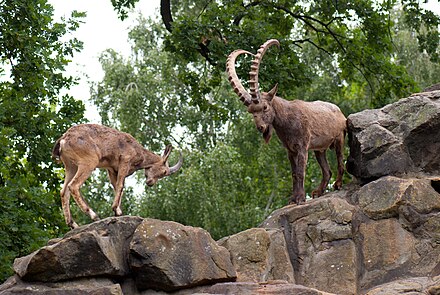
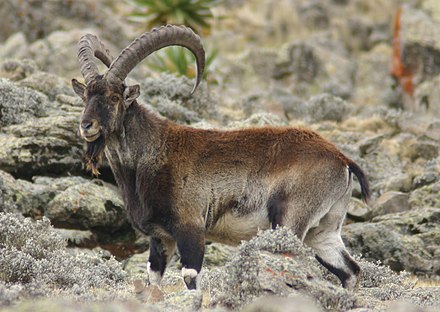
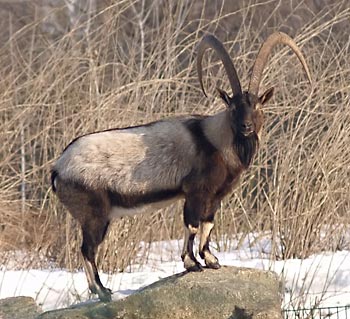
Next the Capra genus, which consists of the worlds Ibex species

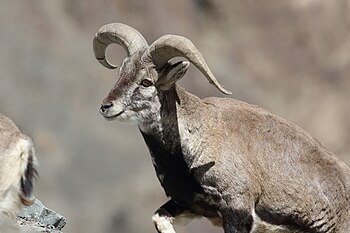
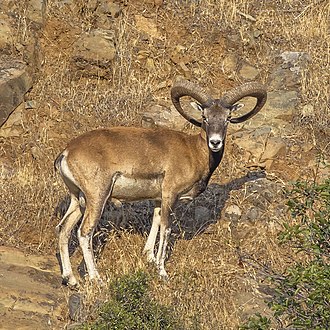
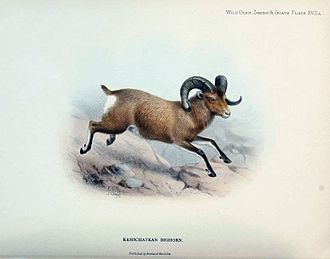
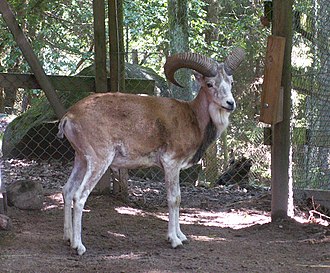
Next the Ovis family (sheep species)

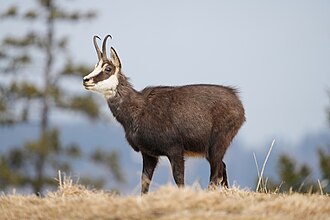
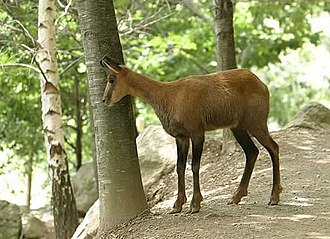
Two species of Chamois remain

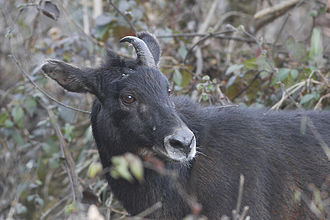
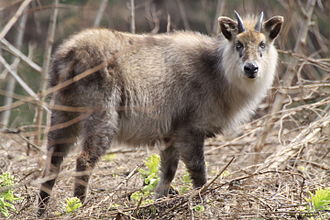
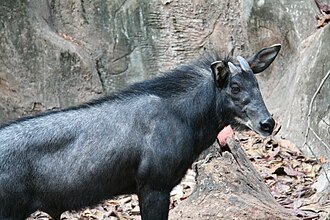
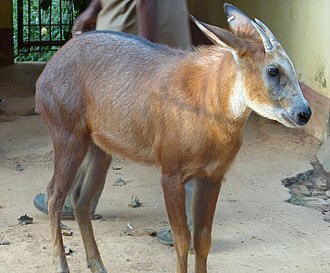
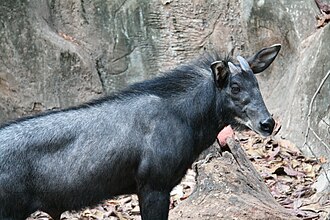
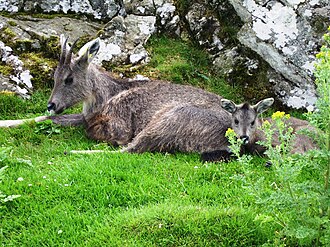
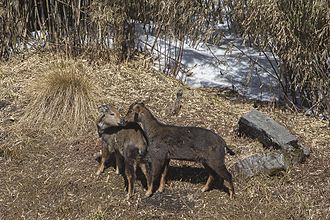
The second last group is the Serow (6 species)

The last group is the Goral

Sea-Lions

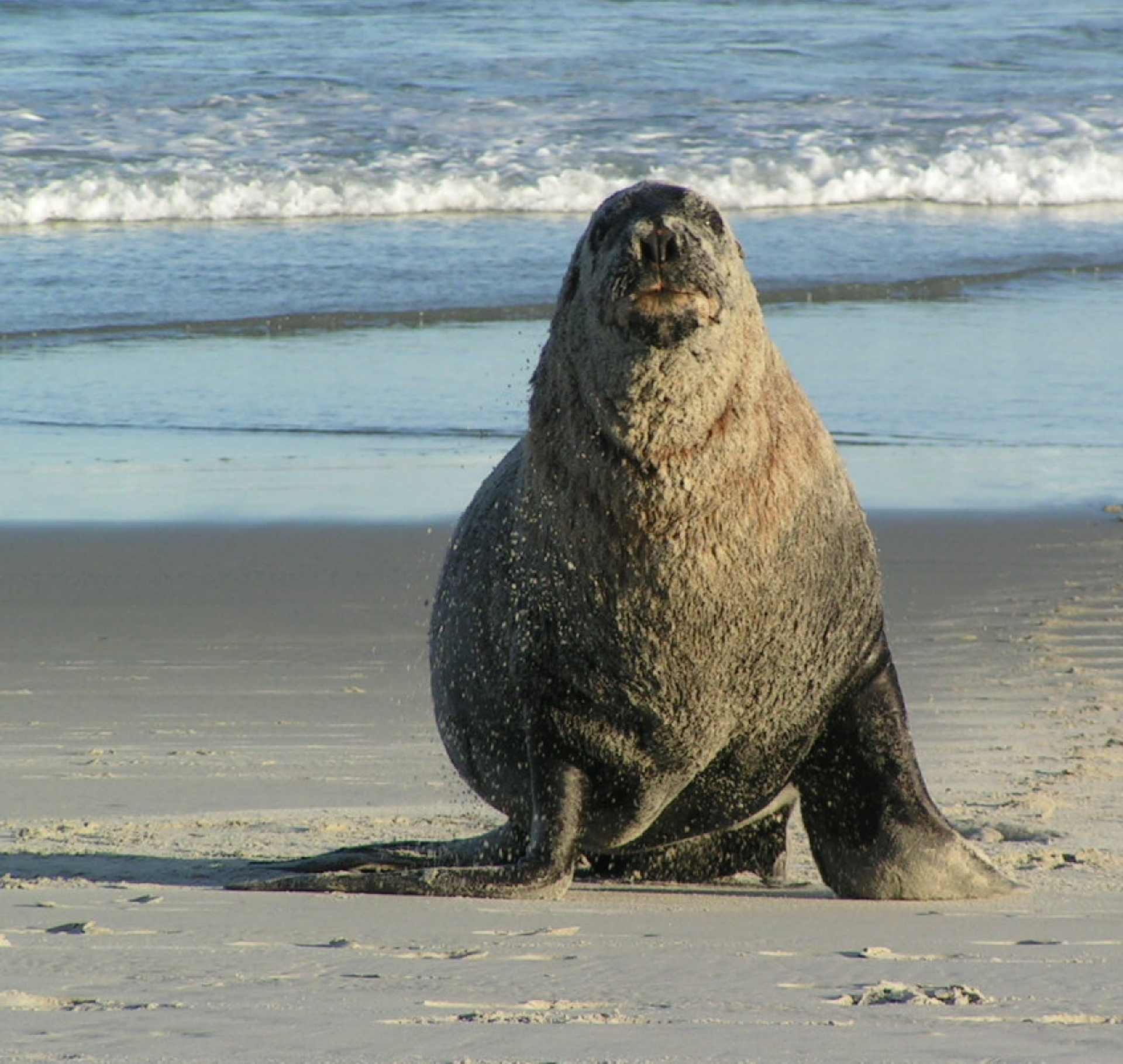
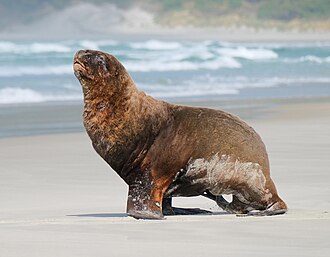
An encounter with almost any wild animal can be something you remember for years. This sealion that came out of the sea on the beach in New Zealand is no different

Sea-lions

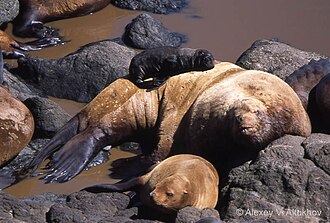
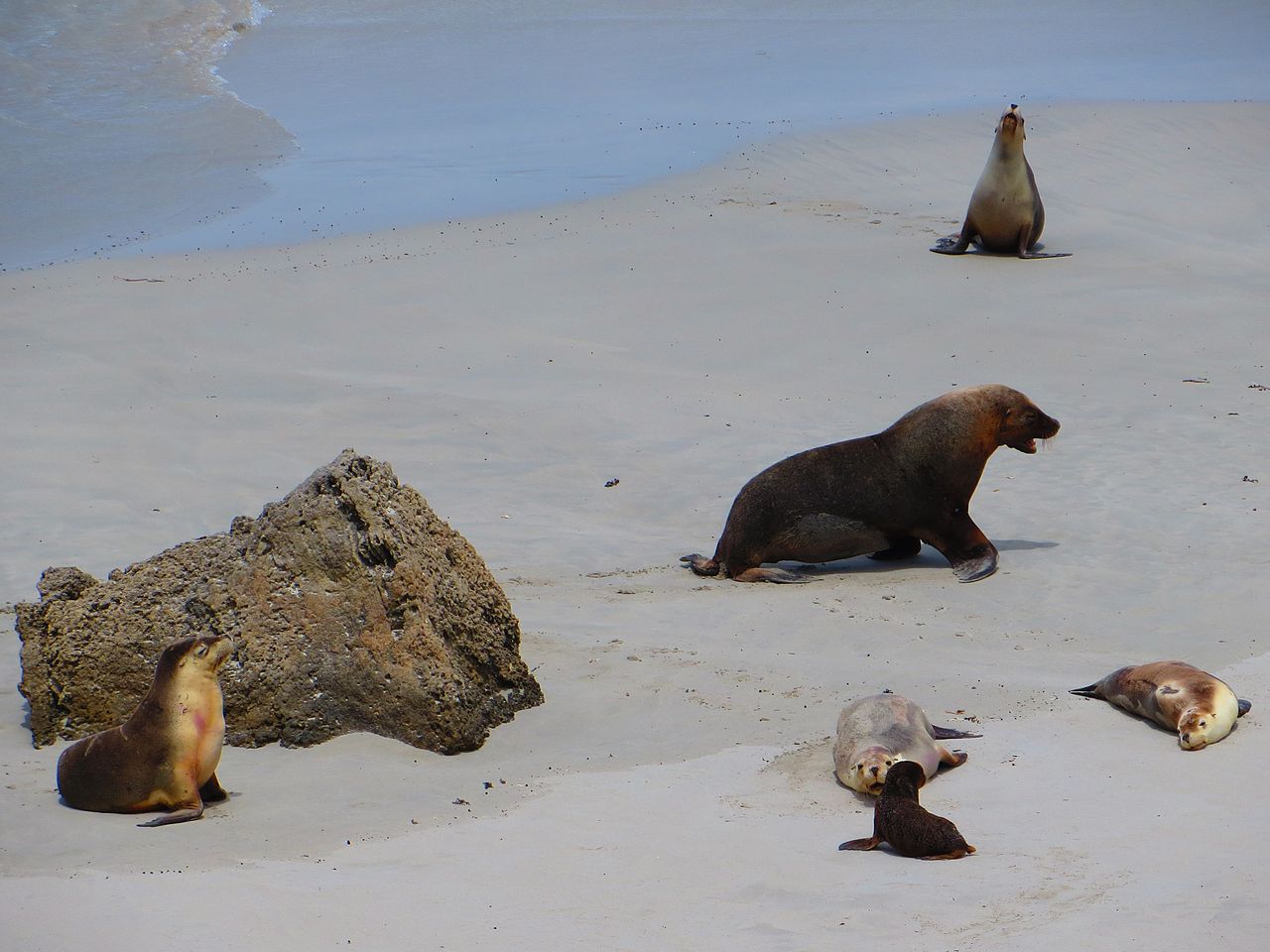
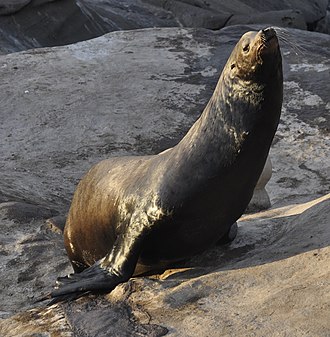
There are 6 living species of sea-lion, and 1 extinct. As the interest in these species grows and the links become unwieldy i will split out the separate species, but for the time being I will just have one page for them all – help it to be necessary to split them as soon as possible. 

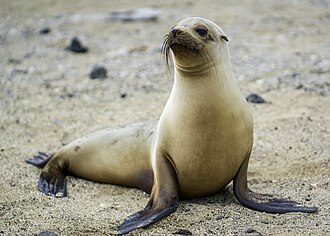
Sea-lions are pinnipeds with external ear flaps, long fore-flippers, the ability to walk on all fours, short and thick hair, and a big chest and belly. The sea-lions the 6 living species shown below (the Japanese sea-lion is extinct) in five genera. Their range extends from the subarctic to tropical waters of the global ocean in both the Northern and Southern Hemispheres, with the notable exception of the northern Atlantic Ocean. They have an average lifespan of 20–30 years.[2] A male California sea-lion weighs on average about 300 kg (660 lb) and is about 2.4 m (8 ft) long, while the female sea-lion weighs 100 kg (220 lb) and is 1.8 m (6 ft) long. The largest sea-lions are Steller’s sea-lions, which can weigh 1,000 kg (2,200 lb) and grow to a length of 3.0 m (10 ft). Sea-lions consume large quantities of food at a time and are known to eat about 5–8% of their body weight (about 6.8–15.9 kg (15–35 lb)) at a single feeding. Sea-lions can move around 16 knots (30 km/h; 18 mph) in water and at their fastest they can reach a speed of about 30 knots (56 km/h; 35 mph).[3] Three species, the Australian sea-lion, the Galápagos sea-lion and the New Zealand sea-lion, are listed as endangered.

Steller Sea-lion are found on the land of North America and Asia that circle the north pole (map below, credit NOAA). 

They are predated by killer whales, though sleeper sharks and great whites sometimes take young. They eat a variety of foods, include various fish species, as well as octopus and squid. They are fast swimmers, capable of diving to 1500feet, and staying under for 16 minutes

During breeding season, males fight to control a stretch of beach, and females move freely to the place they favour. 

Status: population has fallen 70-80% since the 1970s and so are listed as endangered, around 46,000 individuals, though in recent years, the Eastern population has grown at around 3% a year (in 2013 this lead to its removal from the US endangered species list)


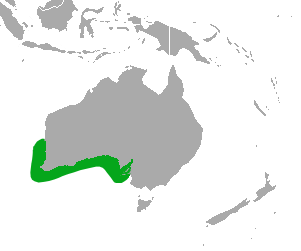
Australian Sea-lion is the only endemic pinniped found in Australia.

They can make a variety of calls, with mothers and young able to pick up each others call in the chaos of a breeding beach. There are currently 66 recognized breeding beaches, though 42% of pups are bred on just 4 of these beaches.

While rare, a bite can require hospitalisation. In both the 1930s and 1960s they were recorded as feeding on little penguins, and this still happens today. Other food includes a variety of fish and even small sharks, in turn, they are hunted by great white sharks and killer whale (orca).

Population was 14370 in 2010 though by 2014 it had fallen to just 6500 mature individuals, though current estimates are 11,200 suggesting a rebound. Still it is clear that they need particular efforts for their conservation. Despite their (relatively) close ranges, the Australian and New Zealand sea-lions do not appear to be closely related. They are considered vulnerable.

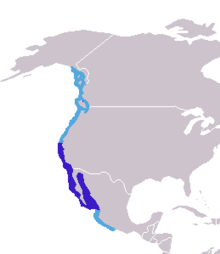
California Sea-lion Are found on the west coast of north America. On this map, the navy blue marks the breeding rance, while the light blue shows the total range that they can be found in. It should be noted, that previously the Japanese and Galapagos sealion were both considered subspecies of the Californian species, but no longer. They can stay healthy, for a time, in fresh water, and have been seen living for a while in Bonneville dam – 150 miles inland.
They see (mostly in blue/green) and hear well, as well as being able to sense nearby, with their whiskers. They generally eat fish, squid and occasionally clams. They have been seen cooperating with other sealions, or indeed dolphins porpoises and sea-birds in their hunting techniques, though exploitation is also common.

There are 5 relatively distinct populations. Several sealions have reached Japanese waters in recent years, and this is the most likely origin, as such  it could return to Japan on its own. 

It is considered least concern with 238,000-241,000 individuals and increasing over time.

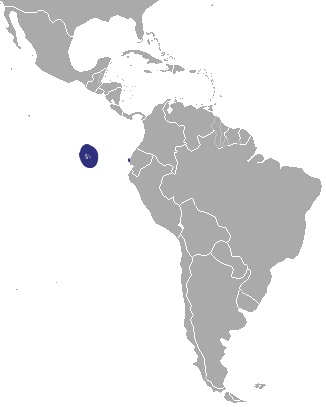
Galapagos Sea-lions Found on all of the Galapagos Islands, as well as (in smaller numbers) on Isla de la Plata, which is just 40km from Puerto López a village in Ecuador. There have also been recorded sightings on the Isla del Coco which is 500km southwest of Costa Rica (and 750km from the Galapagos). These are not regular, and so have been considered vagrant. It is of course possible that historically they roamed here, but we cannot say.

They are the smallest species of sea-lion, and can often be seen gliding through the water, or sunbathing on the beach. They measure 1.5m-2.5m and weigh between 50 and 400kg.

Much of their diet is made up of sardines. Interaction with humans is usually negative, and feral dogs often form packs, and can then attack the sealions.

The population tends to bounce between 20,000 and 50,000 and they are currently classed as endangered


New Zealand Sea-lion (formerly known as the Hooker sealion) is native to south island, though before 1500 it is thought that it was also found on north island. They tend to breed on Subarctic islands of Auckland and Campbell (99% of the pups are born in these islands). In 1993, sealions started breeding on South Island again for the first time in 150 years.
Genetic evidence suggests that until 1300-1500 there was a mainland subspecies, which was wiped out by the Mauri’s and has been replaced by members from the sub-Antarctic population.

As well as eating fish and crustations, they will take new Zealand fur seals as well. They are hunted by great white sharks, and in a survey 27% of adults had scars from near misses. While south American sealions are hunted by orca (with them famously beaching to catch them) they do not appear to do this around New Zealand. After the birth of their pup, females move inland as much as 2km to avoid males, storms and even parasites.
They are thought to number 12,000 making them the rarest sealion. They are also the most distinct being part of the Genus Phocarctos, and are listed as endangered.
 

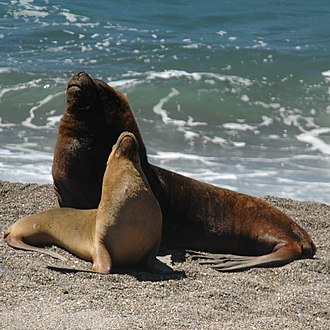
South-American Sea-lion

Also known as the Southern sealion or the Patagonian sealion. They have been recorded going as far north as Ecuador, though not yet breeding there. They eat fish, as well as squid and octopus, and have even been observed predating penguins, pelicans and South American fur seals.

Males set up territories, but after the arrival of females switch to protecting them. Having said this, one population in Peru have a different set-up where males perform, and females choose a mate, and are free to move freely. This may be in result to the warmer climate, which means the females make regular trips into the sea.

The total population is estimated at 265,000. They are declining in Patagonia (Argentina) and the Falklands but increasing in Chile and Uruguay. In the 2013 El nino many Peruvian sealions died. They are still regularly killed by fishermen, both for damaging equipment and stealing fish.

They are listed as least concern


As we gain contacts each picture above will become a link to a page for the specific species – for now, all species will be looked after by this page. If you are a wildlife guide or live nearby and want to be able to host (as a hotel or B&B or campsite) and would like to be listed do get in touch. Our aim, is to give people all the information and links on one page, so that they can book everything in one go – making it easy, and therefore more people undertaking these sort of trips.

Sea-lions can be specifically searched out, but it is also possible to have a surprise encounter with one.

One of my most memorable encounters with any wildlife, is an encounter with a New Zealand sealion.  We had simply gone for a walk on the beach, and at some point, we saw the sea-lion coming out of the sea. This huge male slowly made its way towards us, and when about 10m away it lay down in the sand, threw sand all over itself and went to sleep.

To return to the Pinniped page click here

[smart_post_show id="22073"]

Polar Bear

Polar bear

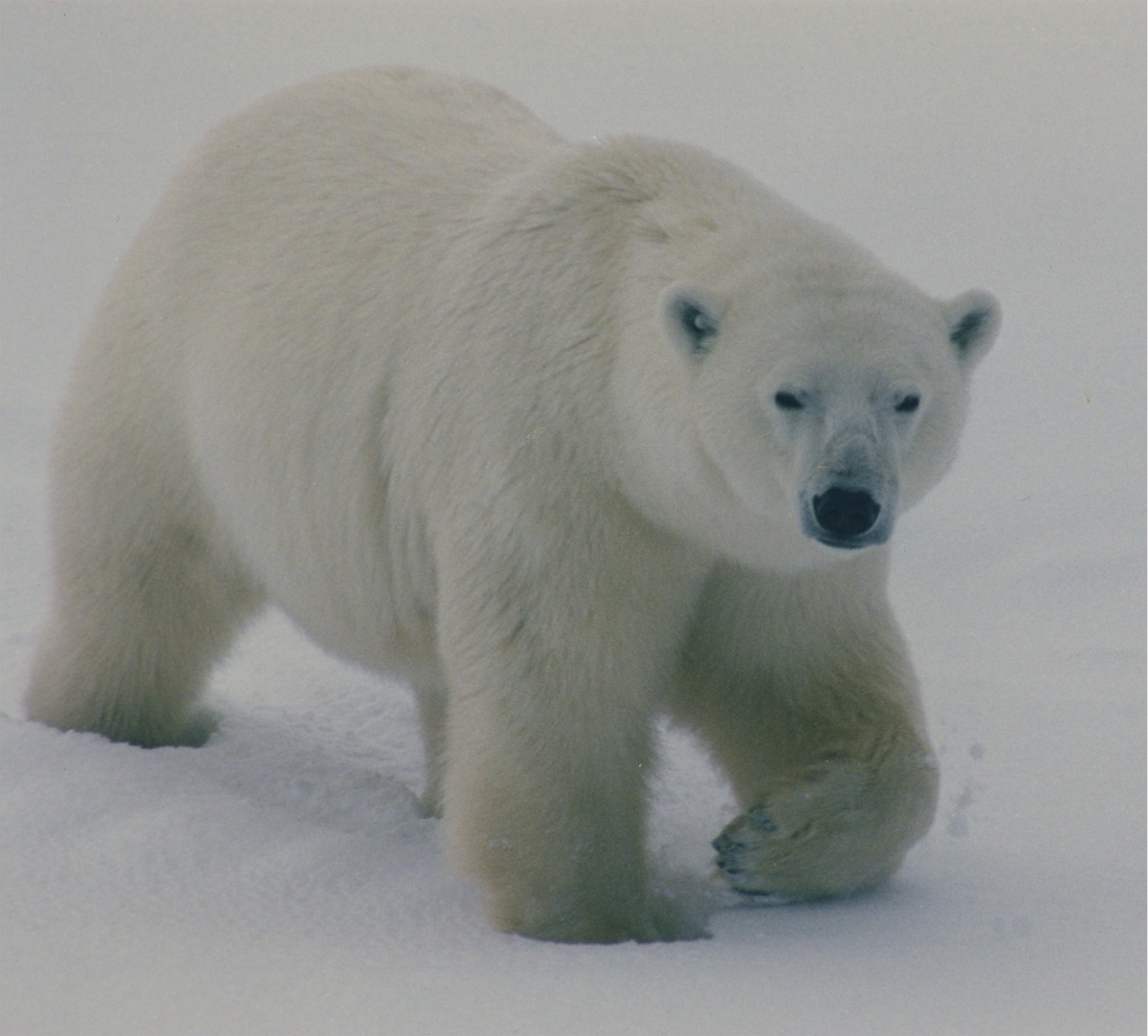
  • A relatively new species of bear, the polar bear is the only species adapted for polar life. Still being found all around the Arctic, there are roughly 26,000 in the wild at the current time. Whalers and for traders killed many in the 19th century, and while they have recovered experts predict that global warming is likely to lead to the extinction of the polar bear.

Polar bears are distant cousins of the Grizzly bear, and as the weather warms, polar bears are moving south and Grizzlies north. This has on at least one occasion created a so called “Pizzly”. We only know about this, because a hunter who paid to kill a polar bear accidentally shot the Pizzly. I have made it clear my lack of appreciation for the so called hunter – while I am ready to admit that in places the money is useful for conservation, I hope that with your help and this website, we might make it an irrelevance.

Found throughout the arctic, they can be seen in 

  • Alaska (USA) 4000-7000
  • Canada   16,000
  • Greenland 3500-4000
  • Norwegian islands, particularly Svalbard about 3000
  • Russia:22,000-31,000 (note, this adds up to far to many – indeed Russias population alone is above the world population, also some are shared between countries)

Over time we hope to list many places where you can visit bears and see them in their wild home, these will appear here, and a list of posts we have published on bears will appear below these links

[smart_post_show id="14154"]

Sloth Bear

Sloth bear

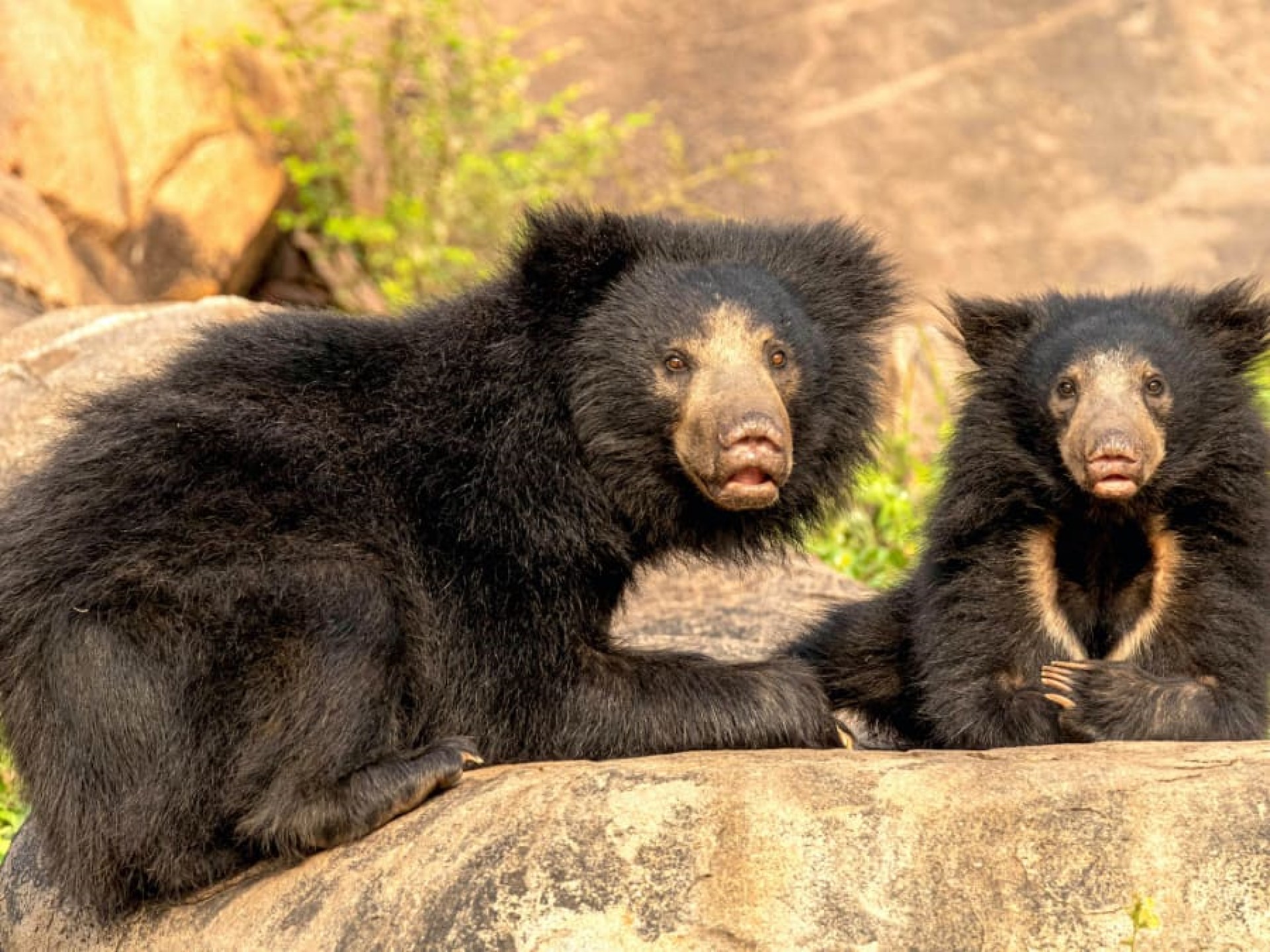
The sloth bear is restricted to India, with about 20000 remaining. Unfortunately their population is falling, as a result of habitat loss.


 These bears live alongside tigers and many other species though they are not particularly easy to find.

Over time we hope to list many places where you can visit bears and see them in their wild home, these will appear here, and a list of posts we have published on bears will appear below these links

[smart_post_show id="14147"]

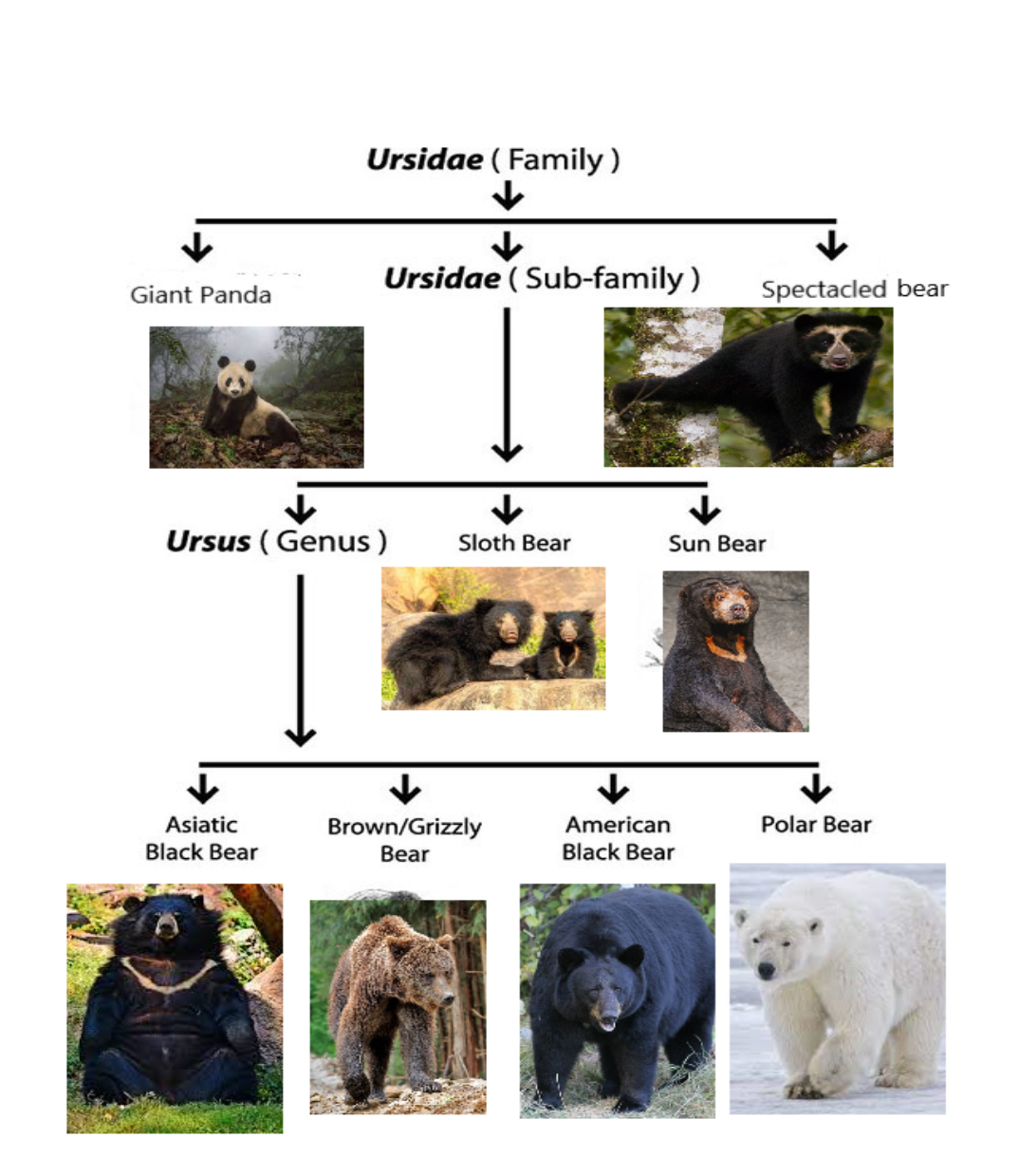
Bear Family tree

Bear family tree

The world has 8 species of bear. Although an incredibly successful family in their own right, humans have not been good for the various species which make up this family.

Click on a picture to be taken to its page

Below is a family tree showing current understood relation between the bear species

[smart_post_show id="23945"]
See Animals Wild

Read more news

Join as a wild member
to list your wild place & log in

Join as an ambassador supporter to
support this site, help save wildlife
and make friends & log in

Join as an Associate member
to assist as a writer, creator, lister etc & to log in

List a wild destination

List a destination in
the shadow of man

List a hide for animals more easily seen this way

Highlight some news
missed, or submit a
one-off article

Browse destinations for fun or future travel

Temporary membership
start here if in a hurry

Casual readers and watchers