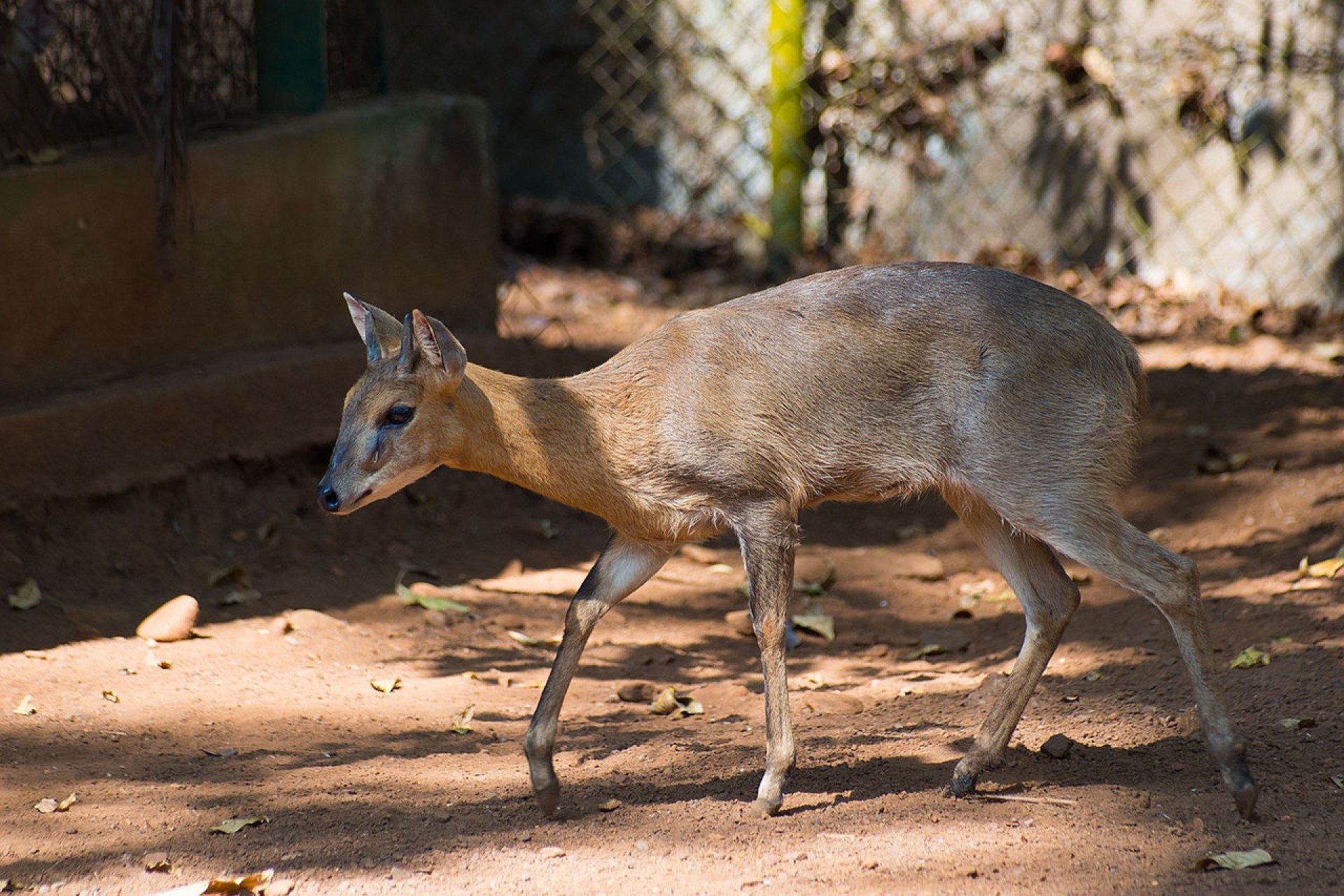
4 horned antelope
This is a small species of antelope that is found in India and Nepal. the sole member of its genus Teracenus (and only sharing its tribe Boselaphini with the Nilgai). First described in 1816, it has 3 recognized subspecies. It is quite hard to find, but feeds on grass shrubs herbs foliage flowers and fruit.
They tend to hide in long grass, and the undergrowth, which is why it is only areas like this that they are usually found in.
Population estimate in 2001 was put at 10,000. While they are wide spread, they live at low densities (0.7 per square km is considered healthy).
Below is a video of this species, and below this is a list of articles on this species; this is a relatively obscure antelope, but should it be written about, you will find all these articles listed here.
There are a variety of reserves where they can be seen. including Pench Kanha and Gir to name just a few. As the website grows, we hope to link to many of these places. These will all be listed at the bottom of the page.

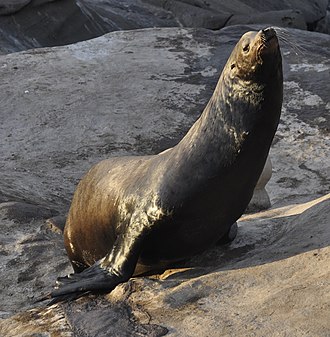
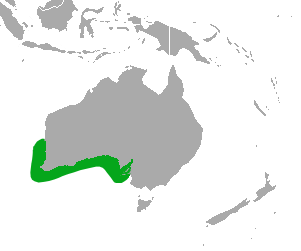 only endemic pinniped found in
 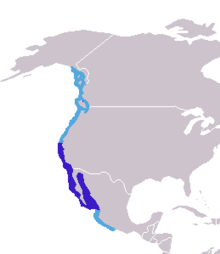 the west coast of north America. On this map, the navy blue marks the breeding rance, while the light blue shows the total range that they can be found in. It should be noted, that previously the Japanese and Galapagos sealion were both considered subspecies of the Californian species, but no longer. They can stay healthy, for a time, in fresh water, and have been seen living for a while in Bonneville dam – 150 miles inland.
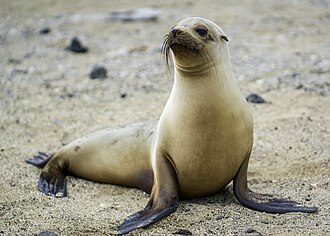
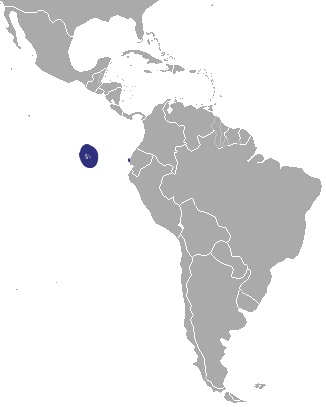 on all of the Galapagos Islands, as well as (in smaller numbers) on Isla de la Plata, which is just 40km from Puerto López a village in
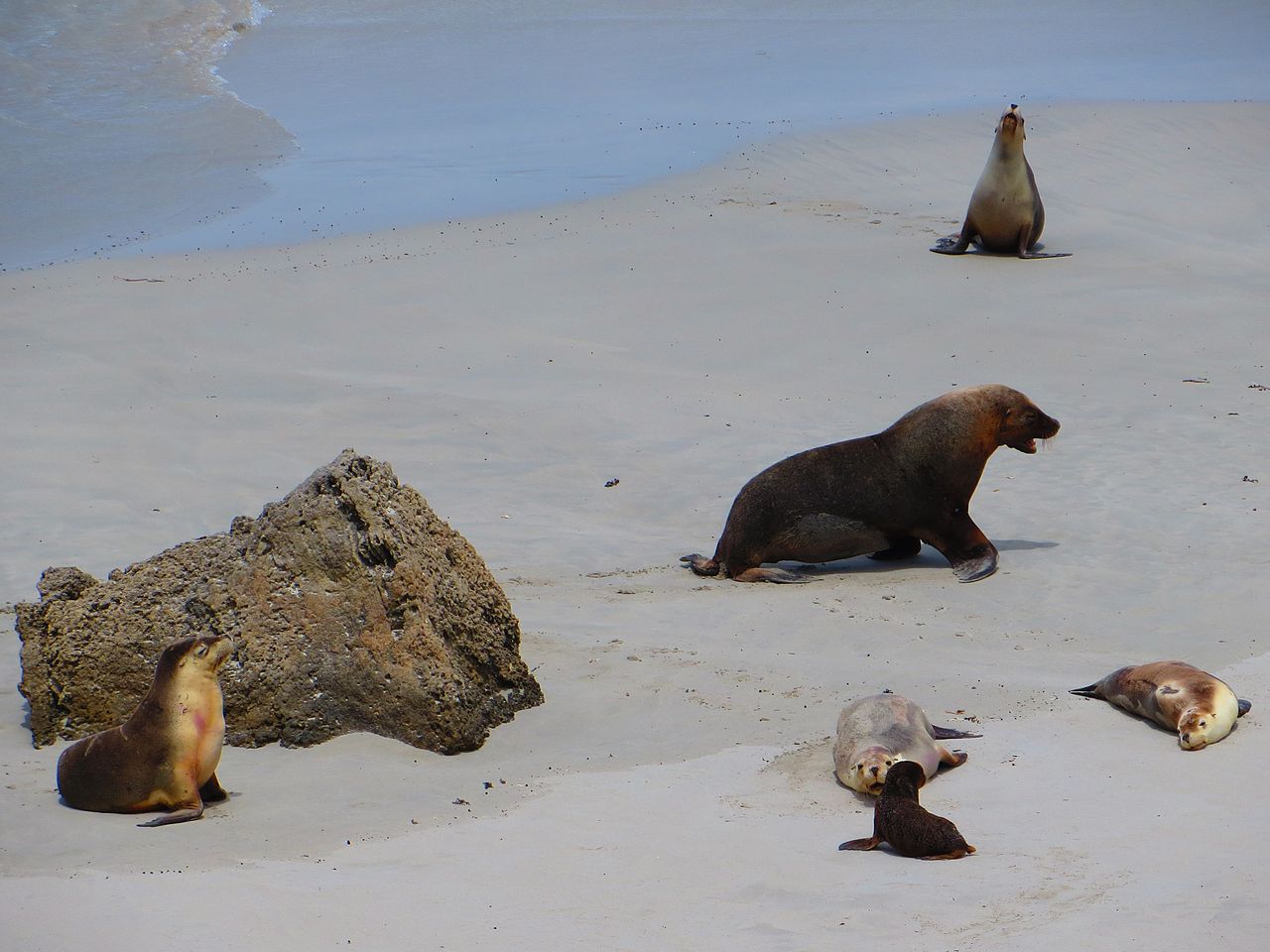
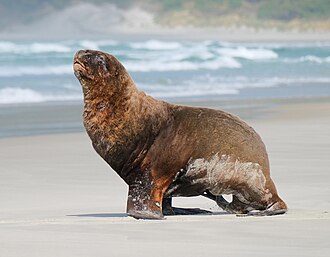
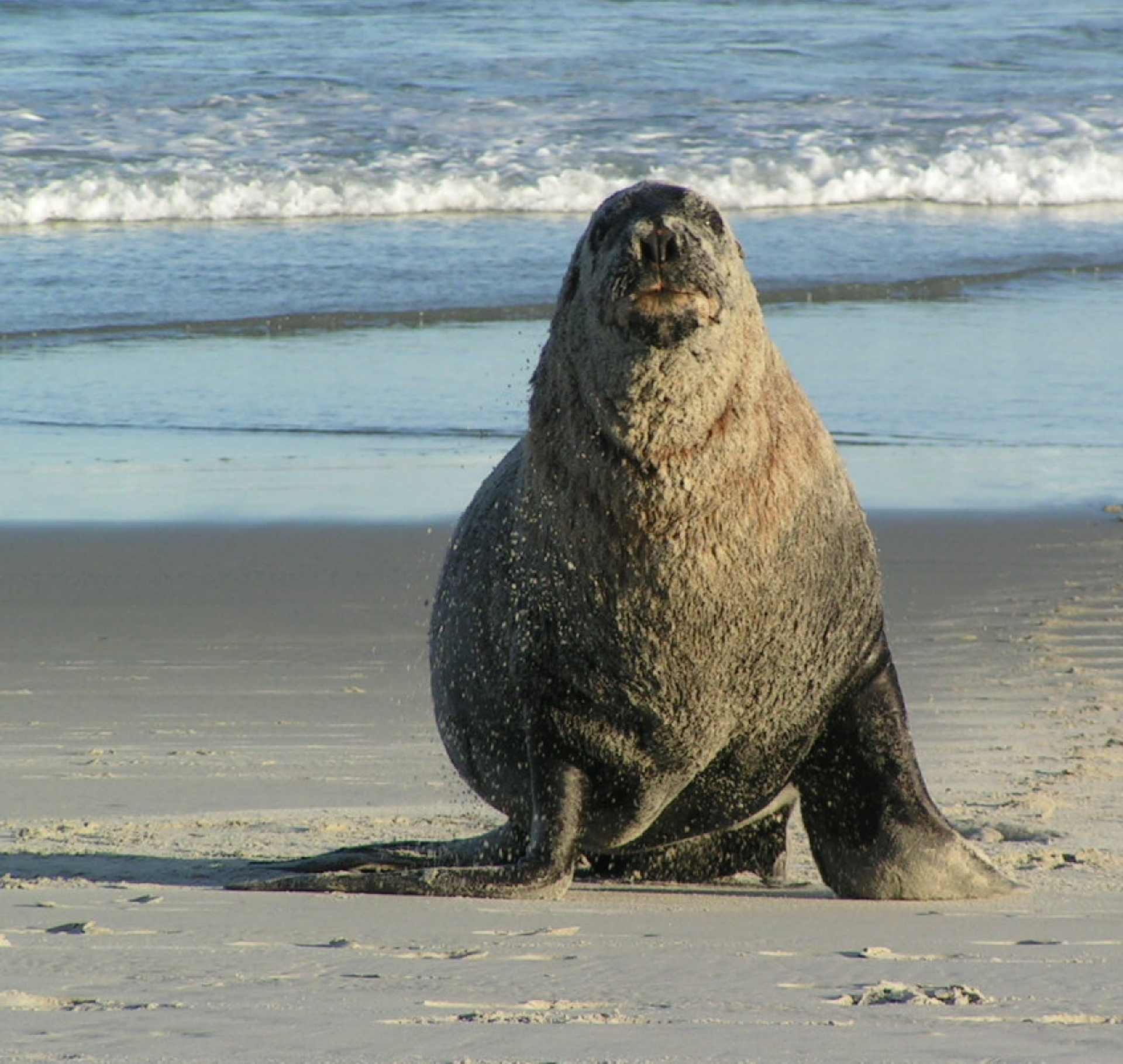
  known as the Hooker sealion) is native to south island, though before 1500 it is thought that it was also found on north island. They tend to breed on Subarctic islands of Auckland and Campbell (99% of the pups are born in these islands). In 1993, sealions started breeding on South Island again for the first time in 150 years.