Elephant

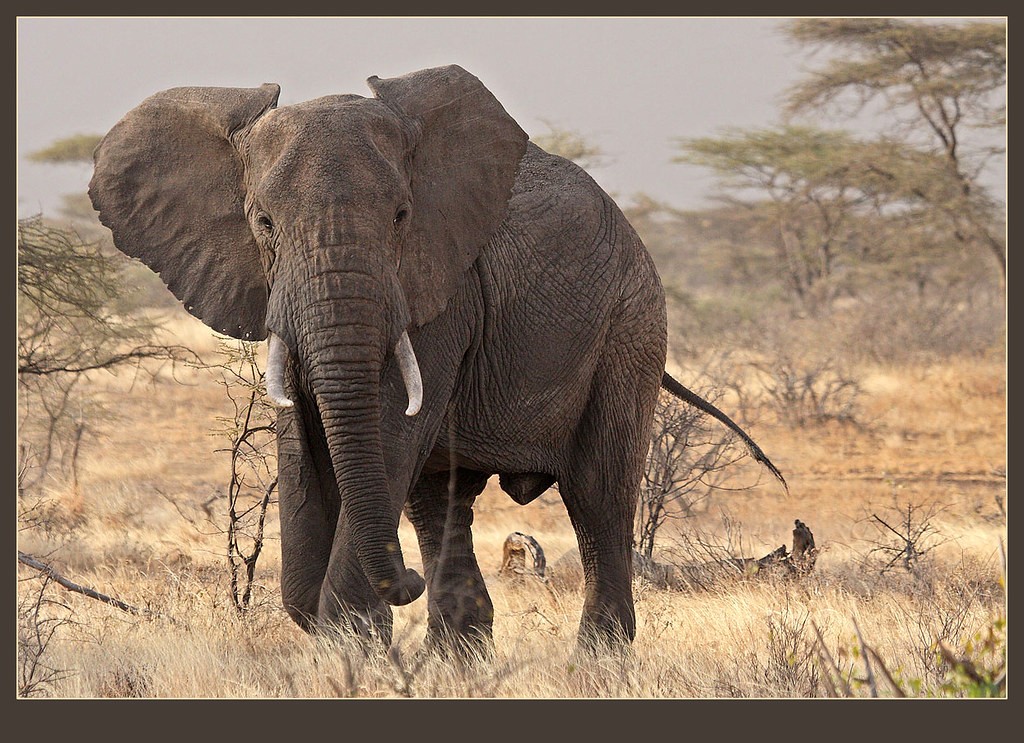
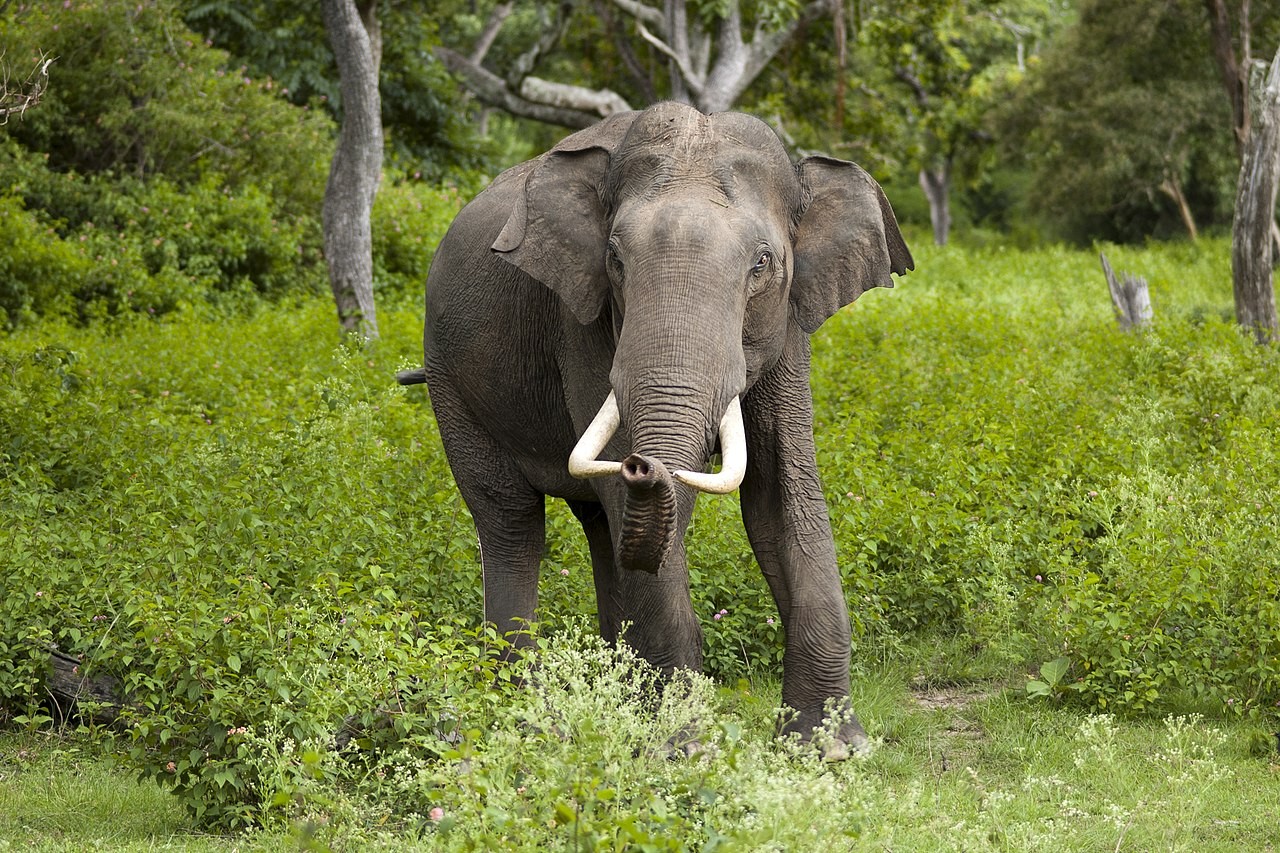
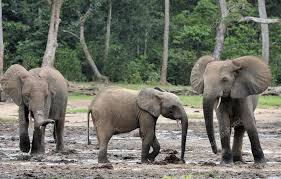
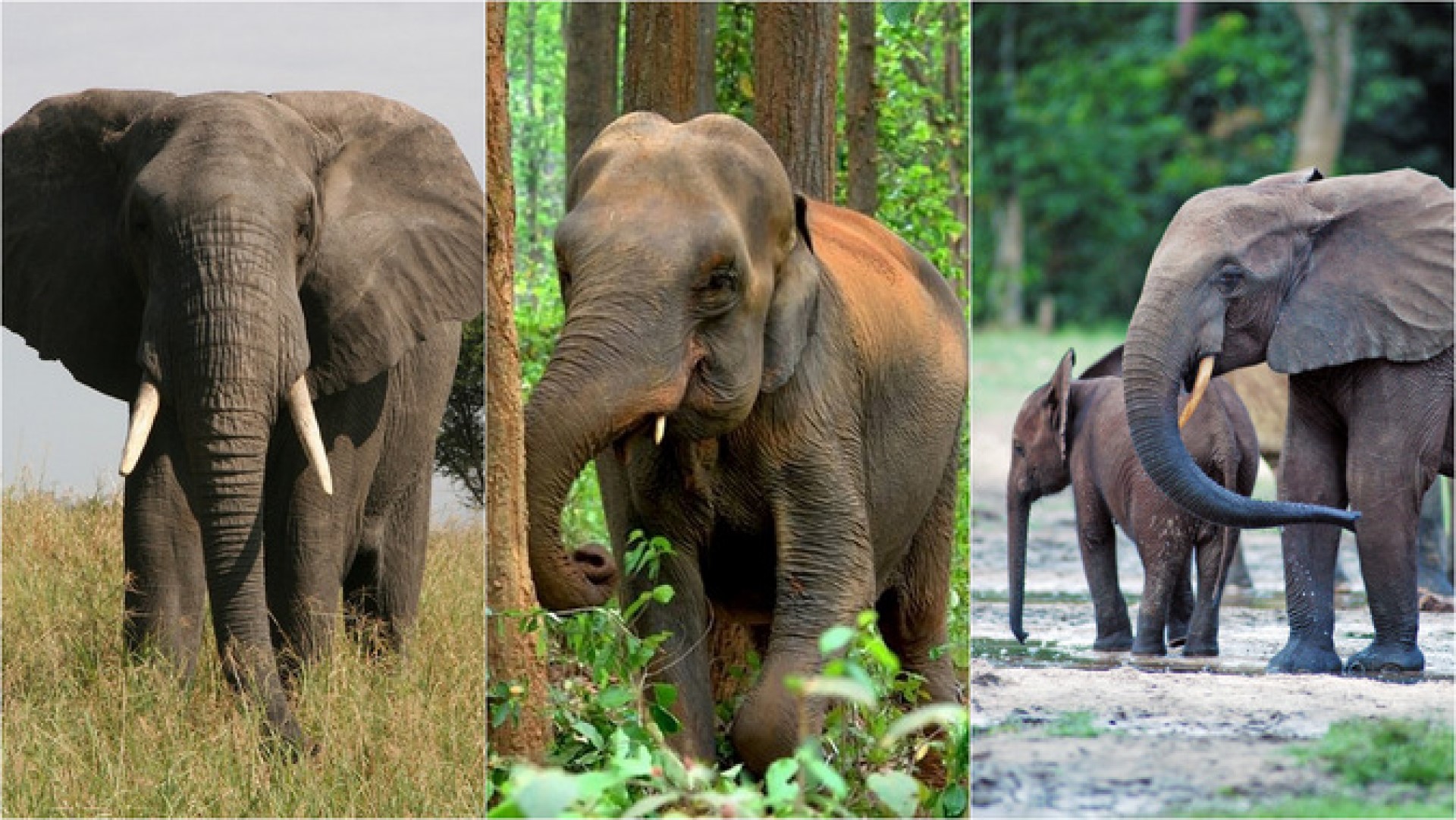
African Savannah elephant, Asiatic elephant and Africa forest elephant

Elephant family tree

African Savannah African forest, and Asian Elephant

There are 3 species of elephant in the world (these come from two closely related genera, Loxodonta (the African elephant genus, and Elephas the Asian elephant genus, both are dealt with on this page). They are a good indicator species, as if an area is capable of supporting elephants, it can probably support most other species as well (those above are in the same order, should you not recognize them). 

The African Savannah elephant (left) and African Forest Elephant elephant (right) are both part of the same genus – Loxodonta. The Asian elephant (only one species, though a 3 subspecies Sri Lankan elephant, Mainland Asian elephant and Sumatran Elephant) is the only  member of the genus Elephas. It is important to remember, that while the mammoth is a well known extinct species like the Elephant, it is estimated that there have been 180 different elephantine species in earths history.

Click on the one you are interested below, to find out more (along with seeing longer videos on each separate species), or scroll down to read all the articles we have written on elephants.

[smart_post_show id="15245"]

We already have a number of places to view wild savannah elephants. Click on wild places or here, for all our savannah destinations in Africa. All the savannahs have elephants, Except the mountain gorilla reserve, which has forest elephants – often seen on a walk in this reserve.

Should you work in tourism or conservation, and would like to list another destination, either of this species of elephant, or indeed of African forest elephants or Asian elephants, you will find a link at the top of the main page “list your wild place” or alternatively click here.
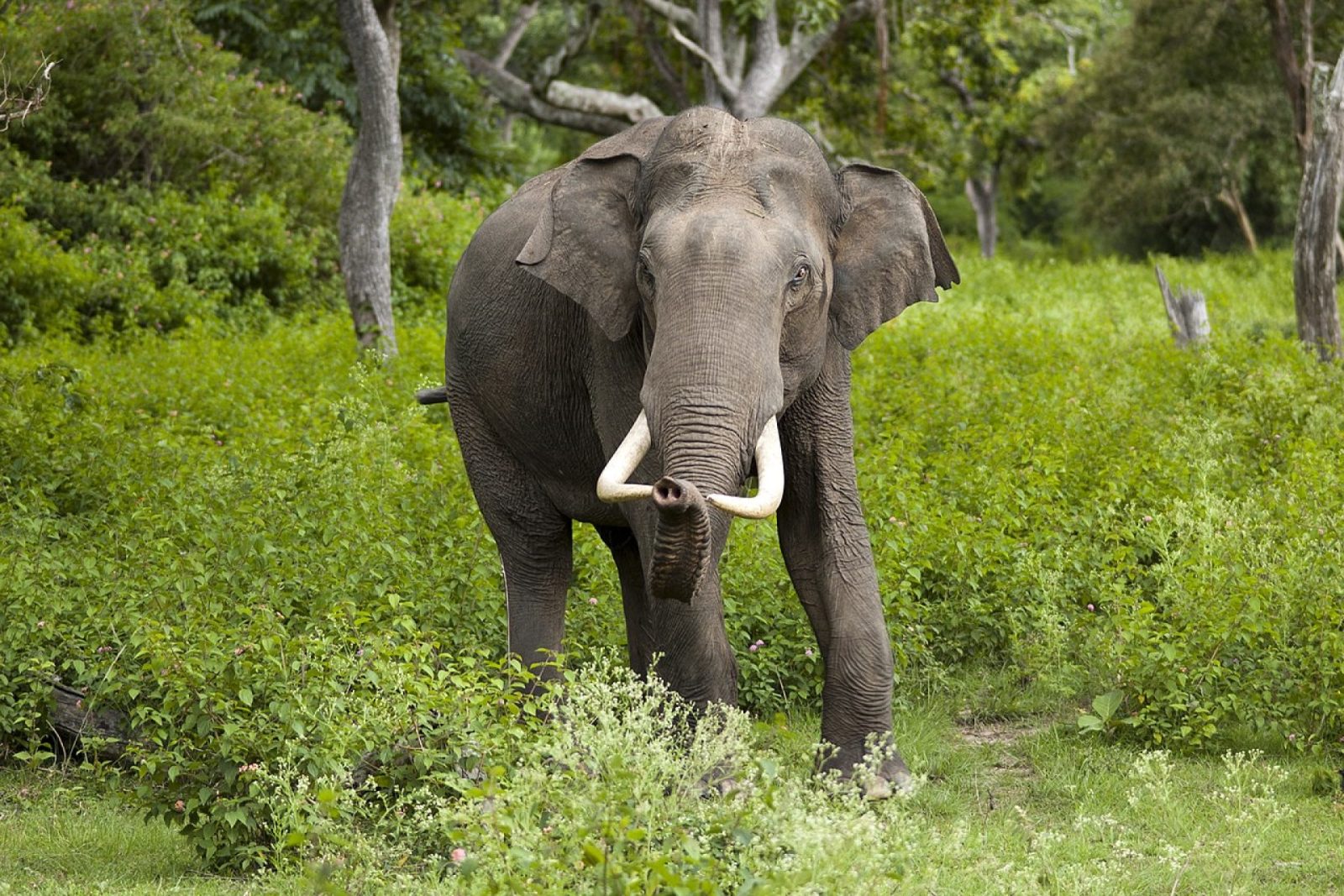
Asian Elephant

Asian elephant

The Asian elephant is the third elephant species that still lives in the wild.

There are four subspecies of the Asian elephant which are the Indian elephant the Sumatran elephant, the Borneon elephant and the sri  lankan elephant. While the elephant species of Asia are considered one species, many have been split for quite some time.

  • Indian elephant – the Indian elephant has a current estimated elephant population of 20,000-25,000 (from last year). This is down from a population of 40,000-50,000 just 20 years ago. These are spread across 33 reserves in India, spread across 14 states. Cambodia, China, Laos Malaysia Myanmar, Thailand and Vietnam. There is enough space for this number to grow significantly if only allowed the space.
  • Sri lankan elephant – 2100-3000. It is the largest subspecies, and most are easily picked out, given the fact that they have areas of their skin without coloration. There is significant conflict, which really requires a change in how to manage them – conflict is not only bad for the elephants, but also for the people. Wild elephants are also worth a great deal in tourism, and if managed well it can raise the living standards of those who live nearby.
  • Sumatran elephant – 2400-2800 remain, with around 25 scattered fragmented habitats remain. Over 69% of the Sumatran elephant habitat has been lost in the last 25 years.
  • Bornean Elephant – around 1500 remain in the wild, and are generally called pygmy elephants. They have lost 60% of their range in the last 40 years.
As we connect with people, destinations will appear below (above the news)
In terms of news articles, I have put it in separately. The first news is to do with Indian elephants, then Sri Lankan elephants, then Borneon Elephants, then Sumatran elephants.


As we add links, to see each species we will list these at the bottom of the page. It is also possible that each of these subspecies will have to be split up onto separate pages in the future. These subspecies are often endangered, and the biggest difference that we can make, is to show the people who live alongside these animals, that they are worth money. The easiest way to do this is through tourism. As these links grow, we will separate out the subspecies.

[smart_post_show id="15225"]
[smart_post_show id="15226"]
[smart_post_show id="15227"]
[smart_post_show id="15228"]

African forest Elephant

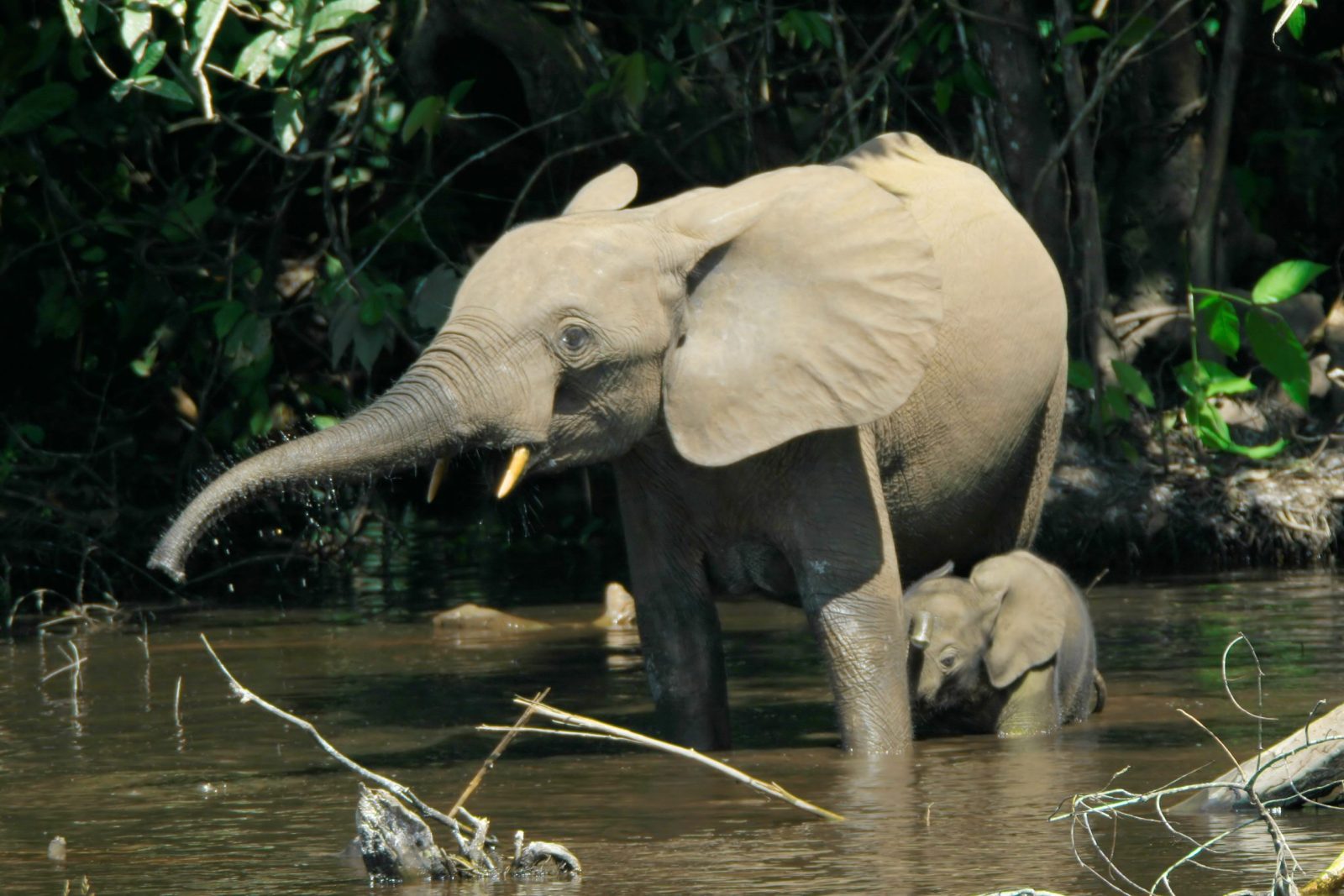
African Forest elephants

There are three species of elephant, the African savanna elephant, African forest elephant and the Asian elephant

With the African species, Forest elephants have declined 86% between 1986 and 2015, African Bush elephants declined 60% 1965 and 2015 leaving just over 400,000. African forest elephants are thought to number between 100,000 and 150,000.

Perhaps the most scary fact is that the African forest elephant was only declared as a separate species in 2021 only 2 years ago. These species are not particularly similar – indeed the Asian elephant is more genetically similar to the mammoth, than the African savannah elephant is to the African forest elephant

The African forest elephants population has declined precipitably in the last few years. Given the recognition that the forest elephant is a separate species only came 2 years ago, it is hard to get accurate historic figures. Never-the-less, the combined african elephant species population was thought to be around 26 million in 1800, and 1.34 million in 1976. The estimate is currently around 100-200,000 forest elephants. One of the problems, is that the African forest elephant is an essential part of the ecosystem. There are many trees, which rely on forest elephants to carry their seeds through the forest, so that they germinate a good distance from the original plant (more than a few of the same plant in the same area, causes the pest that feeds on the tree to multiply to the point where it can kill the tree. While it is true that other animals like gorillas and chimpanzees can do this, they do it far less. Should the forest elephant be lost, the African rainforest is likely to be far less capable of of handling the various changes, like climate change that is coming.

The last strongholds are in Gabon (a survey last year suggested Gabon has 95,000 forest elephants, rather than the 60,000 that was originally thought) and the Republic of the Congo and Democratic republic of the Cong, with smaller populations remaining in other African countries (Cameroon, Central African Republic, Equatorial Guinea) and Cote d’Ivoire, Liberia and Ghana in west Africa. There is much space for forest elephants to greatly recover, if the poaching is able to stop.

Below this, you will see a video on this species, and below this is a list of any times that the african forest elephant has been mentioned within this blog.

Below this, at the bottom of the page, we hope to list places where you can go to see this species in the wild – if you work in conservation or tourism around this species, do get in touch. we would love to list you, and it costs nothing to be listed, we merely work on commission.

[smart_post_show id="15217"]

Nocturnal mammals

In the future, there will be a page attached to each image, and we also aim to include nocturnal mammals from around the world. This page is largely aimed at incectivores and other species that would not fit into onther categories.

We aim to add far more over time, but you will find others in other families, for instance the Hyena family.

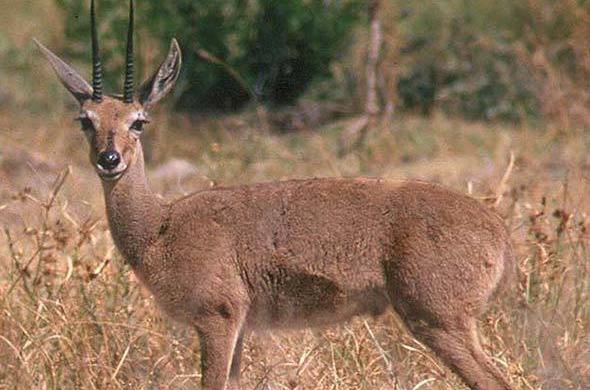
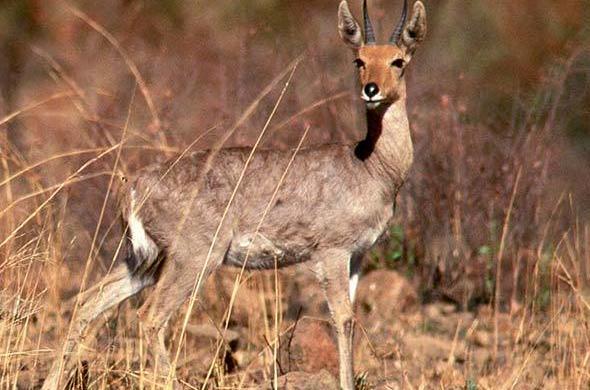
Grey Rhebok

This species is native to South Africa, as well as Swaziland and Eswatini. It is a small antelope species and its latin name is Capreolus which means little goat.

Grey Rheybok

Only the males have horns, which are straight. They are found in the higher altitudes of South Africa. They have thick coats which allow them to cope with the cold. There are around 500 in the Kruger, but are harder to find than most of the other species of antelope that inhabit this park.

[smart_post_show id=”15085″]

Waterbuck

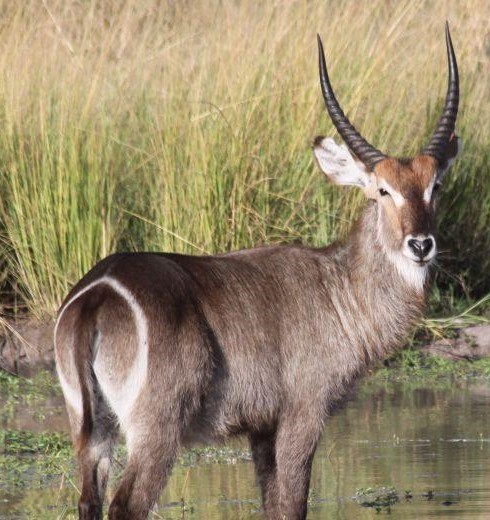
The waterbuck is a reasonably large antelope species which is found in Sub-Saharan Africa.

A waterbuck found near water

Waterbuck have a relatively simple defence strategy of running into water if threatened. While there was a theory that an oil they release was intended to put off crocodiles, it does not appear to work, and waterbuck do sometimes become supper for crocodiles. Being quite large, perhaps crocodiles usually ignore them. There are just 2 recognized subspecies, though this is down from around 8 after a new assessment.

It is assessed as least concern (the Defassa waterbuck subspecies is considered near threatened.

Puku

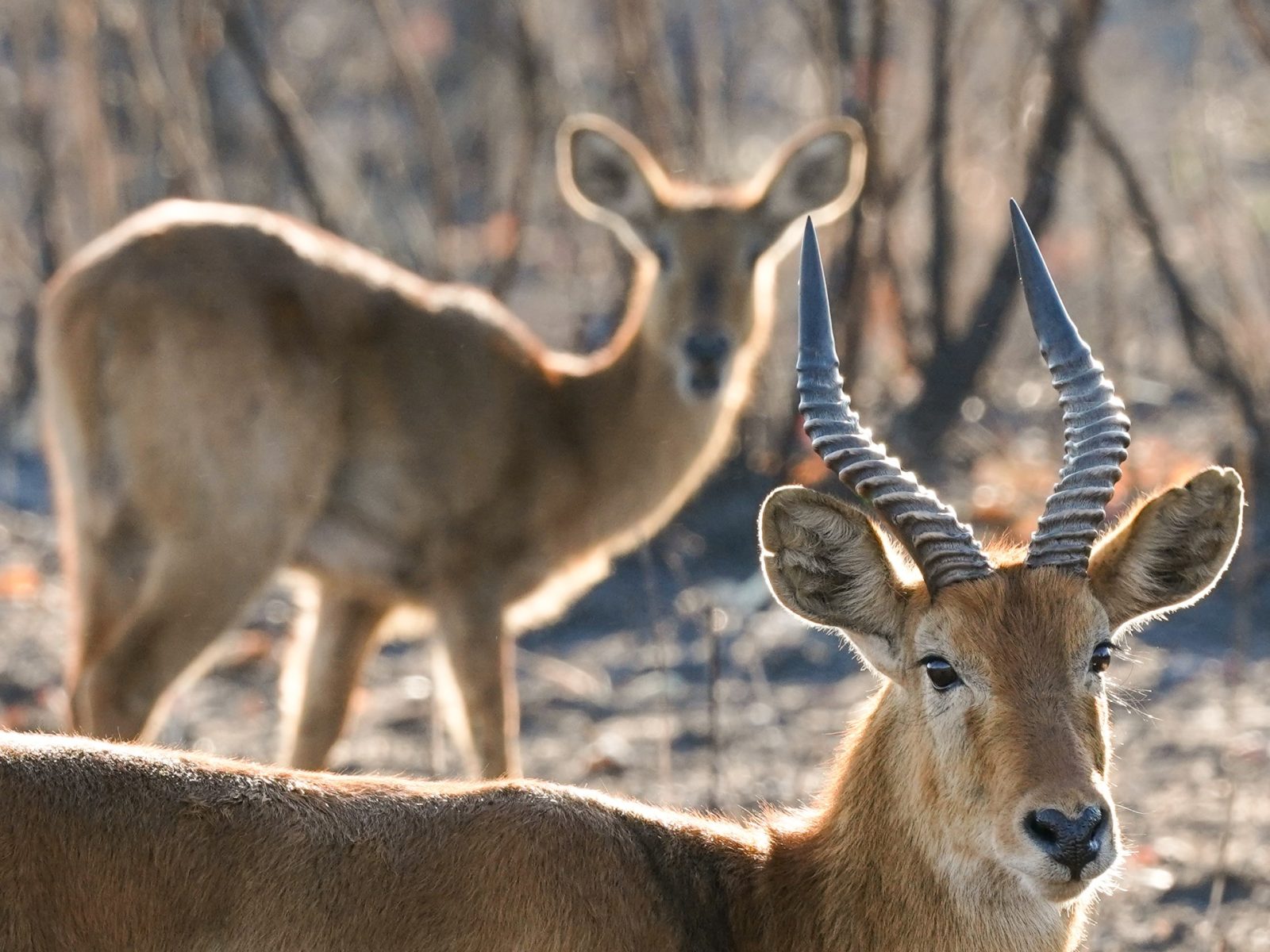
Puku


A mid-sized antelope found on the wet grasslands of the Southern DRC along with Namibia Tanzania, Zambia and the Okovango.

There are 2 subspecies

  • Senga Puku (Kobus vardonii senganus)
  • Southern puku (Kobus vardonii vardonii)
Found in marshy areas, they eat virtually any species of grasses. Females gather in herds of around 20, except during the rainy season, these will merge to form herds up to 50.
They are found in a variety of areas across the top of Southern African, and the bottom of central Africa. Places like the Okovango delta are the core of their range.
[smart_post_show id="15079"]

Kob

Kob antelope – this one in the Queen Elizabeth national park of Uganda

Found in central Africa, as well as parts of East and West Africa. They are generally found in wet places, particularly places like floodplains. In east Africa, the Ugandan Kob and the white eared kob (found in south Sudan and surrounding countries) both join in on migrations that happen in the areas around where they live.

Once found across much of equatorial Africa, it is also extinct in a few countries including the extreme east of the continent, in both Kenya and Tanzania.

Female kobs can live in herds of thousands, while male herds can number in their hundreds, and follow the female herds closely. One of the biggest spectactles of the natural world is the migration across South Sudan, of almost 1 million white eared kob along with various other species. Hopefully, one of these days, the situation in South Sudan will be stable enough for this area to become a tourist hotspot, and lift much of the country out of poverty.

[smart_post_show id=”15069″]

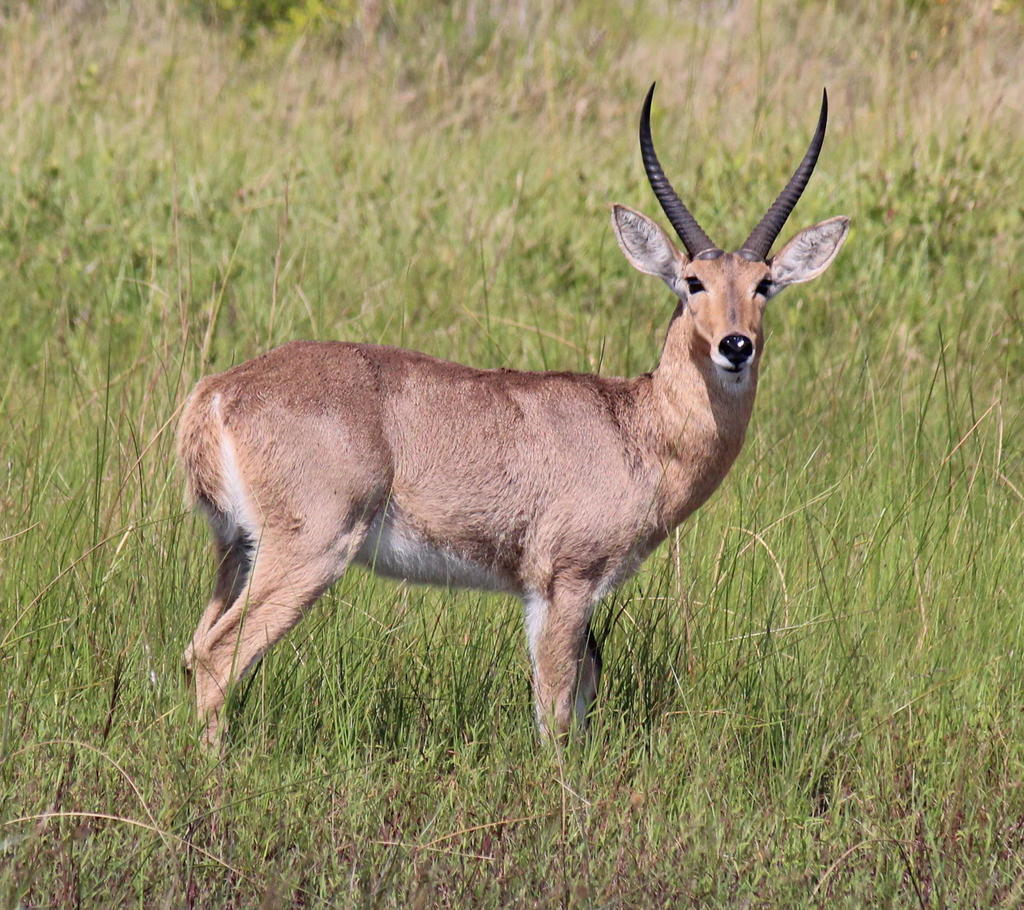
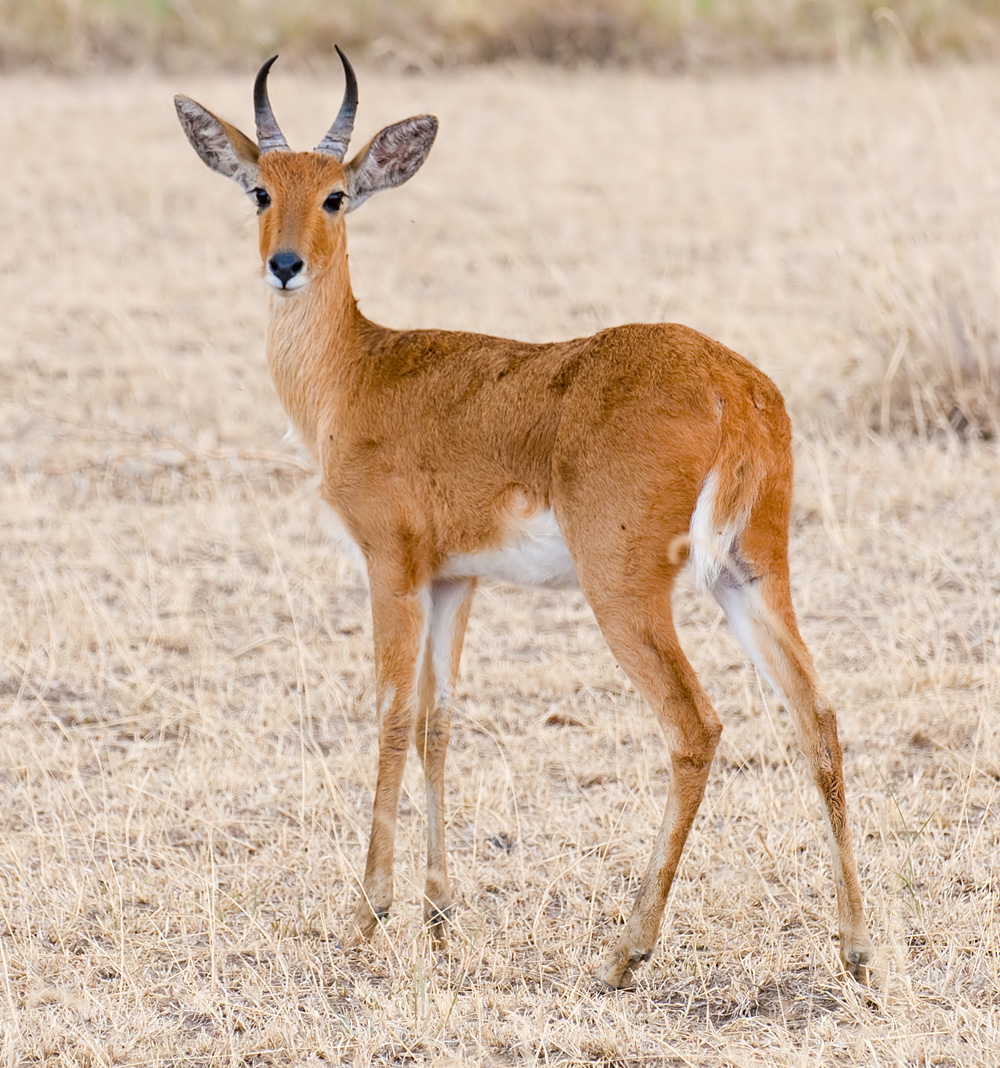
Reedbuck – Common, Boher and Mountain

The Reedbuck is the name given to 3 closely related species, all in the same genus Redunca.

The Southern reedbuck is found from Gabon and Tanzania in the north, right down to South africa. While there is not a clear number of how many survive, given the species is least concern, it is likely to be much higher than that of the mountain reedbuk.

The Boher reedbuck is found through Benin, Burkina Faso, Burundi, Cameroon, Central African Republic, Chad, Democratic Republic of Congo, Ethiopia, Gambia, Ghana, Guinea, Guinea-Bissau, Kenya, Mali, Mauritania, Niger, Nigeria, Rwanda, Senegal, Somalia, Sudan, Tanzania, Togo and UgandaEssentially Equatorial Africa. While estimates for the whole population are hard to find, the whole population is thought to be well in excess of 100,000. There are larger numbers to be found in East and Central Africa, than there are in the west of the continent.

The mountain reedbuck is found throughout Sub-saharan Africa. It has a population of around 36,000.

Below is a list of any articles that mention the reedbuck species (if any). As the blog continues, these will be added to.

[smart_post_show id="15051"]
See Animals Wild

Read more news

Join as a wild member
to list your wild place & log in

Join as an ambassador supporter to
support this site, help save wildlife
and make friends & log in

Join as an Associate member
to assist as a writer, creator, lister etc & to log in

List a wild destination

List a destination in
the shadow of man

List a hide for animals more easily seen this way

Highlight some news
missed, or submit a
one-off article

Browse destinations for fun or future travel

Temporary membership
start here if in a hurry

Casual readers and watchers