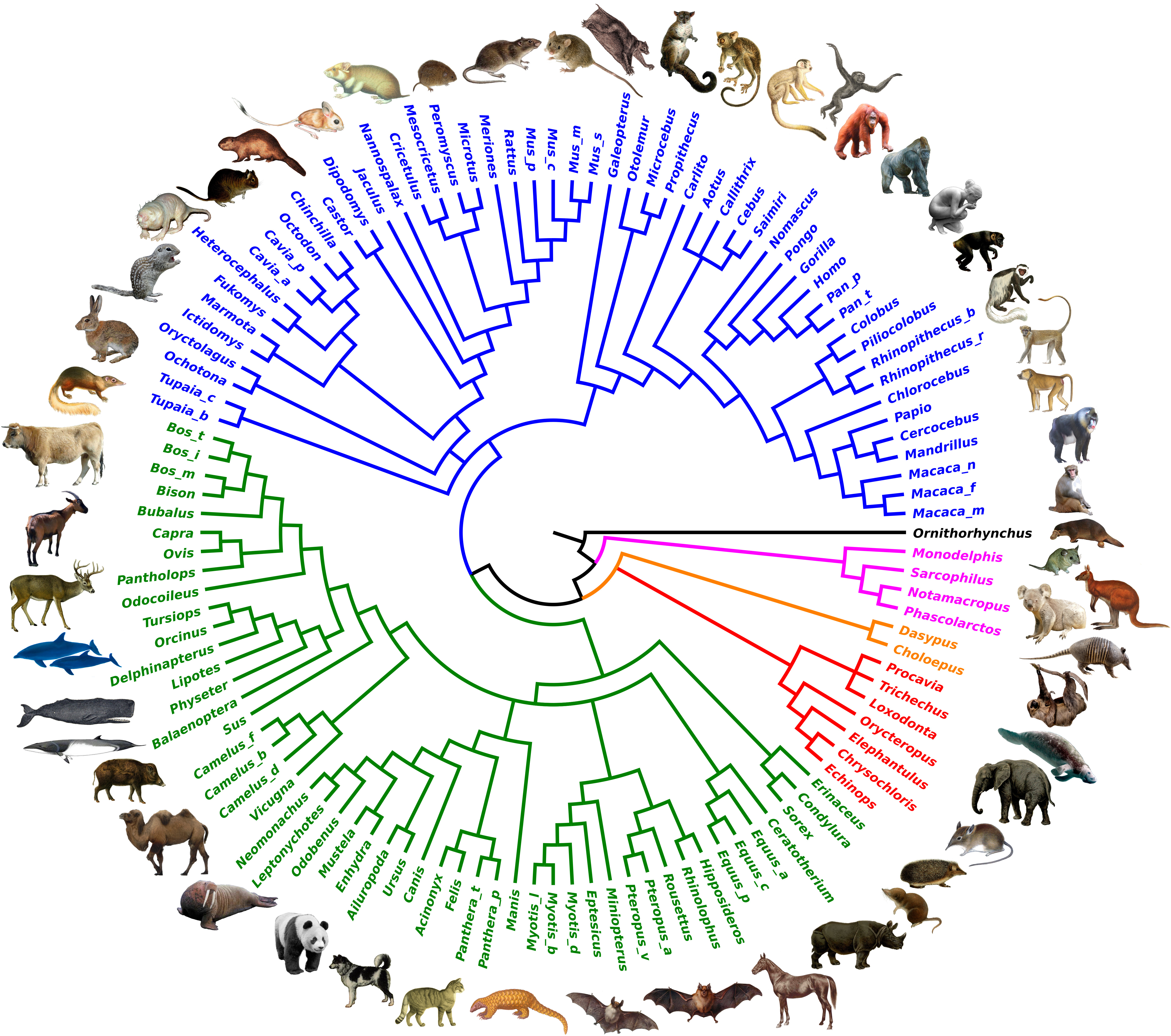
Elephant family tree
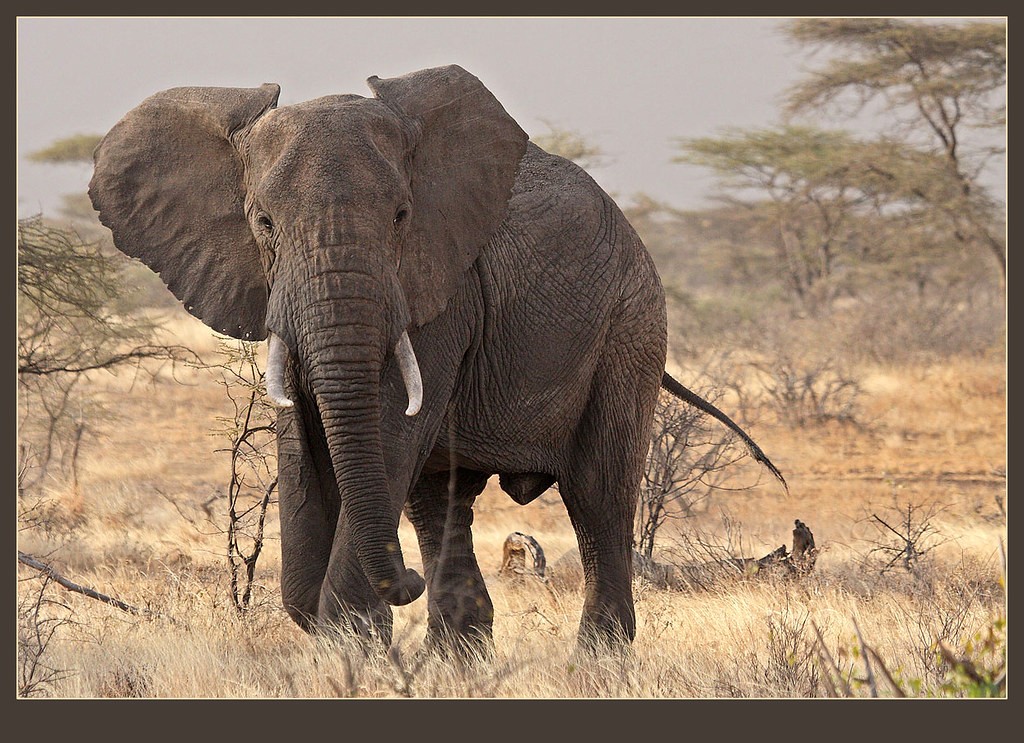
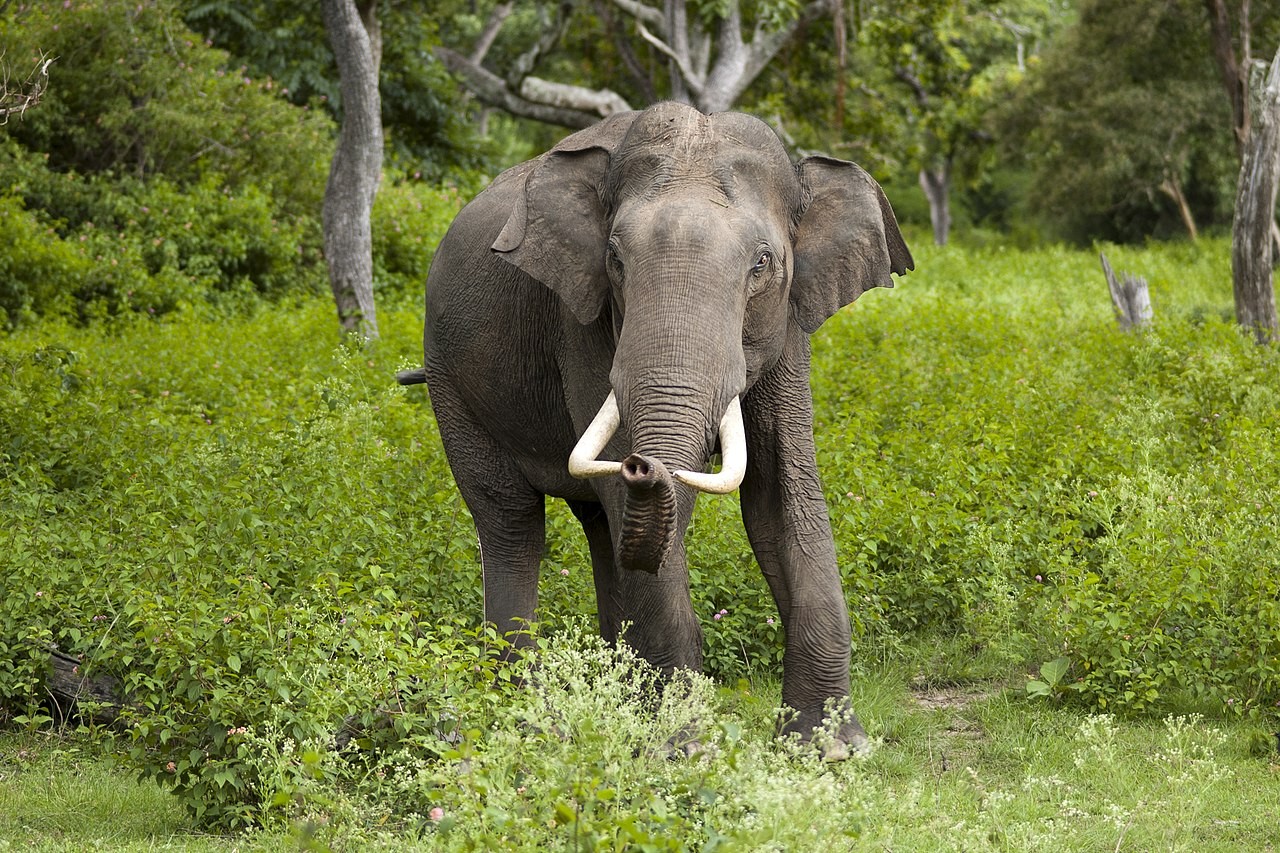
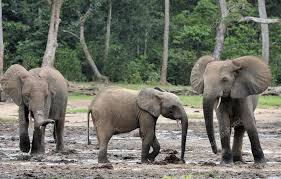
African Savannah African forest, and Asian Elephant
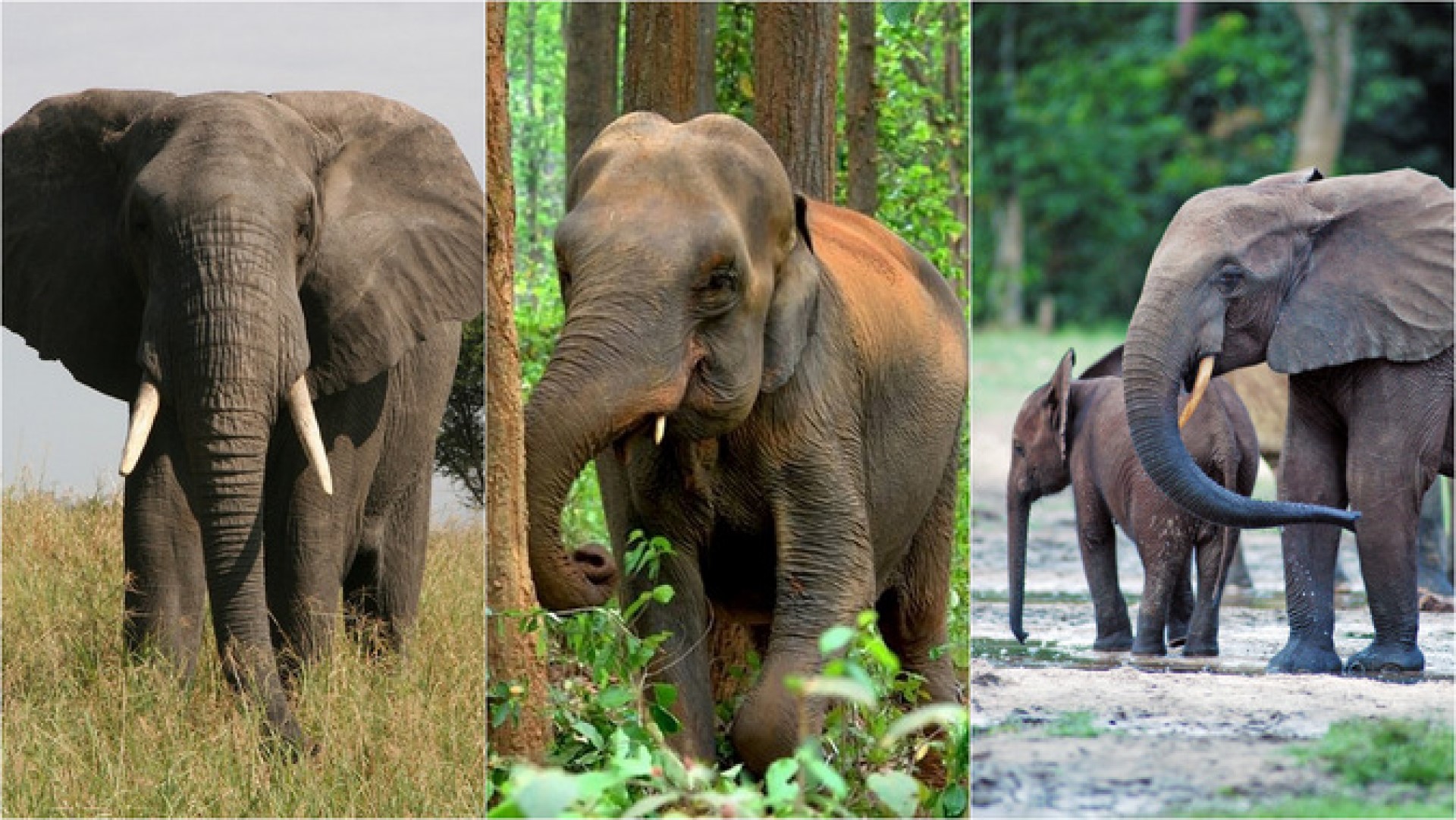
There are 3 species of elephant in the world (these come from two closely related genera, Loxodonta (the African elephant genus, and Elephas the Asian elephant genus, both are dealt with on this page). They are a good indicator species, as if an area is capable of supporting elephants, it can probably support most other species as well (those above are in the same order, should you not recognize them).
The African Savannah elephant (left) and African Forest Elephant elephant (right) are both part of the same genus – Loxodonta. The Asian elephant (only one species, though a 3 subspecies Sri Lankan elephant, Mainland Asian elephant and Sumatran Elephant) is the only member of the genus Elephas. It is important to remember, that while the mammoth is a well known extinct species like the Elephant, it is estimated that there have been 180 different elephantine species in earths history.
Click on the one you are interested below, to find out more (along with seeing longer videos on each separate species), or scroll down to read all the articles we have written on elephants.
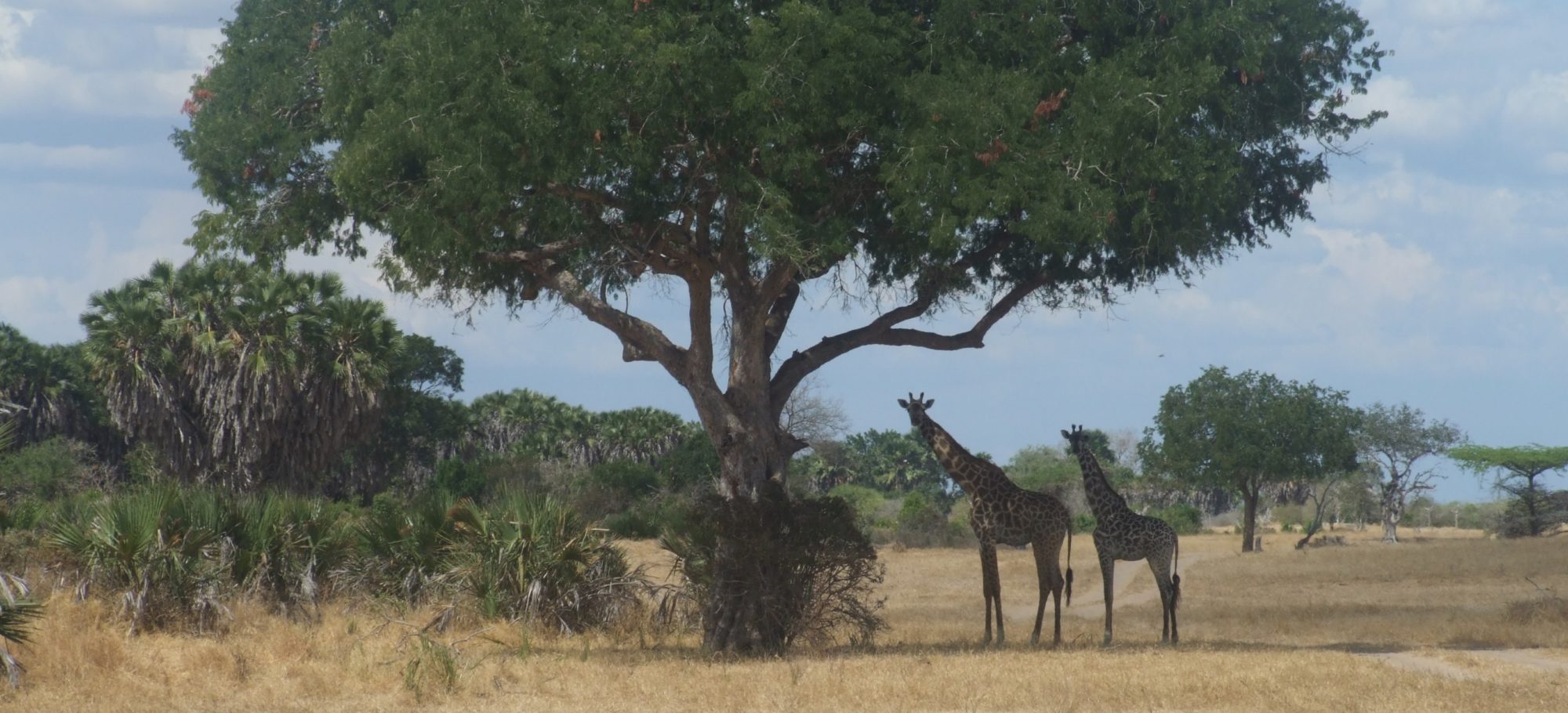
We already have a number of places to view wild savannah elephants. Click on wild places or here, for all our savannah destinations in Africa. All the savannahs have elephants, Except the mountain gorilla reserve, which has forest elephants – often seen on a walk in this reserve.
Should you work in tourism or conservation, and would like to list another destination, either of this species of elephant, or indeed of African forest elephants or Asian elephants, you will find a link at the top of the main page “list your wild place” or alternatively click here.

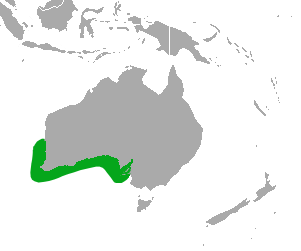 only endemic pinniped found in
 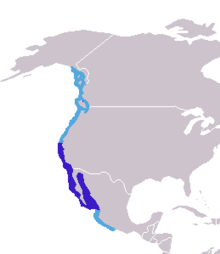 the west coast of north America. On this map, the navy blue marks the breeding rance, while the light blue shows the total range that they can be found in. It should be noted, that previously the Japanese and Galapagos sealion were both considered subspecies of the Californian species, but no longer. They can stay healthy, for a time, in fresh water, and have been seen living for a while in Bonneville dam – 150 miles inland.
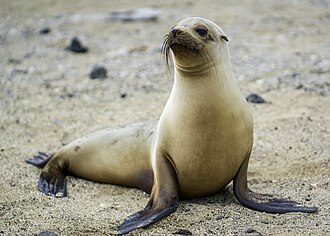
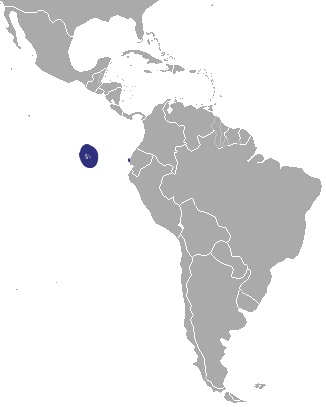 on all of the Galapagos Islands, as well as (in smaller numbers) on Isla de la Plata, which is just 40km from Puerto López a village in
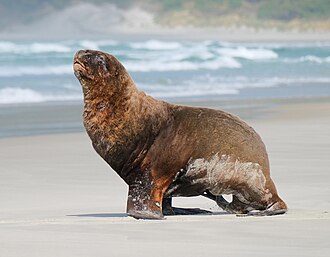
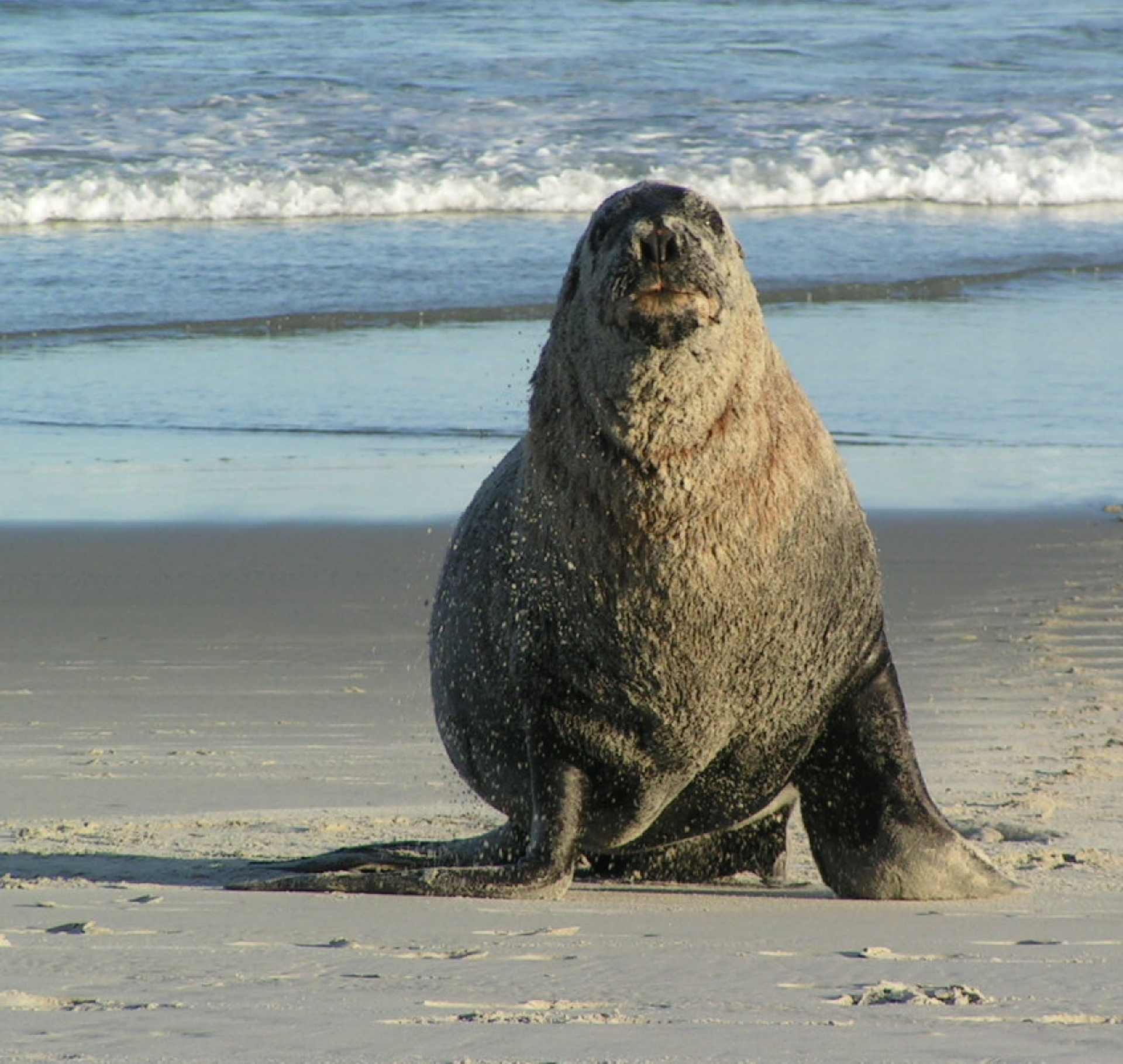
  known as the Hooker sealion) is native to south island, though before 1500 it is thought that it was also found on north island. They tend to breed on Subarctic islands of Auckland and Campbell (99% of the pups are born in these islands). In 1993, sealions started breeding on South Island again for the first time in 150 years.