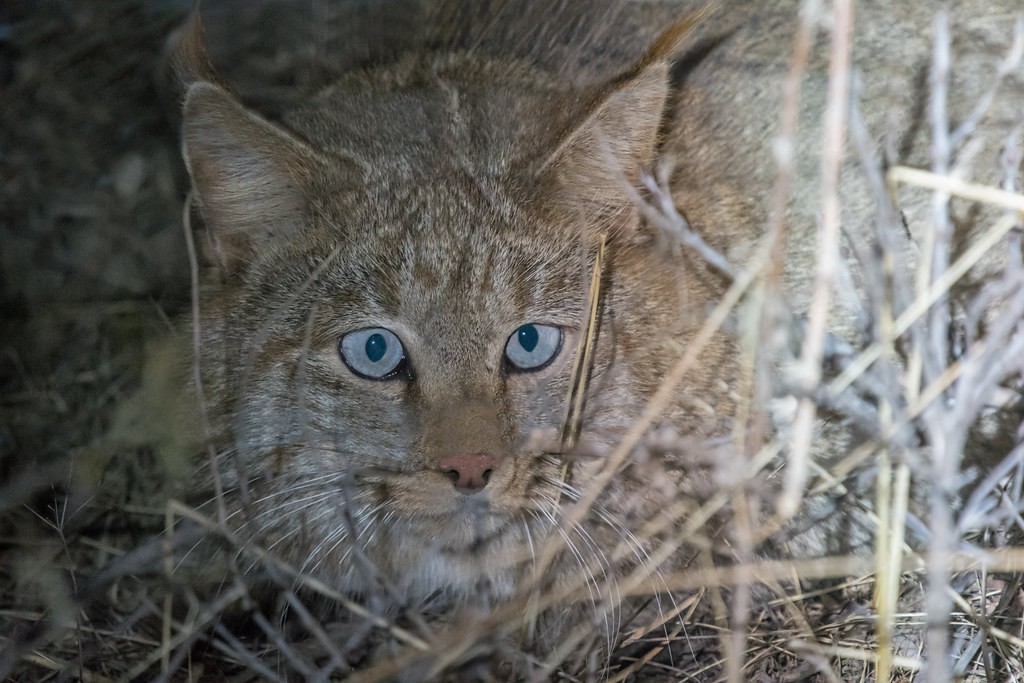
Also known as the Chinese desert cat, or Chinese steppe cat, is a vulnerable species that lives in China. Only around 10,000 of them live in the wild. It is significantly different to wild cats around the world.
This cat lives on the North-Western edge of the Tibetan plateau, is active at night (nocturnal) and specializes on eating pIkas rodents and birds. There have been recurring attempts to greatly reduce the Pika population through poisening, which has obviously impacted a species that relies (at least in part subsists on eating Pikas)
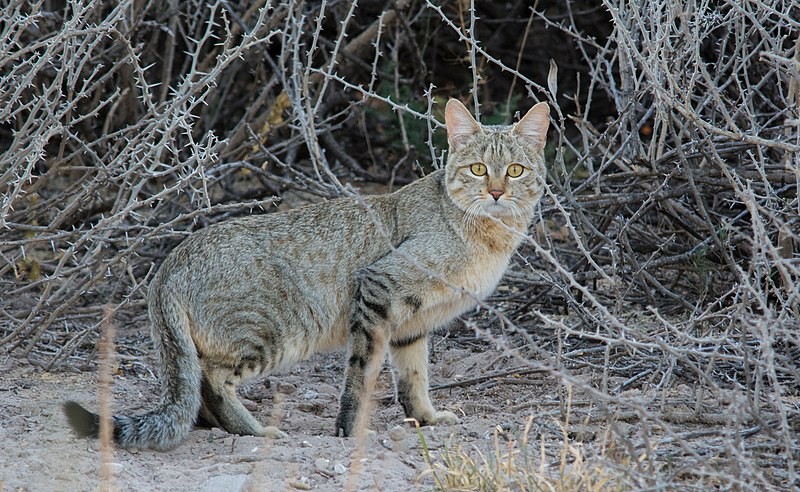
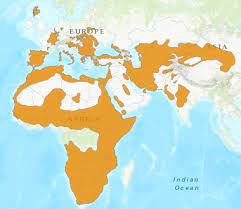
Wildcats are found across a huge area (see the map below) are are incredibly similar across the whole region. There are two species recognized, and they are the European wildcat, and the African wildcat (the African wildcat is the same species found throughout its range in Asia and the middle east. There has been much revision as to how many subspecies there are, but the most recent assessment suggests 5 consisting of European Wildcat, Caucasian Wildcat, African Wildcat, South African Wildcat and Asian Wildcat.
Domestic cats are thought to have been tamed in Israel, which has unfortunately meant that this species of wild cat is now spread across the globe – many local species of wildcat have become extinct through hybridisation, the British wildcat is just one such example. There are now only pure British wildcats in captivity, and while there are still quite a few living wild in Scotland they have Asiatic wildcat features. This has happened in many places and solutions are not yet forthcoming.
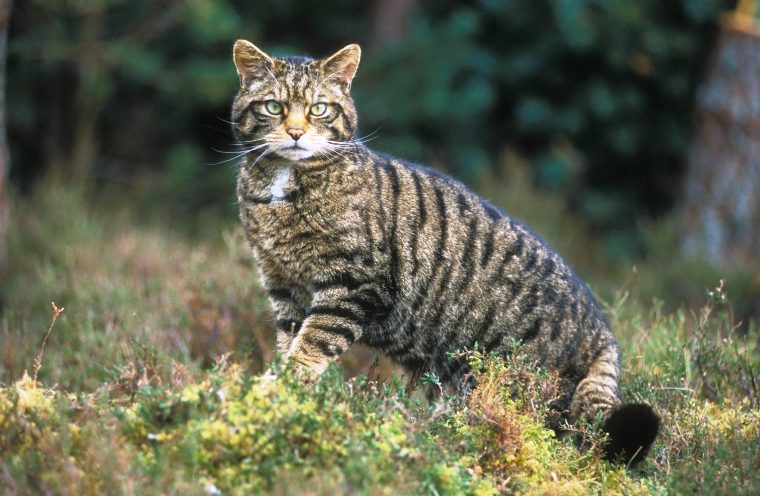
This is a photo of a Scottish wildcat, which is a subspecies of the European wildcat. Hybridization means that this species no longer exists in pure form in the world. Reintroduction plans are being considered, so long as feral cats can be removed
[smart_post_show id=”11763″]
They are not hard to see if you are in the right place. I have seen them in Africa, take a night drive in almost any nature reserve. Links will be added below.
Caracals are a very lucky sighting, as they tend to be active when people are asleep
Caracal
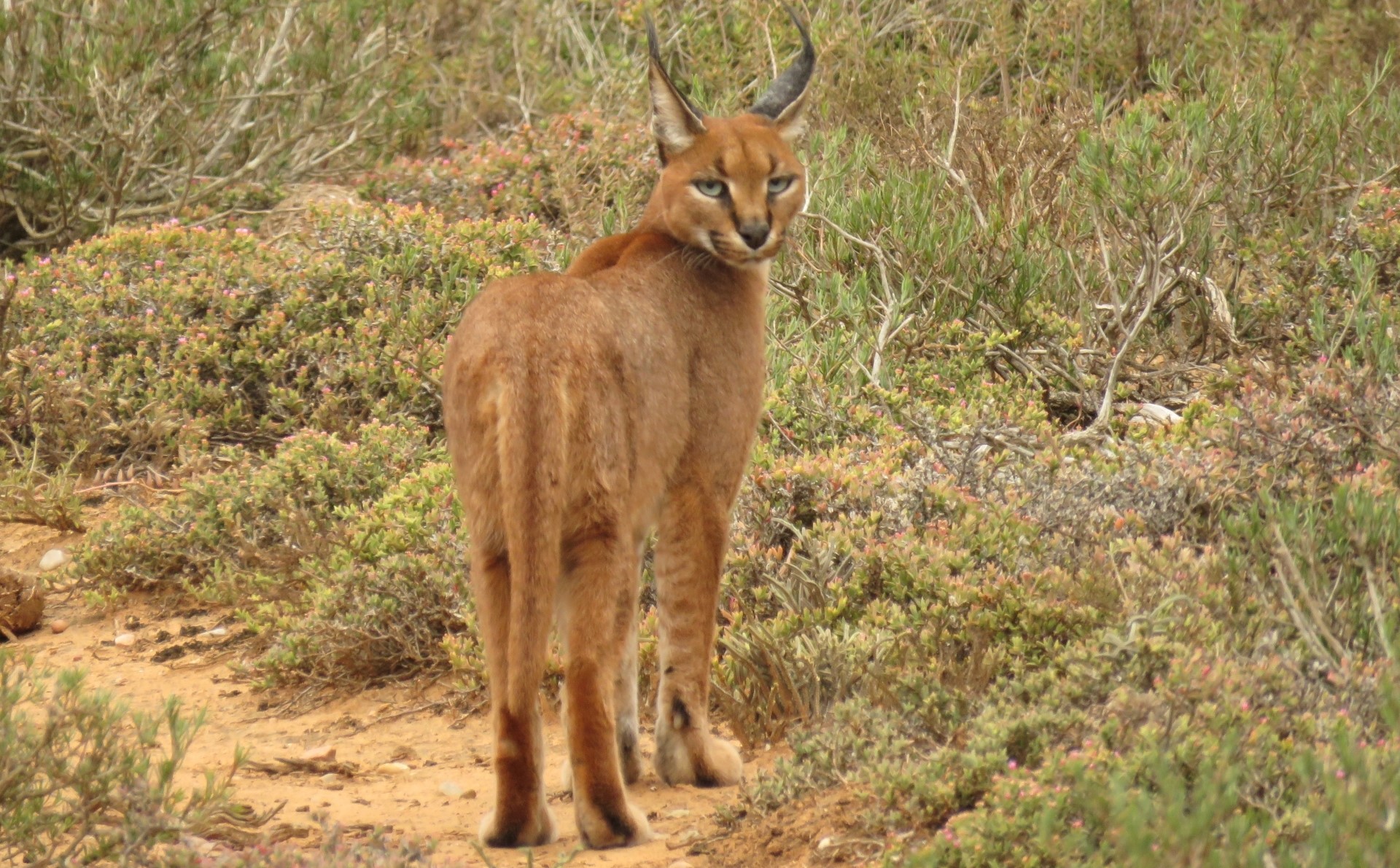
Caracals are nocturnal, which means that they are often not spotted. Indeed, in our time in South Africa, it was the only local cat which we did not see. It has a huge distribution, which includes Africa, the middle east, central Asia and even parts of northern India and Pakistan. It is an expert jumper, and often catches birds in flight, being able to jump more than 3m straight up. It comes from the same genetic line as the serval and the African Golden cat.
Generally, while it is wide spread and usually relatively plentiful it is an animal that either takes a lot of luck or a great deal of patience to see it in the wild.
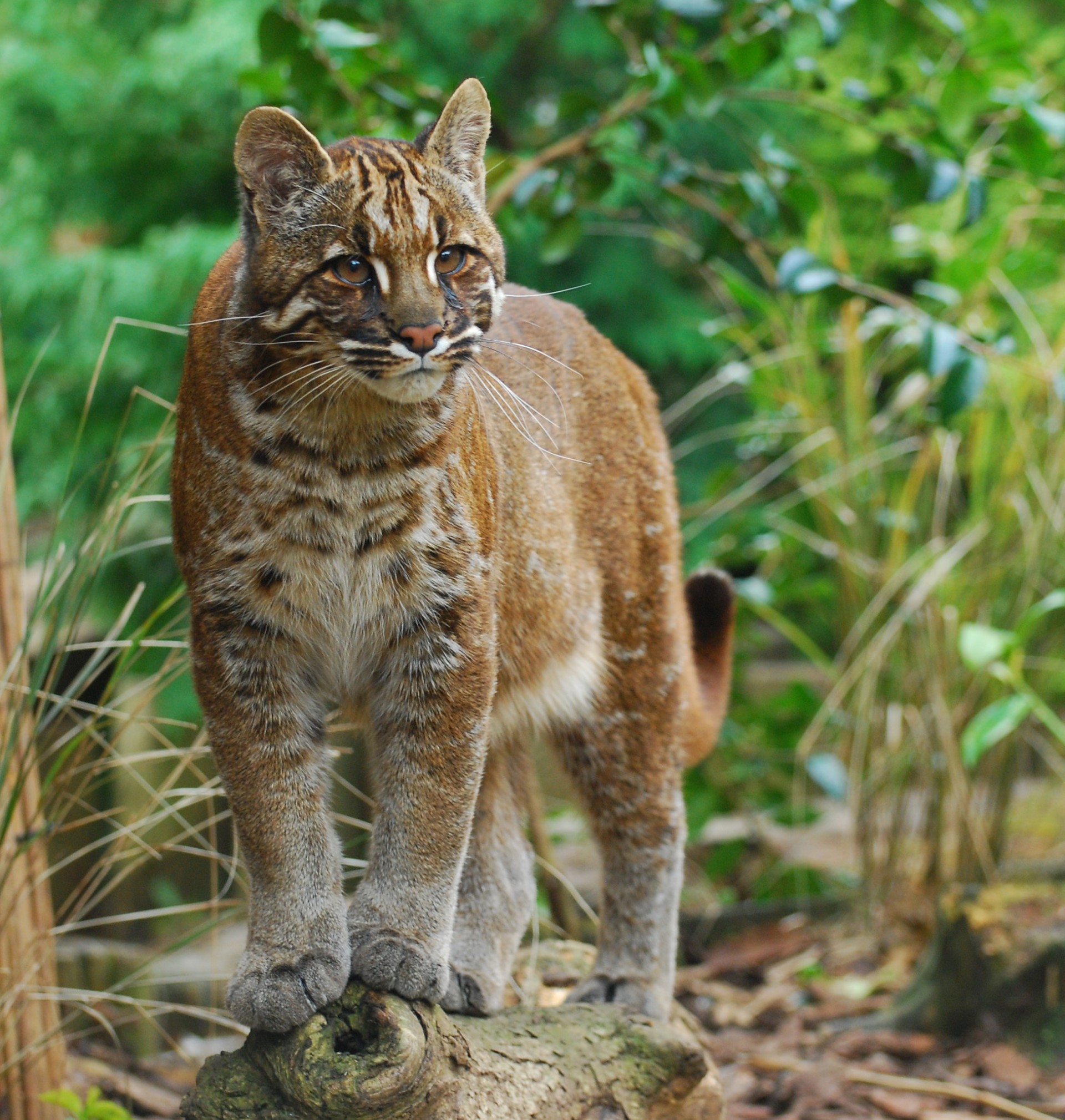
Asian Golden Cat or Temmink's Cat, catopuma temmincki, Adult
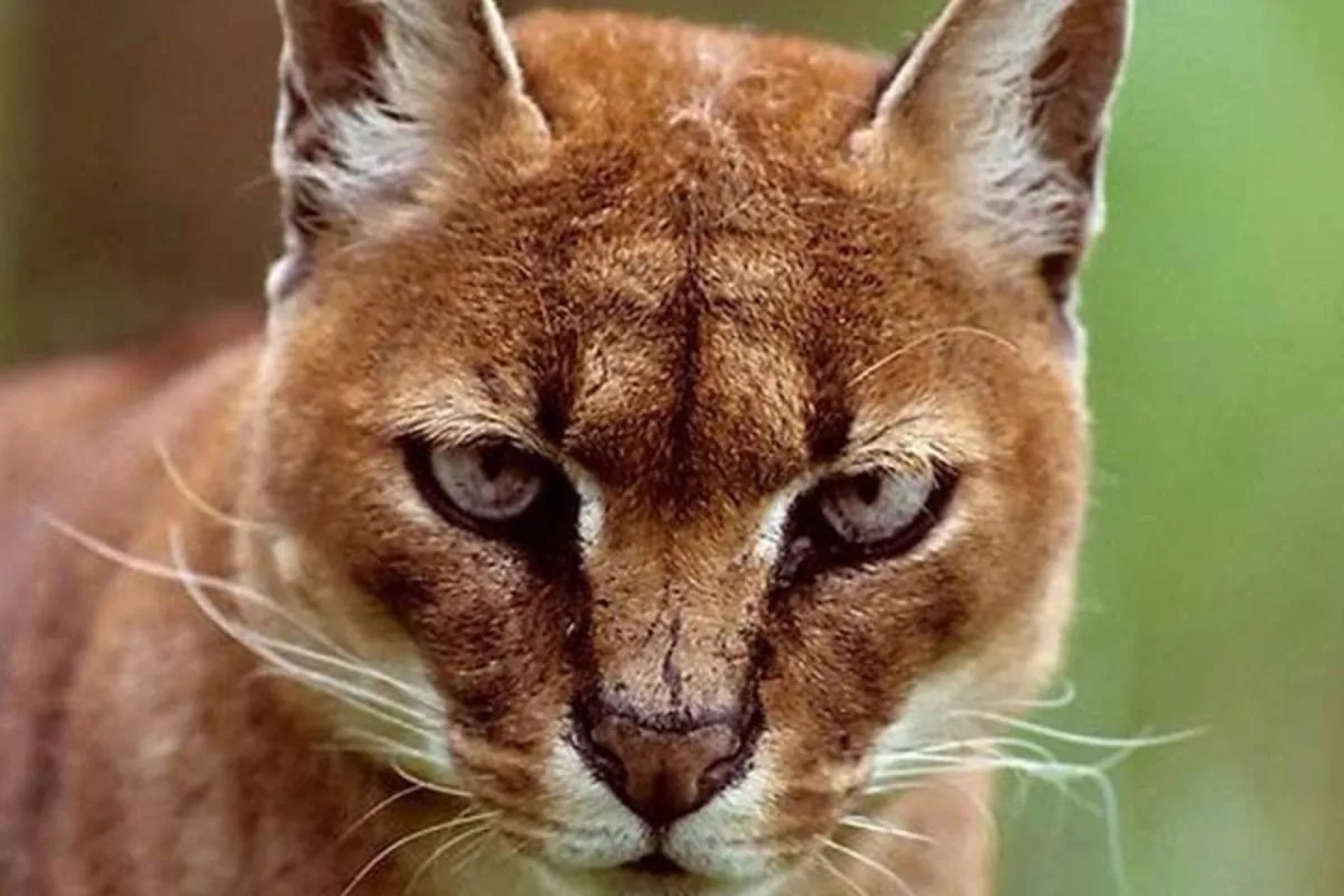
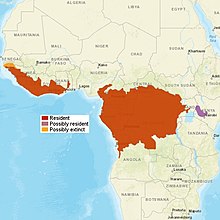
African golden cat
Oddly, although they look similar, African and Asian Golden cats are not closely related, so clearly their looks given them an advantage in the forests of Africa and Asia, which is the habitat that they are found in on both continents.
Like the Asiatic Golden cat, it is rarely seen and poorly studied. It is currently listed as near threatened, with its status in Uganda being vulnerable. The simple fact is, is that it is rarely seen and therefore we know very little about how it lives.
What is clear, though, is that as it lives in rainforests, at relatively low densities, it is a species that will be hit hard if we continue to cut down the worlds rainforests.
As we make links we hope to add places you can visit, in the hopes of seeing this species (though it should be noted, that this is a rarely seen species). These will be below the video and the list of articles (below this information). Do reach out if you work in this field, as we would love to work with you, and help people find you for their wilderness trips.
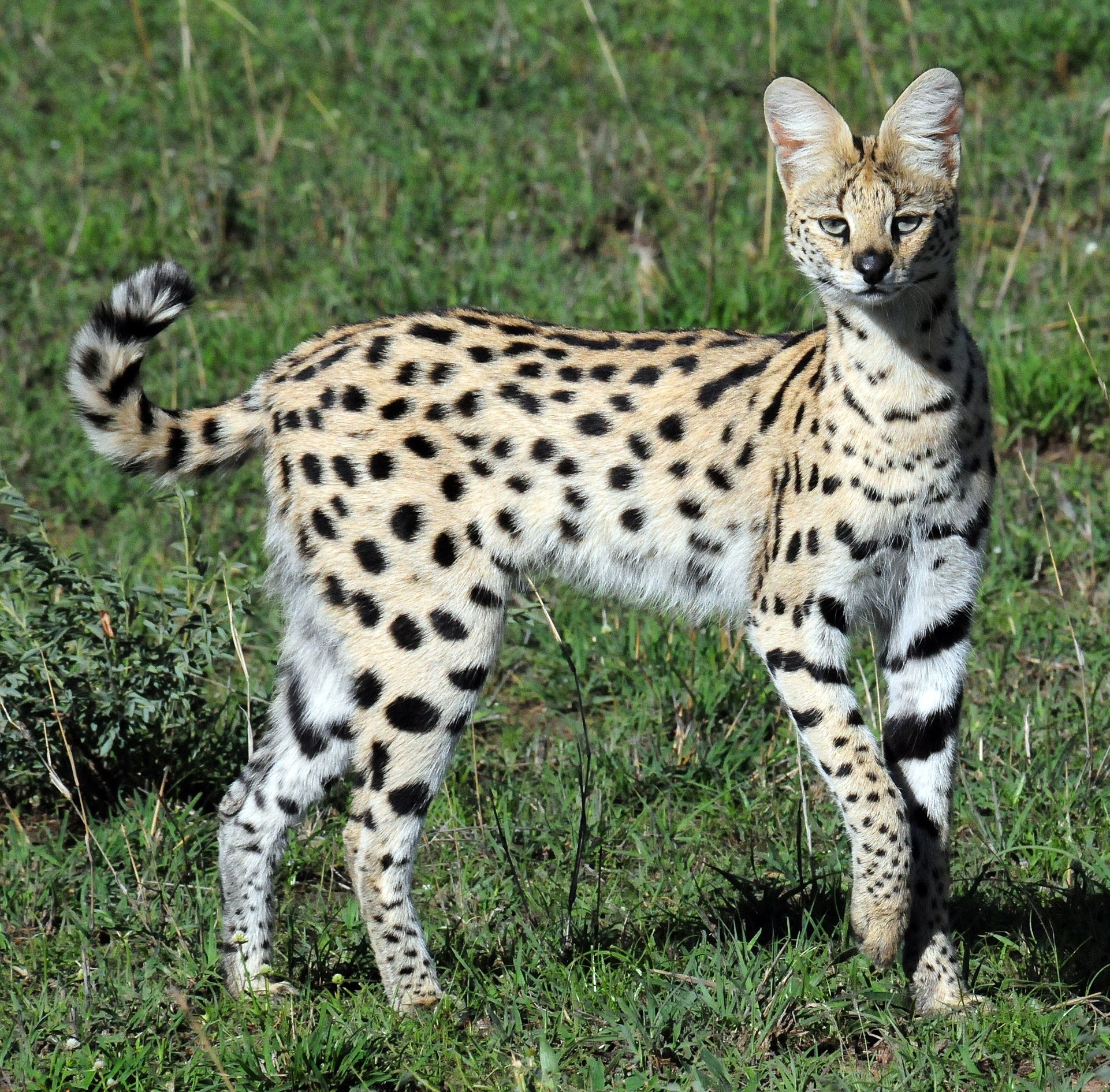
The Serval is a cat slightly bigger than domestic cats. It is a formidable jumper, and uses this to its advantage. It will usually hunt some rodents by stalking them until it is close and then leaping in the air and coming down on its back. It is also one of the few cats that regularly catches birds in flight, given its ability to jump as much as 4m up (indeed, if you see them in a zoo, it is not unusual for there to be a pile of feathers somewhere in their enclosure. The are a nocturnal savannah animal, and are found in most protected areas of sub-Saharan Africa. They are generally plentiful in any savannah with a good supply of water.
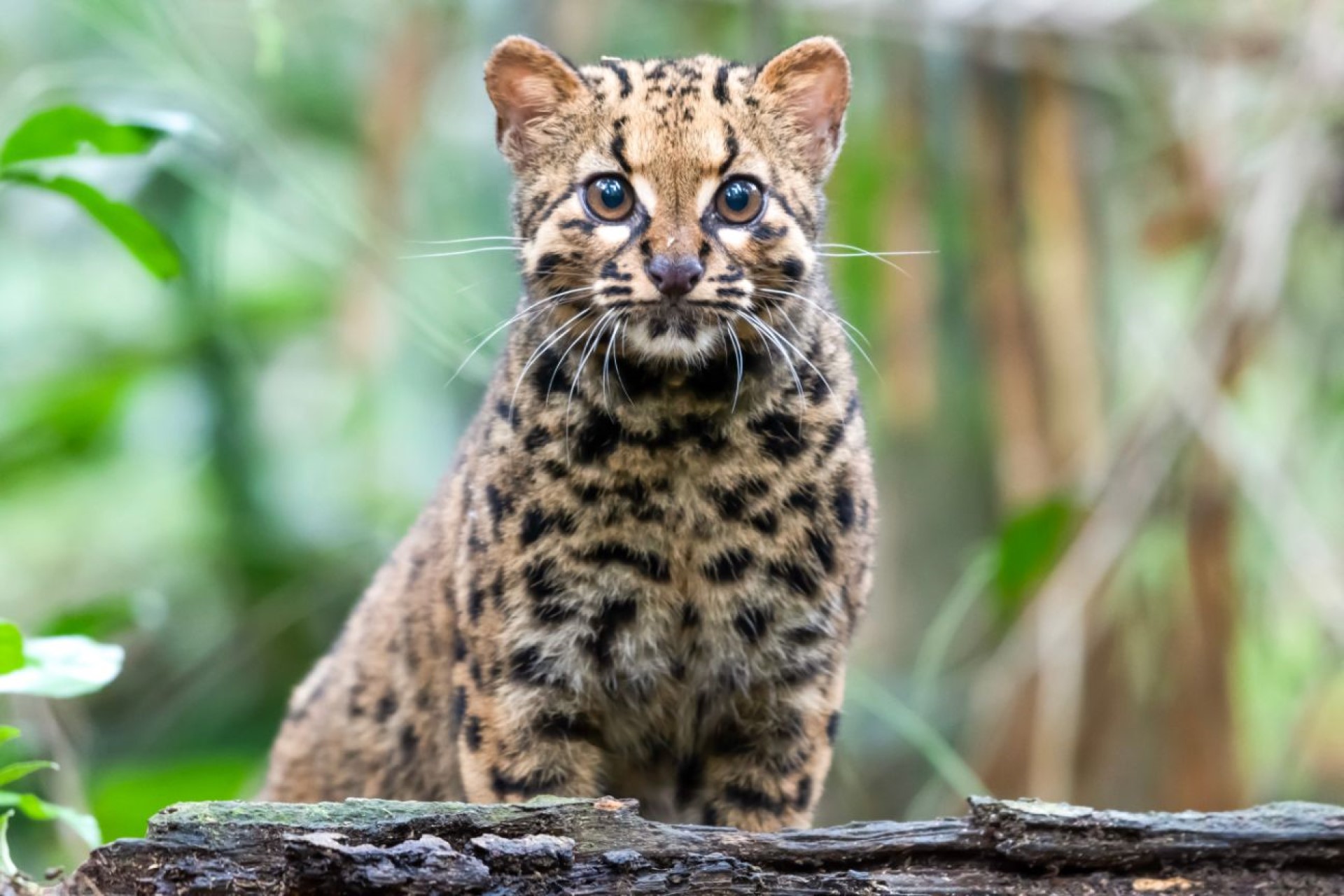
With a distribution from the Eastern Himalayas through to South-East Asia, it inhabits forests up to 2500m elevation. Its size is similar to a domestic cat.
Hunting is prohibited in Bangladesh , Cambodia , Yunnan province (China), India, Indonesia, Malaysia, Myanmar, Nepal, and Thailand. Hunting is regulated in Laos and Singapore. In Bhutan and Brunei, the marbled cat is not legally protected outside protected areas. The legal state in Cambodia and Vietnam is unclear. Indiscriminate snaring in its range threatens its survival in places. It is valued for its skin meat and bones, though rarely seems to feature in the illegal Asian wildlife trade.
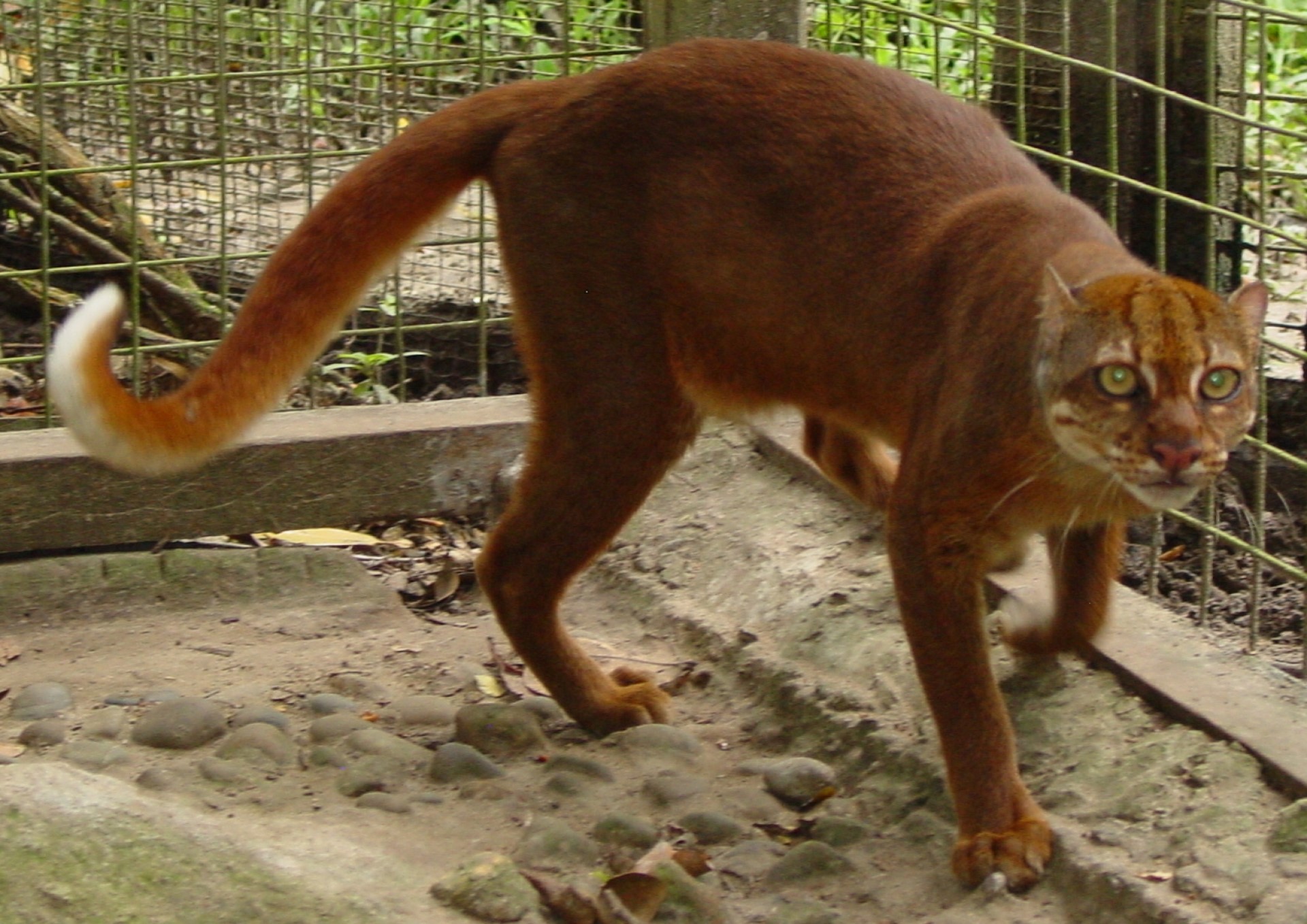
The Borneo bay cat is restricted to the island of Borneo, and is a similar size to a domestic cat. It is officially classed as vulnerable, but no accurate data exists on how many there are. They are rarely seen, making it hard to do an accurate survey.
Below here is a video of the species, and below that is a list of all blog articles which include mention of this species.
Below that we will include any links that will allow you to see this species in the wild (it is rarely seen, so even being in the right place does not guarantee you a sighting). Never-the-less, visiting the area, will help save this species, and there is always a chance that you might spot it.
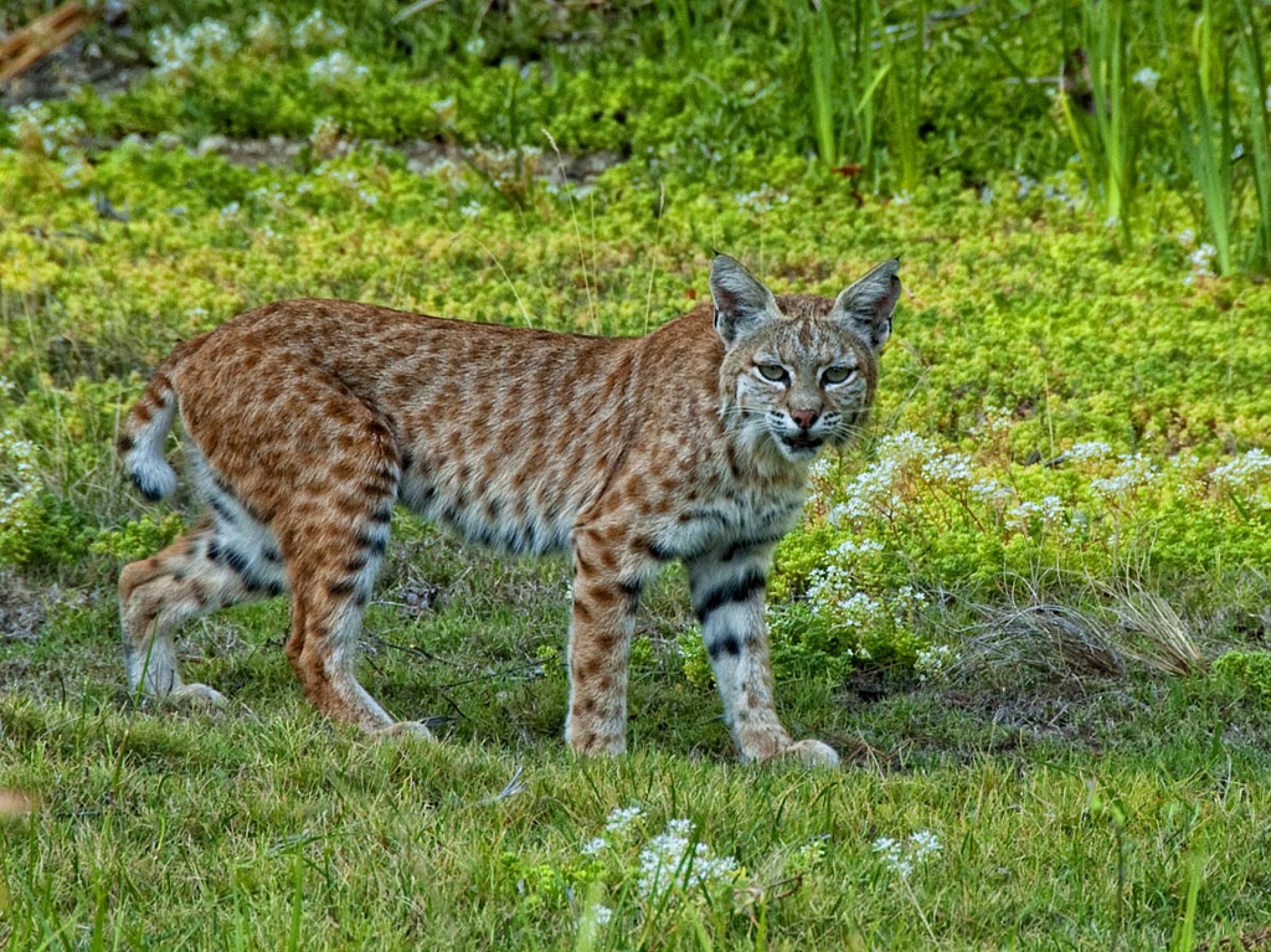
Bobcats are found across most US states as well as parts of Mexico and Canada, it is likely the most numerous wild cat species in the world
Bobcat
Bobcat: This cat is found throughout most of the USA (every state except Delaware) and much of Mexico as well as 5 southern states of Canada. Their population is thought to number between 2.3 million and 3.5 million.
The Bobcat is the smallest of the Lynx family of species, but with 2.2 -3.5 million members spread across northern America, it is the most secure wild cat species.
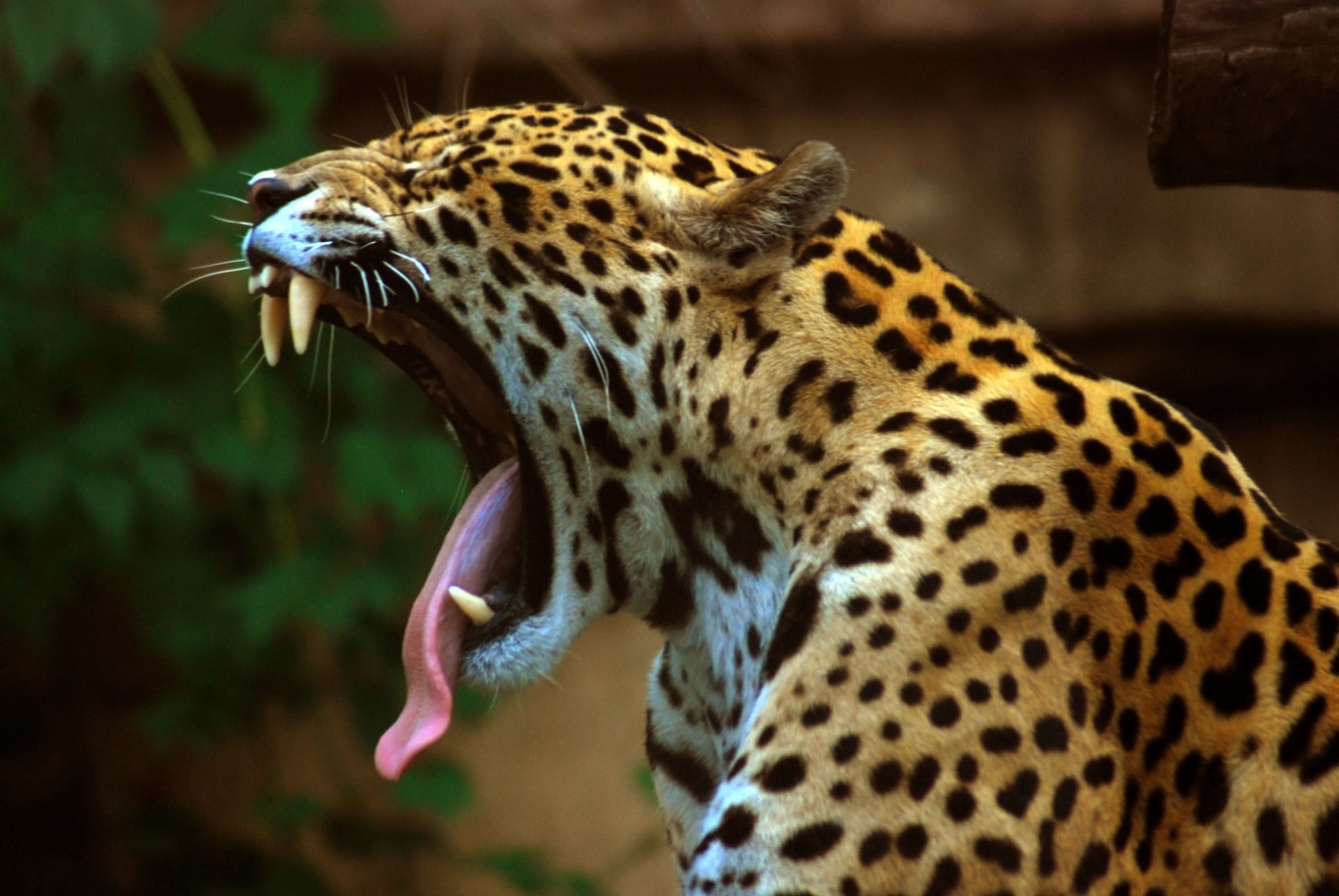
Jaguars are the only big cat not found on the supercontinent. Dominating much of South America, and before the arrival of humans much of Southern North America
photo credit MarcusObal
Jaguar
Jaguars are the only big cat that is found in the Americas. Superficially looking like a Leopard, it is actually no more closely related to a Leopard, than a Lion or Tiger.
Once (as late as the year 1900) ranging from Southern Argentina- north through the rest of South America, and throughout Mexico and the Southern United states (some 19 million square km) its current range is greatly reduced, see the map below.
A map of Jaguar range. Red is the current range, pink is the range back in 1900. As you can see, it only leaves the Jaguar as the king of the Amazon
Wonderful swimmers, fantastic hunters and strong cats, they were undisputed as the apex or one of the apex predators in every environment in which they lived.
They are known to regularly take livestock where it is possible. Possibly as a result of having only millennia rather than the eons that native animals have, they have not learnt to fear humans and keep their distance as healthy populations of lion leopard and tiger do.
However, there is also a huge draw to see this animal in its native habitat. The easiest way to see Jaguar, is usually from a boat on a river.
As with other species on this site, I hope to add many destinations over the next few years. Below these links will be a list of all articles on Jaguars, and we will add all the destinations and links we have, as we make them below the news section.
From the great Pantanal – Brazil’s area of wetland, to a number of reserves across the amazon rainforest (it is estimated that 57,000 Jaguars still survive in the fragments of the Amazon rainforest that still stand. On top of this, there is still significant jaguar habitat in Mexico and central America. One of these was set up by the late great Alan Rabinowitz, who fought right up to hist death for protecting places like Cookscomb basin reserve in Belize.
As with many other wildlife around the world, travel to see these animals is essential, if we are to give a financial incentive to those who live and work in the country. Get in touch if you work in conservation of this incredible animal, or tourism. Link is at the top of the main page (or click here)