Panda Bear

Panda Bear

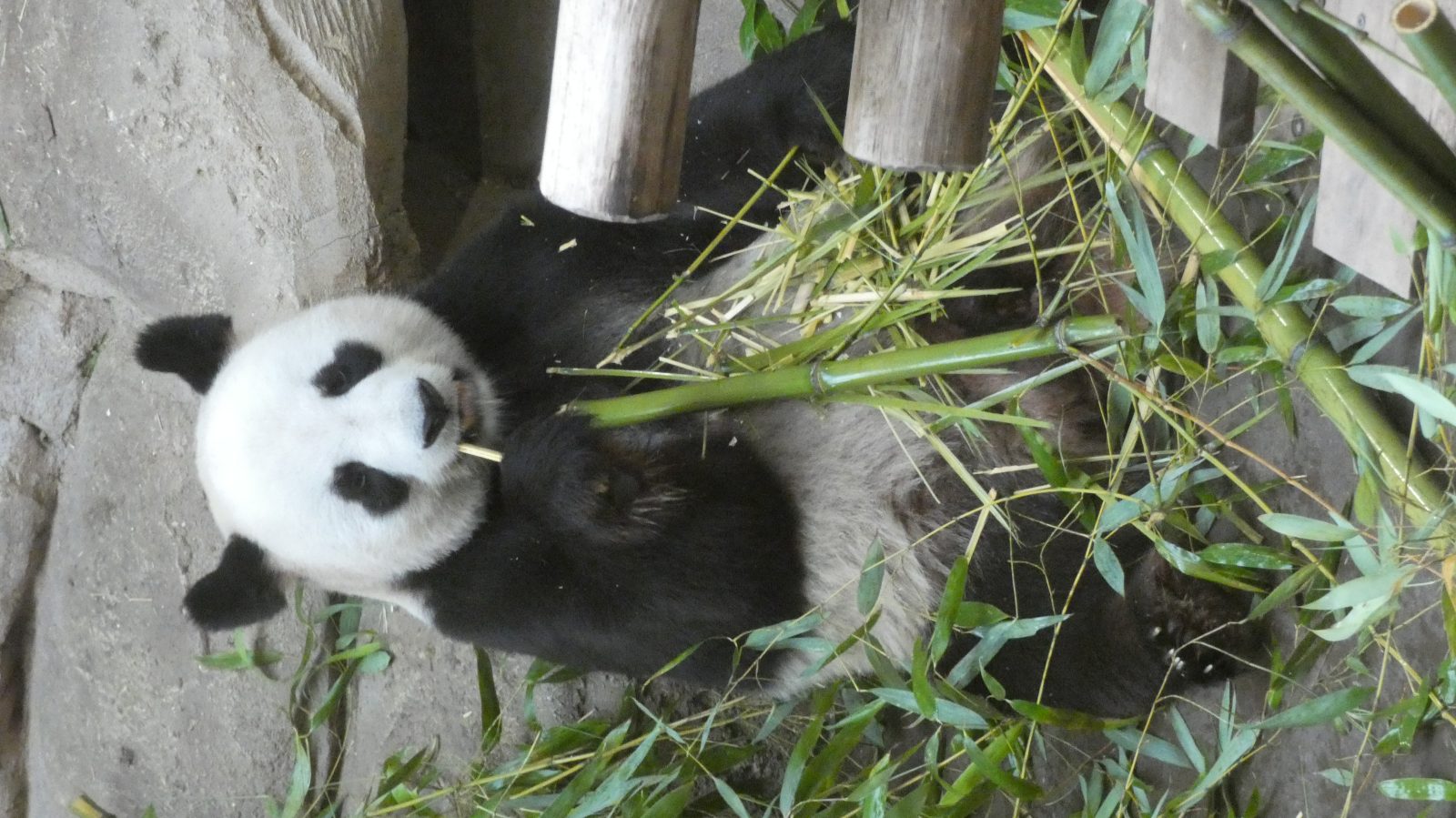
Panda bears are unique amongst the bears, having become a vegetarian species. This means they are of great interest. They also survive only in China, despite the fact that it is the most populace country in the world.

A huge reserve is being created, which should connect most panda populations.

The only bear which has adapted a totally vegetarian diet, Panda bears are well known partly as a result in their face being the mark of the charity WWF, though it’s also likely that China’s panda diplomacy has had something to do with this. Eating almost exclusively bamboo they have a very restricted range in the mountains. Through much effort the current population is 2060 strong. While very expensive and needing high level of fitness, treks to see the Panda can be arranged.

Over time we hope to list many places where you can visit bears and see them in their wild home, these will appear here, and a list of posts we have published on bears will appear below these links

There are 2 subspecies, with the split thought to have occurred around 300,000 years ago.

The standard panda is the one that we all know well. This is the black and white stereotypical panda that we are all familiar with.

These pandas are generally found within Sichuan province in China.

The population of both subspecies of panda is nearly 1900, which means that the population of this subspecies must number between 1600 and 1700. However, as always, we are operating on subspecies so its hard to be sure.

Below, I have included 2 videos of the more common  giant panda.

  • The first is an incredibly rare encounter with a panda bear on one of the roads that crosses their habitat – what a treat for the driver.
  • The second is a mother panda teaching her young how to eat bamboo.
  • The last video shows the training that humans give to pandas. to get them ready for a life in the wild (this is incredibly hard and time-consuming process. While it may be possible to reintroduce captive breed animals , or even a whole population from scratch, it will be far easier if we are able to maintain a minimum wild population instead.

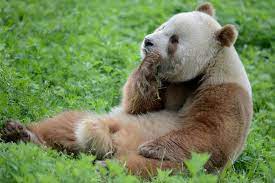
The Qinling panda, is restricted to the Qinling Mountains in Shaanxi at elevations of 1,300–3,000m. These pandas have a brown and white pattern (though largely in the same arrangement.

The population is thought to number 200-300 though numbers are not certain.

Below, I have included 2 videos of the Quinling panda. 

  • The first is a rare piece of footage of a quinling bear on the edge of a local city.
  • The second is footage of possibly the only Quinling bear that is currently found in captivity.
  •  The last video is a more in depth video about this subspecies which has recently be discovered.
[smart_post_show id="14161"]

Gibbon – grey (Mullers/Southern, Northern, Western(Abbots) and Eastern)

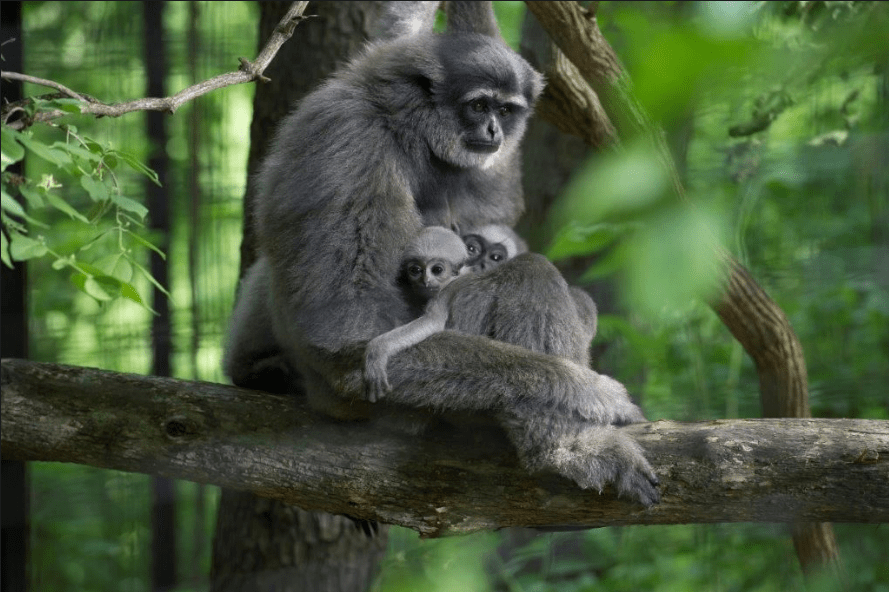
The Grey Gibbon (also known as Mullers/Southern, Northern, Western (abbots) and Eastern

The Grey (Mullers/Southern, Northern, Western(Abbots) and Eastern) gibbon is a species endemic to the island of Borneo. As you can see, it goes by a variety of names.

Thought, until recently to be a single species, alongside the Northern and the Southern grey, recent studies have demonstrated that they are distinct enough to be separated either as subspecies or species. However, we are going to deal with them together. It is true that along the border of their ranges, there have been occasions of breeding together -and while lions and tigers have interbred, this seems different. It is possible that in the future, I will separate them out.

Borneon grey gibbons are as a whole considered endangered, having suffered a greater than 50% decline in numbers in the last 45 years.


The rainforests of Borneo are thought to be 140 million years old yet humans have destroyed half of it in just 40 years. The biggest driver of this deforestation is the Palm oil industry, which has required land to grow its crops. Never-ending growth of the lands for this crop must end, though whether this end will be reached while Borneon forests still stand is anyones guess.


This is not a species that I have written about, but if I do in the future, it will appear below. Furthermore, as we add destinations that are good for this species they will appear below the news (do feel free to send news articles that you write to be included here)


[smart_post_show id="13409"]

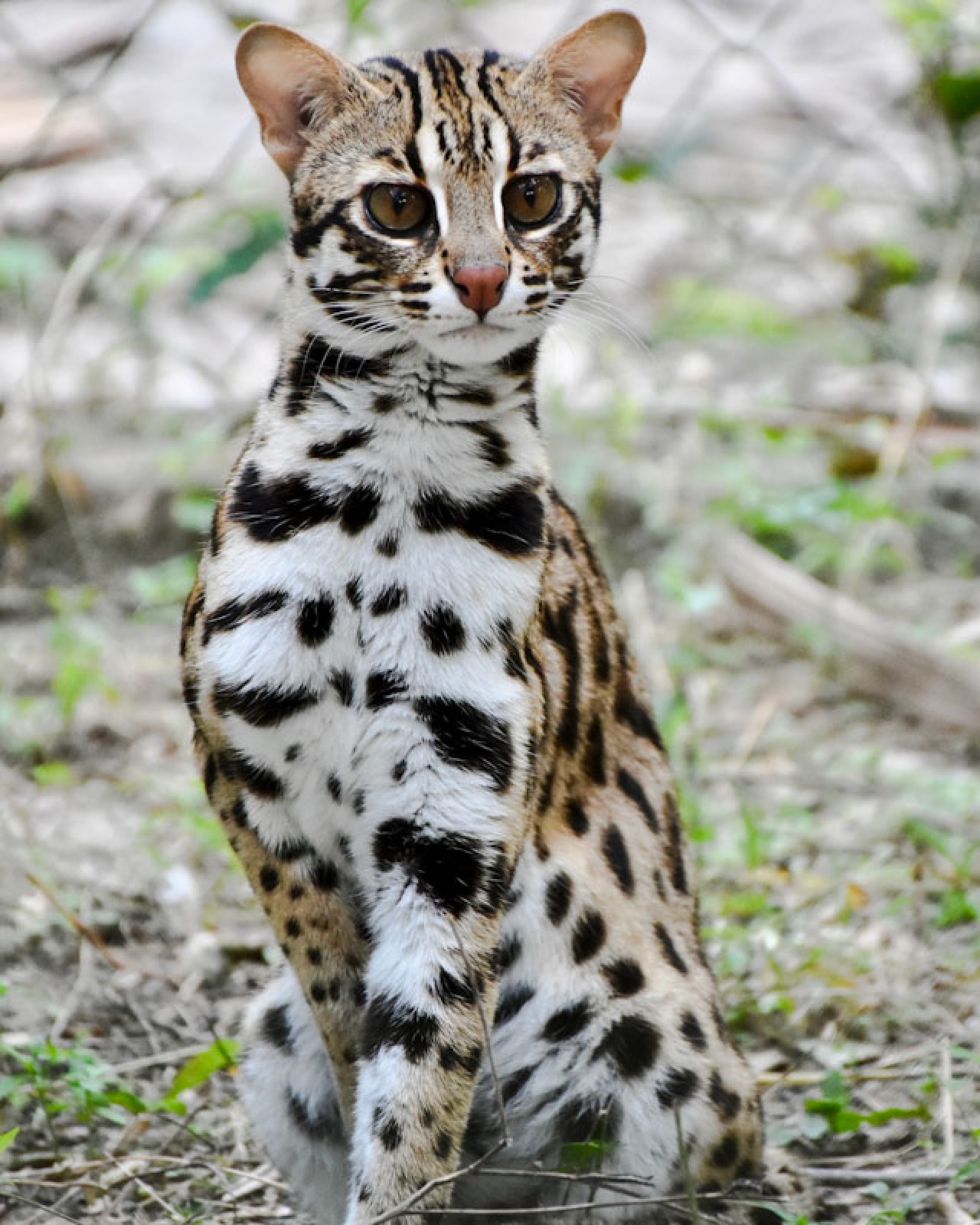
Asian Leopard cat and Sunda leapard cat

An Asian Leopard cat

Asian Leopard cat


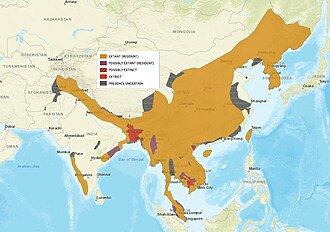
As you can see quite an impressive range. They Asian leopard cat, was once thought to be the same species as the Sunda leopard cat, with the difference only recognized in 2017. It is roughly twice the size of a domestic cat.

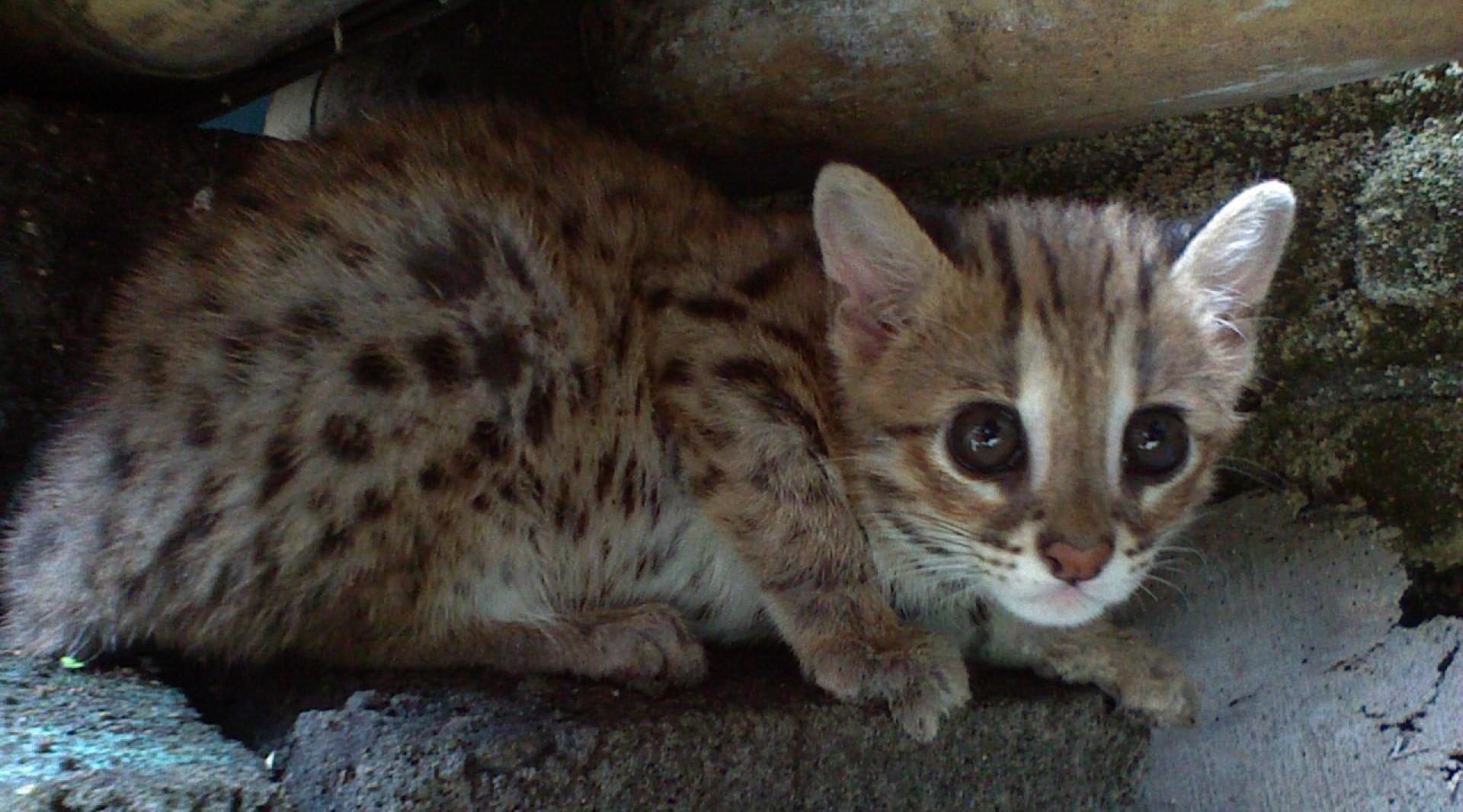
There are 2 subspecies currently agreed, one being the  mainland and the other being the Island Sunda leopard cat (I have included an image of the Sunda Leopard cat below).

Below that is a list of any article which mentions the leopard cat, as well as a video of this species. Beneath all of this, we will also add any links that we can to help you see this species in the wild. Do get in touch if you work in ecotourism and ever see this species. We would love to help people find you.

The majority of videos are of this species in captivity, as they are hard to see in the wild. Having said this, we are eager to list any people who work in ecotourism in the this animals range and occasionally see it in the course of their work (we are also keen to list people working in this field who see other species, but they will not appear on this species page but others).

[smart_post_show id="24962"]

Dog family tree

The Dog (caninae) family tree

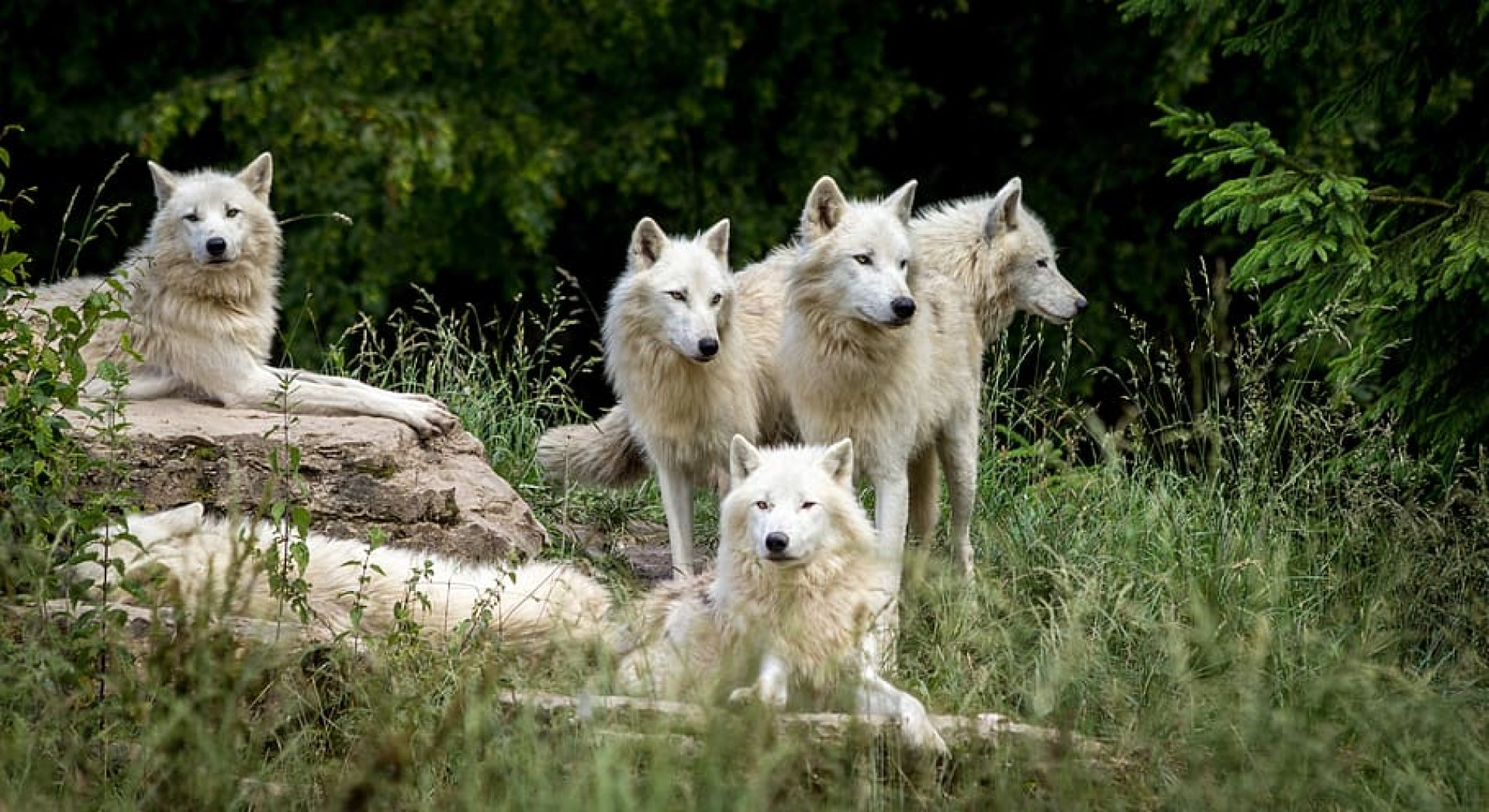
The arctic wolf is a subspecies of the grey wolf found native to the High Arctic tundra of Canada's Queen Elizabeth Islands, from Melville Island to Ellesmere Island.

The Dogs also form an incredibly successful family. They have spread to even more so more of the earths surface has a dog living in each area. They has been classified into 2 tribes.

The first tribe is the tribe Canini (true dogs), which is further split into two subtribes. Each sub tribe is in turn split into a number of Genus, which have a number of species each

The first subtribe is Canina which is wolf like Canids, this is in term split into 4 genus which I will take in turn

Canis

First genus  is Canis, which is subdivided into 6 species 2 of which have into subspecies.

The second genus is Cuon and only has one member in it. This is found in central south and south east Asia.

The next genus is Lupulella, and has two members, both found in Africa

The last Genus in Canis is Lycaon. This only has one member, which is the African wild dog

The second subtribe is Cerdocyonina (south American Dogs). There are 5 genus with living members (South American dogs), with the 6th (Dusicyon) containing 2 extinct species – so we will not mention this agai .

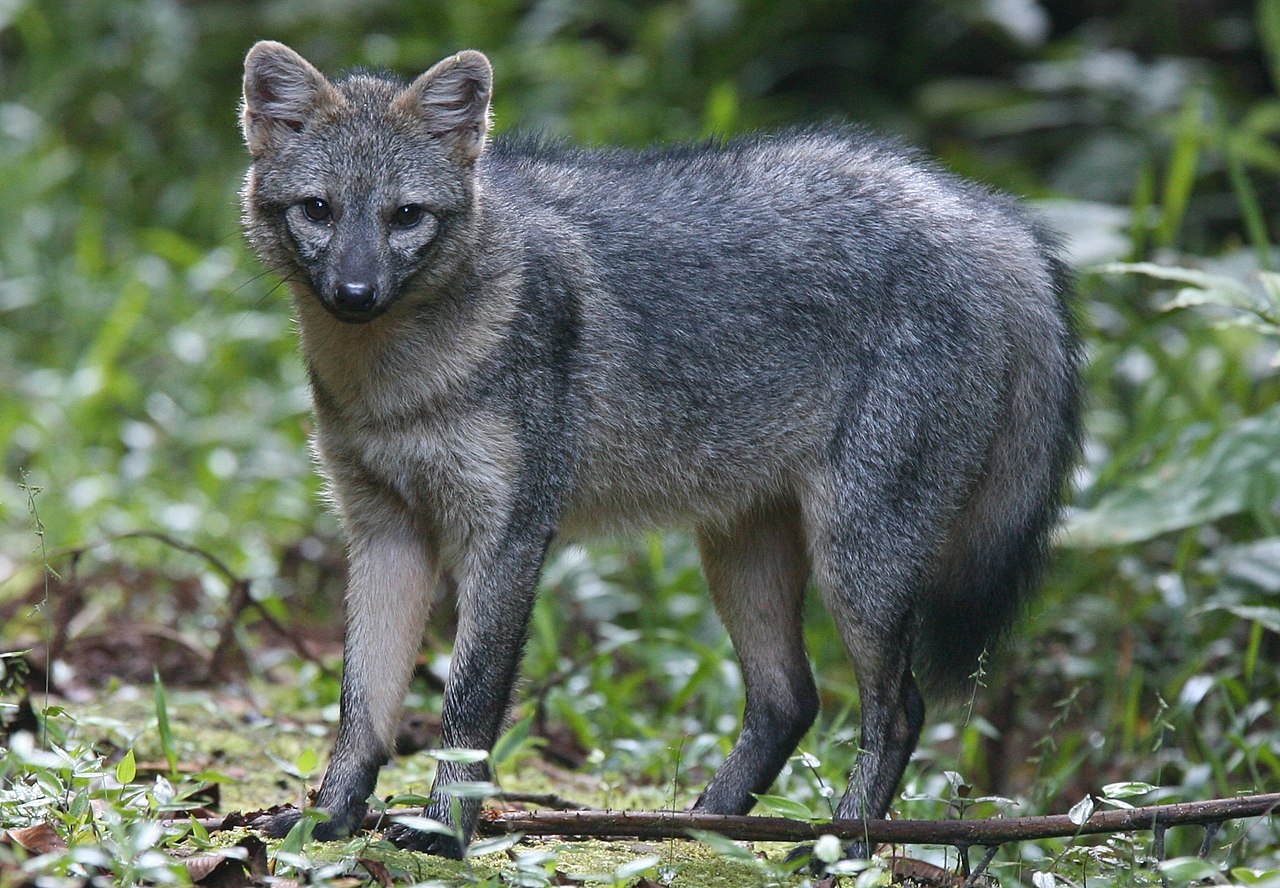
Of the 5 genus with living members, Lycalopex is one of these genus with 6 species. Lycalopex is made up of South American fox species – it should be noted that these so called South American foxes are not foxes. While they look like foxes, they are more closely related to Jackals and wolves.

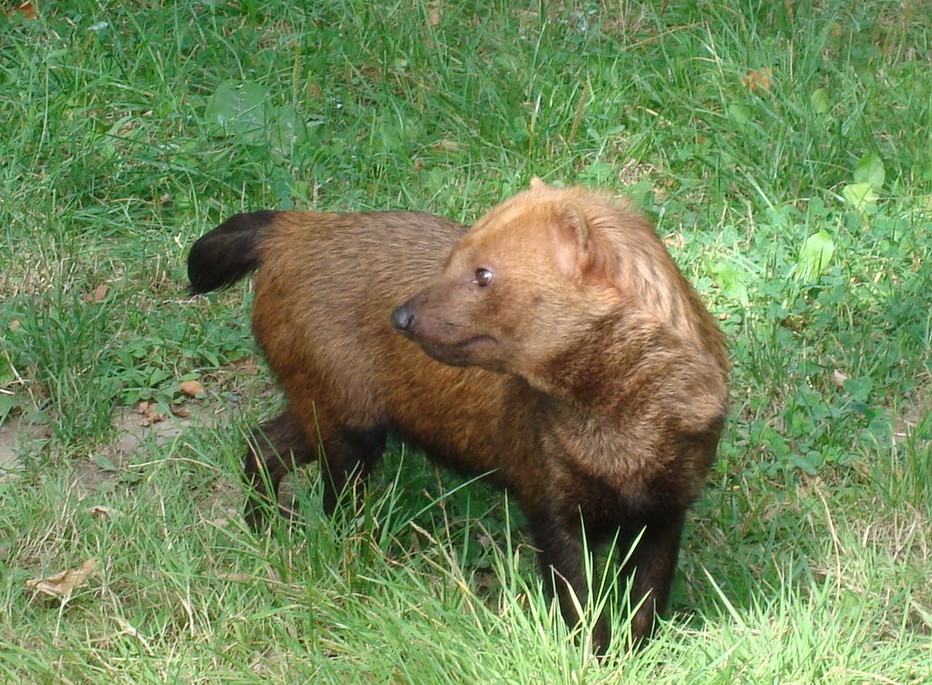
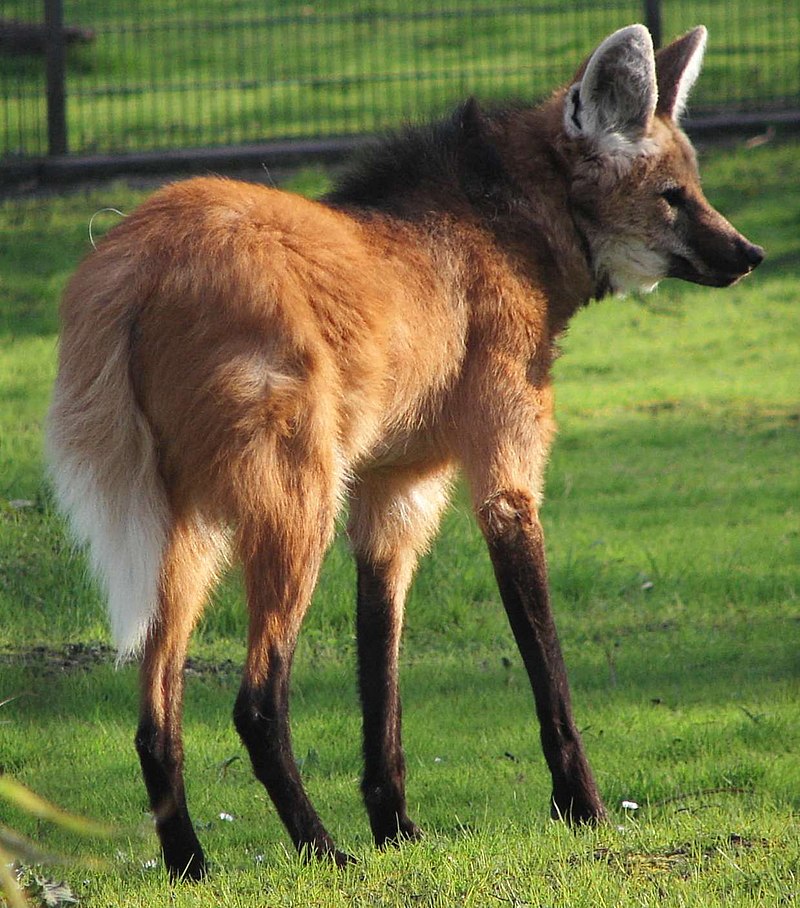
The other 4 Genus in this subtribe, with living members each only have one member, so I will deal with these Genus in one go. These Genus are  Atelocynus, Cerdocyon, Chrysocyon and Speothos. In the same order, the species that inhabit each of these genus are Short eared-dog, Crab eating fox, Manned wolf and the Bush dog.

Then there is a tribe called Vulpina, sub divided into 3 Genus. these are essentially the fox like canines

  • The Nyctereutes which consist of the Racoon dogs: the common raccoon dog and the Japanese racoon dog.
  • The Otocyon which consists of the bat eared fox
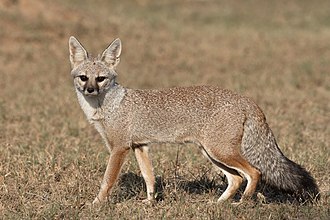
  • The Vulpes: Which I will deal with in the next section, separately (below

The true fox family is a large extended family of foxes from around the world. They all behave in a similar way, though the habitat in which they live can be very differemt

Finally there is a Genus on its own called Urocyon which consists of grey foxes, of which there ae only 2 surviving members.

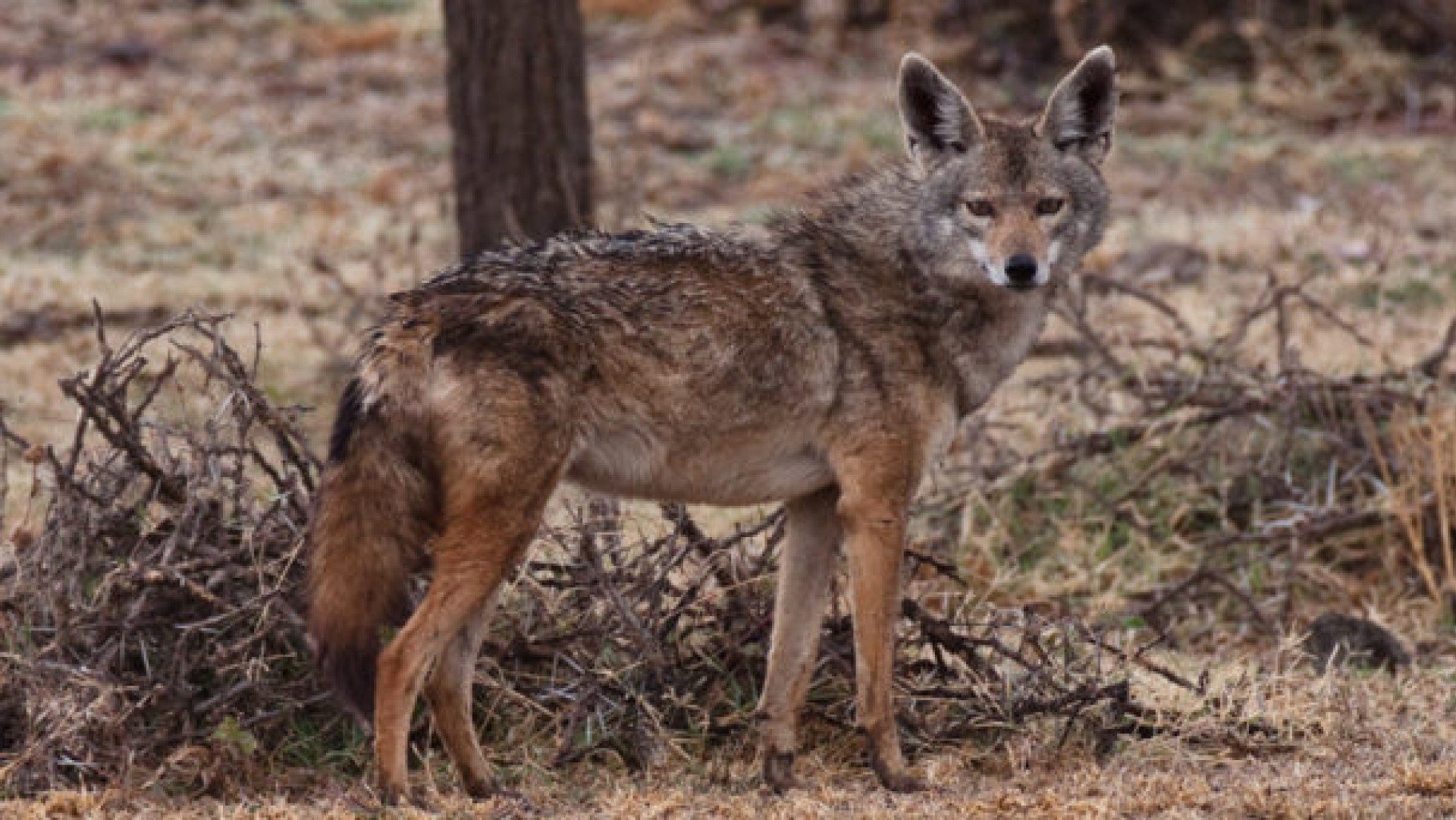
African wolf

African Wolf

Perhaps one of the more interesting announcements from wildlife study in the last decade was the discovery of a wolf living under everyones nose in Africa. It is a little understandable, as it does look quite like a jackal, and certainly different to a European wolf. Having said this, it is still a significant oversight

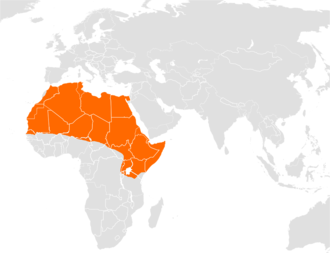
It was initially described as the African Wolf back in 1832. Indeed, Aristotle talked of wolves living in Egypt in his time, however, it was not until 2017 when a second modern study was done on it, and it was definitively recognized as a species. The problem is that, despite this huge range there is no idea how many African wolves there are in the wild. Obviously with this huge range, it is not unreasonable to suggest that they are locally extinct in areas – there are a number of subspecies that have been tentatively suggested, however until true assessments are made, this seems more than we need.

It should be noted, that it is not surprising that the African wolf was overlooked for so long, as it has got smaller over its time in Africa, to the extent that it is very hard to tell the difference between tha African golden wolf, and the golden jackal.

There has been little study of this species, and it is unclear exactly how much range that it has. Hopefully, this will happen in time, but it is clear that the big problem is telling the difference between golden jackals and golden wolves. 

African wolf range

There are a number of subspecies of the African wolf (quite quick, given it was not redeclared as a species 6 years ago. They are classed as a least concern. While not all sub-species have a clear estimate of the current population, genetic analysis suggests that the historic population was not smaller than 80,000 females.

  • Algerian wolf – range Algeria, Morocco and Tunisia -A dark-coloured subspecies, with a tail marked with three dusky rings. It is similar in size to the red fox
  • Senegalese wolf – Senegal – Similar to the Egyptian wolf, but smaller and more lightly built, with paler fur and a sharper muzzle.
  • Serengeti wolf – Kenya, northern Tanzania – Smaller and lighter-coloured than the northern forms. The wild population is 1500-2000
  • Egyptian wolf – Egypt, Algeria, Mali, Ethiopian Highlands, and Senegal – A large, stoutly built subspecies with proportionately short ears and presenting a very gray wolf-like phenotype, standing 40.6 cm in shoulder height and 127 cm in body length. The upper parts are yellowish-gray tinged with black, while the muzzle, the ears and the outer surfaces of the limbs are reddish-yellow. The fur around the mouth is white.
  • Somali wolf – Somalia and the coast of Ethiopia and Eritrea – A dwarf subspecies measuring only 12 inches in shoulder height, it is generally of a grayish-yellow color, mingled with only a small proportion of black. The muzzle and legs are more decidedly yellow, and the underparts are white.
  • Variegated wolf – Sudan and Somalia – A small subspecies standing 38 cm (15 in) at the shoulder, and measuring 102 cm (40 in) in length. The fur is generally pale stone-buff, with blotches of black.
[smart_post_show id="12198"]

We are incredibly eager to work with any guides who encounter the African wolf in their work, and list your services here. Please get in touch through the list your wild place option at the top of the page.

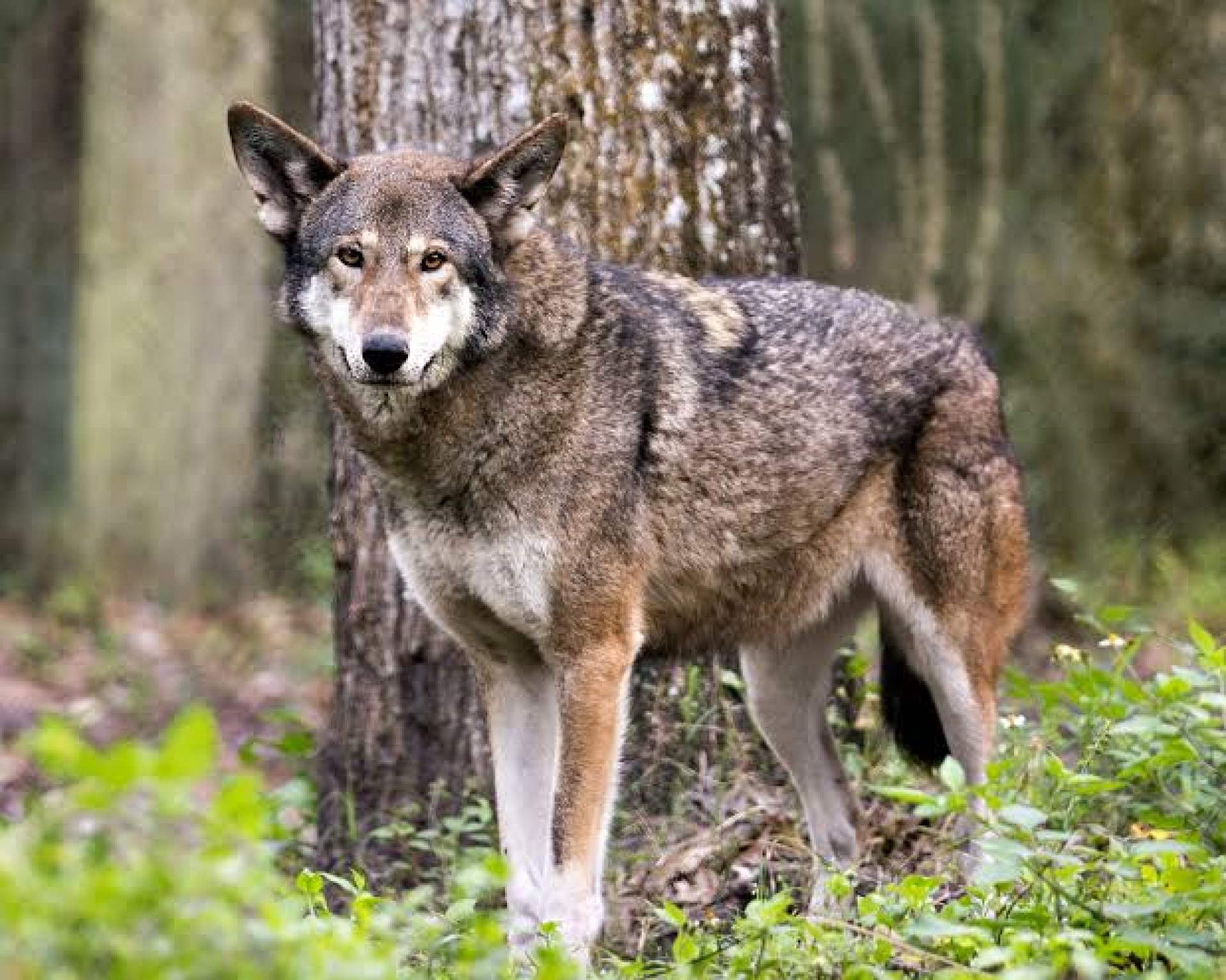
Red wolf

Red wolves

Red wolves have varied a bit about whether they should be classed as their own species or a subspecies of the grey wolf, however it has now been settled that they are separate for quite some time.
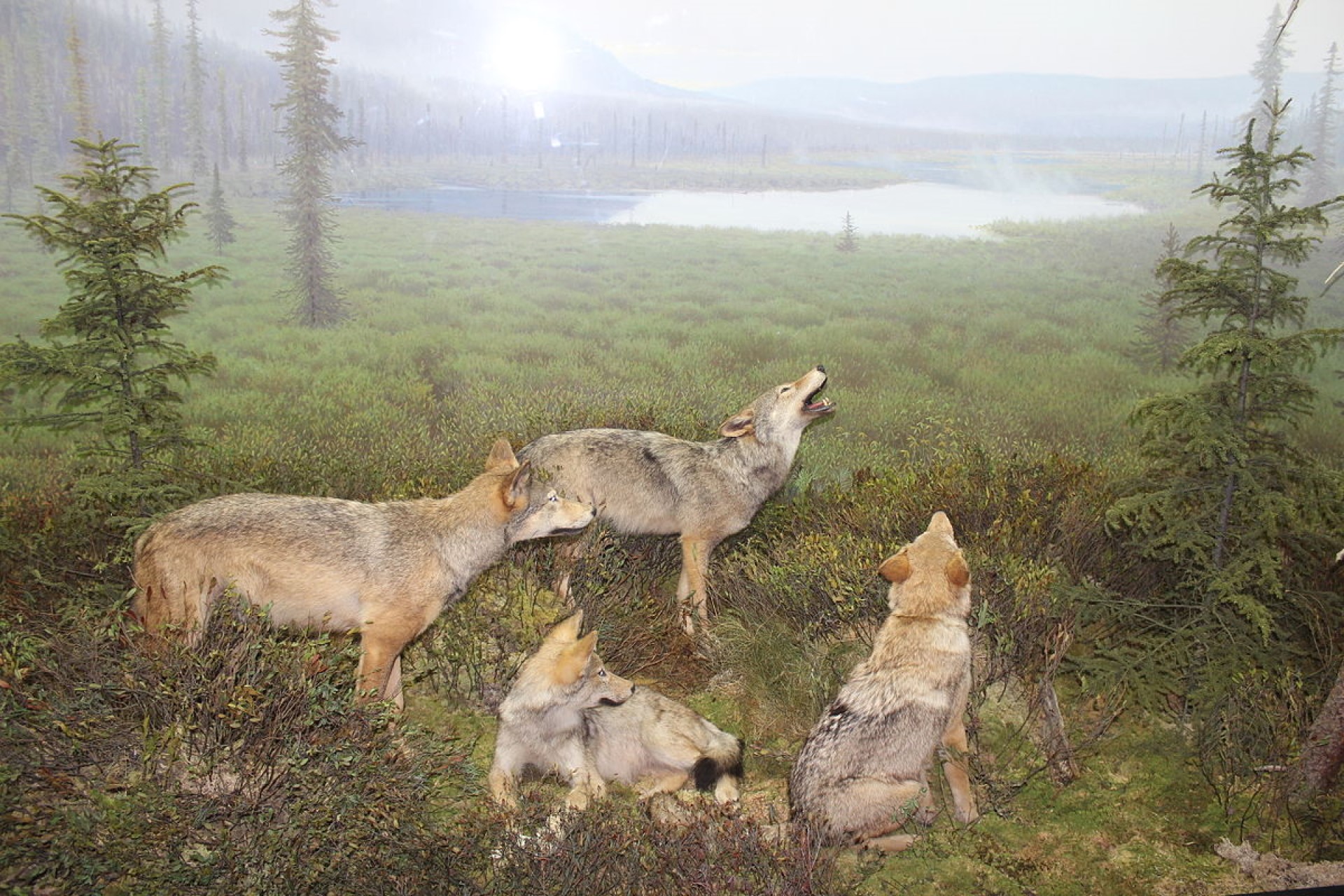
Size-wise it lies midway between a grey wolf and a coyote. Indeed, despite its serious danger of extinction, it is often missing from the endangered list. It has at various times been suggested to be a cross between the wolf and the coyote, or been a subspecies of the wolf.
It has been listed as critically endangered since 1996 by the IUCN, yet the same species is not listed in the CITES appendices of endangered species.

If or when we write any articles on this subject, they will appear below

To return to the canine family, click here

[smart_post_show id="12175"]

Algonquin wolf

Algonquin Wolf

This wolf was formerly called the Eastern Timber wolf, and was considered a subspecies of the grey wolf. There are only around 500 of this species that live in the wild. They are classified as vulnerable, presumably as there was never a large population of these wolves in the wild. They are thought to have split from grey wolves 67,000 years ago (for reference, this is more than twice the minimum distance back to when red and grey wolves split).
Found in the area of the great lakes and eastern Canada.

At the point at which it was decided that this wolf is a separate species, it already has a relatively low population, though it is considered to be mid-way between secure and extinct.

Any articles that we write in the future will appear below. We hope in the future to link to people who can help you see them in the wild, this will lie below the news. Do get in touch if you live or work in the area, we are really keen to connect you with those people visiting the area, so that they can see this newly split species and to bring you income from this species on your doorstep.

Both of the below videos are from Algonquin park, the first is a natural howl of a wolf in the stillness of the morning, while the second, is a howl prompted by a human howling into the wilderness – while this should not be done too often, as it can make the wolves nervous (they howl to spread themselves out, so hearing howls can make them think that they have to fight – though howling in North America is far more common, likely as a result of centuries of persecution in Europe.
As we make links in the field to see this species, they will appear below the  videos and the list of articles.

[smart_post_show id="12163"]

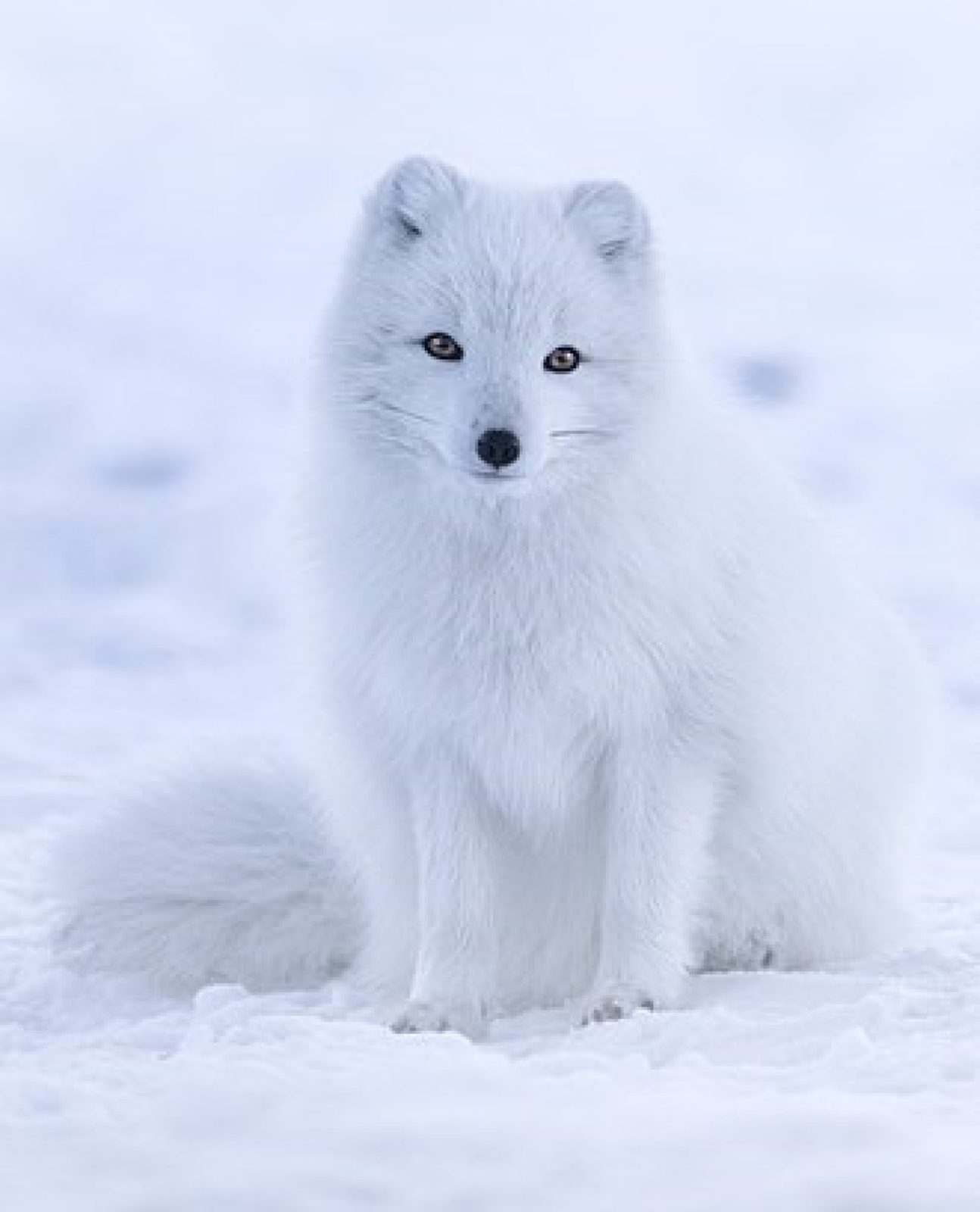
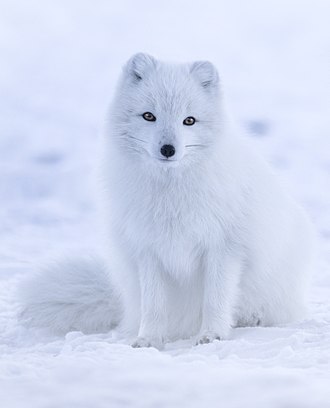
Arctic fox

Arctic fox

It is a similar size to other foxes, although generally more rounded, so as to loose as little weight as possible.

The Arctic fox preys on many small creatures such as lemmings, voles, ringed seal pups, fish, waterfowl, and seabirds. It also eats carrion, berries, seaweed, and insects and other small invertebrates.

Natural predators of the Arctic fox are golden eagles, Arctic wolves, polar bears, wolverines, red foxes, and grizzly bears. Having said this, they are also keen scavengers and seem to get alarmingly close to these animals on relatively regular occasions. in places where they occur, rodents such as lemmings can form a large part of an arctic fox families diet. In areas where their range overlaps with red foxes, they often build bigger dens with more exits, so as to be able to escape. One of the issues with reduced snow cover, is the fact that red foxes can seize range formerly used by Arctic foxes.
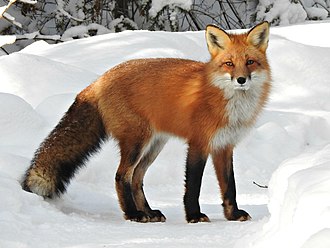
During much of the year, there is as much as a 90-100 degree difference between the internal temperature of the fox and the air temperature. When inactive, they will curl up into a ball, tucking in all extremities to preserve heat as much as possible.
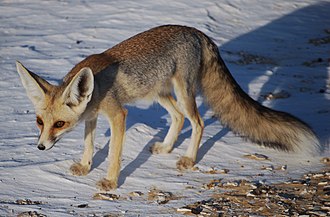
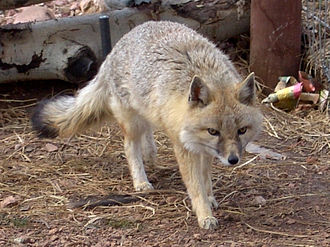
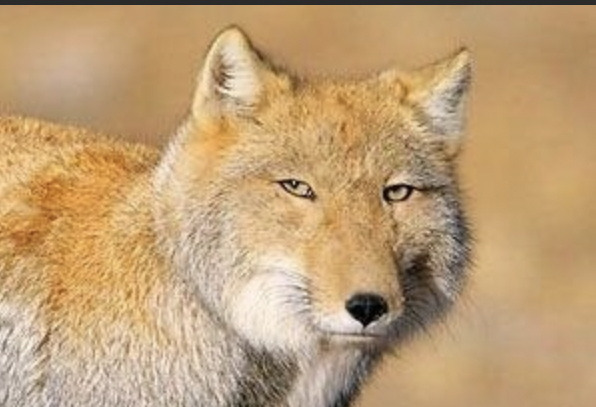
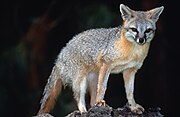
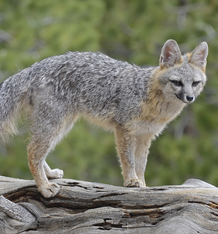
Primarily monogamous, a pair of arctic foxes are required in order to raise their cubs. In areas where predation is higher, arctic foxes change their behaviour. Here they are often far more promiscuous, possibly so that there are more adults who think the young is theirs and therefore more help for protection, should one of the true parents get killed.

They are the only fox with fur on their feet, so as to avoid even more heat loss. It appears to have originated out of foxes from the Tibetan Plateau.

There are 4 recognized subspecies (beyond the common one)


      • Bering Islands Arctic fox, V. l. beringensis

      • Iceland Arctic fox, V. l. fuliginosus

      • Pribilof Islands Arctic fox, V. l. pribilofensis

    [smart_post_show id="22908"]

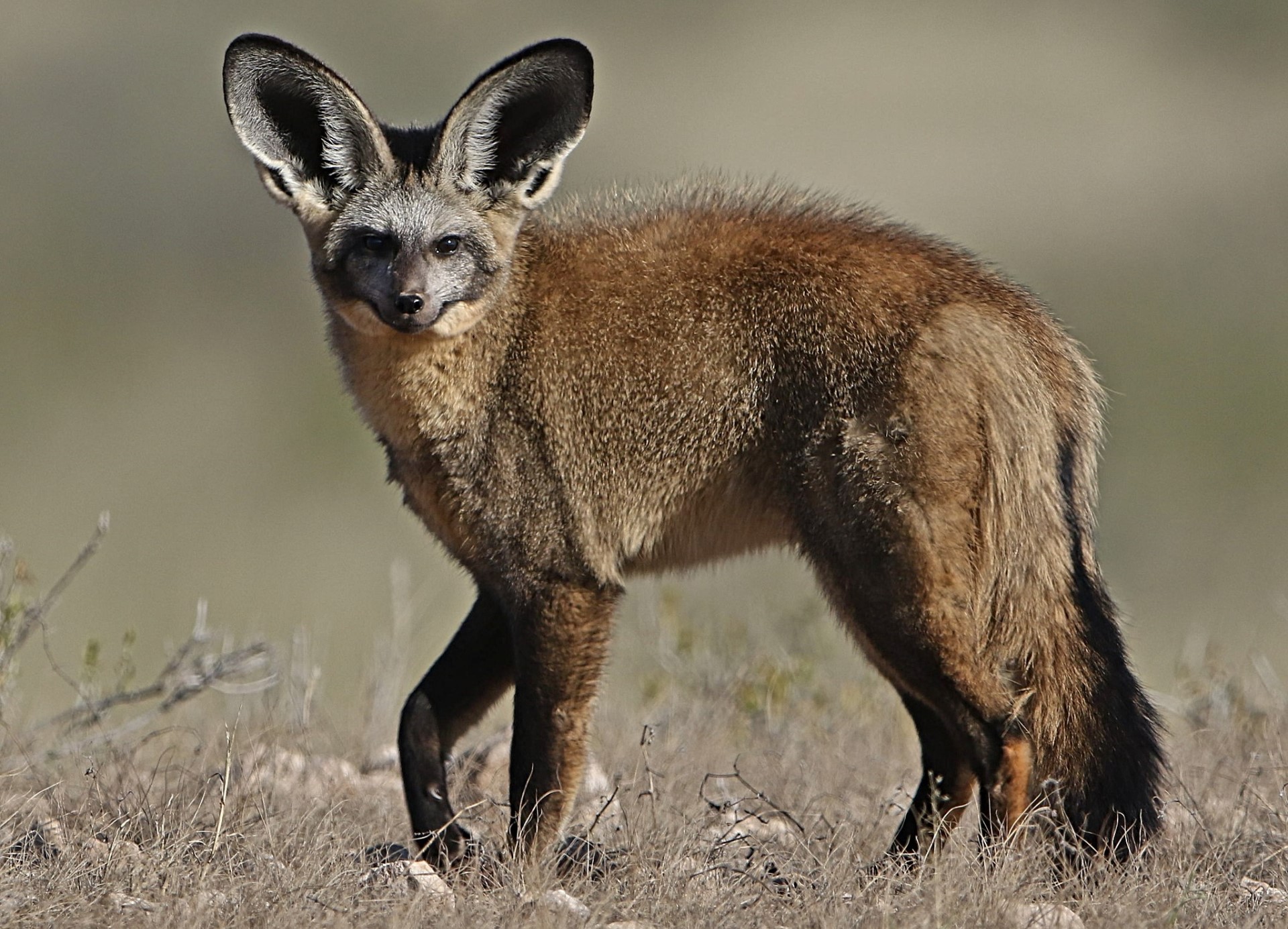
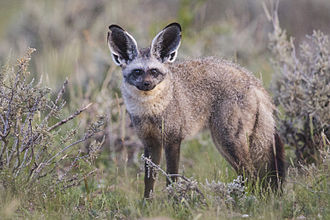
    Bat-eared fox

    Bat-eared foxes are hard to mistake due to their huge ears, which allow them to hear insects under the ground.

    Bat-eared fox

    The bat-eared fox, like many so called species of fox is not a true fox, but actually comes from the Genus Otocyon. Recent work genetic work has allowed them to be placed (with reasonable confidence) as sister clade to Nyctereutes (racoon dogs) and Vulpes – the true foxes.

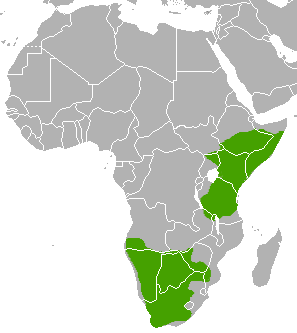
    There are two subspecies, one which exists in Southern Africa, and the other which inhabits east Africa, however these are not different enough to be separate species. As you can see from the map, these two populations are not split by a huge distance and it is quite possible that at one time they were one super population.

    They are found in the Kruger, though only seemed to arrive in recent times.

    Below is a video of this species. Below that is a list of any blog posts which mention this species.

    Beneath both of this, we are eager to list any places where you can see this species in the wild. Should you run somewhere, where this species is found, get in touch, we are eager to help people to find you. Click on “list your wild place” it is quick and simple to add your destination, should anyone wish to then visit you, there is a simple form which allows them to book your destination through the website (we work on commission so there is no risk to being listed).

    The bat-eared fox is in a safe position, being listed as IUCN as least concern.

    [smart_post_show id="27880"]

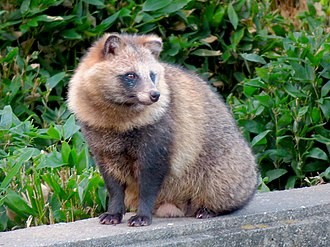
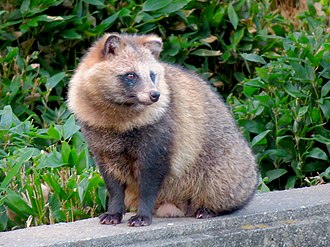
    Japanese raccoon dog

    The Japanese raccoon dog (also called the Tanuki) is a species that is native to Japan. Mainly nocturnal, although known to be active during daylight. They vocalize by growling or with groans which can sound like domestic cats – they also arch their back (like cats) when trying to intimidate other animals, however it trying to show submissions they behave like other canids by lowering their body to the ground or showing their stomach in submission.

    Japanese racoon dog

    Social groups are usually limited to breeding pairs, but before pairing off, racoon dogs often form groups until this happens.

    Usually monogamous, 4-6 pups are born after 9 weeks. They are looked after in the den for a month, and outside the den for a further month. Their wild lifespan is aound 7-8 years with captive specimens having reached 13 years.

    They have sharp claws and have been observed usinig these to climb a tree, so as to forage for fruit and berries.

    The Japanese raccoon dog is mainly nocturnal, but they are known to be active during daylight. They vocalize by growling or with groans that have pitches resembling those of domesticated cats. Like cats, the Japanese raccoon dog arches its back when it is trying to intimidate other animals; however, they assume a defensive posture similar to that of other canids, lowering their bodies and showing their bellies to submit.

    Usually, social groups are limited to a breeding pair, but individual Japanese raccoon dogs may stay in a group of non-paired individuals until they find a mate.[5]

    The species is predominantly monogamous. The breeding period for the species is synchronized between females and males and lasts between February and April. A litter (typically with 4–6 pups) is born after a gestation period of 9 weeks. The parents look after their pups at a den for around a month, and then for another month after the pups leave the den.

    Japanese raccoon dogs live for 7–8 years in the wild and have reached the age of 13 in captivity.

    They have been observed to climb trees to forage for fruits and berries, using their curved claws to climb.

    They have been introduced to northern Europe where they are considered to be a pest.

    See Animals Wild

    Read more news

    Join as a wild member
    to list your wild place & log in

    Join as an ambassador supporter to
    support this site, help save wildlife
    and make friends & log in

    Join as an Associate member
    to assist as a writer, creator, lister etc & to log in

    List a wild destination

    List a destination in
    the shadow of man

    List a hide for animals more easily seen this way

    Highlight some news
    missed, or submit a
    one-off article

    Browse destinations for fun or future travel

    Temporary membership
    start here if in a hurry

    Casual readers and watchers