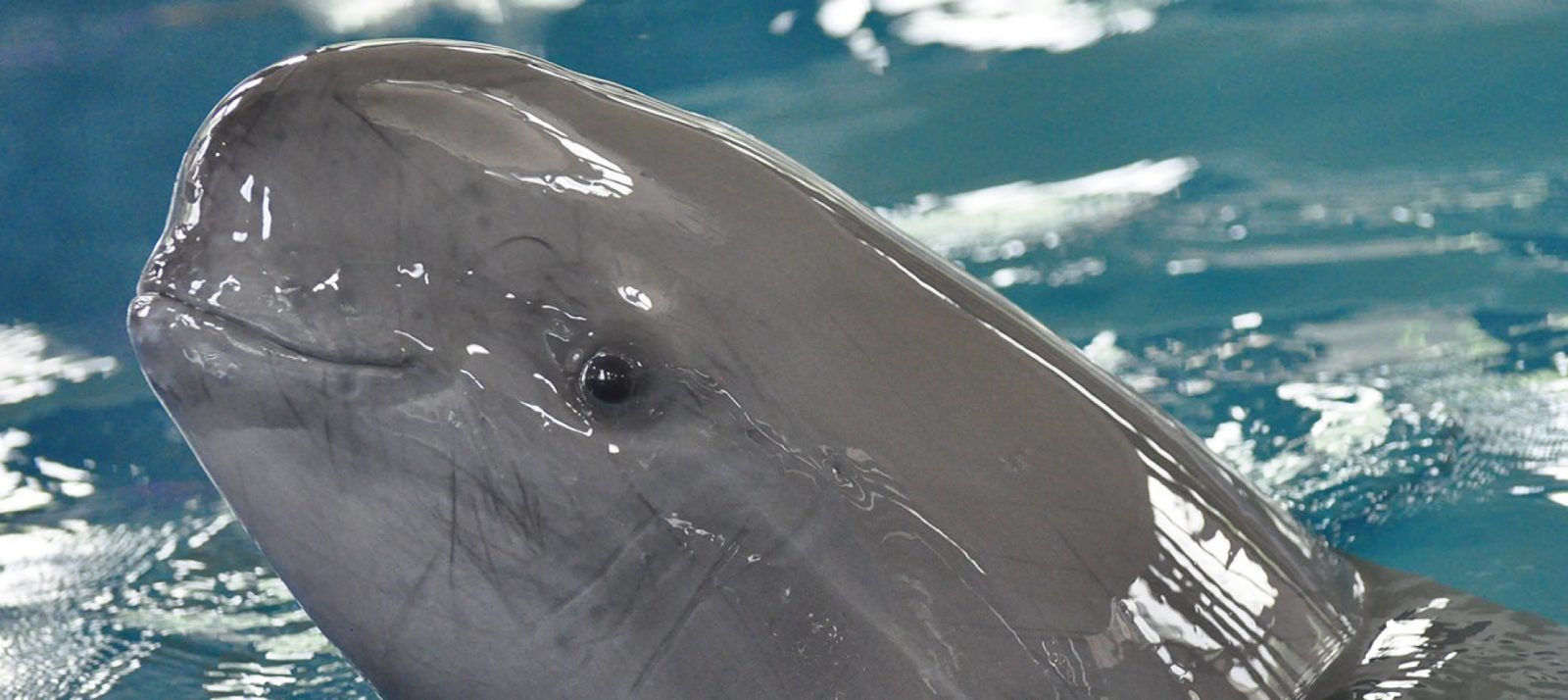
Indo-Pacific finless porpoise

Indo-Pacific Finless dolphin

 They are found in most of the Indian Ocean, as well as the tropical and subtropical Pacific from Indonesia north to the Taiwan Strait. Overlapping with this species in the Taiwan Strait and replacing it northwards is the East Asian finless porpoise.

They are one of the species protected by the Sundarbans national park, which lies between India and Bangladesh.

Growing to 2.3m at most, and with a weight of up to 72kg (most individuals are far, far, smaller). They eat a wide range of foods from fish and crustations to vegetation such as leaves and rice, and eggs that have been deposited on these leaves.

[smart_post_show id="25761"]

Dalls Porpoise

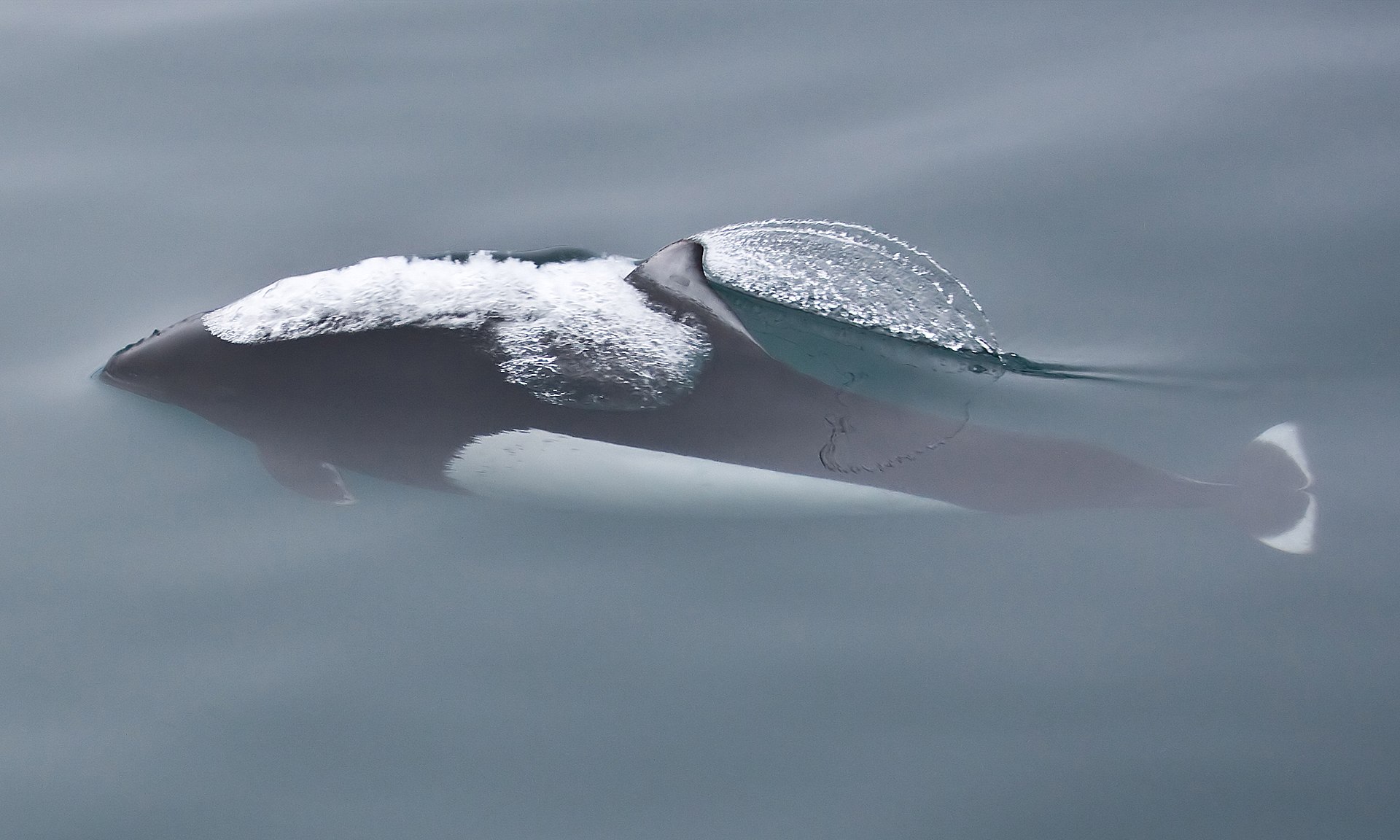
Dall's Porpoise

Lying in its own genus of Phocoenoides, the dalls porpoise is found to the west of North America and the East of Asia. The largest porpoise species they can grow to 2.3m and 220kg. Living in fluid groups of 2-10, Males compete for females, and many will guard a single female during the breeding season, in order to be sure that any offspring is theirs.

Females give birth around once every 3 years, with pregnancy lasting 11-12 months. They often ride boats bow-ride, and even will do the same on bigger whales.

They are abundant, in their range, and have a population of around 1 million in the wild.

There is a range of different sub-populations, but given the size of the overall population it should be secure in the long-term. Of course the problem is that this could change fast.

[smart_post_show id="25747"]

Burmeister Porpoise

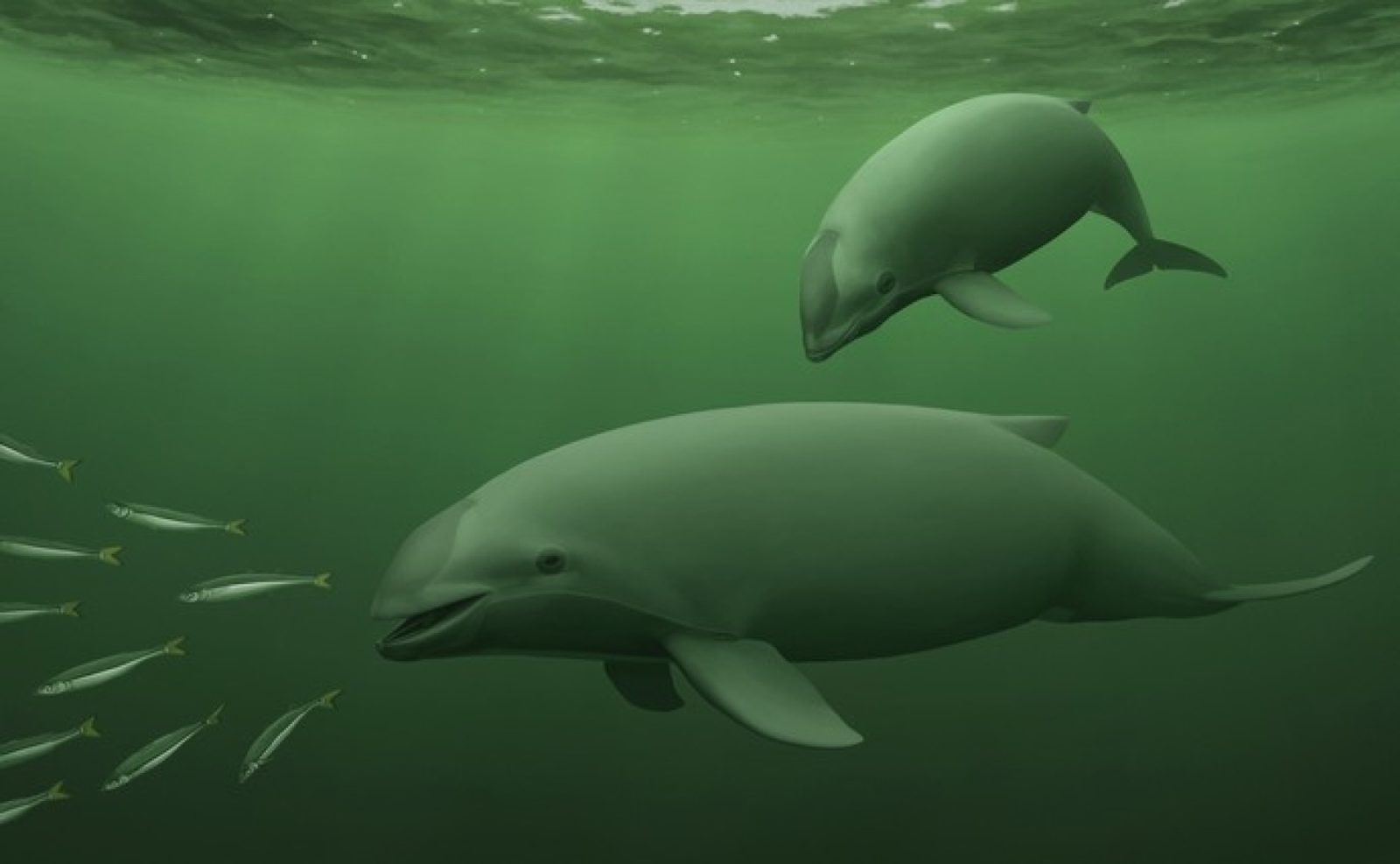
Bermeister Porpoise

First described by Hermann Burmister in 1865, they are thought to have a population that numbers at least in the 10,000s. Found from Peru in the Pacific to Brazil in the Atlantic, while usually found in shallow coastal waters, they have been located 1000m down.

Most photos of this species are of a dead individual. It is black which explains its other name – the black porpoise, though it is thought that they turn black after death and are dark grey beforehand. The underside is lighter, though this is common as it helps with camouflage against the light surface of the water. Usually 1.5m in length and with a weight of 50-75kg, they can be mistaken for the Chilean dolphin, which is a similar size. Their dorsal fin is more triangular and points back rather than up so should not be confused.

They are shy, usually moving away from boats at a high speed. Usually seen in pairs or alone. However, they have been seen in larger groups, with a group spotted off the coast of Chile numbering 50.

Eating Hake, Maceral and Anchovies, which are all species impacted greatly by el nino. Many of the marine mammals in the area starved or struggled until the fish returned.

[smart_post_show id="25739"]

Narwhal

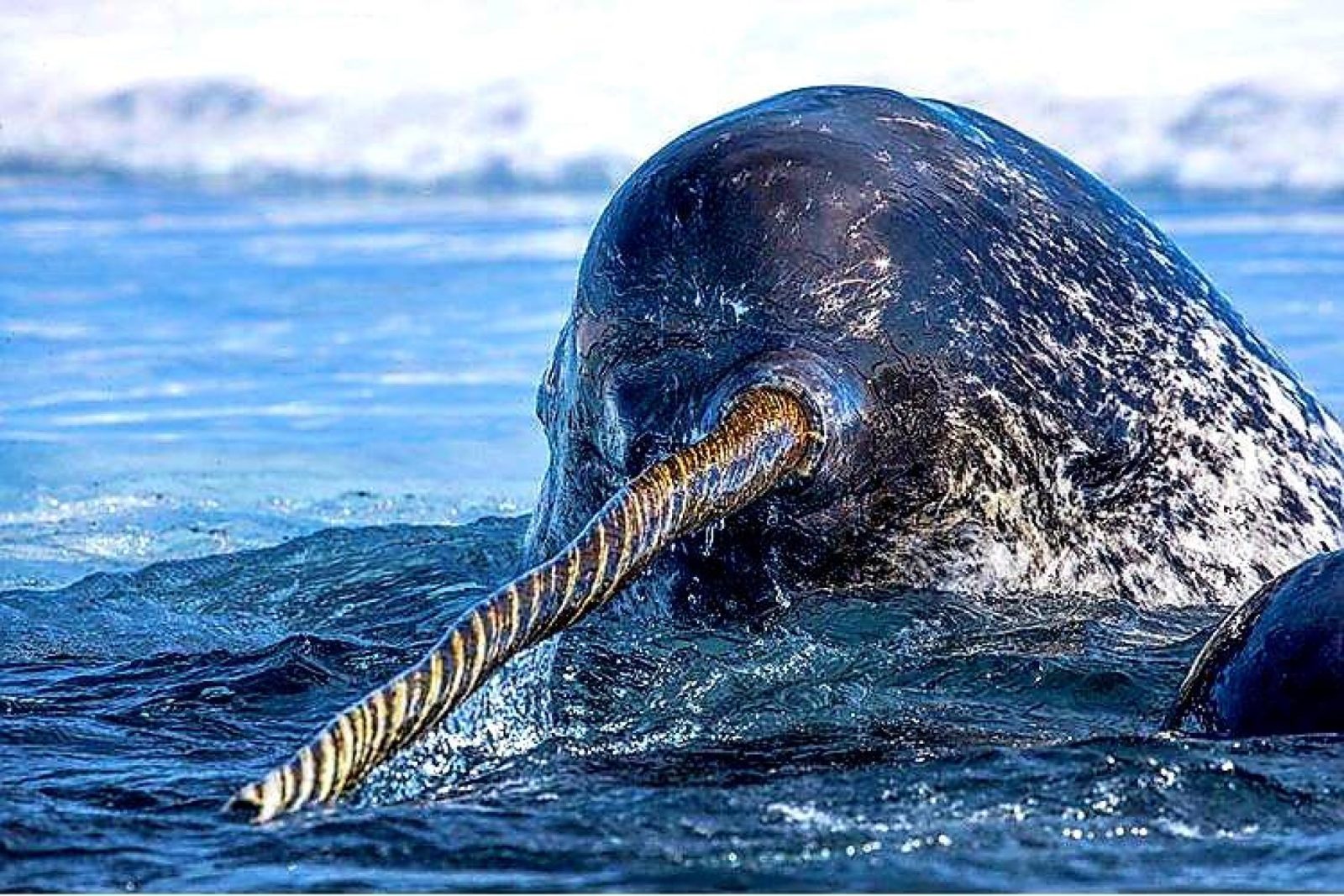
Narwhal

Generally, the source of any so called unicorn horns, they have a tooth that can extend more than 3m from their mouths and some have 2. Most recent populations suggest around 170,000, Induit from Canada and Greenland have hunted them for both meat and ivory.


They migrate in winter, and much of their food comes from Arctic cod and Greenland Halibut and live around 50 years. Young narwhals are predated by both Polar bears at breathing holes and Greenland sharks.

They are essentially an odd looking species of dolphin. There are around 123,000 individuals, living in 12 different groups in areas around the arctic.

[smart_post_show id="25719"]

Beluga Whale

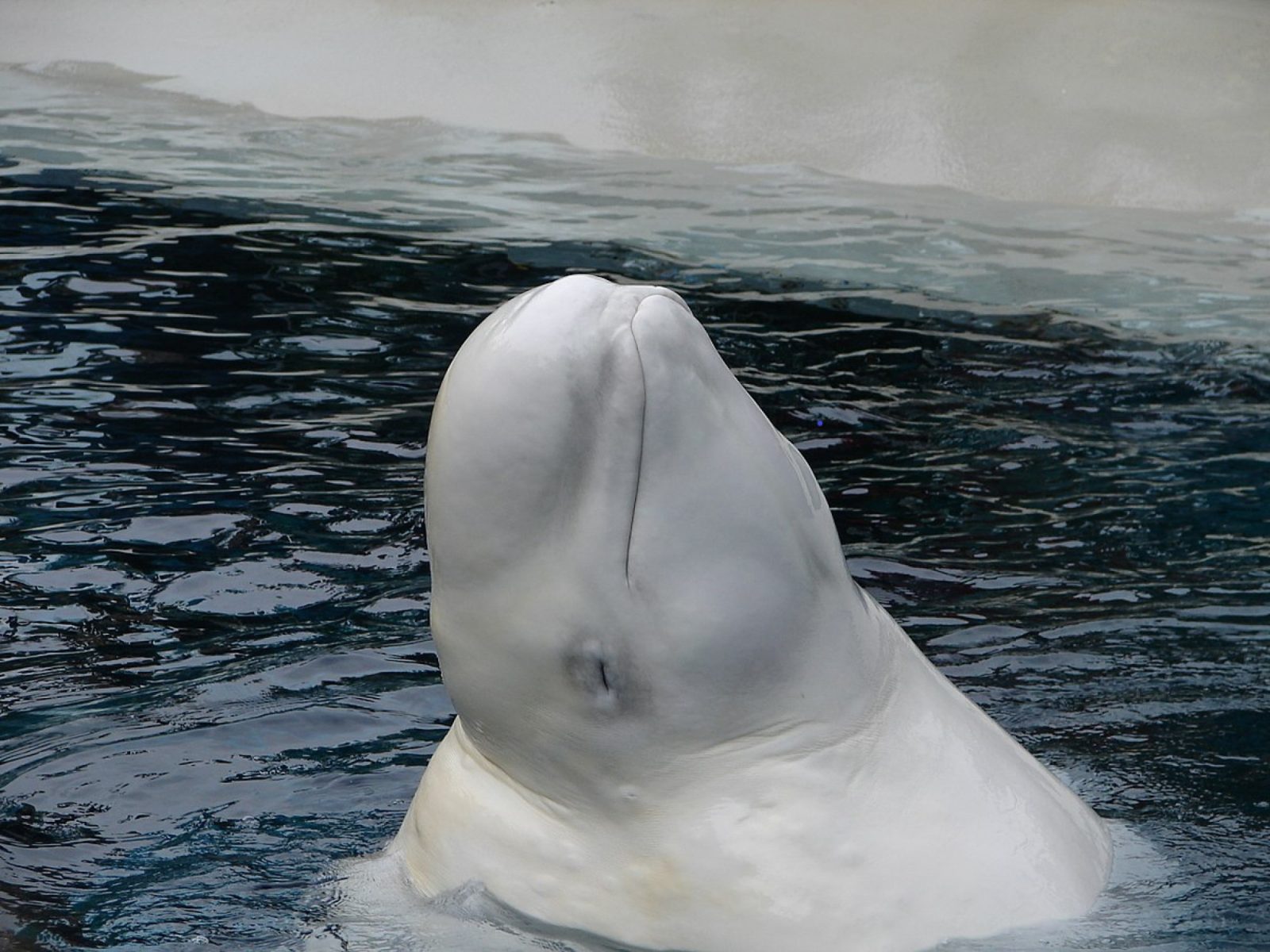
Beluga Whale

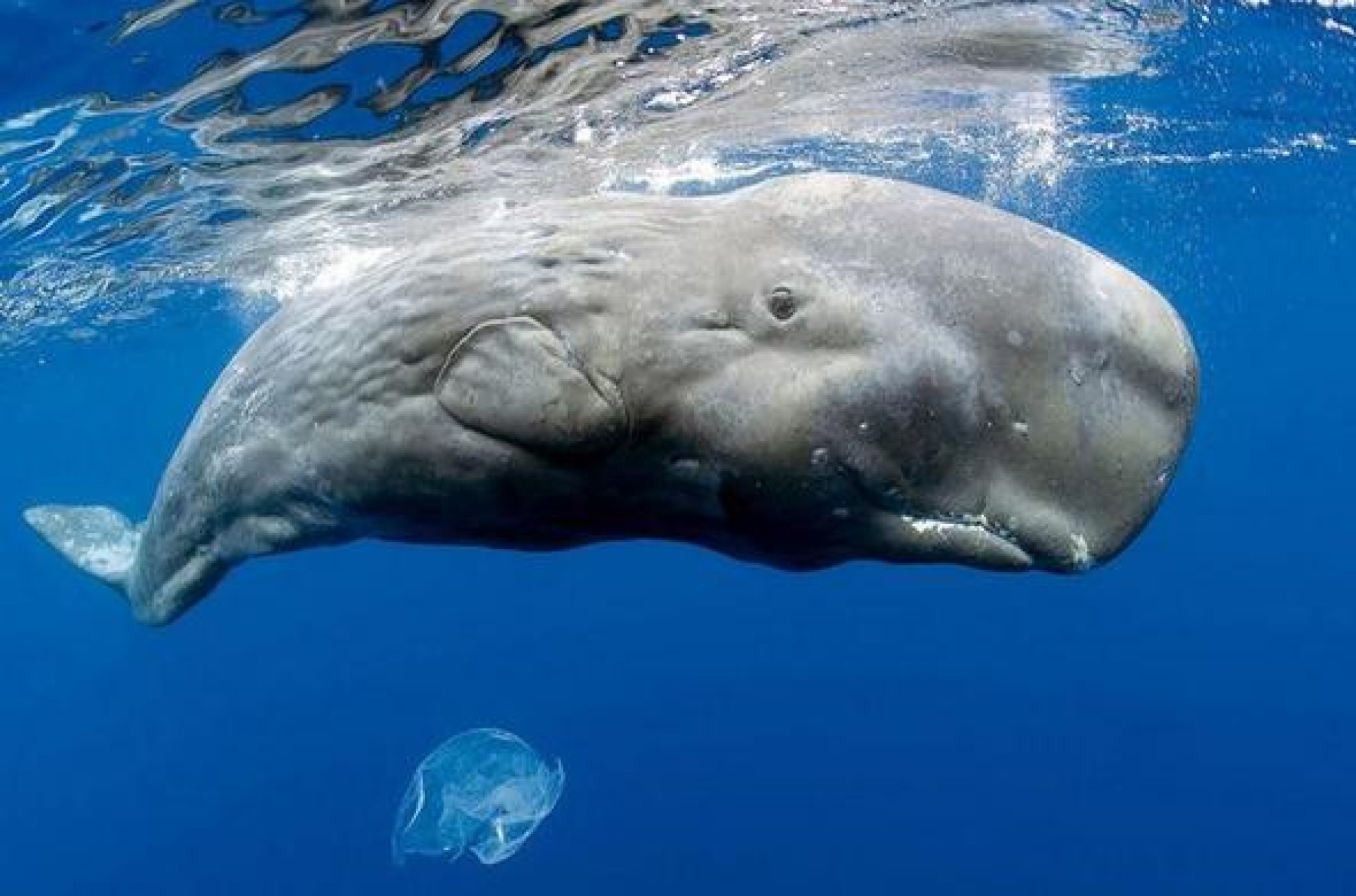
Beluga whales are only found in the arctic and sub-arctic oceans. They are one of just 2 species in their family Monodontidae, and are unique in their genus of Delphinapterus. It is also known as the white whale, the sea canary and the Melon-head (though the melon-headed dolphin is a species of its own, so this name may cause some confusion.

Adaptions it has for the Arctic, include the fact that it is white in colour, allowing it to blend into the white world more effectively, and the fact it has no dorsal fin, which allows it to swim very close to the ice sheet above.

Growing up to 5.5m in length and up to 1600kg they are a pretty large dolphin. Generally, living in groups of around 10, in the summer, they group together in their hundreds or thousands.

The worlds population is thought to be around 200,000, Some populations move from the edge of the ice cap, into rivers in warmer areas, while others stay around the ice caps year round. Groups of people in both USA and Russia have hunted them for many centuries.

Hunting is not controlled, and as such the drop in population could happen quite fast. Russia and Greenland have killed enough to drop their local population significantly, though thankfully not Alaska or Canada.

They do also have their natural predators in both the killer whale and the Polar bear.

They are the most commonly kept cetaceans in the world, with around 300 in captivity. Japan, USA, Ukraine, Canada, China and Russia as well as a few more.

There are 22 populations around the world, these vary from 39,000 down to as little as 500. The total population is around 200,000. While this number is large, the number hunted is definitely not sustainable. There is also no care to distinguish the different populations, which suggests that sub-populations could be pushed to extinction without any care.

Below, you will find a clip from a bbc documentary which features this species. Below this, is a list of any mentions that the beluga whale has had on this site. Below this, I will list any opportunities to see this species in the wild. Click on list your wild place, to list yours. It takes just a few minutes, and costs nothing – we only charge a commission on any business we send your way.
[smart_post_show id="25706"]

Brydes whale

Brydes Whale

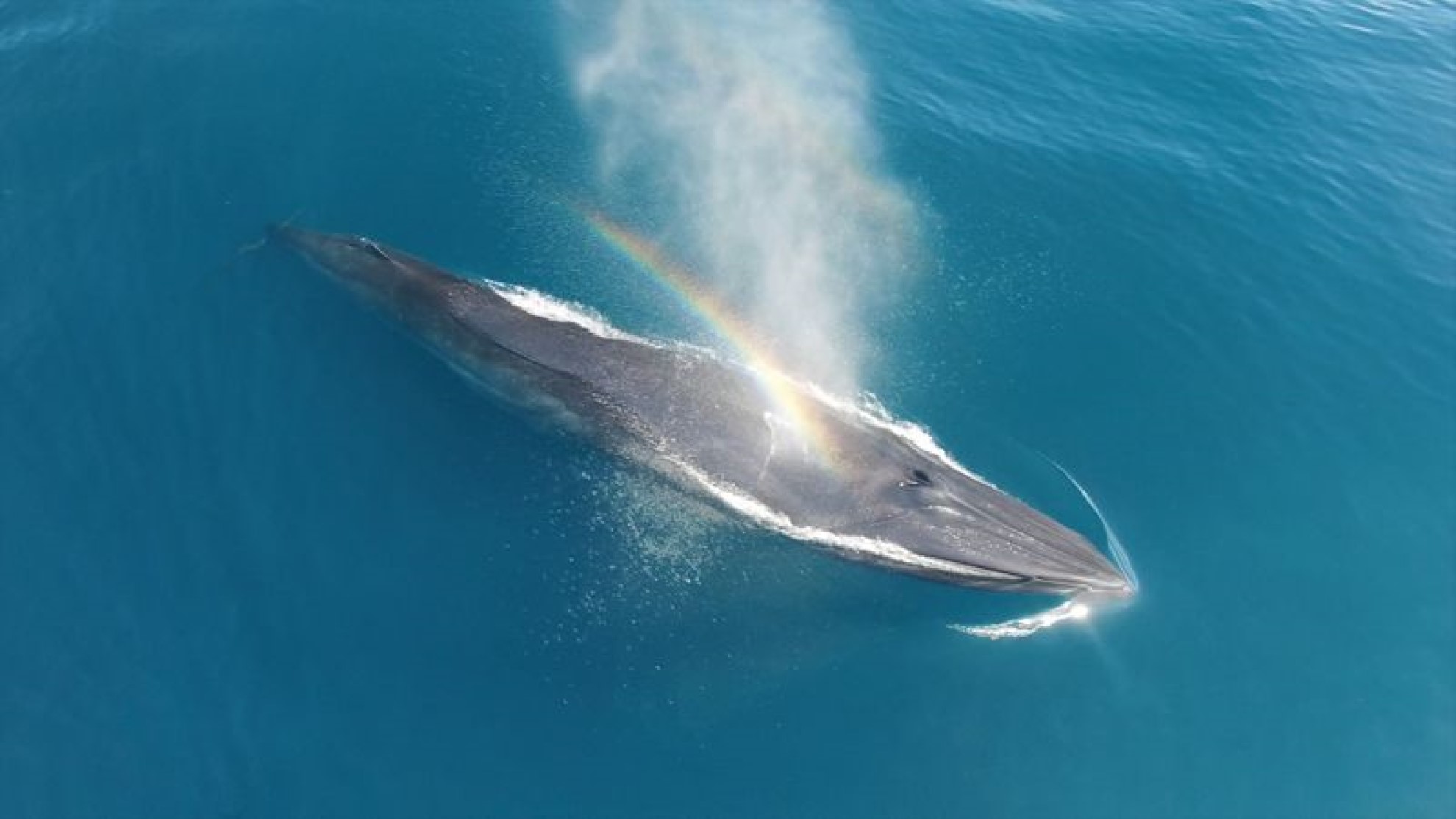
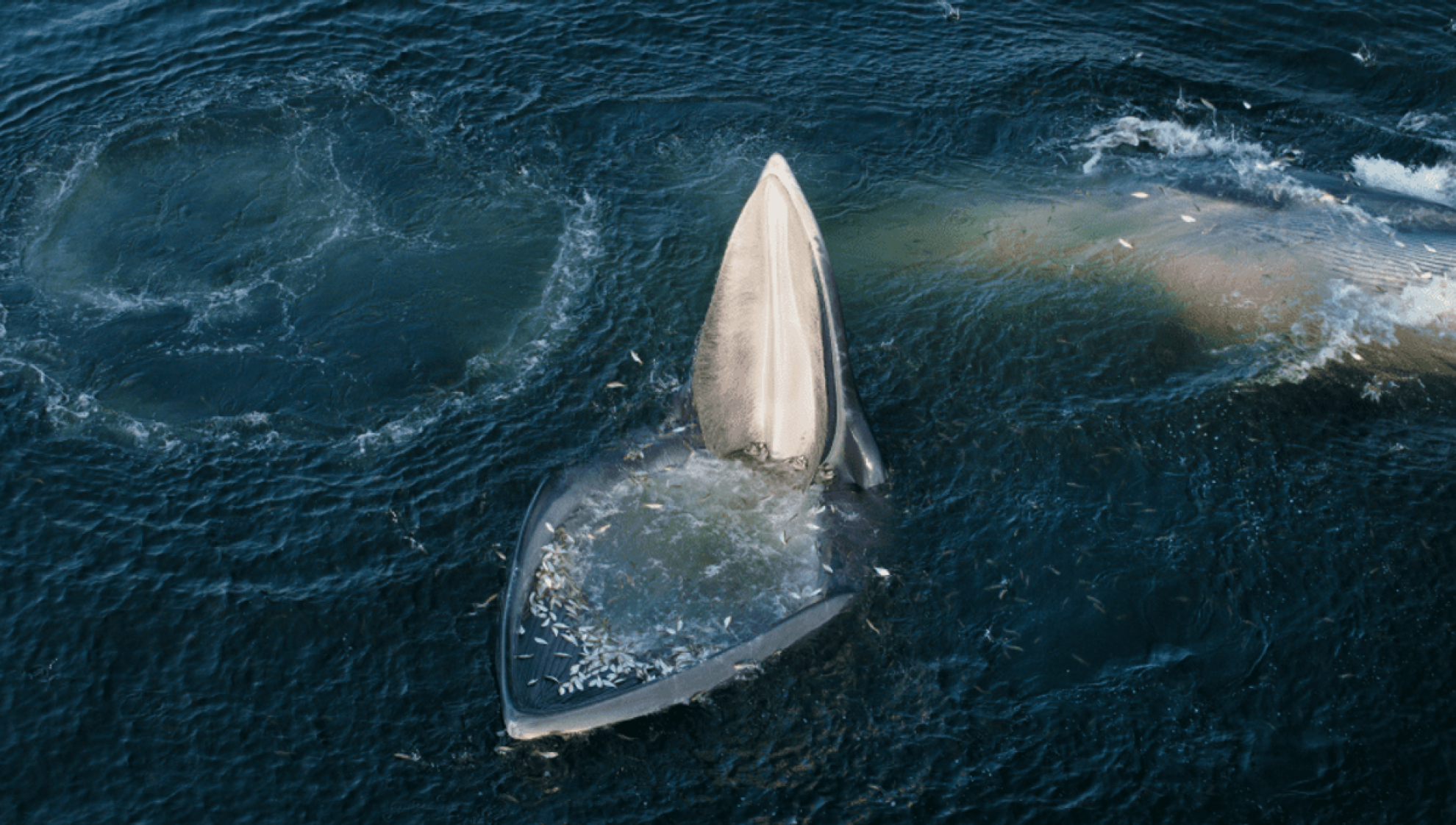
Brydes whale can refer to the species of whale, but it can also refer to the Brydes whale complex which includes 3 or 4 species (brydes whale, Edens whale, Omera whale (which is sometimes referred to as the Pygmy Brydes whale) and the Rice whale.

Worldwide population is around 90,000-100,000. As a result, the entire species is considered least concern. It is therefore essential to work out if the closely related species of whales, are subspecies or separate species.

[smart_post_show id="25202"]

Eden whale

Edens whale

Also known as the Sittang (it has been suggested that this is a smaller form of the Brydes whale). It is restricted to the Indo-pacific.

Although a great deal of scientific debate has been had as to whether this was a separate species or not, when genetic testing came along it became clear that this was indeed a separate species.

I am unable to assertain accurate numbers.

[smart_post_show id="25658"]

Omeras whale

Omura's Whale

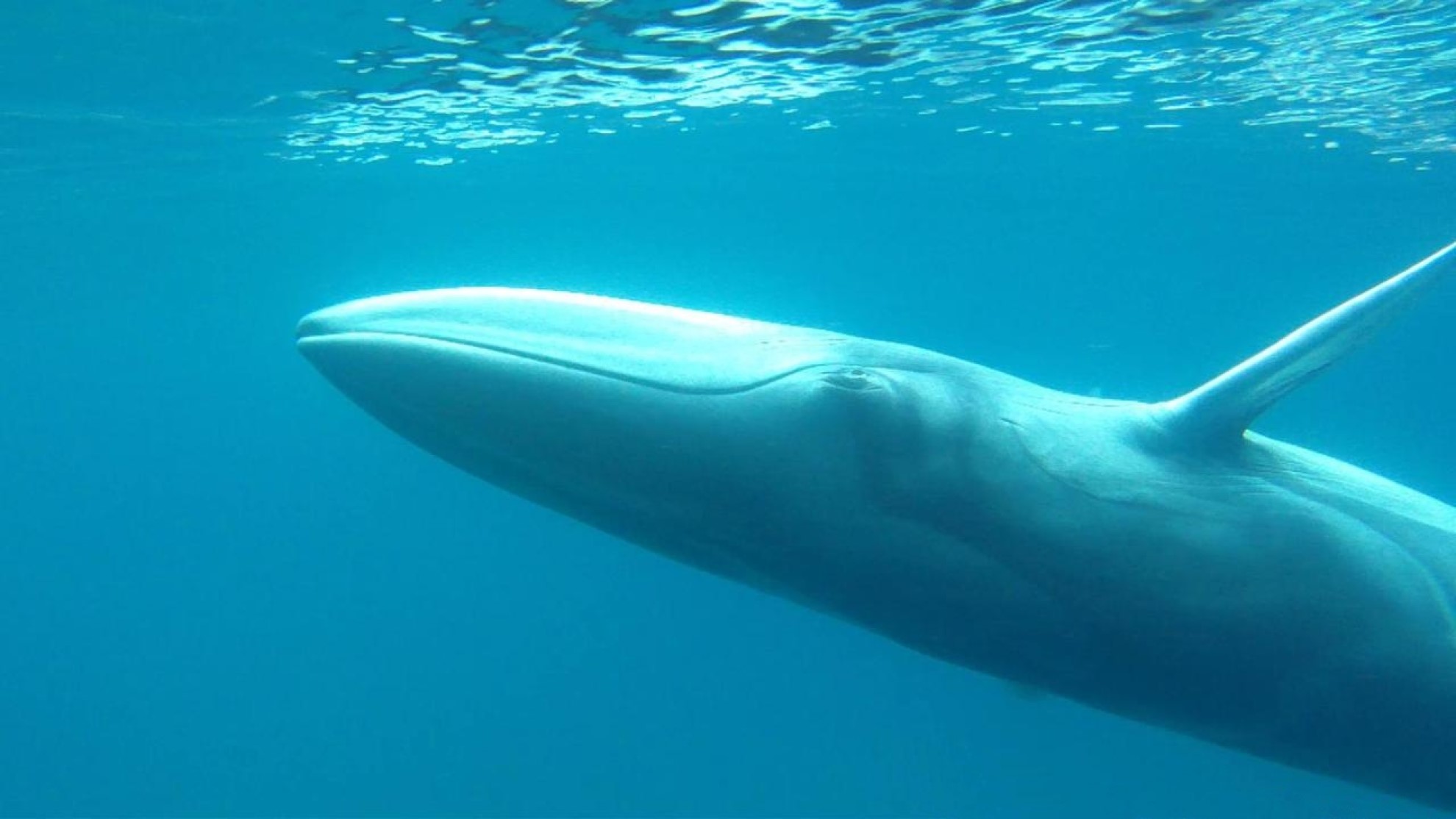
Omura’s whale is also known as the dwarf fin whale or little fin whale. Its found in the indo-pacific and Atlantic ocean.

There is little clear information on this species, it is listed on CITES appendix 2.

[smart_post_show id="25691"]

Rice Whale

Rice Whale

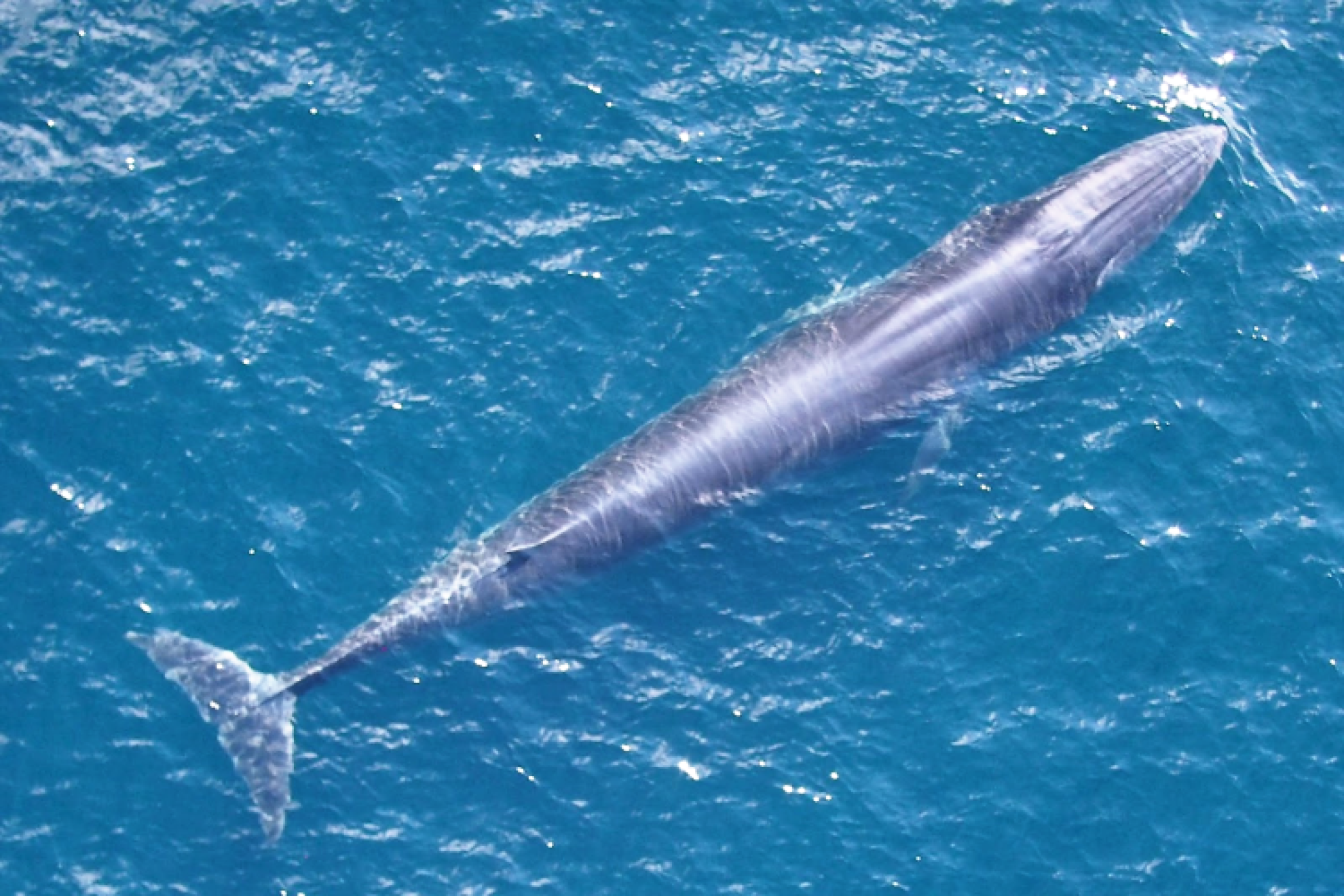
The Rice whale is also known as the Gulf of Mexico whale, is a relatively newly discovered whale. Until 2021, it was thought that this whale was a subpopulation of the Brydes whale, however it is actually genetically distinct.

Growing up to 12.65m and weighing between 13.8-27.2 metric tonnes, it is found in the north-east of the gulf of Mexico. unfortunately it is on the brink of extinction. The deep-water horizon oil spill killed around 20% of the whales of this species. 

While it has not been observed, the killer whale actively hunts in the area, and has regularly killed sperm whales. Brydes whales have also been targeted, so it seems impossible that rice whales are not targeted.

Around 100 of these whales exist, which is very close to extinction. 

[smart_post_show id="25698"]

Pygmy Sperm Whale

 The Pygmy sperm whale is one of just two species from the Superfamily Kogiidae, the other one being the Sperm whale. They are seen very rarely, with the majority of the knowledge about them, coming from carcasses that wash up on the beach. It was first described in 1834 based on a skull that washed up on the coast of france in 1784 (50 years earlier). While originally placed in the same genus as the sperm whale, it was moved to its own genus Kogia, as it is actually a species which is half way between the dolphins and the sperm whale.

They grow to around 3.5m, which is smaller than many dolphin species.

It has a far smaller brain than the sperm whale (even by comparison size) which my explain why it has such a lot more simple social life.

Pygmy sperm whales are found throughout the tropical and temperate waters of the Atlantic, Pacific, and Indian Oceans, though there are also seen regularly off Russia. Fossils in Japan, Italy South Africa have been found, suggesting that they were more widely spread. The problem is, that seen rarely at sea, and with most of what we know about coming from carcasses, we have little idea if dead and dying animals behave differently to healthy ones.

Seen rarely, I have been unable to find out how long they can hold their breath, though as the sperm whale can hold its breath for 90 minutes, so its likely that the pygmy sperm whale is also an impressive breath holder – this would explain why they are seen so rarely.

[smart_post_show id="25520"]
See Animals Wild

Read more news

Join as a wild member
to list your wild place & log in

Join as an ambassador supporter to
support this site, help save wildlife
and make friends & log in

Join as an Associate member
to assist as a writer, creator, lister etc & to log in

List a wild destination

List a destination in
the shadow of man

List a hide for animals more easily seen this way

Highlight some news
missed, or submit a
one-off article

Browse destinations for fun or future travel

Temporary membership
start here if in a hurry

Casual readers and watchers