Lowe’s mona monkey

Lowes Mona Monkey

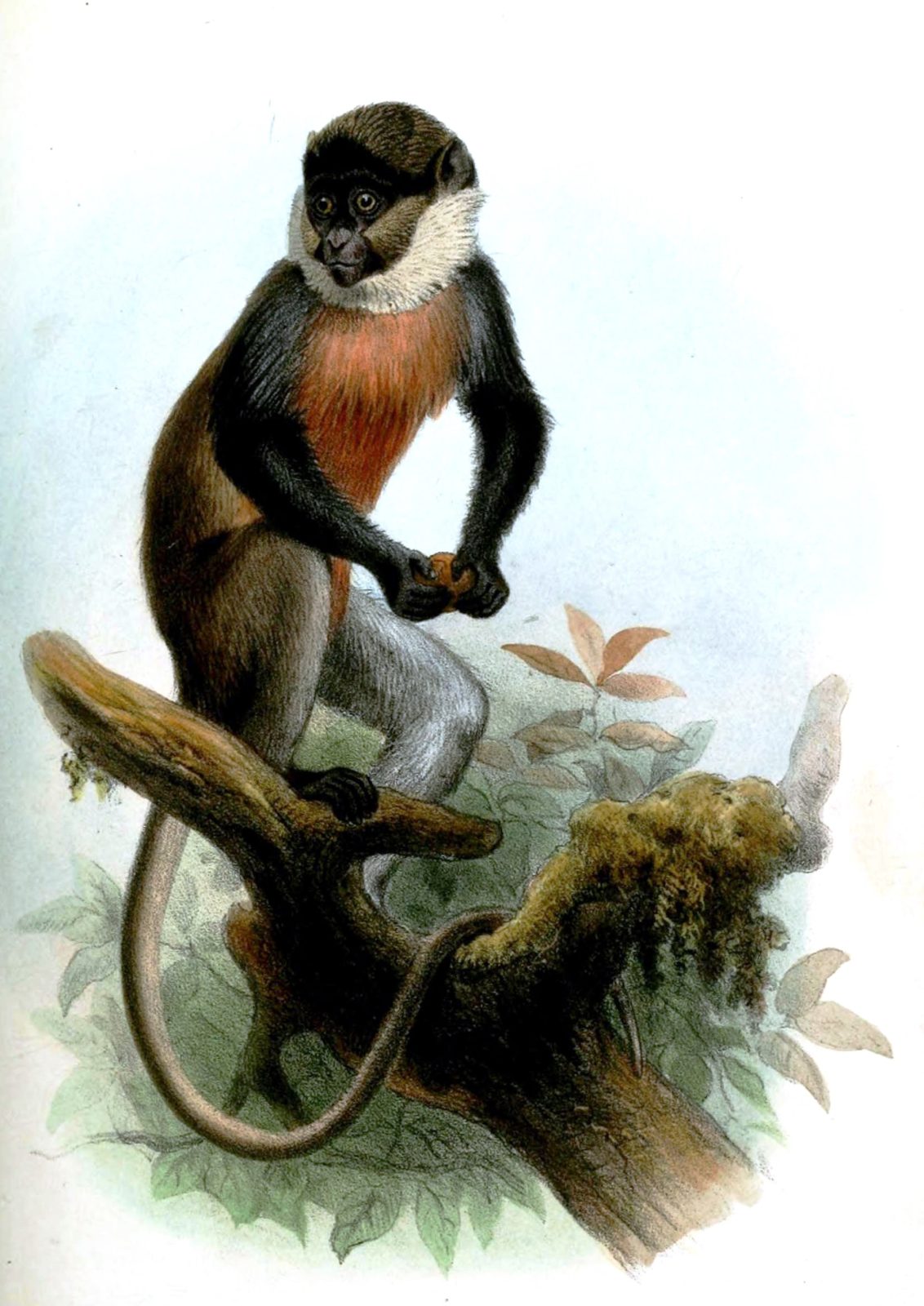
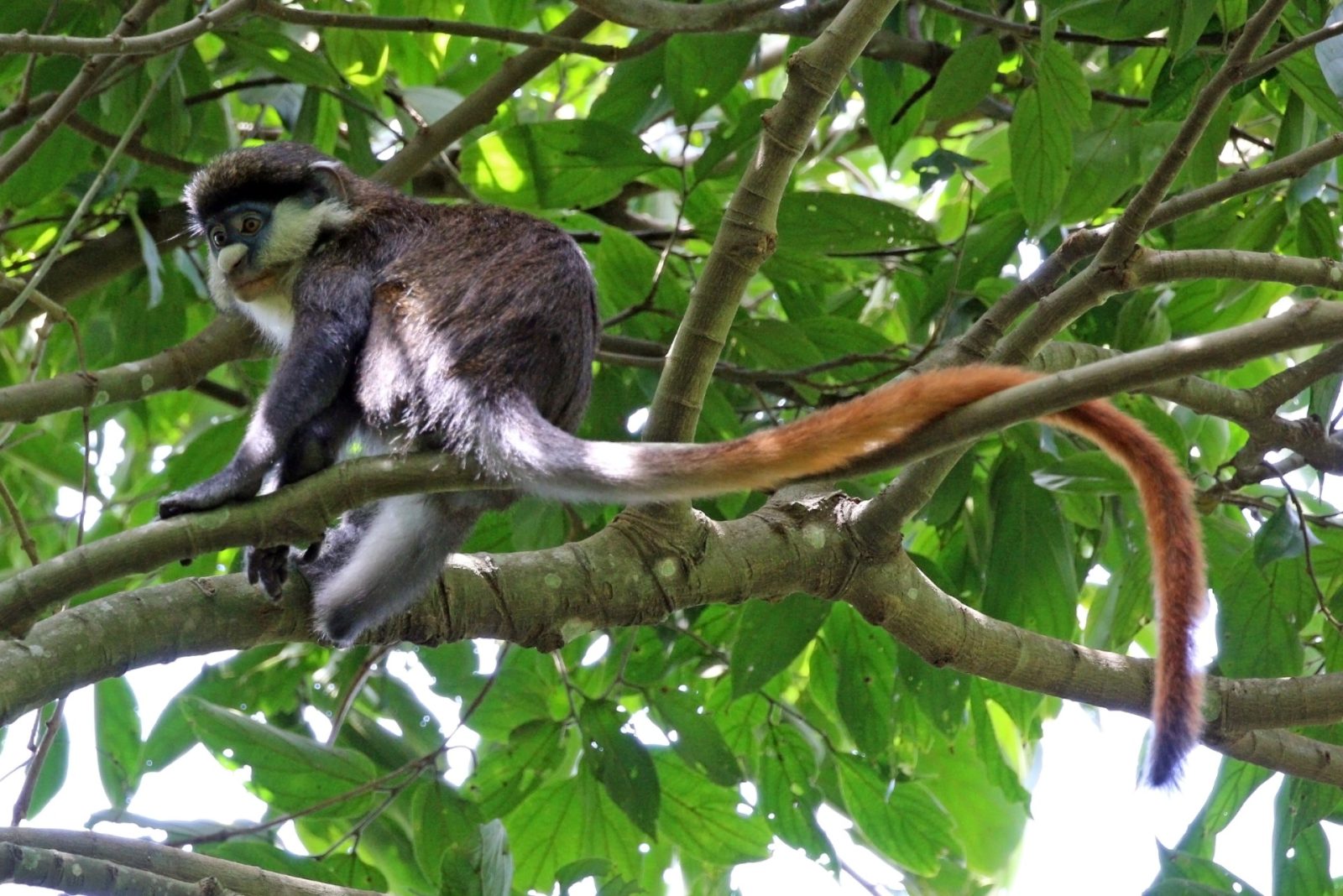
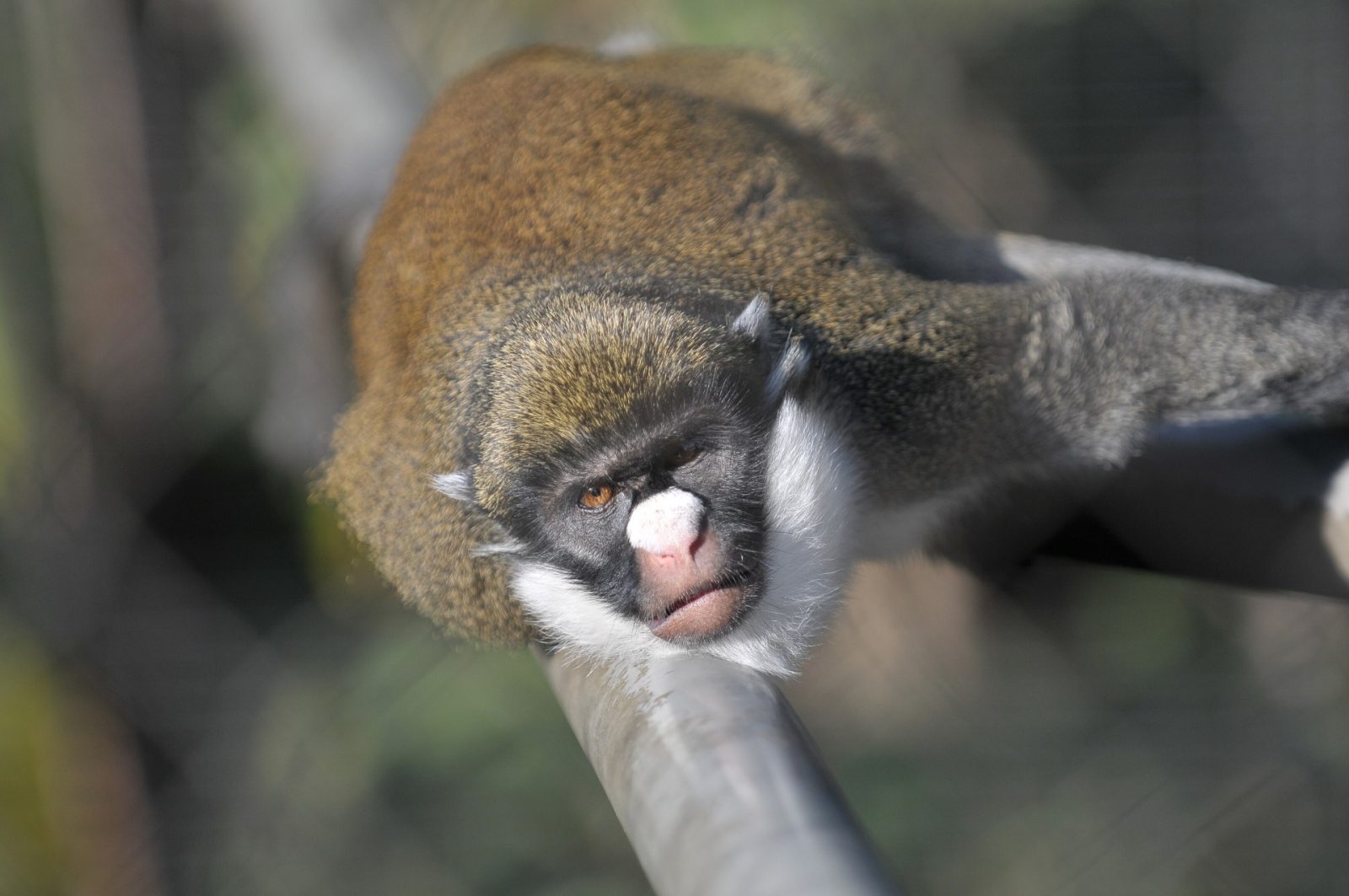
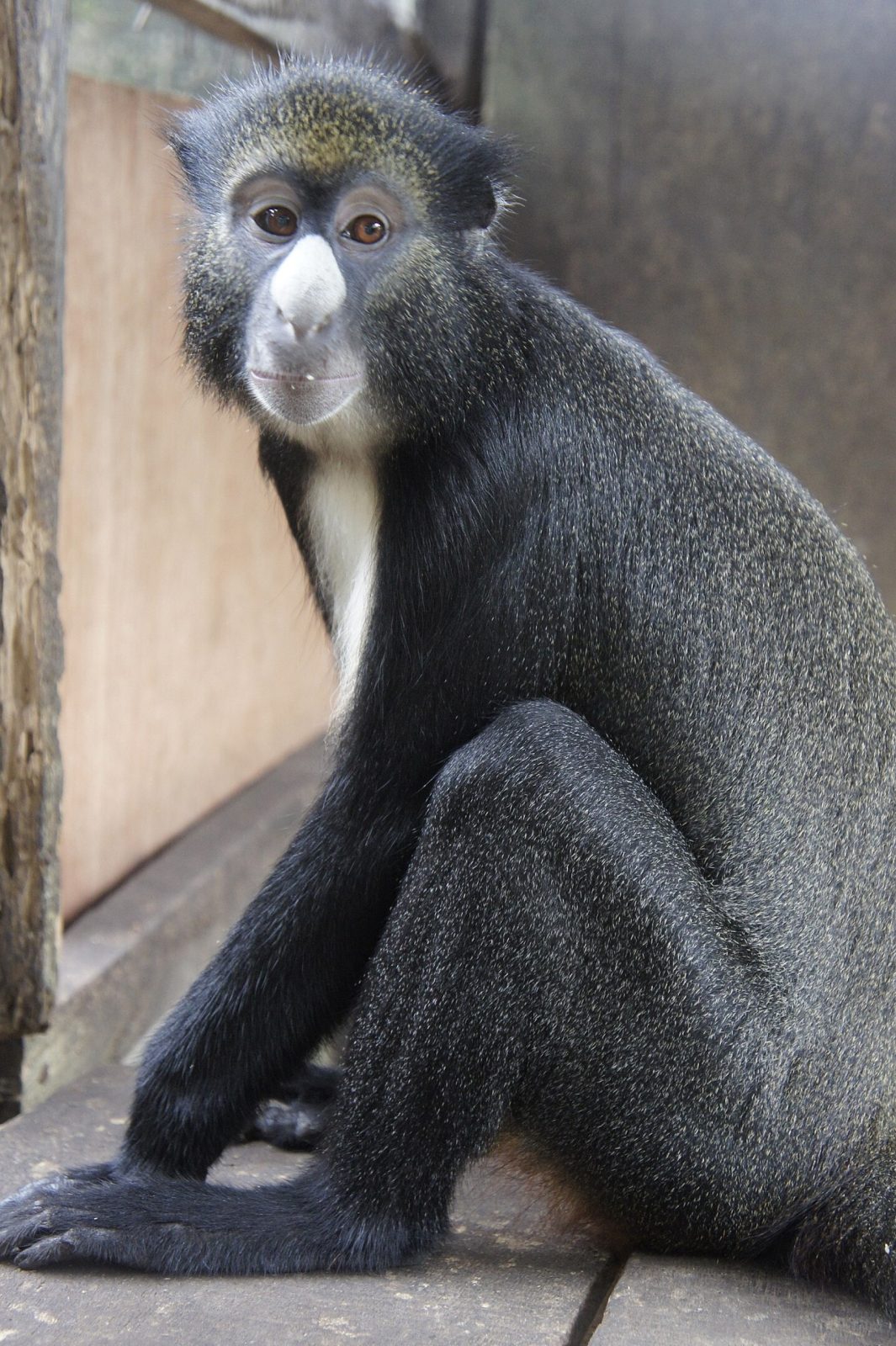
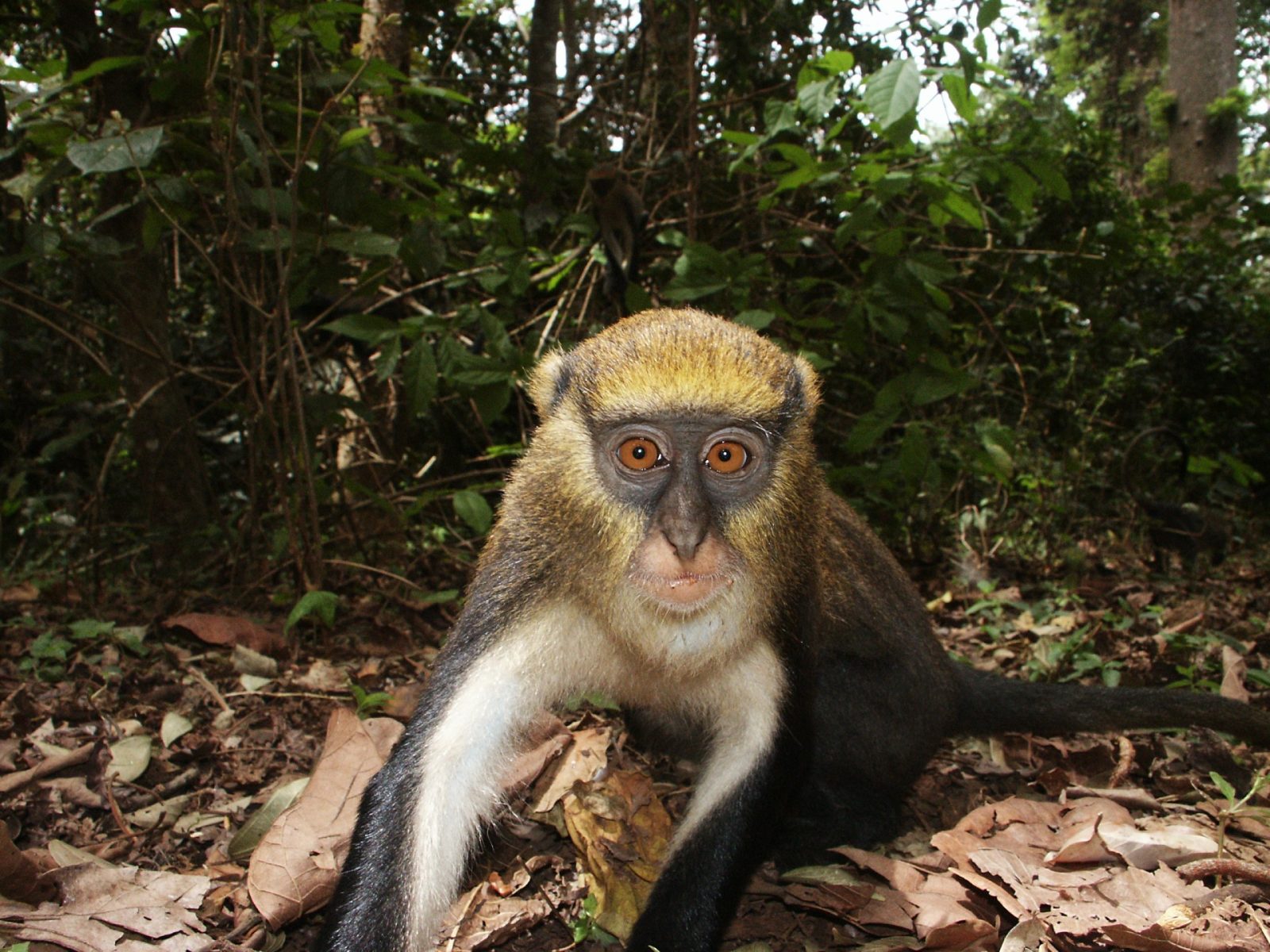
Lowe’s mona monkey is an Old World monkey in the family Cercopithecidae found from the Ivory Coast to Ghana.It was previously classified as a subspecies of Campbell’s mona monkey.

It is currently considered as vulnerable – which suggests that the population is falling, but this is a far healthier situation than many other species.

Below is an amalgamation of all articles written on this species (if any). Below that, we will put any links that will help you with your travel to see this species. This may well take time to build, but if you live near or run a tourism outfit where these monkeys are found, get in touch, we are eager to work with you.

[smart_post_show id="18904"]

Dents Mona Monkey

Dents Mona Monkey

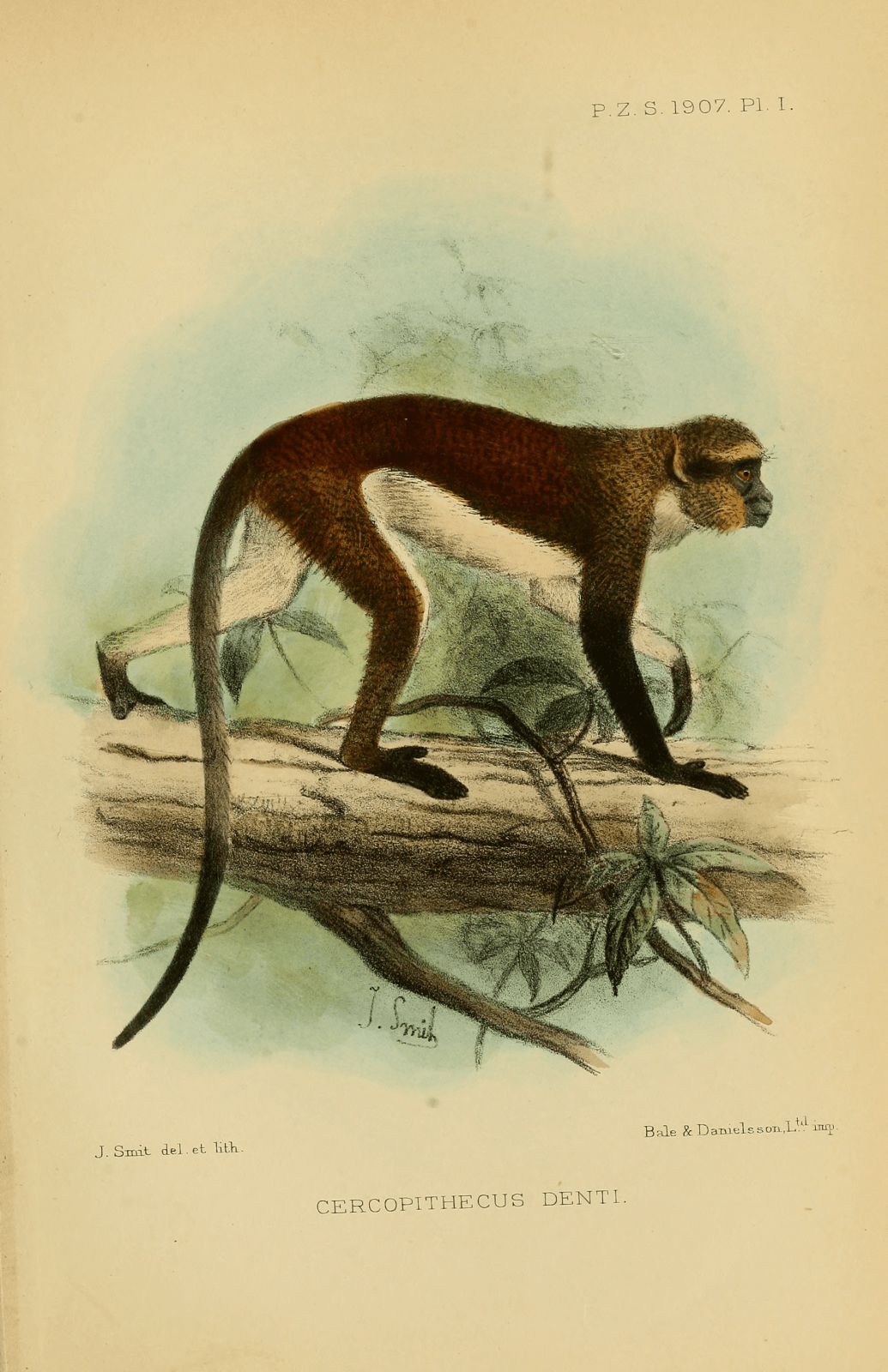
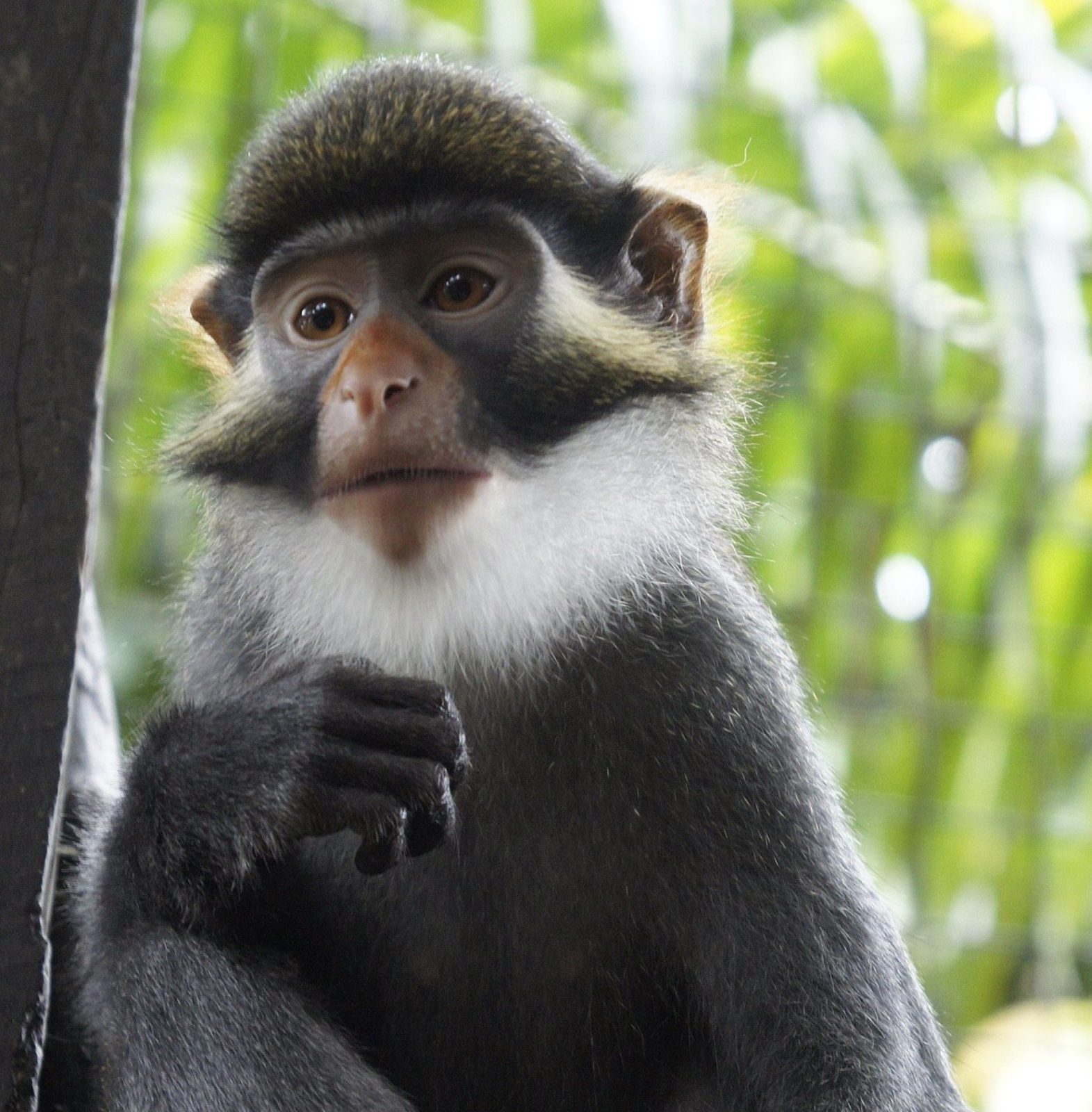
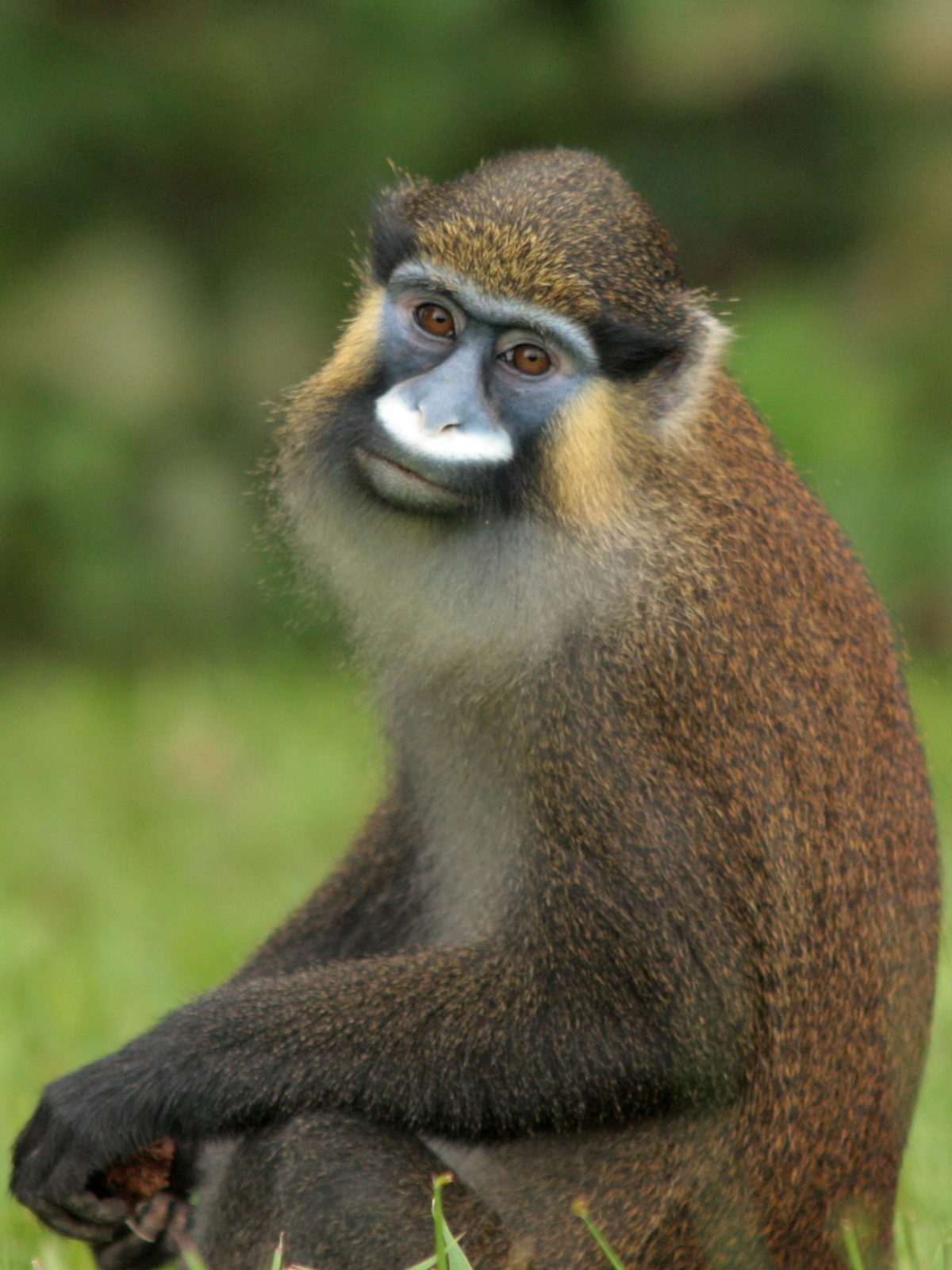
Dent’s mona monkey  is an Old World monkey in the family Cercopithecidae found in the Democratic Republic of the Congo, the Congo, Rwanda, western Uganda, and the Central African Republic.It was previously classified as a subspecies of Wolf’s mona monkey. Verifying whether they are a subspecies or a separate species is dependent on further research that needs to be done at the contact zone of Cercopithecus dentiCercopithecus wolfi, and Cercopithecus wolfi elegans, in the forests between the Lualaba and Lomani rivers, south of the junction of the Congo and the Lomani rivers.

They are classed as least concern at the current time, though we have seen that this can change very fast.

As we connect with people and places, they will be added below the news section that is directly below this section.

[smart_post_show id="18896"]

De Brazza Monkey

De Brazza monkey

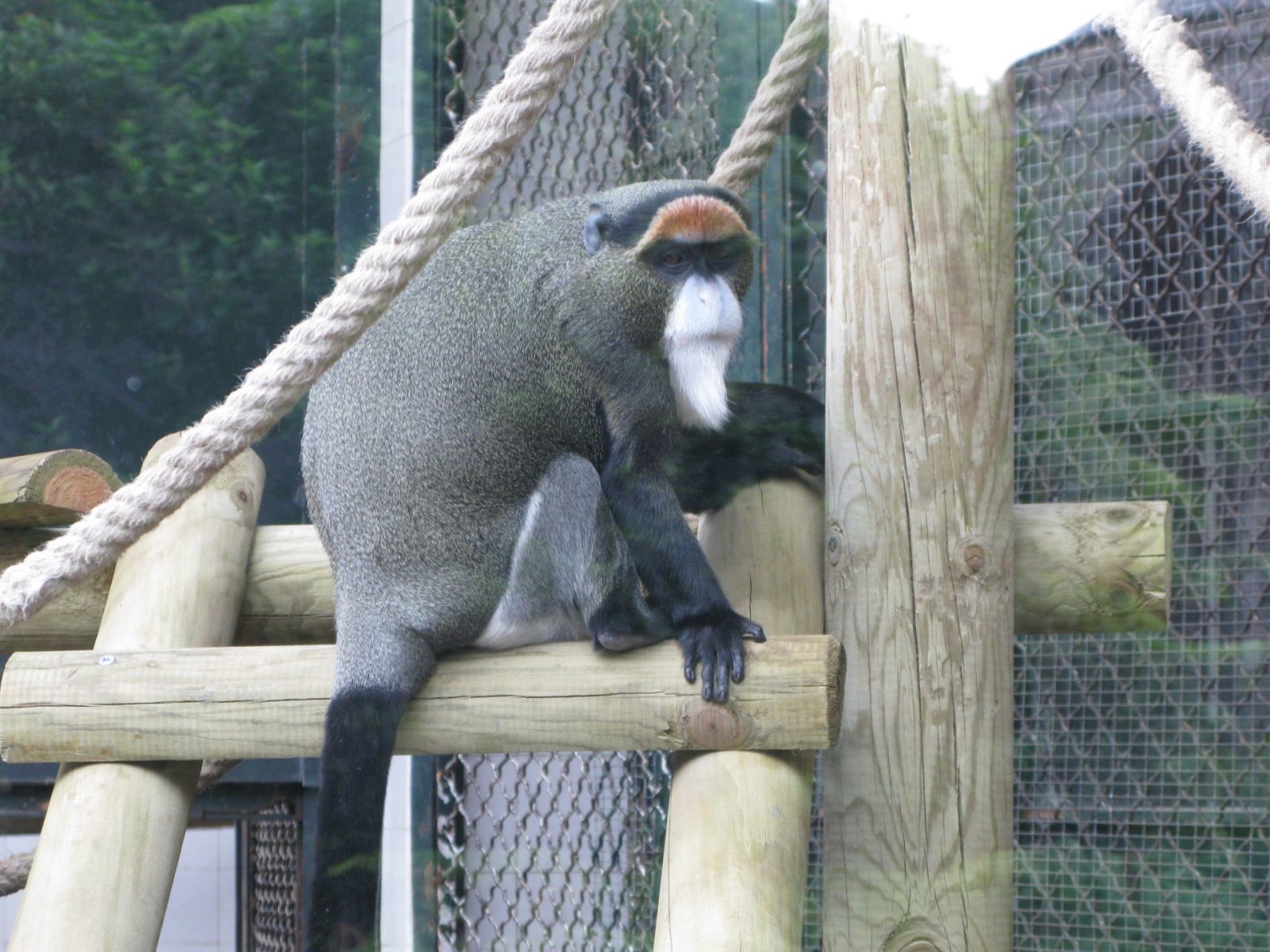
De Brazza monkey is a species of old world monkey which  range across the swamps, bamboo and dry mountain forests in a long list oc countries which include Angola, Cameroon, Central African Republic, Congo, Democratic Republic of the CongoEquatorial Guinea, Ethiopia, GabonKenya, South Sudan, Nigeria and Uganda and possibly Tanzania though reports have not been confirmed.

Troops are found almost exclusively near water, rarely venturing far from a river or stream. They have been seen (on occasion) swimming. The monkeys usually are found in thick forest and vegetation, only venturing into more open forest to feed. Mainly found in the trees, they will descend to the ground in order to feed. Due to its cryptic nature there is no accurate population estimate for the species in the wild.

The diet of De Brazza’s monkeys mostly eat herbaceous plants found on the forest floor, as well as fruits when available. These are supplemented with insects, seeds, and other food sources when primary foods cannot be found.

Predators of the De Brazza’s monkey include the Crowned eagle, Leopard, Human, and Common chimpanzee Though rare,  and Python (genus) may also predate on juvenile De Brazza’s. The typical predator response is to curl up in a tight ball against the side of a tree with the orange crown and white stripes on the thighs hidden and wait silently for the predator to leave. Individuals will only move if the predator approaches their position, and even then they move quietly and slowly to try and escape notice.

Below, you will find a list of articles that mention this species. Below that, I will list any useful contacts for seeing this species in the wild.

[smart_post_show id="18891"]

White-throated Guenon

White-throated guenon

The white-throated guenon (Cercopithecus erythrogaster), also known as the red-bellied monkey and the red-bellied guenon, is a diurnal primate that lives on trees of rainforests or tropical areas of Nigeria and Benin.

The white-throated guenon is usually a frugivore but insects, leaves, and crops are also in its diet. It usually lives in small groups of four to five individual monkeys however, there have been groups of 30 discovered, and in cases, some males wander alone. It is arboreal, living in moist tropical forest and the wettest parts of dry tropical forest, however it can also be found in secondary bush and old farmland.

Males weigh from 3.5–4.5 kg and females weigh 2–4 kg. Females give birth to one offspring, which is a factor of decreasing population.

The white-throated guenon was once considered extinct due to constant hunting for the fur of its unique red belly and white front legs. Yet, a small group was found near the Niger River in 1988.

The white-throated guenon is still considered an endangered species due to its decreasing population. It is present within Nigerian forest reserves and sacred groves in Benin but hunting and logging restrictions are difficult to enforce or nonexistent.[2][3][4] It is one of the species that live in the Guinean Forests of the West Africa Biodiversity Hotspot.

There are two subspecies of white-throated guenon:

  • Red-bellied guenon, Cercopithecus erythrogaster erythrogaster
  • Nigerian white-throated guenon, Cercopithecus erythrogaster pococki
They are classed as critically endangered
[smart_post_show id="18879"]

Sclater Guenon (also known as the Nigerian Monkey)

Sclater's guenon

Sclater’s guenon (also known as Sclater’s monkey and the Nigerian monkey) is an Old World monkey that was first described in 1904 and named after Philip Sclater. It is an arboreal and diurnal primate that lives in the forests of southern Nigeria. It should not be confused with the closely related species, the white-throated guenon, which occurs in Nigeria and Benin. Sclater’s guenon was formerly classified as a subspecies of the red-eared guenon.

The species is likely primarily a frugivore that supplements its diet with other plant parts and insects, however, this is based on study of closely related species.

Sclater’s guenon was thought to be nearly extinct until the late 1980s. The species is now known to occur in several isolated populations between the Niger and Cross Rivers in southern Nigeria. This region falls in the Guinean Forests of the West Africa biodiversity hotspot.

The species does not occur in any officially protected areas, but three populations of Sclater’s guenon are known to be protected by local people who consider the monkeys to have sacred status. Mostly because of hunting and habitat fragmentation and loss, thus increasing population isolation and decline, Sclater’s guenon is listed as a vulnerable species.

Sclater’s guenon is known to occur in captivity only at the Centre for Education, Rehabilitation, and Conservation of Primates and Nature in Cross River State, Nigeria.

[smart_post_show id="18867"]

Red-tailed Guenon

Red -tailed monkey

The red-tailed monkeys ( also known as black-cheeked white-nosed monkey, red-tailed guenon, redtail monkey, or Schmidt’s guenon).

It is found in Angola, Cameroon, Central African Republic, Democratic Republic of the CongoKenyaRwanda, South Sudan, TanzaniaUgandaZambia, and possibly Burundi. The red-tailed monkey is usually black, red, or orange.

Although native to this region, it has spread ass well as it can survive in different habitats and under different conditions. It is a distinct creature in its habitats and is gradually becoming endangered due to deforestation and over-exploitation through hunting and predation. As we are the currently the only cause for their decline, it would in theory be very easy to end its problems. In practice, this is rather different. There are 5 recognized subspecies, not surprising, as it has such a large range. They are small, with body length falling between 30-60cm. The tail can grow to 90cm.

Red-tailed monkeys communicate using different methods which are characteristic of communicating specific behaviours or things. Physical and vocal communication are used between members of social groups of these monkeys to demonstrate social dominance, submissiveness, or greeting. Vocal communication is used between members of social groups of red-tailed monkeys in which the more submissive monkey will make a soft, oscillating call to its elder.

Red-tailed monkeys eat a large amount of fruit, but are considered omnivorous because they will eat leaves, flowers, or insects in times where fruit is less common. As they forage, these monkeys gather their findings in the expandable cheeks of their mouths. The pouches will hold a large amount of food. This allows them to grab much food, and then eat it away from others which might steal it. The red-tailed monkey predated by crowned eagles, wild cats, and occasionally, humans and chimpanzees.

They live in groups of 7-30 individuals, with mature males leaving (either living alone, or in bachelor groups, until strong enough to take over their own group).

Listed as least concern by IUCN and are found throughout the Congo and East central Africa.

[smart_post_show id="18861"]

Red-eared Guenon

Red-eared Guenon

The red-eared guenon also called red-eared monkey, or russet-eared guenon is an African old world monkey. It is found in subtropical and tropical moist lowland forests in Cameroon, Equatorial Guinea and Nigeria. IUCN considers this species vulnerable, and it is threatened by habitat loss, illegal bushmeat hunting and pet trade. The red-eared guenon is found in primary and secondary lowland tropical and sub-montane moist forest, and sometimes lives in close proximity to humans, as on Bioko.

It has a partly prehensile tail, used mostly in young rearing. It is a quiet and easily overlooked species, when making noises it only makes a quiet trill.

There are two recognised subspecies, Cameroon Red-eared Monkey identified in 1940 (from the Cross River in south eastern Nigeria and to just north of the Sanaga River in south western Cameroon) and Bioko Red-eared Monkey (identified in 1838):Bioko island in Equatorial Guinea.

Any articles that are written on this species will appear below the video, and below this will be added any connections that you can use to plan your travel.

[smart_post_show id="18853"]

Mostached guenon

Mostached Guenon

The moustached guenon or moustached monkey  is a species  in the family Cercopithecidae. Its range includes Angola, Cameroon, Central African Republic, Republic of the CongoDemocratic Republic of the CongoEquatorial Guinea, and Gabon.

They are considered to have a large wild population, and as such are a popular lab animal. Unfortunately this may well change quickly, as being common, they are often the most targeted primate for the bushmeat trade.

The best way to change this problem is for many people to visit the forests where primates like this live, this will allow locals to see a value to the species in the wild, which is likely to greatly reduce the amount of hunting that goes on.

As connections are made, we will link people and places which are useful for arranging your own wild travel.

[smart_post_show id="18816"]

Lesser spot-nosed monkey (or Guernon)

Lesser spot-nosed monkey

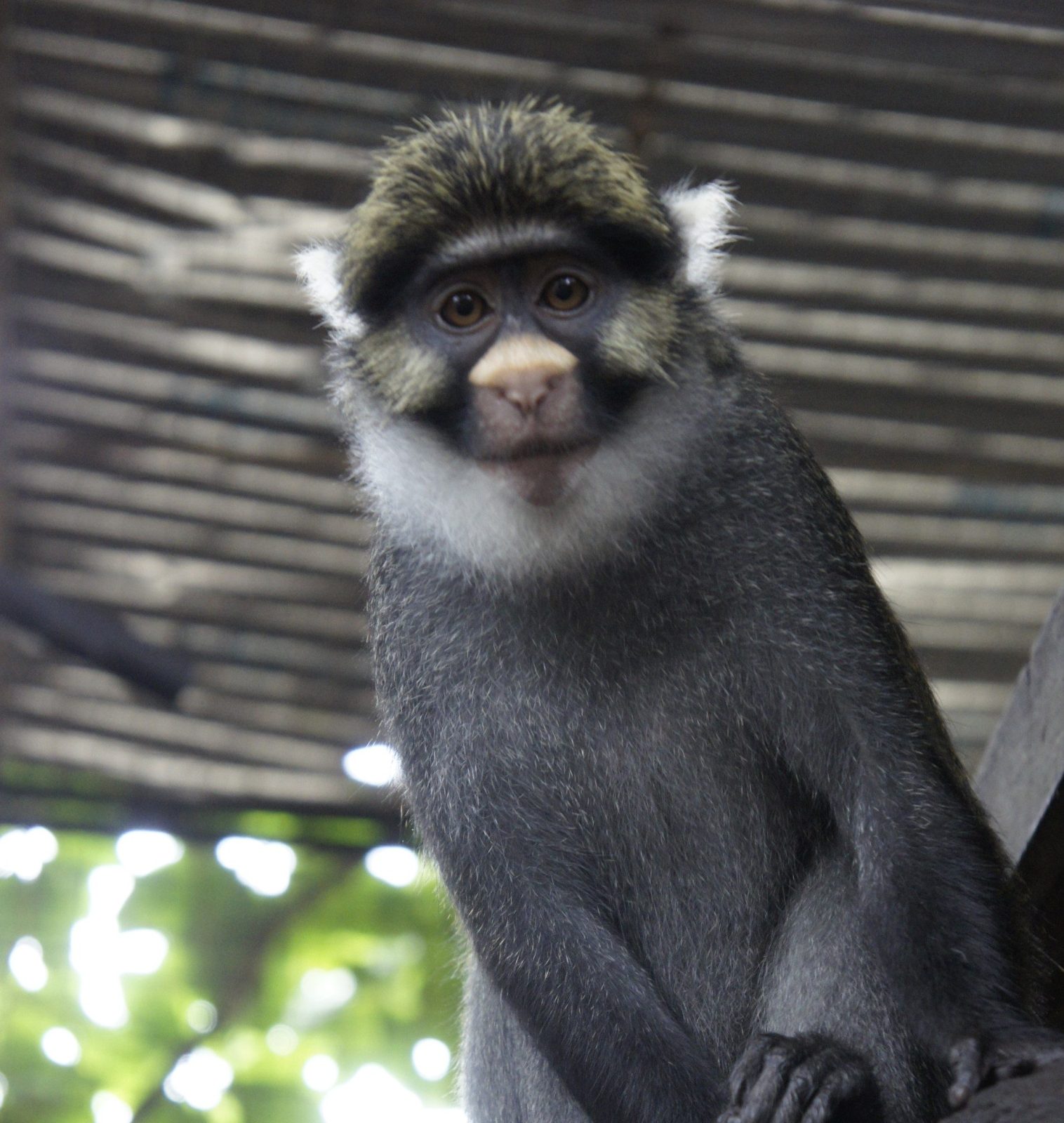
The lesser spot-nosed monkey, also known as the lesser spot-nosed guenon, lesser white-nosed guenon, or lesser white-nosed monkey, is  in the family Cercopithecidae. It is found in Ivory Coast, Ghana, Guinea, Liberia, Sierra Leone, Togo, Guinea-Bissau, and possibly Senegal.
It is adaptable and is found in a range of habitats including primary and secondary forest, gallery forest, regenerating felled areas, coastal scrubland and bushy areas among farmland.

It is a small monkey with a long tail (and a white nose).

The lesser spot-nosed monkey is active during the day, lives in the trees and cryptic; it moves through the forest cautiously, seldom climbing to the high canopy but mostly frequenting the understorey layers and hanging vines. It forms social groups of about ten animals, usually one adult male, several adult females and their young.

It’s diet consists of leaves, fruit, flowers and insects, gathering its food and storing it in cheek pouches, when full they look rather like a snowball on each side of this monkeys neck. Females give birth to a single young after a gestation period of about seven months. Breeding does not appear to be seasonal.

Should this monkey species have any posts written about it, it  will appear below. As we link with places you can see this monkey, they will also appear below.

[smart_post_show id="18807"]

Greater spot-nosed monkey

Greater spot-nosed monkey

Also known as Putty-nosed monkey, this species is one of the smallest old world monkeys and lives in west Africa. While they are a rainforest species, they are often found on the transition boundary between forest and savannah.

It is usually found in the treetops, and as with many other monkey species, they will often spend time in groups of monkeys from a variety of species – which gives all species an advantage. By eating and browsing in mixed species groups, there are a variety of advantages – each species specializes in specific foods – be it leaves, fruit, branches or grass. By only having a few of their own species that they are with, there is more food for each individual, yet there are still many eyes looking out for danger. Furthermore, by being a variety of species, you can have antelope, small monkeys, big monkeys and others like birds or squirrels.

This species consume mostly fruit (frugivorous), but also eat a lot of seeds. Apart from this, they eat insects, leaves, nuts, flowers as well as occasionally raiding crops planted by humans. They did have a cheek-pouch, made out of well-developed cheek muscles, which is highly stretchy, they can store almost as much in this cheek pouch, as they can in their stomach. They can hold food in there for quite some time, so that they can snack on it later.

They live in groups, which consist of one fully-grown male, and a number of adult females, along with their dependent offspring. While studies on their behaviour remain a bit lacking, a great deal has been done in examining the noises that they can make. Generally, male sounds are split into boo,s, pyows, and hacks. They use these sounds to communicate specific things, such that an alarm call will tell everything listening, which predator is the threat (this is important: should the predator be a predator on the ground all of the monkeys will climb higher, should chimpanzees attack the monkeys will want to climb into the treetops, where the branches are unlikely to support a chimpanzee, but if it is a large bird of prey, smaller monkeys can be taken, so it would be important to move lower in the tree. Apart from rudiment words (sounds) for specific threats, they are also capable of stringing them together to make something that we might call a sentence (5 arboreal predator, coming towards us, getting close).

Thought to live around 20 years in the wild, in captivity, they have been known to live to over 30 years. As a result of how often they emit alarm calls, they are sometimes referred to as the cowardly monkey. They are primarily preyed upon by hawks and wild cats.

They are listed as near threatened by the IUCN (last revision in 2016). The main threat is as a result of widespread heavy hunting pressure. Alongside this, loss of habitat, and degradation of forest not cut down, Unfortunately, due to the growing human population in the area, it is not thought that this threat will decline in the near future. They think that over the next 3 generations of the monkeys (that is about 9 years a generation) the decline in population will be 20-25%. It should be noted, that this projection was made back in 2003, which means that it is only 6-7 years from the end of the period, I have seen  no conclusion about how they have done.

They occur in several protected areas, including Monte Alen National park (Equatorial Guinea) and Mbam Djerem National Park (Cameroon), among others. This is encouraging, as while we are greatly hoping that much rainforest outside reserves will survive (it is questionable whether the world can cope with the rest being cut down) if the species can survive with relatively healthy populations, purely on their national park population, they are in a better position than many places.
See Animals Wild

Read more news

Join as a wild member
to list your wild place & log in

Join as an ambassador supporter to
support this site, help save wildlife
and make friends & log in

Join as an Associate member
to assist as a writer, creator, lister etc & to log in

List a wild destination

List a destination in
the shadow of man

List a hide for animals more easily seen this way

Highlight some news
missed, or submit a
one-off article

Browse destinations for fun or future travel

Temporary membership
start here if in a hurry

Casual readers and watchers