Daily mail fear mongering over taxes on electric cars

The daily mail, a British tabloid newspaper, has a habit of writing sensationalist articles.

They have published an article today which states “Families could face new £765 annual green tax on cars as ministers plan new levies for electric vehicles to fill £34billion black hole left by the death of fuel duty” as its title – with details saying the figure comes from the AA later in the article (AA is a roadside rescue firm).

Now this is clearly click-bait. The article is written to make out that electric cars are going to have to be taxed far higher, in order to make up the governments funding. Now there are several problems with their arguement.

  1. The government spends roughly 1 trillion pounds a year, so 34 billion is roughly 3%. While this is significant, it is amongst the governments total spending, a rounding error. There are many places that the government could raise this money
  2. Public sector spending on roads in the United Kingdom reached 10.94 billion British pounds in 2019/20, an increase of 820 million British pounds when compared with the previous year.
  3. The improvement in air quality could see a noticeable improvement in health from a breathing point of view. Currently 11 billion is spent a year, on conditions caused or exacerbated by pollution. It would be conceivable, that the benefit to the countries health could alone increase productivity by 3%
  4. The reduction in carbon emissions is likely to lead to a reduction in money needed to be spent on mitigating the damage done

This is the standard form of article that the daily mail puts out, and indeed while there are very occasional articles that share concern for climate change, the daily mail has put out far more which take swipes at electric cars and any other way that the government might try to change our behaviour.

From an article as early as 2010, the writer claimed that the range will never be good enough bizarrely stating that they can drive their diesel car 800 miles on a tank – at motorway speeds, even assuming speeding that is 10 hours during which time you will need at least a handful of stops for food and a toilet break. Modern electric cars can gain 200 miles range or even more in 15 minutes charging.

Indeed, even last year they published an article claiming that 1 in 3 cannot afford an electric car. Now they quoted a figure of at least £2100 spent on their current car as the point at which electric cars would become affordable. By 2030 there are likely to be far more ‘runabout’ cars and similar, but the simple fact, is that most people will be spending at least £1500 on fuel a year. Given that electric cars last longer, and these people they are referring to, are likely to hold onto their car as long as possible, and probably do not buy new anyway we can assume the car is kept for at least 10 years. Electric charging is much cheaper, so you can be expecting to save at least £1200 per year, an amount that more than makes up for the initial higher price of purchase (the article states that entry level electric cars are around £5000 more expensive, so a purchaser will be better off after 4 – 5 years). There may have to be a change in car loan terms, to make borrowing more affordable, but this is all.

Articles on the difficulty of charging, range longevity and many more, are published every few weeks (or more regularly).

What is the daily mails problem?

Every country around the world seems to have a similar publication. Yes electric cars create slightly more emissions at manufacture (though this gap is narrowing) and yes they can be more expensive however prices are falling and the cost of ownership over the lifetime of the vehicle is significantly lower. Importantly environmental costs are far lower, and given the situation that the human race finds itself in, having to cut our emissions to zero pretty fast – caused I should note, largely by the sort of companies that newspapers like the daily mail praises constantly- we have no choice. The best impact that the daily mail can have is slowing the change. Given that the daily mail is based on a island, a place which stands to loose much from extreme global warming not least in terms of land. This sort of slanted analysis is only useful for confirming your biases.

It should be avoided (though the daily mail gives plenty of subjects to write on)
Personal note: where to go on holiday

Travelling during the epidemic even if fully vaccinated is hard or even impossible.

We have been hoping to take our children back to South African for a few years, partly to show them the incredible places such as the Kruger, but also so that we can list many of the cheaper places to stay on this website. Unfortunately, that will have to wait (we hope only until next year.

So where will we go this year?

We are in the process of setting up our “in the shadow of mankind” and we are hoping to visit some places we would love to add.

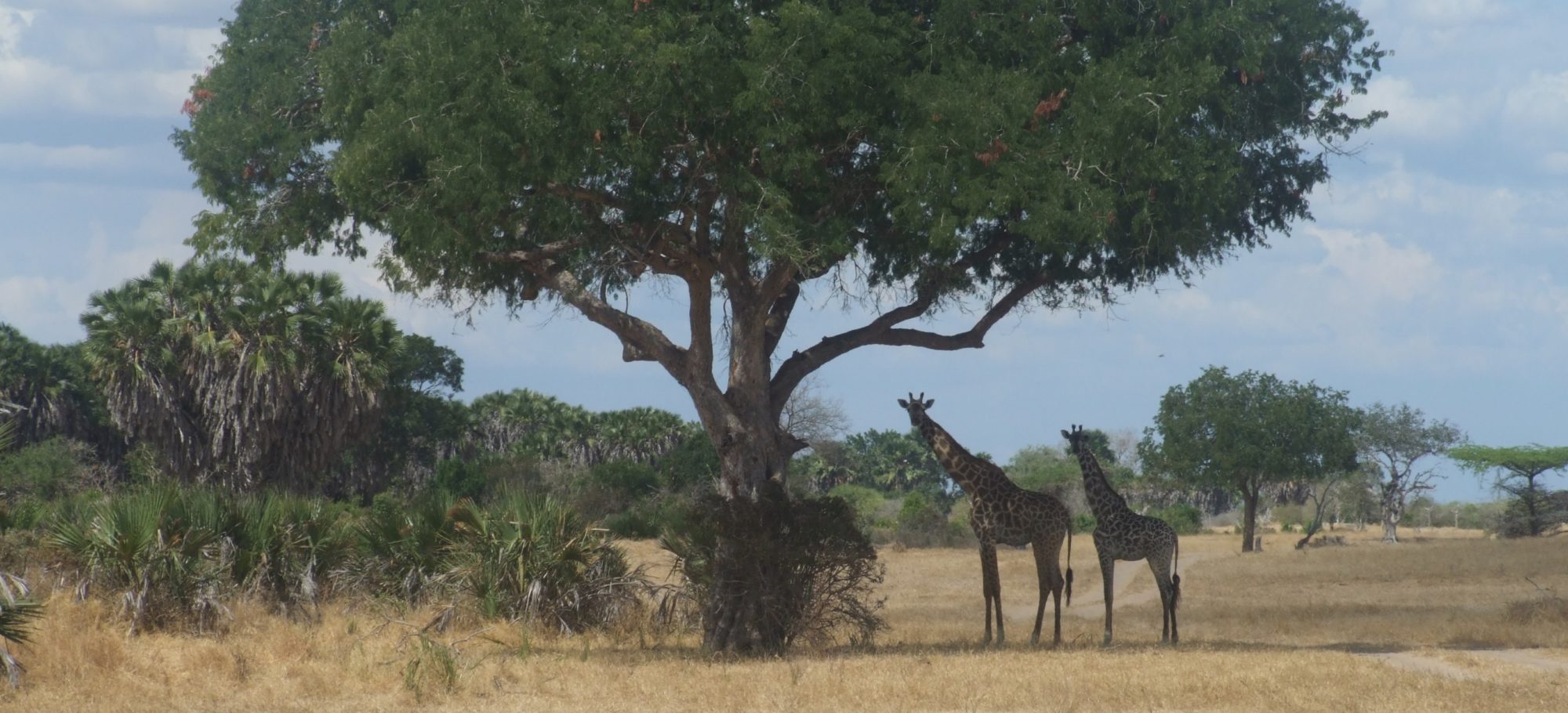
We are thinking of heading to Scottish islands, possibly Skye and Shetland. What will we hope to see? Well Otters would be top of the list, but other creatures will include red squirrels and if were lucky orca and humpback whales.

What is happening on the website. While it does not always show on the surface we are hard at work in the background. We are building a system that will allow people to list their own wilderness place far quicker, which hopefully will allow this site to list enough places to move towards its original goal.

Watch this space

Lightyear one

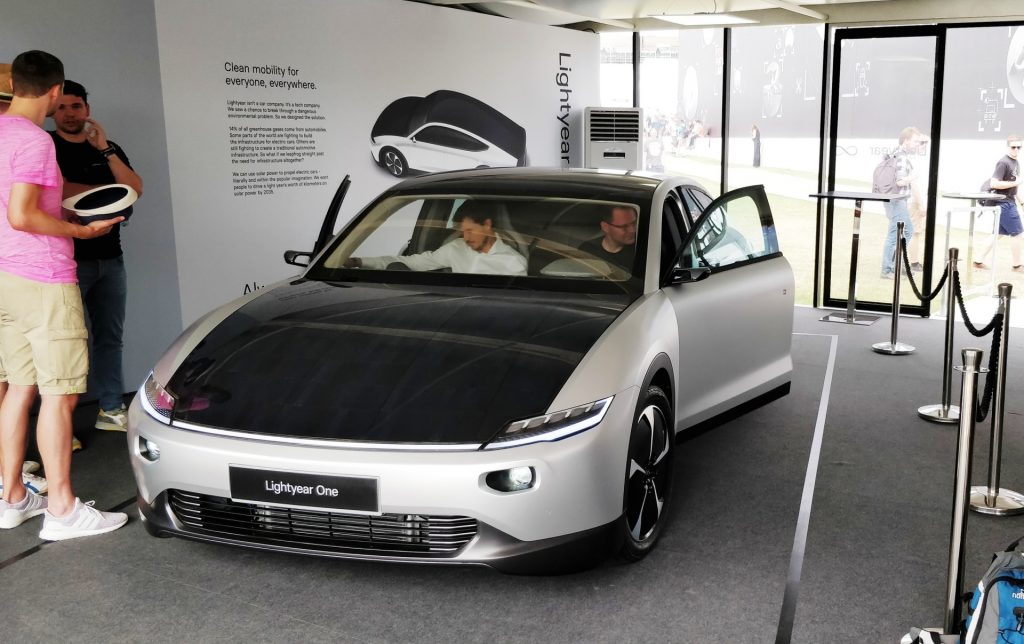
The lightyear one is an incredible car. It is a highly efficient electric car, and gets over 440 miles from a battery smaller than the one in the long range tesla 3 which only has a range of 353.

This image is a wikimedia photo of the lightyear one and is shared under their standard license

This is partly because it is an incredibly efficient car – each wheel has its own, in wheel, motor. However, even more exciting, the car is covered in high efficiency solar panels – it has 5 square meters of solar panels, which is allow between 25 and 45 miles on solar power alone.

Continue reading “Lightyear one”

Can we save bonobos, the great ape most similar to humans? They are more endangered than we thought.

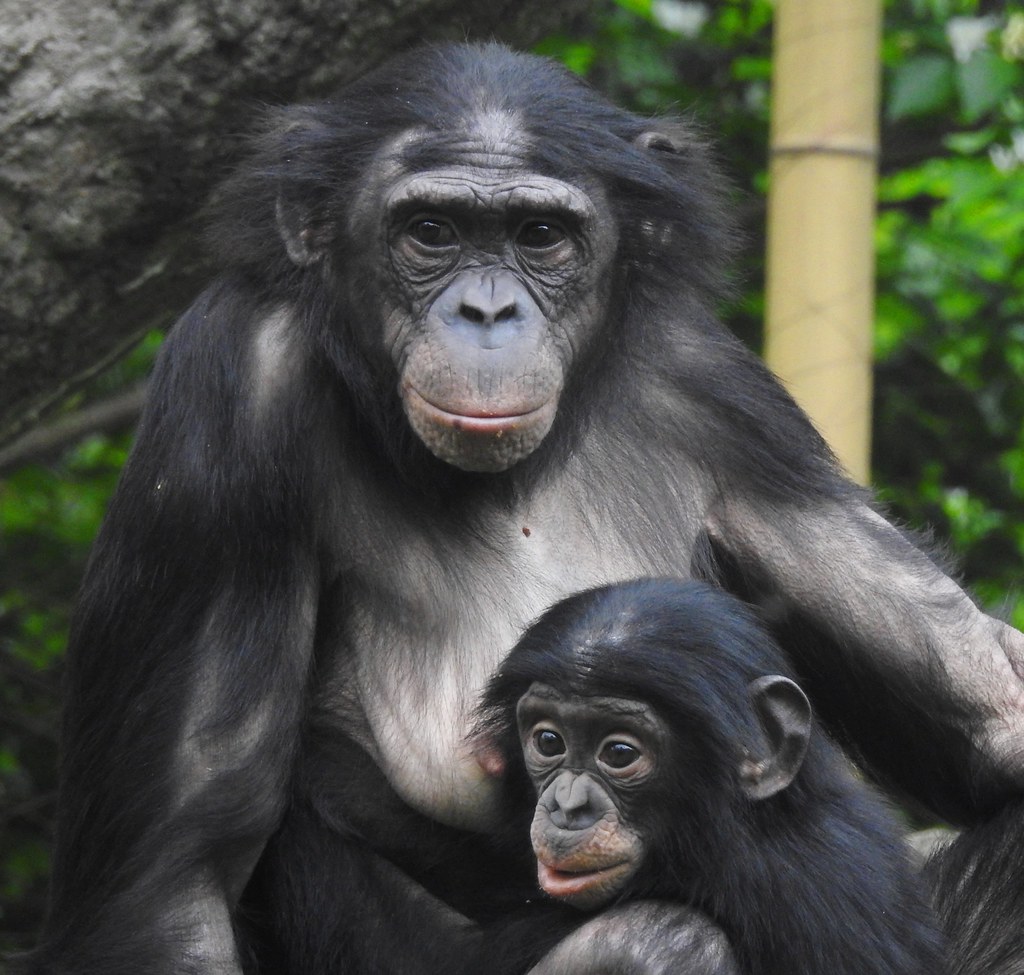
According to the African wildlife foundation estimates, there are 15000 to 20000 bonobos left in the wild. Bonobos or pygmy chimpanzees are thought to genetically be closer to humans, certainly their appearance – they are thinner, have thinner faces and a more noticeable crop of hair on their head, but are horrifically threatened.

Although these bonobos do not look human, they look very different to other chimpanzees.

Yet it would appear that even this estimate is too high.

Continue reading “Can we save bonobos, the great ape most similar to humans? They are more endangered than we thought.”

Manchin has made millions from coal since joining the senate, and he may be able to block Biden’s plan to halve greenhouse gas emissions

This website was designed to simplify wildlife travel – and we are making progress on this (slowly- terrible timing, given the epidemic), however without significant and rapid cuts to the worlds fossil fuel emissions, impacts from global warming will destroy many wildlife habitats so it is of importance.

Climate change is increasingly causing changes in rainfall. This is turning rainforests to savannahs and savannahs to deserts.

Without dealing with climate change, there will be far fewer ecosystems in which to save the wildlife.

This is why the USA is important. At this point the USA emits roughly 16% of the worlds warming gases.

Continue reading “Manchin has made millions from coal since joining the senate, and he may be able to block Biden’s plan to halve greenhouse gas emissions”

Think the UK is prioritizing the survival of the few mammal species left? think again

The UK government is in the process of changing the rules for property developers. At the moment, a range of wildlife from red squirrels, pine martens, mountain hares, water voles, adders and slow worms have special status.

Might adders become an even rarer site, or disappear altogether under these rules?
Continue reading “Think the UK is prioritizing the survival of the few mammal species left? think again”

What should we do with companies like Exxon Mobil?

Despite having led the world on climate research, they were having board meetings about climate change and the impact of their activities 50 years ago, Exxon Mobil have spent the last half century putting out slick adverts and then carrying on with business as normal.

As the world wakes up to the incredible threat that climate change holds for the world, they are continue to fight hard against climate change mitigation or reduction in fossil fuel emissions – in private through professional lobbyists, but in public they act the good company taking their responsibilities seriously.

Continue reading “What should we do with companies like Exxon Mobil?”

Cows fed on Soya are responsible for for much of the amazon rainforest destruction. How about cows fed on insects?

There has been much hesitation about insect based meats. For millennia in the west we have not eaten insects and so for us the idea is repulsive.

How about feeding the cows the insects? The efficiency of this is lower than if we were to eat the insects ourselves, but a study by the WWF has found that this move would reduce the Soya imports that the uk needs by a fifth by 2050.

In 2019 1 million tonnes of Soya were used, which are thought likely linked to deforestation.

Now this change will need legislation, as currently it is not legal to include insect protein for pigs and poultry. A rapid move by the government could mean that the UK leads the world in this move.

Tesco (a leading supermarket in the UK) worked on this report with WWF and has already put its money where its mouth is by supplying seed money to Entocycle among other similar moves.

We could easily have insect farms in the UK, so this could end up cutting cattle feed carbon footprint by roughly 20%.

Farms need to cut their footprint as well as the rest of the economy in the UK, it is possible that meat without the animal is coming soon, however in the meantime this would allow farms to make their own cuts in line with the rest of the country.

The British governments slow progress on opening up travel endangers wildlife around the world

The governments approach to opening up after the epidemic has been slow. This is of course entirely understandable.

However, wildlife destinations around the world have been starved of finances for 2 years now. It is increasingly clear that fully vaccinated people are little at risk. I should note that this website is in the same position.

Many of the reserves that are listed here are run by a company called Singita. who is calling for a more nuanced approach.

There is a need for tourists to be able to return to wild holidays asap. Without this source of income, many of these destinations will be forced to resort to hunting tourism. Due to the expense, hunting tourism can keep a reserve in business with far fewer people visiting.

Of course, this is not good for the long term viability of the industry. We must start rushing out Delta variant boosters if we wish to live in a world where lions and elephants still roam the wilds.

See Animals Wild

Read more news

Join as a wild member
to list your wild place & log in

Join as an ambassador supporter to
support this site, help save wildlife
and make friends & log in

Join as an Associate member
to assist as a writer, creator, lister etc & to log in

List a wild destination

List a destination in
the shadow of man

List a hide for animals more easily seen this way

Highlight some news
missed, or submit a
one-off article

Browse destinations for fun or future travel

Temporary membership
start here if in a hurry

Casual readers and watchers