We continue to hear ” fighting climate change is to expensive” in one form or another.
Problem is that this looks at this issue wrong. Sure, right now it is pay to fight or not, but if we don’t in a couple of decades our children will have to pay terms of times more to undo or damage.
In other words, the decision is pay a little now, or make our children pay huge amounts.
What parent makes that decision? What will future generations make of our collective ambivalence?
The country of Indonesia consists of many islands. Due to their relative size, these islands have led to many subspecies of animals adapting.
In the past tigers existed on at least three of these islands. These animals once lived on Java and Bali, but now there is only a small population in Sumatra.
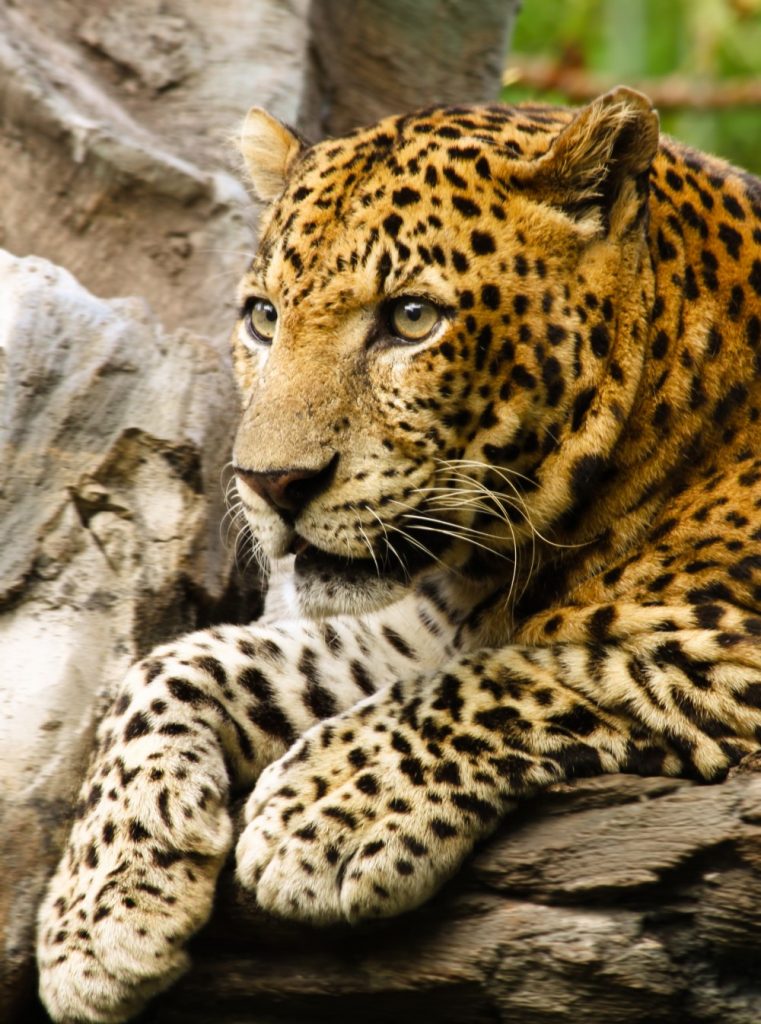
In Java this leaves the the largest predator population consisting of the leopard – this is why it is so concerning that these leopards are being poached.
We have been away. As part of our trip we spent significant time watching otters on the Isle of Mull.
Why are otters easier to see on the Scottish islands?
The total otter population of the UK is thought to be around 10,000. Around 90% of this is on the mainland, but the last 10% live out on the islands off the coast of Scotland – and this is where they are watched the most.
Why are they easier to see on the little islands rather than on the mainland? Essentially, this is down to what they eat. On mainland Britain Otters live in rivers and eat fish, on the Islands the Otters feed at low tide. This means that they are far easier to find, and at the right time of the month they will be active in the middle of the day.
Over the next few weeks, we will put together a video of our footage, as well as pages to help wild holidays to these islands.
Volkswagen had to pay a huge amount of money in the USA for cheating on their car emissions. It would appear that they did not learn their lesson.
A group of car companies including Volkswagen BMW and Daimler have been colluding on emissions tech
The German car companies were fined £750 million for agreeing to not compete on AdBlue tech, which is designed to clean emissions.
Daimler avoided fines as it was the company that admitted to the con.
Rather disgustingly, the companies in question did not agree and are still complaining,
My feeling is that given this is not the first time, the car companies have got away easy, or indeed too easy.
The move to electric cars does seem impossible to stop now, though these and other companies are still trying to slow the move. My thoughts are that fines need to grow over the next decade or less, to the point where if you are caught taking part in a scheme like this it is likely to mean bankruptcy. Shareholders and boards must also make sure that chief executives know that if they set up or partake in a scheme it will hit their money personally even after they have retired.
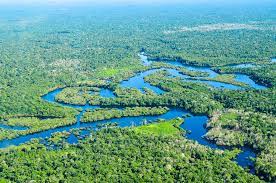
For as long as people have studied the carbon cycle, forests are considered essential carbon sinks. Unfortunately as we damage them, their ability to absorb carbon reduces.
A new study has confirmed, that large parts of the Amazon rainforest have crossed this line.
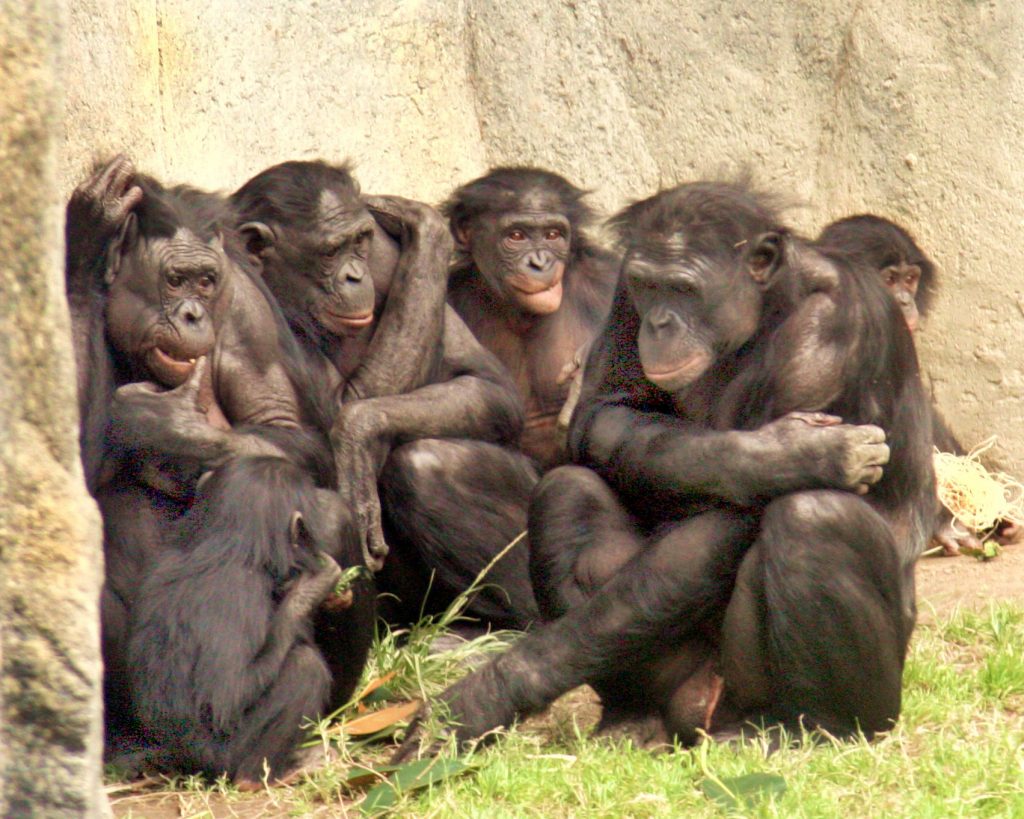
There are many threats facing the great apes of Africa, from habitat destruction and fragmentation, to hunting for bush meat. Unfortunately, it is now thought that Chimpanzees gorillas and Bonobos face a still greater threat (assuming humans avoid killing off what remains of their population) the loss of about 94% of their remaining habitat due to forest die off from the warming that we are creating.
Could this become something impossible to see, within this generation? I hope not
Even under our most rosy scenario, they stand to loose 85% of their range.
The same studies suggest that as areas become unsuitable, there are likely to be other that become suitable. Unfortunately, dealing with slow adapting animals this will not help at all without significant assistance from humans.
What is even more scary is that this loss would occur by 2050.
I find this horrifying. I have not been able to yet visit any wild great ape populations, and now it looks as though their future is severely limited. It also looks like, by the time my children have children the huge forests of Africa teeming with wildlife, will be no more.
We must act now!
Human communities which live alongside great ape populations must benefit. Of course these communities must not grow and crowd out the wildlife, but if a similar system can be set up that worked for the mountain gorillas, perhaps many of the great apes could be saved and at the same time, pull millions of Africans living in poverty, into more sustainable and profitable lives.
This is not something that must be left to African governments. Indeed, it also must not be just left to tourism. Governments around the world, need to help in this work.
As well as replanting and recovering rainforests across the globe, the human population as a whole needs to work together to save the remaining tropical rainforests which are so precious to our future and that of our descendants.
A French company Biotope is working on sustainable cohabitation between chimpanzees and local communities in the highlands of western central Guinea.
The west African Chimpanzee once numbered around 2 million. Currently there are roughly 500,000, but without urgent action that number is liable to move quickly down to close to zero.
Conservation for its own sake is all very well for those people living on the other side of the world. For those who live close by it is a different matter. Ending the population explosion that is occurring in Africa, is essential both for the human and wildlife populations that share this continent. Similar programs could do the same thing in south America and Asia.
I am well aware that even if successful, this website will only be part of the solution, but I hope that with your support we can do some good.
Hydrogen is an incredibly energy rich fuel. When Hydrogen is mixed with oxygen, a large amount of energy is released and the only waste is pure water.
The problem for many years has been that virtually all the hydrogen on earth is locked up as water. For a long time, it has been known that by running a current through water you can split the oxygen and hydrogen. Unfortunately, this process is incredibly energy intensive. Indeed it takes more energy than it gives.
I have been writing about Jair Bolsonaro for quite some time. Indeed, those who have been reading this blog for years will know that I became concerned in the run up to the election.
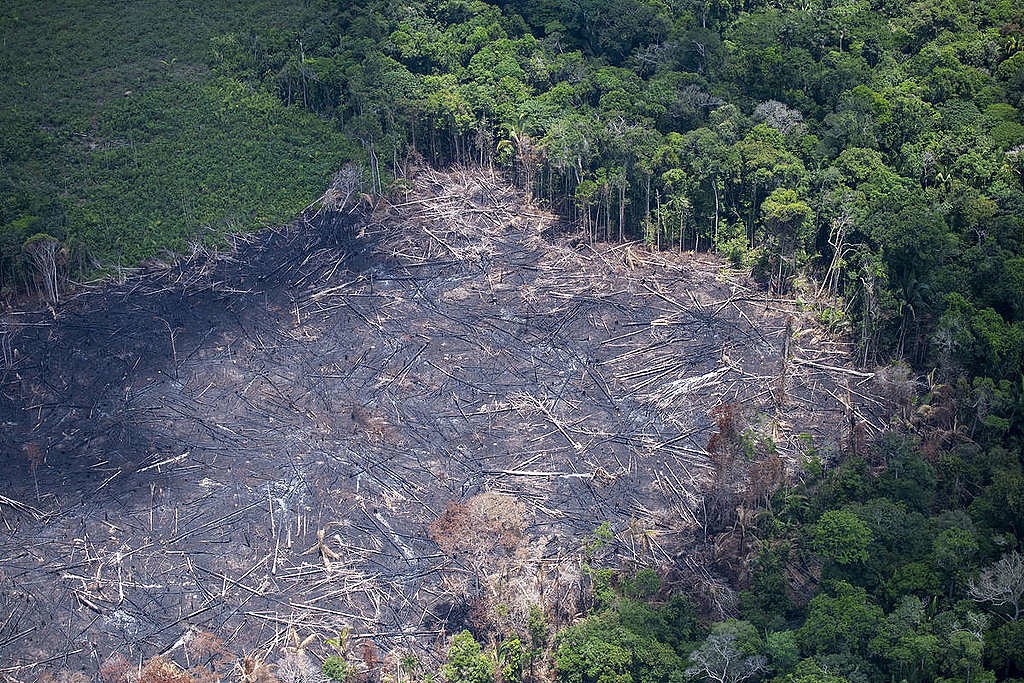
The destruction of the Amazon rainforest is hugely damaging. It is likely to effect the climate worldwide as well as carbon dioxide levels
He has a quite bizarre approach to many things. Indeed, his ruling style is very like Donald Trump. He doesn’t care about Brazil, merely that “his” people do well out of his presidency.
It is quite something, that academics and activists have come together to warn that with the increased attacks on the environmental protections, the Brazilian rainforest would not survive a second Bolsonaro term.
While Australian government ministers are fighting hard against, there are increasing calls from Australian environmentalist groups for the great barrier reef to be added to the list of ecosystems in danger.
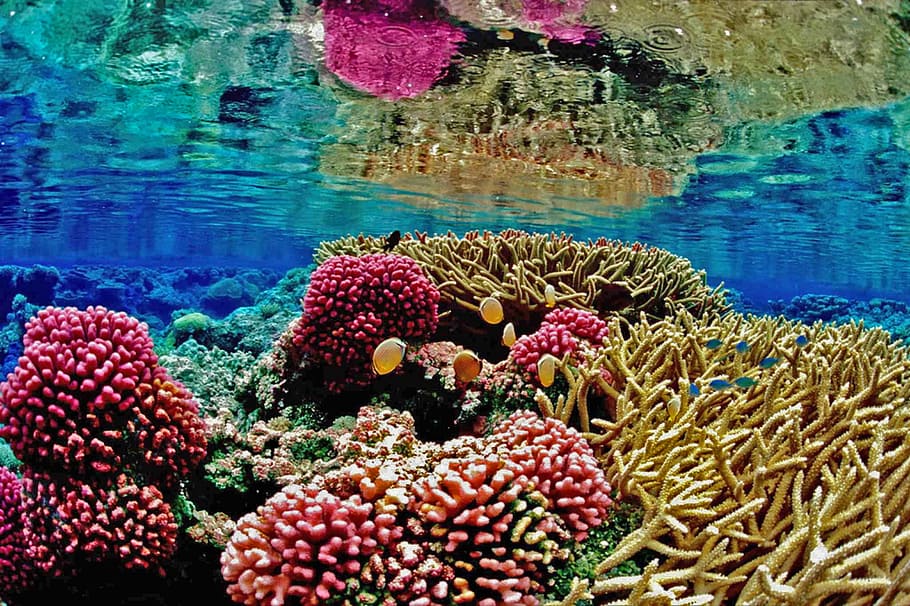
The great barrier reef is one of the true spectacles of the natural world, but we are in danger of loosing it forever.
It is frankly insane that this is still a discussion. Of course the great barrier reef is in danger.
It is frankly bizarre, that there is not huge support for green energy. Who benefits from the status quo? Well the power companies do, but few others do. Of course, one group that does continue to gain are the fossil fuel companies.
So what would Bidens emissions cuts do? He has made it a goal of the USA, that by 2030 80% renewable energy use by 2030!