Common Minke

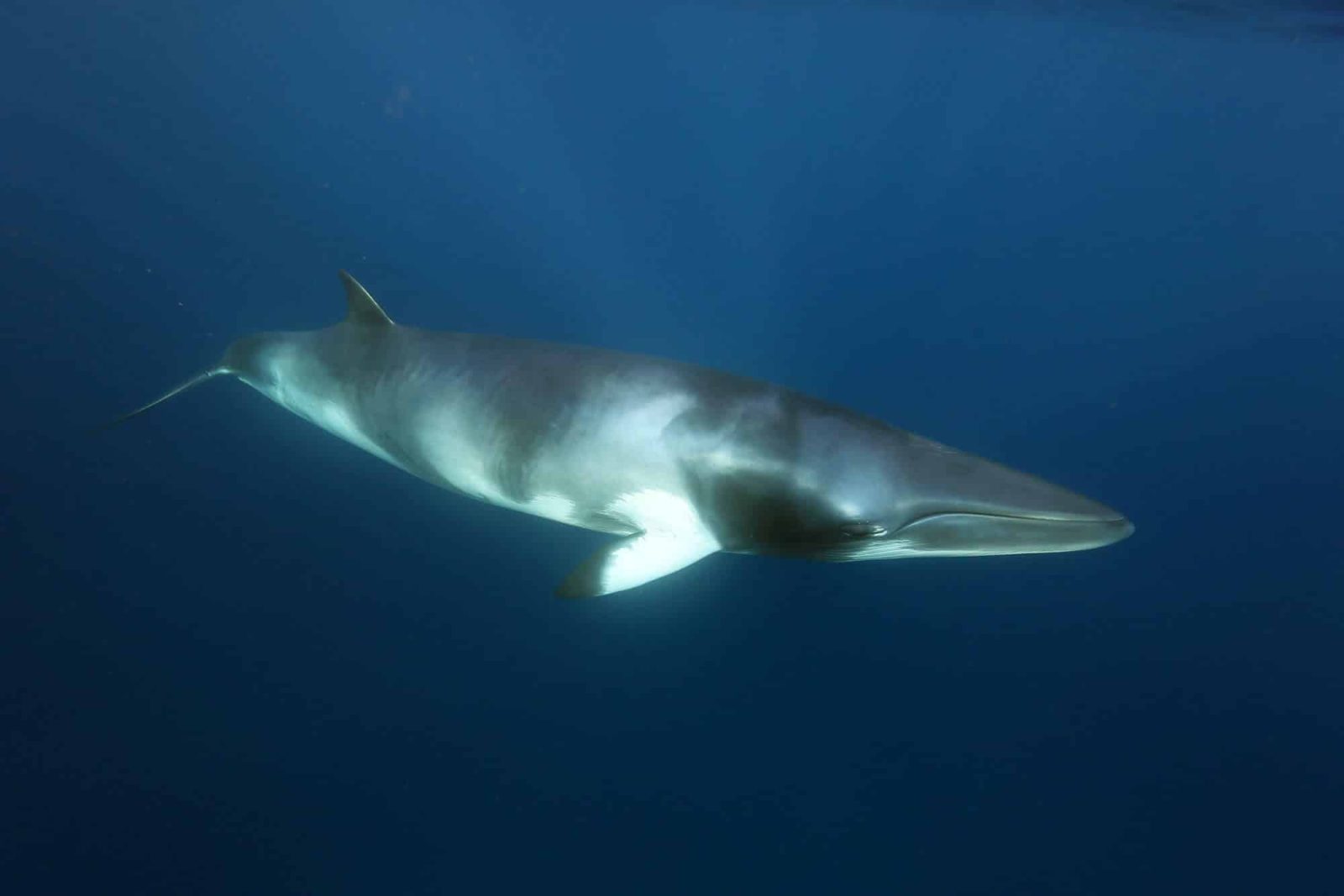
Common Minke Whale

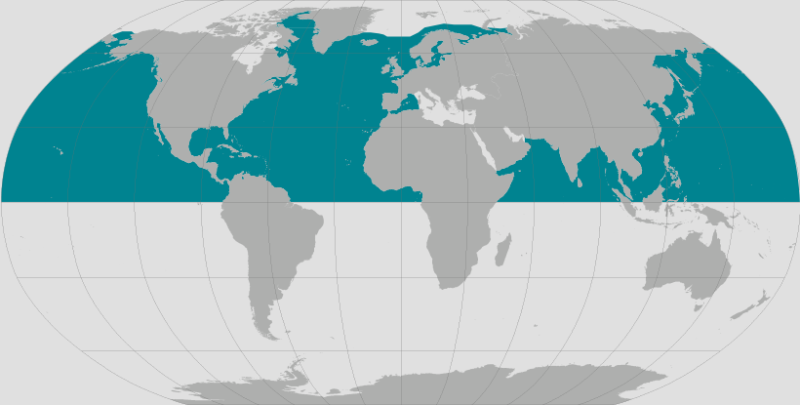
The smallest species of rorquals and second smallest baleen whales in the ocean. It was originally ignored, a primary target of whalers in the Southern hemisphere. Also known as the Northern minke whales, it lives in the Southern hemisphere, but is not the Southern Minke as that one lives in the waters around the Antarctic. Its range expands far into the northern hemisphere, up into arctic waters.

Hybrids of the 2 species have been found on several occasions, and it appears that the offspring are fertile – whether this is a threat to the two species as climate change pushes them further together.

It is odd that the common minke whale is also known as the Northern minke whale, as there is a Northern Minke whale which is found in the northern hemisphere.

Links will appear below.
[smart_post_show id="25218"]

Grey whale

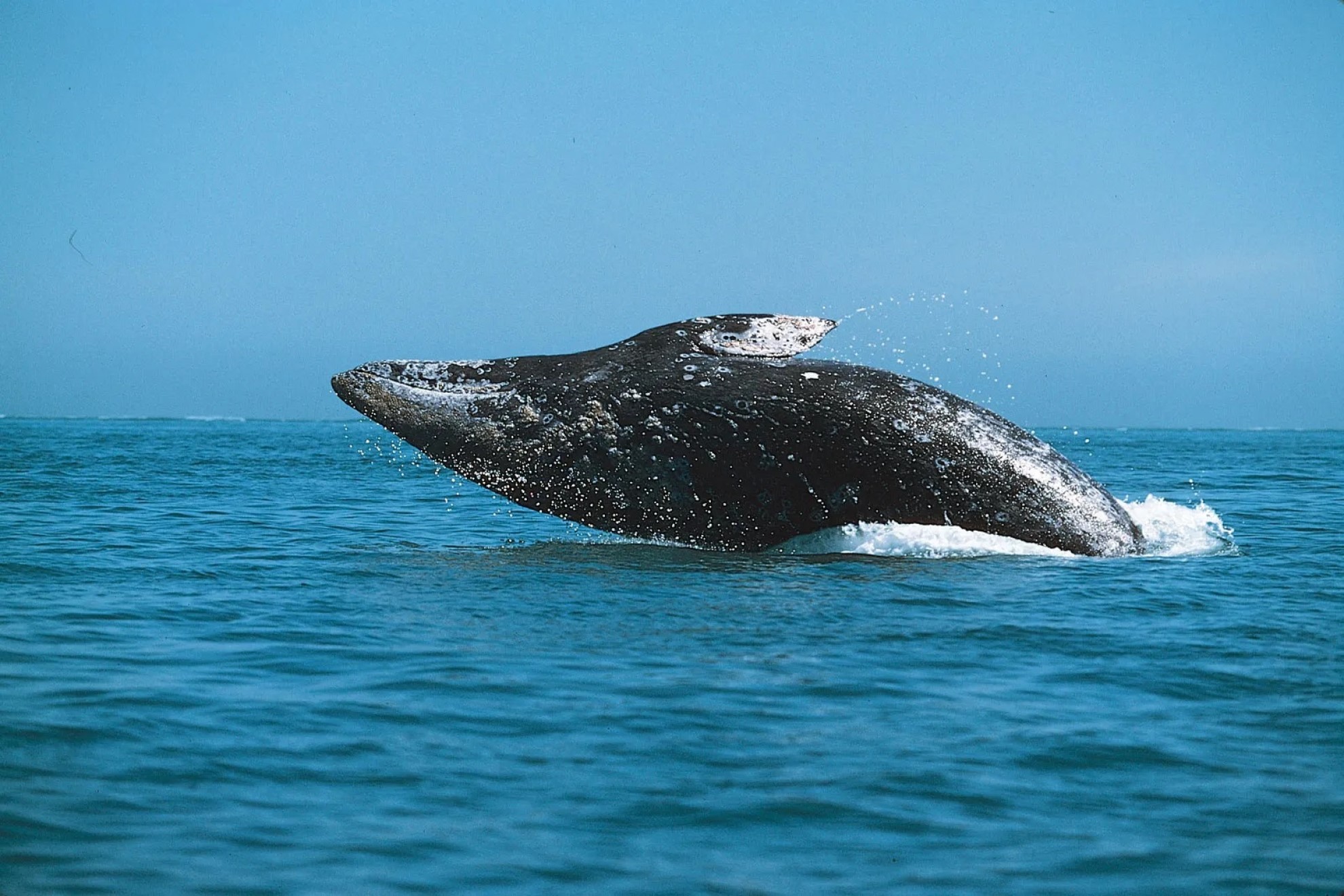
A grey whale breaching: An incredible sight, and the sound travels a very long way in water

Grey whale

The gray whale (other names include grey whale, gray back whale, Pacific gray whale, Korean gray whale, or California gray whale), is a baleen whale that migrates between feeding and breeding grounds yearly. They can reach 14m in length and 41 tonnes. It is found in North pacific – with the Northeast Pacific (American population) and the Northwest Pacific (Asian population) that is endangered. The northern population has been extinct for a long time.
[smart_post_show id="25225"]

Sperm whale

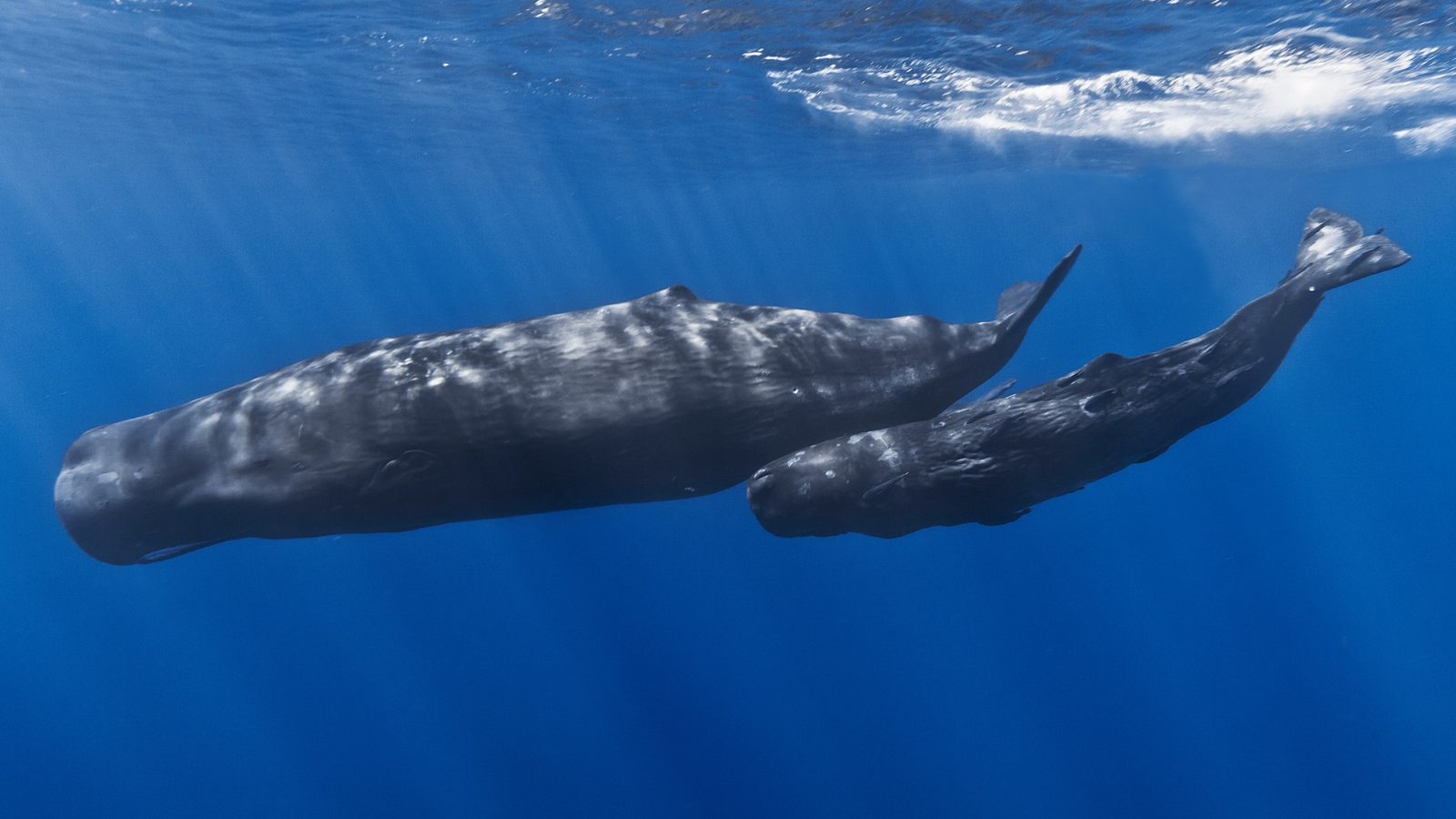
Also known as the Cachalot is both the largest toothed whale and largest toothed predator. It is found around the world. They have no natural predators, though both young and the weakened elderly are sometimes taken by pods of killer whales.

Growing up to 16m in length and with a head 5m long, they can dive to depths of 2250m, and have been timed staying under for 2 hours at a time. They live for around 70 years.

They have a substance called Ambergris which is highly valued in the perfume industry, and beach-combers often find this on the beach.

Males grow to 45 tonnes and 16m, while females grow to 15 tonnes and 11m.

They feed on animals like squids and giant squids, along with sharks and rays that they find deep in the ocean.

It is unknown how many there are, but it is thought that the population numbers in the hundreds of thousands. The current biggest threat, is as a result of tangle in fishing lines and nets. In some parts of the world, fishermen claim that they have kills stolen by the sperm whales deep in the ocea.

Bowhead whale

Bowhead whale

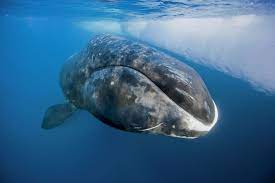
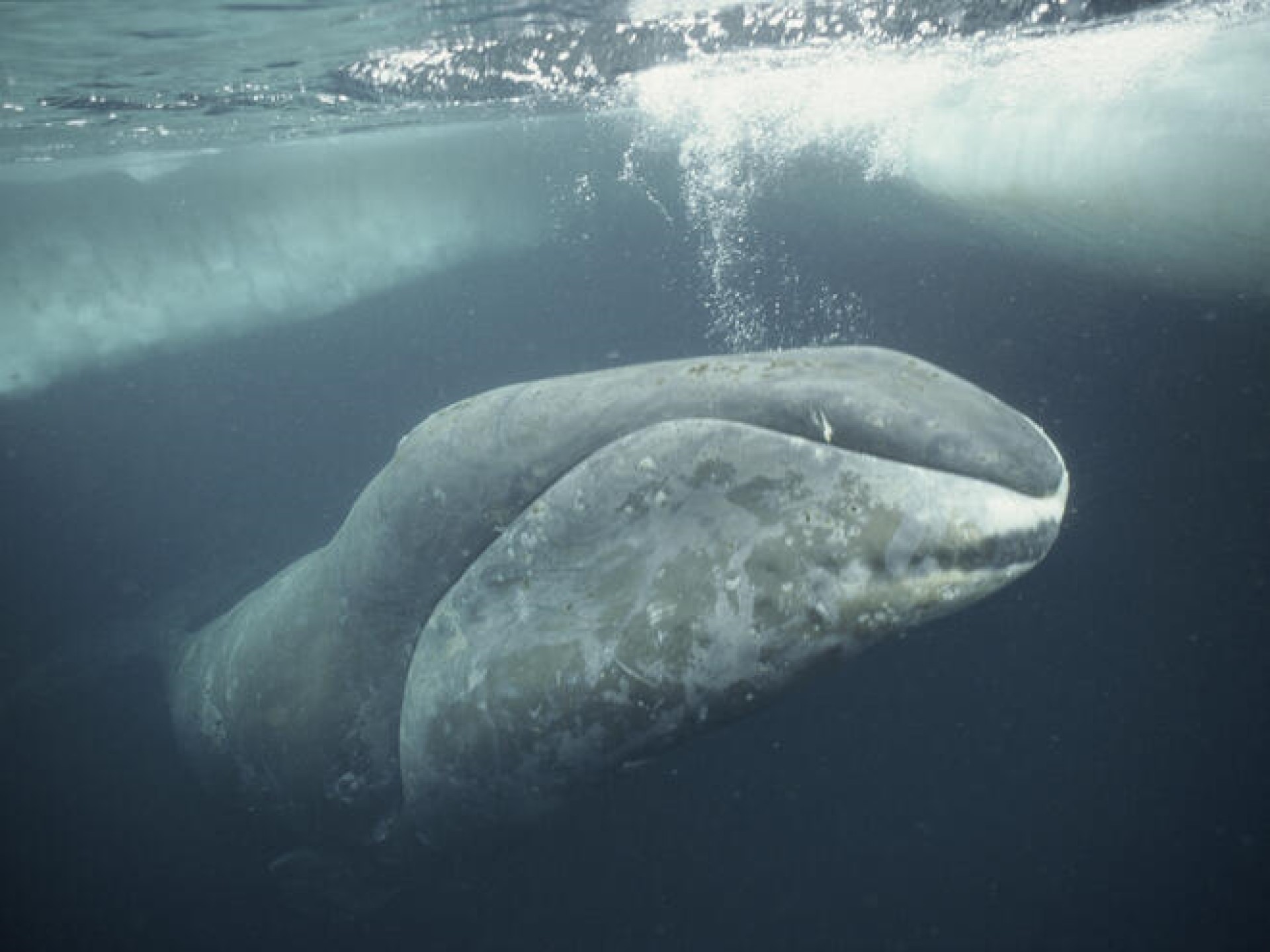
Also known as Greenland right whale, Arctic whale, steeple-top, and polar whale, they are closely related to the right whales, the bowhead whale looks quite different. It is in a different genus to the other right whales (so is a more distant relation.

The only whale that is endemic to the Arctic and sub-arctic, its mouth is a third of the size of the body. They are incredible long lived often living to 200 years old. They have incredibly thick skulls, which allows them to use their heads to break through the arctic ice.

Unfortunately, they were an early target of whalers, and so in 1966 hunting of them was banned. They have recovered to the point where out of the 5 subpopulations, 3 are endangered, one is vulnerable and the last one currently classed as low risk. Another unfortunate effect of whaling, was to put an end to the summer habits of the bowhead whale – before whaling, it appears that different whale populations would cross seas during the summer, and interbreed.

  1. The Western Arctic stock in the Bering, Chukchi, and Beaufort Seas estimated at 12,500 (though with 95% confidence range 8000-19500         
  2. The Hudson Bay and Foxe Basin stock estimated at 345 with a high confidence
  3. the Baffin Bay and Davis Strait stock which is estimated at over 1000 individuals
  4. the Sea of Okhotsk stock contains only 100-200
  5.  The Svalbard-Barents Sea stock was hunted to near extinction. As such while I cannot find a number, it is unlikely to have a large population
[smart_post_show id="25194"]

Southern right whale

Southern right whale

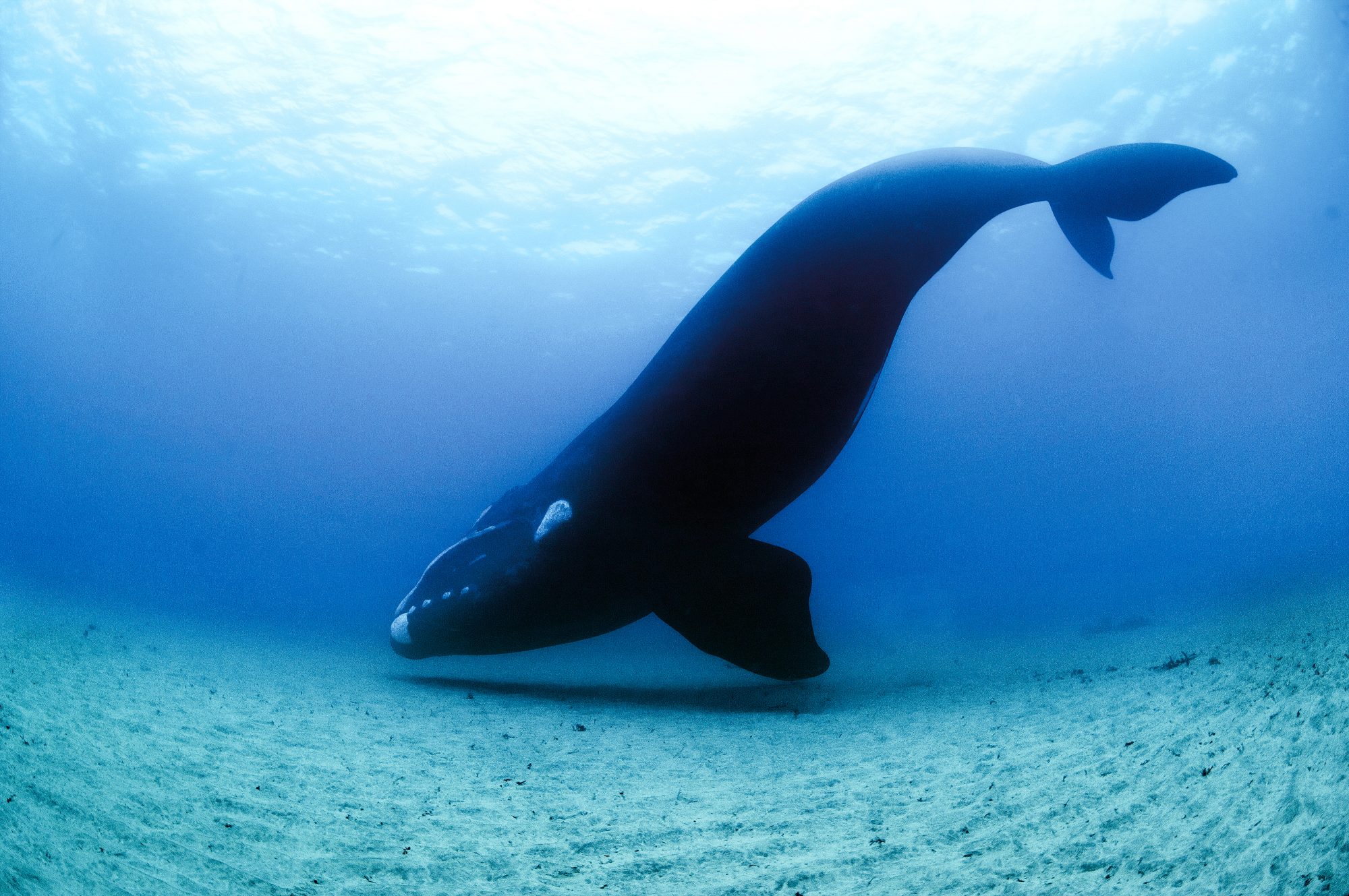
The Southern right whale, like the other species in its genus, was hunted incredibly close to extinction. As a wide ranging species, when the population fell possibly as low as 300 in 1920 – so this species was saved by its low numbers, not the ban on hunting in 1935, which likely would have come too late.

It should be noted that Russia ignored this role until 1970. During these 35 years, many were killed by Russia, and when I say many, we are talking hundreds of thousands of species that everyone else was trying to save.

The population is now thought to be around 13,600, which is an impressive increase in around 100 years, of around 45 times increase. The historical population is estimated to lie between 55,000 and 70,000.

So where can they be watched? Far and away, the best known place to see them is Hermanus in South Africa, where around 100 whales congregate each year. I have seen them here, and it is a relatively easy species to see if you are in the right place. They are found from around around 20 degrees South to 65 degrees South around the world. In the past New Zealand was a fantastic place to watch them, and in recent years they returned for the first time in 80 years. They are also naturally seen in big numbers around Australia, and places like Patagonia.

Links will appear below as we make them

  •  
[smart_post_show id="25183"]

North Atlantic right whale

North Altantic Right Whale

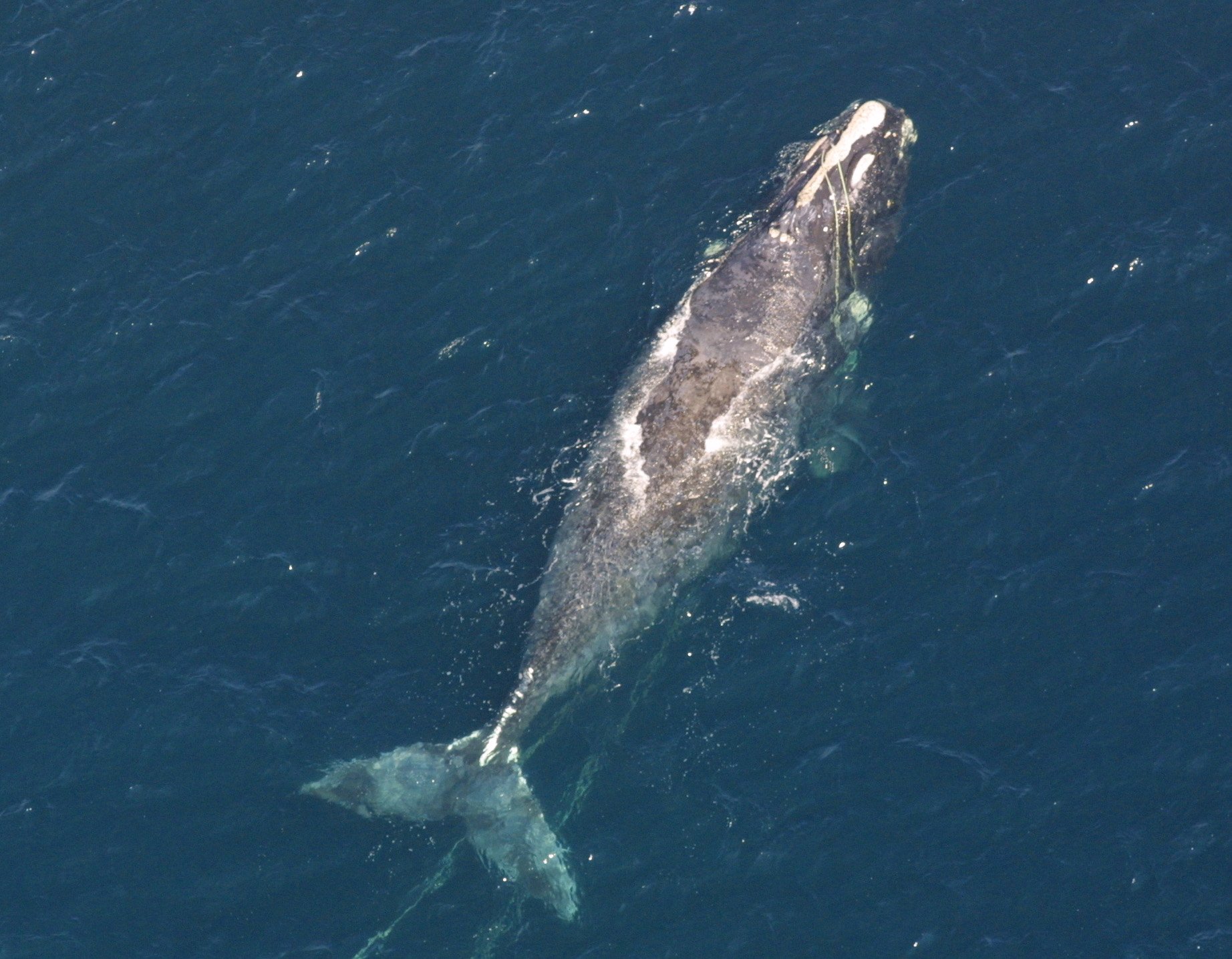
Once thought to exist in numbers between 9000 and 21000, but whaling pushed them close to extinction – with estimates of just a couple of hundred. In the intervening years, since 1986, the population has reached 350 – potentially doubling the population in just 37 years. However, we need to remember that only around 70 of these are breeding age females. A healthy population can expect breeding females to produce a calf every 3 years or so. Unfortunately, given the entanglements and other things that are stressing these whales, the gap between young is currently in the range 6-10 years. This means we can expect 7-11 calves a year – which suggests that for the population to double again in 37 year – we need a survival rate of over 90%

Should the population continue to grow on at that speed, it will take around 180 years for this population to recover.

Places to try to see them include

  • Jacksonville, Florida
  •  Hilton-head Island
Generally, anywhere along this section of the American coast they are a possibility.  Directly below this is a video of this whale species, and below this is a list of any mentions that this whale has had on this website (if any). As we get links, they will appear below these two sections.
[smart_post_show id="25168"]

Muggar Crocodile

Muggar Crocodile

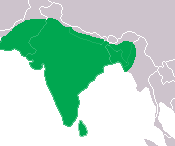
Found in fresh water, across India and as far away as Iran, as well as small parts of its range extending into various neighbouring countries including Pakistan, Nepal and Sri Lanka.

As to be expected, its closest relations are the other Asiatic and Australasian Crocodile species.

Its greatest threat is habitat loss and is listed as CITES appendix i. In 2013 the wild population was estimated at 8700, with no single population being over 1000. Between 1970 and 1990 over 1000 were bred in captivity and released into 28 protected areas, however this program was shut down by the government.


[smart_post_show id="35376"]

False Gharial

False Gharial

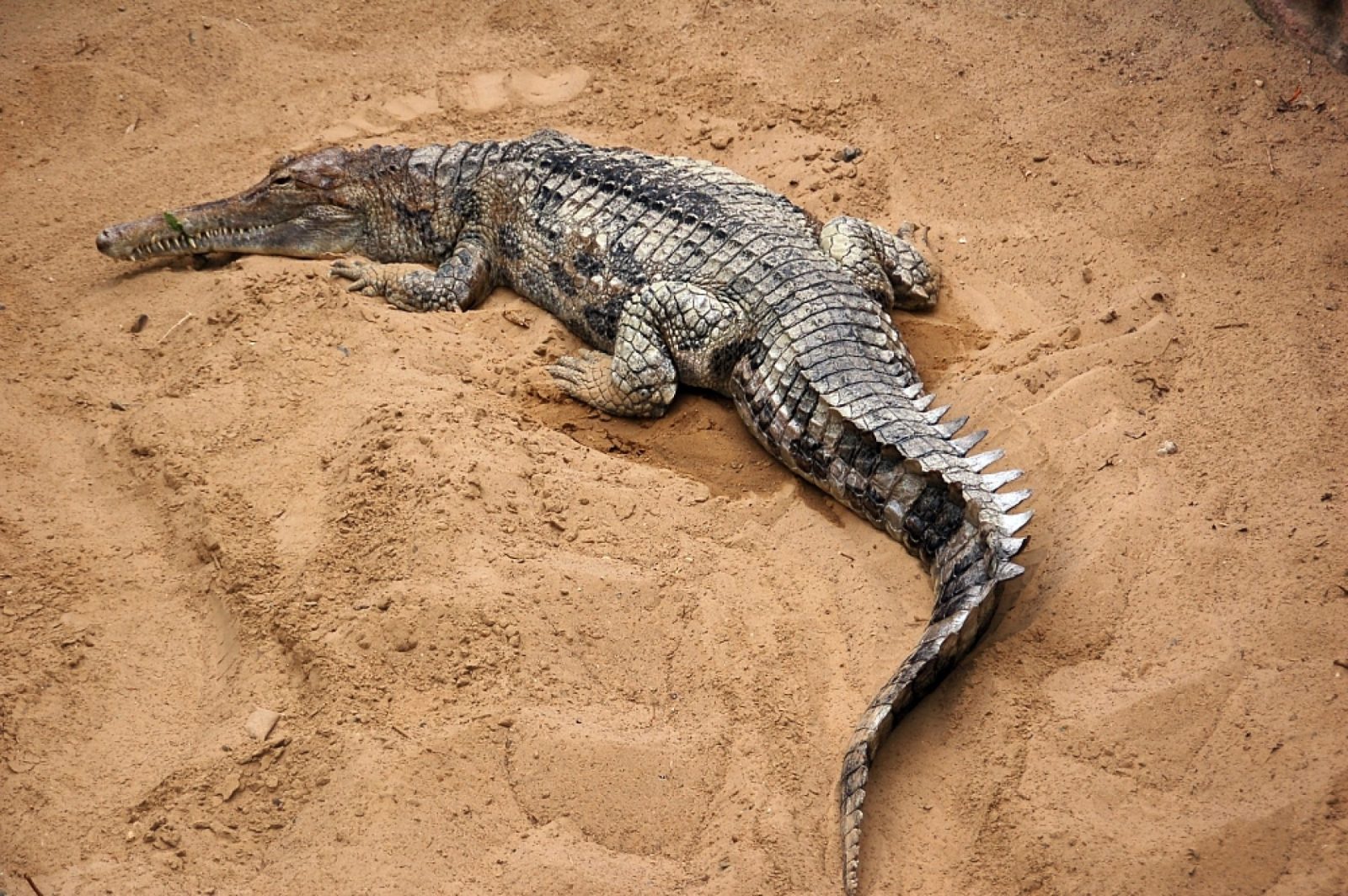
The false gharial (Tomistoma schlegelii), also known by the names Malayan gharial, Sunda gharial and tomistoma is a freshwater crocodilian of the family Gavialidae native to Peninsular MalaysiaBorneoSumatra and Java. It is listed as Vulnerable on the IUCN Red List, as the global population is estimated at around 2,500 to 10,000 mature individuals.

Perhaps what is clear from this is the need to know the population more accurately, as there is a big difference between 2500 and 10000. Having said this, what is clear is that this is a crocodillian that is in a much safer position than many of its cousins.

While rare, there have been 3 fatal attacks on humans since 2000. While before this there were no documented cases, this may be down to record keeping rather than actual facts.

It is considered appendix i and its distribution is very broken which can be a great threat to a species. What will happen in the future is still unclear.

[smart_post_show id="35453"]

Gharial

Gharial

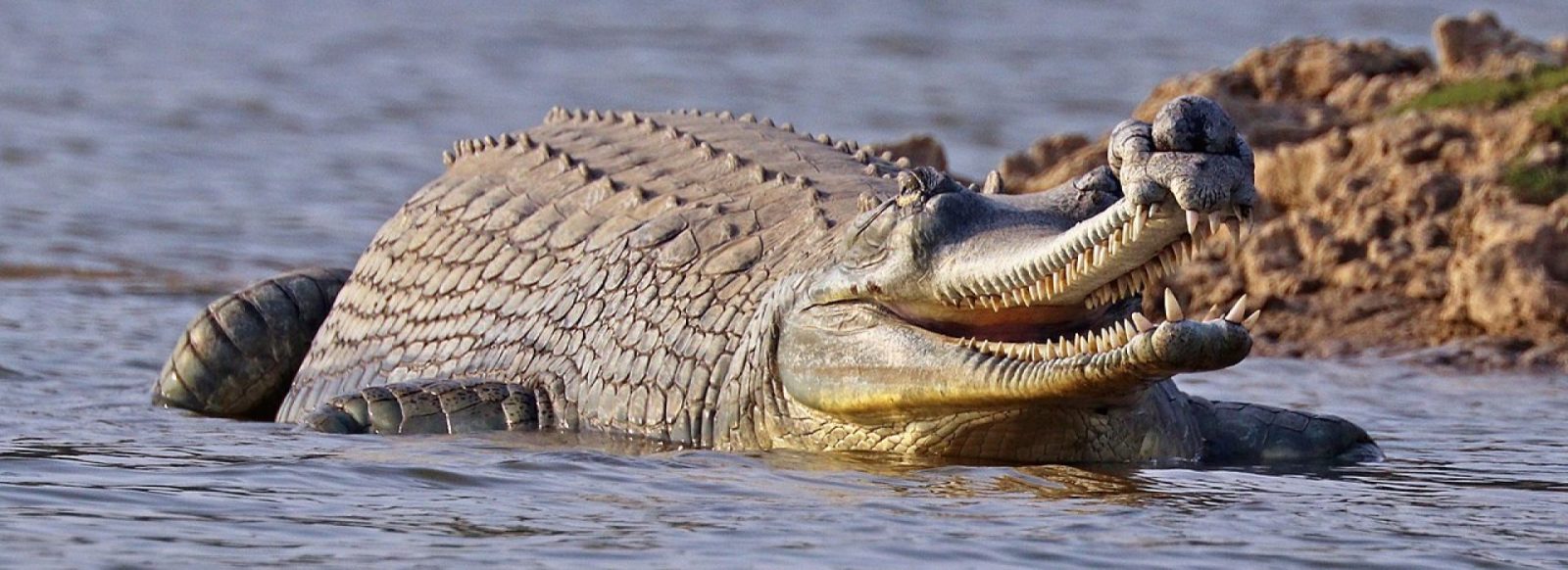
Also know as the Gavial or fish-eating crocodile, and is one of the longest crocodilians with females 2.6-4.5m and males 3-6m long. It currently lives in rivers in the northern half of India, and is one of the most aquatic crocodilian, only leaving water to lay eggs and to sunbathe.

Rapid declines in 1930 have left them occupying only 2% of their former range, with a captive breeding program having run since the 1980s to reintroduce them to their former range. It has been listed as critically endangered since 2007.

The global population in 2007 (last full survey) was 900. Much work is going on with reintroduction projects in India, Bangladesh and Nepal.

[smart_post_show id="35462"]

Osborn Dwarf Crocodile

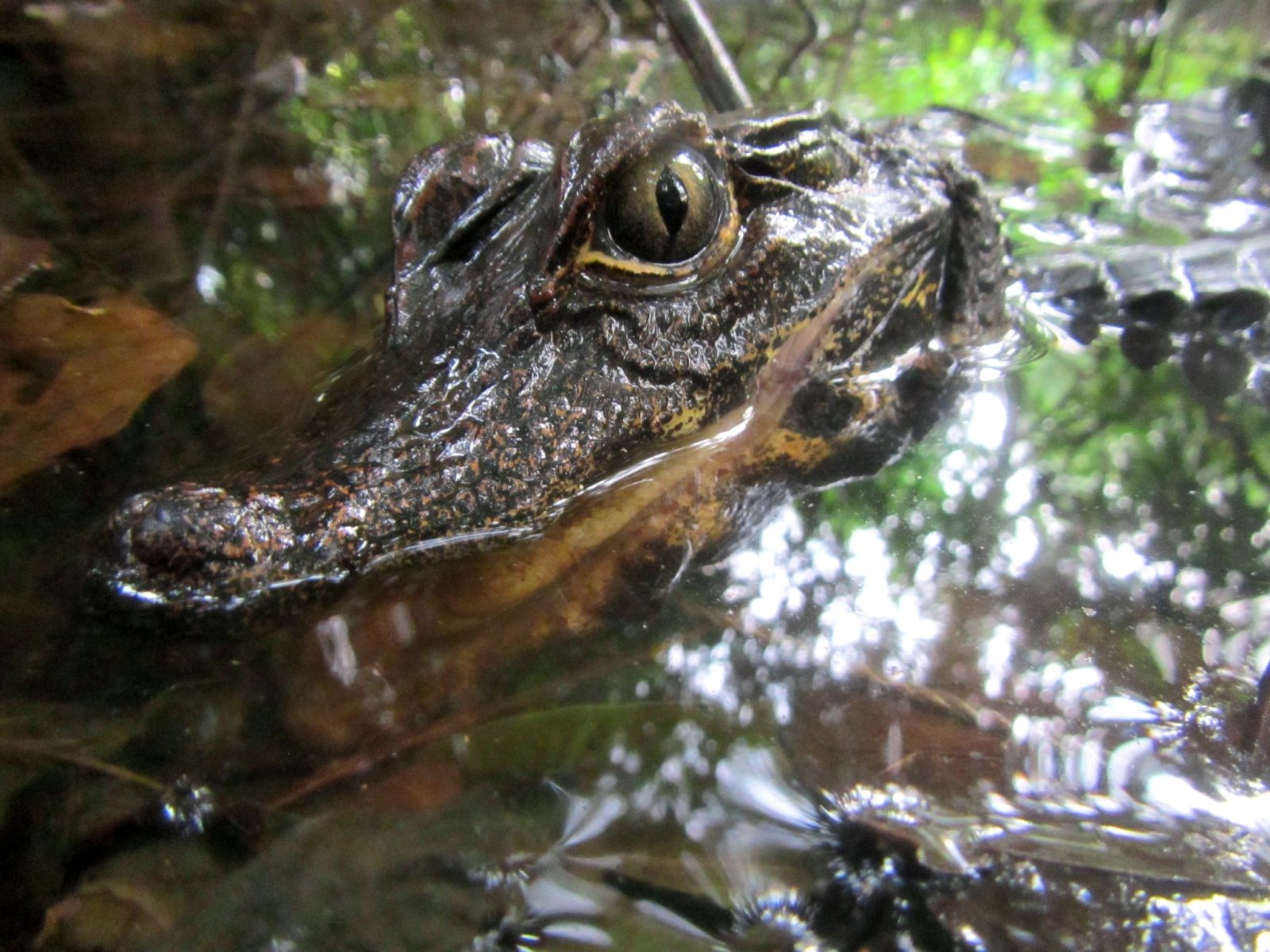
Osborn dwarf crocodile (Congo Dwarf Crocodile) Photo credit marius Burger CC0

Osborn Dwarf Crocodile

Endemic only to the Congo basin in Africa, it was originally described as a separate species in 1948. In 1961, it was downgraded to subspecies level and just 2 years ago it was found to be distinct enough to be full separate species.

They are on CITES appendix 1, but little is known about their status.

Below is a short video on this and the other dwarf crocodile

[smart_post_show id="35475"]
See Animals Wild

Read more news

Join as a wild member
to list your wild place & log in

Join as an ambassador supporter to
support this site, help save wildlife
and make friends & log in

Join as an Associate member
to assist as a writer, creator, lister etc & to log in

List a wild destination

List a destination in
the shadow of man

List a hide for animals more easily seen this way

Highlight some news
missed, or submit a
one-off article

Browse destinations for fun or future travel

Temporary membership
start here if in a hurry

Casual readers and watchers