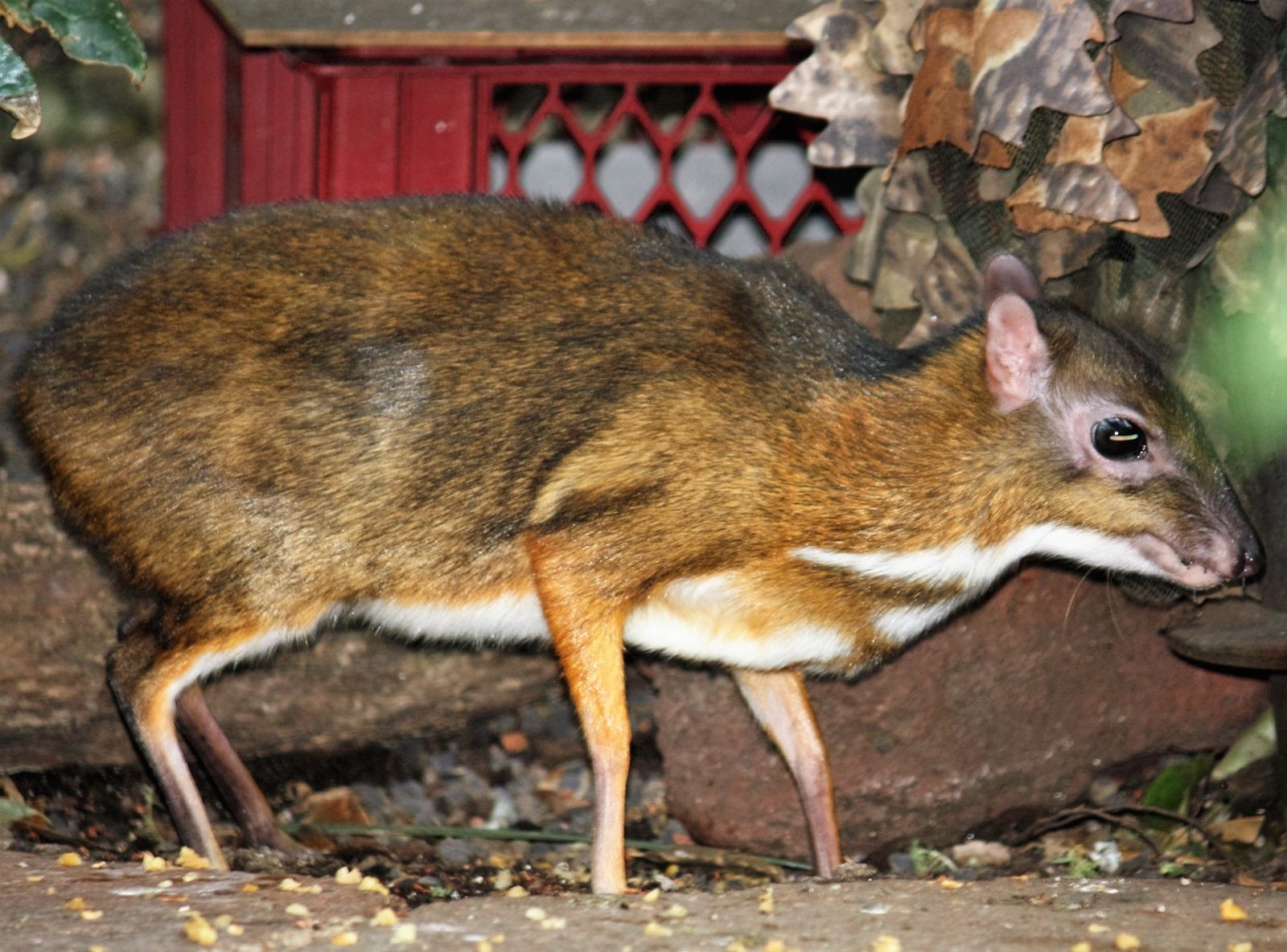
Lesser mouse-deer

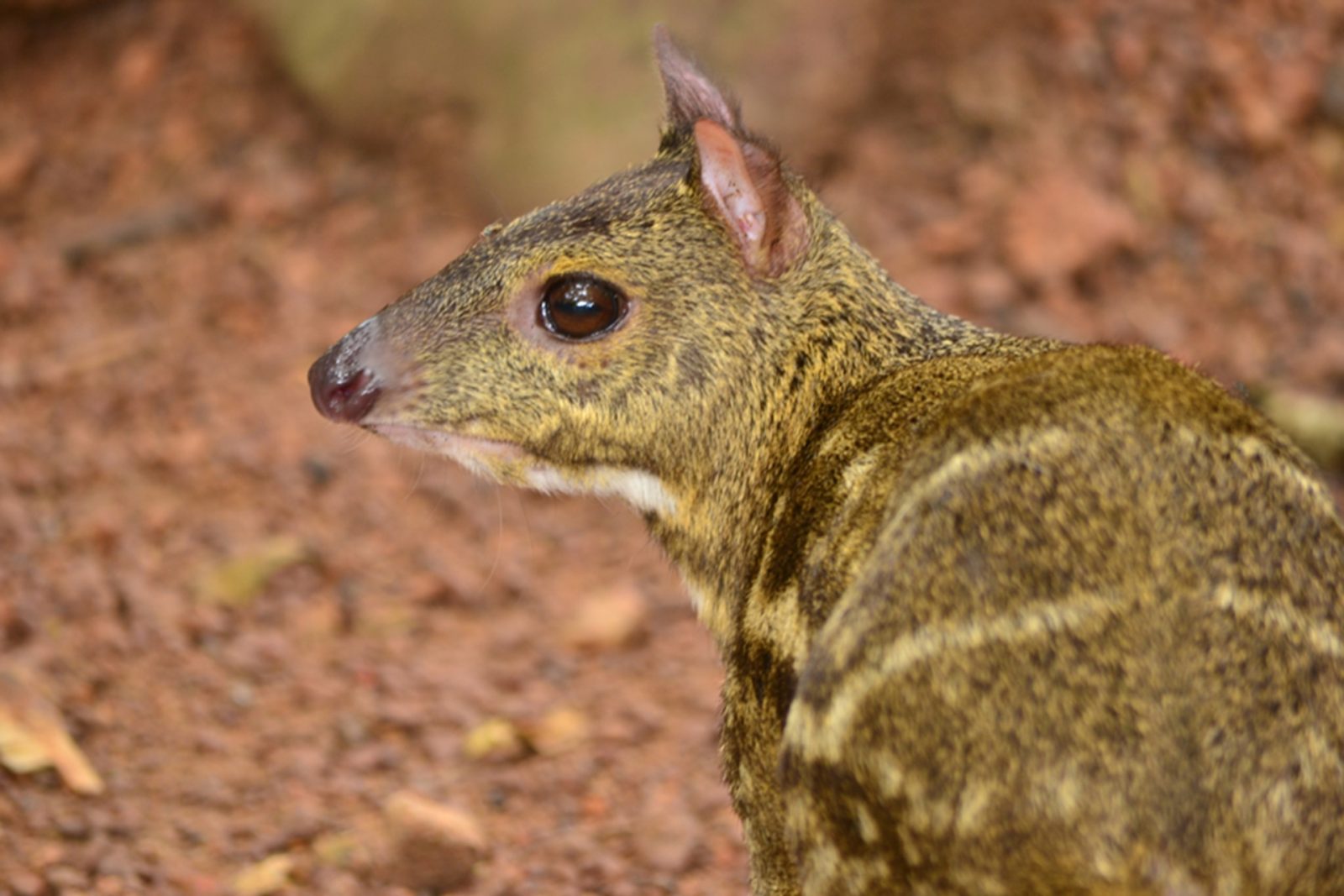
Lesser mouse-deer

More wide spread than many of its cousins, this mouse deer is found widely across Southeast Asia in Indochina, Myanmar (Kra Isthmus), Brunei, Cambodia, Southern Yunnan inChina , Indonesia (Kalimantan in Sumatra, and many other small islands), Laos, Malaysia (Peninsular Malaysia, Sarawak and many other small islands), Singapore, Thailand, and Vietnam.

It is one of the smallest hoofed mammals, it is only bigger than the Javan mouse-deer. Feral dogs are one of its biggest threats.

It appears in various stories from the area that it is found in.

[smart_post_show id="17765"]
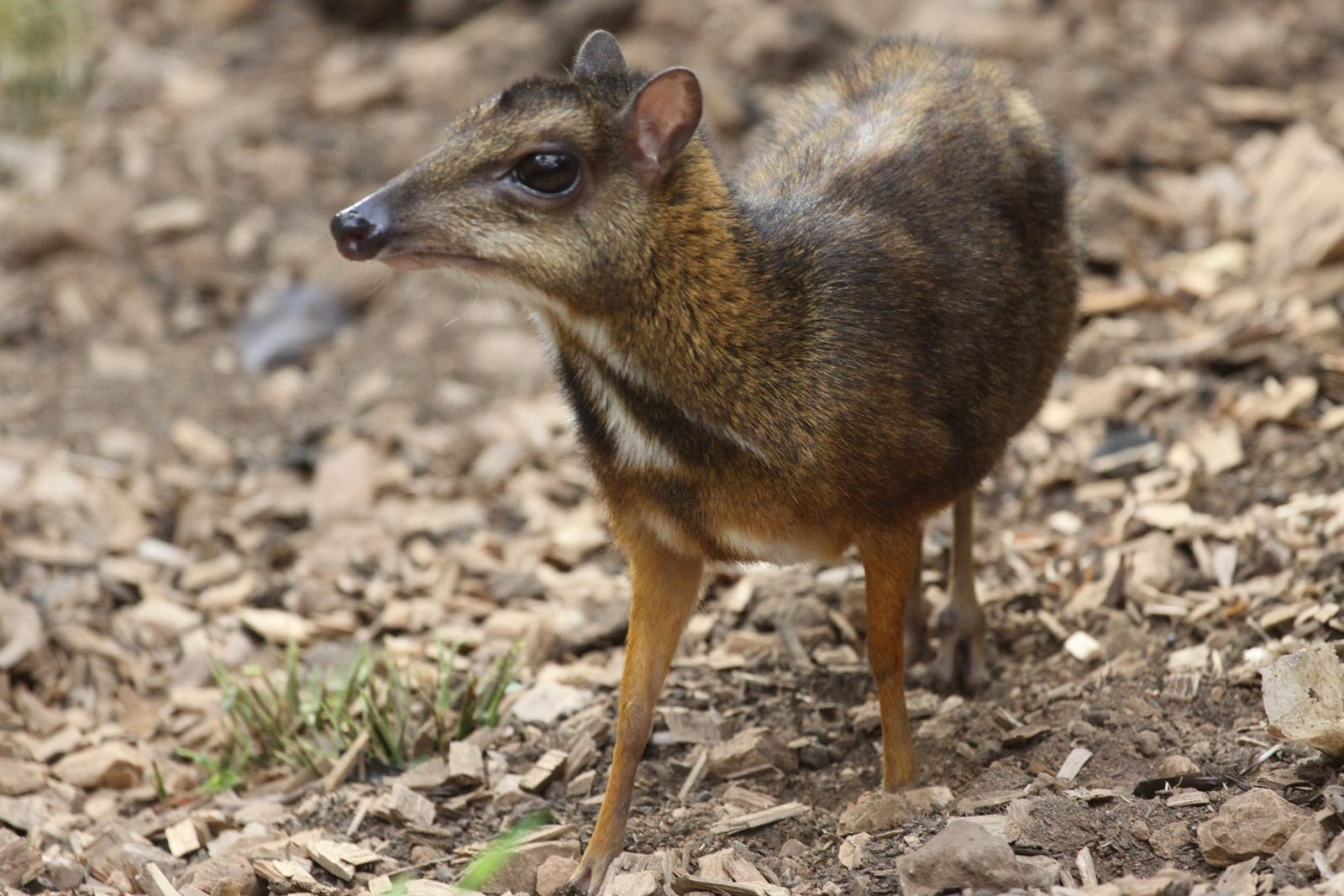
Javan mouse-deer

Javan mouse-deer

This species of mouse deer is an even-toed species. When fully grown, it is only the size of a rabbit, which makes it the smallest ungulate. As its name implies, it is found in the tropical forests of Java, though there have been sightings in Bali (this has not been verified). It is sometimes referred to as the Javan Chevrotain.

It tends to prefer montane rainforest, though it has been identified at lower levels (between 400 and 700m above sea level. Generally, during the day they can be seen roaming through dense undergrowth of creeping bamboo. They create tunnels through this, leading to both resting places, and feeding areas. At night, they go higher up to drier areas. They could be considered ‘edge-species’ as they are often found in dense vegetation right along-side rivers and streams. They also appear to prefer logged areas, with densities decreasing as the forest recovers.

Due to their preference for high montane areas, there habitat is pretty patchy. But are found in most suitable parts of Java – whether they are also found on Bali is yet to be assertained.


[smart_post_show id="17754"]

Yellow-spotted chevrotain

Yellow-stripped Chevrotain

The Yellow stripped Chevrotain was only first described in 2005. It lives in the south of Sri Lanka, but with a head and body length of 43-51cm it is particularly small. In males their upper cainines are visible as tusk-like protrusions from their mouth. In areas of good habitat, it tends to be relatively common and in some areas it is the most seen nocturnal mammal. 
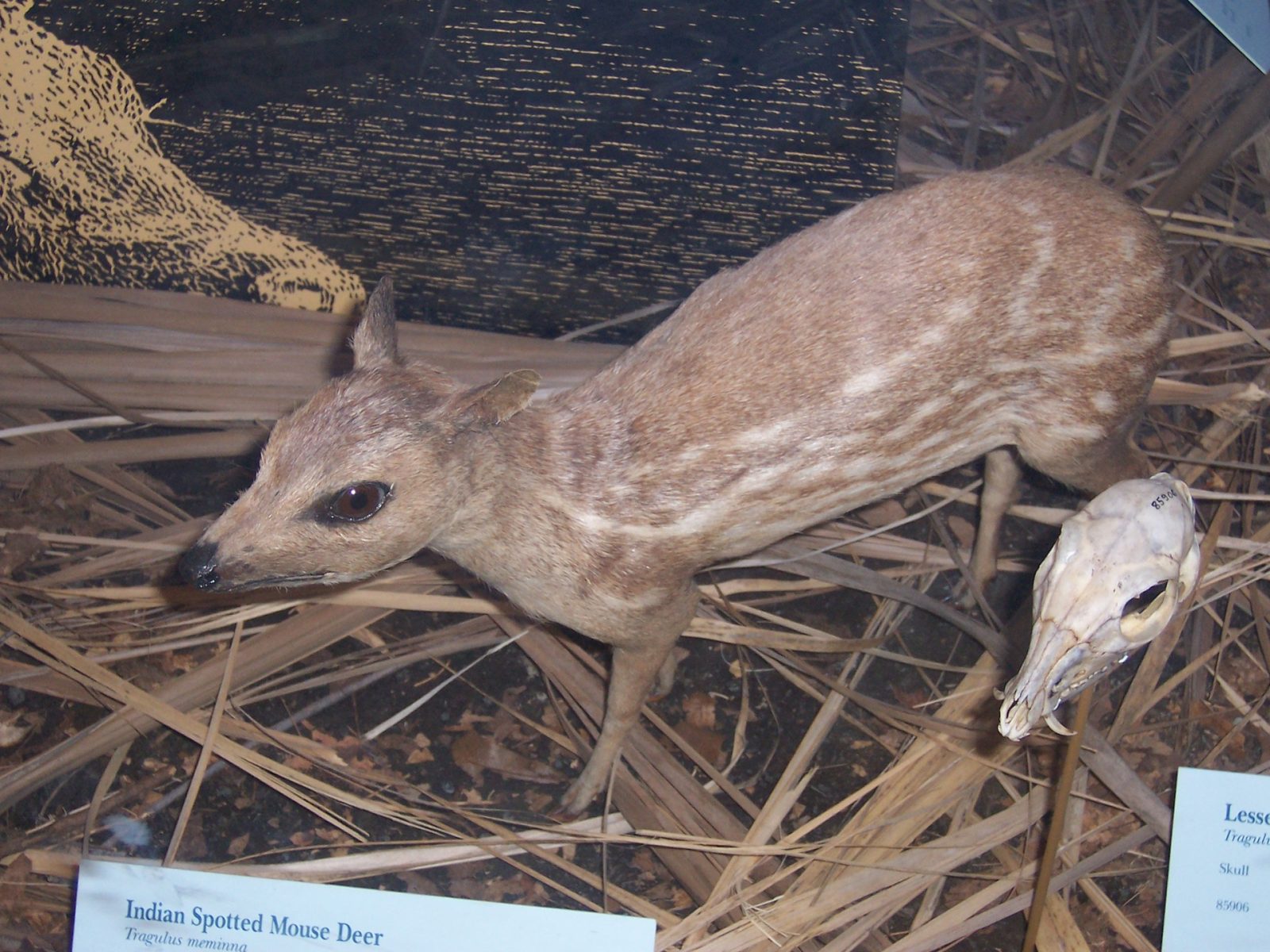
There has been a notable decline in the abundance of this species over the last few decades, however the conservation status has been unknown until relatively recently (not surprising in a species only described 18 years ago. Unfortunately, research generally points to a decline, as a result of habitat destruction as well as hunting for both bushmeat and the pet trade.

Any articles that are written, will appear below, and with any links (when we have them) for visiting the area and trying to see this species appearing below that


[smart_post_show id="17739"]

Sri Lankan spotted Chevrotain

Sri-lanken spotted Chevrotain (or white spotted chevrotain)

The divide between the 3 spotted chevrotain species was only decided in the recent past. As such, most books refer to just once species. It is however, how pretty widely agreed that there are 3 species.
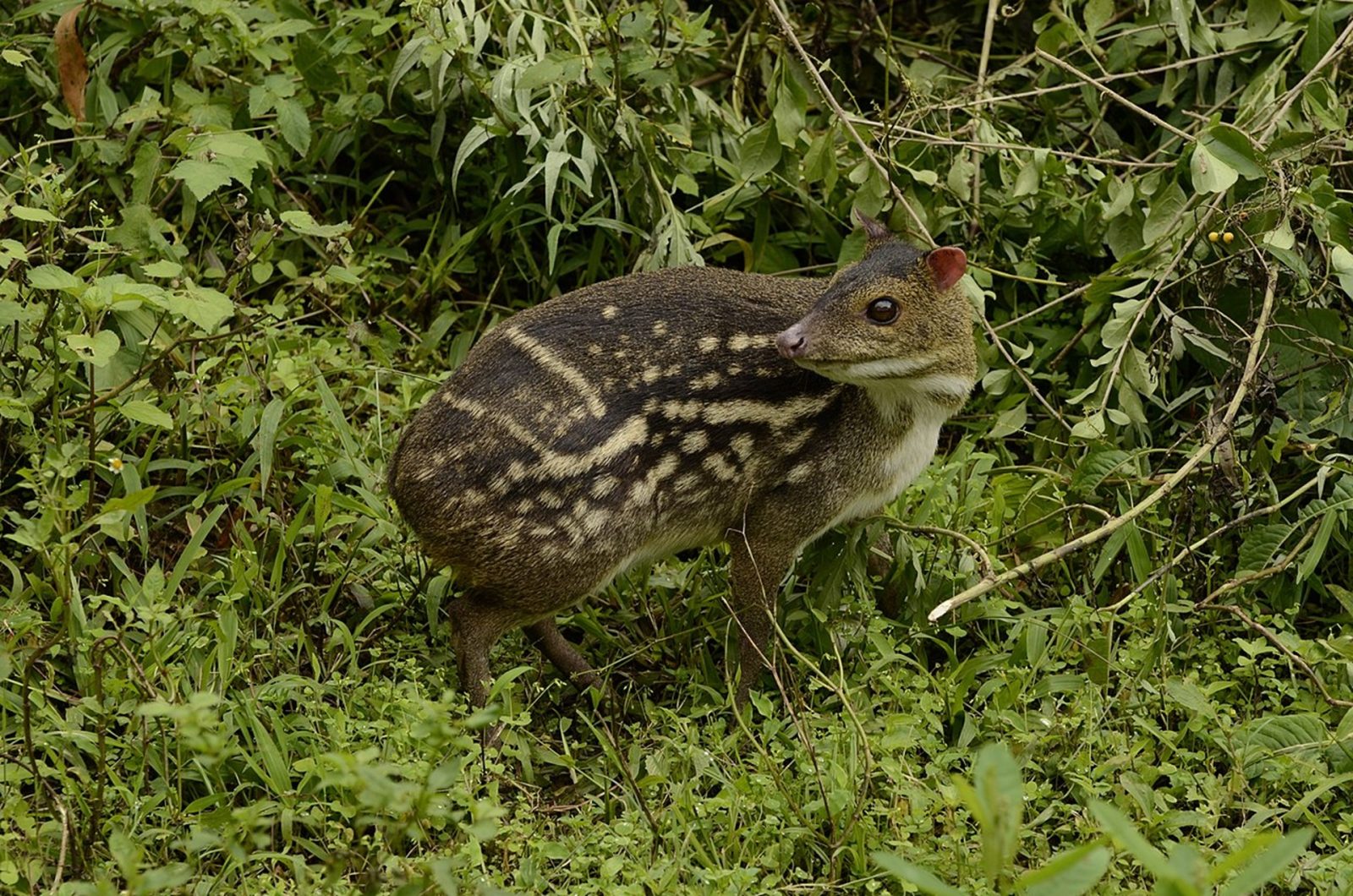
This species is found in the dry areas of Stri Lanka with the Yellow striped Chevrotain living in the rest of Sri Lanka.

Rarely seen in herds, they are generally found alone, or in pairs. They are considered least concern

Note: the below footage is from a zoo, below the video is a list of any articles on this site (if any) and below this is any links that would be useful in seeing this animal (there may be none at the moment but we will be looking to add them in the future

[smart_post_show id="17739"]

Indian Spotted Chevrotain

Indian Spotted Chevrotain

The Indian spotted Checrotain is found in India, Sri lanka, and possibly Nepal. It lives in rainforests, and is nocturnal. As a result, it is rarely seen. It is the smallest deer species of India. Neither male or female have antlers.
It has a body length of under 60cm and a weight of around 3kg. While it mostly forages on the forest floor for fruit, roots, leaves and herbs it has been observed eating insects, crustations and even small mammals. They are predated by tigers, leopards and dholes, though they are probably also predated by other Indian predators if the opportunity arises.

In their ecosystems, they are important seed dispersers.

It is considered least concern by the IUCN

Below is a camera trap video of this animal in the wild. Below that is a list of articles that mention it, and under this we will include any useful places when trying to see this animal in the wild (as we add them over time.

[smart_post_show id="17732"]

Indian Ocean Humpback dolphin

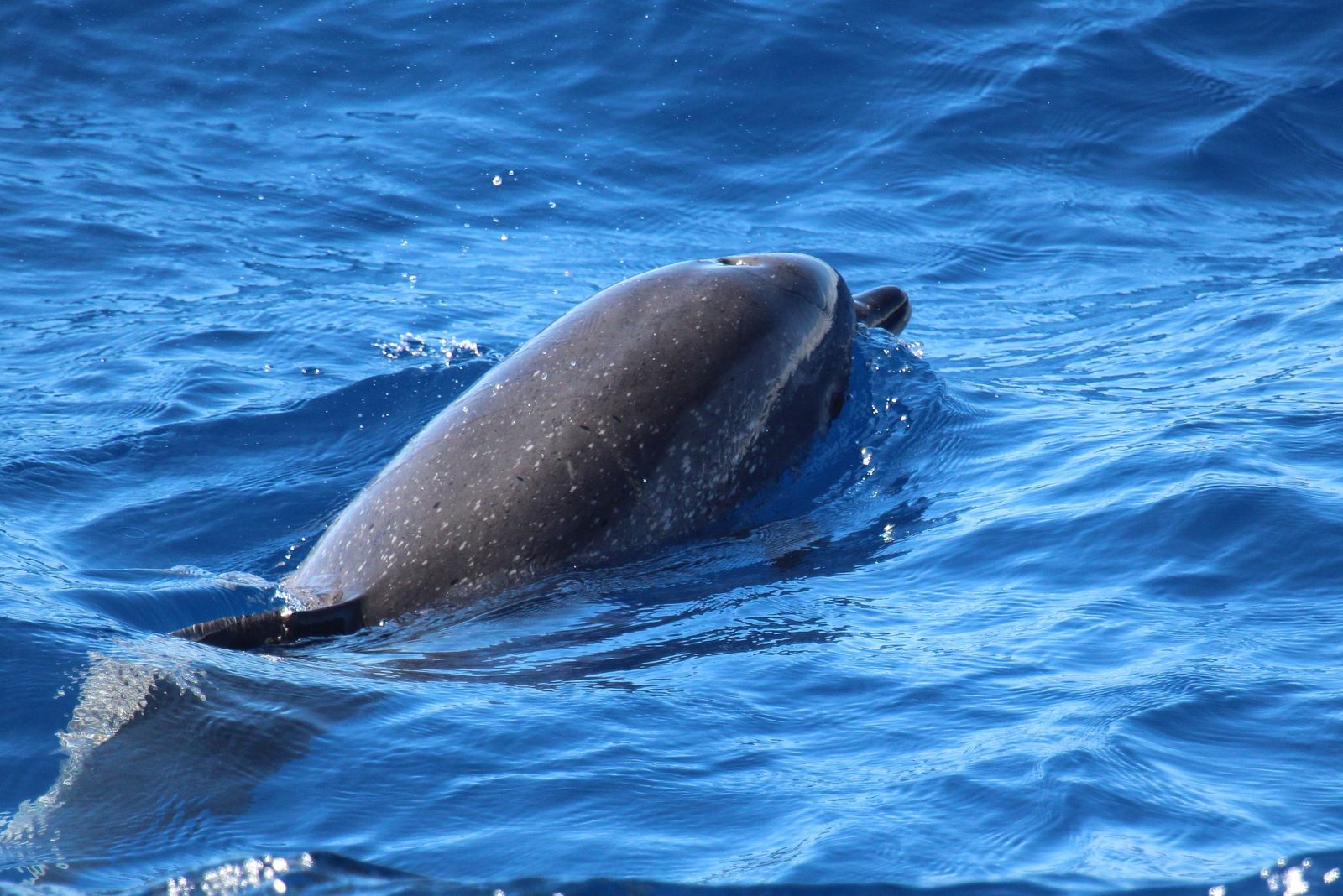
indian Ocean Humpback dolphin

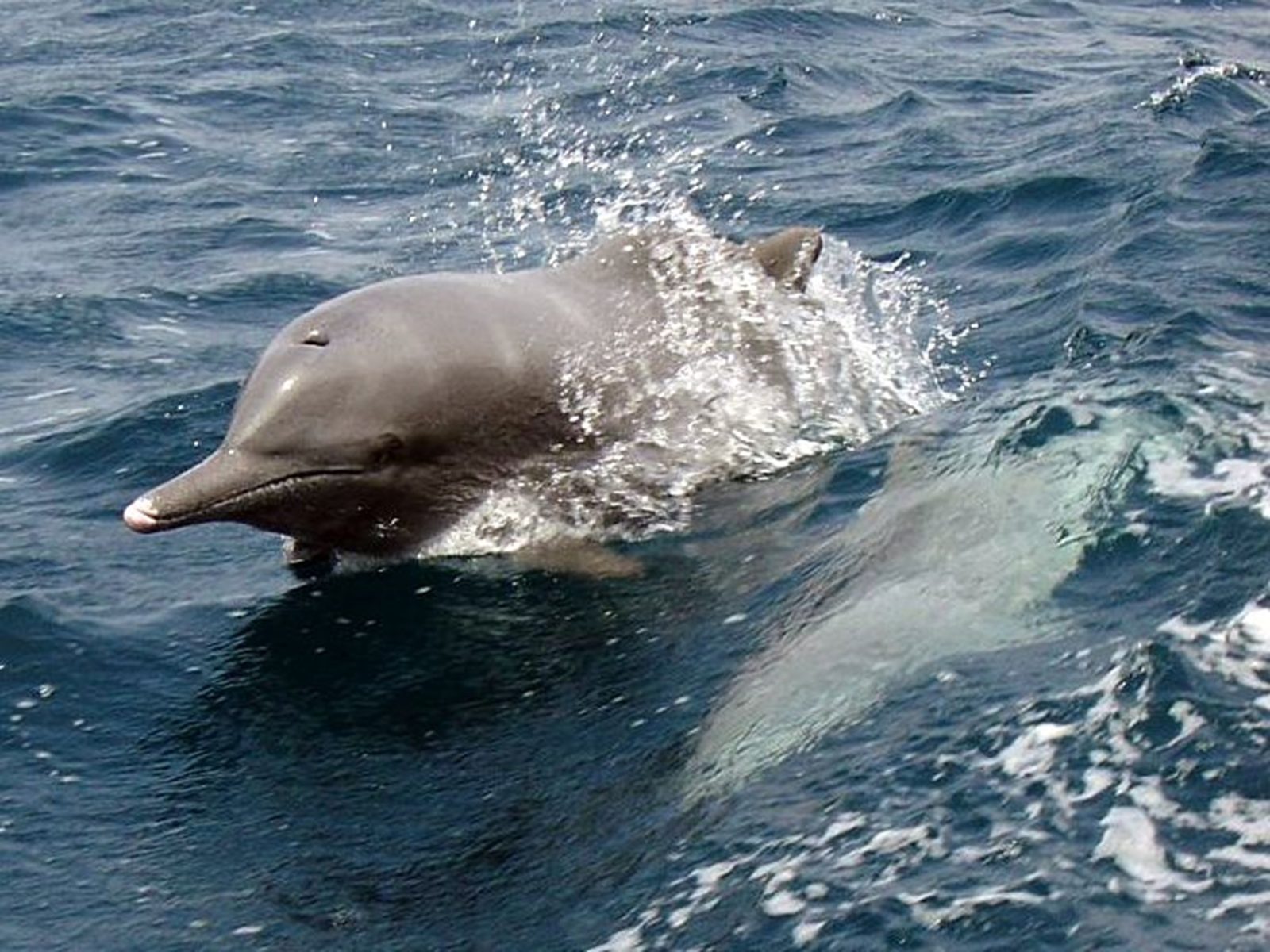
This dolphin is found between Southern Africa and western Indochina. They mostly like to be in waters just 20m deep, which unfortunately puts them in close contact with humans, and our pollution means that a large number of calves and juveniles do not survive to adulthood. Other than this, noise pollution and other disturbances are common. They mostly survive on coastal fish and crustations.

They are relatively small, growing to 2.9m.

One of the largest populations lie in the waters of the UAE.

The population is reducing over time, and it is listed as endangered.

[smart_post_show id="17695"]

Guinea Dolphin

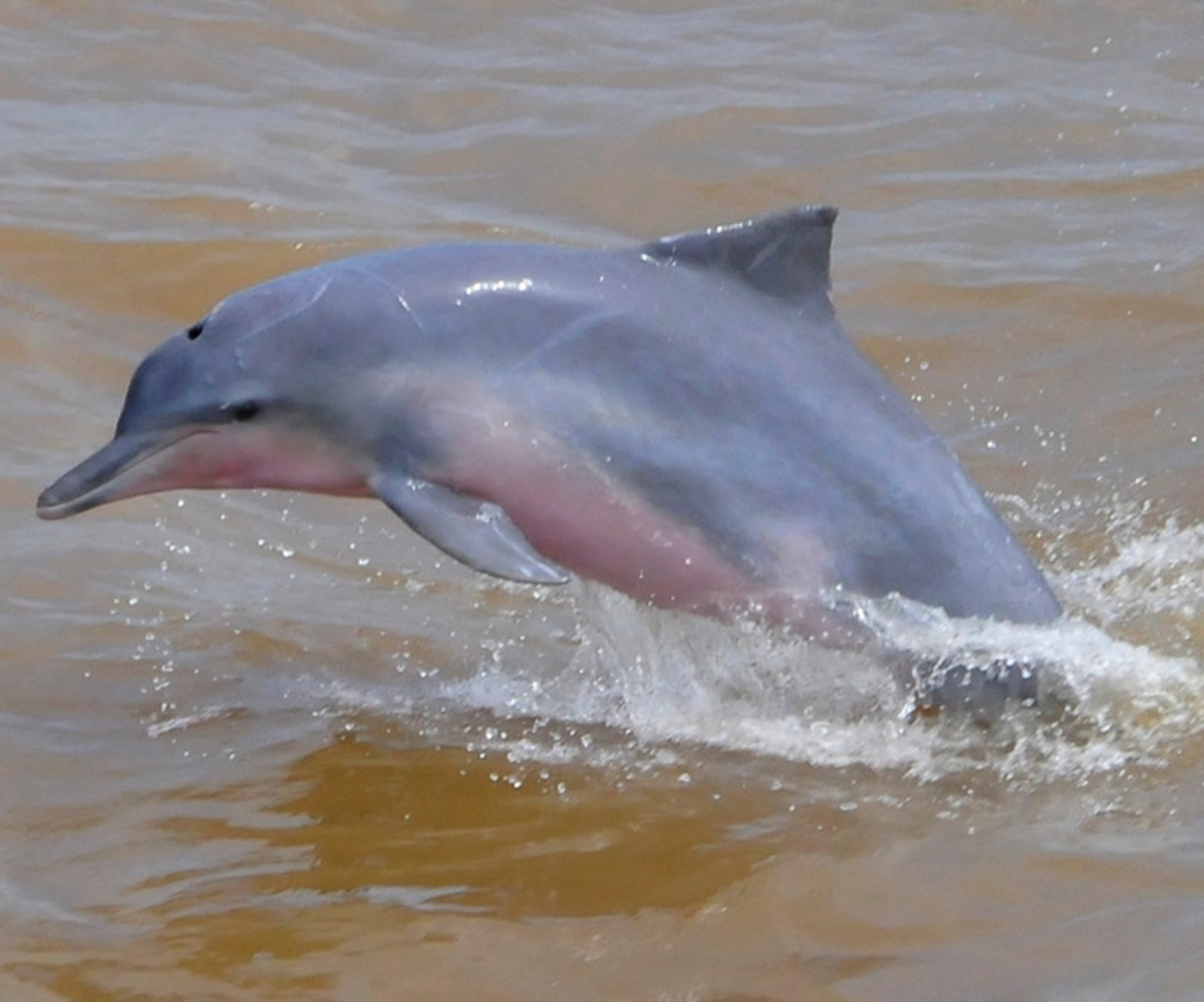
Guiana Dolphin

The Guiana dolphin is also known as the estuarine dolphin, and is found in the coastal waters of North East and Southern Central America. Although an oceanic dolphin species, it can live in both oceanic and fresh water. It is considered as looking similar to bottle nose dolphins, though smaller – at around 2.1m. It is hesitant to travel far along the coast – which means that as the population drops there is a risk of populations getting isolated.

It is currently on Appendix ii for cites, but it is questionable as to whether or how it could recover.

[smart_post_show id="17687"]

Atlantic spotted dolphin

Atlantic Spotted dolphin

Found in the tropical and warm temperate waters of the Atlantic. While currently there is no recognized subspecies, there is a large spotty variant, found in the waters off Florida – while it is not yet recognized as a separate species or subspecies, this one may well change in the future. In the Bahamas, they have been observed mating with bottlenose dolphins.

Smaller than many dolphin species, they grow to a maximum of around 2.25m and have a range of 10 different vocalizations.

Given their similar look to other dolphins in their range, it is hard to get accurate population numbers, but the population is beleived to be at least 100,000.

Should you work in tourism or conservation of this species do get in touch.

Those who work in conservation, would be able to share news with the world. For those who work in tourism, we would love to list your services – and help people find you.

Any listings, will appear at the bottom of the page.

[smart_post_show id="17666"]

Clymene Dolphin

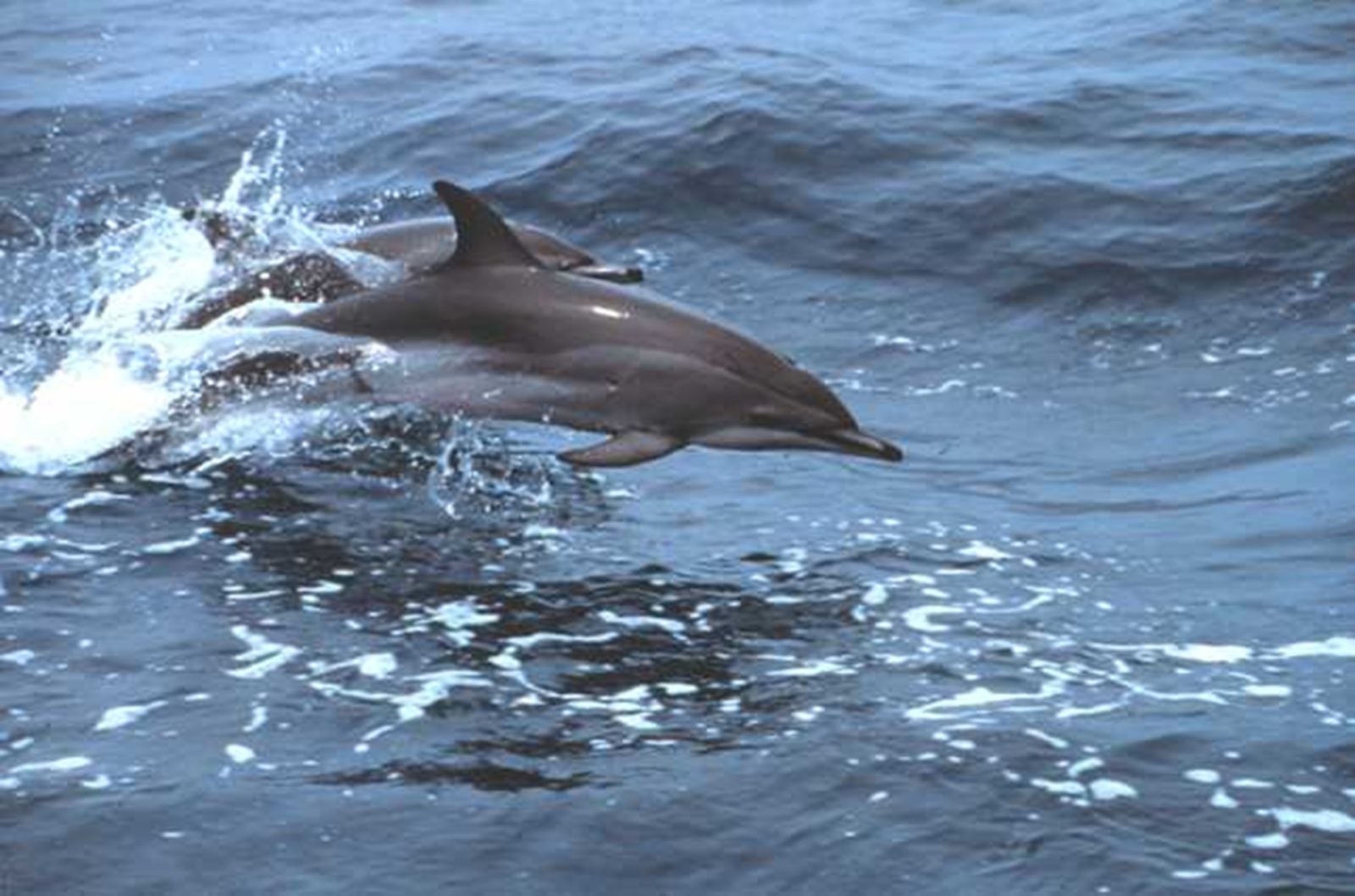
Clymene Dolphin

Also known as sort-snouted spinner dolphins, the dolphin is found in the Atlantic. It is the only confirmed case of a species developing from hybrids between 2 species – the Spinner and Striped dolphin.

Looking like spinner dolphins, but with short beak and the dorsal fin is smaller and less erect. They spend most of their lives in waters 100m or deeper. They feed on squid and schooling fish. They are predated by cookie-cuttied sharks.

When they jump, they do spin, though not as often or as much as spinner dolphins.

There are 3 distinct populations – North Atlantic, South Atlantic and Gulf of Mexico, though it is thought that the boundary between Gulf of Mexico and South Atlantic is not firm, as individuals will move between the 2. The Gulf of Mexico population is thought to be roughly 6500.

The West African population is considered appendix ii of cites.

There is a video below. Below this, will be a list of any mentions this species has had on this blog (if any)

[smart_post_show id="17646"]

Island fox

Island fox

Restricted to 6 islands off the coast of California. This species is closely related to the mainland version (they are in the same genus), though each of the six islands have a slightly different island fox. While each island fox can interbreed, each have very different characteristics.

They are smaller than the mainland fox, and are easily tamed – they also have little natural fear of humans. It is thought that the foxes have been on the islands for at least 9000 years.

Given the small size of these islands, there are never going to be huge populations. Humans are also going to do regular things that might effect these numbers. It is thought that a recent drop in numbers followed the reduction in feral pigs, which meant that golden eagles switched from eating these pigs to foxes

See Animals Wild

Read more news

Join as a wild member
to list your wild place & log in

Join as an ambassador supporter to
support this site, help save wildlife
and make friends & log in

Join as an Associate member
to assist as a writer, creator, lister etc & to log in

List a wild destination

List a destination in
the shadow of man

List a hide for animals more easily seen this way

Highlight some news
missed, or submit a
one-off article

Browse destinations for fun or future travel

Temporary membership
start here if in a hurry

Casual readers and watchers