Bonobos have been observed adopting orphaned infants from neighbouring groups for the first time
Wildlife and conservation new, wild travel information and links for booking
Bonobos have been observed adopting orphaned infants from neighbouring groups for the first time
Yesterday, I wrote an article on whether the Lynx should be returned to the UK (returning to the home page will allow you to read it). As a medium sized cat, that hunts by ambush and restricts itself to forests, reintroducing it should be a relatively simple decision. The wolf does not fit into this framework. I do however believe that it too should return to its rightful place as part of the fauna of the wild Britain.
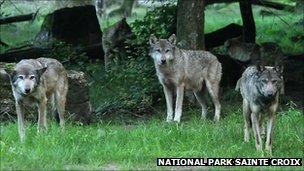
How are wolves similar to Lynx? Well they are predators. Indeed, like Lynx they are at the top of the food chain. So why do we need more than one predator?
Continue reading “Should the wolf return to the wild in the UK”While palm oil plantations are not currently the people doing the clearing in this part of the Amazon, the fact that they are desperate for land means that other people (be them soya farmers or or cattle farmers) find the risk of clearing land is worth it as they know they will be able to sell it to the palm oil plantations.
Much of the invaded land is actually indigenous areas. This has many issues. These invasions bring them into close proximity with people from outside, leading to regular outbreaks of illness. They are also extremely worried about the large quantities of pesticides these palm oil plantations use. Given that much of this land is actually indigenous, it would seem that it should be an incredibly simple legal matter to throw them off it.
Continue reading “Palm oil plantations are growing in the northern Amazon and the army seems to be in charge of the forest.”I am always interested when one of the biggest newspapers in the country, echo a sentiment that I have been talking about in this blog. Do not worry, I have no thoughts of grandeur – there news has not been prompted by this blog. However, it is highly encouraging when someone else is saying the same thing.
This blog is devoted to encouraging the protection and rejuvenation of wild ecosystems – through helping recognize the benefits and (obviously still a work in progress) hopefully creating a way to advertise you wilderness and have people visit (while you offer some service, from access to your land, to food or accommodation (tent or other)) thereby making the wildlife that people share their land with a financial benefit to the rest of the business.
However, one of the big issue that ecosystems have throughout the world, is holes as a result of human caused extinctions.
In the UK we have no predators larger than foxes and badgers. While these animals might take a tiny abandoned deer fawn, they are incapable of taking much more than this.
In the past we had wolves, bears and lynx.
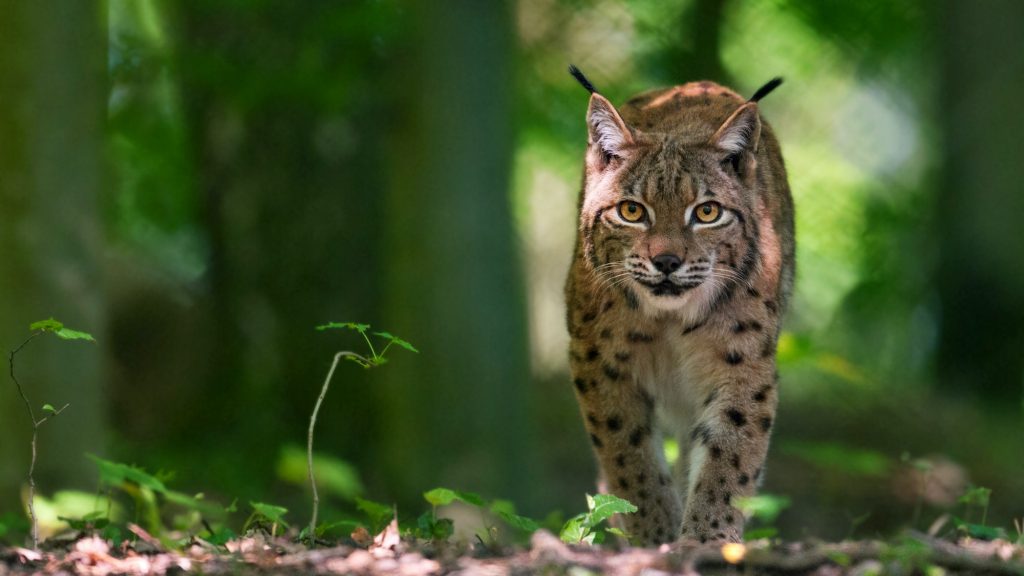
I will talk about wolves and bears in other articles, but the lynx is different. This is an in depth look at some of the issues that are at play here. As such, this article is perhaps a bit longer that this blogs articles normally are.
Lynx are virtually exclusively forest animals, which means that for the most part they did not prey on our livestock. Indeed it has been shown that far more often than not, a Lynx walking the edge of a woodland will not attack sheep 10m outside. This idea is confirmed by what happens in Romania; there is a population of around 1300-2800 lynx (I realize that this population range is wide, this is the problem with dealing with a species rarely seen), and it is estimated that in the worst areas of the world lynx might kill a sheep once every 2 years – or an annual loss of perhaps 2000 out of 9 million that live in Romania.
Continue reading “Should the lynx return to the wild in the UK?”The country of Indonesia consists of many islands. Due to their relative size, these islands have led to many subspecies of animals adapting.
In the past tigers existed on at least three of these islands. These animals once lived on Java and Bali, but now there is only a small population in Sumatra.
In Java this leaves the the largest predator population consisting of the leopard – this is why it is so concerning that these leopards are being poached.
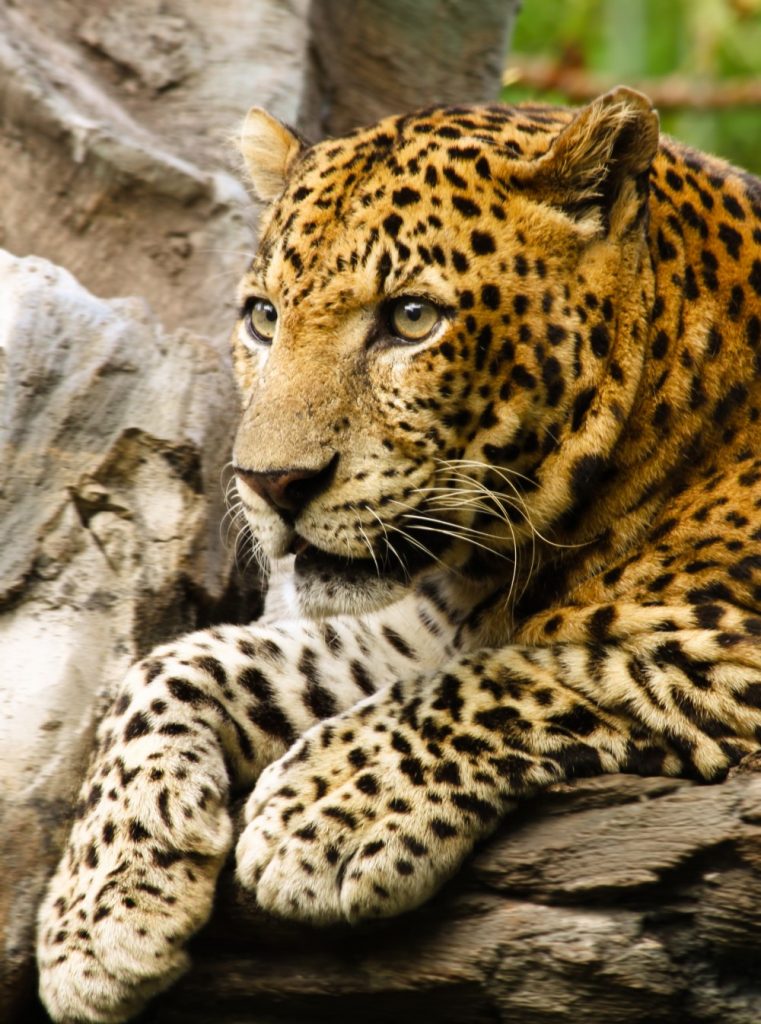
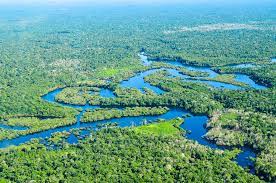
For as long as people have studied the carbon cycle, forests are considered essential carbon sinks. Unfortunately as we damage them, their ability to absorb carbon reduces.
A new study has confirmed, that large parts of the Amazon rainforest have crossed this line.
There are many threats facing the great apes of Africa, from habitat destruction and fragmentation, to hunting for bush meat. Unfortunately, it is now thought that Chimpanzees gorillas and Bonobos face a still greater threat (assuming humans avoid killing off what remains of their population) the loss of about 94% of their remaining habitat due to forest die off from the warming that we are creating.
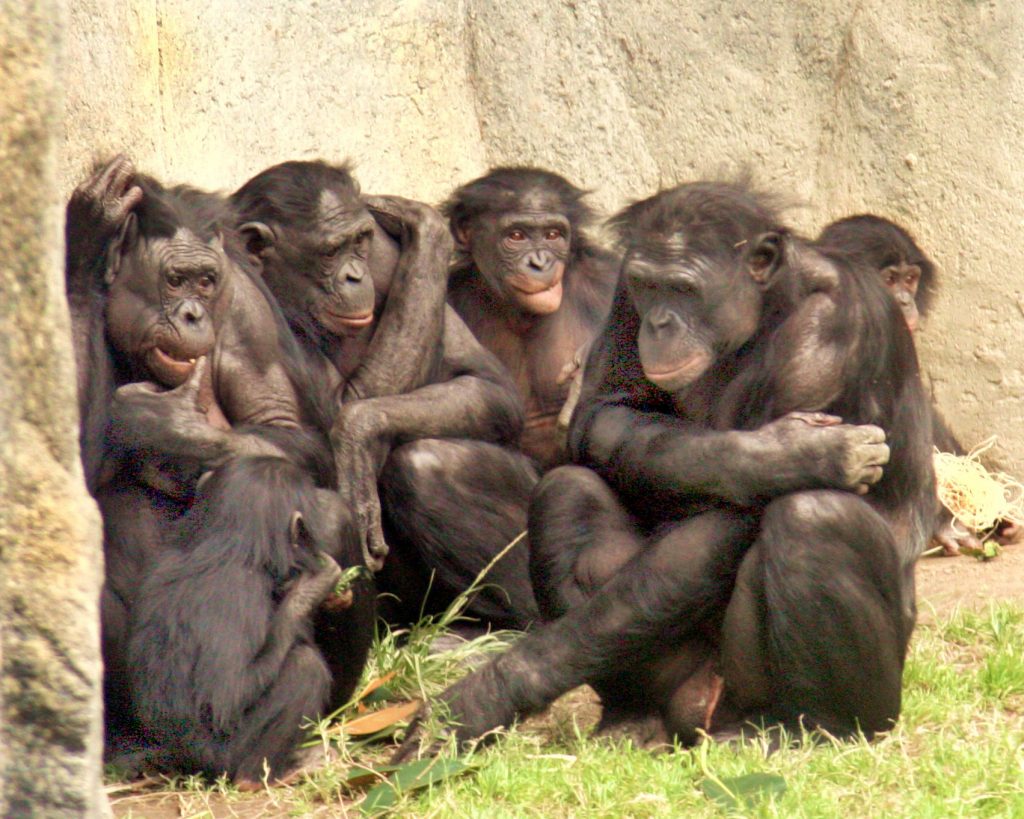
Even under our most rosy scenario, they stand to loose 85% of their range.
The same studies suggest that as areas become unsuitable, there are likely to be other that become suitable. Unfortunately, dealing with slow adapting animals this will not help at all without significant assistance from humans.
What is even more scary is that this loss would occur by 2050.
I find this horrifying. I have not been able to yet visit any wild great ape populations, and now it looks as though their future is severely limited. It also looks like, by the time my children have children the huge forests of Africa teeming with wildlife, will be no more.
We must act now!
Human communities which live alongside great ape populations must benefit. Of course these communities must not grow and crowd out the wildlife, but if a similar system can be set up that worked for the mountain gorillas, perhaps many of the great apes could be saved and at the same time, pull millions of Africans living in poverty, into more sustainable and profitable lives.
This is not something that must be left to African governments. Indeed, it also must not be just left to tourism. Governments around the world, need to help in this work.
As well as replanting and recovering rainforests across the globe, the human population as a whole needs to work together to save the remaining tropical rainforests which are so precious to our future and that of our descendants.
A French company Biotope is working on sustainable cohabitation between chimpanzees and local communities in the highlands of western central Guinea.
The west African Chimpanzee once numbered around 2 million. Currently there are roughly 500,000, but without urgent action that number is liable to move quickly down to close to zero.
Conservation for its own sake is all very well for those people living on the other side of the world. For those who live close by it is a different matter. Ending the population explosion that is occurring in Africa, is essential both for the human and wildlife populations that share this continent. Similar programs could do the same thing in south America and Asia.
I am well aware that even if successful, this website will only be part of the solution, but I hope that with your support we can do some good.
I have been writing about Jair Bolsonaro for quite some time. Indeed, those who have been reading this blog for years will know that I became concerned in the run up to the election.
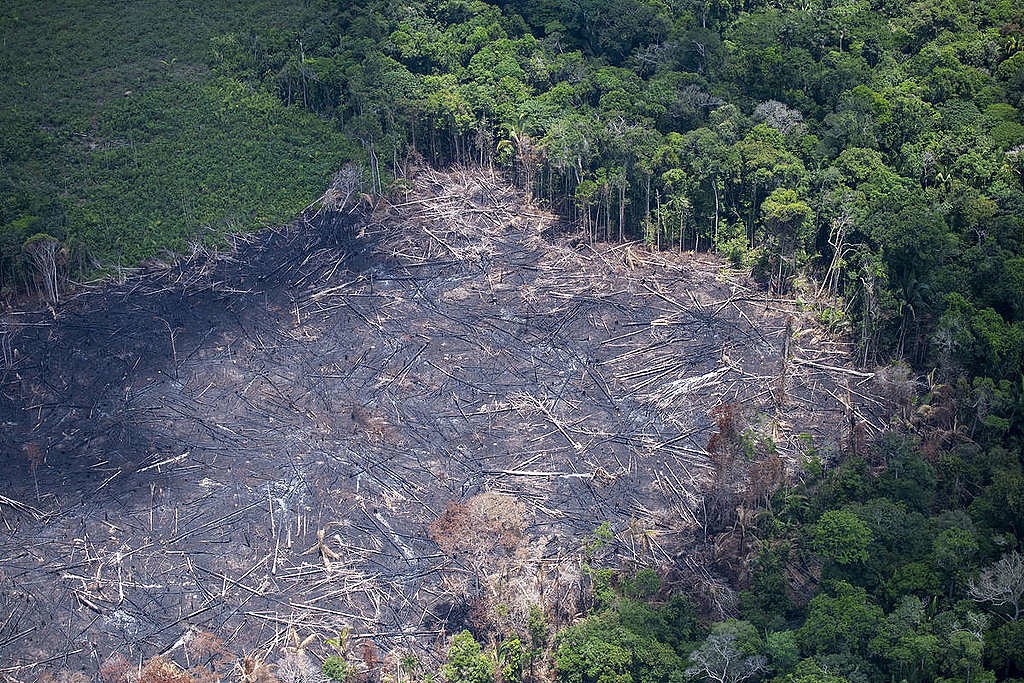
He has a quite bizarre approach to many things. Indeed, his ruling style is very like Donald Trump. He doesn’t care about Brazil, merely that “his” people do well out of his presidency.
It is quite something, that academics and activists have come together to warn that with the increased attacks on the environmental protections, the Brazilian rainforest would not survive a second Bolsonaro term.
Continue reading “Amazon rainforest: can it survive Bolsonaro?”Travelling during the epidemic even if fully vaccinated is hard or even impossible.
We have been hoping to take our children back to South African for a few years, partly to show them the incredible places such as the Kruger, but also so that we can list many of the cheaper places to stay on this website. Unfortunately, that will have to wait (we hope only until next year.
So where will we go this year?
We are in the process of setting up our “in the shadow of mankind” and we are hoping to visit some places we would love to add.
We are thinking of heading to Scottish islands, possibly Skye and Shetland. What will we hope to see? Well Otters would be top of the list, but other creatures will include red squirrels and if were lucky orca and humpback whales.
What is happening on the website. While it does not always show on the surface we are hard at work in the background. We are building a system that will allow people to list their own wilderness place far quicker, which hopefully will allow this site to list enough places to move towards its original goal.
Watch this space
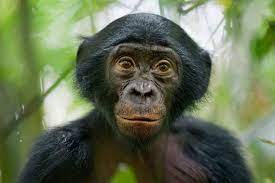
According to the African wildlife foundation estimates, there are 15000 to 20000 bonobos left in the wild. Bonobos or pygmy chimpanzees are thought to genetically be closer to humans, certainly their appearance – they are thinner, have thinner faces and a more noticeable crop of hair on their head, but are horrifically threatened.
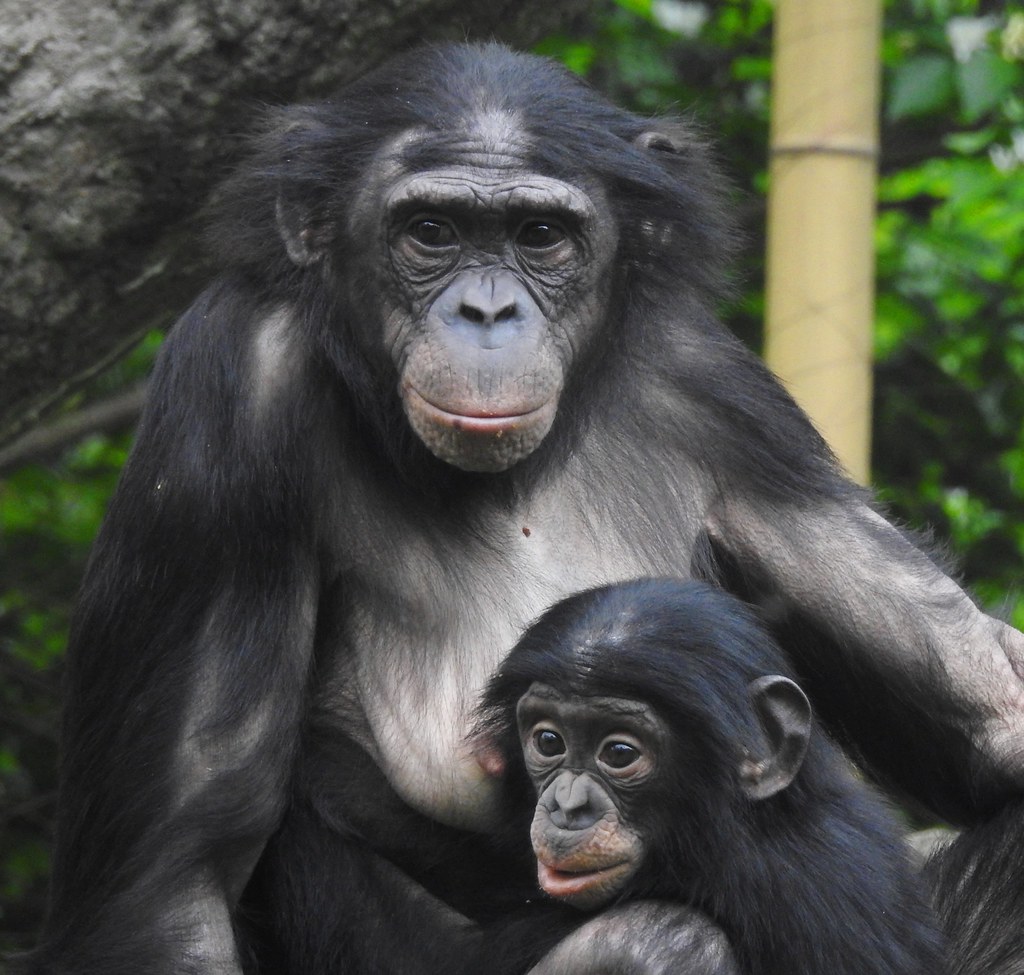
Yet it would appear that even this estimate is too high.
Continue reading “Can we save bonobos, the great ape most similar to humans? They are more endangered than we thought.”



Join as an ambassador supporter to
support this site, help save wildlife
and make friends & log in

