Primate family tree main and great and lesser apes

The primates are in some ways one of the most successful families. It is true that many are now endangered, however, unfortunately, that is as a result of the run-away success of the most successful member of the primate family us! Having left the rainforests behind, we have been reducing their coverage dramatically over the last few centuries. 

The sad thing, is that while we have pushed many of our closest cousins towards extinction, the loss of forests may well cost us dearly in the future as well. As a species, we need to pull together to meet this challenge. in order to jump to the various families, click on the family of interest above – though all can also be reached by scrolling down.

Great Apes

Great ape Family split is thought to have split from its nearest relative – the gibbon family, around 17 million years ago.

4 million years later the Orangutan family split from the gorilla line and the human/chimp line.

3 million years after this (so around 10 million years ago) the gorilla family split from the Homo (humans) and Pan

Finally the human line (homo) split from the Pan line 5-6 million years ago.

It should be noted, that chimpanzees and Bonobos split from a common ancestor just 1.8 million years ago. This occurred as the two populations ceased to be able to have contact with each other – the Congo rive formed between 1.5 and 2 million years ago.

For more information on each species, click on their photo and this will take you to their page

It should be noted that while I have grouped eastern western and skywalker gibbon together, there is some contention that the skywalker gibbon should be in its own genus, having diverged around half a million years aog

Gibbons

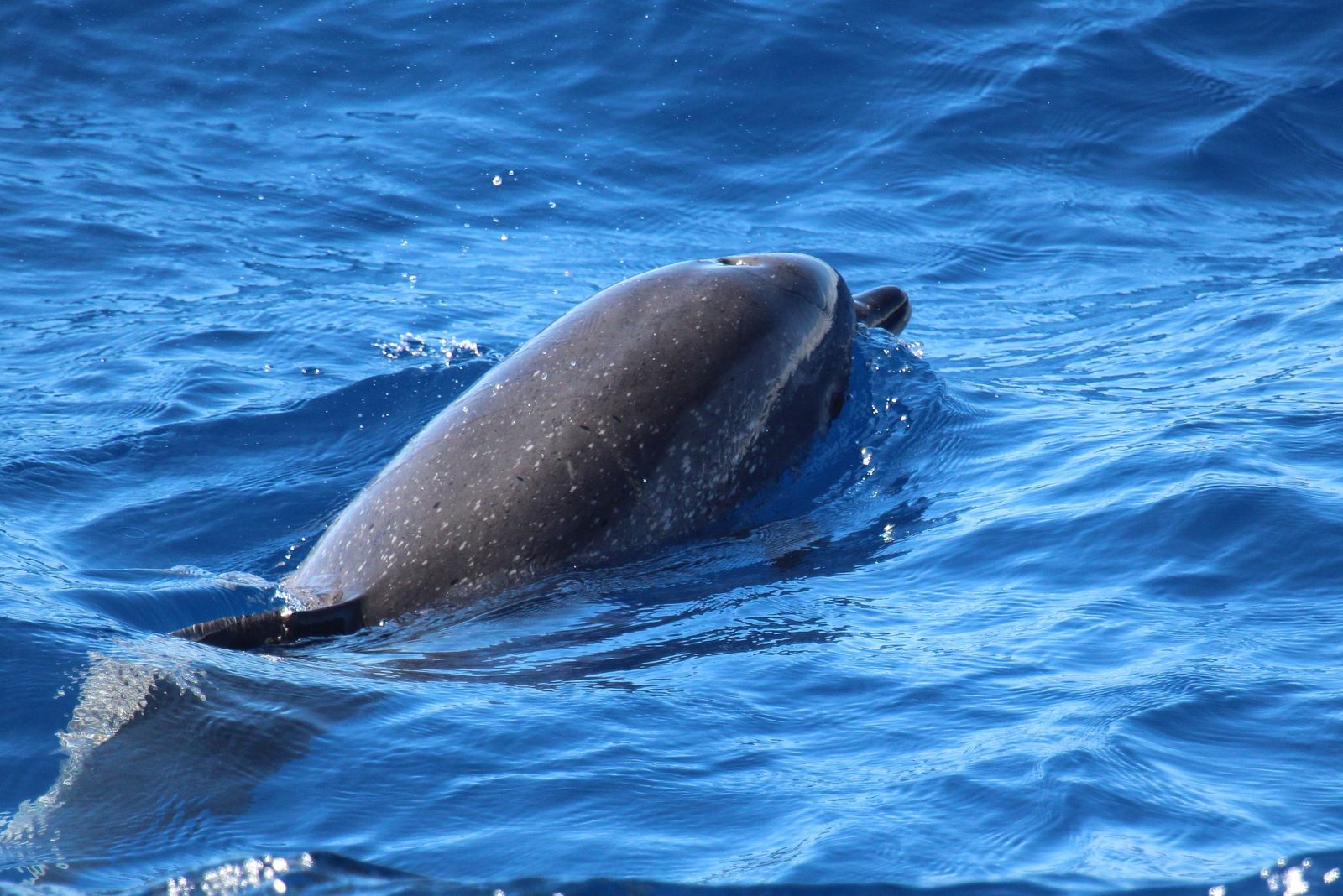
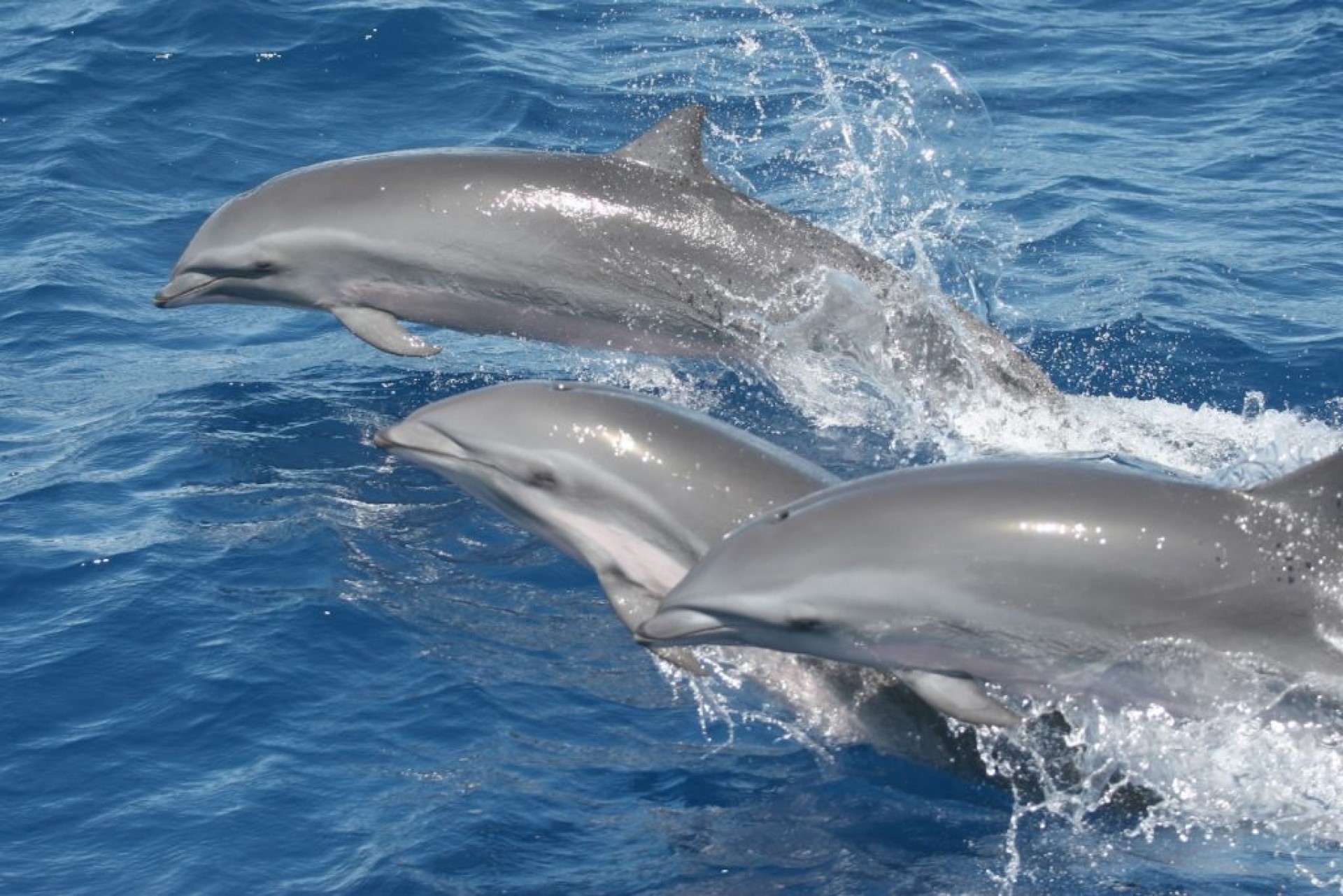
Atlantic spotted dolphin

Atlantic Spotted dolphin

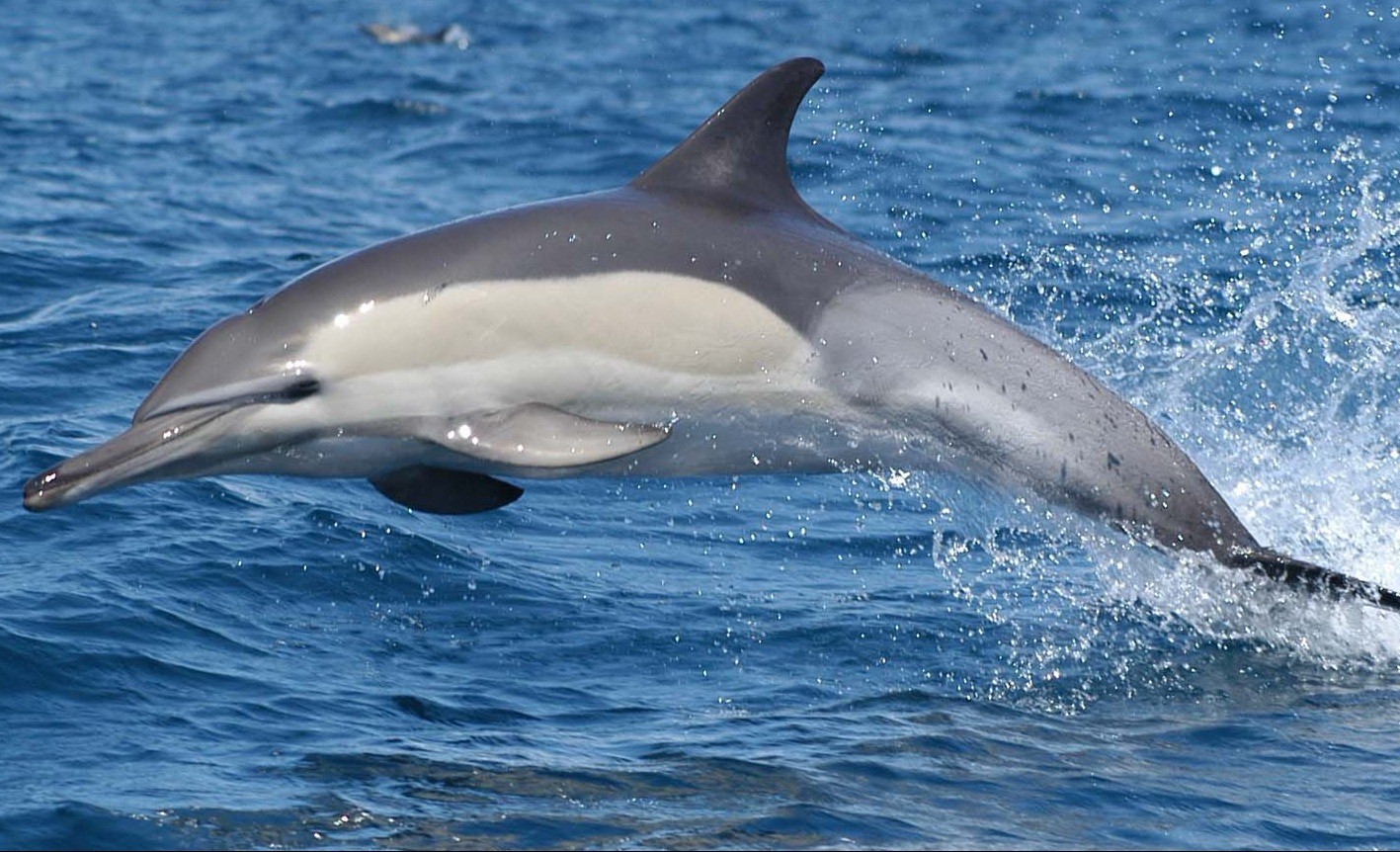
Found in the tropical and warm temperate waters of the Atlantic. While currently there is no recognized subspecies, there is a large spotty variant, found in the waters off Florida – while it is not yet recognized as a separate species or subspecies, this one may well change in the future. In the Bahamas, they have been observed mating with bottlenose dolphins.

Smaller than many dolphin species, they grow to a maximum of around 2.25m and have a range of 10 different vocalizations.

Given their similar look to other dolphins in their range, it is hard to get accurate population numbers, but the population is beleived to be at least 100,000.

Should you work in tourism or conservation of this species do get in touch.

Those who work in conservation, would be able to share news with the world. For those who work in tourism, we would love to list your services – and help people find you.

Any listings, will appear at the bottom of the page.

[smart_post_show id="17666"]

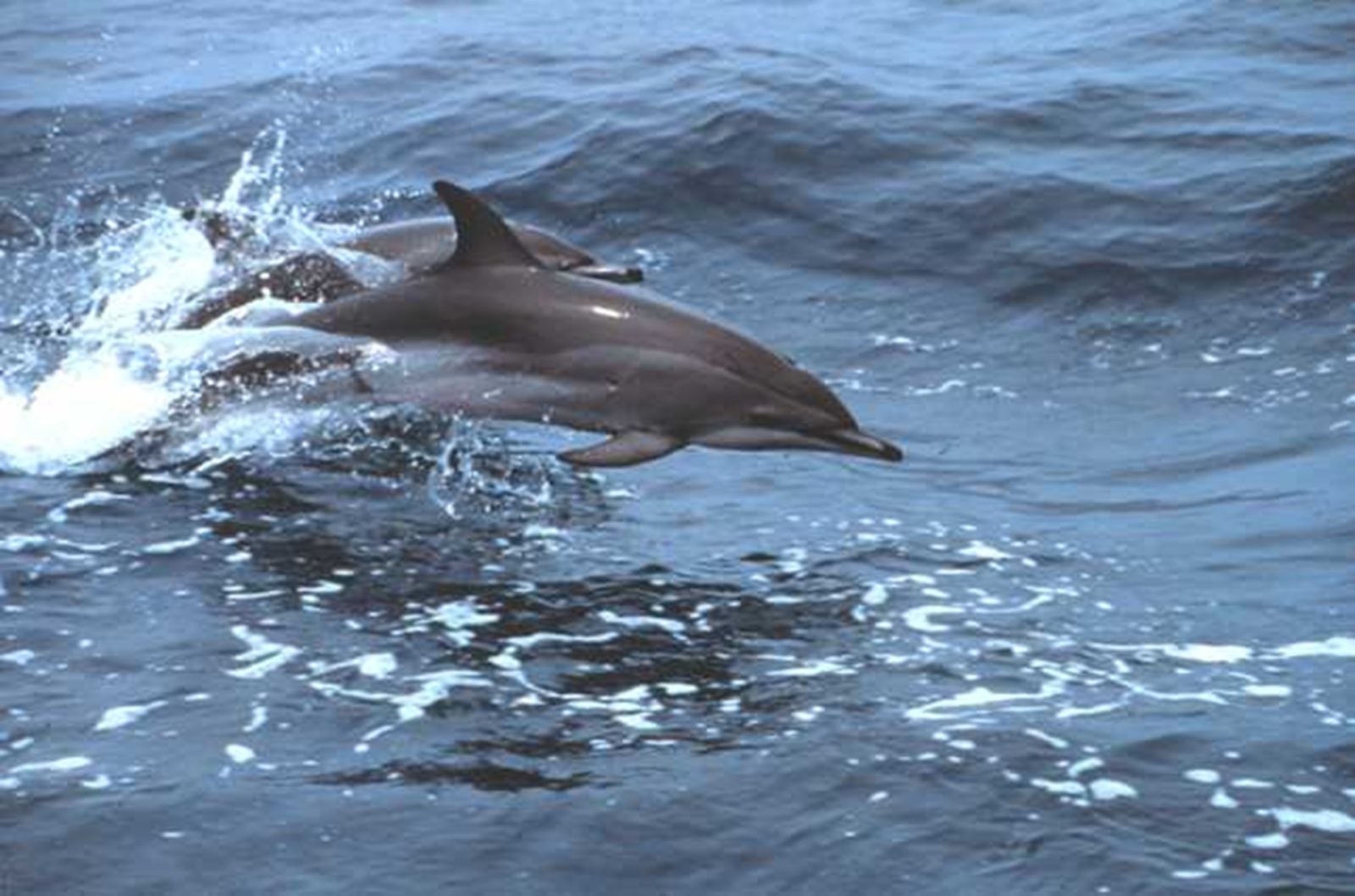
Clymene Dolphin

Clymene Dolphin

Also known as sort-snouted spinner dolphins, the dolphin is found in the Atlantic. It is the only confirmed case of a species developing from hybrids between 2 species – the Spinner and Striped dolphin.

Looking like spinner dolphins, but with short beak and the dorsal fin is smaller and less erect. They spend most of their lives in waters 100m or deeper. They feed on squid and schooling fish. They are predated by cookie-cuttied sharks.

When they jump, they do spin, though not as often or as much as spinner dolphins.

There are 3 distinct populations – North Atlantic, South Atlantic and Gulf of Mexico, though it is thought that the boundary between Gulf of Mexico and South Atlantic is not firm, as individuals will move between the 2. The Gulf of Mexico population is thought to be roughly 6500.

The West African population is considered appendix ii of cites.

There is a video below. Below this, will be a list of any mentions this species has had on this blog (if any)

[smart_post_show id="17646"]

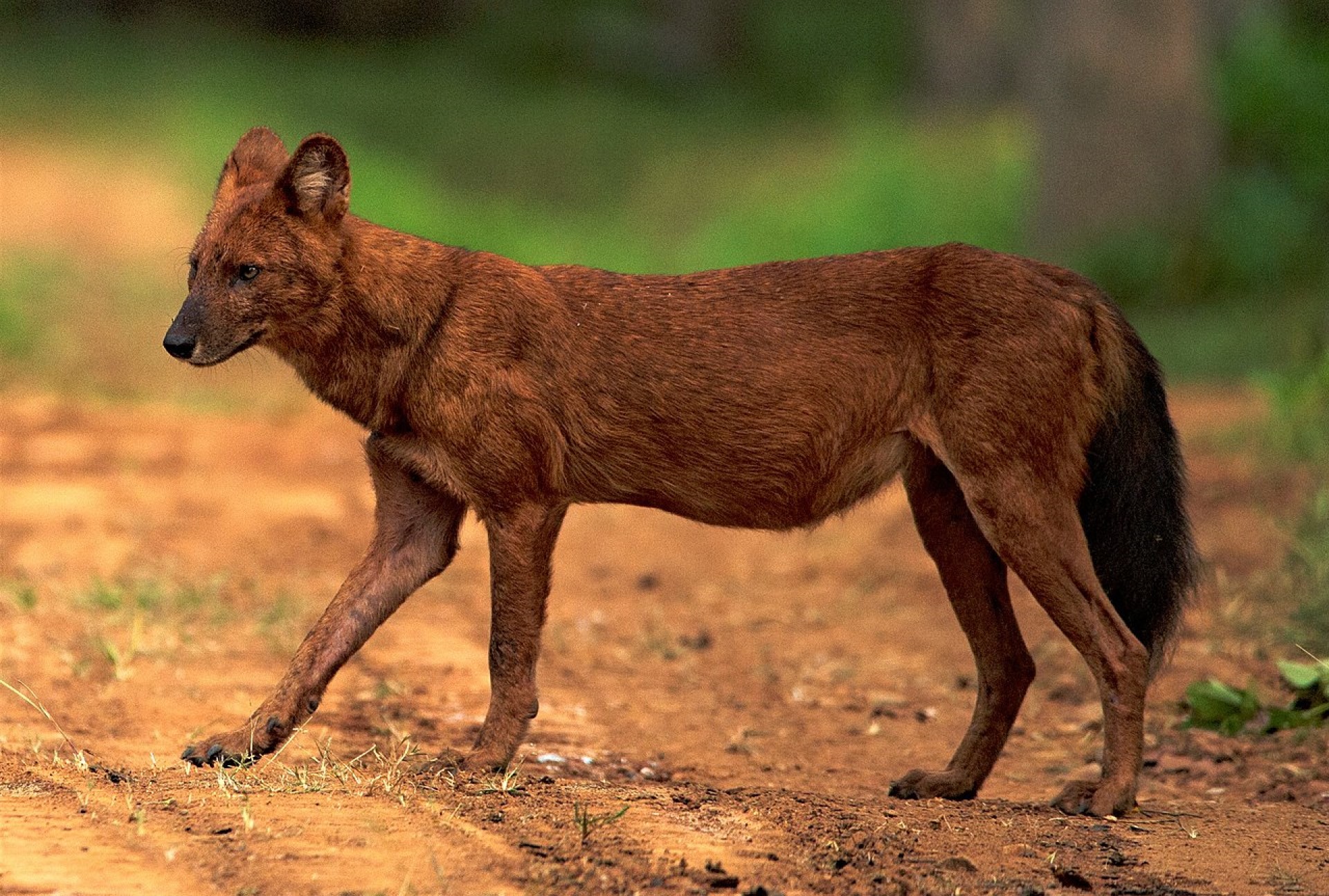
Dhole

Dhole

The Dhole is an ancient species of dog, It split from the rest of the dog family 5.2-7.6 million years ago.
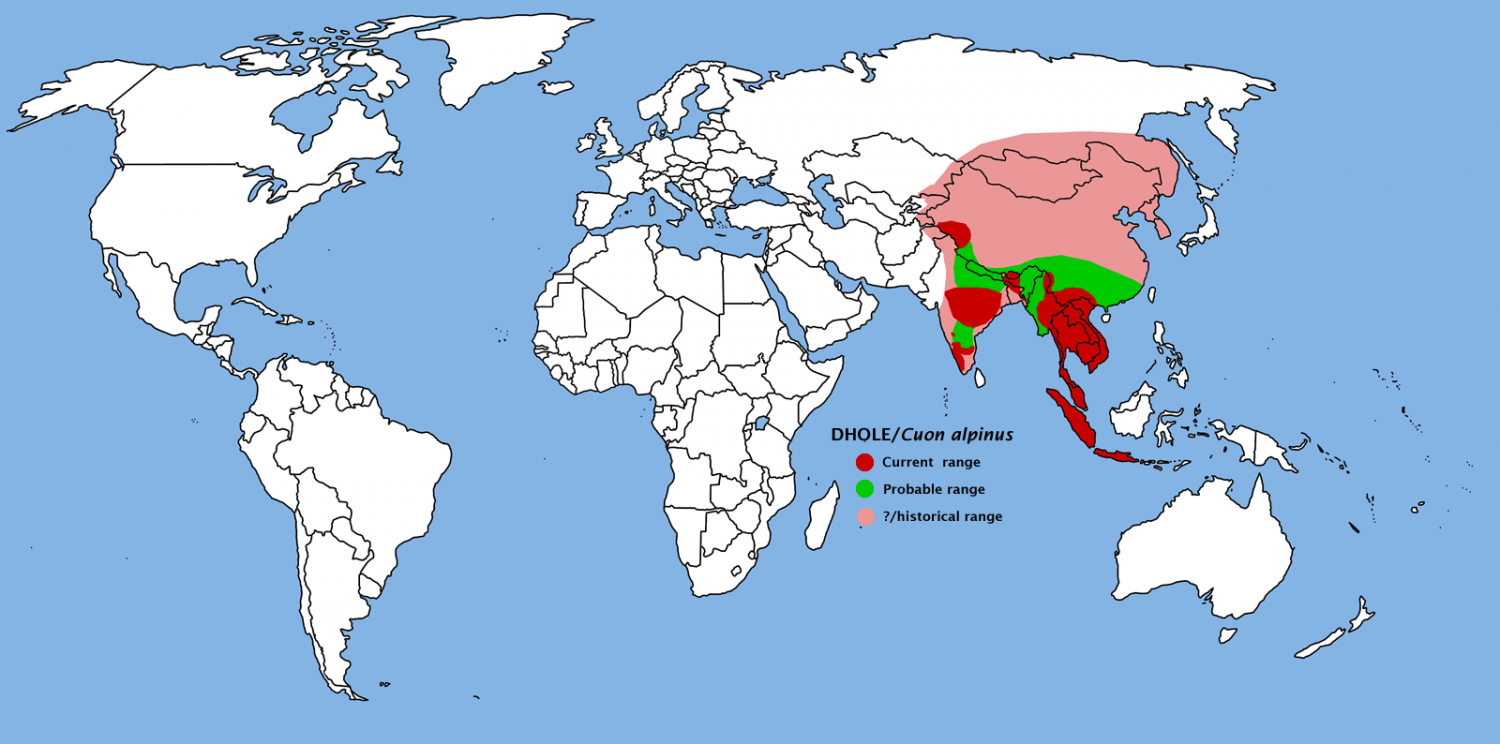
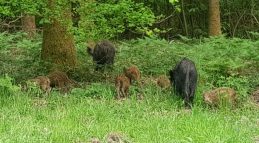
While it is related to the family of canis, it is different. It was once found throughout Europe, Asia and North America, but its range decreased down to its current range 12,000-18,000 years ago. In more recent times, this area has shrunk significantly, as a result of human changes.

Even with the dramatic reduction in range, it is still a large area, given the current population is thought to be around 2500 individuals, which means that it has to be a rare species, and likely there are areas with little or none of the species still found.

There are a variety of factors, from loss of habitat, persecution for livestock predation, competition from other species and diseases caught from closely related species. There are currently 7 subspecies of dhole recognized, though in the past that number has been as high as 10.

It is protected in parts of its range, but is still at threat.

[smart_post_show id="16664"]

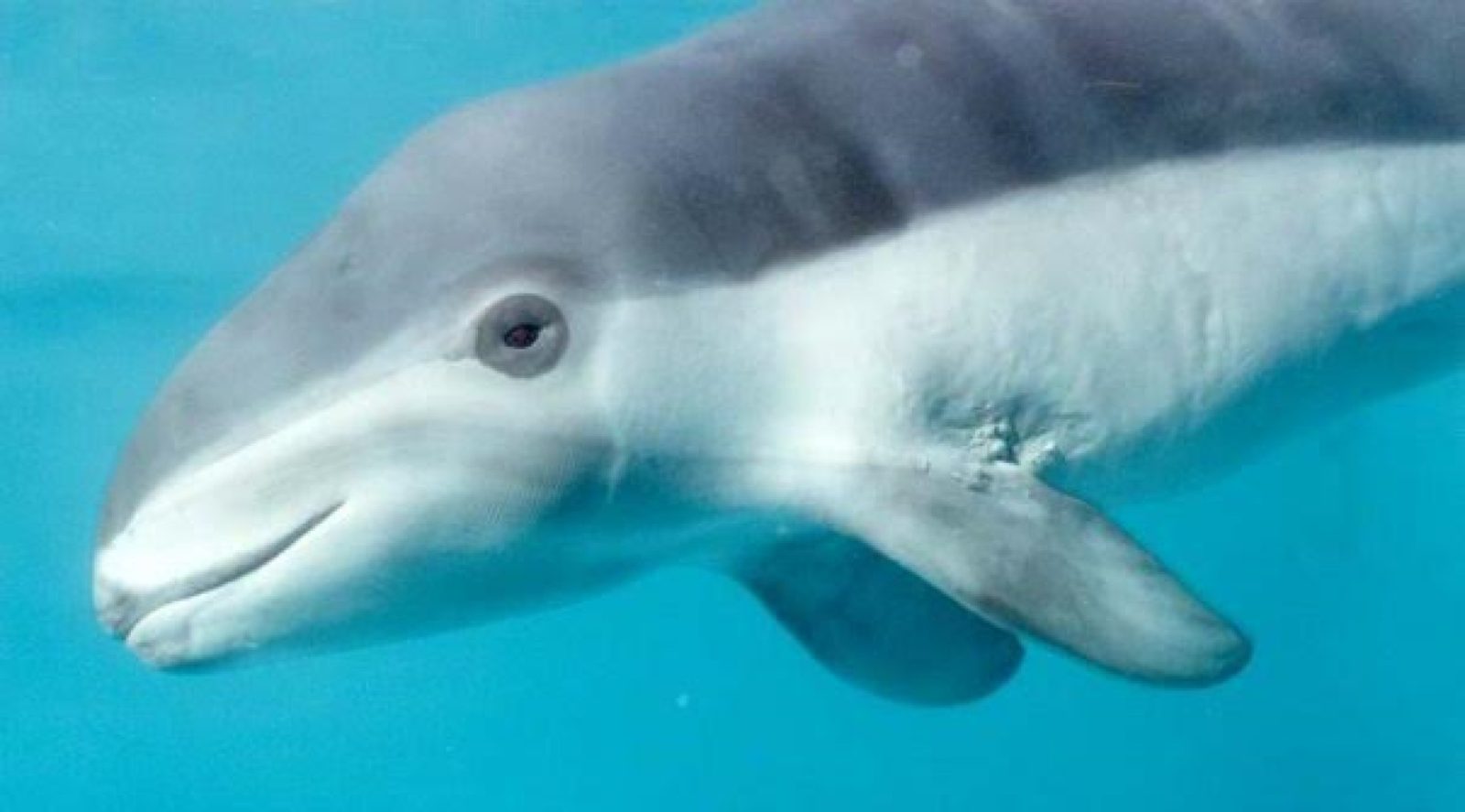
Guiana dolphin

Guiana dolphin

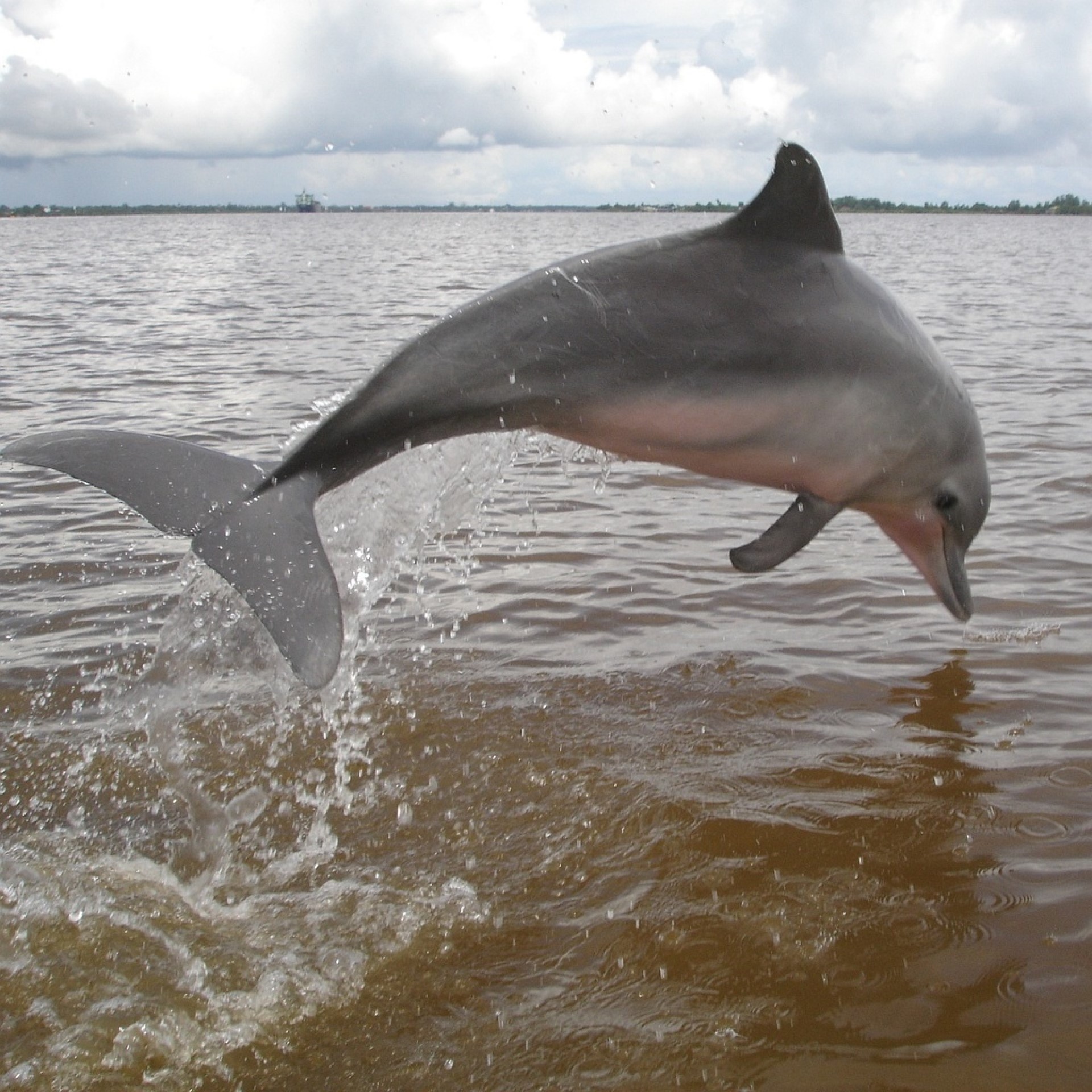
The Guiana dolphin (also known as estuarine dolphin or costero) is a dolphin which lives alongside central and Southern America. It was agreed as a separate species back in 2007. It looks like a bottlenose dolphin (though smaller at 2.1m. They do not bowride, but avoid them.

It has an electroreceptive sense – the suggestion is that all toothed whales have this, but it is unclear. It was described as a separate species back in 1864 (from the Tucuxi). This was questioned for some time, but is certainly confirmed from now.

It is found in estuaries and similar up and down the coast. The population in Guanabara bay is currently near Rio de Janeiro, down from 70 in 1995 and 400 in 1985.

Below is some footage of some of these dolphins. Below that is a list of mentions on this website (whether there is currently, we hope there will be in the future).

[smart_post_show id="25871"]

Atlantic humpback dolphin

Atlantic Humpback Dolphin

The Atlantic humpback dolphin is a dolphin species that is found on the west coastal areas of Africa. Unfortunately the IUCN classes it as critically endangered. Apart from their difference in range with the Indo-Pacific dolphin, they are also different in appearance, particularly colouring. 

It is found along the coast from the Sahara to Angola, generally in water less than 20m deep. It is generally shy, does not ride the bow wave of boats and ariel jumps are pretty rare. Usually found in groups of 1-8, occasionally they have been seen in groups of 20-40.

Generally they look for food in the shallows, and occasionally right in the surf. They have been known to engage in cooperative fishing methods with Mauritanian Imraguen fishermen. They do this by driving the fish towards the shore and into the nets. They favour inshore fish such as mullet.

As in many other parts of the world, and other dolphin species, one of the biggest threats they face is incidental capture in gill nets.

It is considered critically endangered, partly because it has been shown to be damaged by coastal development, and this is increasingly common in its range. We are eager to support its future survival, through any tourism (this helps giving value to the species, and therefore makes sure that local people are invested in its future survival. If you work in tourism of this species, click on the “list your wild place” link on the home page. These links when added, will be added at the bottom of the page. If you work in conservation of this species, do join as a member, we are keen to publish any news that you might have.

[smart_post_show id="25804"]

Fraser’s dolphins

Frasers Dolphin

Generally found in the deep waters of the Pacific Ocean, though also seen in Indian and Alantic dolphin. It is also known as the Sarawak dolphin. When fully grown it weighs around 200kg and around 2.75m in length. From a distance it can be confused with a striped dolphin which lives in these waters. Usually found in large groups from 100-1000. Below is an encounter between a large group of frasers dolphins and a sailing boat.

While sightings have become far more common in recent times, there is no global estimate for the numbers of this species, though the Southeast Asian species is listed Appendix 2 of CITES so clearly there is a need to keep close watch on this situation.

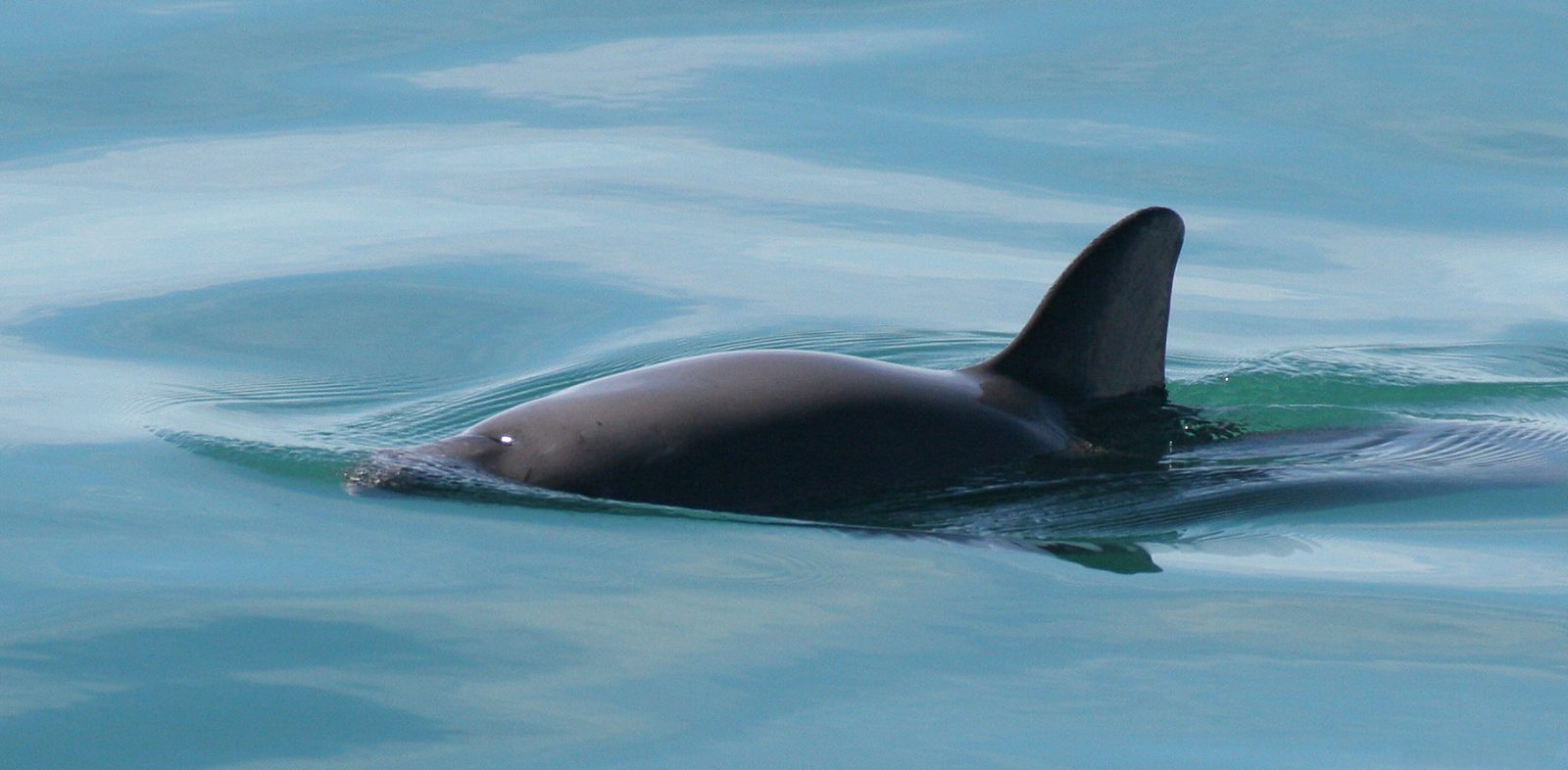
Vaquita Porpoise

Vaquita

Found, only in the Gulf of California in Baja California, Mexico. Males grow to 140cm and females grow to 150cm.

It is critically endangered, largely as a result of many getting caught in gillnets which result in bycatch. It is clear that these nets should be banned but it is happening too slow.

Its name comes from Spanish and means little cow. It can clearly be identified from the other porpoises which share its range.

In 2022, it was estimated that just 10 remained in the wild, and unfortunately they continue to be caught by mistake. Unfortunately, the future of this species is not good.

[smart_post_show id="25789"]

Spectacled porpoise

Spectacled Porpoise

This is a small to mid-sized porpoise found in the Southern ocean. It is a species with some of the least study, thought largely as a result of the incredible isolation.

The majority of what we know, has come from stranded animals, and the few sightings that have occured. The have no beak. It has small pectoral fins with rounded tips positioned far forward on the body, and a triangular dorsal fin. Males have larger and rounder dorsal fins.

It is thought to be found around the southern pole, from Patagonia, South Georgia, New Zealand.

Population size is unknown given how rarely they are spotted.

[smart_post_show id="25769"]

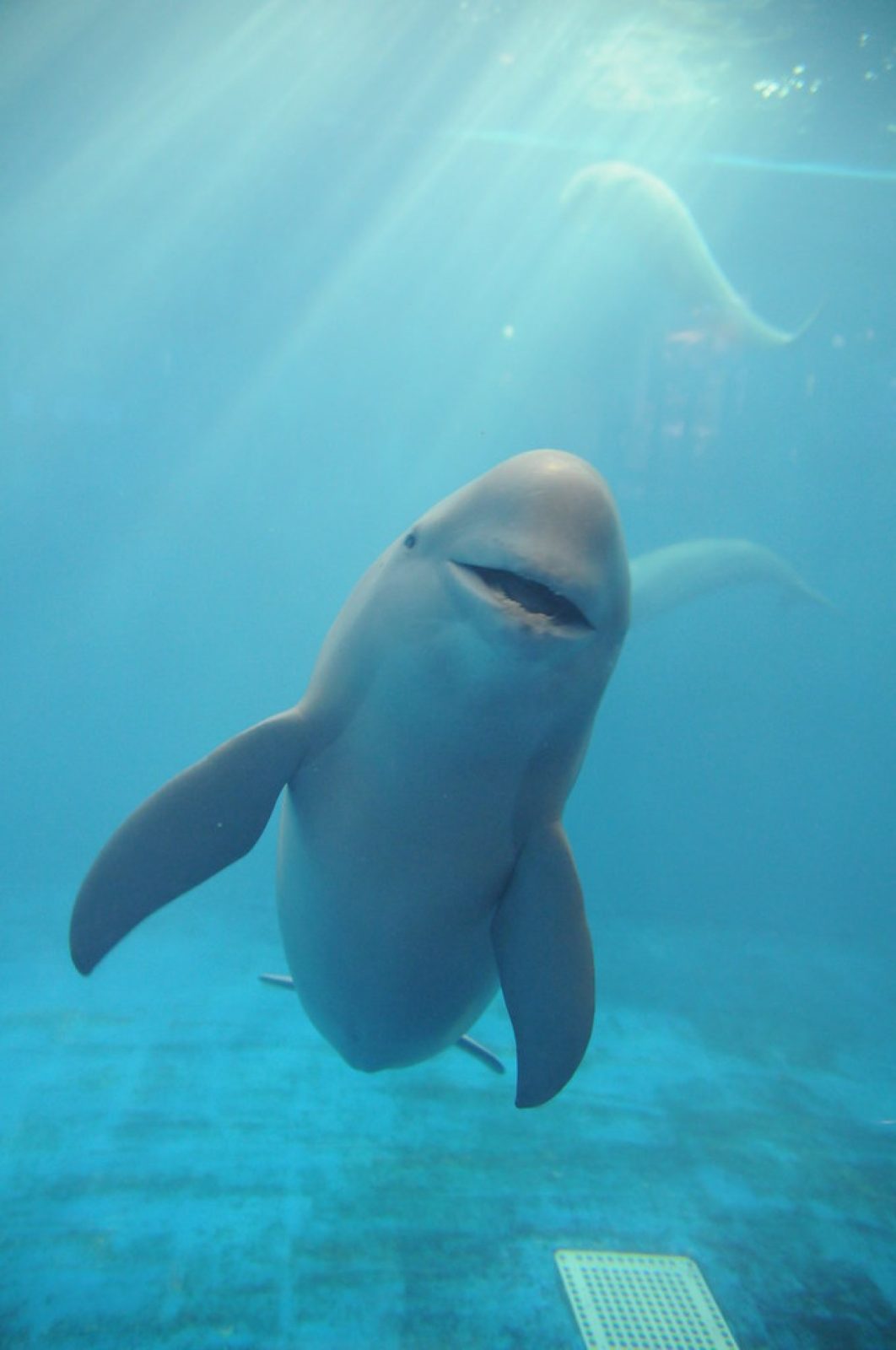
Narrow-ridged (or East Asian) finless porpoise

Narrow ridged (east Asian) finless Porpoise

This species is native to the East China Sea, Yellow Sea, and the seas around Japan. The Yangtze finless was originally thought to be a subspecies of this porpoise, though further study showed its differences to be greater than that (hence it now being recognized as a separate species). The east asian finless porpoise is a subspecies of the narrow ridged finless porpoise (the above picture is one of these).

Growing to 2.27m at most, and 72kg, though most are smaller.

They generally stay in water 50m deep or less, and mostly stay close to shore (though not always – it has been spotted over 100km from land).

The biggest threat to them is habitat degradation and pollution. The population has fallen by 50% in the last 3 generations.

They have been kept in captivity in Japan, Indonesia and China. A total of 94 are thought to have been held. Unfortunately these do not live long, and of all of the pregnancies that have occurred in captivity, only 2 resulted in a love birth and this did not survive for long.

[smart_post_show id="25796"]
See Animals Wild

Read more news

Join as a wild member
to list your wild place & log in

Join as an ambassador supporter to
support this site, help save wildlife
and make friends & log in

Join as an Associate member
to assist as a writer, creator, lister etc & to log in

List a wild destination

List a destination in
the shadow of man

List a hide for animals more easily seen this way

Highlight some news
missed, or submit a
one-off article

Browse destinations for fun or future travel

Temporary membership
start here if in a hurry

Casual readers and watchers