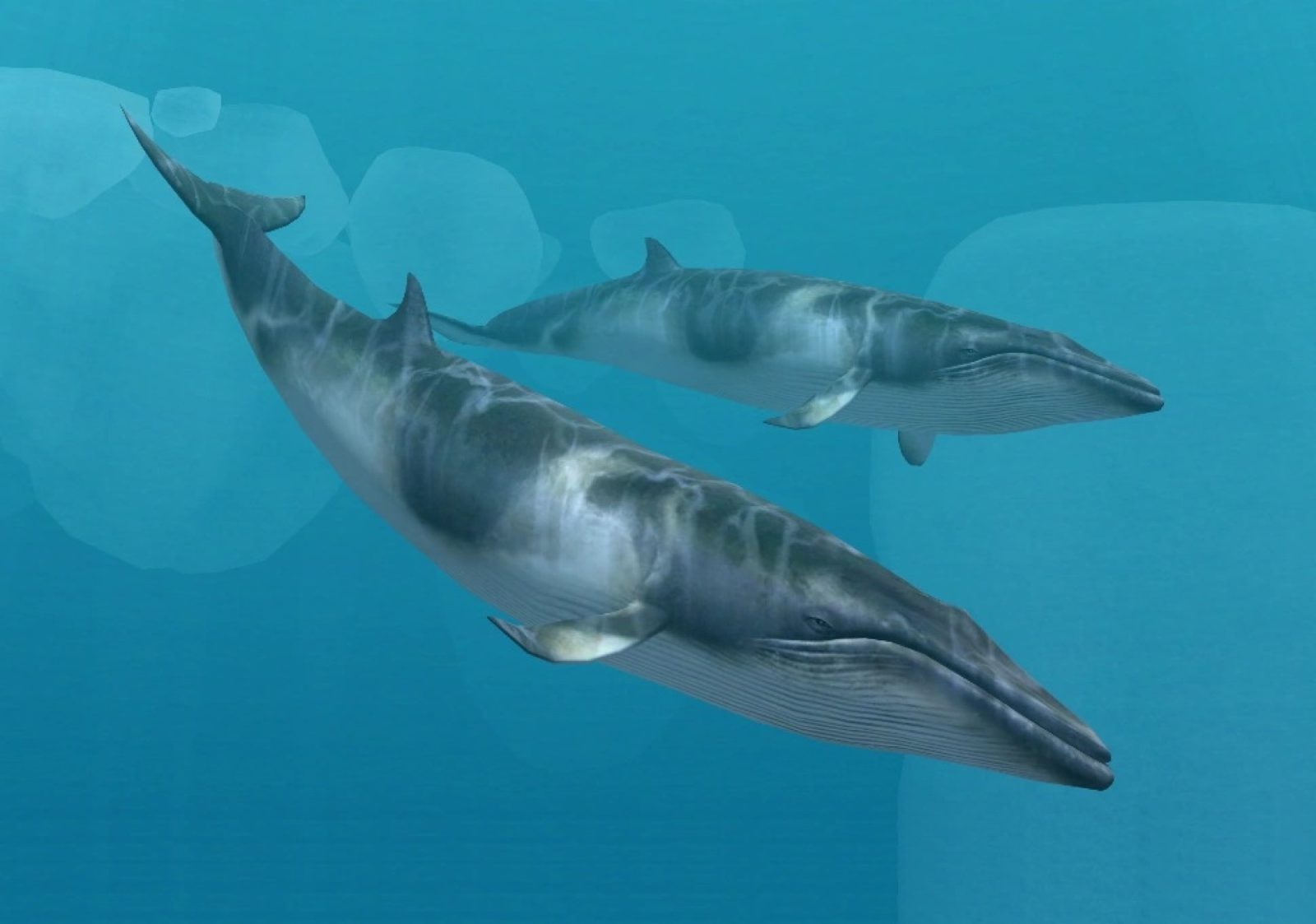
The third largest after the blue and the fin whale, it is found in most of the worlds deep oceans, though it avoids the tropics and the polar regions. It can reach lengths of 19.5m and weights of 28 tonnes, it is capable of consuming 900kg of food in a day.
It can reach speeds of over 30 mph (50kmh) over short distances making it one of the fastest whales. During commercial whaling, around 250,000 were taken, and the population fell to between 7000 and 13,000. This has thankfully recovered to 80,000 but is clearly still not near its pre-whaling numbers.
Sei is the Norweigen word for the Pollark fish which appears off the coast at the same time of year, to feast on the plankton which is abundant at that time of year.
They generally migrate away from the poles to spend the winters in warmer waters.
Mass stranding events (over 300 dying at a time on occasion) happen from time to time, and while we are not sure what causes this, we think it is likely some sort of poisoning of their waters – such as a red tide.
The humpback whale is a widely recognized species. Weighing around 40 tonnes, and measuring 14-17m. It is known for its habit of breaching (as above) which can be heard from miles away, and its incredibly complex song, which can last between 4 minutes and 33.
Their low sounds can be heard by whales 1000 miles away, and have been picked up by electronic sources far further away than that.
Whaling did horrific damage to this species, with their population falling to just 5000 in the 1960s. Thankfully, having been protected, the population is now around 135,000. Subspecies are more varied, with those in the northern hemisphere less secure. The least secure is the Arabian sea population, which is thought to be isolated for 70,000 years and there are only 80 that remain.
Threats to individual whales include entanglement in fishing gear, ocean noise and collisions with ships.
They are known to have hunting methods more complex than most baleen whales, including bubble netting which forces the fish into tighter shoals to then be taken in one mouthful.
Young are predated by orca in some parts of the world, and many carry scars from these encounters to the end of their lives.
Bizarrely, having been described in the 1850s it was not recognized as a separate species until the 1990s. Thankfully, largely ignored by whalers, it came out of the whaling age with a population that still numbered in the hundreds of thousands – with current estimates falling around half a million individuals.
The Antarctic and the Southern Minke whales are thought to have diverged around 4.7 million years ago. They are found throughout much of the Southern hemisphere.
They are the main prey item for type A killer whales, with multiple occasions this hunt having been watched. There has been a recorded occasion when a group of 10 type B killer whales also killed one of these whales.
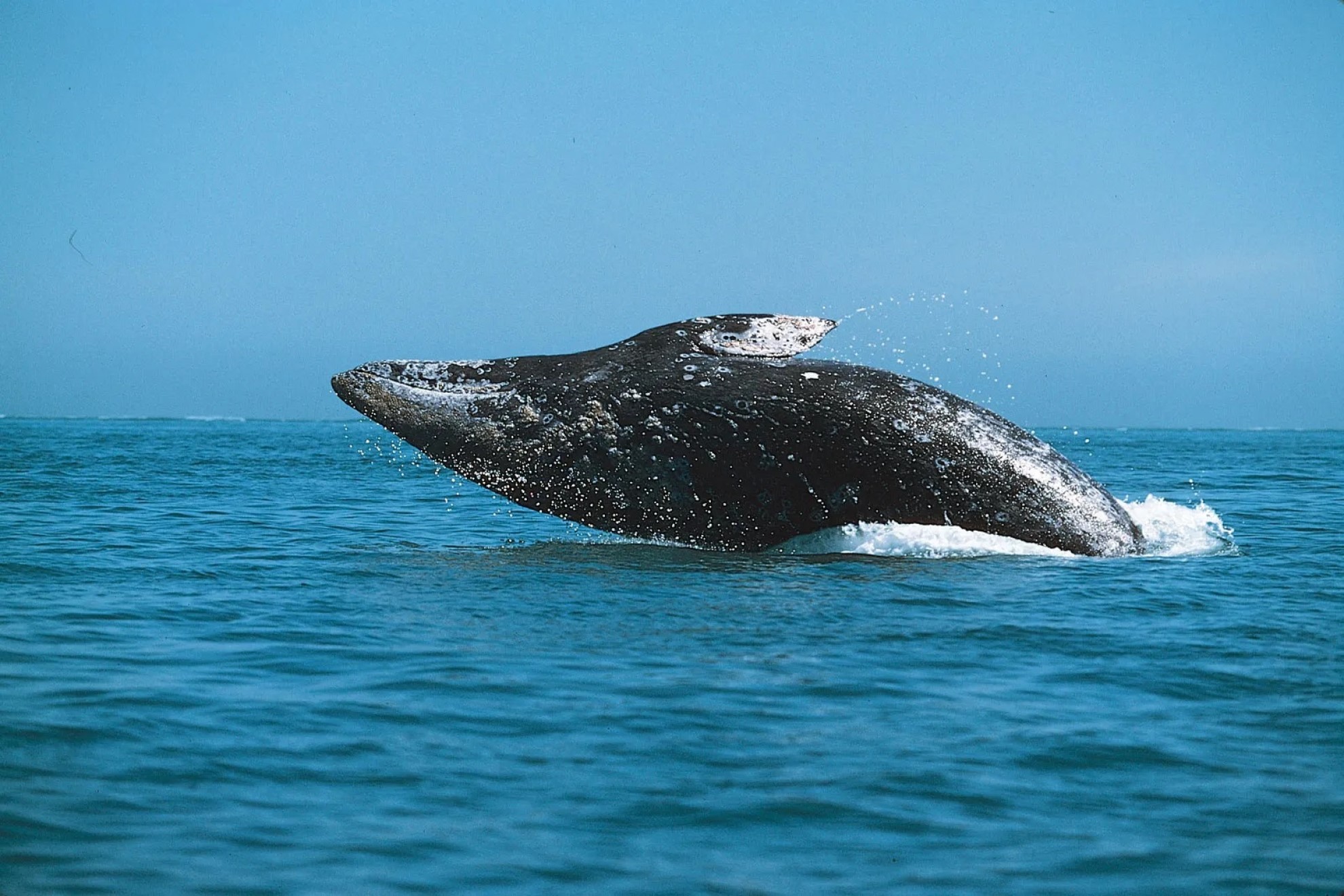
A grey whale breaching: An incredible sight, and the sound travels a very long way in water
Grey whale
The gray whale (other names include grey whale, gray back whale, Pacific gray whale, Korean gray whale, or California gray whale), is a baleen whale that migrates between feeding and breeding grounds yearly. They can reach 14m in length and 41 tonnes. It is found in North pacific – with the Northeast Pacific (American population) and the Northwest Pacific (Asian population) that is endangered. The northern population has been extinct for a long time.
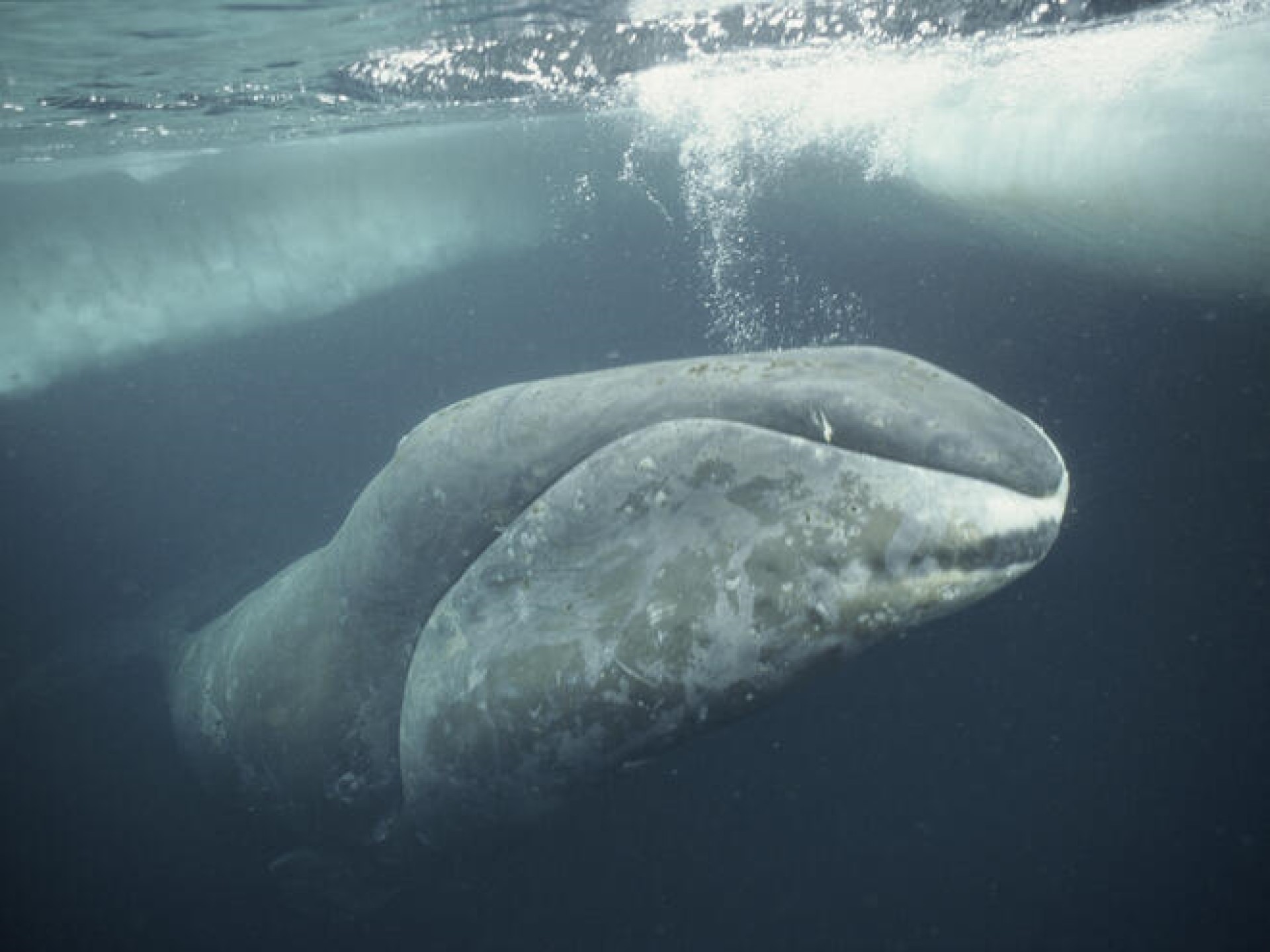
Also known as Greenland right whale, Arctic whale, steeple-top, and polar whale, they are closely related to the right whales, the bowhead whale looks quite different. It is in a different genus to the other right whales (so is a more distant relation.
The only whale that is endemic to the Arctic and sub-arctic, its mouth is a third of the size of the body. They are incredible long lived often living to 200 years old. They have incredibly thick skulls, which allows them to use their heads to break through the arctic ice.
Unfortunately, they were an early target of whalers, and so in 1966 hunting of them was banned. They have recovered to the point where out of the 5 subpopulations, 3 are endangered, one is vulnerable and the last one currently classed as low risk. Another unfortunate effect of whaling, was to put an end to the summer habits of the bowhead whale – before whaling, it appears that different whale populations would cross seas during the summer, and interbreed.
The Western Arctic stock in the Bering, Chukchi, and Beaufort Seas estimated at 12,500 (though with 95% confidence range 8000-19500
The Hudson Bay and Foxe Basin stock estimated at 345 with a high confidence
the Baffin Bay and Davis Strait stock which is estimated at over 1000 individuals
the Sea of Okhotsk stock contains only 100-200
The Svalbard-Barents Sea stock was hunted to near extinction. As such while I cannot find a number, it is unlikely to have a large population
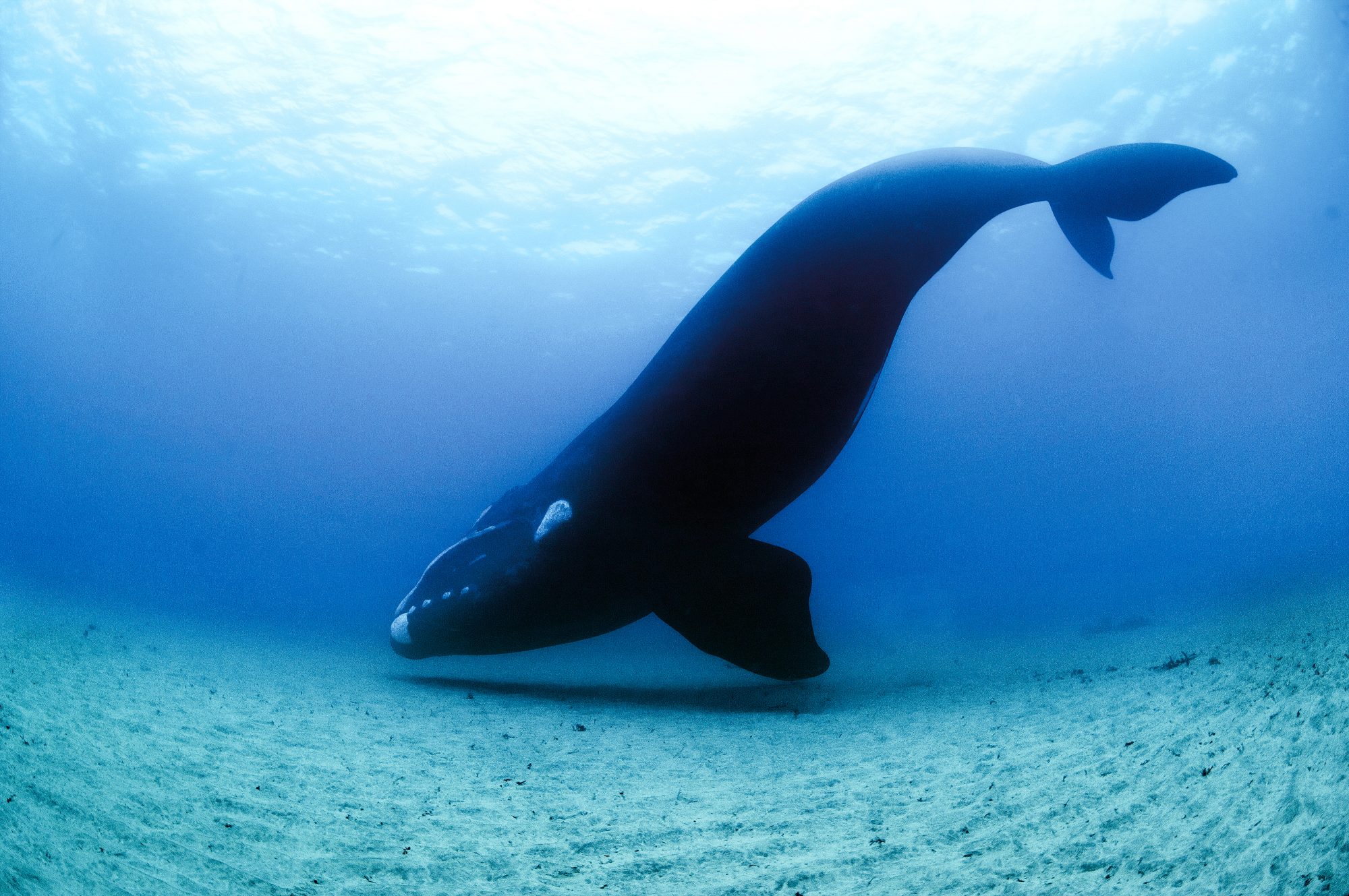
The Southern right whale, like the other species in its genus, was hunted incredibly close to extinction. As a wide ranging species, when the population fell possibly as low as 300 in 1920 – so this species was saved by its low numbers, not the ban on hunting in 1935, which likely would have come too late.
It should be noted that Russia ignored this role until 1970. During these 35 years, many were killed by Russia, and when I say many, we are talking hundreds of thousands of species that everyone else was trying to save.
The population is now thought to be around 13,600, which is an impressive increase in around 100 years, of around 45 times increase. The historical population is estimated to lie between 55,000 and 70,000.
So where can they be watched? Far and away, the best known place to see them is Hermanus in South Africa, where around 100 whales congregate each year. I have seen them here, and it is a relatively easy species to see if you are in the right place. They are found from around around 20 degrees South to 65 degrees South around the world. In the past New Zealand was a fantastic place to watch them, and in recent years they returned for the first time in 80 years. They are also naturally seen in big numbers around Australia, and places like Patagonia.
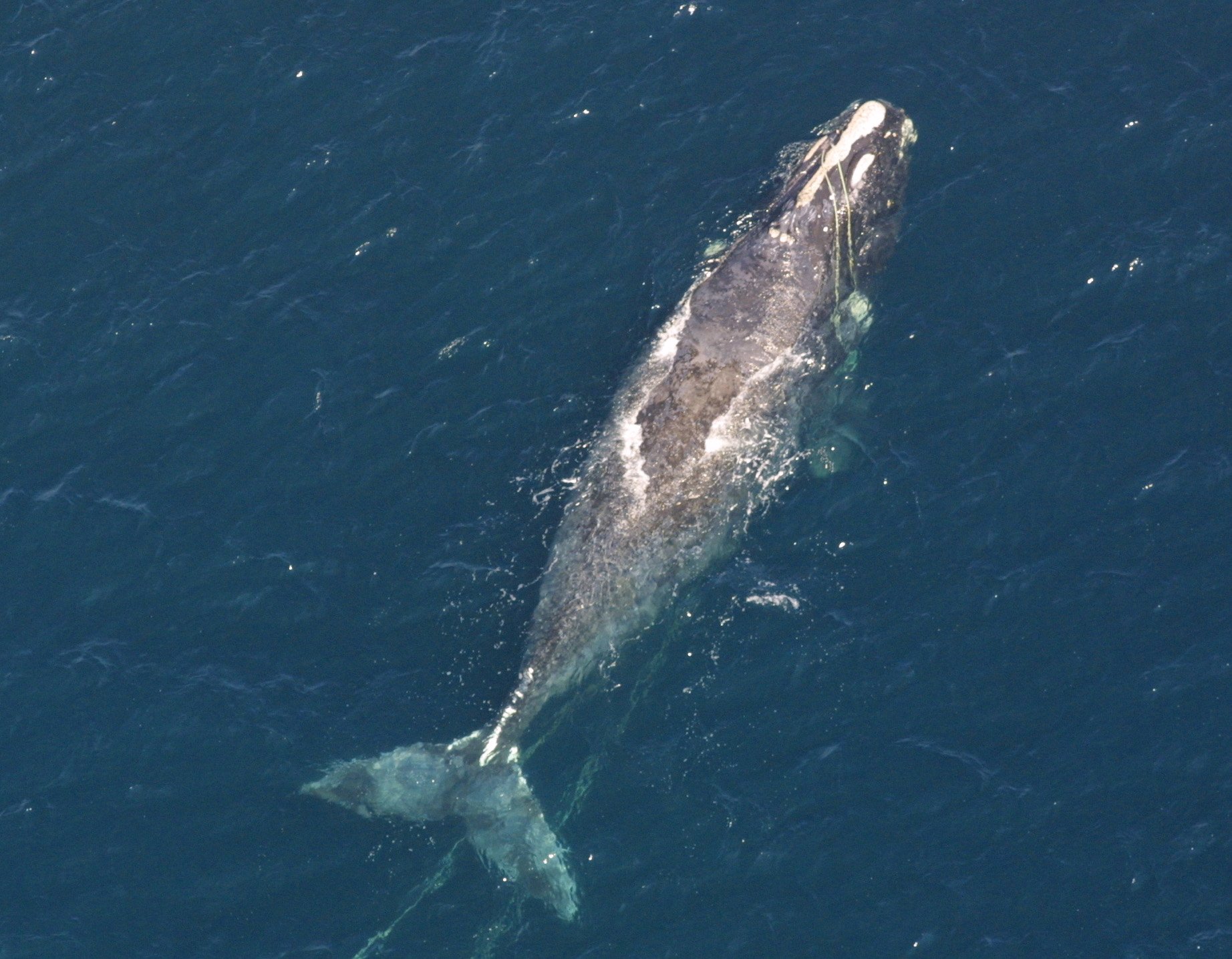
Once thought to exist in numbers between 9000 and 21000, but whaling pushed them close to extinction – with estimates of just a couple of hundred. In the intervening years, since 1986, the population has reached 350 – potentially doubling the population in just 37 years. However, we need to remember that only around 70 of these are breeding age females. A healthy population can expect breeding females to produce a calf every 3 years or so. Unfortunately, given the entanglements and other things that are stressing these whales, the gap between young is currently in the range 6-10 years. This means we can expect 7-11 calves a year – which suggests that for the population to double again in 37 year – we need a survival rate of over 90%
Should the population continue to grow on at that speed, it will take around 180 years for this population to recover.
Places to try to see them include
Jacksonville, Florida
Hilton-head Island
Generally, anywhere along this section of the American coast they are a possibility. Directly below this is a video of this whale species, and below this is a list of any mentions that this whale has had on this website (if any). As we get links, they will appear below these two sections.
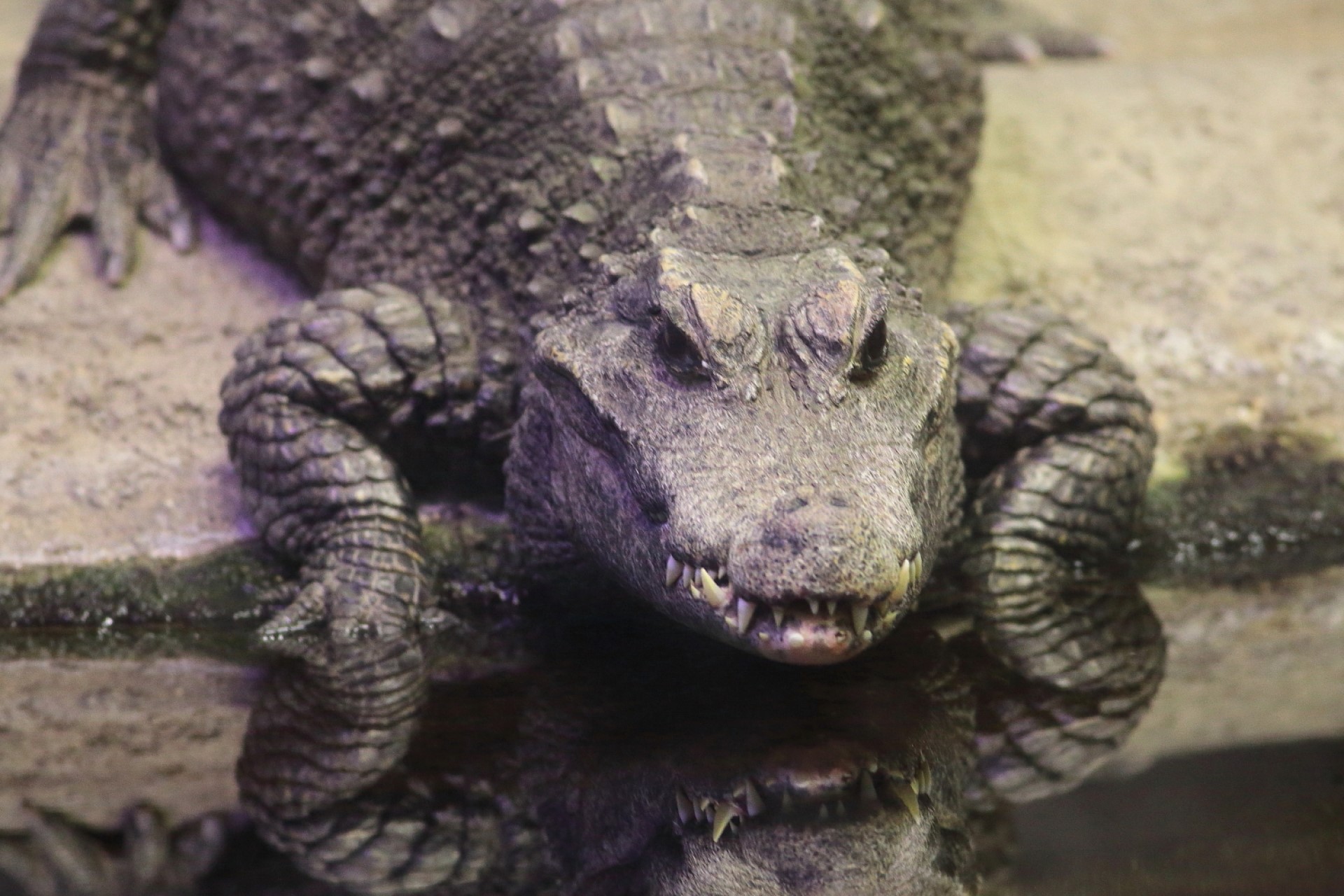
The dwarf crocodile (also known as the African dwarf crocodile, broad-snouted crocodile -a name more often used for the Asian mugger crocodile) or bony crocodile), is an African crocodile that is also the smallest living species of crocodile.
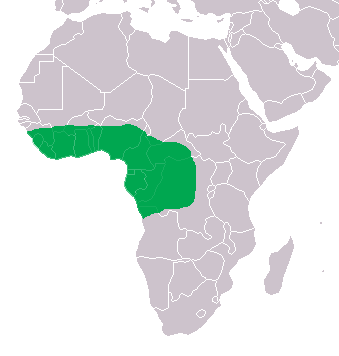
Found in lowlands to mid-height areas, in small and mid-size streams (they avoid large rivers). Generally, they live in rivers that lie in rainforest, though they will venture into the open.
They are known, in places, to be found in pools deeply isolated in Savannah. In western Gabon, there are also a group which have been living long-term in caves. It is considered vulnerable by the IUCN and is Appendix i of CITES. Where they are declining, it appears largely as a result of deforestation and hunting for the bushmeat trade. As a result, while in some regions they have a healthy population, in others (like Gambia and Liberia) they are almost lost.
In zoos in the USA and Europe there are a few of this species, however, records are not good, and quite a few of them are clearly hybrids with little conservation use. I should note, a zoo I occasionally volunteer at (marwell zoo) had one of these crocodiles until last year when it went to another zoo for breeding.
We hope to be able to list places for you to visit to see this species as soon as possible. Any of these will appear below the video and the news section (this lists all the times that this species has been mentioned (if any) in this blog). Below this, we will list all the easiest places we have connections to, to see this species.
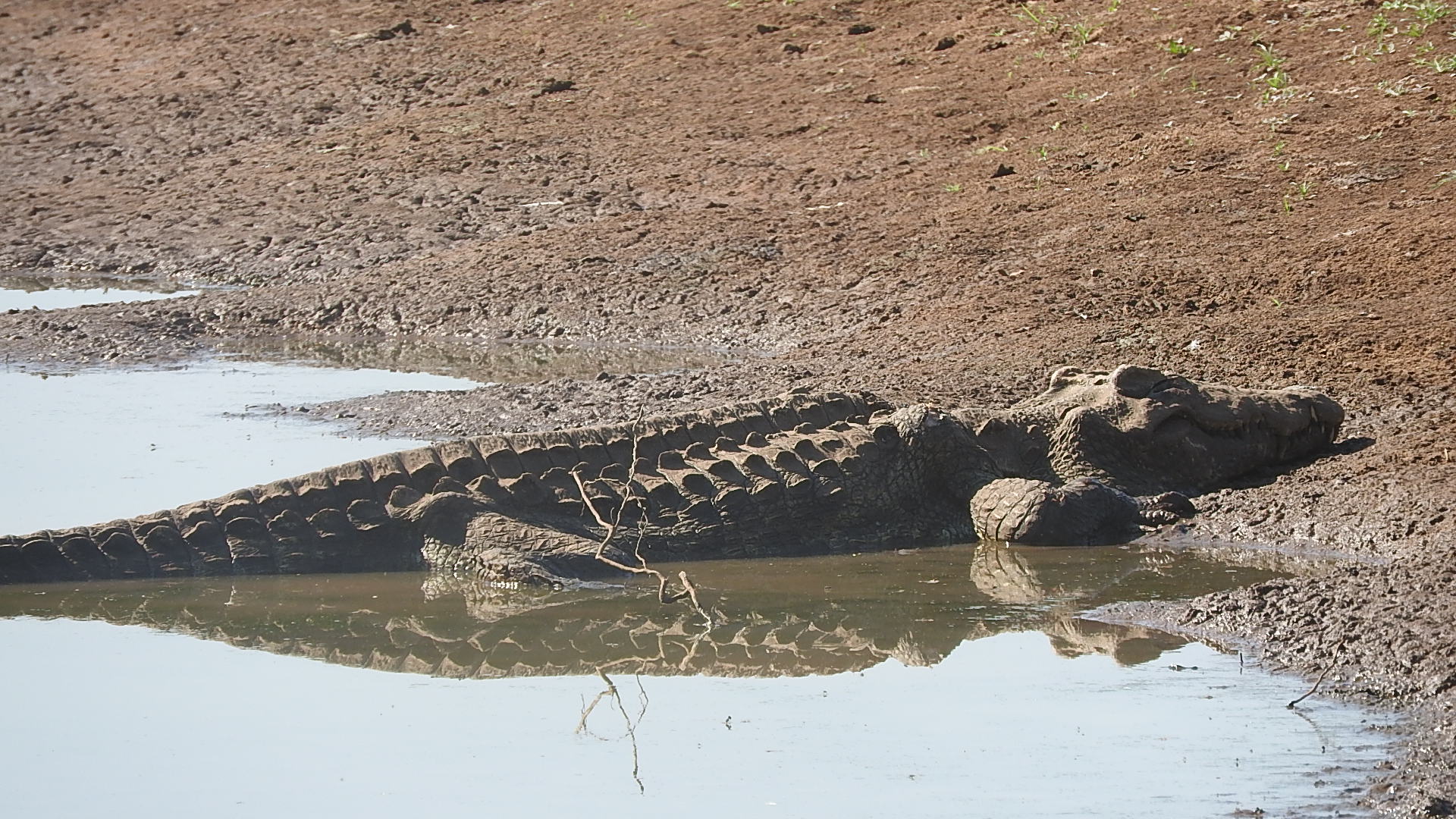
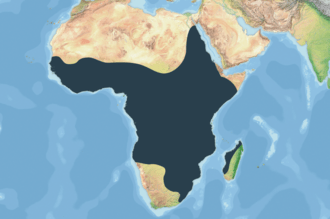
The Nile crocodile is spread widely throughout sub-saharan africa (except for parts
of South Africa, thought to be natural and not due to hunting). A suggested subspecies is found in western Madagascar, there are 7 such subspecies, though none have been officially recognized.
While it was originally thought to be the same species as the western African crocodile (confusing given its range), it has actually been found to be closer related to various crocodiles from the Americas, particularly the American crocodile. As such, parts of the map above may actually host west African crocodiles exclusively.
The Nile crocodile is considered the second largest on earth, only beaten by the saltwater crocodile of Asia, interestingly, interestingly the saltwater crocodile is also the only crocodilian that has a greater range than the African crocodile. It was thought that the crocodile had arrived on Madagascar in the last 2000 years – after the extinction of the endemic Voey crocodile, but recently a skull was found and dated to be 7500 years old, suggesting that they must have coexisted for millennia.
While rarely venturing into the sea, they can (like all true crocodiles) survive here, and one was found alive 11 miles off the South African coast in the past.
They have been found in the Florida Everglades, presumably after an illegal introduction – there is so far no evidence of them successfully breeding here. It is unclear of their origin or where they came from, though they are genetically most similar to crocs from South Africa.
While they usually only dive for a few minutes at a time, they are capable of holding their breath for 30 minutes of activity under water – impressively, those inactive under water can stay down for around 2 hours. While rapid and effective hunters in the waters and along its edge, they are far less capable away from the water, and it is rare that they hunt away from water, having said this they are known to hunt here, and are incredibly adaptable to any opportunity. They have a surprisingly small stomach, only the size of a basketball.
Only around 10% of eggs will hatch and around 1% will survive to adulthood. Certainly, much of this damage is down to the Nile monitor lizard, which is thought to be responsible for as much as 50% of the eggs on its own, though median sized cats, baboon troops and mongooses all attack crocodile nests with regularity. Once born, crocodiles are even more at risk, both from animals already mentioned, as well as virtually every predatory water bird, from storks and egrets to even pelicans. Unfortunately, the biggest threat are other adult crocodiles which will happily eat young. While the mother does stay around, and aggressively protects her young, there are so many animals trying to snag a meal, many of the young crocodiles are caught during this time.
The biggest threats include loss of habitat, pollution, hunting, and human activities such as accidental entanglement in fishing nets.
Current estimates are around 250,000 to 500,000. In some parts of Africa they are farmed for their hide (their meat is unpleasant).
Their population is less healthy in western and central Africa, being more sparsely spread. This also makes it hard to do an accurate assessment of their status in this part of Africa.
Along with the saltwater crocodile, the African nile crocodile is estimated to kill anywhere from hundreds to thousands of people each year, with attacks generally carried out by larger crocodiles (thought to be over 3.5m). Given the numbers, it is thought that nile crocodiles and saltwater crocodiles are the most successful hunter of humans – far more fatalities than great while sharks. One study suggested, that while the danger of lions was well known, there was a bizarre feeling that crocodiles were not dangerous. The numbers may well be down to the fact that crocodiles live in water – a place where humans are forced to go regularly.
Below this is a list of any articles released on this site, which mentions the Nile crocodile. Below this, is a video of the species, and below this, we will add links of places to see this species, though if you visit wild places, all savannahs listed on the site will have nile crocodiles.
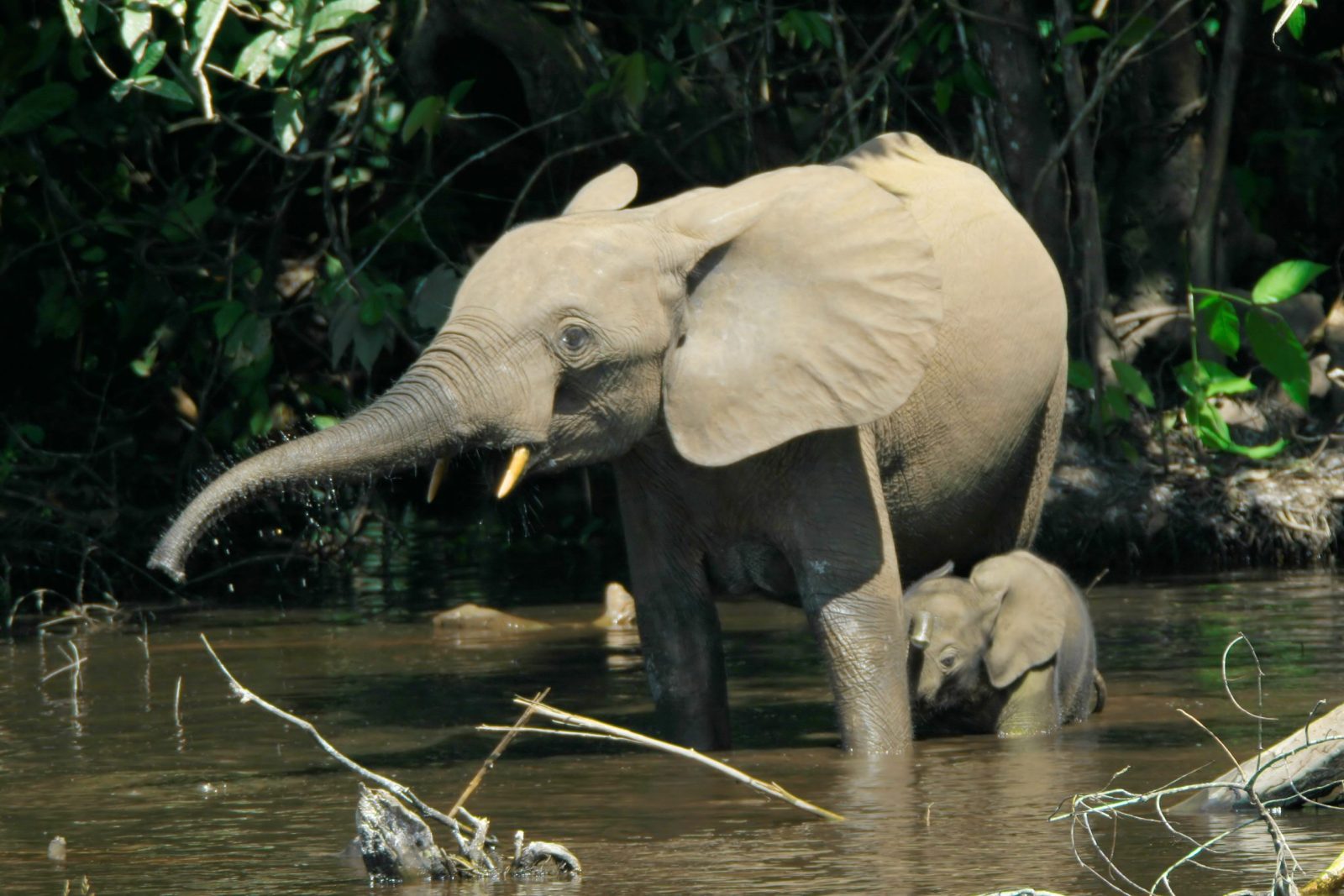
With the African species, Forest elephants have declined 86% between 1986 and 2015, African Bush elephants declined 60% 1965 and 2015 leaving just over 400,000. African forest elephants are thought to number between 100,000 and 150,000.
Perhaps the most scary fact is that the African forest elephant was only declared as a separate species in 2021 only 2 years ago. These species are not particularly similar – indeed the Asian elephant is more genetically similar to the mammoth, than the African savannah elephant is to the African forest elephant!
The African forest elephants population has declined precipitably in the last few years. Given the recognition that the forest elephant is a separate species only came 2 years ago, it is hard to get accurate historic figures. Never-the-less, the combined african elephant species population was thought to be around 26 million in 1800, and 1.34 million in 1976. The estimate is currently around 100-200,000 forest elephants. One of the problems, is that the African forest elephant is an essential part of the ecosystem. There are many trees, which rely on forest elephants to carry their seeds through the forest, so that they germinate a good distance from the original plant (more than a few of the same plant in the same area, causes the pest that feeds on the tree to multiply to the point where it can kill the tree. While it is true that other animals like gorillas and chimpanzees can do this, they do it far less. Should the forest elephant be lost, the African rainforest is likely to be far less capable of of handling the various changes, like climate change that is coming.
The last strongholds are in Gabon (a survey last year suggested Gabon has 95,000 forest elephants, rather than the 60,000 that was originally thought) and the Republic of the Congo and Democratic republic of the Cong, with smaller populations remaining in other African countries (Cameroon, Central African Republic, Equatorial Guinea) and Cote d’Ivoire, Liberia and Ghana in west Africa. There is much space for forest elephants to greatly recover, if the poaching is able to stop.
Below this, you will see a video on this species, and below this is a list of any times that the african forest elephant has been mentioned within this blog.
Below this, at the bottom of the page, we hope to list places where you can go to see this species in the wild – if you work in conservation or tourism around this species, do get in touch. we would love to list you, and it costs nothing to be listed, we merely work on commission.
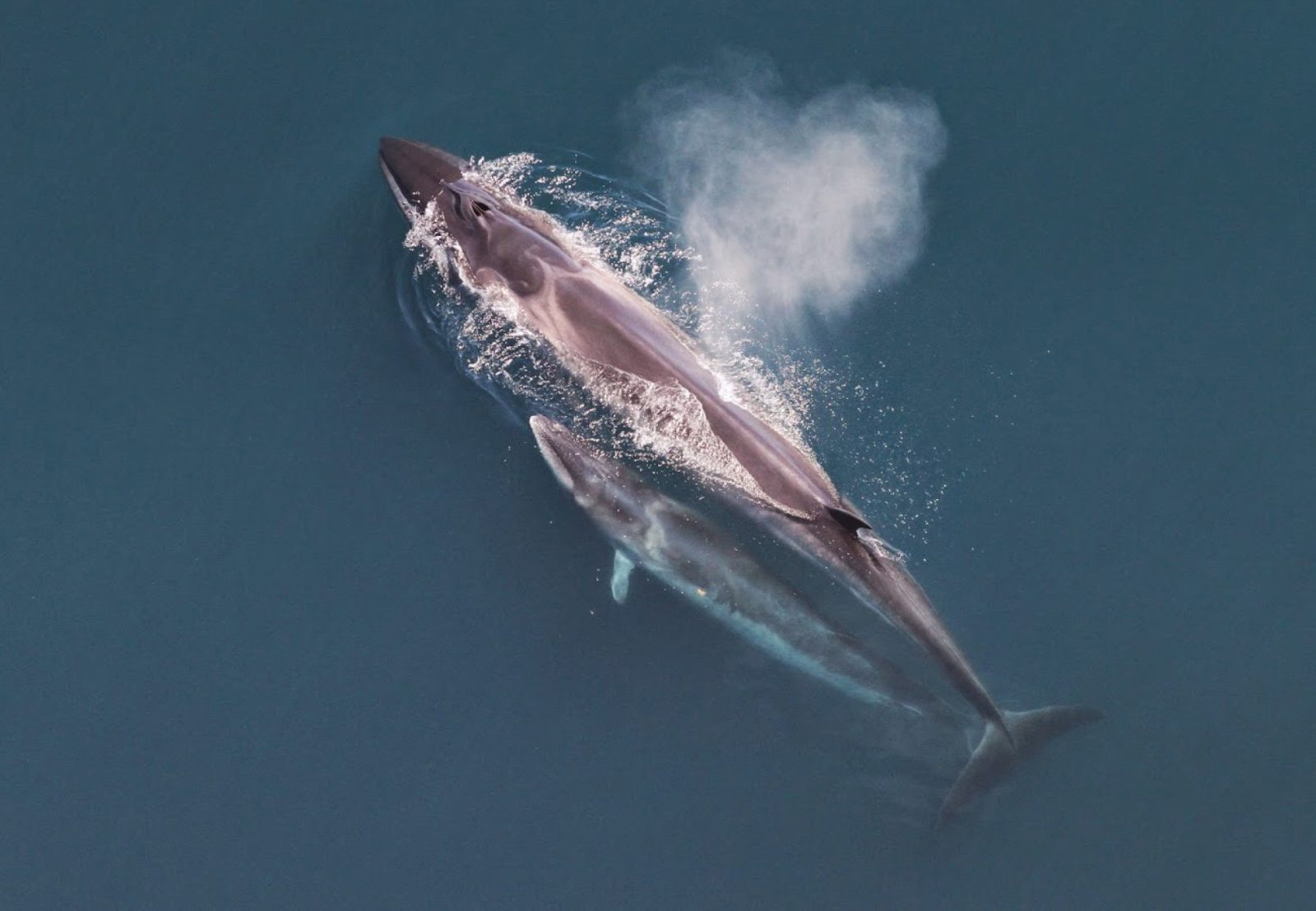
 The third largest after the blue and the fin whale, it is found in most of the worlds deep oceans, though it avoids the tropics and the polar regions. It can reach lengths of 19.5m and weights of 28 tonnes, it is capable of consuming 900kg of food in a day.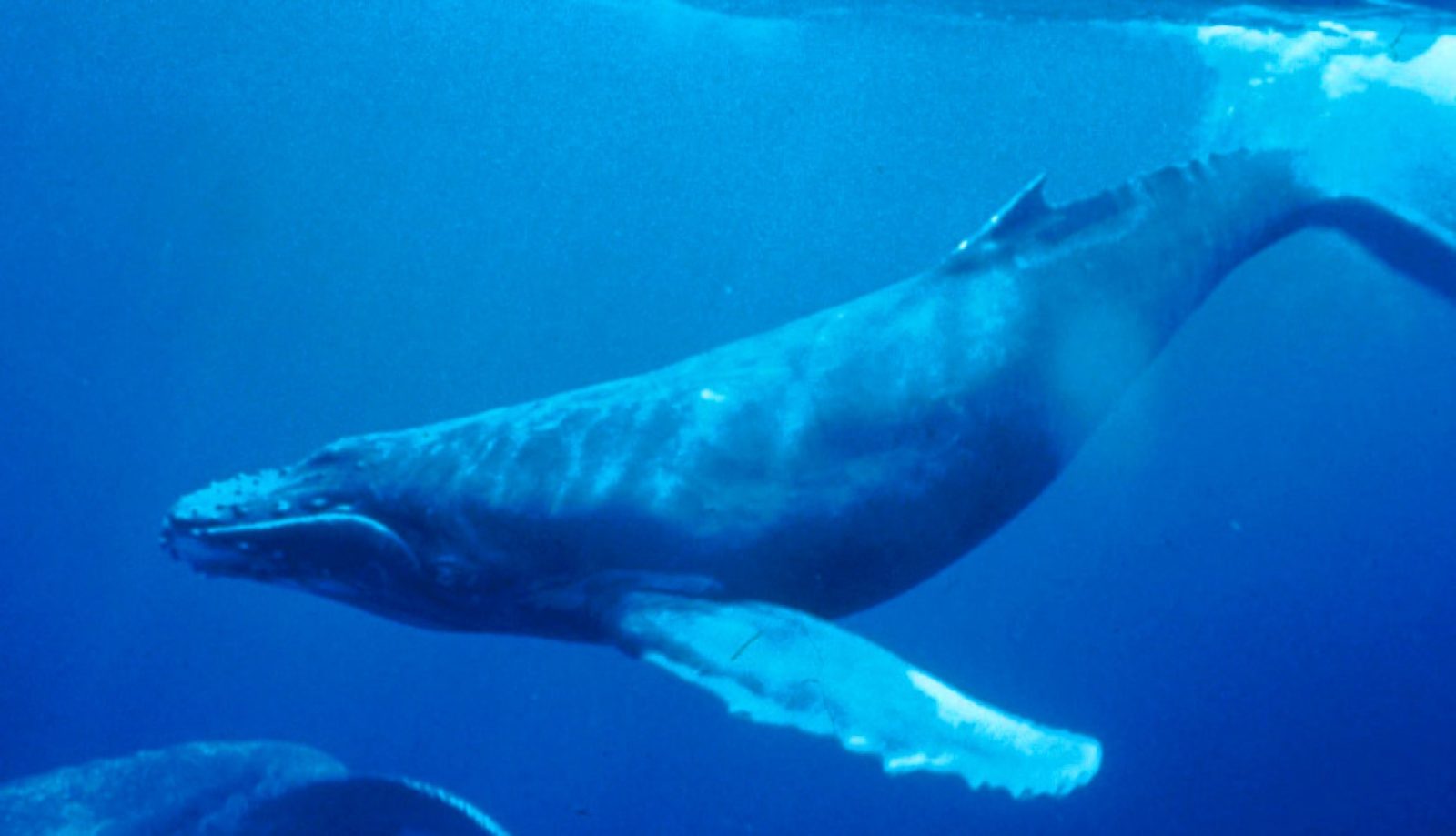
 The gray whale (other names include grey whale, gray back whale, Pacific gray whale, Korean gray whale, or California gray whale), is a baleen whale that migrates between feeding and breeding grounds yearly. They can reach 14m in length and 41 tonnes. It is found in North pacific – with the Northeast Pacific (American population) and the Northwest Pacific (Asian population) that is endangered. The northern population has been extinct for a long time.
 Also known as