Primate family tree main and great and lesser apes

The primates are in some ways one of the most successful families. It is true that many are now endangered, however, unfortunately, that is as a result of the run-away success of the most successful member of the primate family us! Having left the rainforests behind, we have been reducing their coverage dramatically over the last few centuries. 

The sad thing, is that while we have pushed many of our closest cousins towards extinction, the loss of forests may well cost us dearly in the future as well. As a species, we need to pull together to meet this challenge. in order to jump to the various families, click on the family of interest above – though all can also be reached by scrolling down.

Great Apes

Great ape Family split is thought to have split from its nearest relative – the gibbon family, around 17 million years ago.

4 million years later the Orangutan family split from the gorilla line and the human/chimp line.

3 million years after this (so around 10 million years ago) the gorilla family split from the Homo (humans) and Pan

Finally the human line (homo) split from the Pan line 5-6 million years ago.

It should be noted, that chimpanzees and Bonobos split from a common ancestor just 1.8 million years ago. This occurred as the two populations ceased to be able to have contact with each other – the Congo rive formed between 1.5 and 2 million years ago.

For more information on each species, click on their photo and this will take you to their page

It should be noted that while I have grouped eastern western and skywalker gibbon together, there is some contention that the skywalker gibbon should be in its own genus, having diverged around half a million years aog

Gibbons

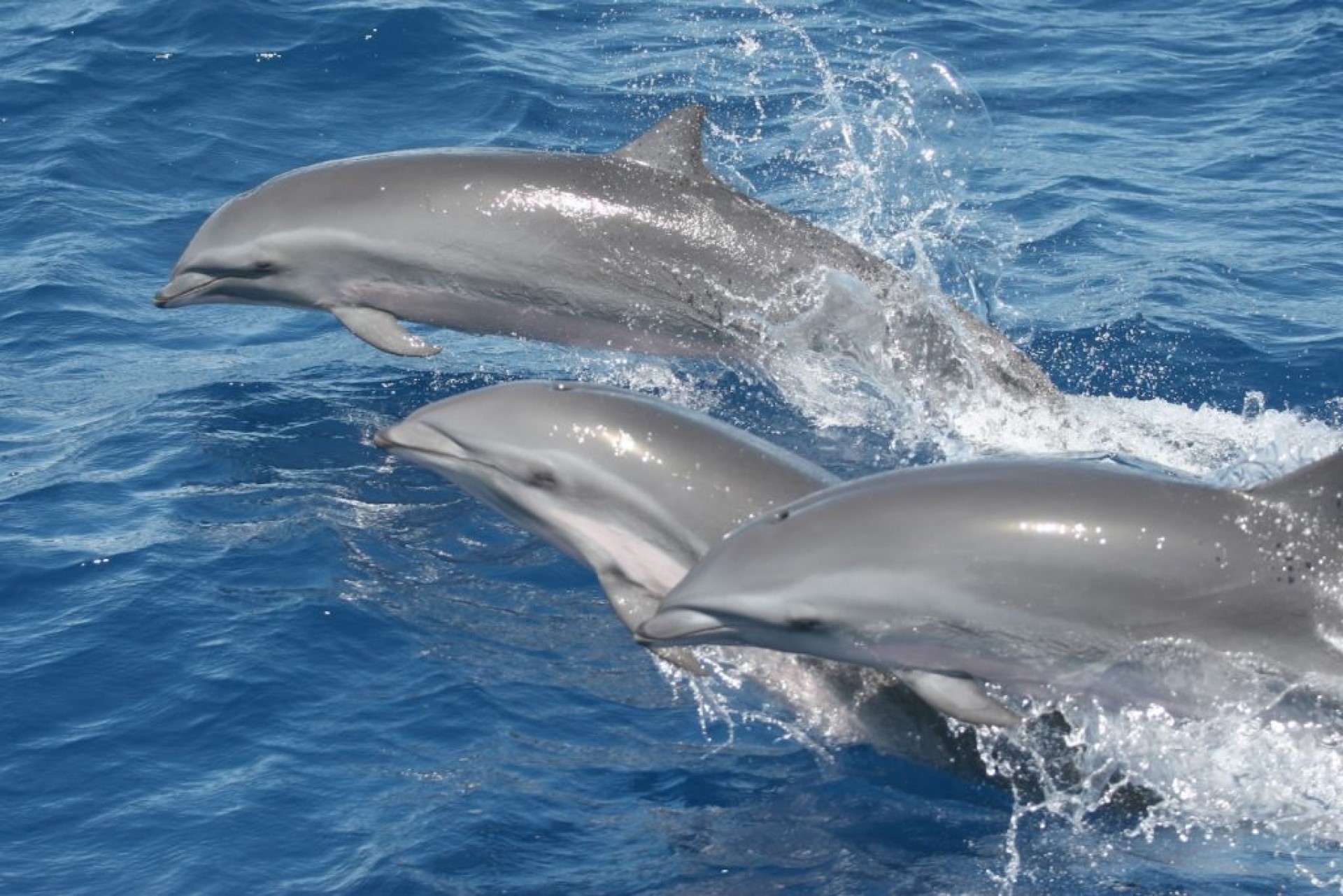
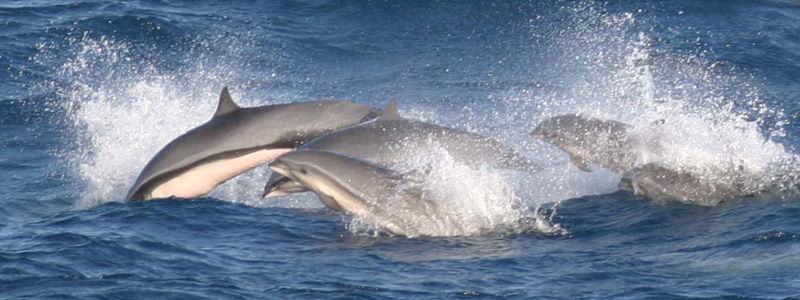
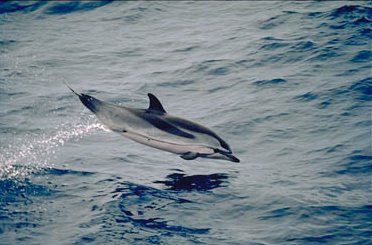
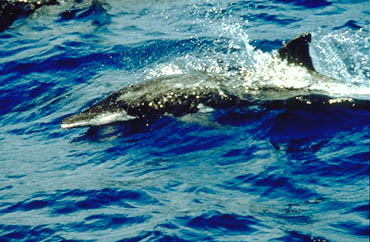
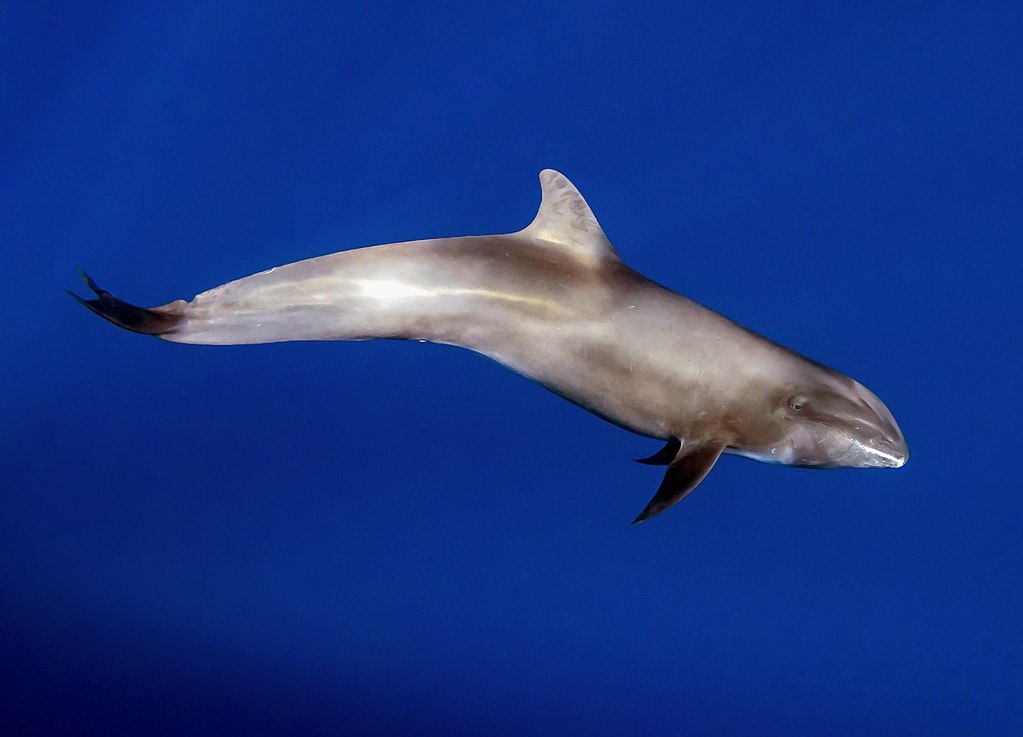
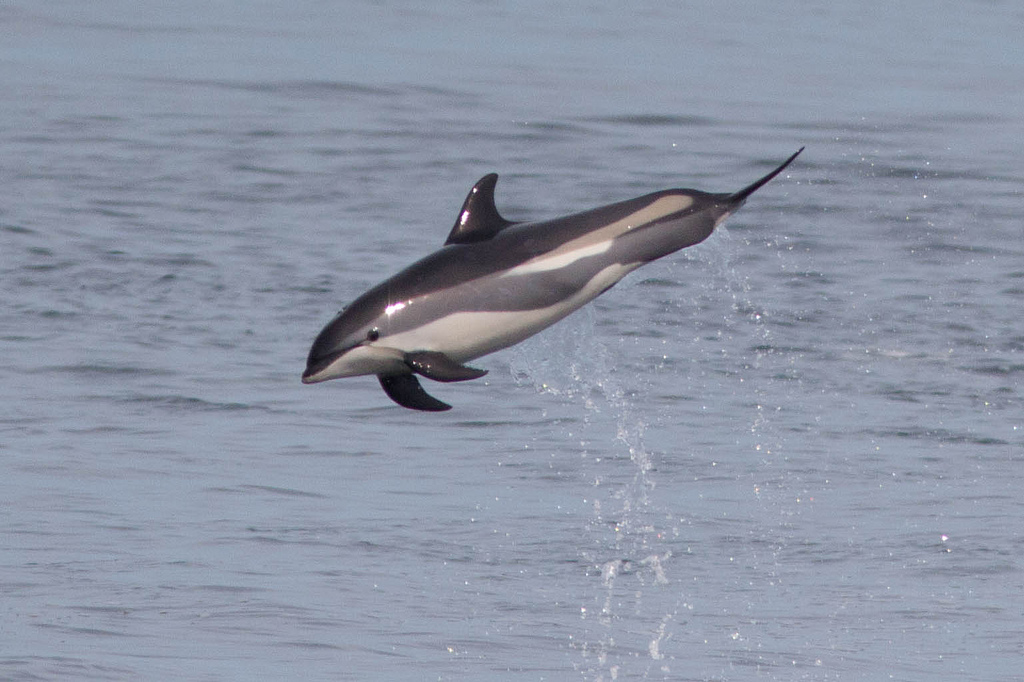
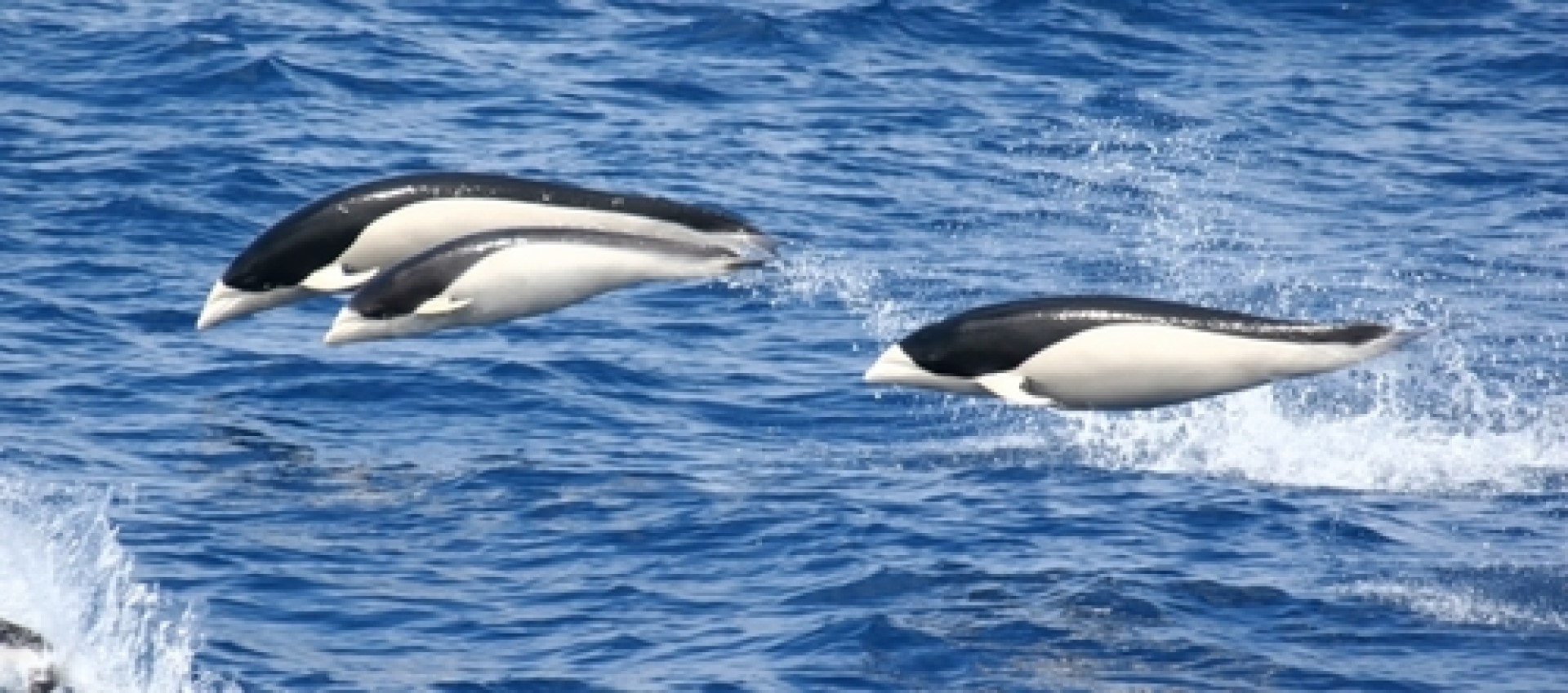
Fraser’s dolphins

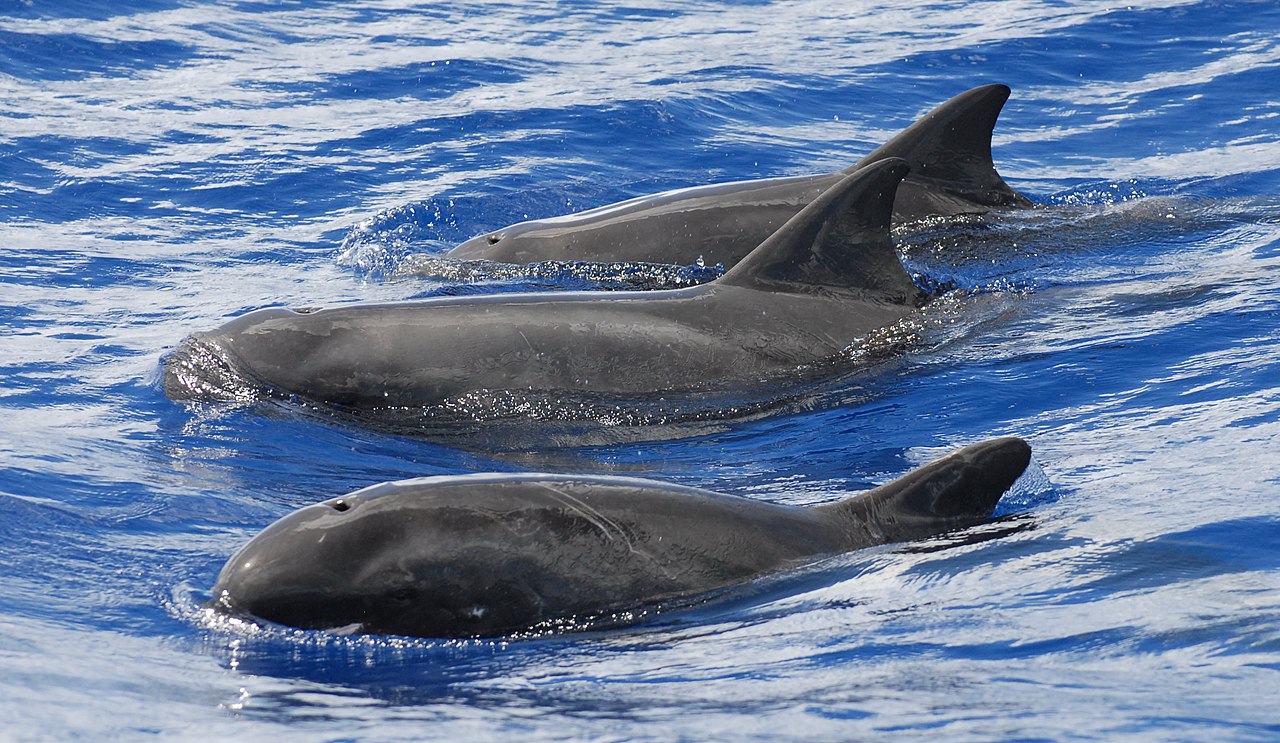
Frasers Dolphin

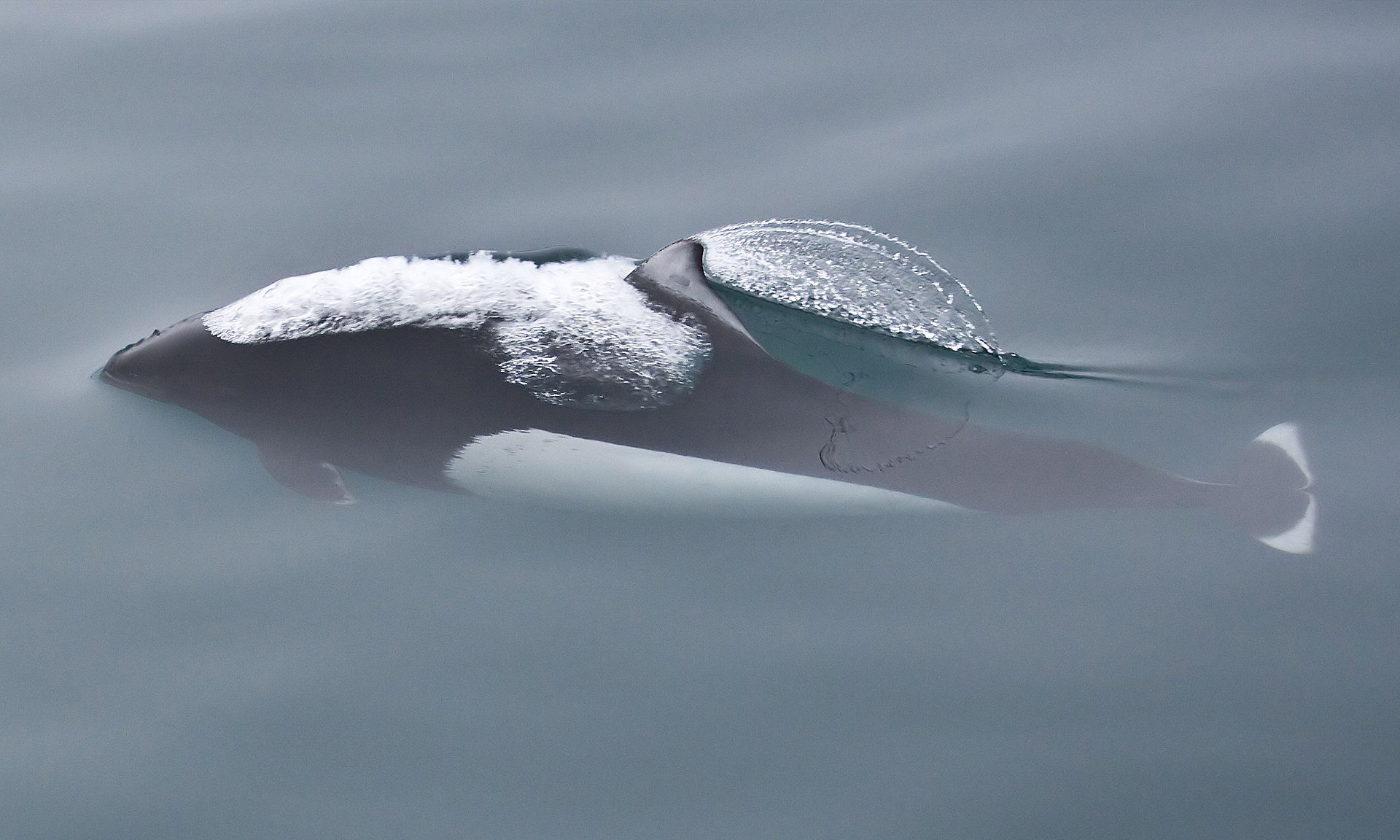
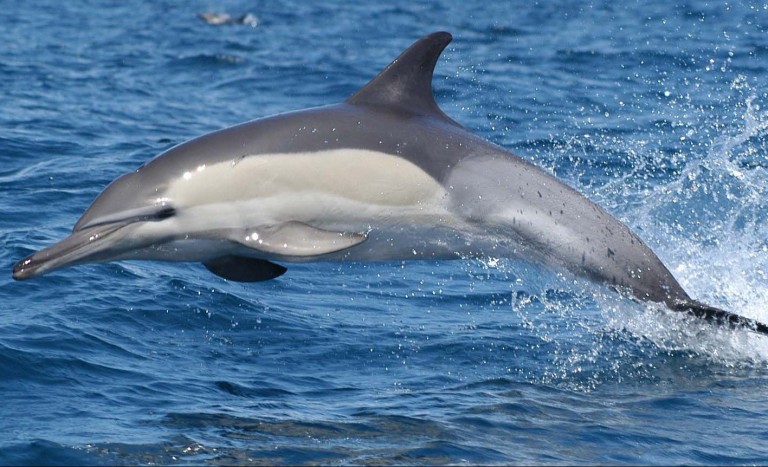
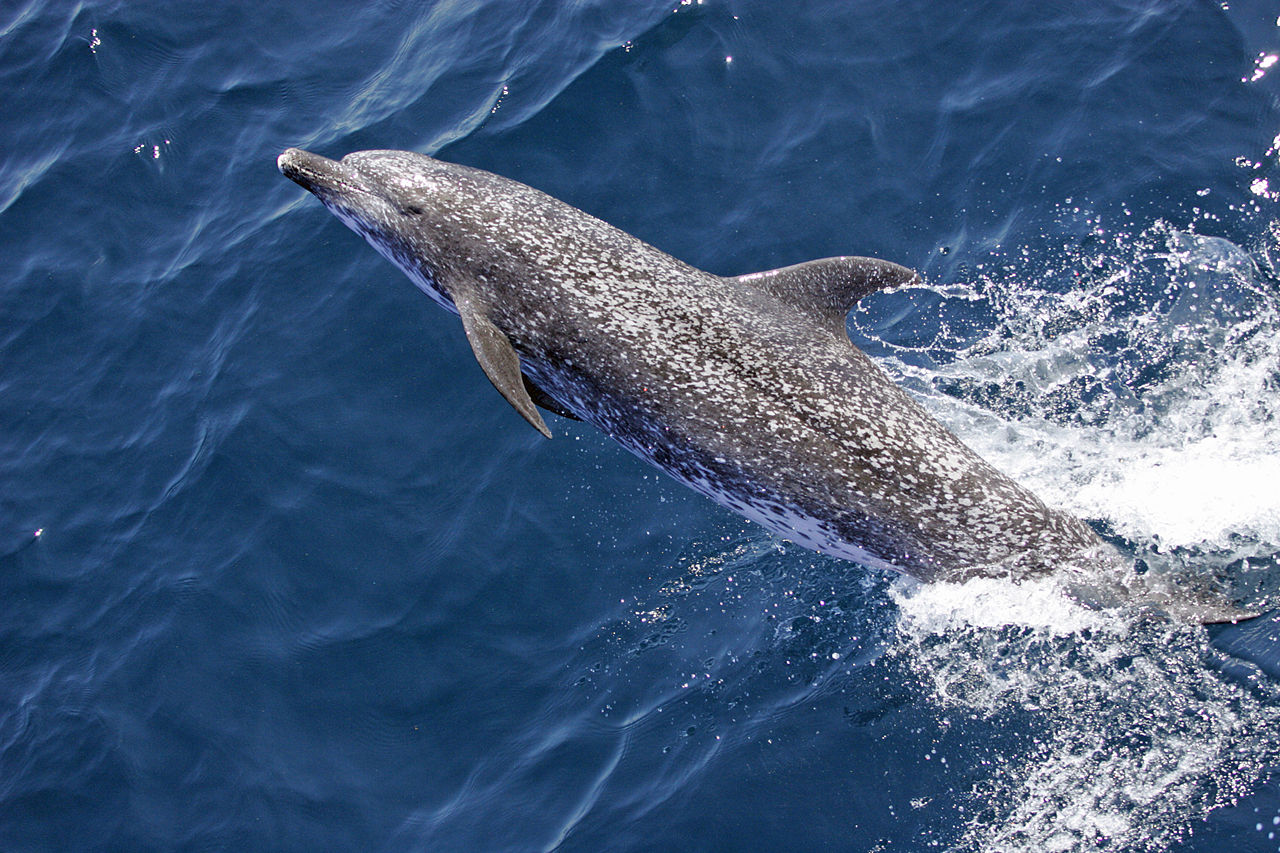
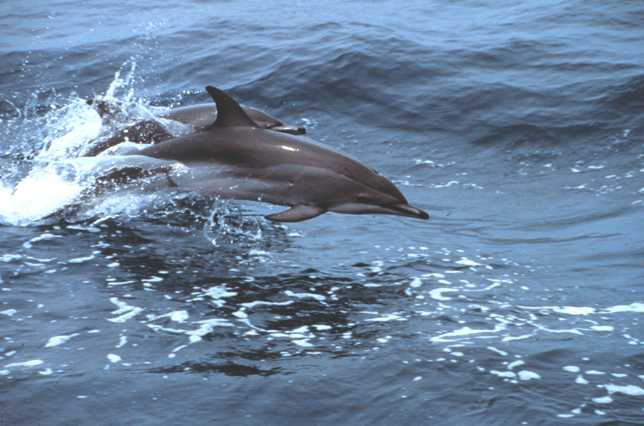
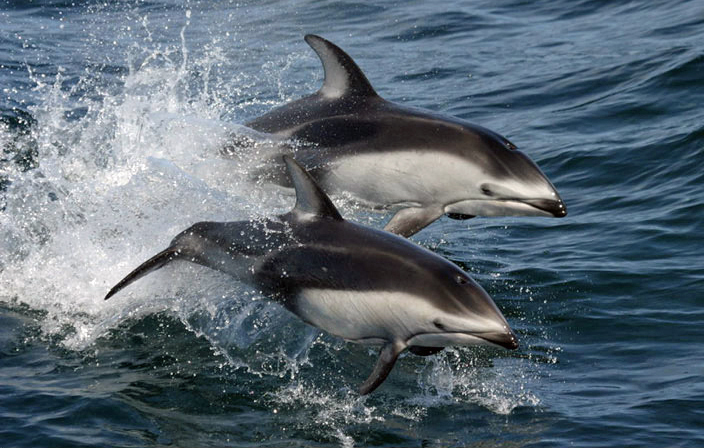
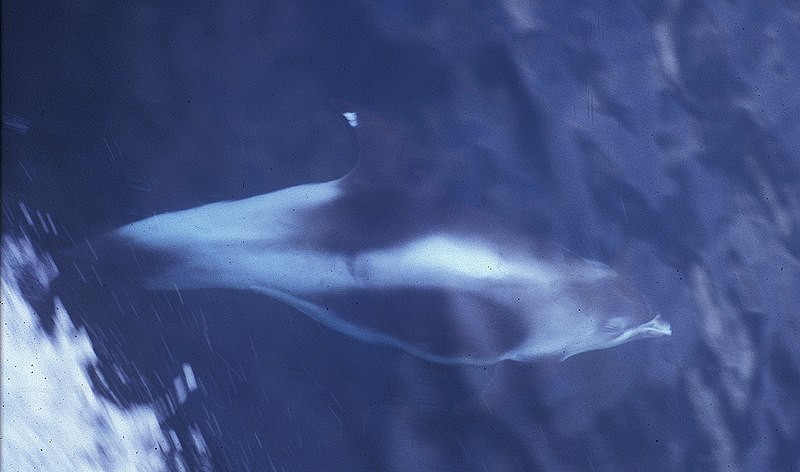
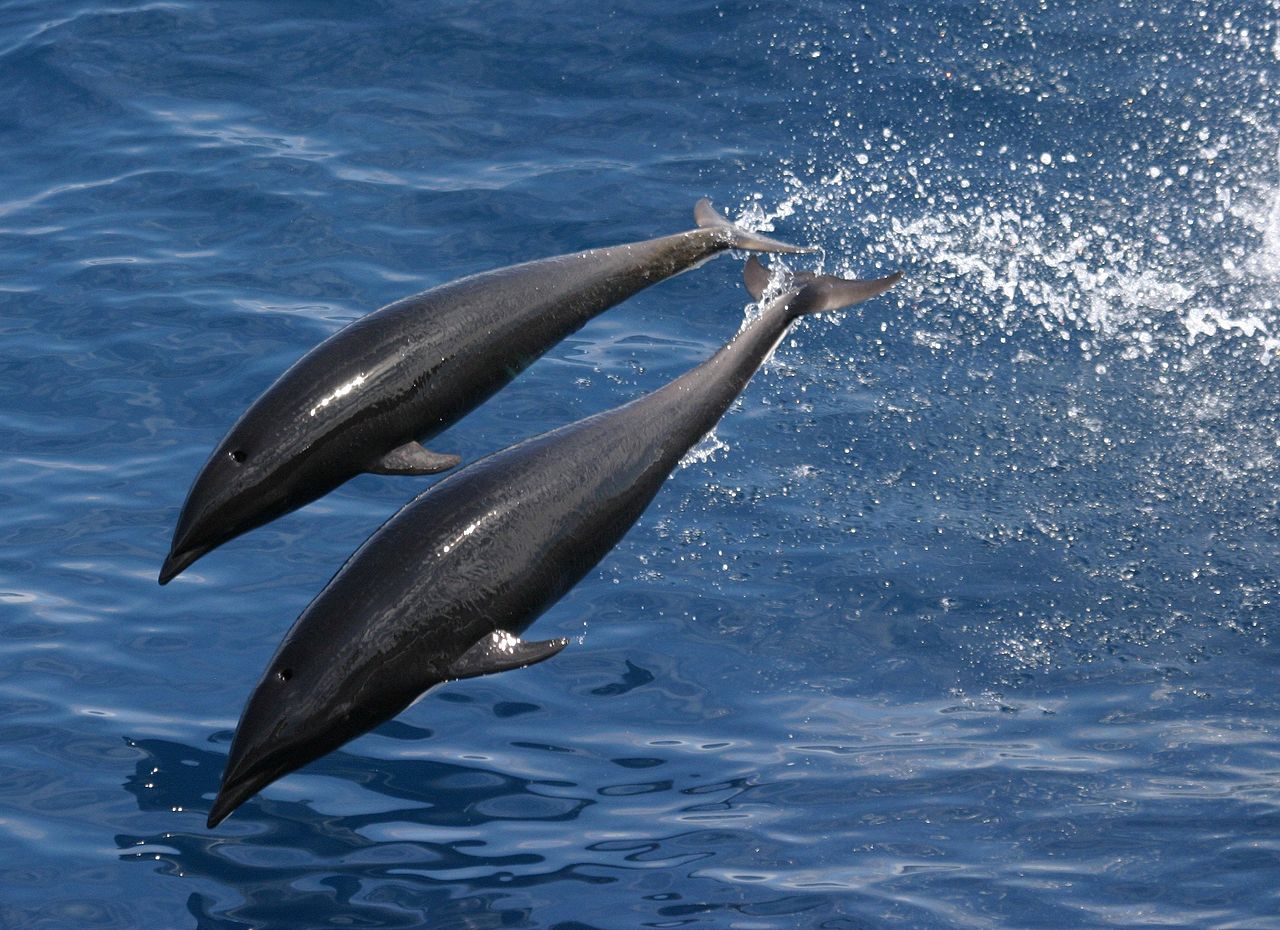
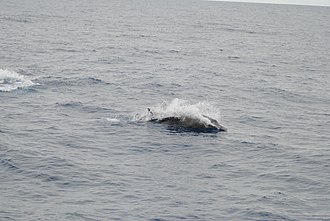
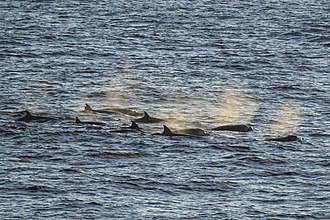
Generally found in the deep waters of the Pacific Ocean, though also seen in Indian and Alantic dolphin. It is also known as the Sarawak dolphin. When fully grown it weighs around 200kg and around 2.75m in length. From a distance it can be confused with a striped dolphin which lives in these waters. Usually found in large groups from 100-1000. Below is an encounter between a large group of frasers dolphins and a sailing boat.

While sightings have become far more common in recent times, there is no global estimate for the numbers of this species, though the Southeast Asian species is listed Appendix 2 of CITES so clearly there is a need to keep close watch on this situation.

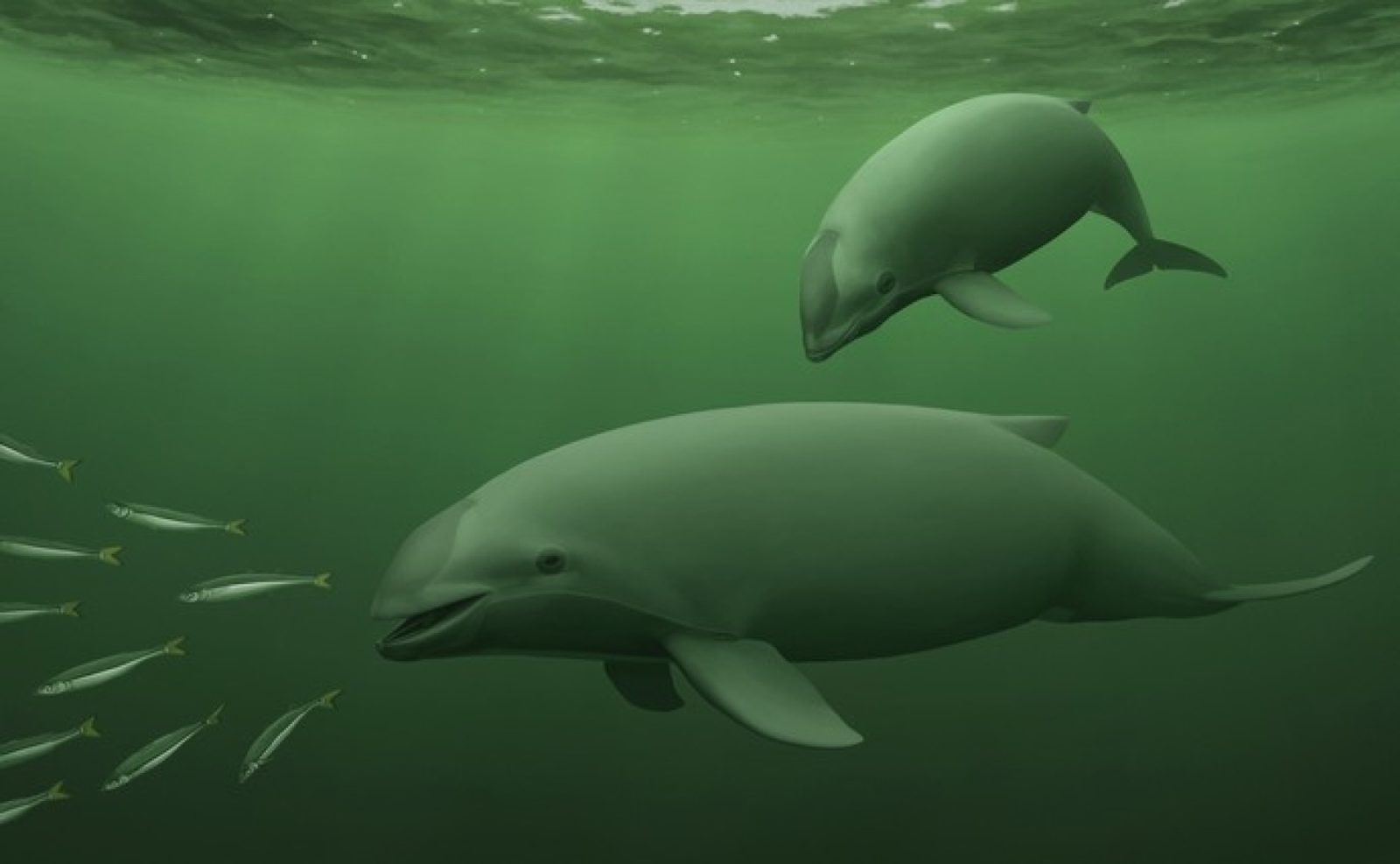
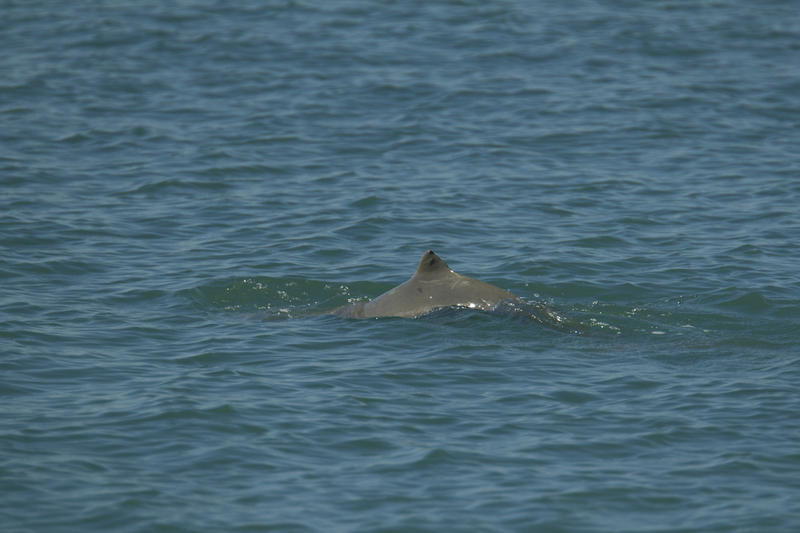
Burmeister Porpoise

Bermeister Porpoise

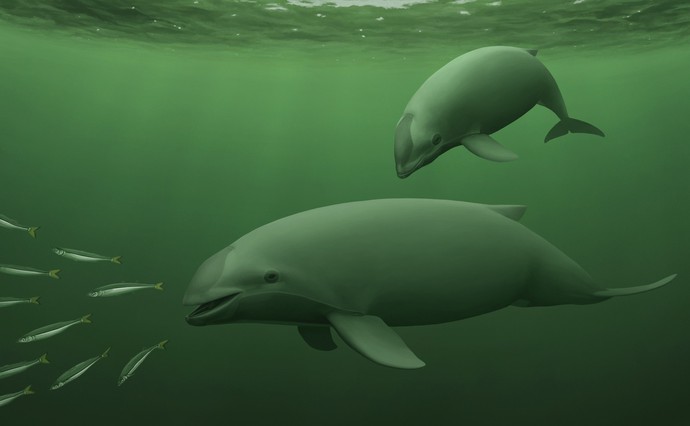
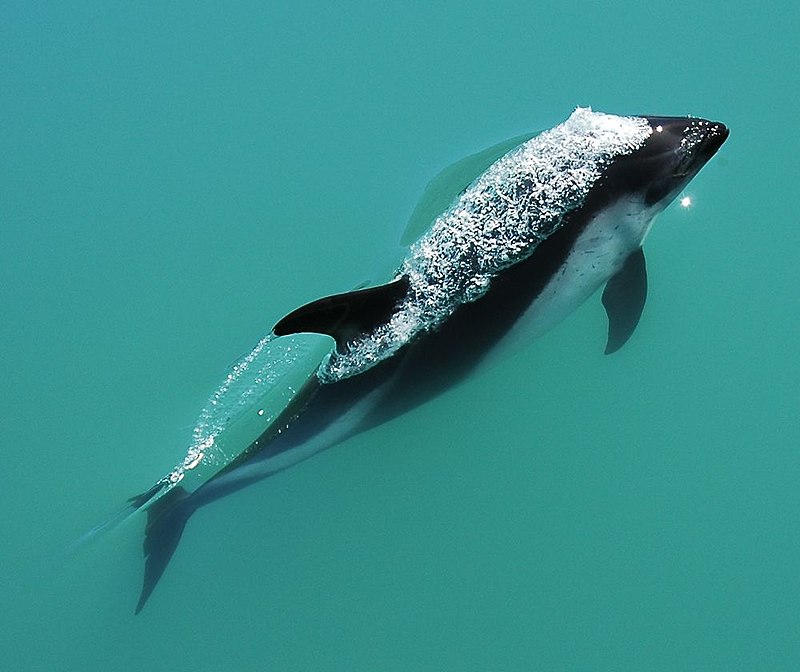
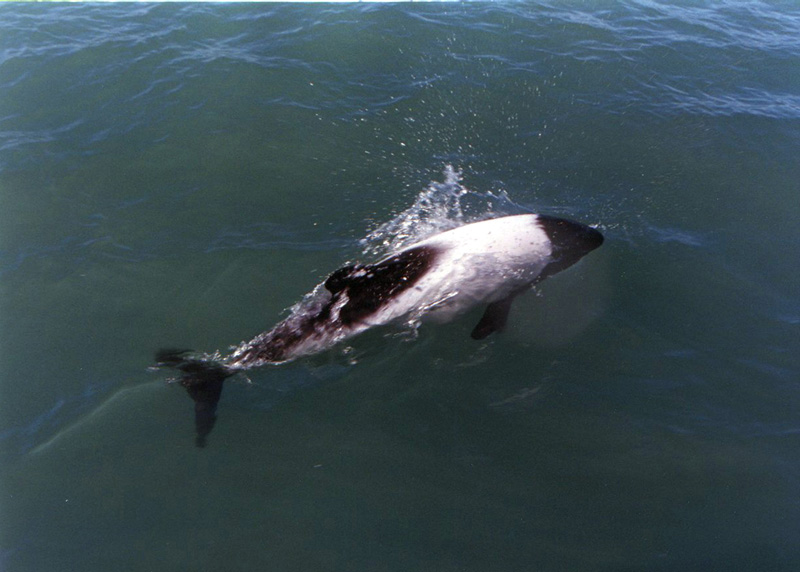
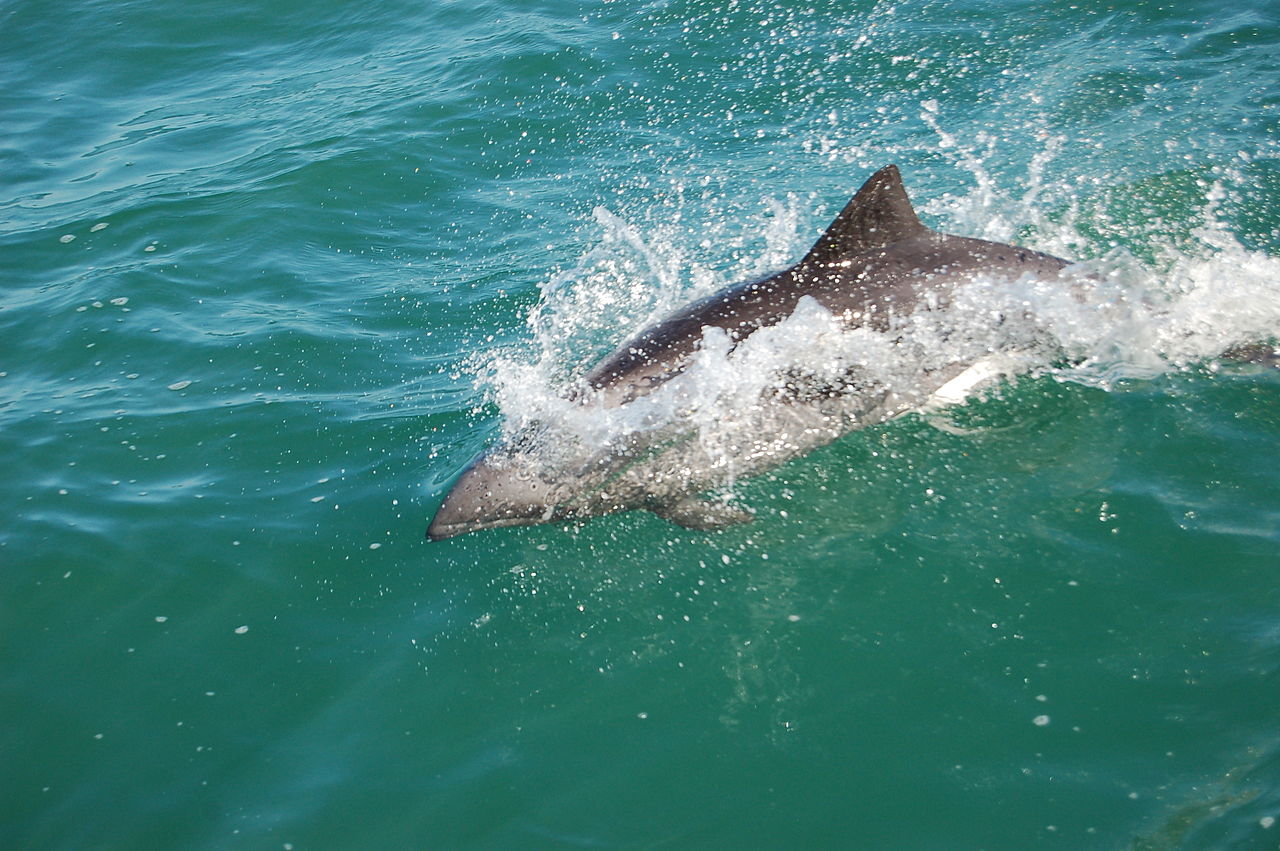
First described by Hermann Burmister in 1865, they are thought to have a population that numbers at least in the 10,000s. Found from Peru in the Pacific to Brazil in the Atlantic, while usually found in shallow coastal waters, they have been located 1000m down.

Most photos of this species are of a dead individual. It is black which explains its other name – the black porpoise, though it is thought that they turn black after death and are dark grey beforehand. The underside is lighter, though this is common as it helps with camouflage against the light surface of the water. Usually 1.5m in length and with a weight of 50-75kg, they can be mistaken for the Chilean dolphin, which is a similar size. Their dorsal fin is more triangular and points back rather than up so should not be confused.

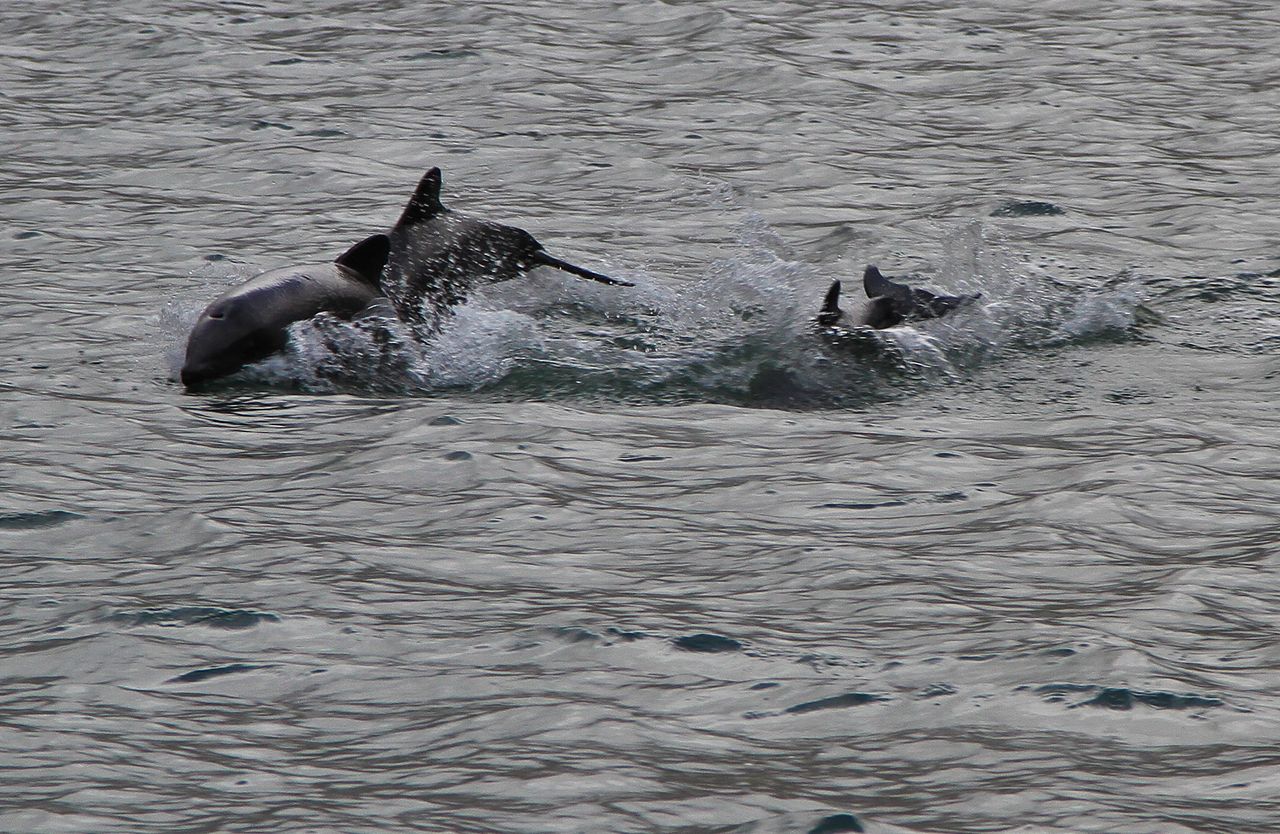
They are shy, usually moving away from boats at a high speed. Usually seen in pairs or alone. However, they have been seen in larger groups, with a group spotted off the coast of Chile numbering 50.

Eating Hake, Maceral and Anchovies, which are all species impacted greatly by el nino. Many of the marine mammals in the area starved or struggled until the fish returned.

[smart_post_show id="25739"]

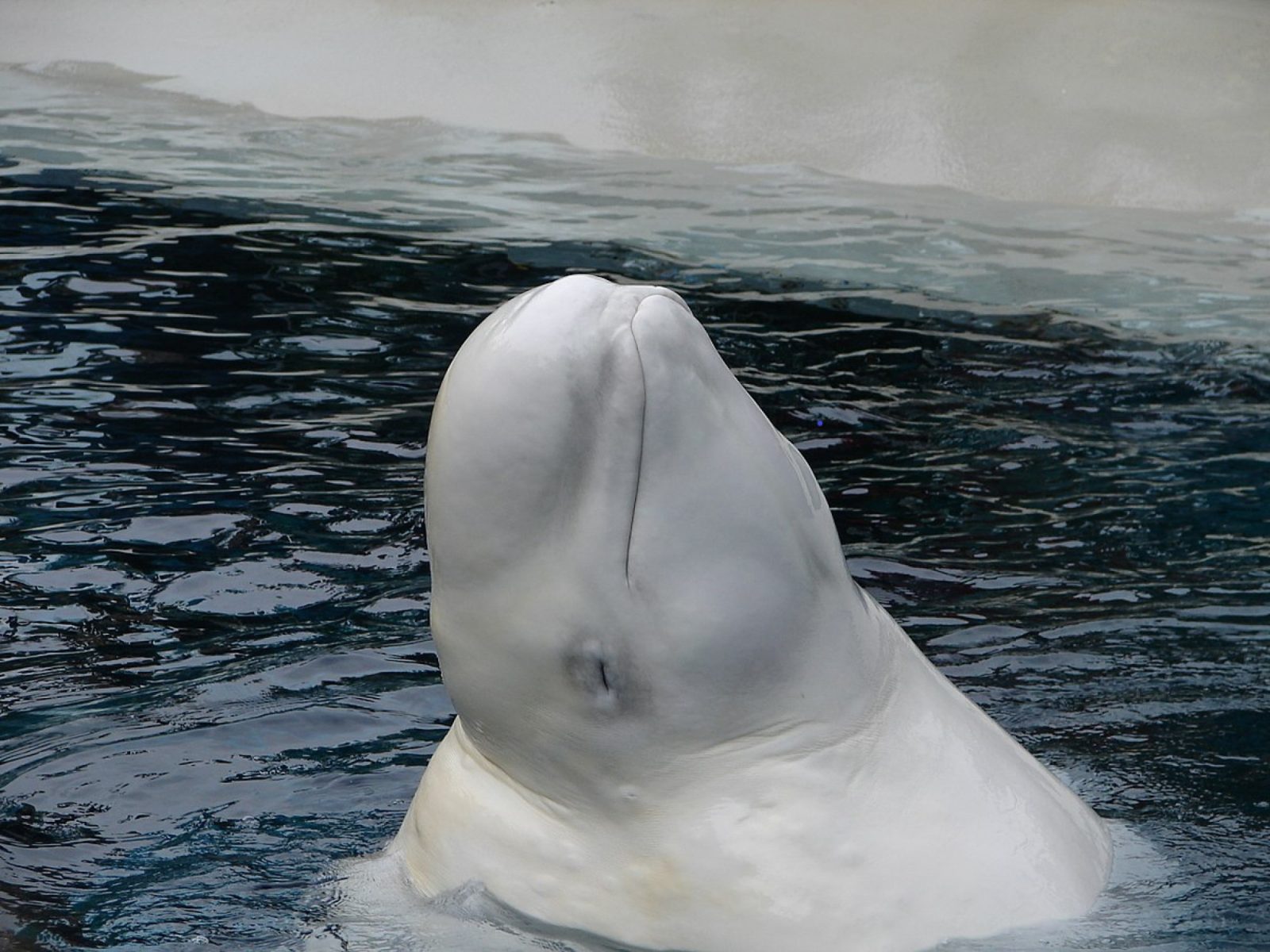
Beluga Whale

Beluga Whale

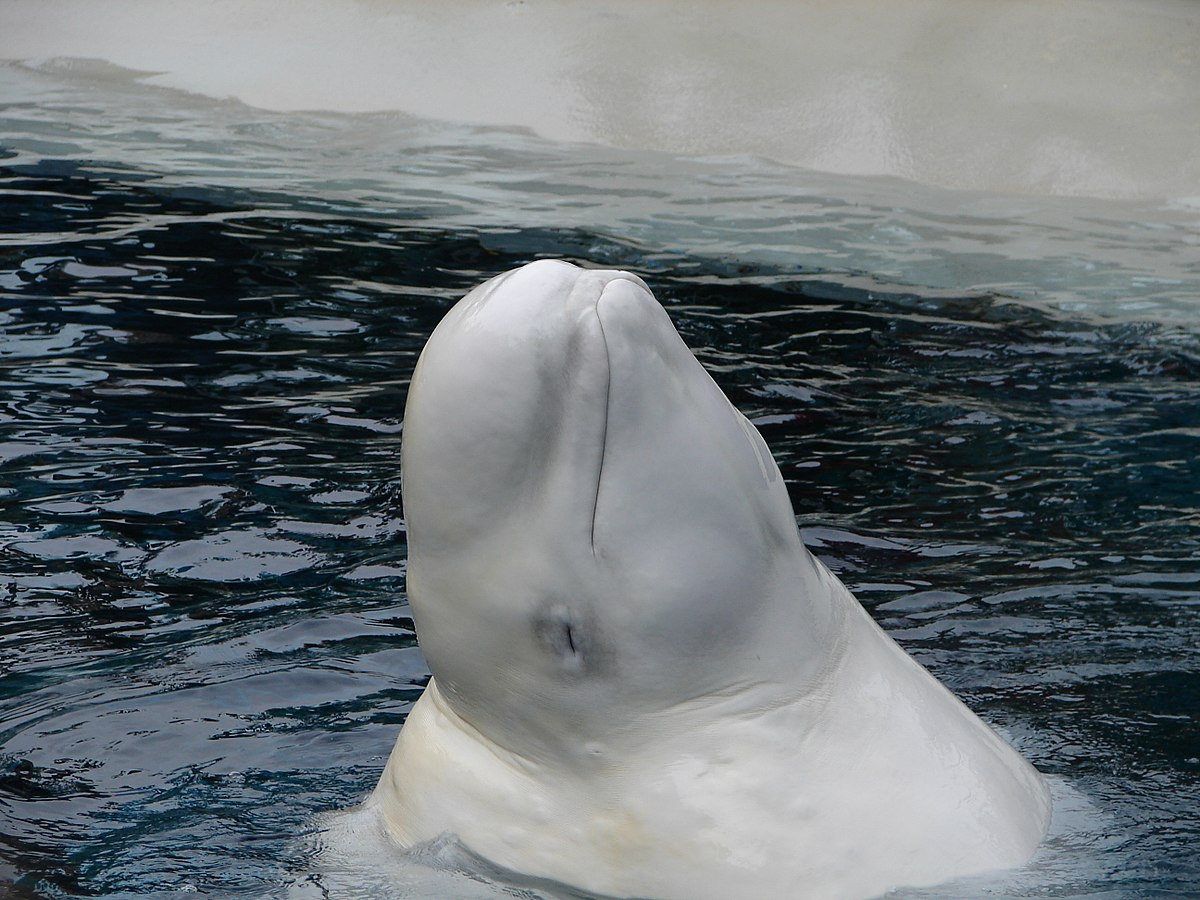
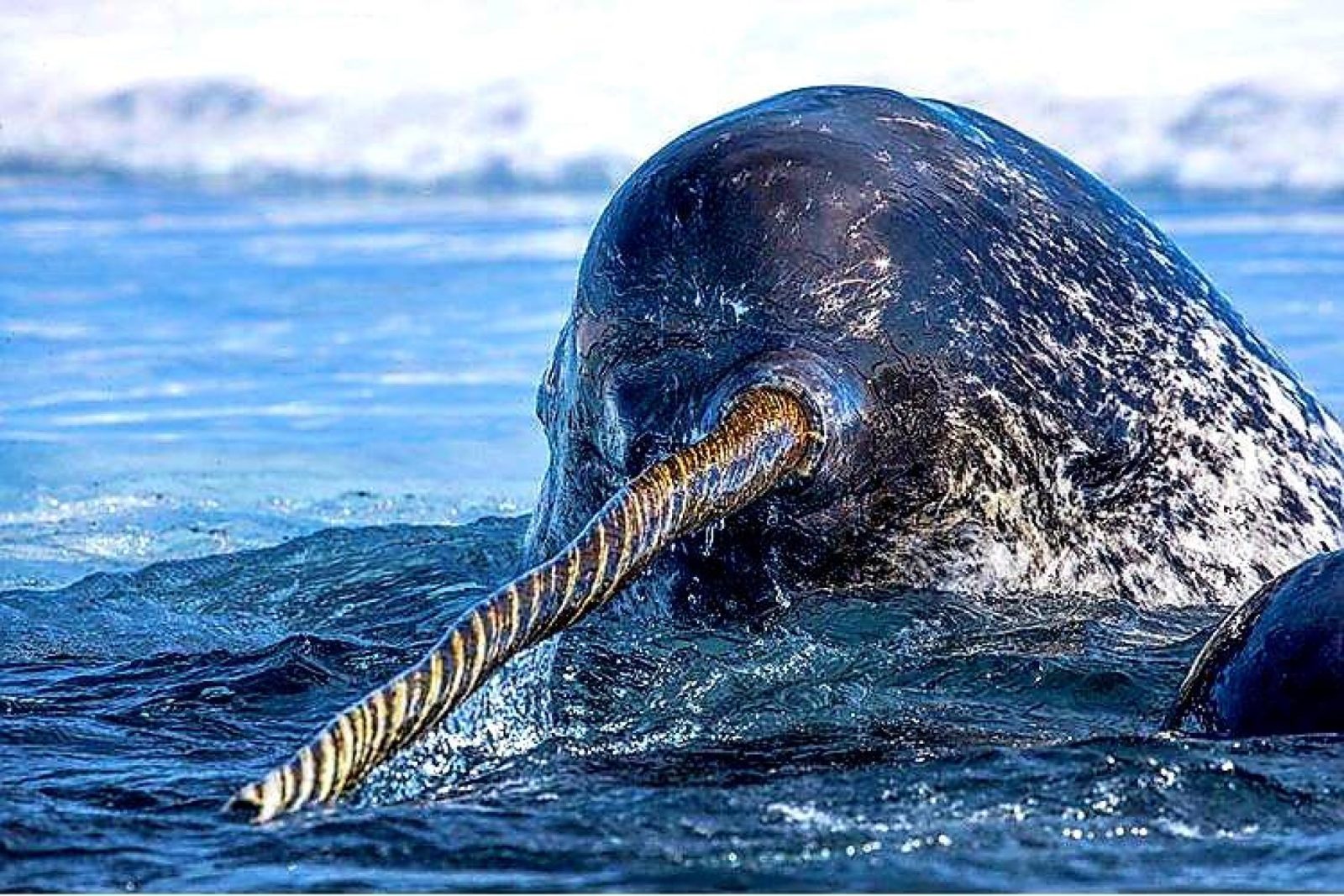
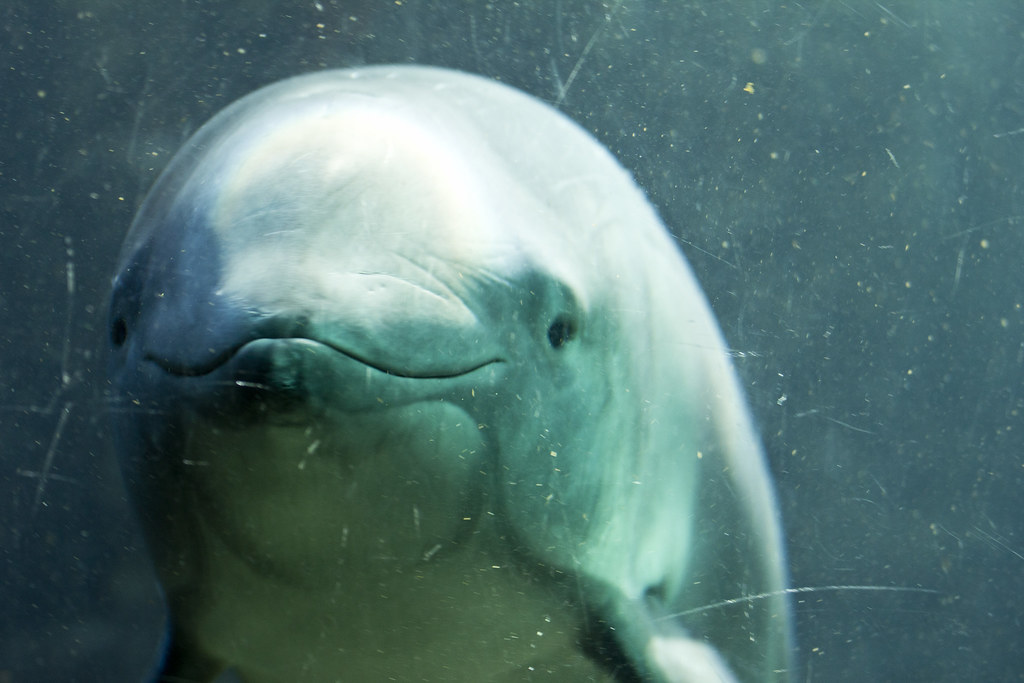
Beluga whales are only found in the arctic and sub-arctic oceans. They are one of just 2 species in their family Monodontidae, and are unique in their genus of Delphinapterus. It is also known as the white whale, the sea canary and the Melon-head (though the melon-headed dolphin is a species of its own, so this name may cause some confusion.
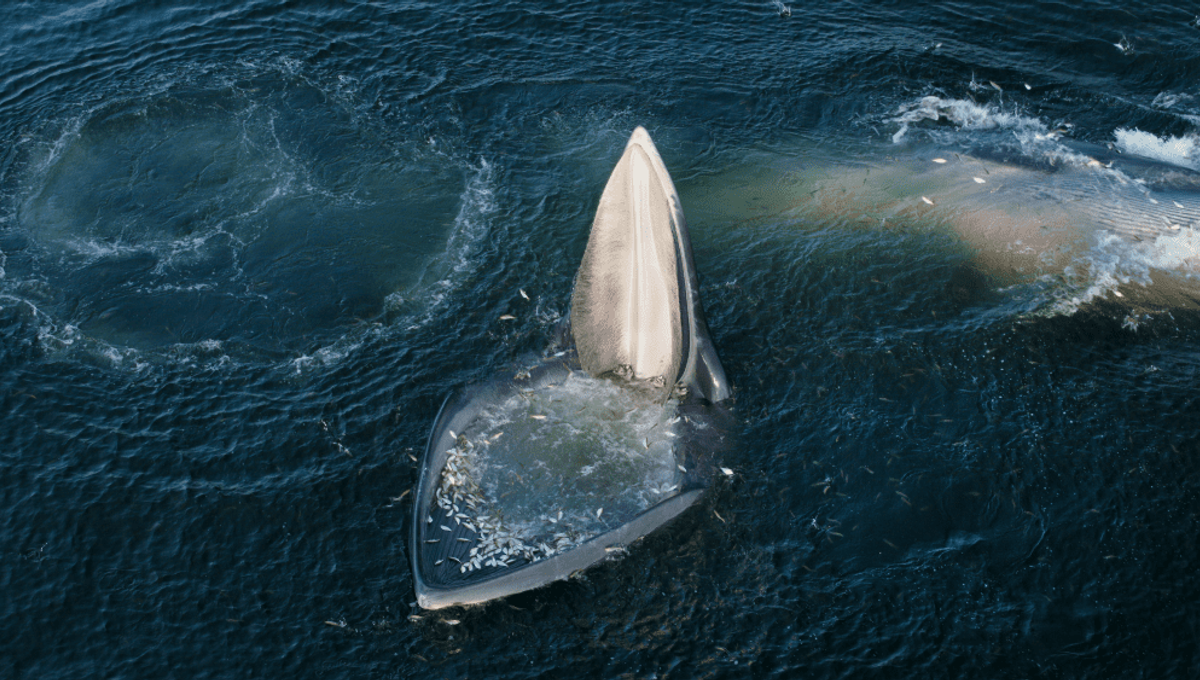
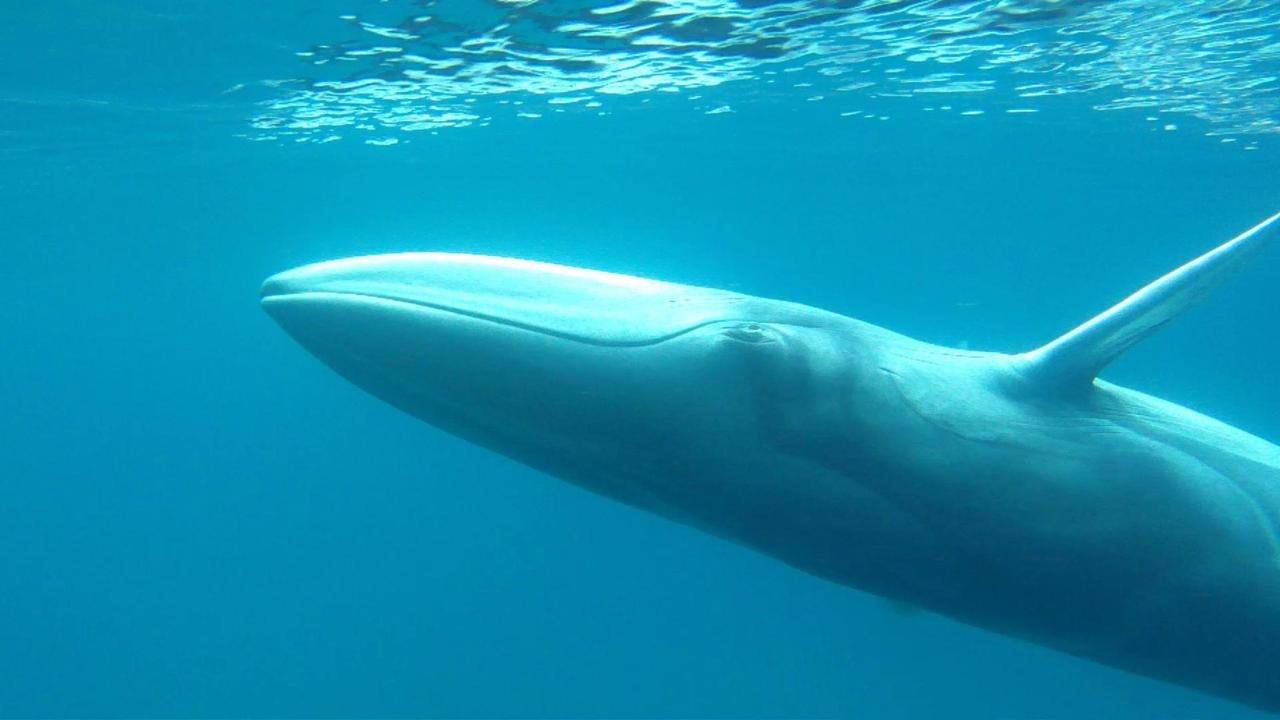
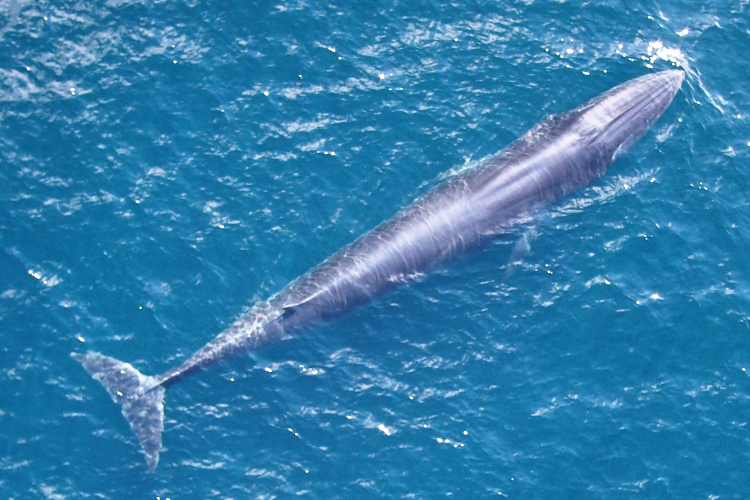
Adaptions it has for the Arctic, include the fact that it is white in colour, allowing it to blend into the white world more effectively, and the fact it has no dorsal fin, which allows it to swim very close to the ice sheet above.

Growing up to 5.5m in length and up to 1600kg they are a pretty large dolphin. Generally, living in groups of around 10, in the summer, they group together in their hundreds or thousands.

The worlds population is thought to be around 200,000, Some populations move from the edge of the ice cap, into rivers in warmer areas, while others stay around the ice caps year round. Groups of people in both USA and Russia have hunted them for many centuries.

Hunting is not controlled, and as such the drop in population could happen quite fast. Russia and Greenland have killed enough to drop their local population significantly, though thankfully not Alaska or Canada.

They do also have their natural predators in both the killer whale and the Polar bear.

They are the most commonly kept cetaceans in the world, with around 300 in captivity. Japan, USA, Ukraine, Canada, China and Russia as well as a few more.

There are 22 populations around the world, these vary from 39,000 down to as little as 500. The total population is around 200,000. While this number is large, the number hunted is definitely not sustainable. There is also no care to distinguish the different populations, which suggests that sub-populations could be pushed to extinction without any care.

Below, you will find a clip from a bbc documentary which features this species. Below this, is a list of any mentions that the beluga whale has had on this site. Below this, I will list any opportunities to see this species in the wild. Click on list your wild place, to list yours. It takes just a few minutes, and costs nothing – we only charge a commission on any business we send your way.

[smart_post_show id="25706"]

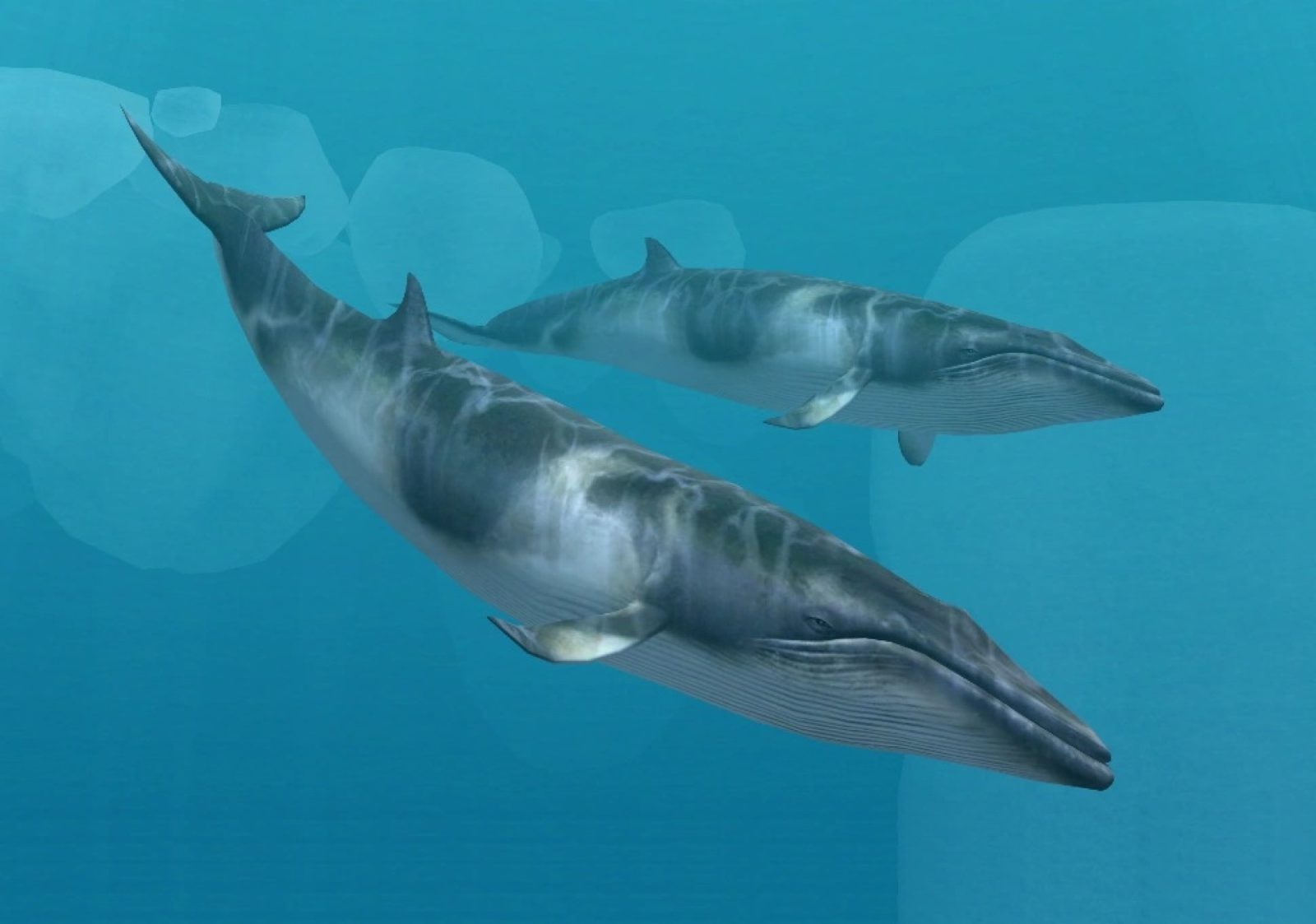
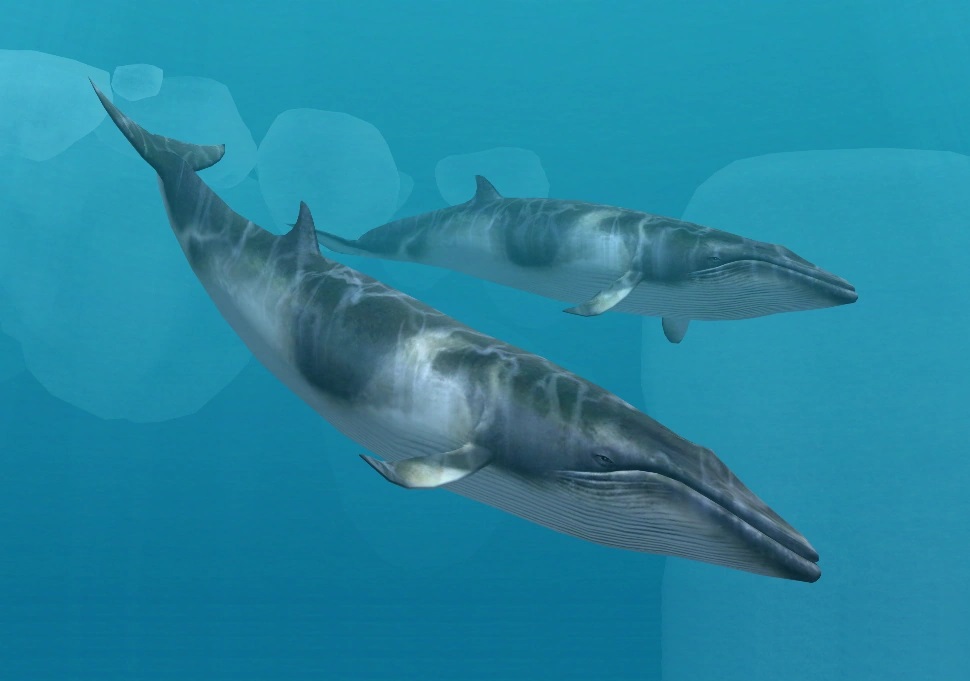
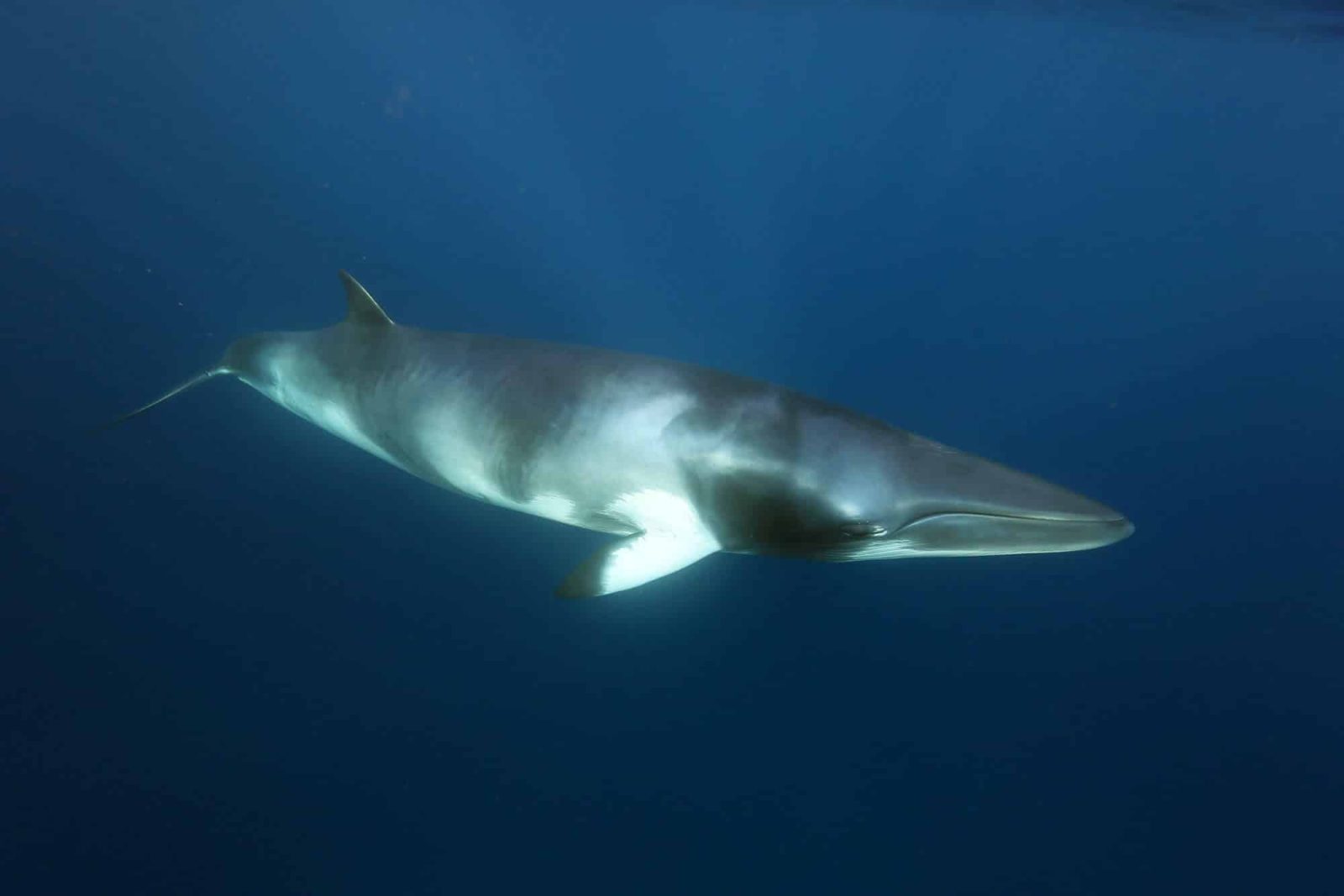
Southern (Antarctic) Minke whale

Antarctic (Southern) Minke whale

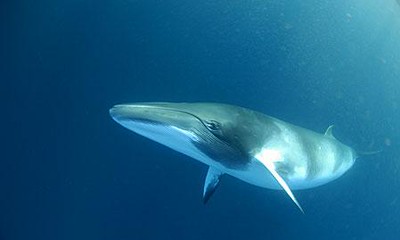
Bizarrely, having been described in the 1850s it was not recognized as a separate species until the 1990s. Thankfully, largely ignored by whalers, it came out of the whaling age with a population that still numbered in the hundreds of thousands – with current estimates falling around half a million individuals.

The Antarctic and the Southern Minke whales are thought to have diverged around 4.7 million years ago. They are found throughout much of the Southern hemisphere.

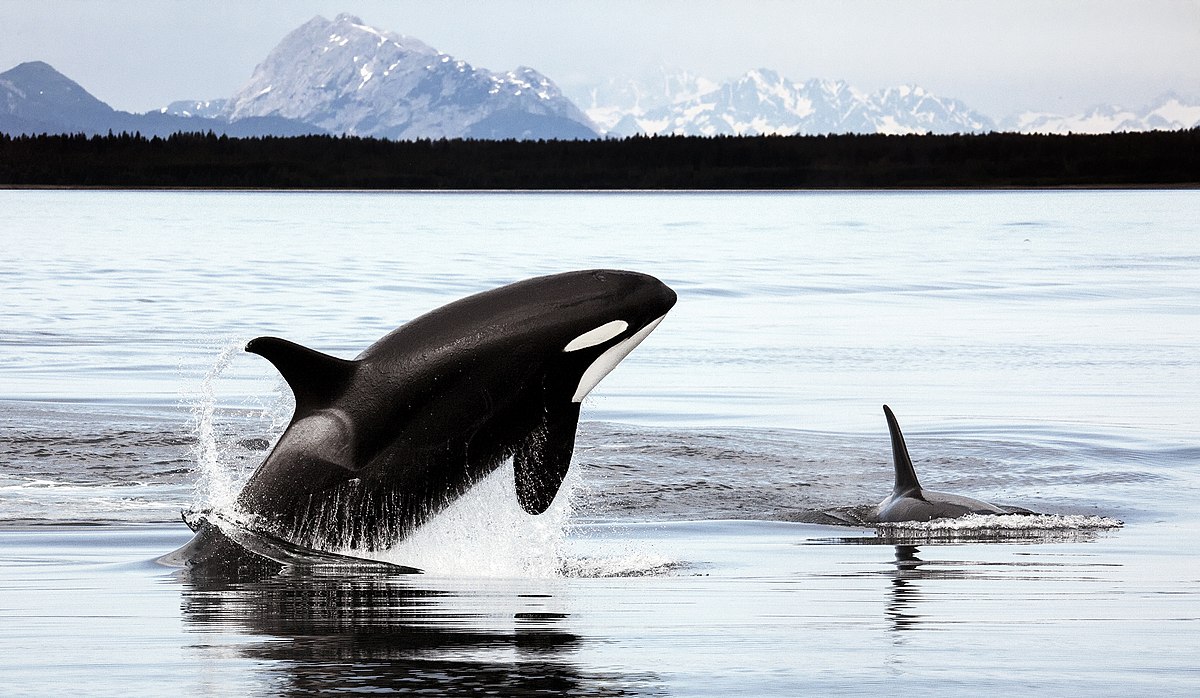
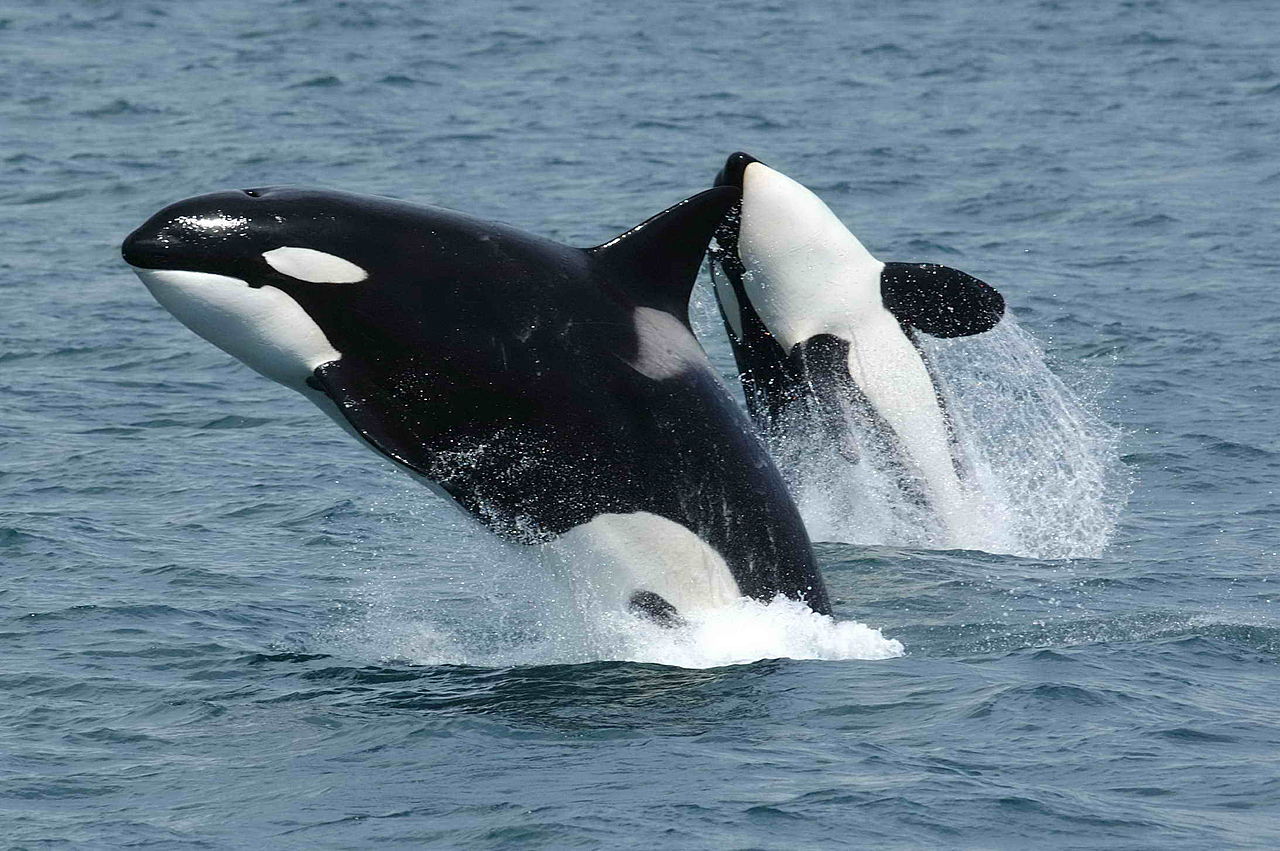
They are the main prey item for type A killer whales, with multiple occasions this hunt having been watched. There has been a recorded occasion when a group of 10 type B killer whales also killed one of these whales.

[smart_post_show id="25211"]

Whales, Dolphins and Porpoises family tree

Cetaceans -Whales, porpoise and dolphins

Few people can avoid stopping to watch, if they spot cetaceans from a cliff. While the family is wide and varied, they are all pretty interesting. From some of the largest and most intelligent hunters such as killer whales to the largest animal on earth the blue whale.

Whale and dolphin watching tourism is worth a lot of money – this can be essential, as in many places the extra money helps a community survive. 

I hope, overtime, to make this section of the website as large a list of places to view cetaceans and people who will help you in that quest.

As might perhaps be suspected, all of the mammal species which have returned permanently to the sea, and developed breathing holes located on their back (and therefore perfectly placed for taking quick breaths) are  related.

So what is the most closely related living land mammal? Perhaps obviously, it is a species which spends much time in the water – the hippopotamus.

As with all of these pages, as we create pages for each individual species, they will be linked to the photo below.

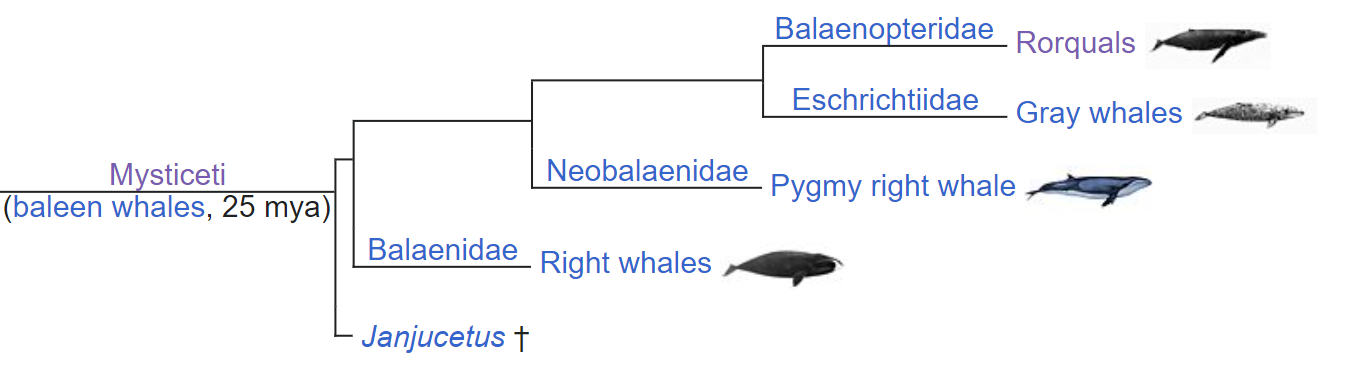
So the baleen whales are split into three families, these are not large as there are only 16 species of baleen whales in the world. At the current time, there are roughly 1.1 million baleen whales in the worlds oceans

Below is a family tree of the group


Baleen Whales

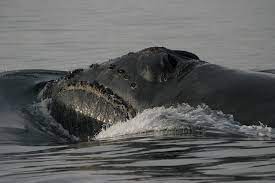
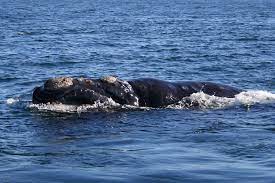
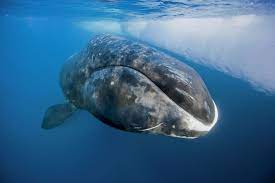
Baleenideae – the rhight whales


The first  living split is Baleenidae, this family is not huge. The north atlantic and north pacific are closest related, these species are closely related to the Southern pacific right whales. Their name is unfortunate – it is called right whale for 3 reasons, it swims slowly, floats when dead and carries a large amount of oil. This lead to all these species being hunted close to extinction.

The other family is called Balaenopteroidea. Here species peel off slowly. I will list them in the order that they split.

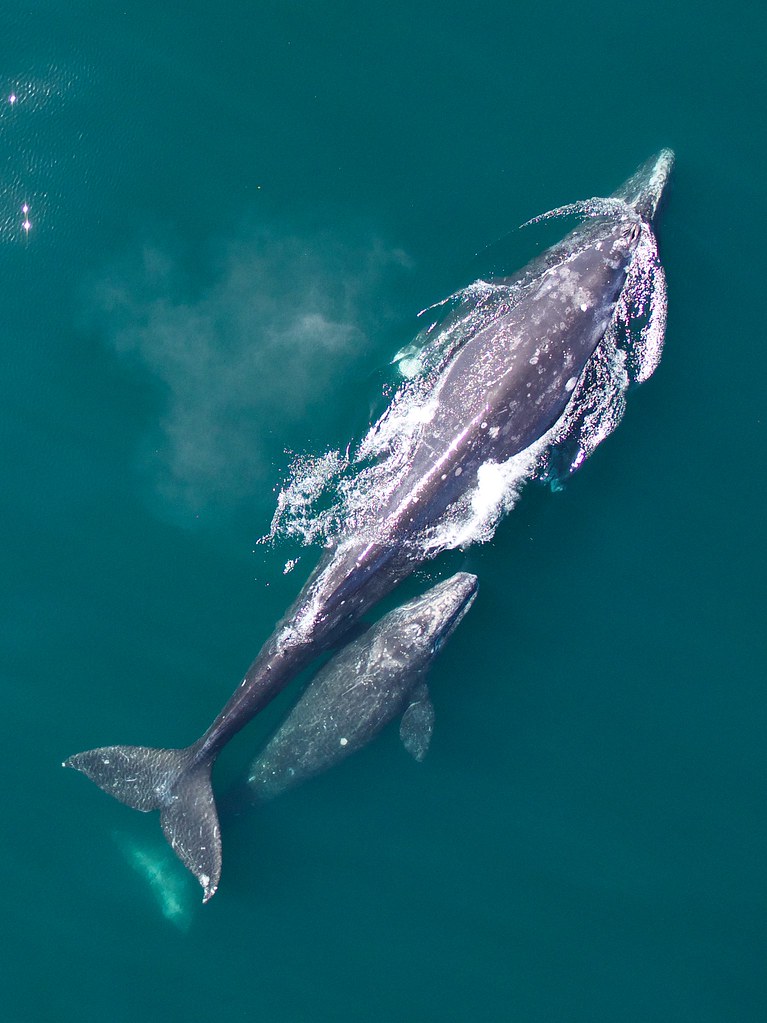
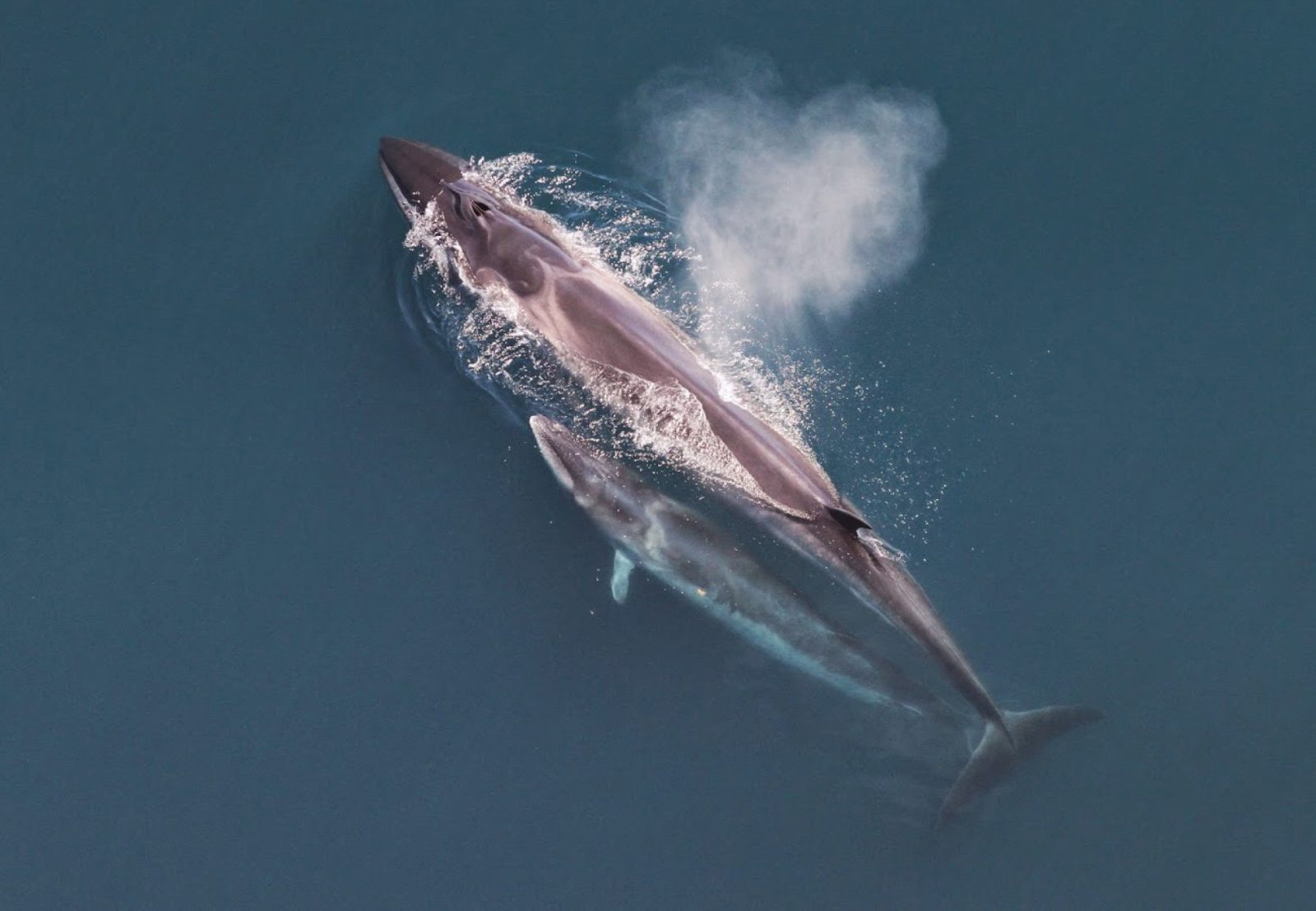
The first split is the minke whale – of which there are 2 species, the common and southern minke whale, with the grey whale being the next most similar.

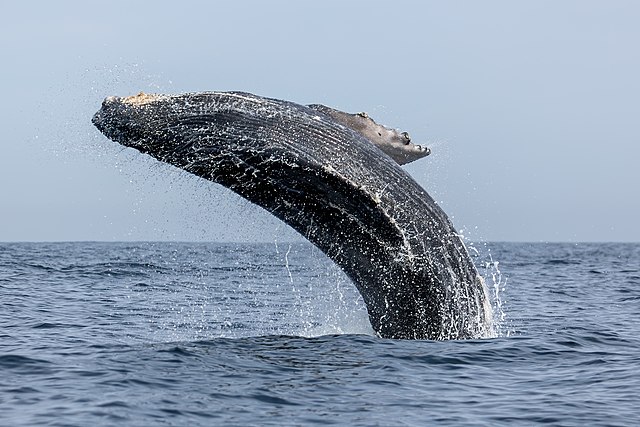
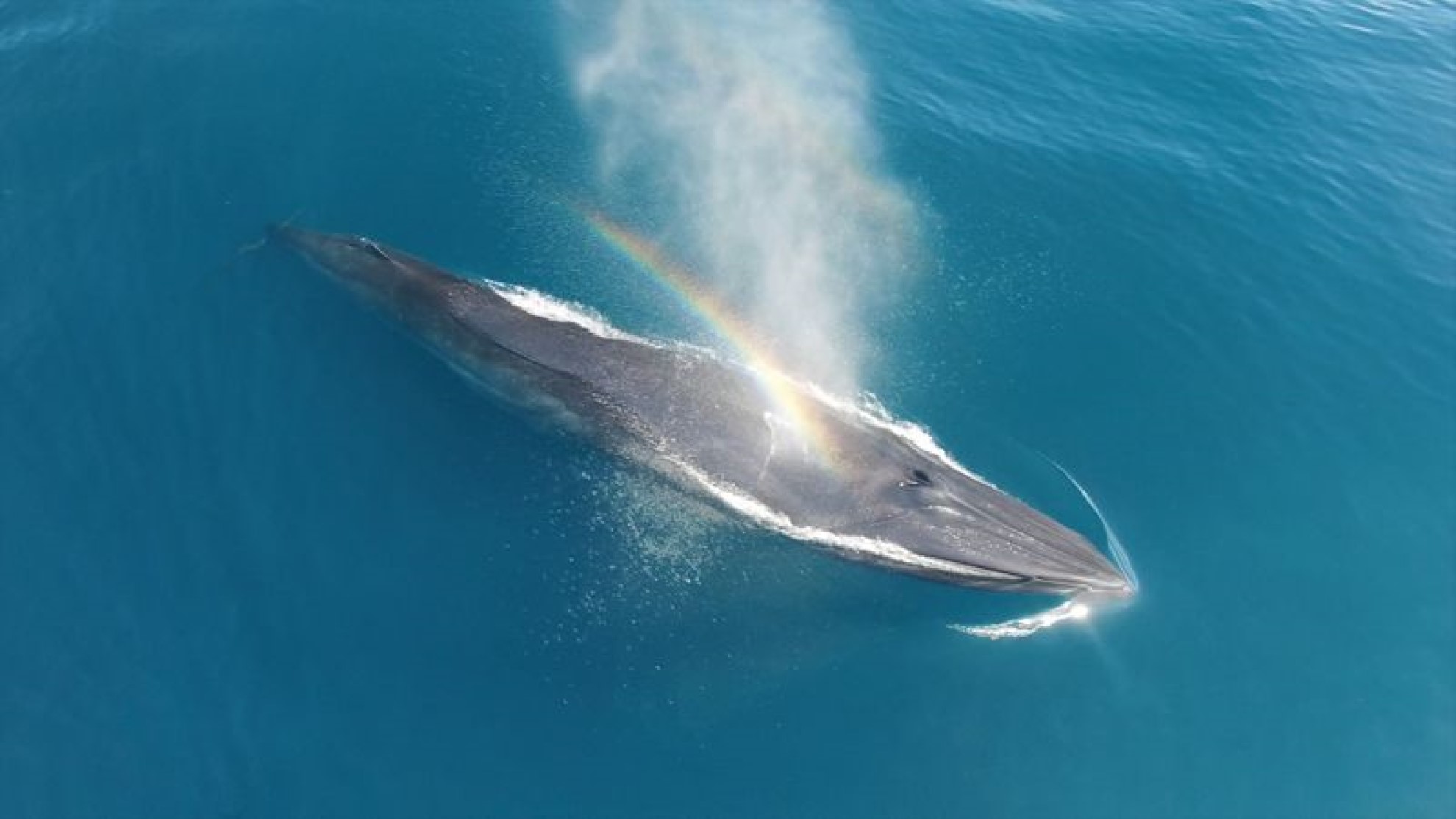
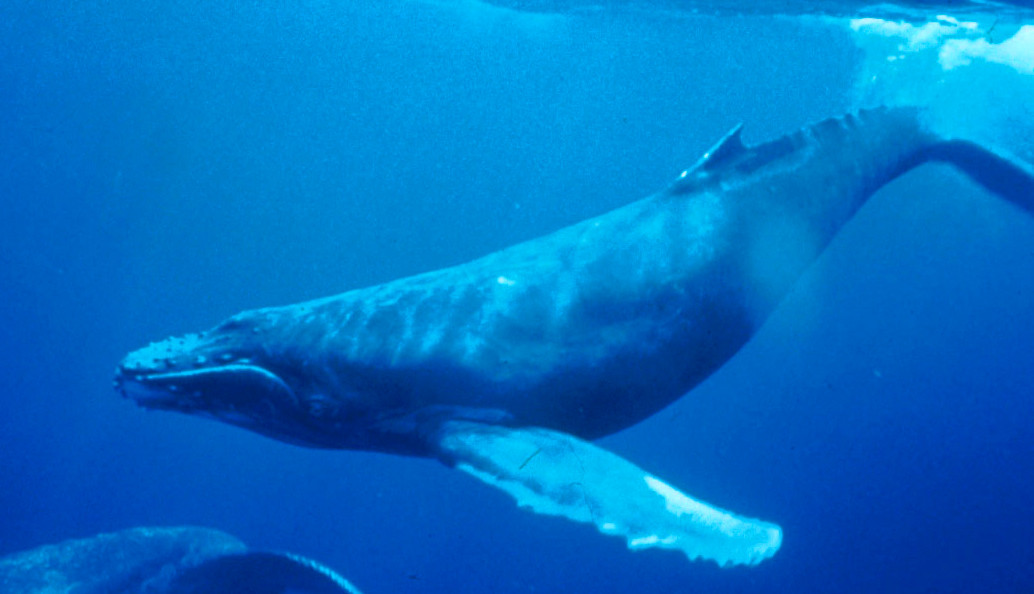
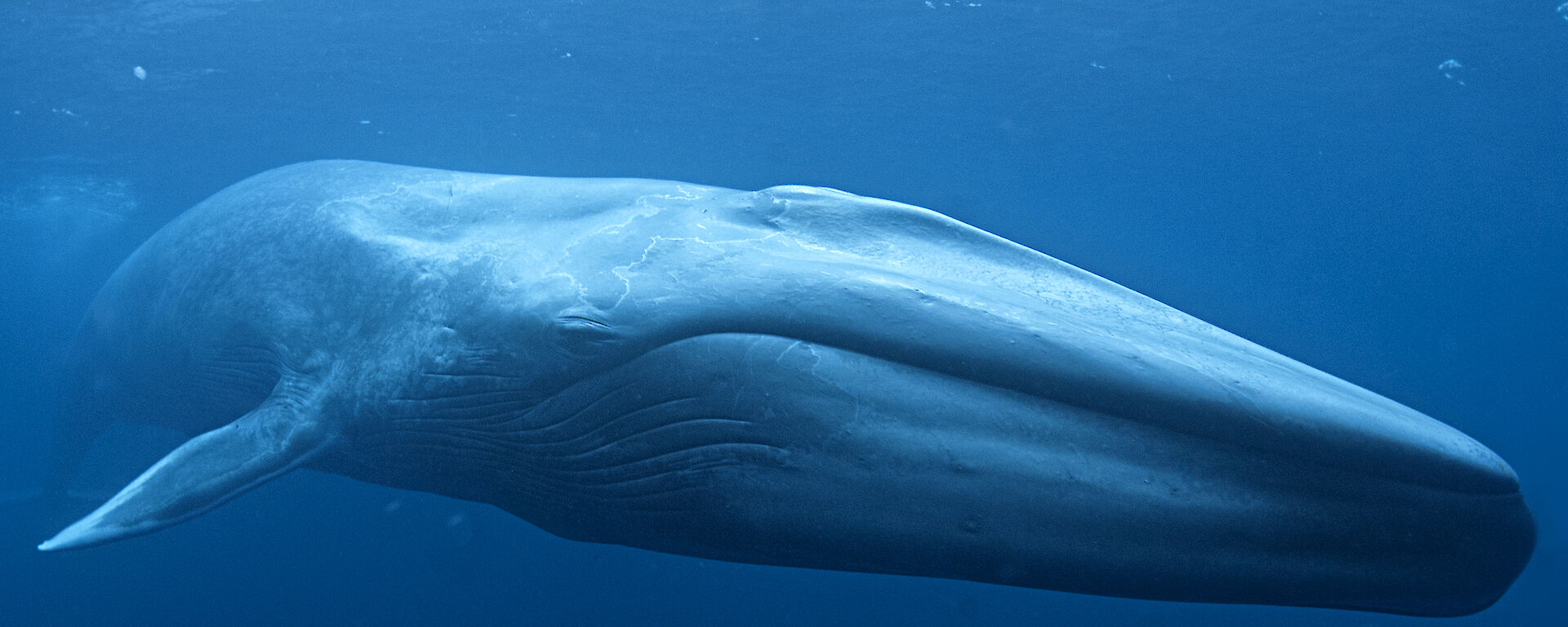
The next are the humpback whale and the fin whale followed by the Blue whale.

The last group of whales are from a group called the Brydes whales complex

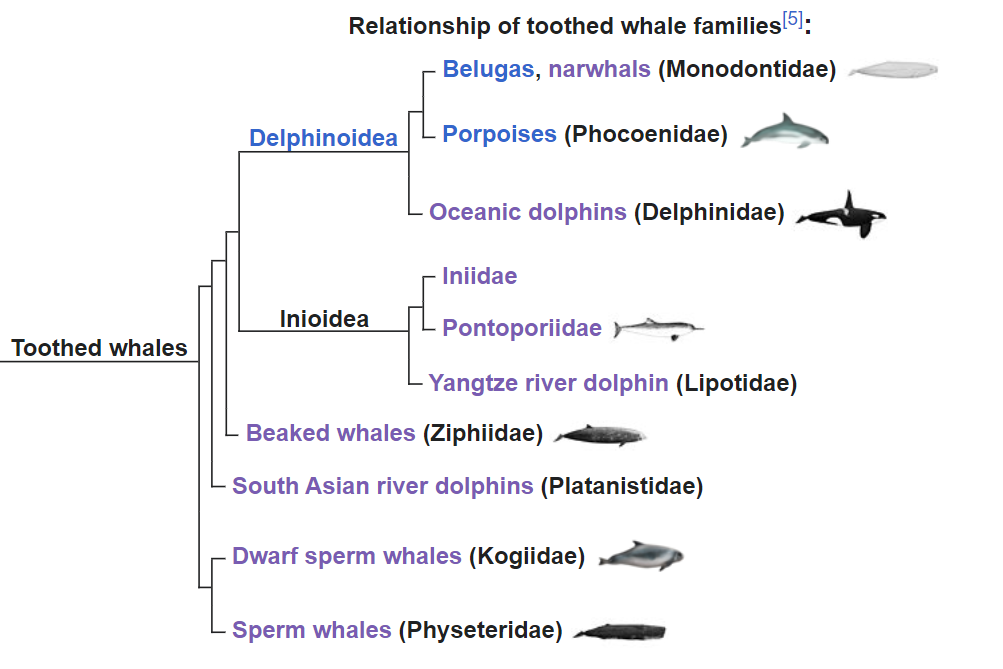
This completes the list of baleen whales. The other branch of the Cetaceans is known as the toothed whales

Toothed Whale

.I am going to look at them in 3 groups, though the third is not particularly closely related to each other

  • Delphinoidea: This includes
    • Monodontidaes – Belugas and narwhals
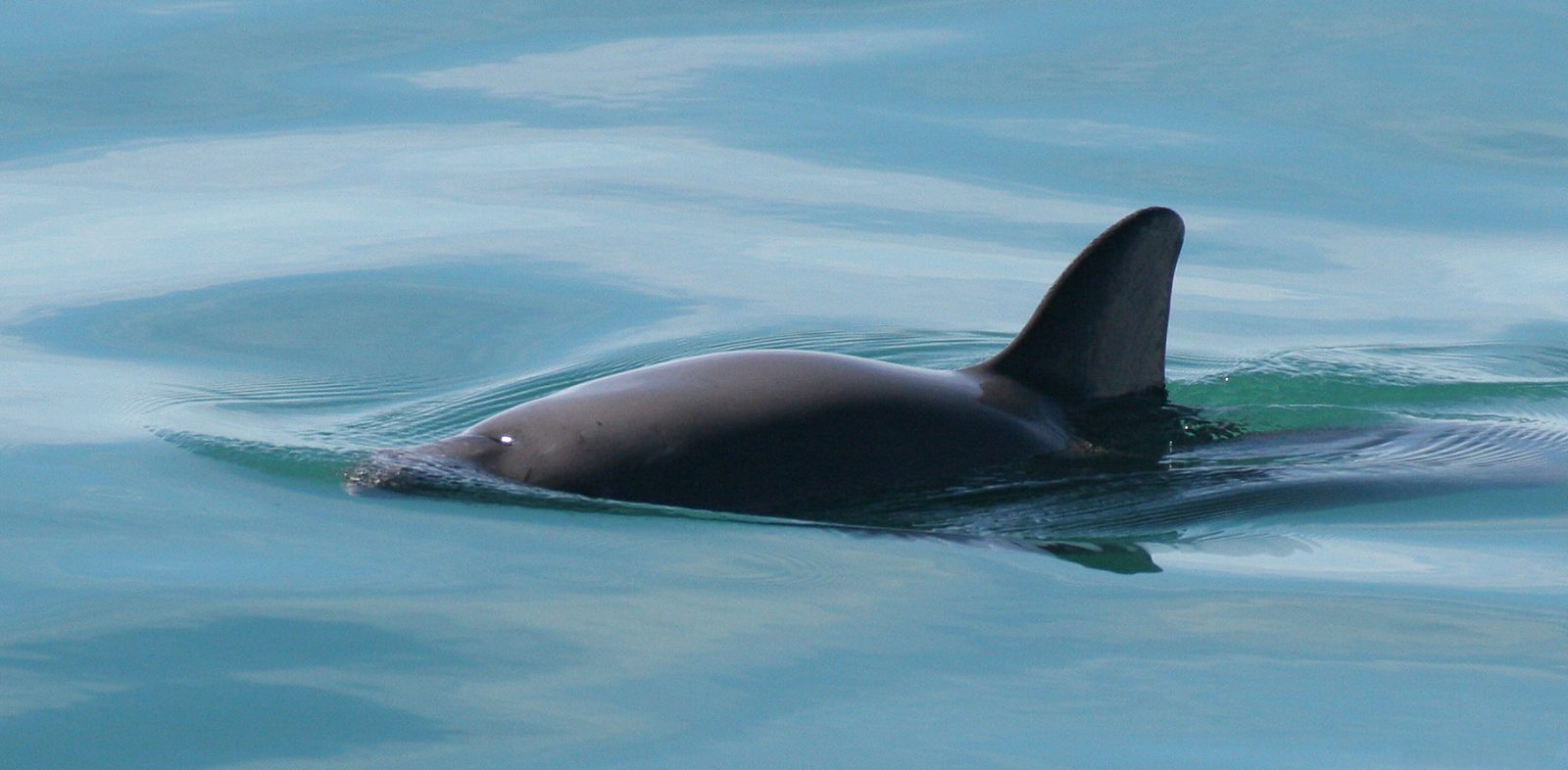
    • Phocoenidae – The family of Porpoises (7 species) such as harbour porpoises and Vanquita


    • Delphininidae – these are the oceanic dolphins – 37 species split into several subfamilies which we will deal with one by one.
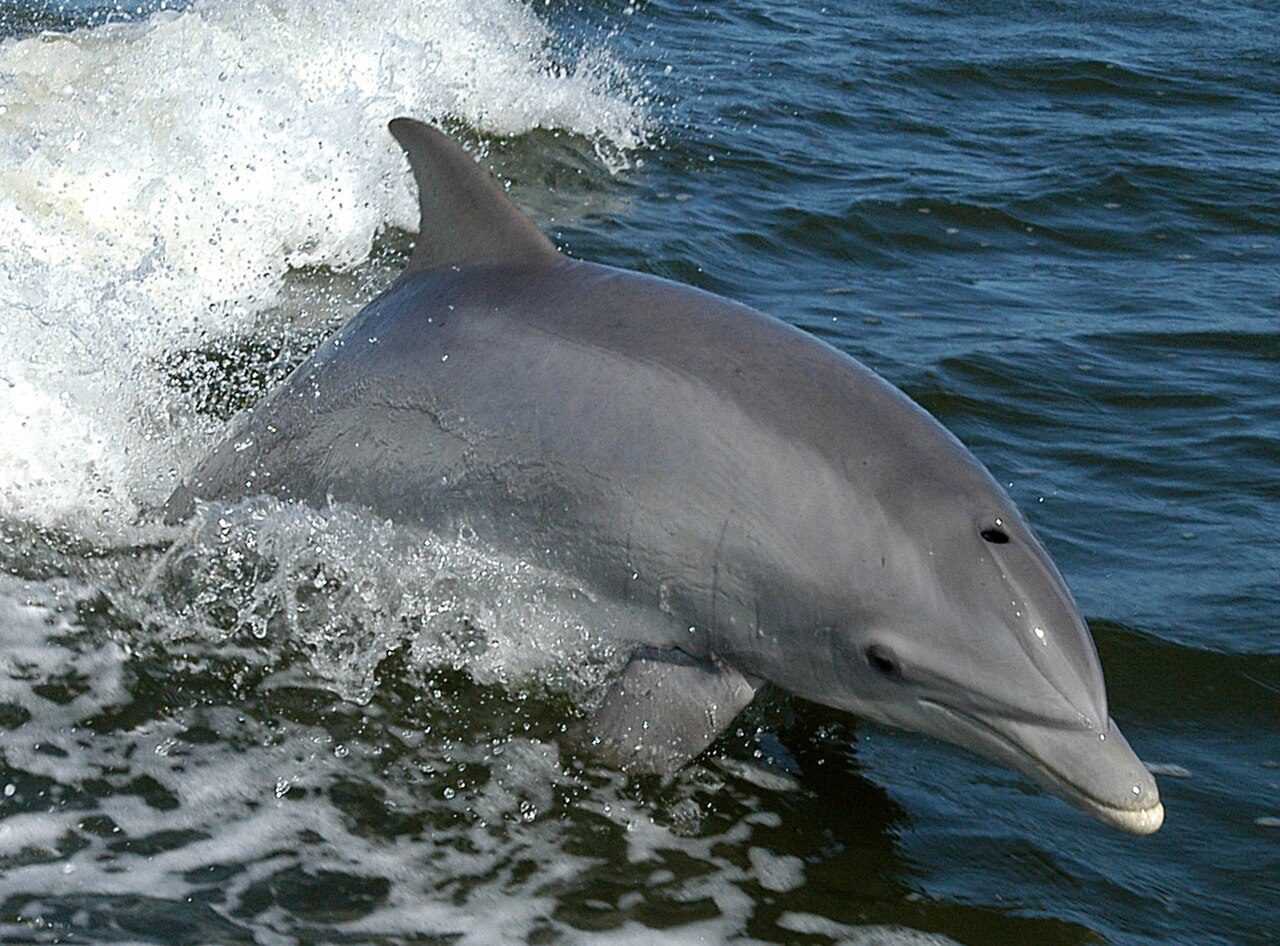
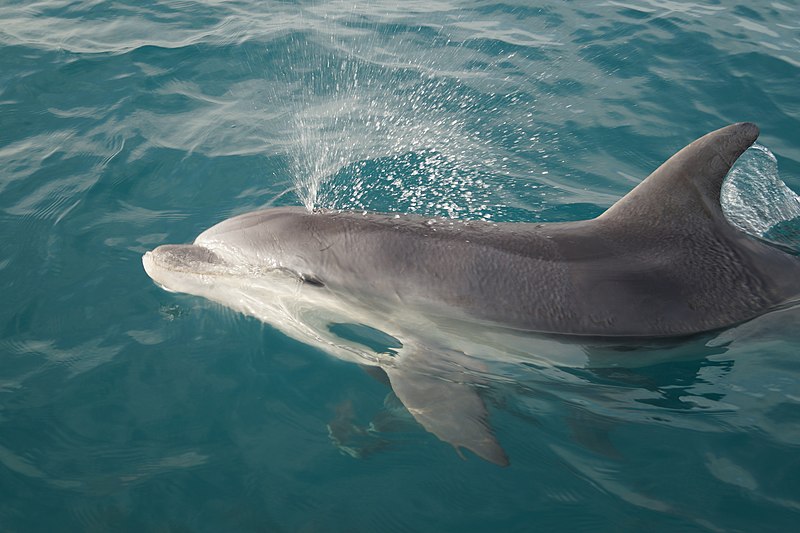
Subfamily Delphininae – 15 species (tamanend bottle nose dolphin only recognized as separate species, will build page for it at some point when photos are readily available.

Subfamily  Globcephalinae 11 species

Subfamily incerta sedis (latin for “of uncertain placement” )6 species

Subfamily Lissodelphininae 6 sppecies

Subfamily Orcininae

  • Inioidea : This includes 3 groups
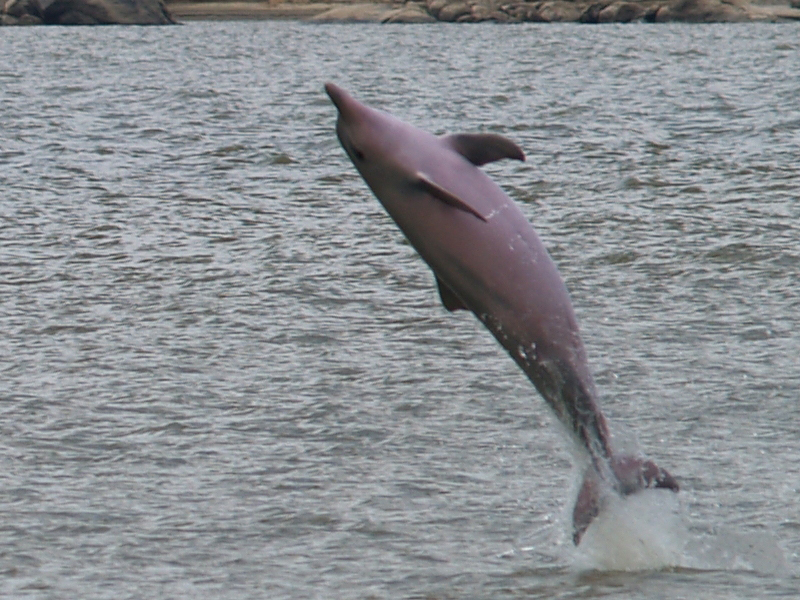
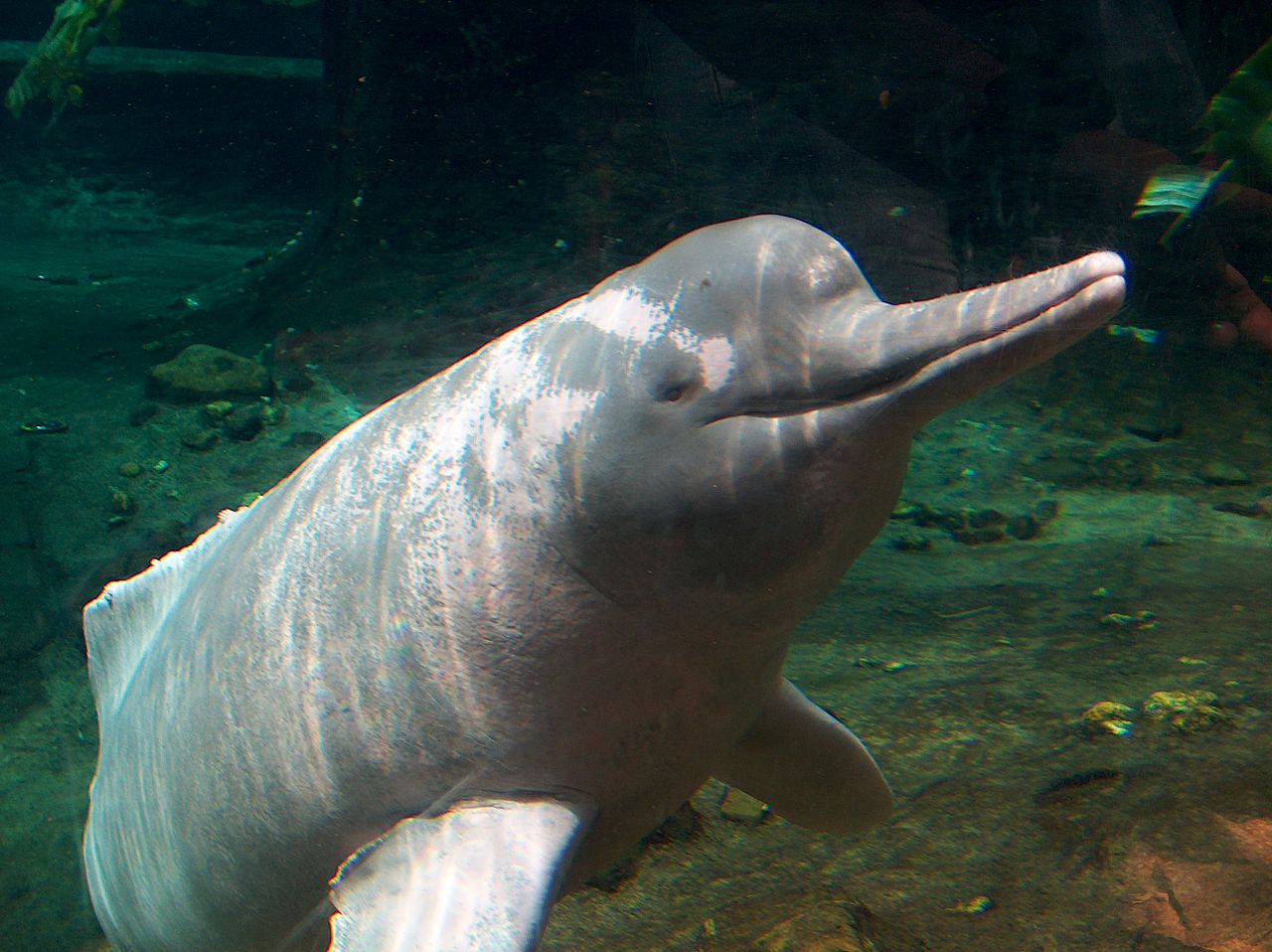
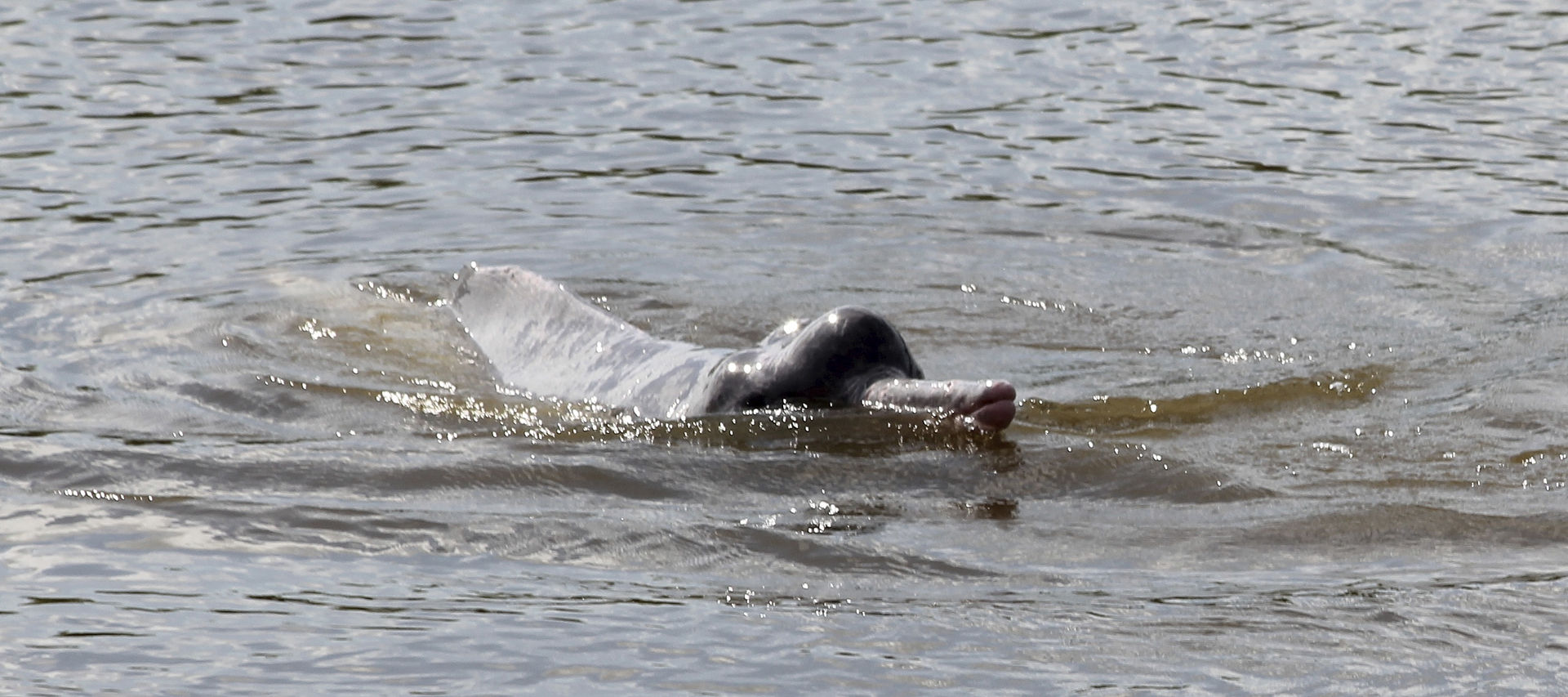
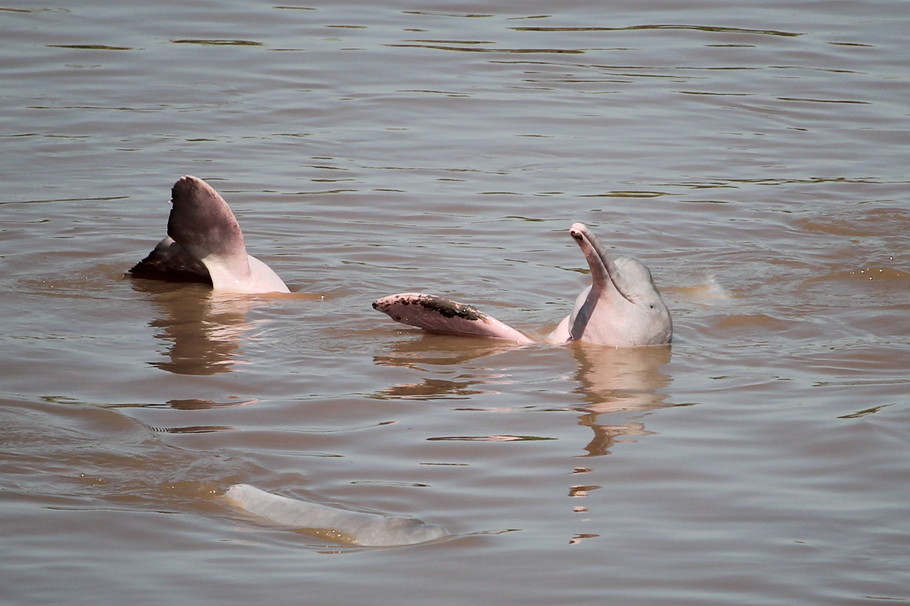
    • Iniidae (only 1 of 5 genus remains -Inea (4 species: Araguaian river dolphin, Bolivian river dolphin  and Orinoco dolphin)
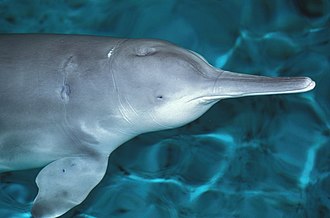
    • Lipotidae: which contains only one species: the Baiji or Chinese river dolphin
  • Pontoporiidae: which contains one species 

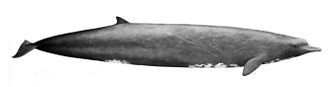
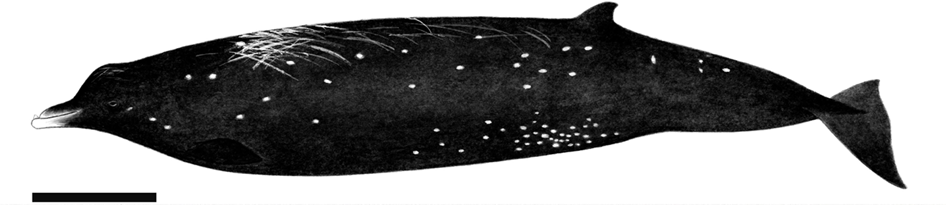
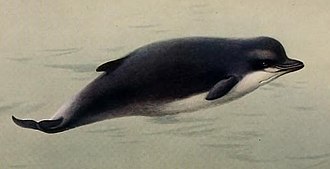
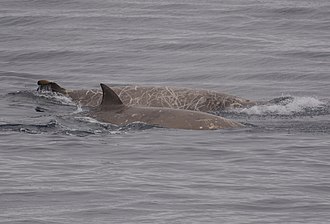
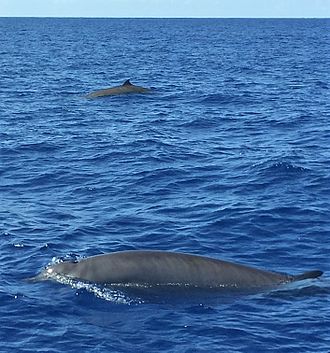
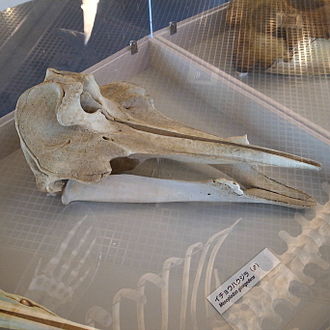
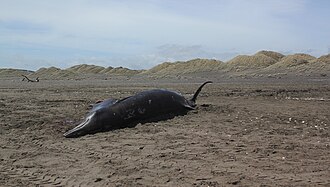
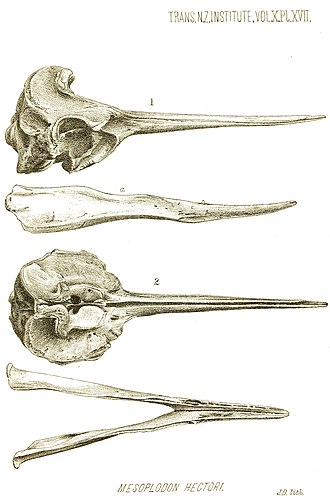
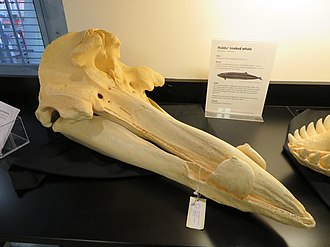
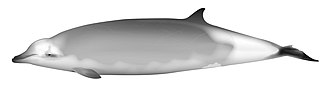
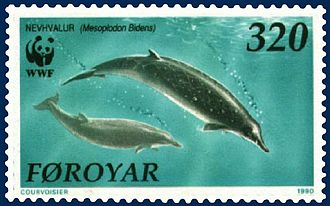
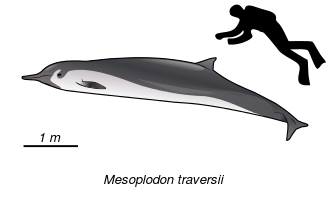
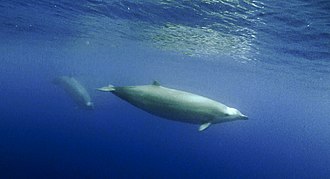
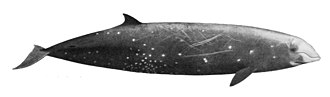
The next family is the beaked whales. There are 24 species, of which only 3-4 have been well studied. This is because they spend much of their time deep in the sea, it appears that each species does not have many members and they are incredibly reclusive in their habits.

One might ask how an air breathing animal can spend so much of its time deep in the ocean? Well the Curved beaked whale has had a dive timed at 138 minutes. More incredible, they only need around 2 minutes to catch their breathe before sinking back into the depths. This means that if required, they can spend just 20 minutes out of 24 hours at the surface – an incredible stunt.

There appear to be a great number of species that are extinct – these we will not list, but will mention each subfamily in passing.

Incertae sedis contains 5 extinct genus, Basal forms include 13 extinct genus

Subfamily Berardiinae contains 3 genus, 2 of which are extinct, but the third contains 3 living species (and one dead) .  

Genus Beradius


Next we cover the Bottlenose whales

Northern                                                                                                                     Southern and                                                        Tropical

Subfamily Ziphiinae  contains 5 genus, 3 are extinct, but two have just one species in each

Genus Tasmacetus: Shepherds beaked whale Genus Ziphius: Cuviers beaked whale

Click on the image to see it in full

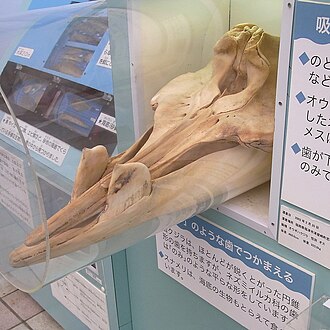
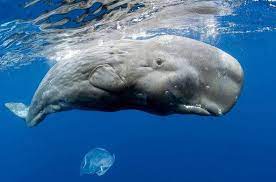
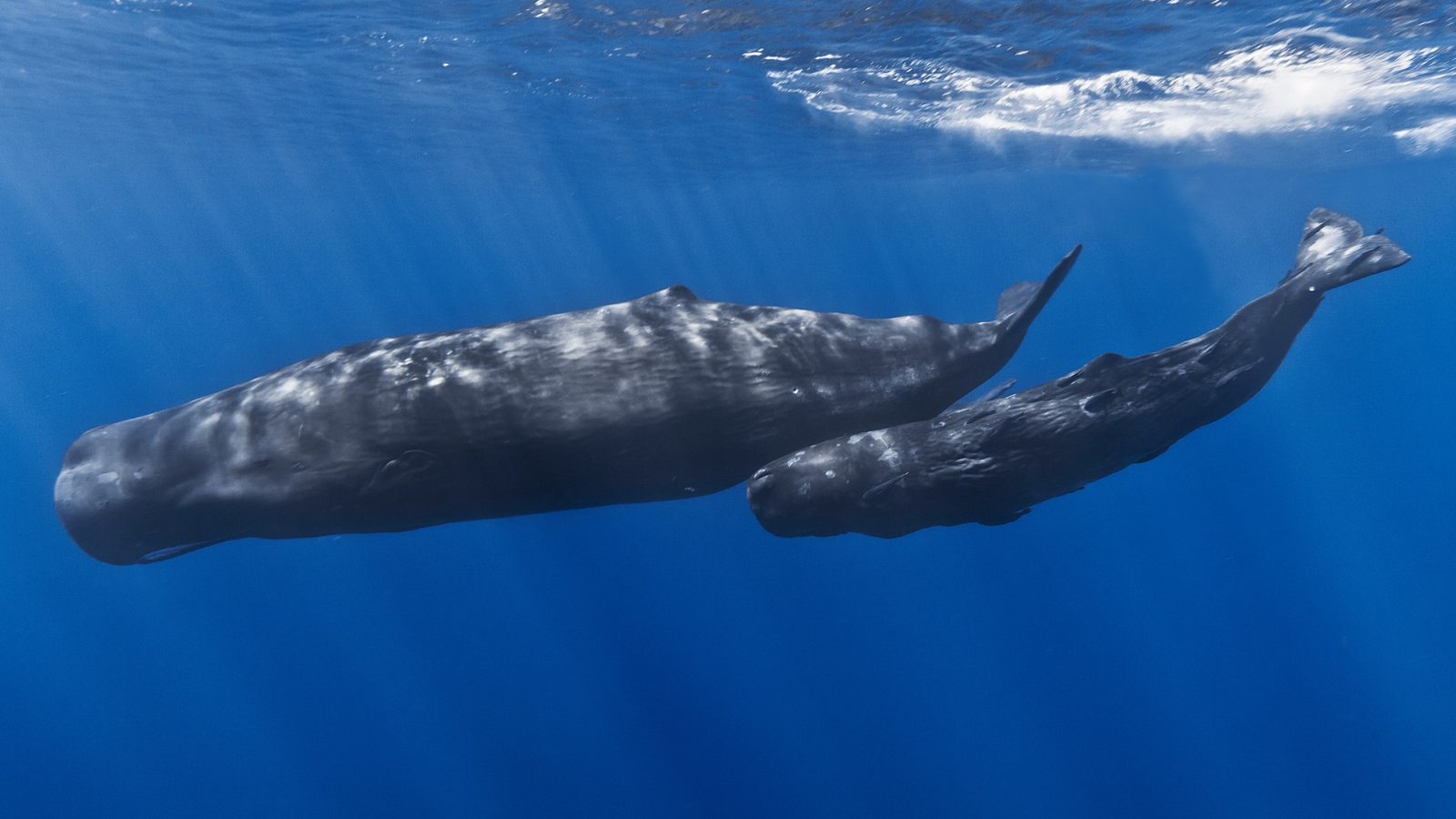
As you can see from the whale family tree, the sperm whales are separate from the rest. However, they are toothed whales so belong in this section of the page.

African Dwarf crocodile

African dwarf crocodile

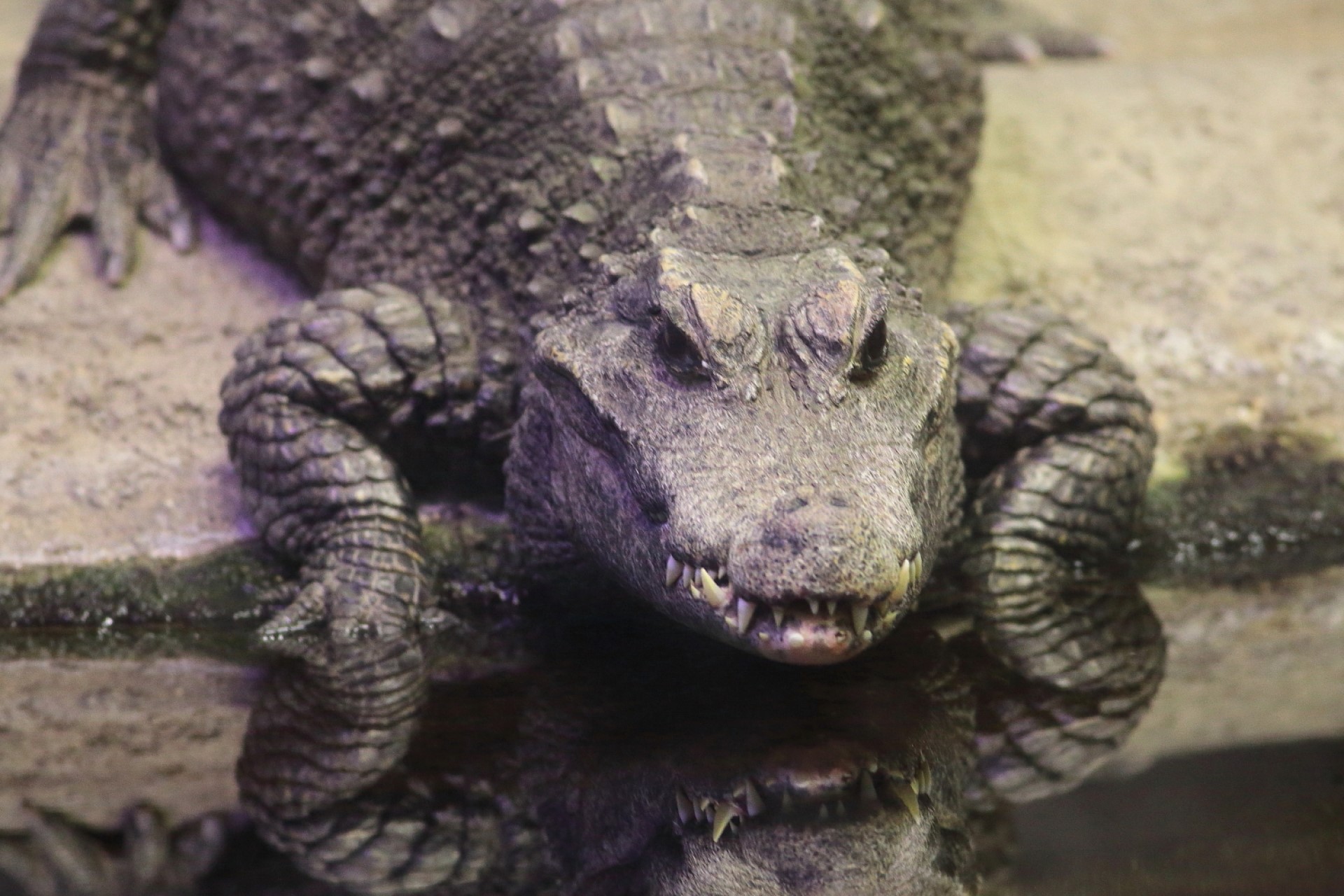
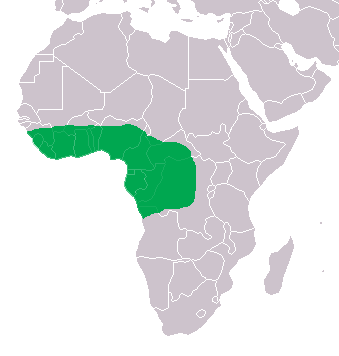
The dwarf crocodile (also known as the African dwarf crocodile, broad-snouted crocodile -a name more often used for the Asian mugger crocodile) or bony crocodile), is an African crocodile that is also the smallest living species of crocodile.

Found in lowlands to mid-height areas, in small and mid-size streams (they avoid large rivers). Generally, they live in rivers that lie in rainforest, though they will venture into the open.

They are known, in places, to be found in pools deeply isolated in Savannah. In western Gabon, there are also a group which have been living long-term in caves. It is considered vulnerable by the IUCN and is Appendix i of CITES. Where they are declining, it appears largely as a result of deforestation and hunting for the bushmeat trade. As a result, while in some regions they have a healthy population, in others (like Gambia and Liberia) they are almost lost.

In zoos in the USA and Europe there are a few of this species, however, records are not good, and quite a few of them are clearly hybrids with little conservation use. I should note, a zoo I occasionally volunteer at (marwell zoo) had one of these crocodiles until last year when it went to another zoo for breeding.

We hope to be able to list places for you to visit to see this species as soon as possible. Any of these will appear below the video and the news section (this lists all the times that this species has been mentioned (if any) in this blog). Below this, we will list all the easiest places we have connections to, to see this species.


[smart_post_show id="27558"]

Bovidae family (including Aegodontia &Boodontia & Caprinae) or Antelope family tree

Bovidae family (including Aegodontia &Boodontia) or Antelope family tree

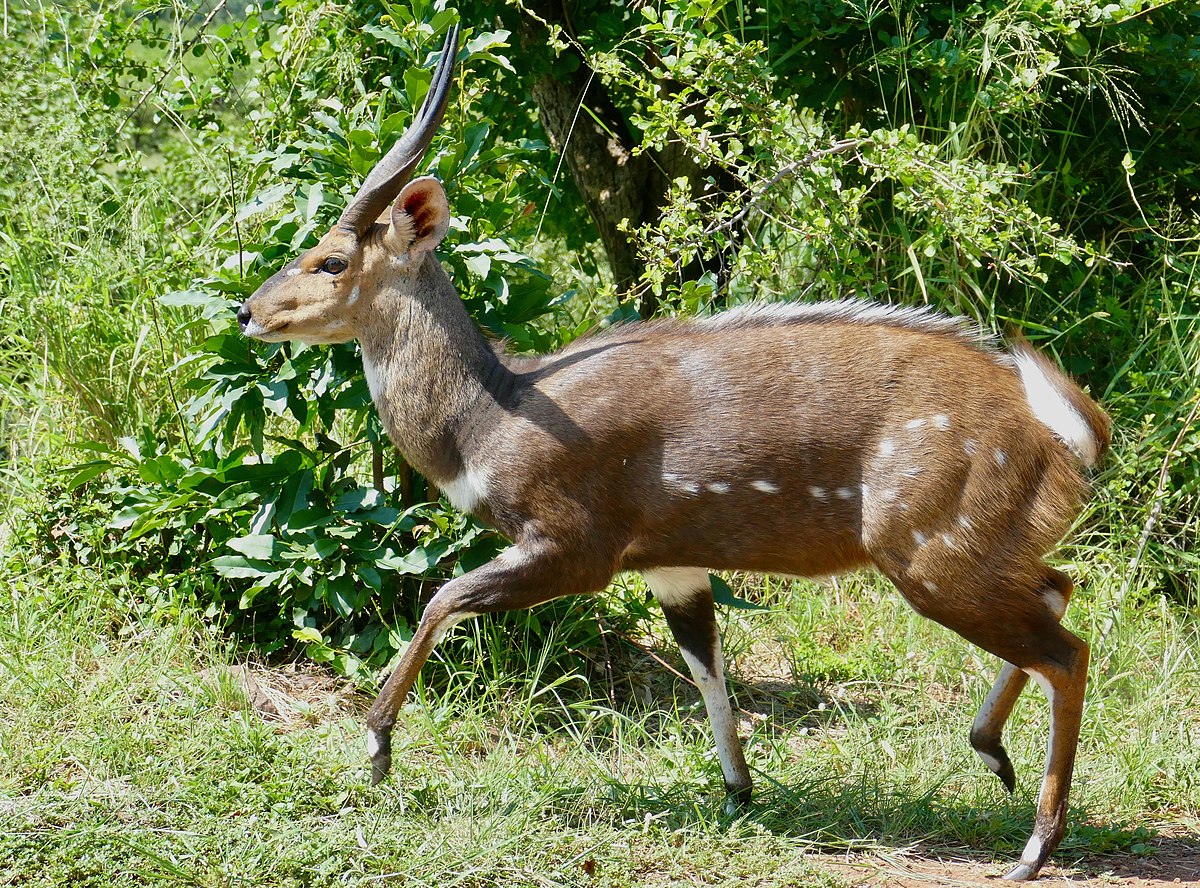
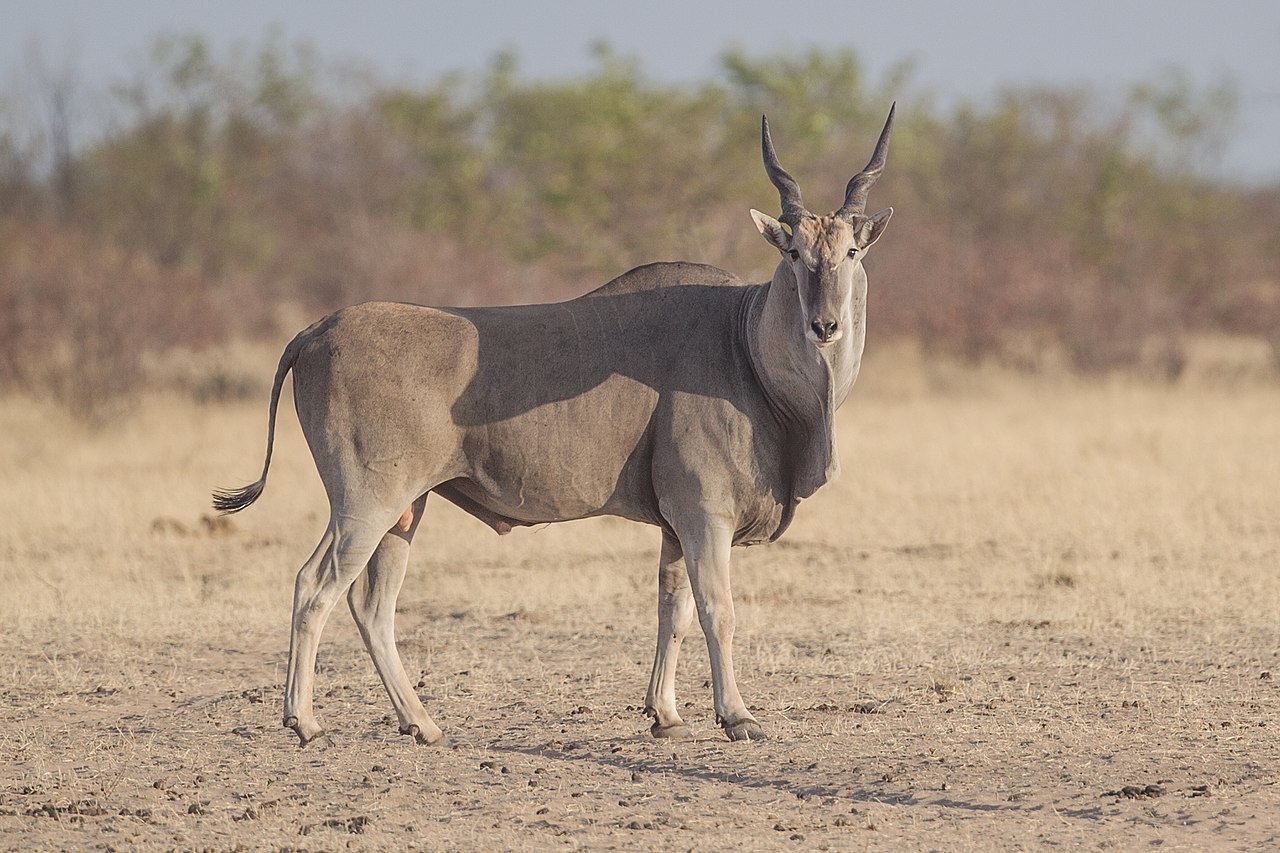
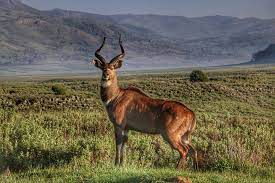
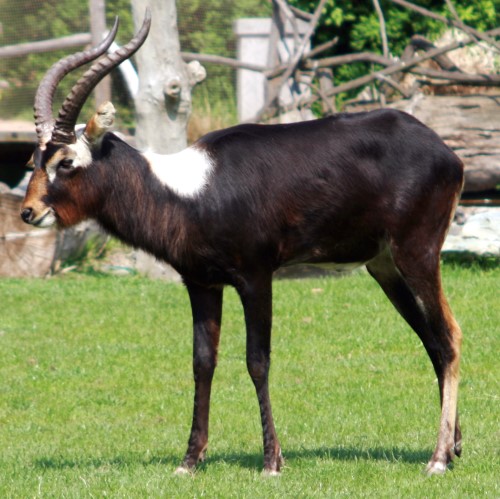
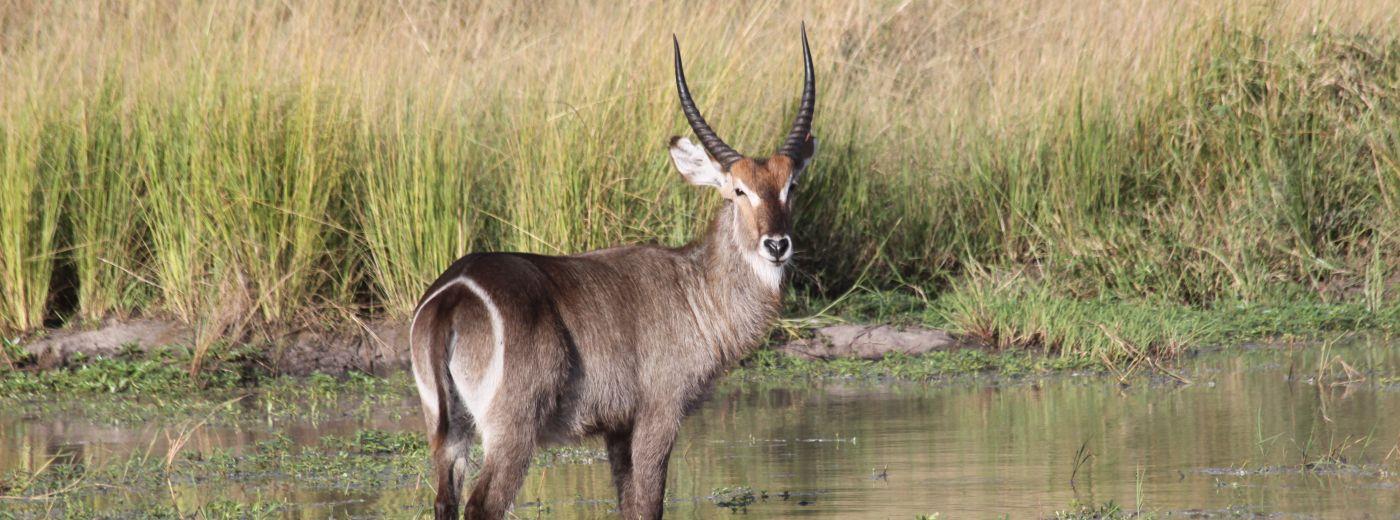
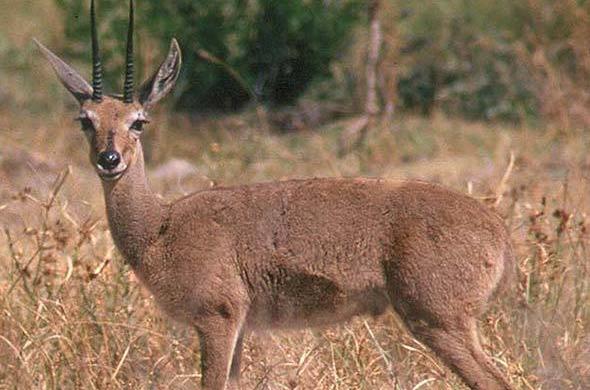
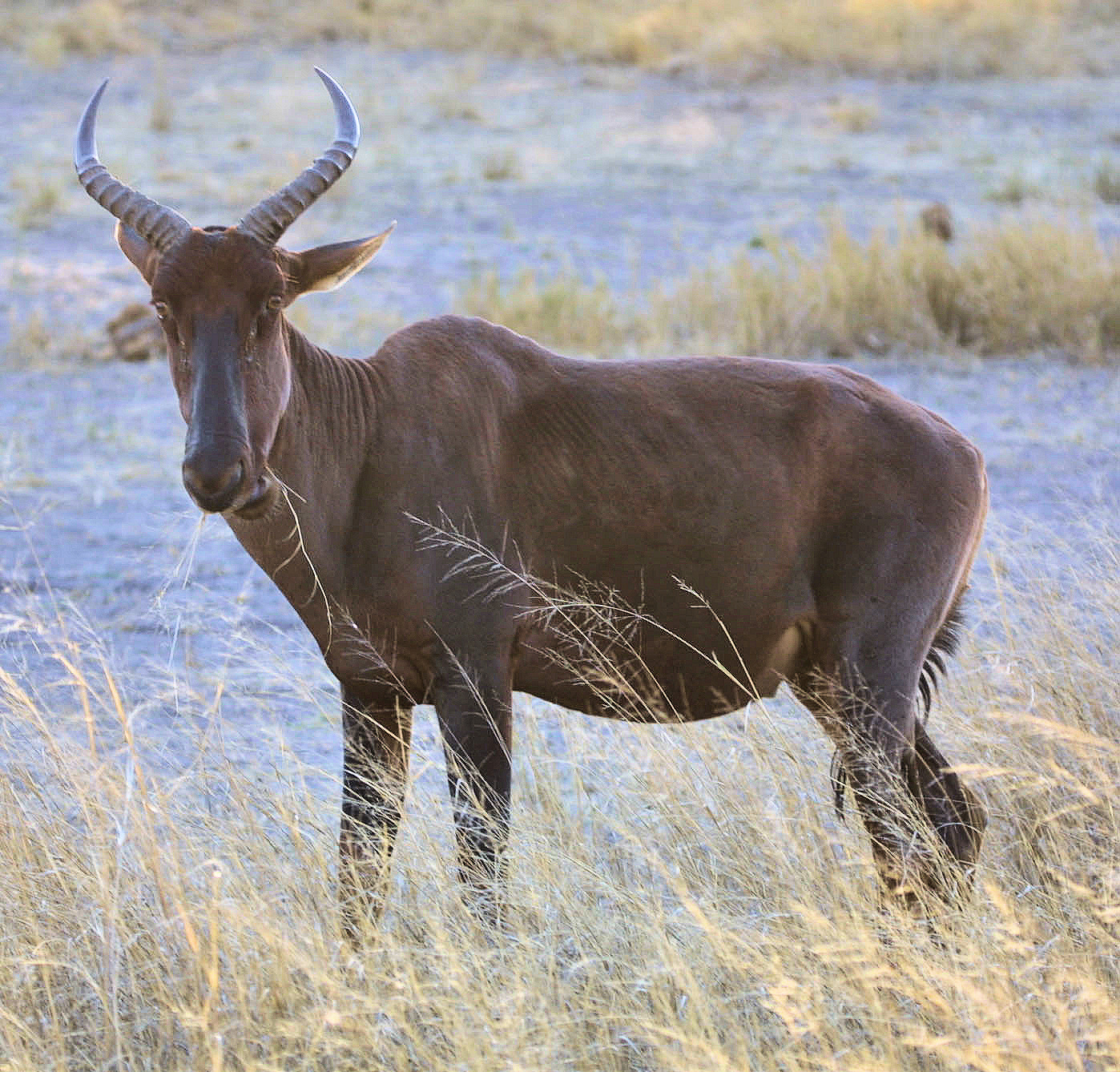
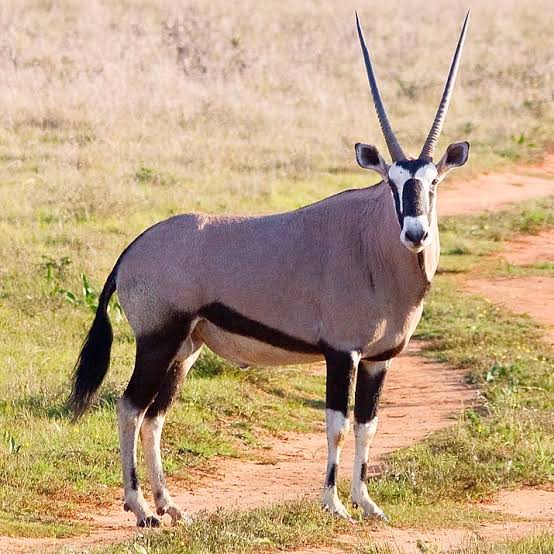
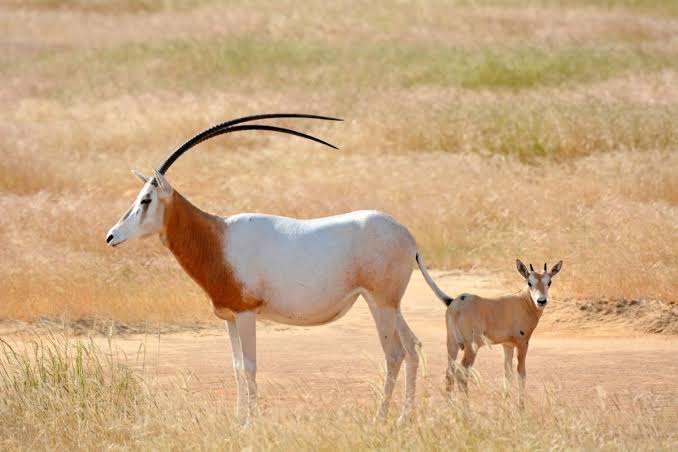
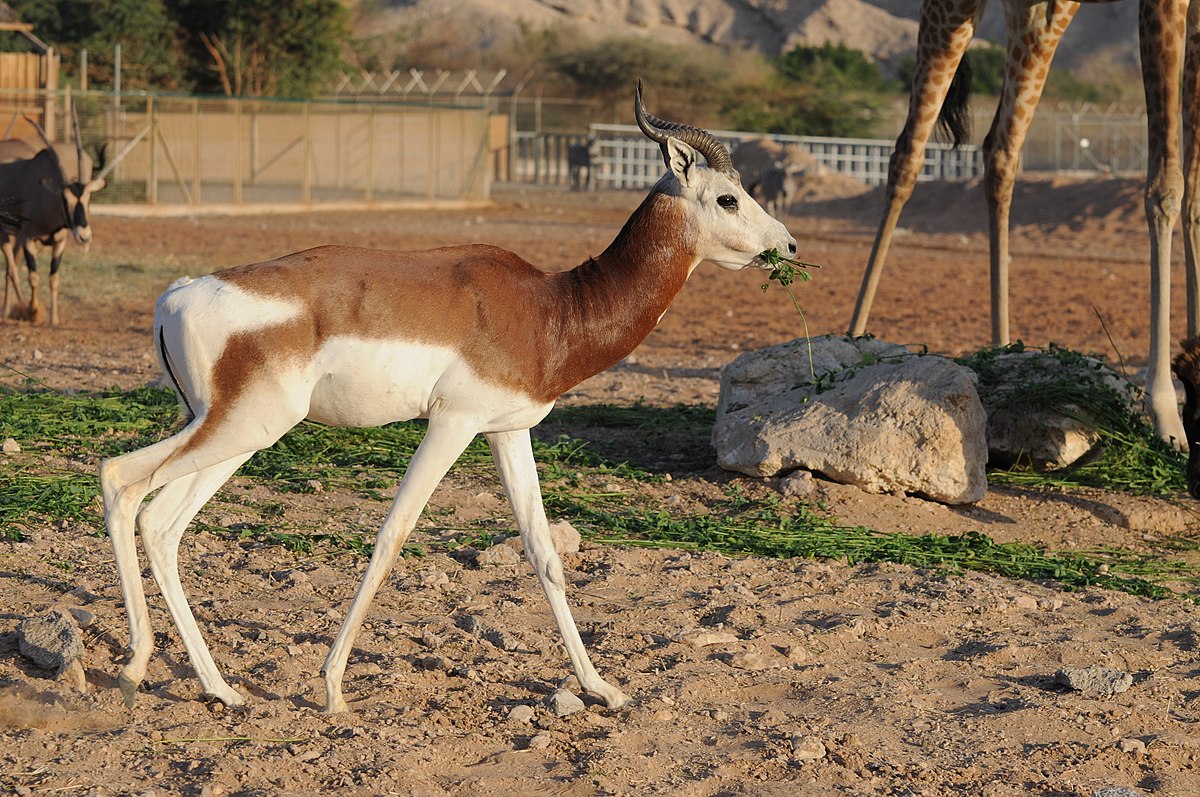
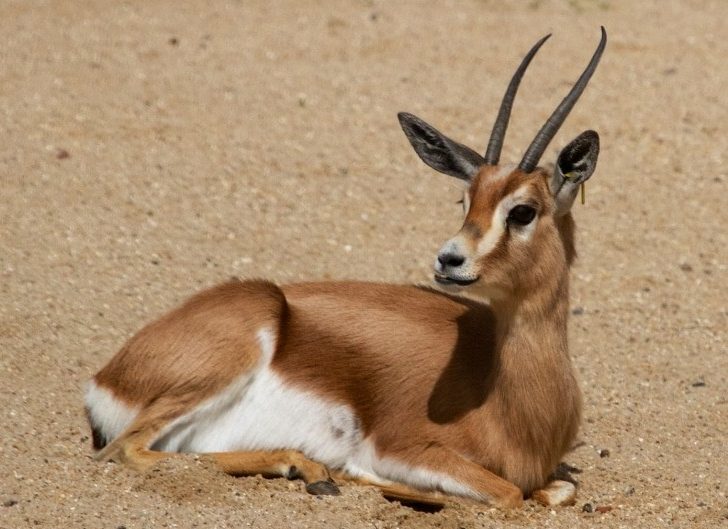
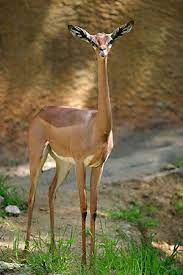
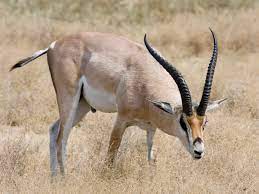
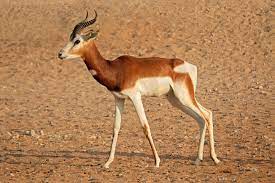
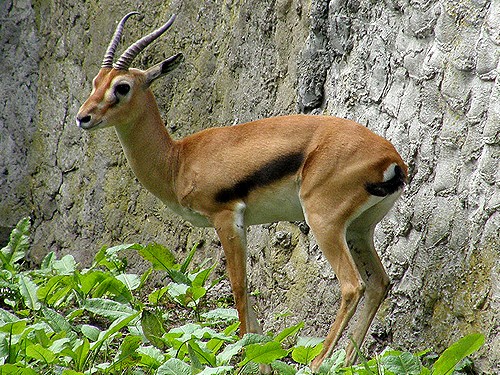
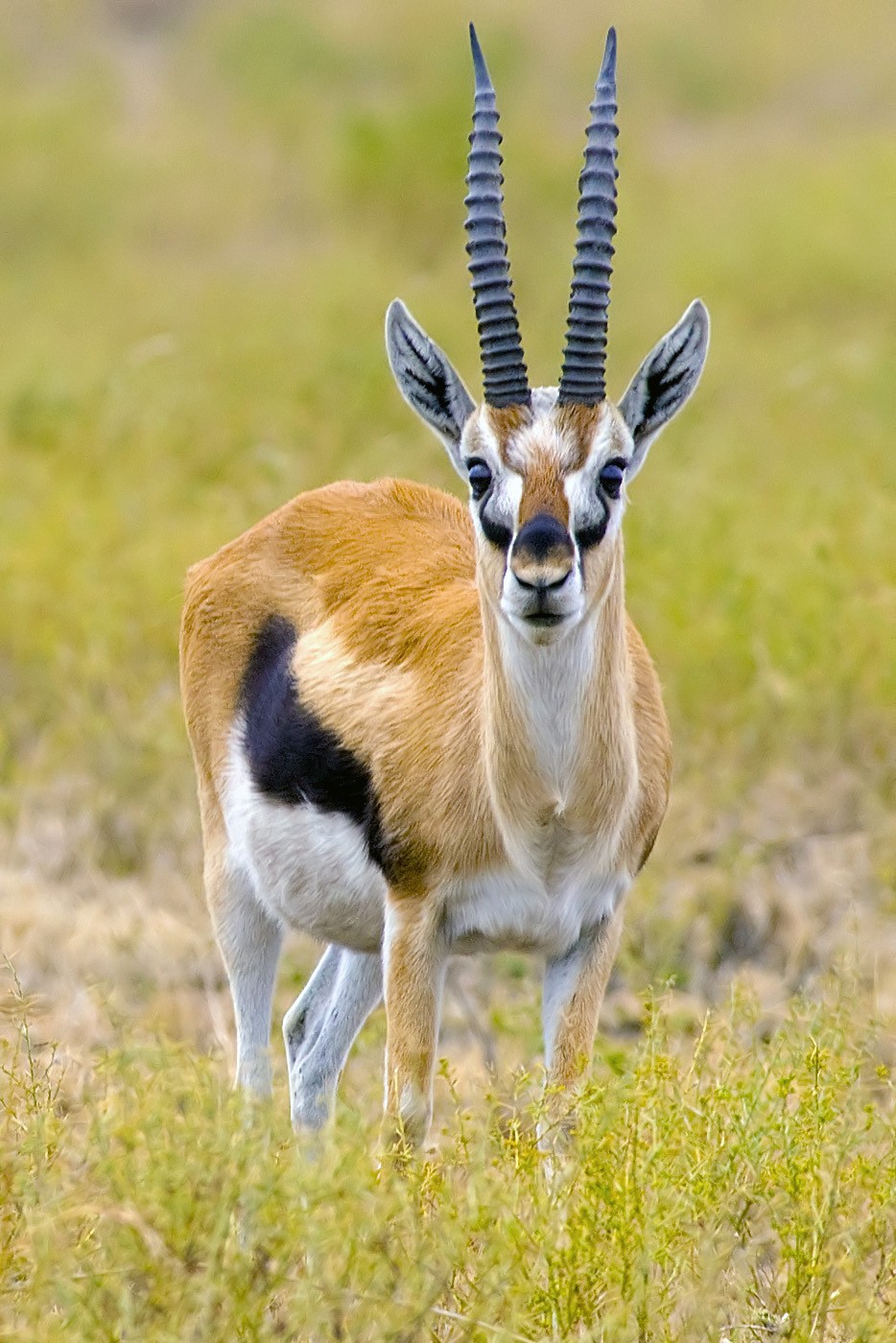
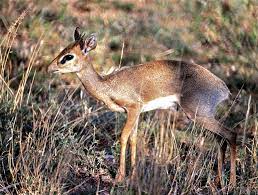
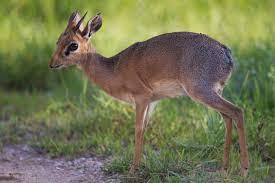
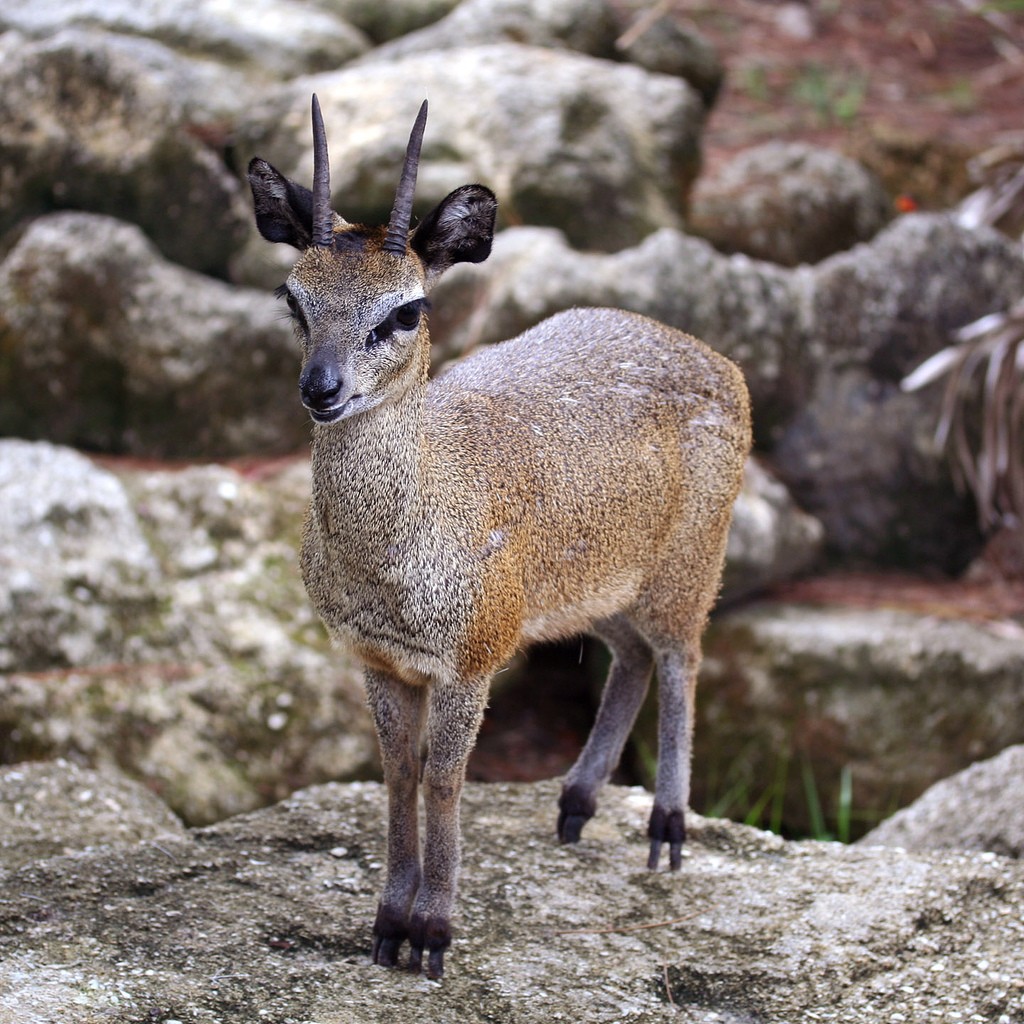
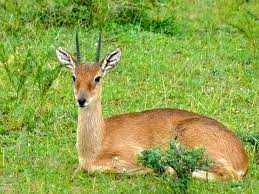
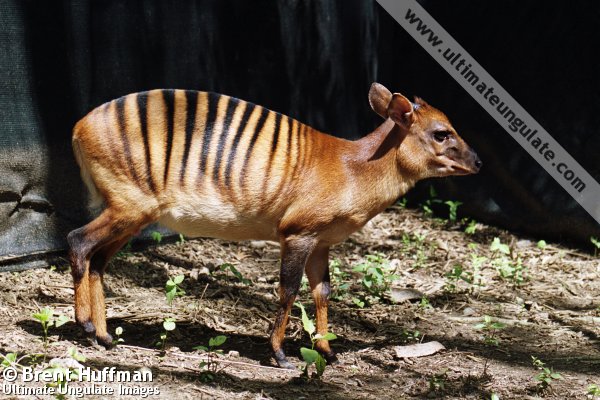
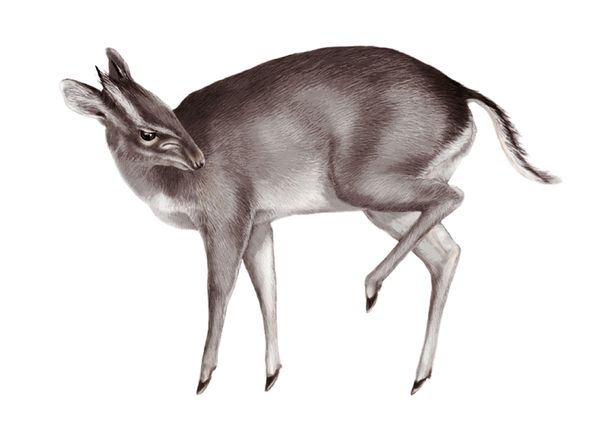
Antelope lie in the Bovidae family, and account for around 2/3 of the 135 Bovidae species that exist in the world. It should be noted that deer come from the family Cervidae, which means that despite looking extremely similar, antelope are more closely related to cattle than they are to deer.

There are 91 antelope species in the world with 72 found in Africa, 14 in Asia, with the last 5 found in Eastern Europe.

There are 8 subfamilies in Africa

1. Subfamily Bovinae

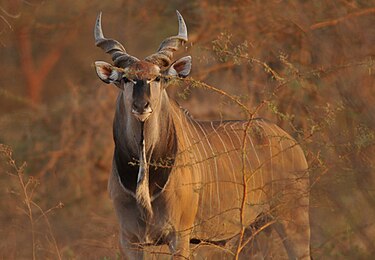
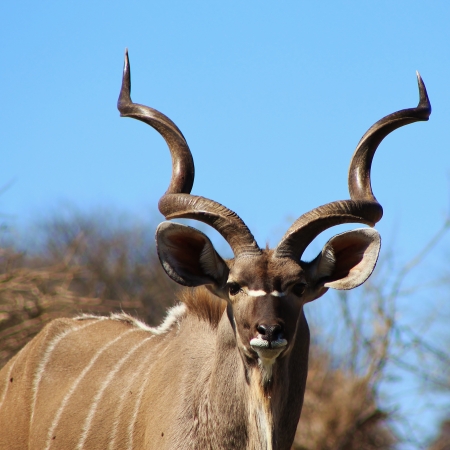
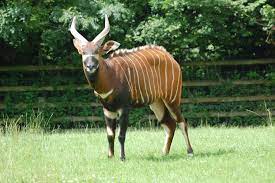
Spiral horned antelopes made up of tribe Tragelaphini: 9 species 4 subspecies.

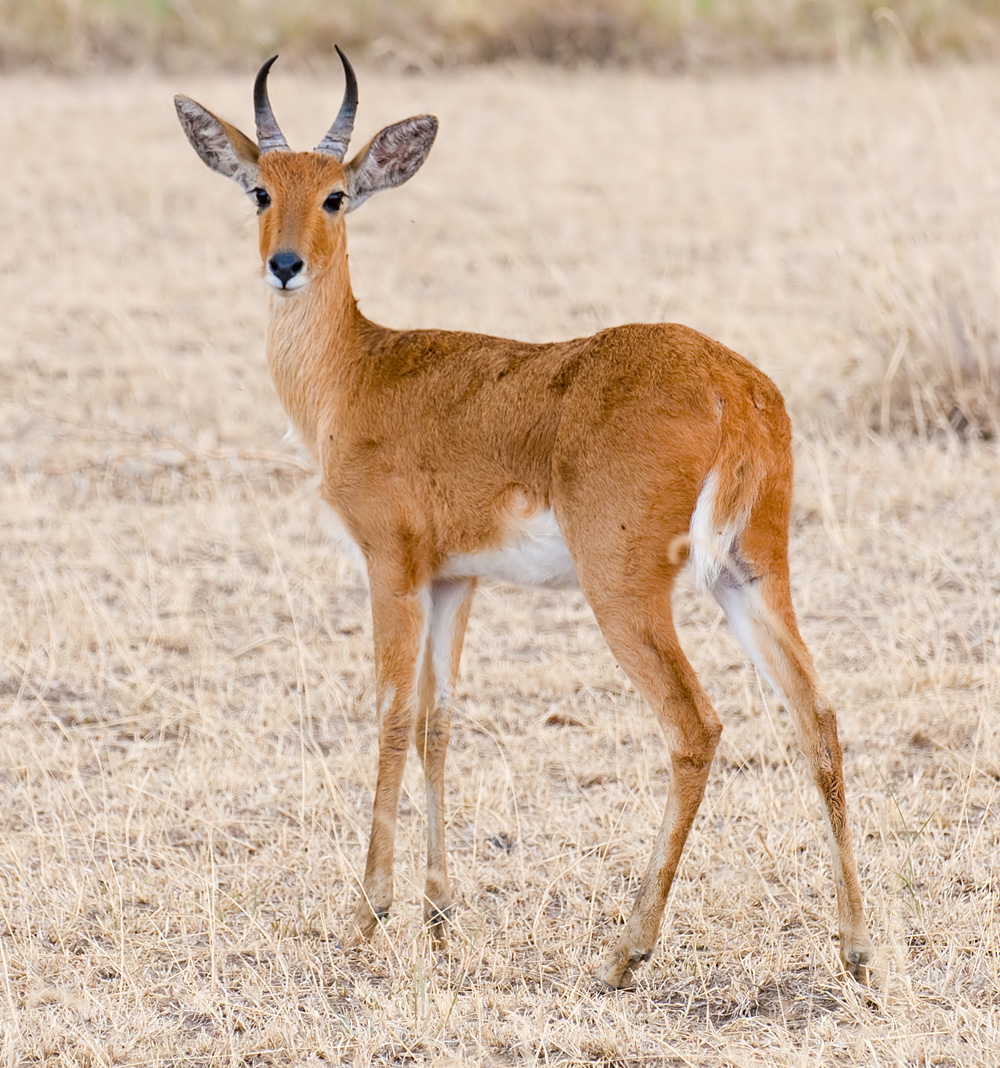
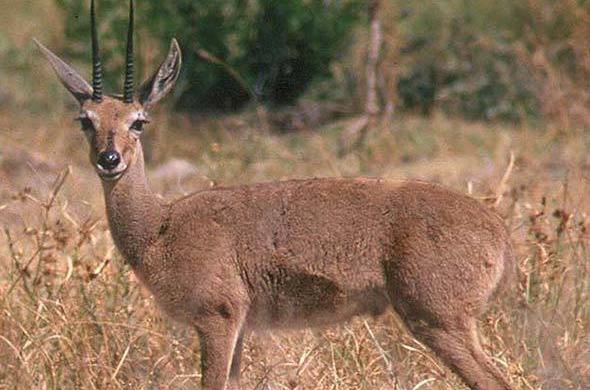
2. Subfamily Reduncinae

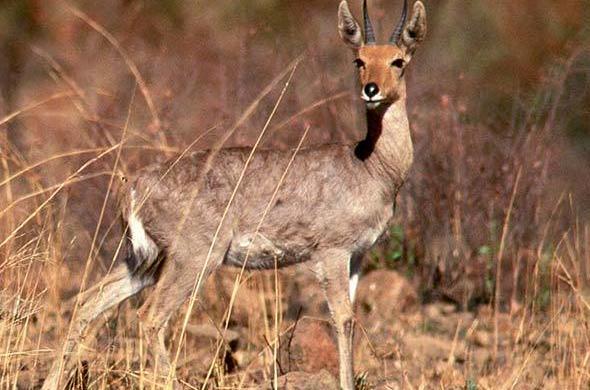
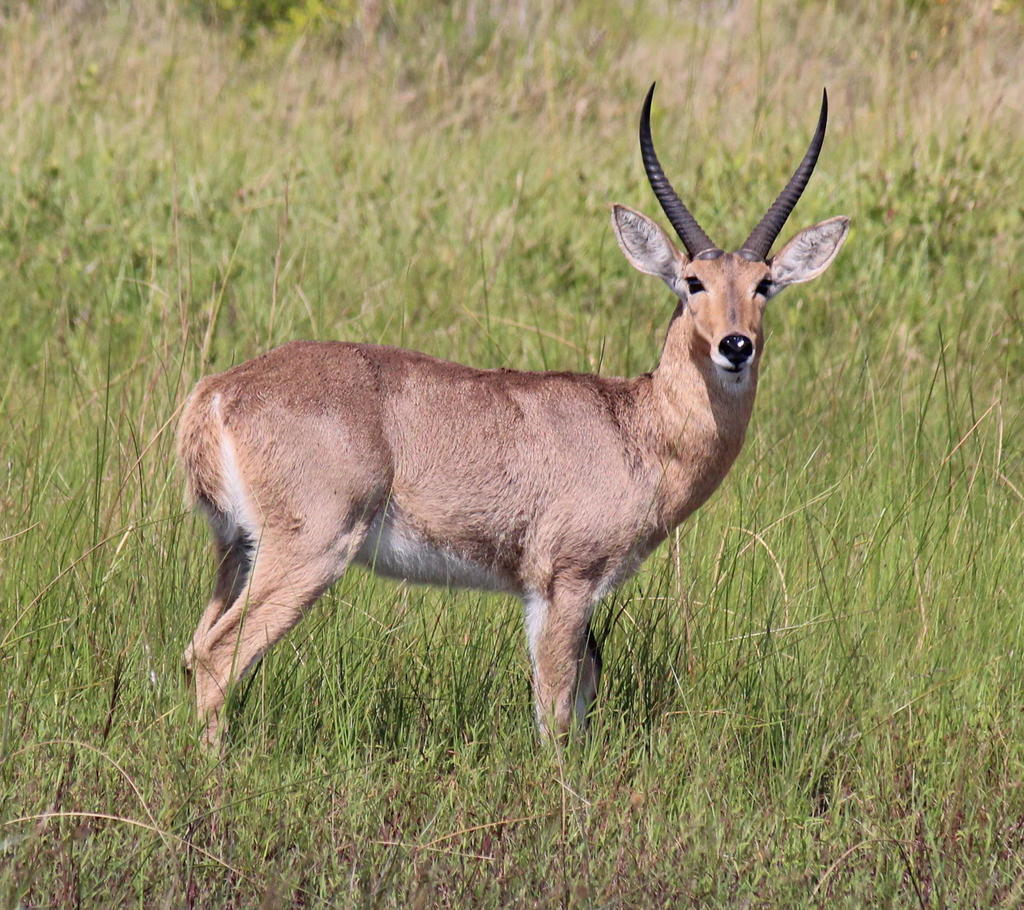
Rhebok, reedbucks, and waterbucks 8 Species, 11 Subspecies

3. Subfamily Peleinae:

 1 Species
 

4. Subfamily Alcelaphinae


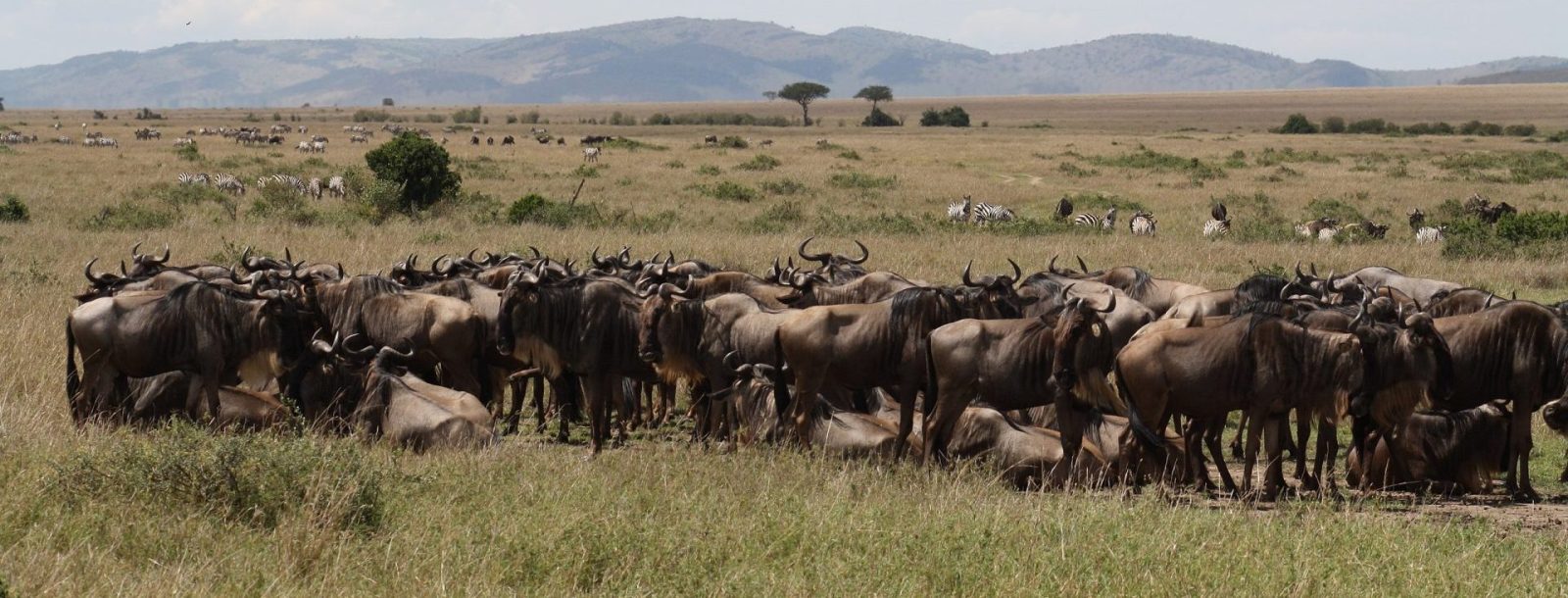
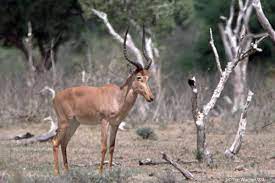
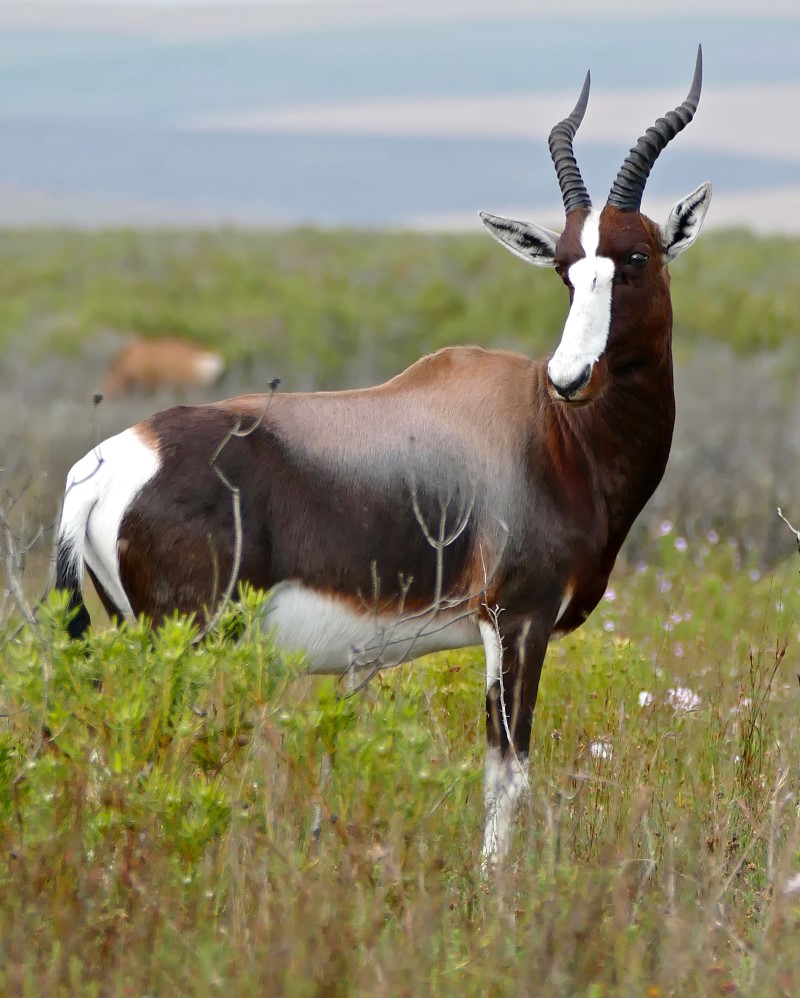
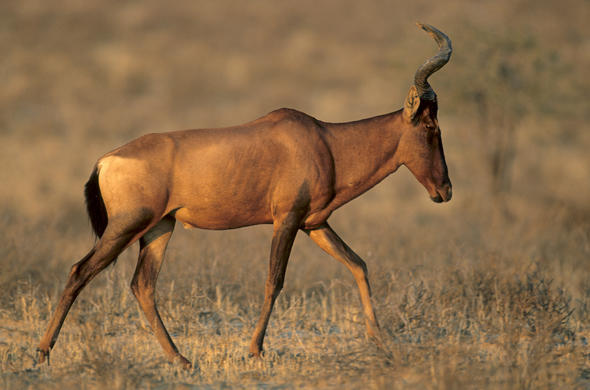
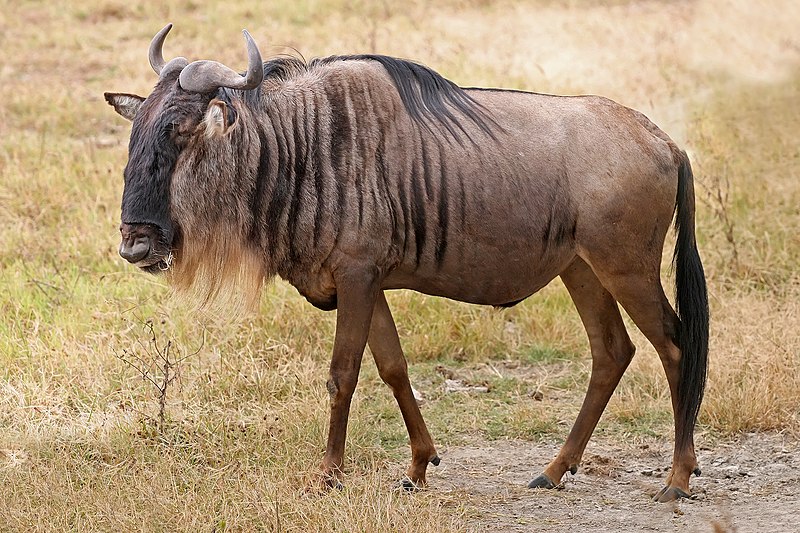
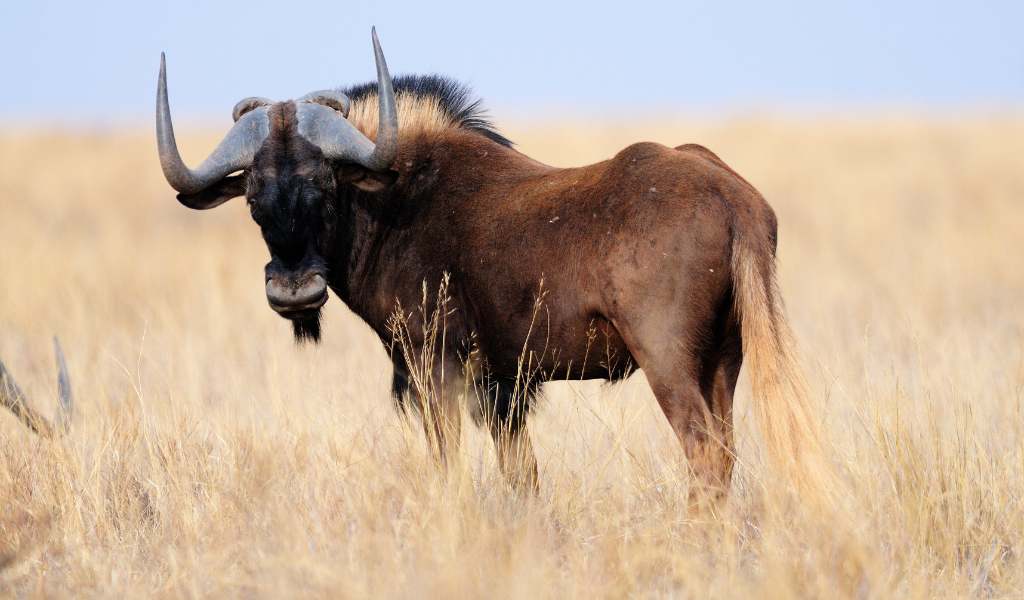
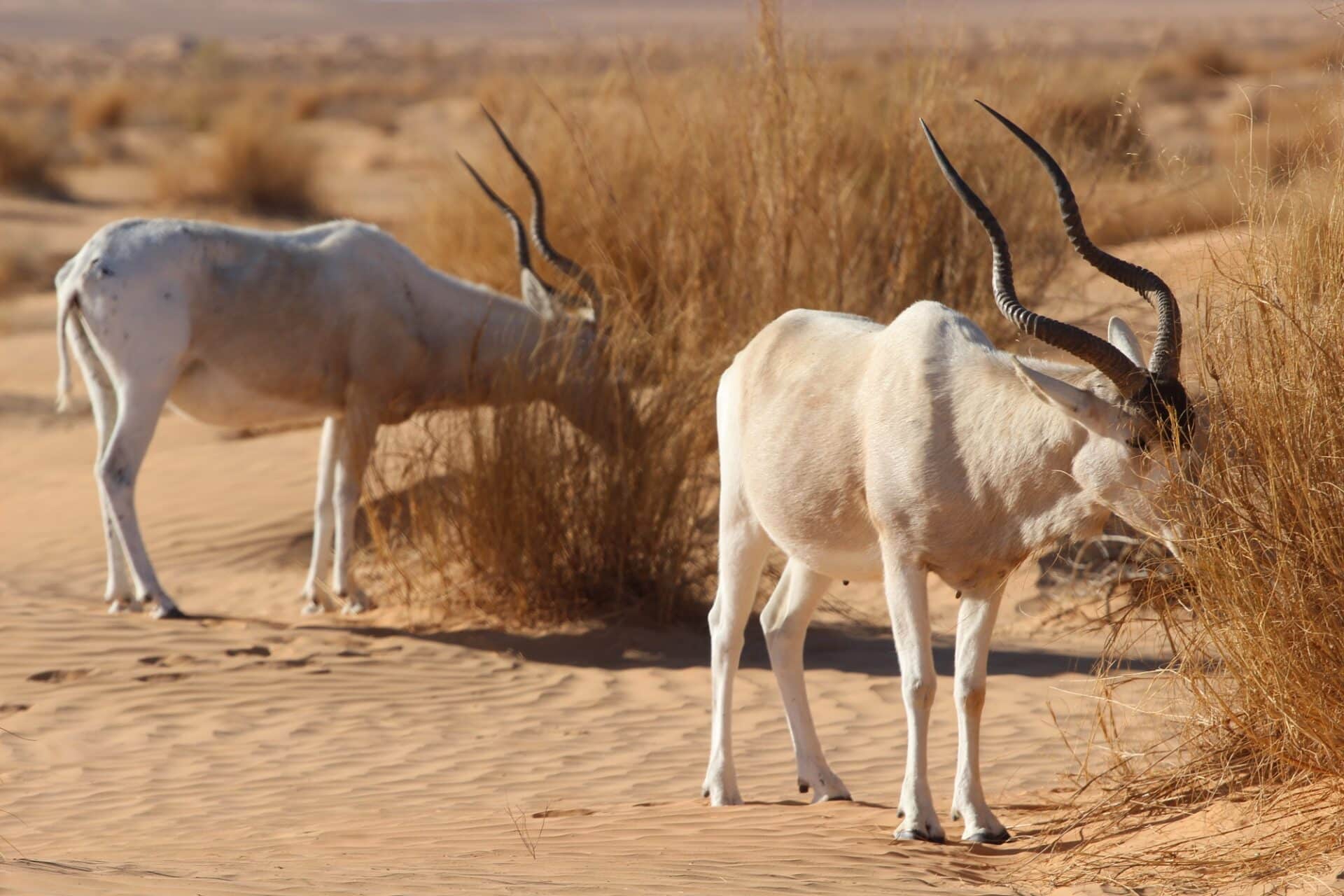
Sassabies, hartebeests, and wildebeests: 6 Species (depending on how you count, it can be anywhere from 6 to 10) , 19 Subspecies

5. Subfamily Hippotraginae

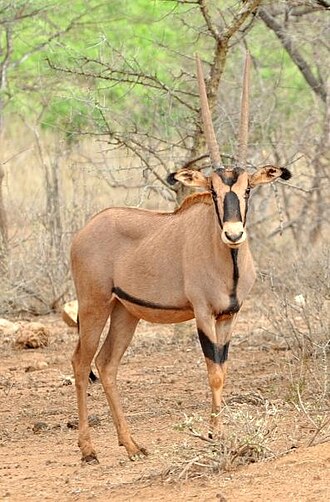
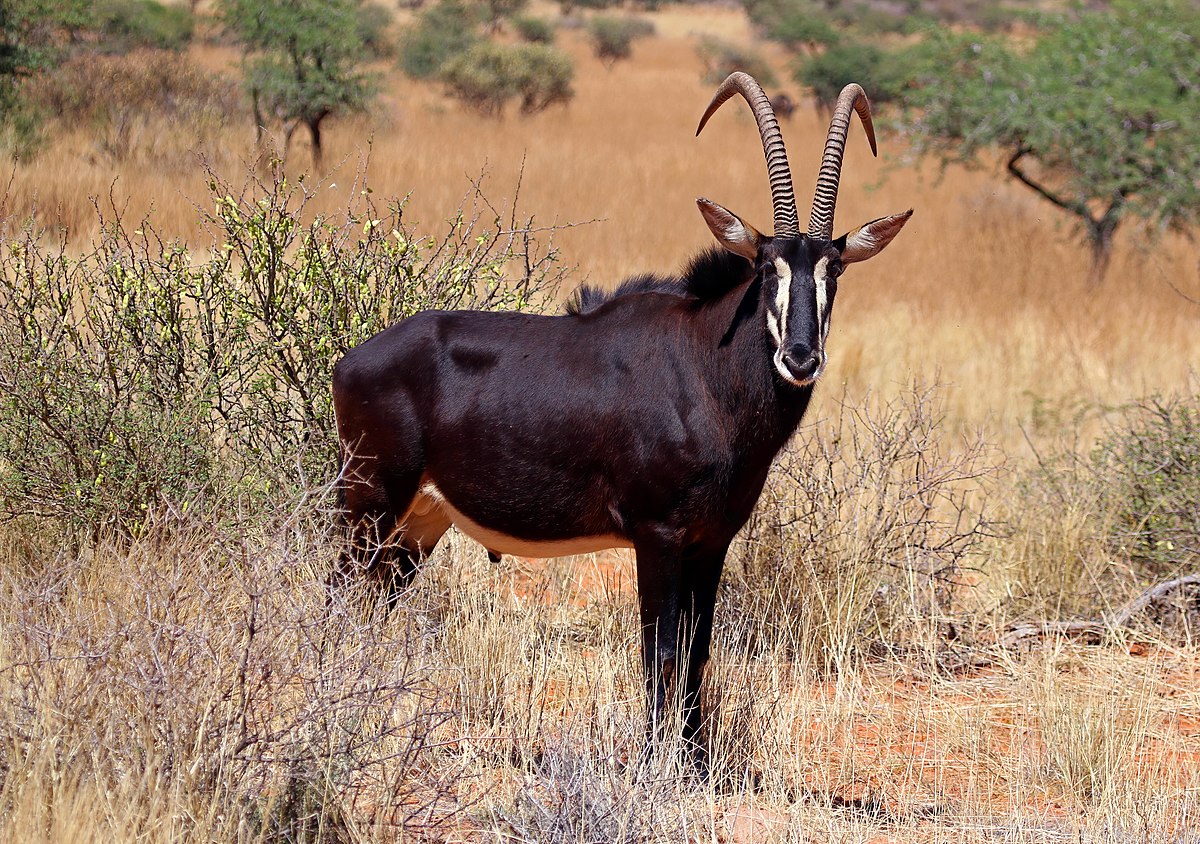
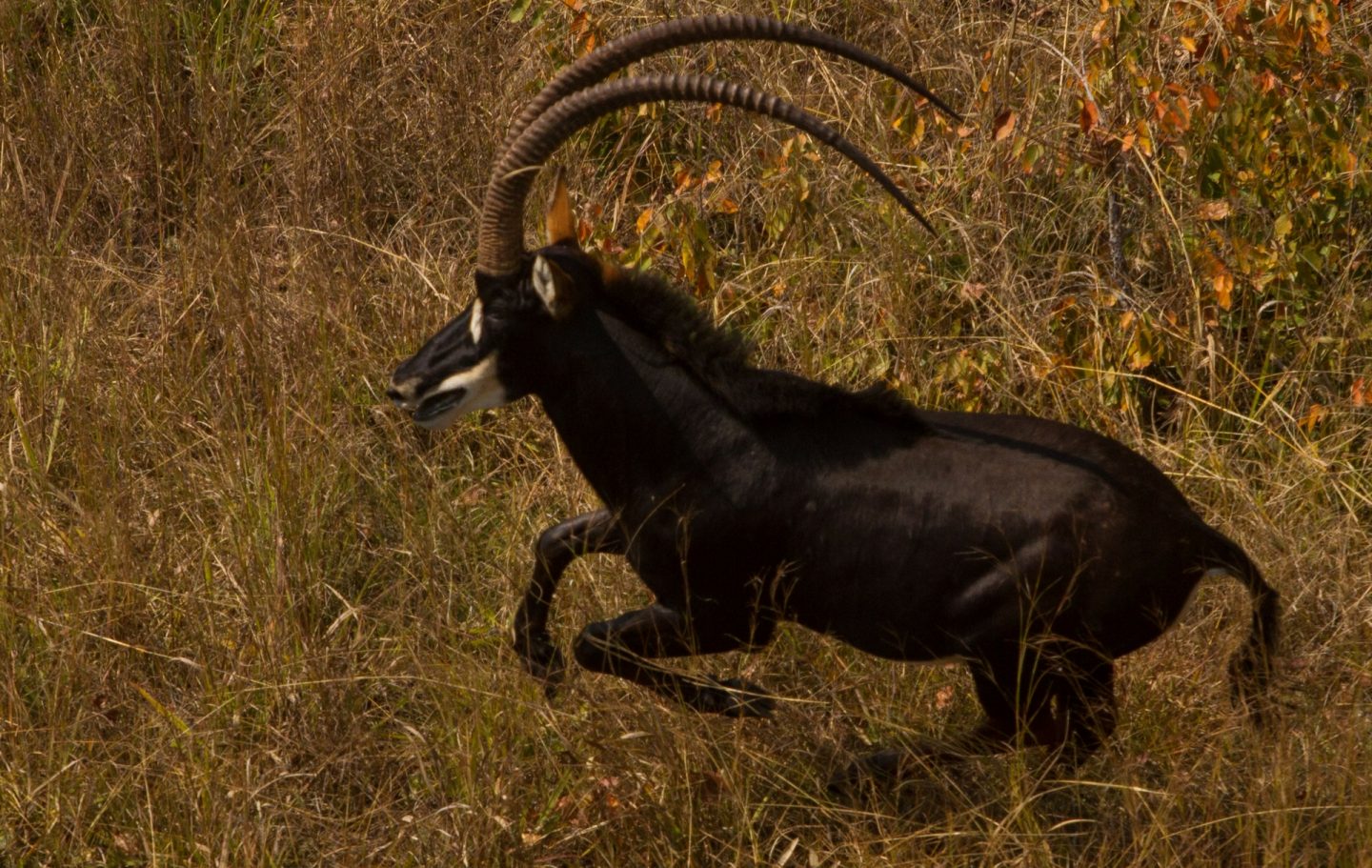
Grazing antelope: 7 Species, 4 Subspecies

6. Subfamily Aepycerotinae

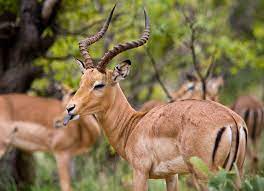
Impala: 1 Species which is impala, 2 Subspecies

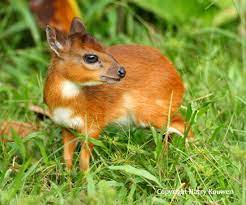
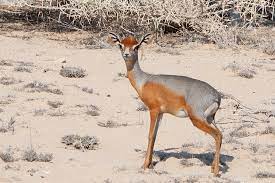
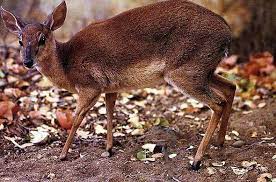
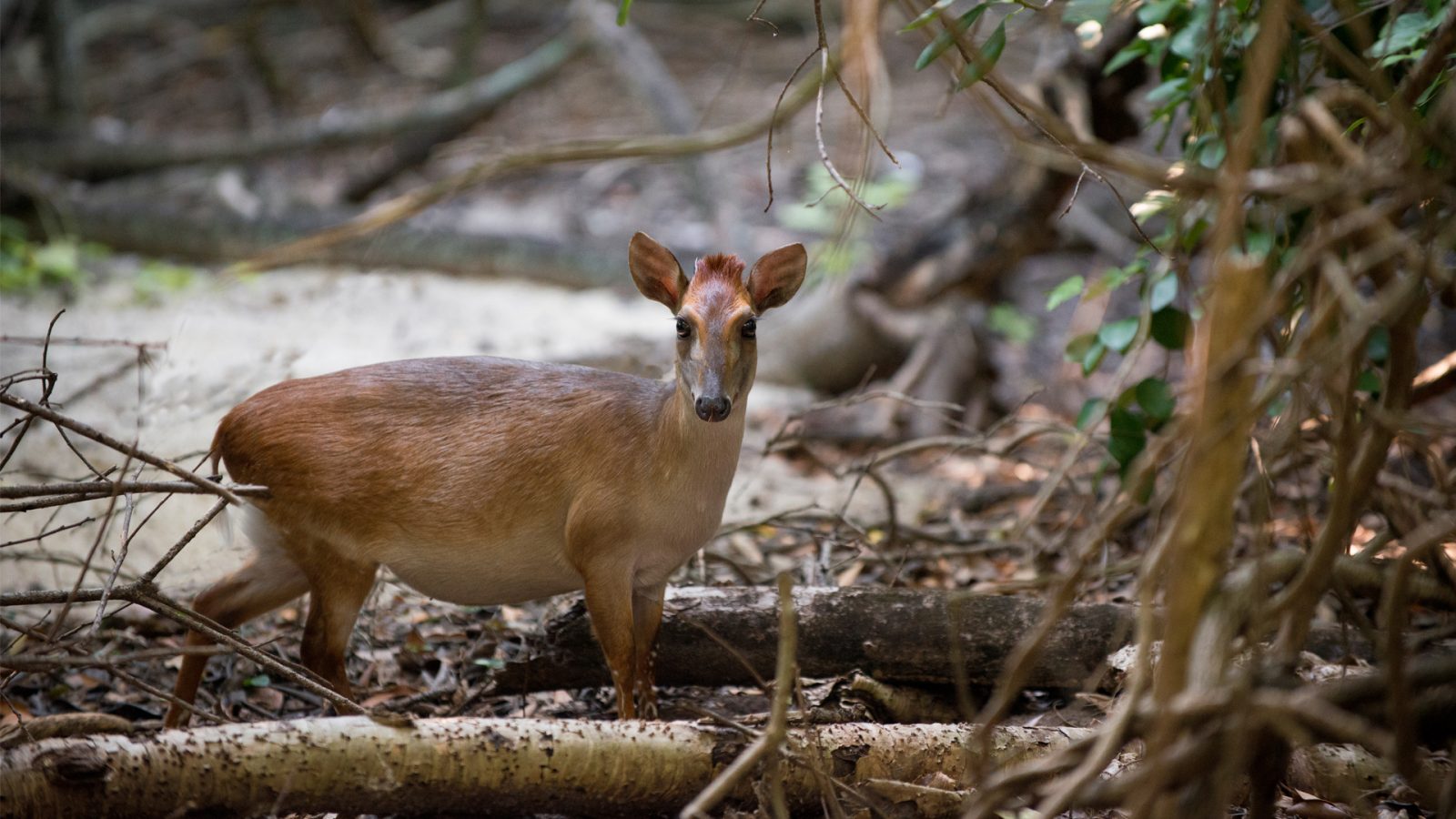
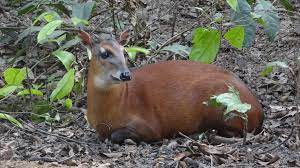
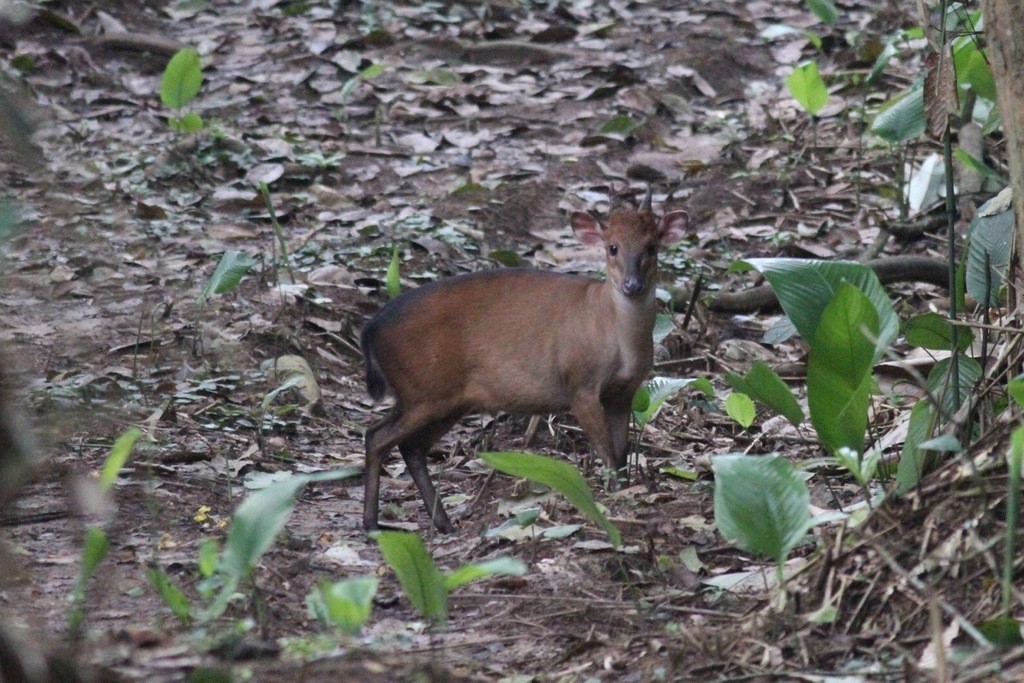
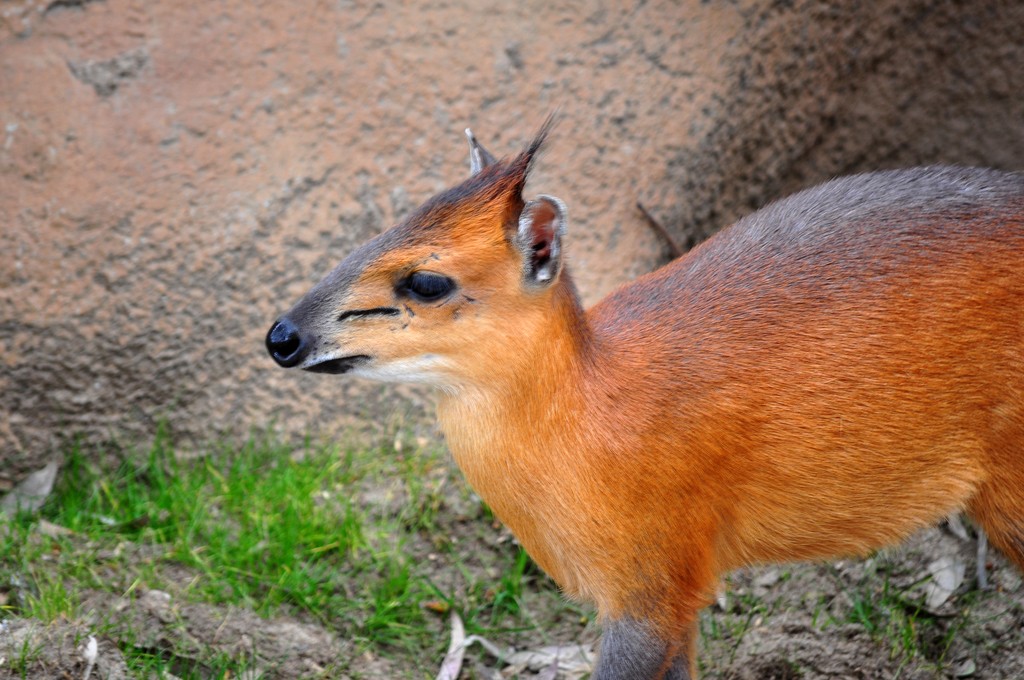
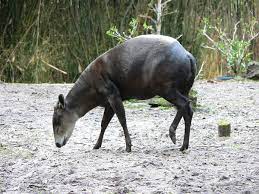
8. Subfamily Cephalophinae

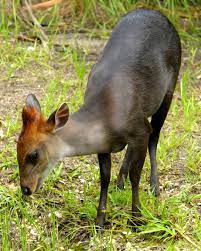
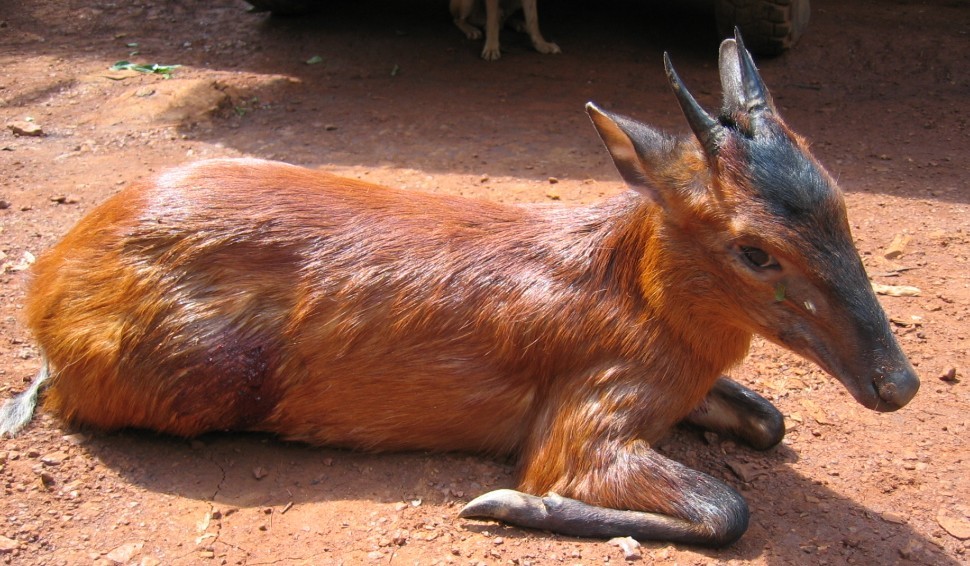
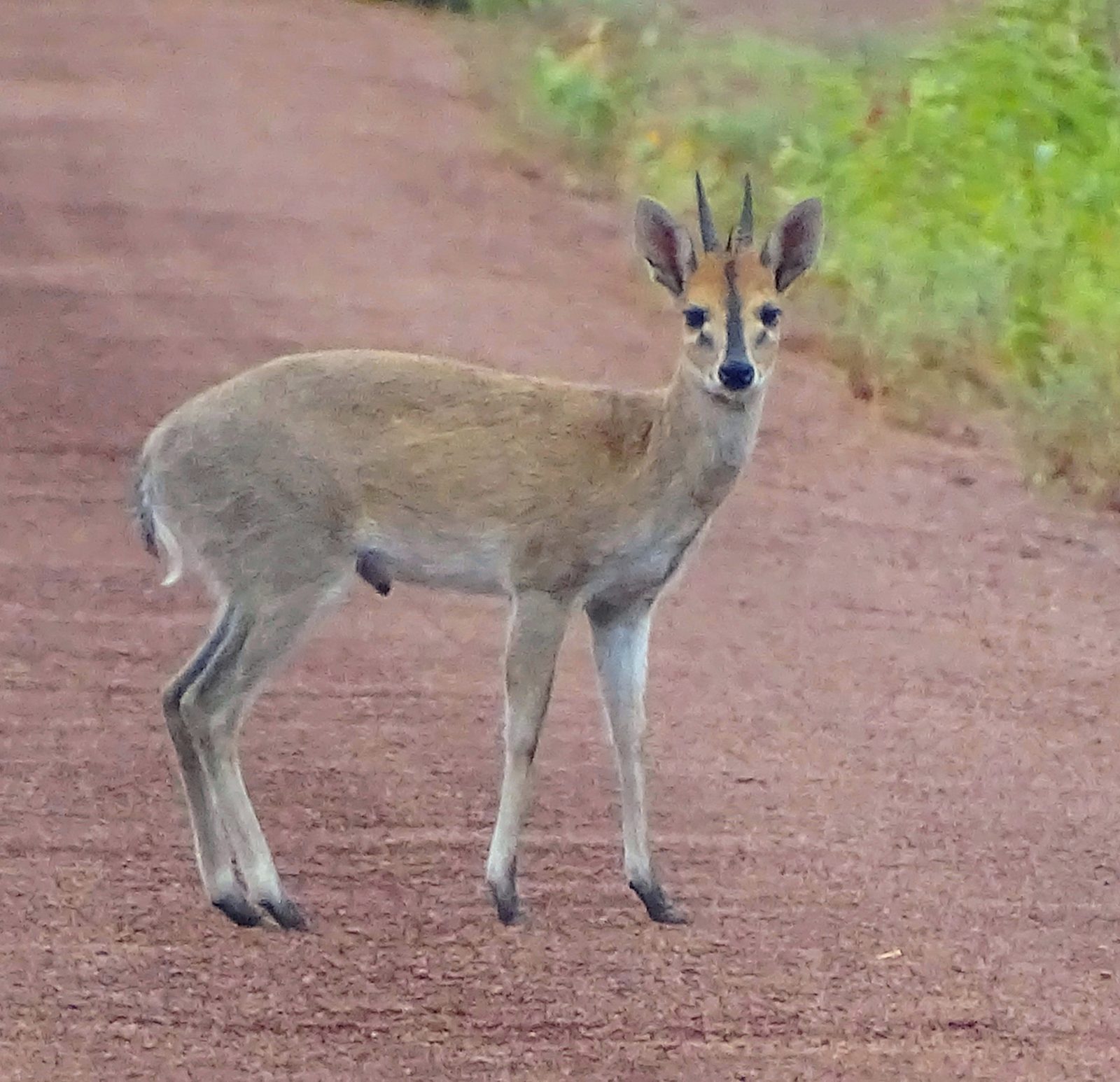
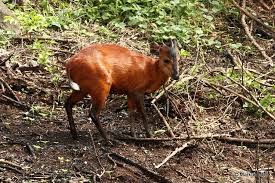
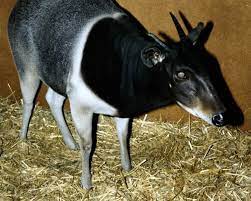
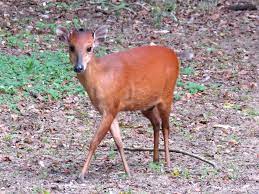
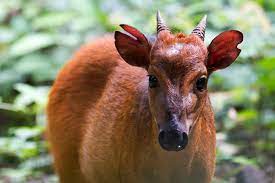
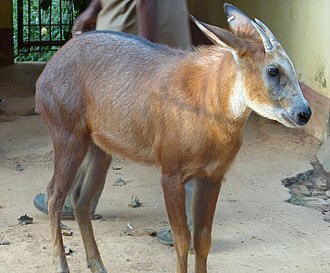
 Duiker: 17 Species, 7 Subspecies

If you want to return to the Ruminants family page click here

Caprinae

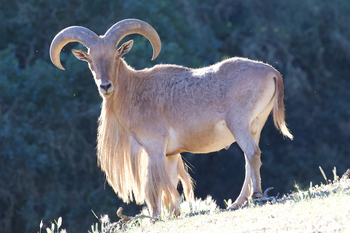
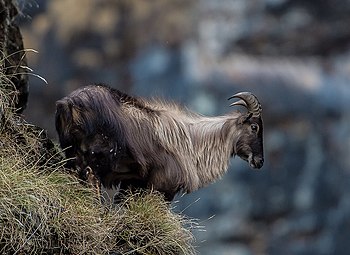
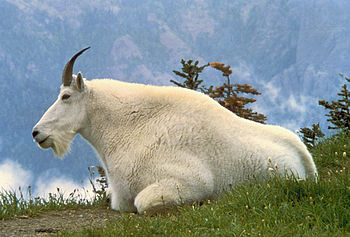
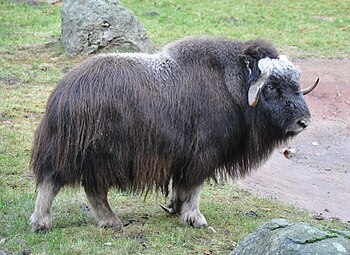
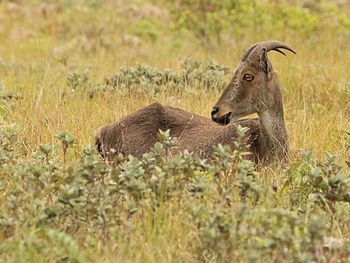
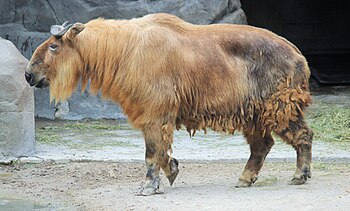
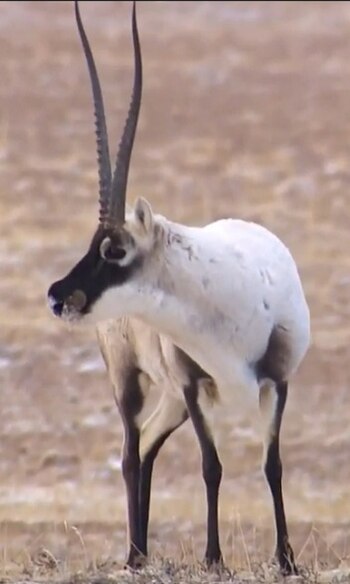
The Caprinae family is a close relation of Alcelaphinae & Hippotraginae (subfamily 4 and 5 on this page) but this family consists of the worlds goats and sheep.

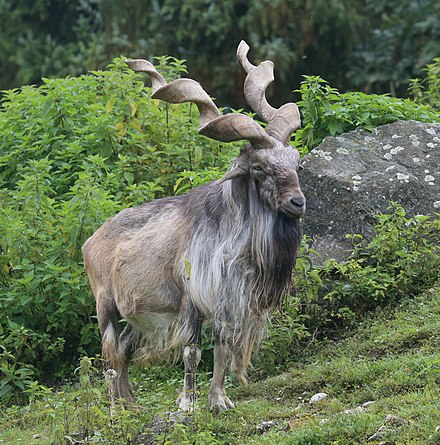
This consists of 9 genus with just 1 species in each (and one further extinct so not included here) and then 5 genus with more than that. 

Firstly dealing with each genus with only one species.

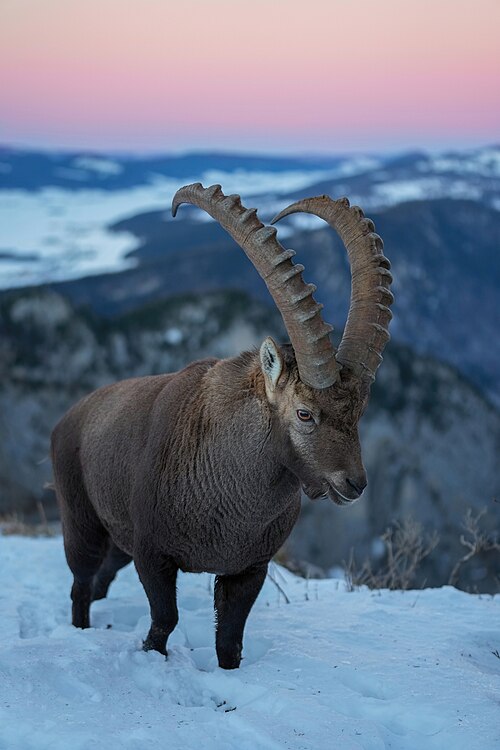
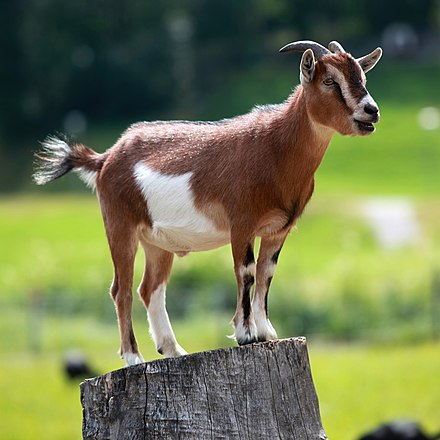
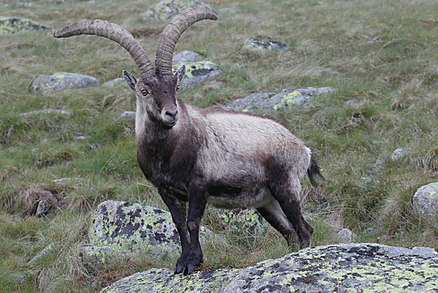
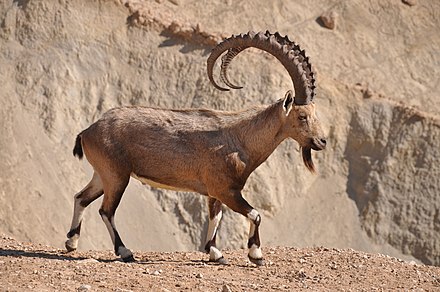
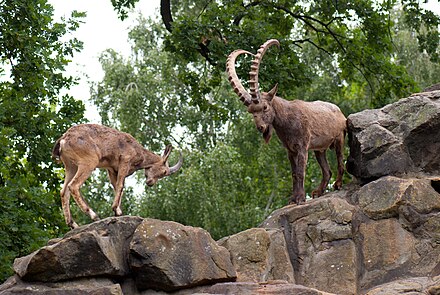
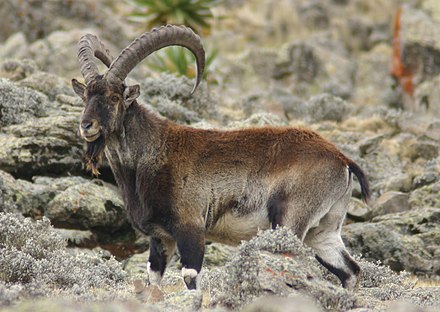
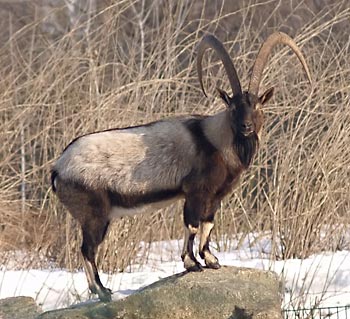
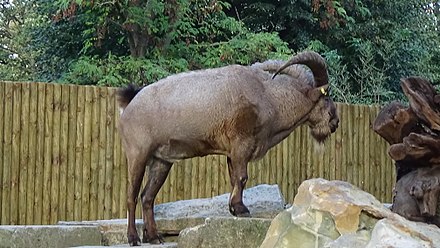
Next the Capra genus, which consists of the worlds Ibex species

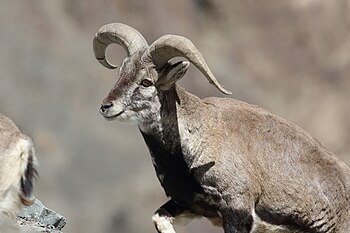
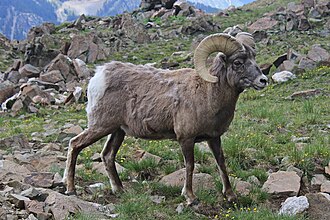
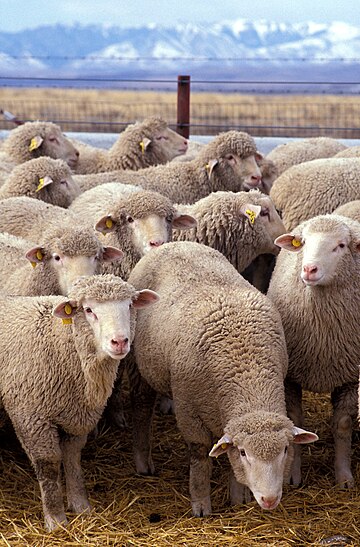
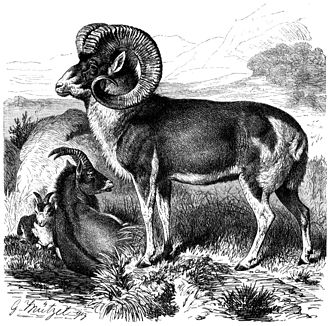
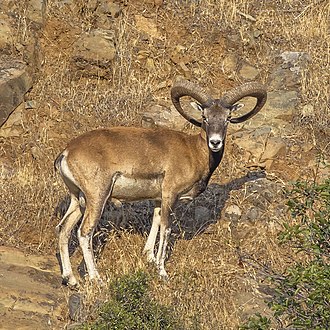
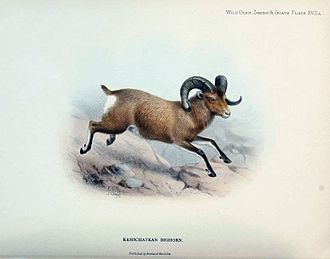
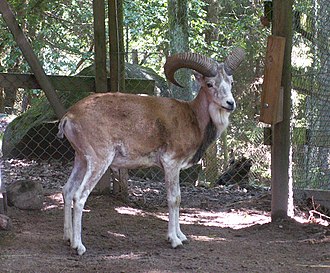
Next the Ovis family (sheep species)

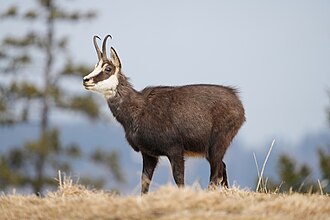
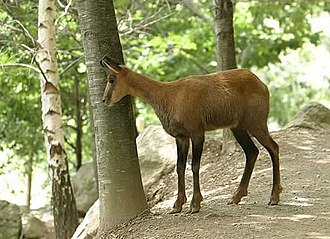
Two species of Chamois remain

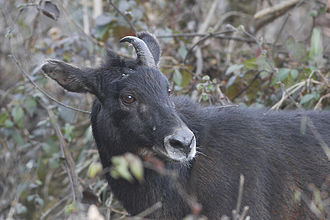
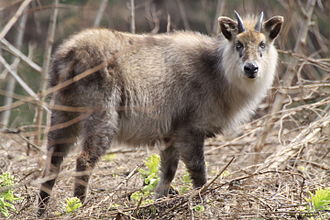
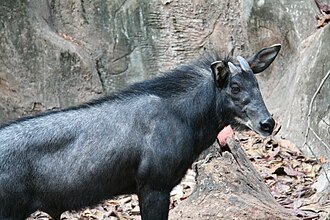
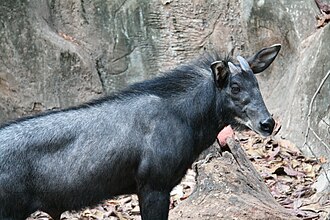
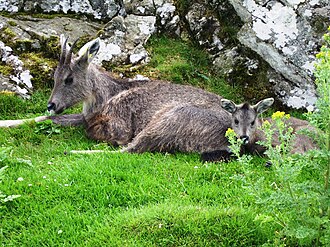
The second last group is the Serow (6 species)

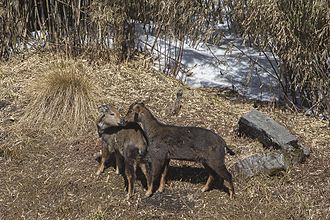
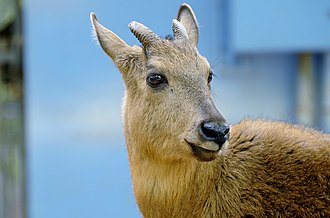
The last group is the Goral

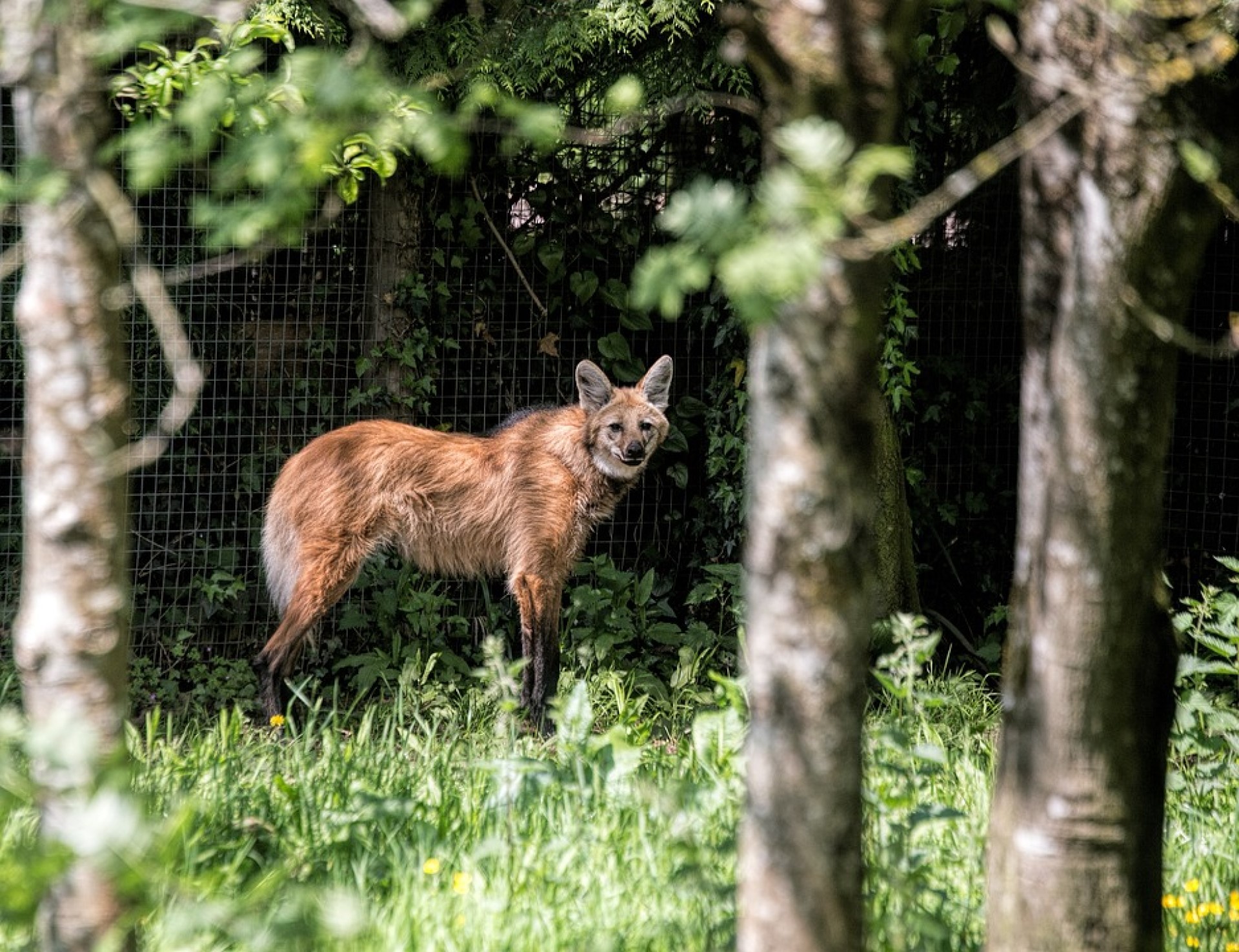
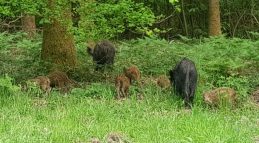
The Manned wolf

Looking, at first glance, like a fox on stilts, it is found in Argentina, Brazil, Bolivia, Peru, and Paraguay, and is almost extinct in Uruguay. It is actually not a wolf or a dog, but instead sits in its own genus Chrysocyon  which means “golden dog”. It is crepuscular and omnivorous, and lives on the open habitat of the South America Savanna. The IUCN classes it as near threatened, while a Brazilian organisation with a similar role lists it as vulnerable.

Its name in a local language calls it a big fox. Indeed some studies have suggested that it should be in the same genus as pseudo-foxes.

A recent study suggested that its nearest relative was the Falkland islands wolf, and its mainland relatives – but you have to go back 7 million years to find a common ancestor with this group.

It only hunts solitarily, and its preferred habitat is grasslands, scrub prairies, and forests.

It is not currently considered endangered, given its wide area in which it inhabits, never-the-less it is recognized as a near threatened species due to its reducing numbers. In Brazil, Argentina and Uruguay it is forbidden to hunt them. It has been used to publicize the fight to protect the Brazilian cerrado, by placing it on one of the Brazilian notes.

This animal was shown in great detail in planet earth 3 episode 3, however, this clip is from a bbc series a few years ago.

As we make contacts which you can use to plan your travel to see this animal for yourself.

[smart_post_show id="24034"]

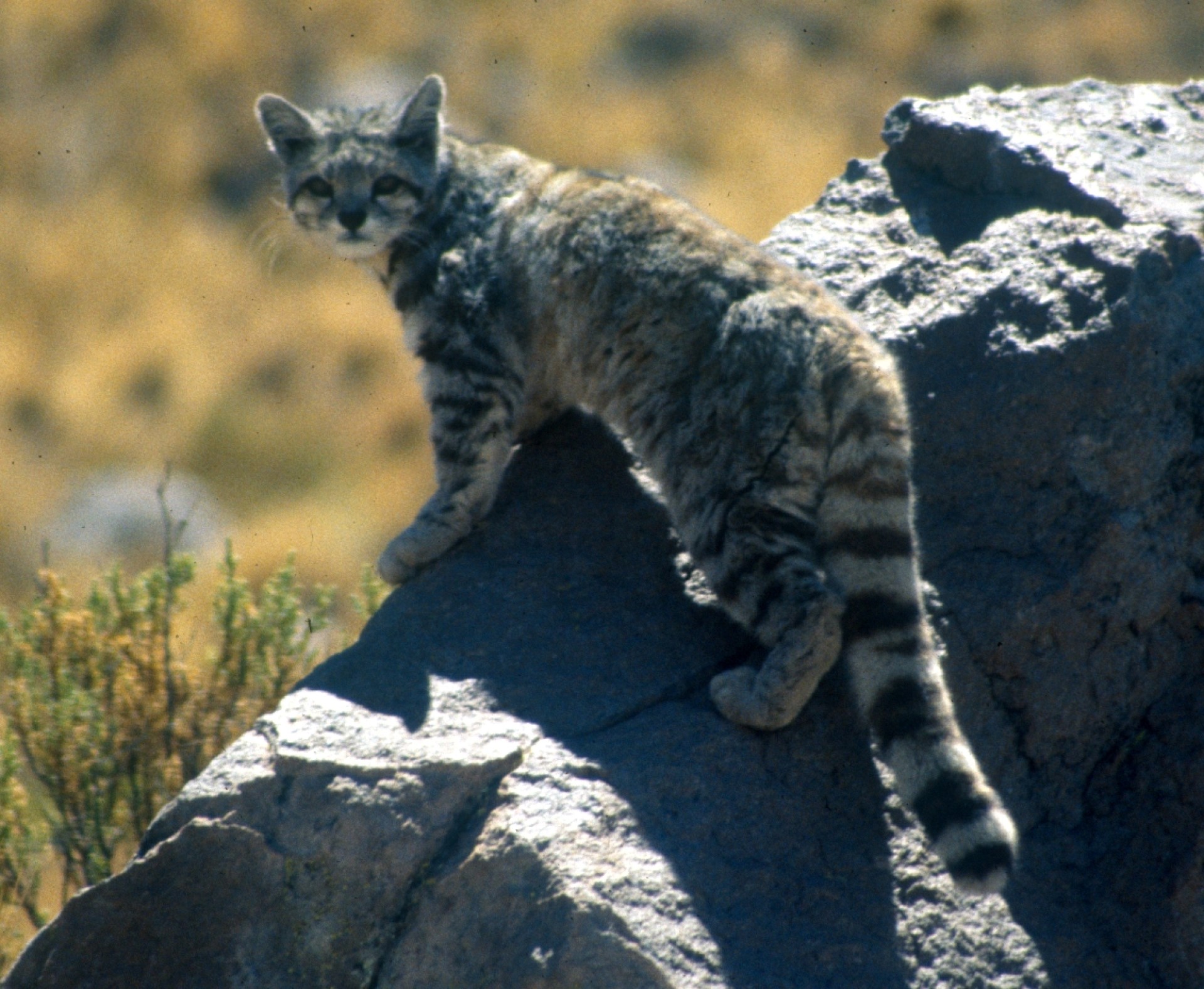
Andean Cat (often called the Andean mountain cat)

Andean mountain cat

This small wildcat species are found across an isolated series of mountain regions in the Andean mountains.
This cat is considered endangered in its native habitat. It is found in the high andes but there are only about 1400 that remain in the wild and declining. One big threat is the fact that the mountain Chinchilla has been hunted to the brink of extinction – given their habitats coincided, the loss of this food source is likely to be a big threat to the survival of the Andean mountain cat, as at high altitudes, there is less food, so the loss of one of their major food sources might well cause the population to crash.
There is precedent for a crash like this- the Iberian rabbit population was hit with a series of illnesses both caused by human carelessness or intentionally introduced. This caused the rabbit population to crash and as a result most Iberian lynx to die. It is likely that a captive breeding project for the mountain Chinchilla and rerelease into its former range could quickly change this situation – a single female can have 12 young at a maximum, and are ready to breed at 2 years old – that means that within 5 years, a group of 20 of these animals could have become thousands – whether we can afford to wait that long is another issue.

Below this, we will include a video shot by a conservationist, of this cat in the wild. Below that, is a list of any articles which we have written on this species in the past, and below this we will include any links as to where you can see this species in the wild.

[smart_post_show id="24828"]
See Animals Wild

Read more news

Join as a wild member
to list your wild place & log in

Join as an ambassador supporter to
support this site, help save wildlife
and make friends & log in

Join as an Associate member
to assist as a writer, creator, lister etc & to log in

List a wild destination

List a destination in
the shadow of man

List a hide for animals more easily seen this way

Highlight some news
missed, or submit a
one-off article

Browse destinations for fun or future travel

Temporary membership
start here if in a hurry

Casual readers and watchers