Argentina

Argentina

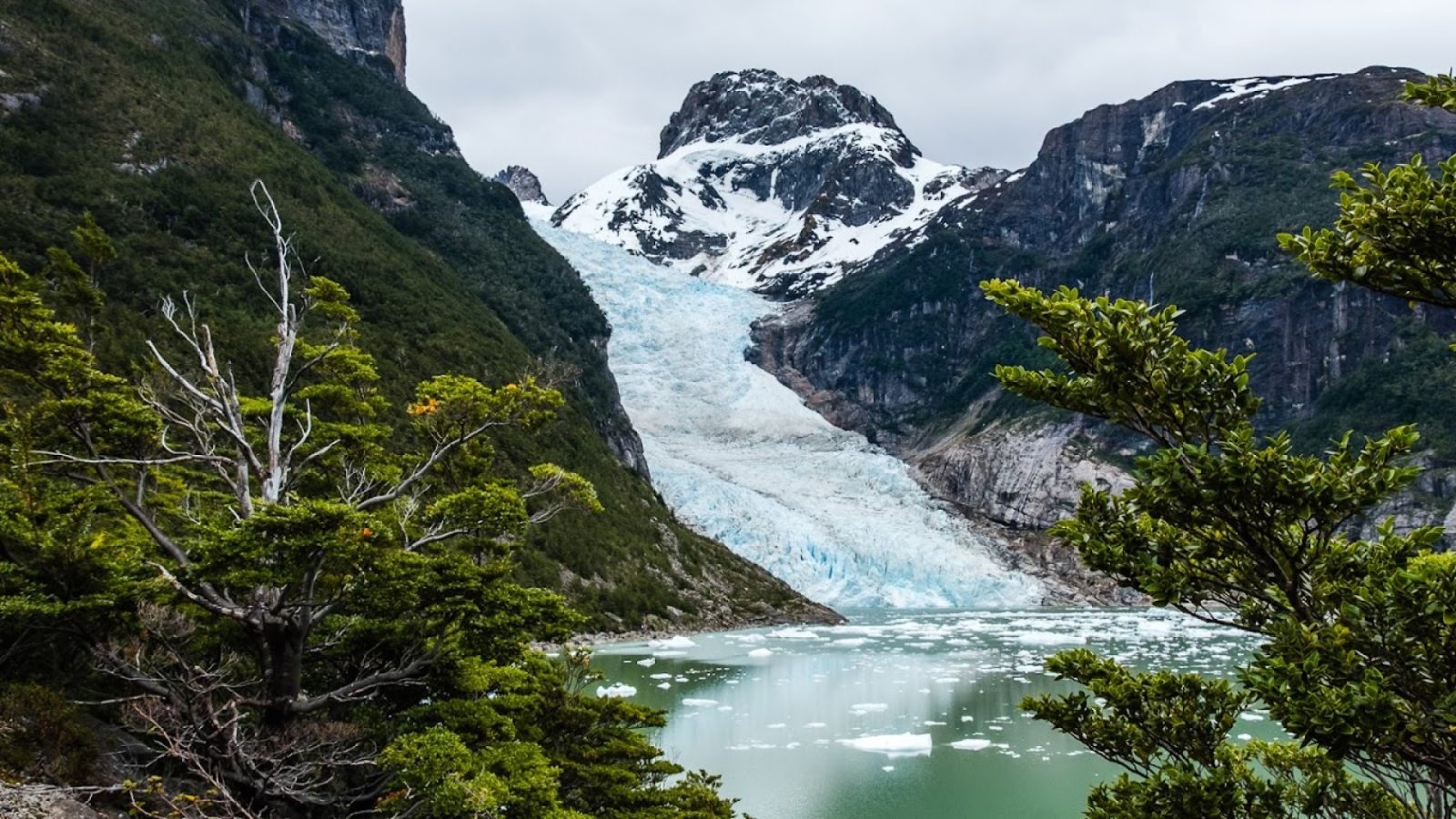
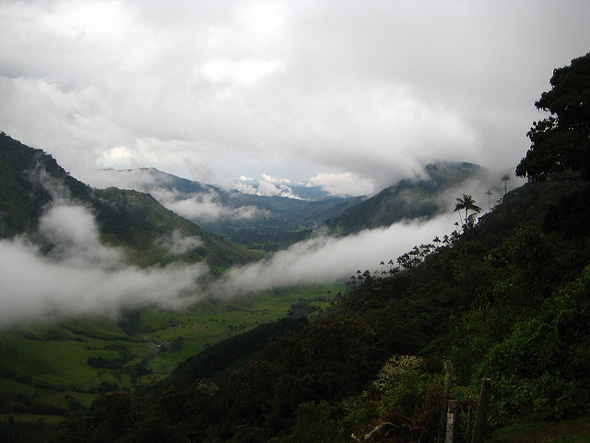
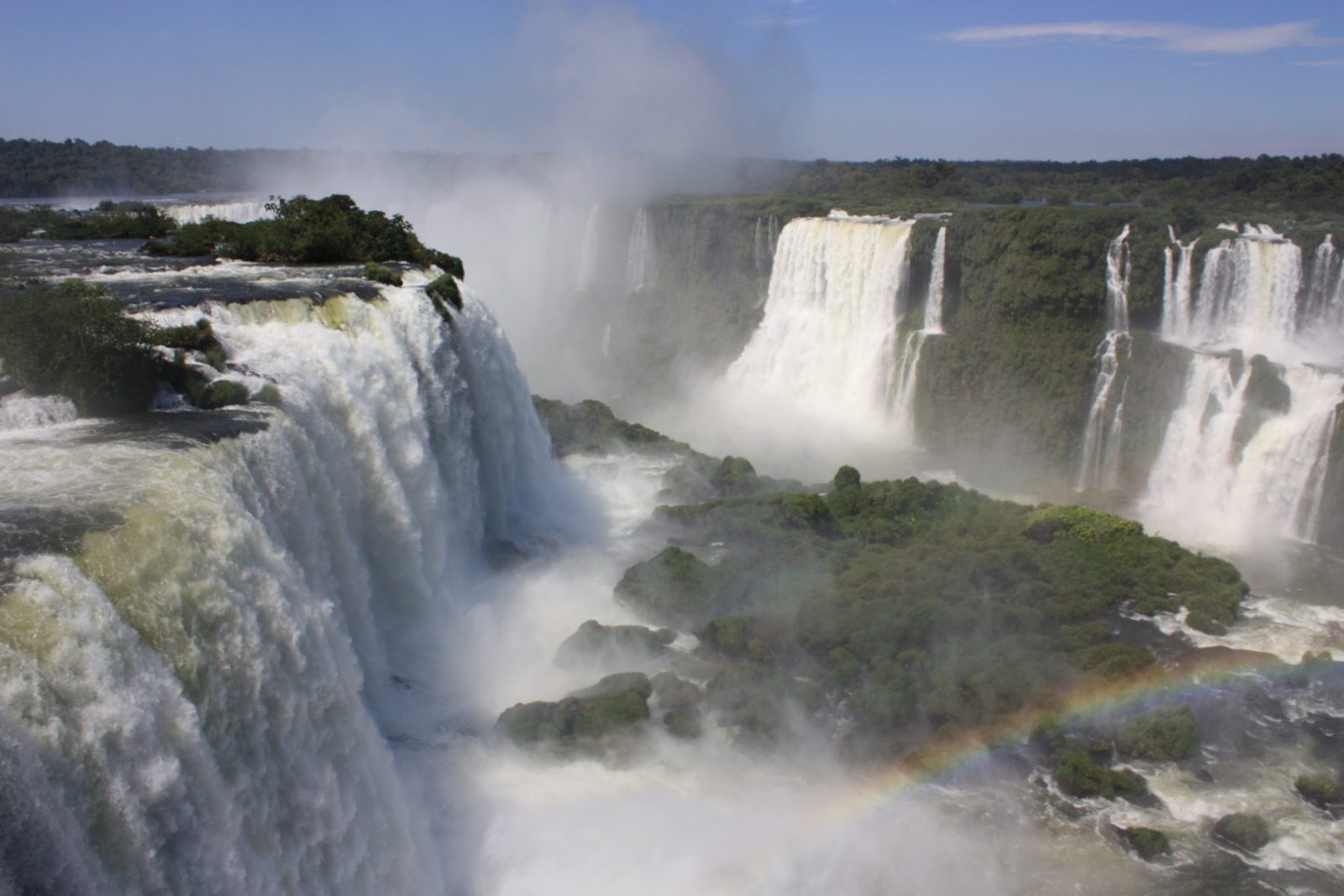
Argentina is hugely varied, running from the sub tropics down to close to Antarctica. It has 18 different ecoregions and apart from the two mentioned in the last sentence, there are also the tallest mountains in the Americas, and some of the Atlantic ocean deepest depths.

[smart_post_show id="10825"]

Links to areas to visit will appear below.  Please note, while it is not possible to add sightings to this map above. This is because the whole country is is a specific regional ecosystem. Over time every area will become clickable, so that you can access the ecosystem and record sightings.

Help us build up a map of where wildlife has been seen. Add any sightings of mammals that you encounter. As this map starts to be used, we will greatly reduce how long sightings remain free for anyone to see, so that hunters and poachers cannot use this as a resource. The idea is that over time we can build up an idea of exactly where we should look for them.

Bolivia

Bolivia

Bolivia is the 5th largest country in South America, and lies in the North west of South America.It is sandwiched between Peru and Chile to the West, and Brazil to the east.

Bolivia is the 28th largest country in the world, with the 27th being Ethiopia.

There is a range of ecosystems in Bolivia which are of interest for those who like to see wildlife. I hope over the next few years to link to as many of these as possible.

The South of Bolivia is a beautiful largely empty desert area of wilderness . 

The eastern Andes mountains run through the country from North to South and bisects the country.

Filter by

Add your own marker

Marker Title
Marker Address or GPS Location

Or right-click on the map and drag to add a marker

Marker Description
Marker Category
Date
Time
Please tick this box to prove you are human

Links to areas to visit will appear below.  Please note, while it is not possible to add sightings to this map above. This is because the whole country is is a specific regional ecosystem. Over time every area will become clickable, so that you can access the ecosystem and record sightings.

Help us build up a map of where wildlife has been seen. Add any sightings of mammals that you encounter. As this map starts to be used, we will greatly reduce how long sightings remain free for anyone to see, so that hunters and poachers cannot use this as a resource. The idea is that over time we can build up an idea of exactly where we should look for them.

[smart_post_show id="10819"]

Chile

Chile

The are a wide variety of wildernesses in Chile, from the Andes to the Atacama desert. In time we will add animals for the sightings board below

Over time we intend to link to as many of these as possible. Below is our sightings board for Chile. Each red area will eventually have its own page with its sightings board included. Red areas will be clickable so you can quickly visit each aera

Here is a link to our page for the Atacama desert

Any links to pages about specific areas will appear below the news section for Chile

[smart_post_show id="10799"]

Lorem ipsum dolor sit amet, consectetur adipiscing elit. Ut elit tellus, luctus nec ullamcorper mattis, pulvinar dapibus leo.

Peru

Peru

Peru is the third largest country in south America, with Ecuador to the north and Brazil and Bolivia to the East. To the west lies the Pacific ocean  .

There is a range of areas in Peru which are of interest for those who like to see wildlife. I hope over the next few years to link to as many of these as possible.

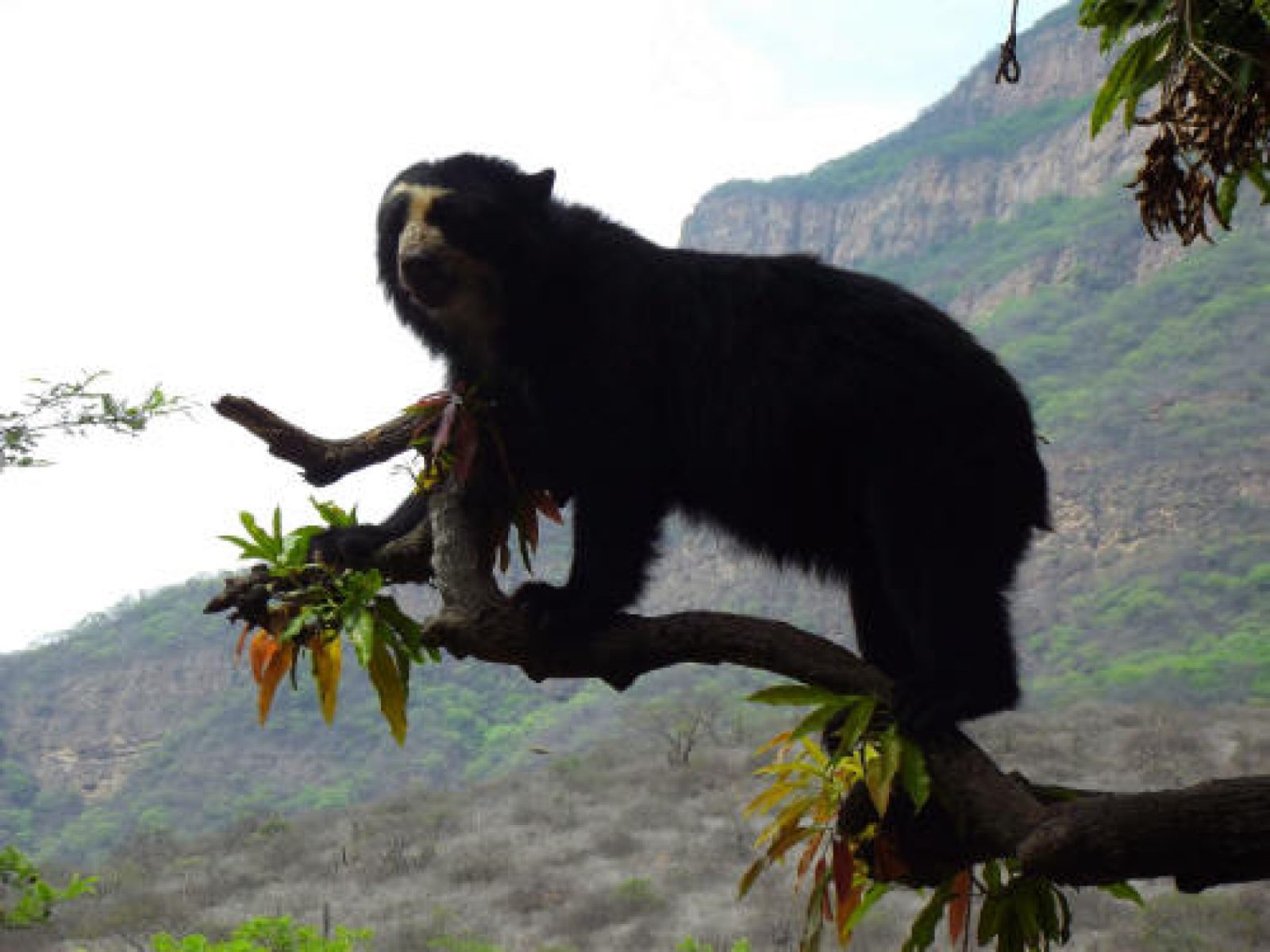
– The Amazon rainforest covers 60% of Peru, an area of 782,880.55 km²                                                       – The Andean cloud forest extends from Columbia into Peru and Ecuador                                                      – The Paramo grasslands extend for 30,000 km²  (11,600 square miles), with paramo wolves                       spectacaled bears and white tailed deer found here.                                                                                       – Tropical deciduous forests, which lie in the north of the country and south of Ecuador                        – Marine coastal and wetland habitats – roughly 70% of Perus biodiversity is off the coast

Links to areas to visit will appear below.  Please note, while it is not possible to add sightings to this map above. This is because the whole country is is a specific regional ecosystem. Over time every area will become clickable, so that you can access the ecosystem and record sightings.

Help us build up a map of where wildlife has been seen. Add any sightings of mammals that you encounter. As this map starts to be used, we will greatly reduce how long sightings remain free for anyone to see, so that hunters and poachers cannot use this as a resource. The idea is that over time we can build up an idea of exactly where we should look for them.

[smart_post_show id="10700"]

Ecuador

Ecuador

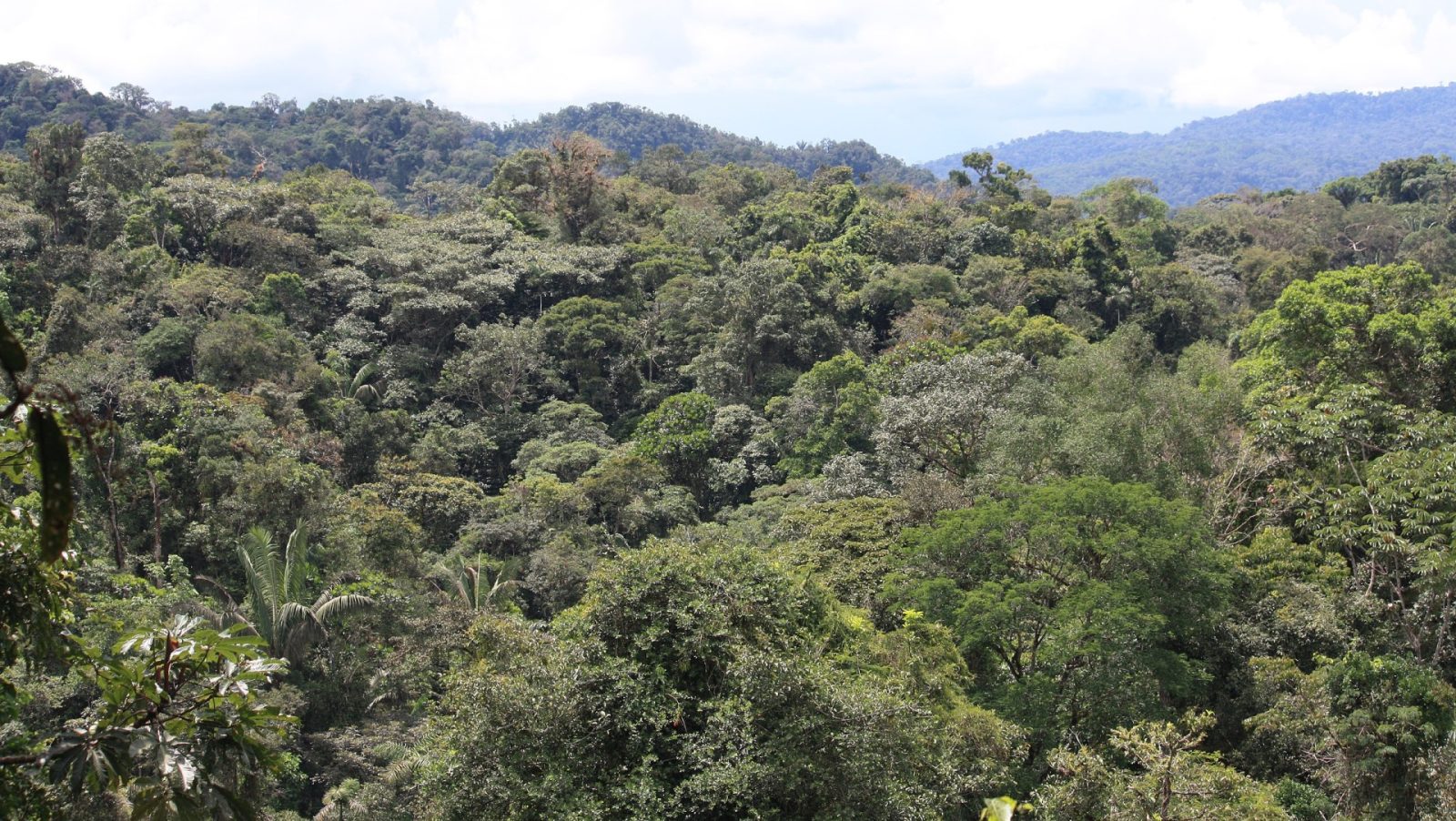
These ecosystems include the peaks of the Andes mountain range, cloud forests, the Amazon rainforest, mangroves, coastal regions and a tropical dry forest. As such, this is going to be a fantastic destination for you to visit if your interested in wildlife.

Links to areas to visit will appear below.  Please note, it is not possible to add sightings to this map above. This is because the whole country is is a specific regional ecosystem. Over time every area will become clickable, so that you can access the ecosystem and record sightings.

Help us build up a map of where wildlife has been seen. Add any sightings of mammals that you encounter. As this map starts to be used, we will greatly reduce how long sightings remain free for anyone to see, so that hunters and poachers cannot use this as a resource. The idea is that over time we can build up an idea of exactly where we should look for them.

[smart_post_show id="10693"]

Ecuador -future destinations

Colombia

Colombia

Columbia is the 4th largest country in South America, and lies in the North west of South America. Veneuela lies to the north of Ecuador and Peru, to the west of Brazil and Venezuela (Venezuela also surrounds some of the North of Columbia). The rest of the country is on the coast except a small part of the coast where Panama connects to South America.  It should be noted that central America is part of the Northern American continent, so any areas of Columbia which lie north of the mainland are also part of the Northern American continent

Columbia is the 26th largest country in the world, with the 25th being South America.

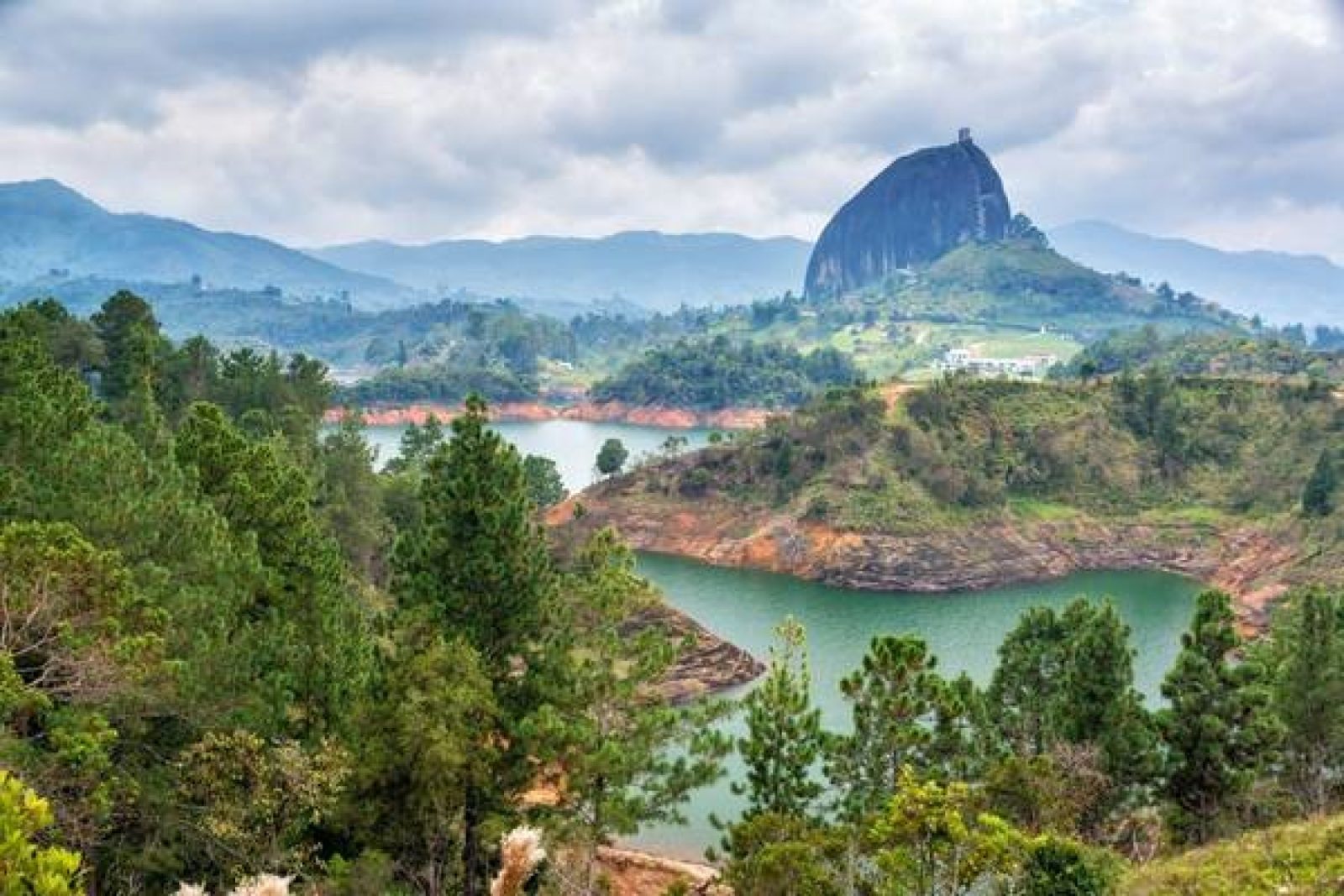
There is a range of areas in Columbia which are of interest for those who like to see wildlife. I hope over the next few years to link to as many of these as possible.

– The most Southern part of the country contains some of the most northern part of the Amazon rainforest and is known as Amazonia.                                                                                                                           – The western edge of Columbia, runs along the Pacific ocean. This coastal region will have a specific set of wildlife. It is known as Pacifica.                                                                                                         – The Costa Norte runs along the northern edge of South America, and is largely a Caribbean region, with a Caribbean range of wildlife.                                                                                                        – Running along the coast, inland of the Pacifica and to the South of Costa Norte is Andino which hosts Columbias region of the Andes (the largest portion of the Andes).                                                  –  – – The last region is Orinoquia – Infinate prairies, mountain ranges, rivers, wildlife and cowboys. The Llanos, which are Colombias eastern plains are still undiscovered by mainstream tourism and is a beautiful destination with few tourists. This is one of the worlds richest tropical grasslands and geographically and culturally different to anywhere else, This region is one of the lesser known in Latin America. Never the less, it covers 376,000 square km and stretches through this region of Columbia and into Venezuela.

Filter by

Add your own marker

Marker Title
Marker Address or GPS Location

Or right-click on the map and drag to add a marker

Marker Description
Marker Category
Date
Time
Please tick this box to prove you are human

Links to areas to visit will appear below.  Please note, while it is not possible to add sightings to this map above. This is because the whole country is is a specific regional ecosystem. Over time every area will become clickable, so that you can access the ecosystem and record sightings.

Help us build up a map of where wildlife has been seen. Add any sightings of mammals that you encounter. As this map starts to be used, we will greatly reduce how long sightings remain free for anyone to see, so that hunters and poachers cannot use this as a resource. The idea is that over time we can build up an idea of exactly where we should look for them.

[smart_post_show id="10677"]

Russia

Russia

Amur Leopards are quite at home on the grasses of eastern Russia, or the snow that blankets this area most of the year

Russia is the largest country in the world, with more than 6.5 million square miles (over 17 million square km). With a wide array of habitats, which include polar deserts, Tundra, Forest tundra, Mixed and Broad-leafed forests, forest steppe, steppe, semi-desert and subtropic. As a result of this, its wildlife varies greatly.

In the west, it is a true European habitat, and this country contains 30,000-40,000 wolves, and 120,000 brown bears. It is also an important place for polar bears, though these are threatened as with the rest of their range.

The only home of the Amur leopard and the Amur tiger lies in the far east of Russia (both species also live in small areas in China – while both have been near extinction in the last few decades, they are rebounding (though compared to their historic range, their recovery has barely started, and time will tell if the are allowed). 

Amur Leopard status: It is hard to count such a secretive animal, however in 2022, 125 adult Amur leopards were identified in Russia and 46 in China in 2019 – given the number is growing, it seems reasonable to suggest the total population is around 150-175. Given the whole population was 30-40 in 2001, this has been a remarkable turn around, though the species is still far from full recovery.

Amur Tiger status: The Amur tiger is thought to have a wild population 265-485. Like the Amur leopard, they have had to recover dramatically, though this recovery has happened over a longer time frame. The Amur tiger is thought to have had a wild population of 50 back in the 1940s. Going back to 1850 there was thought to be around 1000 Amur tigers, however uncontrolled hunting brought this number down until they were threatened with extinction. Another thing to remember, is that recent analysis has shown that the Caspian tiger was merely the western-most population of the Amur tiger, so there is also the possibility of translocating Amur tigers to a variety of sites further west, however, the population needs to grow more before this happens.

The Causican (Asia Minor) Leopard also hangs on though in small numbers – though given this animals total population is around 1100, few of these will live in Russia.

Snow Leopards are also found, with an estimated population of 150-200 within the country. Indeed the range of wildlife of this country is quite incredible

Links to areas to visit will appear below.  

Help us build up a map of where wildlife has been seen. Add any sightings of mammals that you encounter. As this map starts to be used, we will greatly reduce how long sightings remain free for anyone to see, so that hunters and poachers cannot use this as a resource. The idea is that over time we can build up an idea of exactly where we should look for them. Researchers and similar feel free to add your sightings, We have a members area of the website where full maps will be available, and we are willing to give free memberships to reseachers working on populations that live in the wild
to to
[smart_post_show id="10602"]

Serbia

Serbia

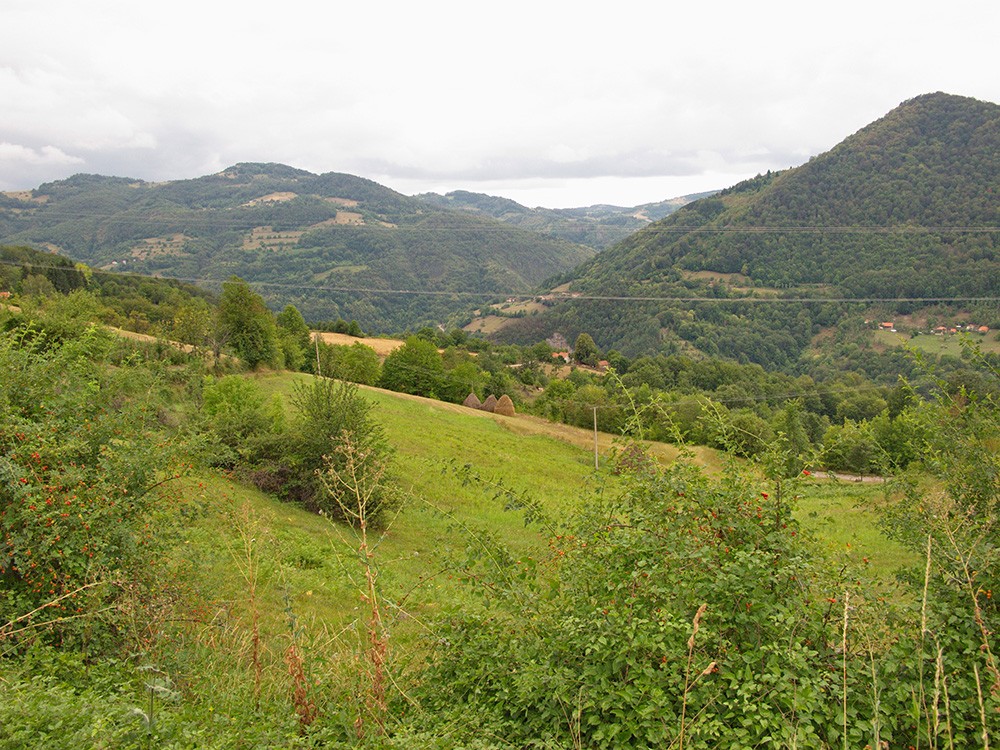
This country is incredibly mountainous with 4 different mountain ranges lie in this country, and cover roughly 50% of the country. This will mean that this country will feature in a variety of mountain range pages. In the East of the country, the great Carpathian mountain chain also lies, along with the Balkan mountains chain. Finally the Rila-Rhodope mountain system lies in the far South of the country. This wide range of mountains, not surprisingly, mean that much of the country remains wild, meaning that the country could support large populations of various wildlife.


A view of mountains in Serbia


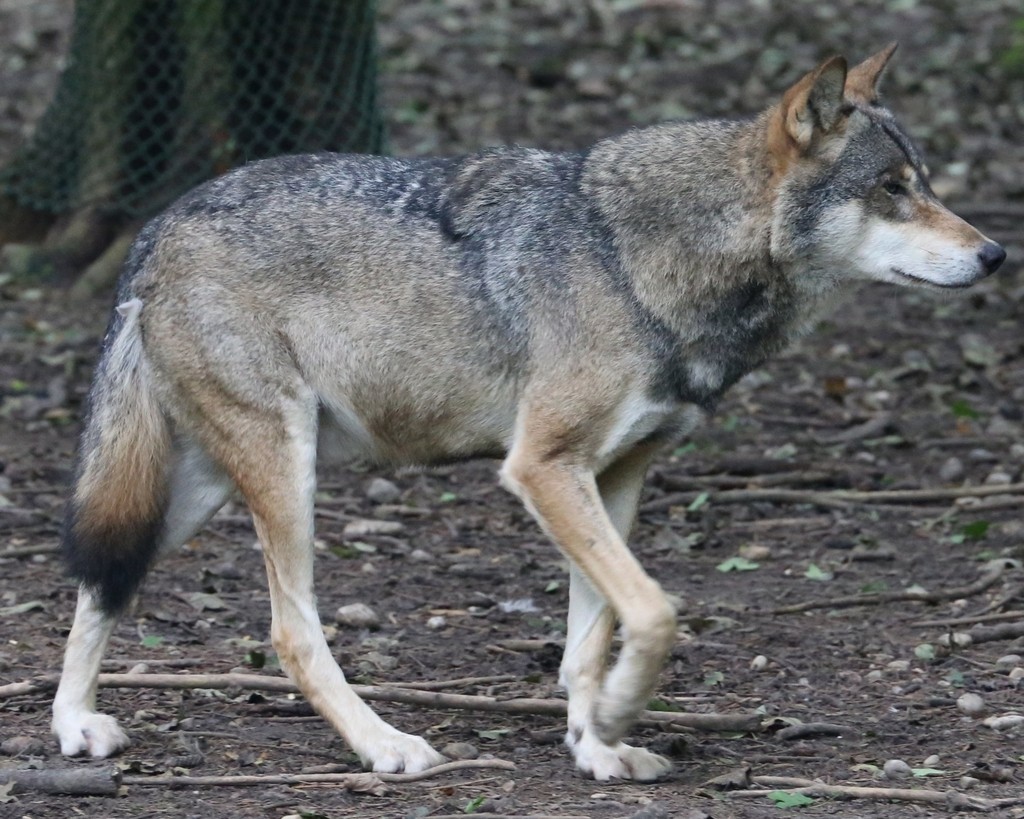
Wolves are not treated well, with these animals widely shot poisoned and trapped. As such, the remaining population of around 500 wild wolves, seems higher than we should expect. Increased tourism might well lead to a more nuanced discussion over these predators.

Bears are unfortunately even less healthy from a population standpoint in the country, with a population of 50-60. Never the less, if well treated, bear populations are capable of bouncing back relatively quickly. These bears form a bigger population with countries in the area. As such, genetically they are more healthy than these numbers might lead people to think.

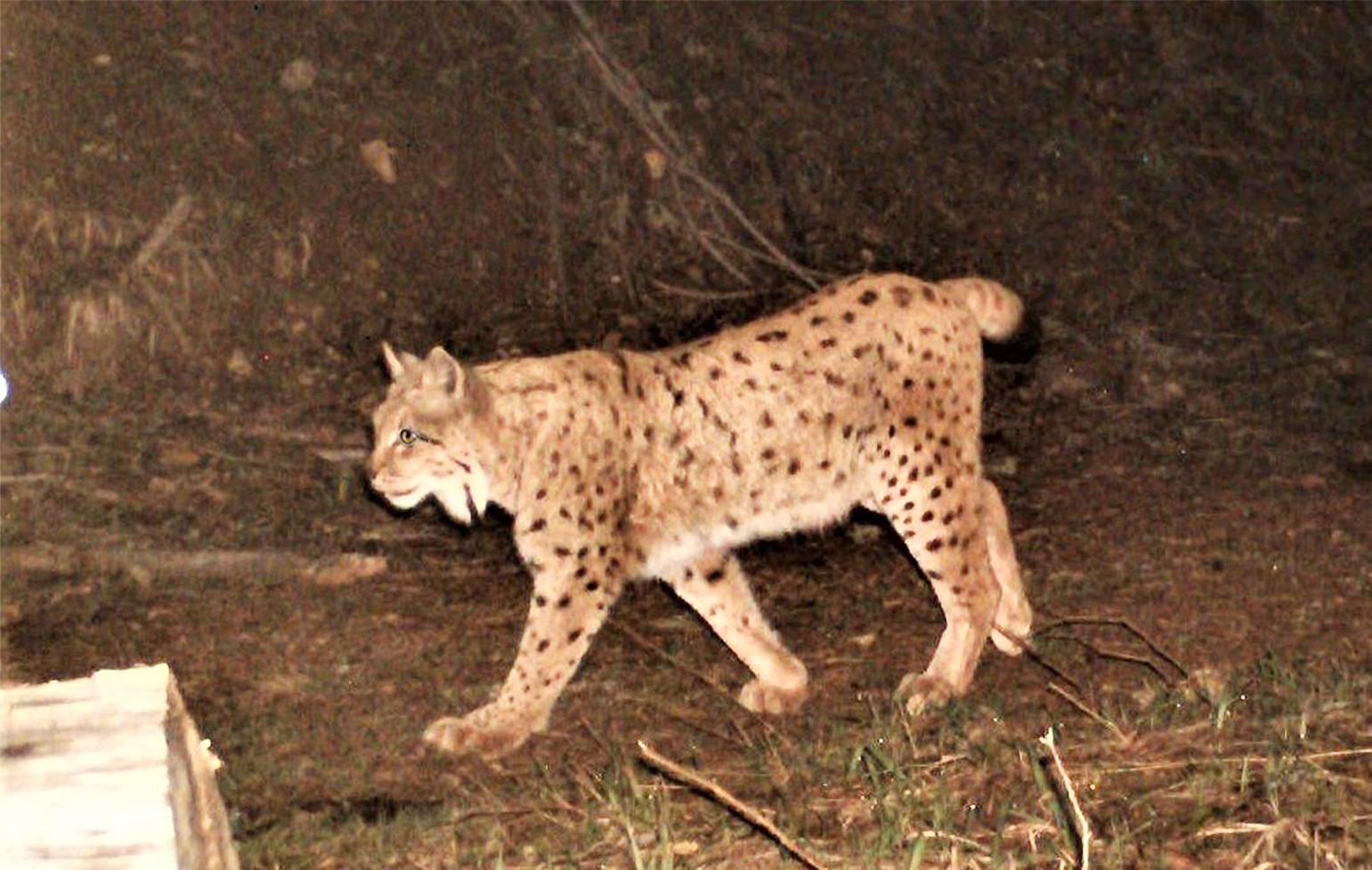
Serbia contains part of the range of the Balkan Lynx which is spread across Albania, North Macedonia, Kosovo, Montenegro, Croatia and possibly even Northern Greece. Given that this entire population numbers only around 60-120 in size, it is incredibly rare.

The Balkan Lynx only has a population of 60-120 spread across Albania, Kosovo and North Macedonia. There are also thought to be some in Serbia Montenegro and greece.(opens in a new tab)


Serbian wolves are clinging on in the country despite being treated poorly

Do add any sightings that you have to the map below. Our aim is to build up a picture of wild populations over time. As data starts to build up, only the last couple of days of sightings will remain in public (so as to not help hunters).

Filter by
to to
[smart_post_show id="10199"]

We aim to connect with people working in wildlife tourism and conservation over time, these links will appear below the list of Serbia articles below (Currently there are none, but these will apear in the box below.

Kosovo

Kosovo

Kosovo is a small country in south eastern Europe, mostly known for a war that was fought there. Yet it is a beautiful country and has much to offer people visiting. One side of this is the wildlife

One of the smallest countries Europe, the Dirac mountains are also found here. Lying at the bottom of the Dirac Alps there is plenty of wild space in this little country.

There is a stable population of wolves in the country, which is numbered at around 500. They are hunted for trophies but it is unclear if this is currently sustainable. 

There are currently thought to be just 60-120 Balkan lynx spread across a large area(about 5 countries). 

There are thought to be no more than 100 bears in the country, which is not many. However it is a small country, and these bears are not isolated from populations in surrounding countries.

Golden Jackels are found in the northern half of the country.

Filter by
to to

Links will be added below news related to this area as we connect with people and places

[smart_post_show id="10278"]

Montenegro

Montenegro

Montenegro is the 39th largest country in Europe (so not huge) and was also part of Yugoslavia. This means that there has been a great deal of change over the last few years. Montenegro lies at the far end of the Dinirac alps, and more than 2/3 of the country is considered mountainous.

Wolves are not a protected animal in the country and are numbered 200-300 Wolf hunting is therefore not prohibited but is not currently organized in such a way as to drive the animal to local extinction.

Filter by
to to

Add your own marker

Marker Title
Marker Address or GPS Location

Or right-click on the map and drag to add a marker

Marker Description
Image
Marker Category
Date
Time
Please tick this box to prove you are human

There are currently thought to be just 60-120 Balkan lynx spread across a large area(about 5 countries).  It is not thought that there are any Eurasian lynxThe bear population is small, numbering 50-100. Golden jackals can also be seen in various parts of the country.

Links will be added below as we connect with people and places

[smart_post_show id="10295"]
See Animals Wild

Read more news

Join as a wild member
to list your wild place & log in

Join as an ambassador supporter to
support this site, help save wildlife
and make friends & log in

Join as an Associate member
to assist as a writer, creator, lister etc & to log in

List a wild destination

List a destination in
the shadow of man

List a hide for animals more easily seen this way

Highlight some news
missed, or submit a
one-off article

Browse destinations for fun or future travel

Temporary membership
start here if in a hurry

Casual readers and watchers