Until last year, in many of the states in the USA, there was little to stop people from keeping big cats as pets.
Wildlife and conservation new, wild travel information and links for booking
Until last year, in many of the states in the USA, there was little to stop people from keeping big cats as pets.
I wonder what proportion of the country would recognize the name Chris Packham? He has been one of the lead presenters for the BBCs natural history unit for decades. Why is people like this important? Without people like this, all sorts of threats to our world, including things like climate change would be less well known in the public.

These people are essential for disseminating information which might allow us to deal with these challenges without leaving a dystopian world to our children. Naturalists are important, as they give us the knowledge to deal with many problems far cheaper than any manmade solution.
Continue reading “Chris Packham was awarded £90,000, so?”Oil, is increasingly recognized as an asset that is likely to be worth very little in the future. Does this mean it has no value now? no of course not. Still, it is likely to move in that direction soon.

It is, unfortunately, a fact, that meat eaters create a significant extra quantity of carbon released into the air. How much? Well this varies from place to place, and product to product.
There are an increasingly large number of people who are recognizing this issue. Now while some will argue that without the meat industry, much of the UK farmland would be built on, and that this would be disastrous for the environment are missing the point. We live on an island, and as such it is in our own best interests to make sure that the worlds ice sheets do not melt.
Continue reading “If the US beef industry is deploying tricks similar to fossil fuels and smoking to delay action, what should we do?”I wrote last year about a group of European bee eaters which nested in Norfolk last year
https://seeanimalswild.com/wp-admin/post.php?post=7304&action=edit
Should you wish to read it, I have included a link to it above.
These birds are beautiful, and for some time, have been an exciting moment when encountering them in Spain or eastern Europe. Unfortunately, their more regular visits to our shores is yet more signs of climate change.
The fact that they have returned to the same nest site may well suggest a group which intends to make this their annual nesting ground.
3 have been spotted, which include a nesting pair.
There have been many suggestions that the scientific consensus has not been reached, when it comes to climate change, either to its existence or humans effect on it,
https://www.cnn.com/videos/tv/2023/04/04/mission-tiger-sumatra-tambling-1-hnk-spc-intl.cnn
Above is a link to a short but fascinating video which CNN did about an ex hunter who is trying to atone for his former behaviour.
It is under 6 minutes and well worth a watch. It is not brand new, but I hope it is of interest.
This is a reserve of about 480 square km on the southern end of Sumatra
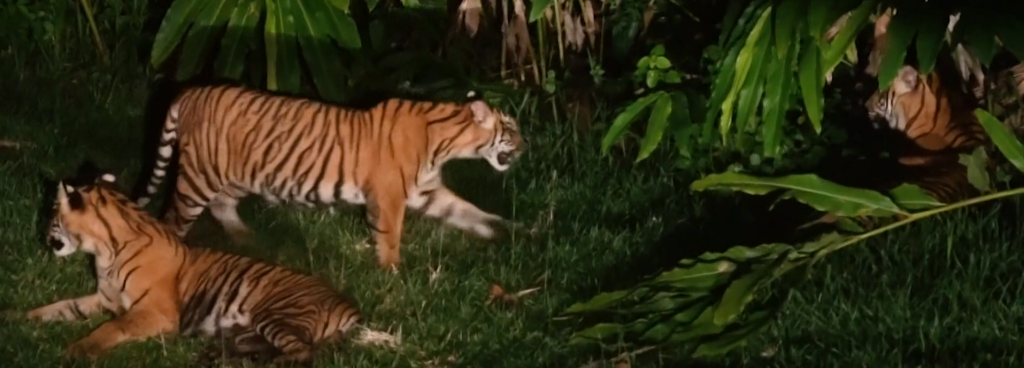
While not vast, this small reserve has the capacity to support above 10% of the current remaining Sumatran tiger population.
I hope to be able to link to this destination in the near future
Hi all, we are trying to set up a new mapping program for you to see all the sites that we list (and hopefully show many thousands that will be added over the next few decades)
The website continues to grow, we hope eventually to have other writers, but for now thats in the future
Tim Welby
Pangolins are bizarre animals!
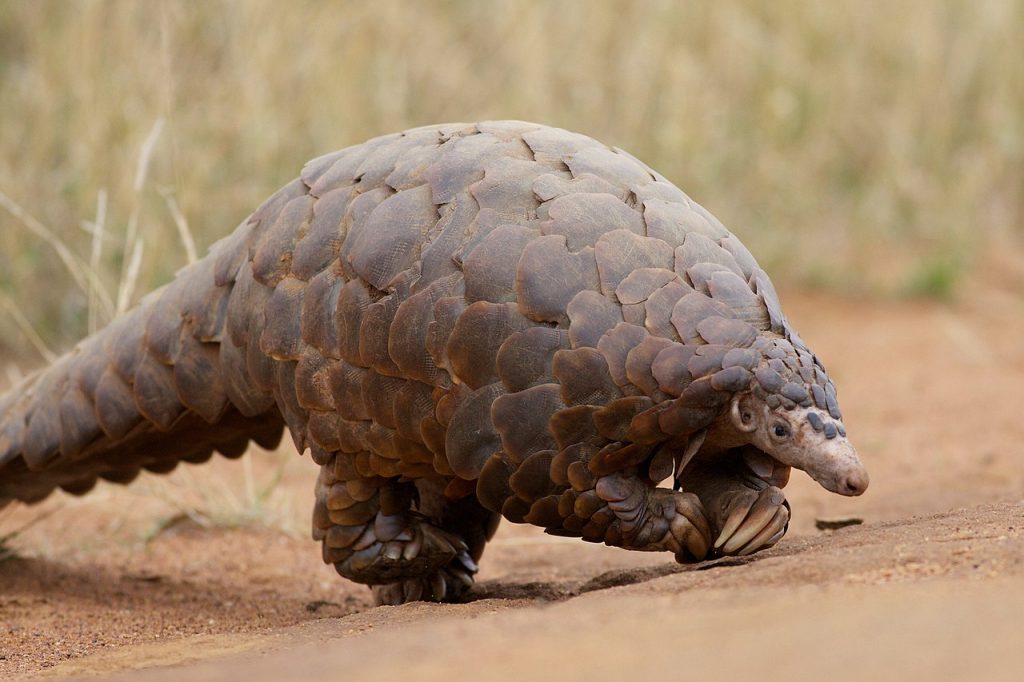
How many of you knew about a pangolin? How many of you knew about a pangolin before say 5 years ago when their poaching became big news.
Generally the reason that they are little known about, is that they are secretive, and one of the most strictly nocturnal animals in the bush.
Despite this, seizures of tonnes of pangolin scales are regularly made on the way to Vietnam or China (and other similar parts of Asia). To be clear, in pretty much all of these countries the authorities are making lots of effort to stamp out this trade.
So this is why it is so horrifying to hear that poaching is not the primary human cause of death.
Electric fences!
Now it should be noted, that there is a wide range of predators in the African bush. We all know about lions and leopards, and even cheetah.
What about the smaller species?
The caracal, and serval are both cats that are incredible jumpers, and as such usual fences will not cause them a problem as they can jump over. Black backed jackals? Well these canines, are essentially the equivalent of the northern hemispheres red fox. Certainly, it is true that these animals might be a threat, but they are too savvy to be blocked by a fence, and anyway, live happily both sides of the fence as it is.
Electric fences are used in South Africa far more than other countries in Southern Africa: South Africa has about 6,000,000km of fencing, while Botswana has 3000km and Namibia 1100km.
So what can be done?
Well Pangolins are not a tall animal, but tend to travel on their hind legs. Raising the lowest strand of this fence from 20cm to 30cm would likely eliminate these deaths.
Why are they specifically at risk? Very sadly, by walking on their hind legs they expose their belly, when on the move. They struggle to see the strands of the wire, so the first thing that they know is it touches their sensitive underside. What is worse, Pangolins roll up into a ball when scared, but in this case this does not help, as this will leave the pangolin hanging from the wire. As the shocks keep coming the pangolin stays, and often starves or dies of thirst.



Join as an ambassador supporter to
support this site, help save wildlife
and make friends & log in

