Olive Baboon

Olive Baboon

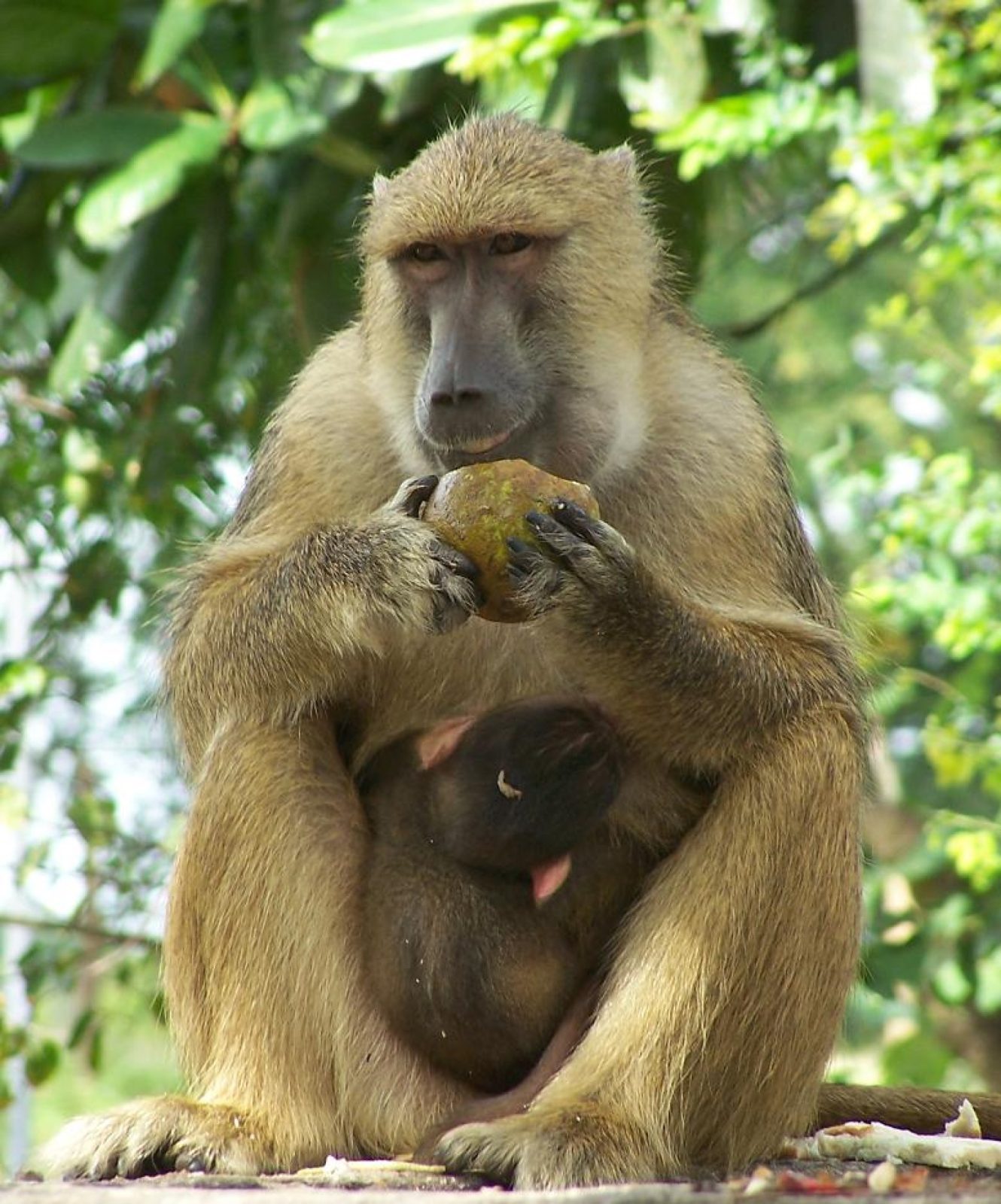
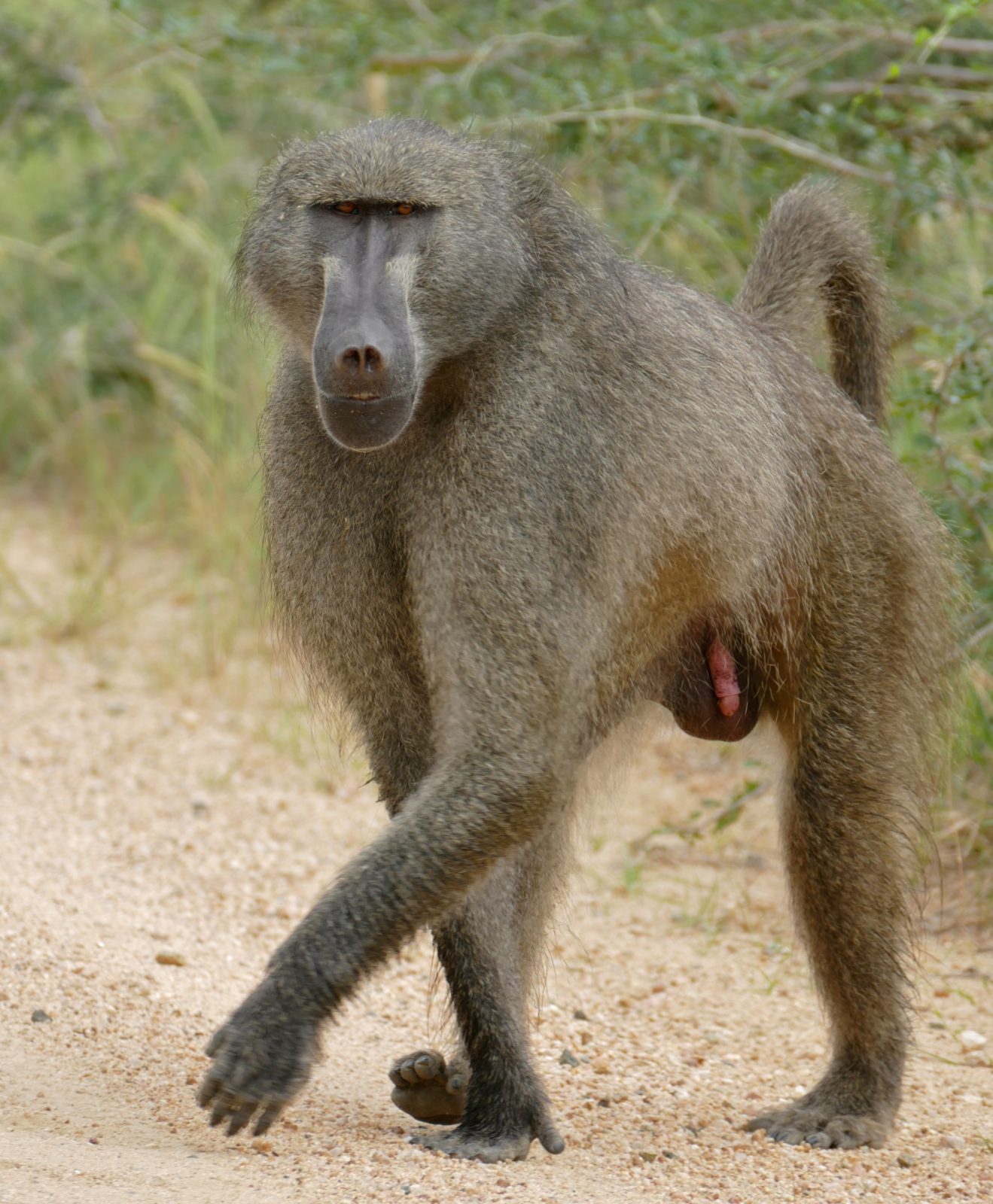
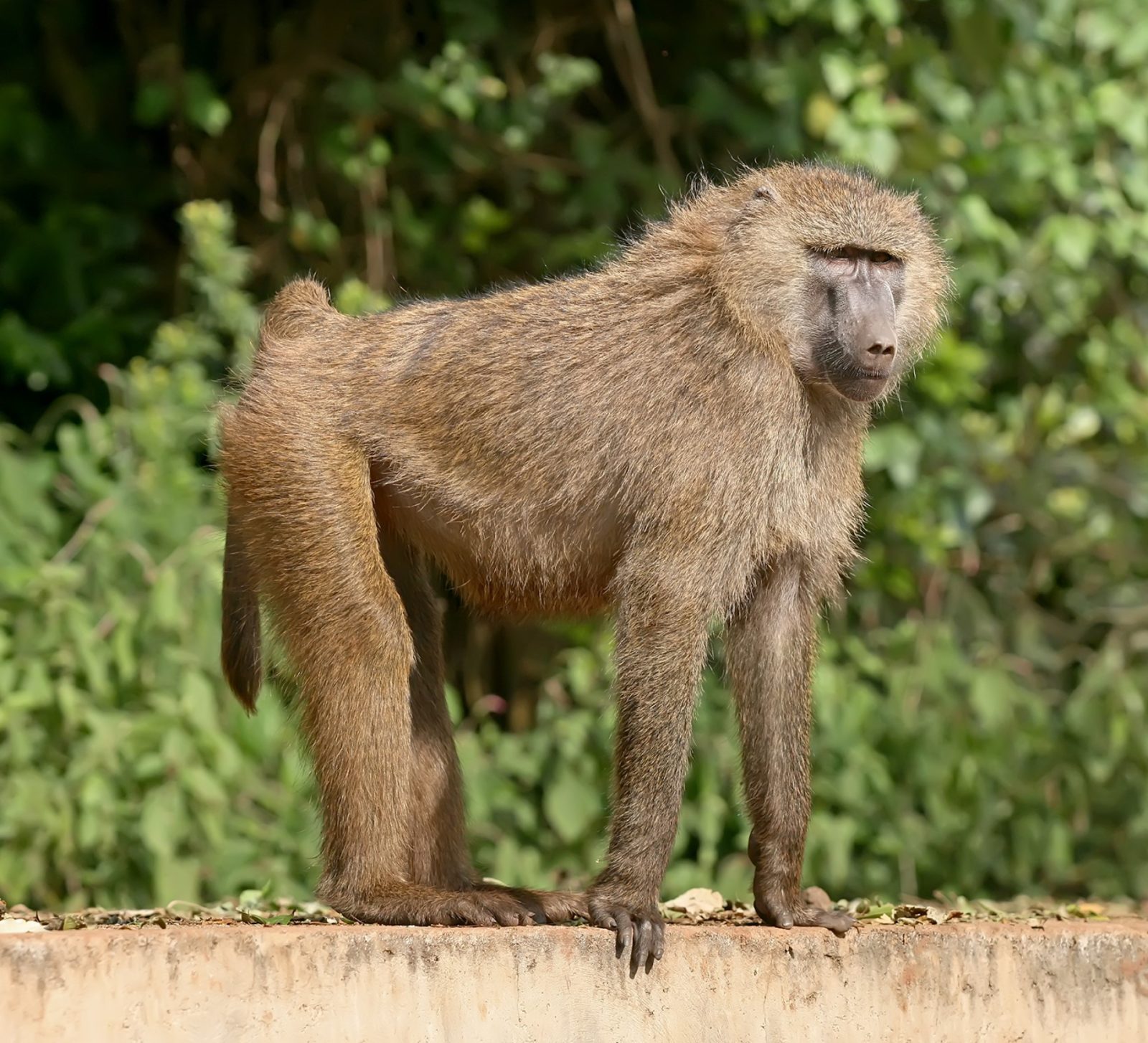
The olive baboon, also calledthe Anubis baboon, is a member of the family Old World monkeys. The species is the most wide-ranging of all baboons,[3] being native to 25 countries , extending from Mali eastward to Ethiopia and Tanzania. There are even isolated populations of this baboon that inhabit mountainous regions of the Sahara, though it is more commonly found inhabiting savannahs, steppes, and forests. It gets its name from its colour (at a distance it appears green-grey. A variety of communications, vocal and non-vocal, facilitate a complex social structure.

Below, you will find a list of any articles on this species (if we have written any). below this you will find any contacts and links that might be helpful in visiting areas that this species lives.

[smart_post_show id="19152"]

Hamadryas Baboon

Hamadryas Baboon

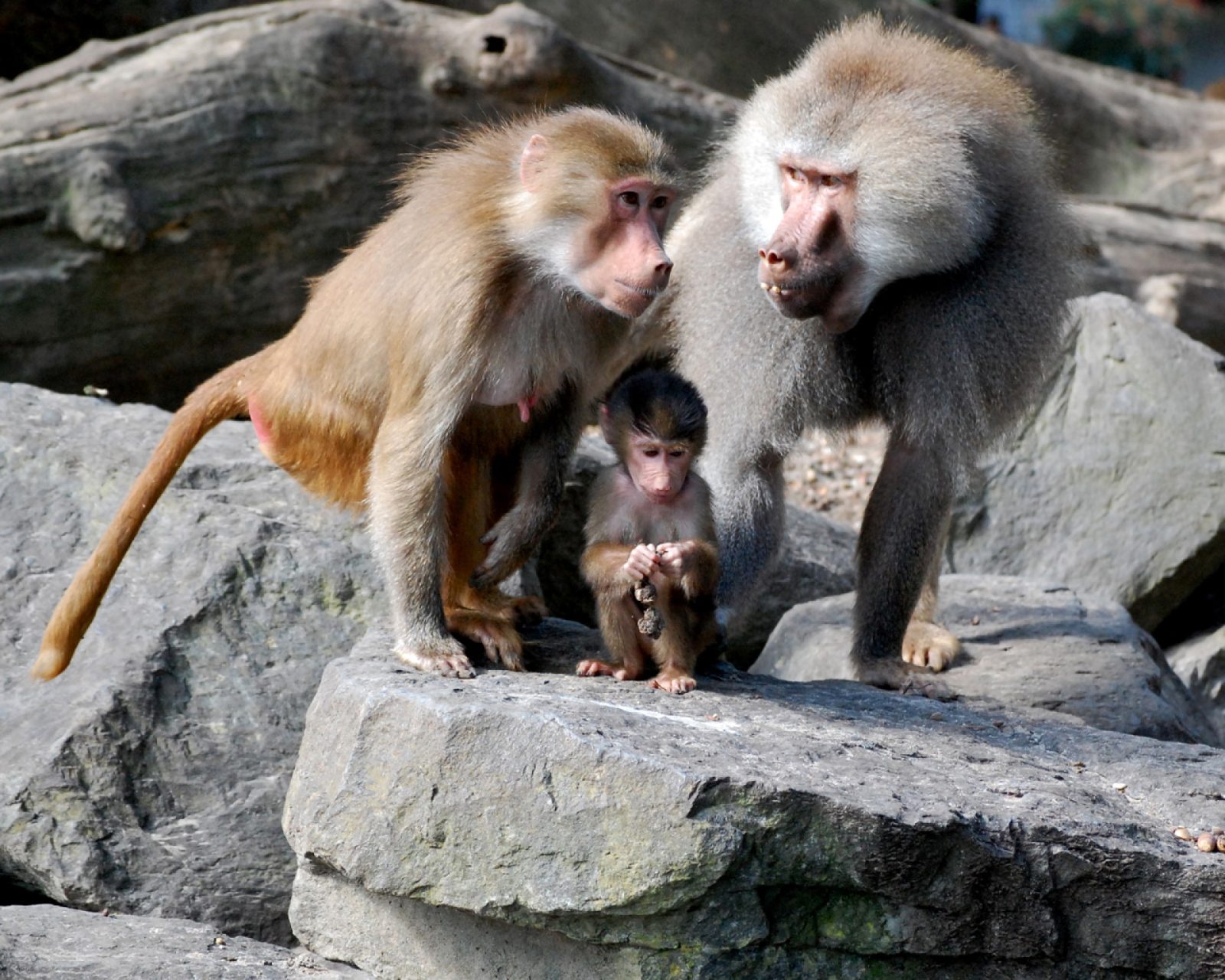
The Hamadryas baboon is a species of baboon within the old world monkey family. It is found in the extreme north of the continent – in the horn of Africa and the southwest part of the Arabian Peninsula. There are far fewer predators than elsewhere in Africa, leading to less effort needing to go into avoiding them. In ancient Egypt, this species was sacred, however, that has not stopped it becoming extinct in the country (One of the Egyptian gods was a baboon).

Adult males are around twice the size of adult females, but also males develop a silvery mantle around their neck, which females do not have. Males grow to 80cm long and 20-30kg, while females grow to 45cm at most and 10-15kg.

It lives in arid areas savannas and rocky areas, though it also needs cliffs for sleeping and finding water. it is omnivorous and ready to take advantage of most opportunities which it encounters. It diet depends on the season, with the wet season bringing blossoms, seeds, grasses, wild roots as well as bark and leaves from the acacia tree,  while during the dry season they eat leaves of other plants. They will also eat insects, spiders, worms, scorpions, reptiles, birds and even small mammals such as antelope. Water also effects their behaviour; during the wet season it is easy to find a watering hole, but during the dry season, they will usually find 3 or so watering holes and keep close to one of them. They are also capable of digging for water (though in close proximity to a normal watering hole.

The social structure is pretty complicated, with 4 levels. Much of their grouping occurs in small one-male groups or harems, with up to 10 females. The males lead and guard this group aggressively. Often a younger male (known as a follower) related to the leader will also be in the group. 2 or even more of these groups regularly group to form clans – though generally, these are formed between clans with closely related males. Bands are the next level, where 2-4 clans will join, leading to groups of up to 400, which travel and sleep as a group. Males rarely leave this band, though females sometimes do (or are traded. Bands will fight each other over food and/or territory. Solitary males that have no connection to a harem are allowed within the band. Several bands may sometimes come together to form a troop, especially for sleeping on cliffs.

It is a strictly patriarchal society, with the males controlling the movement of females, mostly by gestures and faces, though ready with violence if ignored.

Females which are disliked in their group are more likely to try to leave, or be taken in fights -suggesting a level of choice. Oddly, unlike other primate species, the males aggressively stop any female hierarchy from forming.

One of the biggest threats is loss of habitat, as humans turn land into pasture. Its natural predators include the striped and spotted hyena, as well as the leopard, though humans are greatly reducing that population size over time. Over its entire range, it is considered least concern, though local problems may occur.

Places like the Yangudi Rassa national park (proposed), the Harar wildlife sanctuary and a variety of other reserves all host this animals

We will add any links to content below our news section (this will put together any articles that might have been published on this website for your interest)
[smart_post_show id="19120"]

Yellow baboon

Yellow Baboon

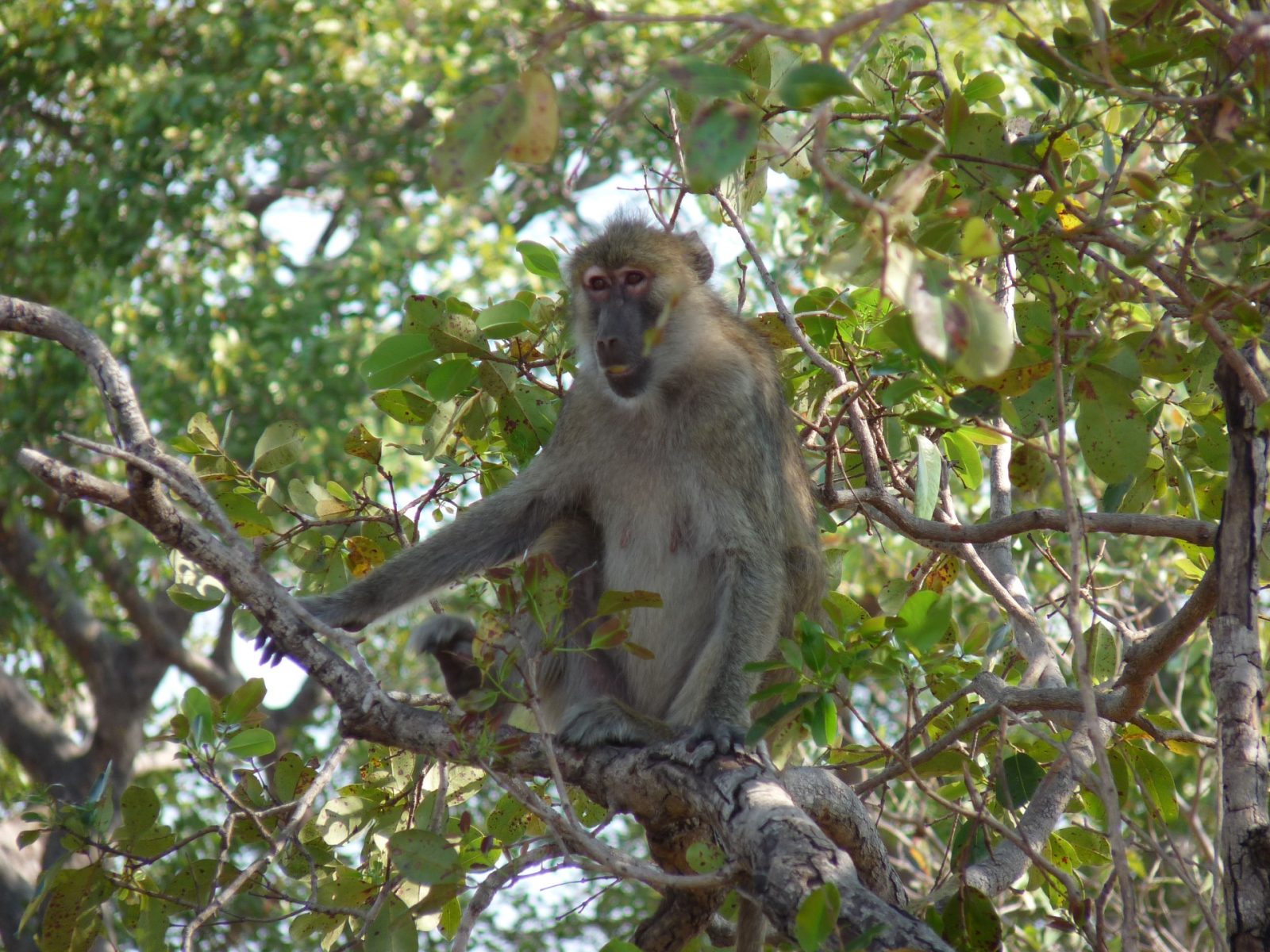
The yellow baboon is from the  Old World monkeys, living in savannas and light forests in eastern Africa, from Kenya and Tanzania to Zimbabwe and Botswana. . The species name means “dog-head” in Greek, due to the dog-like shape of the muzzle and head. Yellow baboons have slim bodies with long arms and legs along with yellowish-brown hair, they look similar to Chacma baboons, but are smaller. They hairless faces are black but framed with white sideburns. Males can grow to about 84 cm, females to about 60 cm with tails almsot as long. The average life span of the yellow baboon in the wild is roughly 15–20 years; some may live up to 30 years.

They are active during the day, defend an area, and live in complex, mixed-gender social groups of 8 to 200 individuals per troop. Like all baboon species, they are omnivorous, with a preference for fruits. However, they are opportunistic and so will take plants, leaves, seeds, grasses, bulbs, bark, blossoms and fungi, as well as worms, grubs, insects, spiders, scorpions, birds, rodents and small mammals when the opportunity presents, or when there is not enough fruit to sustain them. 

Baboons are effective predators of small mammals, as well as ready prey for larger predators, They are also important for the ecosystems, as many of the seeds are transported by them after being eaten.

Baboons have been able to take advantage of a variety of habitats, including living alongside humans. This makes them one of the most successful African primates and are not listed as threatened or endangered. Having said this, they are often regularly exterminated in particular areas. At the current time, give their large number this is no threat to their ongoing survival. Unfortunately, this may change in the future and so it should be watched carefully.

The two subspecies of the yellow baboon are:

  • Papio cynocephalus cynocephalus (typical yellow baboon)
  • Papio cynocephalus ibeanus (Ibean baboon)

Yellow baboons use at least ten different sounds to communicate. When traveling as a group, males will lead, females and young stay safely in the middle, and less-dominant males bring up the rear. A baboon group’s hierarchy is a serious matter, and some subspecies have developed behaviors intended to avoid confrontation and retaliation. For example, males may use infants as a kind of “passport” or shield for safe approach toward another male. One male will pick up the infant and hold it up as it nears the other male. This action often calms the other male and allows the first male to approach safely.

They are readily viewed where they are found, and are interesting animals to watch. Care must be taken with rubbish, as they can quickly become dependent on human waste, and this makes them dangerously agressive.

Below, you will find a list of all places they have been mentioned on this website, and below this, we hope to list many places where you can travel to see them in the wild.

[smart_post_show id="19142"]

Kinda Baboon

Kinda Baboon

The Kinda Baboon is a primate species. Some put all of the baboons except the Hamandryas baboon, as subspecies of a so called Savannah baboon – however, the majority of people agree that these are distinct enough to be separate species.

The Kinda baboon Papio kindae is a species of Baboon present in the miombo woodlands of Angola, Democratic Republic of the Congo, Zambia, and possibly western Tanzania. It was once considered a subspecies of the Yellow baboon, now considered distinct enough to merit status as full species kindae under the phylogenetic species concept.

They are considered least concern by IUCN, with a stable population at the current time.

Below the news section (this is autogenerated from content on the site, I hope to add stories over time) we will add any links as we gain contacts to help with travel to see this species.

[smart_post_show id="19063"]

Guinea Baboon

Guinea Baboon

Older classifications only list 2 species of baboon – the hamadryas baboon and the Savannah baboon (this was considered to include all other baboons – but they are too distinct for this, hence each being treated as a separate species).

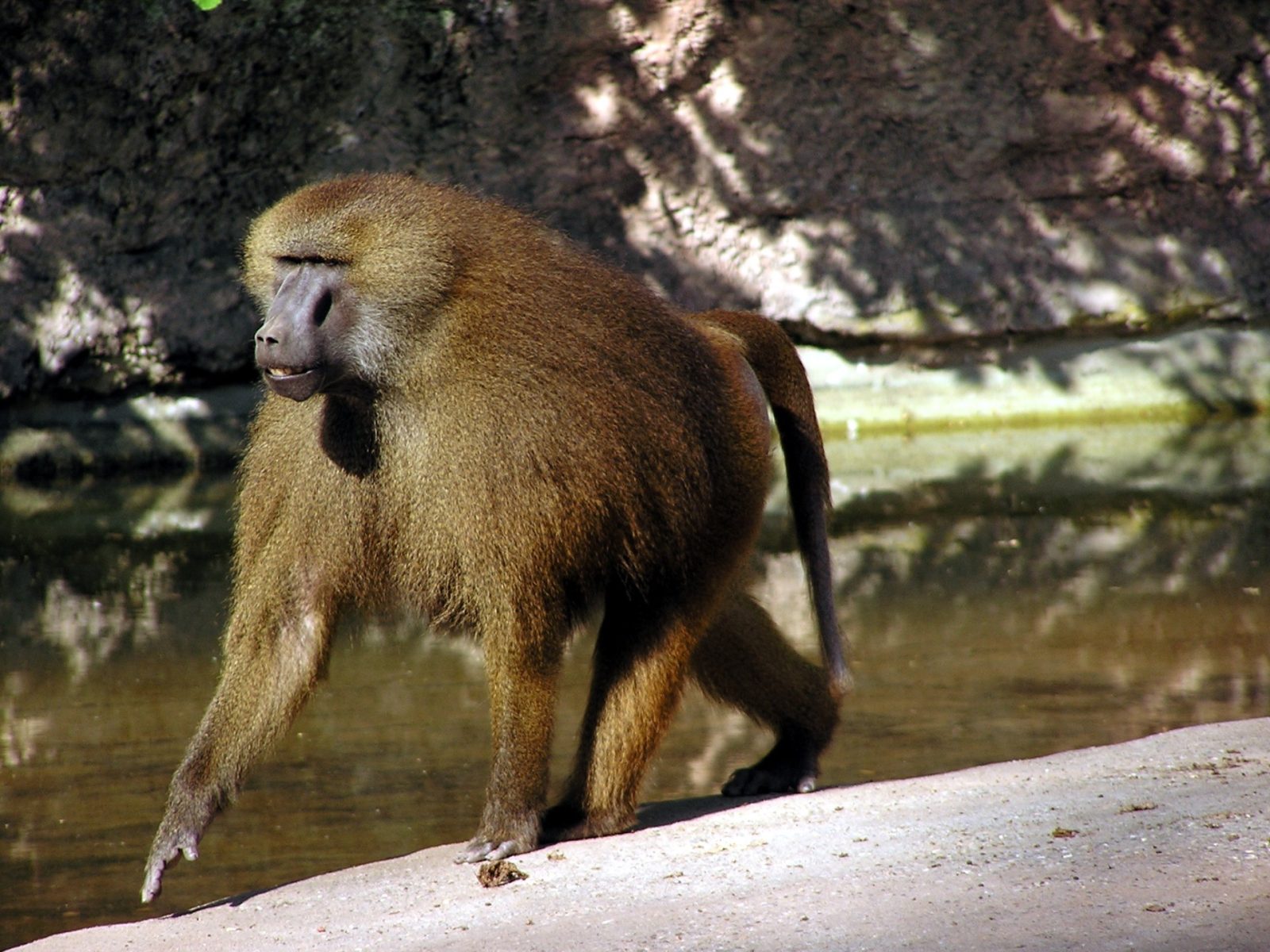
The Guinea baboon inhabits a small area in western part of the continent. Its range includes Guinea, Senegal, Gambia, southern Mauritania and western Mali. Its habitat includes dry forests, gallery forests, and adjoining bush savannas or steppes. It also has limb modifications that allow it to walk long distances on the ground. The Guinea baboon is one of the smallest baboon species, only weighing 13 and 26 kg (28.6–57 lbs). Their life spans are generally between 20 and 50 years.

It is a Terrestrial animal, but sleeps in trees or high rocks at night, away from predators. The number of suitable sleeping trees limits the Group size measures and the range. It lives in troops of up to 200 individuals, each with a set place in a hierarchy. Group living provides protection from predators such as the Lion and various Hyena species. Like all baboons, it is an Omnivorous highly opportunistic feeder, eating fruits buds, roots, bark, grasses, seeds, tubers, leaves, nuts, cereals, insects, worms, birds, mammal.
Because it will eat practically anything available, the Guinea baboon is able to occupy areas with limited resources or harsh conditions. Its presence may help improve habitats because it digs for water and spreads seeds in its waste, encouraging plant growth.

The Guinea baboon is a highly communicative animal. It communicates by using a variety of vocalizations and physical interactions. In addition to vocalizations to each other, this animal has vocal communications apparently intended to be received and interpreted by predators. Due to its small range and the loss of its habitat, the Guinea baboon is classified as “near threatened” by the IUCN – this is one up from least concern, suggesting that at the current time they are alright, but if the current trend continues then this species is going to start moving towards extinction. It should be noted, that this is the only true baboon species which is not least concern – warranting species attention

We hope to have destinations where you can see this species, in the near future. These will appear below the news section below (this section will update any time that an article is written which mentions the Guinea baboon)

[smart_post_show id="19037"]

Chacma Baboon

Chacma baboon

One of the largest old world monkeys, the Chacma baboon is found throughout the southern part of the African continent.

They are considered as least concerm, and are a species which is quite happy without it rainforest home. Instead you find it out on the Savannah plains. It is true that young will race up a tree if it is handy, to get away from danger, but for the most part, these monkeys can hold their own against even big cats. Large males have huge incisors, and this can be used to kill animals like leopards.

What is amazing, is that this primate is capable of living in many different habitats, including urban ones. Indeed, the baboons of Cape town are often a nuisance.

There are 2 (or 3 though the third is not accepted by many people) subspecies

  • Papio ursinus ursinus Kerr, 1792 – Cape chacma (found in southern South Africa)
  • P. ursinus griseipes Pocock, 1911 – Gray-footed chacma (found in northern South Africa to southern Zambia)
  • P. ursinus raucana Shortridge, 1942 – Ruacana chacma (found from Namibia to southern Angola, but not accepted by all authorities as distinct.

The chacma baboon is an omnivorous, eating almost anything it can find. More common foods include  fruits, seeds, grass, blossoms, bulbs, bark, insects, spiders, worms, grubs, rodents, birds, small antelope and fungi (the desert truffle Kalaharituber pfeilii). Despite this impressive list, meat is a relatively small proportion of their diet (about 2%) with the rest coming from a variety of plant matter. Unfortunately, for a forager, farmland is an easy place to find things to eat, and as such many farmers hate the baboons, and will kill on occasions. Around the cape, and along the coast, shellfish and other small marine invertebrates, are taken, often with significant frequency. It is generally a scavenger when it comes to game meat, and rarely engages in hunting larger animals (though it is clearly capable).

There has been an incident of baboons hunting and killing a human child, however this is incredibly rare (locals put it down to witchcraft). Normally, wild chacma baboons will flee at the approach of humans, though this is changing due to the easy availability of food and garbage from human dwellings in villages and towns near the baboons’ habitat.

They are also hunted by a variety of predators, though large males can often push off predators, as they are themselves considerably dangerous.

Troops generally consist of 5-10 males with a large group of females and their young.

Generally choosing to sleep on steep cliffs or similarly dangerous places to deter predation.

Young, who loose their mother are usually adopted by another female. 

While the species is at no risk of extinction at the current time, it is constantly at risk of being pushed out of certain areas. It is listed under Appendix 2 of CITES.

[smart_post_show id="18972"]

Campbells mona Monkey

Campbells mona monkey

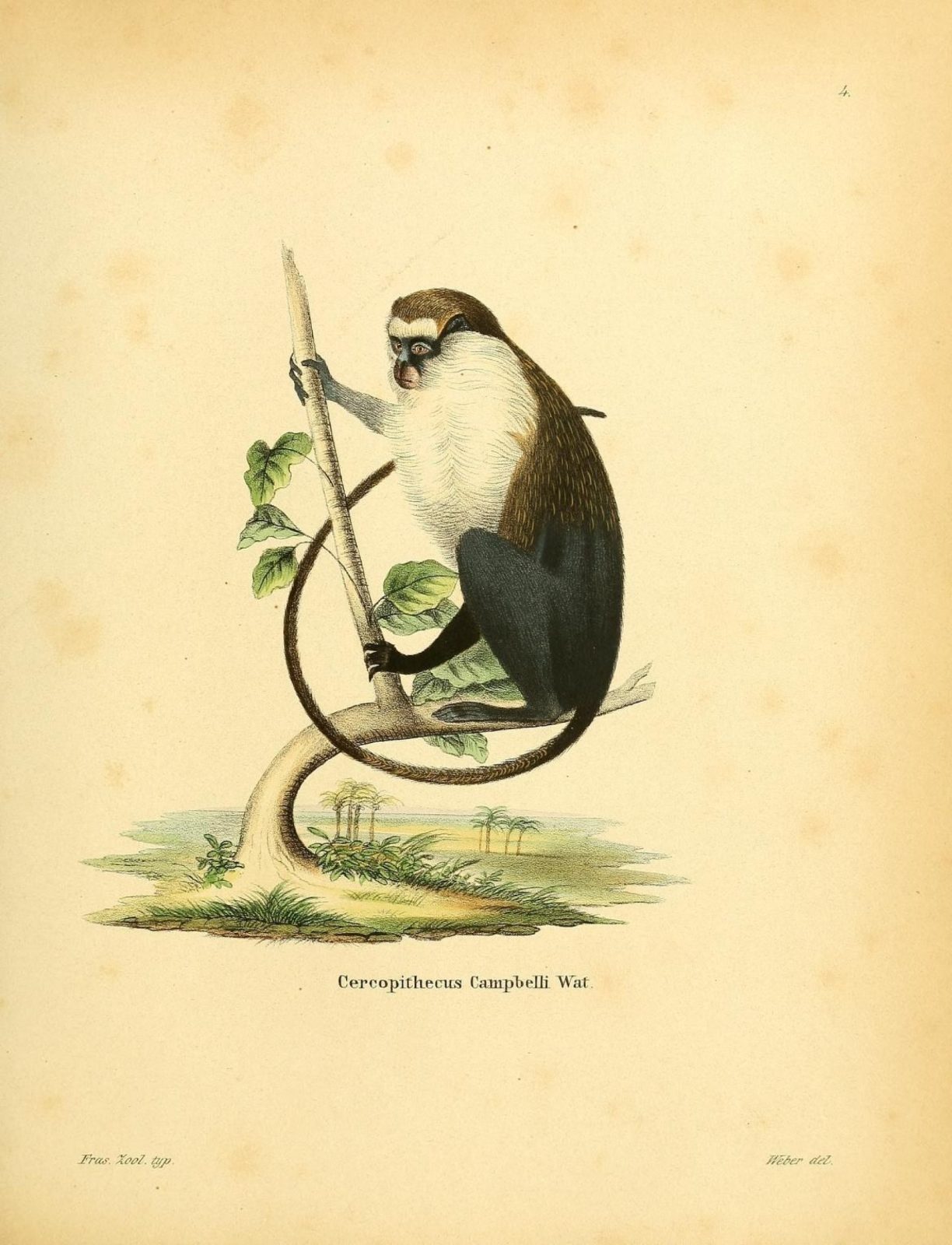
Campbell’s mona monkey, also known as Campbell’s guenon and Campbell’s monkey, is a species of primate found in the Ivory Coast, Gambia, Ghana, Guinea, Guinea-Bissau, Liberia, Senegal, and Sierra Leone. It was named for Henry Dundas Campbell, in 1838. Lowe’s mona monkey was previously considered a subspecies of Campbell’s mona monkey. The IUCN has rated this species as being a near-threatened species because it has a wide range and is able to adapt to degraded habitats.

Its habitat is lowland forest, both primary and secondary, gallery forest, mangrove swamps, agricultural land and scrubland.

Campbell’s mona monkey is a species which lives in groups of 8-10, defending their region from other groups. Around dawn and dusk, the dominant male climbs to a perch on an emergent tree and issues a series of booms. The sound carries for at least a kilometre, and other males join in. This monkey often associates with monkeys of other species and engages in inter-species territorial calling which obey certain ritual rules. This species has one of the more advanced forms of animal communication, with a rudimentary syntax.

Campbell’s mona monkey is a forager. The greater part of its diet is wild and cultivated fruit, but it also eats seeds, invertebrates, grubs, small amphibians and lizards.

[smart_post_show id="18945"]

Crested Mona Monkey

Crested Mona Monkey

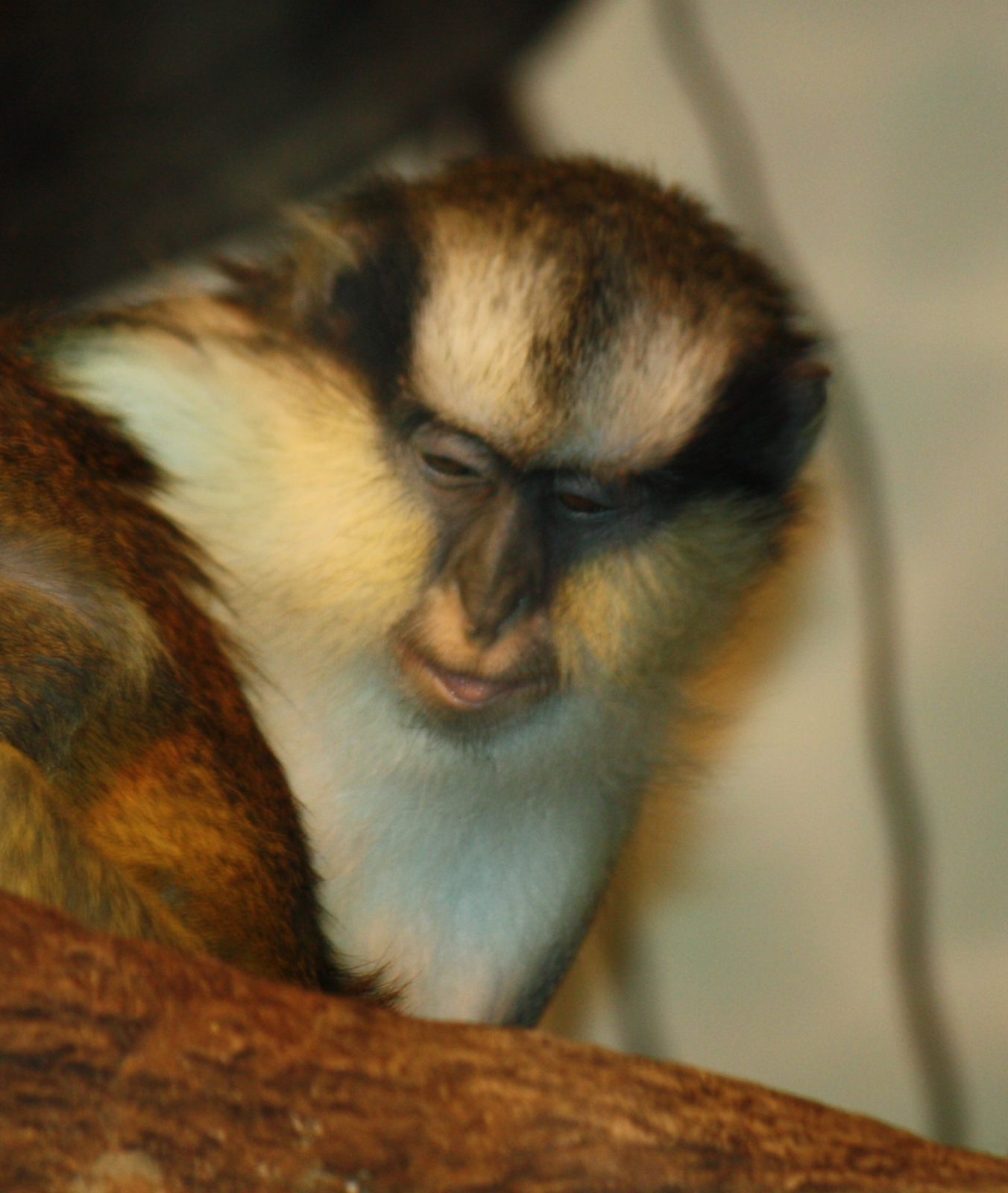
The crested Mona monkey does get referred to on a variety of other names such as crowned guenon, crowned monkey, golden-bellied guenon, or golden-bellied monkey is a species of African primate in the family Cercopithecidae found in west central Africa. Found in western central Africa from the in Nigeria and southern south to Angola, including Bioko Island, and east into the Central African Republic eastern Congo and the northern Democratic Republic of Congo

The Crested mona monkey occurs in mature lowland rainforest, in both primary and secondary forest, where there is a well developed canopy and with a clear understorey. Will also occur in flooded forest but avoids small forest patches, gallery forests and open secondary forest with a dense understorey.

The crested mona monkey is a species which uses its voice a great deal. Both males and females have vocal sacs which make their calls louder. A typical call is the booming call made by the adult male which can be heard more than 200m away. Social interactions include tail twining between resting monkeys and a ritualised head display.

The crested mona monkey is an agile species jumping between trees. Normally found in groups between 12 and 20 individuals. This consists of a male, a group of females and their dependent offspring. Groups are highly vocal, with the males producing the loud, “boom” mentioned above announcing their presence and status, there is also a sharp hacking call which is used as an alarm. The dominant males are able to establish groups, and therefore the lives of most males are rather solitary and are marked by an absence of social contact.

Surprisingly, many solitary males respond by joining groups of other monkeys such as the black colobus Colobus, where these solitary males can form strong group bonds with the non conspecific monkeys, possibly resulting in a permanent loss of mating opportunities. The social groups of crested mona monkeys will also associate with other guenon species, especially with moustached guenon  and greater spot-nosed monkey. In the Atlantic coastal forests, this includes red-capped mangabey as well. These large mixed-species groups grant the monkeys’ increased protection from predation, as the greater number of eyes on the sky means that the spotting of predators such as birds of prey is more likely, and it also facilitates the sharing of information between groups about the best foraging sites.

The crested mona monkey is mainly frugivorous but invertebrates are also regularly eaten, along with small quantities of leaves. Unlike most guenons, populations of the crested mona monkey in the northern parts of its range are known to migrate over long distances to forage for seasonally abundant food supplies.

The crested mona monkey has a polygynous mating system where the dominant male in each group has exclusive breeding access to all the females in that group. Breeding seem to take place at any time of year, and the females give birth to a single baby after a pregnancy of roughly five months.

There does not seem to be a consensus around how many subspecies of the crested mona monkey are recognised and some which were formerly considered subspecies of this species are now regarded as species in their own right, including Wolf’s mona monkey  and Dent’s mona monkey . Three subspecies appear to be the most widely accepted number

The subspecies and their ranges are:

  • Gray’s crested mona: Sangha River basin of southern Cameroon, southern Central African Republic through to the northern Democratic republic and Cabinda.
  • Black-footed crested mona: Endemic to Gabon and southwestern Republic of Congo.
  • Golden-bellied crested mona: Bioko and the adjacent parts of southern Nigeria, southern Cameroon.

The subspecies schwarzianus is not now generally recognised.

Should this species get written about on this website, any articles will be listed below.

Below the video (unfortunately only a captive member of this species) we will list any contacts to help you see this species in the wild.

[smart_post_show id="18940"]

Wolf Mona Monkey

Wolf's Mona Monkey

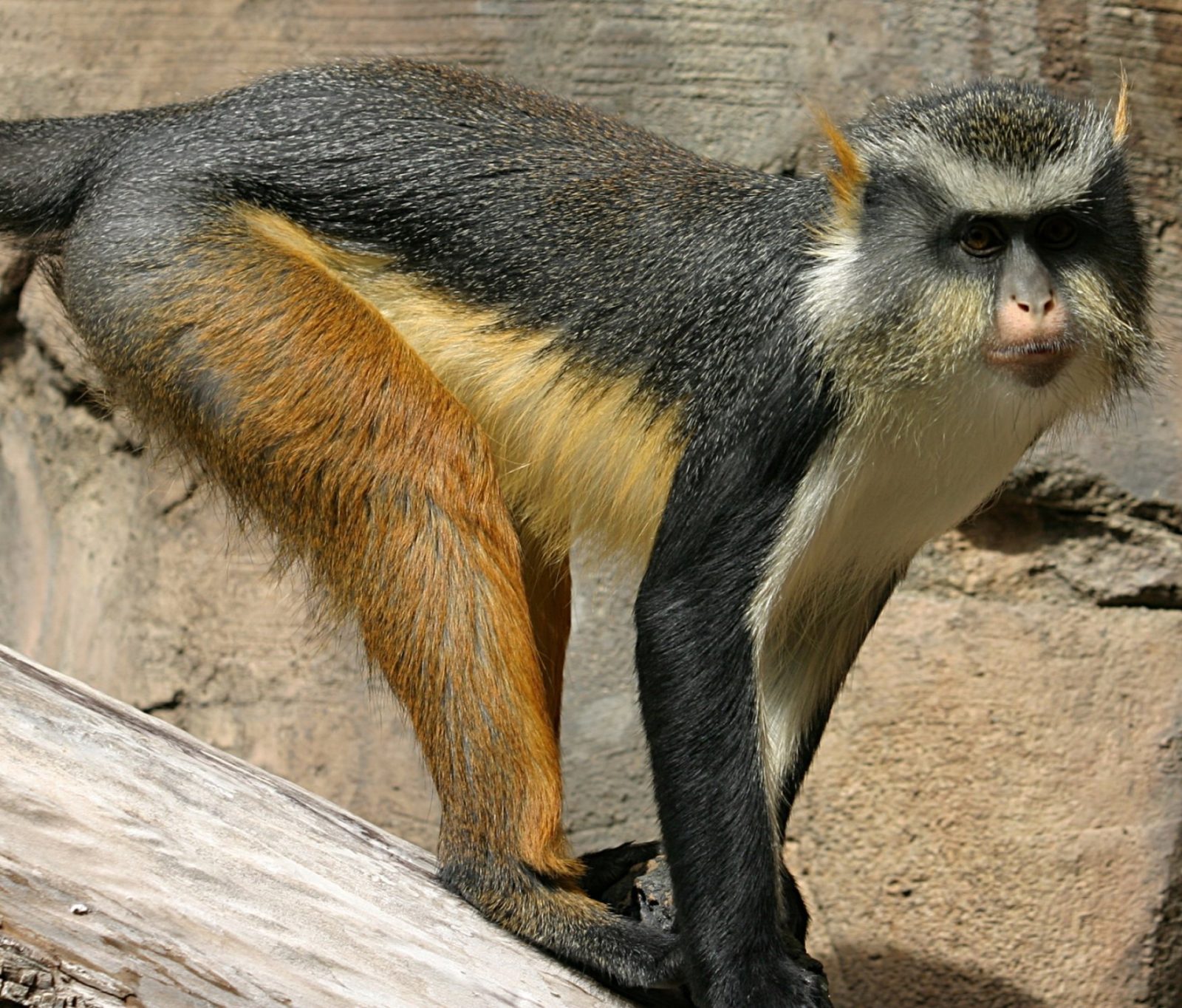
Wolf’s mona monkey, also called Wolf’s guenon, is a colourful Old World monkey. It is found in central Africa, primarily between the Democratic Republic of the Congo and Uganda. It lives in primary and secondary lowland rainforest and swamp forest.

The species was first described from a living specimen in the Zoological Garden at Dresden. It was brought in 1887 by Dr Ludwig Wolf from somewhere in central west Africa. The species was described in 1891 and named after the collector. This specimen died in October 1891 and the skeletal characteristics were described in 1894.

Wolf’s mona monkey is in the mona grouping within the genus Cercopithecus (you can see the other species in this grouping on the former page. Wolf’s mona monkey was previously considered a subspecies of the crested mona monkey. This primate family lies within the tribe which includes baboons, mangabeys, and macaques. Common characteristics include cheek pouches, low and rounded molar cusps, and simple stomachs; all adaptations to a frugivorous diet.

Wolf’s mona monkey has two subspecies which are separated by a large area of swamp forest:

  • C. wolfi wolfi, found between the Congo and Sankuru Rivers.
  • C. wolfi elegans, found between the Lomami and Lualaba Rivers
[smart_post_show id="18935"]

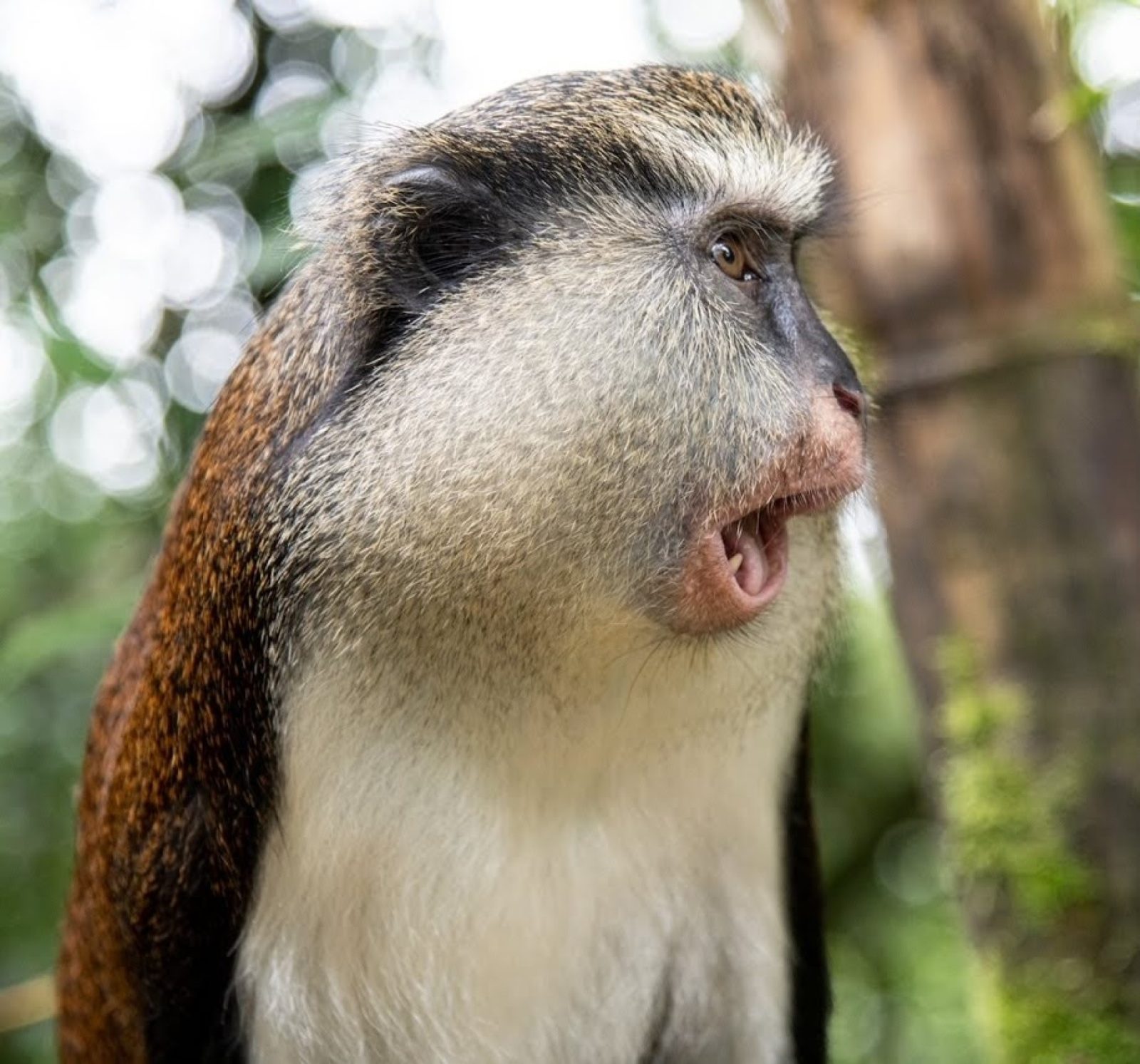
Mona Monkey

Mona Monkey

The mona monkey is native to the lowland forests of eastern Ghana, Togo, Benin, Nigeria and western Cameroon. It has also been introduced into Grenada and São Tomé and Príncipe. Although mainly a forest species, it is able to adapt to heavily degraded forest, gallery forest in savannah regions, and mangrove forest in the delta region of the Niger River, and is generally the commonest monkey near rivers.

It lives in groups of up to 12 in forests, though larger groupings do occur. It mainly feeds on fruit, but sometimes eats insects and leaves. The mona monkey has brown fur with a white rump. Its tail and legs are black and the face is blue-grey with a dark stripe across the face. The mona monkey carries food in cheek pouches.

Fully grown males are 40-60cm long, 

Its conservation status is near threatened.

See Animals Wild

Read more news

Join as a wild member
to list your wild place & log in

Join as an ambassador supporter to
support this site, help save wildlife
and make friends & log in

Join as an Associate member
to assist as a writer, creator, lister etc & to log in

List a wild destination

List a destination in
the shadow of man

List a hide for animals more easily seen this way

Highlight some news
missed, or submit a
one-off article

Browse destinations for fun or future travel

Temporary membership
start here if in a hurry

Casual readers and watchers