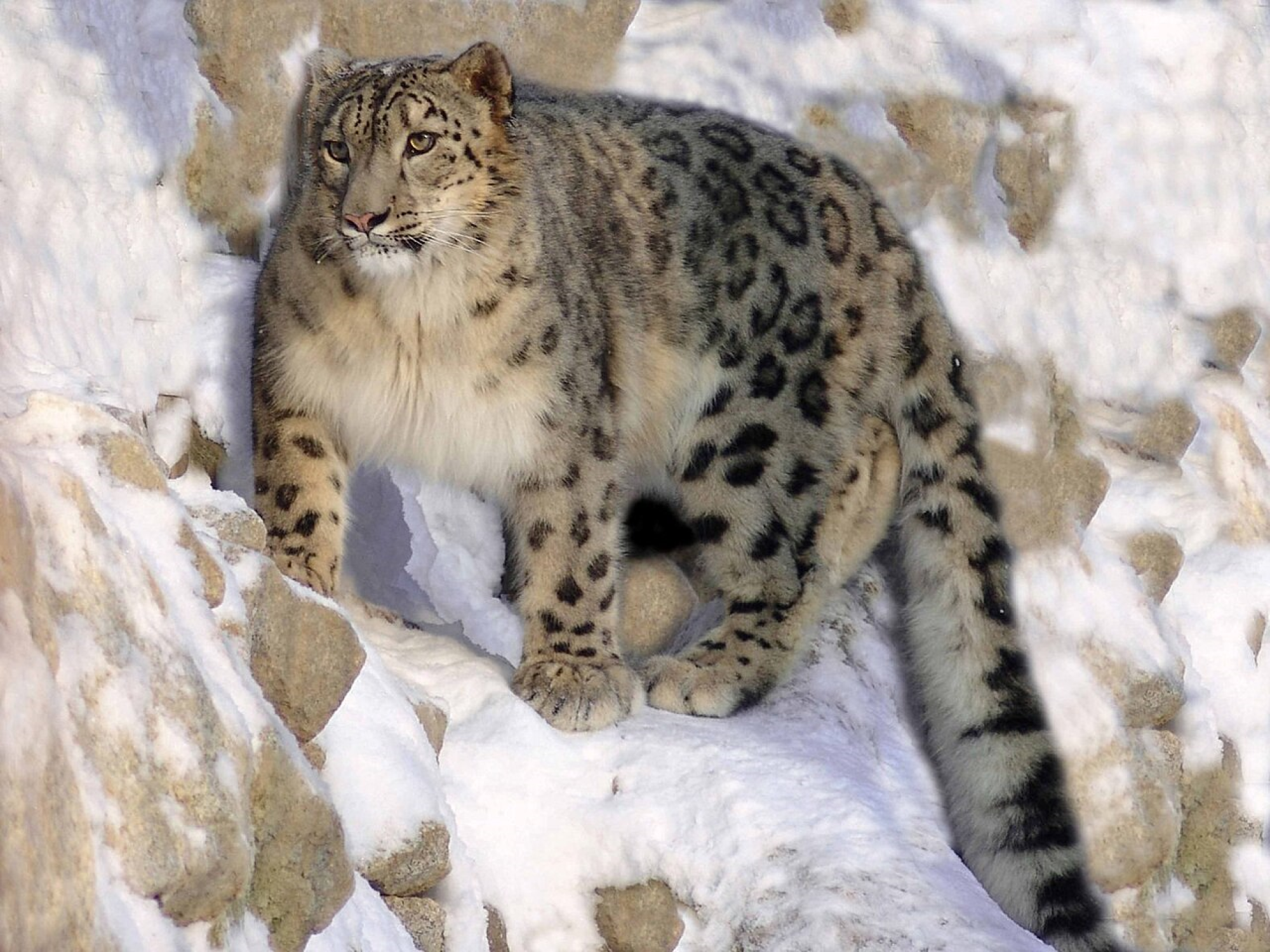
Snow Leopard

A snow leopard in its element

Snow Leopard

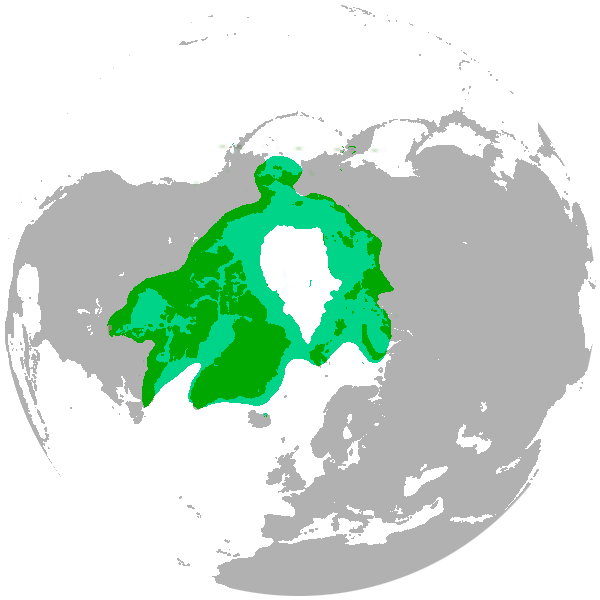
Snow leopards are not actually closely related to leopards. In fact they split from tigers more recently. Their worldwide wild population is thought to fall between 4000 and 6500, though as they are incredibly hard to see it is hard to count these cats accurately. Currently found only in a small part of its original range (as you can see from below).
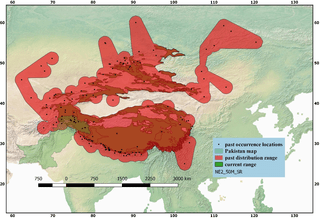
This map shows the former and current snow leopard range. Unfortunately the red is the former range

They are found throughout the Himalayas,  including Afghanistan, Bhutan, China, India, Kazakhstan, Kyrgyz Republic, Mongolia, Nepal, Pakistan, Russia, Tajikistan, and Uzbekistan. However, remember that generally the snow leopards are free to cross borders, so their range is likely to be spotty.

It is hard to get accurate figures or indeed locations of where snow leopards are found, should you be looking at going on a snow leopard tour, they will know where snow leopards are currently found. As we link with people we will add these below. our news section – please get in touch we are keen to help people find you. These will be listed below the new section which is found directly beneath this article.
 

[smart_post_show id="11498"]

Cougar (Puma, mountain-lion, Catamount even Panther)

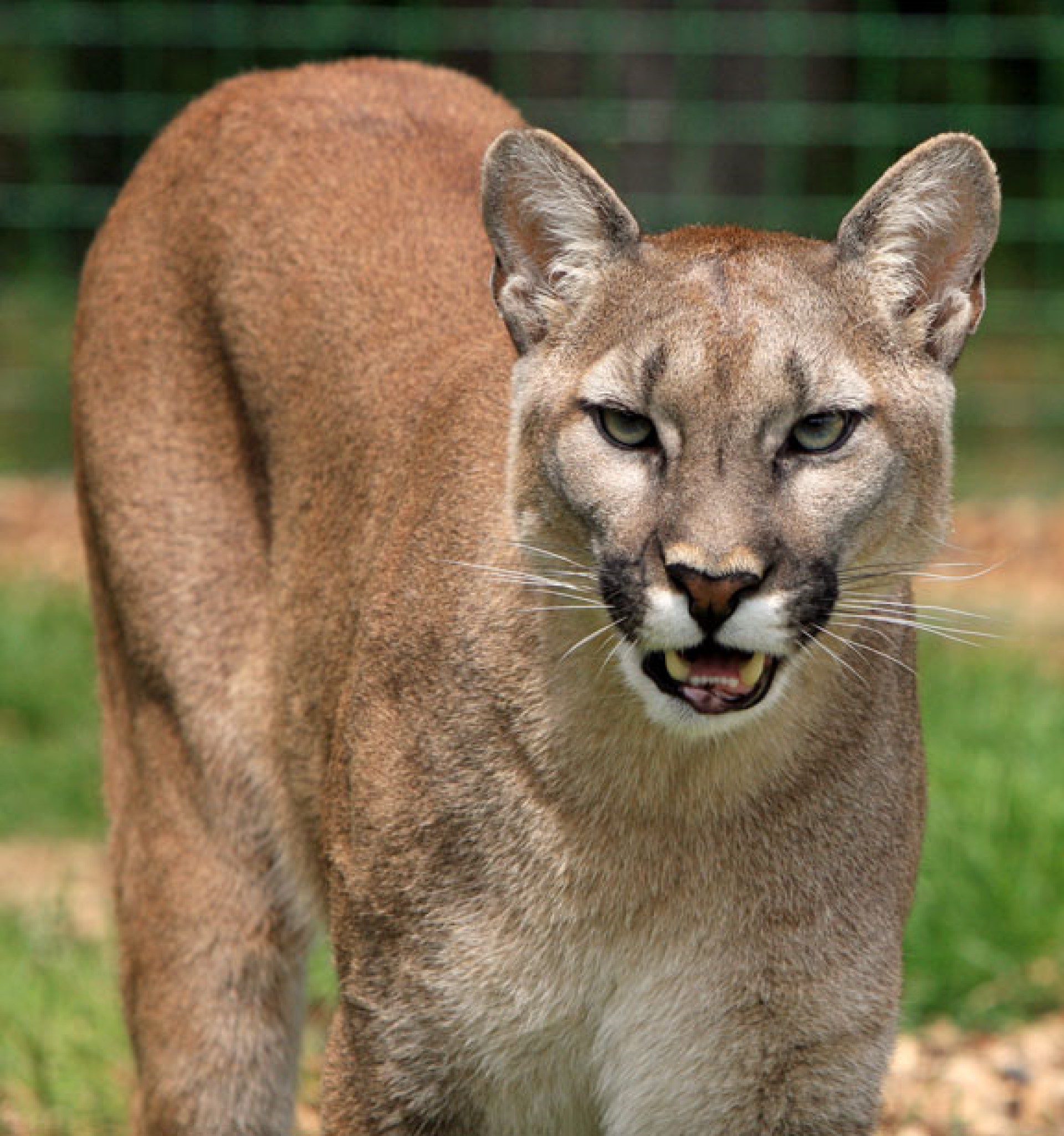
A mountain-lion photographed in Glacier national park, by the national parks service

Cougar, Puma or mountain-lion

This cat is a large cat that is native to much of North and South America, second only to the Jaguar.

For most classifications, the cougar misses out on being a big cat, as it does not have the vocal structure to roar, as the others do.

It is largely solitary, and is generally a nocturnal or crepuscular cat (that is active at night or in the early morning and late evening). They have been persecuted since the colonization of north America by the Europeans, which has lead to patchy coverage. The Eastern Cougar is extinct, except for a sub-population called the Florida Panther which is isolated from any other Cougars. It is in better state in the west of the USA. In Southern and central America, it is still found in every country. In fact, it holds a classification of being the most widespread mammal to be found in the Western hemisphere.

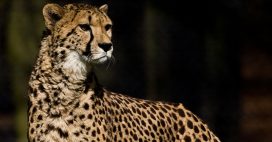
It is a close relative of the Cheetah, which is believed to have initially evolved in the USA before migrating into Asia and Africa. The only animal which shares the same clade is the jaguarundi is the cougar, though the larger family called a Lineage and does include the cheetah

[smart_post_show id="24929"]

Margay

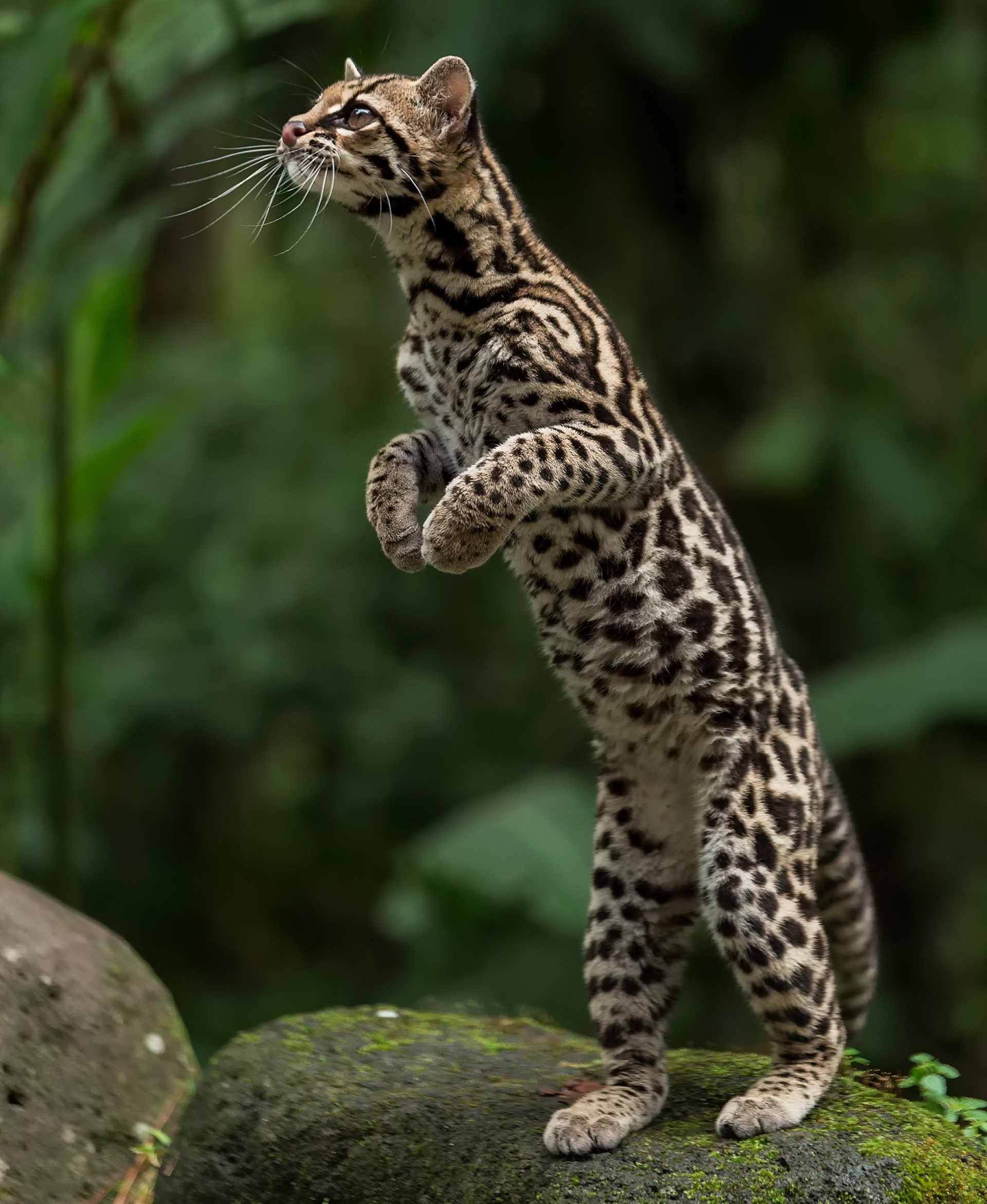
A Margay from Costa Rica Taken by Supreet Sahoo

Margay

This is a relatively small wild cat that is found in central and Southern America, living in primary evergreen and deciduous forests. Until the 1990s they were illegally hunted for the wildlife trade, causing a significant decrease in the wild population. Sine 2008 they have been listed as near concern due to declining population, thought to be caused by habitat loss. It is classed as near threatened -one up from least concerned, but one down from Vulnerable.

There are currently 3 recognized subspecies, these are in turn found South of the Amazon, North of the Amazon and in Central America.


[smart_post_show id="13625"]

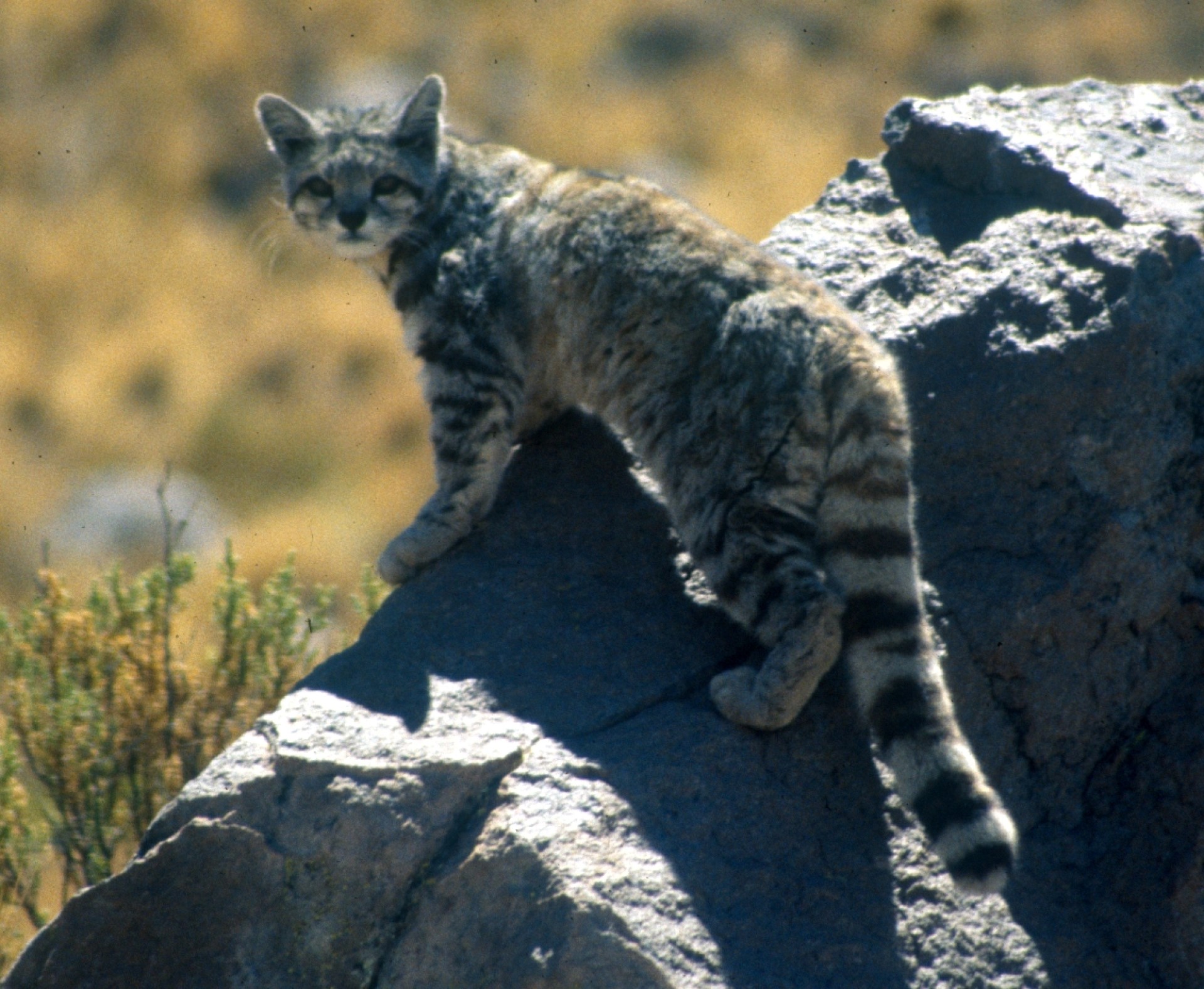
Andean Cat (often called the Andean mountain cat)

Andean mountain cat

This small wildcat species are found across an isolated series of mountain regions in the Andean mountains.

This cat is considered endangered in its native habitat. It is found in the high andes but there are only about 1400 that remain in the wild and declining. One big threat is the fact that the mountain Chinchilla has been hunted to the brink of extinction – given their habitats coincided, the loss of this food source is likely to be a big threat to the survival of the Andean mountain cat, as at high altitudes, there is less food, so the loss of one of their major food sources might well cause the population to crash.

There is precedent for a crash like this- the Iberian rabbit population was hit with a series of illnesses both caused by human carelessness or intentionally introduced. This caused the rabbit population to crash and as a result most Iberian lynx to die. It is likely that a captive breeding project for the mountain Chinchilla and rerelease into its former range could quickly change this situation – a single female can have 12 young at a maximum, and are ready to breed at 2 years old – that means that within 5 years, a group of 20 of these animals could have become thousands – whether we can afford to wait that long is another issue.

Below this, we will include a video shot by a conservationist, of this cat in the wild. Below that, is a list of any articles which we have written on this species in the past, and below this we will include any links as to where you can see this species in the wild.

[smart_post_show id="24828"]

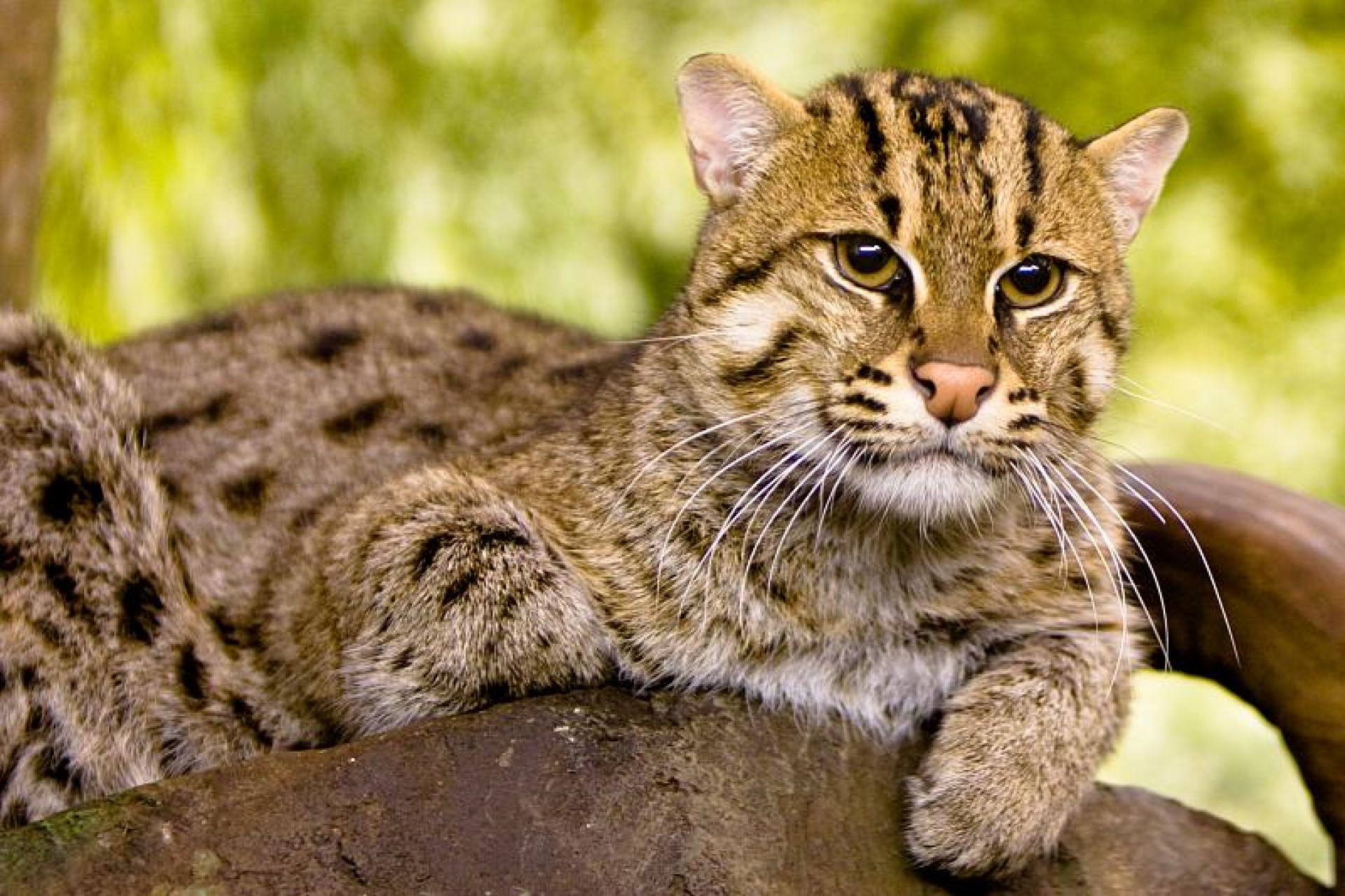
Fishing cat

fishing cat phot by Kelinahandbasket

Fishing cat

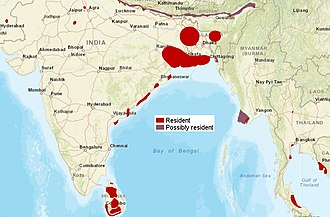
The current range of the Fishing cat

The fishing cat has been classed as vulnerable since 2016.

 It is a midsized cat he fishing cat lives foremost in the vicinity of wetlands, along rivers, streams, oxbow lakes, in swamps and mangroves. One of the alarming things to look at, is that the majority of this range is likely to be hit hard if sea levels do rise significantly over the last few decades.

[smart_post_show id="25012"]

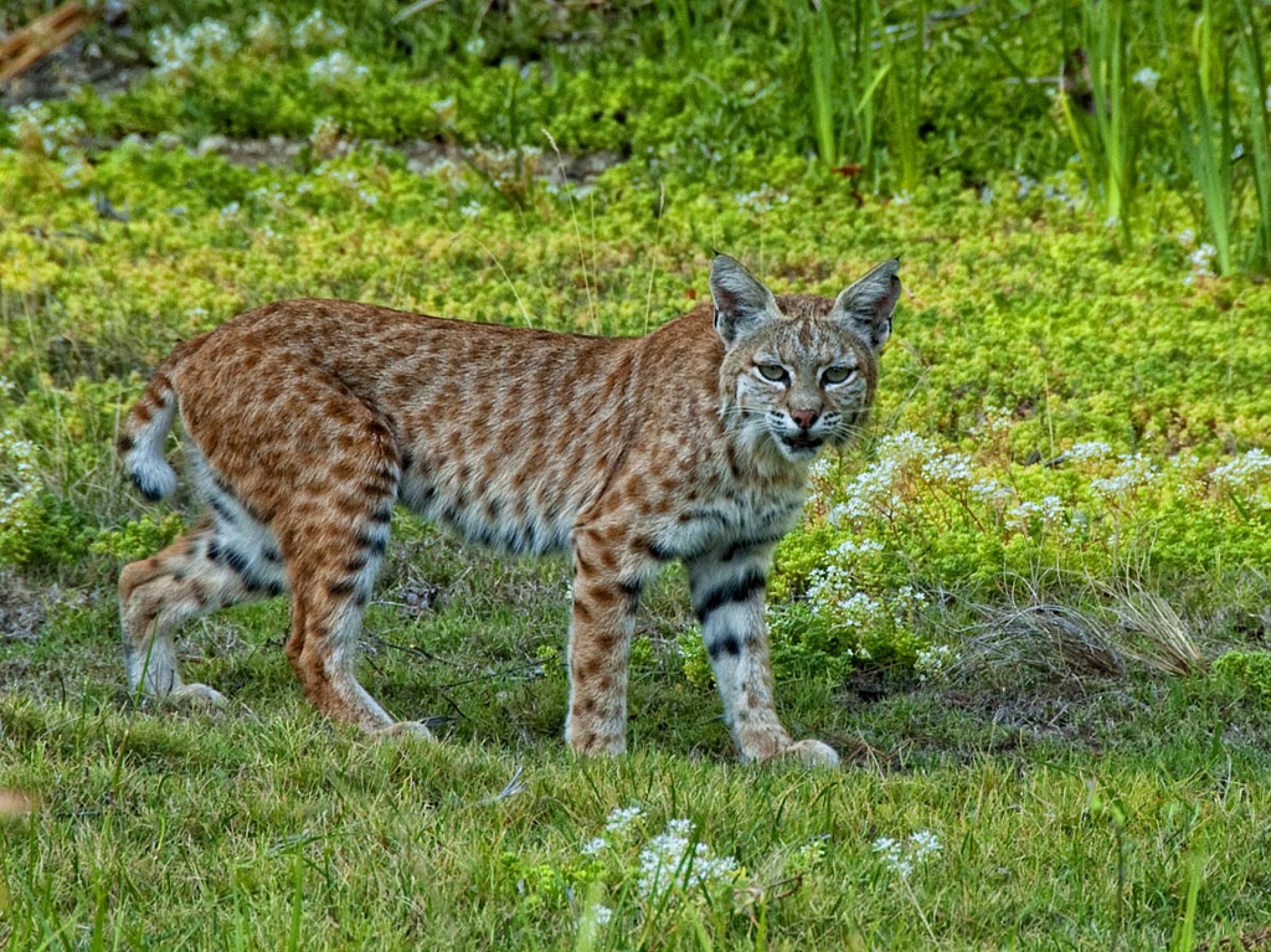
Lynx (bobcat)

Bobcats are found across most US states as well as parts of Mexico and Canada, it is likely the most numerous wild cat species in the world

Bobcat

Bobcat: This cat is found throughout most of the USA (every state except Delaware) and much of Mexico as well as 5 southern states of Canada. Their population is thought to number between 2.3 million and 3.5 million.

The Bobcat is the smallest of the Lynx family of species, but with 2.2 -3.5 million members spread across northern America, it is the most secure wild cat species.

[smart_post_show id=”11899″]

aaa Swedish lapland

Swedish Lapland, far north of sweden

Sweden’s Lapland is a beautiful area. Lying in the far north of Sweden, like much of Sweden the land is heavily forested. Wolves are rare in Sweden, though this is as a result of over hunting – Europe has said that Sweden needs 170-270 wolves for a healthy population. Sweden is a huge country, which could support far more if they were allowed to naturally control their numbers. Being a country about the size of France, but with far fewer people, stating the country can only support 170 wolves is ridiculous. Bear numbers are higher, and there are thought to be around 2000 wolverines within its border (this was a population I was quoted if we visited).

It should be noted, that, the only difference between here and further south, is the number of wolverines – we did not get this far north, and where we were wolverines are just occasional visitors. The one difference is the reindeer presence. There are around 260,000 reindeer in Sweden, though it should be noted that these are only semi wild.

Sweden’s bear population is going up at the moment, and is currently thought to be around 2800. Generally, it takes some local knowledge to see wild bears, and your best chance is in a bear hide. We have one listed in the hides section of of this website. One of the big advantages of doing this in the northern parts of Sweden is the sunlight lasts more of the night. As bears are largely nocturnal, this allows more time to watch. When I visited the bear hide, it got to dark to see at about 2am but got light enough again at 5am.

Below is a video of the area. As you can see, while there is some wildlife, there is not a great deal. Generally you need a guide to take you out as finding the wildlife is a difficult job. We hope to be adding plenty of links below.

aaa Lofoten Islands, Just off the mainland of Norway

These islands are relatively large, covering 1227 square km or 474 square miles. While in the past this island may well have had a permanent population of polar bears, these days, polar bears rarely come this close to Norway,

So what is the wildlife of Lofoten Islands?The Lofoten Islands are home to otters, foxes and whales, as well as moose on the larger islands. We have incredible trips out to see the orcas and humpbacks off the coast of Tromsø and Tromvik in the winter, where travelers spend a week swimming alongside these incredible creatures. Indeed, while whales can be seen from Lofoten islands, one needs a great deal of luck, they are not common enough to have whale watching boats.

Here is a video of still shots taken on Lofoten islands

aaa Lake Turkana and its national parks

Lake Turkana and its national parks

Lake Turkana is a lake with 3 rivers entering it (no rivers leave, it evaporates) . It lies in the eastern part of the great rift valley. The three parks are  Sibiloi National Park, the South Island and the Central Island National Parks, covering a total area of 161,485 hectares located within the Lake Turkana basin whose total surface area is 7 million ha. The lake is the most saline in africa which means little can survive in its waters.

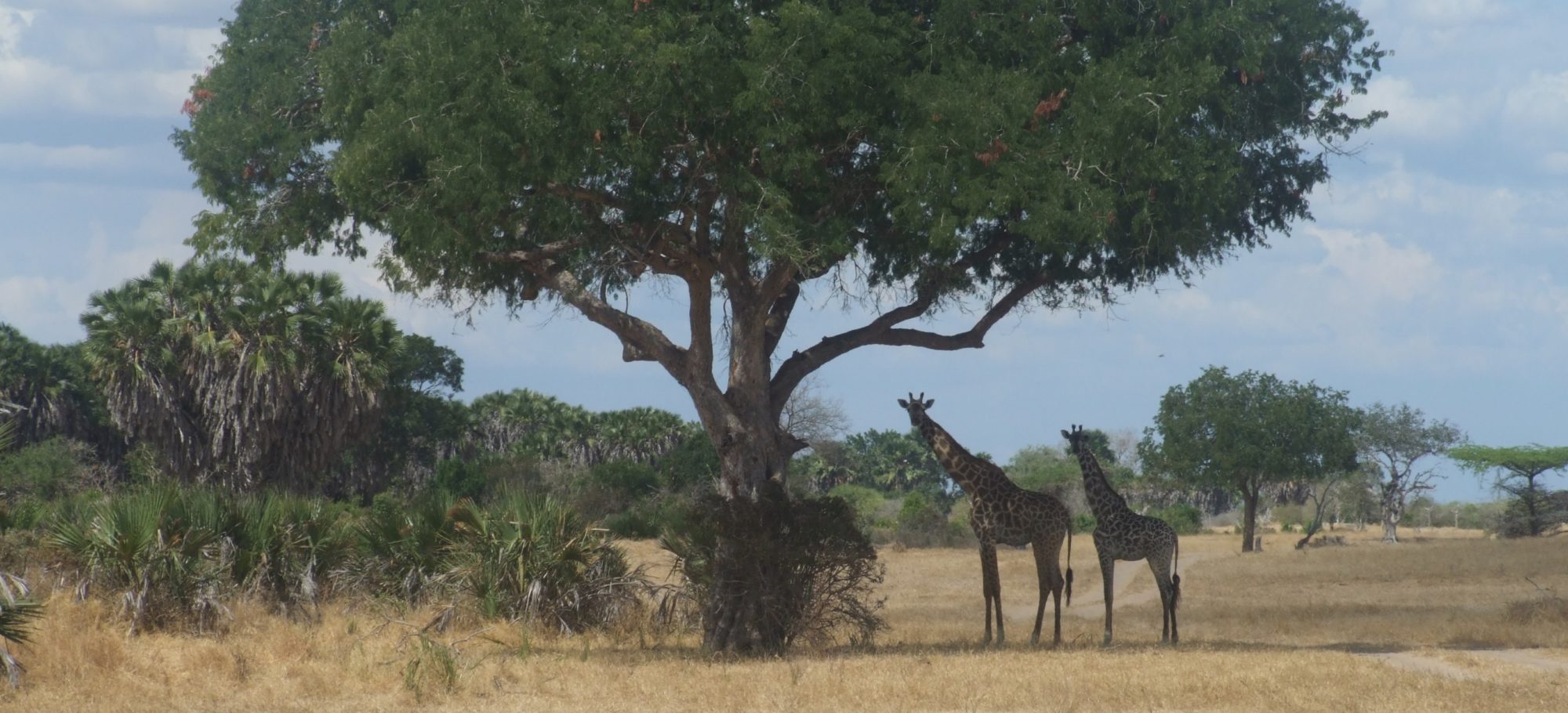
This area is not the largest protected zone, as it only covers around 700 square miles. The island parks are the breeding habitats of the Nile crocodile, the hippopotamus amphibious and several snake species. The lake is an important flyway passage and stopover for palaeartic migrant birds. Over the dry grasslands ranges a frail population of grazing mammals and predators. The grazers are chiefly Grevy’s zebra, Burchell’s zebra, the beisa oryx, Grant’s gazelle, the topi and the reticulated giraffe. They are hunted by the lion and the cheetah. Elephants and the black rhinoceroses are no longer seen. Closer to the dust is the cushioned gerbil (Gerbillus pulvinatus)

aaa Table mountain national park, South Africa

Table mountain national park, South Africa

While relatively small at only 85 square miles or 221 square kilometres, due to its proximity to Cape town it is one of the most visited national parks in South Africa.


A surprisingly large variety of wildlife is found there, given the size of the reserve. Apart from a sizable and growing colony of African penguins, there is also bontebok antelope, and a large population of baboons. Other species include rock dassies (hyrax), porcupines, mongoose, snakes, lizards, tortoise and a rare species called the table mountain ghost frog which is only found here. While once a big 5 reserve, only the leopard is ever present, and this is only an occasional visit by the roaming cape leopard. The current apex predator is the Caracal, which is a relatively small cat when compared to the Leopard.


Other than this the retrogresses and a handful of wild ostrich. During the meeting season between August and October it also can be a good place to watch southern right whales which come here to breed.

See Animals Wild

Read more news

Join as a wild member
to list your wild place & log in

Join as an ambassador supporter to
support this site, help save wildlife
and make friends & log in

Join as an Associate member
to assist as a writer, creator, lister etc & to log in

List a wild destination

List a destination in
the shadow of man

List a hide for animals more easily seen this way

Highlight some news
missed, or submit a
one-off article

Browse destinations for fun or future travel

Temporary membership
start here if in a hurry

Casual readers and watchers