Many species of primate within the Amazon rainforest has become quite content moving around in human areas, as they have sprung up fast across the region.
Yet, these cables are not surprisingly dangerous, carrying high voltage. As such, in some places an alarming number of them die as a result.
As these towns are built within the Amazon, we must make sure that it does not kill wildlife that wanders into town
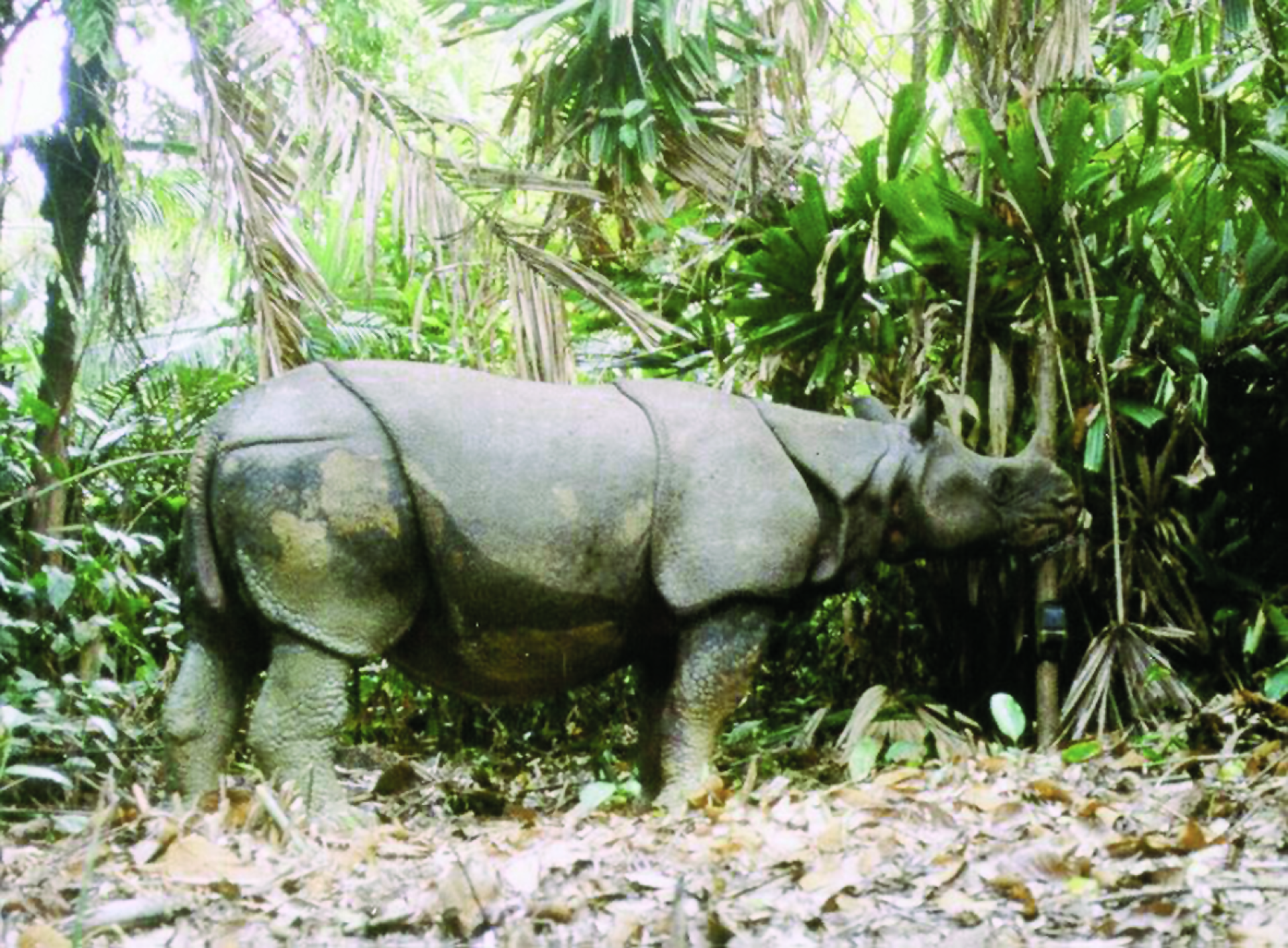
It appears that the counters of the Javan rhino, have continued to count animals which have not been seen for years. Given how much poaching has been going on, this seems much more than simply misleading.
Unfortunately, this counting issue, takes the Javan rhino from a species which is recovering at an impressive rate, to a species which might disappear within a decade. In the latest count 3 rhino were included, which are known to have died back in 2019.
According to the official numbers, in 2011, when the cameras were installed there were 35 rhino, and that number has climbed steadily to a current number of roughly 72.
Javan rhino are on the brink of extinction! Currently, the number of surviving rhino is thought to be around 70. This depleted population is largely to do with poaching, as these animals do not do badly in the wild.
There is still a great deal of reluctance to accept climate change amongst republicans (this is odd in a country with one of the highest education levels in the world). There is also a certain amount of those who have publicly accepted it, saying humans cannot do anything about it anyway (so why should we try).What is worse, is that a number of them must recognize that climate change is a threat to their state and the people who live there, but are campaigning against it because of the narrow interests of a car company which is based in their state. This video outlines it well
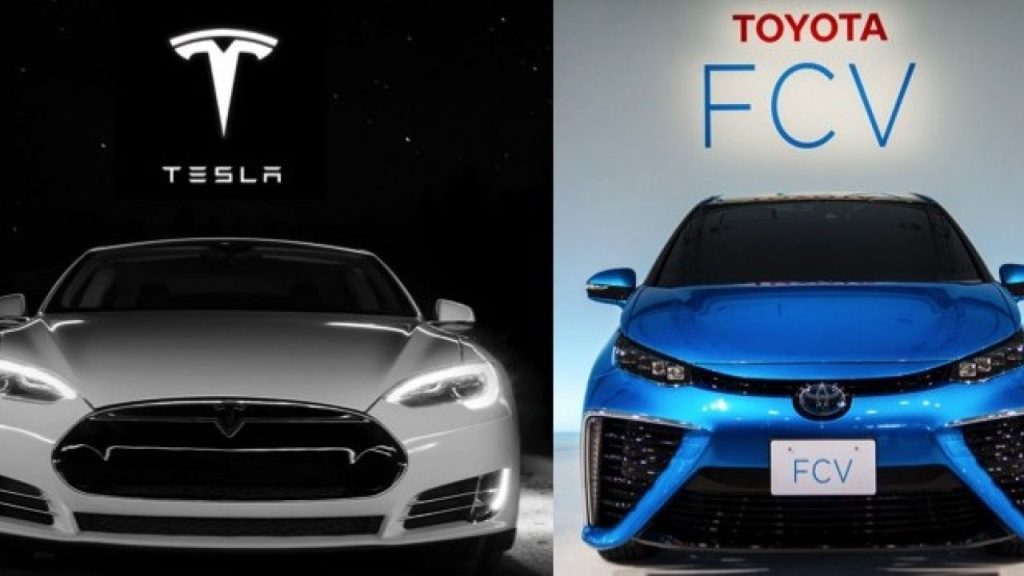
Another attempt is being made to move the world beyond EVs and onto hydrogen cars. Is this worthwhile? Who is trying to make this happen and why? Lets start by looking at the advantages and disadvantages of this technology. (I have named them electric and hydrogen cars, I know some hydrogen car makers will take issue with this, but an EV does not need a fuel to be pumped into the car, merely power)
Comparison subject
Electric car
Hydrogen car
Fuel
Electricty
Hydrogen
Fuel Cost
3p a mile charged at home, on the go varies but up to 15p
A full charge drives 300- over 400 in a modern electric car.
And where is most charging done? at home while you sleep
£10-15 per kg, 77 miles per kg.13p-19p. It has a capacity of 5.6kg (£56-£84 at those prices)
A full tank allows around 400 miles range
There are few refilling stations and even in the best parts of the world they are less common than chargers or petrol stations.
Fuel Carbon Cost
Carbon neutral up to UK grid 2021 of 265g per kwh (so around 85g per mile at top)
50-55kwh to make 1kg of hydrogen. So between zero and 14.575kg of carbon, or 189g per mile
So a hydrogen car is more expensive to fuel and worse for the environment. What is good?
It is true that a hydrogen car can refuel faster, taking 3-5 minutes, however, you have to stand by your car for this whole period. A tesla 3 can add 172 miles in 15 minutes.
According to a financial times article, the average motorway stop is for around 20 minutes. Now, it is generally suggested by highway codes and similar, to stop for 15 minutes every 2 hours. This means that while a hydrogen car can drive for longer in one go, the human inhabitants will need far more comfort breaks. A tesla 3 can be driving for 2.5 hours before needing that 15 minute break once again.
This is about the only advantage
Cost of vehicle: a Toyota Mirai starts at just under £50,000, while the tesla 3 starts at just under £40,000. Hydrogen cars also need more services.
So who benefits from a switch?
Toyota with its smooth-riding Mirai and Hyundai’s Nexo. Audi, Honda, BMW, and others have explored it as well, but generally the car is complex so who does well? Fossil fuel companies. If they cannot sell fossil fuels, perhaps they can simply split them for the hydrogen
The Greenlandwolf, is known from remains, to have lived in Greenland for at least 7600 years, though, given Caribou have been there for 8900 years, it is quite possible that they have been there for longer.
It is a small population of around 200 individuals, so encountering them is rare. This video to the right is an incredible encounter a photographer had, when she realized that she had been surrounded by them. As you can see, wolves do not generally consider humans as food.
We have not been as kind in the past, and between 1920 and 1932, 35 wolves were killed in the core wolf range, forcing the population to decline rapidly to extinction.
It should be noted, that there is only a small population in Greenland, and it is a huge landmass, so it is quite possible that the population is larger.
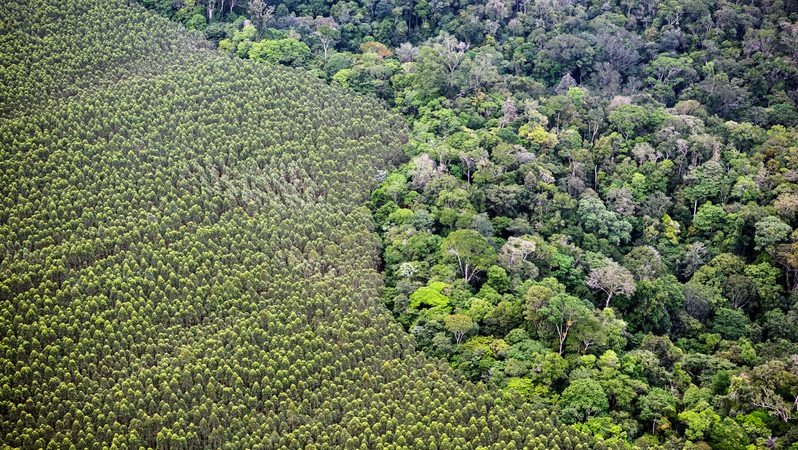
Eucalyptus plantation and rainforest, approximately 50 miles north of Porto de Moz, Brazil.
Thomas Crowther was an ecologist whose work inspired many tree planting projects, the problem is that this is a more complex idea than it first seems, and more importantly, mass plantations do not help.
Forests take up vast quantities of carbon, but the whole ecosystem must benefit, otherwise while trees may get planted, they are likely to fall foul of pests, or similar.
One of the simple requirements, is to plant trees more like a rainforest would. We cannot plant monocultures of a single tree – this is simply the equivalent of rolling out a picnic rug for the specific pests which feed on the tree in question. Instead, we need hundreds of tree species in each acre. Amazingly, without this, the trees ability to do what we want and draw down carbon dioxide is severely limited, so will fail.
Interestingly, preserving remaining forests has a far bigger impact on carbon dioxide removed from the atmosphere, so this is not only beneficial to the wildlife that lives there, it is also one of our most effective tools, to avoid climate change.
Think of all the primates, great apes and many other species that would be saved, if we just started to do what is best for ourselves.
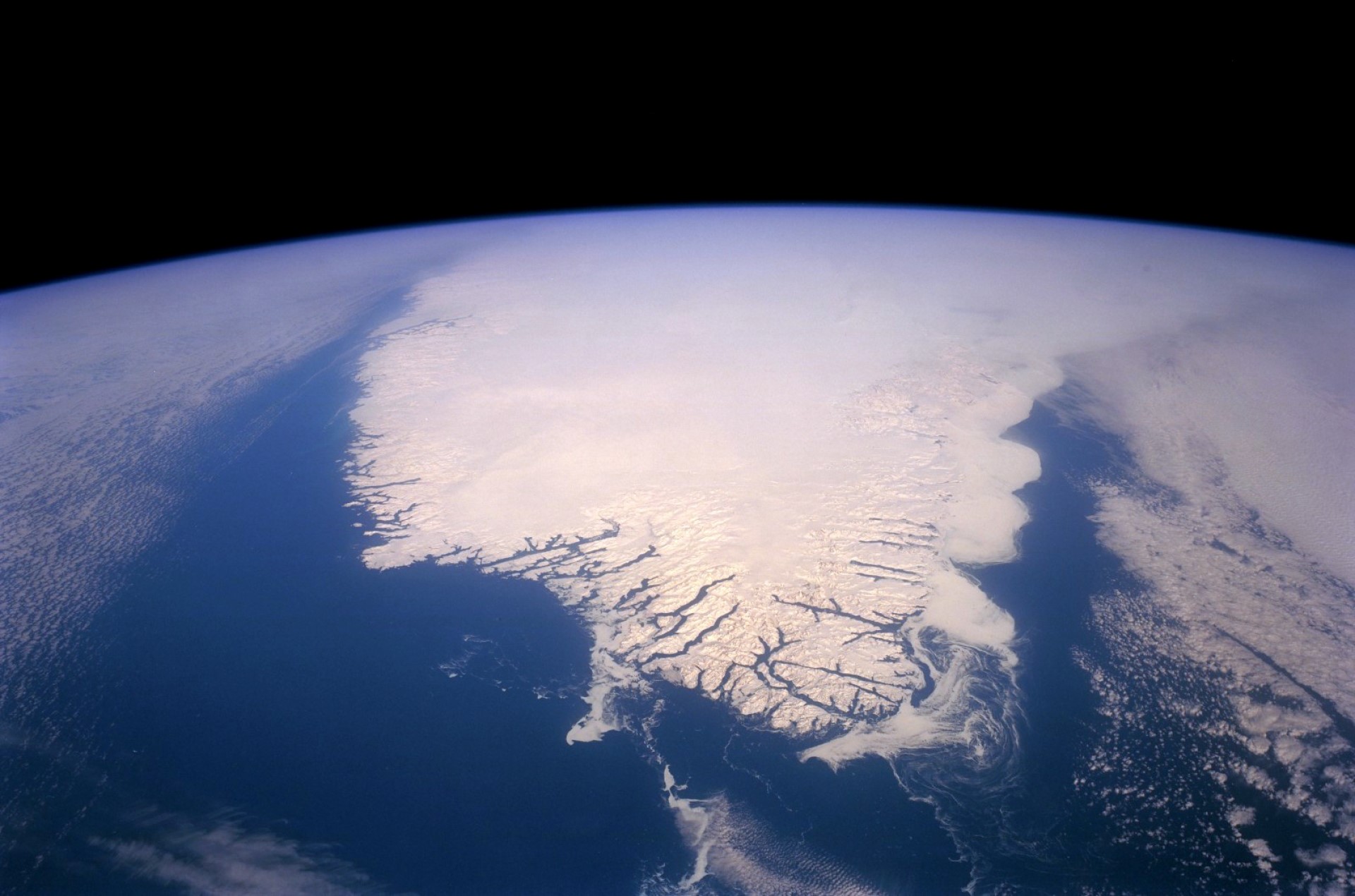
The Greenland icesheet is vast, which can bee seen from this image, which had to be taken from space to show the scale.
Greenland is in fact only slightly bigger than Austria, Belgium, Denmark, France, Germany, Ireland, Italy, Poland, Portugal, the Netherlands and the United Kingdom together. Looking at it another way, it is the size of the DRC in Africa, or is 71% of the size of India, and 80% of this vast landscape is covered in ice.
Now we realize the scale of the ice on Greenland, we need to recognize that it is melting. 0.17% of all water on earth is locked up in ice on Greenland. Now, while that does not sound much, remember that the Antarctic ice cap is also melting, though currently far slower, and this consists of 1.56% of global water. If all the ice on Greenland melted, is enough to raise global sea levels by 7 meters, which would be the end of countries like Bangladesh among quite a few more.
So, the Greenland Ice sheet is loosing 30 million tonnes of Ice every hour! How can we put that in perspective? Given that an Olympic swimming pool contains 2500 cubic meters of water, this is the same as 12,000 extra Olympic swimming pools of water in the worlds oceans ever hour or 10 extra swimming pools every 3 seconds. It is not going to run out of water, any time soon, given that it currently has over 2 million cubic kilometres on the island. Never-the-less, this quantity of water hour in, hour out (it is loosing 720 million tonnes of ice per day, or 3/4 of a cubic kilometre every single day.
This is 20% than even researchers had thought, and it is perhaps unsurprising that this vast amount of fresh water being deposited into the ocean every day is having an impact on things like currents – the North atlantic ocean current is the only reason that places like the UK have warmer climates than similar latitudes in Canada.
Greenland has lost 1 trillion tonnes of ice since 1985 since my birth – and this is just from glaciers.
Global warming is happening, and it is happening now. This is not something that you need to be aware that your children will have to face, it is something that we will all have to face in the next few decades.
This shows us: global warming is not something that we avoid and just leave to our children, this is our problem too.
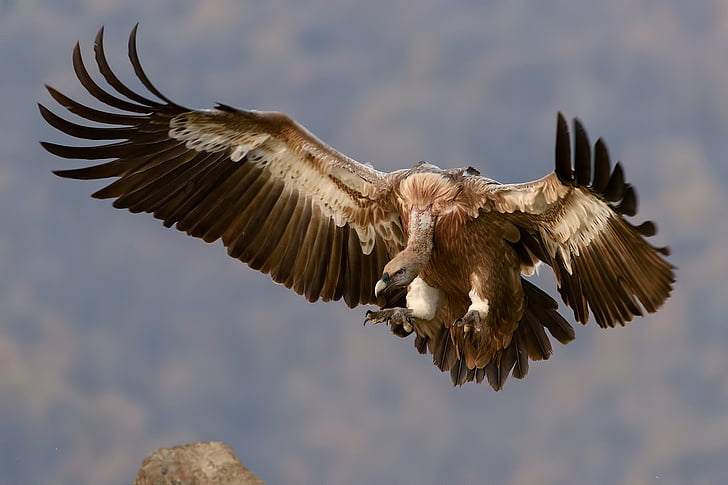
are all disappearing rapidly. Indeed, a study of 42 species, 90% had seen significant declines, with more than 2/3 (that is 28 species) showing evidence of becoming extinct.
The problem is that, this is not merely a case of the large raptors disappearing, and no longer being able to follow the circling vultures to find a kill. Instead, it has very serious consequences for human populations. The decline of the Indian vultures lead to a rise in rabies in the local human population in the early 1990s.
The African birds are very large, with some having the capability of hunting prey as large as jackals and antelopes. Encouragingly, this decline has been far less noticeable within reserves, and should we meet our target of setting aside 30% of land for conservation, it would allow more to thrive.
This has been worse in west Africa, where there are not enough protected areas, and those that exist do not have enough funding. In India, the lack of vultures has lead to an increase in the feral dog population, which has lead to an increase in rabies as these dogs bite humans that they interact with
Just bare in mind, with the video above, if you have problems with heights, the view when you start the video above will not be pleasant.
So, if you are a species who spends its days moving around on cliffs, which most species would spend their lives avoiding often even if the alternative choice is death, clearly it is extreme. The fact of the matter, is that heights are not the only threat that animals like mountain goats face when living in the mountains: Bears, wolves, eagles, and wolverines and even animals like snow leopards that live in the mountains, will get the majority of their calories from meat. Animals like mountain goats, along with various deer species, will be the mainstay of these predators in the mountains.
What is, unfortunately a fact, is that mountain goats do not fly. As such they need to be able to see the cliff, so as to be able to step carefully and not loose their footing.
This means that goats cannot become nocturnal, as without enough light, they will fall to their deaths. As such mountain goats tend to be crepuscular – active in the early morning and late evening
However, this move has already happened, so all that this move might do, is reduce the length of time that mountain goats can remain active, which is likely to lead to starvation amongst much of the wild population.