Could the Platypus go extinct soon?

The Platypus was such a wierd looking animal, many of the original scientists that studied specimens sent back to the UK, looked for sewing marks – they believed that it must be several creatures joined together. Even 20 years after its discovery, scientists were still arguing about whether it was real. The anatomist Robert Knox claimed if was a “freak imposture”, and that ”the scientific [community] felt inclined to class this rare production of nature with eastern mermaids and other works of art.” This was not only due to its weird appearance, but several other fake animals that had come to light in recent times.

Yet it was not,

A wild Platypus

To be sure, it is a mammal which perhaps stretches the definition more than most. It lays eggs, has a ducks beak, but feeds its young on milk. It is one of the many oddities that live in Australia.

Unfortunately it is facing local extinction, in many places across its range, and has lost a quarter of its range in the last 30 years..

This is a species that could quietly slip towards extinction without being noticed – being shy, nocturnal and not splashing, they are rarely seen. Most people who do not see one, might suggest that they simply did not get lucky.

There are a range of threats that are pushing them towards extinction. Water extraction from rivers and creeks, the building of dams and weirs, as well as river bank erosion. Increasing regularity of droughts also threaten their long-term survival as their homes become too shallow – allowing feral cats and foes to attack them.

They are capable of living alongside humans – the video above is in the Suburbs of a city, but as pollution increases they often disappear.

The lead author of the study concludes that the Platypus is not facing complete extinction, but local extinction in many different parts of Australia.
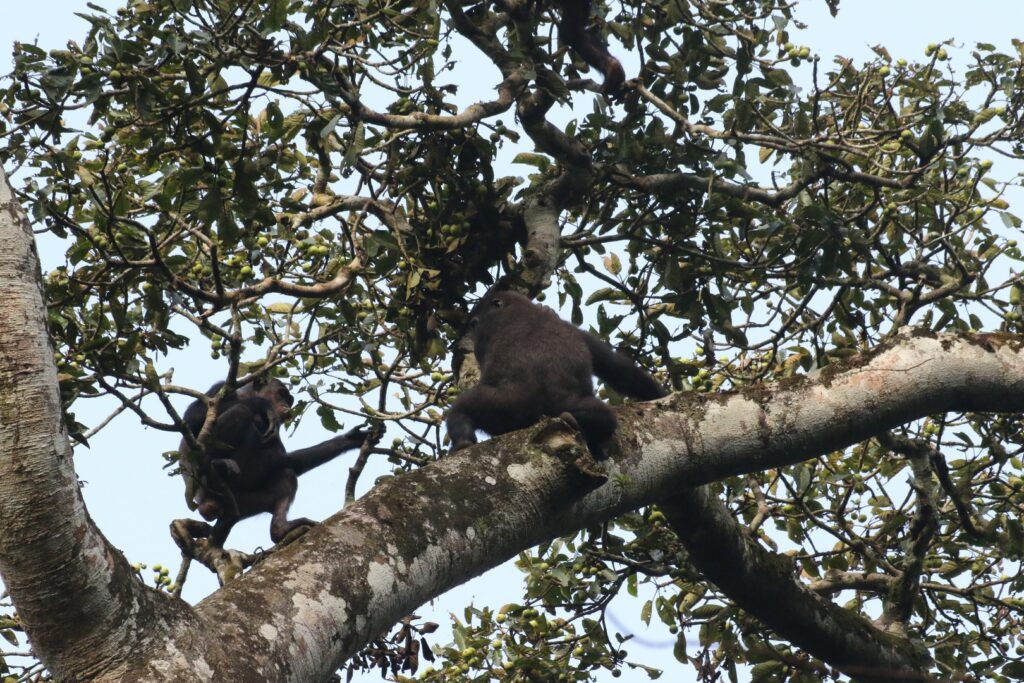
Chimpanzee and Gorilla seen spending extended periods together in the wild

Chimpanzees and Gorillas share much of the forests of central and Western Africa. It is therefore not surprising that they might meet from time to time.

As babies, all sorts of creatures spend time together. In Gombe stream the Jane Goodall study documented Chimpanzees and baboons playing together as young.

Wild Gorilla and Chimpanzee feeding in the same tree at the same time
Continue reading “Chimpanzee and Gorilla seen spending extended periods together in the wild”

Dealing with invasive Wallabies in New Zealand

New Zealand has no native land mammals. There are mammals that swim to new Zealand, or indeed that fly there, but all the land mammals are non native. Unfortunately with no mammals there are also no predators to control, it is also unfortunately true that in most cases introduced predators take the native flightless birds far more than the non-native mammals.

There are currently thought to be millions of wallabies living free on both of New Zealand. Finally pest control have started to try to deal with these. One pest controller can kill 100 wallabies in a good night. As elsewhere, these wallabies are causing problems, causing local plants to die and get pushed towards extinction.

It is estimated that by 2025 the cost to New Zealand could be costing $84 million a year in damaged ecosystems and lost agricultural revenue.

Guard dogs to save Namibian Cheetah?

While the Cheetah has suffered a horrific fall in range and numbers in the world over the last century, there are some hopes for the species.

Cheetah are not big cats- this means that they often struggle to thrive in small reserves alongside other big cats. What this has meant is that in many countries there are more cheetah outside reserves than inside reserves. This is primarily the case in Southern Africa, in particular Botswana, Namibia, South Africa and Zimbabwe where the most free ranging cheetah currently live. To a lesser extent, there are also free ranging cheetah in east Africa in Tanzania and Kenya.

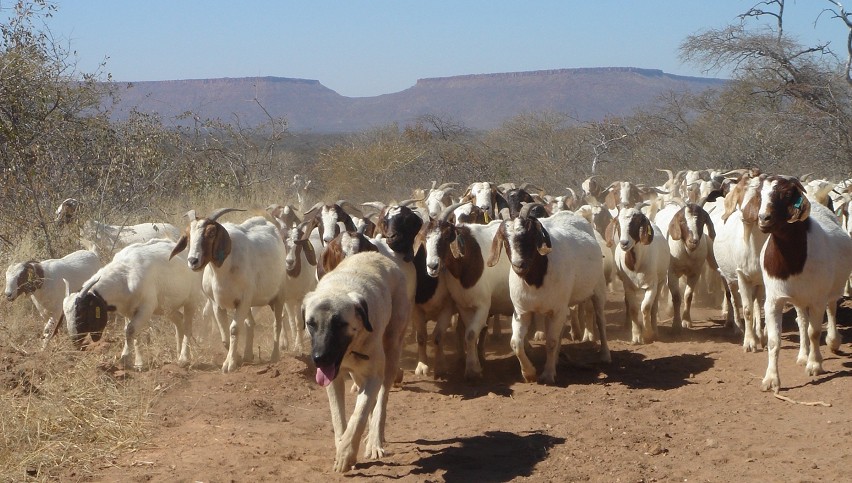
Can the sheep dog be the solution to livestock losses from cheetah? A study in Namibia suggests it may
Continue reading “Guard dogs to save Namibian Cheetah?”

Pine marten sighted on the edge of London and recovering in other parts of England

Pine martens are an arboreal hunter. It is native to Europe, stretching into Asia in areas such as Iran and Syria. It is also a native part of the UK ecosystem. Unfortunately, as an arboreal predator the pine marten was horrifically reduced in the UK by the destruction of our rainforests. What few animals continued to survive in fragments of forest left behind, have been persecuted by farmers for their habits of taking chickens and similar animals.

This is why this sighting of a pine marten on the edge of London is so exciting.

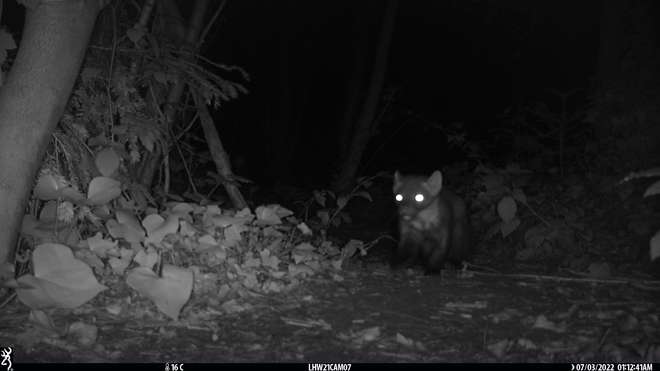
This pine marten was spotted on a camera trap set up to monitor Hedgehog numbers in the area. To get a picture of a pine marten on the edge of London is very exciting
Continue reading “Pine marten sighted on the edge of London and recovering in other parts of England”

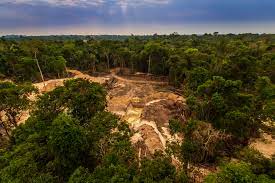
Amazon Rainforest tipping point approaching?

Rainforests are incredible places, with a huge amount of wildlife and plants all living closely together and fighting for survival.

Now the problem in many parts of the world, rainforests are being cut down for space to be given over to all sorts of other land uses. I have no problem with some of the rainforests being cut down for other land uses. Unfortunately though in the Amazon, there is a significant issue.

If a tipping point is reached, cut down rainforest is not likely to be useful for growing crops, it is likely to transform into a dry savannah, incapable of supporting crops, it may turn into full desert.
Continue reading “Amazon Rainforest tipping point approaching?”

Encountering an elephant while on foot

The big 5 is a tool that safari operators continue to use. It does not make much sense as this term is a hunting term. The big 5 are the five most dangerous animals to hunt on foot.It is not impossible to encounter the big 5 on a single drive in the bush. I have done this on a few occasions. However, when you are in the bush it is worth taking your time.

Given the big 5 is to do with hunting on foot, I have been more interested in encounters on foot. Before my recent trip, I had encountered Rhino Buffalo and Lion on foot (I do not consider it as an encounter unless I am within about 10m of the animal).

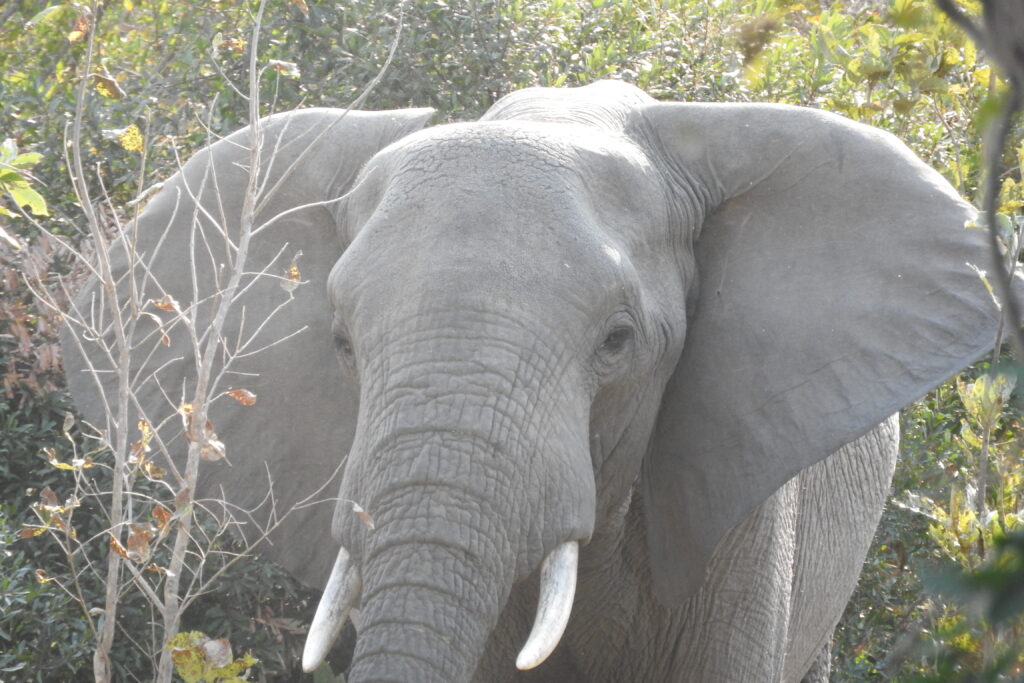
This elephant spent quite some time, eating a bush not far from the camps open gate, and was quite happy with several people standing and watching it eat.
Continue reading “Encountering an elephant while on foot”
See Animals Wild

Read more news

Join as a wild member
to list your wild place & log in

Join as an ambassador supporter to
support this site, help save wildlife
and make friends & log in

Join as an Associate member
to assist as a writer, creator, lister etc & to log in

List a wild destination

List a destination in
the shadow of man

List a hide for animals more easily seen this way

Highlight some news
missed, or submit a
one-off article

Browse destinations for fun or future travel

Temporary membership
start here if in a hurry

Casual readers and watchers