UK one of the most nature depleted countries; is that a surprise for anyone?

The UK is in the lowest 10% of countries in terms of wildlife depletion. It is also last amongst the G7 of developed nations. It is thought that we have about half of our biodiversity left (average world levels in 75%). More alarming, it is thought that long-term 90% is the lowest level biodiversity can reach safely and sustain itself long-term.

It should be noted, that this biodiversity loss in the UK is not a new thing. Indeed, the UK has survived in this state for quite some time.

There is currently a conference going on in Kumning China, which is trying to address this.

Addressing biodiversity loss alongside carbon reduction would be the most sensible. Halting the loss of carbon sinks, is also very good for the wide range of biodiversity that thrive in its ecosystems. Can we move to doing both in tandem?

The website was hacked! nothing lost, and wildlife tourism to Africa can return

Hello everyone! We survive

So, the website was hacked. Nothing was stolen, from what I was told they were just able to delete the website. Thankfully we back up, so we have survived.

We have added a significant extra layer of protection which should make it impossible for the same problem to arise (it had nothing to do with the attack on Facebook and WhatsApp). While we do on occasion have sharing buttons, that is the extent of our link so we were safe.

Bigger news, many red list countries have been upgraded allowing travel. These countries include

Continue reading “The website was hacked! nothing lost, and wildlife tourism to Africa can return”

1 in 3 of the wolves living in Wisconsin were killed after they lost protection

More than 2000 hunt licences were given out in Wisconsin for the first season of wolf hunting.

They had an aim to kill 119 wolves, yet within 3 days they had shot or traped 218 wolves and so the season was brought to an early close. Added to these official numbers it is thought that Poachers killed around 100 more wolves within the state.

The alarming thing is that these illegal hunting numbers will works out on the assumption of extreme conservative estimates.

This only happened after the trump administration declare the wolf no longer endangered – ignoring virtually all science (they still occupy a very small portion of the range that they once had in the USA). Furthermore, the States department of national resources initially banned the hunt, and it only went ahead when a pro hunting group sud and a judge ordered the ban illegal.

Alarmingly this is not the worst case. Idaho’s new rule allows up to 90% of the world’s population to be killed. In no one’s books does this constitute a rational or long-term decision.

Bizarrely in Wisconsin the current rules state that a hunt must occur each year regardless of whether it is scientifically justified. It should not be controversial to suggest that hunting quotas be based in science and not written by those who benefits from more of the animals being killed, but unfortunately in the USA, this is often how it happens.

I would hope that president Biden looks at this ridiculous decision made by trump on the way out of the door, and put in clear scientific requirements before the wolf is pushed back towards the brink of extinction. It is in the interests of those who enjoy hunting, that the hunt is sustainable, as without, the hunt will cease again in just a few years.
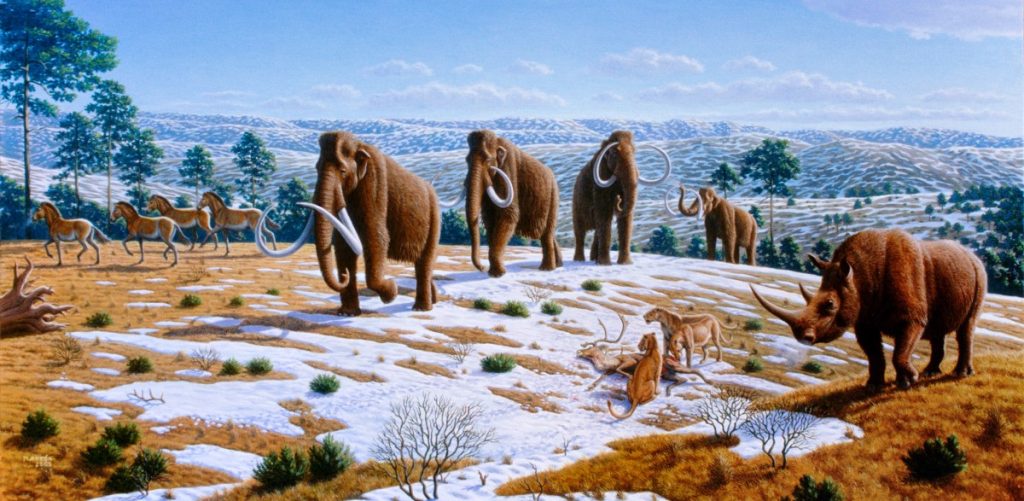
Could mammoth help us fight climate change

Roughly speaking, there is 3000 billion tonnes of carbon in the atmosphere. This is a huge number, but then we have to remember that this is higher than at any other time in human history. Before humans were on the planet, there were time periods where carbon concentrations in the atmosphere were dramatically higher.

While rainforest hold large amounts of carbon, so do bogs. Having lost most of its mega fauna, the colder regions of the planet do not function as they should, so these

However, the problem is that there is thought to be roughly 1600 billion tonnes locked in the permafrost around the world. If global warming continues, this permafrost will melt and release its carbon stores – increasing the carbon concentration by around 50%.

This is obviously a point at which a significant amount of planet warming will be inescapable.

So what needs to happen?

In the past great mammals behaved in such ways that it largely kept this carbon locked in the soil. There were far fewer trees, vast grasslands often covering bogs.

If mammoths were to return, perhaps alongside woolly rhinoceros and bison the same processes could return allowing a far greater quantity of carbon to remain in the permafrost soil.

Will this happen? Who knows, though with the increasing quantity of carbon known to be locked in the Siberian soil, it seems worth giving it a go.

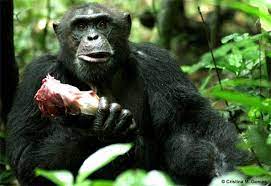
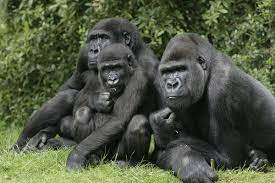
First documented attack on Gorillas by a group of Chimpanzees

Despite the ridiculous reputation that the Gorilla has been given, of a terrifying beast that will rip you apart, they are generally very gentle animals. Conversely, Chimpanzees have been shown as a largely gentle species, very similar to humans. This is also quite untrue.

Chimpanzees are incredibly effective hunters, and while much of their diet is vegetarian, and in captivity they are not usually given meat, in the wild they do hunt with relative frequency even if the majority of their diet is vegetable matter.

Continue reading “First documented attack on Gorillas by a group of Chimpanzees”

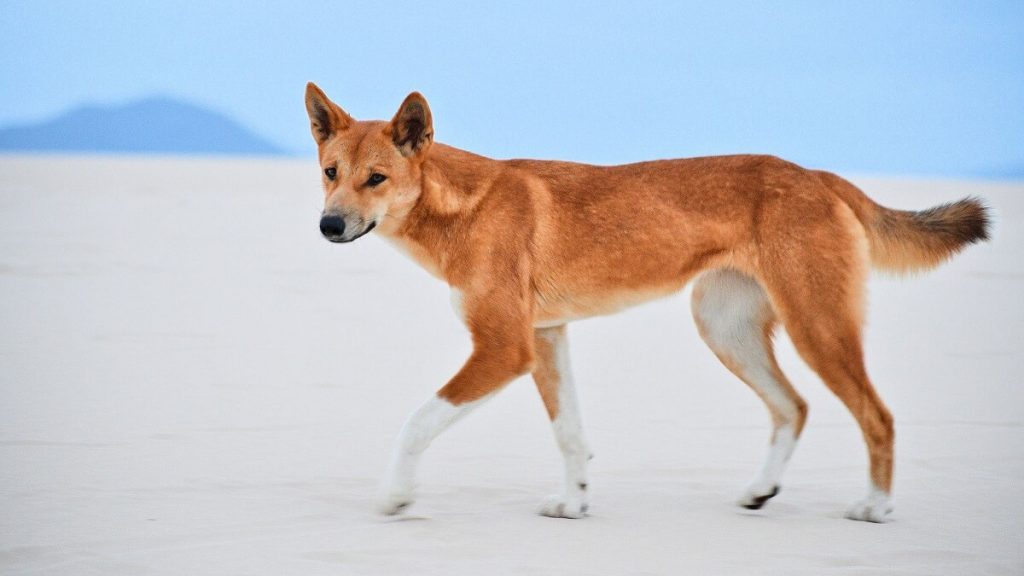
Recent evidence suggests that dingoes arrived in Australia 1500 years later than first thought: why is this important and should it give us more courage in repatriating Tasmanian devils to the mainland

While the dingo made look like part of the native fauna of Australia, that is not the case. They were bought there by aboriginal people. 

the dingo may look like a domestic dog, there has been little or no interbreeding for 4000 years with other dogs that were domesticated
Continue reading “Recent evidence suggests that dingoes arrived in Australia 1500 years later than first thought: why is this important and should it give us more courage in repatriating Tasmanian devils to the mainland”

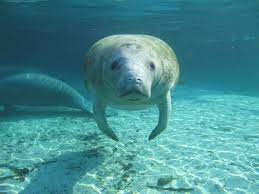
The Florida manatees are facing significant threat to the long-term survival

Runoff from farms has caused an algae bloom which has not left space for enough sea grasses – the primary food of the manatee.

a Floridian Manatee

Without food the manatee population is severely endangered and likely to suffer mass starvation. 12 manatees have already died this year due to this poisonous algae.

The united fish and wildlife service changed the conservation status of manatees from endangered to threatened in 2019: this was clearly not a good move.

A considerable number of Floridians are blaming the current administration and Rick Scott who has determinately reduce the budget of of these environmental protections. Without a significant changing governmental behaviour this is unlikely to be reversed anytime soon.

Deforestation particularly in protected reserves has happened at an increasing rate in the democratic Republic of Congo

Unfortunately deforestation in the largest remaining African rainforest seems to be going on more and more. Unfortunately not only is this happening in general, at a large quantity of this over the last two decades has also occurred within protected areas.

If this happens across the DRC, there will be many problems particularly as the amount of carbon dioxide released would largely lock in in an unacceptably large amount of temperature rise. However in the natural world, it would also severely damaged the long-term future of gorillas chimps and the last of the bonobos.

There are roughly 50 billion birds in the world but just a few species dominate

Just four birds have a population over a billion, house sparrows European starlings ring-billed gulls and barn swallows.

At the other end, there are over 1180 species with 5000 or less members left.

The last time this survey was done was 24 years ago, the estimate was 200 to 400 billion birds, though it is clear that some of this reduction in numbers will be down to a more accurate survey – still many birds are heading rapidly in the direction of extinction.

The first thing to be done in conservation is to understand the current situation, so this is a great first step. Now the world needs to work hard on conserving what is left – unfortunately this is a rather bigger task. However now we know what needs to be done we merely need to get on with it.

Should bears be returned to the wilds of the UK?

If you follow this blog regularly, you will have read yesterday and the day before on the reasoning for reintroducing Lynx and Wolves.

As I wrote, Lynx should be a simple choice. I believe that Wolves follow a similar logical route, that suggests that the reintroduction would either save or make far more money that any negatives might cost.

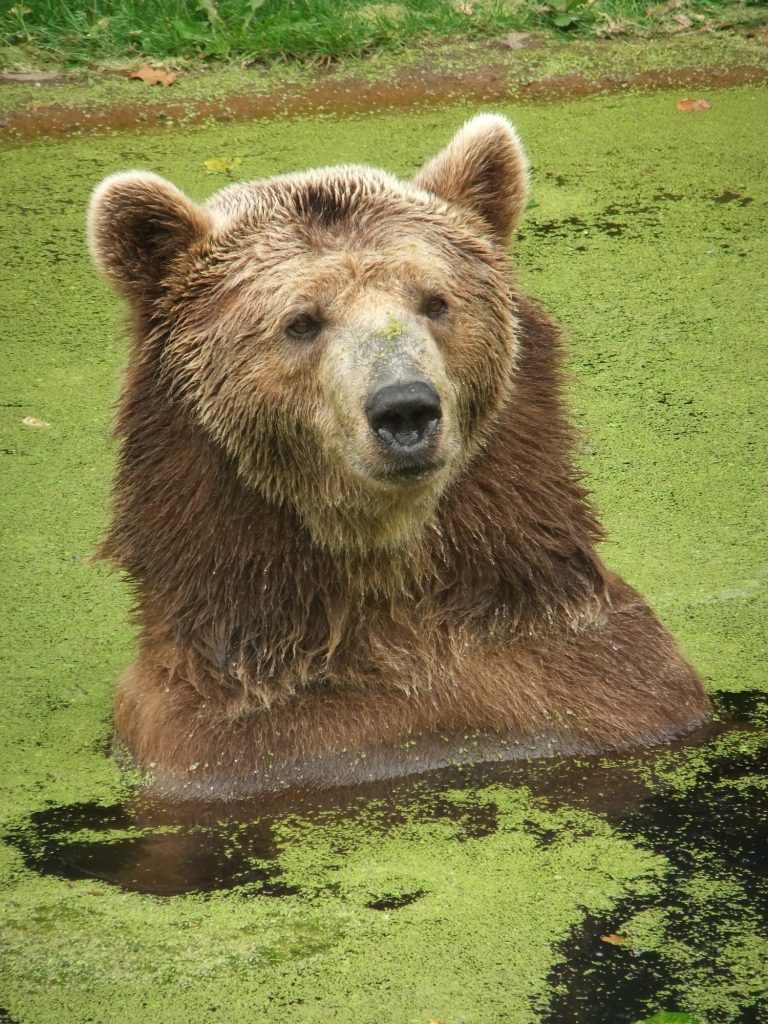
Brown bears are highly intelligent omnivores. They could thrive in the UK, and give much needed job opportunities in remote parts of the UK

Bears are also locally extinct in the UK, how does the arguments about reintroducing them go? Well, I would argue that actually the cost of bear reintroduction would be significantly lower.

Continue reading “Should bears be returned to the wilds of the UK?”
See Animals Wild

Read more news

Join as a wild member
to list your wild place & log in

Join as an ambassador supporter to
support this site, help save wildlife
and make friends & log in

Join as an Associate member
to assist as a writer, creator, lister etc & to log in

List a wild destination

List a destination in
the shadow of man

List a hide for animals more easily seen this way

Highlight some news
missed, or submit a
one-off article

Browse destinations for fun or future travel

Temporary membership
start here if in a hurry

Casual readers and watchers