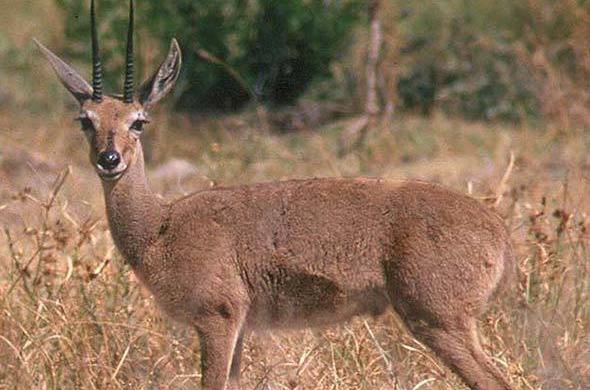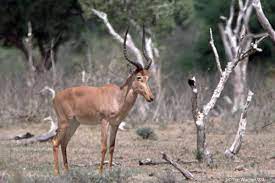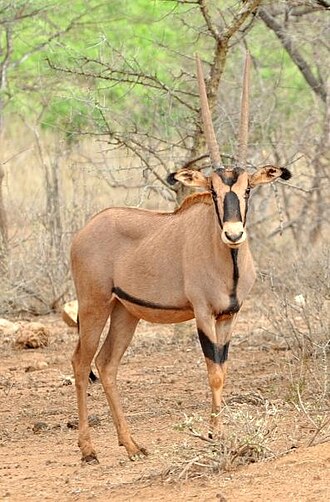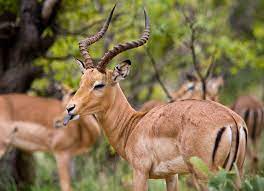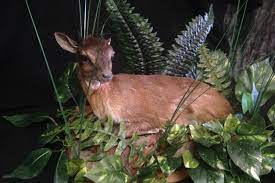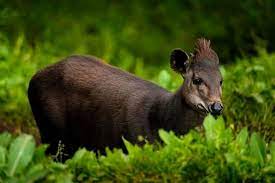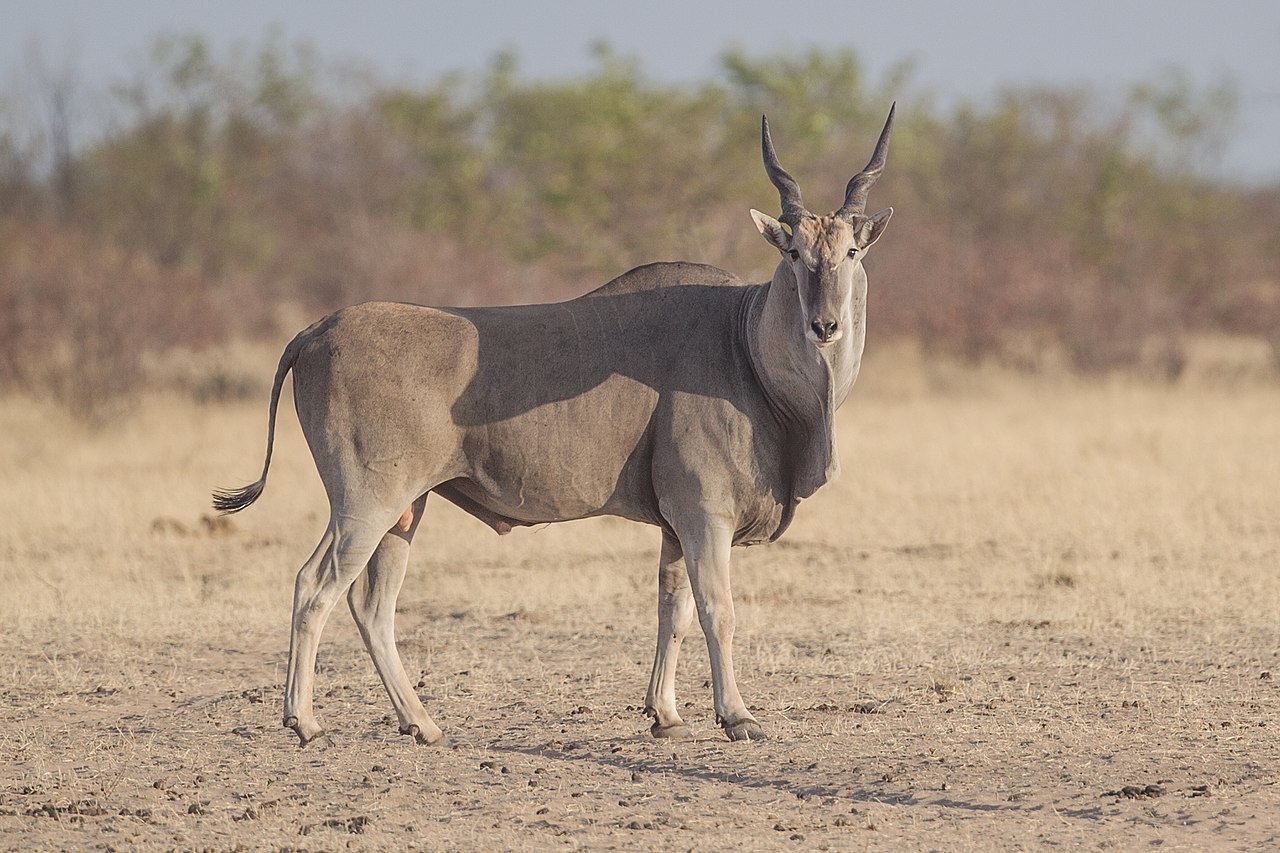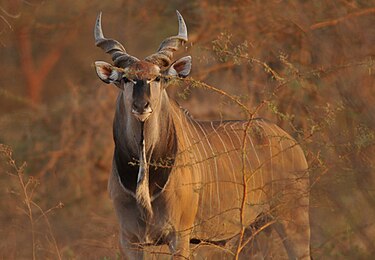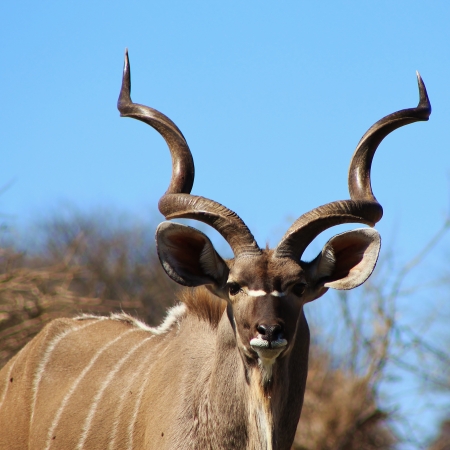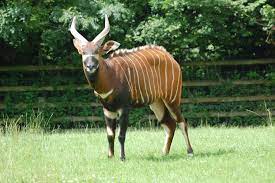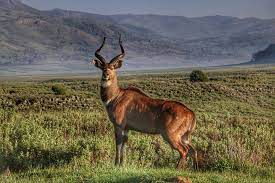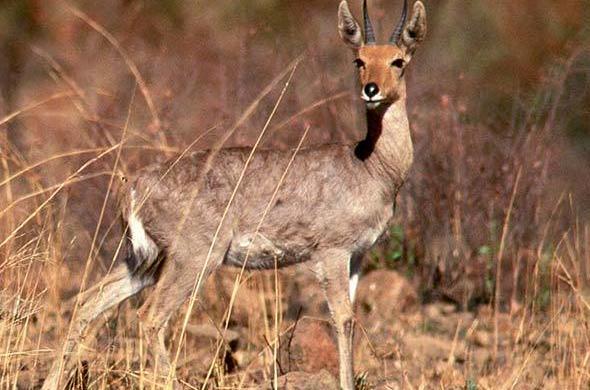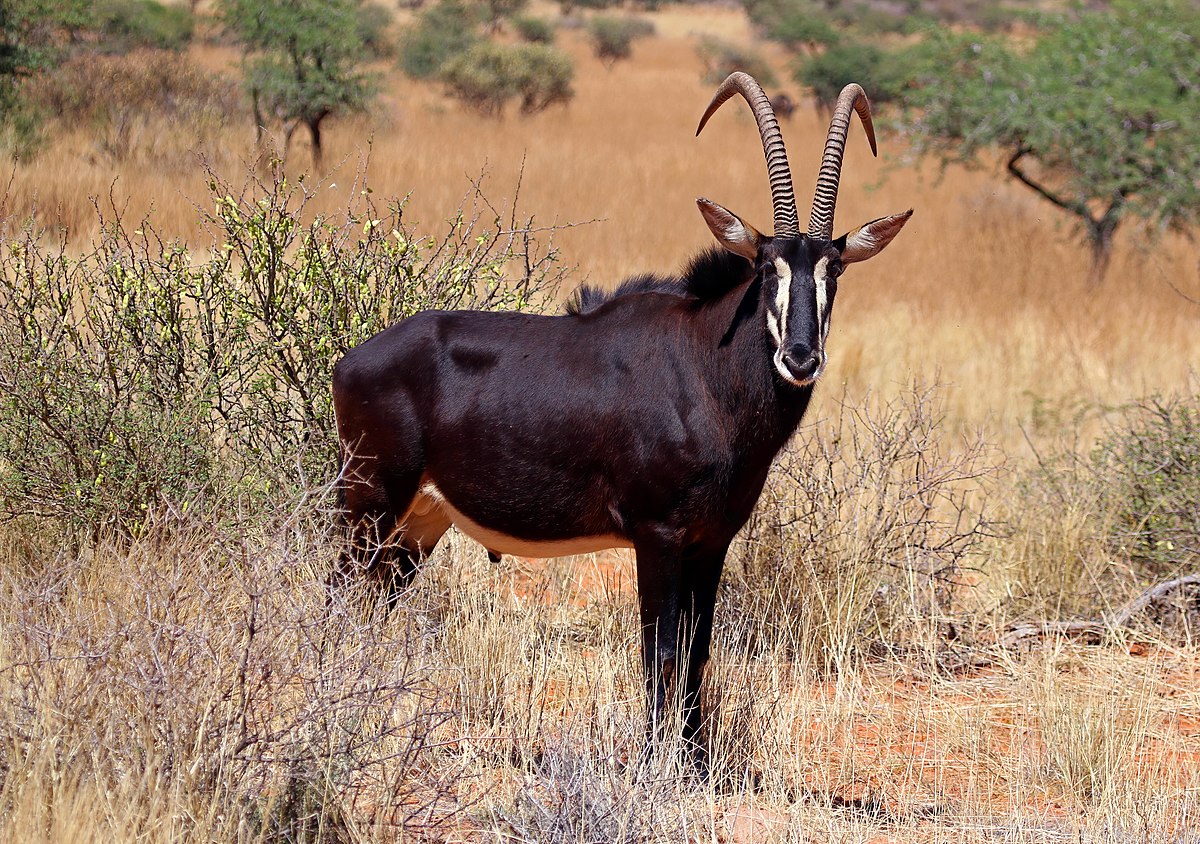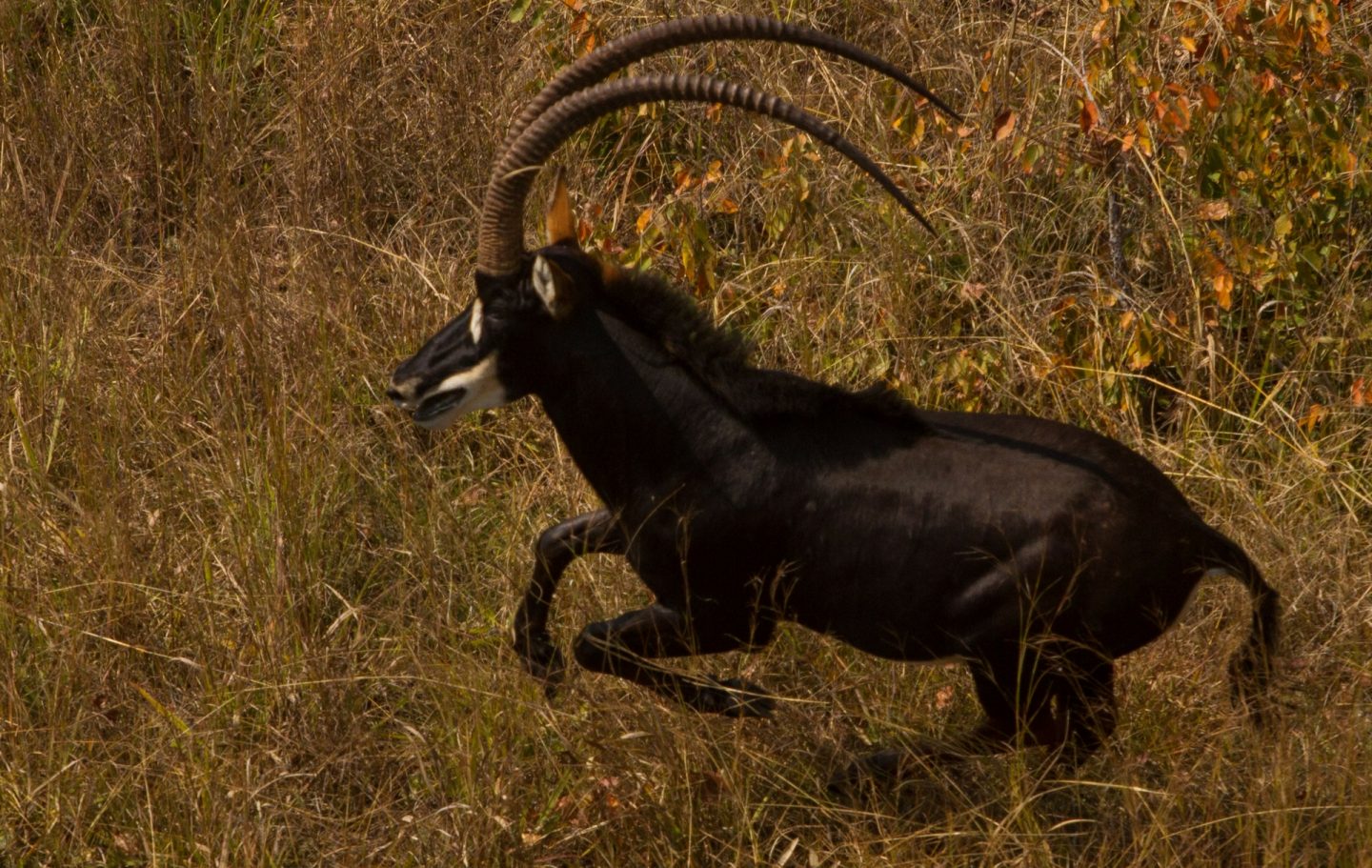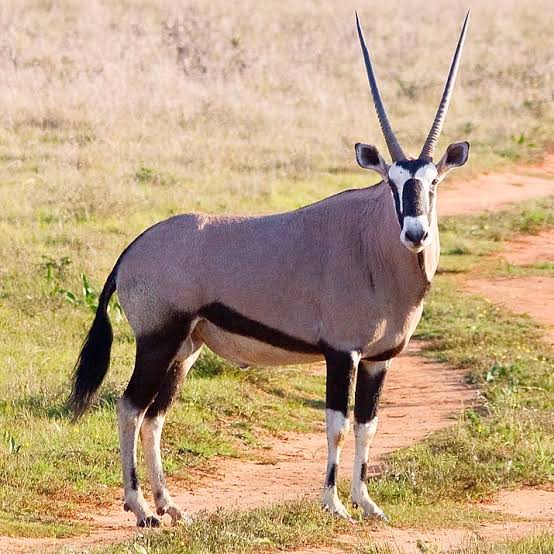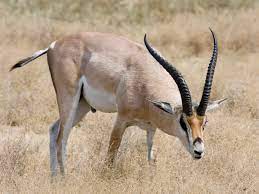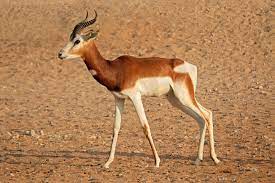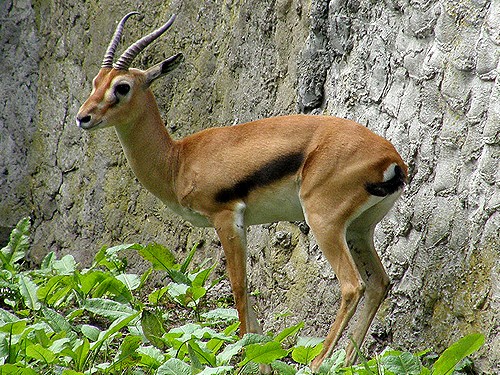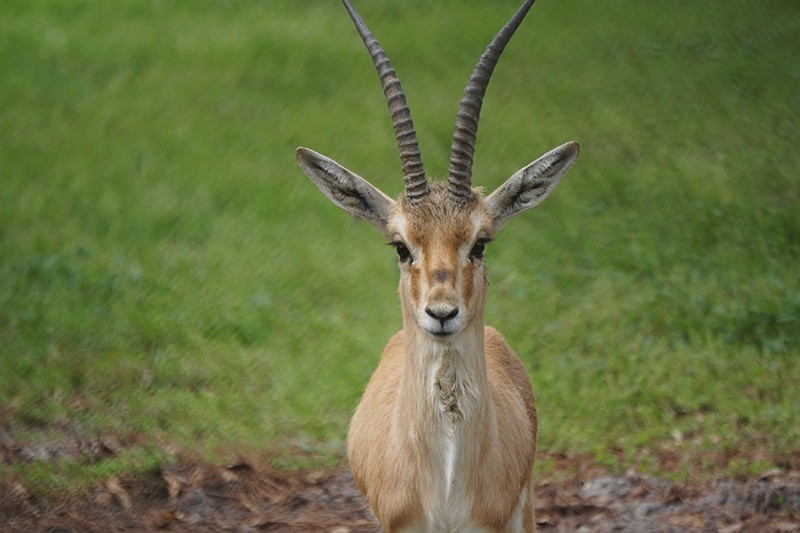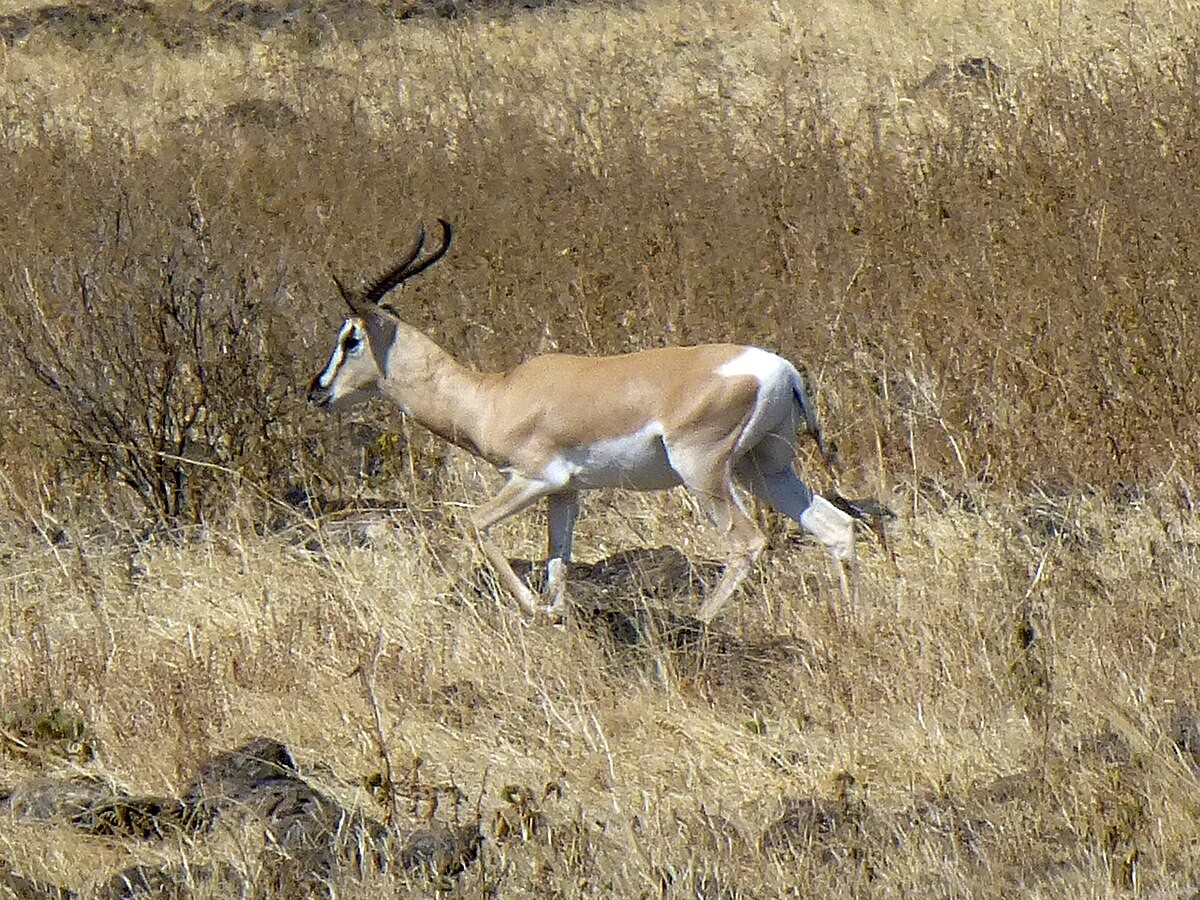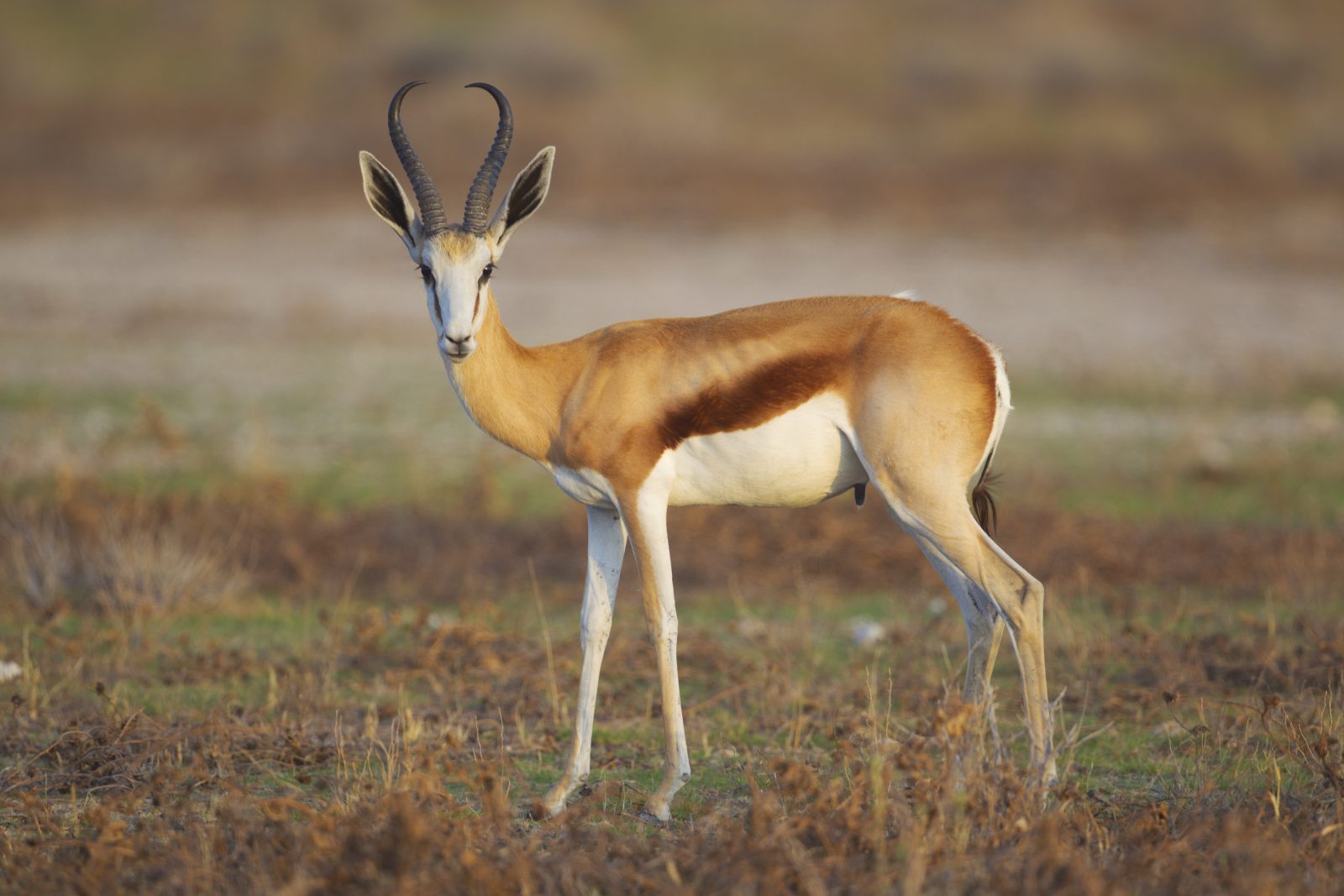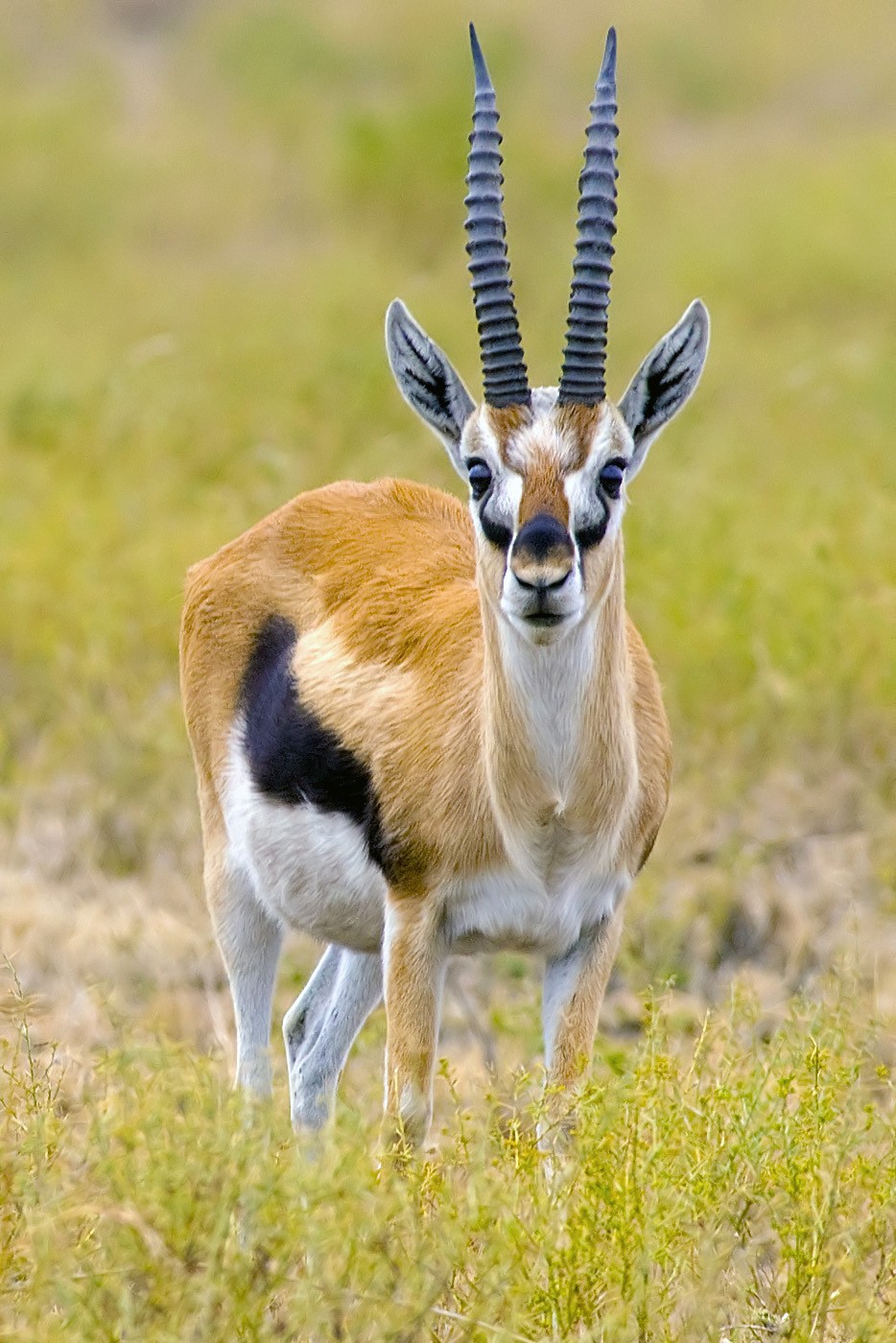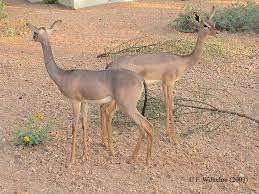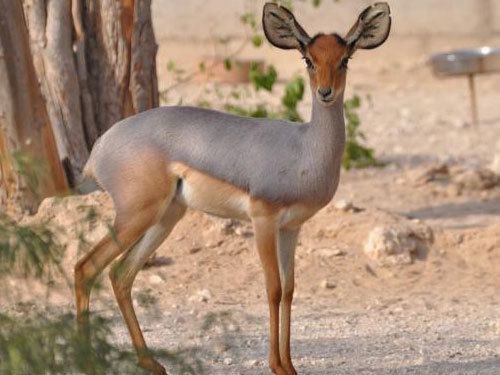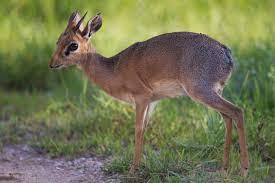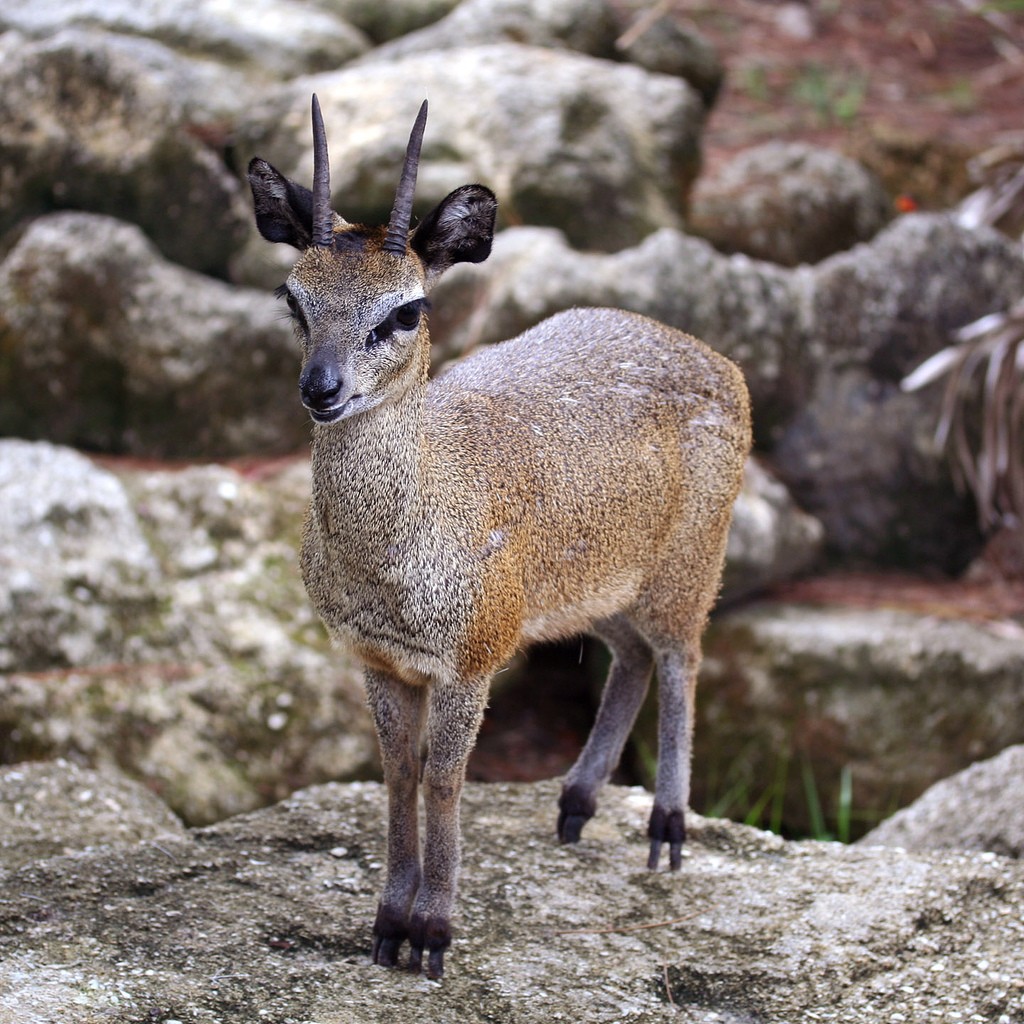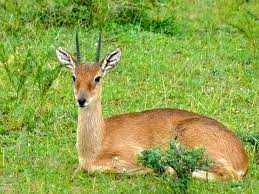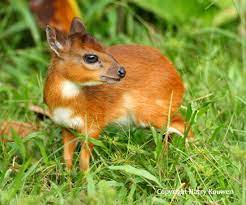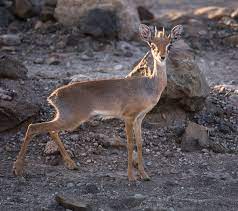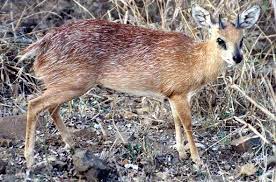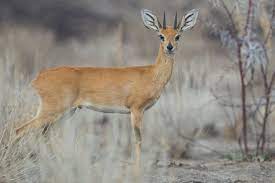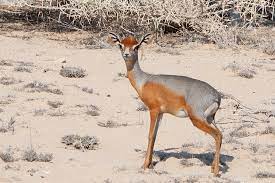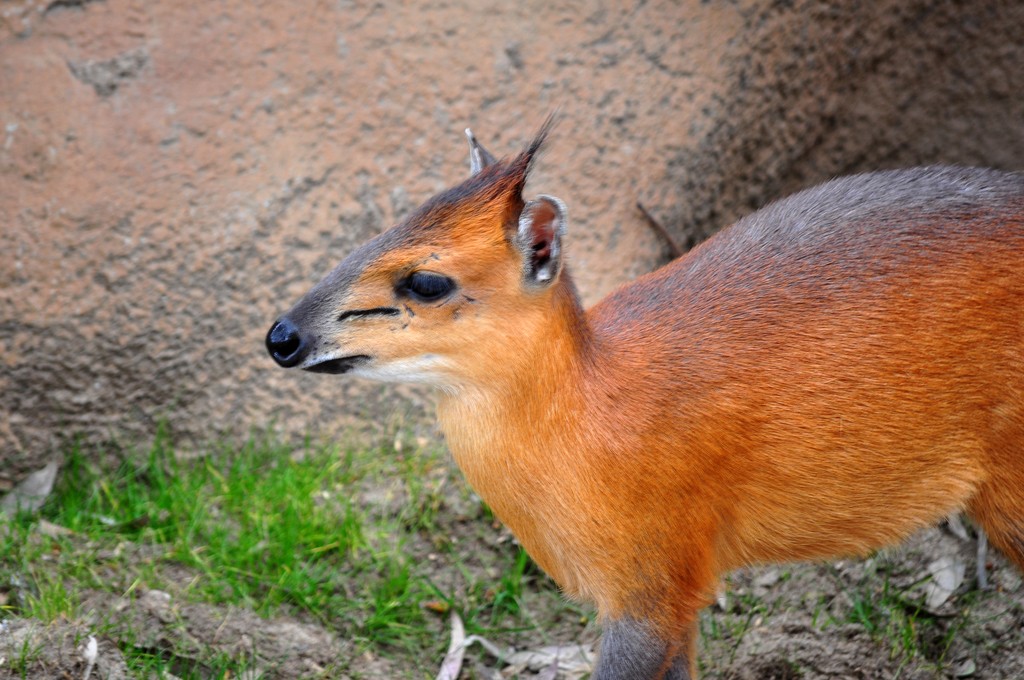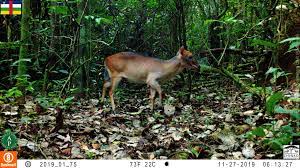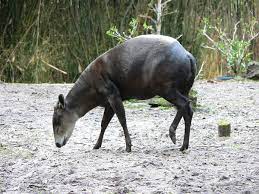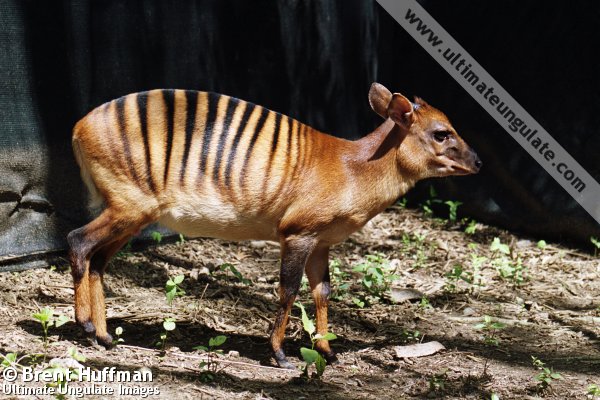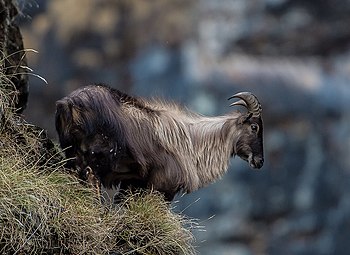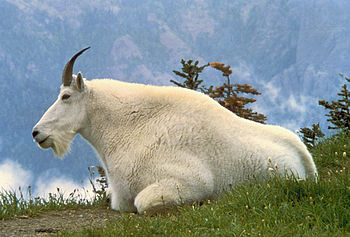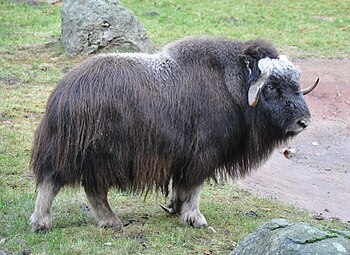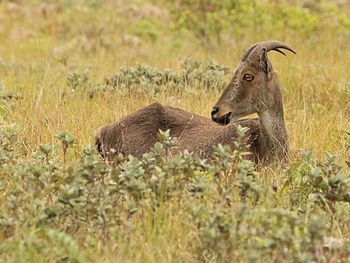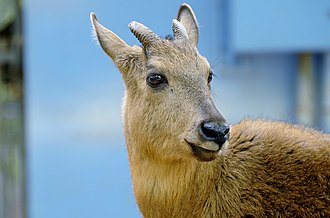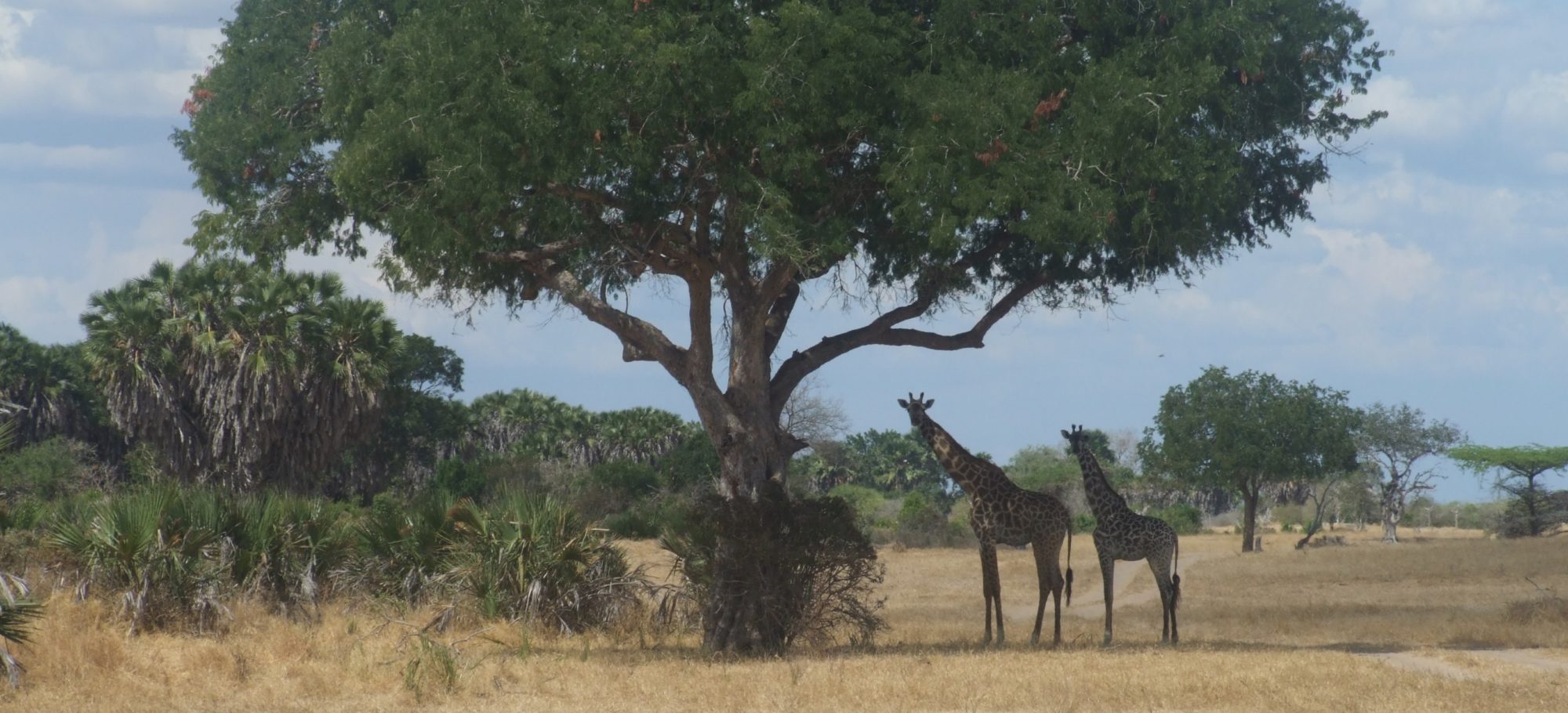
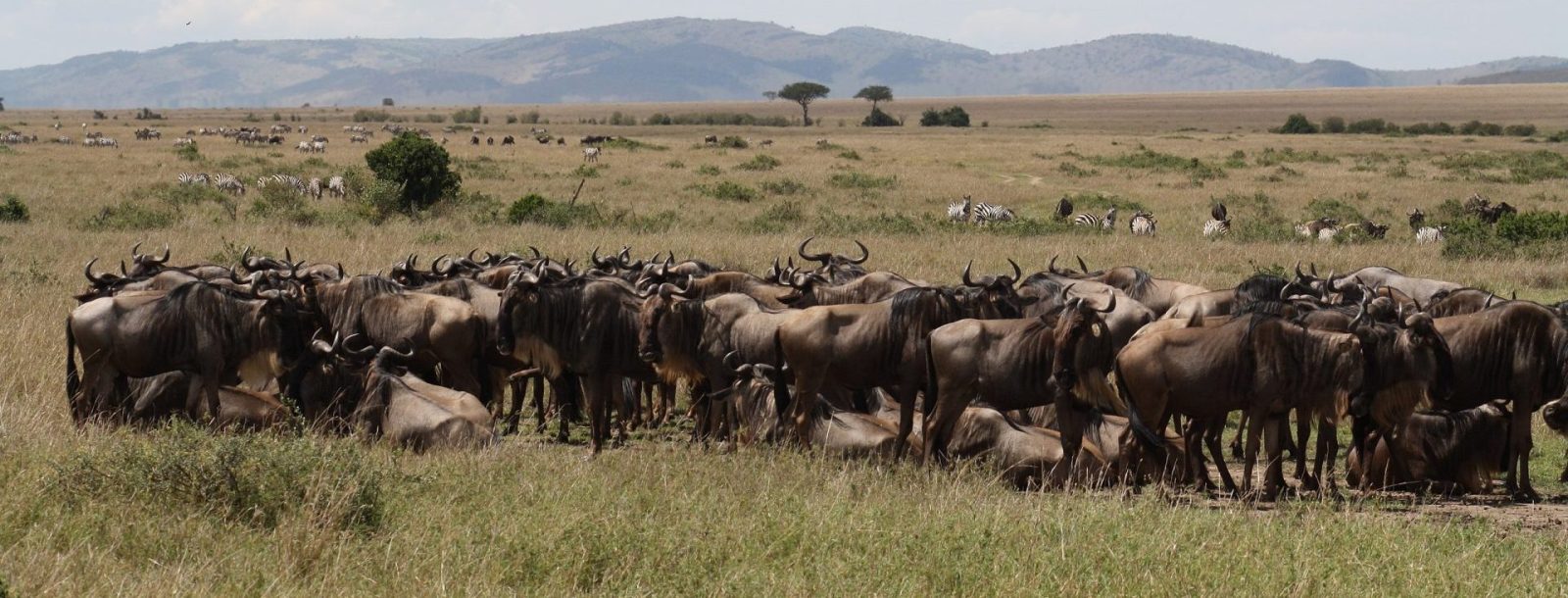
Bovidae family (including Aegodontia &Boodontia & Caprinae) or Antelope family tree

Bovidae family (including Aegodontia &Boodontia) or Antelope family tree

Antelope lie in the Bovidae family, and account for around 2/3 of the 135 Bovidae species that exist in the world. It should be noted that deer come from the family Cervidae, which means that despite looking extremely similar, antelope are more closely related to cattle than they are to deer.

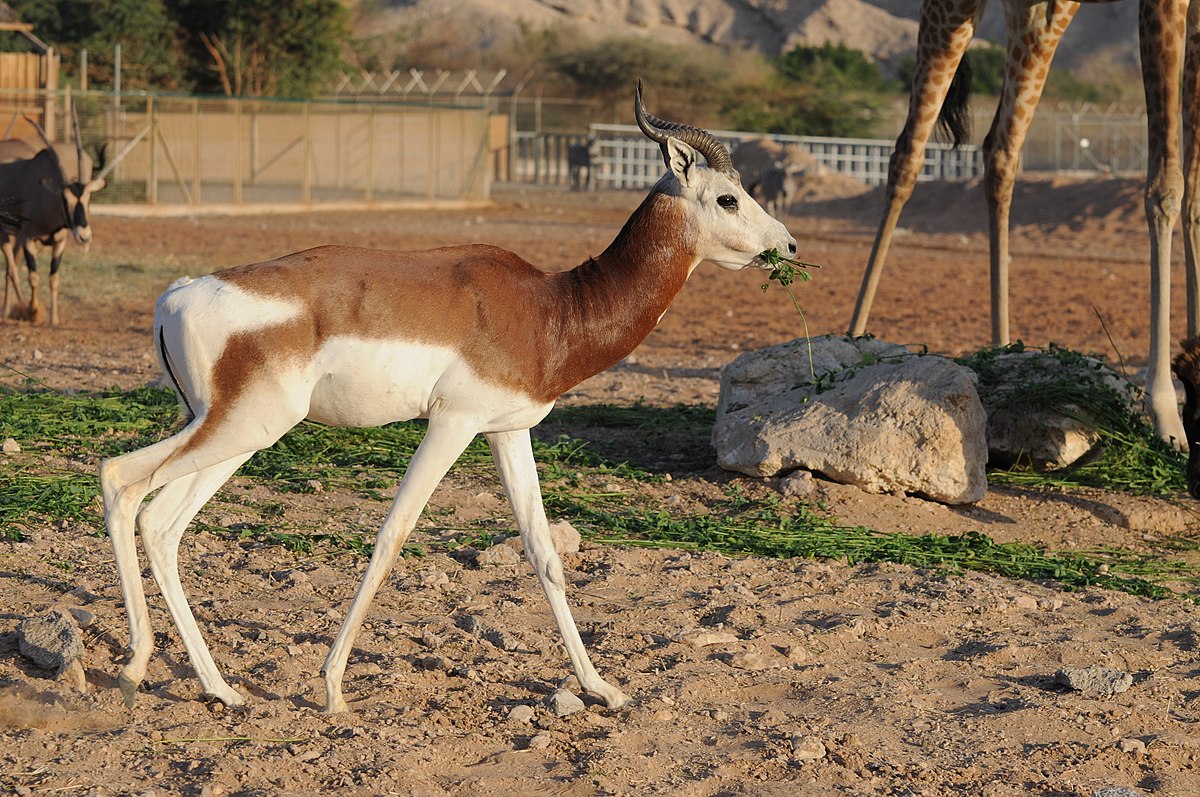
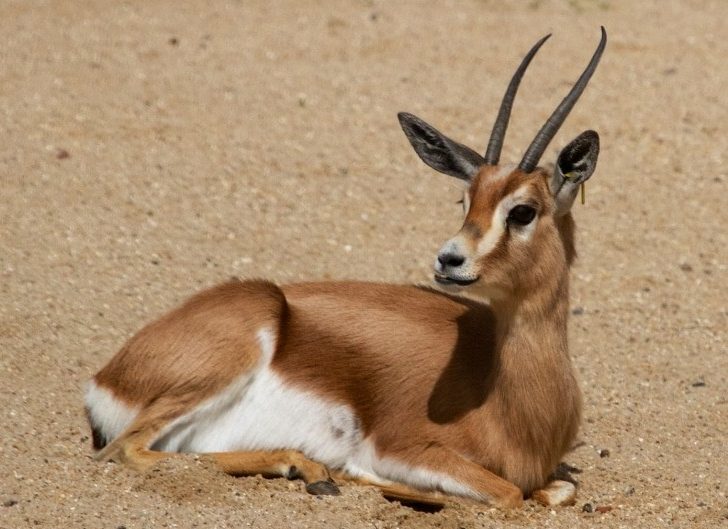
There are 91 antelope species in the world with 72 found in Africa, 14 in Asia, with the last 5 found in Eastern Europe.

There are 8 subfamilies in Africa

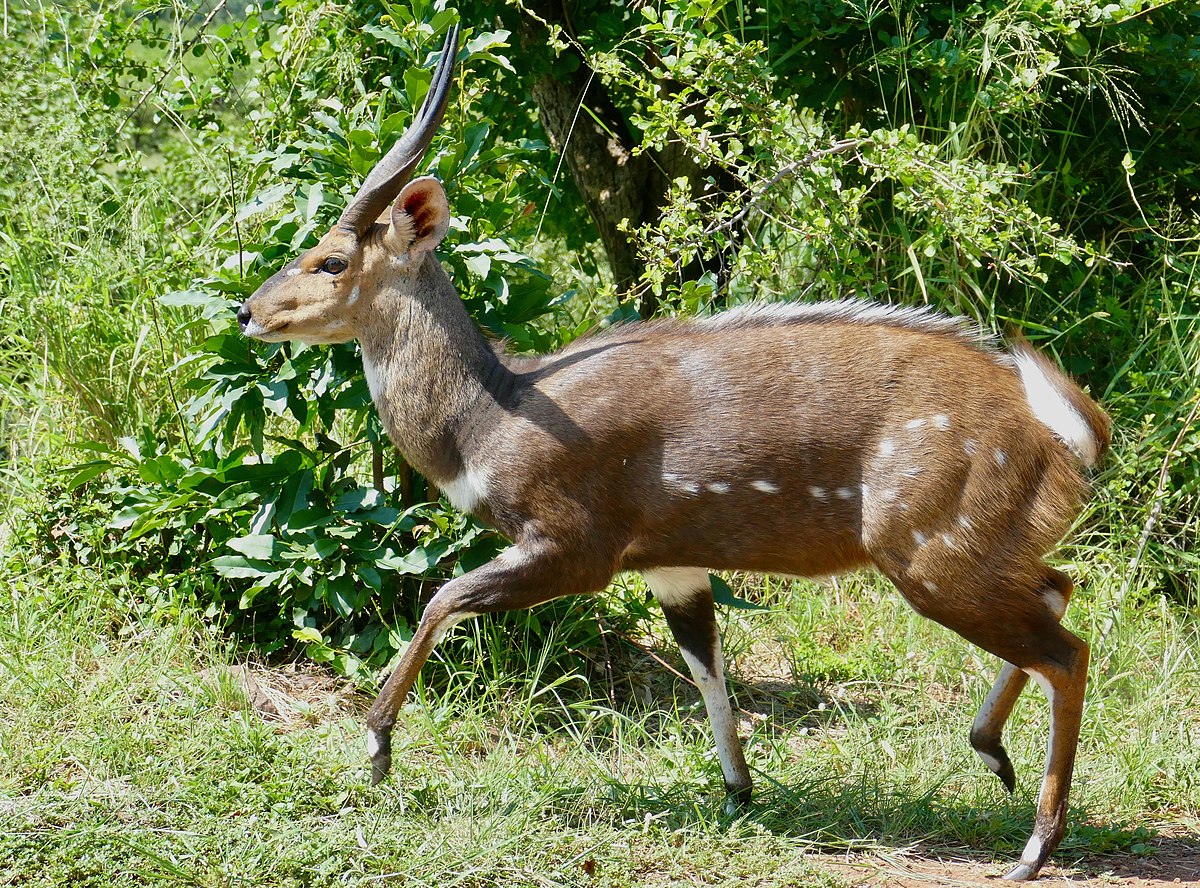
1. Subfamily Bovinae

Spiral horned antelopes made up of tribe Tragelaphini: 9 species 4 subspecies.

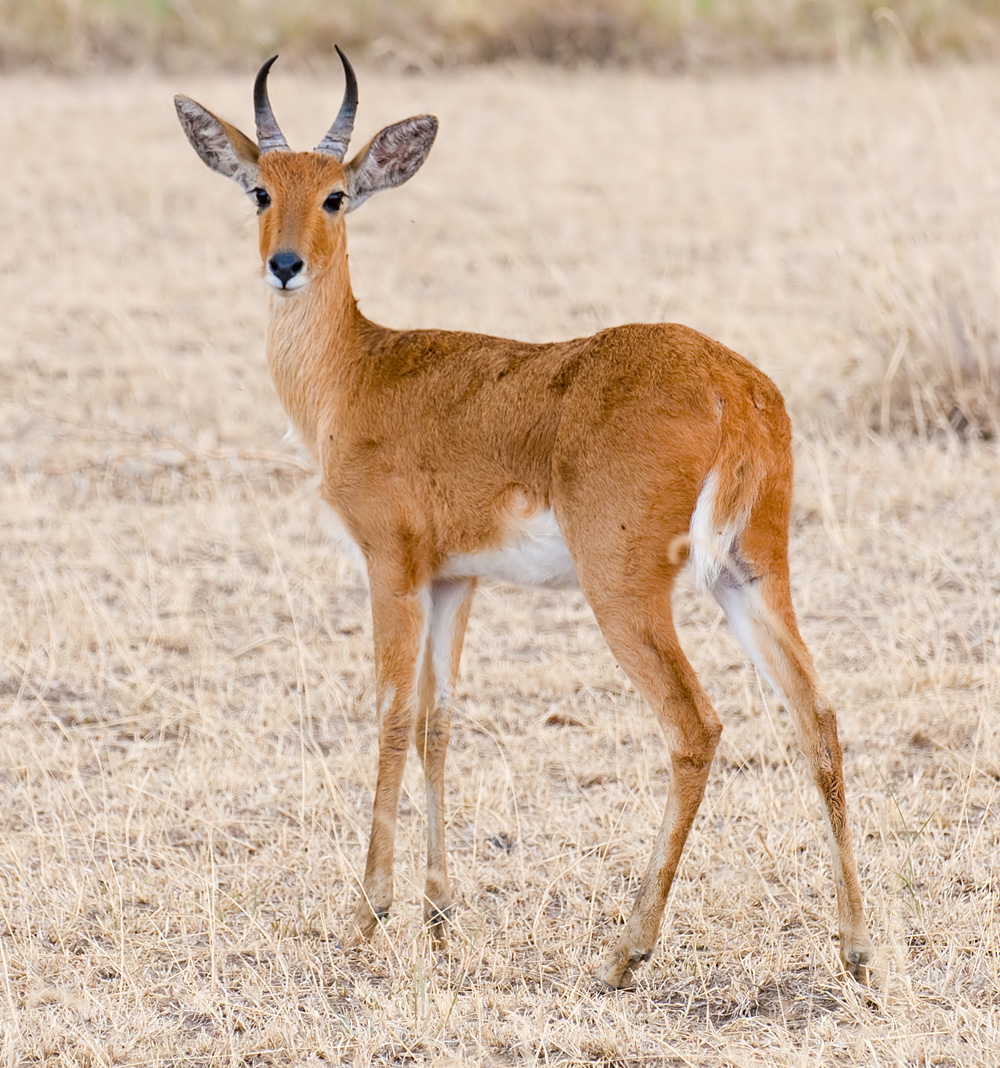
2. Subfamily Reduncinae

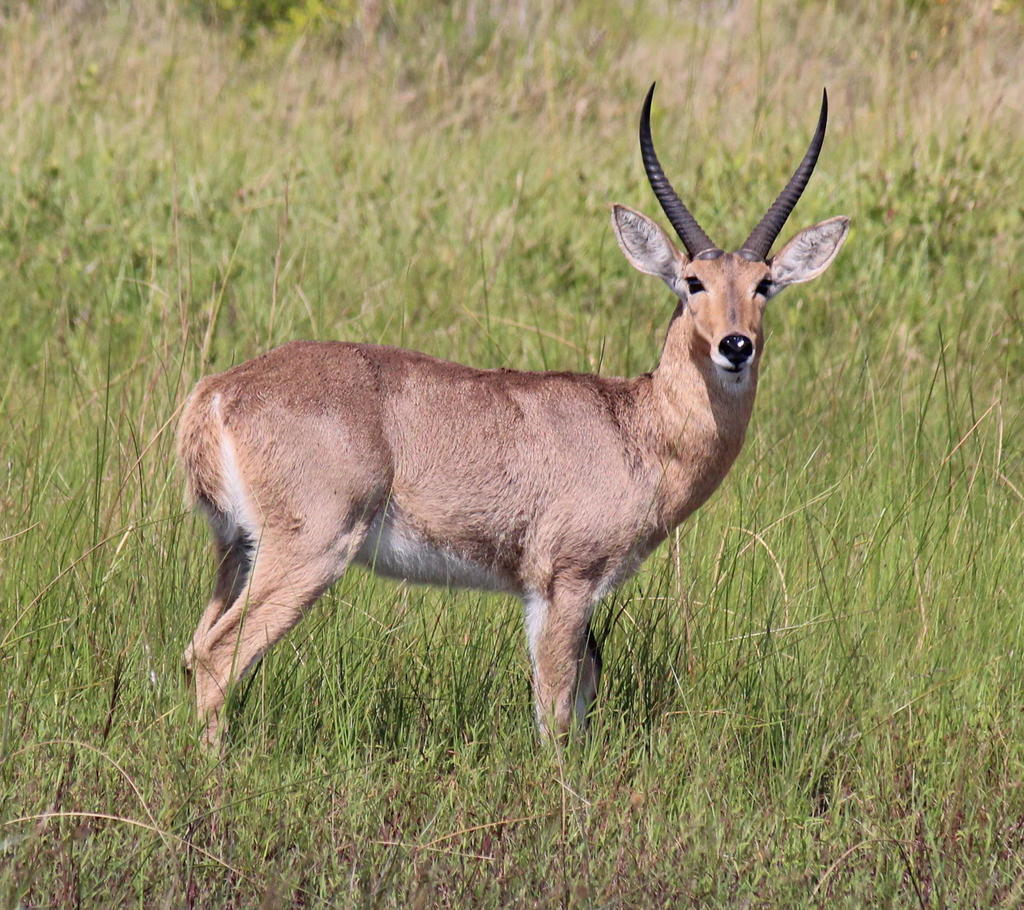
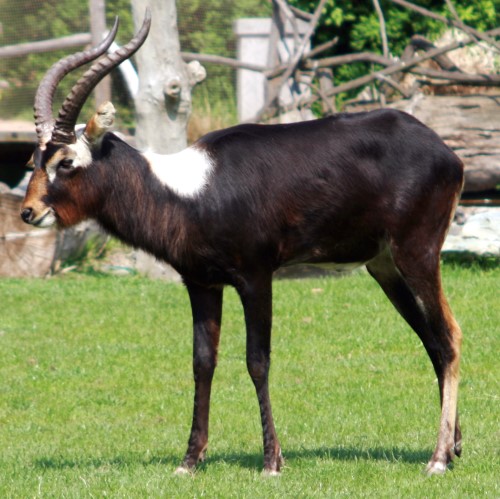
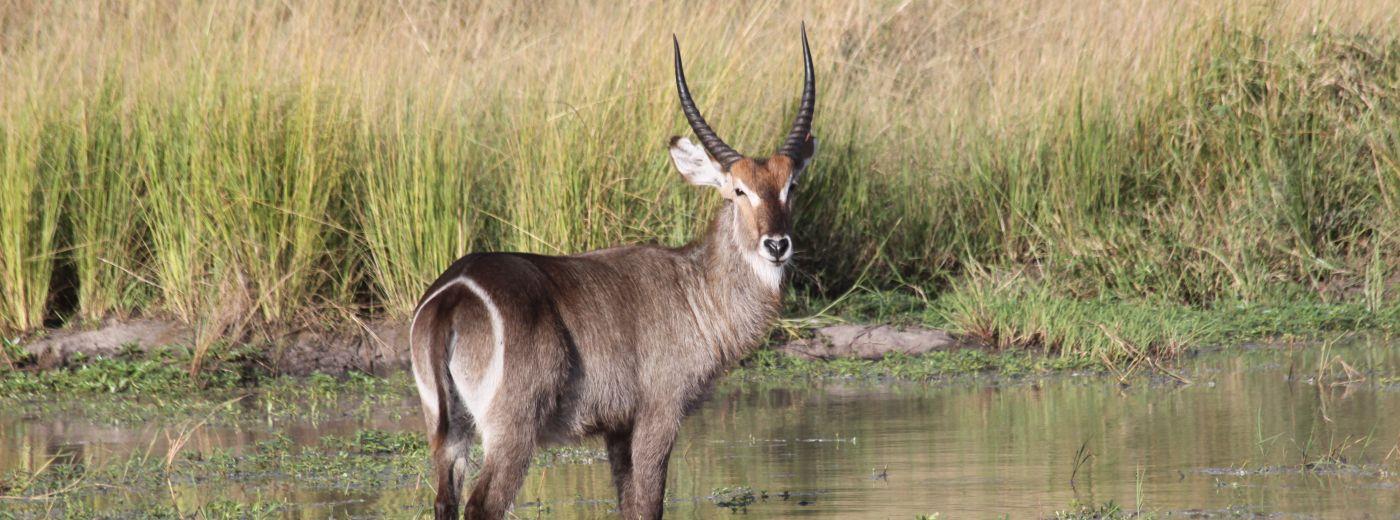
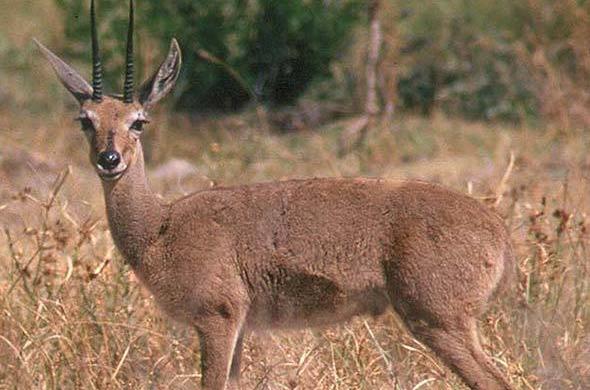
Rhebok, reedbucks, and waterbucks 8 Species, 11 Subspecies

3. Subfamily Peleinae:

 1 Species
 

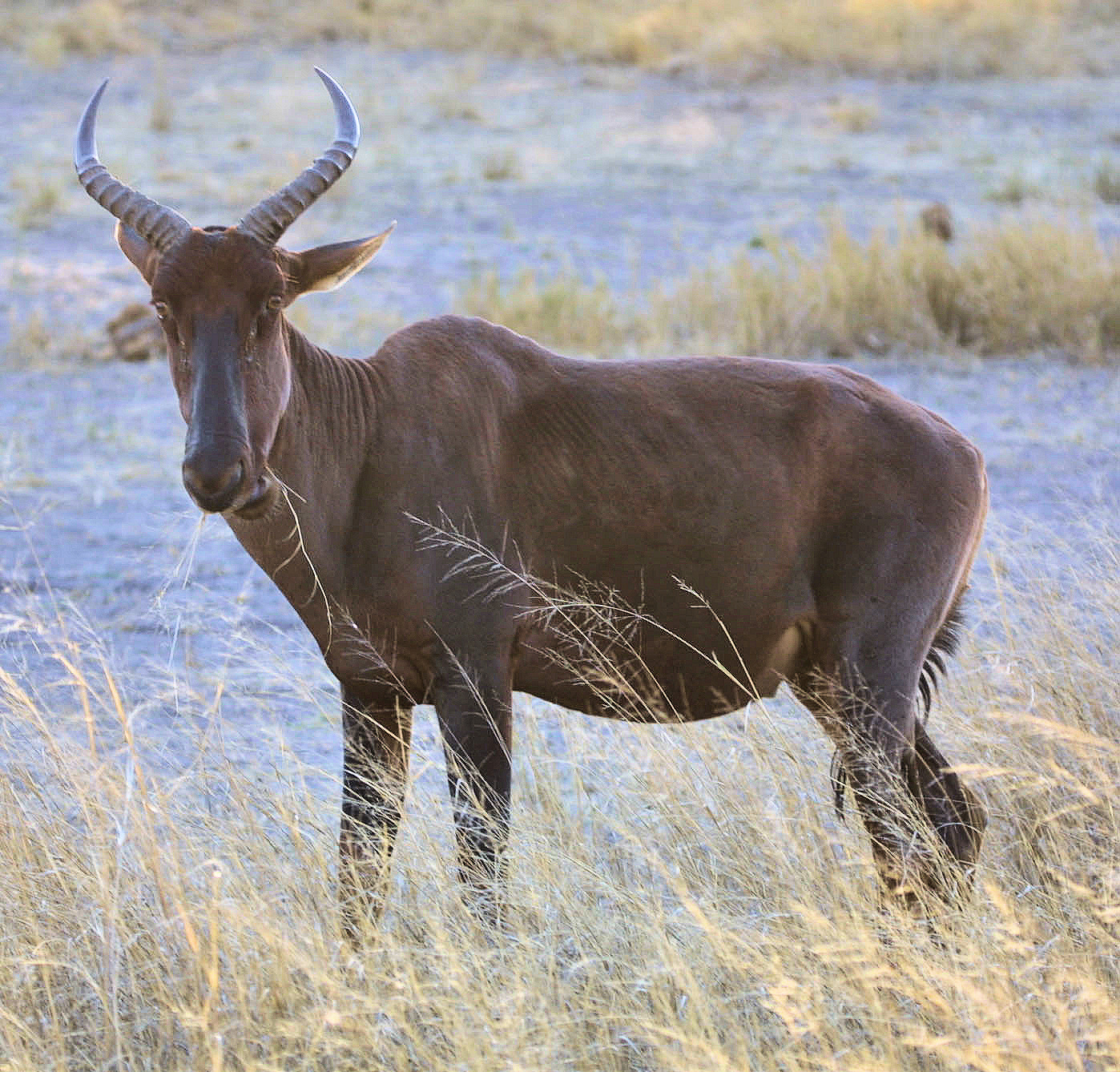
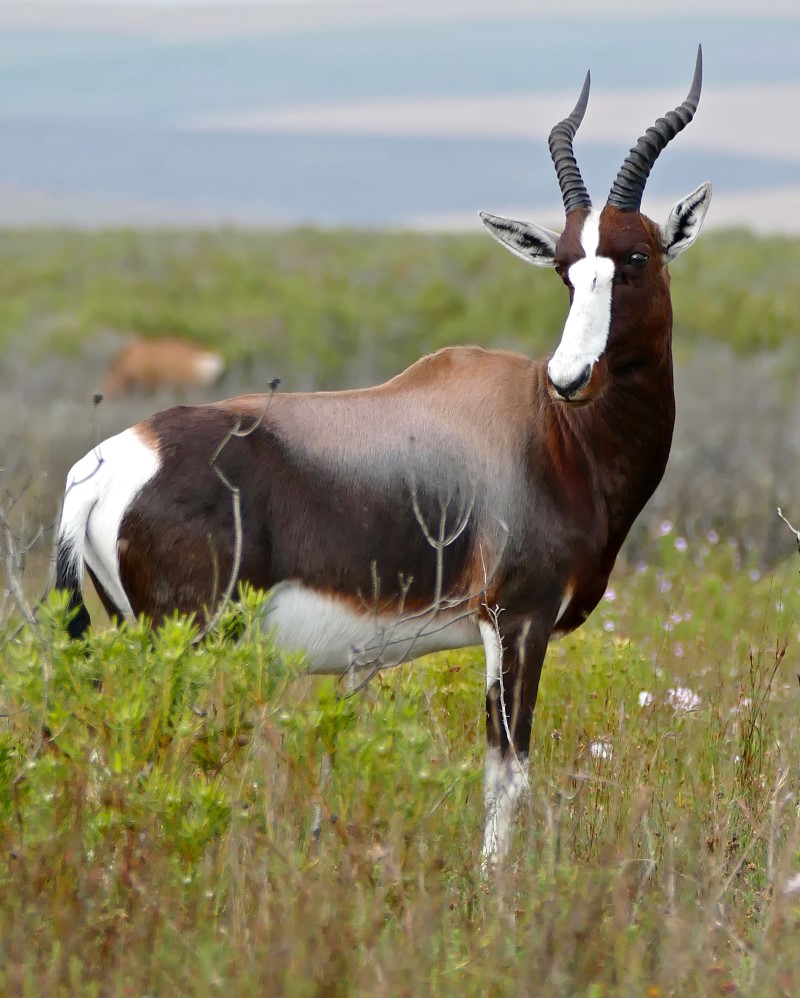
4. Subfamily Alcelaphinae


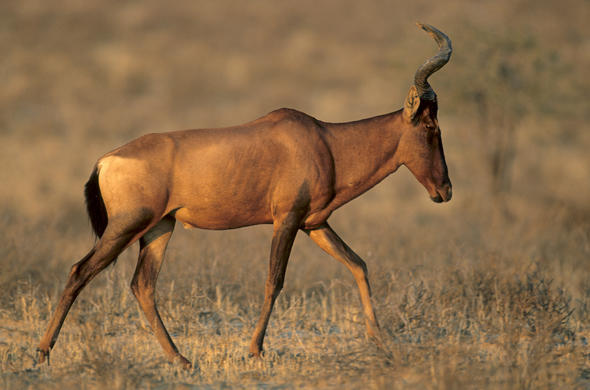
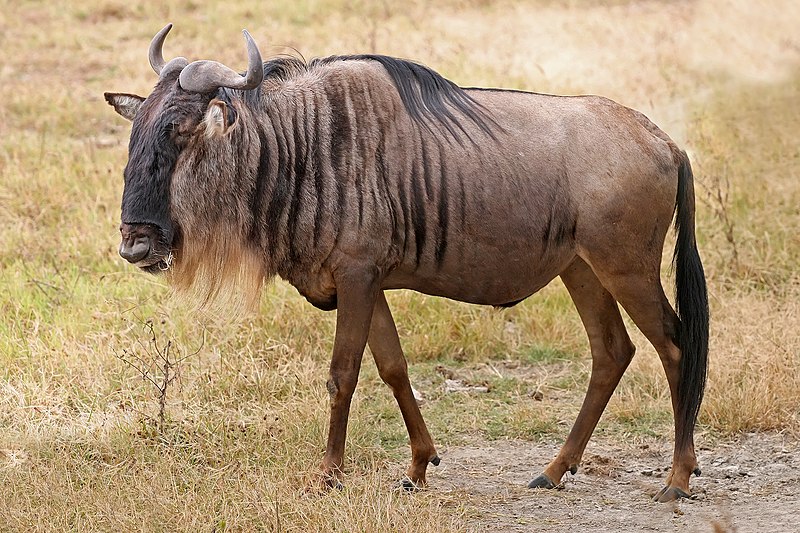
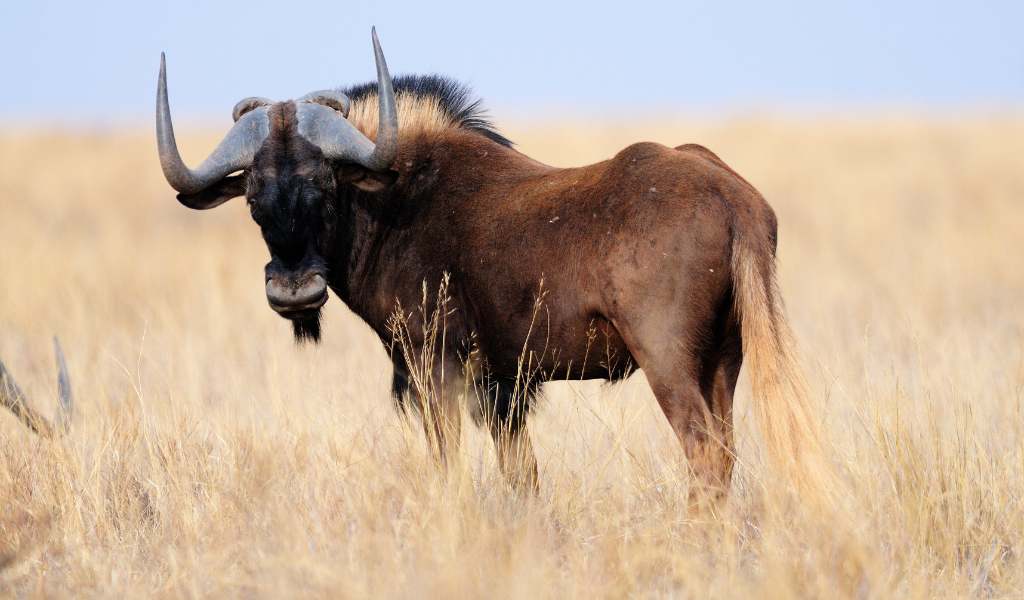
Sassabies, hartebeests, and wildebeests: 6 Species (depending on how you count, it can be anywhere from 6 to 10) , 19 Subspecies

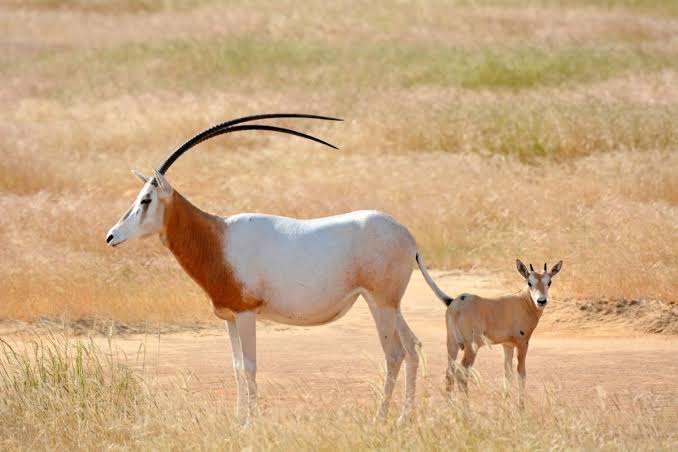
5. Subfamily Hippotraginae

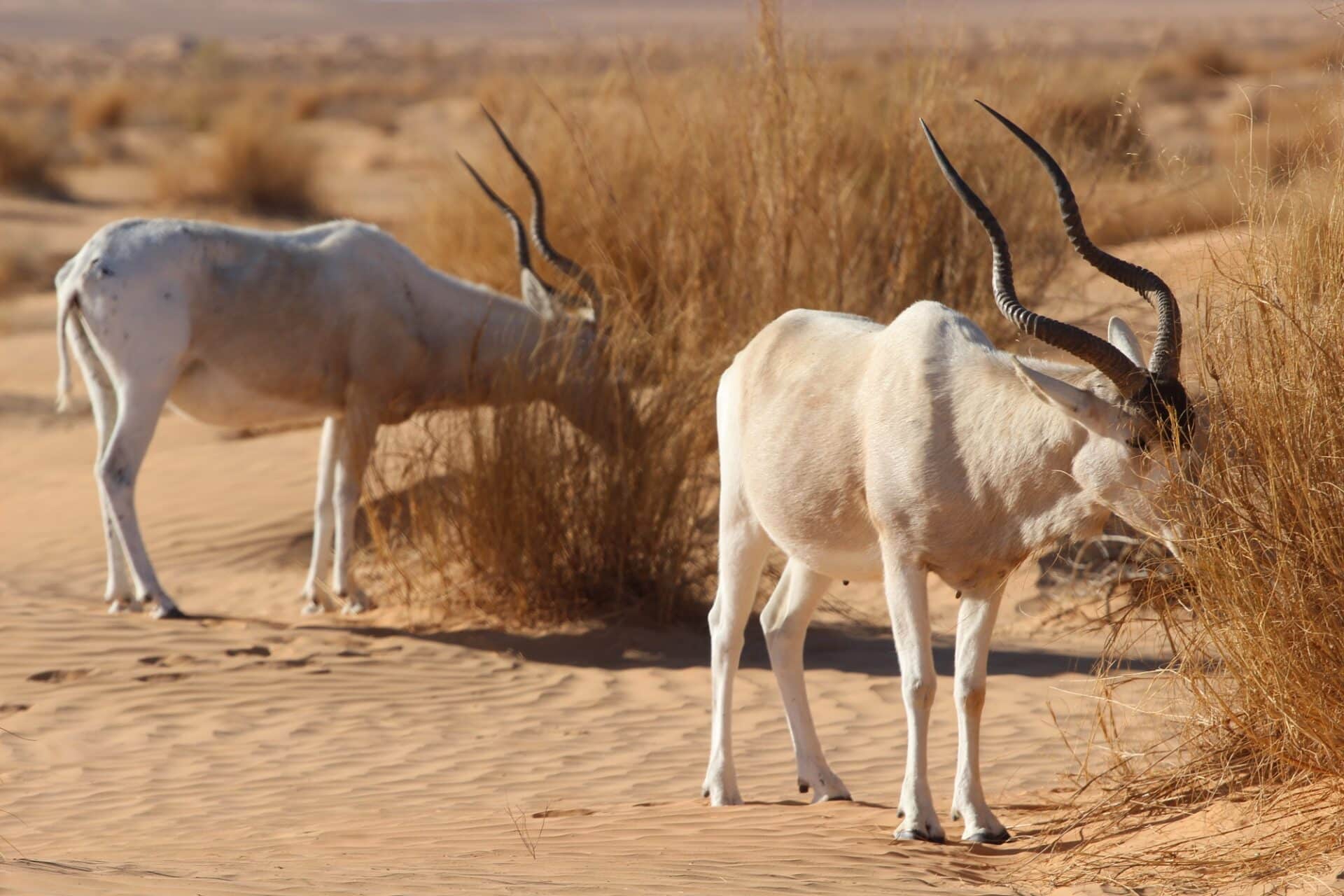
Grazing antelope: 7 Species, 4 Subspecies

6. Subfamily Aepycerotinae

Impala: 1 Species which is impala, 2 Subspecies

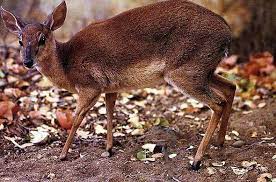
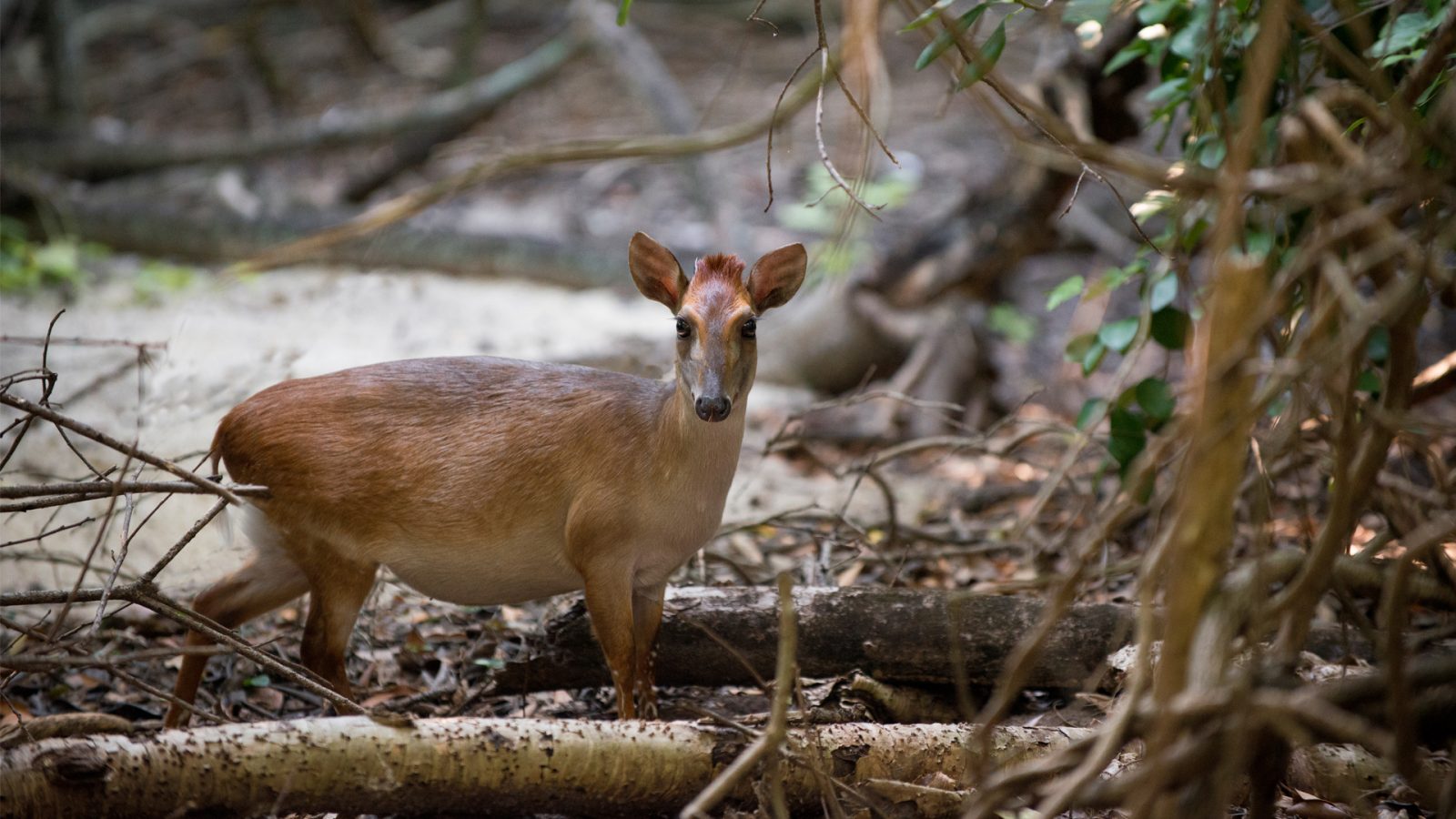
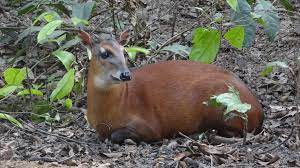
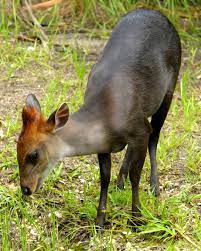
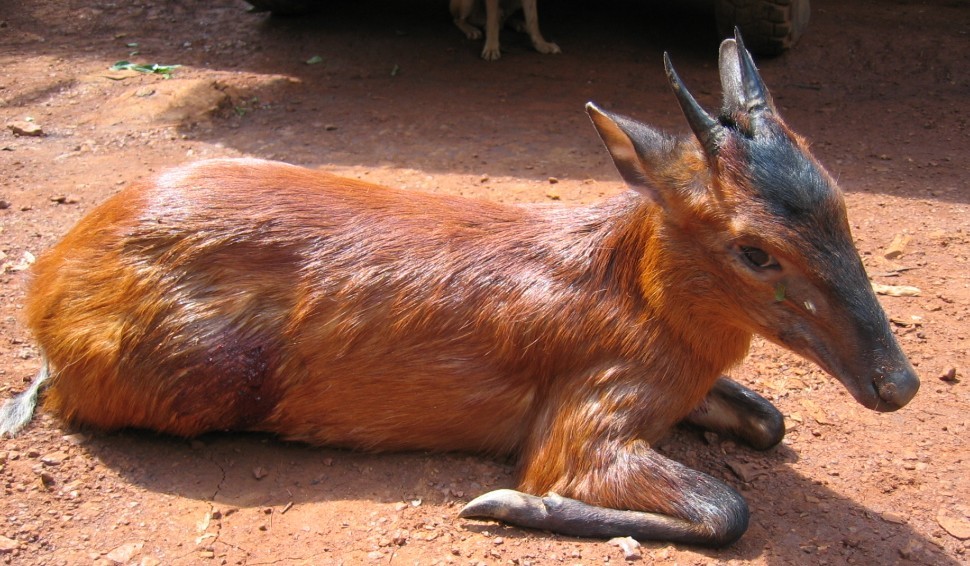
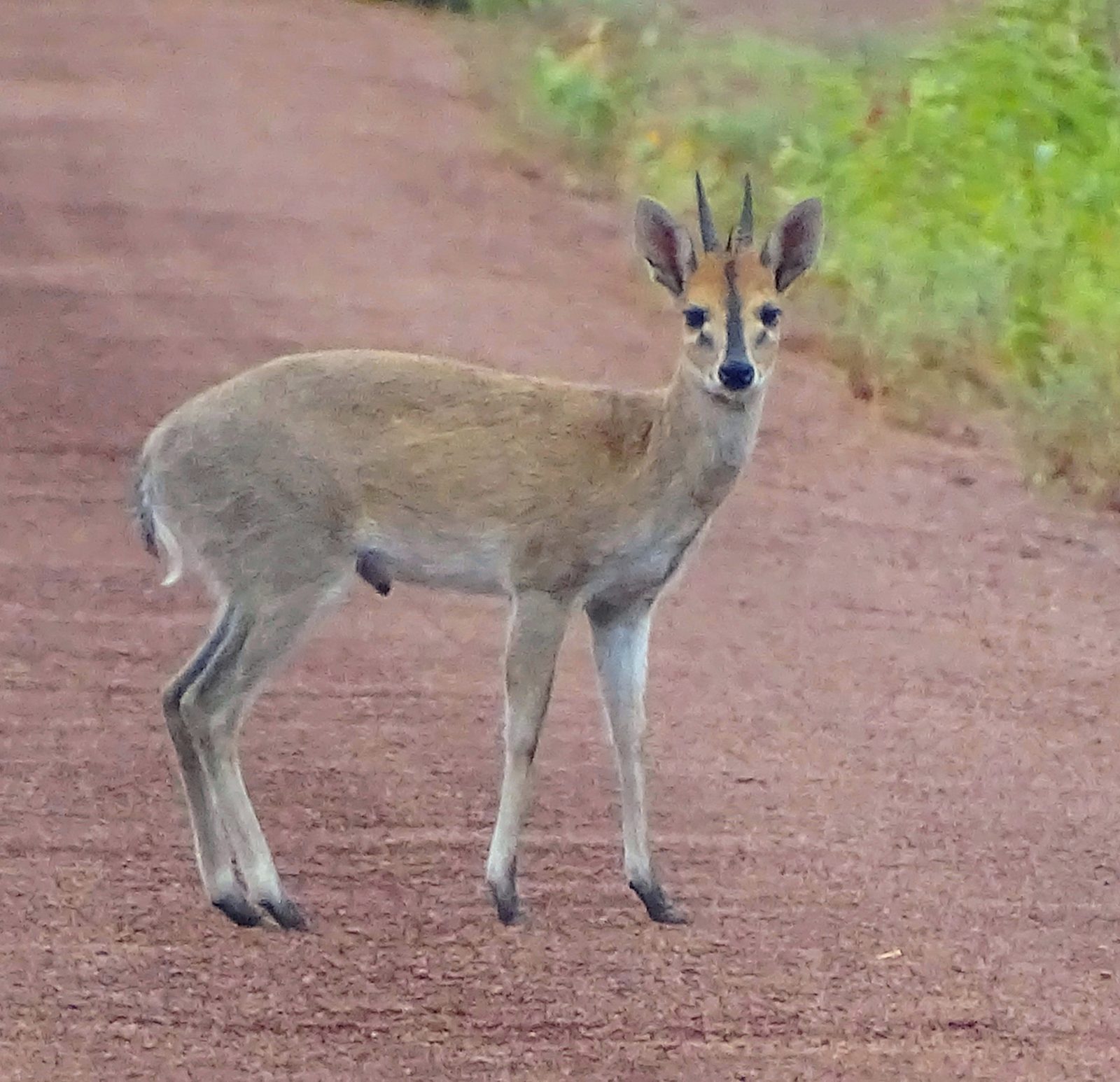
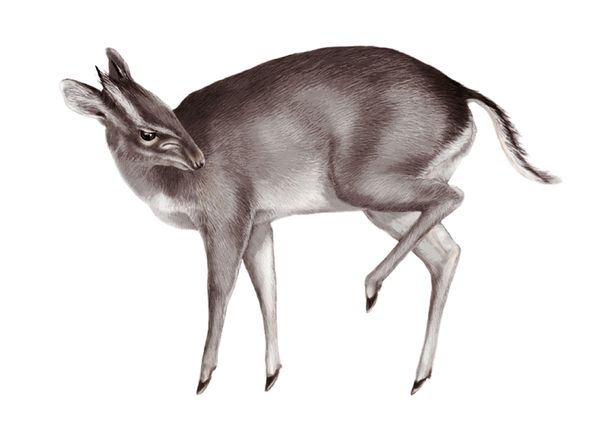
8. Subfamily Cephalophinae

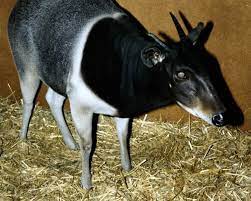
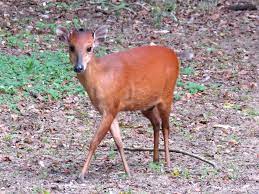
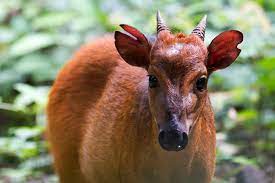
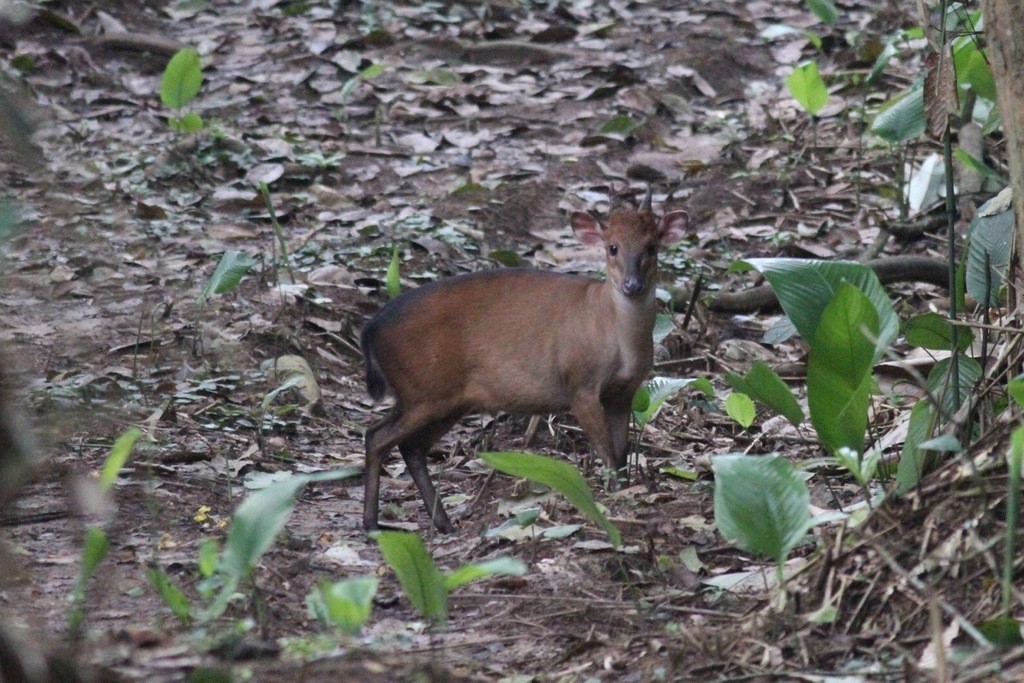
 Duiker: 17 Species, 7 Subspecies

If you want to return to the Ruminants family page click here

Caprinae

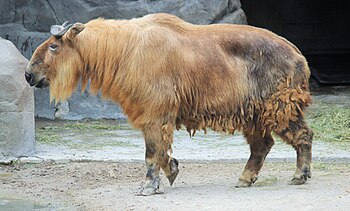
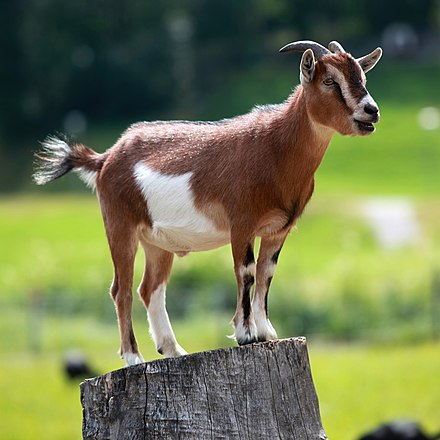
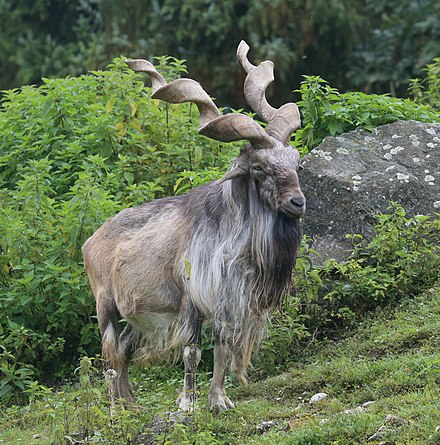
The Caprinae family is a close relation of Alcelaphinae & Hippotraginae (subfamily 4 and 5 on this page) but this family consists of the worlds goats and sheep.

This consists of 9 genus with just 1 species in each (and one further extinct so not included here) and then 5 genus with more than that. 

Firstly dealing with each genus with only one species.

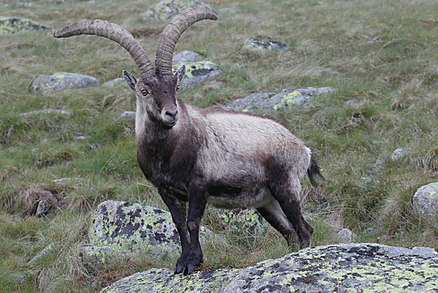
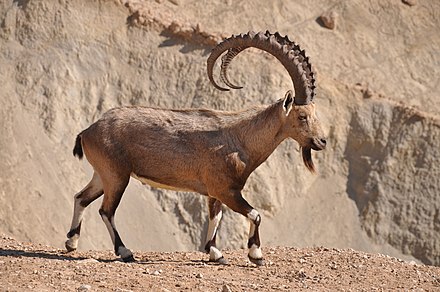
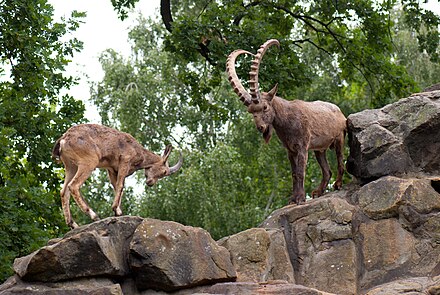
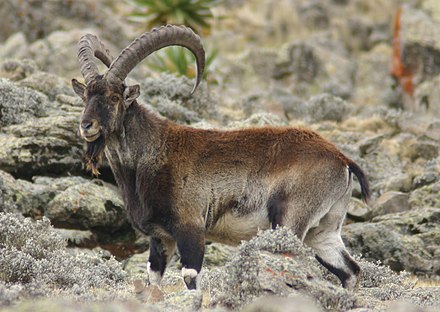
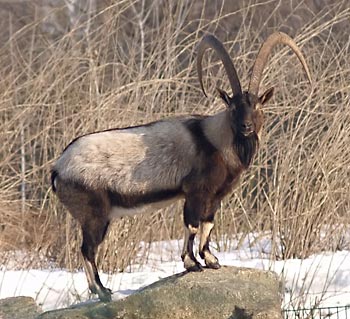
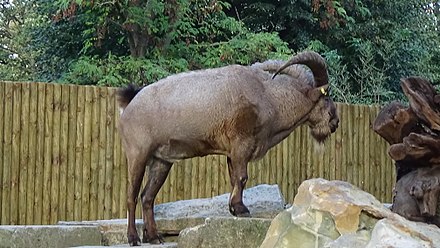
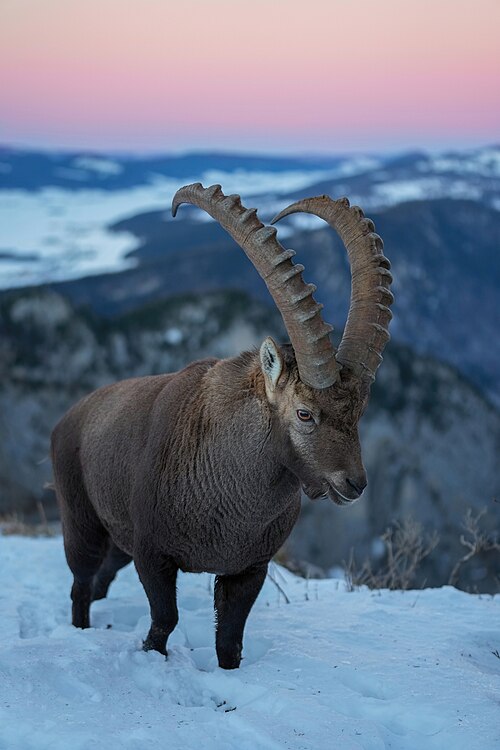
Next the Capra genus, which consists of the worlds Ibex species

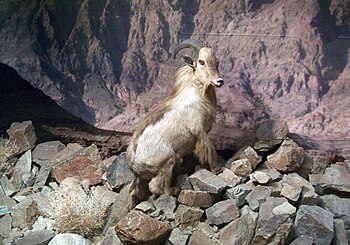
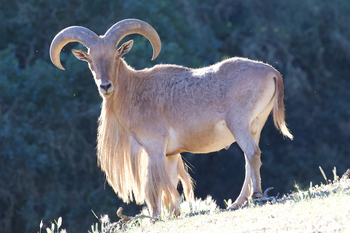
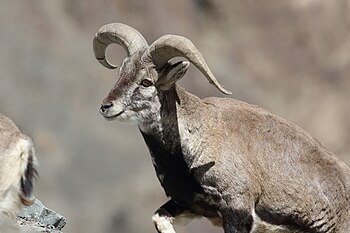
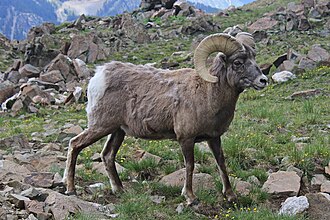
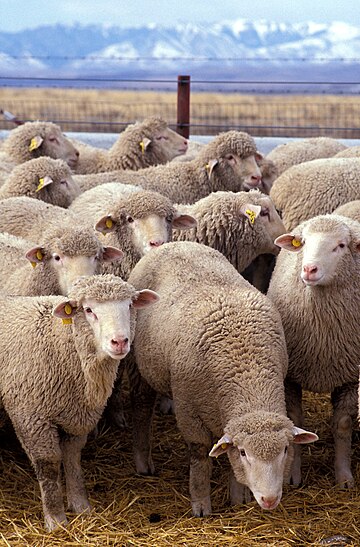
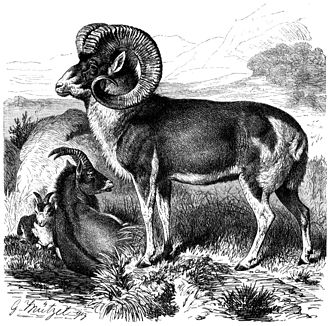
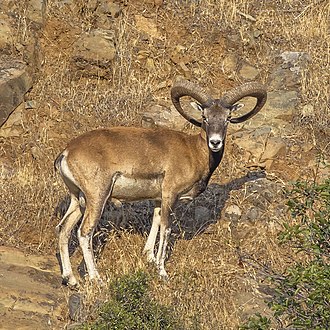
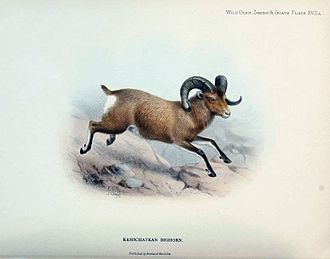
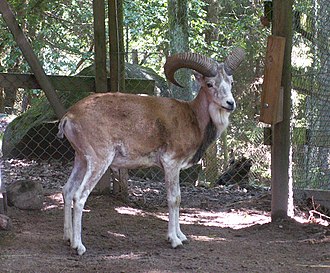
Next the Ovis family (sheep species)

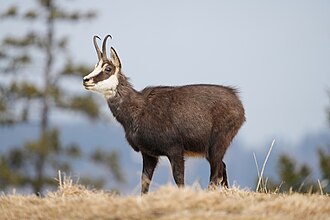
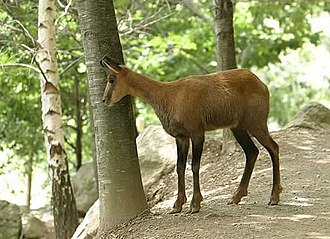
Two species of Chamois remain

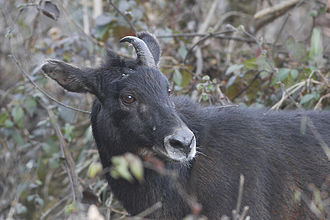
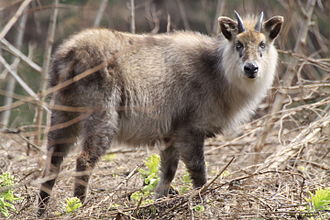
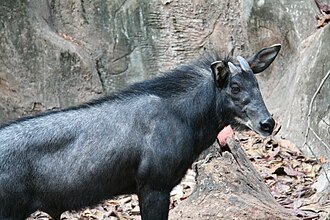
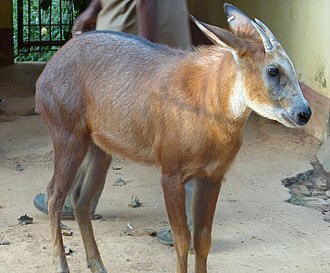
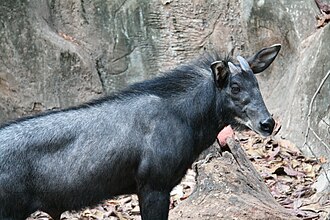
The second last group is the Serow (6 species)

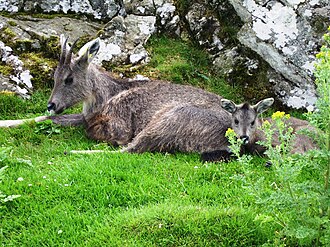
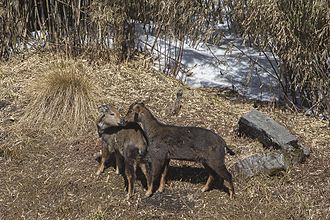
The last group is the Goral
World maps: explore

This website aims to make it easy for those living with wildlife, and those who would like to see it, to find each other. Where-ever the wildlife, if the local people do not benefit it will not survive.  Please note, on some computers these maps can take 10 seconds to load.
Explore the worlds wilds, through the map above (each country contains a list of any wild areas within it – world maps for each fo these can be found at the top of the page -“wild places, “shadow of mankind”, “Hides”, “Future places” & “sightings board”), or the species in the expandable section below. Add your destinations, by clicking on “list your wild”. Scroll down to read our latest wild news.

Species watch

Species watch

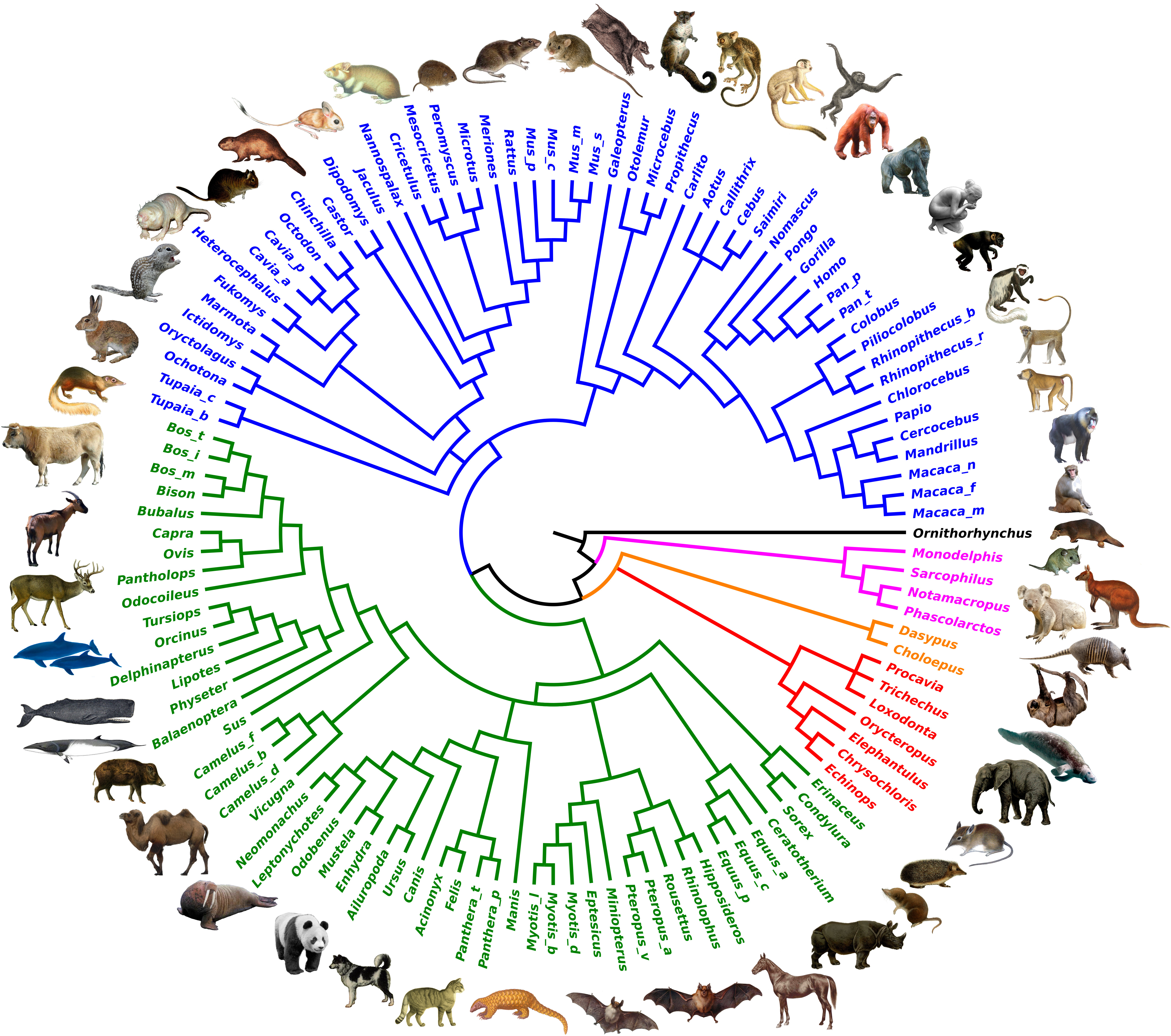
All species are important, often reintroductions have failed because a small unnoticed animal was missed. Over time, we will amass pages for as many species as possible. However, just as important is  seeing how species are closely related. As such as well as looking at species from a specific ecosystem or family, we will also include family trees of many of the families on earth. It should be noted, that this is to help you find wildlife you wish to see, so will never link to every species. In either way, these links to these will be placed at the top.
Original paper - OrthoMaM: A database of orthologous genomic markers for placental mammal phylogenetics. Ranwez V., Delsuc F., Ranwez S., Belkhir K., Tilak M. & Douzery E. J. P. BMC Evolutionary Biology, 2007, 7 : 241.
See Animals Wild

Read more news

Join as a wild member
to list your wild place & log in

Join as an ambassador supporter to
support this site, help save wildlife
and make friends & log in

Join as an Associate member
to assist as a writer, creator, lister etc & to log in

List a wild destination

List a destination in
the shadow of man

List a hide for animals more easily seen this way

Highlight some news
missed, or submit a
one-off article

Browse destinations for fun or future travel

Temporary membership
start here if in a hurry

Casual readers and watchers