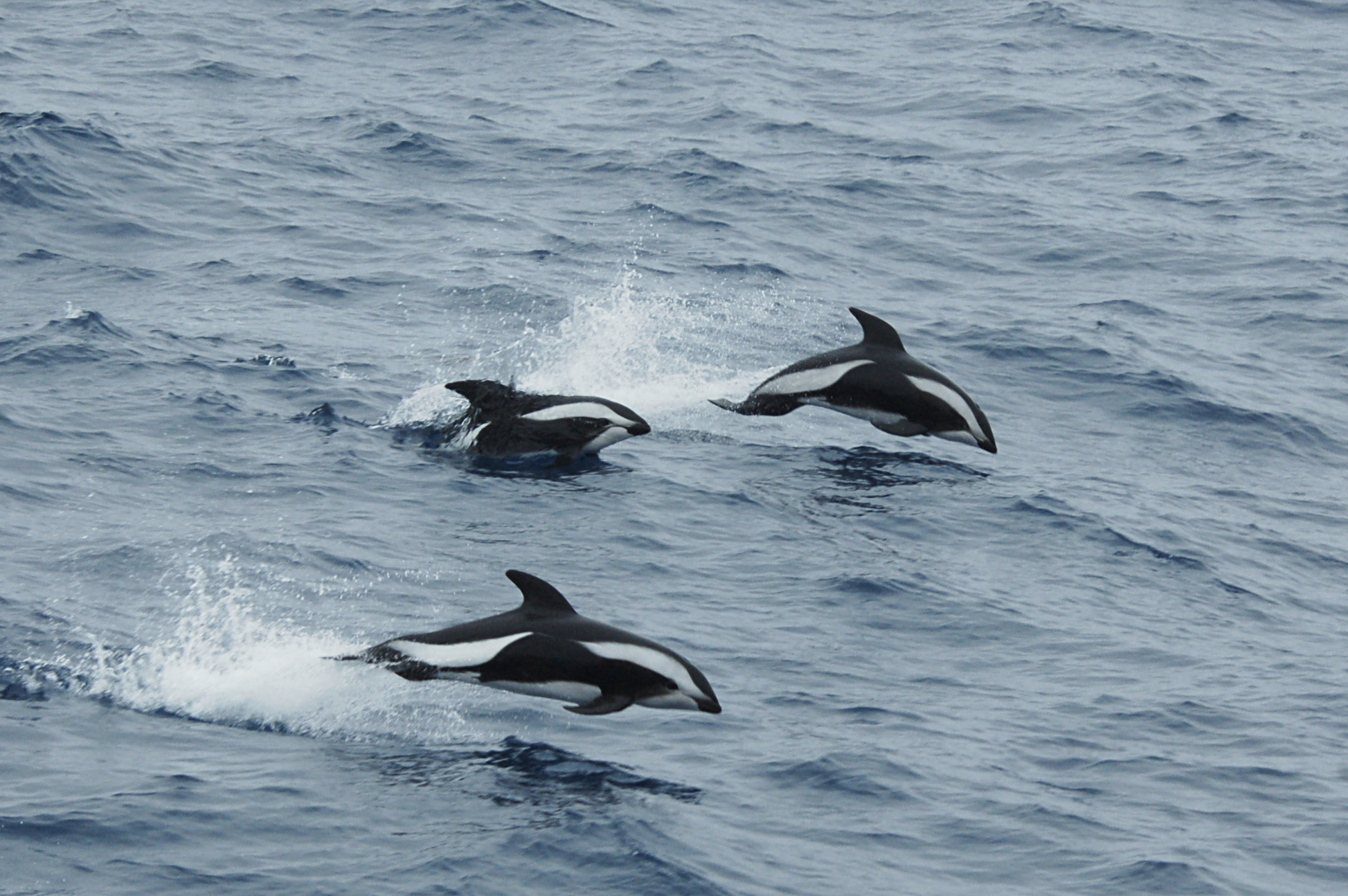
Hourglass dolphin

Hourglass dolphin

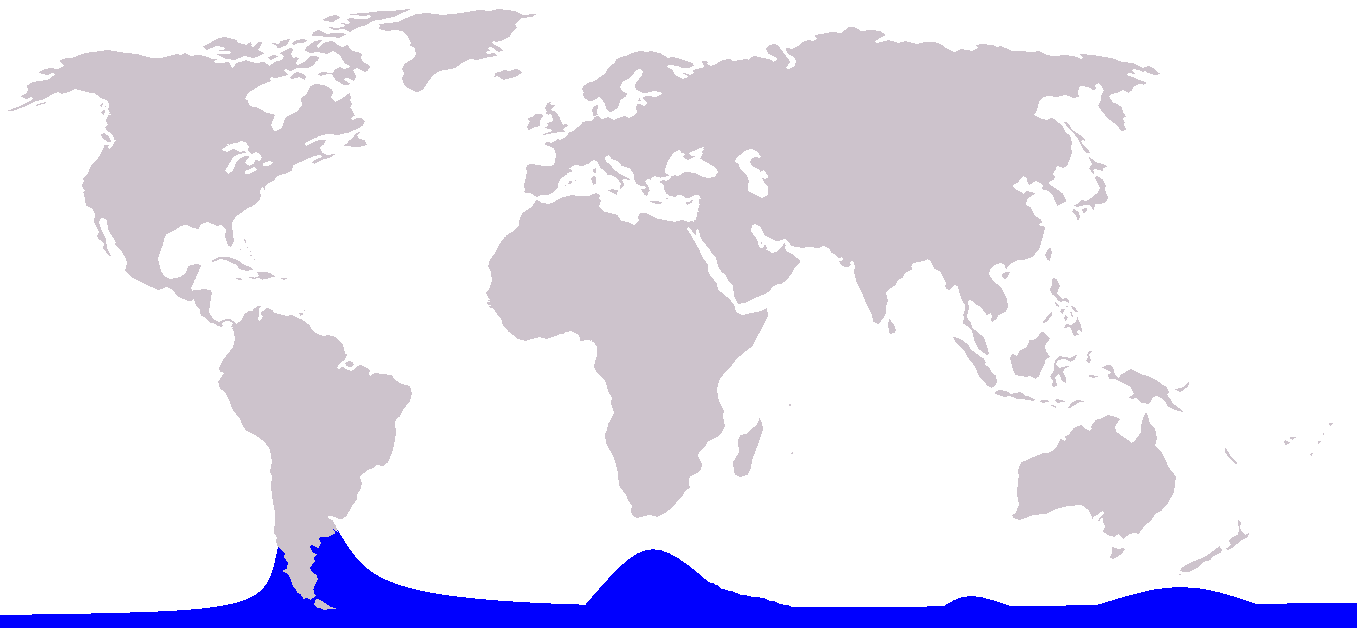
The hourglass dolphin  is a small dolphin in the family Delphinidae that inhabits offshore Antarctic and sub-Antarctic waters. It is commonly seen from ships crossing the Drake Passage, but has a circumpolar distribution.

The species was identified as a new species by Jean René Constant Quoy and Joseph Paul Gaimard in 1824 from a drawing made in the South Pacific in 1820. It is the only to have been widely accepted as a species solely on witness accounts.

Sighting surveys were conducted in 1976–77 and 1987–88. Abundance was estimated to be 144,300 individuals, based on line transect sightings in January 1977 and January 1988 in northern Antarctic waters. This is the only abundance estimate of hourglass dolphins to date.

It is currently listed as least concern on the IUCN red list.

Below you will find a video of the species, and below this a list of any articles that have (or will be) written on this species. Under this, we will over time, hope to add links which will help you see this animal in the wild.

[smart_post_show id="21190"]

Beluga Whale

Beluga Whale

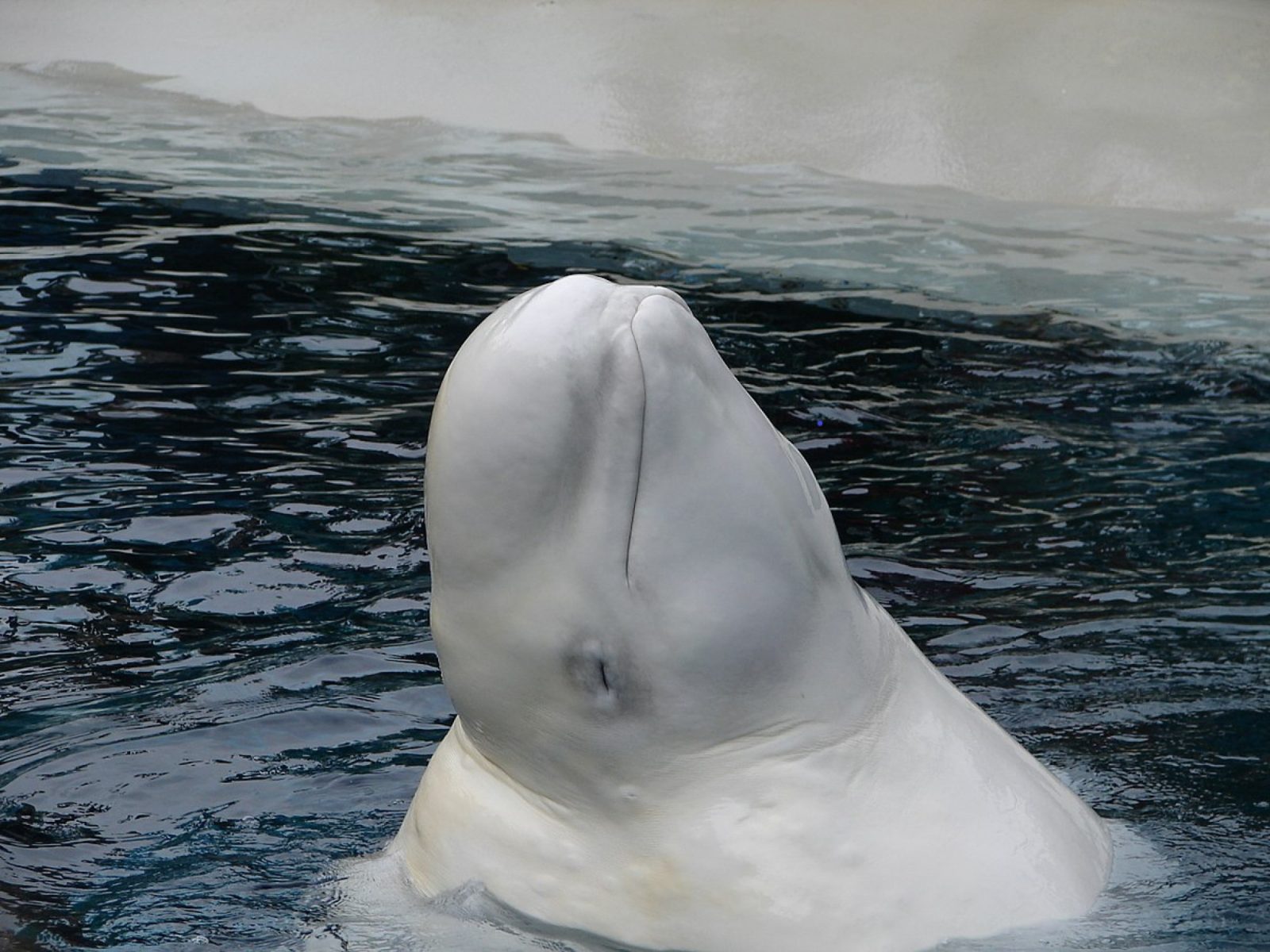
Beluga whales are only found in the arctic and sub-arctic oceans. They are one of just 2 species in their family Monodontidae, and are unique in their genus of Delphinapterus. It is also known as the white whale, the sea canary and the Melon-head (though the melon-headed dolphin is a species of its own, so this name may cause some confusion.

Adaptions it has for the Arctic, include the fact that it is white in colour, allowing it to blend into the white world more effectively, and the fact it has no dorsal fin, which allows it to swim very close to the ice sheet above.

Growing up to 5.5m in length and up to 1600kg they are a pretty large dolphin. Generally, living in groups of around 10, in the summer, they group together in their hundreds or thousands.

The worlds population is thought to be around 200,000, Some populations move from the edge of the ice cap, into rivers in warmer areas, while others stay around the ice caps year round. Groups of people in both USA and Russia have hunted them for many centuries.

Hunting is not controlled, and as such the drop in population could happen quite fast. Russia and Greenland have killed enough to drop their local population significantly, though thankfully not Alaska or Canada.

They do also have their natural predators in both the killer whale and the Polar bear.

They are the most commonly kept cetaceans in the world, with around 300 in captivity. Japan, USA, Ukraine, Canada, China and Russia as well as a few more.

There are 22 populations around the world, these vary from 39,000 down to as little as 500. The total population is around 200,000. While this number is large, the number hunted is definitely not sustainable. There is also no care to distinguish the different populations, which suggests that sub-populations could be pushed to extinction without any care.

Below, you will find a clip from a bbc documentary which features this species. Below this, is a list of any mentions that the beluga whale has had on this site. Below this, I will list any opportunities to see this species in the wild. Click on list your wild place, to list yours. It takes just a few minutes, and costs nothing – we only charge a commission on any business we send your way.
[smart_post_show id="25706"]

Bowhead whale

Bowhead whale

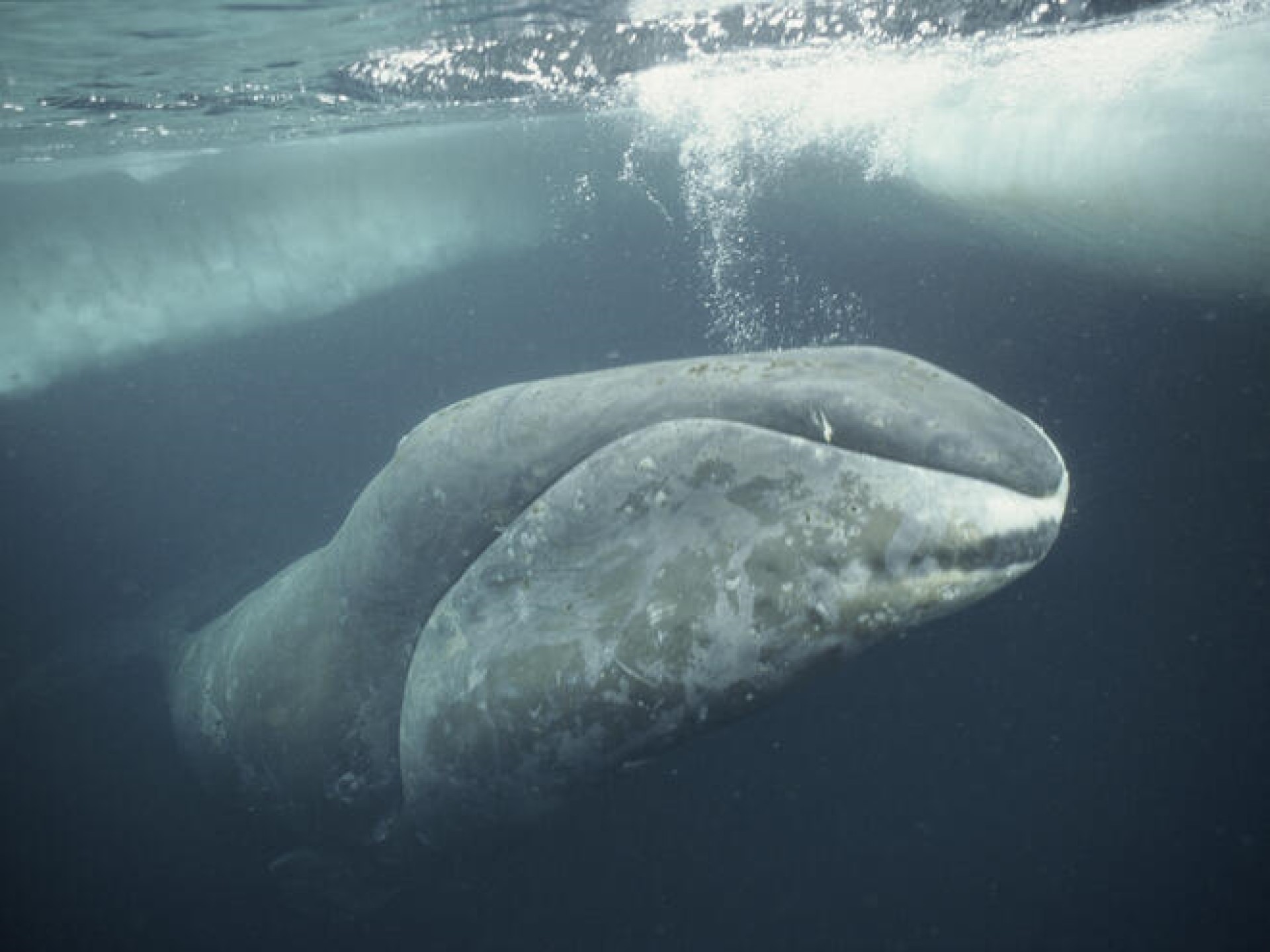
Also known as Greenland right whale, Arctic whale, steeple-top, and polar whale, they are closely related to the right whales, the bowhead whale looks quite different. It is in a different genus to the other right whales (so is a more distant relation.

The only whale that is endemic to the Arctic and sub-arctic, its mouth is a third of the size of the body. They are incredible long lived often living to 200 years old. They have incredibly thick skulls, which allows them to use their heads to break through the arctic ice.

Unfortunately, they were an early target of whalers, and so in 1966 hunting of them was banned. They have recovered to the point where out of the 5 subpopulations, 3 are endangered, one is vulnerable and the last one currently classed as low risk. Another unfortunate effect of whaling, was to put an end to the summer habits of the bowhead whale – before whaling, it appears that different whale populations would cross seas during the summer, and interbreed.

  1. The Western Arctic stock in the Bering, Chukchi, and Beaufort Seas estimated at 12,500 (though with 95% confidence range 8000-19500         
  2. The Hudson Bay and Foxe Basin stock estimated at 345 with a high confidence
  3. the Baffin Bay and Davis Strait stock which is estimated at over 1000 individuals
  4. the Sea of Okhotsk stock contains only 100-200
  5.  The Svalbard-Barents Sea stock was hunted to near extinction. As such while I cannot find a number, it is unlikely to have a large population
[smart_post_show id="25194"]
See Animals Wild

Read more news

Join as a wild member
to list your wild place & log in

Join as an ambassador supporter to
support this site, help save wildlife
and make friends & log in

Join as an Associate member
to assist as a writer, creator, lister etc & to log in

List a wild destination

List a destination in
the shadow of man

List a hide for animals more easily seen this way

Highlight some news
missed, or submit a
one-off article

Browse destinations for fun or future travel

Temporary membership
start here if in a hurry

Casual readers and watchers