Cop 26: successes and failures

There is much to be pleased about with how the cop26 conference went, unfortunately we are still not at a point where the promises made are going to meet the targets we know we need to hit. It seems that at least for now, the Climate change deniers have now been banned from the room – climate change ‘realists’ who basically claim nothing can be done and it is nothing to do with humans, are unfortunately still being listened to in some places.

Cop 26 brought together many of the world leaders

It is now recognised that while 2 degrees Celsius has been listed as a maximum increase target for some time, warming of this quantity will leave the world in a very poor place.

This is why for a long period, when these gatherings have occurred, the aim has been to reduce carbon emissions by enough to hit 1.5 degrees Celsius rise.

All of the current promises would get us to 1.8 degrees Celsius rise. Now it is encouraging to be that close, however clearly we have not succeeded yet.

There are other significant issues. Most countries promise to phase out the use of coal for electricity generation. This is because it is widely recognised that energy generation from coal is one of the most polluting. Unfortunately China, India, the US and Australia failed to join in this pledge. It should be remembered that Climate change is expected to cause the biggest financial burden on India US and Brazil, so it should be a self preservation move for these countries to help, but as yet this does not seem to be happening.

It should be noted that these countries do not deny the science they nearly aren’t willing to engage in a sensible solution.
A trial of Silvopasture in Devon

I wrote about Silvopasture recently, there is now a trial going on down in Devon. A farmer is now planting huge numbers of trees sparsely across his land. Each row has trees roughly every 6m and each row is roughly 14m apart.

This will produce a patchwork of shade and sun.

Trees being planted are Oak Aspen and Alder – native British species.

Neighbours have suggested that he is mad, and concreting over his land would have the same benefit. Of course common sense would suggest that concreting over the land would leave far less grass than sparsely planted trees but there we are.

5600 trees will be planted across his 165 acre farm. He is taking part in a 12 year trail to see what benefit Silvopasture can have. The expectation is that the environment will benefit, but that there should also be increased productivity for the farmer.

If it can be shown that grazing sheep under sparse woodland increases yield, roughly 63% of agricultural land could have similar treatment. This could amount to hundreds of millions of trees across the country.

Studies elsewhere suggest benefits include reducing flooding increasing drought resilience, improving animal health and weight, as well as boosting biodiversity and sequestering vast quantities of carbon.

More than 126000 gallons of oil have leaked near Huntington beach California

Oil spills are an unfortunate fact of life for as long as we continue to move oil around the planet.

126000 gallons, alarmingly, is a relatively small spill, compared to most oil spills.

Nevertheless this oil still has the capability of killing many thousands of birds along with sea otters and other marine mammals.

Pictures show floating beams, which are used to stop the oil from getting around, and indeed a lot of oil does float on the surface. Unfortunately by no means all and as such much of the oil that leads into the sea will remain and continue to cause damage for decades into the future

South African cheetah to be introduced into India

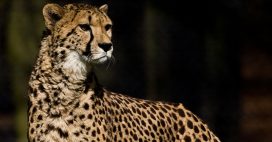
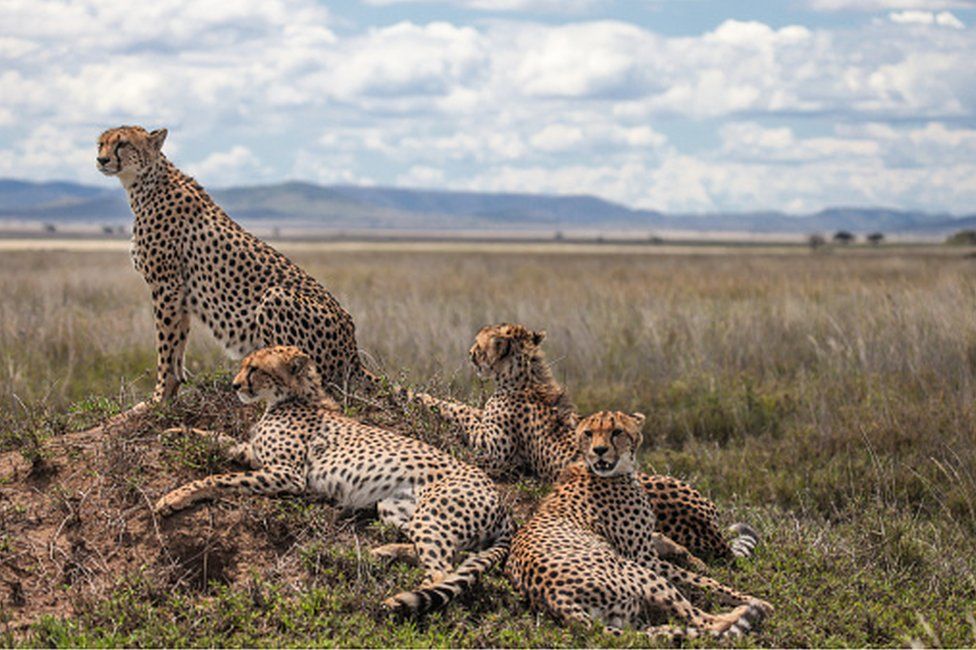
This Cheetah image feels like an exclusively African view – but it shouldn’t,

There is an impressive wealth of cats living in India. From the Indian tiger (known throughout the world) to the Asiatic lions last home- the gir forests of west india (the asiatic lion once roamed across Asia, throughout southern Europe, across northern and western Africa – therefore there are probably more “Asiatic” lion in Africa than in Asia), 12,000-14,000 leopards remain in the country. The snow leopard also still roams mountains within the country. It also still has a population of clouded leopards. In other words, in terms of big cats, it has all species except Jaguar.

Continue reading “South African cheetah to be introduced into India”

Politicians from across the political spectrum have come together to agree $400 million measures to help save the Florida panther

The money will be used to expand wildlife corridors, which will allow easier gene flow, as well as benefitting all wildlife in the area – including prey which in places is severely lacking.

Currently agreed requirements for the animal to be taken off the endangered list is 3 established populations of a couple of hundred each.

The changes would also benefit key deer, Florida manatee and loggerhead sea turtles.

It is rare that conservation efforts are supported on all side. In other areas Republicans have not been good at supporting Conservation in the last few years – let us hope that this will lead to a change in the wider Republican party.

DNA analysis has demonstrated significant differences between African and Asian leopards

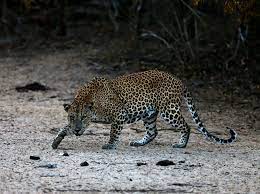
For the majority of people, a leopard is a leopard. Sure there are quite a range of subspecies, but one generally looks rather like the other. Indeed the only significant difference people often notice is one that has not justification – that of the melanistic leopard (or black panther)

In order to disturb wild leopards as little as possible, the study took DNA samples from museum held leopard specimens all over the world.

Continue reading “DNA analysis has demonstrated significant differences between African and Asian leopards”

New Australian study on reef in a no fishing zone, shows what can happen when reefs are untouched by humans

The reef in question – The Rowley Shoals, are an isolated archipelago about 260km off Australia’s north west coast.

What was found was incredible. Between its protection from fishing, its location and the shape of the reef it has sustained species long lost elsewhere.

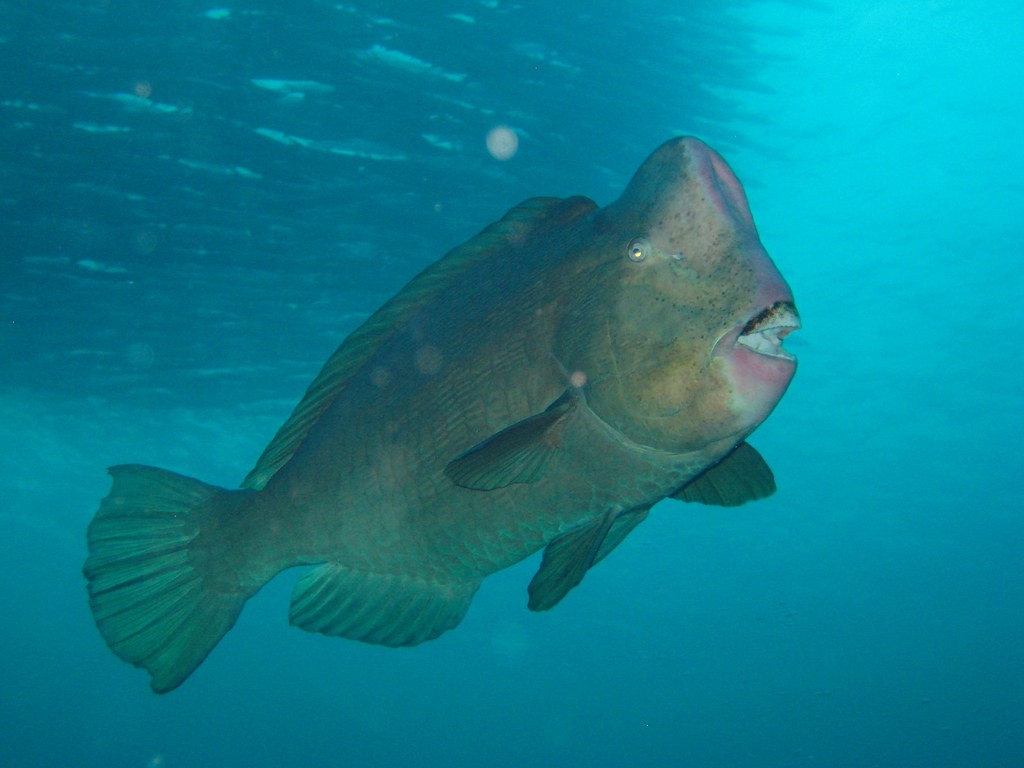
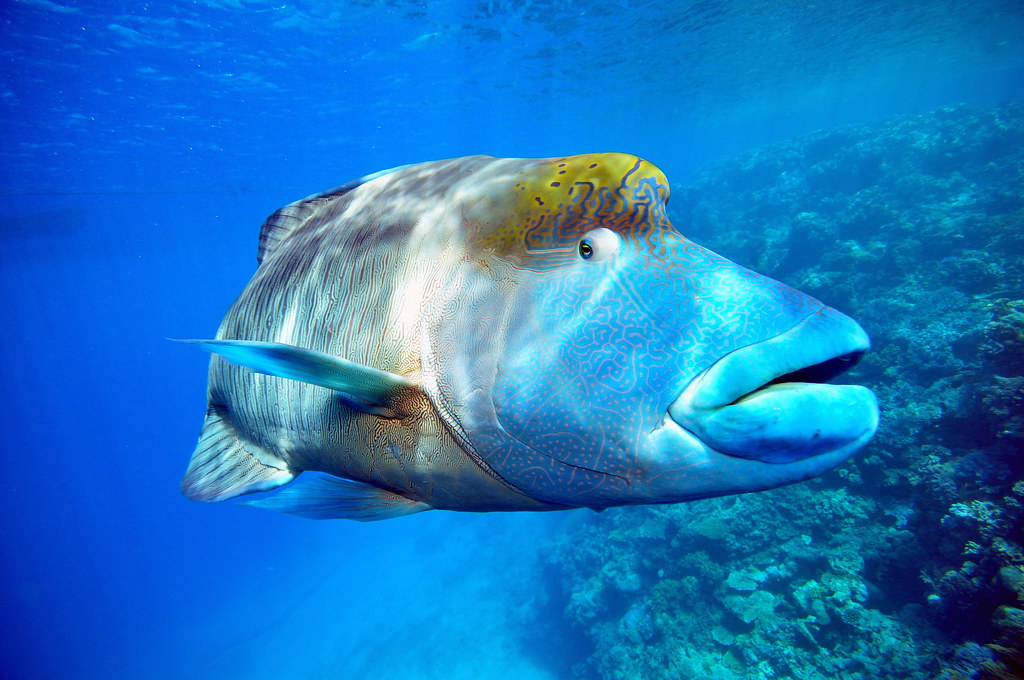
Species of giant fish like humphead Maori wrasse and humphead Parrotfish (both growing to over 1.5m were a regular sight, despite the fact that globally they are threatened with extinction. Of particular excitement, across the long study, there was no discernible change in the quantity of these fish – even as they were seen less and less regularly elsewhere.

Efforts must be made to maintain reefs like this, in their unblemished state. These reefs are far more capable of dealing with environmental changes, and hopefully one day there will be a need to reseed reefs in more accessible parts of the world.

So earlier this year the EU increased their target for 2030 carbon emissions from 40% to 55%, progress?

As with the UK, there is an alarming habit (at the moment) within the EU, to make grandiose targets for cuts. Is this one of those or does the EU actually stand a chance of meeting this?

Well between 1990 and 2019 the EU cut its emissions by roughly 24% – a not insignificant achievement.

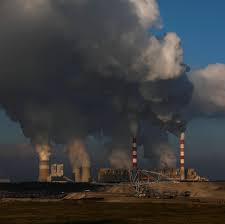
If the EU is to meet its carbon goals, sites like this will have to become a thing of the past
Continue reading “So earlier this year the EU increased their target for 2030 carbon emissions from 40% to 55%, progress?”

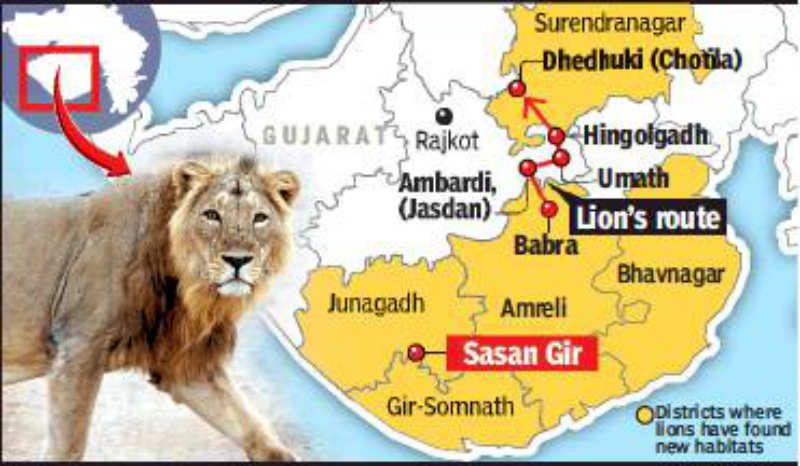
Asiatic Lions are being recorded 100km from their reserve in the Gir forest

At the current time, there is only one home for the Asiatic lion. this is despite many millions spent to change this situation. For a decade Gir forest has been meant to transfer a handful of lions to Kuno reserve, in order to give them a second home.

Why is this important? We need multiple homes for Asiatic lions. There was recently a huge storm over their one home. It is not unthinkable for the Gir forest to be devastated by something similar.

Might Gir lions be ignoring the rulings of local politicians and spreading anyway?

The government of this part of India has declared exclusive rights to the lions – an absurd claim given these lions once roamed across Asia, north Africa and southern parts of Europe.

It would appear that lions are taking matters into their own hands (or paws). Gir forest has a lion density way too high, which is leading to high mortality from fights between males and infanticide to bring females back into oestrus

Lions are now regularly seen as far away as Madhavpur an area which would take hours to drive to (from Gir national park). They have also created new populations in Girnar, paniya Mitiyala reserves as well as in a whole host of unprotected zones.

One of the areas that the lions have been moving into is Jasdan-Chotila. Lions disappeared from this area about 150 years ago, but the area is still well suited to them. There are various species of prey, and leopards have survived in the area. There are various mitigations that locals would have to make to live comfortably alongside lions. There are also many wells in the area, which will have to have walls built around them, to stop the lions falling in. Lions falling to their deaths have been a significant reason that the Gir lion population has not grown bigger in recent years.

Still this is exciting, though it should force local politicians to look at the health of the lion population as well as their own bottom line as the only place to see Asiatic lions.

Only 6.5% of the worlds forests are adequately protected!

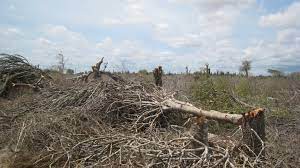
Recent analysis has shown that designating an area protected, reducing threats it faces but does not eliminate them, and the study showed that deforestation inside a protected reserve is only 41% less likely to occur.

This view is repeated all over the earth

Now this is certainly a good reduction in risk, however, this still leaves substantial risk, and leaves us with the true figure of roughly 6.5%

If the earth is to avoid crippling climate change, we need all the forest we can retain.

We must do better

See Animals Wild

Read more news

Join as a wild member
to list your wild place & log in

Join as an ambassador supporter to
support this site, help save wildlife
and make friends & log in

Join as an Associate member
to assist as a writer, creator, lister etc & to log in

List a wild destination

List a destination in
the shadow of man

List a hide for animals more easily seen this way

Highlight some news
missed, or submit a
one-off article

Browse destinations for fun or future travel

Temporary membership
start here if in a hurry

Casual readers and watchers