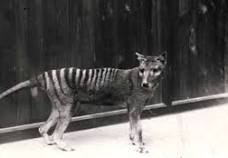
According to a study on the Thylacine, 1237 observation and claimed sightings have occurred of the Thylacine since it was declared extinct. There are reliable sightings into the 1980s or even later.
Wildlife and conservation new, wild travel information and links for booking
According to a study on the Thylacine, 1237 observation and claimed sightings have occurred of the Thylacine since it was declared extinct. There are reliable sightings into the 1980s or even later.
it is thought that the worlds oceans hold 2.6 x10^11 tonnes of lithium. that works out at 325 tonnes of lithium for every person on the planet. Even if every vehicle on the planet went electric we would still have probably 95% of it left.
Ah, you say, but we have not found a way to extract it.
That is the news: despite being 0.2 parts per million in the ocean, a team at King Abdullah university of Science and Technology in Saudi Arabia have found a way of extracting lithium at far lower prices. While the ocean contains 5000 times more lithium than on land, it is still a very small fraction. They found by using a very carefully designed electrochemical cell containing a ceramic membrane made from lithium lanthanum titanium oxide. When this and several other processes have occurred, the lithium reaches concentrations of more than 9000 parts per million. By then adjusting the ph of this solution, solid lithium phosphates containing only trace other elements are formed. these are pure enough for battery manufacturers to take over.
Incredibly, this method would only take $5 of electricity to create 1 kg of lithium (and the hydrogen and chlorine that are by-products are already worth this amount. One kg of lithium is currently worth about $35, making this a very profitable venture.
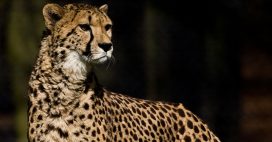
3 Asiatic cheetah cubs were born in captivity recently. This was exciting, because this species is on the brink of extinction – there is only thought to be about 12 remaining in the wild, down from about 100 in 2010, a survey in 2017 stated fewer than 50 mature individuals.
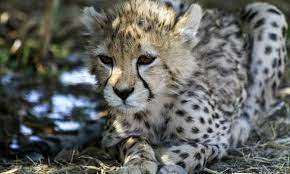
Is this the last gasp for this species? Will the sight of a young cub like this never occur again?
Continue reading “Last of the Iranian Asiatic cheetah cubs in captivity has died”In the last few months I have read 3 articles from the Guardian (one of the few UK “broadsheets” which put a significant amount of money into its environmental journalism (I would argue that this is concerning, given the large number of threats that are currently future problems for humanity).

A new analysis shows that Britain can cut gas use from the power sector by 2030 (5 years early compared to current targets) and that this would save large amounts of money.
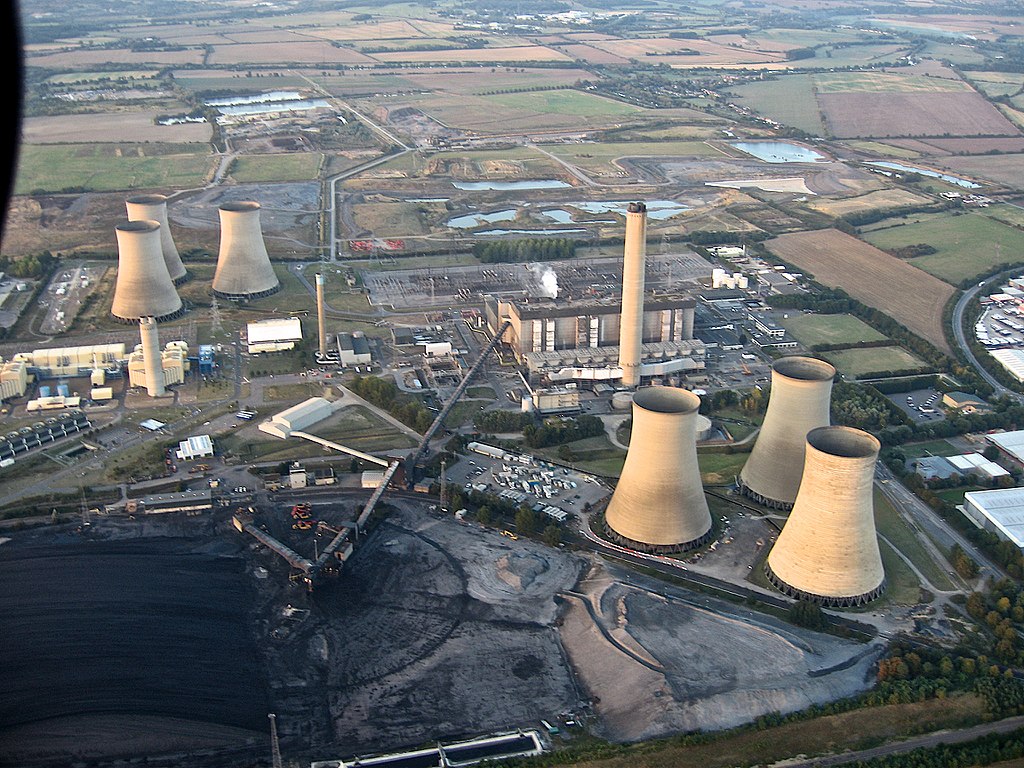
How much do you say? it is thought to amount to £93 billion saved, by avoiding fossil gas consumption.
Continue reading “Reducing gas reliance in the UK power sector from 40% down to 1% in 7 years, and saving money? Really?”In the west, for a large portion of the population a not insignificant proportion of their nutrients come from dairy. Unfortunately, though, this dairy requires various livestock to be kept, which are causing the methane emissions that are such a problem.
I have written before about milk without the cow, but this appears to be making some progress.
A company called Imagindairy is using a technique called precision fermentation. In a similar way to brewing beer, it uses microorganisms that have been genetically modified to produce casein and whey proteins, which is what makes up milk. A similar company called perfect day, is already creating similar products in the USA. However, with no lactose, hormones or cholesterol, which might one day make foods such as mozzarella or cream cheese a healthy option to eat. With the capacity to cut emissions on dairy products by as much as 97% it could also make it as good for the environment as vegetables.
COP15 ended with a hug biodiversity agreement, but will it succeed? Well that it is a hard question to answer, but I thought that 3 months after its signing, it would be worth returning to it and looking at what was promised!

A study in Oxfordshire last year, looked at how much carbon was locked away in 1000 trees. This study showed that old trees are more important than we thought, with them storing as much as twice as much carbon initially estimated.

Why is this important?
Simple!
It shows that the destruction of the rainforest in Africa, Asia, and South America, cannot be offset by planting a similar number of trees in the north. Even worse, if the UK government decides to build a motorway that requires clearing an ancient woodland, replacing the trees one for one is not good enough.
This must rapidly be added to calculations
In December Oregan republican officials approved regulations that would ban the sale of gasoline powered cars from 2035. This is fantastic news, but it appears that it is one step forwards and one back – Wyoming republicans are looking to ban the sale of all electric vehicles, in what lawmakers are calling an effort to preserve the states fossil fuel industry.

The UK likes to be seen as a country pulling its weight when it comes to the climate change battle. Unfortunately, they give the game away though when they subsidize fossil fuels by 20 billion more than they do renewables.
What is worse, is that 1/5 of the money for fossil fuels went to directly support new extraction and mining.
In the last 8 years, 60 billion has been spent supporting renewable energy generation, however 80 billion has gone on fossil fuels. Indeed 2020 was the first year when renewables got more money than fossil fuels, but each year since fossil fuels are back ahead.
The government claimed that this analysis was misleading as we would still need some fossil fuels as part of our move towards our net zero target – while this might explain why we need some fossil fuel investment, it does not explain why this little need is greater than the money we need to put into renewables – which must eventually supply all our energy needs.



Join as an ambassador supporter to
support this site, help save wildlife
and make friends & log in

