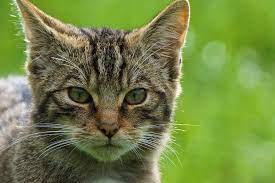
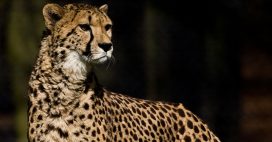
Wildcats have been restricted to parts of Scotland for hundreds of years, despite once being found throughout the UK. Indeed, it is a problem where a significant number of people now refer to it as the Scottish wildcat, something that is only temporary, and should not be the case for ever.
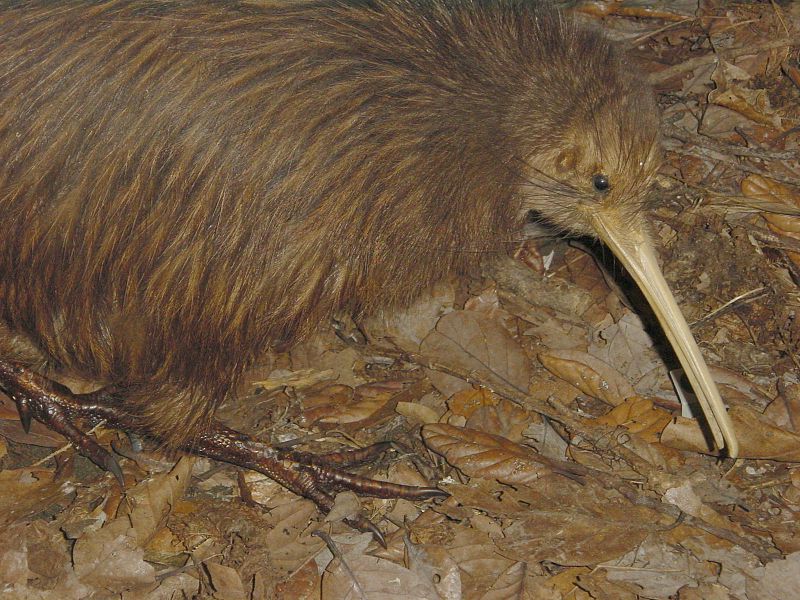
The Kiwi is an interesting bird. As with many birds that developed on islands without mammals, they cannot fly.
As you can see, not really looking like a bird anymore, it is incapable of flight
In the case of new Zealand, the problem is simple. Those migrating to the island, brought with them rabbits. The rabbits escaped, and without any predators increased to silly levels. In order to control the rabbit population, stoats and similar predators were introduced, but these found the Kiwi a far easier meal.
In this instance, 11 birds have been introduced to the wilds near Wellington, for the first time in 100 years. These are the first of 250 birds that will arrive to settle in this area. Being the capital of new Zealand, it is impressive to have any surviving wildlife nearby. Yet Wellington prides itself on this work, and this is not its only move in the direction of rewilding.
It is thought that before humans arrived, as many as 12 million Kiwis roamed free in the country. Currently just 68,000 remain, however this number is growing slowly but surely. The arrival of Kiwi in this area, has required the countries biggest intensive Stoat trapping network as well as buy-in from a disparate array of land users.
One proposal, is named as half earth. The idea is to set aside half of the land on earth as a human-free nature reserve in order to preserve biodiversity, proposed by Eo Wilson.
The mountain of evidence which shows that climate change is real is enormous. The temperature has increased, and all of the evidence points towards carbon emissions being the reason.
It is unfortunately true, that in many of the reserves that have been formed, we do not know what lives within the park. In many places there has been so much poaching that animals keep well clear of any human visitors.
It is also true, that in parks with little or no tourism infrastructure, it is incredibly difficult to find animals. Never-the-less, while this makes it clear that when setting up national parks you need to give them some resources if you wish them to be a success tourism-wise, they can still have impressive conservation successes.
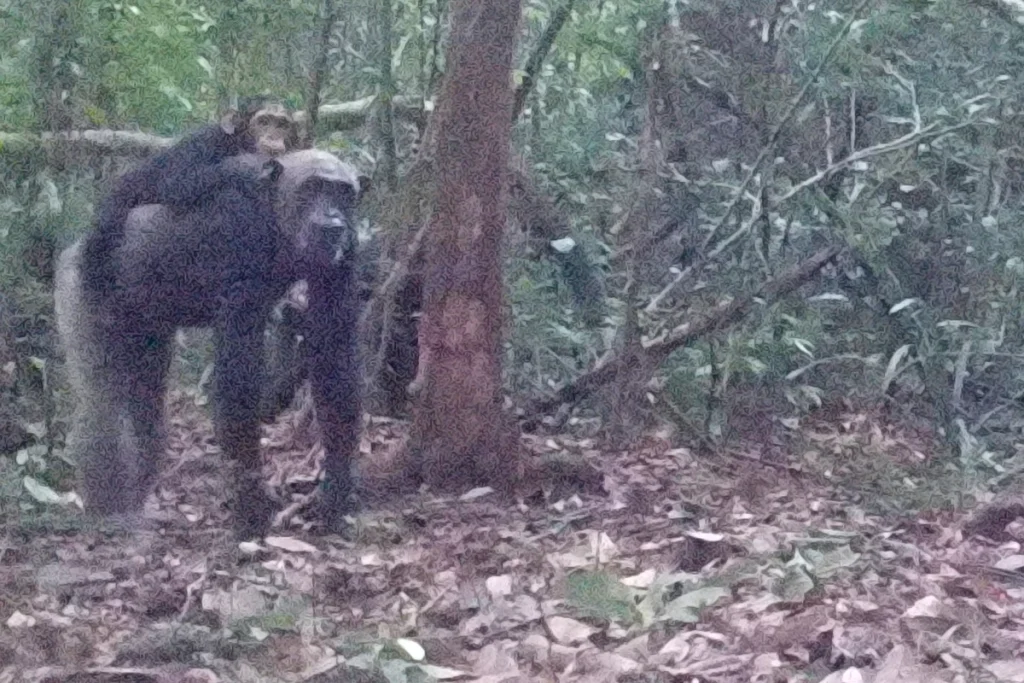
In this instance, clearly chimpanzee are still surviving and even breeding.
First Chimpanzee recorded in Douala-Edea national park, and its a mother with offspring
Tiger sharks are incredibly fierce, and can grow to be more than 16 foot (nearly 5m long). However, by strapping cameras to these fascinating animals (researchers attached cameras and trackers to the dorsal fins of tiger sharks, giving them hours of footage each time.
In the UK, despite the vast majority of the population fully understanding what is happening to the climate as a result of emissions, there are still a number of high profile groups that are arguing against the status quo. The problem is when we give charitable status – which allows them to increase donations by reclaiming tax (among other benefits).
This is why it is so encouraging that a cross party group of MPs have added their voice to the call for the “climate sceptic thinktank” to be stripped of its charitable status. This claim has been put forwards by the “Good Law Project” which has put forwards an argument that this “thinktank” does not meet its aims as a charity and is simply a lobbying organisation.
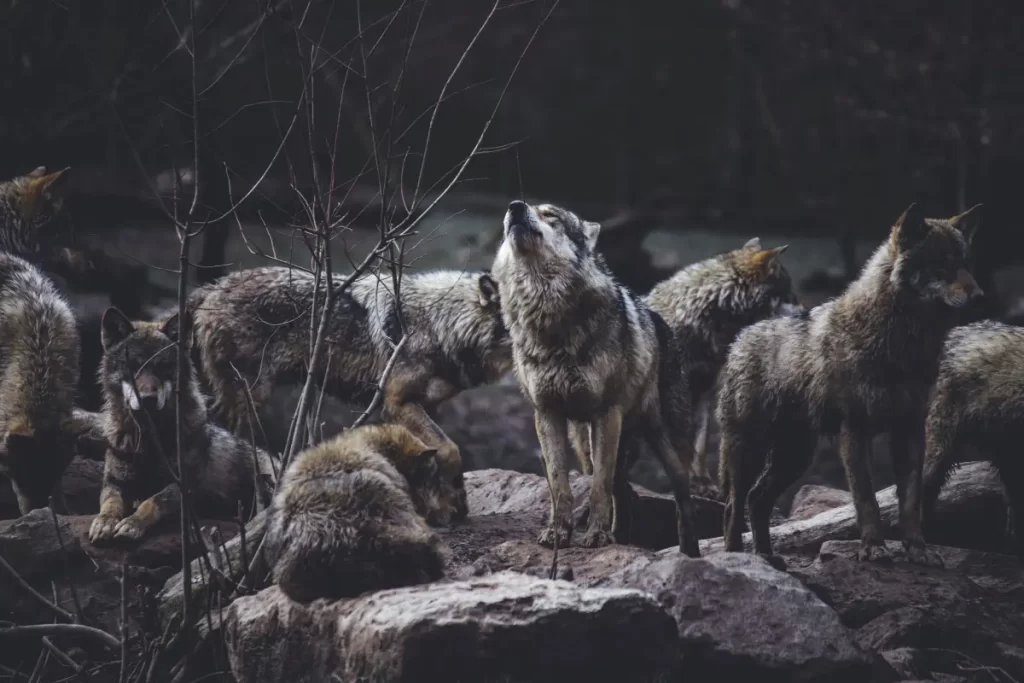
Wolf numbers have increased by 1800% since the 1970s with a total of over 17,000 now inhabiting the continent. Bears started from a less precarious place, but have still increased by 44% over the same period
While wolves were missing for some time from France, they are well and truly back and we who share the space must recognize that and adapt
Among herbivores, beavers are one of the big success story (and unlike many of the others are living in the UK once again in large numbers in a series of populations from Devon right up to Scotland.
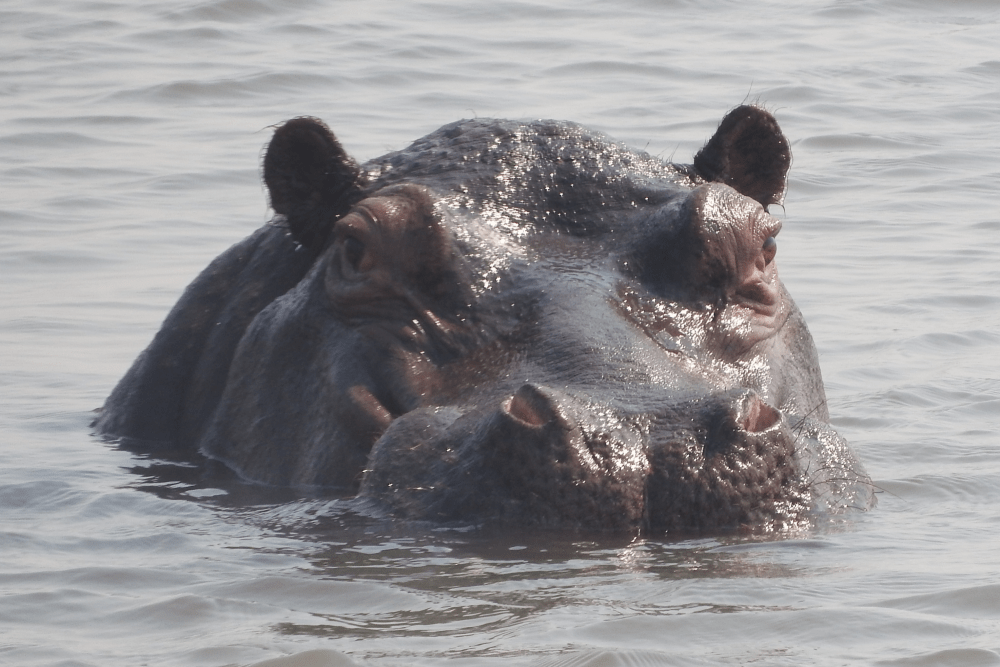
Hippopotamus populations have declined by 30-50% over the last decade. This is an animal which is moving fast in the direction of extinction, yet despite a plea from 10 african countries (Benin, Burkina Faso, Central African Republic, Gabon, Guinea, Liberia, Mali, Niger, Senegal and Togo) to move them to appendix 1 has been blocked.
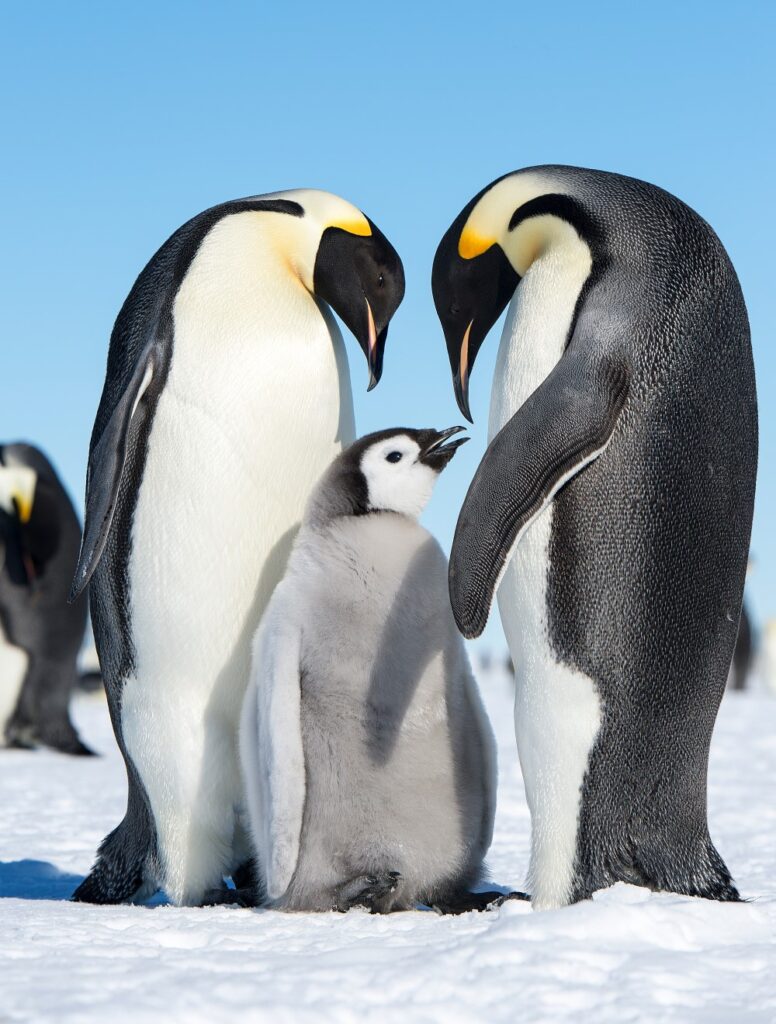
Under the Biden administration in the USA, science is not ignored. There were a handful of animals that were listed as endangered in the rest of the world, but the listing was not changed in the USA because of the political impact. Thankfully, that time is at least over at the current time. The Emperor penguins are obviously threatened by global warming given there uses of extreme areas of the Antarctic.
Emperor penguins face extinction by the end of the century, because of the destruction of their habitat
The population that was filmed for the popular film “March of the Penguin” has halved in size in the last 50 years. These sorts of issues are predicted to lead to a 99% reduction in population by the end of the century, should these changes not lead to the total extinction.