Resolution to ban the sale of electric cars in Wyoming from 2035 effectively dead

A group of republican state lawmakers introduced a resolution that called for the sale of electric cars to be phased out by 2035. Apparently, the resolutions sponsor does not want them banned (in which case a very poorly worded resolution) he just wanted to make a statement about the phasing out of gas-powered vehicles in other states.

So why was all this undertaken? Apparently a group of the states republican lawmakers are aiming to safeguard the oil and gas industries.

It was suggested that the bill would hinder the states ability to trade with other states “Wyoming’s vast stretches of highway, coupled with the lack of electric vehicle charging infrastructure, make the widespread use of electric vehicles impracticable for the state” so the bill stated.

This is frankly stupid: at the moment there is little charging infrastructure, because there are few electric cars. However, the ban is intended to come into force in 2035 which is roughly 2 whole car cycles into the future. Do these people really believe that there wont be more charging infrastructure by then?

Among the reason cited are the following:

  • Batteries used in electric vehicles could contain critical minerals whose “domestic supply is limited and at risk for disruption”
  • Minerals used in electric batteries are not easily recyclable or disposable, meaning that municipal landfills in the state could be required to develop practices to dispose of these minerals in a safe and responsible manner
  • The proliferation of electric vehicles at the expense of gas-powered vehicles will have deleterious impacts on Wyoming’s communities and will be detrimental to Wyoming’s economy and the ability for the country to efficiently engage in Commerce

Lets take these points in turn:

Point one, suggests that there will be a problem supplying the minerals required for the batteries. This is pretty ridiculous, as if this is true then they have nothing to worry about. Having said that, with the advance of sodium batteries and the increasing quantity of lithium that can be captured from many sources, it is simply not true.

Point two is also false: many of these minerals are very valuable, and it is far cheaper to extract minerals from former batteries than from the ground. There is a rapidly growing industry to extract as much of these minerals as is possible for reuse. Will municipals have to be able to deal with some of these issues, of course, and they will adapt easily as they have many times in the past.

Point three is likely to be true, and is I believe the sole real reason. This move was intended to stop the electric vehicle industry before it got going in the state to protect the oil and gas industry (and the large contributions that flow to politicians from these businesses. I would argue that it makes the politicians look both stupid and corrupt.

The resolutions sponsor said that he did not really want to ban electric cars, but merely make a statement about phasing out gas powered vehicles in other states. Of course what should really be remembered, is that while the environmental catastrophe that we are facing needs an end to combustion engine cars, the cost savings are so extreme, that the number of combustion engine cars people want to by in 12 years is likely to be extremely low.

It is fact that, not only are electric cars quickly reaching similar sticker price to combustion engine cars, but even now over the lifetime of the car, they are vastly cheaper – with most people paying hundreds rather than thousands to fuel them each year.
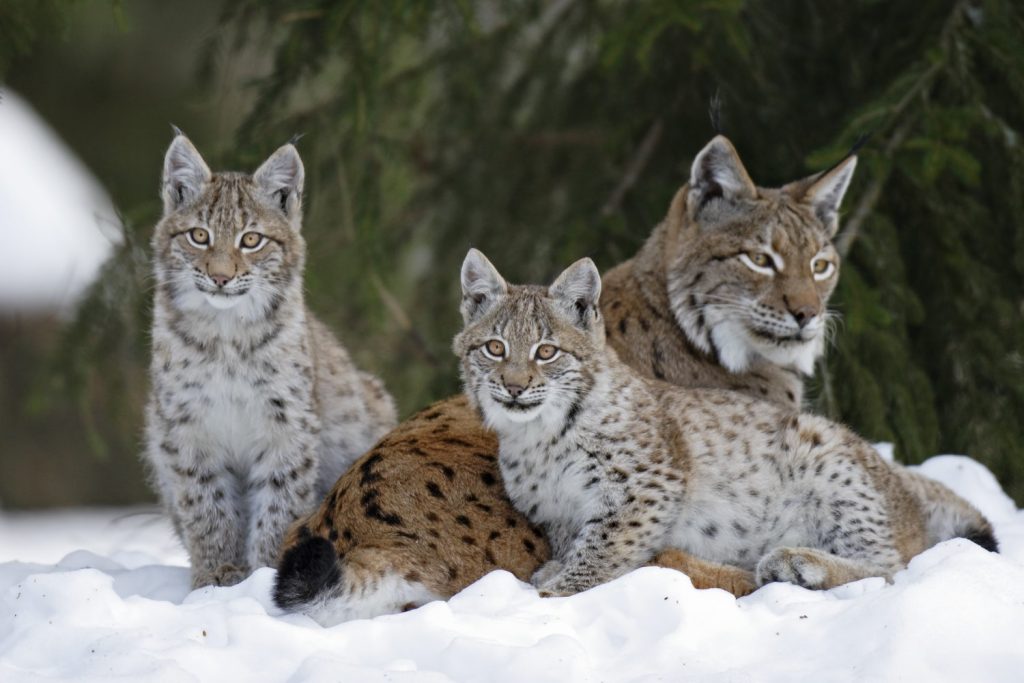

After the countries biggest ever wolf cull, now Sweden is going to allow hundreds of Lynx to be hunted

Licenses to kill 201 lynx have been given, just weeks after a wolf cull where dozens of wolves were killed. In the case of the wolves, despite 300 being declared the minimum by scientists, the government has set the minimum at 200 – thought to be an effort to appease the hunting lobby.

Lynx living wild in Sweden – if hunts of this size continue, this site may become a thing of the past
Continue reading “After the countries biggest ever wolf cull, now Sweden is going to allow hundreds of Lynx to be hunted”

Orangutans are roaming into villages in Sumatra – bad news

At first glance, you could look at this headline as good news – in most instances, wild animals do not start looking outside their habitat for places to live, unless there are too many and they are being forced out. However, they also start looking elsewhere when they struggle to find food where they are, or as a result of encroachment.

Tapanuli Orangutan mother with young – Image by Aditya Sumitra/Mighty Earth.

In this instance it is thought to be as a result of construction of a hydroelectric dam. Perhaps more alarming, these are the Tapanuli Orangutans, which only number 800 and which if this dam is completed, will lose most of their range.

As the 8th great ape, it may also be the first great ape pushed to extinction and in their case as a direct choice of the local authorities.

Last of the Iranian Asiatic cheetah cubs in captivity has died

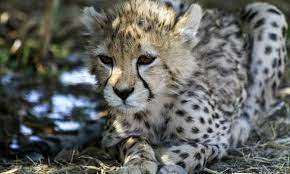
3 Asiatic cheetah cubs were born in captivity recently. This was exciting, because this species is on the brink of extinction – there is only thought to be about 12 remaining in the wild, down from about 100 in 2010, a survey in 2017 stated fewer than 50 mature individuals.

Is this the last gasp for this species? Will the sight of a young cub like this never occur again?

Continue reading “Last of the Iranian Asiatic cheetah cubs in captivity has died”

Reducing gas reliance in the UK power sector from 40% down to 1% in 7 years, and saving money? Really?

A new analysis shows that Britain can cut gas use from the power sector by 2030 (5 years early compared to current targets) and that this would save large amounts of money.

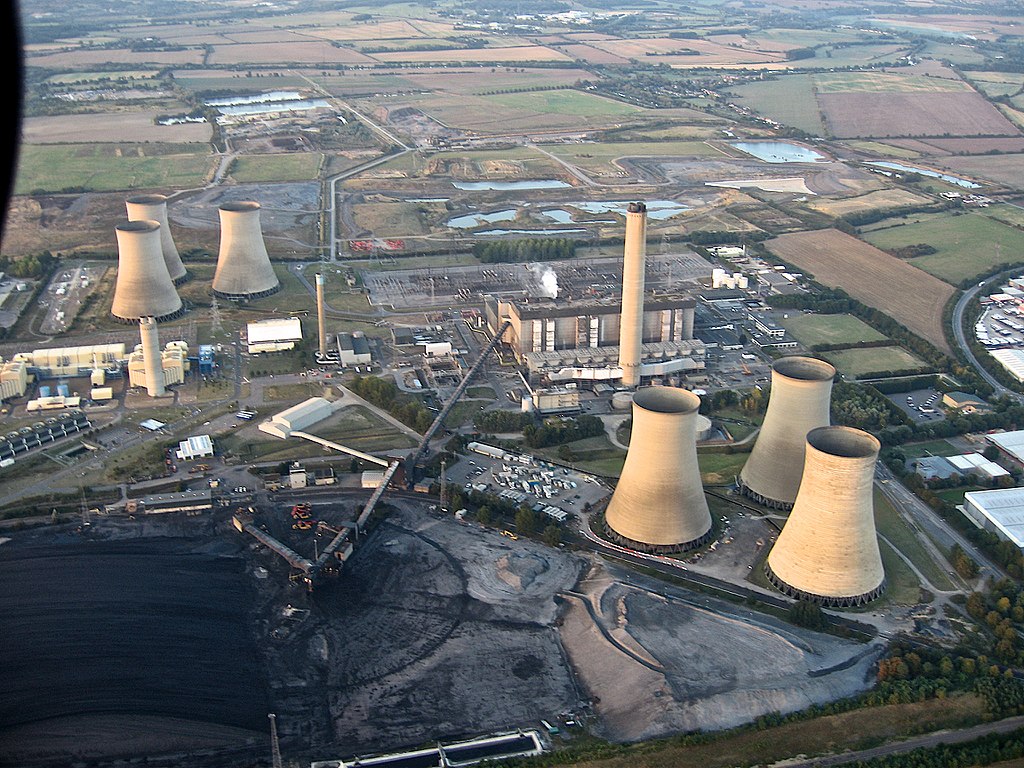
A gas power plant: could these be a thing of the past in the next 7 years? photo credit David Price

How much do you say? it is thought to amount to £93 billion saved, by avoiding fossil gas consumption.

Continue reading “Reducing gas reliance in the UK power sector from 40% down to 1% in 7 years, and saving money? Really?”

Dairy without the animal?

In the west, for a large portion of the population a not insignificant proportion of their nutrients come from dairy. Unfortunately, though, this dairy requires various livestock to be kept, which are causing the methane emissions that are such a problem.

I have written before about milk without the cow, but this appears to be making some progress.

A company called Imagindairy is using a technique called precision fermentation. In a similar way to brewing beer, it uses microorganisms that have been genetically modified to produce casein and whey proteins, which is what makes up milk. A similar company called perfect day, is already creating similar products in the USA. However, with no lactose, hormones or cholesterol, which might one day make foods such as mozzarella or cream cheese a healthy option to eat. With the capacity to cut emissions on dairy products by as much as 97% it could also make it as good for the environment as vegetables.

COP 15 aimed to create a framework to halt the biodiversity loss on earth, what will its effect long-term?

COP15 ended with a hug biodiversity agreement, but will it succeed? Well that it is a hard question to answer, but I thought that 3 months after its signing, it would be worth returning to it and looking at what was promised!

Will our grandchildren look back at what happened with horror, or will this be a turning point?
Continue reading “COP 15 aimed to create a framework to halt the biodiversity loss on earth, what will its effect long-term?”

Could old growth trees lock away more carbon than we thought?

A study in Oxfordshire last year, looked at how much carbon was locked away in 1000 trees. This study showed that old trees are more important than we thought, with them storing as much as twice as much carbon initially estimated.

For a long time the ecological benefit of ancient woodland has been known, but here we realize that ancient woodland is equally important for carbon sequestion

Why is this important?

Simple!

It shows that the destruction of the rainforest in Africa, Asia, and South America, cannot be offset by planting a similar number of trees in the north. Even worse, if the UK government decides to build a motorway that requires clearing an ancient woodland, replacing the trees one for one is not good enough.

This must rapidly be added to calculations

Republicans in Wyoming are trying to squash the electric car, to save the fossil fuel industry

In December Oregan republican officials approved regulations that would ban the sale of gasoline powered cars from 2035. This is fantastic news, but it appears that it is one step forwards and one back – Wyoming republicans are looking to ban the sale of all electric vehicles, in what lawmakers are calling an effort to preserve the states fossil fuel industry.

If you live in Wyoming, make sure you do not vote for any of these men, unless you want them fighting for climate change, and against cleaner, cheaper and safer cars
Continue reading “Republicans in Wyoming are trying to squash the electric car, to save the fossil fuel industry”
See Animals Wild

Read more news

Join as a wild member
to list your wild place & log in

Join as an ambassador supporter to
support this site, help save wildlife
and make friends & log in

Join as an Associate member
to assist as a writer, creator, lister etc & to log in

List a wild destination

List a destination in
the shadow of man

List a hide for animals more easily seen this way

Highlight some news
missed, or submit a
one-off article

Browse destinations for fun or future travel

Temporary membership
start here if in a hurry

Casual readers and watchers