Dhole

Dhole

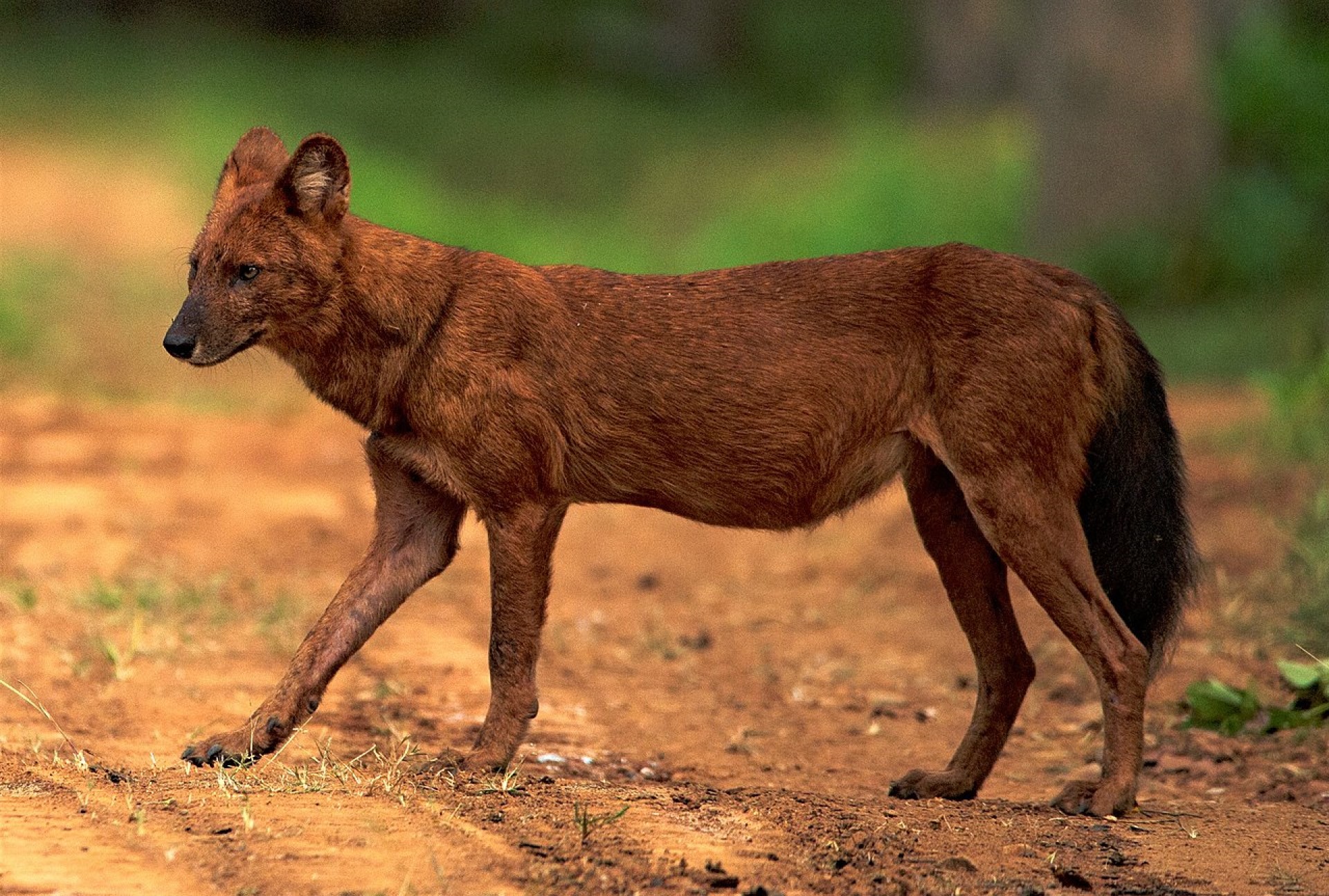
The Dhole is an ancient species of dog, It split from the rest of the dog family 5.2-7.6 million years ago.

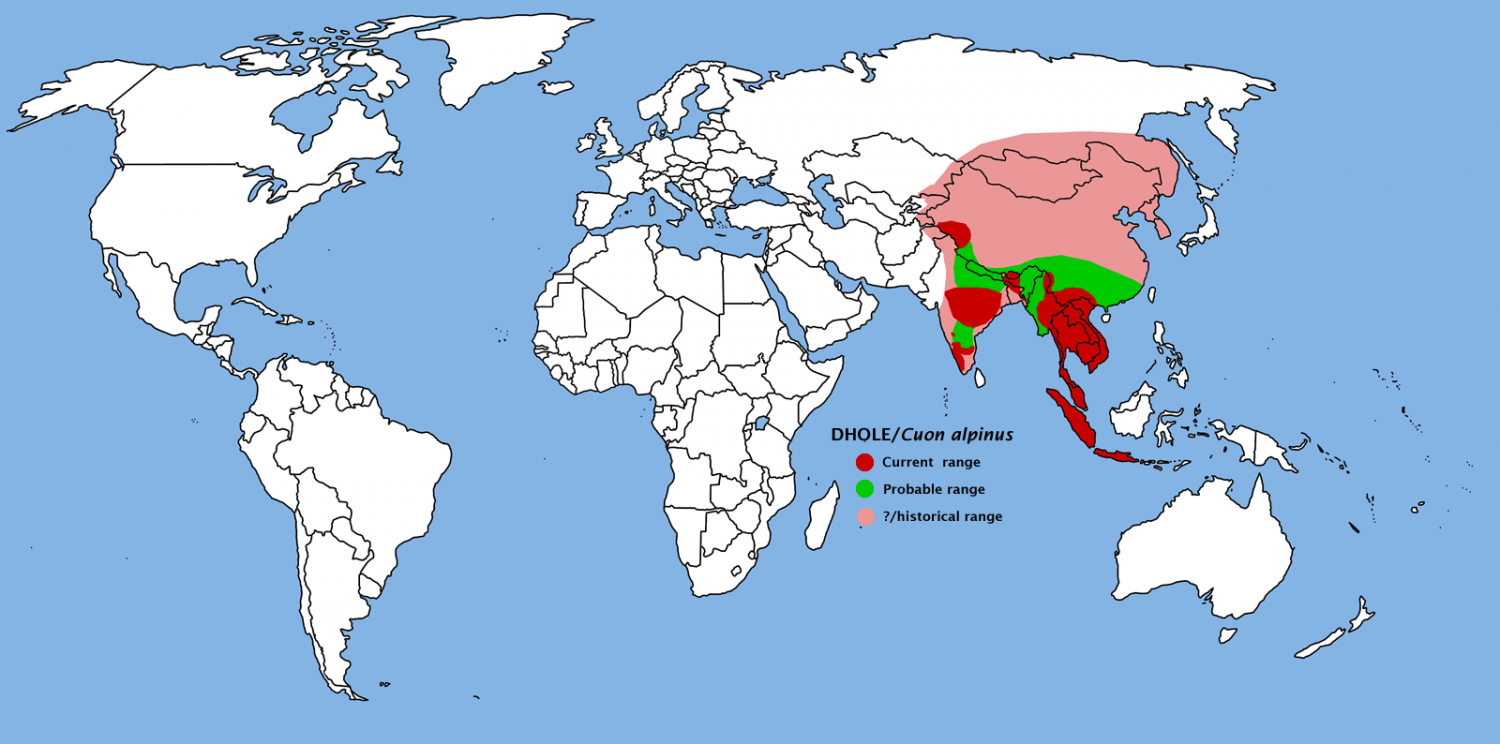
While it is related to the family of canis, it is different. It was once found throughout Europe, Asia and North America, but its range decreased down to its current range 12,000-18,000 years ago. In more recent times, this area has shrunk significantly, as a result of human changes.

Even with the dramatic reduction in range, it is still a large area, given the current population is thought to be around 2500 individuals, which means that it has to be a rare species, and likely there are areas with little or none of the species still found.

There are a variety of factors, from loss of habitat, persecution for livestock predation, competition from other species and diseases caught from closely related species. There are currently 7 subspecies of dhole recognized, though in the past that number has been as high as 10.

It is protected in parts of its range, but is still at threat.
[smart_post_show id="16664"]

Coyote

Coyote

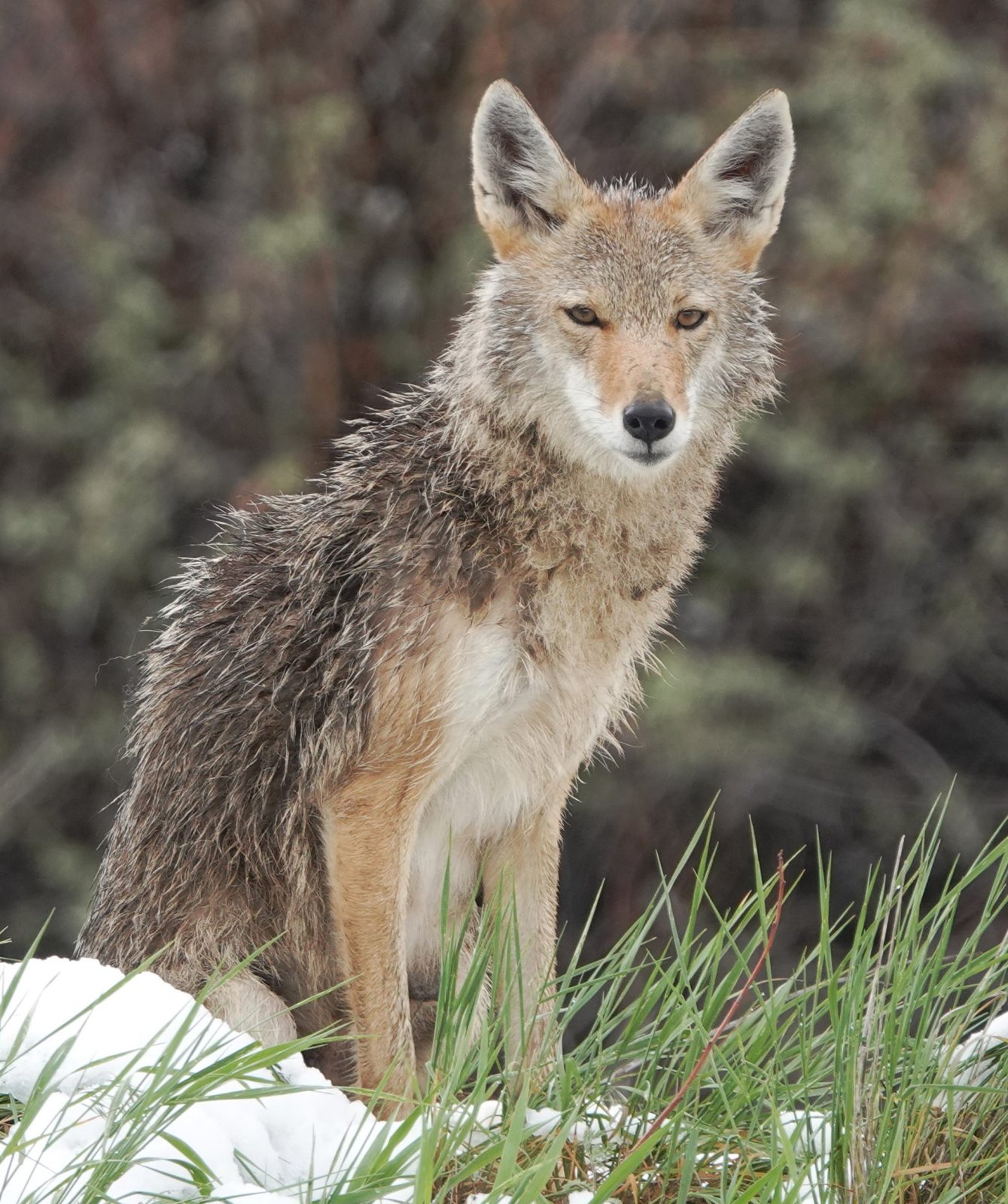
Coyotes are mid sized canids, and lie between the wolf and the fox in size. It is also smaller than red wolves or Algonquin wolf. It is closely related to the wolf.

It is a species which is listed as least concern, with a wide distribution across North America.

It is odd to think that this species is a closer relation of the wolf than any other dog (except the domestic dog, which is genetically essentially a wild wolf)

[smart_post_show id="12232"]

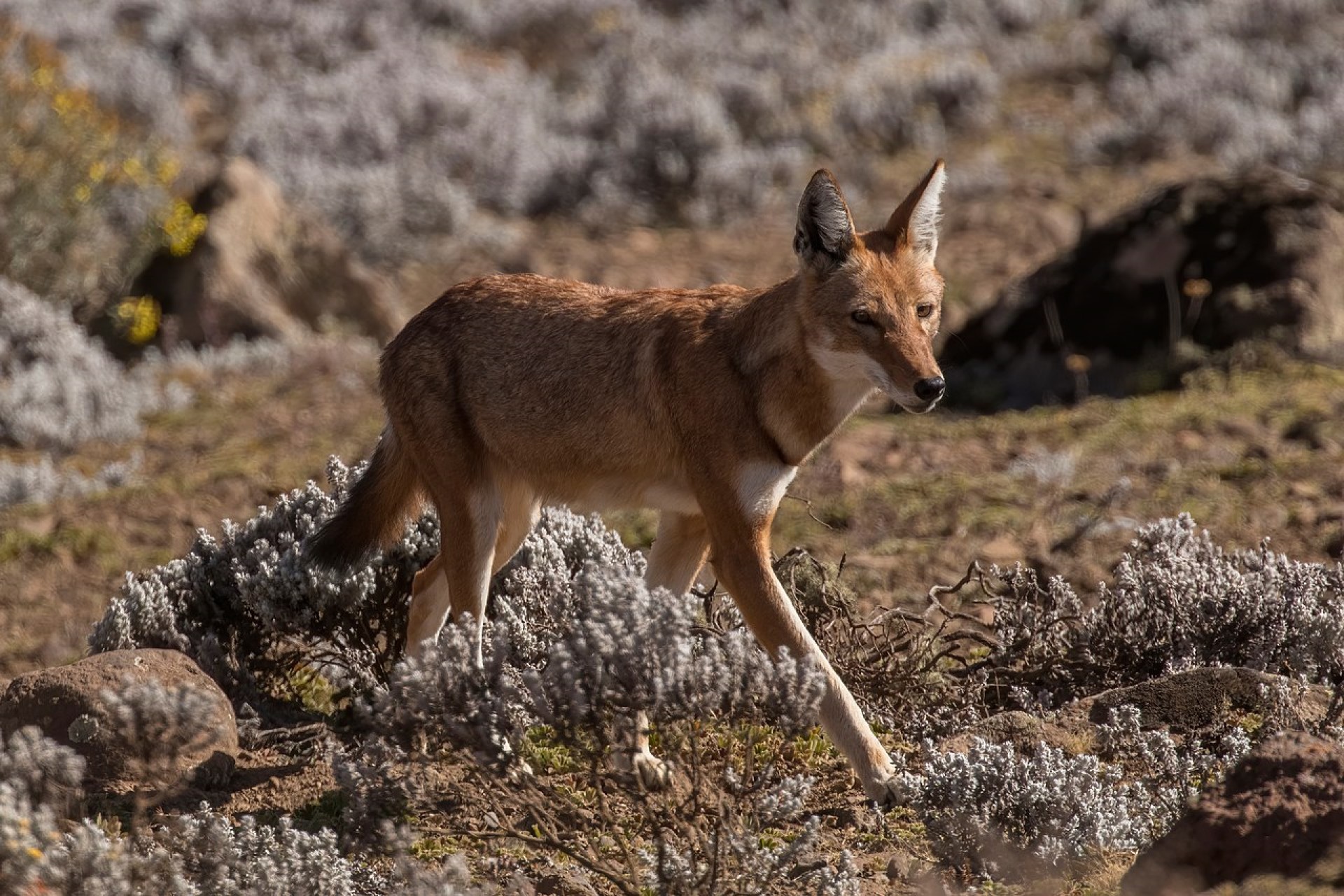
Ethiopian wolf

The Ethiopian wolf is restricted to the highlands of Ethiopia, and the current count is only 366 ,

Ethiopian wolf

The Ethiopian wolf is a highly endangered canid that is restricted to the highlands of Ethiopia. Other names include the Ethiopian fox, or the Simien wolf.

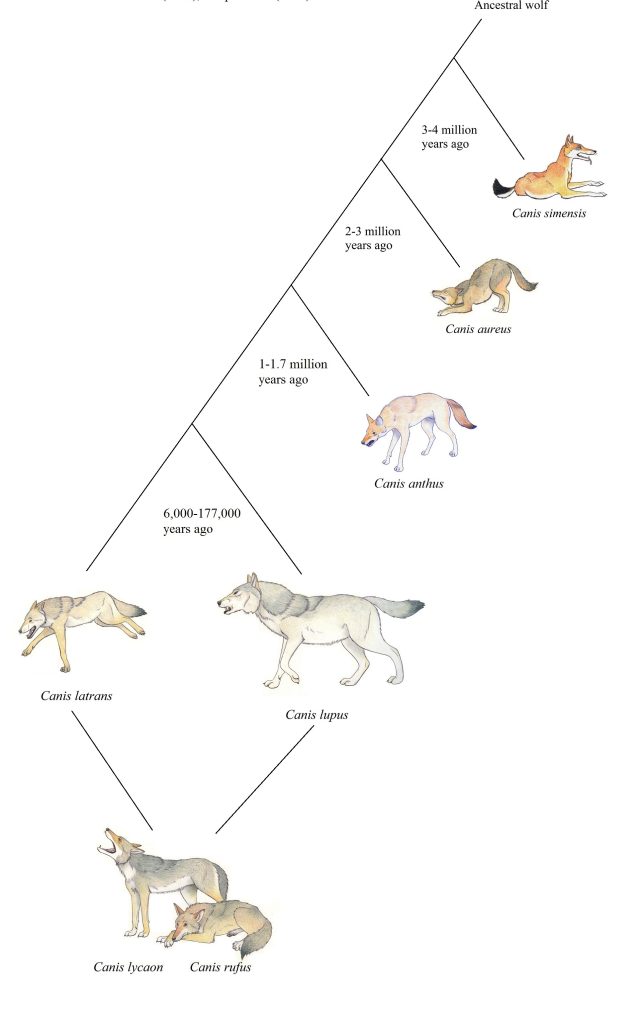
In terms of size, it is about the same size as the Coyote, Genetically, they are more similar to wolves than all jackals (except the Golden jackal). Here, below you can see how closely related each of the wolves are. While they look rather like jackals, their behaviour is far more like wolves – though due to the prey in the area, they do not hunt in packs (though there are regions of earth where grey wolves do not hunt as a pack either.

[smart_post_show id="12227"]

Species watch

Species watch

All species are important, often reintroductions have failed because a small unnoticed animal was missed. Over time, we will amass pages for as many species as possible. However, just as important is  seeing how species are closely related. As such as well as looking at species from a specific ecosystem or family, we will also include family trees of many of the families on earth. It should be noted, that this is to help you find wildlife you wish to see, so will never link to every species. In either way, these links to these will be placed at the top.

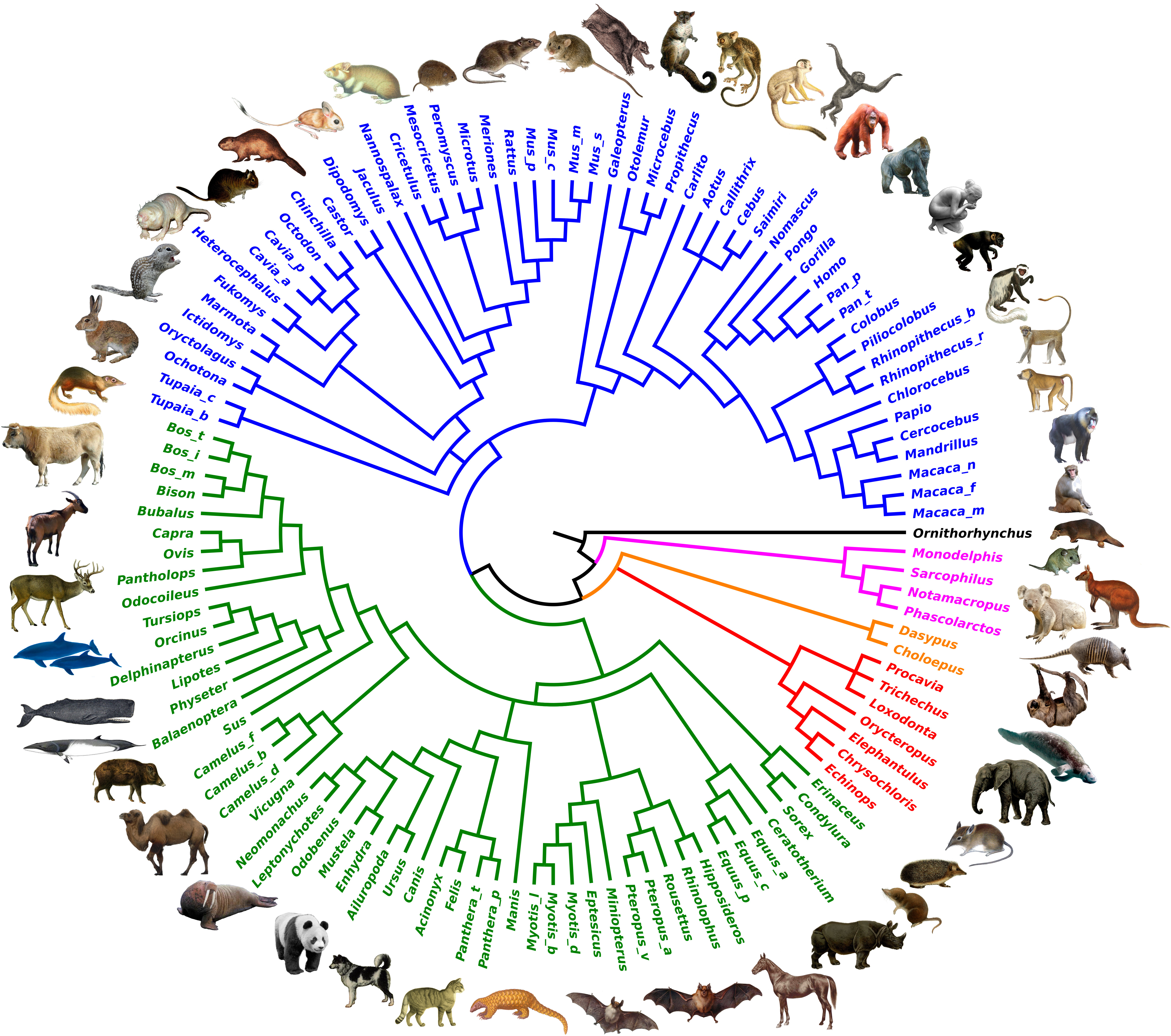
Original paper - OrthoMaM: A database of orthologous genomic markers for placental mammal phylogenetics. Ranwez V., Delsuc F., Ranwez S., Belkhir K., Tilak M. & Douzery E. J. P. BMC Evolutionary Biology, 2007, 7 : 241.
See Animals Wild

Read more news

Join as a wild member
to list your wild place & log in

Join as an ambassador supporter to
support this site, help save wildlife
and make friends & log in

Join as an Associate member
to assist as a writer, creator, lister etc & to log in

List a wild destination

List a destination in
the shadow of man

List a hide for animals more easily seen this way

Highlight some news
missed, or submit a
one-off article

Browse destinations for fun or future travel

Temporary membership
start here if in a hurry

Casual readers and watchers