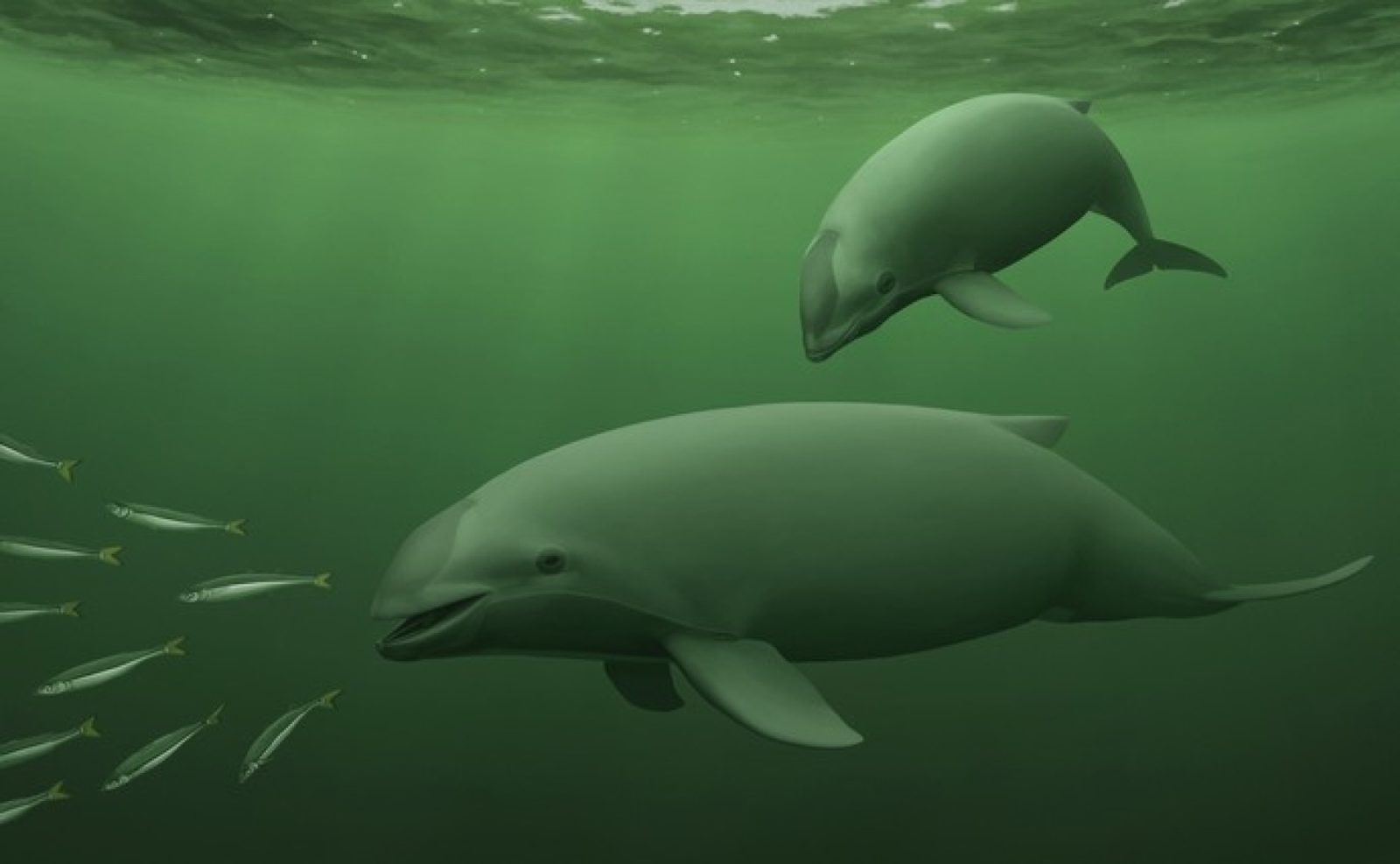
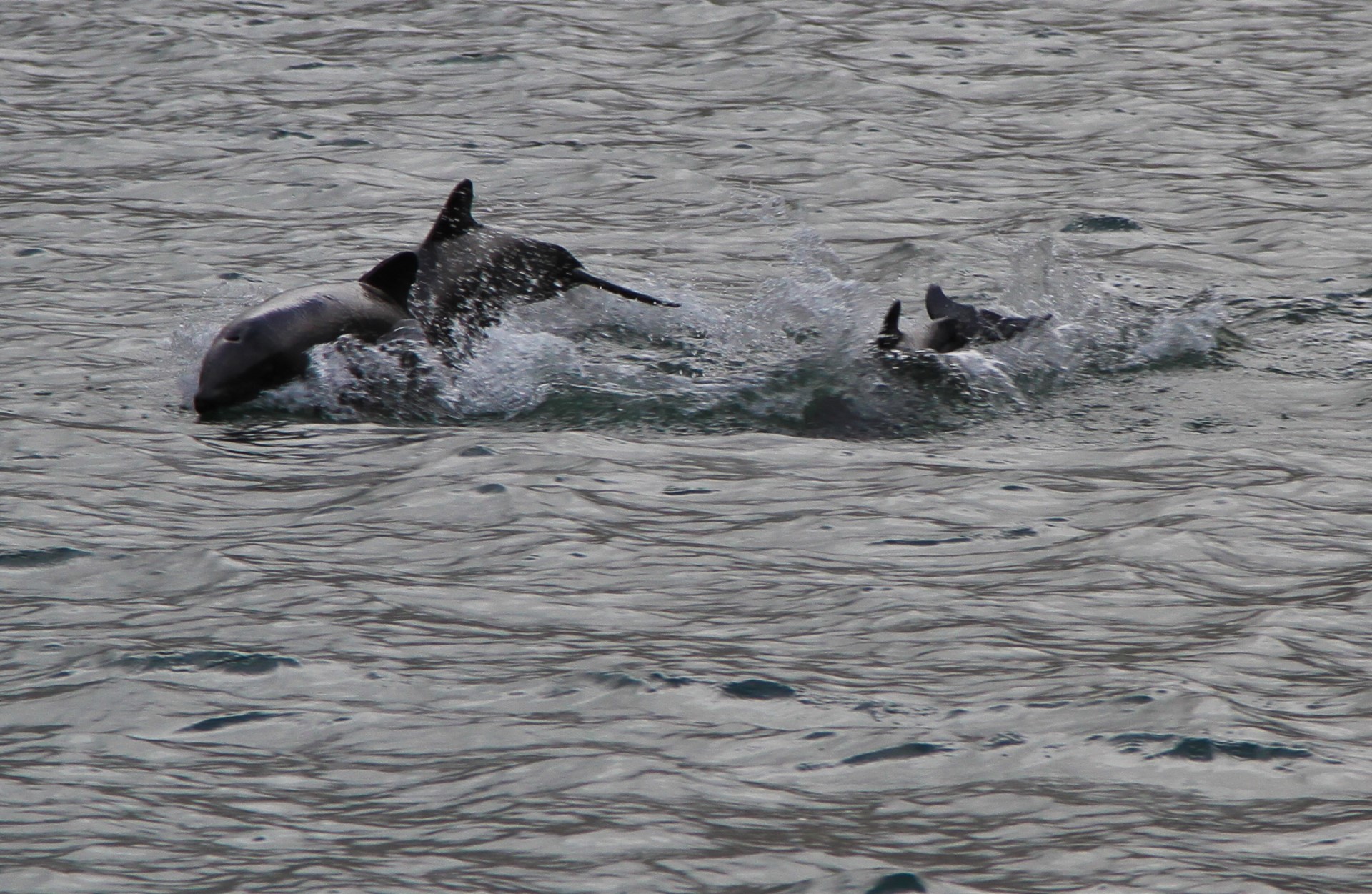
The Chilean dolphin , also known as the black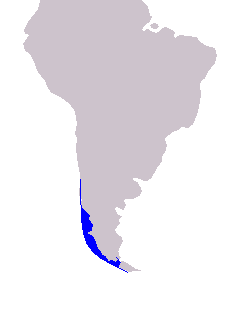 dolphin, is one of four dolphins in the genus Cephalorhynchus. The dolphin is found only off the coast of Chile; it is commonly referred to in the country as tonina. The Chilean dolphin is small at around 1.7 metres (5 ft 7 in) in length, with a blunt head., which means that it is regularly confused with a porpoise.
The population of the Chilean dolphin, perhaps one of the least studied of all cetaceans, is not known with certainty. There may be as many as a few thousand individuals, although at least one researcher, Steve Leatherwood, has suggested the population may be much lower.
The Chilean dolphin is listed on Appendix II Convention on the Conservation of Migratory Species of Wild Animals (CMS). It is listed on Appendix II as it has an unfavourable conservation status or would benefit significantly from international co-operation organised by tailored agreements. The total population is thought to be under 5000.
Below, you will first find a video on this species. Under this, you will find a list of any articles that have been written on this species (or any that will be written by the time you look). Below that, I will add any links that will help you see these animals in the wild.